Patients › Hand
Knuckle Joint Replacement (MCPJ)
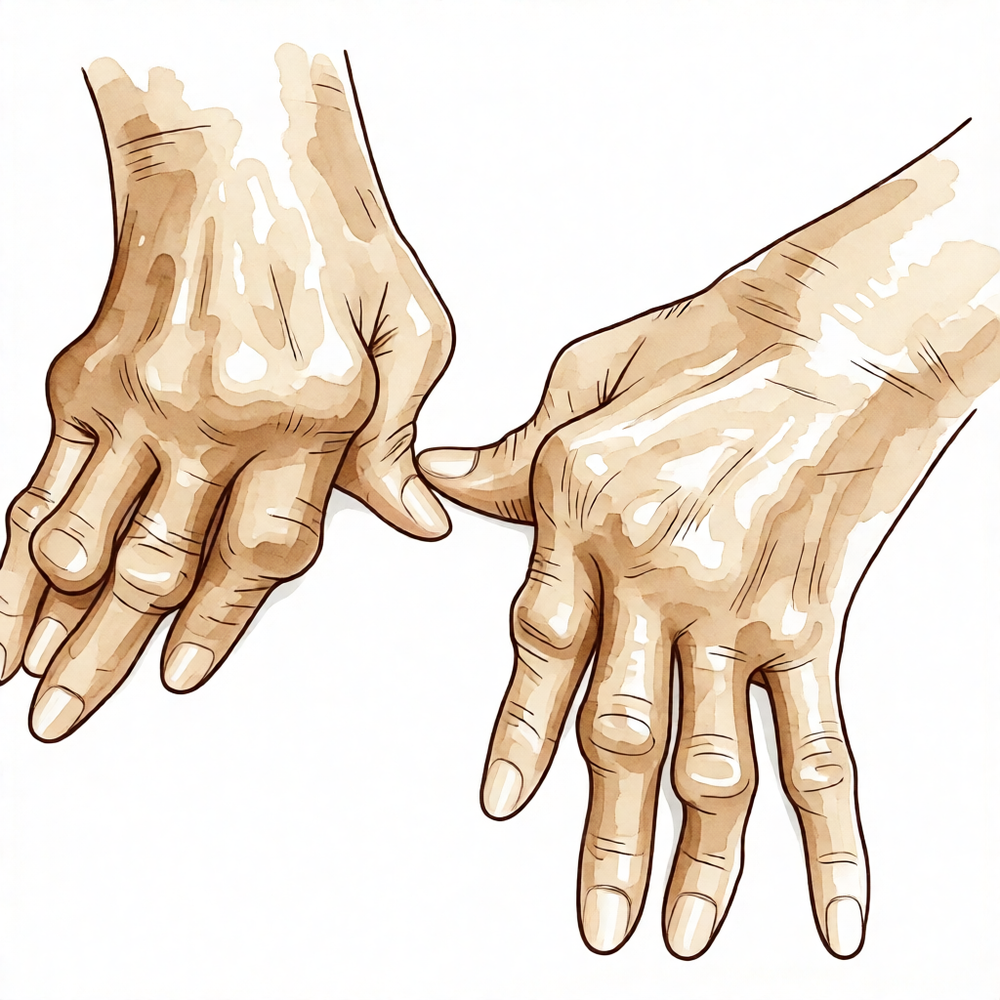
Why this operation has been suggested
Dr Kieran Hirpara, an upper-limb surgeon at Mater Private Hospital Rockhampton, starts with the least invasive options that suit your condition. Patients are generally referred to our clinic by their GP; if a physiotherapist has suggested you see us, you will still need a referral from your GP in order to be eligible for the Medicare rebate. At your appointment we take a history, examine your hand, and arrange imaging if it is needed. That tells us what is going on in the joint.
This operation replaces the knuckle joint, the joint where your finger or thumb meets your hand, with an artificial implant. It is usually offered when the joint surface is badly worn by arthritis and other treatments have not given enough relief. For long-standing wear-and-tear problems we usually try non-operative care first: activity change, physiotherapy or hand therapy, and splinting. Surgery is considered when those steps have not helped enough. The aim is pain relief, better function, and protection of the joints next door. For some people it also restores stability to a joint that has become loose or bent out of shape.
Before the operation
In the weeks before surgery we confirm the plan with fresh images of your hand, such as an X-ray, MRI or ultrasound. These show us the worn joint and help us choose the right implant. You will get clear instructions about fasting: no food or drink for seven hours before your operation. We ask for seven hours rather than a shorter time so your surgery can be brought forward if the theatre list runs early. Some medicines need to be paused before surgery, and your surgeon will tell you which ones and when. If you have other medical conditions, you may need blood tests or a review with the anaesthetist. On the day, bring a list of your current medications, arrange a lift home, and wear comfortable clothing with loose sleeves.
On the day
You arrive at the hospital's surgical admissions unit, where you are checked in and prepared for theatre. You meet the anaesthetist, the doctor who looks after your anaesthetic and pain control during surgery. This operation is done under general anaesthetic. A regional nerve block is sometimes added for post-operative pain relief; the anaesthetist will discuss this with you on the day. You are then taken into the operating theatre, where the operation is performed.
When the operation is finished, you wake up in the recovery area. Nurses watch over you while the anaesthetic wears off. Once you are stable, you either move to a ward or go home the same day, depending on the procedure and how your recovery is going.
What the operation involves
Your surgeon makes a small cut over the back of your knuckle joint to reach the worn joint surfaces. The damaged bone ends are removed and shaped to make room for the implant. The most common implant is a flexible spacer that sits between the two bones, letting the joint bend again while easing pain. The aim is pain relief, better movement, and protection of the joints next door.
Different implants suit different joints and different problems. For some people a soft silicone spacer is used. For others, especially where the surrounding ligaments are strong and the neighbouring fingers give support, a harder implant shaped like the natural joint surface is chosen. Your surgeon picks the implant that fits your joint and your condition.
Once the implant is in place, your surgeon checks that the finger lines up and moves smoothly, and balances the soft tissues around the joint so it stays stable. The cut is closed with stitches and covered with a dressing. The dressing stays on for about 10 days, which the 'After the operation' section explains.
For some thumb knuckle joints, joining the bones together (a fusion) is an alternative to an implant. This removes the painful joint but means that part of the thumb no longer bends. Your surgeon will talk through which option suits your joint before you sign the consent form.
After the operation
You will wake up in the recovery ward, where nurses keep a close eye on you as the anaesthetic wears off. Your hand will be in a bulky dressing, and we will give you pain relief to keep you comfortable. Someone should stay with you for the first 24 hours after you get home. You can move around as normal, but take it easy and rest your hand raised on a pillow when you sit. Your team will tell you whether you go home the same day or stay one night in hospital. We leave the dressing on for about 10 days; please do not take it off before then unless we tell you to. We change or remove it when we see you.
Recovery
For the first few days your hand will be sore and swollen, and the knuckle may feel stiff and tender. Resting your hand raised on a pillow eases the swelling, and the pain relief we give you keeps you comfortable. The discomfort settles gradually as the joint heals.
Your hand will be in a bulky dressing at first, which stays on for about 10 days. When we see you, we change or remove it and check the healing skin. Rehabilitation after this surgery is hand therapy with Ruby Doolan at Extend Rehabilitation. She will guide your exercises and make a splint if you need one. The exercises protect the new joint while your finger or thumb regains movement, and you will be shown how to use your hand for everyday tasks without straining it.
As the swelling settles, bending and straightening usually feel easier. Once you can grip and pinch without pain, you will find daily activities such as dressing, eating and writing become more natural. Many people notice the main gain is relief from the pain they had before surgery, along with better use of the hand for daily tasks.
You should not drive while your hand is in a splint or while you are taking strong pain medication, and you need to be able to hold the wheel with both hands and react in an emergency stop. Our separate guide on driving after upper-limb surgery explains when it is safe to return.
Recovery varies from person to person, and your timeline may differ. We will guide you at each review, along with your hand therapist.
What can go wrong
Most patients do well, but problems can occasionally happen. Your surgeon and the team monitor you closely to spot any issue early.
Infection is uncommon after this type of joint replacement. Watch the skin around your wound. If you notice redness spreading out from the wound, warmth, oozing, or a deep throbbing pain that does not ease with simple painkillers, contact the clinic without delay. If you feel feverish or unwell, go to the emergency department.
The new joint can sometimes come out of place. This is called dislocation. You might feel a sudden shift in the joint, with the finger or thumb sitting at an odd angle and refusing to move normally. Call the clinic straight away if this happens.
The implant itself can wear, loosen, crack or bend over time. Signs include a return of pain that had settled, new clicking or grinding, or the finger drifting out of line. Bring these changes up at your next review, or call earlier if they come on suddenly.
The bones around the implant can also break during the operation. Your surgeon checks for this before you leave theatre, and it usually heals with a shorter period of protection in the splint.
If a problem does develop, further surgery is sometimes needed to fix it. This might mean replacing the implant again, or, if replacement is not suitable, joining the bones of that joint together so they heal as one solid piece. That second option removes pain but stops the joint bending. Your surgeon will explain what fits your situation if it ever comes to that.
Some people notice ongoing stiffness or weakness in the finger or thumb after surgery. Hand therapy helps with this, so mention it at your review appointments rather than waiting.
The complications table on this page lists typical rates if you want the specifics.
When to call us
Most problems show up in the first few weeks, so it pays to know what to watch for. Call us if you notice redness spreading from the wound, oozing, fever, or pain that keeps getting worse. Go to emergency if you feel feverish and unwell, or if your calf becomes swollen and tender. Sudden shortness of breath needs emergency care too. Call us straight away if your finger or thumb suddenly shifts out of place, sits at an odd angle, or you cannot move it. Numbness or tingling that does not settle also needs a prompt check. If in doubt, call us.
In more depth
Advanced reading: the deeper science (optional)
This section goes further than you need for your own treatment decisions. Knuckle joint replacement is worth the extra reading because of a curiosity: the implant most used today is essentially the design introduced in the 1960s, and it has outlasted every material brought in to replace it. Understanding why explains what this operation is actually for.
Silicone has not been displaced
A 2026 review of metacarpophalangeal joint arthroplasty in rheumatoid arthritis concludes that the operation continues to play a central role in managing the rheumatoid hand, and that despite advances in implant technology, flexible silicone arthroplasty provides reliable functional and cosmetic improvement in appropriately selected patients [1].
Sixty years of materials science has produced metal-plastic and pyrocarbon alternatives, and the silicone spacer is still the reference standard. That is unusual in joint replacement, where hip and knee implants have been iterated continuously over the same period.
The reason is that this implant is not doing the job its name implies. It is not resurfacing a joint to restore a bearing. It is a flexible spacer that maintains a gap and acts as an internal splint while scar tissue forms around it into a new capsule. The result is delivered by the healing, not by the device, which is why a better bearing surface has never translated into a better outcome.
The honest summary of results
A review of implant arthroplasty across the finger and thumb joints puts it well: implant arthroplasty predictably produces pain relief and high satisfaction, but has historically suffered from high rates of complications, and while metal-plastic and pyrocarbon materials have evolved, survivorship and reoperation rates remain a concern [2].
Both halves matter. People are reliably pleased with these operations, pain goes, appearance improves, the hand works better for daily tasks, and the implants have a finite life with a real reoperation rate. Satisfaction and durability are different questions, and this operation scores much better on the first.
For osteoarthritis, the evidence is thin
Most of the literature concerns rheumatoid arthritis, because that is where the deformity being corrected is most dramatic. For osteoarthritis the picture is weaker: the available evidence consists of retrospective cohorts with small sample sizes and relatively short follow-up [3].
Notably, where authors express a preference for pyrocarbon over silicone in osteoarthritis, it is on the basis of potential for improved stability and alignment, with the data described as preliminary [3]. That is a reasonable position to hold, but it should be recognised as reasoning from mechanism rather than from demonstrated superiority.
Durability is becoming a bigger question
A concern raised nearly two decades ago has grown rather than resolved: implant durability matters more as life expectancy increases, and as these operations are done in younger, more active patients who will load them for longer [4]. An implant with acceptable ten-year performance is a different proposition at 75 than at 55.
Practically, this is a reason to be clear about what you want the operation to achieve. For pain relief, correction of deformity and improved function in a hand with modest mechanical demands, this is a well-supported operation with a long record. As a durable reconstruction for heavy use over decades, it is not.
References for the advanced reading
- Herren DB. Balancing metacarpophalangeal joint arthroplasty in rheumatoid arthritis. J Hand Surg Eur Vol. 2026;51(6):778-84.
- Srnec JJ, Wagner ER, Rizzo M. Implant arthroplasty for proximal interphalangeal, metacarpophalangeal, and trapeziometacarpal joint degeneration. J Hand Surg Am. 2017;42(10):817-25.
- Martin AS, Awan HM. Metacarpophalangeal arthroplasty for osteoarthritis. J Hand Surg Am. 2015;40(9):1871-2.
- Goldfarb CA, Dovan TT. Rheumatoid arthritis: silicone metacarpophalangeal joint arthroplasty indications, technique, and outcomes. Hand Clin. 2006;22(2):177-82.
Evidence & references
This is the clinical evidence summary written for health professionals. It is technical, and it lists the research this page was built from. You do not need to read it to understand your treatment or to make a decision about it.
Overview
- MCP joint arthroplasty was performed safely in the setting of acute complex open MCP joint trauma [1].
- Revision MCP arthroplasty is a challenging procedure with one in five patients requiring a revision procedure at 5 years [2].
- Revision MCP arthroplasty has a relatively high rate of postoperative dislocations [2].
- Dorsal capsule interposition arthroplasty provides a viable surgical option for isolated degenerative or traumatic arthritis of the MCPJ at an average follow-up of 2 years [3].
- Treatment of MCP joint arthroplasty dislocation with revision to silicone implant appears to hold the most promise in achieving a stable MCP joint after an acute prosthetic dislocation [4].
- MCP joint arthroplasty is an effective treatment option from a patient-centered perspective, improving appearance, pain, and function [5].
- Silastic interposition arthroplasty of the MCPJ is reliable in terms of pain relief and correction of deformity [6].
- Patient satisfaction with Silastic interposition arthroplasty of the MCPJ is high despite only modest improvements in the objective assessment of hand function [6].
- The nonconstrained implant design for the MCP joint can have good outcomes and excellent arc of motion in OA patients [8].
- Periprosthetic joint infection is uncommon after MCP or PIP arthroplasties [9].
- Patient expectations of MCP joint arthroplasty were uniformly high, with functional improvement being the greatest motivation for surgery [11].
- Joint goal-setting is essential for understanding patients' unique reasons for undergoing MCP arthroplasty and facilitating realistic expectations [14].
- Implant arthroplasty of the PIP, MCP, and TMC joints predictably produces pain relief and high satisfaction [24].
- Implant arthroplasty of the PIP, MCP, and TMC joints has historically suffered from high rates of complications [24].
- The evidence regarding MCP arthroplasty for OA consists of retrospective cohorts with small sample sizes and relatively short evaluations [26].
Anatomy & Pathophysiology
Joint Mechanics and Kinematics
- The metacarpophalangeal joint allows hyperextension up to approximately 20° [17].
- Radial and ulnar deviation at the metacarpophalangeal joint decreases with flexion due to the associated tightening of the collateral ligaments [17].
- Volar and proximal translation of the proximal phalanx is observed on 4-dimensional computed tomography following silicone implant arthroplasty [48].
Bony and Ligamentous Anatomy
- The metacarpophalangeal articulations serve as the keystones of the longitudinal arches of the hand [39].
- The thick anterior glenoid capsules, known as volar plates, prevent hyperextension at the metacarpophalangeal joints [39].
- The volar plates are interconnected by the transverse interglenoid ligament [39].
- The stability of the metacarpophalangeal joints is essential to the support of both the longitudinal arch and the transverse metacarpal arch [39].
- The deep transverse intermetacarpal ligament, also named the interglenoid ligament, ties together the anterior glenoid ligaments of the metacarpophalangeal articulations [39].
- The lateral accessory ligaments, sagittal bands of the extensor apparatus, and the first annular segment of the flexor tendon pulley insert on the volar plate [39].
Muscular Anatomy
- The deep head of each dorsal interosseous muscle forms a lateral tendon, or lateral band, at the level of the metacarpophalangeal joint [36].
- The deep head of the dorsal interosseous muscles flexes and weakly abducts the proximal phalanx while extending the middle and distal phalanges [36].
- Transverse fibers arch dorsally from each lateral band to join over the dorsum of the finger, flexing the proximal phalanx [36].
- Oblique fibers from the lateral bands sweep over the distal third of the proximal phalanx to insert onto the lateral tubercles at the base of the middle phalanx [36].
- The oblique fibers extend the middle phalanx at the proximal interphalangeal joint [36].
- The lateral bands are joined by the lateral slips of the extensor tendon to form the conjoined lateral band [36].
- The two conjoined lateral bands to each finger unite at the distal third of the middle phalanx to form the terminal tendon [36].
- The terminal tendon inserts at the base of the distal phalanx to extend it [36].
- The volar interossei form the ulnar lateral band of the index finger and the radial lateral band of the ring and little fingers [36].
- The flexor digiti quinti brevis forms the ulnar lateral band of the little finger [36].
Pathophysiology
- Rheumatoid arthritis is a chronic, progressive, systemic inflammatory disease that affects multiple organ systems, including the musculoskeletal system [17].
- The inflammatory process in rheumatoid arthritis is triggered and perpetuated by a cascade of mediators that result in synovial proliferation, collagenous destruction of the cartilage and soft tissues, and bone resorption [17].
- The metacarpophalangeal joint is the most common site of involvement in the rheumatoid hand [17].
- The metacarpophalangeal and proximal interphalangeal joints of the hand are typically involved early in rheumatoid arthritis [17].
Classification
- Silicone rubber implants are the most frequently used device for treatment of revised metacarpophalangeal arthroplasty [17].
- The nonconstrained implant design for the MCP joint can have good outcomes and excellent arc of motion in osteoarthritis patients [8].
- Pyrocarbon implants were designed as a resurfacing implant for the MCP joint [28].
- A radiographic classification system was modified to differentiate stable implant migration patterns (grade 2) from unstable patterns (grade 3) based on cortical breach status [28].
- In a radiographic analysis of 37 pyrocarbon arthroplasties, 34 (92%) were determined to be stable at last follow-up [28].
- Three (7%) pyrocarbon implants became unstable from migration, all involving grade 3 implant loosening [28].
- Evidence of implant subsidence greater than 1 mm occurred in 6 (16%) of 37 pyrocarbon implants [28].
- Postoperative ulnar deviation greater than 10° occurred in 8 (22%) fingers following pyrocarbon arthroplasty [28].
- Implant fractures in silicone MCP arthroplasty are determined based on criteria including lucent lines, fragmentation, translation greater than one-half the diameter of the bone, and dislocation defined as proximodistal overlap more than one-half the width of the midportion of the implant [20].
- Coronal plane deviation greater than 45° is an additional criterion for determining implant fracture or instability in silicone MCP arthroplasty [20].
Clinical Presentation
Indications and Etiology
- Metacarpophalangeal joint arthroplasty is most often performed in patients with rheumatoid arthritis, although it is occasionally performed for joints affected by osteoarthritis [17].
- Dorsal capsule interpositional arthroplasty provides a viable surgical option for isolated degenerative or traumatic arthritis of the MCPJ [3].
- Metacarpophalangeal joint arthroplasty continues to play a central role in the management of the rheumatoid hand [15].
Patient Expectations and Motivation
Functional Outcomes and Range of Motion
- Silastic interposition arthroplasty of the MCPJ is reliable in terms of pain relief and correction of deformity, and patient satisfaction is high despite only modest improvements in the objective assessment of hand function [6].
- Pain ratings and MCP arc of motion significantly improved following arthroplasty for noninflammatory arthritis [10].
- Implant arthroplasty of the PIP, MCP, and TMC joints predictably produces pain relief and high satisfaction but has historically suffered from high rates of complications [24].
- This study showed improved range of motion and DASH score, excellent pain relief, and excellent patient satisfaction in patients undergoing MCP arthroplasty for nonrheumatic arthritis [30].
- Swanson arthroplasty frequently results in a range of flexion of the MP joint of the little finger that may be insufficient for its principal functions [19].
Complications and Complications Management
- Revision MCP arthroplasty is a challenging procedure with one in five patients requiring a revision procedure at 5 years and a relatively high rate of postoperative dislocations [2].
- The treatment of MCP joint arthroplasty dislocation with revision to silicone implant appears to hold the most promise in achieving a stable MCP joint after an acute prosthetic dislocation [4].
- Increasing MCP joint flexion range was associated with increased fractures of the implants in silicone metacarpophalangeal joint arthroplasty for patients with rheumatoid arthritis [7].
- If squeaking is associated with pain and swelling, revision MCP joint arthroplasty is recommended to identify and correct the underlying cause, such as implant subsidence or an incongruous joint [53].
- An articulating spacer allows movement of the joint and reduces the chance of immobilisation associated complications such as bone loss, joint stiffness, and soft tissue contracture in the management of infected MCPJ arthroplasties [13].
Investigations
- A careful physical examination is essential to direct care and future testing if indicated [27].
- Diagnostic tests such as imaging and serum laboratory studies are useful in determining pathology but can be expensive, time consuming, and often nonspecific [27].
Treatment
Indications and Patient Expectations
- MCP joint arthroplasty is most often performed in patients with rheumatoid arthritis, though it is occasionally performed for osteoarthritis [17].
- The MCP joint is the most common site of involvement in the rheumatoid hand [17].
- MCP joint arthroplasty continues to play a central role in the management of the rheumatoid hand [15].
- Given improvements in the medical management of rheumatoid disease, the indications for and long-term expectations of silicone metacarpophalangeal arthroplasty must be carefully examined [50].
Implant Types and Outcomes
- Both NeuFlex and Swanson implant groups obtained satisfactory clinical improvement after MCP reconstruction of the hand [12].
- Pain ratings and MCP arc of motion significantly improved following surface replacement arthroplasty in metacarpophalangeal joints affected by noninflammatory arthritis [10].
- Good pain relief, a functional range of motion, and high satisfaction were seen in the majority of patients undergoing pyrocarbon metacarpophalangeal joint arthroplasty for noninflammatory arthritis [31].
- Silicone arthroplasty for nonrheumatic metacarpophalangeal joint arthritis showed improved range of motion and DASH score, excellent pain relief, and excellent patient satisfaction [30].
- Follow-up studies show that MCP arthroplasty improves function and deformity and achieves nearly uniform patient satisfaction [17].
Alternative Techniques
- Limited clinical follow-up in a perichondrium transplant group showed reasonably good, and in some cases excellent, results several decades after the surgery, especially at the MCP level [16].
- Arthrodesis has been the gold standard in treating isolated end-stage MP arthritis, whether inflammatory or post-traumatic arthropathies [32].
- Arthrodesis is able to provide effective pain relief as well as restore stability to the joint, even in the setting of severe arthritis [32].
- The key to why MP fusion in the thumb is so successful lies in the relatively negligible loss of motion that results from MP fusion [32].
- By fusing the MP joint between 20 and 40° of flexion, stress can be relieved from the CMC joint by minimizing the activity required at the CMC for thumb opposition [32].
Complications and Revision
- Metallosis is a potential long-term complication of grommets in silicone MCP joint arthroplasty, and given the lack of documented benefit from grommets, the authors recommend against their use [52].
- Static spacers with consequent immobilisation can lead to bone loss, joint stiffness and soft tissue contracture, often causing significant complications at reimplantation [13].
- An articulating spacer allows movement of the joint and reduces the chance of immobilisation associated complications [13].
- An articulated spacer technique can be considered as an option to maintain motion while treating infected MCPJ arthroplasties and the co-morbidity resulting from immobilisation of the whole hand [13].
Specific Clinical Scenarios
Complications
Dislocation and Instability
- Revision MCP arthroplasty is associated with a relatively high rate of postoperative dislocations [2].
- Treatment of acute MCP joint arthroplasty dislocation with revision to a silicone implant appears to hold the most promise in achieving a stable MCP joint [4].
- In a cohort of 37 cases, acute prosthetic dislocation was managed with revision surgery [4].
Implant Fracture and Failure
- One in five patients undergoing revision MCP arthroplasty required a revision procedure at 5 years [2].
- Increasing MCP joint flexion range was associated with increased fractures of silicone implants in patients with rheumatoid arthritis [7].
- In a longitudinal analysis of 325 cases, implant fractures were determined based on criteria including lucent lines, fragmentation, translation greater than one-half the diameter of the bone, and dislocation defined as proximodistal overlap more than one-half the width of the midportion of the implant [20].
- In a study of 40 silicone implants for MCP osteoarthritis, radiographs demonstrated fractured implants in 5 of 40 (12.5%) implants, although none of these patients had clinical instability, pain, or deterioration in range of motion [33].
- For the Neuflex silicone implant, survivorship at 7 years was 88% when revision was the end point, but dropped to 68% when implant fracture was the end point [56].
- In a study of pyrocarbon arthroplasty for rheumatoid arthritis, complication and overall reoperation rates were high, with 1 in 10 patients undergoing revision within 5 years postoperatively [57].
- Patients with greater hand function preoperatively may be at higher risk of revision surgery after silicone MCP arthroplasty for inflammatory arthritis [18].
Infection
- Periprosthetic joint infection (PJI) is uncommon after MCP or PIP arthroplasties [9].
- Management of infected MCP joint replacements can involve removing the prosthesis and inserting gentamycin-loaded bone cement balls for 3 weeks before a final exchange operation [13].
- Static spacers used in MCPJ infection management can lead to bone loss, joint stiffness, and soft tissue contracture, often causing significant complications at reimplantation [13].
- An articulating spacer allows movement of the joint and reduces the chance of immobilization-associated complications compared to static spacers [13].
Other Complications
- Intraoperative periprosthetic fractures are associated with metacarpophalangeal joint arthroplasty [21].
- Swanson arthroplasty frequently results in a range of flexion of the MCP joint of the little finger that may be insufficient for its principal functions [19].
- In a study of pyrocarbon arthroplasty for osteoarthritis, postoperative ulnar deviation greater than 10° occurred in 8 (22%) fingers [28].
- In a study of pyrocarbon arthroplasty for osteoarthritis, 3 (7%) implants became unstable from migration, all with grade 3 implant loosening [28].
- Evidence of implant subsidence greater than 1 mm occurred in 6 (16%) of 37 pyrocarbon implants, but no implants studied at more than 1 year after surgery demonstrated progressive subsidence resulting in implant instability [28].
- Implant arthroplasty of the MCP joint has historically suffered from high rates of complications [24].
Recovery
Functional Outcomes and Patient Satisfaction
- MCP joint arthroplasty improves appearance, pain, and function from a patient-centered perspective [5].
- Silastic interposition arthroplasty of the MCPJ is reliable for pain relief and correction of deformity [6].
- Patient satisfaction is high following Silastic interposition arthroplasty despite only modest improvements in the objective assessment of hand function [6].
- The HAPY spherical pyrocarbon interposition arthroplasty for the metacarpophalangeal joint demonstrates satisfactory short- to mid-term outcomes with considerable improvements in pain relief and joint mobility [59].
Complications and Revision
Patient Expectations and Indications
Specialized Scenarios
Key Evidence
- [L4] MCP joint arthroplasty was performed safely in the setting of acute complex open MCP joint trauma. [1] (10.1016/j.jhsa.2015.09.012)
- [L4] Revision MCP arthroplasty is a challenging procedure with one in five patients requiring a revision procedure at 5 years and a relatively high rate of postoperative dislocations. [2] (10.5435/jaaos-d-17-00042)
- [L4] This technique of dorsal capsule interposition arthroplasty provides a viable surgical option for isolated degenerative or traumatic arthritis of the MCPJ at an average follow-up of 2 years. [3] (10.1177/1558944720911215)
- [L4] The treatment of MCP joint arthroplasty dislocation with revision to silicone implant appears to hold the most promise in achieving a stable MCP joint after an acute prosthetic dislocation. [4] (10.1016/j.jhsa.2017.10.001)
- [L4] MCP joint arthroplasty is an effective treatment option from a patient-centered perspective, improving appearance, pain, and function. [5] (10.1016/j.hcl.2006.02.001)
- [L4] Silastic interposition arthroplasty of the MCPJ is reliable in terms of pain relief and correction of deformity, and patient satisfaction is high despite only modest improvements in the objective assessment of hand function. [6] (10.1054/jhsb.2000.0402)
- [L4] Increasing MCP joint flexion range was associated with increased fractures of the implants. [7] (10.1016/j.jhsa.2020.09.002)
- [L5] The nonconstrained implant design for the MCP joint can have good outcomes and excellent arc of motion in OA patients. [8] (10.1016/j.jhsa.2012.11.025)
- [L4] PJI is uncommon after MCP or PIP arthroplasties. [9] (10.1016/j.jhsa.2024.12.008)
- [L4] Pain ratings and MCP arc of motion significantly improved following arthroplasty. [10] (10.1177/15589447211028917)
- [L1] Patient expectations of MCP joint arthroplasty were uniformly high, with functional improvement being the greatest motivation for surgery. [11] (10.1016/j.jhsa.2011.02.002)
- [L1] Both implant groups obtained satisfactory clinical improvement after MCP reconstruction of the hand. [12] (10.1016/j.jhsa.2009.09.020)
- [L5] [13] (10.1177/17531934251323067)
- [L4] Joint goal-setting is essential for understanding patients' unique reasons for undergoing MCP arthroplasty and facilitating realistic expectations. [14] (10.1002/msc.1061)
- [L5] Metacarpophalangeal joint arthroplasty continues to play a central role in the management of the rheumatoid hand. [15] (10.1177/17531934261430139)
- [L3] [16] (10.1186/s12891-020-03687-3)
- [L5] [17] (10.5435/00124635-200305000-00005)
- [L3] Patients with greater hand function preoperatively may be at higher risk of revision surgery. [18] (10.1177/1558944719831236)
- [L4] Our experience with this cohort, a review of published literature, and a survey of international experts suggest that Swanson arthroplasty frequently results in a range of flexion of the MP joint of the little finger that may be insufficient for its principal functions. [19] (10.1007/s11552-007-9051-5)
- [L4] [20] (10.1177/1753193418778461)
- [L3] [21] (10.1016/j.jhsa.2014.12.038)
- [L4] Implant arthroplasty of the PIP, MCP, and TMC joints predictably produces pain relief and high satisfaction but has historically suffered from high rates of complications. [24] (10.1016/j.jhsa.2017.07.030)
- [L4] The evidence regarding MCP arthroplasty for OA consists of retrospective cohorts with small sample sizes and relatively short evaluations. [26] (10.1016/j.jhsa.2015.05.019)
- [L4] [28] (10.1016/j.jhsa.2022.08.013)
- [L3] This study showed improved range of motion and DASH score, excellent pain relief, and excellent patient satisfaction in patients undergoing MCP arthroplasty for nonrheumatic arthritis. [30] (10.1016/j.jhsa.2013.09.016)
- [L4] Good pain relief, a functional range of motion, and high satisfaction were seen in the majority of patients. [31] (10.1016/j.jhsa.2015.06.104)
- [L5] [32] (10.1016/j.hcl.2006.02.010)
- [L4] [33] (10.1016/j.jhsa.2017.10.010)
- [L4] Volar and proximal translation of the proximal phalange was observed on 4-dimensional computed tomography. [48] (10.1016/j.jhsa.2021.10.001)
- [L4] Given these findings, the indications for and long-term expectations of silicone metacarpophalangeal arthroplasty must be carefully examined in light of the improvements in the medical management of rheumatoid disease. [50] (10.2106/00004623-200310000-00001)
- [Case_report] Metallosis is a potential long-term complication of grommets in silicone MCP joint arthroplasty, and given the lack of documented benefit from grommets, the authors recommend against their use. [52] (10.1007/s11552-012-9401-9)
- [L5] If squeaking is associated with pain and swelling, revision MCP joint arthroplasty is recommended to identify and correct the underlying cause, such as implant subsidence or an incongruous joint. [53] (10.1016/j.jhsg.2022.10.002)
- [L4] [56] (10.1177/1753193408094437)
- [L4] Complication and overall reoperation rates were high, while 1 in 10 undergo revision within 5 years postoperatively. [57] (10.1177/15589447211063577)
- [L4] The HAPY spherical pyrocarbon interposition arthroplasty for the metacarpophalangeal joint demonstrates satisfactory short- to mid-term outcomes, with considerable improvements in pain relief and joint mobility. [59] (10.1016/j.jhsg.2025.100804)
References
[1] Metacarpophalangeal Joint Arthroplasty in the Setting of Trauma. The Journal of Hand Surgery. 2015. DOI: 10.1016/j.jhsa.2015.09.012
[2] Revision Metacarpophalangeal Arthroplasty: A Longitudinal Study of 128 Cases. Journal of the American Academy of Orthopaedic Surgeons. 2019. DOI: 10.5435/jaaos-d-17-00042
[3] Dorsal Capsule Interpositional Arthroplasty of the Metacarpophalangeal Joint. HAND. 2020. DOI: 10.1177/1558944720911215
[4] Outcomes Following Acute Metacarpophalangeal Joint Arthroplasty Dislocation: An Analysis of 37 Cases. The Journal of Hand Surgery. 2018. DOI: 10.1016/j.jhsa.2017.10.001
[5] Rheumatoid Arthritis: Silicone Metacarpophalangeal Joint Arthroplasty Indications, Technique, and Outcomes. Hand Clinics. 2006. DOI: 10.1016/j.hcl.2006.02.001
[6] Outcome Measures Following Metacarpophalangeal Joint Replacement. Journal of Hand Surgery. 2000. DOI: 10.1054/jhsb.2000.0402
[7] Risk Factors Contributing to Early Implant Fracture in Silicone Metacarpophalangeal Joint Arthroplasty for Patients With Rheumatoid Arthritis. The Journal of Hand Surgery. 2021. DOI: 10.1016/j.jhsa.2020.09.002
[8] Clinical and Radiographic Outcomes of Metacarpophalangeal Joint Pyrolytic Carbon Arthroplasty for Osteoarthritis. The Journal of Hand Surgery. 2013. DOI: 10.1016/j.jhsa.2012.11.025
[9] Incidence and Presentation of Periprosthetic Joint Infection After Primary Metacarpophalangeal and Proximal Interphalangeal Arthroplasty. The Journal of Hand Surgery. 2025. DOI: 10.1016/j.jhsa.2024.12.008
[10] Outcomes of Surface Replacement Arthroplasty in Metacarpophalangeal Joints Affected by Noninflammatory Arthritis. HAND. 2021. DOI: 10.1177/15589447211028917
[11] Hand Appearance as a Patient Motivation for Surgery and a Determinant of Satisfaction with Metacarpophalangeal Joint Arthroplasty for Rheumatoid Arthritis. The Journal of Hand Surgery. 2011. DOI: 10.1016/j.jhsa.2011.02.002
[12] NeuFlex and Swanson Metacarpophalangeal Implants for Rheumatoid Arthritis: Prospective Randomized, Controlled Clinical Trial. The Journal of Hand Surgery. 2010. DOI: 10.1016/j.jhsa.2009.09.020
[13] Management of an infected metacarpophalangeal joint replacement with a temporary articulated cement spacer. Journal of Hand Surgery (European Volume). 2025. DOI: 10.1177/17531934251323067
[14] Patients' Expectations, Experiences and the Determinants of Satisfaction related to Metacarpophalangeal Arthroplasty. Musculoskeletal Care. 2013. DOI: 10.1002/msc.1061
[15] Balancing metacarpophalangeal joint arthroplasty in rheumatoid arthritis. Journal of Hand Surgery (European Volume). 2026. DOI: 10.1177/17531934261430139
[16] Two-component surface replacement implants compared with perichondrium transplantation for restoration of Metacarpophalangeal and proximal Interphalangeal joints: a retrospective cohort study with a mean follow-up time of 6 respectively 26 years. BMC Musculoskeletal Disorders. 2020. DOI: 10.1186/s12891-020-03687-3
[17] Metacarpophalangeal Joint Arthroplasty in Rheumatoid Arthritis. Journal of the American Academy of Orthopaedic Surgeons. 2003. DOI: 10.5435/00124635-200305000-00005
[18] Factors Associated With Reoperation After Silicone Metacarpophalangeal Joint Arthroplasty in Patients With Inflammatory Arthritis. HAND. 2019. DOI: 10.1177/1558944719831236
[19] Insufficient Flexion of the Metacarpophalangeal Joint of the Little Finger Following Swanson Silicone Arthroplasty for Rheumatoid Arthritis. HAND. 2007. DOI: 10.1007/s11552-007-9051-5
[20] Long-term outcomes of silicone metacarpophalangeal arthroplasty: a longitudinal analysis of 325 cases. Journal of Hand Surgery (European Volume). 2018. DOI: 10.1177/1753193418778461
[21] Intraoperative Periprosthetic Fractures Associated With Metacarpophalangeal Joint Arthroplasty. The Journal of Hand Surgery. 2015. DOI: 10.1016/j.jhsa.2014.12.038
[24] Implant Arthroplasty for Proximal Interphalangeal, Metacarpophalangeal, and Trapeziometacarpal Joint Degeneration. The Journal of Hand Surgery. 2017. DOI: 10.1016/j.jhsa.2017.07.030
[26] Metacarpophalangeal Arthroplasty for Osteoarthritis. The Journal of Hand Surgery. 2015. DOI: 10.1016/j.jhsa.2015.05.019
[27] Orthopaedic Knowledge Update 13 Ebook Without Multimedia. Anatomy, Evaluation, Clinical Examination, and Imaging > Evaluation and Clinical Examination: Current Concepts.
[28] Metacarpophalangeal Joint Pyrocarbon Arthroplasty for Osteoarthritis: An Analysis of 44 Arthroplasties. The Journal of Hand Surgery. 2024. DOI: 10.1016/j.jhsa.2022.08.013
[30] Silicone Arthroplasty for Nonrheumatic Metacarpophalangeal Joint Arthritis. The Journal of Hand Surgery. 2013. DOI: 10.1016/j.jhsa.2013.09.016
[31] Pyrocarbon Metacarpophalangeal Joint Arthroplasty in Noninflammatory Arthritis: Minimum 5-Year Follow-Up. The Journal of Hand Surgery. 2015. DOI: 10.1016/j.jhsa.2015.06.104
[32] Thumb Metacarpophalangeal Arthritis: Arthroplasty or Fusion?. Hand Clinics. 2006. DOI: 10.1016/j.hcl.2006.02.010
[33] Silicone Metacarpophalangeal Arthroplasty for Osteoarthritis: Long-Term Results. The Journal of Hand Surgery. 2018. DOI: 10.1016/j.jhsa.2017.10.010
[36] Green S Operative Hand Surgery. Interosseous and Hypothenar Muscles.
[39] Exam Of The Hand Wrist 2Ed. The arches of the hand > The metacarpal arch.
[48] In Vivo Metacarpophalangeal Joint Kinematics After Silicone Implant Arthroplasty in Patients With Rheumatoid Arthritis. The Journal of Hand Surgery. 2023. DOI: 10.1016/j.jhsa.2021.10.001
[50] METACARPOPHALANGEAL JOINT ARTHROPLASTY IN RHEUMATOID ARTHRITIS. The Journal of Bone and Joint Surgery-American Volume. 2003. DOI: 10.2106/00004623-200310000-00001
[52] Metallosis Following Silicone Metacarpophalangeal Joint Arthroplasties with Grommets: Case Report. HAND. 2012. DOI: 10.1007/s11552-012-9401-9
[53] A Painful, Squeaking Pyrolytic Carbon Metacarpophalangeal Joint Replacement. Journal of Hand Surgery Global Online. 2023. DOI: 10.1016/j.jhsg.2022.10.002
[56] Survivorship of the Neuflex Silicone Implant in MCP Joint Replacement. Journal of Hand Surgery (European Volume). 2009. DOI: 10.1177/1753193408094437
[57] Outcomes of Pyrocarbon Arthroplasty in Metacarpophalangeal Joints Affected by Rheumatoid Arthritis. HAND. 2022. DOI: 10.1177/15589447211063577
[59] Functional Outcomes of Spherical Pyrocarbon HAPY Metacarpophalangeal Interposition Arthroplasty for Long Fingers: A Retrospective Study of 16 Cases. Journal of Hand Surgery Global Online. 2025. DOI: 10.1016/j.jhsg.2025.100804