Clinicians › Hand
Metacarpophalangeal joint arthroplasty
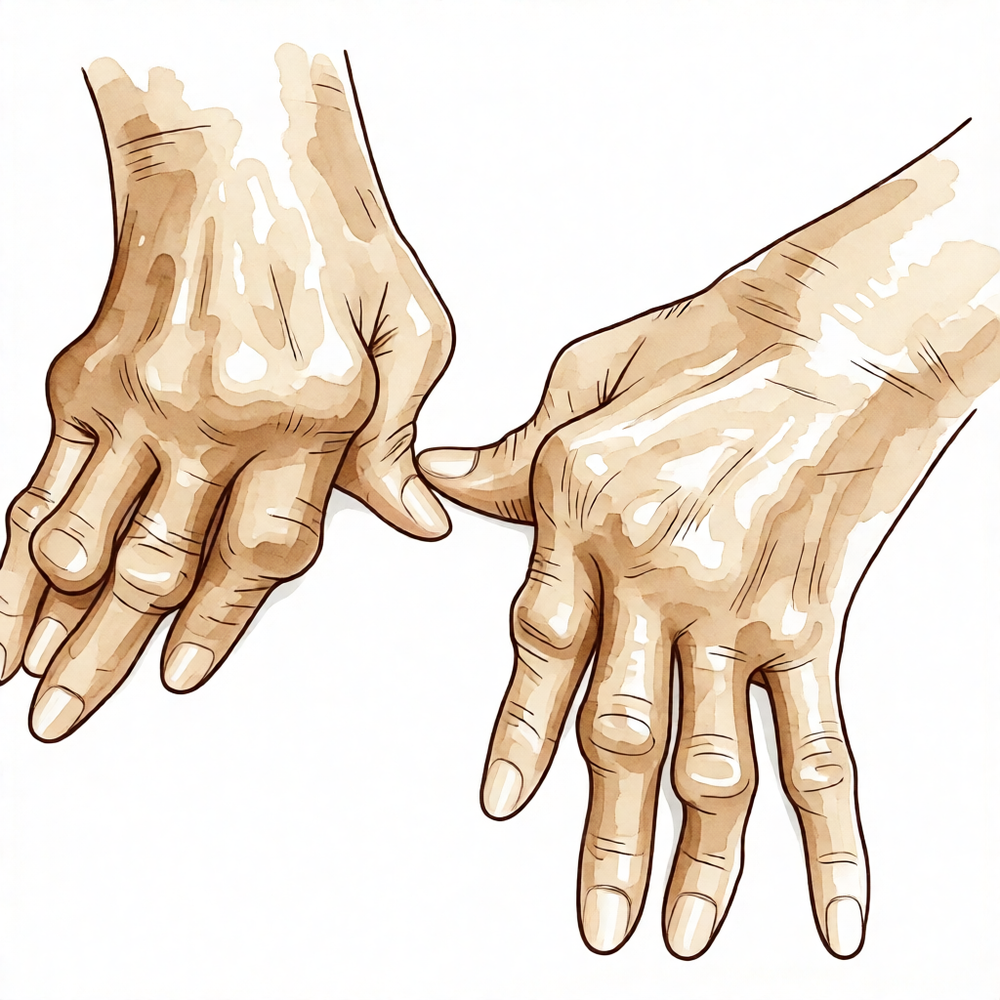
For patients: a plain-language version of this topic is available. See the patient guide.
Overview
Metacarpophalangeal joint arthroplasty remains a central intervention in the management of the rheumatoid hand [1]. As medical management of rheumatoid disease improves, the indications for and long-term expectations of silicone metacarpophalangeal arthroplasty require careful examination [2]. For the thumb, implant arthroplasty serves as an alternative to metacarpophalangeal arthrodesis, a role that is most useful when arthrodesis of the interphalangeal joint is also considered [7]. In the context of osteoarthritis, metacarpophalangeal arthroplasty using a pyrocarbon implant demonstrates a 7% revision rate at 5 years after surgery [8].
While outcomes are generally favorable for therapeutic hand surgeries such as arthroplasty [28], pain relief is typically good but accompanied by high rates of deformity recurrence and complications that depend on the implant type and joint involved [17]. Regarding surgical strategy, arthrodesis of the metacarpophalangeal joint is preferable to fusion of the interphalangeal joint, as minimum disability is related to the arthrodesis [13]. The author recommends silicone implants for metacarpophalangeal joints [43].
Anatomy & Pathophysiology
Bony Anatomy and Kinematics
The hand skeleton comprises 27 bones, 19 of which are long bones, organized into five rays that form polyarticulated chains of metacarpals and phalanges [49]. The thumb ray is the shortest, consisting of a metacarpal and two phalanges, with the thumb metacarpal forming an angle of approximately 45 degrees with the second metacarpal in the sagittal plane [49]. The transverse axis of the palm, corresponding to the metacarpophalangeal articulations, is oblique and forms an acute angle of approximately 75 degrees with the longitudinal axis [49]. These metacarpophalangeal joints serve as the keystones of the longitudinal arches of the hand [89]. The thumb provides approximately 40% of hand function and nearly one-fourth of overall bodily function [25]. Primary osteoarthritis of the thumb joints most commonly affects the trapeziometacarpal joint, with less common involvement of the interphalangeal and metacarpophalangeal joints [25]. The prevalence of primary osteoarthritis in the trapeziometacarpal joint is reported to be as high as 15% in adults over age 30 [25], and as many as one-third of postmenopausal women are affected by trapeziometacarpal joint osteoarthritis [25]. The nonround shape of the metacarpal head with large protrusion of the radial condyle is a risk factor for the need for open reduction in thumb metacarpophalangeal joint locking [35]. The thumb carpometacarpal joint has many degrees of freedom, allowing opposition even when the metacarpophalangeal joint is fused [177]. The metacarpophalangeal joint is the most common site of involvement in the rheumatoid hand [63].
Soft Tissue Anatomy and Mechanics
The metacarpophalangeal joints are stabilized by collateral ligaments and a thick volar articular capsule known as the volar plate [89]. The volar plates of the metacarpophalangeal joints are interconnected by the transverse interglenoid ligament [89]. Extrinsic extensor tendons are stabilized over the midline of the metacarpophalangeal joint by their attachment to sagittal band fibers [48]. These sagittal band fibers insert onto the volar proximal phalanx and onto the lateral borders of the volar plate [48]. The sagittal bands form a sling that allows proximal extrinsic extensor tension to be transmitted to the proximal phalanx, permitting metacarpophalangeal joint extension without a tendinous insertion onto the proximal phalanx [48]. Rupture or attenuation of the sagittal band fibers allows the extrinsic extensor tendon to sublux to the ulnar side of the metacarpal head, causing ulnar deviation of the finger [48]. The extensor pollicis brevis inserts on the dorsum of the proximal aspect of the proximal phalanx of the thumb and actively extends the metacarpophalangeal joint of the thumb [48]. The flexor pollicis longus inserts into the proximal base of the thumb distal phalanx and flexes both the interphalangeal and metacarpophalangeal joints of the thumb [93]. The first, third, and fifth annular pulleys are located over the metacarpophalangeal, proximal interphalangeal, and distal interphalangeal joints, respectively [93]. The dorsal skin of the hand slides distally to allow metacarpophalangeal joint flexion [94]. Flexion at the metacarpophalangeal joint alone requires an average skin lengthening of 1.25 cm, with a range of 1 to 2 cm [95]. The FPL tendon path does not parallel the metacarpal axes of the thumb [132]. The MCP joint is different than the proximal interphalangeal joint, with nonconstrained implant designs relying on good ligamentous support and stability from border digits [11].
Vascular & Neural Anatomy
The princeps pollicis artery emerges onto the subcutaneous palmar tissue at the level of the cutaneous flexion crease of the metacarpophalangeal joint [90].
Pathophysiology
Rheumatoid arthritis is a chronic, progressive, systemic inflammatory disease that affects the musculoskeletal system [63]. The inflammatory process in rheumatoid arthritis results in synovial proliferation, collagenous destruction of the cartilage and soft tissues, and bone resorption [63]. The metacarpophalangeal joint allows hyperextension up to approximately 20 degrees [63]. Radial and ulnar deviation at the metacarpophalangeal joint decreases with flexion due to the associated tightening of the collateral ligaments [63]. Early thumb carpometacarpal joint osteoarthritis and discomfort may lead to diminished loading across the basal joint, producing focal disuse osteopenia [64]. Dorsal subluxation of the first metacarpal during thumb flexion, jar, and pinch loading poses may be useful predictors of disease progression in patients with early thumb carpometacarpal joint osteoarthritis [128]. Altered thumb rotation patterns during pinch may contribute to joint misalignment and the development of osteoarthritis [109]. Carpometacarpal and metacarpophalangeal joint collapse is associated with increased pain but not functional impairment in persons with thumb carpometacarpal osteoarthritis [112]. The first metacarpal extension-abduction osteotomy alters abnormal stress distribution patterns in thumb carpometacarpal osteoarthritis, leading to a more uniform stress distribution across the joint [60]. Thumb carpometacarpal joint osteoarthritis reflects the joint's teleology, where pathomechanics drive inflammatory markers and injury to soft tissue structures rather than simple wear and tear [118]. Proximal migration of the thumb metacarpal does not appear to influence the functional outcome in thumb carpometacarpal osteoarthritis [21].
Classification
Modified Terrono: This classification addresses Type 1 thumb deformity in rheumatoid arthritis. It detects advanced deformity earlier than the original classification and demonstrates a stronger correlation with hand function [50].
Eaton-Littler: This radiological system stages thumb carpometacarpal joint osteoarthritis. Interobserver agreement for the classification system is in the moderate range, while agreement on the choice of treatment modality based on the classification is of fair strength [166]. The moderate interobserver agreement questions the efficiency of the system for staging thumb carpometacarpal joint osteoarthritis [166].
Other Considerations: Authors suggest that ulnar instability should be included in the classification of thumb carpometacarpal joint osteoarthritis stages and considered in treatment options [154]. CMC arthroplasty implants are classified into four design types: total joint replacement, hemiarthroplasty, interposition arthroplasty, and miscellaneous designs [57].
Clinical Presentation
Primary osteoarthritis of the thumb joints most commonly affects the trapeziometacarpal joint, with less frequent involvement of the interphalangeal and metacarpophalangeal joints [25]. As many as one-third of postmenopausal women are affected by primary osteoarthritis of the trapeziometacarpal joint [25]. Little information is available regarding the prevalence of primary osteoarthritis occurring in the interphalangeal and metacarpophalangeal joints of the thumb [25]. Reports have suggested that chronic repetitive trauma in patients with heavy manual labor is associated with primary osteoarthritis of the thumb metacarpophalangeal joint [25].
In early stages of thumb carpometacarpal arthritis, synovitis and effusion may be associated with thenar tenderness and first webspace cramping [37]. As thumb carpometacarpal arthritis progresses, associated subjective instability and objective deformity are noted as the shoulder sign, or the radial prominence of the dorsally subluxed first metacarpal [37].
The nonround shape of the metacarpal head with large protrusion of the radial condyle could be a risk factor in the need for open reduction for locking of the thumb metacarpophalangeal joint [35]. Untreated metacarpophalangeal joint hyperextension is one of the most common pathologies encountered during revision basal joint arthroplasty [27]. Hyperextension of the thumb metacarpophalangeal joint averaged 18 degrees preoperatively in patients undergoing basal joint arthroplasty [61]. Without treatment, hyperextension deformity of the thumb metacarpophalangeal joint tended to progress with an average progression of 12 degrees in 7.9 years [61].
Investigations
Plain radiography: Plain radiographs demonstrate 47% sensitivity and 94% specificity for detecting end-stage scaphotrapezoid joint arthritis in patients with end-stage carpometacarpal arthritis of the thumb base [78]. The modified thumb carpometacarpal stress view radiograph evaluates laxity and joint abnormalities of the trapeziometacarpal articulation, providing high inter- and intra-observer reliability for assessing radial subluxation and first metacarpal width [184]. Radiographic development of trapeziometacarpal arthrosis is an expected part of human aging, although clinically significant, functionally limiting trapeziometacarpal arthrosis is less common [59].
Bone scan: Bone scan uptake after trapeziometacarpal joint arthroplasty progressively decreases over time, with normalization of tracer uptake expected between 14 and 25.5 months after surgery [160].
Other Considerations: A careful physical examination is essential to direct care and future testing if indicated, as diagnostic tests such as imaging and serum laboratory studies can be expensive, time consuming, and often nonspecific [46].
Treatment
Non-Operative
Surgical management of the arthritic thumb metacarpophalangeal joint is reserved for patients who have failed appropriate nonsurgical measures [162]. Non-operative treatment for thumb base osteoarthritis has not been thoroughly explored, and surgery may have a strong placebo effect requiring further evaluation through pragmatic trials comparing surgery versus no surgery or placebo arms [134].
Operative
Indications: The indications for and long-term expectations of silicone metacarpophalangeal arthroplasty must be carefully examined in light of improvements in the medical management of rheumatoid disease [2]. The goals of surgical intervention for thumb metacarpophalangeal arthritis are pain relief, restoration of function, and prevention of additional insult to neighboring joints [162]. Surgery for arthritis of the hand relieves pain and improves activities of daily living [75]. Primary osteoarthritis of the MCP joint is the best indication for nonconstrained pyrocarbon implants due to good ligamentous support and stability from border digits [11]. Pyrocarbon arthroplasty provides an excellent option for joint preservation in cases of acute and post traumatic arthritis of the MCP and CMC joint [82]. First metacarpal extension osteotomy supports use of this treatment in early and moderate Eaton stages [9]. Denervation, joint lavage, and capsular imbrication could be a good alternative to more invasive surgical options in patients with earlier stages of thumb carpometacarpal joint osteoarthritis [38].
Surgical Approach / Technique: The most commonly performed procedure for end-stage thumb metacarpophalangeal arthritis in the past half century has been fusion [162]. This technique for arthrodesis of the thumb metacarpophalangeal joint using a cannulated screw and threaded washer is effective, reliable, and accomplished easily, with a low incidence of complications [3]. Thumb metacarpophalangeal arthrodesis with plates, screws, K-wires or K-wires with tension bands result in similar functional and patient reported outcomes [68]. Nonconstrained MCP arthroplasty requires meticulous surgical technique and supervised postoperative hand therapy, with attention to finger position, protection of the extensor mechanism, and cautious progression of therapy [11]. In thumb carpo-metacarpal total joint arthroplasty, the prosthetic cup in the trapezium should be placed parallel to the proximal articular surface of the trapezium and combined with a metacarpal stem with 7° palmar offset [159]. Preoperative planning must include understanding salvage options to preserve thumb metacarpal stability if the FCR is deficient intraoperatively during ligament reconstruction and tendon interposition or suspension arthroplasty [18]. The use of arthroscopic-assisted techniques for thumb CMC OA is still limited; however, it may be a reasonable option for patients with thumb CMC OA who do not respond to non-operative treatment [135].
Implant Selection: Resection arthroplasty with Silastic spacers remains the most widely used operative procedure for reconstruction of the rheumatoid metacarpophalangeal joint [53]. The author recommends silicone implants for metacarpophalangeal and proximal interphalangeal joints [43]. Thumb Silastic metacarpophalangeal arthroplasty is a viable option for end-stage arthritis with unanimous pain relief [74]. Metacarpophalangeal arthroplasty with a pyrocarbon implant demonstrated reliable improvement in pain and arc of motion in patients with rheumatoid arthritis [19]. The HAPY spherical pyrocarbon interposition arthroplasty for the metacarpophalangeal joint demonstrates satisfactory short- to mid-term outcomes, with considerable improvements in pain relief and joint mobility [30]. The nonconstrained implant design for the MCP joint can have good outcomes and excellent arc of motion in osteoarthritis patients [11]. Pyrolytic carbon MCP arthroplasty does not exhibit the high rate of long-term complications seen in proximal interphalangeal joint pyrolytic carbon arthroplasty [11]. Metacarpophalangeal surface replacement arthroplasty for noninflammatory arthritis can improve arc of motion and pain, though 1 in 3 joints requires reoperation [34]. Trapezial-metacarpal joint replacement using an ARPE implant provides excellent pain relief, good function, and in the event of failure, uncomplicated potential for salvage [5]. Total joint arthroplasty of the thumb CMC joint has proven to be efficacious with improved motion, strength, and pain relief [10]. Studies reporting outcomes in thumb CMCJ prosthetic total joint replacement are increasing in both number and quality [23]. Of surgical options to address thumb carpometacarpal arthritis, ligament reconstruction and tendon interposition still predominates, but nonprosthetic arthroplasty was the only cohort increasing in utilization over the years [15]. The author recommends simple trapeziectomy for advanced first carpometacarpal joint arthritis [43].
Alignment / Balancing Strategy: Arthrodesis of the thumb metacarpophalangeal joint is preferable to fusion of the interphalangeal joint as minimum disability is related to the arthrodesis [13]. Fusion of one thumb joint often results in increased control and stability of the other joint [13]. Implant arthroplasty provides an alternative to arthrodesis of the MCP joint of the thumb that is most useful when arthrodesis of the IP joint is considered [7]. Concerns regarding loss of range of motion, progression of adjacent joint disease, and implant complications have made arthroplasty a viable alternative to arthrodesis for thumb metacarpophalangeal arthritis [162].
Other Considerations: While pain relief from hand arthroplasty is generally good, there are high rates of deformity recurrence and complications depending on the implant type and joint involved [17]. Patients were satisfied with only modest gains in grip and pinch strength after silicone metacarpophalangeal arthroplasty for rheumatoid arthritis [44]. Although the pyrocarbon implant is successful in metacarpophalangeal joint arthroplasty, caution is advised in lifting heavy weights especially if there is radiographic evidence of loosening [31]. Pyrocarbon implant fracture after metacarpophalangeal joint arthroplasty is an unusual cause for early revision [31]. No surgical intervention was superior to the other for treating the first CMC joint osteoarthritis [141]. Randomized clinical trials of CMC arthrodesis and total joint prostheses compared to trapeziectomy with long follow-up (≥1 year) are warranted [32]. There are many surgical procedures that provide pain relief and improve function for trapeziometacarpal arthritis, and clinical research is used to determine which procedures consistently produce the best outcomes [139]. This series demonstrates that thumb arthroplasty is a reliable long-term solution for thumb base arthritis, with significant pain reduction and functional improvement, even after 15 years of follow-up [179].
Complications and Outcomes: The article reviews the most common complications after surgery for basal thumb arthritis, emphasizing resection arthroplasty, joint replacement, and joint fusion, and highlights possible management strategies for the different types of complications [16]. The main reason for revision of thumb carpometacarpal resection arthroplasty is symptomatic impingement of the thumb metacarpal, which should be treated with resection of the metacarpal base and scaphotrapezoidal joint [12]. The nonround shape of the metacarpal head with large protrusion of the radial condyle could be a risk factor in the need for open reduction for locking of the metacarpophalangeal joint of the thumb [35]. Surgical options for scaphotrapeziotrapezoidal joint osteoarthritis are numerous, but none has clear evidence of superiority [41]. While outcomes are generally favorable for therapeutic surgeries like arthrodesis and arthroplasty, further study is required to determine the best indications for ulnar head arthroplasty [28]. The evidence does not support the widespread use of arthroplasty over arthrodesis, and careful patient selection is essential [14]. There is a lack of consensus on critical outcomes after surgery for thumb CMC joint osteoarthritis [29].
Interposition and Suspension Arthroplasty: A relationship of any significance between postoperative first metacarpal subsidence and functional outcomes does not appear in modified suture suspension arthroplasty for basal joint arthritis [4]. This surgical technique for the treatment of thumb TMC joint arthritis achieved pain relief and recreated support of the base of the metacarpal to resist proximal migration or radial deviation [137]. Limited excision arthroplasty of the trapeziometacarpal and scaphotrapezial joints is a viable alternative to existing surgical treatments for stage IV thumb arthritis, as evidenced by statistically significant improvements in clinical parameters [40]. Trapeziometacarpal limited excision arthroplasty is a simple and reliable alternative to existing surgical techniques for treating Stage II or III thumb carpometacarpal joint arthritis [67]. This technique provides pain relief and satisfactory function at an average of 12.5 years after surgery for the "Pillow" technique for thumb carpometacarpal joint arthritis [153]. The procedure provided excellent pain control with a mean VAS score of 1.7 and allowed patients to return to occupational activities for abductor pollicis longus suspension ligamentoplasty for advanced first carpometacarpal arthritis [167]. The preliminary results show a high level of patient satisfaction, preservation of movement and strength, no loss of height of the first metacarpal, and no luxation of the implants during the follow-up period of an average of 7 years for pyrocarbon disc interposition for thumb CMC osteoarthritis [147].
Osteotomy: First metacarpal extension osteotomy can be an effective and durable procedure that does not limit future salvage procedures such as trapeziectomy or arthroplasty [9]. The authors suggest considering less-common surgical techniques like metacarpal abduction osteotomy in unusual cases such as scaphotrapezial arthritis after a carpometacarpal fusion in a patient with Marfan’s syndrome [26].
Complications
Infection (PJI): Periprosthetic joint infection is uncommon following metacarpophalangeal or proximal interphalangeal arthroplasties [84]. In a series of silicone metacarpophalangeal arthroplasties, infection occurred in seven patients (2%) [119]. Patients with rheumatoid arthritis face a 1.6 times greater incidence of periprosthetic joint infection compared to those undergoing the same procedure for osteoarthritis [192]. Regarding preoperative factors, patients receiving an intra-articular corticosteroid injection within three months before surgery for CMC joint arthritis may be at increased risk of repeat surgery for wound complications or infection in the 90-day postoperative period [201]. However, preoperative CMCJ steroid injection status does not affect major complication rates or functional outcomes following CMCJ arthroplasty [208].
Mechanical Failure and Instability: Dislocation occurred in 27 patients (8%) following silicone metacarpophalangeal arthroplasty [119]. Patients with a history of preoperative MCP joint instability had an increased risk of implant failure with a hazard ratio of 3.50 [42]. Pyrocarbon implant fracture is an unusual cause for early revision after metacarpophalangeal joint arthroplasty [31]. Caution is advised in lifting heavy weights after pyrocarbon metacarpophalangeal arthroplasty, especially if there is radiographic evidence of loosening [31]. Several implant designs for thumb carpometacarpal arthritis had high rates of failure due to aseptic loosening, dislocation, and persisting pain [194]. In a series of Moje thumb carpometacarpal joint arthroplasty, all patients presented with loosening, migration, or tilting of the implant components [196]. The early outcome of the Orthosphere interpositional arthroplasty for the thumb basal joint has been unacceptable [200]. Swanson arthroplasty frequently results in a range of flexion of the MP joint of the little finger that may be insufficient for its principal functions [81].
Periprosthetic Fracture: Intraoperative phalanx or metacarpal fracture occurred in six patients (2%) following silicone metacarpophalangeal arthroplasty [119]. Index metacarpal fracture after suture button suspensionplasty has been reported [145]. No intraoperative metacarpal or trapezial fractures or dislocations of the implant were found in a series of second generation Guepar total arthroplasty of the thumb basal joint [143].
Other Considerations: Revision and Salvage Outcomes: Of 128 index revision MCP joint arthroplasties, 20 (16%) underwent a secondary revision surgery [42]. The etiologies underlying secondary revisions after MCP arthroplasty were dislocations (n = 11), pain with limited motion (n = 4), silicone synovitis and bone resorption (n = 2), infection (n = 1), metacarpal component loosening (n = 1), and dorsally subluxated and fractured silicone implant (n = 1) [42]. The secondary revision-free survival for MCP arthroplasty was 90% at 2 years, 81% at 5 years, and 79% at 10 years [42]. Salvage MCP arthrodesis following arthroplasty has a high eventual union rate of 91% and is associated with improved pain and function [22]. The outcomes of secondary trapeziectomy after failed trapeziometacarpal joint replacement arthroplasty generally do not differ from the primary trapeziectomy results [77]. High overall reoperation rates remain concerning for MCP surface replacement arthroplasty in patients with rheumatoid arthritis, however, most do not involve arthroplasty revision [115]. Metacarpophalangeal SRA for noninflammatory arthritis can improve arc of motion and pain, though 1 in 3 joints requires reoperation [34]. Patients with greater hand function preoperatively may be at higher risk of revision surgery after silicone metacarpophalangeal joint arthroplasty [54]. Revision surgery after failed silicone proximal interphalangeal joint arthroplasty was most successful in patients with severe postoperative stiffness [191].
General Complication Rates and Risk Factors: CMC arthroplasty has a very low overall complication rate of 1.3% and wound complication rate of 0.66% [190]. Patients who undergo arthrodesis for thumb carpometacarpal joint arthritis have higher reoperation rates and incidence of postoperative complications than those who undergo LRTI [193]. Potential complications of Double Tightrope for basilar thumb arthritis include infection, sensory nerve irritation, radial artery injury, injury to the FCR tendon during bone removal, and postoperative subsidence with weakness and recurrence of pain [145]. A secondary rupture of the extensor pollicis longus tendon occurred in one patient six weeks postoperatively following second generation Guepar total arthroplasty of the thumb basal joint [143]. Three cases of type 1 complex pain syndrome (algodystrophy) appeared following second generation Guepar total arthroplasty of the thumb basal joint [143]. No superficial or deep infection and no allergies to the prosthetic materials were observed in a series of second generation Guepar total arthroplasty of the thumb basal joint [143]. No complications were reported in a case series of 10 patients undergoing Swanson silastic interposition arthroplasty in revision thumb-base surgery for failed trapeziectomy [140]. MCP joint arthroplasty was performed safely in the setting of acute complex open MCP joint trauma [142]. The technique for arthrodesis of the thumb metacarpophalangeal joint using a cannulated screw and threaded washer is accomplished easily, with a low incidence of complications [3].
Subsidence and Migration: A relationship of any significance between postoperative first metacarpal subsidence and functional outcomes does not appear [4]. Proximal migration of the thumb metacarpal does not appear to influence the functional outcome [21]. LRTI and SSA exhibit equivalent thumb metacarpal subsidence over a greater than 6-month postoperative time frame [20]. The most common pathologies encountered during revision basal joint arthroplasty include trapeziometacarpal instability, unrecognized scaphotrapezoid arthritis, and untreated metacarpophalangeal joint hyperextension [27].
Recovery
Rehabilitation protocol: Postoperative rehabilitation following thumb carpometacarpal arthroplasty predominantly utilizes clinical expertise, with multiple therapy programs existing [131]. A postoperative regimen with early mobilization after trapeziectomy is as safe and effective as a postoperative regimen with longer immobilization in patients with first carpometacarpal osteoarthritis [149]. For nonsurgical thumb CMC joint OA, expert consensus provides a clinical reference tool for hand therapy assessment and treatment [24]. Patients treated with hand therapy had significantly longer times to surgery, and the 2-year surgery rates were significantly higher in those who did not undergo therapy treatment [146].
Functional milestones: Surgery for arthritis of the hand relieves pain and improves activities of daily living (ADL) [75]. Total joint arthroplasty in primary trapeziometacarpal joint arthritis results in low pain levels, excellent mobility and clinical function with high patient satisfaction [205]. In a specific series, total joint arthroplasty of the thumb CMC joint has proven to be efficacious with improved motion, strength, and pain relief [10]. The procedure provides excellent correction of ulnar drift, increased motion of the metacarpophalangeal joints, and enhanced hand function that is maintained over time [33]. Silastic interposition arthroplasty of the MCPJ is reliable in terms of pain relief and correction of deformity, and patient satisfaction is high despite only modest improvements in the objective assessment of hand function [203]. Patients were satisfied with only modest gains in grip and pinch strength after silicone metacarpophalangeal arthroplasty [44]. Patients continued to exhibit satisfactory strength, range of motion, and function without the need for surgical revision [157]. Although there is some reduction in thumb abduction from 3.5 to 13 years after surgery, other gains after surgery are retained and in some instances slightly improved [152]. However, 12 months after surgery, the functional outcome was similar [188]. By preserving carpal stability and thumb function, this approach achieves favorable functional outcomes and a low complication rate, making it a potentially superior alternative for patients with high functional demands or those requiring durable long-term results [51]. The decrease in key pinch force was larger than the relatively small increase in thumb CMC force [52]. Good outcomes with excellent maintenance of active MCP movement and no recurrence are highly anticipated if the hyperextended thumb has no obvious degenerative changes and can be corrected by less than 40 degrees [189].
Other Considerations: Of the 128 index revision MCP joint arthroplasties within the 14-year period, 20 (16%) underwent a secondary revision surgery [42]. The etiologies underlying the secondary revisions were dislocations (n = 11), followed by pain with limited motion (n = 4), silicone synovitis and bone resorption (n = 2), infection (n = 1), metacarpal component loosening (n = 1), and dorsally subluxated and fractured silicone implant (n = 1) [42]. The Kaplan-Meier survival analysis demonstrated a secondary revisionfree survival at 2, 5, and 10 years of 90%, 81%, and 79%, respectively [42]. Cox proportional hazard univariate analysis demonstrated that patients with a history of preoperative MCP joint instability had an increased risk of implant failure (HR, 3.50; P = 0.006) [42]. Improved implant survival was seen in patients with inflammatory arthritis (HR, 0.31; P = 0.045) [42]. Posttraumatic arthritis had inferior implant survival rates, but it was not statistically significant (HR, 3.59; P = 0.08) [42]. The use of an SRA implant (HR, 2.60; P = 0.09) and the secondary revision surgery performed on the index finger (HR, 2.11; P = 0.10) also negatively affected the implant survival rate but were not statistically significant [42]. Despite a high revision rate of 45%, salvage MCP arthrodesis following arthroplasty has a high eventual union rate of 91% and is associated with improved pain and function based on 4 patients’ experiences [22]. The main reason for revision, symptomatic impingement of the thumb metacarpal, should be treated with resection of the metacarpal base and scaphotrapezoidal joint [12]. Preoperative planning must include understanding salvage options to preserve thumb metacarpal stability if the FCR is deficient intraoperatively [18]. Soft tissue arthroplasty and implant arthroplasty for patients with CMC1 osteoarthritis are both associated with substantial sick leave time, indicating the impact of surgery on return to work [155]. Patient expectations of MCP joint arthroplasty were uniformly high, with functional improvement being the greatest motivation for surgery [136]. Joint goal-setting is essential for understanding patients' unique reasons for undergoing MCP arthroplasty and facilitating realistic expectations [151]. These findings contribute to deeper insight into patients perspectives on hand function outcomes after both trapeziectomy and total joint arthroplasty, complementing existing quantitative evidence beyond clinimetrics and patient reported outcome measures [156].
Key Evidence
- [L5] Metacarpophalangeal joint arthroplasty continues to play a central role in the management of the rheumatoid hand. [1] (10.1177/17531934261430139)
- [L4] Given these findings, the indications for and long-term expectations of silicone metacarpophalangeal arthroplasty must be carefully examined in light of the improvements in the medical management of rheumatoid disease. [2] (10.2106/00004623-200310000-00001)
- [L4] This technique for arthrodesis of the thumb metacarpophalangeal joint is effective, reliable, and accomplished easily, with a low incidence of complications. [3] (10.1016/j.jhsa.2004.06.013)
- [L4] A relationship of any significance between postoperative first metacarpal subsidence and functional outcomes does not appear. [4] (10.1177/1558944719886669)
- [L4] Trapezial-metacarpal joint replacement using an ARPE implant provides excellent pain relief, good function, and in the event of failure, uncomplicated potential for salvage. [5] (10.1016/j.jhsa.2013.08.073)
- [L5] Implant arthroplasty provides an alternative to arthrodesis of the MCP joint of the thumb that is most useful when arthrodesis of the IP joint is considered. [7] (10.1016/s0749-0712(21)00247-x)
- [L4] Metacarpophalangeal arthroplasty using a pyrocarbon implant for osteoarthritis demonstrates a 7% revision rate at 5 years after surgery. [8] (10.1016/j.jhsa.2022.08.013)
- [L4] Our data suggest that first metacarpal extension osteotomy can be an effective and durable procedure that does not limit future salvage procedures such as trapeziectomy or arthroplasty and support use of this treatment in early and moderate Eaton stages. [9] (10.1016/j.jhsa.2008.08.003)
- [L4] In our series, total joint arthroplasty of the thumb CMC joint has proven to be efficacious with improved motion, strength, and pain relief. [10] (10.1016/j.jhsa.2006.08.008)
- [L5] [11] (10.1016/j.jhsa.2012.11.025)
- [L4] The main reason for revision, symptomatic impingement of the thumb metacarpal, should be treated with resection of the metacarpal base and scaphotrapezoidal joint. [12] (10.1177/17531934211050559)
- [L4] Fusion of one thumb joint often results in increased control and stability of the other joint; arthrodesis of the metacarpophalangeal joint is preferable to fusion of the interphalangeal joint as minimum disability is related to the arthrodesis. [13] (10.2106/00004623-196244070-00010)
- [L3] The evidence does not support the widespread use of arthroplasty over arthrodesis, and careful patient selection is essential. [14] (10.1177/1753193414539796)
- [L2] Of surgical options to address thumb carpometacarpal arthritis, LRTI still predominates, but nonprosthetic arthroplasty was the only cohort increasing in utilization over the years. [15] (10.1016/j.jhsa.2025.03.014)
- [L5] The article reviews the most common complications after surgery for basal thumb arthritis, emphasizing resection arthroplasty, joint replacement, and joint fusion, and highlights possible management strategies for the different types of complications. [16] (10.1177/17531934231197787)
- [L4] The review describes various arthroplasty possibilities, indications, and surgical techniques for hand joints, noting that while pain relief is generally good, there are high rates of deformity recurrence and complications depending on the implant type and joint involved. [17] (10.1177/17531934211017703)
- [L4] Preoperative planning must include understanding salvage options to preserve thumb metacarpal stability if the FCR is deficient intraoperatively. [18] (10.1016/j.jhsa.2013.06.014)
- [L4] Metacarpophalangeal arthroplasty with a pyrocarbon implant demonstrated reliable improvement in pain and arc of motion in patients with RA. [19] (10.1177/15589447211063577)
- [L3] LRTI and SSA exhibit equivalent thumb metacarpal subsidence over a greater than 6-month postoperative time frame. [20] (10.1177/15589447221084014)
- [L1] Furthermore, proximal migration of the thumb metacarpal does not appear to influence the functional outcome. [21] (10.2106/jbjs.d.02630)
- [L4] Despite a high revision rate of 45%, salvage MCP arthrodesis following arthroplasty has a high eventual union rate of 91% and is associated with improved pain and function based on 4 patients’ experiences. [22] (10.1177/15589447241279589)
- [L1] Studies reporting outcomes in thumb CMCJ prosthetic total joint replacement are increasing in both number and quality. [23] (10.1302/2058-5241.6.200152)
- [L5] The findings describe the consensus of a group of experts and provide a clinical reference tool on the hand therapy assessment and treatment of nonsurgical thumb CMC joint OA. [24] (10.1016/j.jht.2023.08.008)
- [L4] [25] (10.1016/j.jhsa.2014.11.026)
- [Case_report] The authors suggest considering less-common surgical techniques like metacarpal abduction osteotomy in unusual cases such as this one. [26] (10.1177/1753193408094157)
- [L4] The most common pathologies encountered during revision basal joint arthroplasty include trapeziometacarpal instability, unrecognized scaphotrapezoid arthritis, and untreated metacarpophalangeal joint hyperextension. [27] (10.1016/j.jhsg.2024.12.004)
- [L5] While outcomes are generally favorable for therapeutic surgeries like arthrodesis and arthroplasty, further study is required to determine the best indications for ulnar head arthroplasty. [28] (10.1016/j.jht.2013.12.002)
- [L1] There is a lack of consensus on critical outcomes after surgery for thumb CMC joint OA. [29] (10.1016/j.jhsa.2020.05.024)
- [L4] The HAPY spherical pyrocarbon interposition arthroplasty for the metacarpophalangeal joint demonstrates satisfactory short- to mid-term outcomes, with considerable improvements in pain relief and joint mobility. [30] (10.1016/j.jhsg.2025.100804)
- [L4] Though the pyrocarbon implant is successful in metacarpophalangeal joint arthroplasty, caution is advised in lifting heavy weights especially if there is radiographic evidence of loosening. [31] (10.1177/1753193409341105)
- [L1] However, randomized clinical trials of CMC arthrodesis and total joint prostheses compared to trapeziectomy with long follow-up (≥1 year) are warranted. [32] (10.1016/j.jhsa.2010.10.028)
- [L4] The procedure provides excellent correction of ulnar drift, increased motion of the metacarpophalangeal joints, and enhanced hand function that is maintained over time. [33] (10.2106/00004623-199301000-00002)
- [L4] Metacarpophalangeal SRA for noninflammatory arthritis can improve arc of motion and pain, though 1 in 3 joints requires reoperation. [34] (10.1177/15589447211028917)
- [Paper] The nonround shape of the metacarpal head with large protrusion of the radial condyle could be a risk factor in the need for open reduction. [35] (10.1055/s-0039-3400441)
- [L5] [37] (10.1016/j.hcl.2010.05.006)
- [L4] The findings indicate that the presented treatment approach could be a good alternative to more invasive surgical options in patients with earlier stages of thumb carpometacarpal joint osteoarthritis, with advantages including a low rate of complications, low invasiveness, and short recovery times. [38] (10.1177/1753193416632149)
- [L4] Limited excision arthroplasty of the trapeziometacarpal and scaphotrapezial joints is a viable alternative to existing surgical treatments for stage IV thumb arthritis, as evidenced by statistically significant improvements in clinical parameters. [40] (10.1177/1753193415609656)
- [L5] Surgical options for scaphotrapeziotrapezoidal joint osteoarthritis are numerous, but none has clear evidence of superiority. [41] (10.1177/17531934241295345)
- [L4] [42] (10.5435/jaaos-d-17-00042)
- [L4] The author recommends simple trapeziectomy for advanced first carpometacarpal joint arthritis, silicone implants for metacarpophalangeal and proximal interphalangeal joints, and total wrist arthroplasty for advanced wrist arthritis and collapse. [43] (10.1177/1753193418817172)
- [L2] Patients were satisfied with only modest gains in grip and pinch strength after silicone metacarpophalangeal arthroplasty. [44] (10.1016/j.jhsa.2011.09.042)
- [L3] The modified classification could detect advanced deformity earlier and was more strongly correlated with hand function. [50] (10.1177/1753193419886719)
- [L4] By preserving carpal stability and thumb function, this approach achieves favorable functional outcomes and a low complication rate, making it a potentially superior alternative for patients with high functional demands or those requiring durable long-term results. [51] (10.1016/j.jhsa.2025.12.013)
- [L5] The decrease in key pinch force was larger than the relatively small increase in thumb CMC force. [52] (10.1016/j.jhsa.2022.11.018)
- [L3] Resection arthroplasty with Silastic spacers remains the most widely used operative procedure for reconstruction of the rheumatoid metacarpophalangeal joint. [53] (10.2106/00004623-198466030-00008)
- [L3] Patients with greater hand function preoperatively may be at higher risk of revision surgery. [54] (10.1177/1558944719831236)
- [L4] This systematic review classifies CMC arthroplasty implants into four design types: total joint replacement, hemiarthroplasty, interposition arthroplasty, and miscellaneous designs, providing an overview of strategies, design changes, and biomechanical characteristics of currently available implants for treating osteoarthritis of the thumb. [57] (10.1016/j.jhsa.2019.11.015)
- [L5] Radiographic development of trapeziometacarpal arthrosis is an expected part of human aging, although clinically significant, functionally limiting trapeziometacarpal arthrosis is less common, and its development may be unrelated to hand use. [59] (10.1016/j.jhsa.2015.04.038)
- [L4] The first metacarpal extension-abduction osteotomy alters abnormal stress distribution patterns in thumb CMC osteoarthritis, leading to a more uniform stress distribution across the joint. [60] (10.1186/s13018-025-05813-0)
- [L4] [61] (10.2106/00004623-198769070-00006)
- [L5] [63] (10.5435/00124635-200305000-00005)
- [L2] Early thumb CMC OA and discomfort may lead to diminished loading across the basal joint, producing focal disuse osteopenia. [64] (10.1016/j.jhsa.2017.09.004)
- [L4] Trapeziometacarpal limited excision arthroplasty is a simple and reliable alternative to existing surgical techniques for treating Stage II or III thumb carpometacarpal joint arthritis. [67] (10.1177/1753193412469127)
- [L3] Thumb metacarpophalangeal arthrodesis with plates, screws, K-wires or K-wires with tension bands result in similar functional and patient reported outcomes. [68] (10.1177/17531934261457024)
- [L4] Thumb SMPA is a viable option for end-stage arthritis with unanimous pain relief in this series. [74] (10.1177/1558944719878841)
- [L3] Surgery for arthritis of the hand relieves pain and improves activities of daily living (ADL). [75] (10.1054/jhsb.1998.0211)
- [L3] The outcomes of secondary trapeziectomy after failed trapeziometacarpal joint replacement arthroplasty generally do not differ from the primary trapeziectomy results. [77] (10.1016/j.jhsa.2013.01.030)
- [L3] [78] (10.1177/1558944718765246)
- [L4] Our experience with this cohort, a review of published literature, and a survey of international experts suggest that Swanson arthroplasty frequently results in a range of flexion of the MP joint of the little finger that may be insufficient for its principal functions. [81] (10.1007/s11552-007-9051-5)
- [L4] Pyrocarbon arthroplasty provides an excellent option for joint preservation in cases of acute and post traumatic arthritis of the MCP and CMC joint. [82] (10.1007/s11552-009-9186-7)
- [L4] PJI is uncommon after MCP or PIP arthroplasties. [84] (10.1016/j.jhsa.2024.12.008)
- [L3] Altered thumb rotation patterns during pinch may contribute to joint misalignment and the development of osteoarthritis. [109] (10.1177/17531934251383073)
- [L3] Future studies should determine the relationship between thumb hypermobility and joint collapse and how to manage these conditions effectively. [112] (10.1016/j.jht.2020.07.003)
- [L4] High overall reoperation rates remain concerning; however, most do not involve arthroplasty revision. [115] (10.1177/1558944720926631)
- [L5] The article reviews current evidence suggesting that thumb carpometacarpal joint osteoarthritis reflects the joint's teleology, where pathomechanics drive inflammatory markers and injury to soft tissue structures rather than simple wear and tear. [118] (10.1016/j.jhsa.2018.01.002)
- [L4] [119] (10.1177/1753193418778461)
- [L2] Dorsal subluxation in thumb flexion, jar, and pinch loading poses may ultimately be useful predictors of disease progression in patients with early thumb CMC OA. [128] (10.1097/corr.0000000000002575)
- [L4] This study demonstrates that multiple therapy programs exist and rehabilitation following thumb CMC arthroplasty predominantly utilizes clinical expertise. [131] (10.1016/j.jht.2020.10.016)
- [L5] The study concludes that the FPL tendon path does not parallel the metacarpal axes of the thumb. [132] (10.1177/1558944718798852)
- [Letter] Non-operative treatment for thumb base osteoarthritis has not been thoroughly explored and surgery may have a strong placebo effect, requiring further evaluation through pragmatic trials comparing surgery versus no surgery or placebo arms. [134] (10.1177/17531934211008365)
- [L1] The use of arthroscopic-assisted techniques for thumb CMC OA is still limited; however, it may be a reasonable option for patients with thumb CMC OA who do not respond to non-operative treatment. [135] (10.1177/1753193418757122)
- [L1] Patient expectations of MCP joint arthroplasty were uniformly high, with functional improvement being the greatest motivation for surgery. [136] (10.1016/j.jhsa.2011.02.002)
- [L4] This surgical technique for the treatment of thumb TMC joint arthritis achieved pain relief and recreated support of the base of the metacarpal to resist proximal migration or radial deviation. [137] (10.1016/j.jhsa.2015.10.010)
- [L5] There are many surgical procedures that provide pain relief and improve function for trapeziometacarpal arthritis, and clinical research is used to determine which procedures consistently produce the best outcomes. [139] (10.1016/j.jht.2013.10.004)
- [L4] [140] (10.1177/1753193412447496)
- [L1] No surgical intervention was superior to the other for treating the first CMC joint osteoarthritis. [141] (10.1016/j.jhsg.2024.12.005)
- [L4] MCP joint arthroplasty was performed safely in the setting of acute complex open MCP joint trauma. [142] (10.1016/j.jhsa.2015.09.012)
- [L4] [143] (10.1016/j.otsr.2008.06.001)
- [L4] [145] (10.1016/j.jhsa.2014.09.012)
- [L2] Patients treated with hand therapy had significantly longer times to surgery, and the 2-year surgery rates were significantly higher in those who did not undergo therapy treatment. [146] (10.1016/j.jhsa.2023.05.019)
- [L4] The preliminary results show a high level of patient satisfaction, preservation of movement and strength, no loss of height of the first metacarpal, and no luxation of the implants during the follow-up period of an average of 7 years. [147] (10.1016/j.jhsa.2018.06.086)
- [L2] A postoperative regimen with early mobilization after trapeziectomy is as safe and effective as a postoperative regimen with longer immobilization in patients with first carpometacarpal osteoarthritis. [149] (10.1016/j.jhsa.2021.08.015)
- [L4] Joint goal-setting is essential for understanding patients' unique reasons for undergoing MCP arthroplasty and facilitating realistic expectations. [151] (10.1002/msc.1061)
- [L3] Although there is some reduction in thumb abduction from 3.5 to 13 years after surgery, other gains after surgery are retained and in some instances slightly improved. [152] (10.1186/s12891-016-0910-5)
- [L4] This technique provides pain relief and satisfactory function at an average of 12.5 years after surgery. [153] (10.1016/j.jhsa.2016.04.018)
- [L3] The authors suggest that ulnar instability should be included in the classification of thumb CMCj osteoarthritis stages and considered in treatment options. [154] (10.1055/s-0039-1697650)
- [L2] Soft tissue arthroplasty and implant arthroplasty for patients with CMC1 osteoarthritis are both associated with substantial sick leave time, indicating the impact of surgery on return to work. [155] (10.1016/j.jhsa.2017.11.019)
- [L4] These findings contribute to deeper insight into patients perspectives on hand function outcomes after both trapeziectomy and total joint arthroplasty, complementing existing quantitative evidence beyond clinimetrics and patient reported outcome measures. [156] (10.1177/17531934261418538)
- [L4] Patients continued to exhibit satisfactory strength, range of motion, and function without the need for surgical revision. [157] (10.1007/s11552-014-9606-1)
- [L4] The study suggests that in thumb carpo-metacarpal total joint arthroplasty, the prosthetic cup in the trapezium should be placed parallel to the proximal articular surface of the trapezium and combined with a metacarpal stem with 7° palmar offset. [159] (10.1177/1753193416630496)
- [L4] Bone scan uptake after trapeziometacarpal joint arthroplasty progressively decreases over time, with normalization of tracer uptake expected between 14 and 25.5 months after surgery. [160] (10.1177/17531934251345359)
- [L5] [162] (10.5435/jaaos-d-18-00683)
- [L3] [166] (10.1016/j.jhsa.2011.06.017)
- [L4] The procedure provided excellent pain control with a mean VAS score of 1.7 and allowed patients to return to occupational activities. [167] (10.4055/cios.2015.7.3.372)
- [L5] [177] (10.1016/j.hcl.2006.02.010)
- [L4] This series demonstrates that thumb arthroplasty is a reliable long-term solution for thumb base arthritis, with significant pain reduction and functional improvement, even after 15 years of follow-up. [179] (10.1177/15589447241233367)
- [L4] The modified thumb CMC stress view radiograph evaluates laxity and joint abnormalities of the trapeziometacarpal articulation with high inter- and intra-observer reliability for radial subluxation and first metacarpal width. [184] (10.1016/j.jhsa.2009.06.030)
- [L1] However, 12 months after surgery, the functional outcome was similar. [188] (10.1016/j.jhsa.2014.04.044)
- [Paper] Good outcomes with excellent maintenance of active MCP movement and no recurrence are highly anticipated if the hyperextended thumb has no obvious degenerative changes and can be corrected by less than 40 degrees. [189] (10.1007/s12593-015-0178-2)
- [L3] CMC arthroplasty has a very low overall complication rate of 1.3% and wound complication rate of 0.66%. [190] (10.1177/1558944717744341)
- [L4] Revision surgery after failed silicone proximal interphalangeal joint arthroplasty was most successful in patients with severe postoperative stiffness. [191] (10.1016/j.jhsa.2013.11.035)
- [L4] The incidence of periprosthetic joint infection among patients with rheumatoid arthritis is 1.6 times greater than in patients undergoing the same procedure for osteoarthritis, potentially due to immunosuppressive therapies. [192] (10.1016/j.arth.2017.11.031)
- [L1] Patients who undergo arthrodesis have higher reoperation rates and incidence of postoperative complications than those who undergo LRTI. [193] (10.1016/j.jhsa.2024.10.018)
- [L1] Several implant designs had high rates of failure due to aseptic loosening, dislocation, and persisting pain. [194] (10.1016/j.jhsa.2019.05.003)
- [L4] All patients presented with loosening, migration, or tilting of the implant components, leading to a high failure rate. [196] (10.1177/1753193412454252)
- [L4] In our experience the early outcome of the Orthosphere interpositional arthroplasty has been unacceptable. [200] (10.1016/j.jhsa.2004.06.012)
- [L2] Patients who receive an intra-articular corticosteroid injection within the 3 months before surgery for CMC joint arthritis may be at increased risk of repeat surgery to treat a wound complication/infection in the 90-day postoperative period. [201] (10.1016/j.jhsa.2021.04.010)
- [L4] Silastic interposition arthroplasty of the MCPJ is reliable in terms of pain relief and correction of deformity, and patient satisfaction is high despite only modest improvements in the objective assessment of hand function. [203] (10.1054/jhsb.2000.0402)
- [L3] Total joint arthroplasty in primary trapeziometacarpal joint arthritis results in low pain levels, excellent mobility and clinical function with high patient satisfaction. [205] (10.1186/s12891-024-07439-5)
- [L3] Preoperative CMCJ steroid injection status does not affect major complication rates or functional outcomes following CMCJ arthroplasty. [208] (10.1177/15589447221081862)
See Also
- Pyrocarbon interposition arthroplasty
- Trapeziectomy
- Joint Disease
- Basal Thumb Arthritis
- Dislocations
References
[1] Balancing metacarpophalangeal joint arthroplasty in rheumatoid arthritis. Journal of Hand Surgery (European Volume). 2026. DOI: 10.1177/17531934261430139
[2] METACARPOPHALANGEAL JOINT ARTHROPLASTY IN RHEUMATOID ARTHRITIS. The Journal of Bone and Joint Surgery-American Volume. 2003. DOI: 10.2106/00004623-200310000-00001
[3] Arthrodesis of the thumb metacarpophalangeal joint using a cannulated screw and threaded washer. The Journal of Hand Surgery. 2004. DOI: 10.1016/j.jhsa.2004.06.013
[4] A Modified Suture Suspension Arthroplasty Technique for the Treatment of Basal Joint Arthritis: Short- to Intermediate-Term Outcomes. HAND. 2020. DOI: 10.1177/1558944719886669
[5] Sixteen-Year Experience of the ARPE Prosthesis for Symptomatic Trapezial-Metacarpal Osteoarthritis. The Journal of Hand Surgery. 2013. DOI: 10.1016/j.jhsa.2013.08.073
[7] IMPLANT ARTHROPLASTY OF THE METACARPOPHALANGEAL JOINT OF THE THUMB. Hand Clinics. 2001. DOI: 10.1016/s0749-0712(21)00247-x
[8] Metacarpophalangeal Joint Pyrocarbon Arthroplasty for Osteoarthritis: An Analysis of 44 Arthroplasties. The Journal of Hand Surgery. 2024. DOI: 10.1016/j.jhsa.2022.08.013
[9] Long-Term Outcomes of First Metacarpal Extension Osteotomy in the Treatment of Carpal-Metacarpal Osteoarthritis. The Journal of Hand Surgery. 2008. DOI: 10.1016/j.jhsa.2008.08.003
[10] Total Joint Arthroplasty in the Treatment of Advanced Stages of Thumb Carpometacarpal Joint Osteoarthritis. The Journal of Hand Surgery. 2006. DOI: 10.1016/j.jhsa.2006.08.008
[11] Clinical and Radiographic Outcomes of Metacarpophalangeal Joint Pyrolytic Carbon Arthroplasty for Osteoarthritis. The Journal of Hand Surgery. 2013. DOI: 10.1016/j.jhsa.2012.11.025
[12] Outcomes and recommendations for revision of thumb carpometacarpal resection arthroplasty. Journal of Hand Surgery (European Volume). 2021. DOI: 10.1177/17531934211050559
[13] Surgery of the Thumb in Rheumatoid Arthritis. The Journal of Bone & Joint Surgery. 1962. DOI: 10.2106/00004623-196244070-00010
[14] Total wrist arthroplasty: a systematic review of the evidence from the last 5 years. Journal of Hand Surgery (European Volume). 2014. DOI: 10.1177/1753193414539796
[15] National Trends of Surgical Interventions for Thumb Carpometacarpal Arthritis From 2010 to 2022. The Journal of Hand Surgery. 2025. DOI: 10.1016/j.jhsa.2025.03.014
[16] Basal thumb arthritis surgery: complications and its management. Journal of Hand Surgery (European Volume). 2024. DOI: 10.1177/17531934231197787
[17] Arthroplasty in the hand: what works and what doesn’t?. Journal of Hand Surgery (European Volume). 2021. DOI: 10.1177/17531934211017703
[18] Salvage Options for Flexor Carpi Radialis Tendon Disruption During Ligament Reconstruction and Tendon Interposition or Suspension Arthroplasty of the Trapeziometacarpal Joint. The Journal of Hand Surgery. 2013. DOI: 10.1016/j.jhsa.2013.06.014
[19] Outcomes of Pyrocarbon Arthroplasty in Metacarpophalangeal Joints Affected by Rheumatoid Arthritis. HAND. 2022. DOI: 10.1177/15589447211063577
[20] Radiographic Thumb Metacarpal Subsidence Following Ligament Reconstruction With Tendon Interposition and Suture-Only Suspension Arthroplasty in the Treatment of Basal Joint Arthritis. HAND. 2022. DOI: 10.1177/15589447221084014
[21] Ligament Reconstruction with or without Tendon Interposition to Treat Primary Thumb Carpometacarpal Osteoarthritis. Journal of Bone and Joint Surgery. 2005. DOI: 10.2106/jbjs.d.02630
[22] Arthrodesis as Salvage for Failed Metacarpophalangeal Arthroplasty. HAND. 2024. DOI: 10.1177/15589447241279589
[23] Thumb CMCJ prosthetic total joint replacement: a systematic review. EFORT Open Reviews. 2021. DOI: 10.1302/2058-5241.6.200152
[24] Assessment and treatment of nonsurgical thumb carpometacarpal joint osteoarthritis: A modified Delphi-based consensus paper of the American Society of Hand Therapists. Journal of Hand Therapy. 2023. DOI: 10.1016/j.jht.2023.08.008
[25] Management of Osteoarthrosis of the Thumb Joints. The Journal of Hand Surgery. 2015. DOI: 10.1016/j.jhsa.2014.11.026
[26] Scaphotrapezial Arthritis after a Carpometacarpal Fusion in a Patient with Marfan’s Syndrome: Case Report. Journal of Hand Surgery (European Volume). 2008. DOI: 10.1177/1753193408094157
[27] Failed Thumb Basal Joint Arthroplasty: An Analysis of Common Etiologies Leading to Reoperation. Journal of Hand Surgery Global Online. 2025. DOI: 10.1016/j.jhsg.2024.12.004
[28] Update on the surgical treatment for rheumatoid arthritis of the wrist and hand. Journal of Hand Therapy. 2014. DOI: 10.1016/j.jht.2013.12.002
[29] Reporting Outcomes and Outcome Measures in Thumb Carpometacarpal Joint Osteoarthritis: A Systematic Review. The Journal of Hand Surgery. 2021. DOI: 10.1016/j.jhsa.2020.05.024
[30] Functional Outcomes of Spherical Pyrocarbon HAPY Metacarpophalangeal Interposition Arthroplasty for Long Fingers: A Retrospective Study of 16 Cases. Journal of Hand Surgery Global Online. 2025. DOI: 10.1016/j.jhsg.2025.100804
[31] Pyrocarbon implant fracture after metacarpophalangeal joint arthroplasty: an unusual cause for early revision. Journal of Hand Surgery (European Volume). 2010. DOI: 10.1177/1753193409341105
[32] Surgical Management of Primary Thumb Carpometacarpal Osteoarthritis: A Systematic Review. The Journal of Hand Surgery. 2011. DOI: 10.1016/j.jhsa.2010.10.028
[33] Arthroplasty of the metacarpophalangeal joints with use of silicone-rubber implants in patients who have rheumatoid arthritis. Long-term results.. The Journal of Bone & Joint Surgery. 1993. DOI: 10.2106/00004623-199301000-00002
[34] Outcomes of Surface Replacement Arthroplasty in Metacarpophalangeal Joints Affected by Noninflammatory Arthritis. HAND. 2021. DOI: 10.1177/15589447211028917
[35] Treatment of Locking of the Metacarpophalangeal Joint of the Thumb. Journal of Hand and Microsurgery. 2020. DOI: 10.1055/s-0039-3400441
[37] Interposition Arthroplasty Options for Carpometacarpal Arthritis of the Thumb. Hand Clinics. 2010. DOI: 10.1016/j.hcl.2010.05.006
[38] Outcomes of denervation, joint lavage and capsular imbrication for painful thumb carpometacarpal joint osteoarthritis. Journal of Hand Surgery (European Volume). 2016. DOI: 10.1177/1753193416632149
[40] A new surgical technique for the treatment of scaphotrapezial arthritis associated with trapeziometacarpal arthritis: the narrow pseudoarthrosis. Journal of Hand Surgery (European Volume). 2016. DOI: 10.1177/1753193415609656
[41] Surgical options and outcomes for treatment of osteoarthritis of the scaphotrapeziotrapezoidal joint. Journal of Hand Surgery (European Volume). 2025. DOI: 10.1177/17531934241295345
[42] Revision Metacarpophalangeal Arthroplasty: A Longitudinal Study of 128 Cases. Journal of the American Academy of Orthopaedic Surgeons. 2019. DOI: 10.5435/jaaos-d-17-00042
[43] My personal experience with arthroplasties in the hand and wrist over the past four decades. Journal of Hand Surgery (European Volume). 2018. DOI: 10.1177/1753193418817172
[44] Objective Functional Outcomes and Patient Satisfaction After Silicone Metacarpophalangeal Arthroplasty for Rheumatoid Arthritis. The Journal of Hand Surgery. 2012. DOI: 10.1016/j.jhsa.2011.09.042
[46] Orthopaedic Knowledge Update 13 Ebook Without Multimedia. Anatomy, Evaluation, Clinical Examination, and Imaging > Evaluation and Clinical Examination: Current Concepts.
[48] A Lange Medical Book Current Diagnosis Treatment In Orthopedics Fifth Edition. 9Hand Surgery > Image DISORDERS OF THE MUSCULATURE OF THE HAND.
[49] Exam Of The Hand Wrist 2Ed. 1.1 SKELETON OF THE HAND > The osseous skeleton.
[50] A modified Terrono classification for Type 1 thumb deformity in rheumatoid arthritis: a cross-sectional analysis. Journal of Hand Surgery (European Volume). 2019. DOI: 10.1177/1753193419886719
[51] Simultaneous Dual Prosthetic Replacement of Trapeziometacarpal and Scaphotrapezial-Trapezoid Joints in Pantrapezial Osteoarthritis: Midterm Results of a Combined Implant Strategy. The Journal of Hand Surgery. 2026. DOI: 10.1016/j.jhsa.2025.12.013
[52] The Effect of Thumb Metacarpophalangeal Hyperextension on Thumb Axial Load and Lateral Pinch Force in a Cadaver Model of Thumb Trapeziectomy and Flexor Carpi Radialis Suspensionplasty. The Journal of Hand Surgery. 2024. DOI: 10.1016/j.jhsa.2022.11.018
[53] Metacarpophalangeal joint implant arthroplasty with a Silastic spacer.. The Journal of Bone & Joint Surgery. 1984. DOI: 10.2106/00004623-198466030-00008
[54] Factors Associated With Reoperation After Silicone Metacarpophalangeal Joint Arthroplasty in Patients With Inflammatory Arthritis. HAND. 2019. DOI: 10.1177/1558944719831236
[57] Trends in Trapeziometacarpal Implant Design: A Systematic Survey Based on Patents and Administrative Databases. The Journal of Hand Surgery. 2020. DOI: 10.1016/j.jhsa.2019.11.015
[59] Epidemiology of Trapeziometacarpal Arthrosis. The Journal of Hand Surgery. 2015. DOI: 10.1016/j.jhsa.2015.04.038
[60] First metacarpal extension-abduction osteotomy effect on joint remodeling and articular cartilage repair in thumb carpometacarpal osteoarthritis. Journal of Orthopaedic Surgery and Research. 2025. DOI: 10.1186/s13018-025-05813-0
[61] Arthroplasty of the basal joint of the thumb using a silicone prosthesis. Long-term follow-up.. The Journal of Bone & Joint Surgery. 1987. DOI: 10.2106/00004623-198769070-00006
[63] Metacarpophalangeal Joint Arthroplasty in Rheumatoid Arthritis. Journal of the American Academy of Orthopaedic Surgeons. 2003. DOI: 10.5435/00124635-200305000-00005
[64] Changes in Local Bone Density in Early Thumb Carpometacarpal Joint Osteoarthritis. The Journal of Hand Surgery. 2018. DOI: 10.1016/j.jhsa.2017.09.004
[67] Trapeziometacarpal narrow pseudarthrosis: a new surgical technique to treat thumb carpometacarpal joint arthritis. Journal of Hand Surgery (European Volume). 2012. DOI: 10.1177/1753193412469127
[68] Fixation method does not influence functional outcomes after thumb metacarpophalangeal arthrodesis. Journal of Hand Surgery (European Volume). 2026. DOI: 10.1177/17531934261457024
[74] Long-term Outcomes of Silastic Arthroplasty of the Thumb Metacarpophalangeal Joint. HAND. 2019. DOI: 10.1177/1558944719878841
[75] Hand Surgery and Quality of Life. Journal of Hand Surgery. 1999. DOI: 10.1054/jhsb.1998.0211
[77] Outcome Comparison of Primary Trapeziectomy Versus Secondary Trapeziectomy Following Failed Total Trapeziometacarpal Joint Replacement. The Journal of Hand Surgery. 2013. DOI: 10.1016/j.jhsa.2013.01.030
[78] Comparison of Radiographic and Intraoperative Visual Assessment of Scaphotrapezoid Joint Arthritis in Patients With End-Stage Carpometacarpal Arthritis of the Thumb Base. HAND. 2018. DOI: 10.1177/1558944718765246
[81] Insufficient Flexion of the Metacarpophalangeal Joint of the Little Finger Following Swanson Silicone Arthroplasty for Rheumatoid Arthritis. HAND. 2007. DOI: 10.1007/s11552-007-9051-5
[82] Concurrent Scientific Paper Sessions. HAND. 2009. DOI: 10.1007/s11552-009-9186-7
[84] Incidence and Presentation of Periprosthetic Joint Infection After Primary Metacarpophalangeal and Proximal Interphalangeal Arthroplasty. The Journal of Hand Surgery. 2025. DOI: 10.1016/j.jhsa.2024.12.008
[89] Exam Of The Hand Wrist 2Ed. The arches of the hand > The metacarpal arch.
[90] Exam Of The Hand Wrist 2Ed. Techniques of investigation of the arterial supply by J P Melki > Vascularization of the thumb > Palmar aspect.
[93] A Lange Medical Book Current Diagnosis Treatment In Orthopedics Fifth Edition. 9Hand Surgery > FLEXOR TENDON INJURY.
[94] Exam Of The Hand Wrist 2Ed. 1.3 MOVEMENTS OF THE HAND AND WRIST > Gliding mechanisms.
[95] Exam Of The Hand Wrist 2Ed. The dorsal skin.
[109] Thumb rotation patterns during pinch in patients with trapeziometacarpal osteoarthritis. Journal of Hand Surgery (European Volume). 2025. DOI: 10.1177/17531934251383073
[112] Carpometacarpal and metacarpophalangeal joint collapse is associated with increased pain but not functional impairment in persons with thumb carpometacarpal osteoarthritis. Journal of Hand Therapy. 2021. DOI: 10.1016/j.jht.2020.07.003
[115] Long-term Outcomes of MCP Surface Replacement Arthroplasty in Patients With Rheumatoid Arthritis. HAND. 2020. DOI: 10.1177/1558944720926631
[118] The Teleology of the Thumb: On Purpose and Design. The Journal of Hand Surgery. 2018. DOI: 10.1016/j.jhsa.2018.01.002
[119] Long-term outcomes of silicone metacarpophalangeal arthroplasty: a longitudinal analysis of 325 cases. Journal of Hand Surgery (European Volume). 2018. DOI: 10.1177/1753193418778461
[128] Dorsal Subluxation of the First Metacarpal During Thumb Flexion is an Indicator of Carpometacarpal Osteoarthritis Progression. Clinical Orthopaedics & Related Research. 2023. DOI: 10.1097/corr.0000000000002575
[131] Practice patterns following carpometacarpal (CMC) arthroplasty. Journal of Hand Therapy. 2022. DOI: 10.1016/j.jht.2020.10.016
[132] The Flexor Pollicis Longus Tendon Does Not Lie Parallel to the Thumb Metacarpal. HAND. 2018. DOI: 10.1177/1558944718798852
[134] Letter about a Published Paper. Journal of Hand Surgery (European Volume). 2021. DOI: 10.1177/17531934211008365
[135] A systematic review and meta-analysis of arthroscopic assisted techniques for thumb carpometacarpal joint osteoarthritis. Journal of Hand Surgery (European Volume). 2018. DOI: 10.1177/1753193418757122
[136] Hand Appearance as a Patient Motivation for Surgery and a Determinant of Satisfaction with Metacarpophalangeal Joint Arthroplasty for Rheumatoid Arthritis. The Journal of Hand Surgery. 2011. DOI: 10.1016/j.jhsa.2011.02.002
[137] Trapeziectomy Arthroplasty With Suture Suspension: Short- to Medium-Term Outcomes From a Single-Surgeon Experience. The Journal of Hand Surgery. 2016. DOI: 10.1016/j.jhsa.2015.10.010
[139] Evolution of basal joint arthroplasty and technology in hand surgery. Journal of Hand Therapy. 2014. DOI: 10.1016/j.jht.2013.10.004
[140] The use of Swanson silastic interposition arthroplasty in revision thumb-base surgery for failed trapeziectomy; a case series of 10 patients. Journal of Hand Surgery (European Volume). 2012. DOI: 10.1177/1753193412447496
[141] Comparison of Surgical Techniques and Joint Injections for Base of Thumb Osteoarthritis: A Systematic Review. Journal of Hand Surgery Global Online. 2025. DOI: 10.1016/j.jhsg.2024.12.005
[142] Metacarpophalangeal Joint Arthroplasty in the Setting of Trauma. The Journal of Hand Surgery. 2015. DOI: 10.1016/j.jhsa.2015.09.012
[143] Second generation Guepar total arthroplasty of the thumb basal joint: 50 months follow-up in 84 cases. Orthopaedics & Traumatology: Surgery & Research. 2009. DOI: 10.1016/j.otsr.2008.06.001
[145] Double Tightrope for Basilar Thumb Arthritis. The Journal of Hand Surgery. 2014. DOI: 10.1016/j.jhsa.2014.09.012
[146] Is Hand Therapy Associated With a Delay in Surgical Treatment in Thumb Carpometacarpal Arthritis?. The Journal of Hand Surgery. 2025. DOI: 10.1016/j.jhsa.2023.05.019
[147] Long-Term Follow-Up After Pyrocarbon Disc Interposition for Thumb CMC Osteoarthritis. The Journal of Hand Surgery. 2018. DOI: 10.1016/j.jhsa.2018.06.086
[149] Comparison of 2 Postoperative Therapy Regimens After Trapeziectomy Due to Osteoarthritis: A Randomized, Controlled Trial. The Journal of Hand Surgery. 2022. DOI: 10.1016/j.jhsa.2021.08.015
[151] Patients' Expectations, Experiences and the Determinants of Satisfaction related to Metacarpophalangeal Arthroplasty. Musculoskeletal Care. 2013. DOI: 10.1002/msc.1061
[152] Abductor pollicis longus tendon interposition for arthrosis of the first carpo-metacarpal joint. Long-term results. BMC Musculoskeletal Disorders. 2016. DOI: 10.1186/s12891-016-0910-5
[153] The “Pillow” Technique for Thumb Carpometacarpal Joint Arthritis: Cohort Study With 10- to 15-Year Follow-Up. The Journal of Hand Surgery. 2016. DOI: 10.1016/j.jhsa.2016.04.018
[154] Treatment of Severe Ulnar Instability of the MCP Joint Improves Function in LRTI Arthroplasty for Osteoarthritis of the Thumb CMC Joint. Journal of Wrist Surgery. 2019. DOI: 10.1055/s-0039-1697650
[155] Sick Leave After Surgery for Thumb Carpometacarpal Osteoarthritis: A Population-Based Study. The Journal of Hand Surgery. 2018. DOI: 10.1016/j.jhsa.2017.11.019
[156] Patients’ perspectives of hand function after bilateral trapeziometacarpal surgery: trapeziectomy vs. total joint arthroplasty: A qualitative thematic analysis. Journal of Hand Surgery (European Volume). 2026. DOI: 10.1177/17531934261418538
[157] First Carpometacarpal Arthroplasty with Ligamentous Reconstruction: A Long-Term Follow-up. HAND. 2014. DOI: 10.1007/s11552-014-9606-1
[159] Trapezium anatomy as a radiographic reference for optimal cup orientation in total trapeziometacarpal joint arthroplasty. Journal of Hand Surgery (European Volume). 2016. DOI: 10.1177/1753193416630496
[160] Bone scintigraphy in trapeziometacarpal joint replacement. Journal of Hand Surgery (European Volume). 2025. DOI: 10.1177/17531934251345359
[162] Thumb Metacarpophalangeal Joint Arthritis. Journal of the American Academy of Orthopaedic Surgeons. 2019. DOI: 10.5435/jaaos-d-18-00683
[166] Interobserver Agreement of the Eaton-Littler Classification System and Treatment Strategy of Thumb Carpometacarpal Joint Osteoarthritis. The Journal of Hand Surgery. 2011. DOI: 10.1016/j.jhsa.2011.06.017
[167] Results of Abductor Pollicis Longus Suspension Ligamentoplasty for Treatment of Advanced First Carpometacarpal Arthritis. Clinics in Orthopedic Surgery. 2015. DOI: 10.4055/cios.2015.7.3.372
[177] Thumb Metacarpophalangeal Arthritis: Arthroplasty or Fusion?. Hand Clinics. 2006. DOI: 10.1016/j.hcl.2006.02.010
[179] Thumb Arthroplasty as Reliable Long-term Solution for Trapeziometacarpal Osteoarthritis: A Minimum of 15 Years of Follow-up. HAND. 2024. DOI: 10.1177/15589447241233367
[184] The Carpometacarpal Stress View Radiograph in the Evaluation of Trapeziometacarpal Joint Laxity. The Journal of Hand Surgery. 2009. DOI: 10.1016/j.jhsa.2009.06.030
[188] Comparison of Arthroplasties With or Without Bone Tunnel Creation for Thumb Basal Joint Arthritis: A Randomized Controlled Trial. The Journal of Hand Surgery. 2014. DOI: 10.1016/j.jhsa.2014.04.044
[189] Correction of a Hyperextension Deformity at the Metacarpophalangeal Joint by Arthroplasty for Osteoarthritis of the Thumb Carpometacarpal Joint Followed by External Fixator: A Case Series. Journal of Hand and Microsurgery. 2015. DOI: 10.1007/s12593-015-0178-2
[190] Risk Factors for 30-Day Complications After Thumb CMC Joint Arthroplasty: An American College of Surgeons National Surgery Quality Improvement Program Study. HAND. 2017. DOI: 10.1177/1558944717744341
[191] Revision Arthroplasty for Failed Silicone Proximal Interphalangeal Joint Arthroplasty: Indications and 8-Year Results. The Journal of Hand Surgery. 2014. DOI: 10.1016/j.jhsa.2013.11.035
[192] Rheumatoid Arthritis, Disease Modifying Agents, and Periprosthetic Joint Infection: What Does a Joint Surgeon Need to Know?. The Journal of Arthroplasty. 2018. DOI: 10.1016/j.arth.2017.11.031
[193] Arthrodesis Versus Ligament Reconstruction and Tendon Interposition for Thumb Carpometacarpal Joint Arthritis: A Systematic Review and Meta-Analysis. The Journal of Hand Surgery. 2025. DOI: 10.1016/j.jhsa.2024.10.018
[194] Failure Rates of Base of Thumb Arthritis Surgery: A Systematic Review. The Journal of Hand Surgery. 2019. DOI: 10.1016/j.jhsa.2019.05.003
[196] High frequency failure of the Moje thumb carpometacarpal joint arthroplasty. Journal of Hand Surgery (European Volume). 2012. DOI: 10.1177/1753193412454252
[200] Early failures with a spheric interposition arthroplasty of the thumb basal joint. The Journal of Hand Surgery. 2004. DOI: 10.1016/j.jhsa.2004.06.012
[201] Risk of Infection in Thumb Carpometacarpal Surgery After Corticosteroid Injection. The Journal of Hand Surgery. 2021. DOI: 10.1016/j.jhsa.2021.04.010
[203] Outcome Measures Following Metacarpophalangeal Joint Replacement. Journal of Hand Surgery. 2000. DOI: 10.1054/jhsb.2000.0402
[205] Mid- and long-term clinical results of the Elektra and Moovis prosthesis for trapeziometacarpal joint replacement. BMC Musculoskeletal Disorders. 2024. DOI: 10.1186/s12891-024-07439-5
[208] The Effect of Thumb Carpometacarpal Joint Corticosteroid Injections on Outcomes Following Arthroplasty. HAND. 2022. DOI: 10.1177/15589447221081862