Patients › General-Health
Musculoskeletal Syndrome ng Menopause
How the menopausal transition and oestrogen withdrawal drive joint, tendon and muscle symptoms — arthralgia, tendinopathy, frozen shoulder, greater trochanteric pain and myalgia — and the evidence on hormone therapy.
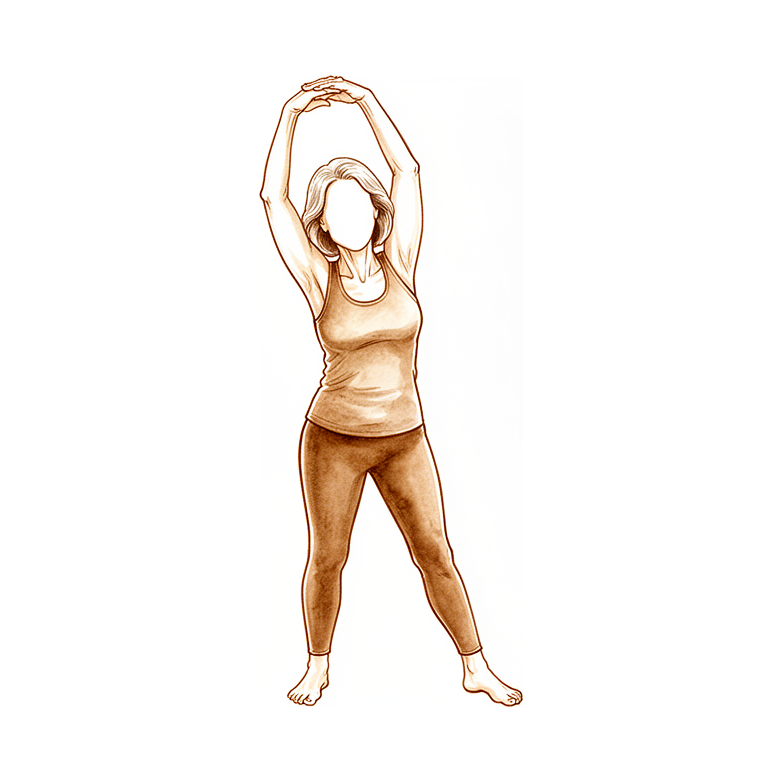
Ang iyong nararamdaman
Malamang na nakakaranas ka ng pananakit ng kasukasuan, o arthralgia, na nararanasan ng higit sa kalahati ng mga kababaihan sa panahon ng menopause. Ang pananakit na ito ay madalas na tumitindi habang ang iyong katawan ay dumadaan sa menopause. Ang pagbaba ng antas ng oestrogen ay isang pangunahing dahilan ng pagbabagong ito. Maaaring mapansin mo na ang iyong mga kalamnan ay tila mas naninigas. Ang estrogen at paninigas ng kalamnan ay may negatibong ugnayan, ibig sabihin, ang mas mababang estrogen ay madalas na nangangahulugan ng mas mahigpit at hindi gaanong flexible na mga kalamnan.
Ang pananakit ay maaaring lumitaw sa maraming bahagi. Ang pananakit ng ibabang bahagi ng likod (low back pain) ay mas karaniwan sa mga kababaihang postmenopausal kaysa sa mga kalalakihan sa parehong edad. Ito ay nauugnay sa mga pisyolohikal na pagbabago mula sa mas mababang antas ng sex hormone. Maaari ka ring makaramdam ng pananakit sa iyong mga balikat. Ang panganib ng silent rotator cuff tears ay tumataas sa panahong ito. Ito ay mga punit na maaaring hindi mo maramdaman hanggang sa makaapekto na ito sa iyong paggalaw.
Ang mga pang-araw-araw na gawain ay maaaring maging mahirap. Ang pag-abot sa likod ng iyong katawan o sa itaas ng iyong ulo ay maaaring magmukhang kakatwa at naninigas. Maaaring mas mahirapan kang magbuhat ng mga bagay o matulog nang patagilid. Alam ng iyong doktor na ang mga pagbabagong ito ay totoo at karaniwan. Hindi ito guni-guni lamang.
Ang iyong mga sintomas ay maaaring lumala sa gabi o pagkatapos ng aktibidad. Ang paggising na may paninigas ay karaniwan din. Ang mga pagbabago sa antas ng iyong hormone ay maaari ring makaimpluwensya kung gaano naninigas ang iyong mga kalamnan at tendon. Ang pagbabagong ito ay maaaring magdulot na ang ilang araw ay mas mabuti kaysa sa iba.
Mahalagang malaman na hindi ka nag-iisa rito. Ang prevalence ng pagkawala ng kalamnan, o sarcopenia, ay 31% sa mga kababaihang postmenopausal. Ang pagkawala na ito ay nag-aambag sa pananakit at paninigas na iyong nararamdaman. Bagama't may ilang mga gamutan na nagpapakita ng pag-asa, limitado ang ebidensya para sa hormone therapy sa pagprotekta laban sa joint replacement. Magtutuon ang iyong doktor sa pamamahala ng iyong mga partikular na sintomas at pagpapabuti ng iyong kalidad ng buhay.
Ano ang aktwal na nangyayari
Sa panahon ng perimenopause, ang iyong katawan ay sumasailalim sa mga makabuluhang pagbabago sa hormone na nagiging sanhi upang maging mas prone ka sa musculoskeletal pain. Higit sa kalahati ng mga kababaihan ang nakakaranas ng pananakit ng kasukasuan, o arthralgia, sa panahong ito. Ang discomfort na ito ay madalas na tumitindi habang dumadaan ka sa menopausal transition. Ang pangunahing sanhi nito ay ang pagbaba ng lebel ng oestrogen. Ang pagbagsak na ito ay hindi lamang nakakaapekto sa iyong mga kasukasuan, kundi pati na rin sa iyong mga kalamnan at buto.
Ang iyong mga kasukasuan ay dumidepende sa makinis na cartilage upang magsilbing shock absorber sa pagitan ng mga dulo ng buto. Ang mas mababang lebel ng oestrogen ay nauugnay sa pagbuo ng knee osteoarthritis, na isang uri ng wear-and-tear arthritis. Sa ilang mga kaso, ito ay nagsasama sa osteoporotic osteoarthritis, kung saan ang buto sa ilalim ng cartilage ay nagiging hindi gaanong dense dahil sa mataas na remodeling. Ang structural change na ito ay maaaring humantong sa paninigas at pananakit. Ang low back pain ay mas karaniwan din sa mga postmenopausal na kababaihan kaysa sa mga kalalakihan sa parehong edad, na dulot ng mga katulad na physiological changes sa sex hormones.
Ang iyong mga kalamnan at tendon ay apektado rin. Ang muscle stiffness ay may negatibong relasyon sa estrogen, na nangangahulugang ang mas mababang lebel ay humahantong sa mas mahigpit at hindi gaanong flexible na tissue. Sa katunayan, ang estrogen at mga katangian ng kalamnan ay may malapit na korelasyon. Ang hormonal shift na ito ay maaaring mag-ambag sa sarcopenia, isang pagkawala ng muscle mass. Sa isang pag-aaral sa mga postmenopausal na kababaihan, ang prevalence ng sarcopenia ay 31%. Bukod dito, ang mga tendon sa iyong balikat, gaya ng supraspinatus, ay naglalaman ng mga receptor para sa estrogen at progesterone. Kapag bumaba ang mga lebel ng hormone na ito, ang mga tendon fibre ay maaaring humina. Pinatataas nito ang panganib ng asymptomatic full-thickness rotator cuff tears, kung saan ang mga tendon fibre ay ganap na naghihiwalay. Ang mga punit na ito ay mas laganap sa postmenopausal period at nauugnay sa mga metabolic disorder.
Ang iyong shoulder joint ay napapalibutan ng isang capsule, na isang sleeve ng tissue na humahawak sa kasukasuan. Ang mas mababang lebel ng estrogen ay maaari ring magpataas ng iyong posibilidad na magkaroon ng adhesive capsulitis, o frozen shoulder, kung saan ang capsule na ito ay nagiging makapal at mahigpit. Bagama't ang hormone replacement therapy ay maaaring magbigay ng ilang proteksyon laban sa mga kondisyong ito, nag-iiba-iba ang ebidensya. Sa huli, ang pananakit at paninigas na iyong nararamdaman ay direktang resulta ng nagbabagong hormonal landscape ng iyong katawan na nakakaapekto sa mga tissue na sumusuporta sa iyong paggalaw.
Ano ang maaari nating gawin tungkol dito
Ang musculoskeletal pain ay partikular na laganap sa panahon ng perimenopausal transition. Ang arthralgia ay nakakaapekto sa higit sa kalahati ng mga kababaihan sa panahon ng menopause. Ang pagtaas na ito ay nauugnay sa nabawasang antas ng estrogen. Maaari kang magsimula sa self-care at physical therapy. Ang banayad na ehersisyo ay tumutulong sa pagpapanatili ng mobility at lakas. Para sa pananakit ng joint ng thumb, ang pagsasama ng proprioceptive neuromuscular facilitation exercises at strength training ay mas epektibo kaysa sa strength training lamang. Ang approach na ito ay nagbabawas ng disability at nagpapabuti ng paggalaw. Kung ikaw ay may greater trochanteric pain syndrome at may body mass index na mababa sa 25, ang pagsasama ng hormone therapy sa anumang ehersisyo at edukasyon ay mas superior kaysa sa placebo. Bigyan ng sapat na oras ang mga conservative measures na ito upang gumana. Ang consistency ay susi upang makakita ng resulta sa iyong pang-araw-araw na comfort.
Kasama sa mga medical option ang pain medication at anti-inflammatories. Ang hormone therapy ay isa pang landas, ngunit mayroon itong mga trade-off. Ang estrogen at selective estrogen receptor modulators ay maaaring makatulong sa mga postmenopausal patients na may early-stage wear-and-tear arthritis o osteoporotic arthritis. Gayunpaman, ang pangmatagalang paggamit ng systemic menopausal hormone therapy, partikular ang estrogen-only therapy, ay nauugnay sa mas mataas na panganib ng chronic low back pain. Ang unopposed estrogen ay nagpapakita ng protective trend para sa incident radiological wear-and-tear arthritis ng tuhod. Gayunpaman, limitado ang ebidensya para sa protective effect ng paggamit ng unopposed estrogen sa incidence ng hip o joint replacement. Ang estradiol supplementation ay maaaring humantong sa mas mabuting outcomes pagkatapos ng rotator cuff repair, bagaman ang mga pagkakaiba sa pain at function scores ay hindi umabot sa minimal clinically important threshold. Talakayin ang mga benepisyo at panganib na ito kasama ang iyong doktor upang mahanap ang tamang balanse para sa iyo.
Kung nananatiling malala ang mga sintomas sa kabila ng mga hakbang na ito, humingi ng tulong mula sa espesyalista. Maaaring i-refer ka ng iyong doktor para sa mas malalim na assessment. Ang imaging ay maaaring mag-check para sa mga isyu tulad ng asymptomatic full-thickness rotator cuff tears, na mas karaniwan sa postmenopausal period. Para sa ilang partikular na kondisyon, ang isang procedure ay maaaring isaalang-alang paminsan-minsan kung mabigo ang conservative care. Ang desisyong ito ay nakadepende sa iyong indibidwal na health profile at sa tindi ng iyong pananakit. Gagabayan ka ng iyong doktor sa mga susunod na hakbang base sa kung ano ang pinaka-epektibo para sa iyong katawan at sa iyong lifestyle.
Ano ang dapat asahan
Karaniwan ang musculoskeletal pain sa panahon ng perimenopausal transition. Higit sa kalahati ng mga kababaihan ang nakakaranas ng pananakit ng kasukasuan (arthralgia) sa panahon ng menopause. Tumataas ang bilang na ito habang bumababa ang iyong estrogen levels. Maaaring mapansin mo na ang pananakit ng ibabang bahagi ng likod (low back pain) ay mas laganap sa mga postmenopausal na kababaihan kaysa sa mga kalalakihan na kasing-edad nila. Ito ay nauugnay sa mas mababang sex hormone levels pagkatapos ng menopause.
Ang iyong outlook ay nakadepende sa kung paano mo pamamahalaan ang mga pagbabagong ito. Para sa ilang kondisyon, gaya ng early-stage wear-and-tear arthritis, maaaring paborable ang estrogen o mga partikular na estrogen-modulating medications. Ang mga gamot na ito ay makakatulong kung ikaw ay may nabawasang bone density. Gayunpaman, ang matagalang paggamit ng systemic hormone therapy, partikular ang estrogen-only therapy, ay nauugnay sa mas mataas na panganib ng chronic low back pain. May limitadong ebidensya na ang unopposed estrogen ay nakakapigil sa pangangailangan para sa hip o joint replacement. Nagpapakita ito ng protective trend para sa knee arthritis sa mga X-ray.
Kung ikaw ay may rotator cuff tears, mas karaniwan ang mga ito sa postmenopausal period at nauugnay sa mga metabolic disorder. Ang estradiol supplementation ay maaaring humantong sa mas mabuting outcomes pagkatapos ng rotator cuff repair, bagaman ang pagkakaiba sa pain scores ay maaaring hindi maramdaman na signipikante para sa iyo. Para sa thumb arthritis, ang pagsasama ng mga partikular na stretching exercises at strength training ay mas epektibo kaysa sa strength training lamang. Binabawasan nito ang disability at pinapabuti ang mobility.
Kung ikaw ay may greater trochanteric pain syndrome at may malusog na timbang (BMI <25), ang pagsasama ng hormone therapy sa ehersisyo at edukasyon ay mas epektibo kaysa sa placebo. Ang sarcopenia (pagkawala ng kalamnan dahil sa pagtanda) ay nakakaapekto sa humigit-kumulang 31% ng mga postmenopausal na kababaihang naninirahan sa komunidad. Maaari itong makaapekto sa iyong physical activity.
Sa pangkalahatan, gagawa ang iyong doktor ng planong akma sa iyong mga partikular na sintomas. Ang ilang pananakit ay maaaring humupa sa pamamagitan ng targeted therapy. Ang ibang mga sintomas, gaya ng chronic low back pain mula sa pangmatagalang paggamit ng hormone, ay maaaring magpatuloy. Maging tapat tungkol sa iyong pain levels. Ang mga makatotohanang ekspektasyon ay tumutulong sa iyo na pamahalaan ang transition. Nagbabago ang iyong katawan, ngunit mayroon kang mga opsyon upang manatiling aktibo at komportable.
Kailan dapat magpatingin
Ang perimenopause ay isang estado kung saan ang mga kababaihan ay partikular na predisposed na magkaroon ng musculoskeletal pain. Ang arthralgia ay nararanasan ng higit sa kalahati ng mga kababaihan sa panahon ng menopause. Ang prevalence ng arthralgia ay tila tumataas sa panahon ng menopausal transition. Ang low back pain ay mas prevalent sa mga postmenopausal women kaysa sa mga kalalakihang kasing-edad nila. Magpatingin sa iyong GP kung ikaw ay may persistent pain na hindi bumubuti sa pahinga, panghihina o instability, locking o giving way, mga sintomas na nakakaabala sa pagtulog o trabaho, o biglaang paglala. Ang matagal na paggamit ng systemic menopausal hormone therapy ay nauugnay sa mas mataas na risk ng chronic low back pain. Ang estradiol supplementation ay nauugnay sa mas mabuting outcomes sa mga postmenopausal women na sumasailalim sa rotator cuff repair.
Mas malalim na pagtalakay
Advanced reading: the deeper science (optional)
Ang seksyong ito ay higit pa sa kailangan mo para sa iyong sariling mga desisyon sa paggamot. Isinulat ito para sa mambabasa na nais ang mismong ebidensya, at sulit ang dagdag na pagsisikap dito dahil ang halatang hinuha—na kung ang pagbaba ng oestrogen ay nakakasira sa musculoskeletal tissue, kung gayon ang pagpapalit ng oestrogen ay dapat magkumpuni nito—ay hindi ang ipinapakita ng literatura.
Ang kumpol ng mga sintomas ay may pangalan na ngayon. Noong 2024, pormal itong inilarawan bilang musculoskeletal syndrome of menopause, na pinagsasama-sama ang arthralgia, pagkawala ng muscle mass, pagkawala ng bone density at paglala ng osteoarthritis sa ilalim ng iisang sanhi: ang biglaang pagbaba ng oestrogen sa panahon ng transition [1]. Humigit-kumulang 47 milyong kababaihan ang pumapasok sa transition na iyon bawat taon. Higit sa 70% ang magkakaroon ng mga musculoskeletal symptoms at 25% ang magiging disabled dahil dito [1].
Dalawang numero mula sa papel na iyon ang nararapat bigyang-diin. Ang pangkalahatang prevalence ng musculoskeletal pain sa mga perimenopausal na kababaihan ay humigit-kumulang 71%, at 40% ng mga kababaihan na may mga sintomas na ito ay walang structural findings sa imaging [1]. Ang normal na scan ay hindi nangangahulugang walang mali; ito ang inaasahang resulta sa isang malaking minorya.
Pinangkat ng mga may-akda ang syndrome sa limang proseso, na isang mas kapaki-pakinabang na balangkas kaysa sa isang listahan ng mga reklamo: inflammation (arthralgia, pananakit ng kasukasuan, frozen shoulder), sarcopenia (mahinang balanse, pagkahulog, pagkawala ng stamina), nabawasang satellite-cell proliferation (muscles na hindi na nabubuo muli), osteoporosis (pagbaba ng height, kuba na postura, low-impact fracture) at arthritis (pananakit at paninigas ng kasukasuan) [1]. Mahalaga ang pagpapangalan dito dahil ang mga ito ay kasaysayang sinusuri nang paisa-isang kasukasuan, ng iba't ibang clinician, na wala ni isa ang nakakita sa pattern.
Ano ang aktwal na ginagawa ng oestrogen sa tissue
Ang mga oestrogen receptor ay matatagpuan sa tendon, muscle, cartilage at synovium, kaya ang pagkawala ng oestrogen ay hindi lamang isang kaganapan sa buto. Ngunit ang epekto sa tendon ay mas espesipiko kaysa sa isang pangkalahatang pagbaba.
Kapag ang pagtanda at oestrogen deficiency ay direktang pinaghambing sa rotator cuff tendon, binawasan ng pagtanda ang expression ng parehong major collagens at ng elastin, habang ang oestrogen deficiency ay piling nagbawas ng elastin lamang, na hindi naaapektuhan ang mga collagen gene [2]. Ang collagen ang lubid; ang elastin ang recoil. Tugma ito sa inilalarawan ng mga tao, hindi isang tendon na naging mahina kundi isa na naging matigas at hindi gaanong flexible.
Tatlong karagdagang mekanismo ang konsistent na iminumungkahi para sa mismong pananakit ng joint: ang oestrogen ay normal na sumusupil sa produksyon ng inflammatory cytokine, kaya ang pagkawala nito ay nagpapahintulot ng isang low-grade inflammatory state; ang oestrogen ay may direktang antinociceptive effect, kaya ang pagkawala nito ay nagpapababa ng pain threshold anuman ang pinsala sa tissue; at ang accelerated bone turnover ay nag-aambag ng sarili nitong discomfort [3].
Ang pinakamalinaw na natural experiment
Ang pinakamalakas na causal evidence ay hindi nagmumula sa pananaliksik tungkol sa menopause. Ang mga aromatase inhibitor, na ginagamit sa breast cancer, ay nagdudulot ng malalim at sadyang deprivation ng oestrogen, at ang mga musculoskeletal consequence nito ay maingat na nasukat.
Sa 21 pag-aaral at 13,177 na kababaihan, ang pooled prevalence ng aromatase inhibitor-induced arthralgia ay 45.9% [4]. Humigit-kumulang 9.3% ng mga kababaihan ang humihinto sa kung hindi ay epektibong cancer treatment dahil dito [4]. Mahalaga, ang arthralgia ay predominantely non-inflammatory, sumasakit ang mga joint nang walang mga marker ng isang inflammatory arthritis [3].
Ito na ang pinakamalapit sa isang experiment sa larangang ito. Alisin ang oestrogen nang biglaan at halos kalahati ng mga kababaihan ang nagkakaroon ng joint pain; ang sakit ay totoo, karaniwan, at hindi maipaliwanag ng inflammatory disease. Ang parallel ay tahasang binanggit sa defining paper, na nagsasaad na ang pagtaas ng arthralgia ay naiuulat kapwa pagkatapos ng aromatase inhibitors at pagkatapos ng biglaang paghinto ng menopausal hormone therapy [1], dalawang magkaibang ruta patungo sa parehong biglaang pagkawala, na nagreresulta sa parehong reklamo. Ito ang pinakamahusay na dahilan upang seryosohin ang menopausal version sa halip na ituring ito bilang coincidental ageing.
Ang mga kondisyong nakakumpol sa paligid nito
Ang pananakit ng balikat ay mapapatunayang mas karaniwan pagkatapos ng menopause. Sa isang cross-sectional study ng 21,095 katao, ang pananakit ng balikat ay mas laganap sa mga kababaihang menopausal kaysa sa mga hindi menopausal, kung saan ang tagal ng pagtulog at mga inflammatory marker ay kabilang sa mga kaugnay na salik [5].
Ang frozen shoulder ay direktang nakapaloob sa sindrom ayon sa defining paper, na nag-uuri rito sa ilalim ng inflammatory arm kasama ang arthralgia at pananakit ng kasukasuan, at nagpapayo na ang isang babaeng nasa midlife na may adhesive capsulitis ay dapat mag-udyok ng pagsasaalang-alang sa sindrom sa kabuuan sa halip na paggamot sa balikat nang hiwalay [1].
Mahalagang maging tapat tungkol sa lakas ng ugnayang iyon. Ang mga independyenteng na-replicate na risk factor para sa adhesive capsulitis ay diabetes, sakit sa thyroid at hyperlipidaemia, at isang genome-wide association study ang nakatuklas ng genetic contribution na katumbas ng laki ng mga asosasyon sa diabetes at hypothyroidism, na nagsasangkot sa Wnt pathway [6]. Ang menopause ay hindi kabilang sa mga well-replicated na salik na iyon. Kaya ang iminungkahing mekanismo, ang pagkawala ng oestrogen na nagpapahintulot sa isang inflammatory state, ay kapani-paniwala at coherent sa arthralgia data, ngunit ang ugnayan ng frozen-shoulder sa kasalukuyan ay nakabatay sa pangangatwirang iyon sa halip na sa epidemiology na may kaparehong bigat gaya ng asosasyon sa diabetes.
Mayroon ding overlap sa widespread pain na mahalagang banggitin, dahil ito ay gumagana sa dalawang direksyon. Ang mga sintomas ng fibromyalgia ay madalas na nagsisimula sa paligid ng menopause, may tendensiyang maging mas malala pagkatapos nito, at maaaring lumala pagkatapos ng hysterectomy mayroon o walang pagtanggal ng mga ovary [17]. Ang mga listahan ng sintomas ng dalawang kondisyon ay may malaking overlap. Ngunit ang fibromyalgia ay nangyayari rin sa mga kababaihang hindi menopausal at sa mga kalalakihan, kaya ang sex hormones ay hindi maaaring maging kabuuan ng mekanismo, at ang konklusyon ng review ay dapat kilalanin at gamutin ang dalawa bilang magkahiwalay na problema sa halip na pagsamahin sa isa [17]. Sa praktikal na aspeto, nangangahulugan ito na ang widespread pain sa isang babaeng nasa midlife ay hindi dapat i-attribute sa menopause nang default, tingnan ang aming pahina tungkol sa fibromyalgia.
Nakakatulong ba ang pagpapalit ng oestrogen?
Dito pinakamahigpit na nabibigo ang intuwisyon, at ang sagot ay nag-iiba depende sa kung ano ang iyong sinusukat.
Para sa tendon, ang signal ay tumuturo sa maling direksyon. Sa isang propensity score-matched national cohort ng 127,672 na kababaihang may edad 45 pataas, ang systemic hormone replacement therapy ay nauugnay sa tumaas na rate ng tendon injury at mas mataas na posibilidad na sumailalim sa surgical repair [7]. Sa isang hiwalay na prospective cohort ng 6,007 na kababaihan, ang long-lasting systemic therapy — partikular na ang oestrogen-only formulations, ay nagdala ng mas mataas na panganib ng chronic low back pain [8].
Kapag ibinigay nang direkta sa paligid ng operasyon, ang benepisyo ay totoo ngunit maliit. Sa mga 184 na postmenopausal na kababaihang sumailalim sa rotator cuff repair, ang oestradiol supplementation ay nagresulta sa mas mabuting pain at shoulder-value scores, ngunit ang mga pagkakaiba ay hindi umabot sa threshold kung saan mapapansin ito ng isang pasyente [9]. Ang pag-aaral sa paghahatid ng oestradiol nang lokal sa repair site sa halip na systemically ay umabot pa lamang sa proof-of-concept sa mga hayop [10].
Ang mga ito ay observational studies, at ang mga kababaihang gumagamit ng hormone therapy ay sistematikong naiiba sa mga hindi gumagamit nito. Wala sa mga ito ang dahilan upang itigil ang hormone therapy, na inirereseta para sa mga mapanghikayat na dahilan na walang kaugnayan sa mga tendon. Ang ibig sabihin nito ay hindi dapat asahan na poprotektahan ng hormone therapy ang iyong mga tendon, at ang bagong pananakit ng balikat o siko pagkatapos itong simulan ay nararapat na suriin sa halip na ipagpalagay na ito ay walang kaugnayan.
Sa paligid ng operasyon, nahahati ang larawan
Ang perioperative na literatura ay tunay na magkasalungat, at ang kontradiksyong ito ay nagbibigay-impormasyon: ang mga medikal na komplikasyon at mga komplikasyon sa implant ay gumagalaw sa magkasalungat na direksyon.
Sa medikal na panig, ang oestrogen replacement ay mukhang protektibo. Sa isang cohort ng 2,554,672 na mga pasyenteng sumasailalim sa total joint arthroplasty, ang oestrogen replacement therapy ay nauugnay sa nabawasang venous thromboembolism at mas kaunting pangunahing medikal na komplikasyon [11]. Sa 21,220 na mga kababaihang sumailalim sa total hip arthroplasty, ang hormone therapy bago ang operasyon ay nauugnay sa mas kaunting periprosthetic fractures sa loob ng sampung taon at walang pagtaas sa thromboembolism [12].
Sa panig ng implant, nababaligtad ang direksyon. Sa isang propensity-matched series ng 3,558 na mga pasyenteng sumasailalim sa total shoulder arthroplasty, ang operasyon sa upper-limb na pinaka-kaugnay dito, ang oestrogen replacement ay nauugnay sa pangmatagalang pagtaas sa mga revision procedure at mga mekanikal na komplikasyon [13]. Isa pang series ang nakatuklas ng mas mataas na rate ng revision at periprosthetic joint infection sa mga pasyenteng gumagamit ng perioperative oestrogen replacement [14].
Ang praktikal na konklusyong nabuo ng isang systematic review ay mas limitado kaysa sa alinman sa dalawang ekstremong panig: ang mga non-oestrogen-containing transdermal preparation ay hindi dapat itigil bago ang elective joint arthroplasty, habang ang argumento para sa pagtigil ng mga oestrogen-containing form ay nananatiling hindi napatutunayan sa kahit anong panig [15]. Kung ikaw ay sumasailalim sa hormone therapy at may nakaplano na operasyon, ito ay isang desisyong dapat gawin nang magkasama sa iyong surgeon at sa iyong prescriber, hindi nang mag-isa.
Ano ang aktwal na alam na nakakatulong
Ang pinakapakinabang na ebidensya ay ang hindi gaanong kapansin-pansin. Sa isang randomised trial ng mga postmenopausal na kababaihan na may thumb base arthritis, ang pagdaragdag ng proprioceptive neuromuscular facilitation, mga guided movement pattern na nagsasanay ng koordinasyon sa halip na raw strength, sa isang strength programme ay mas nakahigit kaysa sa strength training lamang pagdating sa pain, disability, mobility at grip [16].
Iyan ang pangkalahatang anyo ng ebidensya. Ang targeted, supervised exercise ay may mahalagang papel. Ang mga hormonal explanation ay mas mahusay sa pagpapaliwanag kung bakit nagbago ang tissue kaysa sa pagsasabi sa atin kung ano ang dapat gawin kapag nangyari na ito.
Mga Sanggunian
[1] Wright VJ, Schwartzman JD, Itinoche R, Wittstein J. The musculoskeletal syndrome of menopause. Climacteric. 2024;27(5):466-72. https://doi.org/10.1080/13697137.2024.2380363
[2] Matsumoto M, Uchida K, Tazawa R, Kenmoku T, Inoue K, Inoue G, Takaso M. Impact of aging and estrogen deficiency on extracellular matrix-related gene expression in rotator cuff tendons: in vitro and in vivo rat model. JSES Int. 2025;9(5):1555-61. https://doi.org/10.1016/j.jseint.2025.05.021
[3] Grigorian N, Baumrucker SJ. Aromatase inhibitor-associated musculoskeletal pain: an overview of pathophysiology and treatment modalities. SAGE Open Med. 2022;10. https://doi.org/10.1177/20503121221078722
[4] Beckwée D, Leysen L, Meuwis K, Adriaenssens N. Prevalence of aromatase inhibitor-induced arthralgia in breast cancer: a systematic review and meta-analysis. Support Care Cancer. 2017;25(5):1673-86. https://doi.org/10.1007/s00520-017-3613-z
[5] Wang X, Zhu Y, Zhu Q. Prevalence and factors associated with shoulder pain among diabetic patients and menopausal women. J Orthop Surg Res. 2025;20(1). https://doi.org/10.1186/s13018-025-06546-w
[6] Kulm S, Langhans MT, Shen TS, Kolin DA, Elemento O, Rodeo SA. Genome-wide association study of adhesive capsulitis suggests significant genetic risk factors. J Bone Joint Surg Am. 2022;104(21):1869-76. https://doi.org/10.2106/JBJS.21.01407
[7] Bcharah G, Cancio-Bello A, Iturregui-Pastrana JM, Elsabbagh Z, Le Y, Nguyen C, et al. Association between hormone replacement therapy and incidence of tendon injuries and surgical repair in perimenopausal women: a propensity score-matched national cohort study. Orthop J Sports Med. 2026;14(5). https://doi.org/10.1177/23259671261428457
[8] Heuch I, Heuch I, Hagen K, Storheim K, Zwart J. Menopausal hormone therapy, oral contraceptives and risk of chronic low back pain: the HUNT Study. BMC Musculoskelet Disord. 2023;24(1). https://doi.org/10.1186/s12891-023-06184-5
[9] Percin B, Wang JC, Joyce CC, Welt C, Tashjian RZ, Chalmers PN. Does estradiol supplementation improve rotator cuff repair outcomes in postmenopausal women? JSES Rev Rep Tech. 2026;6(2):100642. https://doi.org/10.1016/j.xrrt.2025.100642
[10] Chalmers PN, Jurynec MJ, Hickey AM, Fallin TW, Zelada AC, Honeggar M, et al. Local estradiol deposition in a rat rotator cuff repair model: proof of concept. JSES Int. 2025;9(4):1164-71. https://doi.org/10.1016/j.jseint.2025.03.004
[11] Zhao S, Kelly M, Smith S, Heckmann ND, Schabel K, Lieberman E, et al. Estrogen replacement therapy decreases associated risk of postoperative venous thromboemboli and medical complications following total joint arthroplasty. J Arthroplasty. 2025;40(11):2995-9.e1. https://doi.org/10.1016/j.arth.2025.05.027
[12] Zhao AY, Oguejiofor A, Harris AB, Wang K, Gu A, Melvin JS, et al. Hormone replacement therapy in postmenopausal women undergoing total hip arthroplasty is associated with lower rates of periprosthetic fracture. J Arthroplasty. 2025;40(7):1772-6.e1. https://doi.org/10.1016/j.arth.2024.12.020
[13] Mousavi SZ, Harris ER, Agarwal S, Saha P, Glenn ER, Fox HM, Srikumaran U. Impact of estrogen replacement therapy on outcomes following total shoulder arthroplasty: a propensity-matched analysis. JSES Int. 2025;9(4):1345-51. https://doi.org/10.1016/j.jseint.2025.04.022
[14] Collins LK, Cole MW, Waters TL, Iloanya M, Massey PA, Sherman WF. Hormone replacement therapy does not eliminate risk factors for joint complications following total joint arthroplasty. Pathophysiology. 2023;30(2):123-35. https://doi.org/10.3390/pathophysiology30020011
[15] Abouharb AL, Mehta S, Rathnayake H, Pandit H. Withholding of hormone replacement therapy prior to total joint arthroplasty surgery to reduce the risk of venous thromboembolism: a systematic review. J Arthroplasty. 2024;39(2):541-8.e24. https://doi.org/10.1016/j.arth.2023.08.061
[16] Campos-Villegas C, Pérez-Alenda S, Carrasco JJ, Igual-Camacho C, Tomás-Miguel JM, Cortés-Amador S. Epektibidad ng proprioceptive neuromuscular facilitation therapy at strength training sa mga post-menopausal na kababaihan na may thumb carpometacarpal osteoarthritis. Isang randomized trial. J Hand Ther. 2024;37(2):172-83. https://doi.org/10.1016/j.jht.2022.07.005
[17] Vidal-Neira LF, Neyro JL, Maldonado G, Messina OD, Moreno-Alvarez M, Ríos C. Climacteric at fibromyalgia: isang review. Climacteric. 2024;27(5):458-65. https://doi.org/10.1080/13697137.2024.2376190