Skip to content

Patients › Hand

Jersey Finger (Flexor Tendon Avulsion)

The deep flexor tendon avulses off the fingertip — why it is time-critical, and the surgery to reattach it.
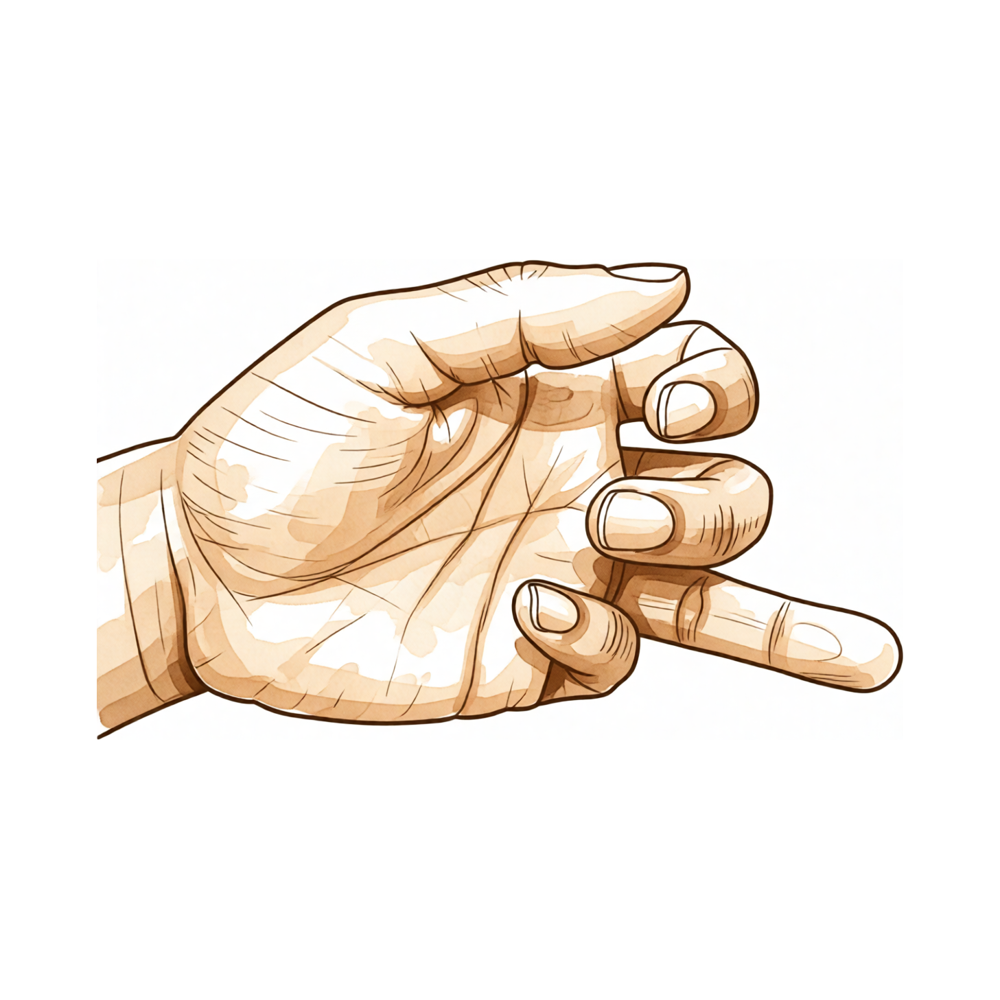
Ilustrasyon ng jersey finger — ang deep flexor tendon na nabunot mula sa buto ng dulo ng daliri.
Jersey finger: natatanggal ang deep flexor tendon mula sa dulo ng daliri, kaya hindi na kayang ibaluktot ang pinakadulo nito. Kieran Hirpara 4.0

Ang pahinang ito ay isinalin ng makina at hindi pa nasusuri ng isang doktor. Ang bersyong Ingles ang siyang opisyal.

Ang iyong nararamdaman

Ang jersey finger ay karaniwang nangyayari sa isang sandaling malinaw mong natatandaan, madalas habang humahawak nang mahigpit habang naglalaro ng sports. Isang klasikong halimbawa ay ang paghawak sa jersey ng kalaban sa rugby o football habang sila ay humihila palayo, kung saan nagmula ang pangalan nito. Mayroong biglaang matalas na sakit sa dulo ng daliri, at pagkatapos ay mamamaga ang daliri at maaaring magkapasa.

Ang malinaw na palatandaan ay hindi mo maibabaluktot ang pinakadulo ng daliri. Ang joint sa dulo ng daliri (ang maliit na joint na pinakamalapit sa kuko, na tinatawag na DIP joint) ay hindi maititiklop papunta sa iyong palad kapag sinusubukan mong itikom ang iyong kamao, kahit na gumagalaw ang ibang bahagi ng daliri. Ang ring finger ang pinakamadalas na naaapektuhan. Napapansin din ng ilang tao ang isang masakit na bukol sa ibaba ng daliri o maging sa palad: ang bukol na iyon ay ang dulo ng tendon, na naputol mula sa buto at tumalbog pabalik na parang isang binitawang elastic band.

Ano ang aktwal na nangyayari

Isang matibay na tendon na tinatawag na flexor digitorum profundus (FDP) ang tumatakbo sa gilid ng palad ng bawat daliri at nakakabit sa maliit na buto sa dulo ng daliri. Ang tungkulin nito ay itiklop ang huling joint na iyon. Sa isang jersey finger, ang daliri ay napipilitang tumuwid sa eksaktong sandali na ang muscle ay humihila nang malakas upang itiklop ito, at ang tendon ay napupunit mula sa kung saan ito nakakabit sa buto ng dulo ng daliri, kung minsan ay may kasamang maliit na piraso ng buto na natatanggal.

Malaki ang epekto kung gaano kalayo tumalbog pabalik ang maluwag na dulo ng tendon, at pinapangkat ng mga surgeon ang mga pinsalang ito base mismo rito (ang Leddy–Packer classification). Kapag ang tendon ay umurong lamang nang kaunti at nanatili sa daliri, karaniwan itong nakapanatili ng bahagi ng supply ng dugo nito at maaaring maghintay nang kaunti. Kapag tumalbog ito nang tuluyan pabalik sa palad, nawawala ang supply ng dugo nito at ang channel kung saan ito karaniwang dumudulas (ang pulley system) ay nagsisimulang mag-scar at magsara. Ito ang dahilan kung bakit ang isang fully retracted jersey finger ay time-critical: habang mas matagal itong napababayaan, mas nagiging mahirap na ibalik ang tendon at muling ikabit ito. Ang isang pinsala kung saan may fragment ng buto na nakakabit pa ay madalas na nananatili sa posisyon at kung minsan ay maaaring gamutin nang mas huli nang kaunti.

Ano ang maaari naming gawin tungkol dito

Sa aming klinika, pinamamahalaan ni Dr Kieran Hirpara ang kondisyong ito sa pamamagitan ng pagkumpirma muna ng diagnosis gamit ang isang maingat na pagsusuri ng iyong history at ekaminasyon. Dahil kadalasang kailangang maikabit muli ang tendon sa loob ng ilang araw, karaniwang inirerekomenda agad ang operasyon sa halip na subukan muna ang non-operative care.

Ang jersey finger ay halos palaging ginagamot sa pamamagitan ng operasyon upang muling ikabit ang tendon sa buto. Mayroong ilang paraan upang gawin ito depende sa nangyari sa tendon:

  • Kung ang tendon ay tuluyang nahugot mula sa buto, muli itong ikinakabit gamit ang isang maliit na anchor na inilalagay sa buto, o sa pamamagitan ng mga tahi na idinadaan sa dulo ng daliri at itinatali sa ibabaw ng isang button (isang "pull-out" repair).
  • Kung may kasama itong piraso ng buto na nahugot, ang pirasong iyon ay ibinabalik at pinapanatili sa pwesto, karaniwan ay gamit ang isang maliit na screw, wire o maliit na plate.

Ang pinakaimportanteng salik ay ang timing. Ang isang tendon na umurong na papunta sa palad ay karaniwang kailangang ma-repair sa loob ng humigit-kumulang 7 hanggang 10 araw, bago ito mawalan ng masyadong maraming haba at blood supply. Ang isang pinsala na may kasamang bony fragment ay madalas na maaaring maayos nang mas huli nang kaunti. Ito ang dahilan kung bakit ang mabilis na pagsusuri ay tunay na nakapagbabago sa kung ano ang posible.

Kung ang pinsala ay hindi napansin o natuklasan lamang pagkalipas ng ilang linggo o buwan, maaaring hindi na posible ang simpleng reattachment. Sa sitwasyong iyon, ang mga opsyon ay mas malalaking operasyon: muling pagbuo ng tendon gamit ang isang graft, o, kung ang joint sa dulo ng daliri ang problema, ang pag-fuse sa maliit na joint na iyon upang magkaroon ng stable at walang sakit na daliri. Pagkatapos ng alinman sa mga repair na ito, ang isang maingat at staged na hand-therapy programme ay mahalaga upang mapagalaw ang tendon nang ligtas nang hindi ito napupunit habang naghihilom.

Ano ang dapat asahan

Kapag ang jersey finger ay naagapan at naoperahan nang maayos, maganda ang prognosis at karamihan sa mga tao ay nababawi ang malakas at kapaki-pakinabang na paggalaw ng dulo ng daliri. Gayunpaman, hindi mabilis ang paggaling. Ang naoperahang flexor tendon ay marupok sa unang ilang linggo, kaya magsusuot ka ng protective splint at susunod sa programa ng isang hand therapist na unti-unti at ligtas na ibinabalik ang paggalaw, at ang pagmamadali rito ang pangunahing dahilan kung bakit nabibigo ang operasyon. Karaniwang tumatagal ng ilang buwan bago bumalik sa buong grip at sa mas mabibigat na aktibidad, at gagabayan ka ng iyong therapist at surgeon sa tamang oras ng iyong pagbabalik sa sports o manual na trabaho.

Mahalagang malaman na kahit ang maayos na operasyon ay maaaring mag-iwan sa joint ng dulo ng daliri na mas matigas nang kaunti kaysa sa kabilang panig. Ang mga pinsalang ginamot nang huli, o ang mga nangailangan ng graft o joint fusion, ay may tendensiyang magkaroon ng mas limitadong paggalaw ng dulo ng daliri, na siyang dahilan kung bakit napakahalaga ng maagang paggamot.

Kailan dapat magpatingin

  • Hindi mo maibaluktot ang dulo ng daliri pagkatapos ng isang gripping injury. Ito ang pangunahing palatandaan ng jersey finger at dapat itong masuri agad: huwag nang maghintay kung gagaling ito nang kusa. Ang mukhang "jammed" o napilay na daliri ay maaaring isang tendon na naputol mula sa buto, at ang pinakamagandang resulta ay nakukuha mula sa maagang pagkukumpuni.
  • Isang masakit na bukol sa daliri o palad pagkatapos ng naturang pinsala, lalo na kung may pagkawala ng kakayahang ibaluktot ang dulo ng daliri.
  • Matinding sakit, pamamaga, o pasa sa daliri pagkatapos ng isang sporting o gripping injury na hindi humuhupa.
  • Anumang pinsala sa daliri kung saan ang paggalaw, pakiramdam, o hitsura ng daliri ay tila mali: kung nag-aalinlangan, ipasuri ito, dahil ang panahon para sa pinakamagandang resulta ay maaaring maikli lamang.

Mas malalim na pagtalakay

Advanced reading: the deeper science (optional)

Ang seksyong ito ay higit pa sa kailangan mo para sa iyong sariling mga desisyon sa paggamot. Ang Jersey finger ay karapat-dapat sa karagdagang pagbabasa dahil ito ang pinsala sa kamay kung saan ang pagkaantala ay direktang naglilimita sa mga opsyon, ang tendon ay hindi nananatili kung saan ito napunit, at dahil ang laboratoryong paghahambing ng mga paraan ng pagkukumpuni ay tumuturo sa isang direksyon habang ang mga klinikal na alalahanin ay tumuturo sa iba.

Bakit mas mahalaga ang oras dito kaysa sa iba

Ang flexor digitorum profundus tendon ang nagbabaluktot sa dulo ng daliri. Sa pinsalang ito, ito ay na-aavulse mula sa attachment nito sa distal phalanx, karaniwan kapag ang daliri ay sumabit sa damit habang humahawak, ang klasikong mekanismo kung saan nagmula ang pangalan ng pinsala.

Kapag nakahiwalay na, ang tendon ay nag-re-retract pataas sa daliri, at ang layo ng narating nito ang nagtatakda kung ano ang maaaring gawin. Kung mananatili ito malapit sa dulo ng daliri, na pinapanatili ng blood supply at pulley system nito, maaari itong maikabit muli nang direkta. Kung mag-re-retract ito papunta sa palad, ang blood supply nito ay napupunit, ang sheath na dapat nitong daanan pabalik ay nagsisimulang mag-scar, at ang mismong muscle ay nagsisimulang umikli.

Ang mga prognostic factor ay eksaktong sumasalamin dito: ang lawak ng proximal tendon retraction, ang chronicity ng avulsion, at ang pagkakaroon ng kaugnay na bone fragment [1]. Ang fragment ay paradoxically na mabuting balita, karaniwan itong nangangahulugan na ang tendon ay naka-angkla malapit sa dulo ng daliri at hindi nag-retract nang malayo.

Ito ang dahilan kung bakit ang jersey finger ay ginagamot nang may urgency na maaaring ituring ng pasyente na hindi proporsyonal para sa isang daliri na hindi naman gaanong masakit at gumagana pa rin nang halos normal.

Madali itong makaligtaan, at ang dahilan ay anatomikal

Ang daliri ay mukhang halos normal. Ang superficialis tendon ay buo, kaya ang gitnang kasukasuan ay nakakabaluktot pa rin, at sa kaswal na pag-obserba sa pagsara ng kamay ay walang nakikitang halatang mali.

Ang tanging maaasahang pagsusuri ay ang paghawak sa gitnang kasukasuan nang diretso at pagpapabaluktot sa tao ng dulo lamang ng daliri. Kung ang profundus ay naputol, ang paggalaw na iyon ay wala, at ito ay ganap na wala sa halip na mahina lamang. Mahalagang malaman ito dahil ang pinsala ay madalas na itinuturing na sprain sa unang linggo, na siyang linggo kung kailan pinakamarami ang mga opsyon.

Mas pabor ang laboratoryo sa suture anchors; mas balanse ang clinical picture

Dalawang paraan ng repair ang nangingibabaw: isang suture na ipinapasa sa buto at itinatali sa ibabaw ng isang button sa nail, at isang suture anchor na inilalagay mismo sa loob ng buto.

Sa pagsasama-sama ng mga biomechanical study sa 201 specimens, ang suture anchor repair ay nagpakita ng mas mataas na initial construct stiffness at mas kaunting gap formation kaysa sa suture button pullout, na may walang makabuluhang pagkakaiba sa ultimate failure load [2].

Bilang katapat nito, binanggit sa clinical review na mas mahusay ang performance ng multi-strand repairs, na maaaring makakita ng gapping sa pullout suture–dorsal button repairs, at ang failure sa pamamagitan ng bone pullout ay nananatiling alalahanin sa mga suture anchor method [1].

Kaya ang bawat paraan ay may katangi-tanging kahinaan: ang button construct ay maaaring mag-stretch at magkaroon ng gap, at ang anchor ay maaaring mabunot mula sa maliit na buto. Ang stiffness advantage na nasukat sa laboratoryo ay totoo, ngunit tinutugunan lamang nito ang isa sa dalawang failure mode, na isang magandang ilustrasyon kung bakit ang biomechanical superiority ay hindi awtomatikong nagsasalin sa isang mas mabuting clinical result.

Ano ang mawawala kung hindi ito magagamot

Ang hindi naoperahang profundus ay nag-iiwan ng dulo ng daliri na hindi aktibong nakakabaluktot. Para sa maraming tao, ito ay katanggap-tanggap, at kung ang pinsala ay lumabas nang huli na, ang pagtanggap dito ay isang lehitimong pagpipilian; ang mga alternatibo sa yugtong iyon ay staged tendon grafting o pag-fuse sa joint ng dulo ng daliri, na kapwa mas malalaking operasyon kaysa sa maagang reattachment.

Ang functional cost ay espesipiko sa halip na pangkalahatan: paghawak ng maliliit na bagay, at ang huling bahagi ng pagtikom ng kamay sa paligid ng isang hawakan. Ito ang pagkakaiba sa pagitan ng isang kamay na gumagana at isang kamay na gumagana nang lubos, at kung gaano ito kahalaga ay nakadepende nang lubos sa kung para saan ginagamit ang kamay.

Mga Sanggunian

[1] Ruchelsman DE, Christoforou D, Wasserman B, Lee SK, Rettig ME. Avulsion injuries of the flexor digitorum profundus tendon. J Am Acad Orthop Surg. 2011;19(3):152-62. https://doi.org/10.5435/00124635-201103000-00004

[2] Imbergamo CM, Sequeira SB, Miles MR, Means KR. A meta-analysis of biomechanical studies for suture button pullout versus suture anchor fixation for flexor digitorum profundus reinsertion. Hand (N Y). 2022;19(4):671-8. https://doi.org/10.1177/15589447221126760


Creative Commons BY-NC 4.0

CC Creative Commons licence
BY Attribution — you must credit the source
NC NonCommercial — not for commercial use

Attribution-NonCommercial 4.0 International


Creative Commons Corporation ("Creative Commons") is not a law firm and does not provide legal services or legal advice. Distribution of Creative Commons public licenses does not create a lawyer-client or other relationship. Creative Commons makes its licenses and related information available on an "as-is" basis. Creative Commons gives no warranties regarding its licenses, any material licensed under their terms and conditions, or any related information. Creative Commons disclaims all liability for damages resulting from their use to the fullest extent possible.

Using Creative Commons Public Licenses

Creative Commons public licenses provide a standard set of terms and conditions that creators and other rights holders may use to share original works of authorship and other material subject to copyright and certain other rights specified in the public license below. The following considerations are for informational purposes only, are not exhaustive, and do not form part of our licenses.

Considerations for licensors: Our public licenses are intended for use by those authorized to give the public permission to use material in ways otherwise restricted by copyright and certain other rights. Our licenses are irrevocable. Licensors should read and understand the terms and conditions of the license they choose before applying it. Licensors should also secure all rights necessary before applying our licenses so that the public can reuse the material as expected. Licensors should clearly mark any material not subject to the license. This includes other CC- licensed material, or material used under an exception or limitation to copyright. More considerations for licensors: wiki.creativecommons.org/Considerations_for_licensors

Considerations for the public: By using one of our public licenses, a licensor grants the public permission to use the licensed material under specified terms and conditions. If the licensor's permission is not necessary for any reason--for example, because of any applicable exception or limitation to copyright--then that use is not regulated by the license. Our licenses grant only permissions under copyright and certain other rights that a licensor has authority to grant. Use of the licensed material may still be restricted for other reasons, including because others have copyright or other rights in the material. A licensor may make special requests, such as asking that all changes be marked or described. Although not required by our licenses, you are encouraged to respect those requests where reasonable. More considerations for the public: wiki.creativecommons.org/Considerations_for_licensees


Creative Commons Attribution-NonCommercial 4.0 International Public License

By exercising the Licensed Rights (defined below), You accept and agree to be bound by the terms and conditions of this Creative Commons Attribution-NonCommercial 4.0 International Public License ("Public License"). To the extent this Public License may be interpreted as a contract, You are granted the Licensed Rights in consideration of Your acceptance of these terms and conditions, and the Licensor grants You such rights in consideration of benefits the Licensor receives from making the Licensed Material available under these terms and conditions.

Section 1 -- Definitions.

a. Adapted Material means material subject to Copyright and Similar Rights that is derived from or based upon the Licensed Material and in which the Licensed Material is translated, altered, arranged, transformed, or otherwise modified in a manner requiring permission under the Copyright and Similar Rights held by the Licensor. For purposes of this Public License, where the Licensed Material is a musical work, performance, or sound recording, Adapted Material is always produced where the Licensed Material is synched in timed relation with a moving image.

b. Adapter's License means the license You apply to Your Copyright and Similar Rights in Your contributions to Adapted Material in accordance with the terms and conditions of this Public License.

c. Copyright and Similar Rights means copyright and/or similar rights closely related to copyright including, without limitation, performance, broadcast, sound recording, and Sui Generis Database Rights, without regard to how the rights are labeled or categorized. For purposes of this Public License, the rights specified in Section 2(b)(1)-(2) are not Copyright and Similar Rights.

d. Effective Technological Measures means those measures that, in the absence of proper authority, may not be circumvented under laws fulfilling obligations under Article 11 of the WIPO Copyright Treaty adopted on December 20, 1996, and/or similar international agreements.

e. Exceptions and Limitations means fair use, fair dealing, and/or any other exception or limitation to Copyright and Similar Rights that applies to Your use of the Licensed Material.

f. Licensed Material means the artistic or literary work, database, or other material to which the Licensor applied this Public License.

g. Licensed Rights means the rights granted to You subject to the terms and conditions of this Public License, which are limited to all Copyright and Similar Rights that apply to Your use of the Licensed Material and that the Licensor has authority to license.

h. Licensor means the individual(s) or entity(ies) granting rights under this Public License.

i. NonCommercial means not primarily intended for or directed towards commercial advantage or monetary compensation. For purposes of this Public License, the exchange of the Licensed Material for other material subject to Copyright and Similar Rights by digital file-sharing or similar means is NonCommercial provided there is no payment of monetary compensation in connection with the exchange.

j. Share means to provide material to the public by any means or process that requires permission under the Licensed Rights, such as reproduction, public display, public performance, distribution, dissemination, communication, or importation, and to make material available to the public including in ways that members of the public may access the material from a place and at a time individually chosen by them.

k. Sui Generis Database Rights means rights other than copyright resulting from Directive 96/9/EC of the European Parliament and of the Council of 11 March 1996 on the legal protection of databases, as amended and/or succeeded, as well as other essentially equivalent rights anywhere in the world.

l. You means the individual or entity exercising the Licensed Rights under this Public License. Your has a corresponding meaning.

Section 2 -- Scope.

a. License grant.

1. Subject to the terms and conditions of this Public License, the Licensor hereby grants You a worldwide, royalty-free, non-sublicensable, non-exclusive, irrevocable license to exercise the Licensed Rights in the Licensed Material to:

a. reproduce and Share the Licensed Material, in whole or in part, for NonCommercial purposes only; and

b. produce, reproduce, and Share Adapted Material for NonCommercial purposes only.

2. Exceptions and Limitations. For the avoidance of doubt, where Exceptions and Limitations apply to Your use, this Public License does not apply, and You do not need to comply with its terms and conditions.

3. Term. The term of this Public License is specified in Section 6(a).

4. Media and formats; technical modifications allowed. The Licensor authorizes You to exercise the Licensed Rights in all media and formats whether now known or hereafter created, and to make technical modifications necessary to do so. The Licensor waives and/or agrees not to assert any right or authority to forbid You from making technical modifications necessary to exercise the Licensed Rights, including technical modifications necessary to circumvent Effective Technological Measures. For purposes of this Public License, simply making modifications authorized by this Section 2(a) (4) never produces Adapted Material.

5. Downstream recipients.

a. Offer from the Licensor -- Licensed Material. Every recipient of the Licensed Material automatically receives an offer from the Licensor to exercise the Licensed Rights under the terms and conditions of this Public License.

b. No downstream restrictions. You may not offer or impose any additional or different terms or conditions on, or apply any Effective Technological Measures to, the Licensed Material if doing so restricts exercise of the Licensed Rights by any recipient of the Licensed Material.

6. No endorsement. Nothing in this Public License constitutes or may be construed as permission to assert or imply that You are, or that Your use of the Licensed Material is, connected with, or sponsored, endorsed, or granted official status by, the Licensor or others designated to receive attribution as provided in Section 3(a)(1)(A)(i).

b. Other rights.

1. Moral rights, such as the right of integrity, are not licensed under this Public License, nor are publicity, privacy, and/or other similar personality rights; however, to the extent possible, the Licensor waives and/or agrees not to assert any such rights held by the Licensor to the limited extent necessary to allow You to exercise the Licensed Rights, but not otherwise.

2. Patent and trademark rights are not licensed under this Public License.

3. To the extent possible, the Licensor waives any right to collect royalties from You for the exercise of the Licensed Rights, whether directly or through a collecting society under any voluntary or waivable statutory or compulsory licensing scheme. In all other cases the Licensor expressly reserves any right to collect such royalties, including when the Licensed Material is used other than for NonCommercial purposes.

Section 3 -- License Conditions.

Your exercise of the Licensed Rights is expressly made subject to the following conditions.

a. Attribution.

1. If You Share the Licensed Material (including in modified form), You must:

a. retain the following if it is supplied by the Licensor with the Licensed Material:

i. identification of the creator(s) of the Licensed Material and any others designated to receive attribution, in any reasonable manner requested by the Licensor (including by pseudonym if designated);

ii. a copyright notice;

iii. a notice that refers to this Public License;

iv. a notice that refers to the disclaimer of warranties;

v. a URI or hyperlink to the Licensed Material to the extent reasonably practicable;

b. indicate if You modified the Licensed Material and retain an indication of any previous modifications; and

c. indicate the Licensed Material is licensed under this Public License, and include the text of, or the URI or hyperlink to, this Public License.

2. You may satisfy the conditions in Section 3(a)(1) in any reasonable manner based on the medium, means, and context in which You Share the Licensed Material. For example, it may be reasonable to satisfy the conditions by providing a URI or hyperlink to a resource that includes the required information.

3. If requested by the Licensor, You must remove any of the information required by Section 3(a)(1)(A) to the extent reasonably practicable.

4. If You Share Adapted Material You produce, the Adapter's License You apply must not prevent recipients of the Adapted Material from complying with this Public License.

Section 4 -- Sui Generis Database Rights.

Where the Licensed Rights include Sui Generis Database Rights that apply to Your use of the Licensed Material:

a. for the avoidance of doubt, Section 2(a)(1) grants You the right to extract, reuse, reproduce, and Share all or a substantial portion of the contents of the database for NonCommercial purposes only;

b. if You include all or a substantial portion of the database contents in a database in which You have Sui Generis Database Rights, then the database in which You have Sui Generis Database Rights (but not its individual contents) is Adapted Material; and

c. You must comply with the conditions in Section 3(a) if You Share all or a substantial portion of the contents of the database.

For the avoidance of doubt, this Section 4 supplements and does not replace Your obligations under this Public License where the Licensed Rights include other Copyright and Similar Rights.

Section 5 -- Disclaimer of Warranties and Limitation of Liability.

a. UNLESS OTHERWISE SEPARATELY UNDERTAKEN BY THE LICENSOR, TO THE EXTENT POSSIBLE, THE LICENSOR OFFERS THE LICENSED MATERIAL AS-IS AND AS-AVAILABLE, AND MAKES NO REPRESENTATIONS OR WARRANTIES OF ANY KIND CONCERNING THE LICENSED MATERIAL, WHETHER EXPRESS, IMPLIED, STATUTORY, OR OTHER. THIS INCLUDES, WITHOUT LIMITATION, WARRANTIES OF TITLE, MERCHANTABILITY, FITNESS FOR A PARTICULAR PURPOSE, NON-INFRINGEMENT, ABSENCE OF LATENT OR OTHER DEFECTS, ACCURACY, OR THE PRESENCE OR ABSENCE OF ERRORS, WHETHER OR NOT KNOWN OR DISCOVERABLE. WHERE DISCLAIMERS OF WARRANTIES ARE NOT ALLOWED IN FULL OR IN PART, THIS DISCLAIMER MAY NOT APPLY TO YOU.

b. TO THE EXTENT POSSIBLE, IN NO EVENT WILL THE LICENSOR BE LIABLE TO YOU ON ANY LEGAL THEORY (INCLUDING, WITHOUT LIMITATION, NEGLIGENCE) OR OTHERWISE FOR ANY DIRECT, SPECIAL, INDIRECT, INCIDENTAL, CONSEQUENTIAL, PUNITIVE, EXEMPLARY, OR OTHER LOSSES, COSTS, EXPENSES, OR DAMAGES ARISING OUT OF THIS PUBLIC LICENSE OR USE OF THE LICENSED MATERIAL, EVEN IF THE LICENSOR HAS BEEN ADVISED OF THE POSSIBILITY OF SUCH LOSSES, COSTS, EXPENSES, OR DAMAGES. WHERE A LIMITATION OF LIABILITY IS NOT ALLOWED IN FULL OR IN PART, THIS LIMITATION MAY NOT APPLY TO YOU.

c. The disclaimer of warranties and limitation of liability provided above shall be interpreted in a manner that, to the extent possible, most closely approximates an absolute disclaimer and waiver of all liability.

Section 6 -- Term and Termination.

a. This Public License applies for the term of the Copyright and Similar Rights licensed here. However, if You fail to comply with this Public License, then Your rights under this Public License terminate automatically.

b. Where Your right to use the Licensed Material has terminated under Section 6(a), it reinstates:

1. automatically as of the date the violation is cured, provided it is cured within 30 days of Your discovery of the violation; or

2. upon express reinstatement by the Licensor.

For the avoidance of doubt, this Section 6(b) does not affect any right the Licensor may have to seek remedies for Your violations of this Public License.

c. For the avoidance of doubt, the Licensor may also offer the Licensed Material under separate terms or conditions or stop distributing the Licensed Material at any time; however, doing so will not terminate this Public License.

d. Sections 1, 5, 6, 7, and 8 survive termination of this Public License.

Section 7 -- Other Terms and Conditions.

a. The Licensor shall not be bound by any additional or different terms or conditions communicated by You unless expressly agreed.

b. Any arrangements, understandings, or agreements regarding the Licensed Material not stated herein are separate from and independent of the terms and conditions of this Public License.

Section 8 -- Interpretation.

a. For the avoidance of doubt, this Public License does not, and shall not be interpreted to, reduce, limit, restrict, or impose conditions on any use of the Licensed Material that could lawfully be made without permission under this Public License.

b. To the extent possible, if any provision of this Public License is deemed unenforceable, it shall be automatically reformed to the minimum extent necessary to make it enforceable. If the provision cannot be reformed, it shall be severed from this Public License without affecting the enforceability of the remaining terms and conditions.

c. No term or condition of this Public License will be waived and no failure to comply consented to unless expressly agreed to by the Licensor.

d. Nothing in this Public License constitutes or may be interpreted as a limitation upon, or waiver of, any privileges and immunities that apply to the Licensor or You, including from the legal processes of any jurisdiction or authority.


Creative Commons is not a party to its public licenses. Notwithstanding, Creative Commons may elect to apply one of its public licenses to material it publishes and in those instances will be considered the “Licensor.” The text of the Creative Commons public licenses is dedicated to the public domain under the CC0 Public Domain Dedication. Except for the limited purpose of indicating that material is shared under a Creative Commons public license or as otherwise permitted by the Creative Commons policies published at creativecommons.org/policies, Creative Commons does not authorize the use of the trademark "Creative Commons" or any other trademark or logo of Creative Commons without its prior written consent including, without limitation, in connection with any unauthorized modifications to any of its public licenses or any other arrangements, understandings, or agreements concerning use of licensed material. For the avoidance of doubt, this paragraph does not form part of the public licenses.

Creative Commons may be contacted at creativecommons.org.