Patients › Hand
Pagpapalit ng Kasukasuan ng Knuckle (MCPJ)
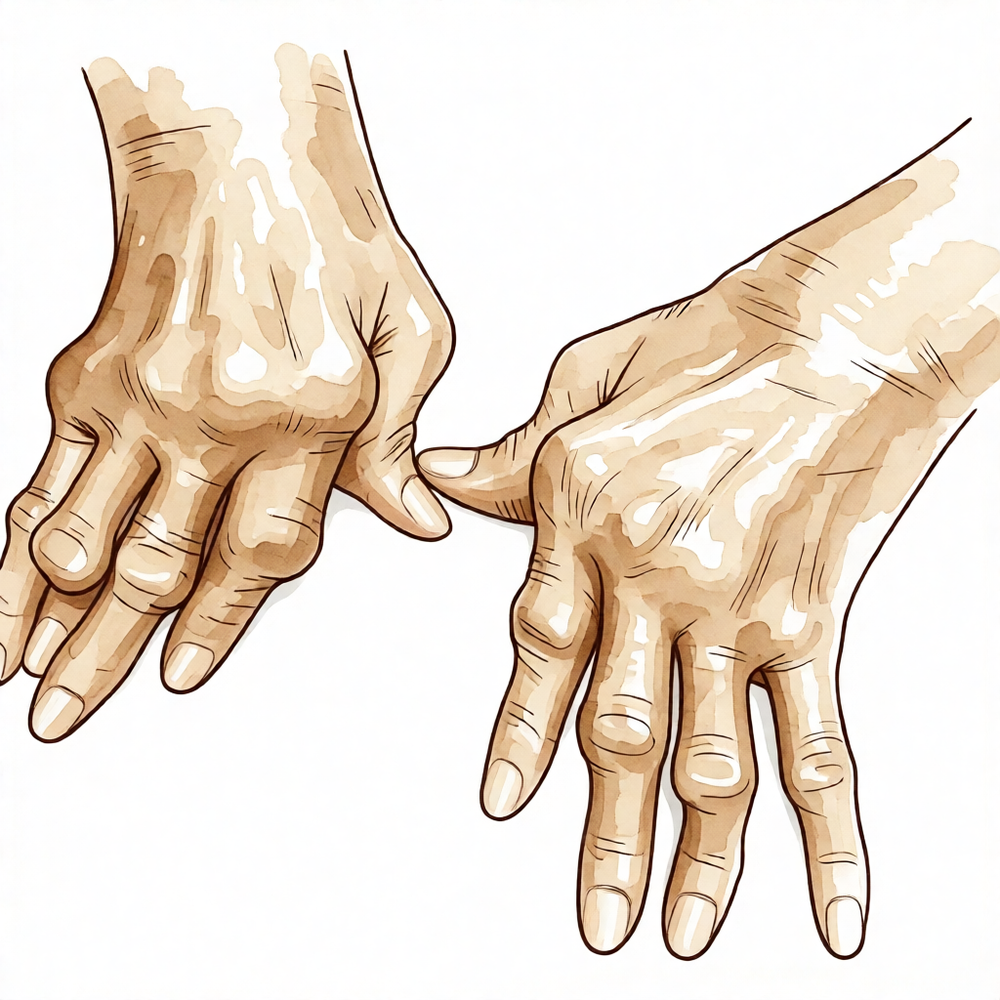
Bakit iminungkahi ang operasyong ito
Si Dr Kieran Hirpara, isang upper-limb surgeon sa Mater Private Hospital Rockhampton, ay nagsisimula sa mga opsyon na hindi gaanong invasive na angkop sa iyong kondisyon. Ang mga pasyente ay karaniwang nirerefer sa aming klinika ng kanilang GP; kung iminungkahi ng isang physiotherapist na magpatingin sa amin, kakailanganin mo pa rin ng referral mula sa iyong GP upang maging eligible para sa Medicare rebate. Ang pagsusuri sa klinika, kabilang ang iyong history, isang eksaminasyon at imaging kung kinakailangan, ang nagtatatag ng diagnosis.
Ang pagpapalit ng knuckle joint ay nangangahulugang pagpapalit gamit ang isang implant ng pudpod na ibabaw ng isang knuckle joint, ang joint kung saan nagtatagpo ang iyong daliri o hinlalaki at ang iyong kamay. Kadalasan itong iniaalok sa mga taong may rheumatoid arthritis, isang kondisyon kung saan pinamamaga at sinisira ng immune system ang mga joint, dahil karaniwang naaapektuhan ng kondisyong ito ang mga knuckle sa maagang yugto. Maaari din itong isaalang-alang para sa arthritis na dulot ng pagkasira dahil sa paggamit (wear-and-tear) sa isang knuckle na hindi bumuti sa ibang gamutan. Karaniwan naming sinusubukan muna ang non-operative care, gaya ng pagbabago ng aktibidad, hand therapy at splinting, at isinasaalang-alang ang surgery kapag hindi ito nagbigay ng sapat na pagbuti. Para sa ilang structural na problema, maaaring irekomenda agad ang surgery.
Ang pangunahing mga layunin ay ginhawa mula sa sakit, mas mahusay na paggana ng kamay, at proteksyon sa mga katabing joint. Ang surgery para sa arthritis ng kamay ay nagpapaginhawa ng sakit at nagpapabuti ng mga gawain sa pang-araw-araw na pamumuhay.
Bago ang operasyon
Nagsisimula ang pagpaplano sa imaging ng iyong kamay, gaya ng X-ray, at kung minsan ay MRI o ultrasound scan, na nagbibigay ng mas malinaw na larawan ng joint. Karamihan sa mga tao ay wala nang ibang kailangan bukod doon. Kung mayroon kang ibang kondisyong medikal, maaaring kailanganin mo ng mga blood test o pagsusuri kasama ang anaesthetist, ang doktor na nagbibigay ng iyong anaesthetic.
Sa araw ng operasyon, huwag kumain o uminom sa loob ng pitong oras bago ang iyong operasyon. Pito ang hinihingi namin sa halip na anim upang mauna ang iyong operasyon kung maagang umusad ang theatre list. Magdala ng listahan ng iyong kasalukuyang mga gamot, dahil maaaring kailanganing ihinto muna ang ilan, at bibigyan ka ng iyong surgeon ng eksaktong mga tagubilin. Mag-ayos ng masasakyan pauwi, at magsuot ng maluwag at komportableng damit.
Sa araw ng operasyon
Darating ka sa surgical admissions unit ng ospital, kung saan ka ire-rehistro at ihahanda para sa theatre. Makikilala mo ang anaesthetist, ang doktor na nagbibigay ng iyong anaesthetic. Ang operasyong ito ay ginagawa sa ilalim ng general anaesthetic. Minsan ay nagdaragdag ng regional nerve block para sa post-operative pain relief; tatalakayin ito ng anaesthetist sa iyo sa araw na iyon.
Pagkatapos ay dadalhin ka sa operating theatre, kung saan isasagawa ang operasyon. Pagkatapos nito, magigising ka sa recovery area, kung saan babantayan ka ng mga nurse habang nawawala ang bisa ng anaesthetic. Kapag stable ka na, pupunta ka sa ward o uuwi na, depende sa procedure at sa iyong paggaling.
Ano ang kinapapalooban ng operasyon
Ang pagpapalit ng knuckle joint ay nangangahulugang pagpapalit ng pudpod na ibabaw ng joint kung saan nagtatagpo ang iyong daliri o hinlalaki at ang iyong kamay. Gagawa ang iyong surgeon ng hiwa sa ibabaw ng likod ng knuckle na iyon upang maabot ang joint. Tinatanggal ang mga pudpod na ibabaw ng joint at pinapalitan ng isang implant. Ang ilang implant ay mga flexible spacer, medyo tulad ng malambot na bisagra na nagpapanatiling bukas ang joint habang nabubuo ang scar tissue sa paligid nito. Ang iba ay mas matitigas na ibabaw na gumagana nang mas tulad ng isang bagong bearing.
Iniaangkop ang operasyon sa iyong kamay. Kung ang knuckle ng iyong hinlalaki ang ginagamot, maaaring sa halip ay patigasin ng iyong surgeon ang joint sa iisang posisyon, na tinatawag na fusion, o pagsamahin ang pagpapalit ng joint sa knuckle ng hinlalaki at ang pagpapatigas ng susunod na joint. Kung ang mga soft tissue sa gilid ng joint ay nabanat at hinayaang lumihis ang daliri, maaaring ayusin o higpitan ng iyong surgeon ang mga ito sa parehong pagkakataon upang manatiling nakahanay ang daliri. Kung minsan, isang piraso ng tissue ang itinutupi sa ibabaw ng joint upang magsilbing unan sa pagitan ng mga dulo ng buto.
Isinasara ang hiwa gamit ang mga tahi at tinatakpan ng dressing. Mananatili ang dressing nang humigit-kumulang 10 araw, at sasabihin sa iyo ng iyong surgeon kung paano aalagaan ang iyong kamay hanggang sa ito ay matanggal.
Karaniwan ay higit sa isang knuckle ang gagamutin sa parehong operasyon kung higit sa isa ang apektado. Ang eksaktong plano ay nakadepende sa kung aling mga joint ang pudpod, kung gaano katatag ang mga ito, at sa napag-usapan sa iyong pagbisita sa klinika.
Pagkatapos ng operasyon
Magigising ka sa recovery area, kung saan babantayan ka ng mga nurse habang nawawala ang bisa ng anaesthetic. Ang iyong kamay ay may dressing at komportableng nakasuporta. Pinaplano ang pain control bago ka umalis sa theatre, at iaayos ito ng iyong team kung kailangan mo ng higit pa. Kung nagkaroon ka ng nerve block, maaaring manhid o mabigat ang pakiramdam ng iyong kamay sa loob ng humigit-kumulang 24 oras; inaasahan ito. Dapat may kasama ka sa unang 24 oras. Hihikayatin kang bumangon at gumalaw-galaw sa lalong madaling panahon pagkagising mo, habang nakataas ang iyong kamay upang makatulong sa pamamaga. Sasabihin sa iyo ng iyong team kung uuwi ka sa araw ring iyon o mananatili ng isang gabi sa ospital. Pananatilihin namin ang dressing sa loob ng humigit-kumulang 10 araw; pakiusap na huwag itong tanggalin bago ang panahong iyon maliban kung sinabi namin sa iyo. Papalitan o tatanggalin namin ito kapag nakita ka na namin.
Paggaling
Ang iyong kamay ay magiging masakit at mamamaga sa mga unang araw at linggo. Unti-unti itong huhupa. Ang pagpapanatiling nakataas ng iyong kamay sa mga unan, kahit habang nakaupo o natutulog, ay tumutulong na mabawasan ang pamamaga. Inumin ang iyong pain relief ayon sa itinuro, at huwag nang hintaying maging matindi ang sakit bago ang iyong susunod na dosis.
Mananatili ang iyong dressing nang humigit-kumulang 10 araw, at papalitan o tatanggalin namin ito kapag nakita ka na namin. Pagkatapos niyon, ang iyong paggaling ay gagabayan ng hand therapy kasama si Ruby Doolan sa Extend Rehabilitation. Si Ruby ang mamamahala sa iyong mga ehersisyo at gagawa ng anumang splint na kailangan ng iyong kamay. Sa simula, nakatuon ito sa marahang paggalaw at sa pagprotekta sa bagong joint habang naghihilom ang mga tissue. Habang humuhupa ang pamamaga at bumabalik ang paggalaw, unti-unting tutungo ang iyong mga ehersisyo sa paggamit ng iyong kamay para sa mga pang-araw-araw na gawain gaya ng pagkain, pagbibihis at pagsusulat.
Ang paggaling ay nag-iiba sa bawat indibidwal, at ang iyong timeline ay maaaring magkaiba. Gagabayan ka ni Ruby at ng aming team sa bawat pagbisita.
Hindi ka maaaring magmaneho habang pinipigilan ka ng splint na mahawakan nang ligtas ang manibela. Kapag natanggal na ang splint at pinayagan ka na ng iyong surgeon, tingnan ang aming pahina tungkol sa Driving after upper-limb surgery.
Karamihan sa mga tao ay nasisiyahan sa katamtamang pagbuti ng lakas ng kapit at pagkurot (pinch), at ang pagtatakda ng malinaw na mga layunin kasama ang iyong therapist ay tumutulong sa iyong sukatin ang iyong pag-unlad batay sa mahalaga sa iyo.
Ano ang maaaring maging problema
Karamihan sa mga pasyente ay gumagaling nang maayos, ngunit paminsan-minsan ay maaaring magkaroon ng mga problema. Binabantayan kayo nang maigi ng inyong surgeon at ng team upang maagapan ang anumang isyu.
Hindi karaniwan ang impeksyon, ngunit nangangailangan ito ng mabilis na atensyon. Maaari mong mapansin ang malalim at tumitibok na sakit na hindi gumagaan sa simpleng painkiller, pamumula na kumakalat mula sa sugat, o likido o nana na tumatagas mula rito. Maaari kang makaramdam na nilalagnat. Tumawag sa klinika sa araw ring iyon kung mapansin mo ang alinman sa mga senyales na ito.
Ang implant mismo ay maaaring mapudpod o mabali sa paglipas ng panahon. Maaari itong maramdaman bilang bagong pag-click o pagbabago sa paggalaw ng daliri, o maaaring dahan-dahang lumihis ang daliri pabalik sa dati nitong posisyon. Kung minsan, ang baling implant ay hindi nagdudulot ng anumang problema at hindi na nangangailangan ng karagdagang surgery. Banggitin ang anumang ganitong pagbabago sa iyong susunod na review.
Ang bagong joint ay maaari ding madulas palabas sa puwesto nito. Mapapansin mong wala sa linya ang daliri, o may biglaang pagbabago sa hitsura o paggalaw nito. Tumawag sa klinika kung mangyari ito.
Ang mga buto sa paligid ng implant ay maaaring mabali habang operasyon, at aasikasuhin ito ng iyong surgeon habang tulog ka. Ang daliri ay maaari ding lumihis mula sa linya sa paglipas ng panahon, na tinatawag na pagbabalik ng orihinal na deformity. Kadalasan ay kaunti o walang problemang idinudulot nito, ngunit banggitin ito sa iyong review kung mapansin mong nagbabago ng posisyon ang daliri.
Ang paninigas ang problemang pinakamadalas mapansin ng mga tao. Maaaring hindi matupi o maidiretso ang daliri nang kasinlayo ng inaasahan mo, at pinakakaraniwan ito sa joint na katabi ng pinalitan. Pagtatrabahuhan ito ng iyong hand therapist gamit ang mga ehersisyo at splint, kaya ipagpatuloy ang iyong therapy.
Bihira ang pinsala sa tendon at nerve. Kung nananatiling manhid ang iyong kamay o hindi mo maigalaw ang iyong mga daliri kapag nawala na ang bisa ng nerve block, sa humigit-kumulang 24 oras, tumawag sa klinika.
Ang patuloy na sakit pagkatapos ng surgery ay may ilang posibleng sanhi, at ang ilan sa mga ito ay maaaring gamutin nang hiwalay. Kung nagpapatuloy ang sakit, banggitin ito sa iyong review upang mahanap ang iba pang sanhi.
Ang complications table sa pahinang ito ay naglilista ng mga tipikal na rate kung nais ninyo ang mga detalye.
Kailan dapat tumawag sa amin
Karamihan sa mga problema ay maagang natutukoy at simpleng nagagamot, ngunit may ilang senyales na nangangailangan ng mabilis na pagkilos.
Pumunta sa emergency department kung ang iyong binti (calf) ay namaga o sumakit, kung ikaw ay nahirapang huminga o nagkaroon ng sakit sa dibdib, dahil maaaring senyales ang mga ito ng blood clot, o kung ang isang daliri o ang iyong kamay ay namutla, lumamig, pumuti, naging asul o madilim.
Tumawag sa klinika sa araw ring iyon kung ikaw ay may lagnat, kung kumakalat ang pamumula mula sa sugat, kung may likido o nana na tumatagas mula rito, o kung patuloy na lumalala ang sakit sa kabila ng iyong mga gamot sa sakit.
Inaasahan ang pamamanhid o ang hindi maigalaw ang iyong kamay o mga daliri sa unang 24 oras pagkatapos ng nerve block. Kapag nawala na ang bisa ng block, tumawag sa klinika kung hindi ito humuhupa.
Kung hindi mo makontak ang klinika, sa labas ng oras ng opisina o sa weekend, pumunta sa pinakamalapit na emergency department.
Mas malalim na pagtalakay
Advanced reading: the deeper science (optional)
Ang seksyong ito ay higit pa sa kailangan mo para sa iyong sariling mga desisyon sa paggamot. Ang pagpapalit ng knuckle joint ay sulit sa karagdagang pagbabasa dahil sa isang kuryosidad: ang implant na pinakagamit ngayon ay esensyal na ang disenyong ipinakilala noong 1960s, at ito ay tumagal nang higit pa sa bawat materyal na dinala upang palitan ito. Ang pag-unawa kung bakit ay nagpapaliwanag kung para saan talaga ang operasyong ito.
Hindi na-displace ang silicone
Isang pagsusuri noong 2026 sa metacarpophalangeal joint arthroplasty sa rheumatoid arthritis ang naghihinuha na ang operasyon ay patuloy na gumaganap ng sentral na papel sa pamamahala ng rheumatoid hand, at sa kabila ng mga pagsulong sa teknolohiya ng implant, ang flexible silicone arthroplasty ay nagbibigay ng maaasahang functional at cosmetic improvement sa mga pasyenteng angkop na napili [1].
Ang animnapung taon ng materials science ay nakagawa ng mga alternatibong metal-plastic at pyrocarbon, at ang silicone spacer ay nananatiling reference standard. Hindi ito karaniwan sa joint replacement, kung saan ang mga hip at knee implant ay patuloy na binago sa loob ng parehong panahon.
Ang dahilan ay hindi ginagawa ng implant na ito ang trabahong ipinahihiwatig ng pangalan nito. Hindi nito muling binubuo ang surface ng joint upang ibalik ang bearing. Ito ay isang flexible spacer na nagpapanatili ng puwang at nagsisilbing internal splint habang ang scar tissue ay nabubuo sa paligid nito upang maging isang bagong capsule. Ang resulta ay dulot ng paggaling, hindi ng device, kung kaya't ang mas mahusay na bearing surface ay hindi kailanman nagresulta sa mas mabuting outcome.
Ang tapat na buod ng mga resulta
Ang isang pagsusuri ng implant arthroplasty sa mga kasukasuan ng daliri at thumb ay nagsasaad nito nang maayos: ang implant arthroplasty ay predictably na nagbibigay ng relief sa sakit at mataas na satisfaction, ngunit historically ay nagdusa mula sa mataas na rate ng mga komplikasyon, at habang ang mga materyales na metal-plastic at pyrocarbon ay nag-evolve, ang survivorship at reoperation rates ay nananatiling isang concern [2].
Mahalaga ang dalawang panig. Ang mga tao ay maaasahang nasisiyahan sa mga operasyong ito, nawawala ang sakit, bumubuti ang hitsura, mas gumagana ang kamay para sa mga pang-araw-araw na gawain, at ang mga implant ay may limitadong buhay na may totoong reoperation rate. Ang satisfaction at durability ay magkaibang katanungan, at ang operasyong ito ay may mas mataas na marka sa una.
Para sa osteoarthritis, manipis ang ebidensya
Karamihan sa mga literatura ay tungkol sa rheumatoid arthritis, dahil doon pinaka-dramatiko ang deformity na itinatama. Para sa osteoarthritis, mas mahina ang larawan: ang available na ebidensya ay binubuo ng mga retrospective cohort na may maliliit na sample size at relatibong maikling follow-up [3].
Kapansin-pansin, kung saan ang mga may-akda ay nagpapahayag ng kagustuhan para sa pyrocarbon kaysa sa silicone sa osteoarthritis, ito ay batay sa potensyal para sa pinabuting stability at alignment, kung saan ang data ay inilarawan bilang preliminary [3]. Ito ay isang makatwirang posisyon, ngunit dapat itong kilalanin bilang pangangatwiran mula sa mekanismo sa halip na mula sa napatunayang superiority.
Ang tibay ay nagiging isang mas malaking katanungan
Ang isang alalahaning ibinangon halos dalawang dekada na ang nakalilipas ay lumala sa halip na maresolba: ang tibay ng implant ay mas mahalaga habang tumataas ang life expectancy, at habang ang mga operasyong ito ay ginagawa sa mga mas bata at mas aktibong pasyente na gagamit nito nang mas matagal [4]. Ang isang implant na may katanggap-tanggap na performance sa loob ng sampung taon ay magkaibang usapin sa edad na 75 kumpara sa 55.
Sa praktikal na aspekto, ito ay isang dahilan upang maging malinaw kung ano ang nais mong makamit ng operasyon. Para sa paginhawa ng sakit, pagtatama ng deformity at pagpapabuti ng function sa isang kamay na may katamtamang mechanical demands, ito ay isang operasyong may sapat na suporta at mahabang rekord. Ngunit bilang isang matibay na reconstruction para sa mabigat na paggamit sa loob ng ilang dekada, hindi ito angkop.
Mga Sanggunian
[1] Herren DB. Balancing metacarpophalangeal joint arthroplasty in rheumatoid arthritis. J Hand Surg Eur Vol. 2026;51(6):778-84. https://doi.org/10.1177/17531934261430139
[2] Srnec JJ, Wagner ER, Rizzo M. Implant arthroplasty for proximal interphalangeal, metacarpophalangeal, and trapeziometacarpal joint degeneration. J Hand Surg Am. 2017;42(10):817-25. https://doi.org/10.1016/j.jhsa.2017.07.030
[3] Martin AS, Awan HM. Metacarpophalangeal arthroplasty for osteoarthritis. J Hand Surg Am. 2015;40(9):1871-2. https://doi.org/10.1016/j.jhsa.2015.05.019
[4] Goldfarb CA, Dovan TT. Rheumatoid arthritis: silicone metacarpophalangeal joint arthroplasty indications, technique, and outcomes. Hand Clin. 2006;22(2):177-82. https://doi.org/10.1016/j.hcl.2006.02.001
Evidence & references
This is the clinical evidence summary written for health professionals. It is technical, and it lists the research this page was built from. You do not need to read it to understand your treatment or to make a decision about it.
Overview
- MCP joint arthroplasty was performed safely in the setting of acute complex open MCP joint trauma [1].
- Revision MCP arthroplasty is a challenging procedure with one in five patients requiring a revision procedure at 5 years [2].
- Revision MCP arthroplasty has a relatively high rate of postoperative dislocations [2].
- Dorsal capsule interposition arthroplasty provides a viable surgical option for isolated degenerative or traumatic arthritis of the MCPJ at an average follow-up of 2 years [3].
- Treatment of MCP joint arthroplasty dislocation with revision to silicone implant appears to hold the most promise in achieving a stable MCP joint after an acute prosthetic dislocation [4].
- MCP joint arthroplasty is an effective treatment option from a patient-centered perspective, improving appearance, pain, and function [5].
- Silastic interposition arthroplasty of the MCPJ is reliable in terms of pain relief and correction of deformity [6].
- Patient satisfaction with Silastic interposition arthroplasty of the MCPJ is high despite only modest improvements in the objective assessment of hand function [6].
- The nonconstrained implant design for the MCP joint can have good outcomes and excellent arc of motion in OA patients [8].
- Periprosthetic joint infection is uncommon after MCP or PIP arthroplasties [9].
- Patient expectations of MCP joint arthroplasty were uniformly high, with functional improvement being the greatest motivation for surgery [11].
- Joint goal-setting is essential for understanding patients' unique reasons for undergoing MCP arthroplasty and facilitating realistic expectations [14].
- Implant arthroplasty of the PIP, MCP, and TMC joints predictably produces pain relief and high satisfaction [24].
- Implant arthroplasty of the PIP, MCP, and TMC joints has historically suffered from high rates of complications [24].
- The evidence regarding MCP arthroplasty for OA consists of retrospective cohorts with small sample sizes and relatively short evaluations [26].
Anatomy & Pathophysiology
Joint Mechanics and Kinematics
- The metacarpophalangeal joint allows hyperextension up to approximately 20° [17].
- Radial and ulnar deviation at the metacarpophalangeal joint decreases with flexion due to the associated tightening of the collateral ligaments [17].
- Volar and proximal translation of the proximal phalanx is observed on 4-dimensional computed tomography following silicone implant arthroplasty [48].
Bony and Ligamentous Anatomy
- The metacarpophalangeal articulations serve as the keystones of the longitudinal arches of the hand [39].
- The thick anterior glenoid capsules, known as volar plates, prevent hyperextension at the metacarpophalangeal joints [39].
- The volar plates are interconnected by the transverse interglenoid ligament [39].
- The stability of the metacarpophalangeal joints is essential to the support of both the longitudinal arch and the transverse metacarpal arch [39].
- The deep transverse intermetacarpal ligament, also named the interglenoid ligament, ties together the anterior glenoid ligaments of the metacarpophalangeal articulations [39].
- The lateral accessory ligaments, sagittal bands of the extensor apparatus, and the first annular segment of the flexor tendon pulley insert on the volar plate [39].
Muscular Anatomy
- The deep head of each dorsal interosseous muscle forms a lateral tendon, or lateral band, at the level of the metacarpophalangeal joint [36].
- The deep head of the dorsal interosseous muscles flexes and weakly abducts the proximal phalanx while extending the middle and distal phalanges [36].
- Transverse fibers arch dorsally from each lateral band to join over the dorsum of the finger, flexing the proximal phalanx [36].
- Oblique fibers from the lateral bands sweep over the distal third of the proximal phalanx to insert onto the lateral tubercles at the base of the middle phalanx [36].
- The oblique fibers extend the middle phalanx at the proximal interphalangeal joint [36].
- The lateral bands are joined by the lateral slips of the extensor tendon to form the conjoined lateral band [36].
- The two conjoined lateral bands to each finger unite at the distal third of the middle phalanx to form the terminal tendon [36].
- The terminal tendon inserts at the base of the distal phalanx to extend it [36].
- The volar interossei form the ulnar lateral band of the index finger and the radial lateral band of the ring and little fingers [36].
- The flexor digiti quinti brevis forms the ulnar lateral band of the little finger [36].
Pathophysiology
- Rheumatoid arthritis is a chronic, progressive, systemic inflammatory disease that affects multiple organ systems, including the musculoskeletal system [17].
- The inflammatory process in rheumatoid arthritis is triggered and perpetuated by a cascade of mediators that result in synovial proliferation, collagenous destruction of the cartilage and soft tissues, and bone resorption [17].
- The metacarpophalangeal joint is the most common site of involvement in the rheumatoid hand [17].
- The metacarpophalangeal and proximal interphalangeal joints of the hand are typically involved early in rheumatoid arthritis [17].
Classification
- Silicone rubber implants are the most frequently used device for treatment of revised metacarpophalangeal arthroplasty [17].
- The nonconstrained implant design for the MCP joint can have good outcomes and excellent arc of motion in osteoarthritis patients [8].
- Pyrocarbon implants were designed as a resurfacing implant for the MCP joint [28].
- A radiographic classification system was modified to differentiate stable implant migration patterns (grade 2) from unstable patterns (grade 3) based on cortical breach status [28].
- In a radiographic analysis of 37 pyrocarbon arthroplasties, 34 (92%) were determined to be stable at last follow-up [28].
- Three (7%) pyrocarbon implants became unstable from migration, all involving grade 3 implant loosening [28].
- Evidence of implant subsidence greater than 1 mm occurred in 6 (16%) of 37 pyrocarbon implants [28].
- Postoperative ulnar deviation greater than 10° occurred in 8 (22%) fingers following pyrocarbon arthroplasty [28].
- Implant fractures in silicone MCP arthroplasty are determined based on criteria including lucent lines, fragmentation, translation greater than one-half the diameter of the bone, and dislocation defined as proximodistal overlap more than one-half the width of the midportion of the implant [20].
- Coronal plane deviation greater than 45° is an additional criterion for determining implant fracture or instability in silicone MCP arthroplasty [20].
Clinical Presentation
Indications and Etiology
- Metacarpophalangeal joint arthroplasty is most often performed in patients with rheumatoid arthritis, although it is occasionally performed for joints affected by osteoarthritis [17].
- Dorsal capsule interpositional arthroplasty provides a viable surgical option for isolated degenerative or traumatic arthritis of the MCPJ [3].
- Metacarpophalangeal joint arthroplasty continues to play a central role in the management of the rheumatoid hand [15].
Patient Expectations and Motivation
Functional Outcomes and Range of Motion
- Silastic interposition arthroplasty of the MCPJ is reliable in terms of pain relief and correction of deformity, and patient satisfaction is high despite only modest improvements in the objective assessment of hand function [6].
- Pain ratings and MCP arc of motion significantly improved following arthroplasty for noninflammatory arthritis [10].
- Implant arthroplasty of the PIP, MCP, and TMC joints predictably produces pain relief and high satisfaction but has historically suffered from high rates of complications [24].
- This study showed improved range of motion and DASH score, excellent pain relief, and excellent patient satisfaction in patients undergoing MCP arthroplasty for nonrheumatic arthritis [30].
- Swanson arthroplasty frequently results in a range of flexion of the MP joint of the little finger that may be insufficient for its principal functions [19].
Complications and Complications Management
- Revision MCP arthroplasty is a challenging procedure with one in five patients requiring a revision procedure at 5 years and a relatively high rate of postoperative dislocations [2].
- The treatment of MCP joint arthroplasty dislocation with revision to silicone implant appears to hold the most promise in achieving a stable MCP joint after an acute prosthetic dislocation [4].
- Increasing MCP joint flexion range was associated with increased fractures of the implants in silicone metacarpophalangeal joint arthroplasty for patients with rheumatoid arthritis [7].
- If squeaking is associated with pain and swelling, revision MCP joint arthroplasty is recommended to identify and correct the underlying cause, such as implant subsidence or an incongruous joint [53].
- An articulating spacer allows movement of the joint and reduces the chance of immobilisation associated complications such as bone loss, joint stiffness, and soft tissue contracture in the management of infected MCPJ arthroplasties [13].
Investigations
- A careful physical examination is essential to direct care and future testing if indicated [27].
- Diagnostic tests such as imaging and serum laboratory studies are useful in determining pathology but can be expensive, time consuming, and often nonspecific [27].
Treatment
Indications and Patient Expectations
- MCP joint arthroplasty is most often performed in patients with rheumatoid arthritis, though it is occasionally performed for osteoarthritis [17].
- The MCP joint is the most common site of involvement in the rheumatoid hand [17].
- MCP joint arthroplasty continues to play a central role in the management of the rheumatoid hand [15].
- Given improvements in the medical management of rheumatoid disease, the indications for and long-term expectations of silicone metacarpophalangeal arthroplasty must be carefully examined [50].
Implant Types and Outcomes
- Both NeuFlex and Swanson implant groups obtained satisfactory clinical improvement after MCP reconstruction of the hand [12].
- Pain ratings and MCP arc of motion significantly improved following surface replacement arthroplasty in metacarpophalangeal joints affected by noninflammatory arthritis [10].
- Good pain relief, a functional range of motion, and high satisfaction were seen in the majority of patients undergoing pyrocarbon metacarpophalangeal joint arthroplasty for noninflammatory arthritis [31].
- Silicone arthroplasty for nonrheumatic metacarpophalangeal joint arthritis showed improved range of motion and DASH score, excellent pain relief, and excellent patient satisfaction [30].
- Follow-up studies show that MCP arthroplasty improves function and deformity and achieves nearly uniform patient satisfaction [17].
Alternative Techniques
- Limited clinical follow-up in a perichondrium transplant group showed reasonably good, and in some cases excellent, results several decades after the surgery, especially at the MCP level [16].
- Arthrodesis has been the gold standard in treating isolated end-stage MP arthritis, whether inflammatory or post-traumatic arthropathies [32].
- Arthrodesis is able to provide effective pain relief as well as restore stability to the joint, even in the setting of severe arthritis [32].
- The key to why MP fusion in the thumb is so successful lies in the relatively negligible loss of motion that results from MP fusion [32].
- By fusing the MP joint between 20 and 40° of flexion, stress can be relieved from the CMC joint by minimizing the activity required at the CMC for thumb opposition [32].
Complications and Revision
- Metallosis is a potential long-term complication of grommets in silicone MCP joint arthroplasty, and given the lack of documented benefit from grommets, the authors recommend against their use [52].
- Static spacers with consequent immobilisation can lead to bone loss, joint stiffness and soft tissue contracture, often causing significant complications at reimplantation [13].
- An articulating spacer allows movement of the joint and reduces the chance of immobilisation associated complications [13].
- An articulated spacer technique can be considered as an option to maintain motion while treating infected MCPJ arthroplasties and the co-morbidity resulting from immobilisation of the whole hand [13].
Specific Clinical Scenarios
Complications
Dislocation and Instability
- Revision MCP arthroplasty is associated with a relatively high rate of postoperative dislocations [2].
- Treatment of acute MCP joint arthroplasty dislocation with revision to a silicone implant appears to hold the most promise in achieving a stable MCP joint [4].
- In a cohort of 37 cases, acute prosthetic dislocation was managed with revision surgery [4].
Implant Fracture and Failure
- One in five patients undergoing revision MCP arthroplasty required a revision procedure at 5 years [2].
- Increasing MCP joint flexion range was associated with increased fractures of silicone implants in patients with rheumatoid arthritis [7].
- In a longitudinal analysis of 325 cases, implant fractures were determined based on criteria including lucent lines, fragmentation, translation greater than one-half the diameter of the bone, and dislocation defined as proximodistal overlap more than one-half the width of the midportion of the implant [20].
- In a study of 40 silicone implants for MCP osteoarthritis, radiographs demonstrated fractured implants in 5 of 40 (12.5%) implants, although none of these patients had clinical instability, pain, or deterioration in range of motion [33].
- For the Neuflex silicone implant, survivorship at 7 years was 88% when revision was the end point, but dropped to 68% when implant fracture was the end point [56].
- In a study of pyrocarbon arthroplasty for rheumatoid arthritis, complication and overall reoperation rates were high, with 1 in 10 patients undergoing revision within 5 years postoperatively [57].
- Patients with greater hand function preoperatively may be at higher risk of revision surgery after silicone MCP arthroplasty for inflammatory arthritis [18].
Infection
- Periprosthetic joint infection (PJI) is uncommon after MCP or PIP arthroplasties [9].
- Management of infected MCP joint replacements can involve removing the prosthesis and inserting gentamycin-loaded bone cement balls for 3 weeks before a final exchange operation [13].
- Static spacers used in MCPJ infection management can lead to bone loss, joint stiffness, and soft tissue contracture, often causing significant complications at reimplantation [13].
- An articulating spacer allows movement of the joint and reduces the chance of immobilization-associated complications compared to static spacers [13].
Other Complications
- Intraoperative periprosthetic fractures are associated with metacarpophalangeal joint arthroplasty [21].
- Swanson arthroplasty frequently results in a range of flexion of the MCP joint of the little finger that may be insufficient for its principal functions [19].
- In a study of pyrocarbon arthroplasty for osteoarthritis, postoperative ulnar deviation greater than 10° occurred in 8 (22%) fingers [28].
- In a study of pyrocarbon arthroplasty for osteoarthritis, 3 (7%) implants became unstable from migration, all with grade 3 implant loosening [28].
- Evidence of implant subsidence greater than 1 mm occurred in 6 (16%) of 37 pyrocarbon implants, but no implants studied at more than 1 year after surgery demonstrated progressive subsidence resulting in implant instability [28].
- Implant arthroplasty of the MCP joint has historically suffered from high rates of complications [24].
Recovery
Functional Outcomes and Patient Satisfaction
- MCP joint arthroplasty improves appearance, pain, and function from a patient-centered perspective [5].
- Silastic interposition arthroplasty of the MCPJ is reliable for pain relief and correction of deformity [6].
- Patient satisfaction is high following Silastic interposition arthroplasty despite only modest improvements in the objective assessment of hand function [6].
- The HAPY spherical pyrocarbon interposition arthroplasty for the metacarpophalangeal joint demonstrates satisfactory short- to mid-term outcomes with considerable improvements in pain relief and joint mobility [59].
Complications and Revision
Patient Expectations and Indications
Specialized Scenarios
Key Evidence
- [L4] MCP joint arthroplasty was performed safely in the setting of acute complex open MCP joint trauma. [1] (10.1016/j.jhsa.2015.09.012)
- [L4] Revision MCP arthroplasty is a challenging procedure with one in five patients requiring a revision procedure at 5 years and a relatively high rate of postoperative dislocations. [2] (10.5435/jaaos-d-17-00042)
- [L4] This technique of dorsal capsule interposition arthroplasty provides a viable surgical option for isolated degenerative or traumatic arthritis of the MCPJ at an average follow-up of 2 years. [3] (10.1177/1558944720911215)
- [L4] The treatment of MCP joint arthroplasty dislocation with revision to silicone implant appears to hold the most promise in achieving a stable MCP joint after an acute prosthetic dislocation. [4] (10.1016/j.jhsa.2017.10.001)
- [L4] MCP joint arthroplasty is an effective treatment option from a patient-centered perspective, improving appearance, pain, and function. [5] (10.1016/j.hcl.2006.02.001)
- [L4] Silastic interposition arthroplasty of the MCPJ is reliable in terms of pain relief and correction of deformity, and patient satisfaction is high despite only modest improvements in the objective assessment of hand function. [6] (10.1054/jhsb.2000.0402)
- [L4] Increasing MCP joint flexion range was associated with increased fractures of the implants. [7] (10.1016/j.jhsa.2020.09.002)
- [L5] The nonconstrained implant design for the MCP joint can have good outcomes and excellent arc of motion in OA patients. [8] (10.1016/j.jhsa.2012.11.025)
- [L4] PJI is uncommon after MCP or PIP arthroplasties. [9] (10.1016/j.jhsa.2024.12.008)
- [L4] Pain ratings and MCP arc of motion significantly improved following arthroplasty. [10] (10.1177/15589447211028917)
- [L1] Patient expectations of MCP joint arthroplasty were uniformly high, with functional improvement being the greatest motivation for surgery. [11] (10.1016/j.jhsa.2011.02.002)
- [L1] Both implant groups obtained satisfactory clinical improvement after MCP reconstruction of the hand. [12] (10.1016/j.jhsa.2009.09.020)
- [L5] [13] (10.1177/17531934251323067)
- [L4] Joint goal-setting is essential for understanding patients' unique reasons for undergoing MCP arthroplasty and facilitating realistic expectations. [14] (10.1002/msc.1061)
- [L5] Metacarpophalangeal joint arthroplasty continues to play a central role in the management of the rheumatoid hand. [15] (10.1177/17531934261430139)
- [L3] [16] (10.1186/s12891-020-03687-3)
- [L5] [17] (10.5435/00124635-200305000-00005)
- [L3] Patients with greater hand function preoperatively may be at higher risk of revision surgery. [18] (10.1177/1558944719831236)
- [L4] Our experience with this cohort, a review of published literature, and a survey of international experts suggest that Swanson arthroplasty frequently results in a range of flexion of the MP joint of the little finger that may be insufficient for its principal functions. [19] (10.1007/s11552-007-9051-5)
- [L4] [20] (10.1177/1753193418778461)
- [L3] [21] (10.1016/j.jhsa.2014.12.038)
- [L4] Implant arthroplasty of the PIP, MCP, and TMC joints predictably produces pain relief and high satisfaction but has historically suffered from high rates of complications. [24] (10.1016/j.jhsa.2017.07.030)
- [L4] The evidence regarding MCP arthroplasty for OA consists of retrospective cohorts with small sample sizes and relatively short evaluations. [26] (10.1016/j.jhsa.2015.05.019)
- [L4] [28] (10.1016/j.jhsa.2022.08.013)
- [L3] This study showed improved range of motion and DASH score, excellent pain relief, and excellent patient satisfaction in patients undergoing MCP arthroplasty for nonrheumatic arthritis. [30] (10.1016/j.jhsa.2013.09.016)
- [L4] Good pain relief, a functional range of motion, and high satisfaction were seen in the majority of patients. [31] (10.1016/j.jhsa.2015.06.104)
- [L5] [32] (10.1016/j.hcl.2006.02.010)
- [L4] [33] (10.1016/j.jhsa.2017.10.010)
- [L4] Volar and proximal translation of the proximal phalange was observed on 4-dimensional computed tomography. [48] (10.1016/j.jhsa.2021.10.001)
- [L4] Given these findings, the indications for and long-term expectations of silicone metacarpophalangeal arthroplasty must be carefully examined in light of the improvements in the medical management of rheumatoid disease. [50] (10.2106/00004623-200310000-00001)
- [Case_report] Metallosis is a potential long-term complication of grommets in silicone MCP joint arthroplasty, and given the lack of documented benefit from grommets, the authors recommend against their use. [52] (10.1007/s11552-012-9401-9)
- [L5] If squeaking is associated with pain and swelling, revision MCP joint arthroplasty is recommended to identify and correct the underlying cause, such as implant subsidence or an incongruous joint. [53] (10.1016/j.jhsg.2022.10.002)
- [L4] [56] (10.1177/1753193408094437)
- [L4] Complication and overall reoperation rates were high, while 1 in 10 undergo revision within 5 years postoperatively. [57] (10.1177/15589447211063577)
- [L4] The HAPY spherical pyrocarbon interposition arthroplasty for the metacarpophalangeal joint demonstrates satisfactory short- to mid-term outcomes, with considerable improvements in pain relief and joint mobility. [59] (10.1016/j.jhsg.2025.100804)
References
[1] Metacarpophalangeal Joint Arthroplasty in the Setting of Trauma. The Journal of Hand Surgery. 2015. DOI: 10.1016/j.jhsa.2015.09.012
[2] Revision Metacarpophalangeal Arthroplasty: A Longitudinal Study of 128 Cases. Journal of the American Academy of Orthopaedic Surgeons. 2019. DOI: 10.5435/jaaos-d-17-00042
[3] Dorsal Capsule Interpositional Arthroplasty of the Metacarpophalangeal Joint. HAND. 2020. DOI: 10.1177/1558944720911215
[4] Outcomes Following Acute Metacarpophalangeal Joint Arthroplasty Dislocation: An Analysis of 37 Cases. The Journal of Hand Surgery. 2018. DOI: 10.1016/j.jhsa.2017.10.001
[5] Rheumatoid Arthritis: Silicone Metacarpophalangeal Joint Arthroplasty Indications, Technique, and Outcomes. Hand Clinics. 2006. DOI: 10.1016/j.hcl.2006.02.001
[6] Outcome Measures Following Metacarpophalangeal Joint Replacement. Journal of Hand Surgery. 2000. DOI: 10.1054/jhsb.2000.0402
[7] Risk Factors Contributing to Early Implant Fracture in Silicone Metacarpophalangeal Joint Arthroplasty for Patients With Rheumatoid Arthritis. The Journal of Hand Surgery. 2021. DOI: 10.1016/j.jhsa.2020.09.002
[8] Clinical and Radiographic Outcomes of Metacarpophalangeal Joint Pyrolytic Carbon Arthroplasty for Osteoarthritis. The Journal of Hand Surgery. 2013. DOI: 10.1016/j.jhsa.2012.11.025
[9] Incidence and Presentation of Periprosthetic Joint Infection After Primary Metacarpophalangeal and Proximal Interphalangeal Arthroplasty. The Journal of Hand Surgery. 2025. DOI: 10.1016/j.jhsa.2024.12.008
[10] Outcomes of Surface Replacement Arthroplasty in Metacarpophalangeal Joints Affected by Noninflammatory Arthritis. HAND. 2021. DOI: 10.1177/15589447211028917
[11] Hand Appearance as a Patient Motivation for Surgery and a Determinant of Satisfaction with Metacarpophalangeal Joint Arthroplasty for Rheumatoid Arthritis. The Journal of Hand Surgery. 2011. DOI: 10.1016/j.jhsa.2011.02.002
[12] NeuFlex and Swanson Metacarpophalangeal Implants for Rheumatoid Arthritis: Prospective Randomized, Controlled Clinical Trial. The Journal of Hand Surgery. 2010. DOI: 10.1016/j.jhsa.2009.09.020
[13] Management of an infected metacarpophalangeal joint replacement with a temporary articulated cement spacer. Journal of Hand Surgery (European Volume). 2025. DOI: 10.1177/17531934251323067
[14] Patients' Expectations, Experiences and the Determinants of Satisfaction related to Metacarpophalangeal Arthroplasty. Musculoskeletal Care. 2013. DOI: 10.1002/msc.1061
[15] Balancing metacarpophalangeal joint arthroplasty in rheumatoid arthritis. Journal of Hand Surgery (European Volume). 2026. DOI: 10.1177/17531934261430139
[16] Two-component surface replacement implants compared with perichondrium transplantation for restoration of Metacarpophalangeal and proximal Interphalangeal joints: a retrospective cohort study with a mean follow-up time of 6 respectively 26 years. BMC Musculoskeletal Disorders. 2020. DOI: 10.1186/s12891-020-03687-3
[17] Metacarpophalangeal Joint Arthroplasty in Rheumatoid Arthritis. Journal of the American Academy of Orthopaedic Surgeons. 2003. DOI: 10.5435/00124635-200305000-00005
[18] Factors Associated With Reoperation After Silicone Metacarpophalangeal Joint Arthroplasty in Patients With Inflammatory Arthritis. HAND. 2019. DOI: 10.1177/1558944719831236
[19] Insufficient Flexion of the Metacarpophalangeal Joint of the Little Finger Following Swanson Silicone Arthroplasty for Rheumatoid Arthritis. HAND. 2007. DOI: 10.1007/s11552-007-9051-5
[20] Long-term outcomes of silicone metacarpophalangeal arthroplasty: a longitudinal analysis of 325 cases. Journal of Hand Surgery (European Volume). 2018. DOI: 10.1177/1753193418778461
[21] Intraoperative Periprosthetic Fractures Associated With Metacarpophalangeal Joint Arthroplasty. The Journal of Hand Surgery. 2015. DOI: 10.1016/j.jhsa.2014.12.038
[24] Implant Arthroplasty for Proximal Interphalangeal, Metacarpophalangeal, and Trapeziometacarpal Joint Degeneration. The Journal of Hand Surgery. 2017. DOI: 10.1016/j.jhsa.2017.07.030
[26] Metacarpophalangeal Arthroplasty for Osteoarthritis. The Journal of Hand Surgery. 2015. DOI: 10.1016/j.jhsa.2015.05.019
[27] Orthopaedic Knowledge Update 13 Ebook Without Multimedia. Anatomy, Evaluation, Clinical Examination, and Imaging > Evaluation and Clinical Examination: Current Concepts.
[28] Metacarpophalangeal Joint Pyrocarbon Arthroplasty for Osteoarthritis: An Analysis of 44 Arthroplasties. The Journal of Hand Surgery. 2024. DOI: 10.1016/j.jhsa.2022.08.013
[30] Silicone Arthroplasty for Nonrheumatic Metacarpophalangeal Joint Arthritis. The Journal of Hand Surgery. 2013. DOI: 10.1016/j.jhsa.2013.09.016
[31] Pyrocarbon Metacarpophalangeal Joint Arthroplasty in Noninflammatory Arthritis: Minimum 5-Year Follow-Up. The Journal of Hand Surgery. 2015. DOI: 10.1016/j.jhsa.2015.06.104
[32] Thumb Metacarpophalangeal Arthritis: Arthroplasty or Fusion?. Hand Clinics. 2006. DOI: 10.1016/j.hcl.2006.02.010
[33] Silicone Metacarpophalangeal Arthroplasty for Osteoarthritis: Long-Term Results. The Journal of Hand Surgery. 2018. DOI: 10.1016/j.jhsa.2017.10.010
[36] Green S Operative Hand Surgery. Interosseous and Hypothenar Muscles.
[39] Exam Of The Hand Wrist 2Ed. The arches of the hand > The metacarpal arch.
[48] In Vivo Metacarpophalangeal Joint Kinematics After Silicone Implant Arthroplasty in Patients With Rheumatoid Arthritis. The Journal of Hand Surgery. 2023. DOI: 10.1016/j.jhsa.2021.10.001
[50] METACARPOPHALANGEAL JOINT ARTHROPLASTY IN RHEUMATOID ARTHRITIS. The Journal of Bone and Joint Surgery-American Volume. 2003. DOI: 10.2106/00004623-200310000-00001
[52] Metallosis Following Silicone Metacarpophalangeal Joint Arthroplasties with Grommets: Case Report. HAND. 2012. DOI: 10.1007/s11552-012-9401-9
[53] A Painful, Squeaking Pyrolytic Carbon Metacarpophalangeal Joint Replacement. Journal of Hand Surgery Global Online. 2023. DOI: 10.1016/j.jhsg.2022.10.002
[56] Survivorship of the Neuflex Silicone Implant in MCP Joint Replacement. Journal of Hand Surgery (European Volume). 2009. DOI: 10.1177/1753193408094437
[57] Outcomes of Pyrocarbon Arthroplasty in Metacarpophalangeal Joints Affected by Rheumatoid Arthritis. HAND. 2022. DOI: 10.1177/15589447211063577
[59] Functional Outcomes of Spherical Pyrocarbon HAPY Metacarpophalangeal Interposition Arthroplasty for Long Fingers: A Retrospective Study of 16 Cases. Journal of Hand Surgery Global Online. 2025. DOI: 10.1016/j.jhsg.2025.100804