Patients › Rehabilitation
Stabilisasyon ng AC Joint
Rehabilitation after AC joint stabilisation or reconstruction, with the protective phase and staged return to sport.
Saklaw ng protocol na ito ang rehabilitasyon pagkatapos ng acromioclavicular (AC) joint stabilisation kasama si Dr Kieran Hirpara sa Mater Private Hospital Rockhampton, upang ibalik ang alignment ng joint sa pagitan ng collarbone at shoulder blade pagkatapos ng isang dislocation gamit ang isang suspensory device, na kung minsan ay pinalalakas ng isang tendon graft. Dalhin ang pahinang ito o ang PDF nito sa iyong unang physiotherapy visit upang manatiling coordinated ang iyong rehabilitasyon. Ang iyong rehabilitasyon ay isinasagawa nang indibidwal ng iyong physiotherapist sa pamamagitan ng mga phase sa ibaba, depende sa pag-unlad ng iyong balikat.
Kung mayroon kang anumang alalahanin tungkol sa iyong sugat pagkatapos ng operasyon, makipag-ugnayan sa mga rooms. Madalas na nakatutulong ang pagkuha ng larawan ng sugat at pag-email nito para sa review.
Ano ang dapat asahan
Ang AC joint stabilisation ay naiiba sa karamihan ng keyhole shoulder surgery: mayroong repair na dapat protektahan habang ito ay gumagaling, at ang bagay na pinaka-nagbibigay ng load dito ay ang mismong bigat ng iyong sariling braso. Patuloy na hinihila ng grabidad ang braso (at kasama nito ang shoulder blade) pababa, palayo sa collarbone, na siya mismong direksyon na dapat labanan ng stabilisation. Samakatuwid, ang maagang rehabilitasyon ay sadyang protective: ang sling ang pumapasan sa bigat ng braso, ang paggalaw ay pinapanatili sa loob ng ligtas na limitasyon, at ang pagpapalakas (strengthening) ay hinihintay hanggang sa maging mature na ang repair.
Ang sling ay protective. Isuot ito sa loob ng 6 na linggo, at sa unang tatlong linggo ay panatilihin itong suot kahit habang natutulog, dahil kahit nakahiga, ang bigat ng braso ay humihila sa repair. Pagkatapos ng tatlong linggo, maaari na itong tanggalin sa kama. Kapag tinanggal ang sling para sa paghuhugas o mga ehersisyo, panatilihing suportado ang braso: ipatong ang forearm sa unan o mesa sa halip na hayaang nakabitin ang braso o may dalang anumang bagay. Sa gabi, karamihan sa mga tao ay pinaka-komportable nang nakatihaya o sa panig na hindi na-operahan; kung nakatihaya ka, ang isang maliit na unan sa ilalim ng siko at forearm ay pumipigil sa paglubog ng balikat pabalik. Iwasang humiga sa bahagi ng balikat na na-operahan habang gumagaling ang repair.
Hindi ka dapat magmaneho sa loob ng anim na linggo pagkatapos ng anumang operasyon sa balikat, at hindi rin habang nagsusuot ng sling.
Ang iyong exercise program ay gumagamit ng tatlong uri ng paggalaw, at mamarkahan ng iyong team kung alin ang naaangkop sa iyo:
- Active range of motion: pinapayagan ang paggalaw nang walang tulong o suporta.
- Active-assisted range of motion: paggamit ng kabilang braso o isang bagay upang tumulong sa paggalaw ng braso.
- Passive range of motion: ganap na relax, gamit ang kabilang braso o puwersa upang gawin ang 100% ng trabaho.
Ang paglalakbay sa isang sulyap:
- Phase I: Pagprotekta sa repair, linggo 0–6
- Phase II: Pagbabalik ng iyong paggalaw, linggo 6–12
- Phase III: Pagpapalakas (Strengthening), linggo 12–18
- Phase IV: Pagbabalik sa sports at mabibigat na trabaho, linggo 18 pataas
Ang mga range ng linggo ay tipikal at hindi fixed; nag-iiba ang mga nailathalang protocol para sa operasyong ito, at itutuloy ng iyong physiotherapist ang iyong pag-unlad base sa kung paano ang takbo ng repair at ng iyong paggalaw, hindi base sa kalendaryo. Karamihan sa mga tao ay nagagamit na ang braso para sa mga normal na pang-araw-araw na aktibidad sa loob ng humigit-kumulang tatlong buwan. Ang pagbabalik sa contact at collision sport ay karaniwang tumatagal ng apat hanggang anim na buwan, at para sa ilang sports at trabaho, ang build-up ay mas matagal.
Phase I — Pagprotekta sa repair (Weeks 0–6)
Kieran Hirpara 4.0
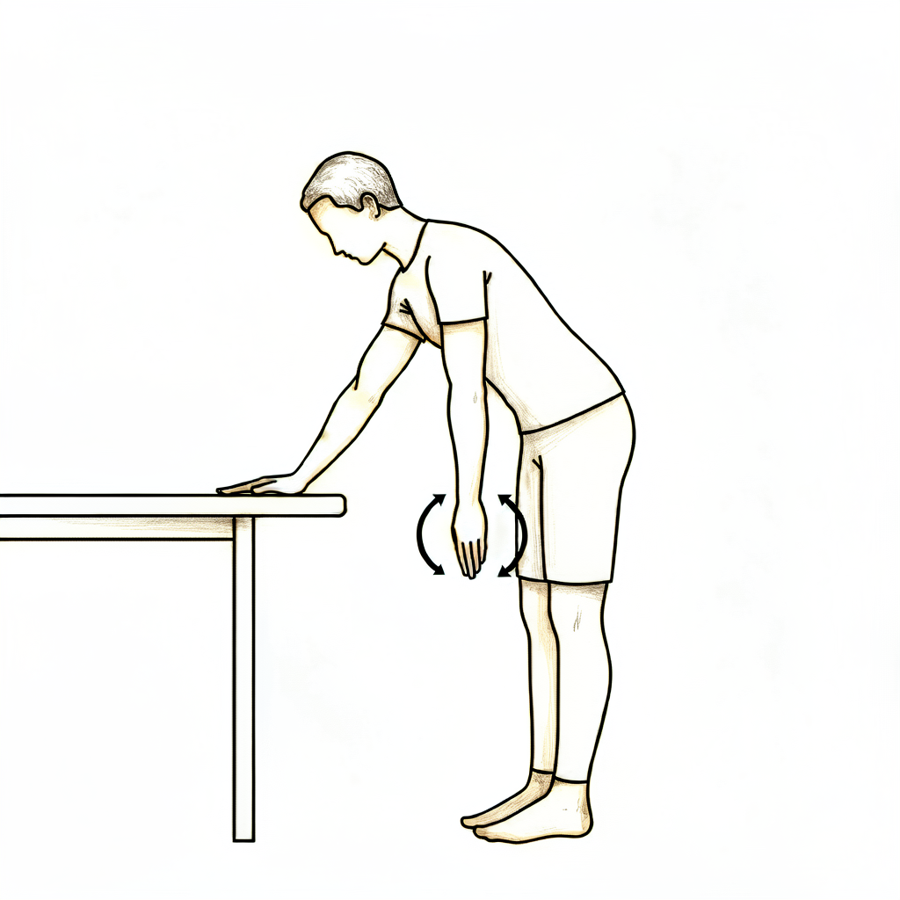
Ehersisyong pendulum
Alisin ang braso sa sling, yumuko nang bahagya mula sa baywang at hayaang nakalaylay nang dahan-dahan ang inoperahang braso palayo sa katawan. Hayaang umugoy ang braso sa maliliit at relax na pabilog na galaw — ang paggalaw ay nagmumula sa iyong katawan, hindi sa mga kalamnan ng balikat. Manatili sa antas na komportable, pagkatapos ay suportahan ang braso pabalik sa sling.
Ilang beses sa isang araw
Kieran Hirpara 4.0
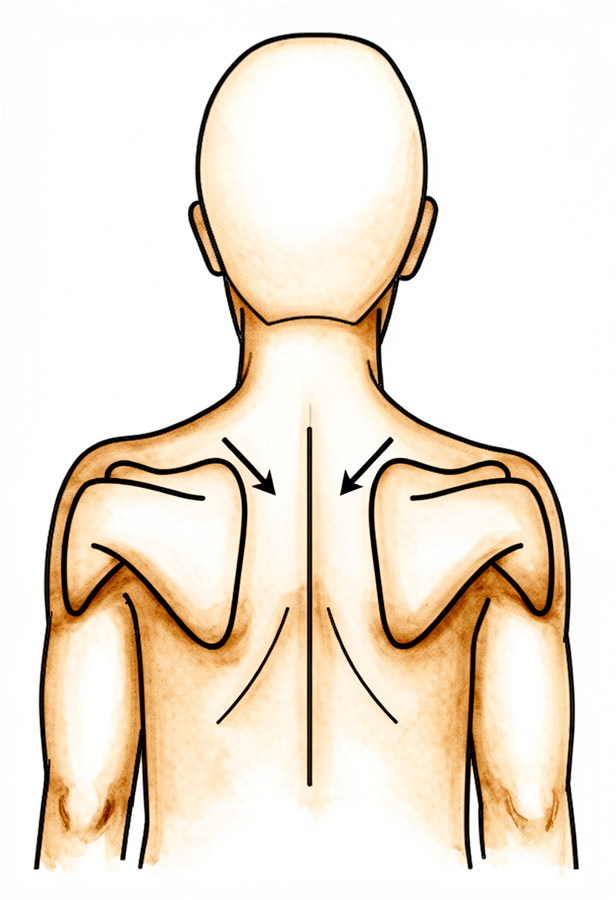
Pag-aayos ng scapula (Scapular setting)
Habang nakaupo o nakatayo nang tuwid at may suporta ang braso, dahan-dahang hilahin ang iyong mga shoulder blade pabalik at pababa, palayo sa iyong mga tainga. Manatili sa posisyong ito ng ilang segundo, pagkatapos ay mag-relax. Pinapanatili nito ang paggana ng mga posture muscle nang hindi binibigatan ang repair.
Ayon sa gabay ng iyong physiotherapist
Kieran Hirpara 4.0
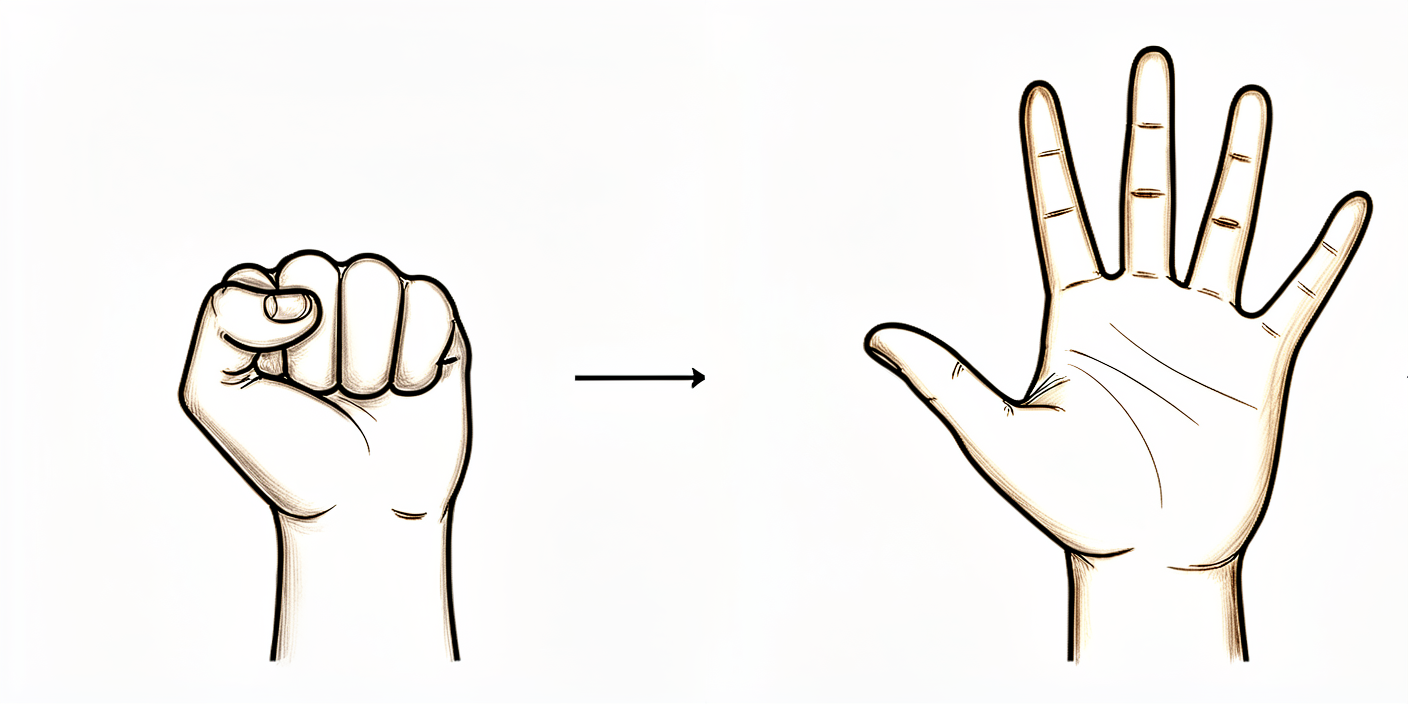
Mga ehersisyo sa kamay at grip
Habang nakasuporta ang braso sa sling, itikom nang husto ang kamao, pagkatapos ay iunat ang mga daliri. Maaaring pumiga ng soft ball o nakabilot na medyas para sa grip work. Panatilihing gumagalaw ang kamay, pulso, at siko mula sa unang araw.
Ayon sa gabay ng iyong physiotherapist
Kieran Hirpara 4.0
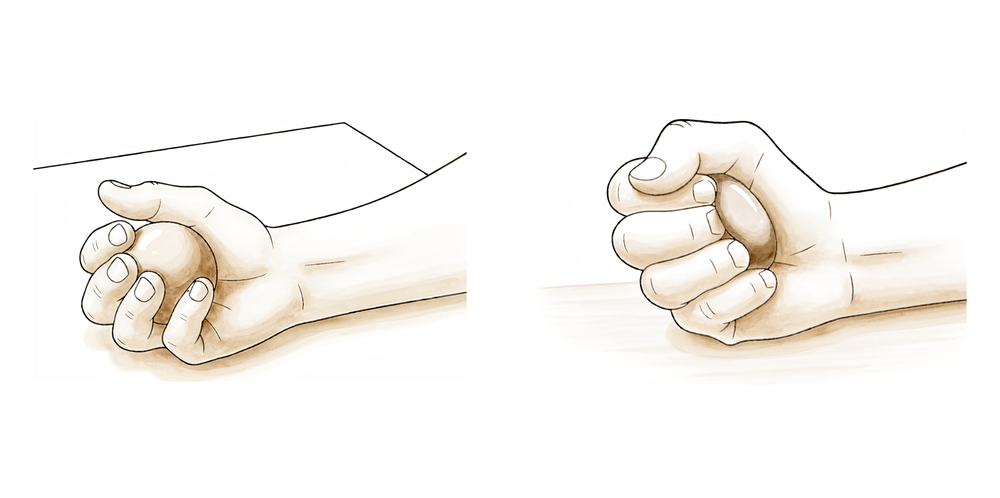
Pagpisil ng bola
Habang suportado ang braso sa sling, humawak ng malambot na bola o nakabilot na medyas at pisilin ito nang mahigpit, pagkatapos ay bitawan. Pinapanatili nito ang paggana ng grip at forearm habang protektado ang balikat.
Ayon sa gabay ng iyong physiotherapist
Kieran Hirpara 4.0
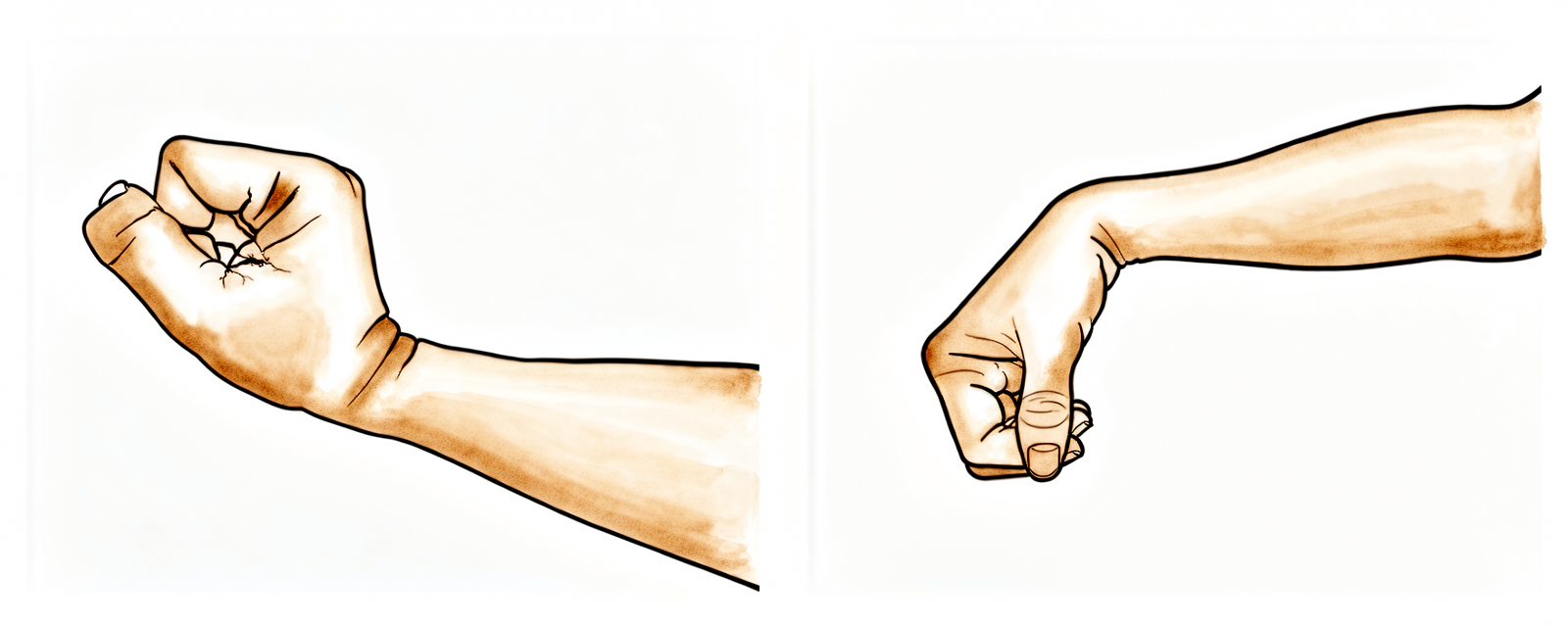
Paggalaw ng pulso
Habang wala ang braso sa sling at suportado ang forearm, itiklop ang iyong pulso pasulong, pabalik, at sa magkabilang gilid. Ang pagpapanatili sa paggalaw ng pulso mula sa unang araw ay pumipigil sa paninigas nito habang protektado ang repair.
Ayon sa gabay ng iyong physiotherapist
Kieran Hirpara 4.0
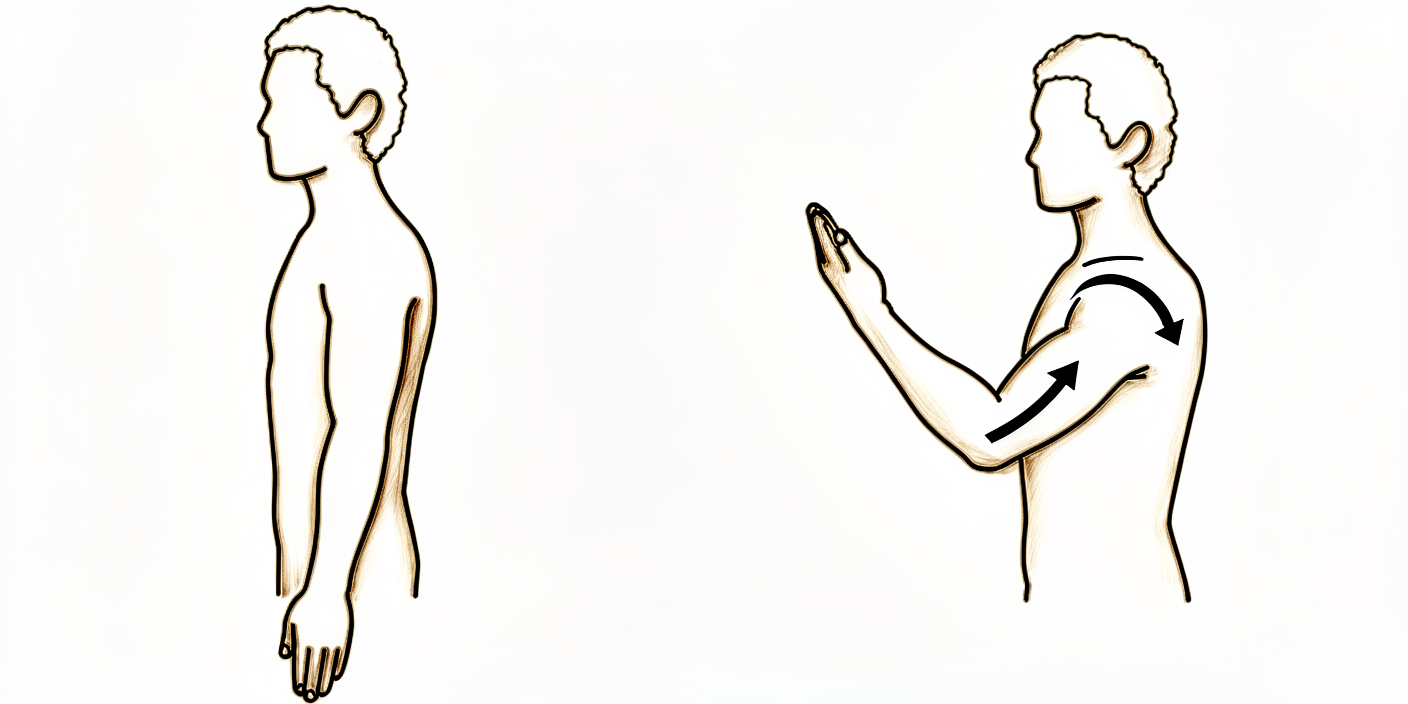
Pagtiklop ng siko
Habang nakasuporta ang itaas na bahagi ng braso sa iyong tagiliran, itiklop ang siko hangga't kaya nito nang komportable, pagkatapos ay ituwid ito nang lubos. Siko lamang ang gumagalaw — panatilihing relaks at suportado ang balikat upang hindi mabigatan ang repair.
Ayon sa gabay ng iyong physiotherapist
Kieran Hirpara 4.0
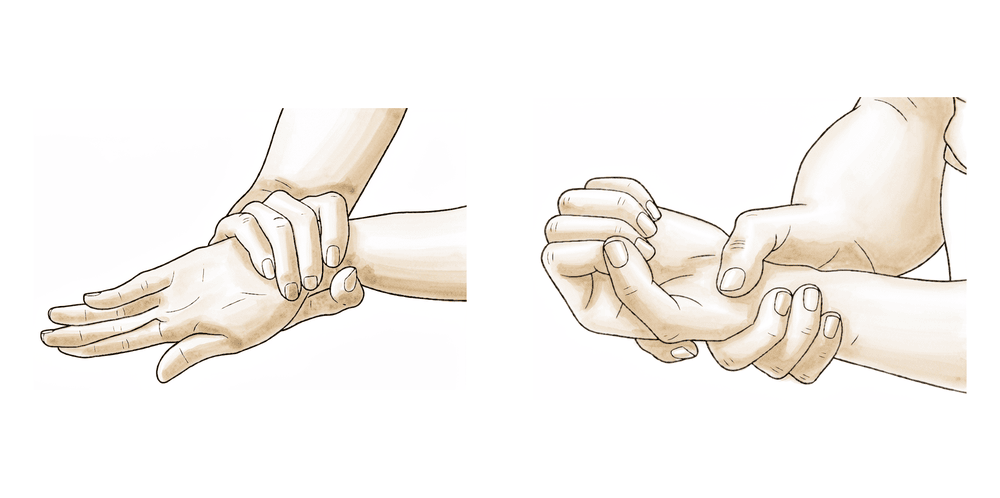
Rotasyon ng forearm
Habang ang siko ay nakadikit sa iyong tagiliran at nakabaluktot sa isang right angle, iharap ang palad pataas sa kisame, pagkatapos ay pababa sa sahig. Ang forearm ay umiikot habang ang balikat ay nananatiling hindi gumagalaw at suportado.
Ayon sa gabay ng iyong physiotherapist
Kieran Hirpara 4.0
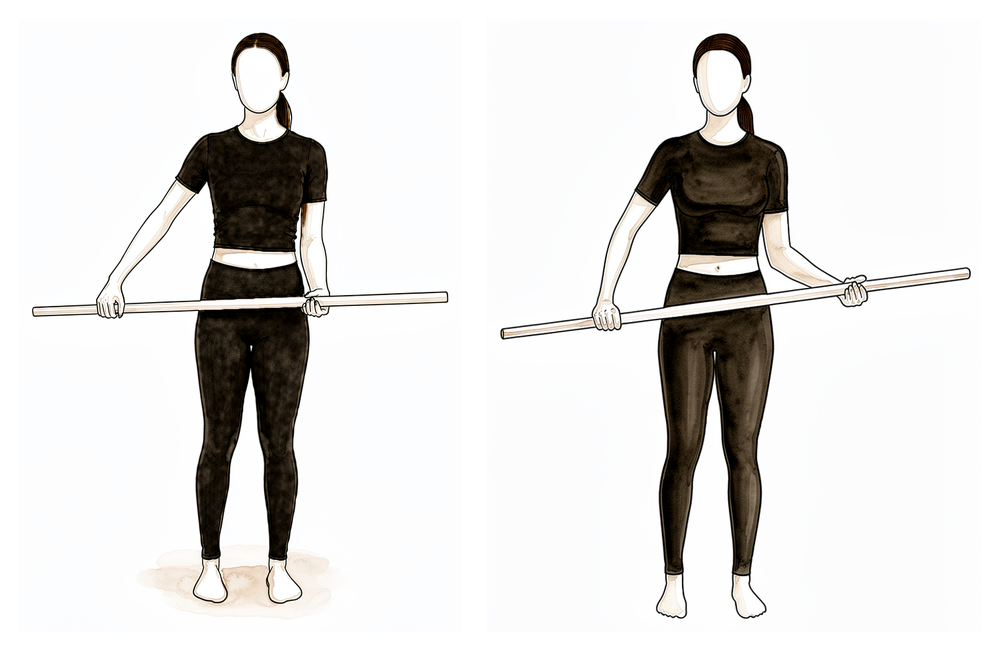
Assisted external rotation gamit ang stick
Humiga nang patihaya na ang inoperahang siko ay nakadikit sa iyong gilid at nakatupi sa isang right angle. Humawak ng isang stick sa magkabilang kamay at hayaang dahan-dahang iikot ng maayos na braso ang inoperahang forearm palabas, hanggang sa kung ano lamang ang komportable sa yugtong ito. Ibalik ito nang dahan-dahan at panatilihing maliit at suportado ang paggalaw.
Ayon sa gabay ng iyong physiotherapist
Kieran Hirpara 4.0
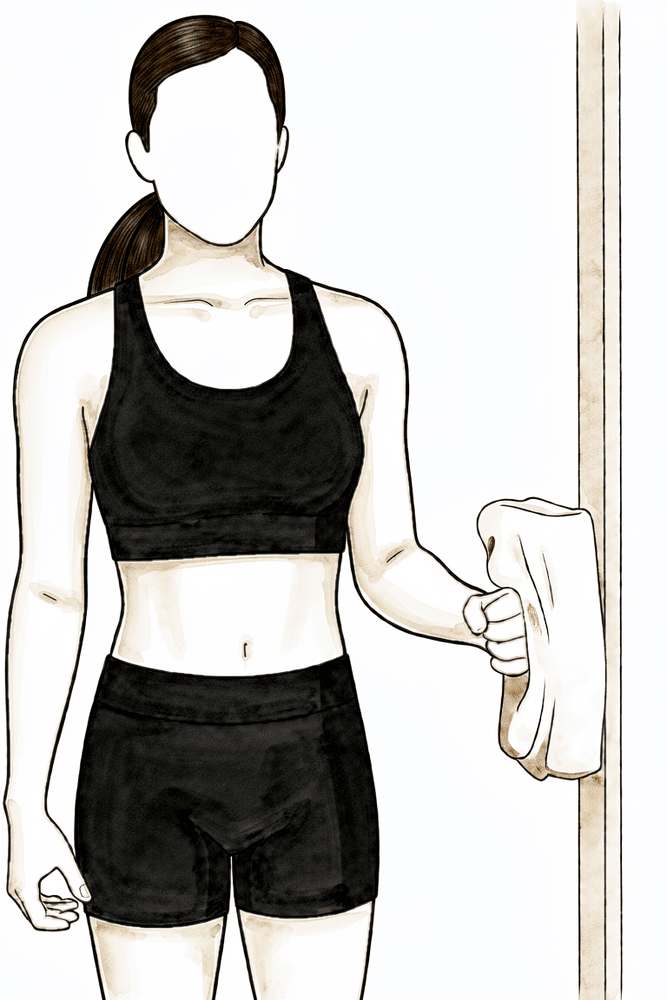
Isometric external rotation
Tumayo nang nakadikit ang iyong siko sa iyong gilid at nakabaluktot sa isang right angle, ang likod ng iyong kamay ay nakasandal sa pader o hamba ng pinto. Dahan-dahang itulak ito palabas nang hindi pinapagalaw ang braso, manatili sa posisyong ito ng ilang segundo, pagkatapos ay i-relax. Nagtatrabaho ang balikat ngunit hindi ito gumagalaw, kaya ang repair ay hindi nabibigatan.
Sub-maximal at walang sakit; ayon sa gabay ng iyong physiotherapist
Kieran Hirpara 4.0
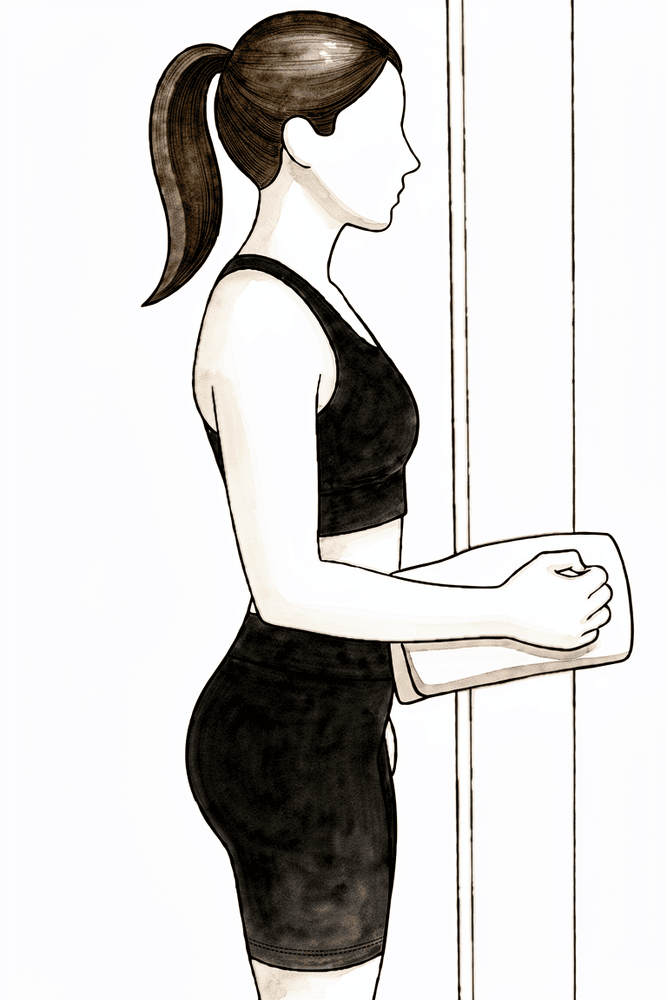
Isometric internal rotation
Tumayo nang nakadikit ang siko sa iyong tagiliran at nakabaluktot sa isang right angle, ang palad ay nakasandal sa pader o hamba ng pinto. Dahan-dahang itulak ito papasok nang hindi pinapagalaw ang braso, panatilihin ito ng ilang segundo, pagkatapos ay i-relax. Isang paraan na walang paggalaw upang mapanatiling aktibo ang rotator cuff sa simula.
Sub-maximal at walang sakit; ayon sa gabay ng iyong physiotherapist
Ang unang anim na linggo ay para hayaang gumaling ang repair habang pinapanatiling gumagalaw ang ibang bahagi ng braso. Ang sling ang pumapasan sa bigat ng braso tuwing ikaw ay nakatayo o naglalakad. Ang iyong kamay, pulso, at siko ay dapat manatiling gumagalaw mula unang araw: gamitin ang kamay para sa mga magagaan na gawain tulad ng pagsusulat at pagkain habang ang braso ay nasa sling. Ang balikat mismo ay magsisimula sa mga gentle pendulum exercise at assisted movements sa loob ng mahigpit na limitasyon: walang anuman na lampas sa taas ng balikat, bawal ang pag-abot sa tapat ng iyong katawan, at bawal ang pag-abot sa likod. Ang yelo at regular na pain relief ay nakakatulong upang maging manageable ang mga exercise. Inumin ang iyong mga painkiller bago ang iyong mga exercise at physiotherapy session. Maaari ka nang maligo kapag pinayagan na ng iyong wound care advice; upang maghugas sa ilalim ng inoperahang braso, yumuko pasulong mula sa baywang at hayaang dahan-dahang lumaylay ang braso palayo sa katawan, katulad ng posisyon sa pendulum exercise.
Sa phase na ito, huwag magbuhat ng anuman na mas mabigat sa humigit-kumulang kalahating kilo gamit ang inoperahang braso, huwag magbitbit ng mga bag sa panig na iyon, huwag sumandal sa braso o gamitin ito upang itulak ang sarili pataas mula sa kama o upuan, at huwag hayaang nakabitin ang braso nang walang suporta: ang bawat isa sa mga ito ay humihila sa shoulder blade pababa palayo sa collarbone at nagbibigay ng load sa repair.
Para sa iyong physiotherapist:
Mga Layunin (Goals)
- Protektahan ang surgical stabilisation at hayaang gumaling ang soft-tissue
- Kontrolin ang sakit at pamamaga; protektahan ang paggaling ng sugat
- Iwasan ang paninigas ng balikat sa loob ng mga protected range
- Panatilihin ang range of motion ng kamay, pulso, siko, at leeg
Pamamahala (Management)
- Sling sa loob ng 6 na linggo tuwing nakatayo o naglalakad; suportado ang braso kapag wala ang sling
- Pendulum exercises ilang beses sa isang araw
- Passive at active-assisted elevation sa plane of the scapula, limitado sa 90 degrees
- Passive at active-assisted external rotation ayon sa kakayahan (sa simula ay hanggang humigit-kumulang 30 degrees)
- Active range of motion ng kamay, pulso, siko, at forearm; ball squeeze
- Scapular setting (retraction at depression) at postural correction
- Sub-maximal, pain-free isometric internal at external rotation sa neutral ayon sa tolerance
- Soft-tissue at scapulothoracic mobilisation kung kinakailangan; scar massage kapag gumaling na ang sugat
- Yelo sa loob ng 15–20 minuto, ilang beses sa isang araw, kung kinakailangan; analgesia bago ang mga exercise at session
Mga Pag-iingat (Precautions)
- Huwag hayaang ang bigat ng braso ay humila sa fixation: bawal ang nakabiting braso, bawal ang pagbibitbit, bawal ang downward traction
- Walang elevation na lampas sa 90 degrees sa anumang plane
- Walang active shoulder range of motion lampas sa itinakdang assisted program
- Walang cross-body (horizontal) adduction at walang internal rotation sa likod
- Walang pagbuhat ng mas mabigat sa humigit-kumulang kalahating kilo; bawal suportahan ang bigat ng katawan gamit ang braso
- Bawal magmaneho sa loob ng anim na linggo (nalalapat ito sa anumang operasyon sa balikat), at hindi rin habang nasa sling
Mga Pamantayan para sa pag-usad (Criteria to progress)
- Humigit-kumulang 90 degrees ng passive flexion sa plane of the scapula
- Humigit-kumulang 30 degrees ng passive external rotation sa plane of the scapula
- Nakakayanan ang range-of-motion at isometric program, habang humuhupa ang sakit at pamamaga
Phase II — Pagbabalik ng iyong paggalaw (Mga Linggo 6–12)
Kieran Hirpara 4.0
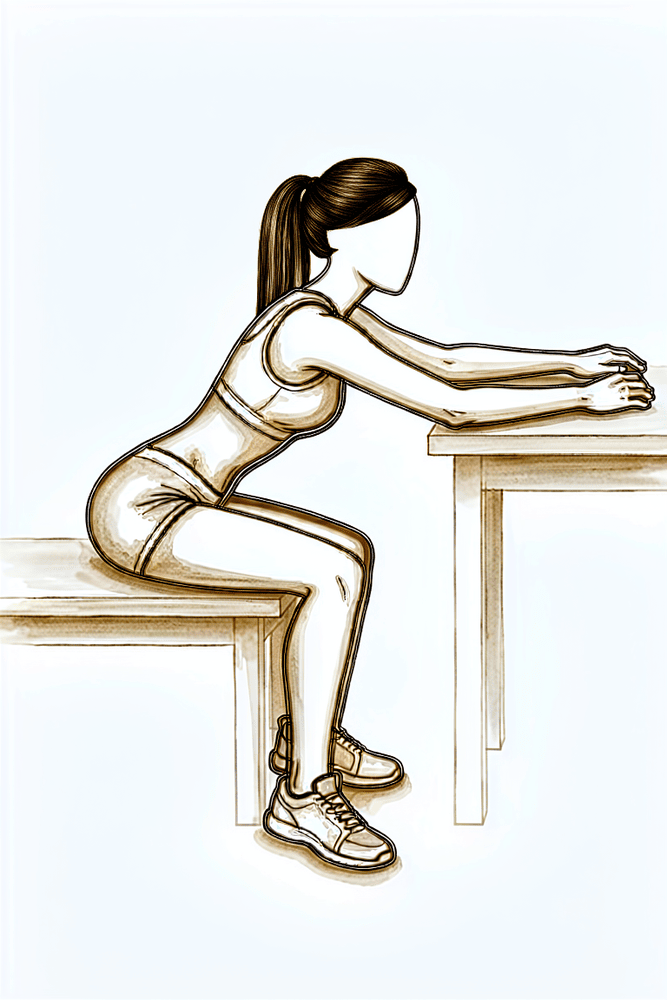
Countertop slide
Umupo sa isang mesa o bench na ang mga kamay ay nakapatong sa ibabaw. I-slide ang mga kamay pasulong, hayaang humilig ang iyong katawan upang ang balikat ay tumiklop paitaas nang may suporta, pagkatapos ay bumalik. Gumalaw nang swabe sa loob ng iyong comfort level, nang hindi itinataas ang balikat patungo sa tainga.
Ayon sa gabay ng iyong physiotherapist
Kieran Hirpara 4.0
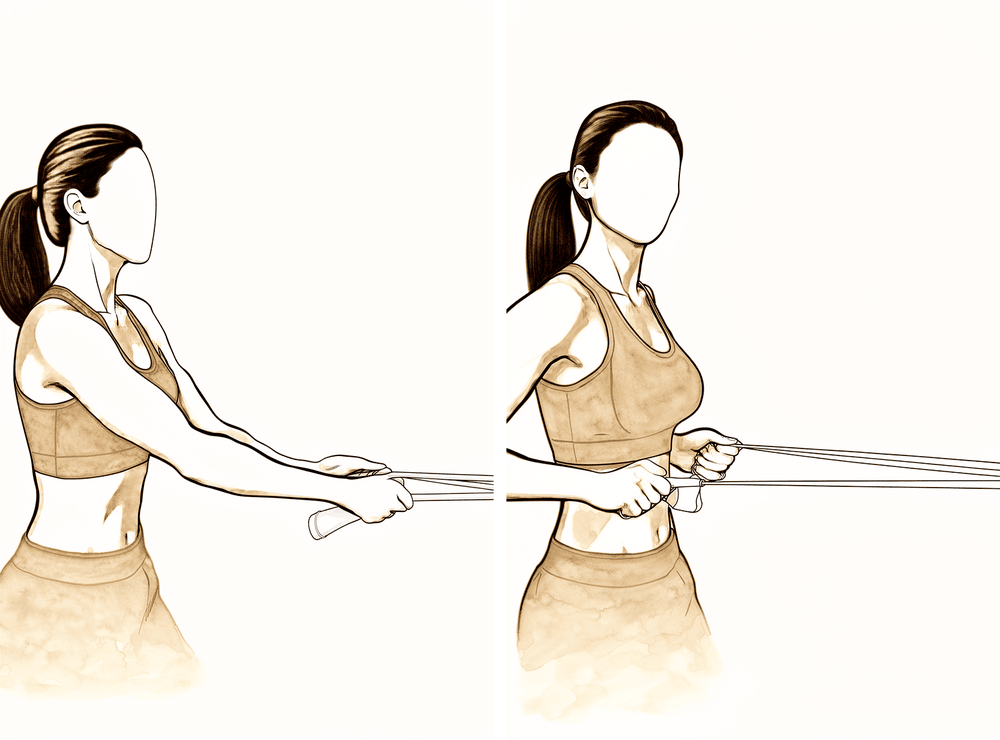
Elastic-band row
I-angkla ang isang elastic exercise band sa iyong harapan sa taas ng iyong baywang. Hilahin ang band patungo sa iyo, habang hinihila ang shoulder blade pabalik at pababa habang lumalagpas ang siko sa iyong gilid, pagkatapos ay ibalik ito nang may kontrol. Panatilihing magaan ang resistance sa bahaging ito.
Ayon sa gabay ng iyong physiotherapist
Kieran Hirpara 4.0
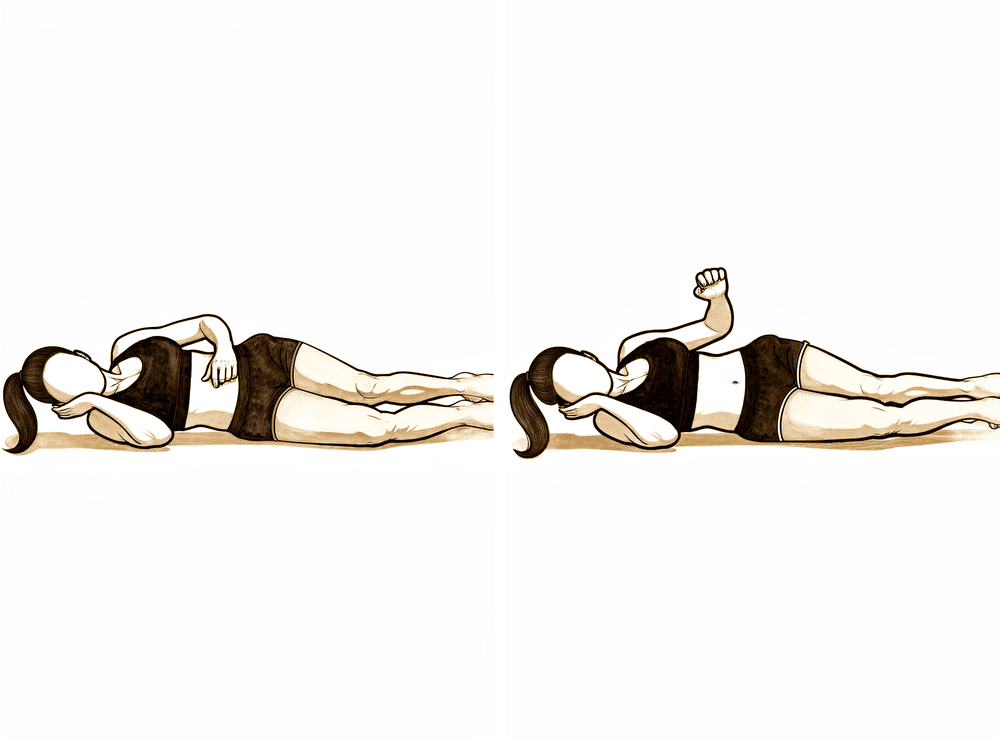
Side-lying external rotation
Humiga sa gilid na hindi naoperahan na ang itaas na siko ay nakabaluktot sa right angle at nakadikit sa iyong katawan. Habang pinapanatili ang siko sa iyong gilid, i-rotate ang forearm pataas patungo sa kisame, pagkatapos ay ibaba ito nang may kontrol. Walang bigat sa phase na ito — ang bigat ay idaragdag mamaya, ayon sa gabay.
Ayon sa gabay ng iyong physiotherapist
Kieran Hirpara 4.0
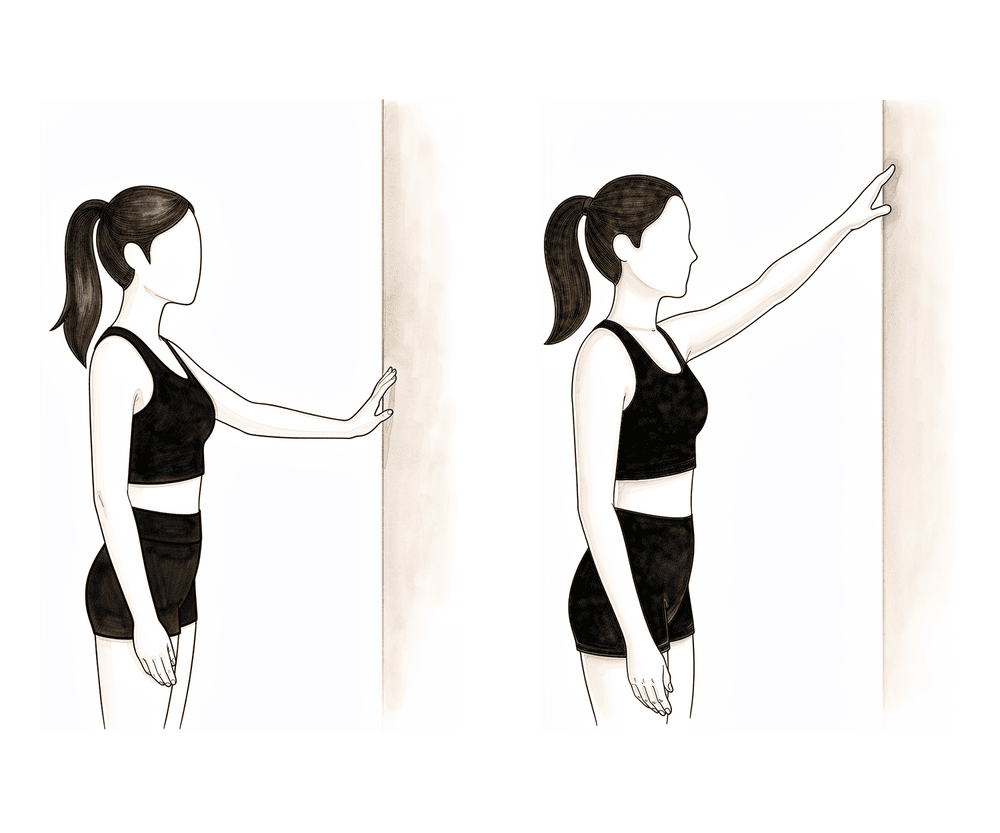
Wall finger-walk
Tumayo nang nakaharap sa pader at ipatong ang mga daliri ng operadong kamay dito. Dahan-dahang i-lakad ang mga daliri pataas sa pader, hayaang pasanin ng mga ito ang bahagi ng bigat ng braso habang itinataas ang balikat, pagkatapos ay i-lakad pabalik pababa. Panatilihing relax ang shoulder blade — huwag itong itataas patungo sa iyong tainga.
Ayon sa gabay ng iyong physiotherapist
Kieran Hirpara 4.0
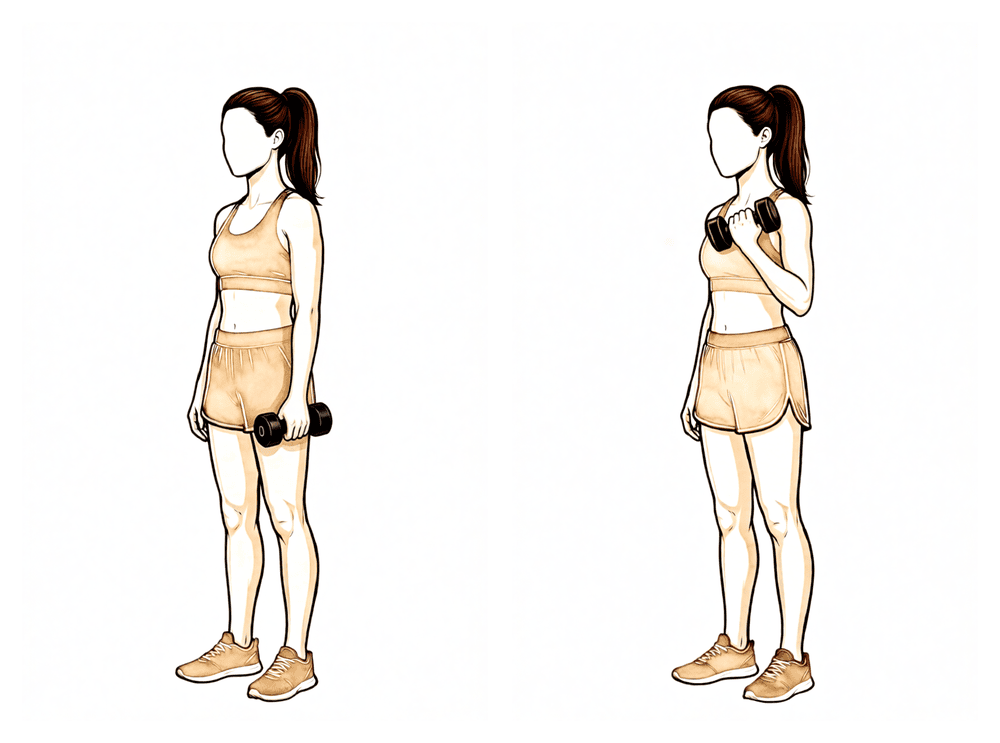
Biceps curl
Habang ang itaas na bahagi ng braso ay nasa iyong gilid, itiklop ang siko upang i-curl ang isang magaan na pabigat pataas patungo sa iyong balikat, pagkatapos ay dahan-dahan itong ibaba. Panatilihing magaan ang mga pabigat sa yugtong ito — muling binubuo nito ang braso nang hindi binibigyang-diin ang repair.
Ayon sa gabay ng iyong physiotherapist
Kieran Hirpara 4.0
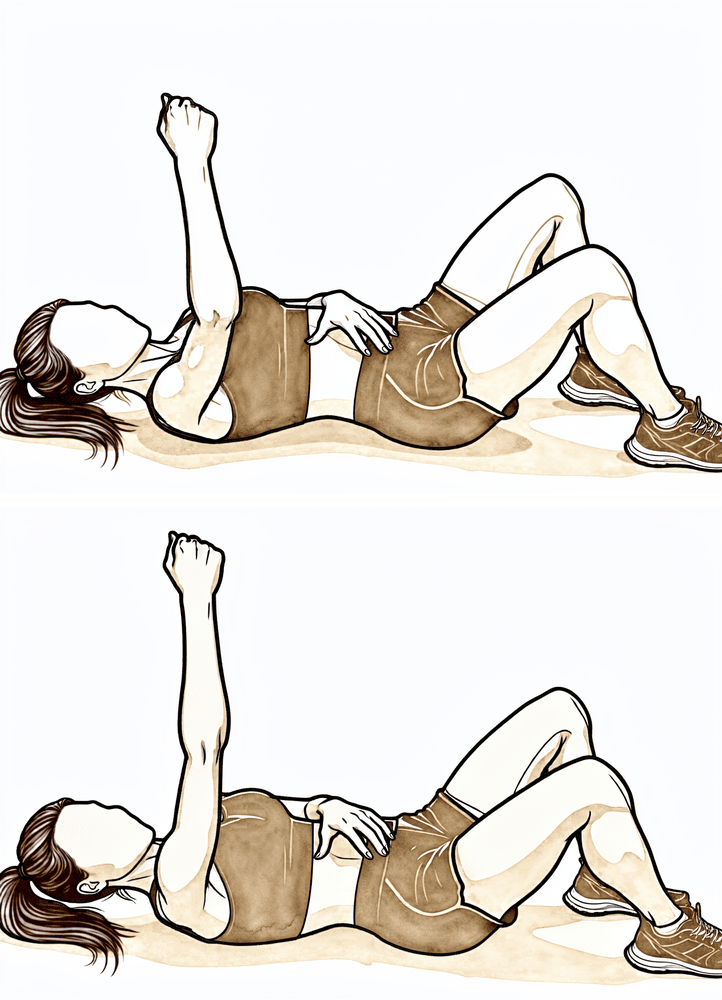
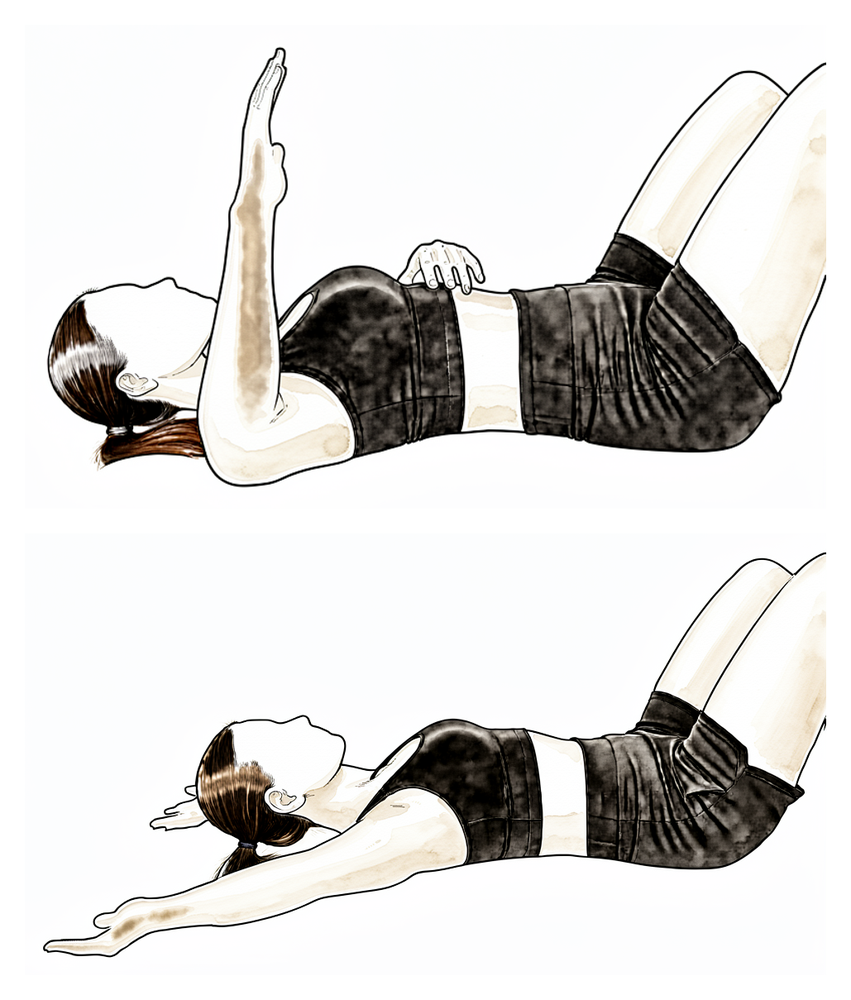
Serratus punch
Humiga nang patihaya na ang inoperahang braso ay nakaturo paitaas sa kisame. Nang hindi ibinabaluktot ang siko, iabot ang kamao nang bahagya pa paitaas upang ang shoulder blade ay umangat mula sa kama, pagkatapos ay ibaba ito nang may kontrol. Ginigising nito ang kalamnan na humahawak sa shoulder blade sa mga ribs.
Ayon sa gabay ng iyong physiotherapist
Kieran Hirpara 4.0
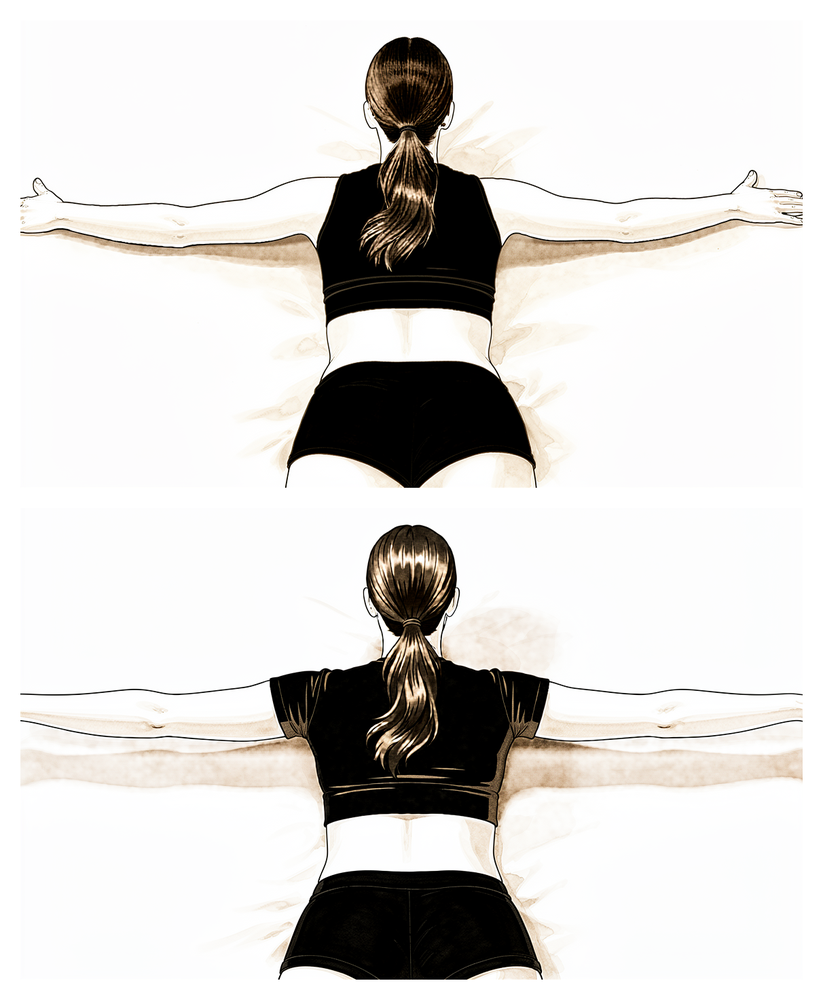
Prone T
Dapa nang nakaharap sa sahig na ang mga braso ay nakalaylay pababa. Pagdikitin ang mga shoulder blade at itaas ang inoperahang braso palabas sa gilid upang bumuo ng hugis 'T', pagkatapos ay dahan-dahang ibaba. Panatilihin itong magaan — sinasanay nito ang mga kalamnan ng shoulder blade nang hindi binibigatan ang joint.
Ayon sa gabay ng iyong physiotherapist
Kieran Hirpara 4.0
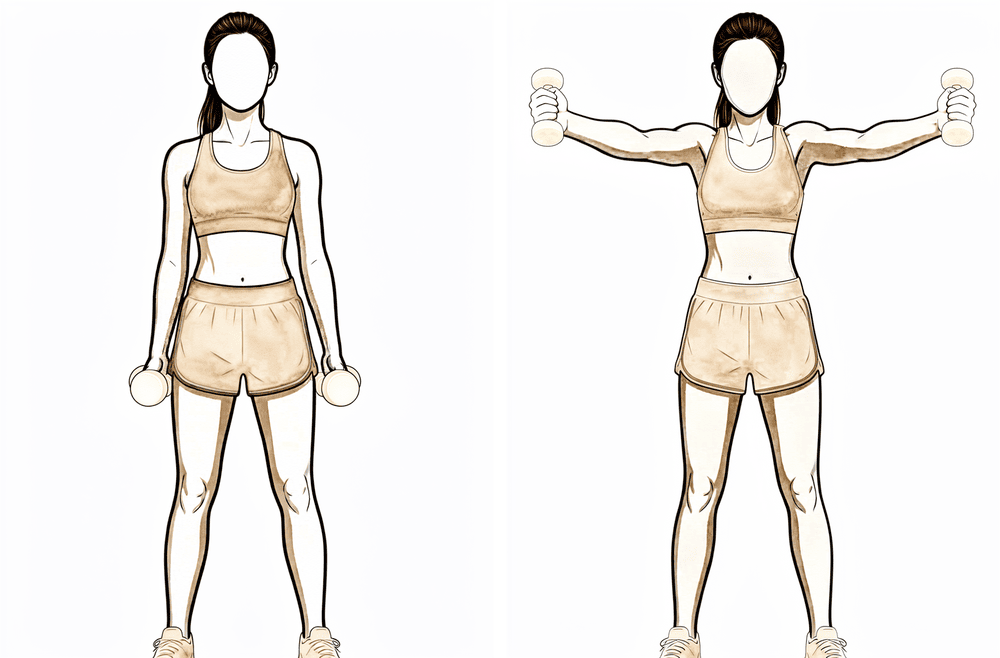
Nakatayong scaption
Tumayo nang ang braso ay nasa iyong tabi, at ang hinlalaki ay nakaturo pataas. Itaas ang braso sa isang forward angle, sa gitna ng diretso sa harap at palabas sa gilid, hindi tataas nang higit sa komportable, pagkatapos ay ibaba ito nang dahan-dahan. Panatilihing nakapirme ang shoulder blade at iwasang magkibit-balikat.
Ayon sa gabay ng iyong physiotherapist
Kieran Hirpara 4.0
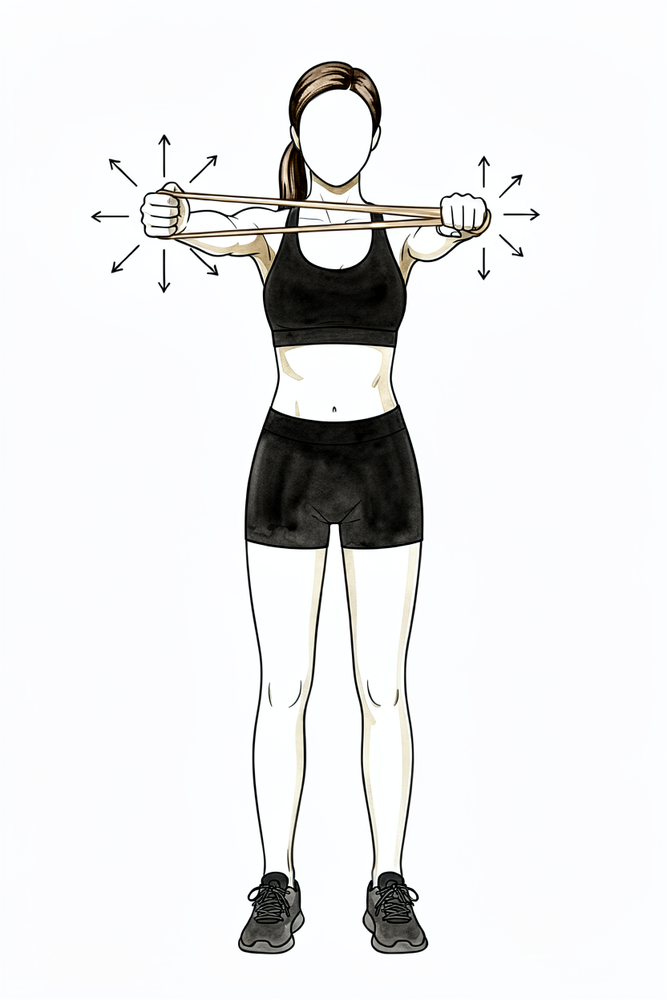
Rhythmic stabilisation
Habang ang iyong braso ay suportado sa harap mo sa taas na halos kapantay ng balikat, hayaan ang iyong physiotherapist (o ang iyong maayos na kamay) na magbigay ng maliliit at banayad na tulak mula sa iba't ibang direksyon habang pinapanatili mong hindi gumagalaw at matatag ang braso — huwag itong hayaang gumalaw. Sinasanay nito ang mga stabilising muscle ng balikat na tumugon. Panatilihing banayad ang lahat ng pagsisikap.
Ayon sa gabay ng iyong physiotherapist
Mula sa ika-anim na linggo, unti-unti nang aalisin ang paggamit ng sling at ang mga limitasyon sa paggalaw ay progresibong aalisin. Ang mga assisted movement ay magiging active movements, at ang range ay unti-unting lalawak; bilang gabay, ang mga nailathalang protocol ay nagpapalawak ng range sa humigit-kumulang 15-degree steps bawat linggo, na naglalayong makuha ang full movement sa ika-12 linggo. Ang mga light elastic-band exercises para sa rotator cuff at mga kalamnan ng shoulder blade ay magsisimula sa phase na ito. Kailangan pa ring ingatan ang repair: panatilihin ang pagbuhat sa humigit-kumulang isang kilogram, at iwasan ang puwersahang pagtulak at paghila, push-ups, at pagbuhat nang patawid sa katawan o overhead. Ang pag-abot sa likod ay karaniwang huling paggalaw na pinapayagan.
Para sa iyong physiotherapist:
Mga Layunin
- Pag-alis sa sling
- Progresibong ibalik ang active range of motion sa lahat ng planes (full, o near-full, sa ika-12 linggo)
- Simulan ang gentle strengthening; bawasan ang muscle atrophy
- Muling itatag ang scapulohumeral rhythm at neuromuscular control
Pamamahala
- I-progress ang active-assisted patungong active elevation; wall slides at countertop slides into flexion
- Elevation sa scapular plane na may atensyon sa scapular mechanics: walang hitching
- Unti-unting ipakilala ang behind-the-back internal rotation (sa beltline muna sa simula)
- Horizontal adduction bilang active reach lamang: wala pang passive stretch
- Theraband internal at external rotation, biceps curl, row at serratus punch
- Dynamic scapular at cuff work: side-lying external rotation, prone row, prone extension, prone 'T's at 'Y's, standing scaption
- Proprioception at rhythmic-stabilisation drills
- Manual therapy at joint mobilisation ayon sa indikasyon
Mga Pag-iingat
- Bawal magbuhat ng mas mabigat sa humigit-kumulang isang kilogram gamit ang operated arm
- Bawal ang puwersahang pagtulak o paghila; bawal ang push-ups
- Bawal magbuhat ng mga weighted objects overhead o patawid sa katawan
- Iwasan ang end-range stretching sa cross-body adduction; ang behind-the-back movement ay progresibong itutuloy
Mga Kraytirya para mag-progress
- Hindi bababa sa humigit-kumulang 140 degrees ng passive flexion at 60 degrees ng passive external rotation sa scapular plane
- Active flexion laban sa gravity hanggang sa humigit-kumulang 100 degrees na may mabuting mechanics
- Kayang tolerahin ang active range-of-motion at early strengthening program
Phase III — Pagpapalakas (Weeks 12–18)
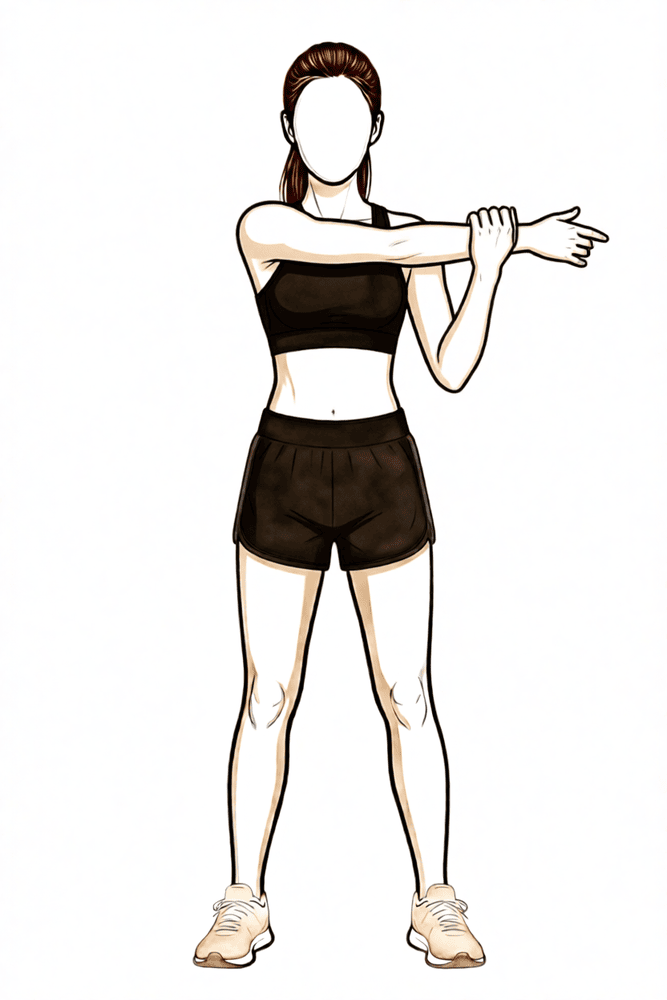
Kieran Hirpara 4.0
Cross-body stretch
Iposisyon ang inoperahang braso patawid sa iyong dibdib at gamitin ang kabilang kamay, na nakalagay sa itaas ng siko, upang dahan-dahang hilahin ito nang mas patawid hanggang sa makaramdam ka ng stretch sa likod ng balikat. Hawakan, pagkatapos ay bitawan. Ang stretch na ito ay ipinagbawal noong una at ginagamit na ngayon upang makuha ang mga huling degree ng range.
Ayon sa gabay ng iyong physiotherapist
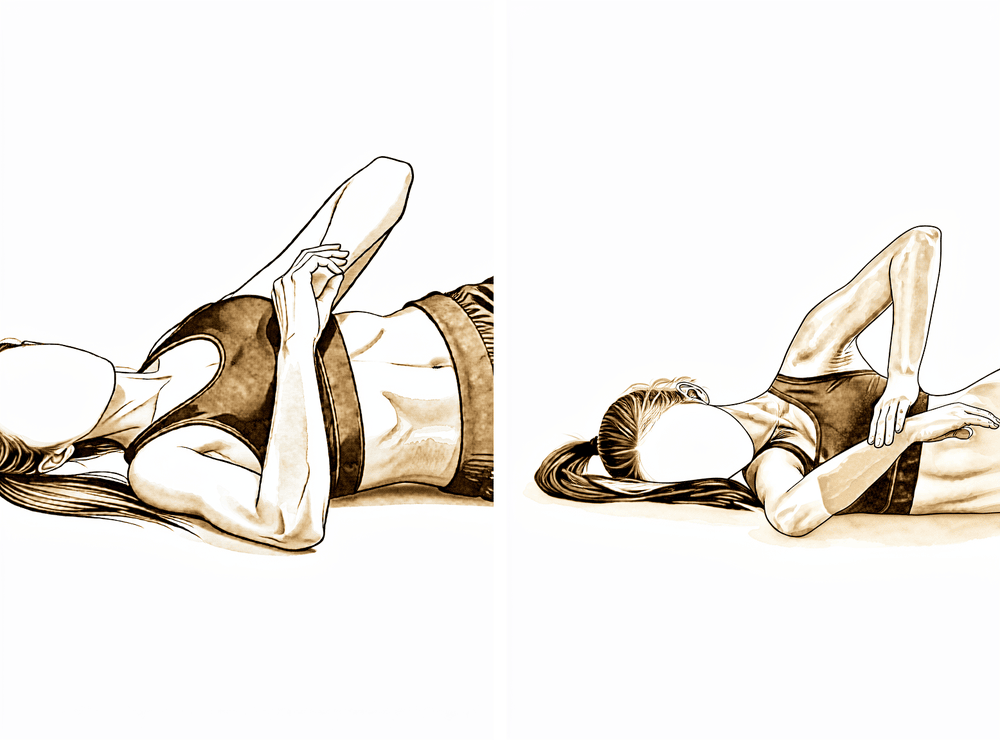
Kieran Hirpara 4.0
Sleeper stretch
Humiga sa panig na inoperahan na ang balikat at siko ay nakabaluktot sa right angle. Gamitin ang kabilang kamay upang dahan-dahang ibaba ang forearm patungo sa kama hanggang sa makaramdam ng stretch sa likod ng balikat. Manatili sa posisyong ito, pagkatapos ay i-relax — dapat ay stretch, hindi sakit.
Ayon sa gabay ng iyong physiotherapist
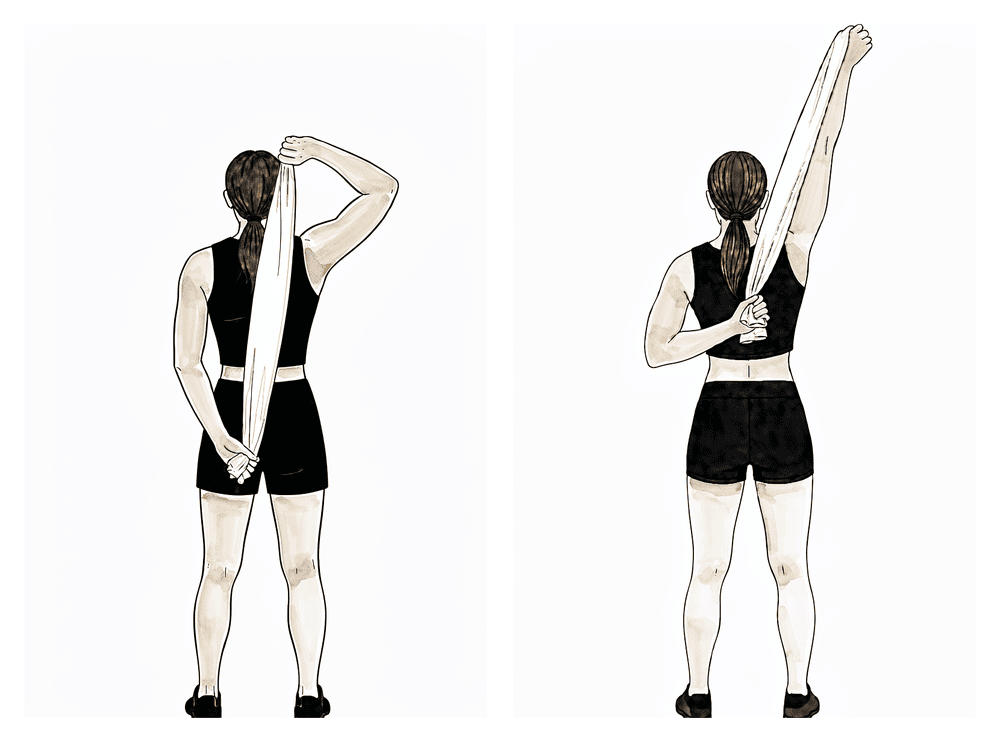
Kieran Hirpara 4.0
Stretch sa likod gamit ang tuwalya
Humawak ng tuwalya sa likod, ang maayos na kamay ay nasa ibabaw ng balikat at ang inoperahang kamay ay nasa ibabang bahagi ng likod. Dahan-dahang hilahin ang tuwalya pataas gamit ang maayos na kamay upang iangat ang inoperahang kamay sa likod hanggang sa makaramdam ng stretch, pagkatapos ay bitawan. Ang paggalaw sa likod ay isa sa mga huling bumabalik, kaya gawin ito nang dahan-dahan.
Ayon sa gabay ng iyong physiotherapist
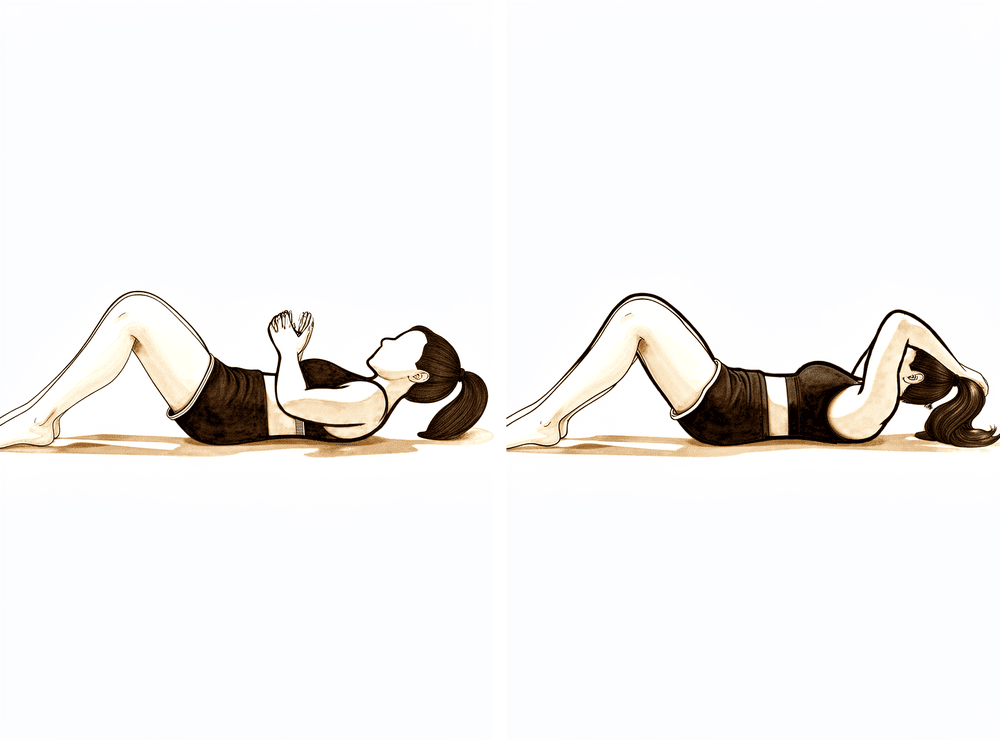
Kieran Hirpara 4.0
Mga kamay sa likod ng ulo
Pagdaupin ang dalawang kamay sa likod ng iyong ulo at dahan-dahang itulak ang mga siko palabas at pabalik hanggang sa makaramdam ng stretch sa harap ng balikat. Manatili sa posisyong ito, pagkatapos ay i-relax. Binabawi nito ang huling bahagi ng outward-rotation range habang nakataas ang braso.
Ayon sa gabay ng iyong physiotherapist
Kieran Hirpara 4.0
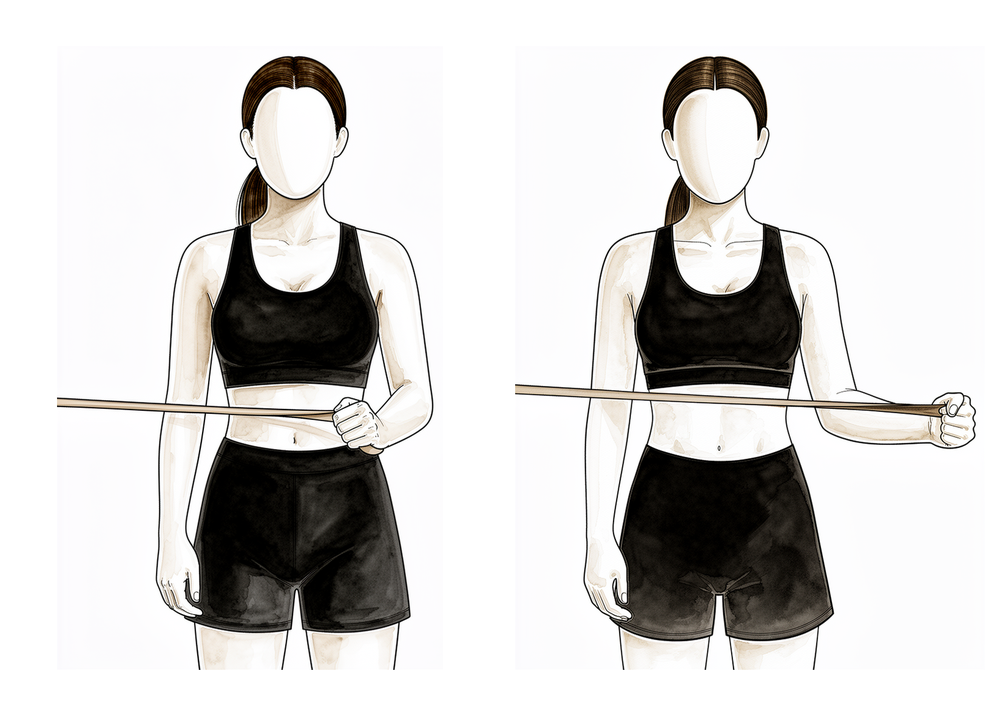
External rotation sa 90 degrees
Itaas ang braso hanggang sa taas ng balikat na ang siko ay nakatupi sa isang right angle, habang humahawak ng isang elastic band. I-rotate ang forearm pataas laban sa band upang ang likod ng kamay ay gumalaw pataas, pagkatapos ay dahan-dahang ibalik. Isang higher-level rotator cuff exercise kapag maayos na ang paggalaw at kontrol.
Ayon sa gabay ng iyong physiotherapist
Kieran Hirpara 4.0
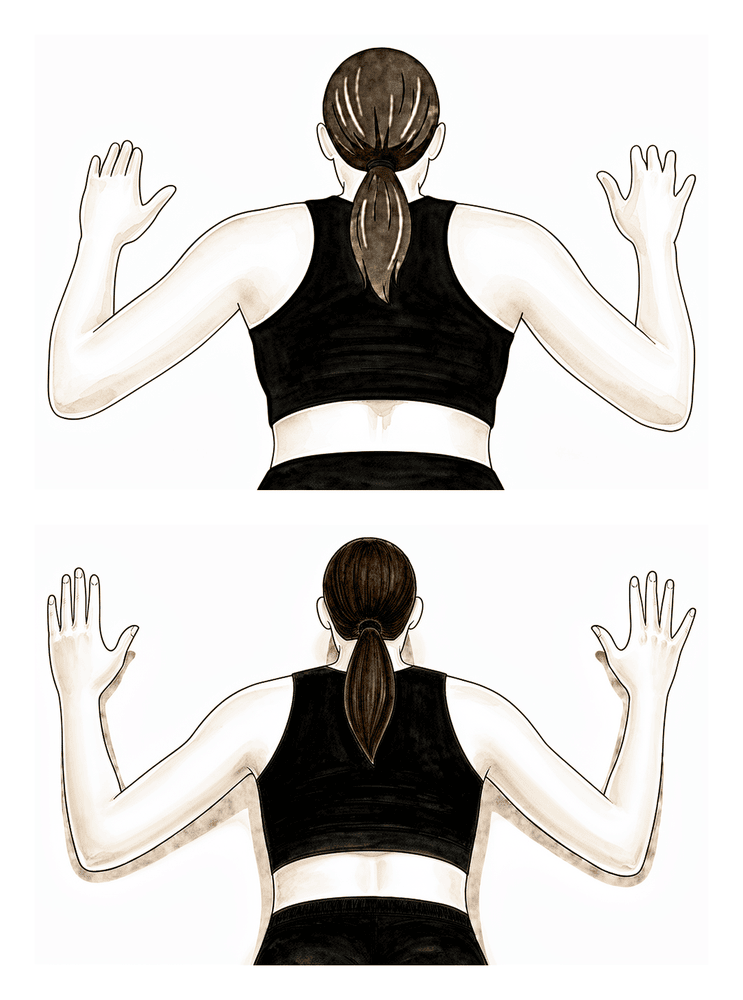
Prone W
Dapa at hayaang nakalaylay ang mga braso. Pagdikitin ang mga shoulder blade at hilahin ang mga siko pabalik at pababa upang ang mga braso ay bumuo ng hugis 'W', pagkatapos ay dahan-dahang ibaba. Pinapalakas nito ang mga kalamnan sa ibabang bahagi ng shoulder-blade na nagpapatatag sa joint.
Ayon sa gabay ng iyong physiotherapist
Kieran Hirpara 4.0
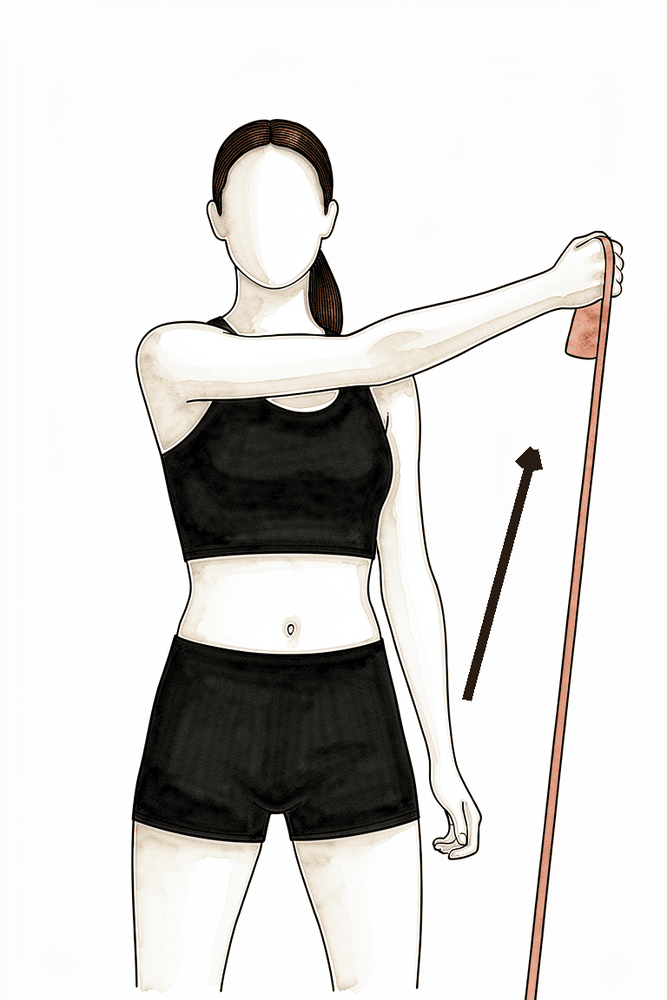
Diagonal band pattern (D1)
Humawak ng isang elastic band at hilahin ito nang pahilis, mula sa harap ng iyong katawan pataas at palabas patungo sa kabilang panig, pagkatapos ay dahan-dahang ibalik. Ang mga diagonal pattern na ito ay nagsasanay sa balikat sa paraang gumagana ito sa pang-araw-araw na pag-abot.
Ayon sa gabay ng iyong physiotherapist
Kieran Hirpara 4.0
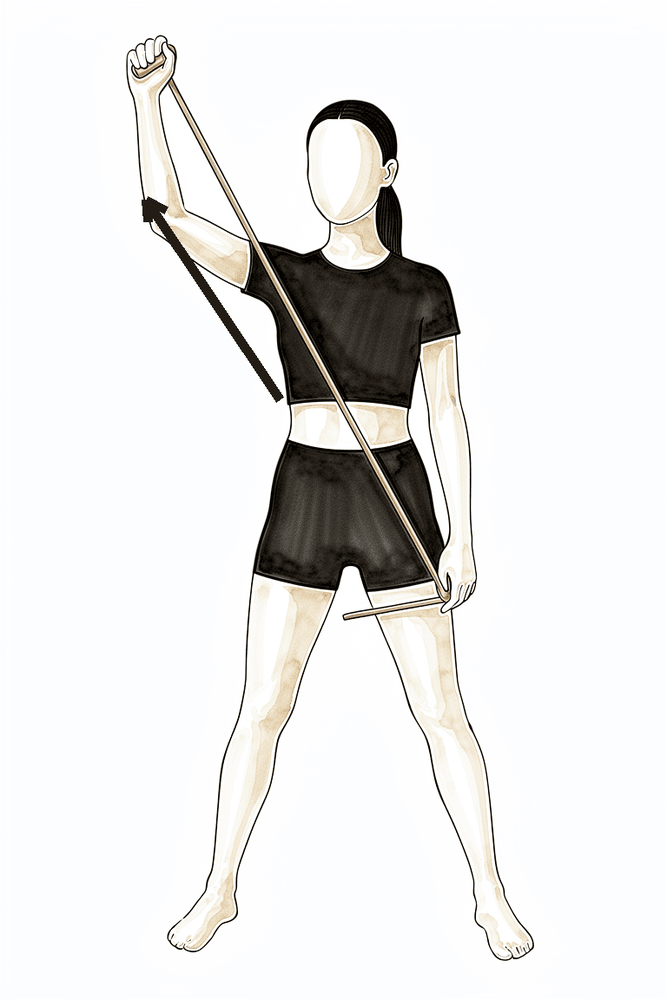
Diagonal band pattern (D2)
Hawakan ang isang elastic band nang mababa at patawid sa iyong katawan, pagkatapos ay hilahin ito paitaas at palabas sa itaas ng ulo patungo sa gilid nang pahilis, tapusin nang nakataas ang hinlalaki, at dahan-dahang ibalik. Isang pangalawang diagonal pattern na bumubuo ng kontrol sa pamamagitan ng mas malawak na range.
Ayon sa gabay ng iyong physiotherapist
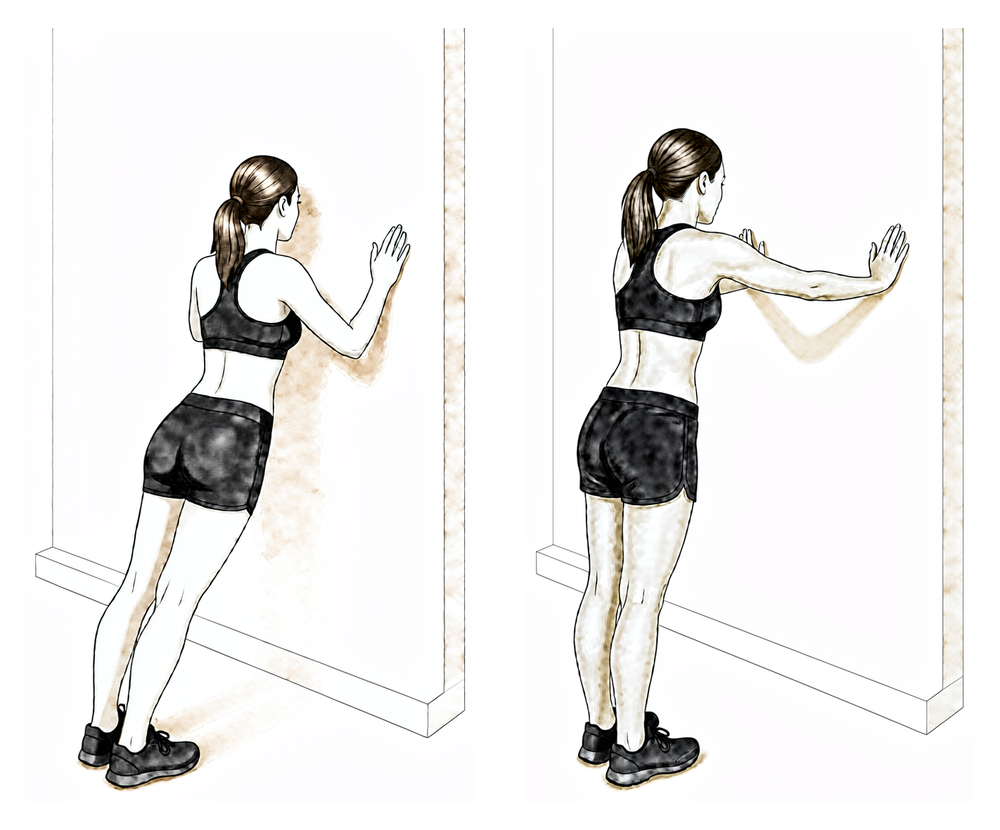
Kieran Hirpara 4.0
Wall push-up
Tumayo nang nakaharap sa pader na ang mga kamay ay nakapatong dito sa taas ng balikat. Itiklop ang mga siko upang ilapit ang iyong dibdib sa pader, pagkatapos ay itulak pabalik; sa itaas, itulak pa nang kaunti upang ang iyong itaas na bahagi ng likod ay bumukol palayo sa pader. Magsimula sa pader bago mag-progress — panatilihing kontrolado ang mga shoulder blade.
Ayon sa gabay ng iyong physiotherapist
Kieran Hirpara 4.0
External rotation sa 90/90 (band)
Habang ang braso ay nakalabas sa gilid sa taas ng balikat at ang siko ay nakabaluktot sa isang right angle, i-rotate ang forearm pabalik at pataas laban sa isang light band o weight, pagkatapos ay ibaba ito nang dahan-dahan. Nagpapalakas ng rotator-cuff strength sa raised (throwing) position.
2 hanggang 3 sets ng 10 hanggang 15, mababang resistance
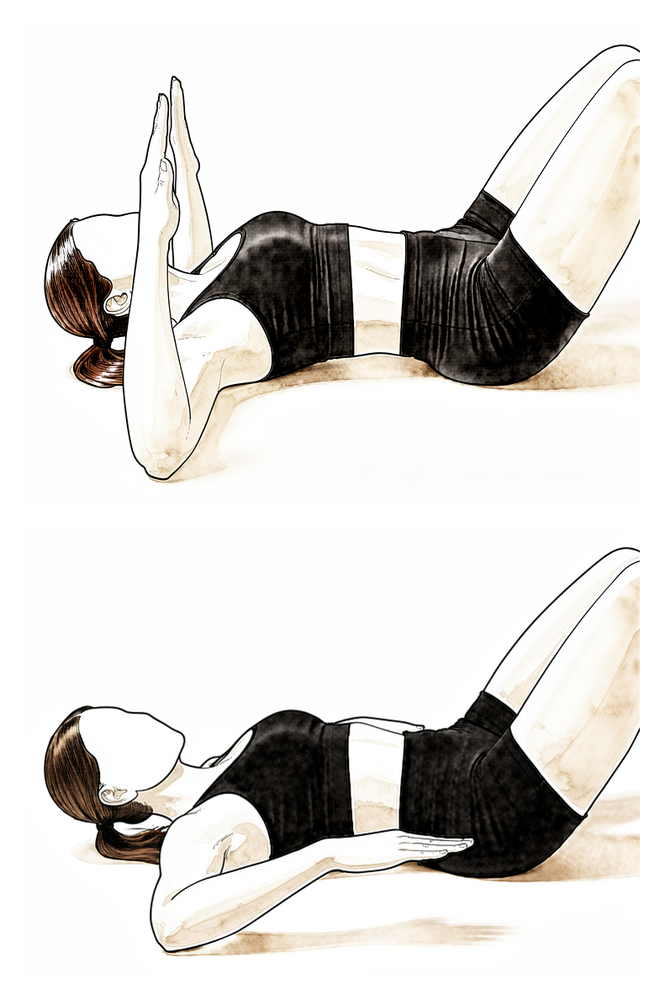
Kieran Hirpara 4.0
Internal rotation sa 90/90 (band)
Mula sa parehong posisyon kung saan ang braso ay nakalabas sa gilid sa taas ng balikat, i-rotate ang forearm pasulong at pababa patungo sa iyong mga paa laban sa isang light band o weight, pagkatapos ay ibalik ito nang may kontrol.
2 hanggang 3 sets ng 10 hanggang 15, mababang resistance
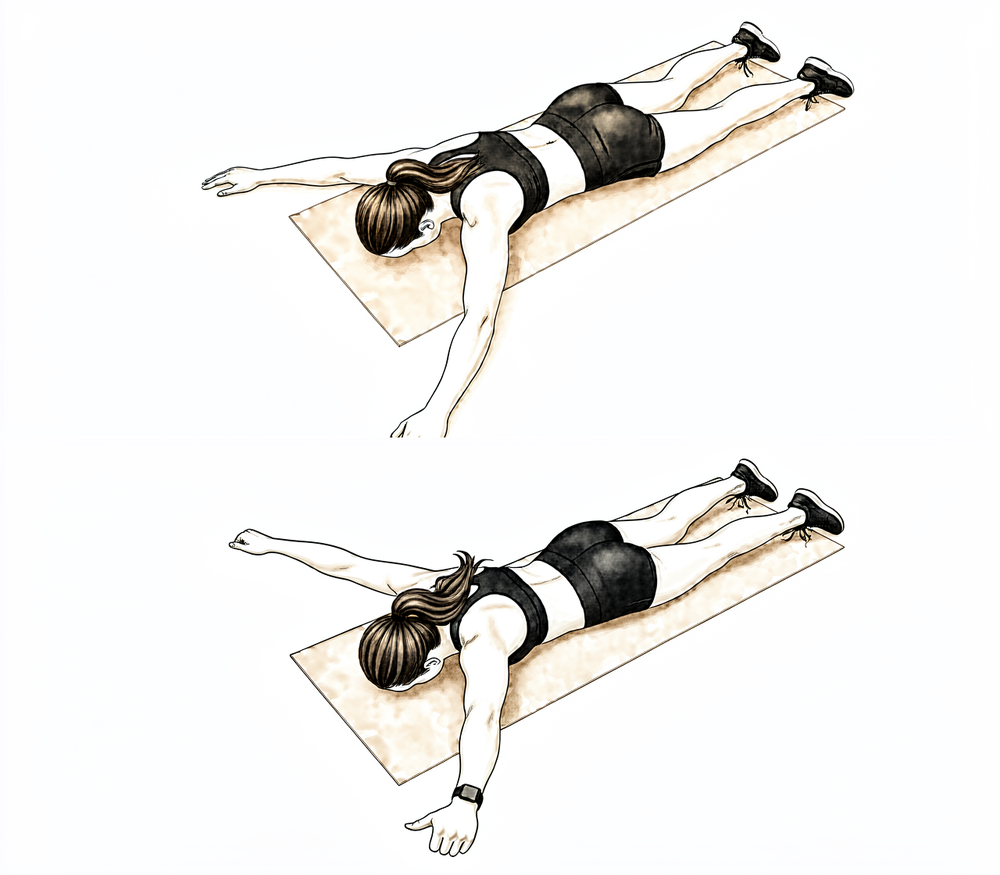
Kieran Hirpara 4.0
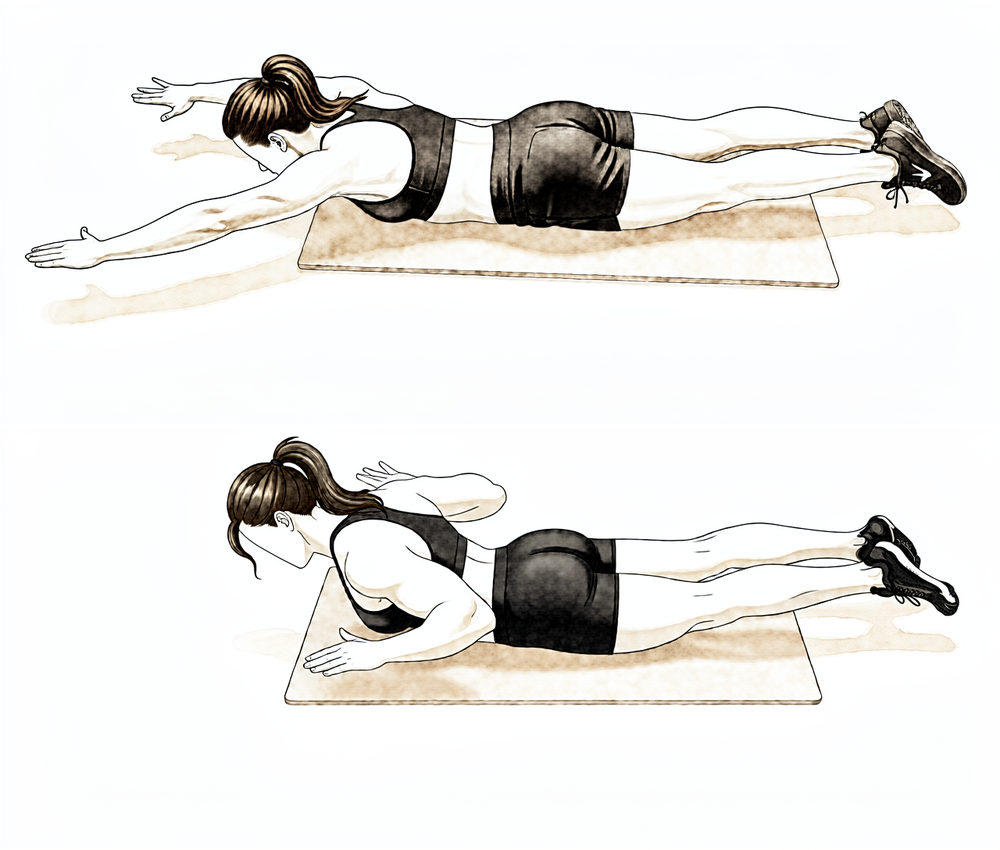
Prone Y (ibabang bahagi ng shoulder blade)
Humiga nang nakadapa na ang iyong inoperahang braso ay nakaabot sa itaas at palabas sa anggulong 45° upang bumuo ng hugis Y, at ang hinlalaki ay nakaturo pataas. Iangat nang bahagya ang braso mula sa ibabaw sa pamamagitan ng paghila sa shoulder blade (paypay) pababa at pabalik, pagkatapos ay dahan-dahang ibaba. Panatilihin itong magaan — target nito ang mga kalamnan sa ibabang bahagi ng shoulder blade.
Ayon sa gabay ng iyong physiotherapist — magaan, mataas na repetitions
Kieran Hirpara 4.0
Prone row
Humiga nang nakadapa na ang inoperahang braso ay nakalaylay pababa sa sahig. Itaas ang iyong siko patungo sa kisame, habang hinihigpitan ang shoulder blade papasok sa iyong spine, pagkatapos ay dahan-dahang ibaba. Magsimula nang walang bigat at panatilihing kontrolado ang paggalaw.
Ayon sa gabay ng iyong physiotherapist
Sa paghilom ng repair at pagbabalik ng malaking bahagi ng paggalaw, ang atensyon ay nakatuon na sa muling pagbuo ng lakas. Ang mga stretch na ipinagbawal noon (cross-body at pag-abot sa likod) ay ginagamit na ngayon upang makuha ang mga huling degree ng range. Ang resistance work ay uunlad mula sa elastic bands patungo sa magagaan na weights, at ang mga push-up ay magsisimula muna sa pader bago mag-progress. Ang gym-based weight training ay karaniwang muling ipinapakilala mula sa ika-16 na linggo, na may limitadong range at magagaan na load sa simula. Ang mabibigat na overhead lifting at puwersahang pagtulak at paghila ay iniiwasan pa rin sa phase na ito.
Para sa iyong physiotherapist:
Mga Layunin
- Full active at passive range of motion sa lahat ng planes
- Progresibong lakas, endurance at neuromuscular control ng cuff at scapular stabilisers
- Paghahanda para sa unti-unting pagbabalik sa sport-specific loading
Pamamahala
- Multi-directional end-range stretching: cross-body stretch, behind-the-back internal rotation, hands-behind-head, sleeper stretch, external rotation sa 90 degrees ng abduction
- Progresibong resistance (humigit-kumulang 0.5–2.5 kg) na idaragdag sa dynamic program: side-lying external rotation, prone row, prone extension, prone 'T's at 'Y's, standing scaption
- Theraband progressions: 'T's, 'W's, diagonals, internal at external rotation sa 90 degrees
- Closed-chain work: wall push-ups mula sa ika-12 linggo, mag-pro-progress ayon sa tolerance
- Machine-based weight training mula sa ika-16 na linggo: limitadong range, light load (rows, pull-downs, biceps at triceps; ang pressing ay muling ipapakilala nang may pag-iingat)
- Rhythmic stabilisation, proprioception at scapulohumeral-rhythm drills
Mga Pag-iingat
- Iwasan ang mabibigat na pagbuhat, lalo na ang overhead, at puwersahang pagtulak at paghila
- Ang pagpapalakas ay dapat manatiling pain-free at hihinto bago ang provocative end-range loading
- Panatilihin ang scapular control sa buong range: bawasan ang load kung may lumilitaw na hitching o compensation
Mga Kraytirya para mag-progress
- Active at passive shoulder motion na nasa loob ng functional limits sa lahat ng direksyon
- Kayang tolerahin ang progresibong strengthening program nang walang flare-up
Phase IV — Pagbabalik sa sport at mabigat na trabaho (Ika-18 linggo onwards)
Ang huling phase ay isang unti-unting pagbabalik sa mabigat na trabaho, overhead loading at sport. Ang mga plyometric at sport-specific drills ay idinaragdag sa strengthening program, at ang mga interval program ang nagsisilbing gabay sa pagbabalik sa paghahagis, paglangoy, golf at racquet sports. Ang pagbabalik sa contact at collision sport ay karaniwang tumatagal ng apat hanggang anim na buwan mula sa operasyon, depende sa pagbawi ng buong paggalaw, lakas at kumpyansa sa braso; ang mga nailathalang programa para sa mga collision athlete ay kung minsan ay mas matagal, hanggang humigit-kumulang siyam na buwan. Ang mga strength athlete ay karaniwang bumabalik sa kanilang nakasanayang pagsasanay sa katulad na timeframe. Ang iyong physiotherapist at surgeon ang gagabay sa huling clearance, at ang ilang collision athlete ay pinipiling magsuot ng shoulder brace para sa unang season ng pagbabalik.
Para sa iyong physiotherapist:
Mga Layunin
- Panatilihin ang full range of motion
- Paunlarin ang lakas, power at endurance ayon sa pangangailangan ng trabaho at sport ng pasyente
- Unti-unti at criteria-based na pagbabalik sa contact at overhead sport
Pamamahala
- Ipagpatuloy at paunlarin ang Phase III strengthening program
- Closed-chain progressions: push-up progression patungo sa unstable surfaces, ball-on-wall work
- Plyometrics para sa mga throwing at overhead athlete: rebounder throws, weighted-ball work, wall dribbles, deceleration drills
- Interval sport programs para sa paghahagis, golf, tennis at paglangoy
- Function- at occupation-specific kinetic-chain strength at endurance
Mga Pag-iingat
- Bumalik sa contact at collision sport lamang kung may full range, naibalik na lakas at surgical clearance
- Ang progression ay nananatiling symptom-guided: kung may lumitaw na sakit o pakiramdam ng instability, bumalik sa nakaraang stage
Pagkatapos ng iyong protocol
Ang mga phase sa itaas ay hango sa mga nailathalang rehabilitation protocol para sa AC joint stabilisation at reconstruction: Massachusetts General Brigham Sports Medicine, ang Massachusetts General Hospital sports medicine AC joint reconstruction program, ang ACJ stabilisation guidelines ng mga UK shoulder unit, at isang systematic review ng mga publicly available na AC joint reconstruction protocol. Ang mga range ng linggo ay tipikal at hindi fixed, at nag-iiba-iba ang mga nailathalang programa; ang iyong patuloy na rehabilitation ay ginagabayan nang indibidwal ng iyong physiotherapist, katuwang ang practice, base sa kung paano nagpapagaling ang iyong repair at paggalaw. Ang pahinang ito ay kasabay ng pangkalahatang payo sa paggaling ng practice; tingnan ang managing post-operative pain at wound care. Para sa mismong operasyon at sa pinsalang ginagamot nito, tingnan ang AC joint stabilisation. Ang ebidensya sa likod ng protocol na ito (ang reconstruction, ang loss-of-reduction literature, at ang mga rehabilitation study) ay nakabuod sa evidence section, na available bilang isang PDF sa itaas ng pahinang ito.
Evidence & references
This is the clinical evidence summary written for health professionals. It is technical, and it lists the research this page was built from. You do not need to read it to understand your treatment or to make a decision about it.
Acromioclavicular Joint Stabilisation / Reconstruction — Operative Rationale & Post-operative Rehabilitation (Evidence)
Topic scope: Post-operative rehabilitation after acromioclavicular (AC) joint stabilisation / reconstruction for a high-grade AC joint dislocation (Rockwood type III–V) — restoring the alignment between the clavicle and scapula with a coracoclavicular (CC) suspensory device (suture-button / endobutton construct), with or without a biological tendon graft (semitendinosus / pectoralis minor) and with or without a direct AC ligament reconstruction. This page also summarises the operative/non-operative evidence that frames the rehabilitation choices. It is the clinician-facing companion to the patient protocol.
Defining principle of the surgical rehab here — PROTECT the construct. Unlike a capsular release (where the enemy is re-stiffening and rehab is immediate aggressive ROM), AC joint stabilisation is a protect-the-repair pathway, closer in spirit to a rotator-cuff or instability repair. The reconstruction has to resist the constant downward pull of gravity on the weight of the arm — the exact deforming force that displaced the joint in the first place. A suspensory suture-button or tendon graft has no early intrinsic strength; biological healing of the CC/AC ligaments and tunnel incorporation takes weeks to months, and the dominant early complication is loss of reduction before that healing matures. So the rehab is deliberately conservative: the sling carries the weight of the arm (typically ~6 weeks), active elevation and any downward traction on the arm are avoided early, ROM is restricted (no elevation > 90°, no cross-body, no reaching behind the back) for the first 6 weeks, strengthening waits until the construct has matured (~12 weeks), and return to contact/collision sport is deferred to ~4–6 months. Motion progression and protection are the two levers; the single most important point distinguishing this protocol from the capsular-release inversion is that here, time and protection are the friends, not the enemy.
A. THE OPERATION & WHY REHAB IS PROTECTIVE
A high-grade AC dislocation tears the AC and coracoclavicular (conoid + trapezoid) ligaments, allowing the clavicle to rise relative to the acromion under the weight of the arm. Surgical stabilisation aims to restore the CC distance and let the ligaments heal in a reduced position. Contemporary constructs are predominantly:
- CC suspensory fixation — a suture-button / endobutton loop passed through clavicular and coracoid tunnels (e.g. flip-button, single- or double-tunnel). Restores vertical stability.
- + Biological augmentation — a free tendon graft (semitendinosus allograft/autograft, or the pectoralis minor / coracoacromial ligament in Weaver–Dunn-type procedures) to reconstruct the CC ± AC ligaments. The anatomy of the pectoralis minor tendon has been characterised specifically for this use [pec minor anatomy, JSES 2007].
- + Direct AC reconstruction — adding an AC-level construct to the CC reconstruction improves horizontal stability; combined CC + AC reconstruction gives better radiographic reduction and lower reoperation rates than isolated CC reconstruction in pooled data.
The structural properties of the reconstructed CC complex have been measured biomechanically: reconstructions restore much, but not all, of the intact ligament's stiffness and load to failure [Structural Properties, Am J Sports Med 2000]. This is the mechanical basis for protecting the construct early — the graft/button is weaker than the native ligament until it heals and incorporates.
B. EVIDENCE BY THEME
1. Operative vs non-operative — only high grades benefit from surgery
- Type I–II AC injuries are managed non-operatively. Type III is genuinely controversial and most are treated non-operatively first; type IV–V are the usual operative indications [ACJ Injuries: Evidence-based Treatment, JAAOS 2018]. A network meta-analysis of RCTs for acute Rockwood III–V found no single surgical technique clearly superior, and that surgery's advantage over non-operative care is modest and grade-dependent [network MA, JSES 2023].
- Hook-plate fixation of acute dislocations improved radiographic but NOT clinical outcomes versus non-operative treatment [Hook-plate RCT, JBJS 2017] — a caution that radiographic reduction does not automatically translate into a better patient outcome, and a reason the hook plate (which requires removal) is not the preferred construct here.
- The Rockwood classification itself has only moderate reliability between observers [Rockwood reliability, JSES 2021], which is part of why type III decision-making is debated.
2. Loss of reduction is the dominant complication — and it shapes the rehab
- Loss of reduction (the clavicle drifting back up) is the most frequent radiographic failure after suspensory-device stabilisation. Clavicular tunnel widening correlates with post-operative loss of reduction in an implant-dependent way [tunnel widening, Arthroscopy 2023] — i.e. the construct and tunnel position matter.
- Radiographic failure and reoperation rates after ACJ reconstruction are non-trivial [radiographic failure / reoperation, Bone Joint J 2016]; one suspensory-device series reported ~10–11% revision for loss of reduction / implant failure (suture fatigue, button escape, coracoid stress fracture, deep infection) [web: suspensory-device cohort].
- Adding the AC-level reconstruction and a biological graft improves radiographic reduction and lowers reoperation versus isolated CC suture-button [web: combined CC+AC reviews].
- Complications after operative treatment of high-grade injuries are well catalogued [complications, JSES 2023] — they include loss of reduction, coracoid/clavicle fracture, hardware problems and infection.
Rehab implication: because the early failure mode is mechanical loss of reduction under arm-weight loading, the early phase forbids active elevation, lifting, downward traction on the arm and weight-bearing through the arm — the patient protects the construct while the ligaments and tunnels heal.
3. Outcomes and return to sport are generally good — but timeline is conservative
- Anatomic CC reconstruction with semitendinosus graft for chronic dislocation gives good clinical and radiological results [semitendinosus reconstruction, KSSTA 2020].
- Sports activity after anatomic flip-button stabilisation is generally restored, with most athletes returning to their pre-injury sport, though return is gradual [flip-button sport, KSSTA 2016].
- Delayed (chronic) reconstruction with a modern suspensory device does not increase fixation failure or major complications versus acute fixation [web: delayed reconstruction].
4. The rehab protocol itself is consensus/expert, not RCT-derived — and it is highly variable
A systematic review of publicly available ACJ-reconstruction rehabilitation protocols found they are widely variable: sling duration ranged 3–8 weeks (the modal recommendation was 6 weeks, in 8/18 protocols), active ROM commonly began at ~6 weeks (6/20 protocols), and heavy/strenuous shoulder use was typically prohibited for a further ~6 weeks beyond the initial 6-week protection period [Cheema et al., Arthrosc Sports Med Rehabil 2021]. There is no high-level RCT defining the optimal post-op regimen — phase timings are expert/consensus.
The patient protocol's phase boundaries (0–6 / 6–12 / 12–18 weeks, sling 6 weeks, return to contact sport ~4–6 months) sit squarely within this published range and match the Massachusetts General Brigham / MGH Sports Medicine ACJ-reconstruction guideline (Phase I 0–6 wk, Phase II 7–12 wk, Phase III 13–18 wk) and similar surgeon protocols (e.g. Dickens: 6-week sling, return to all activity months 4–6).
C. PHASED POST-OP TIMELINE (consistent with the patient protocol)
| Phase | Window | Sling | ROM | Strengthening | Notes |
|---|---|---|---|---|---|
| I — Protecting the repair | Weeks 0–6 | Yes, ~6 wk whenever up; worn for sleep weeks 0–3 (arm-weight loads the repair even lying down) | Pendulum + passive/assisted elevation to 90° max in scapular plane; assisted ER to ~30°; NO active elevation, no cross-body, no behind-the-back | Hand/wrist/elbow AROM; scapular setting; sub-maximal pain-free isometric IR/ER only | No driving while in the sling (~6 wk). No lifting > ~0.5 kg, no carrying, no leaning/pushing up on the arm, no letting the arm hang unsupported — each loads the construct |
| II — Restoring movement | Weeks 6–12 | Wean off | Progress assisted → active ROM; build toward full by ~12 wk (~15°/week as a guide); behind-the-back introduced gradually (to beltline) | Light elastic-band cuff + scapular work begins (rows, IR/ER, serratus punch); side-lying ER, prone row/T/Y | Lift to ~1 kg; avoid forceful push/pull, push-ups, overhead and cross-body lifting |
| III — Strengthening | Weeks 12–18 | Off | Full ROM goal; end-range stretches (cross-body, behind-back, sleeper) now used to win final range | Progressive resistance ~0.5–2.5 kg; wall push-ups from ~wk 12; machine weights from ~wk 16 (limited range, light load) | Construct matured; still avoid heavy overhead and forceful push/pull |
| IV — Return to sport / heavy work | Week 18 onward | Off | Maintain full ROM | Plyometrics, sport-specific & interval programs; occupation-specific kinetic-chain loading | Return to contact/collision sport ~4–6 months (collision athletes / some occupations longer, up to ~9 mo); criteria-based clearance; some wear a brace first season back |
(Phase boundaries from the MGH/Mass General Brigham ACJ-reconstruction guideline; return-to-sport windows from the flip-button sport series and surgeon protocols; all within the variability documented by Cheema et al. 2021.)
D. KEY CONTROVERSIES / EVIDENCE QUALITY
- Type III — operate or not? The most-debated grade; most are trialled non-operatively first. No clear winner in RCT-level data, compounded by only-moderate reliability of the Rockwood grade itself. Moderate / conflicting.
- Which construct? Network MA shows no single technique clearly superior for acute III–V. Combined CC + AC reconstruction (± graft) gives better radiographic reduction and lower reoperation than isolated CC suture-button, but at the cost of complexity. Hook plates improve radiographs but not clinical scores and need removal. Moderate.
- Loss of reduction vs clinical outcome. Radiographic loss of reduction is common yet often clinically well-tolerated — radiographic and patient-reported outcomes diverge. This tempers how aggressively reduction should be chased. Moderate.
- The rehab protocol is consensus, not trial-derived, and published protocols vary widely (sling 3–8 wk; Cheema 2021). The patient page's timings are typical, not RCT-validated. Weak / consensus.
E. EVIDENCE-STRENGTH FLAGS (summary)
- STRONG (RCT / SR-MA): hook-plate improves radiographic but not clinical outcomes vs non-operative (RCT, JBJS 2017); network meta-analysis of RCTs for acute III–V shows no clearly superior technique (JSES 2023).
- MODERATE (cohorts / biomechanical / SR): anatomic semitendinosus CC reconstruction outcomes (KSSTA 2020); sports return after flip-button stabilisation (KSSTA 2016); loss-of-reduction / tunnel-widening drivers (Arthroscopy 2023; Bone Joint J 2016); complications of high-grade operative treatment (JSES 2023); reconstructed-CC biomechanics (AJSM 2000); combined CC+AC > isolated CC for reduction/reoperation; delayed reconstruction safety.
- WEAK / CONSENSUS ONLY: the post-operative rehabilitation protocol itself — no defining RCT; protocols are expert/consensus and highly variable (Cheema 2021; sling 3–8 wk). Rockwood classification reliability only moderate (JSES 2021).
CITATIONS
RAG corpus (180,000+ Orthopaedic articles)
- Anatomy of the pectoralis minor tendon and its use in acromioclavicular joint reconstruction. J Shoulder Elbow Surg. 2007. DOI: 10.1016/j.jse.2006.09.007
- Clavicular tunnel widening after acromioclavicular stabilization shows implant-dependent correlation with postoperative loss of reduction. Arthroscopy. 2023. DOI: 10.1016/j.arthro.2023.05.014
- Acromioclavicular joint injuries: evidence-based treatment. J Am Acad Orthop Surg. 2018. DOI: 10.5435/jaaos-d-17-00105
- Review of Weaver and Dunn on treatment of acromioclavicular injuries, especially complete acromioclavicular separation. J ISAKOS. 2019. DOI: 10.1136/jisakos-2019-000299
- Structural properties of the intact and the reconstructed coracoclavicular ligament complex. Am J Sports Med. 2000. DOI: 10.1177/03635465000280010201
- Complications after operative treatment of high-grade acromioclavicular injuries. J Shoulder Elbow Surg. 2023. DOI: 10.1016/j.jse.2023.03.019
- Sports activity after anatomic acromioclavicular joint stabilisation with flip-button technique. Knee Surg Sports Traumatol Arthrosc. 2016. DOI: 10.1007/s00167-016-4287-7
- Anatomic reconstruction of the coracoclavicular and acromioclavicular ligaments with semitendinosus tendon graft for the treatment of chronic acromioclavicular joint dislocation provides good clinical and radiological results. Knee Surg Sports Traumatol Arthrosc. 2020. DOI: 10.1007/s00167-020-06285-x
- Hook-plate fixation in patients with acute acromioclavicular joint dislocation improved radiographic but not clinical outcomes compared with nonoperative treatment. J Bone Joint Surg Am. 2017. DOI: 10.2106/jbjs.16.00582
- Radiographic failure and rates of re-operation after acromioclavicular joint reconstruction. Bone Joint J. 2016. DOI: 10.1302/0301-620x.98b4.35935
- Treatment options for acute Rockwood type III–V acromioclavicular dislocations: a network meta-analysis of randomized controlled trials. J Shoulder Elbow Surg. 2023. DOI: 10.1016/j.jse.2023.01.039
- A relook at the reliability of Rockwood classification for acromioclavicular joint injuries. J Shoulder Elbow Surg. 2021. DOI: 10.1016/j.jse.2021.01.016
Literature (URLs)
- Cheema SG, Hermanns C, Coda RG, et al. Publicly accessible rehabilitation protocols for acromioclavicular joint reconstruction are widely variable. Arthrosc Sports Med Rehabil. 2021;3(2):e427–e433. https://doi.org/10.1016/j.asmr.2020.10.007 (sling 3–8 wk, modal 6 wk; active ROM ~6 wk; further ~6 wk before heavy use)
- Acromioclavicular joint injuries: effective rehabilitation (review). PMC. https://pmc.ncbi.nlm.nih.gov/articles/PMC8169819/
- Delayed acromioclavicular joint reconstruction using a modern tunnelled suspensory device does not increase the risk of fixation failure or major complications. PubMed. https://pubmed.ncbi.nlm.nih.gov/35781084/
- Low rate of substantial loss of reduction immediately after hardware removal following ACJ stabilization using a suspensory fixation system. KSSTA. https://link.springer.com/article/10.1007/s00167-022-06978-5
- Minimum 10-year outcomes after arthroscopically assisted anatomic coracoclavicular ligament reconstruction for type III and V AC joint injuries. ScienceDirect. https://www.sciencedirect.com/science/article/pii/S2666638325001835
Published rehab protocols (URLs — basis for the phase structure)
- Massachusetts General Brigham Sports Medicine. Rehabilitation guideline for acromioclavicular joint reconstruction (including coracoclavicular ligament reconstruction). https://www.massgeneral.org/assets/MGH/pdf/orthopaedics/sports-medicine/physical-therapy/rehabilitation-protocol-for-acromioclavicular-joint-reconstruction.pdf (Phase I 0–6 wk sling, Phase II 7–12 wk, Phase III 13–18 wk)
- Dickens JD. AC joint reconstruction protocol (Duke Sports Medicine). https://www.jondickensmd.com/pdf/ac-joint-reconstruction-protocol.pdf (6-week sling worn for sleep; return to all activity months 4–6)
- Chambler A. ACJ stabilisation rehabilitation guidelines. https://www.andrewchambler.com/post/acj-stabilisation-rehabilitation-guidelines
- North Tees and Hartlepool NHS Foundation Trust. Acromioclavicular joint stabilisation — LockDown/Weaver Dunn procedure. https://www.nth.nhs.uk/resources/acromioclavicular-joint-stabilisation-lockdown-weaver-dunn-procedure/
- Stone Clinic. Acromioclavicular (AC) joint reconstruction rehab protocol. https://www.stoneclinic.com/Acromioclavicular-AC-joint-reconstruction-rehab-protocol