Patients › Rehabilitation
Calcific Tendinitis
Recovery after arthroscopic excision of a calcific deposit, from early movement to full activity.
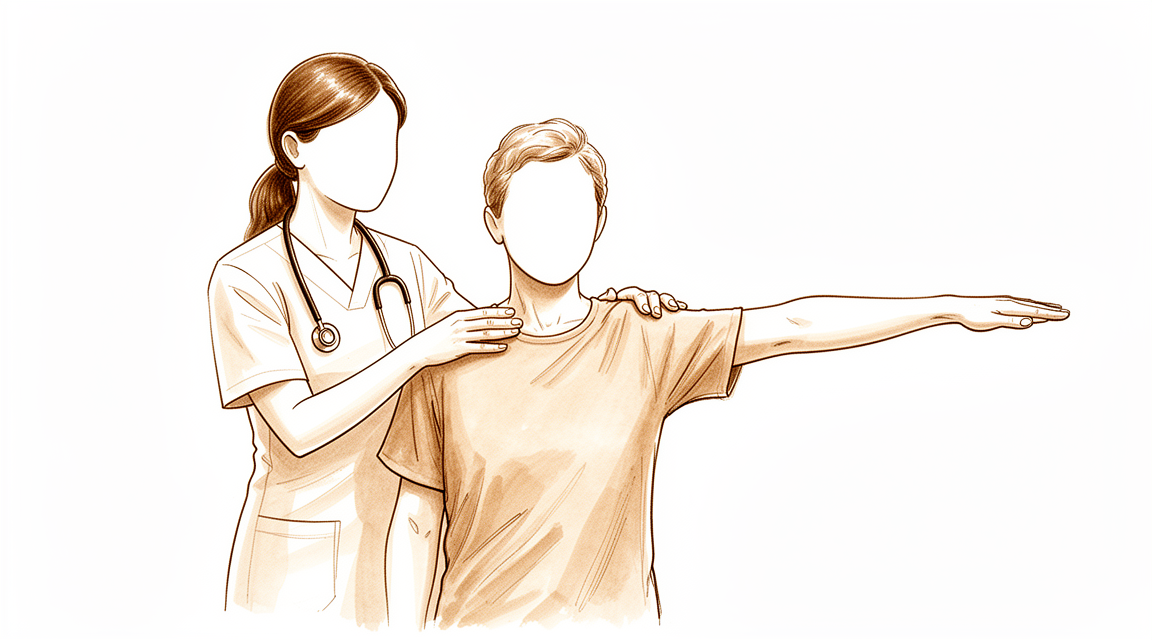
Saklaw ng protocol na ito ang rehabilitasyon pagkatapos ng arthroscopic excision of a calcific deposit kasama si Dr Kieran Hirpara sa Mater Private Hospital Rockhampton: isang keyhole surgery upang tanggalin ang calcium deposit mula sa rotator cuff tendon, na kung minsan ay pinagsasama sa isang subacromial decompression upang magbigay ng mas malawak na espasyo para sa tendon. Dalhin ang pahinang ito o ang PDF nito sa iyong unang pagbisita sa physiotherapy upang manatiling coordinated ang iyong rehabilitasyon. Ang iyong rehabilitasyon ay isinasagawa nang indibidwal ng iyong physiotherapist sa pamamagitan ng mga phase sa ibaba, depende sa pag-unlad ng iyong balikat.
Kung mayroon kang anumang alalahanin tungkol sa iyong sugat pagkatapos ng operasyon, makipag-ugnayan sa mga room. Madalas na nakatutulong ang pagkuha ng larawan ng sugat at pag-email nito para masuri.
Kung ang split sa tendon ay tinahi upang magsara (ang pagtanggal ng deposit ay kadalasang nag-iiwan ng split sa tendon, at karaniwan itong isinasara gamit ang ilang tahi), ang iyong paggaling ay bahagyang mas mabagal kaysa pagkatapos ng pagtanggal ng deposit nang mag-isa, ngunit mas mabilis kaysa pagkatapos ng karaniwang rotator cuff repair: ang sling ay isinusuot sa loob ng tatlo hanggang apat na linggo, ang paggalaw ay nagsisimula sa mga assisted exercise at nagiging ganap na active mula humigit-kumulang apat na linggo, ang pagpapalakas ay nagsisimula sa humigit-kumulang sampu hanggang labindalawang linggo, at ang pagbabalik sa gym, sport at heavy work ay karaniwang sa loob ng apat hanggang anim na buwan. Sasabihin sa iyo ni Dr Hirpara pagkatapos ng operasyon kung ito ay naaangkop sa iyo.
Ano ang dapat asahan
Ang parehong pathway ay nagsisimulang igalaw ang balikat nang maaga. Kahit na tinahi ang split sa tendon, ito ay isang magaang repair na hindi nangangailangan ng proteksyon sa loob ng maraming buwan; ang layunin ng paggamot ay alisin ang pinagmumulan ng sakit, at ang layunin ng rehabilitasyon ay pakalmahin ang post-treatment flare, panatilihing gumagalaw ang balikat upang hindi ito tumigas, at pagkatapos ay ibalik ang lakas.
- Pagkatapos ng arthroscopic excision ay magbibigay ng sling para lamang sa comfort. Isinusuot ito nang panandalian, karaniwang ilang araw at bihirang lumampas ng dalawang linggo, at dapat tanggalin hangga't maaari. Hindi mo kailangang matulog nang suot ito. Ang paggaling tungo sa buo at walang limitasyong aktibidad ay karaniwang tumatagal ng humigit-kumulang tatlong buwan.
- Kung tinahi ang split sa tendon ang sling ay isinusuot sa loob ng tatlo hanggang apat na linggo. Unang isinasagawa ang assisted movement, pagkatapos ay buong active movement mula humigit-kumulang apat na linggo, at pagpapalakas mula humigit-kumulang sampu hanggang labindalawang linggo. Ang paggaling tungo sa buong aktibidad ay karaniwang tumatagal ng humigit-kumulang apat hanggang anim na buwan.
Huwag magmaneho sa loob ng hindi bababa sa anim na linggo pagkatapos ng anumang operasyon sa balikat, kahit na wala na ang sling; bibigyan ka ng clearance ng iyong surgeon para magmaneho, karaniwan sa six-week review.
Sa alinman sa dalawang paggamot, maaaring tumagal bago tuluyang kumalma ang balikat. Ang discomfort ay madalas na bumubuti sa mga yugto (in stages) sa halip na biglaan, at pagkatapos ng operasyon ay maaaring tumagal ng ilang buwan (paminsan-minsan ay hanggang siyam) bago tuluyang mawala ang mga pre-treatment symptoms. Ang unti-unting pagbuti, at hindi agarang ginhawa, ang inaasahang pattern.
Ito ay isang keyhole day surgery sa pamamagitan ng ilang maliliit na hiwa (incisions). Ang calcific deposit ay matatagpuan sa loob ng rotator cuff tendon at tatanggalin, at madalas na nagsasagawa ng subacromial decompression sa parehong oras upang bigyan ng mas malawak na espasyo ang tendon. Ang mga dressing ay waterproof — maaari kang maligo nang nakasuot ang mga ito simula sa unang araw — at mananatili hanggang sa masuri ang iyong mga sugat sa iyong unang post-operative appointment mga isang linggo hanggang sampung araw pagkatapos ng operasyon.
Phase I — Maagang paggalaw (weeks 0–2)
Kieran Hirpara 4.0
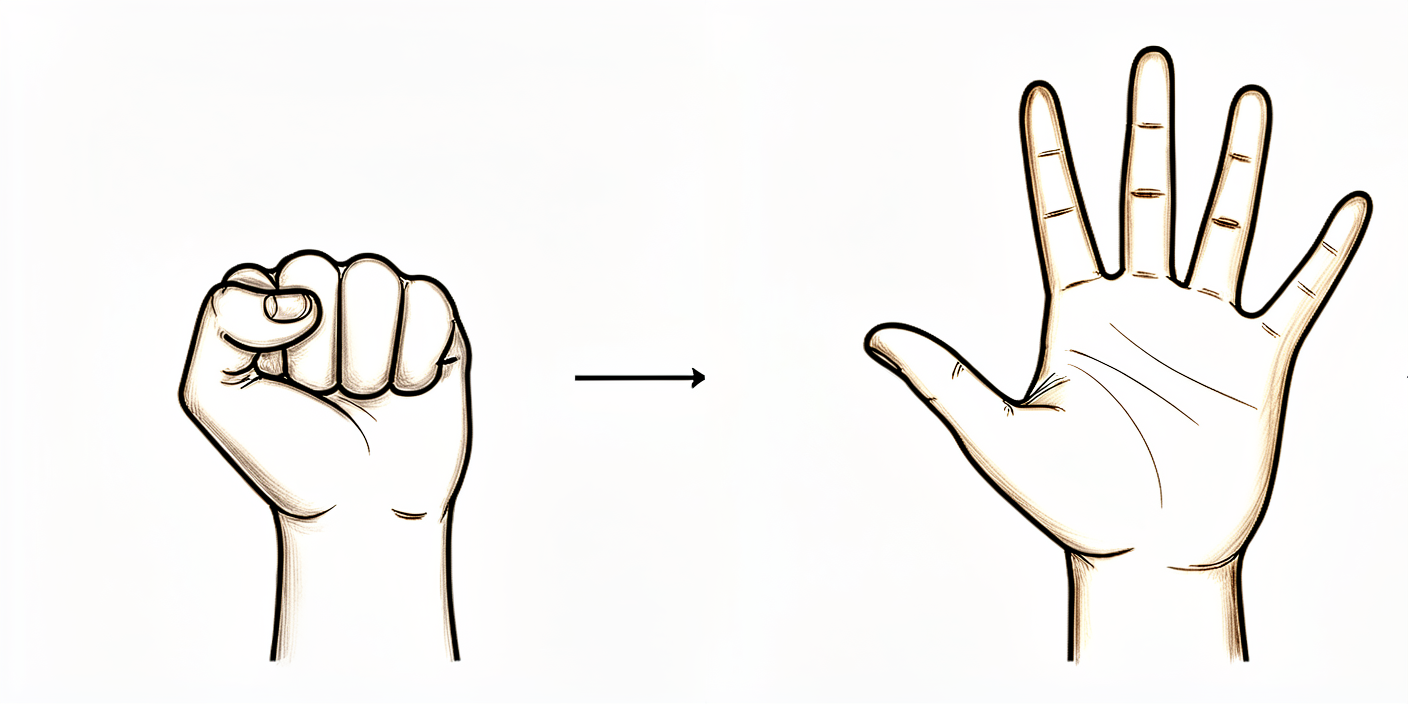
Buksan at isara ang kamay
Panatilihing gumagalaw ang iyong kamay at mga daliri sa pamamagitan ng pagbubukas at pagsasara ng mga ito, o sa pamamagitan ng pagpisil sa isang malambot na bola. Simulan ito agad upang mapanatiling gumagana ang kamay at braso habang kumakalma ang balikat.
10 beses, tatlong beses sa isang araw
Kieran Hirpara 4.0
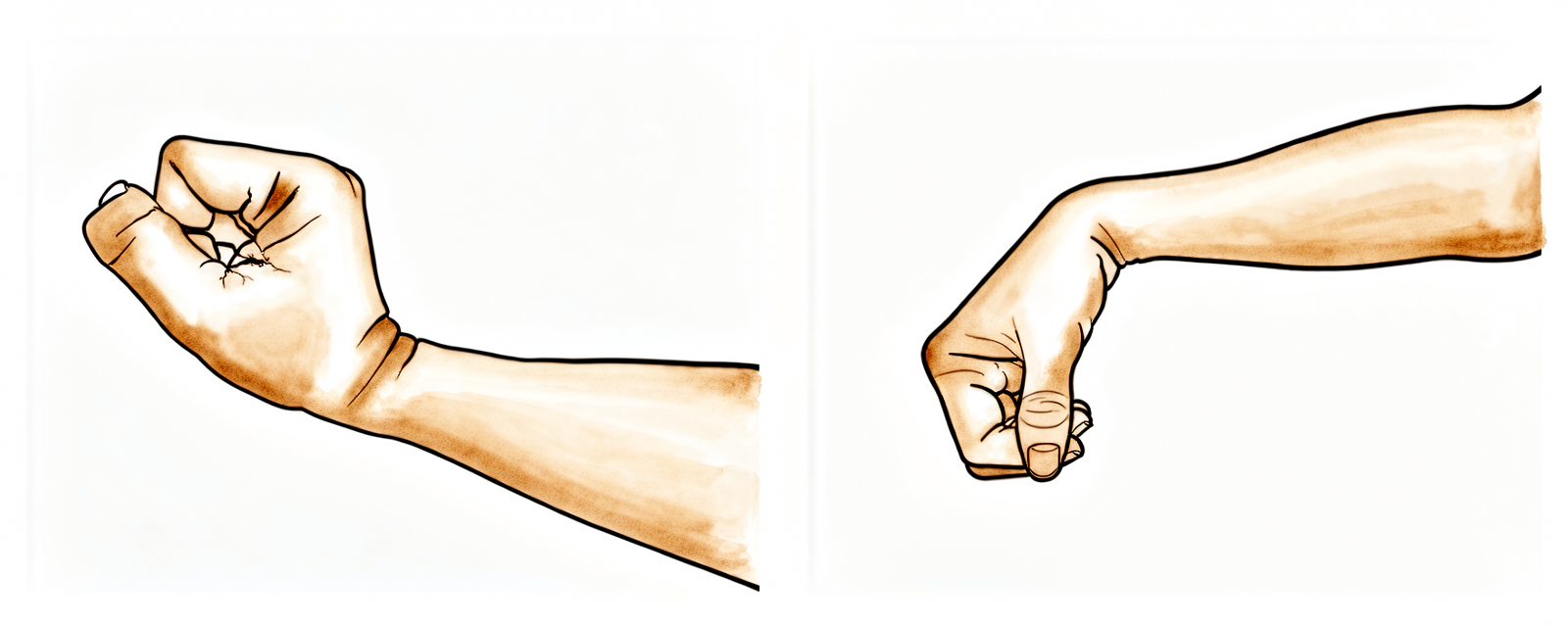
Paggalaw ng pulso
Panatilihing gumagalaw ang iyong pulso sa pamamagitan ng pagbaluktot nito pasulong, pabalik, at sa magkabilang gilid. Gawin ito habang ang braso ay wala sa sling.
10 beses, tatlong beses sa isang araw
Kieran Hirpara 4.0
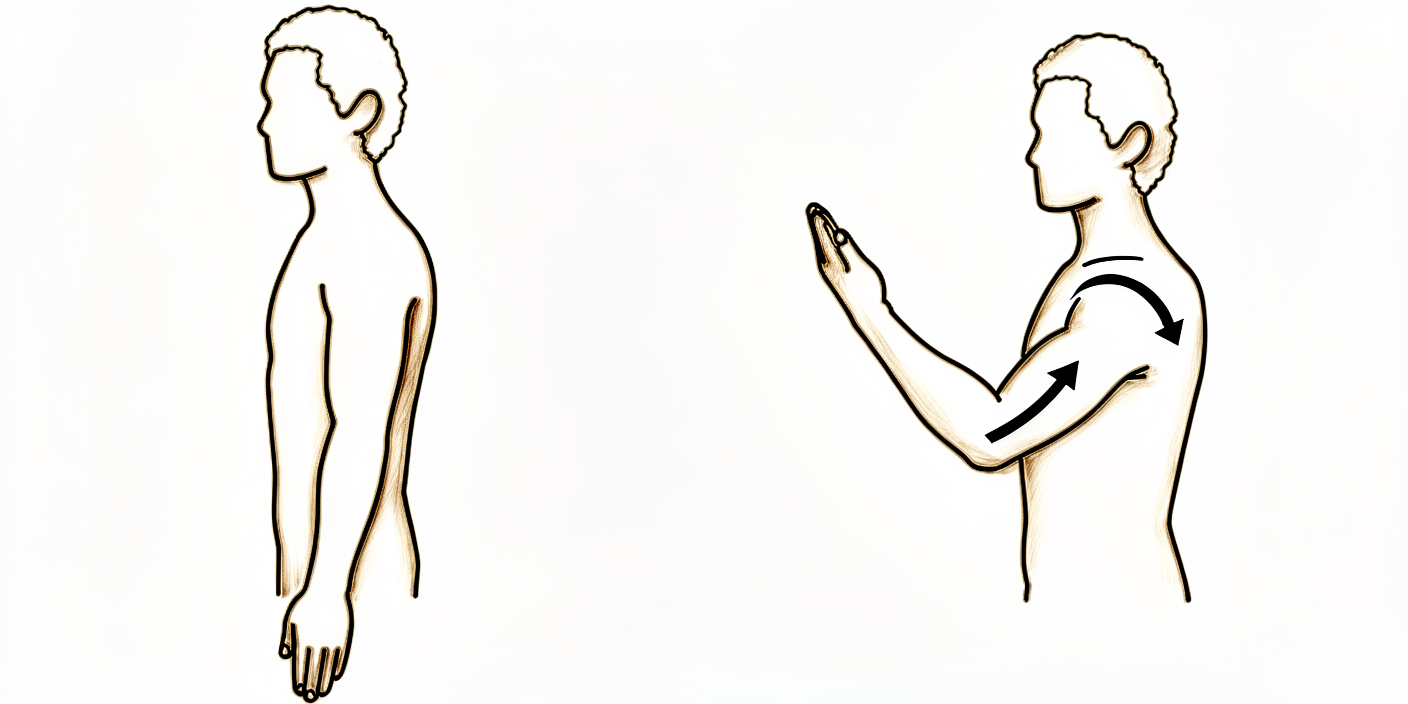
Naititiklop ang siko
Habang nakapahinga ang itaas na bahagi ng braso sa iyong tabi, itiklop ang siko hanggang sa kung saan ito komportableng makakarating, pagkatapos ay ituwid ito nang lubos. Siko lamang ang gumagalaw — panatilihing relax ang balikat.
10 beses, tatlong beses sa isang araw
Kieran Hirpara 4.0
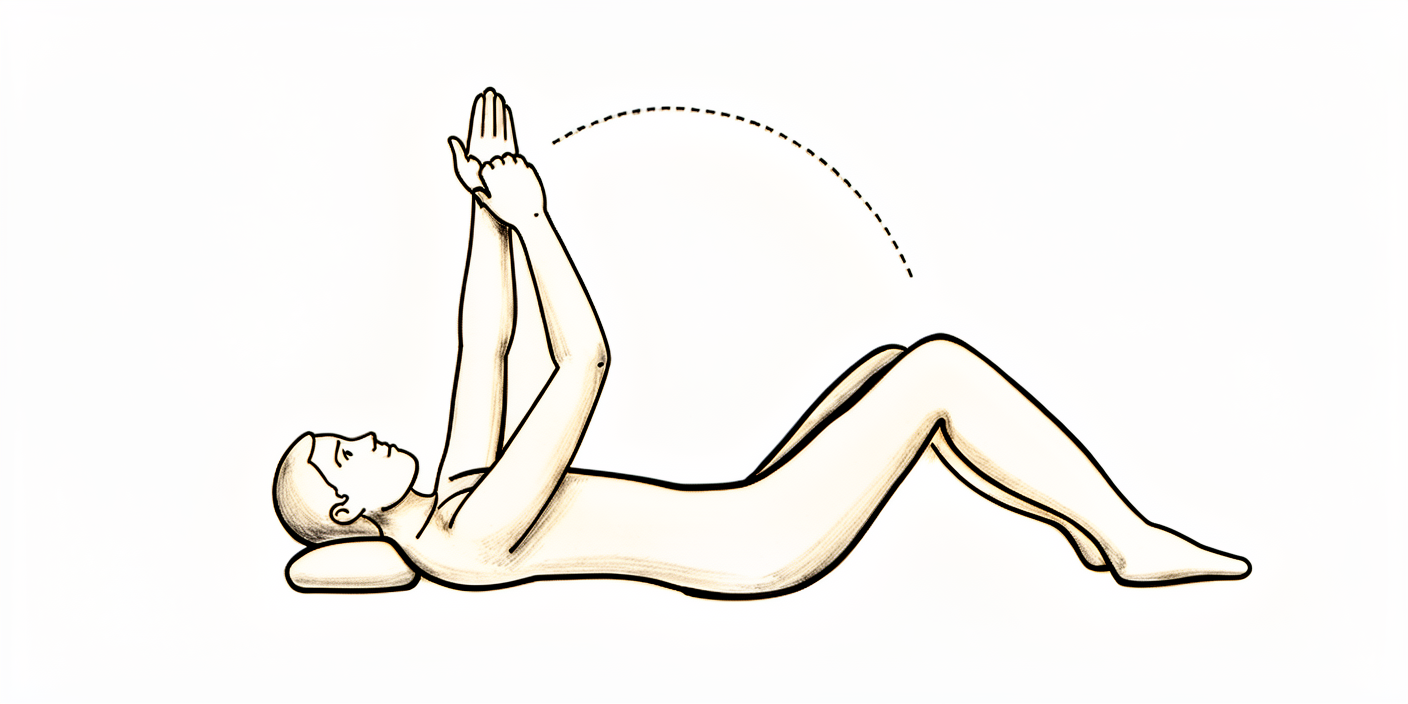
Assisted overhead stretch (nakahiga)
Humiga nang patihaya at gamitin ang iyong maayos na braso upang tulungang iangat ang inoperahang braso hanggang sa itaas ng taas ng balikat bilang isang banayad na stretch, pagkatapos ay ibaba itong muli habang tinutulungan pa rin ng maayos na braso. Magiging hindi komportable ito sa simula — inaasahan ito — at ito ang pangunahing ehersisyo para mapigilan ang paninigas ng balikat.
10 repetitions, tatlong beses sa isang araw
Magigising ka mula sa operasyon na ang iyong braso ay nasa sling, ngunit ang sling ay para lamang sa ginhawa: subukang huwag itong gamitin hangga't maaari, at karamihan sa mga tao ay tinatanggal na ito sa loob ng ilang araw. Maaari mong gamitin ang braso nang walang paghihigpit sa ibaba ng taas ng balikat mula sa simula. Ang pag-angat ng braso sa itaas ng taas ng balikat ay pinapayagan at ligtas, bagaman magiging hindi komportable ito sa simula; ilang beses sa isang araw, gamitin ang iyong maayos na braso upang tulungang iangat ang inoperahang braso sa itaas ng taas ng balikat bilang isang banayad na stretch, upang hindi tumigas ang balikat. Iwasang magbitbit ng anumang mas mabigat sa humigit-kumulang dalawang kilo gamit ang inoperahang braso sa mga unang linggong ito, dahil ito ay magiging masakit. Simulan ang iyong mga ehersisyo sa lalong madaling panahon, na naglalayong sampung repetisyon ng bawat isa, tatlong beses sa isang araw. Uminom ng pain relief bago ang iyong mga ehersisyo, at gumamit ng ice para sa ginhawa. Huwag magmaneho: ang pagmamaneho ay magpapatuloy lamang pagkatapos kang payagan ng iyong surgeon, karaniwan sa six-week review.
Para sa iyong physiotherapist:
Mga Layunin
- Pagpapakalma ng post-operative pain at pamamaga
- Maagang pagbabalik ng range of motion: ang prayoridad ay ang pag-iwas sa paninigas (stiffness), kung saan prone ang mga pasyenteng may calcific tendinitis
- Normal na paggamit ng braso sa ibaba ng taas ng balikat
Pamamahala
- Sling para sa ginhawa lamang; alisin nang mabilis hangga't pinapayagan ng ginhawa, karaniwan sa loob ng ilang araw
- Walang paghihigpit na active use ng braso sa ibaba ng taas ng balikat mula unang araw
- Active elevation sa itaas ng taas ng balikat ayon sa tolerance
- Passive at active-assisted elevation sa itaas ng taas ng balikat ilang beses araw-araw (gamit ang kabilang braso) upang maiwasan ang paninigas
- Home exercise program na sampung repetisyon bawat isa, tatlong beses araw-araw
- Analgesia bago ang mga ehersisyo; cryotherapy para sa pagpapaginhawa ng sakit kung kinakailangan
Mga Pag-iingat
- Bawal ang pagbitbit o pag-angat ng higit sa humigit-kumulang dalawang kilo gamit ang inoperahang braso
- Bawal magmaneho sa loob ng anim na linggo (nalalapat ito sa anumang operasyon sa balikat)
Mga Kraytirya para sa pag-unlad
- Kasiya-siya ang wound review sa unang post-operative appointment
- Wala na sa sling at komportableng ginagamit ang braso sa ibaba ng taas ng balikat
Phase II — Pagbawi ng iyong range (weeks 2–8)
Kieran Hirpara 4.0
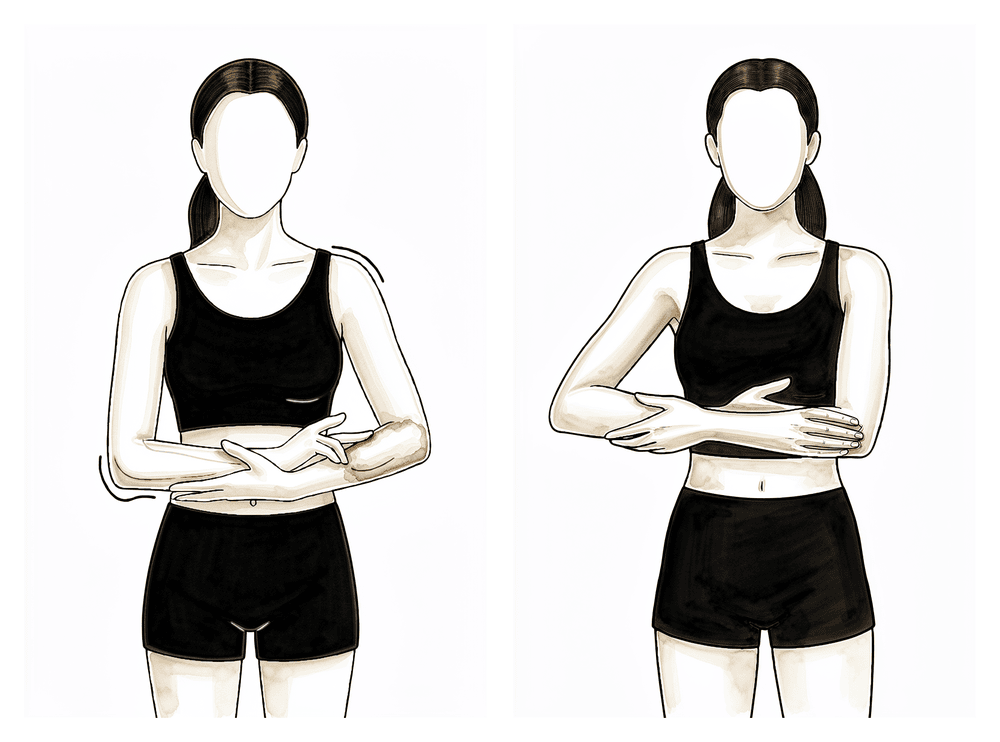
Suportadong abduction
Alalayan ang inoperahang forearm gamit ang iyong kabilang braso at itaas ang dalawa patagilid, hayaang ang maayos na braso ang gumawa ng kalakhan ng trabaho, pagkatapos ay ibaba ito nang may kontrol. Paunlarin ang range ayon sa kakayanang magtiis — ang pag-stretch hanggang sa may kapansin-pansin ngunit kayang tiising discomfort ay katanggap-tanggap; ang sapilitan at sobrang sakit na pag-stretch ay hindi.
Ayon sa gabay ng iyong physiotherapist
Kieran Hirpara 4.0
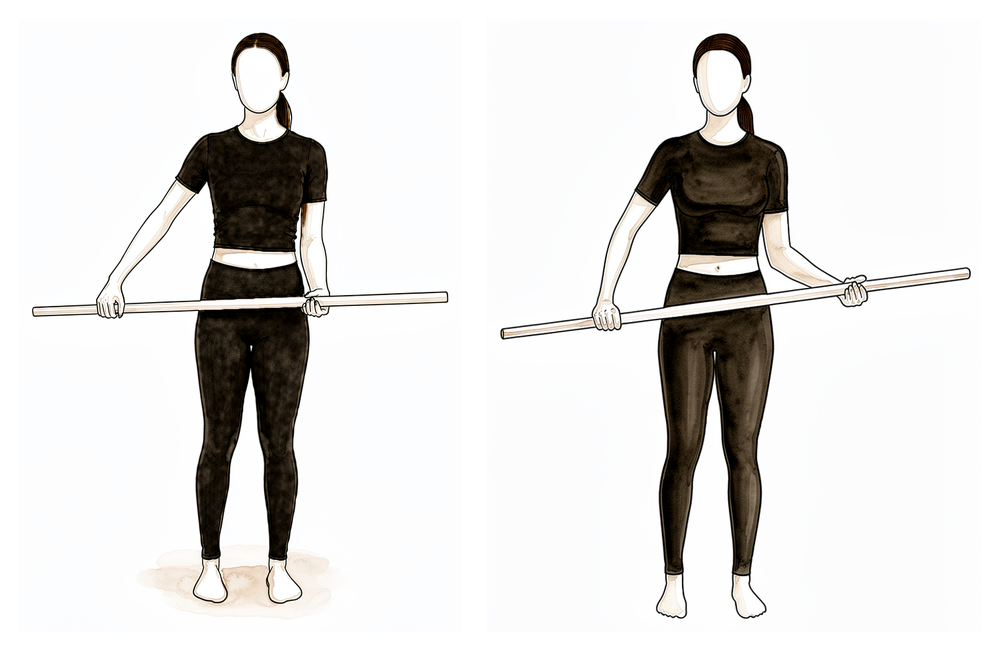
Assisted external rotation gamit ang stick
Humiga nang patihaya na ang siko ay nakadikit sa iyong gilid at nakabaluktot sa isang right angle. Humawak ng isang stick sa magkabilang kamay at gamitin ang iyong maayos na braso upang iikot ang inoperahang kamay palabas, habang iniikot ang balikat. Ang pagbabalik ng outward rotation na ito ay isa sa mga layunin ng phase na ito, kaya ipagpatuloy ang dahan-dahang pag-ehersisyo nito nang bahagyang higit pa bawat linggo.
10 beses, tatlong beses sa isang araw
Kieran Hirpara 4.0
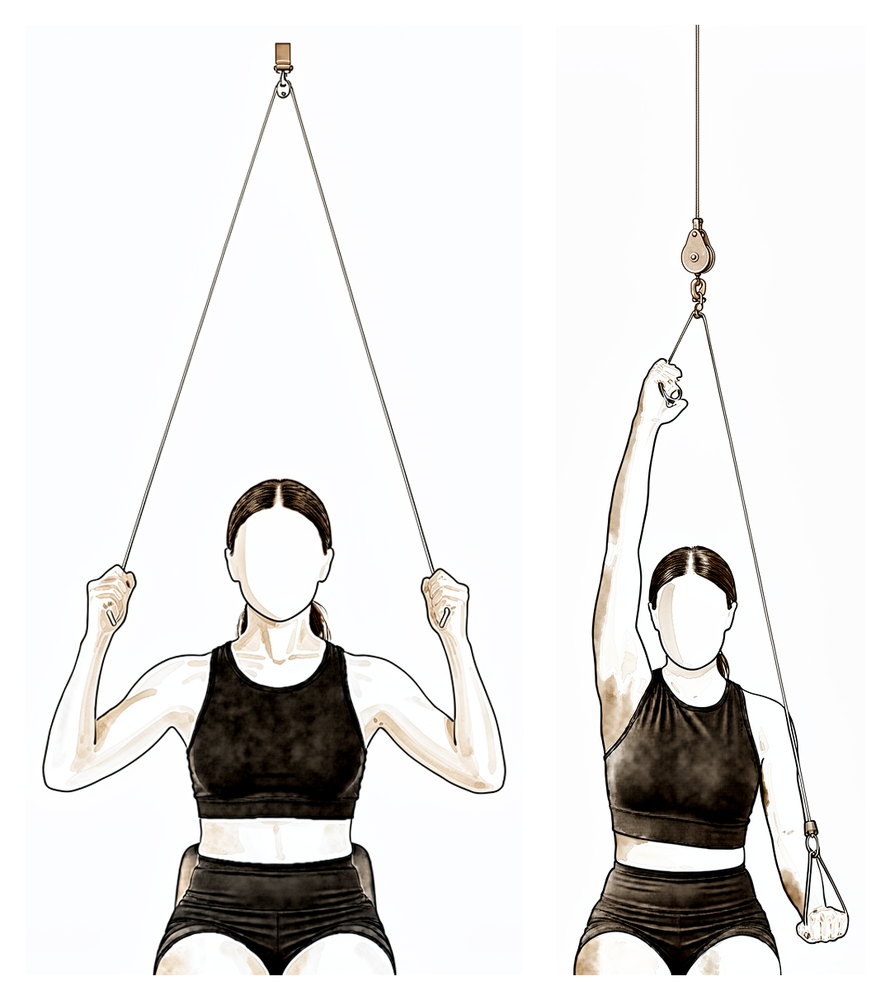
Over-door pulley
Umupo sa ilalim ng isang over-door pulley na may hawakan sa bawat kamay. Hilahin pababa gamit ang iyong mabuting braso upang itaas ang inoperahang braso sa itaas ng ulo hanggang sa kung saan ito komportableng makakarating, pagkatapos ay dahan-dahang ibaba. Gawin ito hanggang sa maging banayad na stretch, hindi matalas na sakit.
10 beses, tatlo hanggang apat na beses sa isang araw
Kieran Hirpara 4.0
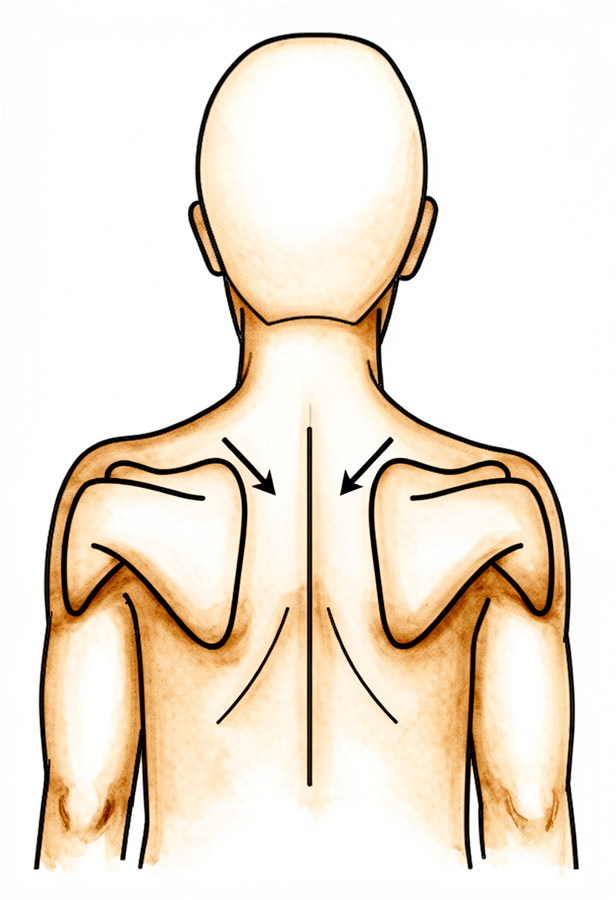
Pag-aayos ng scapula (Scapular setting)
Habang nakaupo o nakatayo nang tuwid, dahan-dahang hilahin ang iyong mga shoulder blade pabalik at pababa, palayo sa iyong mga tainga. Manatili sa posisyong ito nang ilang segundo, pagkatapos ay mag-relax. Ipagpatuloy ito kasabay ng iyong mga stretch upang mapanatiling maayos ang paggalaw ng shoulder blade habang bumabalik ang iyong range of motion.
Ayon sa gabay ng iyong physiotherapist
Susuriin ka sa klinika sa loob ng mga dalawa hanggang tatlong linggo, kung saan titingnan ang iyong sugat at ang iyong passive range of motion. Ang pokus ng phase na ito ay range: ituloy ang iyong forward elevation stretches at magdagdag ng mga galaw palabas sa gilid, sa gabay ng physiotherapy para sa progression. Ang mga karaniwang layunin ay maiangat ang braso nang aktibo hanggang horizontal sa ika-anim na linggo, at ang assisted (passive) range (pasulong, palabas sa gilid at sa rotation) ay bumalik sa normal sa ika-anim na linggo. Maaaring bumalik sa pagmamaneho mula sa ika-anim na linggo, kapag binigyan ka na ng clearance ng iyong surgeon at kaya mo nang magsagawa ng emergency stop nang ligtas.
Para sa iyong physiotherapist:
Mga Layunin
- Active forward flexion at abduction hanggang horizontal sa ika-anim na linggo
- Passive flexion, abduction at external rotation hanggang normal sa ika-anim na linggo
- Pagiging independent sa mga pang-araw-araw na aktibidad
Pamamahala
- Ituloy ang passive at active-assisted forward flexion; ipakilala at ituloy ang abduction
- Ituloy ang active range of motion sa lahat ng planes ayon sa kakayahan at ginhawa
- Ituloy ang scapular setting at postural work
- Ituloy ang analgesia bago ang mga session, at heat o ice habang nag-stretching ayon sa kagustuhan
Mga Pag-iingat
- Panatilihing magaan ang pagbuhat habang ibinabalik ang range; ang progression ay mananatiling nakabase sa mga sintomas
- Ang pag-stretch hanggang sa may maramdamang firm discomfort ay katanggap-tanggap; ang sapilitan at sobrang sakit na pag-stretch ay hindi
Mga Kraytirya para sa progression
- Passive range of motion ay normal o malapit na sa normal
- Active elevation hanggang horizontal o higit pa, habang humuhupa ang sakit
Phase III — Pagpapalakas at pagbabalik sa buong aktibidad (weeks 8–16)
Kieran Hirpara 4.0
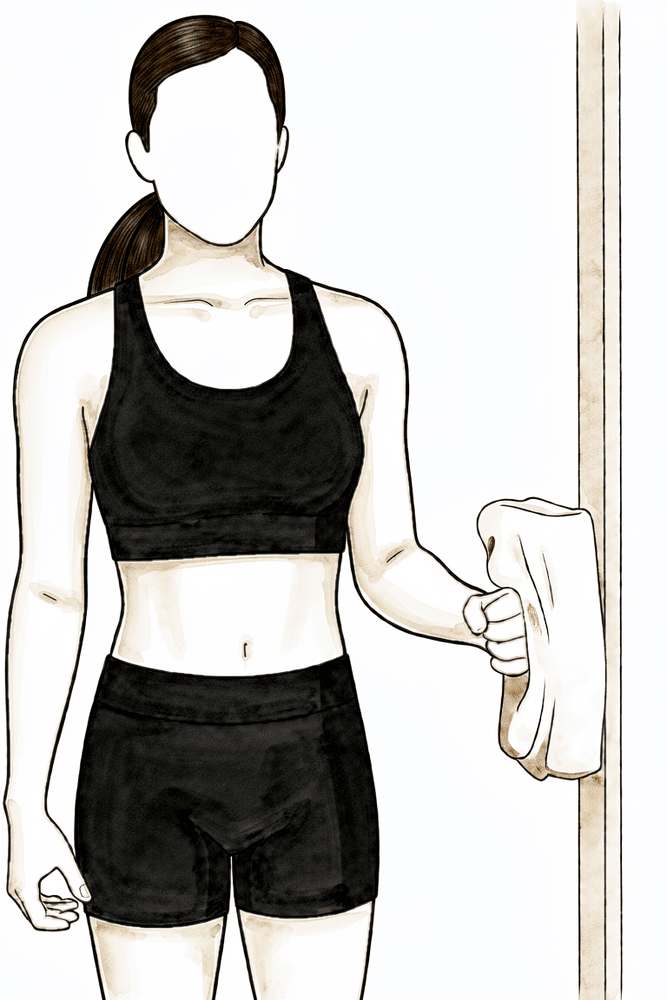
Isometric external rotation
Tumayo nang nakadikit ang iyong siko sa iyong gilid at nakabaluktot sa isang right angle, ang likod ng iyong kamay ay nakasandal sa pader o hamba ng pinto. Dahan-dahang itulak ito palabas nang hindi hinahayaang gumalaw ang braso, manatili sa posisyong ito nang ilang segundo, pagkatapos ay mag-relax. Pinapalakas nito ang rotator cuff nang walang paggalaw — ang panimulang punto ng pagpapalakas mula humigit-kumulang walong linggo (sampu hanggang labindalawang linggo kung tinahi ang hiwa sa tendon).
Hawakan nang ilang segundo, nang ilang beses; ayon sa gabay ng iyong physiotherapist
Kieran Hirpara 4.0
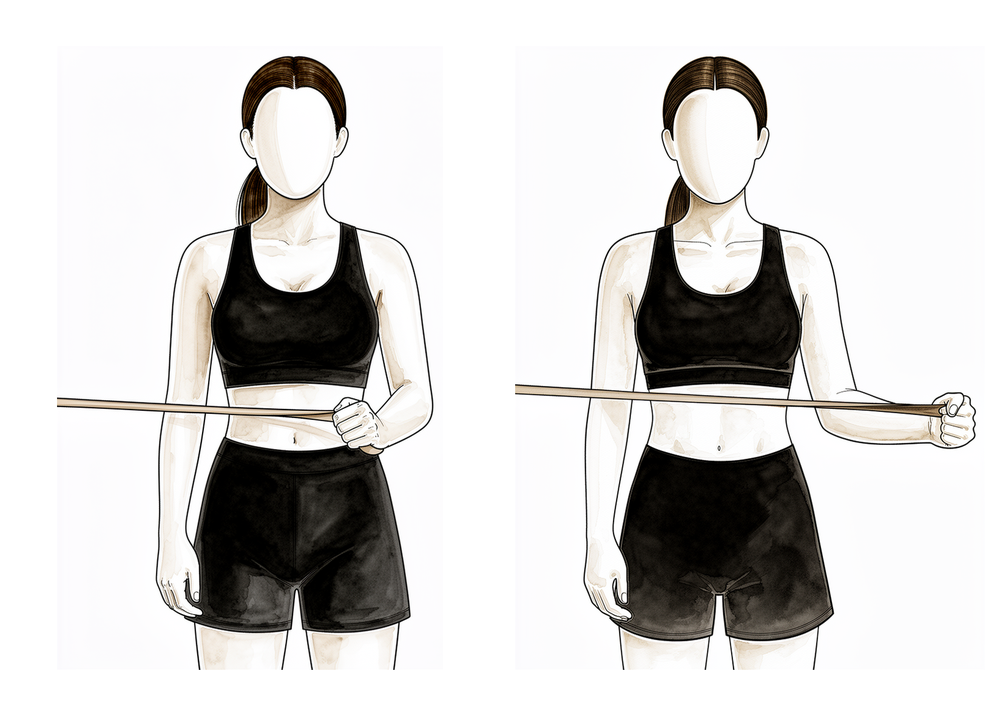
Band external rotation
Tumayo nang nakadikit ang iyong siko sa iyong tagiliran at nakabaluktot sa isang right angle, habang hawak ang isang elastic band na naka-angkla sa taas ng baywang. Panatilihing nakadikit ang siko sa iyong tagiliran, i-rotate ang forearm palabas laban sa band, pagkatapos ay dahan-dahang ibalik. Mag-progress mula sa isometric work habang lumalakas ang iyong muscles.
2 hanggang 3 sets ng 10 hanggang 15, mababang resistance
Kieran Hirpara 4.0
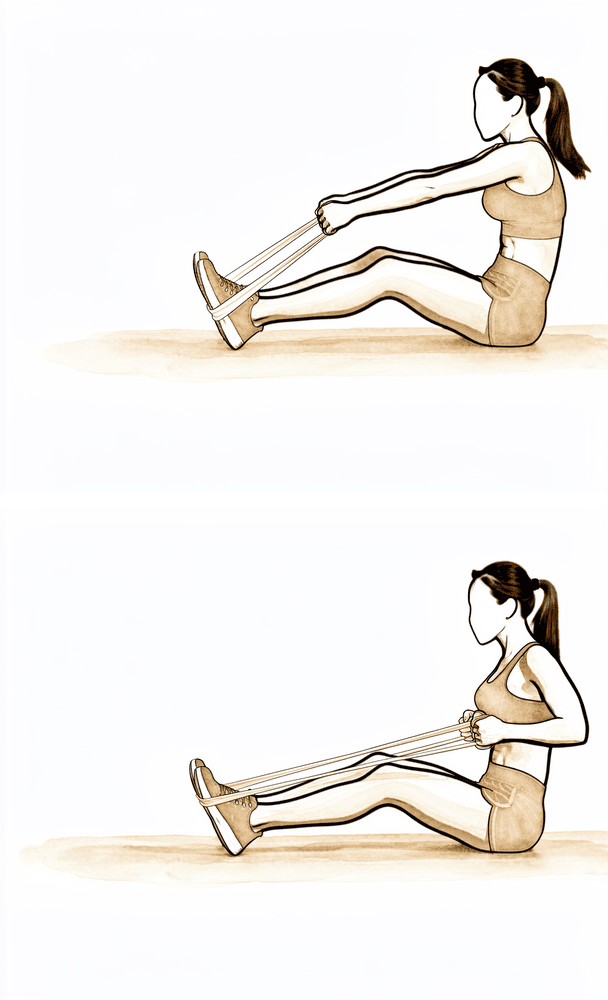
Low row
Humawak ng band na naka-angkla sa harap mo sa taas ng iyong baywang. Panatilihing medyo tuwid ang braso, hilahin ito pabalik at pababa patungo sa iyong balakang, pigain ang shoulder blade pababa at pabalik, pagkatapos ay dahan-dahang ibalik. Binubuo nito ang mga kalamnan ng shoulder-blade na sumusuporta sa cuff.
2 hanggang 3 sets ng 10 hanggang 15
Kieran Hirpara 4.0
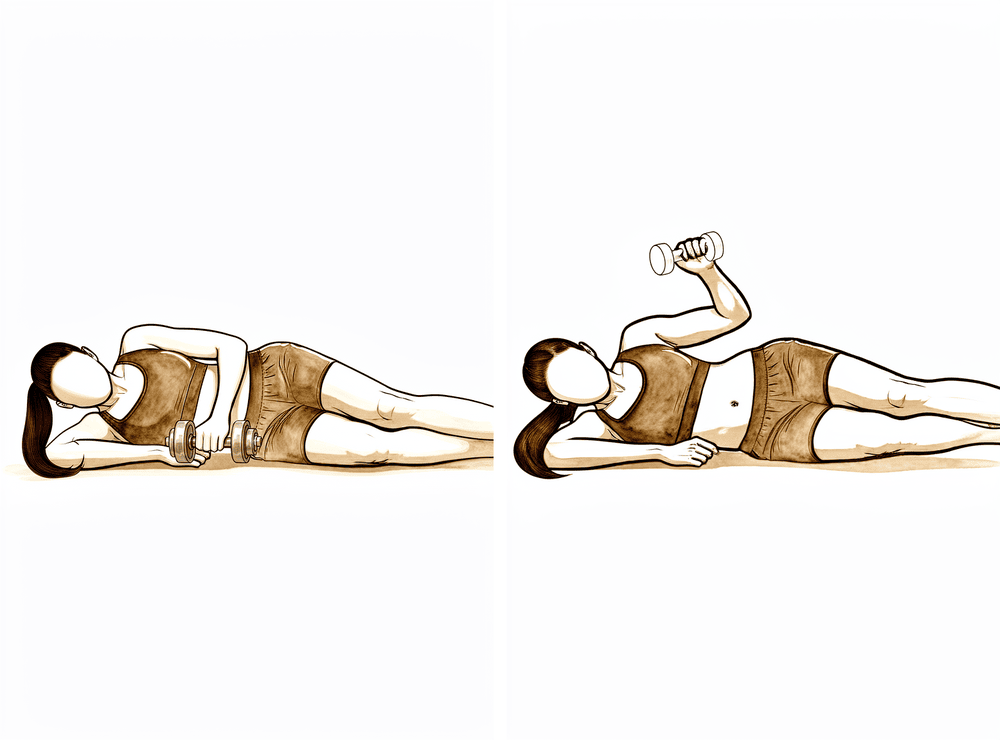
Side-lying external rotation na may weight
Humiga nang patagilid sa panig na hindi naoperahan na ang itaas na siko ay nakabaluktot sa isang right angle at nakadikit sa iyong katawan. Habang humahawak ng magaan na pabigat, i-rotate ang forearm pataas patungo sa kisame, pagkatapos ay dahan-dahang ibaba. Bahagi ito ng pagpapalakas ng rotator cuff mula humigit-kumulang walong linggo (sampu hanggang labindalawa kung tinahi ang hiwa sa tendon) — ipagpatuloy ang mobility work kasabay nito.
Mababang load, mas mataas na repetitions
Karaniwan kang susuriin muli sa loob ng humigit-kumulang walong linggo. Sa pagbabalik ng iyong range, ang rehabilitasyon ay tututok sa pagpapalakas ng rotator cuff, karaniwan sa ilalim ng pangangasiwa ng iyong physiotherapist, at sa malayang paggamit ng braso nang higit sa taas ng balikat. Ang layunin ay ang buong active forward elevation at abduction sa loob ng humigit-kumulang labindalawang linggo. Ang paggaling mula sa pagtanggal lamang ng deposit ay karaniwang tumatagal ng humigit-kumulang tatlong buwan, pagkatapos nito ay wala nang mga restriksyon; kung kinailangan ng repair ang rotator cuff, mas matagal ang paggaling (karaniwang nasa limang buwan) at susunod sa rotator cuff repair protocol sa halip. Huwag mabahala kung may nananatiling kaunting kirot lampas sa puntong ito: pagkatapos ng operasyong ito, maaaring tumagal ng hanggang siyam na buwan bago tuluyang mawala ang mga pre-operative symptoms, habang ang trend ay patuloy na papunta sa tamang direksyon.
Para sa iyong physiotherapist:
Mga Layunin
- Buong active forward flexion at abduction sa loob ng humigit-kumulang labindalawang linggo
- Gradwal na pagbabalik ng lakas at endurance ng rotator cuff at scapular
- Pagbabalik sa buo at walang restriksyong aktibidad sa loob ng humigit-kumulang tatlong buwan
Pamamahala
- Progresibong pagpapalakas ng rotator cuff mula walong linggo (mula sampu hanggang labindalawang linggo kung tinahi ang hiwa sa tendon): isometrics na magiging elastic-band at light-weight work, mababang load at mas mataas na repetitions
- Pag-unlad ng active use ng braso nang higit sa taas ng balikat
- Pag-usad ng gym-, work- at sport-specific loading ayon sa tolerance mula linggo labindalawa hanggang labing-anim
Mga Pag-iingat
- Ang pagpapalakas ay hindi dapat maging kapalit ng range; ipagpatuloy ang mobility work sa buong panahon
- Unti-unting buuin ang heavy at overhead loading; ang pag-atake ng sakit ay nangangahulugang pag-atras ng isang hakbang
Mga Kraytirya para sa pag-unlad
- Buong active range of motion kasabay ng pagbabalik ng lakas at patuloy na paghupa ng mga sintomas
- Discharge mula sa routine follow-up kapag maayos ang pag-unlad, karaniwan mula humigit-kumulang walong hanggang labing-anim na linggo
Pagkatapos ng iyong protocol
Ang mga phase sa itaas ay hango sa mga nailathalang gabay para sa pasyente at mga rehabilitation protocol para sa procedure na ito: ang calcific deposit excision rehabilitation protocol ng London Shoulder Partnership, gabay para sa pasyente mula sa ShoulderDoc (UK) tungkol sa surgery para sa calcific tendinitis, at ang patient guide ni Dr. Kevin Ko para sa arthroscopic excision. Ang mga range ng linggo ay tipikal at hindi fixed, at ang iyong patuloy na rehabilitation ay ginagabayan nang indibidwal ng iyong physiotherapist, katuwang ang practice, base sa kung paano nagpapagaling ang iyong balikat. Ang pahinang ito ay kasabay ng pangkalahatang payo sa paggaling ng practice: tingnan ang managing post-operative pain at wound care. Para sa kondisyon mismo at kung paano gumagana ang mga treatment na ito, tingnan ang calcific tendinitis. Ang ebidensya sa likod ng protocol na ito (natural history, barbotage, at ang surgical-excision literature) ay nakabuod sa evidence section, na available bilang PDF sa itaas ng pahinang ito.
Evidence & references
This is the clinical evidence summary written for health professionals. It is technical, and it lists the research this page was built from. You do not need to read it to understand your treatment or to make a decision about it.
Calcific Tendinitis of the Rotator Cuff — Staged Management & Post-operative Rehabilitation (Arthroscopic Excision)
Topic scope: (A) the natural history and stepped non-operative management of rotator-cuff calcific tendinitis (rest/analgesia → barbotage ± subacromial steroid → ESWT), and (B) post-operative rehabilitation after arthroscopic excision of the calcific deposit (± subacromial decompression; the cuff-repair pathway defers to the rotator-cuff-repair protocol).
Defining principle of the surgical rehab here: arthroscopic excision removes the source of pain and does not, by itself, create a construct that needs months of protection — provided the rotator cuff is left intact. So (like a debridement/decompression, and unlike a cuff repair) the rehab is an early-movement pathway: short sling for comfort only, unrestricted use below shoulder height from day one, assisted elevation to prevent stiffness, strengthening from ~8 weeks. The single branch point is whether removing the deposit left a tendon defect that needed repair — if so, the recovery converts to the slower, protected rotator-cuff-repair pathway.
A. NATURAL HISTORY & NON-OPERATIVE MANAGEMENT
Natural history (self-limiting in most)
Rotator-cuff calcific tendinitis is self-limiting in the majority: after a variable quiescent period the deposit enters a resorptive phase (peripheral vascularisation + phagocytosis), and spontaneous resorption occurs in roughly two-thirds of cases within 1–2 years [Uhthoff & Loehr; Chianca 2018 review]. This underpins a non-operative-first approach and explains why post-operative residual calcium that "dissolves spontaneously" does not harm the outcome.
Stepped non-operative interventions
- Analgesia / activity modification / physiotherapy — first line; many settle as the deposit resorbs. Consensus.
- Ultrasound-guided barbotage (needling + lavage), usually + subacromial corticosteroid — the best-supported interventional option. A systematic review of 908 patients and subsequent meta-analyses favour barbotage for medium-term pain/function; barbotage + subacromial steroid improves Constant–Murley score and reduces deposit size vs steroid alone. Notably, clinical improvement is NOT dependent on how much calcium is aspirated — perforating the deposit to trigger resorption is the active mechanism. Moderate–strong (SR/RCT).
- Extracorporeal shock-wave therapy (ESWT) — reduces deposit size and pain; broadly comparable to barbotage in several comparisons. Moderate (RCT).
B. POST-OPERATIVE REHABILITATION (arthroscopic excision ± subacromial decompression)
Surgery is reserved for deposits recalcitrant to adequate non-operative care. The operation locates and removes the deposit from within the cuff tendon, often with a subacromial decompression for room. Key surgical-outcome facts that shape the rehab:
- Preserving cuff integrity while removing as much deposit as possible gives good-to-excellent results in ~90% and avoids iatrogenic tendon defects [arthroscopic excision series].
- Complete vs near-complete removal gives equivalent outcomes — residual calcium resorbs spontaneously afterwards; the surgeon need not chase every fleck at the cost of the tendon.
- Arthroscopic decompression WITHOUT cuff repair is a validated strategy with good outcomes where the residual defect is not repaired [Bone & Joint 2023].
- Symptom settling is gradual — significant pain relief and ROM gains are the norm, but the pre-operative symptoms can take up to ~9 months to fade fully; recovery to unrestricted activity after excision alone is ~3 months.
Phased post-op timeline (no cuff repair)
| Phase | Window | Sling | ROM / use | Strengthening | Notes |
|---|---|---|---|---|---|
| I — Early movement | Week 0–2 | Comfort only, days (rarely > 2 wk), off ASAP | Unrestricted use below shoulder height from day 1; assisted elevation above shoulder height several × daily to prevent stiffness | — | Settle post-op flare; calcific patients are stiffness-prone → motion is the priority. ≤ ~2 kg, no driving while in sling |
| II — Regaining range | Week 2–8 | Off | Progress active elevation; restore full passive + active ROM | Begin gentle as pain allows | Most regain comfortable range through this window |
| III — Strengthening / return | Week 8–16 | Off | Full active elevation goal by ~12 wk | Cuff + scapular strengthening from ~8 wk, isometric → band/light weight; advance work/sport loading wk 12–16 | Full unrestricted activity ~3 months; discharge ~8–16 wk |
Branch point — if a rotator cuff repair was required: recovery converts to the protected rotator-cuff-repair pathway (sling ~6 wk, ROM restrictions, strengthening deferred), typically ~5 months total. The surgeon confirms post-operatively which pathway applies.
C. KEY CONTROVERSIES / EVIDENCE QUALITY
- Surgery is a last resort — given high spontaneous-resorption rates and effective barbotage/ESWT, excision is reserved for genuinely recalcitrant cases. Strong rationale.
- How much to remove / whether to repair the defect. Equivalent outcomes for complete vs partial removal, and viable decompression-without-repair, mean the surgeon balances deposit clearance against tendon integrity intra-operatively — which in turn decides the rehab pathway. Moderate.
- The post-op rehab protocol itself is consensus/expert, drawn from surgeon patient-guidance protocols rather than a rehab RCT — phase timings are typical, not trial-derived.
D. EVIDENCE STRENGTH FLAGS (summary)
- MODERATE–STRONG (SR / RCT): barbotage ± steroid for non-operative calcific tendinitis (908-patient SR; barbotage + steroid > steroid alone); ESWT efficacy.
- MODERATE (cohorts): arthroscopic excision outcomes (~90% good-excellent; equivalence of complete vs partial removal; decompression without repair, Bone & Joint 2023); spontaneous resorption ~2/3 within 1–2 years.
- WEAK / CONSENSUS: the post-operative rehabilitation protocol (surgeon patient-guidance documents; no defining rehab RCT).
CITATIONS
RAG corpus (180,000+ Orthopaedic articles) — adjacent rotator-cuff evidence
- Predictors of failure of non-operative treatment of chronic symptomatic rotator-cuff disease (2013 Neer Award). J Shoulder Elbow Surg. 2016. DOI: 10.1016/j.jse.2016.04.030
- Arthroscopic rotator cuff repair: scientific rationale, surgical technique, early clinical results. J Shoulder Elbow Surg. 2010. DOI: 10.1016/j.jse.2009.12.012
- Early versus delayed rehabilitation after arthroscopic rotator cuff repair. Knee Surg Sports Traumatol Arthrosc. 2024. DOI: 10.1002/ksa.12129
- Speed of recovery after arthroscopic rotator cuff repair. J Shoulder Elbow Surg. 2017. DOI: 10.1016/j.jse.2016.11.002
- (The corpus is thin on calcific-tendinitis-specific rehab; the evidence base below is the calcific literature + published surgeon protocols.)
Calcific tendinitis literature (URLs)
- Ultrasound-guided barbotage for calcific tendonitis of the shoulder: a systematic review including 908 patients (DARE). https://www.ncbi.nlm.nih.gov/books/NBK241935/
- Determining the efficacy of barbotage for pain relief in calcific tendinitis. JSES Int / ScienceDirect. 2024. https://pmc.ncbi.nlm.nih.gov/articles/PMC11401591/
- Needling and lavage in rotator-cuff calcific tendinitis: ultrasound-guided technique. PMC. 2024. https://pmc.ncbi.nlm.nih.gov/articles/PMC10805427/
- Calcific tendinitis of the rotator cuff: a review (natural history, phases, resorption). PMC. https://pmc.ncbi.nlm.nih.gov/articles/PMC3749672/
- Recovery pattern after arthroscopic treatment for calcific tendinitis of the shoulder. Orthop Traumatol Surg Res. 2020. https://www.sciencedirect.com/science/article/pii/S1877056820301043
- Arthroscopic decompression of calcific tendinitis without cuff repair. Bone Joint J. 2023. https://boneandjoint.org.uk/Article/10.1302/0301-620X.105B6.BJJ-2022-1137.R1
- Arthroscopic treatment of calcific tendonitis (preserve cuff, ~90% good-excellent; residuals resorb). PMC. https://pmc.ncbi.nlm.nih.gov/articles/PMC4044535/
Published rehab protocols (patient-guidance — basis for the phase structure)
- The London Shoulder Partnership — Calcific Deposit Excision Rehabilitation. http://thelondonshoulderpartnership.co.uk/shoulder/shoulder-rehabilitation/calcific-deposit-excision-rehabilitation/
- Ko K. Arthroscopic Excision of Calcific Tendonitis — What Can I Expect? (OPA Orthopedics). https://www.kevinkomd.com/pdf/calcific-tendonitis.pdf
- Funk L. Surgery for Calcific Tendinitis. ShoulderDoc. https://shoulderdoc.co.uk/pages/surgery-for-calcific-tendinitis