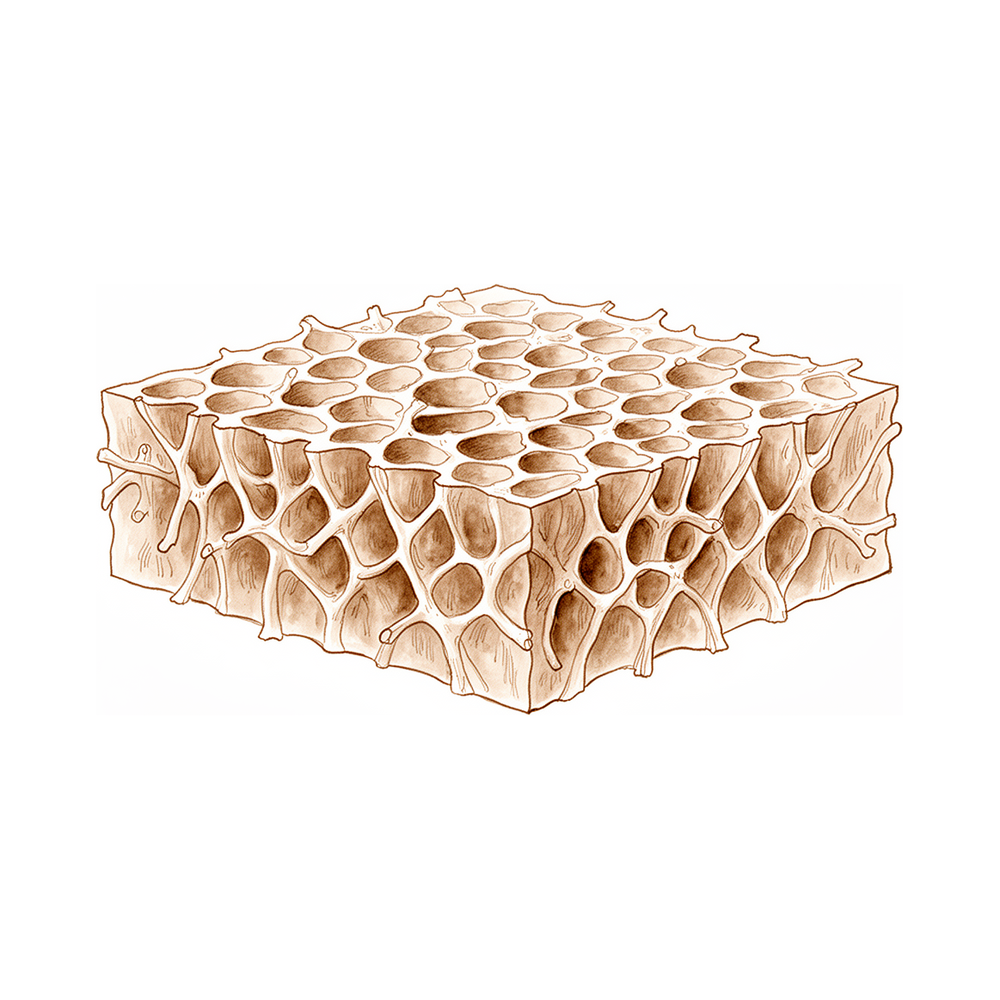
Ang buto ay tila matigas at permanente, ngunit ito ay buhay na tisyu, na may mga cell at blood vessel, at ito ay binabaklas at muling binubuo araw-araw sa iyong buhay. Iyan ang eksaktong dahilan kung bakit ang isang nabaling buto ay maaaring magdugtong muli upang maging kasingtatag ng dati. Ang paggaling ay sumusunod sa isang predictable na pagkakasunod-sunod, at mas matagal ito kaysa sa inaasahan ng karamihan, kaya ang pag-alam sa pattern na ito ay nagpapabawas sa pag-aalala habang naghihintay. Ipinapaliwanag ng pahinang ito, sa simpleng pananalita, kung ano ang buto at kung paano ito gumagaling; at pagkatapos, para sa mga interesado, ay tatalakayin nang mas malalim ang biology nito, kabilang ang kung paano patuloy na nireremodel ng buto ang sarili nito at kung ano ang nangyayari kapag ang mekanismong iyon ay bumabaliktad laban sa buto.
Ano ang buto at ano ang ginagawa nito
Ang buto ay gumagawa ng ilang tungkulin nang sabay-sabay. Ito ang scaffolding ng katawan: ang balangkas na sumusuporta sa iyo at hinihila ng mga kalamnan upang maigalaw ka. Ito ay armour, na nagpoprotekta sa utak, puso, at mga baga. At ito ay isang storehouse para sa mga mineral, lalo na ang calcium, na patuloy na ginagamit ng ibang bahagi ng katawan.
Upang magawa ang lahat ng iyon, ang buto ay isang composite material, na medyo katulad ng reinforced concrete. Ang isang flexible protein mesh (pangunahing collagen) ay nagbibigay dito ng tibay upang bahagyang yumuko nang hindi nababali, at ang isang matigas na mineral (isang calcium-phosphate crystal) na nakapaloob sa mesh na iyon ay nagbibigay dito ng katigasan at compressive strength. Alisin ang mineral at ang buto ay magiging parang goma; alisin ang collagen at ito ay magiging marupok gaya ng tisa. Kailangan mo ang dalawa.
Ngunit ang buto ay hindi inert. Ito ay puno ng mga buhay na cell at may mga dumadaloy na blood vessel, kung kaya't ito ay nagdurugo kapag nababali, kung bakit napakahalaga ng maayos na blood supply para sa paggaling, at kung bakit ang buto, hindi tulad ng isang gasgas na mesa, ay kayang kumpunihin ang sarili.
Paano gumagaling ang bali na buto
Kapag nabali ang isang buto, gumagaling ito sa mga magkakapatong na yugto na ginagawang solidong buto muli ang puwang.
- Ang clot (unang mga araw). Ang bali ay pumupunit sa mga blood vessel sa loob at paligid ng buto, at ang dugo ay bumubuo ng clot sa fracture. Hindi lamang ito isang takip; ito ang scaffold at signal centre na tumatawag sa mga repair cell. Ito rin ang dahilan kung bakit namamagà, nagkapasa, at masakit ang area sa simula.
- Ang soft callus (unang mga linggo). Ang mga repair cell ay pumapasok at naglalagay ng isang malambot at rubbery na tulay ng cartilage at immature tissue sa tapat ng puwang. Ang buto ay magkadugtong na ngayon, ngunit maluwag lamang: ito ang dahilan kung bakit ang isang bagong fracture ay kailangang protektahan sa cast, splint o sa pamamagitan ng surgery habang mahina pa ang tulay.
- Ang hard callus (mga linggo hanggang ilang buwan). Ang malambot na tulay ay unti-unting pinapalitan ng matigas at mineralised na buto, na bumubuo ng isang makapal na cuff (ang callus) sa paligid ng bali. Sa pagtatapos ng yugtong ito, ang buto ay karaniwang sapat na ang katigasan para sa ordinaryong paggamit.
- Remodelling (mga buwan hanggang mga taon). Ang baku-bakong callus ay dahan-dahang binabawasan at hinuhubog muli ayon sa mga linya ng stress hanggang sa ang buto ay magmukha at gumana gaya ng dati. Sa mga bata, ang paghubog na ito ay napakahusay kaya ang isang bahagyang tabingi na bali ay maaaring tumuwid sa paglipas ng panahon.
Ang paggaling ay talagang mabagal, at normal ito. Bilang magaspang na gabay, maraming fracture sa mga adult ang tumatagal ng humigit-kumulang anim hanggang labindalawang linggo bago maging solido, at mas matagal pa bago mabalik ang buong lakas; ang remodelling na nagpapakinis sa hugis ay maaaring magpatuloy ng isang taon o higit pa. Ang timeline ay depende sa buto, sa tao, at sa pinsala, kaya ituring ang mga ito bilang mga gabay, hindi mga pangako.
Ano ang nakakatulong sa paggaling
May ilang mga bagay na nagbibigay ng tunay na pagkakaiba, at karamihan dito ay nasa iyong kontrol:
- Suplay ng dugo at isang settled break. Pinakamabilis gumaling ang buto kapag ang mga naputol na dulo ay may mabuting suplay ng dugo at nananatiling hindi gaanong gumagalaw, na siyang pangunahing layunin ng cast o operasyon. Ang sobrang paggalaw, o mahinang suplay ng dugo, ang pinakakaraniwang dahilan kung bakit mabagal magdugtong ang bali.
- Hindi paninigarilyo. Ang paninigarilyo at nicotine ay nagpapakitid ng mga blood vessel at makabuluhang nagpapabagal sa paggaling ng buto. Ang paghinto, kahit sa panahon ng pinsala o operasyon, ay nakakatulong.
- Nutrisyon. Ang buto ay nabubuo mula sa protein at mineral, kaya ang sapat na protein, calcium at vitamin D ay sumusuporta sa paggaling. Karamihan sa mga tao ay hindi nangangailangan ng megadoses; kailangan lang nilang hindi maging deficient.
- Sensible loading. Tumutugon ang buto sa paggamit. Ang pagsunod sa payo tungkol sa weight-bearing at ehersisyo na ibinigay sa iyo, hindi masyadong marami at hindi masyadong kakaunti, ay gumagabay sa gumagaling na buto upang muling mabuo sa mga tamang lugar.
- Oras at review. Karamihan sa mga bali ay gumagaling sa sarili nilang timeline. Kung ang isang bali na dapat ay bumubuti ay hindi gumagaling, nararapat itong i-review; ang ilan ay nangangailangan ng tulong mula sa surgery.
Mas malalim na pagtalakay
Advanced reading: the deeper science (optional)
Ang seksyong ito ay tumataas patungo sa isang mas detalyadong paliwanag sa antas ng estudyante tungkol sa biyolohiya sa likod ng lahat ng nasa itaas. Hindi ito kailangan upang maunawaan ang isang fracture o ang paggamot nito, ngunit kung kuryoso ka kung paano talaga gumagana ang buto, at kung paano ang mismong mekanismong nagpapagaling ng bali ay maaari ring ituon laban sa skeleton, magpatuloy sa pagbabasa.
Buto bilang buhay na tisyu
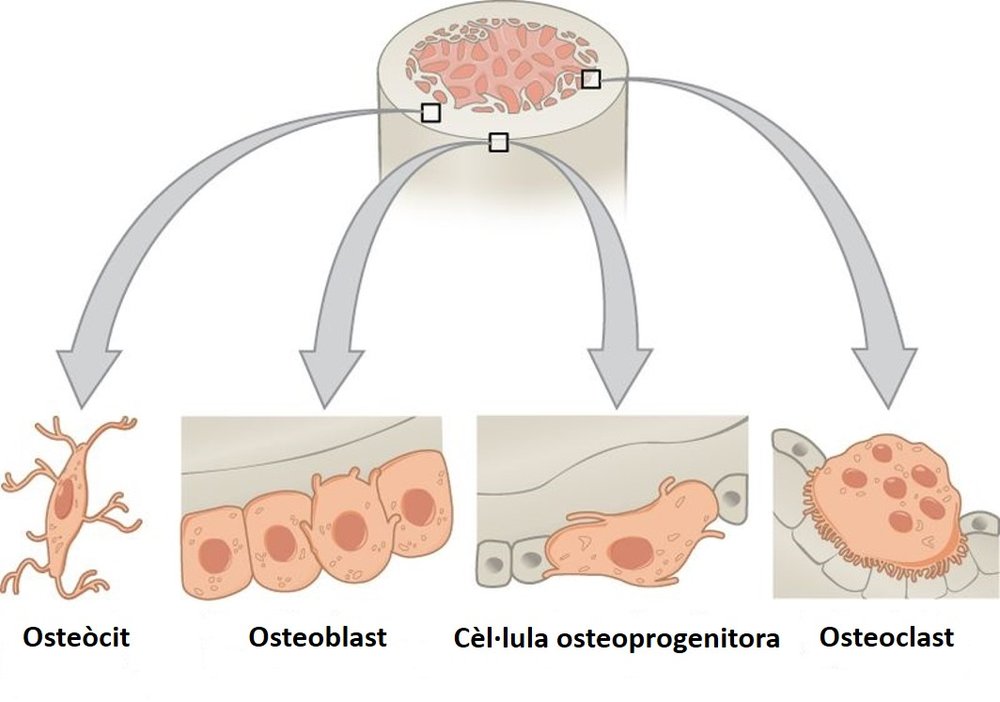
Ang buto ay binubuo at pinapanatili ng tatlong pangunahing uri ng cell, at makatutulong na makilala sila sa pangalan dahil halos lahat ng susunod ay kuwento tungkol sa balanse sa pagitan nila:
- Ang mga Osteoblast ay ang mga tagabuo. Naglalatag sila ng bagong buto: una ang malambot na collagen framework (osteoid), na pagkatapos ay ginagawa nilang mineralised upang maging matigas na buto.
- Ang mga Osteoclast ay ang demolition crew. Sila ay malalaki, multi-nucleated na mga cell na tumutunaw ng buto, inuukit ang mineral gamit ang acid at tinutunaw ang collagen gamit ang mga enzyme.
- Ang mga Osteocyte ay mga dating osteoblast na nakulong sa butong kanilang binuo. Nakatira sila sa maliliit na chamber na konektado ng isang malawak na network ng mga channel, na magkakakabit na parang isang sensor grid sa buong buto. Gaya ng makikita natin, sila ang mga cell na nakakaramdam ng mechanical load at nagdidirekta sa dalawa pang uri.
Ang matigas na matrix kung saan nakatira ang mga cell na ito ay type I collagen na pinatigas ng mga kristal ng hydroxyapatite (isang calcium-phosphate mineral). Ang buto ay may dalawang arkitektura: siksik na cortical (compact) bone sa mga shaft ng mahahabang buto, at spongy na trabecular (cancellous) bone (isang open lattice) sa mga dulo ng mga buto at sa loob ng spine.
Ang healing cascade
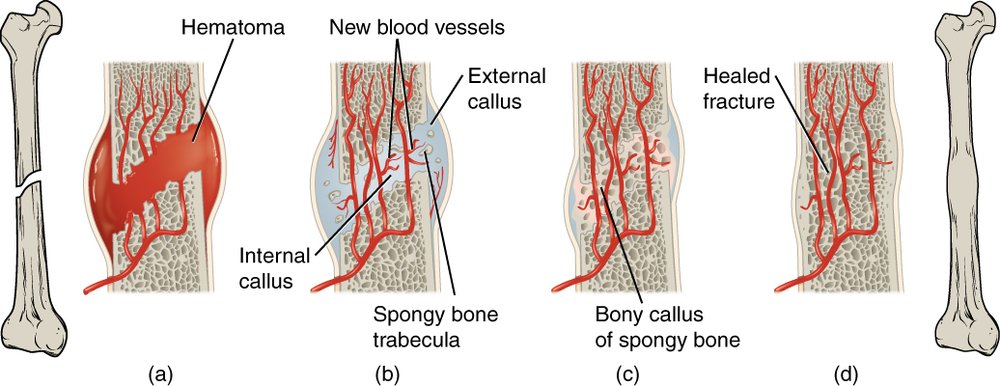
Ang apat na yugto sa simpleng pananalita sa itaas ay tumutugma sa isang tumpak na biyolohikal na pagkakasunod-sunod. Ang haematoma (namuong dugo) ng bali ay naglalabas ng dagsa ng mga inflammatory signal at growth factor na kumukuha ng mga stem cell. Ang mga cell na ito ay unang bumubuo ng isang soft (cartilaginous) callus: ang buto ay itinatayo sa isang cartilage template sa isang prosesong tinatawag na endochondral ossification, ang parehong proseso kung saan lumalaki ang malaking bahagi ng skeleton sa pagkabata. Ang cartilage ay pagkatapos ay pinapasok ng mga blood vessel at pinapalitan ng woven bone, ang hard callus, na sa huli ay remodelled tungo sa mature at organisadong lamellar bone.
Ito ay secondary (indirect) healing (paggaling sa pamamagitan ng callus), at ito ang nangyayari kapag ang bali ay may kaunting paggalaw, gaya ng nasa cast. Mayroon ding primary (direct) healing, na nangyayari lamang kapag ang mga dulo ng buto ay mahigpit na pinagsama nang walang puwang at walang paggalaw (halimbawa, compressed sa ilalim ng isang metal plate). Sa ganitong kaso, walang callus na nabubuo: ang buto ay simpleng nag-remodel nang direkta sa pagitan ng dugtungan. Wala sa dalawa ang "mas mabuti"; sila ang dalawang tugon ng buto sa magkaibang mekanikal na kondisyon, kung kaya't pumipili ang mga surgeon ng fixation na angkop sa bali.
Remodelling at ang cutting cone
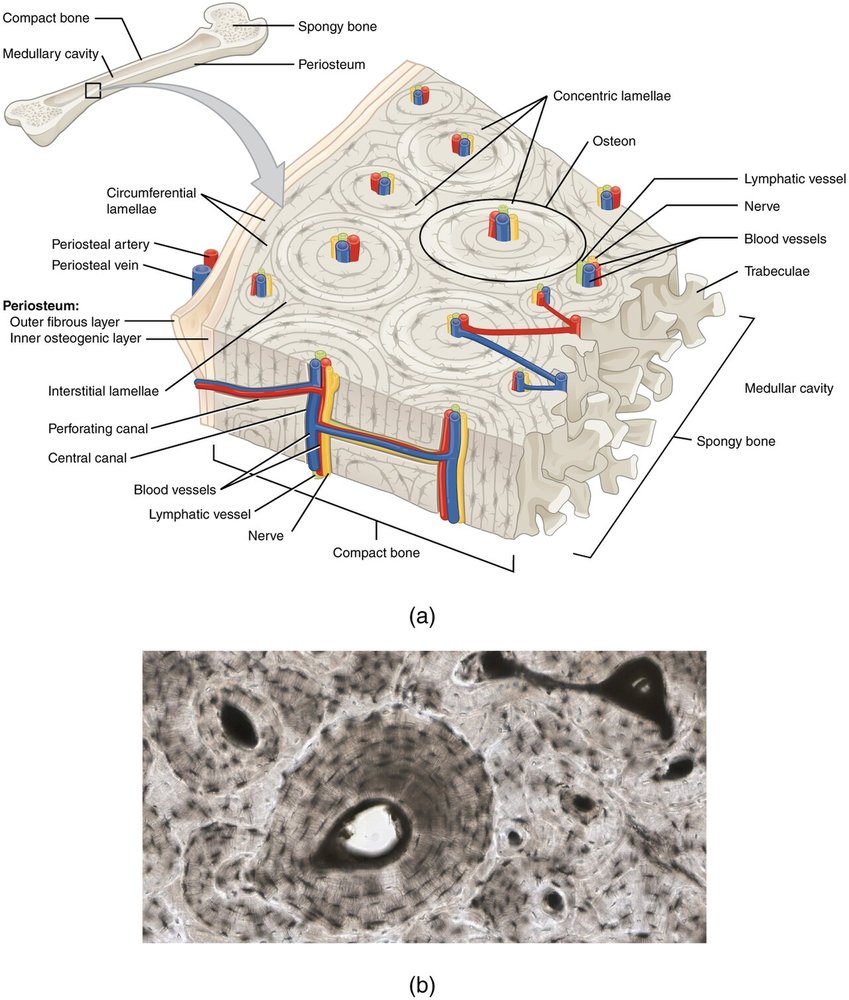
Kahit ang hindi nabaling buto ay patuloy na muling binubuo: pinapalitan mo ang humigit-kumulang isang ikasampu ng iyong skeleton taon-taon. Ang panghabambuhay na pagbabagong ito ay remodelling, at ito ay isinasagawa ng mga grupo ng mga cell na tinatawag na Basic Multicellular Units (BMUs).
Sa siksik na cortical bone, maaari mong mapanood ang isang BMU na gumagana bilang isang microscopic tunnelling machine. Sa leading edge nito, isang pangkat ng mga osteoclast ang bumubutas ng tunnel nang diretso sa buto, tinutunaw ito habang sila ay sumusulong: ang resorbing tip na ito ang cutting cone. Kasunod nito nang malapit, sa closing cone, ang mga osteoblast ay nilalagyan ng lining ang bagong tunnel at pinupuno ito mula sa mga dingding papasok, naglalatag ng mga concentric ring ng bagong buto sa paligid ng isang central channel na may dalang blood vessel. Ang natapos na cylinder, mga ring ng buto sa paligid ng isang central canal, ay isang osteon, ang pangunahing structural unit ng compact bone. Kaya ang remodelling ay hindi random: ito ay isang coordinated convoy ng demolisyon na sinusundan ng rekonstruksyon, na naglalagay ng bago at well-aligned na buto sa loob ng luma.
Ito rin ang dahilan kung bakit ang malusog na buto ay nangangailangan ng parehong uri ng cell na nagtatrabaho nang magkasabay. Ang mga osteoclast na nangunguna sa cutting cone ay ang mismong mga cell na, kapag dysregulated, ay nagiging sanhi ng mga bone-loss disease na inilalarawan sa ibaba.
Ang coupling switch: RANK, RANKL at OPG
Paano kinokontrol ng builder ang demolition crew? Sa pamamagitan ng isang molecular switch na mahalagang malaman dahil ito ang lever sa likod ng normal na remodelling at ng ilang mga sakit (at ilang mga gamot).
Ang mga cells ng osteoblast-lineage ay nagpapakita ng signal na tinatawag na RANKL. Kapag ang RANKL ay kumabit sa receptor nito, ang RANK, sa ibabaw ng mga osteoclast precursor, sinasabihan nito ang mga ito na mag-mature bilang mga aktibo at bone-dissolving na osteoclast. Kaya ang mga builder ang humahawak ng remote control para sa demolition crew. Upang itigil ito, ang parehong mga osteoblast ay naglalabas ng isang decoy na tinatawag na OPG (osteoprotegerin), na sumasalo sa RANKL bago pa ito makarating sa RANK. Samakatuwid, ang RANKL-to-OPG ratio ang nagtatakda ng bilis ng bone resorption: ang mas maraming RANKL ay nagtutulak ng balanse patungo sa bone loss, at ang mas maraming OPG ay patungo sa bone preservation.
Halos lahat ng signal na nakakaapekto sa buto (mga hormone, pamamaga, mga gamot) ay sa huli ay humihila sa lever na ito. Halimbawa, dito eksaktong kumikilos ang gamot sa osteoporosis na denosumab: ito ay isang man-made antibody na gumagana gaya ng OPG, na sumasalo sa RANKL upang i-switch off ang mga osteoclast. Tandaan ang switch na ito; ang susunod na dalawang seksyon ay parehong mga kuwento tungkol sa RANKL na naitulak sa maling direksyon.
Mechanotransduction at batas ni Wolff
Kilala ang buto sa pag-angkop nito sa mga load na ibinibigay dito. Ang "Ang buto ay nabubuo kung saan ito kinakailangan at niresorb kung saan hindi" ay ang batas ni Wolff, at ito ang dahilan kung bakit mas siksik ang buto sa braso ng raketa ng isang tennis player, kung bakit nawawalan ng buto ang mga astronaut at mga pasyenteng nakahiga lamang sa kama, at kung bakit ang wastong loading ay tumutulong sa isang fracture na muling mabuo sa mga tamang lugar.
Ang mga cell na nakakaramdam ng load ay ang mga osteocyte na nakabaon sa buto. Habang nilo-load ang buto, ang fluid ay naiipit sa mga maliliit na channel sa paligid nila, at nararamdaman ng mga osteocyte ang daloy na iyon, isang proseso na tinatawag na mechanotransduction (paggawa ng mechanical signal tungo sa isang biological signal). Ang mga loaded osteocyte ay binabawasan ang isang braking molecule na tinatawag na sclerostin, na nagpapalaya sa mga osteoblast upang bumuo; ang unloaded bone naman ay gumagawa ng kabaligtaran, at ibinibigay para sa resorption. Kaya ang "gamitin ito o mawawala ito" ay hindi lamang isang slogan; ito ay ang pag-aadjust ng mga osteocyte sa RANKL/OPG balance bilang tugon sa iyong ginagawa.
Kapag nagkamali ang remodelling: osteolysis at sonic hedgehog
Ang Osteolysis ay nangangahulugan lamang ng pagkatunaw ng buto: ang mga osteoclast ay tumatakbo nang walang kontrol, karaniwan dahil mayroong nakabara sa RANKL switch sa posisyong "on". Ito ang dahilan kung bakit kinakain ng tumor ang buto, kung bakit lumuluwag ang isang implant (susunod na seksyon), at kung bakit nagkakaroon ng mga butas sa buto sa ilang mga inflammatory disease.
Isa sa mga mas nakakagulat na controller dito ay ang sonic hedgehog (Shh), isang signalling molecule na pinakakilala sa paghubog ng body plan ng embryo (tumutulong ito sa pag-aayos ng mga limbs at digits). Ang parehong pathway ay muling ginagamit sa skeleton ng adult, at ito ay may dalawang epekto. Sa isang naghihilom na fracture, ang Shh signalling ay aktwal na nakatutulong; sinusuportahan nito ang mga osteoblast at ang pagbuo ng buto. Ngunit sa osteolysis, kabaligtaran ang ginagawa nito: ang Shh, na kumikilos sa pamamagitan ng downstream messenger nito na Gli, ay nag-uudyok sa mga supporting stromal cell na gumawa ng mas maraming RANKL, at ang mas maraming RANKL ay nangangahulugan ng mas maraming osteoclast at mas maraming butong natutunaw. Kapansin-pansin na ang Shh nang mag-isa ay hindi nagre-resorb ng buto; gumagana ito sa pamamagitan ng pag-amplify sa RANKL pathway, na siyang dahilan kung bakit lumalabas ito bilang isang aggravator sa mga kondisyon tulad ng cancer-associated bone destruction. Ito ay isang malinaw na ilustrasyon ng temang tumatakbo sa buong pahinang ito: karamihan sa mga sakit sa buto ay ang normal na remodelling machinery (ang cutting cone, ang RANKL switch) na itinulak nang masyadong malayo sa isang direksyon.
Pagkapudpod ng polyethylene at pagluwag ng implant
Dito nagiging napakapraktikal ng biyolohiya, dahil ipinapaliwanag nito kung paano kalaunan nabibigo ang mga joint replacement. Ang isang hip o knee replacement ay may makinis na bearing surface, na klasikal na isang matigas na bola o metal component na gumagalaw laban sa isang polyethylene (medical-grade plastic) liner. Sa loob ng maraming taon ng paggamit, ang friction ay naglalabas ng astronomikong kaliit na mga wear particles ng polyethylene, na masyadong maliit upang makita at nailalabas nang bilyon-bilyon.
Itinuturing ng katawan ang mga particle na ito bilang mga intruder. Ang mga scavenger immune cell (macrophages) sa paligid ng implant ay sinusubukang lamunin ang mga ito, ngunit ang plastik ay hindi natutunaw (indigestible), kaya ang mga frustrated na macrophage ay sa halip ay naglalabas ng mga inflammatory signal. Ang mga signal na iyon ay inaasahang nagpapataas ng RANKL, na nagre-recruit ng mga osteoclast na nagre-resorb ng buto sa paligid ng implant. Ang particle-induced (o wear) osteolysis na ito ay tahimik na kumakain sa bony anchorage, at kalaunan ay lumuluwag ang implant, isang pangunahing sanhi ng pagkapudpod ng mga joint replacement at pangangailangan ng revision, madalas ay isang dekada o higit pa matapos ang operasyon. Ito ay ang parehong final common pathway gaya ng lahat ng nabanggit sa itaas: isang panlabas na trigger, na dumadaan sa RANKL, at nagtatapos sa pagtunaw ng buto ng mga osteoclast. Ang pag-unawa rito ang eksaktong dahilan kung bakit maraming engineering ang ginugugol sa mas mahusay na mga bearing material (gaya ng cross-linked polyethylene) na naglalabas ng mas kakaunti at hindi gaanong problemadong mga particle.
Ano ang nakakatulong at nakakasama sa paggaling
Panghuli, ang mga praktikal na salik, kasama na ngayon ang biyolohiya upang ipaliwanag ang mga ito:
- Suplay ng dugo ang naghahatid ng mga cell, oxygen at mga signal para sa mga pangangailangan sa paggaling; ang isang stripped o nadurog na soft-tissue envelope, o isang bali sa butong may mahinang suplay ng dugo, ay mabagal gumaling. Ito ang pinakamalaking solong salik.
- Stability (Katatagan) ang nagpapahintulot sa callus na mag-mature; ang labis na paggalaw ay patuloy na sumisira sa marupok na maagang bridge, at ito ay isang karaniwang daan patungo sa non-union (isang bali na nabigong gumaling).
- Paninigarilyo at nicotine ay nagpapakitid ng mga blood vessel at nakakasama sa mga repair cell: isang napatunayang hadlang sa paggaling ng buto.
- Diabetes at ilang gamot (matagal na paggamit ng steroids, at ilang anti-inflammatories sa panahon ng isang bagong fracture) ay maaaring magpabagal sa paggaling.
- Nutrisyon (sapat na protein, calcium at vitamin D) ang nagbibigay ng mga raw material; ang kakulangan, hindi ang kasaganaan, ang problemang dapat iwasan.
- Edad ang nagpapabagal sa cellular machinery, ngunit ang buto ay nagpapanatili ng isang kahanga-hangang kapasidad na gumaling sa buong buhay.
Tingnan din
- Kalusugan ng buto at osteoporosis — kapag ang balanse ng remodelling ay humilig patungo sa pagkawala ng buto sa buong skeleton
- Paninigarilyo at musculoskeletal healing — kung bakit pinababagal ng paninigarilyo ang paghilom na inilalarawan dito
- Vitamin D at musculoskeletal health — ang mineral na bahagi ng pagbuo ng buto