Skip to content

Patients › General-Health

Joint Hypermobility at Ehlers-Danlos Syndrome

Bendy joints that can slip or ache — the spectrum from benign hypermobility to hEDS, and why strengthening is the mainstay.
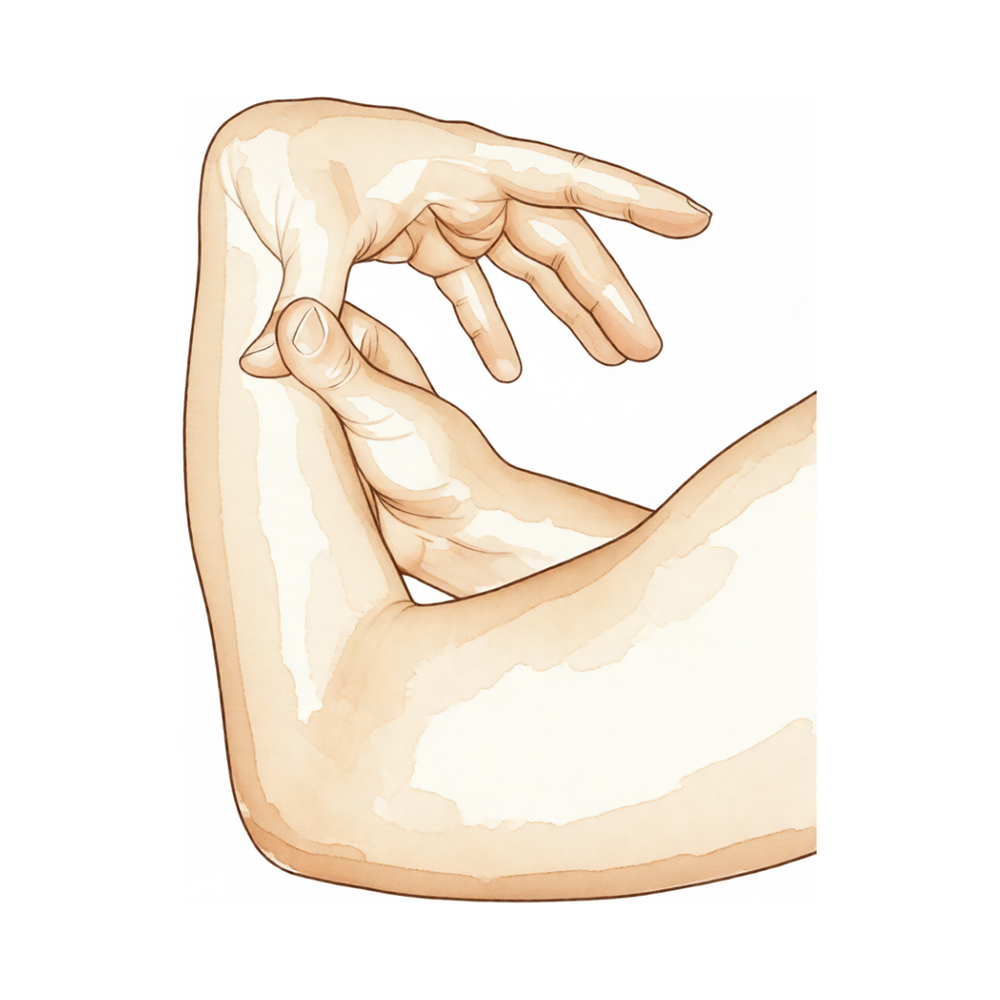
Isang hinlalaki na nakabaluktot pabalik patungo sa forearm, na nagpapakita ng joint hypermobility.
Ang klasikong palatandaan ng joint hypermobility — isang hinlalaki na kayang itiklop pabalik patungo sa forearm. Dagger9977 / Wikimedia Commons, CC BY-SA 3.0

Ang pahinang ito ay isinalin ng makina at hindi pa nasusuri ng isang doktor. Ang bersyong Ingles ang siyang opisyal.

Ang iyong nararamdaman

Maaaring ikaw ang palaging itinuturing na "double-jointed," na kayang itiklop ang iyong hinlalaki pabalik sa iyong forearm, i-hyperextend ang iyong mga siko, o itiklop ang iyong sarili sa mga posisyong nakakapagpangilabot sa ibang tao. Para sa maraming tao, ang flexibility na iyon ay isa lamang walang panganib na katangian at hindi nagdudulot ng anumang problema.

Para sa iba, gayunpaman, may kapalit ito. Ang mga joint na gumagalaw nang lampas sa normal na range ay maaari ring kumirot, lalo na pagkatapos ng aktibidad o sa pagtatapos ng araw. Maaaring mapansin mo na ang ilang joints ay tumutunog (click o clunk) o pakiramdam ay maluwag, na tila maaari silang madulas palabas ng pwesto, at kung minsan ay nangyayari nga ito. Ang balikat, ang maliliit na joint ng daliri, at ang base ng hinlalaki ay mga karaniwang apektado sa upper limb: isang balikat na bahagyang nadudulas palabas (isang subluxation) o ganap na nadidislokate, mga daliri na natitiklop sa maling direksyon, isang joint ng hinlalaki na bumibigay kapag ikaw ay kumukurot o humahawak. Ang mga pinsala ay maaaring tila mas matagal bago gumaling kaysa sa iyong inaasahan, at ang parehong joint ay maaaring paulit-ulit na bumibigay.

Ang hypermobility ay madalas na may kasamang iba pang mga katangian. Ang ilang tao ay may malambot o nababanat na balat at madaling magkapasa. Marami ang naglalarawan ng pagkapagod na hindi tugma sa ginawa nila, pagkahilo o mabilis na tibok ng puso kapag tumatayo, at mga sintomas sa panunaw tulad ng bloating o reflux. Hindi lahat ay mayroon nito, ngunit kung marami sa mga ito ay totoo kasabay ng iyong maluluwag na joints, maaaring may koneksyon ang mga ito.

Ano ang aktwal na nangyayari

Ang iyong mga kasukasuan ay pinagdurugtong at sinusuportahan ng connective tissue (mga ligament, tendon at ang capsule sa paligid ng bawat kasukasuan), at ang pangunahing building block ng tissue na iyon ay isang protina na tinatawag na collagen. Sa mga taong may hypermobility, ang collagen at connective tissue ay medyo mas nababanat at mas elastic kaysa sa karaniwan. Ang mga supporting structure ay mas nagbibigay, kaya ang mga kasukasuan ay maaaring gumalaw nang higit pa sa pinapayagan ng normal na range.

Ito ay nasa isang spectrum. Sa isang dulo ay ang simpleng joint hypermobility na hindi kailanman nagdudulot ng problema. Kapag ang mga maluwag na kasukasuan ay nagsimulang magdulot ng sakit, instability o paulit-ulit na pinsala, tinatawag ito ng mga doktor na hypermobility spectrum disorder. Sa kabilang dulo ay ang hypermobile Ehlers-Danlos syndrome (hEDS), kung saan ang mas nababanat na connective tissue ay mas kapansin-pansin at mas malamang na may kasamang mas malawak na mga katangian sa buong katawan (balat, pasa, pagkapagod, bituka at pagkahilo/autonomic symptoms). Ang mga hangganan sa pagitan ng mga ito ay hindi malinaw, at ang kinalalagyan mo ay maaaring magbago sa paglipas ng panahon. Upang matulungan ang pagmamapa nito, ang mga doktor ay madalas na gumagamit ng isang simpleng set ng mga bend test na tinatawag na Beighton score, kasama ang iyong buong history.

Ang dahilan kung bakit mahalaga ang lahat ng ito para sa iyong mga kasukasuan ay nagbabalik sa isang ideya: kung ang mga passive support (ang mga ligament at capsule) ay hindi gaanong mahigpit na humahawak sa kasukasuan, ang kasukasuan ay kailangang umasa nang higit pa sa mga kalamnan sa paligid nito para sa stability. Kapag ang mga kalamnang iyon ay malakas at well-coordinated, nananatili sa puwesto ang kasukasuan. Kapag sila ay napapagod o hindi conditioned para sa trabaho, ang kasukasuan ay dumudulas, sumasakit, at sa loob ng maraming taon ay maaaring mapudpod nang mas mabilis kaysa sa dati.

Mayroong isang pattern na mahalagang malaman tungkol sa balikat. Kung saan ang isang solong pinsala ay maaaring magdulot ng pagka-out ng normal na balikat sa isang direksyon, ang isang maluwag na balikat ay madalas na nararamdamang unstable sa ilang direksyon nang sabay-sabay, dumudulas pasulong, pabalik o pababa. Tinatawag ito ng mga doktor na multidirectional instability. Nangangahulugan din ito na ang mga balikat na ito ay may tendensiyang bahagyang dumudulas at kusang bumabalik (subluxate) nang mas madalas kaysa sa ganap na ma-dislocate. Mahalaga ito dahil ito mismo ang uri ng instability na pinakamahusay na tumutugon sa pagbuo ng muscle control, at pinakamahina ang tugon sa operasyon lamang.

Ano ang maaari nating gawin tungkol dito

Ang pinakamahalagang mensahe ay ito: ang hypermobility at hEDS ay hindi nagagamot, ngunit maaari silang mapamahalaan nang mabuti, at ang pundasyon ng pamamahala ay hindi isang tableta o operasyon. Ito ay ang pagpapalakas ng mga kalamnan na nagpapatatag sa iyong mga kasukasuan.

Ang physiotherapy at targeted strengthening ang pangunahing lunas. Ang isang physiotherapist na nakauunawa sa hypermobility ay makikipagtulungan sa iyo upang bumuo ng kontrol at lakas sa paligid ng mga kasukasuan na pinaka-nagbibigay sa iyo ng problema. Para sa upper limb, madalas itong nangangahulugan ng shoulder blade at rotator cuff muscles, at ang maliliit na kalamnan na kumokontrol sa hinlalaki at mga daliri. Ang layunin ay sanayin ang iyong mga kalamnan na gawin ang trabaho ng pagpapatatag na hindi gaanong nagagawa ng iyong mga ligament. Ito ay isang unti-unti at patuloy na programa sa halip na isang mabilis na lunas, ngunit ito ang nagpapabago ng kalagayan para sa karamihan ng mga tao.

Kasabay ng core na iyon, nakatutulong ang ilang iba pang mga hakbang:

  • Pacing at proteksyon ng kasukasuan: paghahati-hati ng aktibidad sa buong araw, pag-iwas sa mga end-of-range position na nagbibigay ng strain sa mga maluwag na kasukasuan, at pag-aadjust kung paano ginagawa ang mga demanding o paulit-ulit na gawain.
  • Bracing at taping: ginagamit nang piling para suportahan ang isang kasukasuan habang bumubuo ka ng lakas o dumadaan sa isang flare, hindi bilang isang permanenteng tungkod.
  • Pamamahala ng sakit: mga simpleng estratehiya, kung minsan ay gamot, at pagbibigay-pansin sa pagtulog, pagkapagod at iba pang body-wide symptoms, dahil ang lahat ng ito ay nakaaapekto sa pakiramdam ng iyong mga kasukasuan.

Ang operasyon ay nilalapitan nang may pag-iingat. Para sa isang upper-limb surgeon, ito ay isang tunay na mahalagang punto. Kapag ang isang kasukasuan (kadalasan ay ang balikat) ay paulit-ulit na nadidislokate sa kabila ng mabuting rehabilitasyon, maaaring isaalang-alang ang isang operasyon upang patatagin ito. Ngunit ang parehong stretchy tissue na nagpaluwag sa kasukasuan noong una ay hindi rin kasing-tibay humawak sa mga surgical repair at maaaring gumaling nang magkaiba, kaya ang mga standard stabilising operation ay may mas mataas na pagkakataon na lumuwag o mabigo sa paglipas ng panahon. Dahil dito, ang operasyon ay inilalaan lamang para sa mga maingat na piniling problema, pinaplano nang may matibay na pagsasaalang-alang sa iyong hypermobility, at laging ipinapares sa isang strengthening programme bago at pagkatapos. Ang rehabilitasyon ang siyang nagpoprotekta sa resulta.

Ano ang dapat asahan

Ang hypermobility ay bahagi ng kung paano nabuo ang iyong katawan, kaya hindi ito nawawala, ngunit ang epekto nito ay maaaring magbago nang malaki sa pamamagitan ng tamang pamamahala. Maraming tao na nakatuon sa isang strengthening programme ang nakatagpo na ang kanilang mga kasukasuan ay nagiging mas stable, humuhupa ang kanilang sakit, at ang mga slips at dislocations ay nagiging hindi gaanong madalas. Ang pag-unlad ay karaniwang steady sa halip na biglaan, sinusukat sa loob ng mga buwan, at ang mga nakamit na pagbuti ay pinapanatili nang pinakamahusay sa pamamagitan ng pagpapanatiling conditioned ng mga kalamnan para sa long term sa halip na huminto kapag bumuti na ang mga bagay-bagay.

Nakatutulong na isipin ito bilang isang long-term partnership sa iyong katawan sa halip na isang problema na aayusin nang isang beses lang. Maaari pa ring mangyari ang mga flare, lalo na pagkatapos ng sakit, growth spurt, o panahon ng mas kaunting aktibidad, at mas magiging mahusay ka sa pagbabasa ng mga maagang palatandaan at pagpigil sa mga ito. Kung naroon ang mas malawak na mga katangian (pagkapagod, pagkahilo, mga sintomas sa gut), ang pag-aalaga sa mga ito kasabay ng iyong mga kasukasuan ay karaniwang ginagawang mas manageable ang lahat. Sa pamamagitan ng isang sensibleng plano, karamihan sa mga tao ay nananatiling aktibo at nagagawa ang mga bagay na mahalaga sa kanila.

Kailan dapat magpatingin

  • Isang kasukasuan na paulit-ulit na nadidislokate o bahagyang lumalabas, partikular ang balikat, o unang dislocation na hindi bumabalik sa ayos.
  • Sakit na nakakapag-disable o patuloy na lumalala sa kabila ng pahinga at iyong mga karaniwang hakbang.
  • Instability na nakakaabala sa pang-araw-araw na buhay: nahihirapang humawak, magbuhat, magtrabaho o matulog dahil ang kasukasuan ay patuloy na bumibigay.
  • Isang bago o mabilis na lumalalang problema sa kasukasuan, o pamamanhid, pangingilig o panghihina sa braso o kamay.
  • Kung pinaghihinalaan mo ang isang hypermobility spectrum disorder o hEDS at gusto itong ma-assess nang maayos (lalo na kapag ang maluluwag na kasukasuan ay kasabay ng mga problema sa balat, pasa, pagkapagod, pagkahilo o mga sintomas sa tiyan), mahalagang sumailalim sa isang pinag-isipang pagsusuri upang mailagay ang tamang plano.

Higit pang kalaliman

Advanced reading: the deeper science (optional)

Ang seksyong ito ay higit pa sa kailangan mo para sa iyong sariling mga desisyon sa paggamot. Ang hypermobility ay karapat-dapat sa karagdagang pagbabasa dahil ang kumpiyansang kuwento—na ang mga maluwag na kasukasuan ay problema sa collagen gene, at ang isang maluwag na kasukasuan ay maaari lamang higpitan sa pamamagitan ng operasyon—ay hindi nananatiling totoo kapag inihambing sa mga ebidensya sa alinman sa dalawang puntong ito.

Ang pinakakaraniwang uri ay walang kilalang sanhing genetiko

Kinikilala ng 2017 international classification ang 13 na uri ng Ehlers-Danlos syndrome. Labindalawa sa mga ito ay sanhi ng mga variant sa 20 na natukoy na gene, at para sa labindalawang ito, ang isang tiyak na diagnosis ay nangangailangan ng molecular confirmation [1].

Ang ikalabintatlo ay ang hypermobile EDS, na sa malaking agwat ang pinakakaraniwan, at ang molecular basis nito ay nananatiling hindi alam [1]. Walang gene test para dito. Ito ang tanging uri na nadi-diagnose base lamang sa clinical criteria, kung kaya't ang diagnosis ay maaaring magmukhang nakakadismayang subjective kumpara sa mga kondisyong nagtatapos sa isang laboratory result.

Mahalaga ito sa kung paano ipinapaliwanag ang kondisyon. Ang pagsasabing ang hypermobility ay "nagmumula sa mga namamanang pagkakaiba sa mga collagen gene" ay tumpak para sa classical at vascular EDS, kung saan alam ang mga causative variant. Para sa hypermobile EDS, ito ay isang plausible assumption sa halip na isang napatunayang katotohanan. Ang tapat na posisyon ay kaya nating ilarawan ang tissue behaviour nang maaasahan ngunit hindi pa natin mapapangalanan ang molecular cause.

Ang Beighton score ay mas maaasahan kaysa sa reputasyon nito

Ang nine-point Beighton score ay madalas na binabalewala bilang crude at nakadepende sa examiner. Ang kritikong iyon ay hindi suportado. Isang systematic review ng 1,333 na mga kalahok ang nakatagpo na ang score ay nagpapakita ng substantial to excellent na inter-rater at intra-rater reliability, at ito ay nanatili sa mga rater na may iba't ibang background at karanasan [2].

Kaya ang pagsukat ay tama. Ang tunay na limitasyon ay naiiba: sinusuri ng score ang mga kalingkingan, hinlalaki, siko, tuhod at spine, at ang isang mataas na score ay nagsasabi sa iyo tungkol sa generalised laxity, hindi ito kailanman idinisenyo upang i-grade ang stability ng isang balikat na nasa harap mo.

Ano ang aktwal na hinuhulaan ng hypermobility para sa upper limb

Ito ang numerong mahalaga sa isang shoulder clinic. Isang systematic review at meta-analysis ng 2,335 na mga atleta ang nakatagpo na ang joint hypermobility ay nauugnay sa tatlong beses na mas mataas na odds ng shoulder injury [3]. Ang mga may-akda ay nararapat na maingat tungkol sa kalidad ng nasasalalay na ebidensya, ngunit ang direksyon at laki nito ay mahirap balewalain.

Ang panganib na iyon ay hindi limitado sa upper limb. Ang generalised joint laxity ay nauugnay sa pagtaas ng graft failure at mas mababang outcomes pagkatapos ng anterior cruciate ligament reconstruction [4], kung saan ang parehong tissue ay kumikilos sa parehong paraan sa isang magkaibang joint.

Hindi gaanong epektibo ang operasyon, at espesipiko ang mga numero

Ito ang pinaka-hindi komportableng bahagi ng literatura at ang pinaka-kapaki-pakinabang.

Isang systematic review at meta-analysis sa 1,769 na pasyente ang nakatuklas na ang mga taong may Ehlers-Danlos syndrome na sumasailalim sa total joint arthroplasty ay may signipikanteng mataas na risgo ng all-cause revision, instability, aseptic loosening at wound complications [5]. Isang hiwalay na review ng mga orthopaedic surgical outcome sa mga Ehlers-Danlos syndrome ang nakarating sa parehong konklusyon: ang mga outcome ay mas malala kaysa sa pangkalahatang populasyon, at ang mga komplikasyon ay mas madalas mangyari [6].

Hindi nito sinasabing mali ang operasyon. Sinasabi nito na ang inaasahang benepisyo ay mas maliit at ang inaasahang rate ng komplikasyon ay mas mataas kaysa sa mga numerong binanggit para sa pangkalahatang populasyon, at ang threshold para sa pag-oopera ay dapat magbago nang naaayon. Kung ikaw ay may hypermobile tissue, ang mga nailathalang success rate para sa isang operasyon ay karamihang hindi sinukat sa mga taong katulad mo.

Para sa isang unstable na balikat, ang rehabilitasyon ay hindi isang consolation prize

Ang multidirectional instability, isang balikat na maluwag sa ilang direksyon sa halip na na-dislocate mula sa isa, ay ang klasikong problema ng hypermobile na balikat, at ito ang pinakamalinaw na halimbawa ng punto sa itaas.

Kung saan kinakailangan ang operasyon matapos tunay na mabigo ang rehabilitasyon, ang arthroscopic capsular plication at open capsular shift ay nagbubunga ng magkakatulad na rate ng recurrent instability, pagbabalik sa sports at mga komplikasyon [7][8], kung saan ang arthroscopic approach ay nagdudulot ng mas kaunting postoperative stiffness [9]. Isang historical technique, ang thermal capsular shrinkage, ay nagpakita ng sapat na kahinaan kaya ang meta-analysis ay nagpapayo laban dito [9].

Ang pagkakasunod-sunod ay ang mensahe. Bawat isa sa mga review na iyon ay binabalangkas ang operasyon bilang ang kasunod ng nabigong rehabilitasyon, hindi bilang isang alternatibo rito, dahil ang paghihigpit ng capsule ay hindi binabago ang tissue na bumubuo rito, at ang mga kalamnan ang nananatiling tanging bahagi ng sistema na maaaring palakasin.

Mga Sanggunian

[1] Malfait F, Francomano C, Byers P, Belmont J, Berglund B, Black J, et al. The 2017 international classification of the Ehlers-Danlos syndromes. Am J Med Genet C Semin Med Genet. 2017;175(1):8-26. https://doi.org/10.1002/ajmg.c.31552

[2] Bockhorn LN, Vera AM, Dong D, Delgado DA, Varner KE, Harris JD. Interrater and intrarater reliability of the Beighton score: a systematic review. Orthop J Sports Med. 2021;9(1). https://doi.org/10.1177/2325967120968099

[3] Liaghat B, Pedersen JR, Young JJ, Thorlund JB, Juul-Kristensen B, Juhl CB. Joint hypermobility in athletes is associated with shoulder injuries: a systematic review and meta-analysis. BMC Musculoskelet Disord. 2021;22(1). https://doi.org/10.1186/s12891-021-04249-x

[4] Krebs NM, Barber-Westin S, Noyes FR. Generalized joint laxity is associated with increased failure rates of primary anterior cruciate ligament reconstructions: a systematic review. Arthroscopy. 2021;37(7):2337-47. https://doi.org/10.1016/j.arthro.2021.02.021

[5] Subramanian T, Uzzo RN, Lama J, Mazzucco M, Ortiz S, Gausden EB. Outcomes of total joint arthroplasty in patients who have Ehlers-Danlos syndrome: a systematic review and meta-analysis. J Arthroplasty. 2025;40(8):2186-95.e1. https://doi.org/10.1016/j.arth.2025.01.018

[6] Yonko EA, LoTurco HM, Carter EM, Raggio CL. Orthopedic considerations and surgical outcomes in Ehlers-Danlos syndromes. Am J Med Genet C Semin Med Genet. 2021;187(4):458-65. https://doi.org/10.1002/ajmg.c.31958

[7] Longo UG, Rizzello G, Loppini M, Locher J, Buchmann S, Maffulli N, et al. Multidirectional instability of the shoulder: a systematic review. Arthroscopy. 2015;31(12):2431-43. https://doi.org/10.1016/j.arthro.2015.06.006

[8] Jacobson ME, Riggenbach M, Wooldridge AN, Bishop JY. Open capsular shift and arthroscopic capsular plication for treatment of multidirectional instability. Arthroscopy. 2012;28(7):1010-17. https://doi.org/10.1016/j.arthro.2011.12.006

[9] Chen D, Goldberg J, Herald J, Critchley I, Barmare A. Effects of surgical management on multidirectional instability of the shoulder: a meta-analysis. Knee Surg Sports Traumatol Arthrosc. 2015;24(2):630-9. https://doi.org/10.1007/s00167-015-3901-4


Creative Commons BY-NC 4.0

CC Creative Commons licence
BY Attribution — you must credit the source
NC NonCommercial — not for commercial use

Attribution-NonCommercial 4.0 International


Creative Commons Corporation ("Creative Commons") is not a law firm and does not provide legal services or legal advice. Distribution of Creative Commons public licenses does not create a lawyer-client or other relationship. Creative Commons makes its licenses and related information available on an "as-is" basis. Creative Commons gives no warranties regarding its licenses, any material licensed under their terms and conditions, or any related information. Creative Commons disclaims all liability for damages resulting from their use to the fullest extent possible.

Using Creative Commons Public Licenses

Creative Commons public licenses provide a standard set of terms and conditions that creators and other rights holders may use to share original works of authorship and other material subject to copyright and certain other rights specified in the public license below. The following considerations are for informational purposes only, are not exhaustive, and do not form part of our licenses.

Considerations for licensors: Our public licenses are intended for use by those authorized to give the public permission to use material in ways otherwise restricted by copyright and certain other rights. Our licenses are irrevocable. Licensors should read and understand the terms and conditions of the license they choose before applying it. Licensors should also secure all rights necessary before applying our licenses so that the public can reuse the material as expected. Licensors should clearly mark any material not subject to the license. This includes other CC- licensed material, or material used under an exception or limitation to copyright. More considerations for licensors: wiki.creativecommons.org/Considerations_for_licensors

Considerations for the public: By using one of our public licenses, a licensor grants the public permission to use the licensed material under specified terms and conditions. If the licensor's permission is not necessary for any reason--for example, because of any applicable exception or limitation to copyright--then that use is not regulated by the license. Our licenses grant only permissions under copyright and certain other rights that a licensor has authority to grant. Use of the licensed material may still be restricted for other reasons, including because others have copyright or other rights in the material. A licensor may make special requests, such as asking that all changes be marked or described. Although not required by our licenses, you are encouraged to respect those requests where reasonable. More considerations for the public: wiki.creativecommons.org/Considerations_for_licensees


Creative Commons Attribution-NonCommercial 4.0 International Public License

By exercising the Licensed Rights (defined below), You accept and agree to be bound by the terms and conditions of this Creative Commons Attribution-NonCommercial 4.0 International Public License ("Public License"). To the extent this Public License may be interpreted as a contract, You are granted the Licensed Rights in consideration of Your acceptance of these terms and conditions, and the Licensor grants You such rights in consideration of benefits the Licensor receives from making the Licensed Material available under these terms and conditions.

Section 1 -- Definitions.

a. Adapted Material means material subject to Copyright and Similar Rights that is derived from or based upon the Licensed Material and in which the Licensed Material is translated, altered, arranged, transformed, or otherwise modified in a manner requiring permission under the Copyright and Similar Rights held by the Licensor. For purposes of this Public License, where the Licensed Material is a musical work, performance, or sound recording, Adapted Material is always produced where the Licensed Material is synched in timed relation with a moving image.

b. Adapter's License means the license You apply to Your Copyright and Similar Rights in Your contributions to Adapted Material in accordance with the terms and conditions of this Public License.

c. Copyright and Similar Rights means copyright and/or similar rights closely related to copyright including, without limitation, performance, broadcast, sound recording, and Sui Generis Database Rights, without regard to how the rights are labeled or categorized. For purposes of this Public License, the rights specified in Section 2(b)(1)-(2) are not Copyright and Similar Rights.

d. Effective Technological Measures means those measures that, in the absence of proper authority, may not be circumvented under laws fulfilling obligations under Article 11 of the WIPO Copyright Treaty adopted on December 20, 1996, and/or similar international agreements.

e. Exceptions and Limitations means fair use, fair dealing, and/or any other exception or limitation to Copyright and Similar Rights that applies to Your use of the Licensed Material.

f. Licensed Material means the artistic or literary work, database, or other material to which the Licensor applied this Public License.

g. Licensed Rights means the rights granted to You subject to the terms and conditions of this Public License, which are limited to all Copyright and Similar Rights that apply to Your use of the Licensed Material and that the Licensor has authority to license.

h. Licensor means the individual(s) or entity(ies) granting rights under this Public License.

i. NonCommercial means not primarily intended for or directed towards commercial advantage or monetary compensation. For purposes of this Public License, the exchange of the Licensed Material for other material subject to Copyright and Similar Rights by digital file-sharing or similar means is NonCommercial provided there is no payment of monetary compensation in connection with the exchange.

j. Share means to provide material to the public by any means or process that requires permission under the Licensed Rights, such as reproduction, public display, public performance, distribution, dissemination, communication, or importation, and to make material available to the public including in ways that members of the public may access the material from a place and at a time individually chosen by them.

k. Sui Generis Database Rights means rights other than copyright resulting from Directive 96/9/EC of the European Parliament and of the Council of 11 March 1996 on the legal protection of databases, as amended and/or succeeded, as well as other essentially equivalent rights anywhere in the world.

l. You means the individual or entity exercising the Licensed Rights under this Public License. Your has a corresponding meaning.

Section 2 -- Scope.

a. License grant.

1. Subject to the terms and conditions of this Public License, the Licensor hereby grants You a worldwide, royalty-free, non-sublicensable, non-exclusive, irrevocable license to exercise the Licensed Rights in the Licensed Material to:

a. reproduce and Share the Licensed Material, in whole or in part, for NonCommercial purposes only; and

b. produce, reproduce, and Share Adapted Material for NonCommercial purposes only.

2. Exceptions and Limitations. For the avoidance of doubt, where Exceptions and Limitations apply to Your use, this Public License does not apply, and You do not need to comply with its terms and conditions.

3. Term. The term of this Public License is specified in Section 6(a).

4. Media and formats; technical modifications allowed. The Licensor authorizes You to exercise the Licensed Rights in all media and formats whether now known or hereafter created, and to make technical modifications necessary to do so. The Licensor waives and/or agrees not to assert any right or authority to forbid You from making technical modifications necessary to exercise the Licensed Rights, including technical modifications necessary to circumvent Effective Technological Measures. For purposes of this Public License, simply making modifications authorized by this Section 2(a) (4) never produces Adapted Material.

5. Downstream recipients.

a. Offer from the Licensor -- Licensed Material. Every recipient of the Licensed Material automatically receives an offer from the Licensor to exercise the Licensed Rights under the terms and conditions of this Public License.

b. No downstream restrictions. You may not offer or impose any additional or different terms or conditions on, or apply any Effective Technological Measures to, the Licensed Material if doing so restricts exercise of the Licensed Rights by any recipient of the Licensed Material.

6. No endorsement. Nothing in this Public License constitutes or may be construed as permission to assert or imply that You are, or that Your use of the Licensed Material is, connected with, or sponsored, endorsed, or granted official status by, the Licensor or others designated to receive attribution as provided in Section 3(a)(1)(A)(i).

b. Other rights.

1. Moral rights, such as the right of integrity, are not licensed under this Public License, nor are publicity, privacy, and/or other similar personality rights; however, to the extent possible, the Licensor waives and/or agrees not to assert any such rights held by the Licensor to the limited extent necessary to allow You to exercise the Licensed Rights, but not otherwise.

2. Patent and trademark rights are not licensed under this Public License.

3. To the extent possible, the Licensor waives any right to collect royalties from You for the exercise of the Licensed Rights, whether directly or through a collecting society under any voluntary or waivable statutory or compulsory licensing scheme. In all other cases the Licensor expressly reserves any right to collect such royalties, including when the Licensed Material is used other than for NonCommercial purposes.

Section 3 -- License Conditions.

Your exercise of the Licensed Rights is expressly made subject to the following conditions.

a. Attribution.

1. If You Share the Licensed Material (including in modified form), You must:

a. retain the following if it is supplied by the Licensor with the Licensed Material:

i. identification of the creator(s) of the Licensed Material and any others designated to receive attribution, in any reasonable manner requested by the Licensor (including by pseudonym if designated);

ii. a copyright notice;

iii. a notice that refers to this Public License;

iv. a notice that refers to the disclaimer of warranties;

v. a URI or hyperlink to the Licensed Material to the extent reasonably practicable;

b. indicate if You modified the Licensed Material and retain an indication of any previous modifications; and

c. indicate the Licensed Material is licensed under this Public License, and include the text of, or the URI or hyperlink to, this Public License.

2. You may satisfy the conditions in Section 3(a)(1) in any reasonable manner based on the medium, means, and context in which You Share the Licensed Material. For example, it may be reasonable to satisfy the conditions by providing a URI or hyperlink to a resource that includes the required information.

3. If requested by the Licensor, You must remove any of the information required by Section 3(a)(1)(A) to the extent reasonably practicable.

4. If You Share Adapted Material You produce, the Adapter's License You apply must not prevent recipients of the Adapted Material from complying with this Public License.

Section 4 -- Sui Generis Database Rights.

Where the Licensed Rights include Sui Generis Database Rights that apply to Your use of the Licensed Material:

a. for the avoidance of doubt, Section 2(a)(1) grants You the right to extract, reuse, reproduce, and Share all or a substantial portion of the contents of the database for NonCommercial purposes only;

b. if You include all or a substantial portion of the database contents in a database in which You have Sui Generis Database Rights, then the database in which You have Sui Generis Database Rights (but not its individual contents) is Adapted Material; and

c. You must comply with the conditions in Section 3(a) if You Share all or a substantial portion of the contents of the database.

For the avoidance of doubt, this Section 4 supplements and does not replace Your obligations under this Public License where the Licensed Rights include other Copyright and Similar Rights.

Section 5 -- Disclaimer of Warranties and Limitation of Liability.

a. UNLESS OTHERWISE SEPARATELY UNDERTAKEN BY THE LICENSOR, TO THE EXTENT POSSIBLE, THE LICENSOR OFFERS THE LICENSED MATERIAL AS-IS AND AS-AVAILABLE, AND MAKES NO REPRESENTATIONS OR WARRANTIES OF ANY KIND CONCERNING THE LICENSED MATERIAL, WHETHER EXPRESS, IMPLIED, STATUTORY, OR OTHER. THIS INCLUDES, WITHOUT LIMITATION, WARRANTIES OF TITLE, MERCHANTABILITY, FITNESS FOR A PARTICULAR PURPOSE, NON-INFRINGEMENT, ABSENCE OF LATENT OR OTHER DEFECTS, ACCURACY, OR THE PRESENCE OR ABSENCE OF ERRORS, WHETHER OR NOT KNOWN OR DISCOVERABLE. WHERE DISCLAIMERS OF WARRANTIES ARE NOT ALLOWED IN FULL OR IN PART, THIS DISCLAIMER MAY NOT APPLY TO YOU.

b. TO THE EXTENT POSSIBLE, IN NO EVENT WILL THE LICENSOR BE LIABLE TO YOU ON ANY LEGAL THEORY (INCLUDING, WITHOUT LIMITATION, NEGLIGENCE) OR OTHERWISE FOR ANY DIRECT, SPECIAL, INDIRECT, INCIDENTAL, CONSEQUENTIAL, PUNITIVE, EXEMPLARY, OR OTHER LOSSES, COSTS, EXPENSES, OR DAMAGES ARISING OUT OF THIS PUBLIC LICENSE OR USE OF THE LICENSED MATERIAL, EVEN IF THE LICENSOR HAS BEEN ADVISED OF THE POSSIBILITY OF SUCH LOSSES, COSTS, EXPENSES, OR DAMAGES. WHERE A LIMITATION OF LIABILITY IS NOT ALLOWED IN FULL OR IN PART, THIS LIMITATION MAY NOT APPLY TO YOU.

c. The disclaimer of warranties and limitation of liability provided above shall be interpreted in a manner that, to the extent possible, most closely approximates an absolute disclaimer and waiver of all liability.

Section 6 -- Term and Termination.

a. This Public License applies for the term of the Copyright and Similar Rights licensed here. However, if You fail to comply with this Public License, then Your rights under this Public License terminate automatically.

b. Where Your right to use the Licensed Material has terminated under Section 6(a), it reinstates:

1. automatically as of the date the violation is cured, provided it is cured within 30 days of Your discovery of the violation; or

2. upon express reinstatement by the Licensor.

For the avoidance of doubt, this Section 6(b) does not affect any right the Licensor may have to seek remedies for Your violations of this Public License.

c. For the avoidance of doubt, the Licensor may also offer the Licensed Material under separate terms or conditions or stop distributing the Licensed Material at any time; however, doing so will not terminate this Public License.

d. Sections 1, 5, 6, 7, and 8 survive termination of this Public License.

Section 7 -- Other Terms and Conditions.

a. The Licensor shall not be bound by any additional or different terms or conditions communicated by You unless expressly agreed.

b. Any arrangements, understandings, or agreements regarding the Licensed Material not stated herein are separate from and independent of the terms and conditions of this Public License.

Section 8 -- Interpretation.

a. For the avoidance of doubt, this Public License does not, and shall not be interpreted to, reduce, limit, restrict, or impose conditions on any use of the Licensed Material that could lawfully be made without permission under this Public License.

b. To the extent possible, if any provision of this Public License is deemed unenforceable, it shall be automatically reformed to the minimum extent necessary to make it enforceable. If the provision cannot be reformed, it shall be severed from this Public License without affecting the enforceability of the remaining terms and conditions.

c. No term or condition of this Public License will be waived and no failure to comply consented to unless expressly agreed to by the Licensor.

d. Nothing in this Public License constitutes or may be interpreted as a limitation upon, or waiver of, any privileges and immunities that apply to the Licensor or You, including from the legal processes of any jurisdiction or authority.


Creative Commons is not a party to its public licenses. Notwithstanding, Creative Commons may elect to apply one of its public licenses to material it publishes and in those instances will be considered the “Licensor.” The text of the Creative Commons public licenses is dedicated to the public domain under the CC0 Public Domain Dedication. Except for the limited purpose of indicating that material is shared under a Creative Commons public license or as otherwise permitted by the Creative Commons policies published at creativecommons.org/policies, Creative Commons does not authorize the use of the trademark "Creative Commons" or any other trademark or logo of Creative Commons without its prior written consent including, without limitation, in connection with any unauthorized modifications to any of its public licenses or any other arrangements, understandings, or agreements concerning use of licensed material. For the avoidance of doubt, this paragraph does not form part of the public licenses.

Creative Commons may be contacted at creativecommons.org.