Patients › Rehabilitation
Medial Epicondylitis (Golfer's Elbow)
Loading-based rehabilitation para sa golfer's elbow (flexor-pronator tendinosis), na may ulnar-nerve screening, eccentric reverse-Tyler-twist loading, at isang hiwalay na post-operative pathway para sa minorya na nangangailangan ng operasyon.
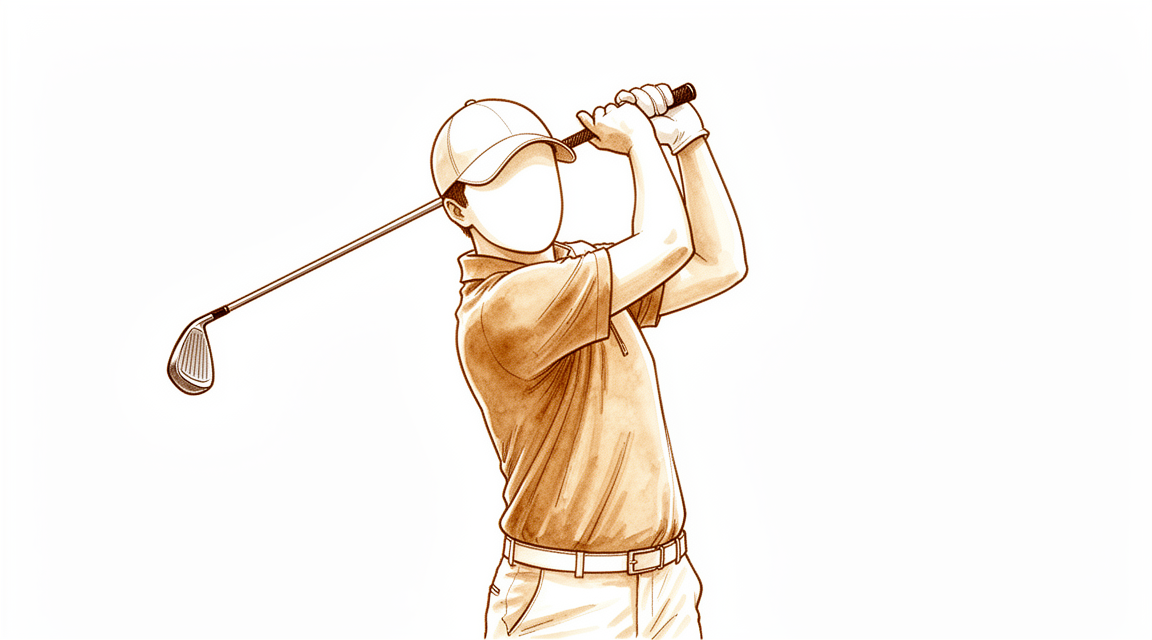
Ang pahinang ito ay gabay para sa iyong paggaling mula sa medial epicondylitis (karaniwang tinatawag na golfer's elbow) sa ilalim ng pangangalaga ni Dr Kieran Hirpara sa Mater Private Hospital Rockhampton. Karamihan sa mga tao ay ganap na gumagaling nang walang operasyon, at ang pundasyon ng paggamot ay isang steady at loading-based na programa ng ehersisyo sa halip na pahinga. Nagsisimula ito sa iyong home exercise program, na susundan ng structured clinical protocol na isinulat para sa iyong physiotherapist o hand therapist; dalhin ang pahinang ito o ang PDF nito sa iyong unang therapy visit upang manatiling coordinated ang iyong rehabilitasyon. Maaaring i-adjust ng iyong therapist ang plano depende sa pag-unlad ng iyong paggaling.
Kung makaranas ka ng pins-and-needles, pamamanhid, o panghihina sa iyong kalingkingan at ring finger, ipaalam ito sa mga rooms o sa iyong therapist; ang ulnar nerve ay dumadaan mismo sa likod ng inner elbow at kung minsan ay nangangailangan ng hiwalay na atensyon.
Ano ang dapat asahan
Ang Golfer's elbow ay isang problema sa pagkapudpod (degenerative) ng mga tendon sa panloob na bahagi ng siko: ang mga flexor-pronator tendon, na nagbabaluktot ng pulso at nagpapaharap sa palad pababa, kung saan sila nakakabit sa nakaumbok na buto na tinatawag na medial epicondyle. Sa kabila ng lumang pangalan na "epicondylitis", hindi ito tunay na pamamaga; ang tendon ay humina at nawala sa ayos dahil sa overload. Iyan ang dahilan kung bakit ang modernong gamutan ay hindi pahinga at mga anti-inflammatory, kundi isang graded program na dahan-dahang ibinabalik ang load sa tendon tungo sa buong lakas nito.
Ang paggaling ay nangangailangan ng pasensya. Ang Golfer's elbow ay karaniwang self-limiting, ngunit maaaring tumagal ng 6 hanggang 18 buwan bago ito ganap na humupa. Ang mabuting balita ay ang malaking mayorya ng mga tao ay gumagaling sa pamamagitan ng isang mahusay na conservative program at hindi kailanman nangangailangan ng operasyon. Ang surgery ay isinasaalang-alang lamang matapos mabigo ang hindi bababa sa anim na buwan ng de-kalidad na therapy.
Isang katangian na nagpapaiba sa panloob na siko mula sa panlabas (tennis) elbow ay ang ulnar nerve (ang "funny bone" nerve), na dumadaan sa isang uka agad sa likod ng medial epicondyle. Halos kalahati ng mga taong may golfer's elbow ay mayroon ding ilang iritasyon sa nerve na ito, kaya susuriin ito ng iyong therapist sa bawat pagbisita at maaaring magdagdag ng mga partikular na nerve-gliding exercise.
Mga pag-iingat at limitasyon
Gawin:
- Patuloy na gamitin ang braso para sa mga normal na gawaing pang-araw-araw sa loob ng mga limitasyong komportable.
- Baguhin, sa halip na lubos na itigil, ang mga aktibidad na nagpapalala nito.
- Magsuot ng counterforce brace sa kalamnan ng forearm habang ginagawa ang mga aktibidad na nakaka-aggravate kung ito ay nakakatulong.
- Gawin ang iyong mga stretch at loading exercise nang regular; mas mahalaga ang pagiging consistent kaysa sa intensity.
Huwag gawin:
- Huwag lubos na ipahinga ang siko o ilagay ito sa cast; kailangan ng tendon ng banayad na load upang gumaling.
- Iwasan ang mga aktibidad na may mabigat na valgus-loading sa simula: golf, paghagis (lalo na ang mga phase ng cocking at acceleration), paglangoy at racquet sports, hanggang sa maibalik ang iyong lakas.
- Huwag ituloy ang anumang ehersisyo kung may matalas na sakit, at huwag ituloy ang nerve glides kung may nararamdamang pins-and-needles o pamamanhid.
- Kung lumala ang iyong mga sintomas sa ulnar nerve (pangingilig o pamamanhid sa kalingkingan at ring finger), bawasan ang intensity at sumangguni muna bago ituloy ang iyong loading.
Iyong mga ehersisyo
Kieran Hirpara 4.0
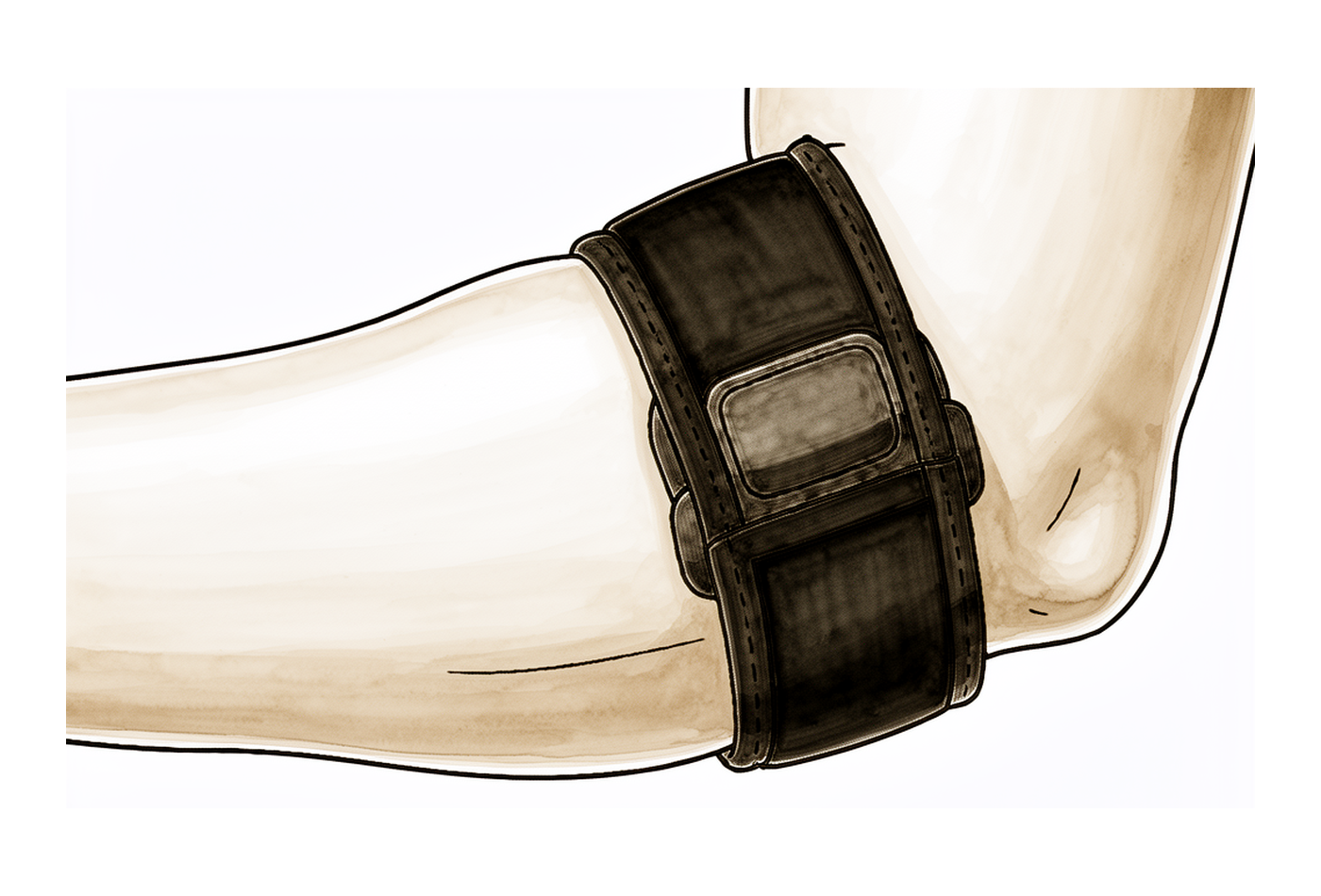
Counterforce brace
Isuot ang brace sa paligid ng iyong forearm, ilang sentimetro sa ibaba ng inner elbow, sa ibabaw ng muscle bulk — hindi sa ibabaw mismo ng bony bump. Dapat itong maramdamang matatag (firm) ngunit hindi masyadong masikip na magdudulot ng pangingilig o pamamanhid ng iyong kamay. Gamitin ito habang gumagawa ng mga aggravating activities (paghawak nang mahigpit, pagbuhat, sports) sa mga unang linggo, at unti-unting bawasan ang paggamit nito habang humuhupa ang iyong mga sintomas.
Habang may nakakapagpalalang aktibidad; bawasan ang paggamit habang nagiging maayos ang mga sintomas
Kieran Hirpara 4.0
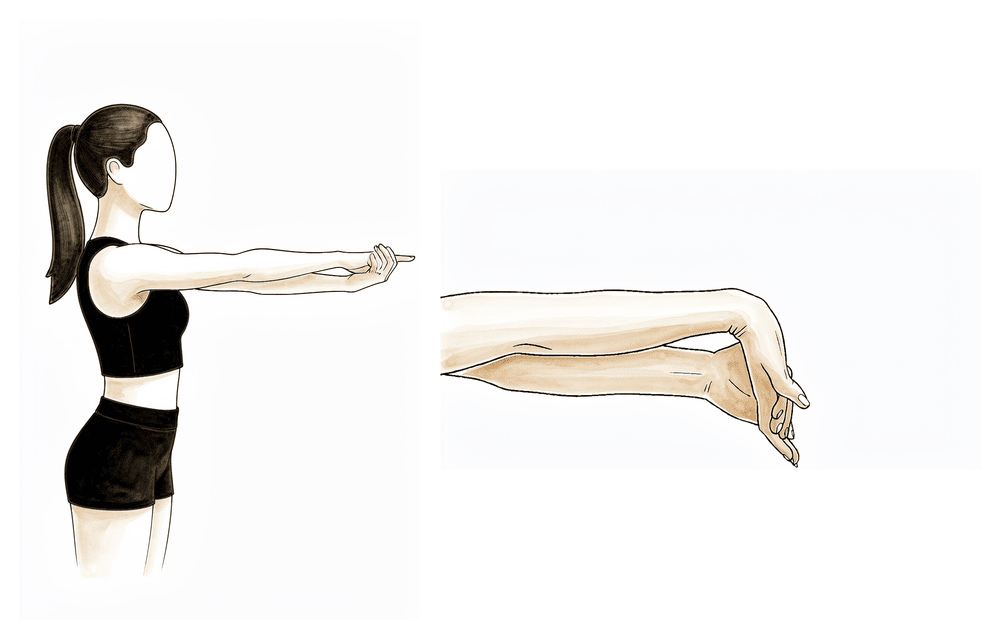
Stretch ng wrist flexor
Iunat ang apektadong braso sa iyong harapan na ang palad ay nakaharap sa itaas. Gamit ang iyong kabilang kamay, dahan-dahang hilahin ang iyong mga daliri at pulso pababa patungo sa sahig hanggang sa makaramdam ka ng komportableng stretch sa loob ng forearm. Sa simula, panatilihing nakabaluktot ang siko nang mga 90°; habang bumubuti, gawin ang stretch nang diretso ang siko. Hawakan nang walang pagtalbog.
Hawakan nang 20–30 segundo, 3–5 beses, 2–3 beses araw-araw
Kieran Hirpara 4.0
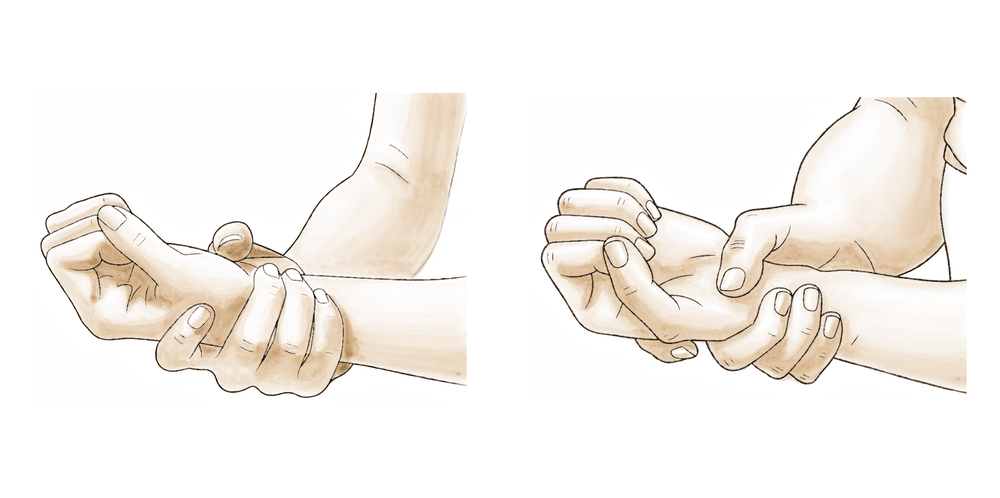
Stretch ng pronator
Habang nakadikit ang iyong siko sa iyong tagiliran, iharap ang iyong palad sa sahig. Gamitin ang iyong kabilang kamay upang dahan-dahang iikot ang forearm nang kaunti pa sa posisyong nakaharap ang palad sa ibaba hanggang sa makaramdam ka ng bahagyang stretch sa inner forearm. Panatilihin itong dahan-dahan at walang sakit.
Hawakan nang 20–30 segundo, 3–5 beses, 2–3 beses araw-araw
Kieran Hirpara 4.0
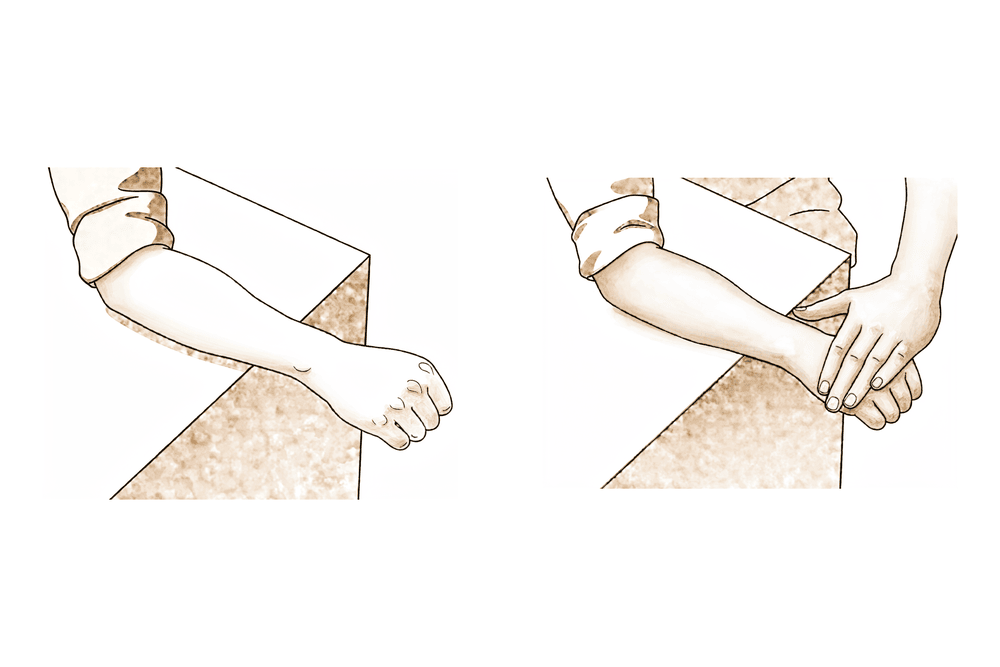
Isometric loading ng wrist (flexor)
Ipatong ang iyong forearm sa mesa na ang palad ay nakaharap sa itaas. Idiin ang palad ng iyong kabilang kamay laban sa iyong mga daliri at subukang itiklop ang iyong pulso pataas, ngunit panatilihin itong hindi gumagalaw upang ang pulso ay hindi talaga gumalaw — isang matatag na pagpigil laban sa resistensya. Ito ay isang early-stage exercise upang dahan-dahang lagyan ng load ang tendon at bawasan ang sakit.
Hawakan nang 30–45 segundo, 5 holds, 1–2 beses araw-araw
Kieran Hirpara 4.0
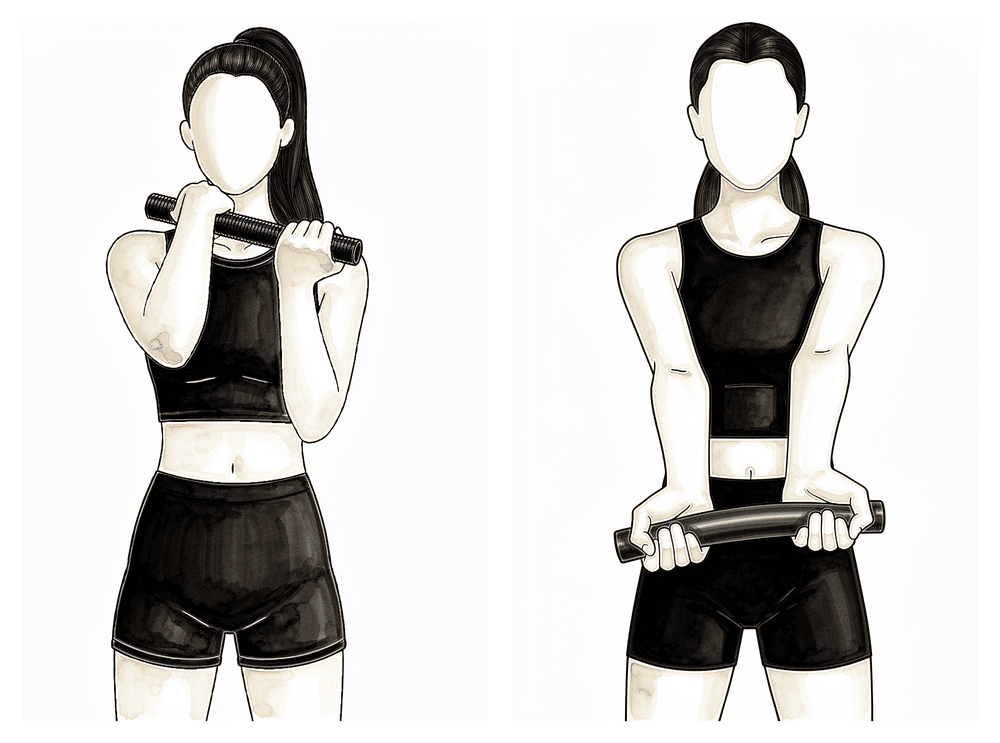
Reverse Tyler twist (eccentric flexor loading)
Hawakan ang isang rubber exercise bar (FlexBar) sa iyong apektadong kamay na ang pulso ay nakatiklop paitaas (palad ay nakaharap sa iyo), at i-twist ang bar gamit ang iyong malusog na kamay. Dalhin ang bar sa iyong harapan, pagkatapos ay dahan-dahang hayaang bumukas ang iyong apektadong pulso sa isang kontroladong paraan sa loob ng 3–4 segundo — ang iyong malusog na kamay ang gumagawa ng pag-twist, ang iyong apektadong pulso ang gumagawa ng mabagal at kontroladong pagbitaw (ang 'eccentric' na bahagi). Ito ang pangunahing strengthening exercise para sa golfer's elbow at ipinapakilala kapag humupa na ang unang pananakit (mula sa mga ika-4 na linggo).
3 sets ng 15, isang beses araw-araw
Kieran Hirpara 4.0
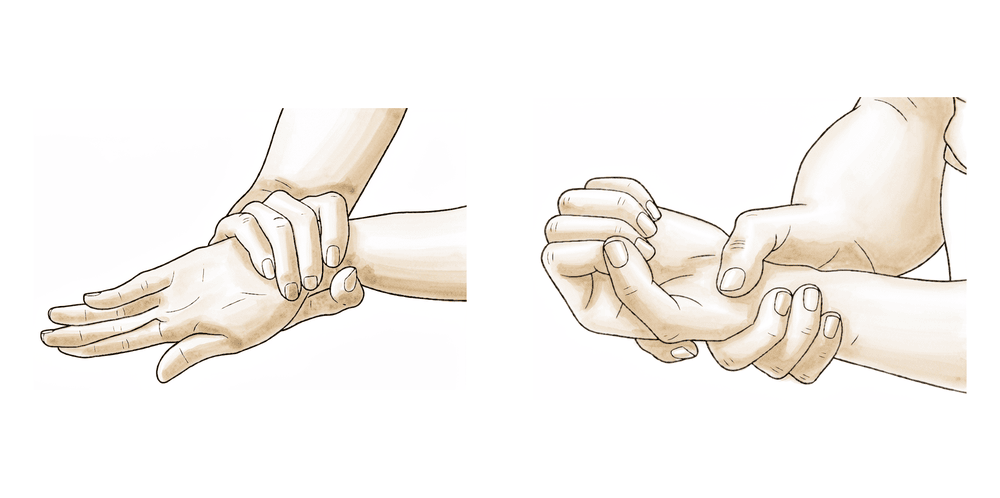
Rotasyon ng forearm
Habang nakadikit ang iyong siko sa iyong tagiliran, dahan-dahang itagilid ang iyong palad paitaas patungo sa kisame, pagkatapos ay pababa patungo sa sahig, habang pinapanatiling hindi gumagalaw ang siko. Pinapanatili nito ang paggalaw ng mga rotating muscles ng forearm at dahan-dahang binibigyang-load ang mga pronator habang ikaw ay umuusad.
10 beses sa bawat direksyon, 2–3 beses araw-araw
Kieran Hirpara 4.0
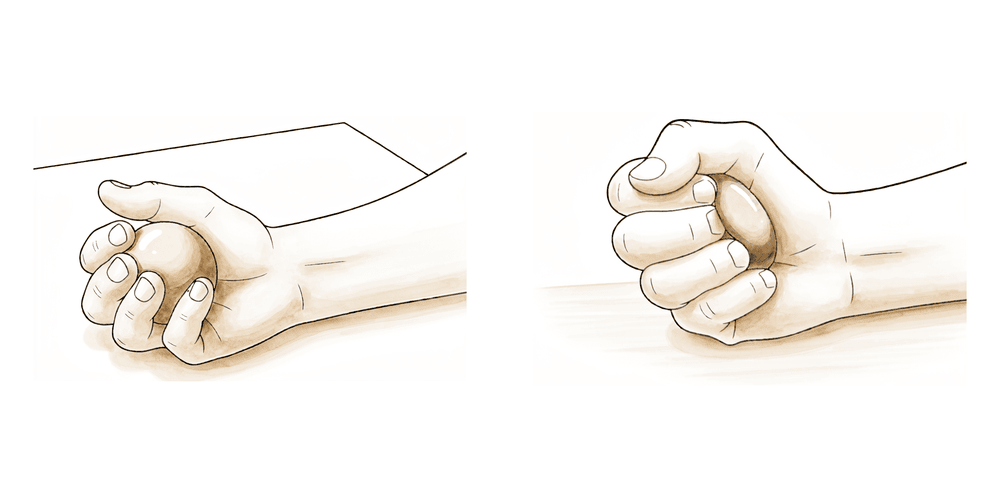
Pagpapalakas ng grip (kapit)
Pigaan ang isang malambot na bola o therapy putty, hawakan nang sandali, pagkatapos ay i-relax. Simulan ito kapag komportable na ang iyong stretching at eccentric loading — binubuo nito ang lakas ng grip at forearm na kailangan mo para sa mga pang-araw-araw na gawain at sports. Itigil bago lumampas sa matalas na sakit.
10–15 piga, 2–3 beses araw-araw
Kieran Hirpara 4.0
Ulnar nerve glide
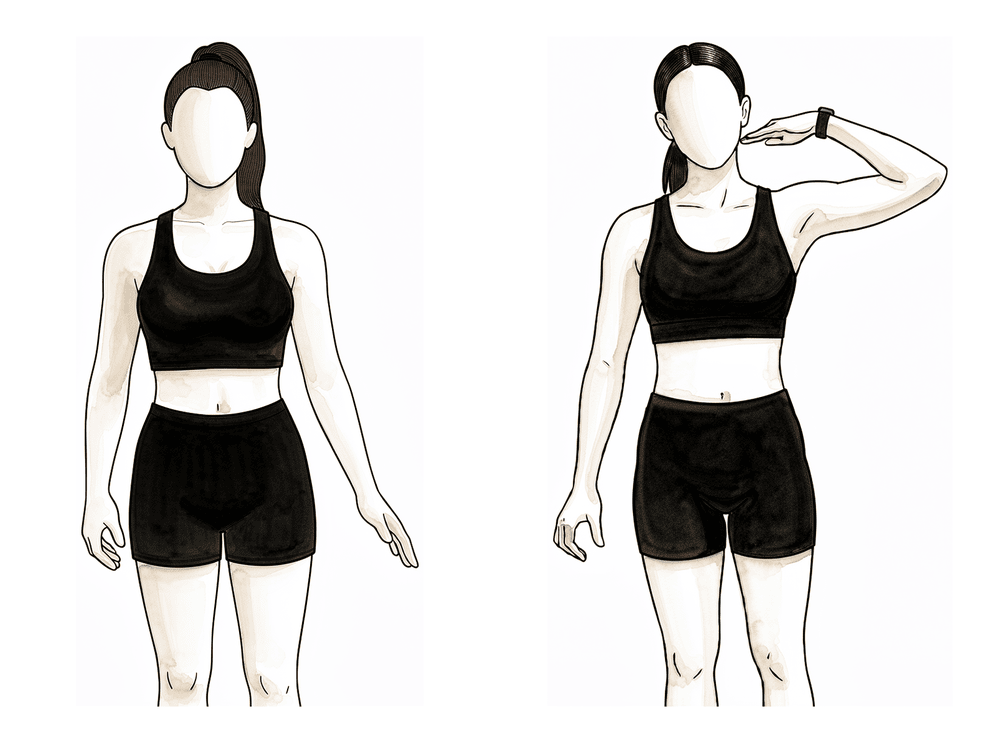
Ang ulnar nerve ay dumadaan sa isang groove sa likuran lamang ng bony bump sa inner elbow, at madalas na nagiging irritable sa golfer's elbow. Upang mapanatili itong malayang nakaka-glide: gumawa ng 'OK' ring gamit ang iyong thumb at index finger, pagkatapos ay itaas ito patungo sa iyong mukha upang ang ring ay mapalibot sa iyong mata, habang nakabaluktot ang elbow at ang palm ay nakaharap sa iyo. Dahan-dahang gumalaw papasok at palabas ng posisyon. HUWAG itulak ang galaw hanggang magkaroon ng pins-and-needles o pamamanhid — umatras kung nangingilig ang iyong little at ring fingers, at ipaalam sa iyong therapist o sa rooms kung lumalala ang mga nerve symptoms.
5–10 gentle glides, 2–3 beses araw-araw
Ito ang mga ehersisyo mula sa iyong handout. Simulan ang mga ito ayon sa gabay ni Dr Hirpara at ng iyong therapist. Sa mga unang linggo, ang pokus ay sa pagpapakalma ng sakit, banayad na paggalaw, at mga isometric hold; ang eccentric reverse Tyler twist at grip strengthening ay idaragdag habang ikaw ay bumubuti. Kasama ang ulnar-nerve glide dahil ang nerve ay madalas na apektado sa inner elbow; panatilihin itong banayad.
Ang iyong clinical protocol
Ang natitirang bahagi ng pahinang ito ay ang clinical rehabilitation protocol. Ang seksyong ito ay dapat ibigay sa iyong physiotherapist o hand therapist. Ito ay criteria-gated sa halip na nakabase lamang sa oras: ang pag-usad sa pagitan ng mga phase ay nakadepende sa pag-abot sa mga nakalistang layunin, at hindi lamang sa kalendaryo. Ang ulnar nerve ay sinusuri sa bawat pagbisita (Tinel's sign, subluxation), dahil humigit-kumulang 50–60% ng mga medial case ay may kasabay na mga sintomas ng ulnar nerve, na siyang pangunahing dahilan kung bakit nabibigo ang conservative care.
Mayroong dalawang pathway sa ibaba: ang non-operative program (first-line, para sa nakararami) at ang post-operative program (para sa minorya na sumasailalim sa operasyon matapos mabigo ang conservative care).
Non-operative pathway
Phase I: Acute / pain control (0–2 weeks)
Mga Layunin: paginhawahin ang sakit; ibalik ang full unloaded range of motion.
- Relative rest at activity modification: gamitin ang sakit bilang limiter; iwasan ang immobilisation. Baguhin ang golf, paghahagis, paglangoy, racquet sports, weightlifting at paulit-ulit na paghawak (gripping).
- Opsyonal na counterforce brace sa ibabaw ng common flexor mass; maaaring gumamit ng wrist splint kung may matinding sakit.
- Pain-control adjuncts: ice, soft-tissue work / IASTM, gentle pain-free active range of motion (AROM), nerve glides.
- I-screen ang ulnar nerve (Tinel, subluxation).
- Criteria para mag-progress: full unloaded AROM nang walang sakit; independent home program.
Phase II: Sub-acute / early loading (2–4 weeks)
Mga Layunin: simulan ang flexor-pronator loading; tugunan ang proximal chain.
- Isometric wrist-flexor at pronator loading (light).
- Progressive stretching ng wrist flexors sa 90° elbow flexion.
- Proximal kinetic chain: scapular stabilisers (serratus anterior, mid/lower trapezius) at rotator cuff, kritikal sa mga throwers kung saan ang medial elbow overload ay valgus-driven.
- Criteria para mag-progress: napanatili ang full ROM; kaya ang 90° stretch; ~70% ng contralateral strength.
Phase III: Strengthening / return (4–6+ weeks)
Mga Layunin: ibalik ang load tolerance at bumalik sa function at sport.
- Eccentric-concentric loading ng wrist flexion at forearm pronation: ang medial analogue ng Tyler twist ay ang "reverse Tyler twist" (eccentric wrist flexion sa isang FlexBar). Mas pinapaboran ang combined eccentric-concentric loading; nananatiling kapaki-pakinabang ang isometrics para sa maagang analgesia.
- Mobilisation-with-movement; i-progress ang stretching patungo sa elbow-extended position.
- Grip strengthening, pagkatapos ay sport-specific loading; para sa mga throwers, isang interval throwing program; plyometrics sa huli.
- Unti-unting alisin ang counterforce brace habang nagiging asymptomatic ang siko; tugunan ang equipment at technique.
- Return-to-sport criteria: ~90% ng contralateral strength, pain-free function, self-management.
Post-operative pathway (flexor-pronator debridement ± repair ± ulnar nerve procedure)
Ang operasyon ay nakalaan para sa maliit na bahagi ng mga pasyenteng hindi tumugon sa ≥6 na buwan ng conservative care. Ang open Nirschl-type operation ay nag-dedebride ng pathological flexor-pronator origin at karaniwang nirerepair/muling ikinakabit ito; ang ulnar nerve ay sinusuri at pinoprotektahan, kung saan ang decompression o anterior transposition ay isinasagawa nang sabay sa ilang mga kaso.
Phase 1: Protect (0–2 weeks)
- Posterior long-arm splint (siko + pulso) sa loob ng 10–14 days; sling para sa paggamit sa labas.
- Elevation at oedema control; finger/tendon-glide AROM; active shoulder ROM; gentle cervical AROM.
- Mga Pag-iingat: BAWAL ang pagbuhat, pagtulak, paghila o malakas na paghawak: protektahan ang repair.
Phase 2: ROM restoration (2–6 weeks)
- Sa pagbisita sa ~2-week: pagtanggal ng tahi; paglipat sa isang neutral wrist orthosis full-time (tanggalin para sa hygiene); Tubigrip sa siko para sa pamamaga.
- Simulan ang AROM elbow flexion/extension (2–4 wk), pagkatapos ay 4-way wrist AROM + forearm rotation at finger/thumb AROM (4–6 wk).
- Ulnar nerve glides ay ipinapakilala sa ika-4–6 linggo (ang medial-specific addition).
- Scapular stabilisation (gravity-resisted). Walang resistance strengthening hanggang pagkatapos ng 6 na linggo.
Phase 3: Strengthening (6–12 weeks)
- Unti-unting bawasan ang paggamit ng orthosis ayon sa tolerance (maaaring ituloy ang paggamit sa gabi sa simula).
- Progressive resistive strengthening ng pulso at forearm. Walang resisted supination/pronation sa simula; simulan ang pagbuhat sa supination/neutral, na may light pronated lifting mula ~week 9.
Phase 4: Return to activity / sport (12–16+ weeks)
- I-progress ang pagbuhat sa lahat ng posisyon ng forearm ayon sa tolerance; ganap na pagbabalik sa aktibidad sa ~12–16 weeks; sport-specific / interval throwing program para sa mga atleta. Ang ganap na recovery ay karaniwang 3–6 months.
Mga pag-iingat sa ulnar nerve: kung isinagawa ang anterior transposition, limitahan ang end-range elbow flexion sa simula at i-progress ang nerve excursion nang unti-unti. Ang nananatili o lumalalang ulnar symptoms ay nangangailangan ng pagsusuri ng surgeon bago ituloy ang loading.
Pagbabalik sa trabaho at aktibidad
Ang bilis ng iyong pagbabalik ay nakadepende sa kung aling pathway ang iyong sinusunod at sa mga demand ng iyong trabaho at sport.
Non-operative. Karaniwan ay maaari kang magpatuloy sa pagtatrabaho at manatiling aktibo sa buong panahon, sa pamamagitan ng pagbabago sa mga gawaing nagpapalala sa siko sa halip na huminto nang lubusan. Ang golf, mga throwing sports, paglangoy, at racquet sports ay unti-unting ibinabalik sa panahon ng strengthening phase, kapag ang iyong lakas ay humigit-kumulang 90% na ng kabilang panig at ang function ay wala nang sakit. Dahil ang golfer's elbow ay self-limiting, ang buong resolusyon ay maaaring tumagal ng 6 hanggang 18 buwan kahit na ang day-to-day function ay bumubuti nang mas maaga.
Post-operative. Ang magaan at limitadong paggamit ay nagsisimula nang maaga ngunit ang mas mabigat na pagbuhat at paghawak (gripping) ay pinipigilan upang protektahan ang repair. Karamihan sa mga tao ay bumabalik sa full activity sa loob ng humigit-kumulang 12 hanggang 16 na linggo, at ang full recovery ay karaniwang tumatagal ng 3 hanggang 6 na buwan. Ang mga throwing athletes ay sumusunod sa isang graduated interval throwing program bago bumalik sa kompetisyon.
Pagmamaneho: iwasan ang pagmamaneho habang ikaw ay nasa splint o sling, o habang ang siko ay masyadong masakit upang makontrol ang kotse nang ligtas. Magpatuloy kapag wala ka na sa splint at kaya mo nang igalaw ang braso nang komportable, gaya ng makukumpirma sa iyong review.
Pagkatapos ng iyong protocol
Ang protocol na ito ay kasabay ng pangkalahatang payo sa paggaling ng klinika; tingnan ang pamamahala ng sakit pagkatapos ng operasyon, pag-aalaga ng sugat at mga pangunahing kaalaman sa hand therapy. Ang Golfer's elbow ay may katulad na loading-based approach sa katapat nito sa labas ng siko, ang tennis elbow; magtanong sa iyong therapist kung nais mo ng katumbas na gabay para sa lateral epicondylitis. Ang iyong patuloy na paggaling ay ginagabayan nang indibidwal ng iyong physiotherapist o hand therapist ayon sa pag-unlad ng iyong siko.
Evidence & references
This is the clinical evidence summary written for health professionals. It is technical, and it lists the research this page was built from. You do not need to read it to understand your treatment or to make a decision about it.
Medial Epicondylitis (Golfer's Elbow) — Flexor-Pronator Tendinosis: Conservative Loading & Post-operative Rehabilitation
Topic scope: (A) the loading-based non-operative rehabilitation of medial epicondylitis — a degenerative tendinopathy of the flexor-pronator origin (chiefly flexor carpi radialis and pronator teres) at the medial epicondyle — with mandatory ulnar-nerve screening; and (B) post-operative rehabilitation after open flexor-pronator debridement (± repair, ± concurrent ulnar nerve decompression/transposition), reserved for the minority failing ≥6 months of quality conservative care.
Defining principle: medial epicondylitis is not an inflammatory condition but a degenerative tendinosis, so the treatment is graded tendon loading, not rest. The protocol mirrors lateral elbow tendinopathy but with two practice-defining differences Dr Hirpara emphasises: (1) the loaded group is the wrist flexors/pronators (hence the eccentric "reverse Tyler twist" rather than the lateral Tyler twist), and (2) the ulnar nerve lies immediately behind the medial epicondyle, so concomitant ulnar neuritis (~50–60% of cases) is screened at every visit and is the leading reason conservative care fails. Surgery is a last resort after ≥6 months.
Medial epicondylitis is far less studied than its lateral counterpart — it is ~5–10× less common (prevalence ~0.4% vs 1.3%; ~10–20% of all epicondylitis). Most evidence is extrapolated from lateral elbow tendinopathy and from older operative case series; dedicated medial RCTs are sparse. Phase timelines below come from institutional Standard-of-Care protocols (Mass General Brigham combined medial/lateral; UVA medial debridement; Campbell's / Nirschl) plus operative series.
A. NON-OPERATIVE REHABILITATION (phased)
First-line; the majority resolve without surgery. Largely the SAME phased structure as the lateral elbow (Mass General Brigham publishes ONE combined medial/lateral protocol), with the loading target shifted to the flexor-pronator mass. Expected resolution 6–18 months (self-limited).
Phase I — Acute / pain control (~0–2 weeks). Relative rest + activity modification using pain as the limiter (avoid immobilisation). Aggravators to modify: golf, throwing (esp. late-cocking / acceleration valgus load), swimming, bowling, racquet sports, weightlifting, repetitive gripping. Optional counterforce brace over the common flexor mass; wrist splint if acutely painful. Pain-control adjuncts: ice, soft-tissue / IASTM, gentle pain-free AROM, dry needling, nerve glides. Screen the ulnar nerve (Tinel, subluxation). Criterion to progress: full unloaded AROM without pain; independent home program.
Phase II — Sub-acute / early loading (~2–4 weeks). Isometric wrist-flexor and pronator loading (minimal load). Progressive stretching of the wrist flexors at 90° elbow flexion. Proximal kinetic chain: scapular stabilisers and rotator cuff — critical in throwers, where medial elbow overload is valgus-driven. Criteria to progress: full ROM maintained; tolerates the 90° stretch; ~70% contralateral strength.
Phase III — Late / strengthening & return (~4–6+ weeks). Eccentric and concentric loading of wrist flexion and forearm pronation — the medial analogue of the Tyler twist is a "reverse Tyler twist" (eccentric wrist flexion on the FlexBar). Combined eccentric-concentric loading is favoured; isometrics for early analgesia. Mobilisation-with-movement; progress stretching to the elbow-extended position. Grip strengthening, then sport-specific loading; for throwers, an interval throwing program; plyometrics last. Wean counterforce brace as asymptomatic; equipment/technique modification. Return-to-sport criteria: ~90% contralateral strength, pain-free function, self-management.
B. POST-OPERATIVE REHABILITATION (flexor-pronator debridement ± repair, ± ulnar nerve procedure)
Surgery is for the minority failing ≥6 months of conservative care. The open Nirschl-type operation debrides the pathologic flexor-pronator origin (incision posterior to the medial epicondyle to spare the medial antebrachial cutaneous nerve), with repair/reattachment commonly by suture anchor. The ulnar nerve must be assessed and protected: ulnar neuritis is addressed concurrently (decompression or anterior transposition) in roughly 20–50% of operative series. The phase timeline blends the UVA "Golfer's Elbow Debridement (with tendon repair)" protocol and the Verma / Midwest-Orthopaedics-at-Rush medial/lateral debridement protocol.
Phase 1 — Protect / immobilise (Weeks 0–2). Posterior long-arm splint (elbow + wrist) for 10–14 days; sling for community use. Elevation; oedema control; finger/tendon-glide AROM; unaffected-joint motion; active shoulder ROM; gentle cervical AROM. Precautions: NO lifting / pushing / pulling / forceful gripping; protect the repair.
Phase 2 — ROM restoration (Weeks 2–6). At the 2-wk visit: suture removal; transition to a wrist orthosis in neutral full-time (off for hygiene); Tubigrip at the elbow for swelling. Begin AROM elbow flexion/extension (2–4 wk), then 4-way wrist AROM + forearm rotation, finger/thumb AROM (4–6 wk). Ulnar nerve glides introduced ~weeks 4–6 (the explicit medial-specific addition). Scapular stabilisation (gravity-resisted). No resistance strengthening until after 6 weeks.
Phase 3 — Strengthening (Weeks 6–12). Wean the orthosis as tolerated (consider night use early). Progressive resistive strengthening of wrist and forearm; per Verma, no resisted supination/pronation early, lifting begun in supination/neutral, with light pronated lifting from ~week 9.
Phase 4 — Return to activity / sport (Weeks 12–16+). Progress lifting in all forearm positions as tolerated; full return to activity by ~12–16 weeks; sport-specific / interval throwing program for athletes. Full recovery commonly 3–6 months.
Ulnar nerve precautions: if an anterior transposition was performed, limit end-range elbow flexion early and progress nerve excursion gradually; persistent or worsening ulnar symptoms warrant surgeon review before advancing loading.
C. PHASED TIMELINE SUMMARY
| Pathway | Phase | Window | Immobilisation | Loading / key actions | Criteria / milestone |
|---|---|---|---|---|---|
| Non-op | I — Pain control | 0–2 wk | None (avoid casting); optional counterforce brace | Activity modification; pain-free AROM; nerve glides; ulnar screen | Full unloaded AROM, pain-free |
| Non-op | II — Early loading | 2–4 wk | None | Isometric flexor/pronator load; 90° wrist-flexor stretch; scapular/cuff | ~70% contralateral strength |
| Non-op | III — Strengthen / return | 4–6+ wk | Wean brace | Reverse Tyler twist (eccentric); grip; sport-specific; throwers' interval program | ~90% strength, pain-free → RTS |
| Post-op | 1 — Protect | 0–2 wk | Posterior long-arm splint 10–14 d + sling | Finger glides, shoulder ROM; oedema control | No resistance; repair protected |
| Post-op | 2 — ROM restore | 2–6 wk | Neutral wrist orthosis | Elbow AROM → 4-way wrist + forearm rotation; ulnar glides wk 4–6 | No resistance until >6 wk |
| Post-op | 3 — Strengthen | 6–12 wk | Wean orthosis | Progressive resistance; supinated/neutral lifting → light pronated ~wk 9 | Restored strength in safe positions |
| Post-op | 4 — Return | 12–16+ wk | None | Lifting all forearm positions; interval throwing | Full return ~12–16 wk; recovery 3–6 mo |
D. KEY CONTROVERSIES / EVIDENCE QUALITY
- Sparse high-level evidence. Almost no medial-specific RCTs; recommendations are extrapolated from lateral elbow and from retrospective operative series (Kurvers & Verhaar 1995 remains a cornerstone). Strength of evidence is materially weaker than for lateral epicondylitis.
- Ulnar nerve is the dominant modifier. Concomitant ulnar neuropathy (reported 23–60%) worsens prognosis and is the leading reason conservative care fails; whether and how to address it surgically (decompression vs transposition vs medial epicondylectomy) is debated. Outcomes are reliably worse when ulnar symptoms coexist and are untreated.
- PRP may rival surgery for type-1 disease. Bohlen et al (OJSM 2020) found 2 leukocyte-rich PRP injections matched surgery for recalcitrant type-1 medial epicondylitis (29/33 success each) with faster recovery (pain-free ~56 vs ~108 days; full ROM ~42 vs ~96 days) — the surgical delay partly attributed to post-op bracing. Small evidence base.
- Corticosteroid: short-term only. As with the lateral elbow, steroid gives transient relief without durable benefit and risks recurrence; repeated injections show diminishing returns.
- Eccentric vs concentric. Same unsettled debate as the lateral elbow; combined eccentric-concentric flexor-pronator loading is the pragmatic standard, but direct medial trial data are minimal.
- Surgical technique. Open Nirschl debridement with repair is reliable in case series; arthroscopic medial debridement is emerging (claimed ulnar-nerve protection) but is technically demanding and under-evidenced. Debridement alone vs with repair remains unsettled.
E. EVIDENCE STRENGTH FLAGS (summary)
- MODERATE (non-operative rehab): the phased loading program — extrapolated largely from lateral elbow tendinopathy and combined medial/lateral institutional protocols; combined eccentric-concentric flexor-pronator loading is the pragmatic standard.
- LOW–MODERATE (post-operative rehab): phase timelines from institutional debridement protocols (UVA; Verma/Rush) and operative case series; no defining post-op rehab RCT.
- MODERATE (PRP for type-1 disease): single comparative study (Bohlen OJSM 2020) matching surgery with faster recovery; small sample.
- CONSENSUS / EXPERT: ulnar-nerve screening at every visit, ulnar-glide timing (wk 4–6 post-op), and the forearm-position lifting progression — drawn from surgeon-guidance protocols and operative practice rather than trial data.
CITATIONS
RAG corpus (180,000+ Orthopaedic articles)
- Kurvers H, Verhaar J. The results of operative treatment of medial epicondylitis. J Bone Joint Surg Am. 1995. (ulnar neuritis coexistence 23–50%)
- Bohlen HL, et al. Platelet-rich plasma is an equal alternative to surgery in the treatment of type 1 medial epicondylitis. Orthop J Sports Med. 2020. DOI: 10.1177/2325967120908952
- Platelet-rich plasma versus Tenex in the treatment of medial and lateral epicondylitis. J Shoulder Elbow Surg. 2019.
- Ellenbecker TS, Nirschl R, Renstrom P. Current concepts in examination and treatment of elbow tendon injury. Sports Health. 2012.
- Rehabilitation of the thrower's elbow. Clin Sports Med. 2004.
- Nirschl surgical technique for concomitant lateral and medial elbow tendinosis. Am J Sports Med. 2011.
- Imaging of the elbow in the overhead throwing athlete. Am J Sports Med. 2003. (ulnar neuritis in ~60% of throwers with medial epicondylitis)
- Outcome of partial medial epicondylectomy for cubital tunnel syndrome. Clin Orthop Relat Res. 2006.
- Coonrad RW, Hooper WR. Tennis elbow: its course, natural history, conservative and surgical management (includes medial). J Bone Joint Surg Am. 1973.
- Green's Operative Hand Surgery. 2021. (medial vs lateral prevalence; combined treatment chapter; Nirschl technique)
- Campbell's Operative Orthopaedics. 2020. (Box 46.3 Rehabilitation Protocol for Epicondylitis [Wilk/Arrigo/Andrews]; Nirschl medial technique, posterior incision sparing the MABC nerve)
Published protocols (URLs)
- University of Virginia Orthopaedics — Medial Epicondyle (Golfer's Elbow) Debridement (with tendon repair), Rehabilitation Guidelines. https://med.virginia.edu/orthopaedic-surgery/wp-content/uploads/sites/242/2024/09/Medial-Epicondyle-Golfers-Elbow-Debridement-with-tendon-repair.pdf
- Midwest Orthopaedics at Rush (Nikhil Verma, MD) — Post-Operative Rehabilitation Guidelines for Medial/Lateral Epicondyle Debridement. https://www.sportssurgerychicago.com/patient-resources/rehab-manuals/mediallateral-epicondyle-debridement/
- Mass General Brigham Sports Medicine — Rehabilitation Protocol for Medial/Lateral Epicondylalgia (non-operative), rev. April 2021. https://www.massgeneral.org/assets/MGH/pdf/orthopaedics/sports-medicine/physical-therapy/rehabilitation-protocol-for-medial-lateral-epicondylitis.pdf