Skip to content

Patients › Elbow

Mga Syndrome ng Pronator, Lacertus at Anterior Interosseous Nerve

Median nerve trouble high in the forearm — forearm aching with hand tingling (pronator) or weakness pinching the thumb and index (AIN), and how each is treated.
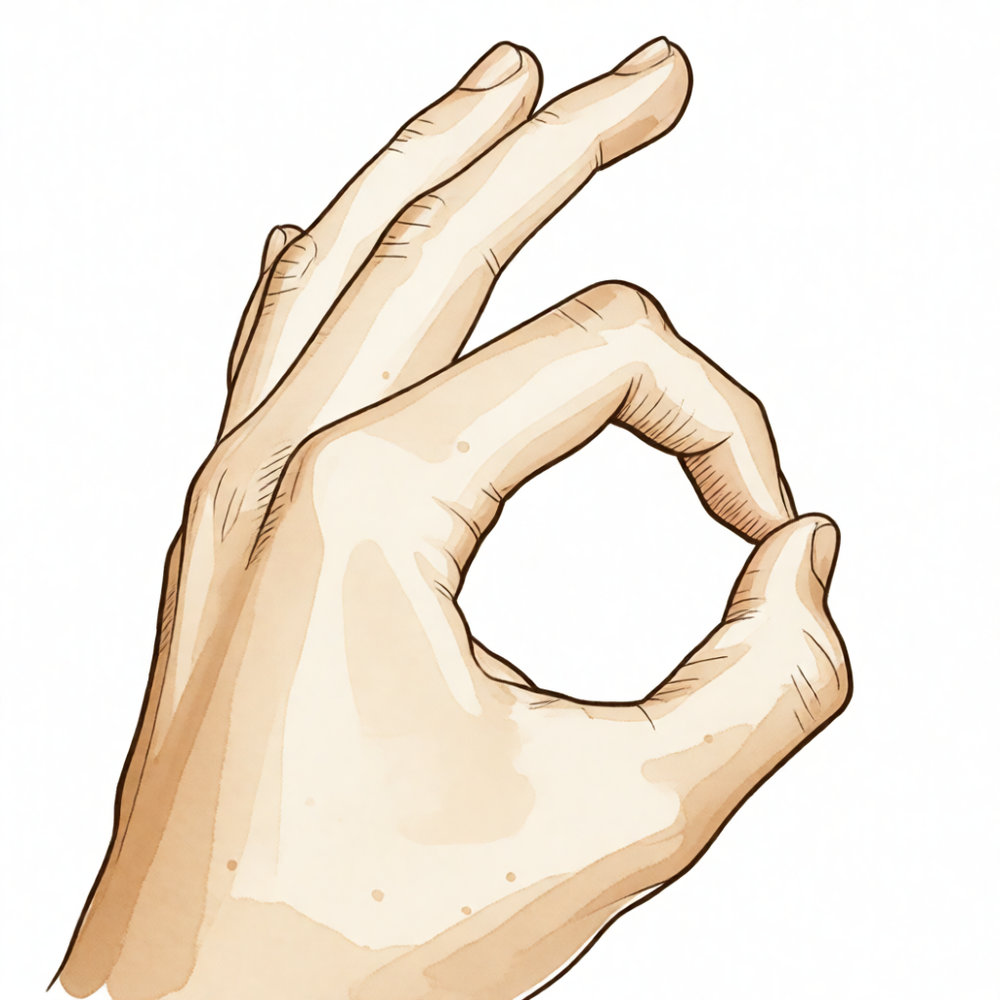
Isang kamay na sinusubukang gawin ang 'OK' sign — ang test na ginagamit upang matukoy ang anterior interosseous nerve weakness.
Ang 'OK sign' test: sa anterior interosseous nerve palsy, ang hinlalaki at hintuturo ay hindi makabuo ng bilog at sa halip ay pumipit nang patag. Wikimedia Commons ('OK Sign'), CC BY 2.5

Ang pahinang ito ay isinalin ng makina at hindi pa nasusuri ng isang doktor. Ang bersyong Ingles ang siyang opisyal.

Ang iyong nararamdaman

Ang mga kondisyong ito ay nagmumula lahat sa pagka-ipit ng median nerve sa itaas na bahagi, sa paligid ng siko at itaas ng forearm, sa halip na sa pulso kung saan ito mas kilalang naiipit (carpal tunnel syndrome). Magkakaiba ang pakiramdam ng mga ito sa isa't isa.

Ang Pronator syndrome ay may tendensiyang magdulot ng malalim, kumikirot, at nakakapagod na sakit sa harap ng forearm, na madalas na lumalala sa paulit-ulit na pagpihit ng forearm (pagpihit ng screwdriver o susi, pagpiga ng basahan) o sa mabigat na paghawak. Maaari ka ring makaramdam ng pins and needles o pamamanhid sa hinlalaki, hintuturo at gitnang daliri, at sa palad at sa malaman na base ng hinlalaki. Hindi tulad ng carpal tunnel syndrome, karaniwan itong hindi nakakagising sa iyo sa gabi, at ang discomfort ay mas nararamdaman sa forearm kaysa sa kamay.

Ang Lacertus syndrome ay isang mas bagong pangalan na maaaring iyong marinig para sa isang partikular na bersyon ng parehong high squeeze na ito, kung saan ang sanhi ay isang matigas na fibrous band sa tupi ng siko na tinatawag na lacertus fibrosus. Ang tipikal na kwento ay isang kamay na mabilis mapagod at clumsy humawak — ang pagsusulat, pag-type o paggamit ng mga kagamitan ay nagiging mahirap — kasama ang kirot sa forearm at kapansin-pansing tenderness sa ibaba lamang ng tupi ng siko. Isa rin ito sa mga bagay na hinahanap namin kapag ang carpal tunnel surgery ay hindi nakapagpagaling sa mga sintomas na inaasahang mawala.

Ang Anterior interosseous nerve (AIN) syndrome ay naiiba muli. Karaniwan itong nagdudulot ng kaunti o walang pamamanhid. Sa halip, ito ay isang problema sa kahinaan: ang mga kalamnan na nagbobold ng dulo ng iyong hinlalaki at hintuturo ay hindi na gumagana nang maayos. Ang klasikong palatandaan ay ang hindi kakayahang gumawa ng normal na bilog na "OK" sign: kapag sinubukan mong ipit ang dulo ng iyong hinlalaki sa dulo ng iyong hintuturo, ang ipit ay bumabagsak sa isang patag o tatsulok na hugis. Napapansin ng ilang tao ang maikling panahon ng pagkirot sa braso o balikat muna, at pagkatapos ay lilitaw ang kahinaan.

Ano ang aktwal na nangyayari

Isang malaking nerve, ang median nerve, ang tumatakbo mula sa iyong leeg, pababa sa braso, tatawid sa harap ng siko at papasok sa kamay. Dala nito ang parehong pakiramdam (para sa bahagi ng kamay) at lakas (sa ilang mga kalamnan).

Sa pronator syndrome, ang nerve ay naiipit o naiirita habang dumadaan ito sa masikip na espasyo sa siko at sa itaas ng forearm. Maaari itong maipit ng isang mahigpit na band ng tissue malapit sa tupi ng siko (ang lacertus fibrosus — kapag ang band na ito ang sanhi, ang kondisyon ay unti-unting tinatawag na lacertus syndrome), o habang dumadaan ito sa pagitan o sa ilalim ng mga kalamnan na nagpapaharap sa iyong palad pababa. Dahil ang pag-ipit ay nasa itaas (sa itaas ng pulso), ang mga sintomas ay kasama ang palad at base ng thumb, na siyang pangunahing clue na naghihiwalay dito mula sa carpal tunnel syndrome.

Sa AIN syndrome, ang problema ay nakakaapekto sa isang malalim na branch ng median nerve na nagdadala lamang ng lakas, walang pakiramdam, kaya naman mayroong panghihina ngunit walang pamamanhid. Sa maraming tao, hindi ito isang simpleng "pinch" kundi mas katulad ng isang iritasyon o pamamaga ng nerve (kung minsan ay kasunod ng isang viral illness o nang walang malinaw na dahilan), na bahagi ng dahilan kung bakit madalas itong gumagaling nang kusa.

Ano ang maaari naming gawin tungkol dito

Sa Mater Private Hospital Rockhampton, pinamumunuan ni Dr Kieran Hirpara ang aming upper-limb team sa pagtatasa ng mga kondisyong ito sa pamamagitan ng maingat na history at pagsusuri. Karaniwan kaming nagsisimula sa non-surgical care, at inilalaan lamang ang operasyon kung nananatili ang iyong mga sintomas sa kabila ng pahinga at pagbabago sa aktibidad.

Para sa lahat ng mga kondisyong ito, ang unang hakbang ay halos laging non-surgical, at para sa AIN syndrome partikular na ang pagtitiyaga ay karaniwang nagbubunga ng mabuti.

Pagpapakalma ng kondisyon. Nangangahulugan ito ng pagbabago sa mga aktibidad na nagpapalala nito (pagbabawas ng paulit-ulit na pagpihit at mabigat na paghawak), kung minsan ay paggamit ng splint upang ipahinga ang braso, at pagbibigay ng oras sa nerve. Ang mga simpleng hakbang sa pag-alis ng sakit ay nakatutulong sa kirot.

Watchful waiting. Ang AIN weakness ay madalas na gumagaling nang kusa sa loob ng ilang buwan, kaya ang karaniwang plano ay obserbahan at maghintay, madalas sa loob ng humigit-kumulang tatlo hanggang anim na buwan, bago isaalang-alang ang iba pang hakbang. Maraming tao ang nababawi ang kanilang lakas sa panahong iyon nang walang operasyon. Ang mga pagsusuri tulad ng nerve studies o scan ay maaaring i-arrange habang naghihintay upang kumpirmahin ang diagnosis at subaybayan ang paggaling.

Ang operasyon ay inilalaan para sa maliit na bahagi ng mga pasyente na hindi gumagaling: pronator syndrome na nananatiling masakit sa kabila ng sapat na pagsubok sa pahinga at pagbabago ng aktibidad, o AIN weakness na walang senyales ng paggaling pagkatapos ng panahon ng obserbasyon. Ang operasyon ay nagpapalaya sa mga masisikip na istruktura na umiipit sa nerve upang ito ay makagaling. Kapag ang ipit ay partikular na nasa lacertus band, ito ay madalas na maaaring gawin sa pamamagitan ng maikling incision sa ilalim ng local anaesthetic habang ikaw ay gising — na nagpapahintulot na masuri agad ang lakas ng mga apektadong kalamnan — at ang paggaling ay karaniwang mabilis.

Ano ang dapat asahan

Ang mga kondisyong ito ay karaniwang may mabuting outlook. Ang AIN syndrome partikular na may malakas na tendensiyang gumaling nang kusa, kung kaya't hindi kami nagmamadaling mag-opera. Ang paggaling ay unti-unti, sinusukat sa mga buwan sa halip na mga linggo, kaya nangangailangan ito ng pasensya, at ang iyong pag-unlad ay susuriin sa paglipas ng panahon.

Kapag ang non-surgical treatment ay hindi sapat at kinakailangan ang operasyon, ang pag-release sa nerve ay karaniwang nagpapagaan sa sakit ng pronator syndrome at nagbibigay ng pinakamahusay na pagkakataon na bumalik ang lakas sa AIN syndrome, bagaman mabagal ang paggaling ng mga nerve at ang pagbuti ay patuloy na nabubuo sa loob ng maraming buwan pagkatapos nito.

Kailan dapat magpatingin

  • Kumikirot na sakit sa forearm na may pamamanhid o pangingilig sa hinlalaki, hintuturo, at gitnang daliri, lalo na kung nararamdaman din ito sa palad at base ng hinlalaki, at lumalala kapag nagpipilipit o humahawak nang mahigpit.
  • Biglaang paghihirap sa paggawa ng normal na "OK" sign, o panghihina sa pag-pinch ng dulo ng hinlalaki laban sa hintuturo.
  • Mga sintomas sa forearm o kamay na hindi nawawala sa pamamagitan ng pahinga at pagbabago ng aktibidad, o panghihina na hindi bumubuti pagkatapos ng ilang buwan.
  • Maikling panahon ng pagkirot sa balikat o braso na sinusundan ng panghihina ng kamay, na dapat ipasuri, dahil ang pattern na ito ay maaaring magpahiwatig ng problema sa nerve na makikinabang kung matutukoy nang maaga.

Higit pang kalaliman

Advanced reading: the deeper science (optional)

Ang seksyong ito ay higit pa sa kailangan mo para sa iyong sariling mga desisyon sa paggamot. Ang mga sindrom na ito ay karapat-dapat sa karagdagang pagbabasa dahil sa dalawang aktibong debate na nagbabago sa paggamot: isang bagong popular na diagnosis (lacertus syndrome) na ang sumusuportang ebidensya ay tunay na kapansin-pansin ngunit tunay na kulang, at ang problema sa anterior interosseous ay unti-unting iniisip na hindi isang compression sa lahat, na nangangahulugang ang pag-decompress nito ay malamang na hindi ang sagot.

Ang kondisyon na malamang na hindi isang compression

Ang anterior interosseous nerve syndrome ay nagdudulot ng isang characteristic weakness, isang kawalan ng kakayahang itiklop ang dulo ng thumb at index finger, kaya ang "OK" sign ay nagiging isang pinch, nang walang numbness, dahil ang branch na ito ay nagsu-supply lamang sa muscle.

Matagal itong ipinagpalagay na ang nerve ay naipit ng isang fibrous band, at ginamot nang naaayon. Ang kontemporaryong pananaw ay naiiba: ito ay lalong iniisip na isang neuritis at madalas na kusang gumagaling pagkatapos ng matagal na obserbasyon [1]. Ang natural history nito ay halos laging kumpleto o malapit-kumpletong recovery, at walang maaasahang ebidensya na ang surgery ay maaaring makapagpabago sa natural history na iyon, kaya dapat iwasan ang nagmamadaling surgical treatment hanggang sa magpakita ang mga good-quality studies na ang maagang interbensyon ay nagpapabuti o nagpapabilis ng recovery [2].

Mahalaga ang reframing na iyon dahil ang dalawang modelo ay nagpapahiwatig ng magkasalungat na aksyon. Kung may band na sumasakal sa nerve, ang pagkaantala ay nagdudulot ng permanenteng pinsala at urgent ang maagang release. Kung ang nerve ay inflamed, ang isang operasyon ay nagdaragdag ng sugat sa isang proseso na gagaling naman, at ang recovery sa timescale ng isang nerve ay sinusukat sa maraming buwan, sapat na haba upang ang surgery na ginawa sa ika-anim na buwan ay maaasahang magmumulang gumana.

Ang practical guidance ay sumasalamin sa kawalan ng katiyakan sa halip na lutasin ito: ang surgical decompression ay indicated para sa mga persistent symptoms lagpas sa 6 na buwan sa pronator syndrome, o minimum na 12 buwan sa anterior interosseous nerve syndrome [1].

Ang pronator syndrome ay isang pinagtatalunang diagnosis

Ang pronator syndrome ay naglalarawan ng compression ng median nerve sa mas mataas na bahagi, sa paligid ng siko, na nagdudulot ng pananakit ng forearm kasama ang pamamanhid sa mga daliring sinusupurtahan ng median nerve. Dahil ang mga sensory symptom na ito ay halos ganap na nag-o-overlap sa carpal tunnel syndrome, na mas karaniwan at madaling makumpirma sa nerve conduction studies, ang kahirapan ay ang pagtukoy sa pagkakaiba ng dalawa.

Inilalarawan ito sa literatura bilang isang controversial diagnosis, na karaniwang ginagamot nang non-surgically sa loob ng mahabang panahon na humigit-kumulang 12 buwan [1]. Ang mga katangiang nagtuturo sa proximal sa halip na distal ay ang pamamanhid sa palad sa base ng hinlalaki, na sinusupurtahan ng isang branch na lumalabas sa nerve bago ang carpal tunnel, at samakatuwid ay hindi apektado sa carpal tunnel syndrome, kasama ang tenderness sa forearm at mga sintomas na pinalalala ng resisted forearm rotation sa halip na ng posisyon ng pulso sa gabi [3] [5].

Lacertus syndrome: ang pinakabagong pangalan para sa pinakalumang band

Ang lacertus fibrosus, isang fibrous sheet na tumatakbo mula sa biceps tendon patawid sa harap ng siko, ay palaging nasa listahan ng mga istruktura na maaaring pumitpit sa median nerve. Ang nagbago kamakailan ay ang claim na karapat-dapat itong bigyan ng pangunahing pansin. Isang grupo na pinamumunuan ng Swedish hand surgeon na si Elisabet Hagert ang nangangatwiran na maraming tao na nailabel na may non-specific forearm fatigue, "clumsy hand", o isang carpal tunnel release na nabigong makatulong, ay sa katunayan may nerve na naipit sa eksaktong puntong ito — isang pattern na ngayon ay malawakang tinatawag na lacertus syndrome [6].

Ang diagnosis ay sadyang clinical, dahil ang mga electrical test ay karaniwang normal sa proximal median compression: panghihina ng tatlong partikular na muscles na sinusupurtahan ng median nerve (ang mga tip-bender ng thumb at index finger, at isang wrist flexor) na sinamahan ng tenderness nang direkta sa ibabaw ng band [6]. Ang iminumungkahing gamutan ay isang maikling release sa ilalim ng local anaesthetic habang gising ang pasyente, upang ang lakas ay maaaring muling ma-test sa table ilang minuto matapos mahiwalay ang band. Ang mga iniulat na resulta ay kapansin-pansin: sa pinakamalaking nailathalang series, 93 pasyente ang bumuti mula sa average disability (QuickDASH) score na 53 bago ang operasyon tungo sa 8 agad pagkatapos nito, ang grip strength ay tumaas mula 16 tungo sa 24 kg, at ang mga office worker ay karaniwang nakabalik sa trabaho sa loob ng ilang araw [7].

Ang mga kapansin-pansing resulta ay nararapat suriin, at ang pag-aalinlangan ay nailathala rin kasabay nito. Ang tenderness sa ibabaw ng lacertus ay lumalabas na karaniwan sa mga taong ganap na malusog, natuklasan ng isang pag-aaral ito sa 14 sa 72 symptom-free arms (humigit-kumulang isa sa lima), na nagpapahina sa tenderness bilang isang diagnostic sign at ginagawang hindi maaasahan ang paghahambing sa kabilang braso [8]. Ipinupunto ng iba na ang "lacertus syndrome" ay kasalukuyang ginagamit para sa dalawang magkaibang problema, tunay na nerve compression, at isang muscular overuse pattern sa parehong site, at ang isang label ay maaaring masyadong pinalawak upang sakupin ang dalawa [9]. Walang mga randomised trial, maikli ang follow-up sa outcome series, at ang isang kondisyon na na-diagnose nang walang objective test at ginamot sa pamamagitan ng immediate-feedback surgery ay eksaktong setting kung saan ang selection at placebo effects ay nagpapaganda sa mga resulta.

Ang makatwirang gitnang pananaw ay kung saan kasalukuyang nakatayo ang pahinang ito: ang band ay totoo, maaari nitong ipit ang nerve, at kapag ang partikular na pattern ng panghihina kasama ang tenderness ay naroroon, ang isang targeted release ay isang maliit na operasyon na may mabilis na recovery. Ang parehong sigla at pag-aalinlangan ay bahagi ng kasalukuyang literatura.

Bakit makatwiran ang pagtitiyaga sa halip na pagiging maingat lamang

Para sa parehong kondisyon, ang inirerekomendang kurso ay mahabang obserbasyon, na mahirap tanggapin habang nananatili ang mga sintomas. Dalawang bagay ang nagpapatunay na ito ay madepensa.

Ang una ay ang natural history sa itaas: para sa anterior interosseous nerve syndrome, ang paggaling ay ang inaasahang resulta nang walang interbensyon [2]. Ang ikalawa ay ang alternatibong diagnosis sa isang biglaang paglitaw ng masakit na palsy ay neuralgic amyotrophy, Parsonage-Turner syndrome, isang inflammatory na kondisyon ng mga nerve na klasikal na nagsisimula sa malalang sakit sa balikat o braso na tumatagal ng ilang araw hanggang ilang linggo, na sinusundan ng panghihina habang humuhupa ang sakit [4]. Ito ay isang medical condition, hindi isang mechanical na kondisyon, at walang decompression ang makakagamot dito.

Ang isang malalang masakit na pagsisimula bago ang panghihina ay ang katangiang pinakamahalagang iulat nang tumpak, dahil inilalayo nito ang malamang na diagnosis mula sa compression nang lubusan.

Mga Sanggunian

[1] Rodner CM, Tinsley BA, O'Malley MP. Pronator syndrome at anterior interosseous nerve syndrome. J Am Acad Orthop Surg. 2013;21(5):268-75. https://doi.org/10.5435/JAAOS-21-05-268

[2] Nzeako OJ, Tahmassebi R. Idiopathic anterior interosseous nerve dysfunction. J Hand Surg Am. 2015;40(11):2277-8. https://doi.org/10.1016/j.jhsa.2015.07.021

[3] Balcerzak AA, Ruzik K, Tubbs RS, Konschake M, Podgórski M, Borowski A, et al. Paano itangi ang pronator syndrome mula sa carpal tunnel syndrome: isang komprehensibong klinikal na paghahambing. Diagnostics (Basel). 2022;12(10):2433. https://doi.org/10.3390/diagnostics12102433

[4] Stutz CM. Neuralgic amyotrophy: Parsonage-Turner syndrome. J Hand Surg Am. 2010;35(12):2104-6. https://doi.org/10.1016/j.jhsa.2010.09.010

[5] Presciutti S, Rodner CM. Pronator syndrome. J Hand Surg Am. 2011;36(5):907-9. https://doi.org/10.1016/j.jhsa.2011.02.014

[6] Hagert E. Klinikal na diagnosis at wide-awake surgical treatment ng proximal median nerve entrapment sa siko: isang prospective study. Hand (N Y). 2013;8(1):41-6. https://doi.org/10.1007/s11552-012-9483-4

[7] Ahmad AA, Abdullah S, Thavamany AS, Tong CY, Ganapathy SS. Lacertus syndrome: isang outcome analysis pagkatapos ng lacertus release. J Hand Surg Glob Online. 2023;5(4):498-502. https://doi.org/10.1016/j.jhsg.2023.03.001

[8] Fang J, Zhang LQ, Tang JB. Insidente ng local tenderness sa lacertus fibrosus sa mga malulusog na tao. J Hand Surg Eur Vol. 2025;51(1):107-8. https://doi.org/10.1177/17531934251346595

[9] Berezin PA, Zolotov AS. Lacertus syndrome: isang termino - dalawang magkaibang patolohiya. J Hand Surg Eur Vol. 2023;48(8):825-6. https://doi.org/10.1177/17531934231170347


Creative Commons BY-NC 4.0

CC Creative Commons licence
BY Attribution — you must credit the source
NC NonCommercial — not for commercial use

Attribution-NonCommercial 4.0 International


Creative Commons Corporation ("Creative Commons") is not a law firm and does not provide legal services or legal advice. Distribution of Creative Commons public licenses does not create a lawyer-client or other relationship. Creative Commons makes its licenses and related information available on an "as-is" basis. Creative Commons gives no warranties regarding its licenses, any material licensed under their terms and conditions, or any related information. Creative Commons disclaims all liability for damages resulting from their use to the fullest extent possible.

Using Creative Commons Public Licenses

Creative Commons public licenses provide a standard set of terms and conditions that creators and other rights holders may use to share original works of authorship and other material subject to copyright and certain other rights specified in the public license below. The following considerations are for informational purposes only, are not exhaustive, and do not form part of our licenses.

Considerations for licensors: Our public licenses are intended for use by those authorized to give the public permission to use material in ways otherwise restricted by copyright and certain other rights. Our licenses are irrevocable. Licensors should read and understand the terms and conditions of the license they choose before applying it. Licensors should also secure all rights necessary before applying our licenses so that the public can reuse the material as expected. Licensors should clearly mark any material not subject to the license. This includes other CC- licensed material, or material used under an exception or limitation to copyright. More considerations for licensors: wiki.creativecommons.org/Considerations_for_licensors

Considerations for the public: By using one of our public licenses, a licensor grants the public permission to use the licensed material under specified terms and conditions. If the licensor's permission is not necessary for any reason--for example, because of any applicable exception or limitation to copyright--then that use is not regulated by the license. Our licenses grant only permissions under copyright and certain other rights that a licensor has authority to grant. Use of the licensed material may still be restricted for other reasons, including because others have copyright or other rights in the material. A licensor may make special requests, such as asking that all changes be marked or described. Although not required by our licenses, you are encouraged to respect those requests where reasonable. More considerations for the public: wiki.creativecommons.org/Considerations_for_licensees


Creative Commons Attribution-NonCommercial 4.0 International Public License

By exercising the Licensed Rights (defined below), You accept and agree to be bound by the terms and conditions of this Creative Commons Attribution-NonCommercial 4.0 International Public License ("Public License"). To the extent this Public License may be interpreted as a contract, You are granted the Licensed Rights in consideration of Your acceptance of these terms and conditions, and the Licensor grants You such rights in consideration of benefits the Licensor receives from making the Licensed Material available under these terms and conditions.

Section 1 -- Definitions.

a. Adapted Material means material subject to Copyright and Similar Rights that is derived from or based upon the Licensed Material and in which the Licensed Material is translated, altered, arranged, transformed, or otherwise modified in a manner requiring permission under the Copyright and Similar Rights held by the Licensor. For purposes of this Public License, where the Licensed Material is a musical work, performance, or sound recording, Adapted Material is always produced where the Licensed Material is synched in timed relation with a moving image.

b. Adapter's License means the license You apply to Your Copyright and Similar Rights in Your contributions to Adapted Material in accordance with the terms and conditions of this Public License.

c. Copyright and Similar Rights means copyright and/or similar rights closely related to copyright including, without limitation, performance, broadcast, sound recording, and Sui Generis Database Rights, without regard to how the rights are labeled or categorized. For purposes of this Public License, the rights specified in Section 2(b)(1)-(2) are not Copyright and Similar Rights.

d. Effective Technological Measures means those measures that, in the absence of proper authority, may not be circumvented under laws fulfilling obligations under Article 11 of the WIPO Copyright Treaty adopted on December 20, 1996, and/or similar international agreements.

e. Exceptions and Limitations means fair use, fair dealing, and/or any other exception or limitation to Copyright and Similar Rights that applies to Your use of the Licensed Material.

f. Licensed Material means the artistic or literary work, database, or other material to which the Licensor applied this Public License.

g. Licensed Rights means the rights granted to You subject to the terms and conditions of this Public License, which are limited to all Copyright and Similar Rights that apply to Your use of the Licensed Material and that the Licensor has authority to license.

h. Licensor means the individual(s) or entity(ies) granting rights under this Public License.

i. NonCommercial means not primarily intended for or directed towards commercial advantage or monetary compensation. For purposes of this Public License, the exchange of the Licensed Material for other material subject to Copyright and Similar Rights by digital file-sharing or similar means is NonCommercial provided there is no payment of monetary compensation in connection with the exchange.

j. Share means to provide material to the public by any means or process that requires permission under the Licensed Rights, such as reproduction, public display, public performance, distribution, dissemination, communication, or importation, and to make material available to the public including in ways that members of the public may access the material from a place and at a time individually chosen by them.

k. Sui Generis Database Rights means rights other than copyright resulting from Directive 96/9/EC of the European Parliament and of the Council of 11 March 1996 on the legal protection of databases, as amended and/or succeeded, as well as other essentially equivalent rights anywhere in the world.

l. You means the individual or entity exercising the Licensed Rights under this Public License. Your has a corresponding meaning.

Section 2 -- Scope.

a. License grant.

1. Subject to the terms and conditions of this Public License, the Licensor hereby grants You a worldwide, royalty-free, non-sublicensable, non-exclusive, irrevocable license to exercise the Licensed Rights in the Licensed Material to:

a. reproduce and Share the Licensed Material, in whole or in part, for NonCommercial purposes only; and

b. produce, reproduce, and Share Adapted Material for NonCommercial purposes only.

2. Exceptions and Limitations. For the avoidance of doubt, where Exceptions and Limitations apply to Your use, this Public License does not apply, and You do not need to comply with its terms and conditions.

3. Term. The term of this Public License is specified in Section 6(a).

4. Media and formats; technical modifications allowed. The Licensor authorizes You to exercise the Licensed Rights in all media and formats whether now known or hereafter created, and to make technical modifications necessary to do so. The Licensor waives and/or agrees not to assert any right or authority to forbid You from making technical modifications necessary to exercise the Licensed Rights, including technical modifications necessary to circumvent Effective Technological Measures. For purposes of this Public License, simply making modifications authorized by this Section 2(a) (4) never produces Adapted Material.

5. Downstream recipients.

a. Offer from the Licensor -- Licensed Material. Every recipient of the Licensed Material automatically receives an offer from the Licensor to exercise the Licensed Rights under the terms and conditions of this Public License.

b. No downstream restrictions. You may not offer or impose any additional or different terms or conditions on, or apply any Effective Technological Measures to, the Licensed Material if doing so restricts exercise of the Licensed Rights by any recipient of the Licensed Material.

6. No endorsement. Nothing in this Public License constitutes or may be construed as permission to assert or imply that You are, or that Your use of the Licensed Material is, connected with, or sponsored, endorsed, or granted official status by, the Licensor or others designated to receive attribution as provided in Section 3(a)(1)(A)(i).

b. Other rights.

1. Moral rights, such as the right of integrity, are not licensed under this Public License, nor are publicity, privacy, and/or other similar personality rights; however, to the extent possible, the Licensor waives and/or agrees not to assert any such rights held by the Licensor to the limited extent necessary to allow You to exercise the Licensed Rights, but not otherwise.

2. Patent and trademark rights are not licensed under this Public License.

3. To the extent possible, the Licensor waives any right to collect royalties from You for the exercise of the Licensed Rights, whether directly or through a collecting society under any voluntary or waivable statutory or compulsory licensing scheme. In all other cases the Licensor expressly reserves any right to collect such royalties, including when the Licensed Material is used other than for NonCommercial purposes.

Section 3 -- License Conditions.

Your exercise of the Licensed Rights is expressly made subject to the following conditions.

a. Attribution.

1. If You Share the Licensed Material (including in modified form), You must:

a. retain the following if it is supplied by the Licensor with the Licensed Material:

i. identification of the creator(s) of the Licensed Material and any others designated to receive attribution, in any reasonable manner requested by the Licensor (including by pseudonym if designated);

ii. a copyright notice;

iii. a notice that refers to this Public License;

iv. a notice that refers to the disclaimer of warranties;

v. a URI or hyperlink to the Licensed Material to the extent reasonably practicable;

b. indicate if You modified the Licensed Material and retain an indication of any previous modifications; and

c. indicate the Licensed Material is licensed under this Public License, and include the text of, or the URI or hyperlink to, this Public License.

2. You may satisfy the conditions in Section 3(a)(1) in any reasonable manner based on the medium, means, and context in which You Share the Licensed Material. For example, it may be reasonable to satisfy the conditions by providing a URI or hyperlink to a resource that includes the required information.

3. If requested by the Licensor, You must remove any of the information required by Section 3(a)(1)(A) to the extent reasonably practicable.

4. If You Share Adapted Material You produce, the Adapter's License You apply must not prevent recipients of the Adapted Material from complying with this Public License.

Section 4 -- Sui Generis Database Rights.

Where the Licensed Rights include Sui Generis Database Rights that apply to Your use of the Licensed Material:

a. for the avoidance of doubt, Section 2(a)(1) grants You the right to extract, reuse, reproduce, and Share all or a substantial portion of the contents of the database for NonCommercial purposes only;

b. if You include all or a substantial portion of the database contents in a database in which You have Sui Generis Database Rights, then the database in which You have Sui Generis Database Rights (but not its individual contents) is Adapted Material; and

c. You must comply with the conditions in Section 3(a) if You Share all or a substantial portion of the contents of the database.

For the avoidance of doubt, this Section 4 supplements and does not replace Your obligations under this Public License where the Licensed Rights include other Copyright and Similar Rights.

Section 5 -- Disclaimer of Warranties and Limitation of Liability.

a. UNLESS OTHERWISE SEPARATELY UNDERTAKEN BY THE LICENSOR, TO THE EXTENT POSSIBLE, THE LICENSOR OFFERS THE LICENSED MATERIAL AS-IS AND AS-AVAILABLE, AND MAKES NO REPRESENTATIONS OR WARRANTIES OF ANY KIND CONCERNING THE LICENSED MATERIAL, WHETHER EXPRESS, IMPLIED, STATUTORY, OR OTHER. THIS INCLUDES, WITHOUT LIMITATION, WARRANTIES OF TITLE, MERCHANTABILITY, FITNESS FOR A PARTICULAR PURPOSE, NON-INFRINGEMENT, ABSENCE OF LATENT OR OTHER DEFECTS, ACCURACY, OR THE PRESENCE OR ABSENCE OF ERRORS, WHETHER OR NOT KNOWN OR DISCOVERABLE. WHERE DISCLAIMERS OF WARRANTIES ARE NOT ALLOWED IN FULL OR IN PART, THIS DISCLAIMER MAY NOT APPLY TO YOU.

b. TO THE EXTENT POSSIBLE, IN NO EVENT WILL THE LICENSOR BE LIABLE TO YOU ON ANY LEGAL THEORY (INCLUDING, WITHOUT LIMITATION, NEGLIGENCE) OR OTHERWISE FOR ANY DIRECT, SPECIAL, INDIRECT, INCIDENTAL, CONSEQUENTIAL, PUNITIVE, EXEMPLARY, OR OTHER LOSSES, COSTS, EXPENSES, OR DAMAGES ARISING OUT OF THIS PUBLIC LICENSE OR USE OF THE LICENSED MATERIAL, EVEN IF THE LICENSOR HAS BEEN ADVISED OF THE POSSIBILITY OF SUCH LOSSES, COSTS, EXPENSES, OR DAMAGES. WHERE A LIMITATION OF LIABILITY IS NOT ALLOWED IN FULL OR IN PART, THIS LIMITATION MAY NOT APPLY TO YOU.

c. The disclaimer of warranties and limitation of liability provided above shall be interpreted in a manner that, to the extent possible, most closely approximates an absolute disclaimer and waiver of all liability.

Section 6 -- Term and Termination.

a. This Public License applies for the term of the Copyright and Similar Rights licensed here. However, if You fail to comply with this Public License, then Your rights under this Public License terminate automatically.

b. Where Your right to use the Licensed Material has terminated under Section 6(a), it reinstates:

1. automatically as of the date the violation is cured, provided it is cured within 30 days of Your discovery of the violation; or

2. upon express reinstatement by the Licensor.

For the avoidance of doubt, this Section 6(b) does not affect any right the Licensor may have to seek remedies for Your violations of this Public License.

c. For the avoidance of doubt, the Licensor may also offer the Licensed Material under separate terms or conditions or stop distributing the Licensed Material at any time; however, doing so will not terminate this Public License.

d. Sections 1, 5, 6, 7, and 8 survive termination of this Public License.

Section 7 -- Other Terms and Conditions.

a. The Licensor shall not be bound by any additional or different terms or conditions communicated by You unless expressly agreed.

b. Any arrangements, understandings, or agreements regarding the Licensed Material not stated herein are separate from and independent of the terms and conditions of this Public License.

Section 8 -- Interpretation.

a. For the avoidance of doubt, this Public License does not, and shall not be interpreted to, reduce, limit, restrict, or impose conditions on any use of the Licensed Material that could lawfully be made without permission under this Public License.

b. To the extent possible, if any provision of this Public License is deemed unenforceable, it shall be automatically reformed to the minimum extent necessary to make it enforceable. If the provision cannot be reformed, it shall be severed from this Public License without affecting the enforceability of the remaining terms and conditions.

c. No term or condition of this Public License will be waived and no failure to comply consented to unless expressly agreed to by the Licensor.

d. Nothing in this Public License constitutes or may be interpreted as a limitation upon, or waiver of, any privileges and immunities that apply to the Licensor or You, including from the legal processes of any jurisdiction or authority.


Creative Commons is not a party to its public licenses. Notwithstanding, Creative Commons may elect to apply one of its public licenses to material it publishes and in those instances will be considered the “Licensor.” The text of the Creative Commons public licenses is dedicated to the public domain under the CC0 Public Domain Dedication. Except for the limited purpose of indicating that material is shared under a Creative Commons public license or as otherwise permitted by the Creative Commons policies published at creativecommons.org/policies, Creative Commons does not authorize the use of the trademark "Creative Commons" or any other trademark or logo of Creative Commons without its prior written consent including, without limitation, in connection with any unauthorized modifications to any of its public licenses or any other arrangements, understandings, or agreements concerning use of licensed material. For the avoidance of doubt, this paragraph does not form part of the public licenses.

Creative Commons may be contacted at creativecommons.org.