Patients › Rehabilitation
Mallet Finger
Isang recovery plan na nakabase sa splint para sa mallet finger, kung saan pinapanatiling diretso nang husto ang joint ng dulo ng daliri nang walang interruption sa loob ng mga anim hanggang walong linggo upang gumaling ang extensor tendon, habang ang ibang mga joint ng daliri ay patuloy na iginagalaw.
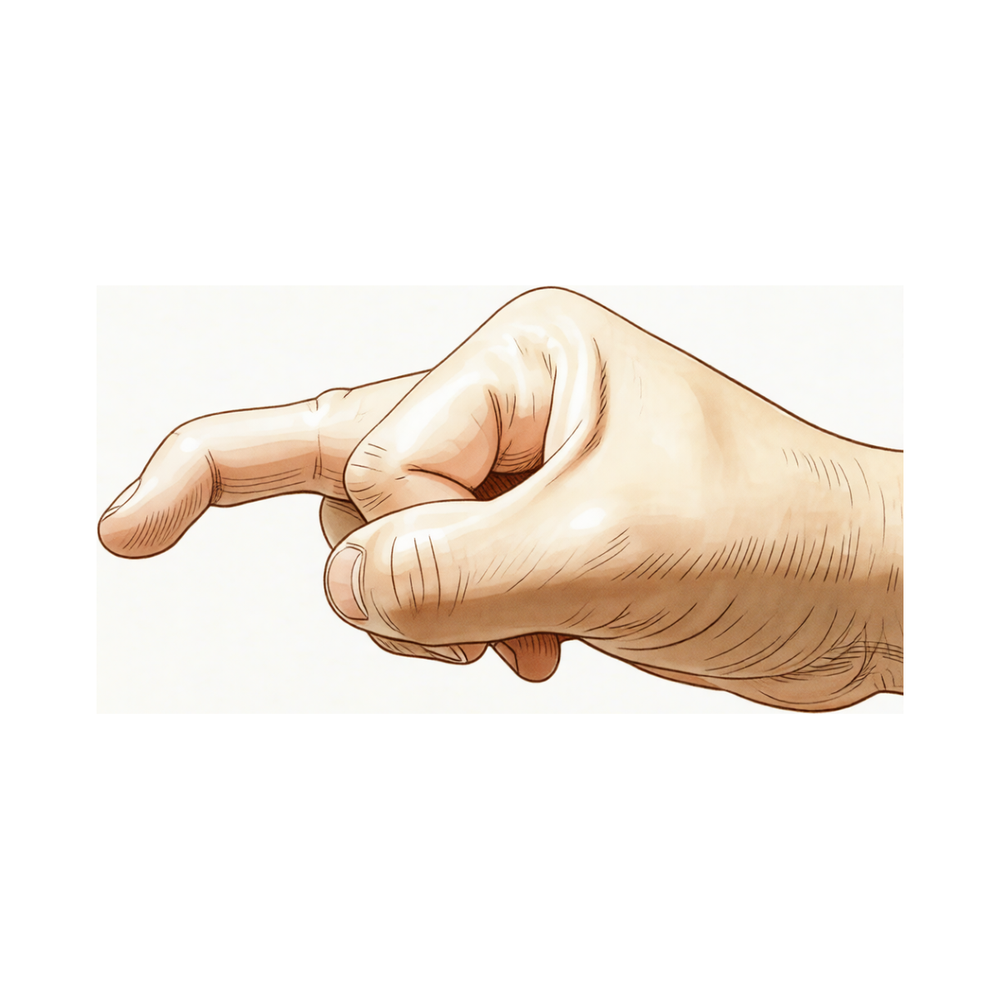
Ang protocol na ito ay nagsisilbing gabay sa iyong paggaling mula sa mallet finger (isang paglaylay ng dulo ng daliri na sanhi ng pinsala sa tendon na nagtutuwid sa pinakahuling joint ng daliri), sa ilalim ng pangangalaga ni Dr Kieran Hirpara sa Mater Private Hospital Rockhampton. Karamihan sa mga mallet finger ay ginagamot nang walang operasyon, gamit ang isang splint na nagpapanatiling tuwid sa dulo ng daliri habang ito ay gumagaling. Nagsisimula ito sa iyong home program, na susundan ng structured clinical protocol na isinulat para sa iyong hand therapist. Dalhin ang pahinang ito o ang PDF nito sa iyong unang therapy visit upang manatiling coordinated ang iyong rehabilitasyon. Maaaring i-adjust ng iyong therapist ang plano depende sa pag-unlad ng iyong paggaling.
Kung mayroon kang anumang alalahanin tungkol sa daliri, sa balat sa ilalim ng splint, o sa iyong pag-unlad, makipag-ugnayan sa mga rooms. Madalas na nakatutulong ang pagkuha ng larawan at pag-email nito para sa pagsusuri.
Ano ang dapat asahan
Ang mallet finger ay nangyayari kapag ang terminal extensor tendon (ang manipis na tendon na nagtutuwid sa pinakahuling joint ng daliri, ang DIP na pinakamalapit sa kuko) ay napunit palayo sa buto. Karaniwan itong sumusunod sa isang sapilitang pagbaluktot ng isang tuwid na dulo ng daliri, gaya ng bola o isang pagkaka-untog na "nag-jam" sa dulo ng daliri. Minsan, may kasamang maliit na piraso ng buto na nahihila ang tendon (isang bony mallet); minsan naman ay napupunit ito nang mag-isa (isang tendinous mallet). Sa alinmang paraan, pareho ang resulta: nakalaylay ang dulo ng daliri at hindi mo ito kayang ituwid nang mag-isa, kahit na normal na gumagana ang ibang bahagi ng daliri.
Ang mabuting balita ay ang pinsalang ito ay gumagaling nang napaka-reliable sa pamamagitan lamang ng splinting; hindi kailangan ng operasyon para sa karamihan ng mga tao. Ang buong gamutan ay nakasalalay sa isang simpleng prinsipyo:
- Ang joint sa dulo ng daliri ay dapat panatilihing ganap na tuwid, nang walang interruption, habang gumagaling ang tendon. Pinapanatili ng splint na tuwid ang huling joint (o bahagyang nakaunat pabalik) upang ang mga napunit na dulo ay muling magdugtong. Isinusuot ito nang full-time (araw at gabi) sa loob ng humigit-kumulang walong linggo para sa tendinous mallet o humigit-kumulang anim na linggo para sa bony mallet.
- Hindi kailanman dapat payagang mabaluktot ang dulo ng daliri sa panahong ito. Kung ang dulo ay nakalaylay kahit sandali lamang (halimbawa, habang pinapalitan ang splint o naghuhugas), mapuputol ang paggaling at ang bilang ng araw ay magsisimula muli sa zero. Dahil dito, kung gaano mo kaingat na pinapanatiling tuwid ang dulo ang pinakamalaking factor sa kung gaano kaganda ang paggaling ng daliri.
- Ang ibang mga joint ng daliri ay nananatiling malaya at patuloy na gumagalaw. Ang gitnang joint (PIP) at ang knuckle (MCP) ay hindi kasama sa splint at dapat igalaw nang malaya mula sa simula; ang paggalaw sa mga ito ay hindi nakakaabala sa paggaling ng dulo.
Pagkatapos ng full-time period, unti-unting binabawasan ang paggamit ng splint (una ay para sa gabi at sa mga risky-activity na lamang, hanggang sa tuluyan nang tanggalin) habang dahan-dahan mong sinisimulang ibaluktot muli ang dulo. Normal lamang na may matirang bahagyang permanenteng paglaylay na humigit-kumulang lima hanggang sampung digri; ito ay inaasahan, karaniwang hindi nakakaapekto sa kung paano gumagana ang daliri, at karamihan sa mga tao ay lubos na nasisiyahan sa resulta.
Mga pag-iingat at limitasyon
- HUWAG NA HUWAG hayaang mabaluktot ang dulo ng daliri habang nasa phase ng pag-splint, kahit isang segundo lang kapag naghuhugas o nagpapalit ng splint. Kung ito ay lumaylay, magre-reset ang paggaling at magsisimulang muli ang panahon ng pag-splint.
- Isuot ang splint nang full-time (araw at gabi) sa buong panahong itinakda ng iyong therapist: humigit-kumulang 8 linggo para sa tendinous mallet, humigit-kumulang 6 na linggo para sa bony mallet.
- Tanggalin lamang ang splint upang linisin at patuyuin ang balat, at kung kaya mo lamang panatilihing tuwid na tuwid ang dulo sa buong oras (ipatong ito nang patag sa mesa o hawakang tuwid gamit ang iyong kabilang kamay).
- Panatilihing malayang gumagalaw ang middle joint at knuckle mula sa simula; ang pinakahuling joint lamang ang pinananatiling hindi gumagalaw.
- Suriin ang balat araw-araw. Sabihan ang iyong hand therapist kung ang balat sa ibabaw ng joint ay nagiging maputla, puti, o masakit; maaaring masyadong naitutulak pabalik ng splint ang dulo at kailangan itong i-adjust.
- Huwag simulan ang pagbaluktot ng dulo ng daliri hanggang sa simulan ng iyong hand therapist ang weaning phase.
Para sa pamamahala ng sugat, pamamaga, at balat, tingnan ang gabay ng practice sa wound care.
Iyong mga ehersisyo
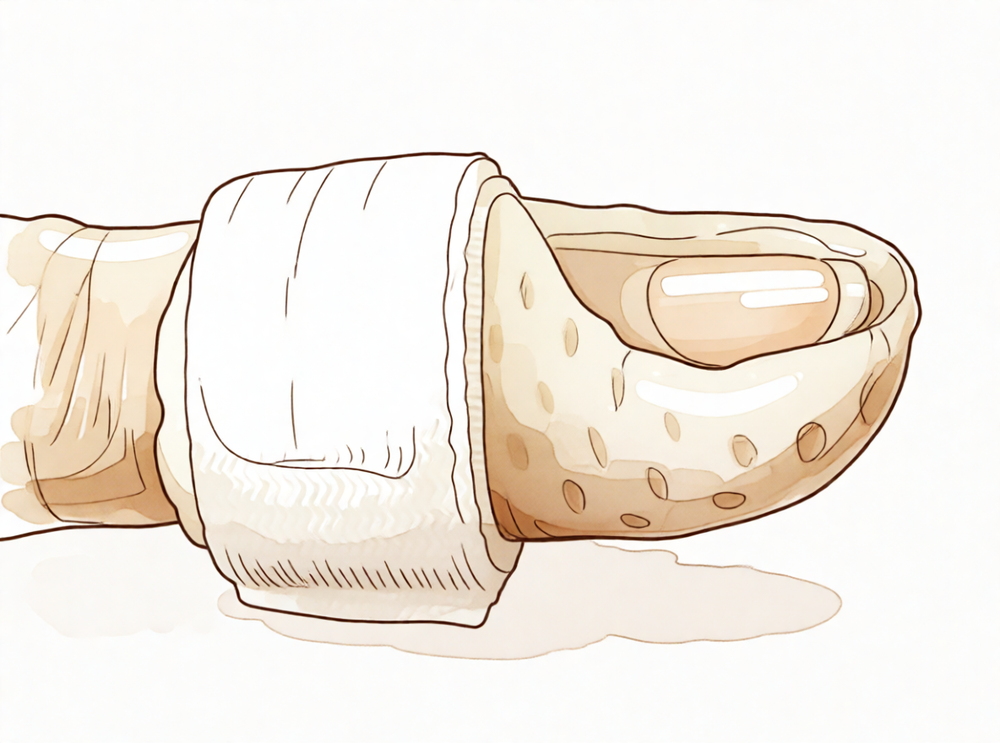
Davplast / Wikimedia Commons, CC BY-SA 4.0
Pagsusuot ng iyong DIP extension splint (hindi dapat kailanman mabaluktot ang dulo ng daliri)
Isuot ang iyong splint sa joint ng dulo ng daliri sa LAHAT ng oras — araw at gabi — upang ang pinakahuling joint (ang DIP, ang pinakamalapit sa kuko) ay mapanatiling tuwid nang lubos. Ito ang pinakamahalagang bahagi ng iyong paggamot. HINDI kailanman dapat payagang mabaluktot ang dulo ng daliri, kahit sa isang saglit lamang: kung ito ay lulundo sa anumang oras, ang paggaling ay magsisimulang muli mula sa zero at magre-reset ang oras. Panatilihing nakasuot ang splint habang naghuhugas, natutulog, at nagtatrabaho, at siguraduhin na ang dulo ay laging nananatiling tuwid sa loob nito.
Isusuot nang tuluy-tuloy — tendinous mallet nang mga 8 linggo, bony mallet nang mga 6 na linggo
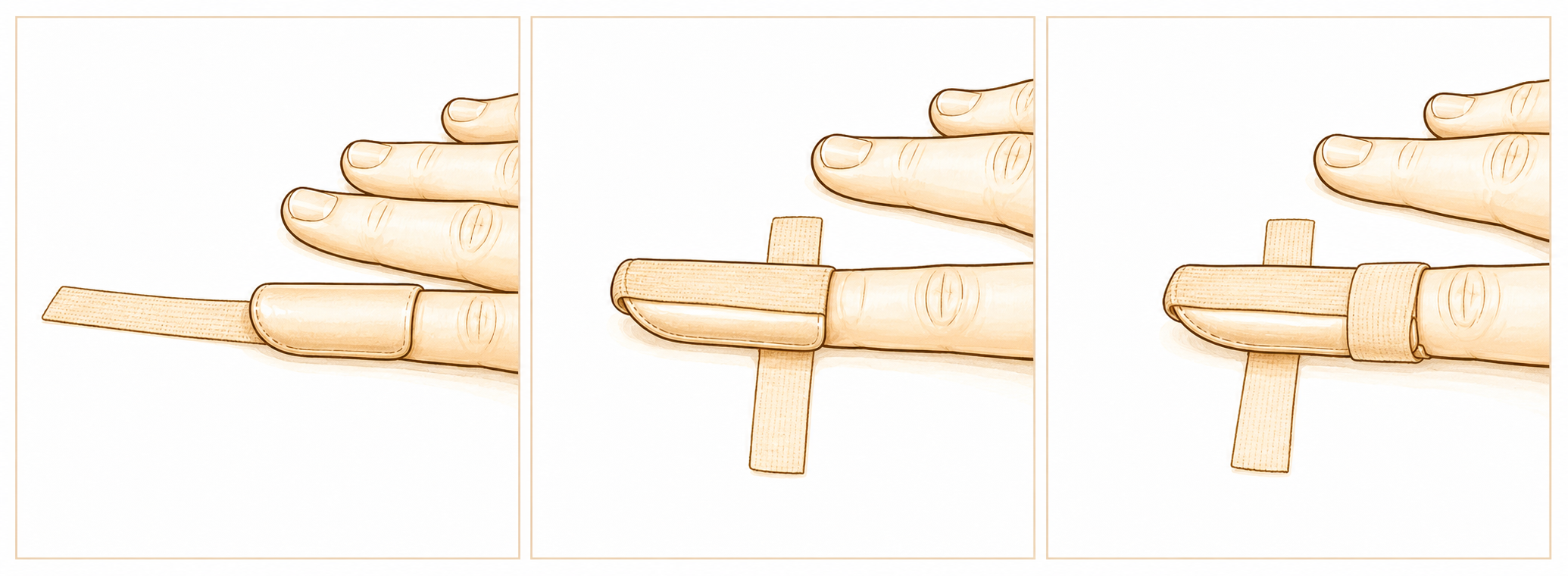
Kieran Hirpara 4.0
Ligtas na pagpapalit ng splint (panatilihing diretso ang dulo ng daliri)
Tinatanggal lamang ang splint upang linisin at patuyuin ang balat — at kung kaya mo lamang panatilihing tuwid na tuwid ang dulo ng daliri sa buong oras. Ipatong ang daliri nang patag sa gilid ng mesa upang suportado ang dulo at hindi ito bumagsak, o gamitin ang iyong kabilang kamay upang panatilihin itong tuwid. I-slide palabas ang lumang splint, linisin at patuyuin, pagkatapos ay i-slide papasok ang bago — lahat nang hindi hinahayaang mabaluktot ang dulo. Kung hindi ka kumpiyansa sa paggawa nito, ipaubaya ito sa iyong hand therapist.
Minsan sa isang araw para sa pangangalaga ng balat, tanging habang pinapanatiling tuwid na tuwid ang dulo ng daliri
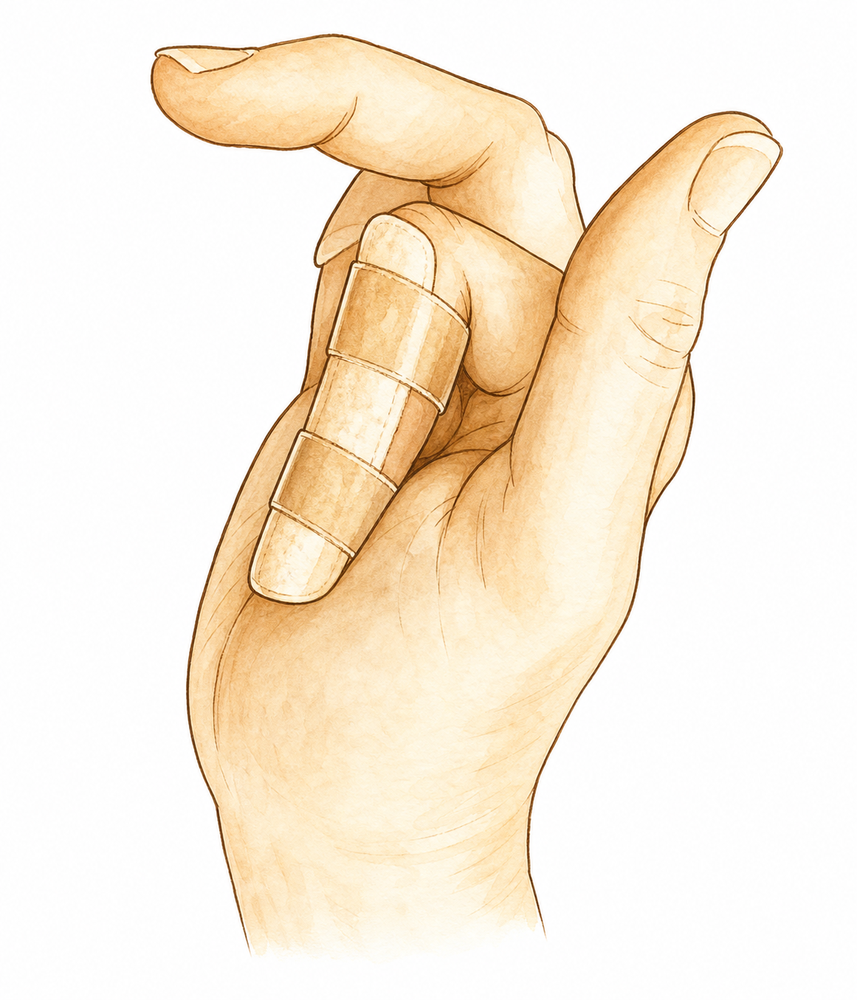
Kieran Hirpara 4.0
Panatilihing gumagalaw ang mga gitna at knuckle joints (PIP at MCP)
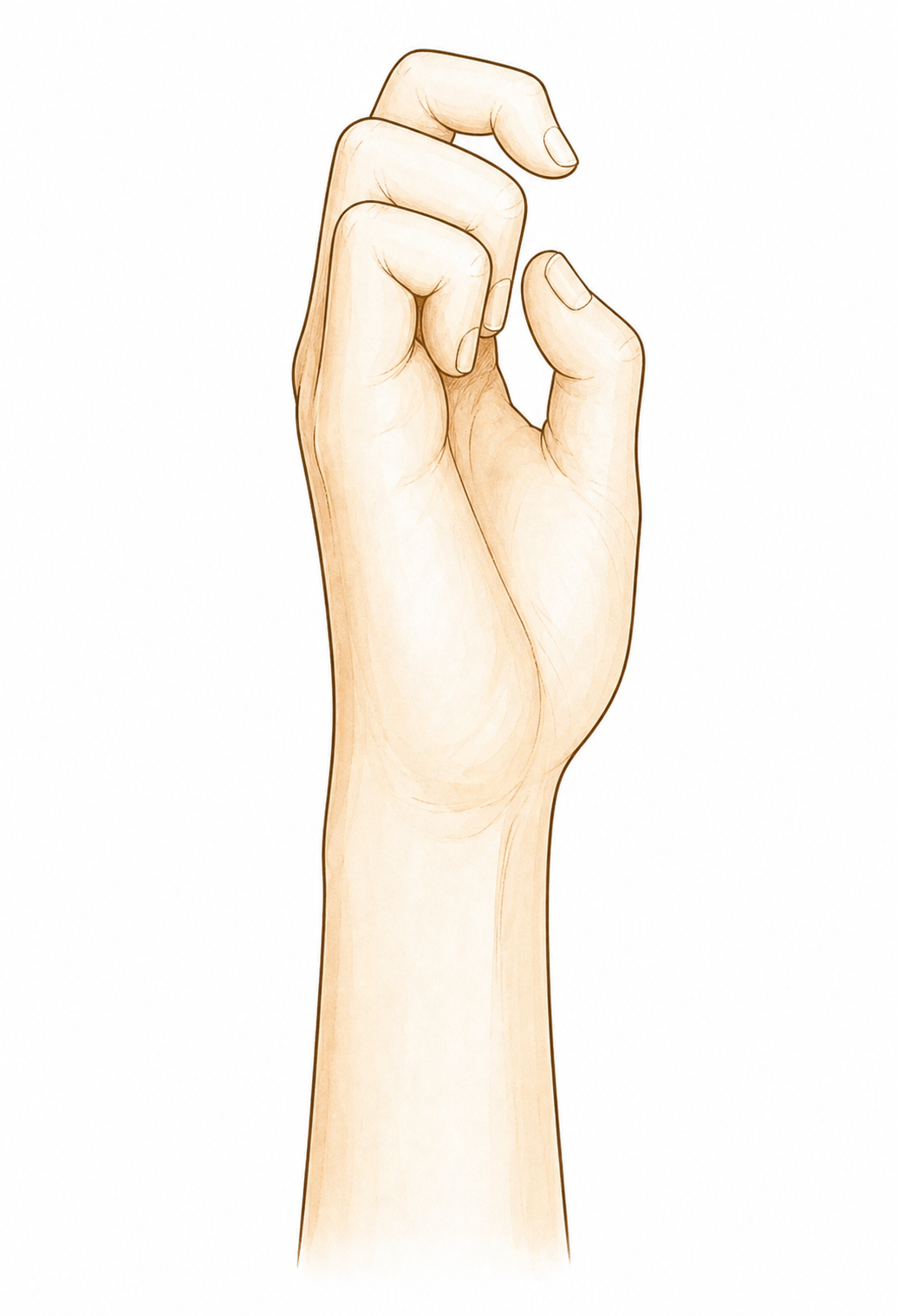
Habang naka-splint nang diretso ang dulo ng daliri, panatilihing gumagalaw ang IBA PANG mga kasukasuan ng daliri upang hindi sila tumigas. Ibaluktot at ituwid nang lubos at malaya ang gitnang kasukasuan (ang PIP) at ang knuckle (ang MCP) — ligtas galawin ang mga kasukasuan na ito at ang paggalaw sa mga ito ay hindi nakakaabala sa naghihilom na tendon sa dulo. Gumawa ng bahagyang kamao at ibukas itong muli, habang pinapanatiling diretso ang naka-splint na dulo sa buong proseso.
10 beses sa bawat joint, ilang beses sa isang araw, nakasuot ang splint
Kieran Hirpara 4.0
Pag-aalaga sa balat at pamamaga sa ilalim ng splint
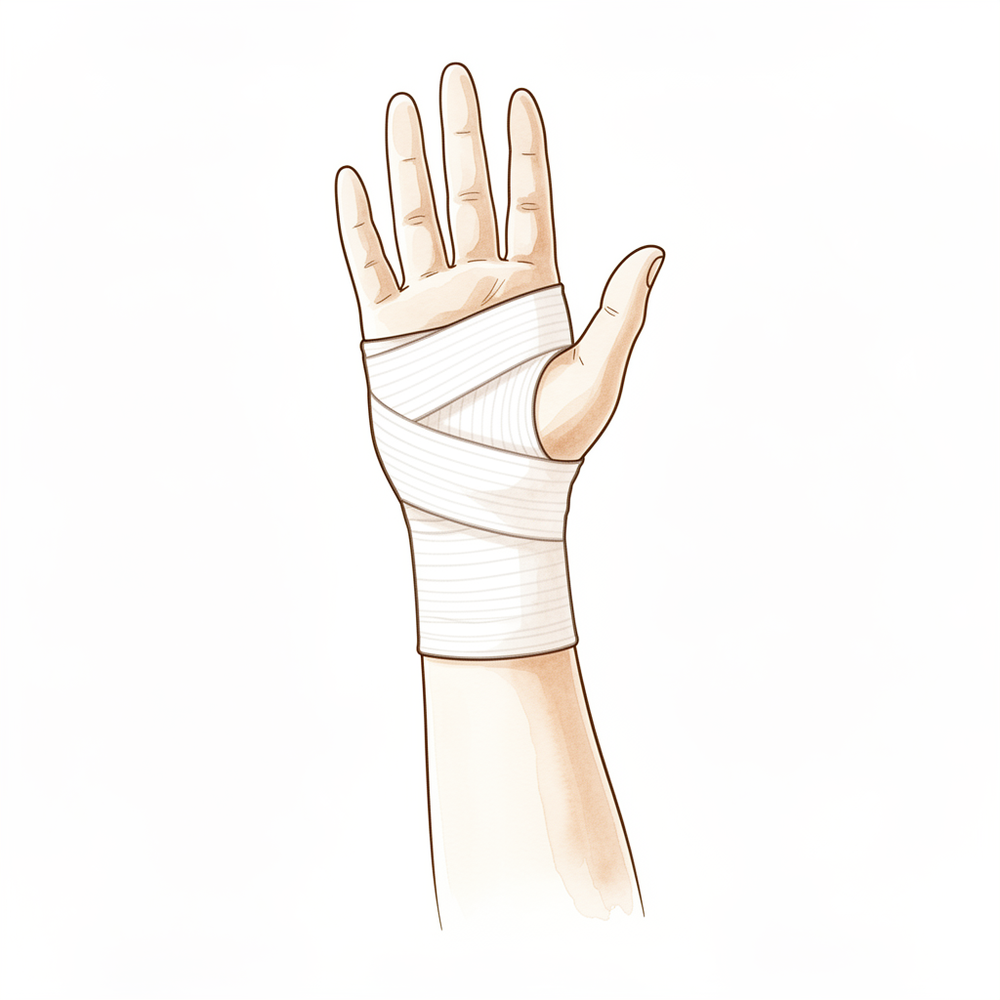
Araw-araw, habang pinapanatiling diretso ang dulo ng daliri, suriin ang balat — lalo na sa ibabaw ng joint at sa kuko. Normal ang kaunting pamumula, ngunit kung ang balat ay mukhang maputla, puti o masakit kung saan nakadiin ang splint, maaaring masyadong nakatupi pabalik ang dulo ng daliri; ipaalam ito sa iyong hand therapist upang ma-adjust ito. Panatilihing malinis at tuyo ang daliri at ang splint, at itaas ang kamay kung ito ay mamamaga.
Suriin araw-araw; iulat ang anumang maputla, masakit o may sugat na balat
Kieran Hirpara 4.0
Unti-unting pagbaluktot ng dulo ng daliri (weaning phase)
Isang ehersisyo sa HULING bahagi — kapag nagsimula na lamang ang iyong hand therapist sa weaning (karaniwan ay mula 6 hanggang 8 linggo) at wala, o katanggap-tanggap lamang, ang paglaylay ng dulo ng daliri. Habang wala sa splint, dahan-dahang itiklop ang fingertip joint sa MALIIT na halaga, pagkatapos ay ituwid itong muli nang lubos, habang nananatili sa antas na komportable. Huwag itong pilitin. Kung magsimulang lumaylay muli ang dulo, bumalik sa full-time splinting at ipaalam ito sa iyong therapist.
Ilang dahan-dahang pagbaluktot, ayon lamang sa ginagabay sa weaning phase
Ito ang mga ehersisyo mula sa iyong handout. Ang pinakamahalagang "ehersisyo" sa lahat ay ang simpleng pagsusuot ng iyong splint nang tama at pagpapanatiling diretso ng dulo ng daliri sa bawat sandali; ang lahat ng iba pa ay nakabase rito. Sa simula, ang iyong tungkulin ay panatilihing nakasuot ang splint, panatilihing malusog ang balat, at panatilihing malayang gumagalaw ang iba pang mga kasukasuan ng daliri. Ang mga banayad na ehersisyo sa pagbaluktot ng dulo ng daliri at blocked-straightening ay kabilang sa huling weaning phase at hindi dapat simulan hangga't hindi ito partikular na ipinapagawa ng iyong hand therapist. Itigil ang anumang bagay na nagiging sanhi ng paglaylay ng dulo ng daliri at bumalik sa full-time splinting.
Ang iyong clinical protocol
Ang natitirang bahagi ng pahinang ito ay ang staged clinical protocol para sa splint-led rehabilitation ng isang mallet finger. Ang seksyong ito ay ibibigay sa hand therapist, at ang bawat phase ay nagsisimula sa isang plain-English na paliwanag ng kung ano ang nangyayari. Ang paggaling ay nakadepende sa uninterrupted DIP extension: ang terminal tendon (o ang avulsed bony fragment) ay naghihilom lamang kung ang DIP ay hindi kailanman hinahayaang mag-flex sa panahon ng splinting, habang ang PIP at MCP ay pinananatiling malaya, dahil ang kanilang paggalaw ay hindi nakakaabala sa paggaling ng terminal-tendon. Ang compliance ng pasyente ang pangunahing driver ng outcome.
Bago ang gamutan, kumpirmahin kung ang mallet ay tendinous o bony at suriin ang imaging. Isang DIP extension orthosis ang ginagamit: Stack, thermoplastic, o volar/dorsal alumifoam; ang uri ng splint ay walang makabuluhang pagkakaiba sa outcome, kaya pumili base sa fit, skin tolerance at compliance. Panatilihin ang DIP sa full extension o slight hyperextension, ngunit IWASAN ang excessive hyperextension (risk ng dorsal-skin blanching/ulcer). Para sa isang bony mallet, mas piliin ang straight/neutral DIP kaysa sa hyperextension upang maiwasan ang volar subluxation ng distal phalanx. Ang PIP ay laging hinahayaang malaya.
Phase I — walang hinto na full-time extension splinting (linggo 0 hanggang 6/8)
Ang joint ng dulo ng daliri ay pinapanatiling diretso nang tuluy-tuloy, araw at gabi, upang gumaling ang tendon o fragment ng buto. Tinatanggal lamang ang splint para sa pag-aalaga ng balat, at tanging habang pinapanatiling extended ang DIP; ang anumang iisang pagkakataon ng DIP flexion ay magsisimulang muli ng healing clock. Ang PIP at MCP ay malayang gumagalaw.
Para sa iyong hand therapist:
Edukasyon at mga pag-iingat - Magkabit ng DIP extension orthosis (Stack/thermoplastic/alumifoam), ang DIP ay nasa full extension o bahagyang hyperextension; iwasan ang labis na hyperextension (pagputla ng balat/ulcer); bony mallet → diretso/neutral, hindi hyperextended (risgo ng subluxation) - Tuluy-tuloy na pagsuot: tendinous ~8 linggo, bony ~6 linggo; ang DIP ay hindi kailanman dapat mag-flex sa loob ng panahong ito - Ituro ang teknik ng flat-surface splint change upang hindi kailanman hayaang bumagsak ang DIP; kung hindi mapapanatili ng pasyente ang extension, ang therapist ang magsasagawa ng mga pagpapalit - Hayaang malaya ang PIP at MCP at aktibong igalaw mula unang araw
Pamamahala - Balat: araw-araw na inspeksyon sa dorsal DIP at nail fold; i-adjust ang orthosis kung may pagputla/pressure; panatilihing malinis at tuyo - Oedema: elevation; banayad na paggalaw ng proximal-joint - Mga ehersisyo: full active PIP at MCP ROM; walang DIP motion - Bony mallet: panatilihin ang radiographic surveillance habang naka-splint (alignment/subluxation), dahil ang splinting ay non-inferior sa pinning para sa extensor lag ngunit dapat bantayan ang posisyon ng fragment
Mga kraytirya para mag-progress - Nakumpleto ang full-time period (tendinous ~8 linggo / bony ~6 linggo) na walang DIP extensor lag lampas sa katanggap-tanggap na dami, at malusog na balat
Phase II — weaning at pagsisimula ng controlled DIP motion (weeks 6/8, pagkatapos ay +2 hanggang 6)
Kapag nakumpleto na ang full-time period at wala, o mayroon lamang acceptable, na extensor lag, ang splint ay i-wean sa pagsuot tuwing gabi at sa mga risky-activity habang nagsisimula ang gentle controlled DIP flexion. Ang night-splinting ay maaaring ituring na optional (isang Level-I study ang nakatagpo na hindi ito essential) at ginagamit nang pragmatically. Kung muling magkaroon ng significant lag, ang pasyente ay babalik sa full-time extension splinting.
Para sa iyong hand therapist:
Assessments - DIP active extension lag (degrees) at active flexion; balat; kumpyansa ng pasyente habang ang dulo ng daliri ay wala sa splint
Education at precautions - I-wean sa night-time + high-risk-activity splinting sa loob ng humigit-kumulang 2 hanggang 6 pang linggo; ang night wear ay optional ayon sa kasalukuyang ebidensya - Kung ang extensor lag >20° ay muling bumalik pagkatapos ng splinting, ibalik ang full-time extension splinting sa loob ng ~4 hanggang 6 na linggo
Management - Mga ehersisyo: simulan ang gentle, graded active DIP flexion (maliit na range muna) at blocked active DIP extension (i-stabilise ang PIP, i-extend ang DIP); ituloy ang pagpapalawak ng flexion range ayon sa pinahihintulutan ng lag - Bawasan ang pagsuot ng splint sa araw kapag ang DIP ay nakakapag-hold ng extension actively nang walang, o may acceptable (≤10–20°), na lag - Ipagpatuloy ang full PIP/MCP motion; scar/skin care kung kinakailangan - Ang mga chronic o delayed-presentation mallets ay tumutugon pa rin sa extension splinting; ang delayed start ay hindi isang contraindication
Criteria para mag-progress - Ang DIP ay nakakapag-hold ng active extension na may acceptable lag; nabawi ang controlled, pain-free DIP flexion; buo ang balat
Phase III — pagpapalakas at pagbabalik (mula humigit-kumulang ika-8 hanggang ika-12 linggo)
Kapag magaling na ang tendon at nabawi na ang active motion, unti-unting inaalis ang daliri mula sa splint at sinisimulan ang graded strengthening at pagbabalik sa aktibidad. Inaasahan ang isang maliit na permanenteng extensor lag (mean ~8°) at ito ay tugma sa isang mahusay na functional result.
Para sa iyong hand therapist:
Mga Assessment - DIP active extension lag at flexion arc; grip; kahandaan para sa loading at sport
Edukasyon at mga pag-iingat - Pang-araw-araw na paggamit nang walang splint; protective splinting para sa contact sport habang bumabalik - Payuhan na ang residual na ~5–10° extensor lag ay normal at hindi nakakaapekto sa satisfaction
Pamamahala - Mga ehersisyo: graded grip at pinch strengthening; full-finger ROM; task- at sport-specific progression - Pagbabalik sa sport/mabigat na trabaho mula ~8 hanggang 12 linggo base sa criterion (protective splint para sa contact sport) - Discharge kapag sapat na ang lakas at function at stable na ang lag; i-refer muli kung may nananatili o bumabalik na markadong lag
Pagbabalik sa trabaho at aktibidad
Ang magaang paggamit ng kamay na may splint ay ayos na mula sa simula: mananatiling nakasuot ang splint, mananatiling diretso ang dulo ng daliri, at maaari mong gamitin ang kamay para sa mga pang-araw-araw na gawain sa loob ng limitasyong iyon. Hindi ka dapat magmaneho habang nakasuot ang splint sa dulo ng daliri: maghintay na magmaneho hanggang matanggal na ang splint at kaya mo nang hawakan ang manibela at kontrolin ang kotse nang ligtas, ayon sa kumpirmasyon ni Dr Hirpara sa iyong review. Ang paghawak at pagpapalakas ay unti-unting binubuo mula sa humigit-kumulang anim hanggang walong linggo, habang unti-unting inaalis ang splint. Ang pagbabalik sa sports at mas mabigat na manwal na trabaho ay karaniwang mula sa humigit-kumulang walo hanggang labindalawang linggo, na hinuhusgahan batay sa pagbawi ng kontroladong paggalaw sa halip na sa kalendaryo lamang, at isang protective splint ang isinusuot para sa contact sport sa panahon ng pagbabalik na iyon. Inaasahan ang isang bahagyang permanenteng paglaylay ng dulo ng daliri na humigit-kumulang lima hanggang sampung digri; ito ay normal, hindi nakakaapekto sa kung paano gumagana ang kamay, at halos hindi ito napapansin ng karamihan sa mga tao.
Pagkatapos ng iyong protocol
Ang protocol na ito ay kasabay ng pangkalahatang payo sa paggaling ng klinika; tingnan ang pamamahala ng sakit pagkatapos ng operasyon, pag-aalaga ng sugat at pamamahala ng peklat. Ang phased plan sa itaas ay sumasalamin sa nailathalang gabay para sa mallet-finger splinting, at ang iyong patuloy na paggaling ay ginagabayan nang indibidwal ni Dr Hirpara at ng iyong hand therapist ayon sa pag-unlad ng dulo ng iyong daliri.
Isang paalala kung ang iyong mallet finger ay ginamot sa pamamagitan ng operasyon
Karamihan sa mga mallet finger ay hindi nangangailangan ng operasyon. Ang operasyon ay isinasaalang-alang lamang para sa isang bony mallet kapag ang bali ay kinasasangkutan ng malaking bahagi ng joint surface (higit sa humigit-kumulang isang katlo) o kapag ang huling joint ay nadudulas palabas ng pwesto (volar subluxation). Kapag isinagawa ang fixation, ito ay karaniwang isang extension-block (Ishiguro) K-wiring, kung minsan ay may pansamantalang wire na ipinapasa sa fingertip joint upang panatilihin itong diretso. Ang wire na iyon ay karaniwang pinananatili sa loob ng apat hanggang anim na linggo at tinatanggal sa bandang ika-lima hanggang ika-anim na linggo, pagkatapos nito ay magsisimula ang active fingertip movement at maaaring gumamit ng night splint sa loob ng apat pang linggo. Ipinapakita ng ebidensya na ang splinting ay non-inferior sa pinning para sa huling dami ng droop, kaya ang operasyon ay inilalaan lamang para sa mga partikular na sitwasyong nabanggit sa itaas sa halip na gamitin nang routine.
Evidence & references
This is the clinical evidence summary written for health professionals. It is technical, and it lists the research this page was built from. You do not need to read it to understand your treatment or to make a decision about it.
Mallet Finger — Injury Outcomes & Splint-Led Rehabilitation (Terminal Extensor Tendon, DIP)
Topic scope: non-operative (and, where indicated, post-fixation) management of a mallet finger — disruption of the terminal extensor tendon at the distal interphalangeal (DIP) joint, either purely tendinous or with an avulsion bony fragment (bony mallet). This is a healing injury, not a reconstruction: the entire treatment is uninterrupted DIP extension splinting that holds the tendon (or fragment) in apposition while it unites, with the PIP and MCP left free.
Defining principle of the rehab here: the terminal extensor tendon heals only if the DIP is held in continuous extension and is never allowed to flex during the splinting period. Any single lapse into DIP flexion separates the healing ends and restarts the healing clock, which is why patient compliance is the dominant outcome driver. The PIP is deliberately kept mobile because proximal-joint motion does not disturb terminal-tendon healing. Splint type (Stack, thermoplastic, volar/dorsal alumifoam) does not materially change the outcome — fit, skin tolerance and compliance matter more than the device. The single branch point is the bony mallet with a large articular fragment or DIP volar subluxation, where surgical fixation is considered; even there, splinting is non-inferior to pinning for the final extensor lag, so operation is reserved rather than routine.
A. INJURY OUTCOMES (tendinous vs bony mallet; splinting vs fixation)
Mallet finger is one of the most reliably treated closed tendon injuries in the hand: the great majority heal well with splinting alone, and the principal debate is over the bony mallet — when, if ever, to fix it.
- Continuous extension splinting is the standard of care and works well for both tendinous and bony mallets, including chronic and delayed presentations, which still respond to splinting weeks after injury [Valdes systematic review LoE 1a; Salazar Botero review; Medscape; StatPearls]. Strong (SR + reviews).
- Splint type makes no meaningful outcome difference. A randomised comparison of splint designs found no superiority of one orthosis over another; the determinant is uninterrupted DIP extension and compliance, not the device [Pike RCT]. Strong (RCT).
- Splinting is non-inferior to extension-block pinning for the final extensor lag. A randomised trial comparing conservative extension splinting with operative extension-block K-wiring for bony mallet found no advantage to pinning in the residual lag, supporting non-operative management as the default even for many bony mallets [Thillemann RCT]. Strong (RCT).
- Surgery is reserved for the large bony fragment or subluxating DIP. Operative fixation is
considered when the fracture involves a large part of the articular surface (often cited as
~30%) or there is volar subluxation of the distal phalanx; common techniques are extension-block (Ishiguro) K-wiring with or without a trans-articular DIP pin. Single-K-wire constructs perform less well in non-compliant settings [Aksan; Salazar Botero; Medscape]. Moderate.
- Stack splints can subluxate a bony mallet. Volar-based Stack-type orthoses holding the DIP in hyperextension can displace a bony-mallet fragment / promote subluxation, which is why a straight/neutral DIP is preferred for bony mallets rather than hyperextension [Kaplan]. Moderate (mechanistic/clinical).
- The underlying mechanism is a terminal tendon avulsion at the distal phalanx. Anatomical and injury studies characterise the lesion as avulsion of the terminal extensor at its distal-phalanx insertion, and a very small amount of tendon lengthening translates into a large extensor lag — roughly 1 mm of lengthening ≈ 25° of lag — which is the biomechanical reason apposition must be maintained so strictly [Tuttle; Yeh; PMC current concepts]. Mechanistic.
B. REHABILITATION / THERAPY EVIDENCE
The central rehab questions are (1) how long and how strictly to splint, (2) whether the PIP should be included, and (3) whether night-time and post-splinting splinting are needed. The evidence supports uninterrupted full-time DIP extension splinting (~6–8 weeks) with the PIP free, followed by a weaning phase, and downgrades routine night-splinting to optional.
- Uninterrupted DIP extension is the active ingredient; the PIP must stay free. Splinting holds the DIP in full extension (or slight hyperextension) continuously; the PIP and MCP are mobilised from the outset because proximal-joint motion does not load the terminal tendon. Full-time wear is about 8 weeks for tendinous and 6 weeks for bony mallets [Valdes SR 1a; Salazar Botero; StatPearls; Physiopedia]. Strong (SR + guideline-level reviews).
- Compliance is the dominant outcome driver. Because any DIP flexion restarts healing, outcome tracks adherence to continuous extension more than any device choice; patient education and a safe flat-surface splint-change technique are central [Valdes SR; Cook BAHT survey of therapist practice]. Strong (mechanism + practice consensus).
- Avoid excessive hyperextension. Holding the DIP in marked hyperextension risks dorsal-skin blanching and pressure ulceration over the joint; slight hyperextension or neutral is sufficient, and bony mallets should be held straight/neutral to avoid fragment subluxation [Azad dorsal splinting outcomes; Kaplan]. Moderate.
- Night-time splinting after the full-time phase is non-essential (optional). A Level-I study found that continued night-splinting after the primary full-time period was not essential to the result, so the ~2–6 week post-splinting night/risky-activity phase is framed as optional and pragmatic rather than mandatory [Valdes SR 1a evidence base]. Moderate (Level I within SR).
- Recurrent lag responds to re-splinting. If an extensor lag (>~20°) recurs after the splinting period, a further ~4–6 weeks of full-time extension splinting is appropriate; chronic/delayed mallets likewise still respond [Salazar Botero; Medscape; StatPearls]. Moderate.
- A small residual extensor lag is the expected, satisfactory result. Most patients are left with a slight permanent lag (mean ~8°, typically 5–10°) that does not impair function or satisfaction; this should be counselled as normal rather than as failure [Salazar Botero; PMC current concepts; Physiopedia]. Moderate–strong (natural history).
Recovery trajectory (expected, evidence-anchored)
| Phase | Window | Restraint | Hand use / therapy focus | Strength / load | Notes |
|---|---|---|---|---|---|
| I — Continuous DIP extension splinting | Week 0–6/8 (bony ~6, tendinous ~8) | DIP held continuously extended; never flex the DIP | Full-time extension orthosis (Stack/thermoplastic/alumifoam); flat-surface splint changes only; PIP + MCP moved freely from day 1; daily dorsal-skin checks | No DIP loading; light splinted hand use | Any DIP flexion resets the clock; bony mallet held straight/neutral + radiographic surveillance |
| II — Weaning & controlled DIP motion | +2–6 weeks after full-time phase | Night / high-risk-activity splinting (night wear optional) | Begin gentle graded active DIP flexion + blocked active DIP extension; reduce day wear once lag ≤10–20° | Light functional load | Lag >20° recurring → re-splint full-time ~4–6 wk; chronic mallets still respond |
| III — Strengthening & return | From ~week 8–12 | None (protective splint for contact sport) | Splint-free use; graded grip/pinch strengthening; full ROM; sport-/work-specific progression | Grip/strength built up; driving once able to grip the wheel safely | Expect ~5–10° permanent lag (mean ~8°) — normal, satisfaction preserved |
(Phase windows mirror the precautions in the patient protocol; they are typical guides, not trial-derived deadlines.)
C. KEY CONTROVERSIES / EVIDENCE QUALITY
- Splint type. Stack vs thermoplastic vs volar/dorsal alumifoam — randomised data show no meaningful outcome difference; the determinant is uninterrupted extension and compliance, not the device [Pike RCT]. Strong evidence of equivalence.
- Splinting vs operative fixation for bony mallet. Randomised data show extension splinting is non-inferior to extension-block pinning for the residual lag; surgery is reserved for the large articular fragment (>~30%) or volar DIP subluxation, not used routinely [Thillemann RCT; Aksan; Salazar Botero]. Strong (RCT) for non-inferiority; moderate for the fixation indications.
- Hyperextension vs neutral. Slight hyperextension aids tendinous apposition but excessive hyperextension risks dorsal-skin ischaemia/ulcer, and in bony mallets can subluxate the fragment — hence straight/neutral for bony mallets [Azad; Kaplan]. Moderate.
- Is night-splinting necessary? A Level-I study found continued night-splinting after the full-time phase non-essential; the post-splinting phase is therefore optional/pragmatic rather than mandatory [Valdes SR 1a]. Moderate.
- Residual lag as expected outcome, not failure. A small permanent lag (mean ~8°) is the norm and is compatible with full function and satisfaction; mislabelling it as failure drives unnecessary intervention [Salazar Botero; PMC current concepts]. Strong natural-history data.
D. EVIDENCE STRENGTH FLAGS (summary)
- STRONG (RCT / SR): uninterrupted DIP extension splinting as standard of care (6–8 wk full-time, tendinous ~8 / bony ~6); splint-type equivalence; PIP-free mobilisation; compliance as the key outcome driver; expected ~5–10° residual lag; splinting non-inferior to pinning for bony mallet (with radiographic surveillance during splinting).
- MODERATE: exact length of the weaning/night-splinting phase (night wear non-essential per a Level-I study); strengthening and return-to-sport/work timing (~8–12 weeks, criterion-based); hyperextension-vs-neutral splint positioning and the bony-mallet subluxation caveat; surgical indications (>~30% articular fragment / volar subluxation) and fixation technique.
- WEAK / CONFIRM: driving — a fingertip splint is not usually a contraindication once the wheel can be gripped safely, but this is confirmed clinically rather than evidence-defined.
CITATIONS
RAG corpus (180,000+ Orthopaedic articles)
- A randomized controlled trial comparing splint designs for mallet finger. J Hand Surg Am. 2010. DOI: 10.1016/j.jhsa.2010.01.005
- Conservative management of mallet finger: a systematic review (Level of Evidence 1a). J Hand Ther. 2015. DOI: 10.1016/j.jht.2015.03.001
- Mallet finger: a survey of British Association of Hand Therapists practice. Hand Therapy. 2016. DOI: 10.1177/1758998316664822
- The mallet finger injury: a review (current concepts in diagnosis and management). Arch Plast Surg. 2016. DOI: 10.5999/aps.2016.43.2.134
- Outcomes of dorsal splinting for mallet finger. Hand (N Y). 2022. DOI: 10.1177/15589447221093674
- Conservative splinting versus extension-block K-wiring for bony mallet finger: a randomized controlled trial. J Hand Surg (Eur Vol). 2020. DOI: 10.1177/1753193420917567
- Tendon avulsion fractures of the distal phalanx (terminal extensor avulsion). Clin Orthop Relat Res. 2006. DOI: 10.1097/01.blo.0000205903.51727.62
- Tendon ruptures in the hand. Hand Clin. 2012. DOI: 10.1016/j.hcl.2012.05.040
- Single K-wire fixation of bony mallet finger in non-compliant patients. Arch Orthop Trauma Surg. 2021. DOI: 10.1007/s00402-021-03793-4
- Subluxation of bony mallet fractures with Stack splint immobilisation. J Hand Surg Am. 2013. DOI: 10.1016/j.jhsa.2013.08.111
Mallet-finger management literature (URLs)
- Medscape — Mallet Finger Treatment & Management. https://emedicine.medscape.com/article/1242305-treatment
- StatPearls — Mallet Finger (NCBI Bookshelf). https://www.ncbi.nlm.nih.gov/books/NBK459373/
- Current concepts in the management of mallet finger (PMC; ~1 mm terminal-tendon lengthening ≈ 25° extensor lag). https://pmc.ncbi.nlm.nih.gov/articles/PMC4022957/
- Physiopedia — Mallet Finger. https://www.physio-pedia.com/Mallet_Finger