Patients › Rehabilitation
Capsular Release
Rehabilitation after arthroscopic capsular release for frozen shoulder — early in-hospital program and the outpatient phases that keep the range won at surgery.
Saklaw ng protocol na ito ang rehabilitasyon pagkatapos ng arthroscopic capsular release kasama si Dr Kieran Hirpara sa Mater Private Hospital Rockhampton, kapwa ang mga nangyayari sa ospital at sa mga sumunod na linggo at buwan. Dalhin ang pahinang ito o ang PDF nito sa iyong unang pagbisita sa physiotherapy upang manatiling coordinated ang iyong rehabilitasyon. Ang iyong rehabilitasyon ay isinasagawa nang indibidwal ng iyong physiotherapist sa pamamagitan ng mga phase sa ibaba, depende sa kung paano gumagalaw ang iyong balikat.
Kung mayroon kang anumang alalahanin tungkol sa iyong sugat pagkatapos ng operasyon, makipag-ugnayan sa mga room. Madalas na nakatutulong ang pagkuha ng larawan ng sugat at pag-email nito para masuri.
Ano ang dapat asahan
Ang capsular release ay isang operasyon para sa naninigas na balikat (frozen shoulder), at binabago nito ang lahat tungkol sa kung paano ka mag-rehabilitate. Karamihan sa mga operasyon sa balikat ay may kinukumpuni, gaya ng tendon o napunit na ligament, at ang unang layunin ay protektahan ang kumpuning iyon, kaya nagsusuot ka ng sling at pinapanatili ang paggalaw sa loob ng mga limitasyon. Ang operasyong ito ay kabaligtaran. Walang anumang tinahi pabalik na kailangang protektahan. Pinakawalan ng surgeon ang masikip at may peklat na lining ng joint at iginalaw ang balikat sa full range habang ikaw ay tulog, kaya ang resulta ng operasyon ay ang paggalaw. Mula sa sandaling magising ka, ang tungkulin ng rehabilitasyon ay panatilihin ang paggalaw na iyon bago muling subukang manigas ng balikat.
Ibig sabihin nito ay walang protected period at walang pag-aalinlangan. Sisimulan mo agad ang paggalaw ng balikat, kapwa sa paggalaw nito nang mag-isa at paggamit ng iyong kabilang braso upang itulak ito, at patuloy mong itutulak ang range, sa bawat direksyon, ilang beses sa isang araw.
Ang iyong mga ehersisyo ay gumagamit ng tatlong uri ng paggalaw, at mamarkahan ng iyong team kung alin ang naaangkop sa iyo:
- Passive movement ay nangangahulugang ang balikat ay nananatiling lubos na relaxed habang ang iyong kabilang braso, isang tungkod o isang pulley ang gumagawa ng lahat ng trabaho.
- Active-assisted movement ay nangangahulugang iginagalaw mo ang braso nang mag-isa nang may tulong mula sa kabilang braso o isang bagay.
- Active movement ay nangangahulugang iginagalaw mo ang braso gamit ang sarili nitong lakas, nang walang tulong.
Bakit walang sling
Pagkatapos ng capsular release, walang sling para protektahan ang isang repair, at ang pagpapanatiling hindi gumagalaw ng balikat ay makakasama sa iyo. Kapag hinayaang nakapahinga, ang released shoulder ay muling hihigpit. Ang muling pagtigas (re-stiffening) ang pangunahing dahilan kung bakit maaaring maging nakakadismaya ang operasyong ito, at ito ay malaking bahaging maiiwasan sa pamamagitan ng maaga at madalas na paggalaw.
Kaya hindi tulad ng isang repair, hindi ka matutulog na naka-sling, hindi mo pananatilihing hindi gumagalaw ang braso, at walang paggalaw na ipinagbabawal. Hinihikayat kang gamitin ang braso nang malaya at itulak ang iyong range sa bawat direksyon, kabilang ang pag-rotate ng braso palabas, simula pa lang sa unang araw. Ang simpleng sling ay inaalok lamang para sa panandaliang ginhawa at upang maiwasan ang pagkaka-untog ng braso kapag ikaw ay nasa labas; hubarin ito hangga't maaari at huwag hayaang matukso kang panatilihing hindi gumagalaw ang balikat.
Mga pangunahing punto
- Patuloy na igalaw. Gamitin ang braso para sa mga normal na pang-araw-araw na gawain tulad ng paghuhugas, pagbibihis at pagkain, mula sa simula. Ang paggalaw ay nagpapanatili ng range na nakuha sa operasyon.
- Itulak ang range, sa bawat direksyon. Mag-stretch hanggang sa punto ng matinding discomfort, hindi matinding sakit, at dalhin ang balikat sa limitasyon nito sa bawat plane, kabilang ang pag-rotate ng braso palabas. Walang "huwag lalampas dito" na pag-iingat pagkatapos ng operasyong ito.
- Mag-stretch nang kaunti ngunit madalas. Ang isang maikling home stretching program na ginagawa nang ilang beses sa isang araw ay mas mabuti kaysa sa isang mahabang session. Ang muling pagtigas (re-stiffening) ay nangyayari sa pagitan ng mga session, kaya mahalaga ang dalas.
- Kontrolin ang sakit upang makagalaw. Inumin ang iyong pain relief bago ang iyong mga ehersisyo at bago ang iyong mga physiotherapy appointment. Ang mabuting kontrol sa sakit ang nagbibigay-daan sa stretching. Maraming tao ang nakakahanap na nakakatulong ang init bago ang stretching at yelo pagkatapos.
- Pumunta sa physiotherapy nang madalas. Layunin ang hindi bababa sa dalawang beses sa isang linggo para sa unang anim na linggo. Dalhin ang pahinang ito sa iyong unang pagbisita.
- Bawal magmaneho sa loob ng anim na linggo. Nalalapat ito pagkatapos ng anumang operasyon sa balikat, kahit na matatanggal mo ang sling halos agad-agad; bibigyan ka ng clearance ng iyong surgeon para magmaneho, karaniwan sa six-week review.
Isang steroid ang madalas na itinuturok sa joint sa oras ng operasyon upang pakalmahin ang pamamaga (inflammation) at bawasan ang tendensiyang muling tumigas.
Sa ospital — ang iyong mga unang ehersisyo
Kieran Hirpara 4.0
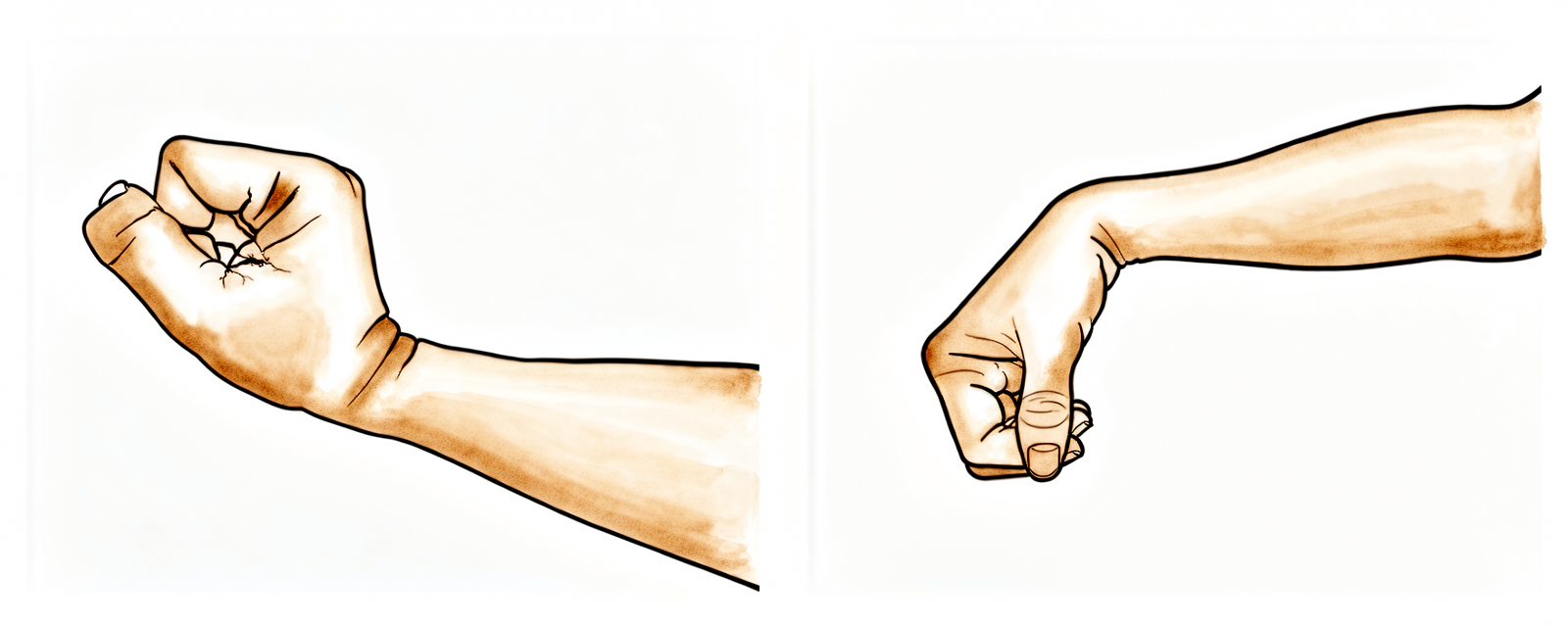
Paggalaw ng pulso
Panatilihing gumagalaw ang iyong kamay sa pamamagitan ng pagbaluktot ng iyong pulso pasulong, pabalik, at sa magkabilang gilid.
10 beses, 3 beses bawat araw
Kieran Hirpara 4.0
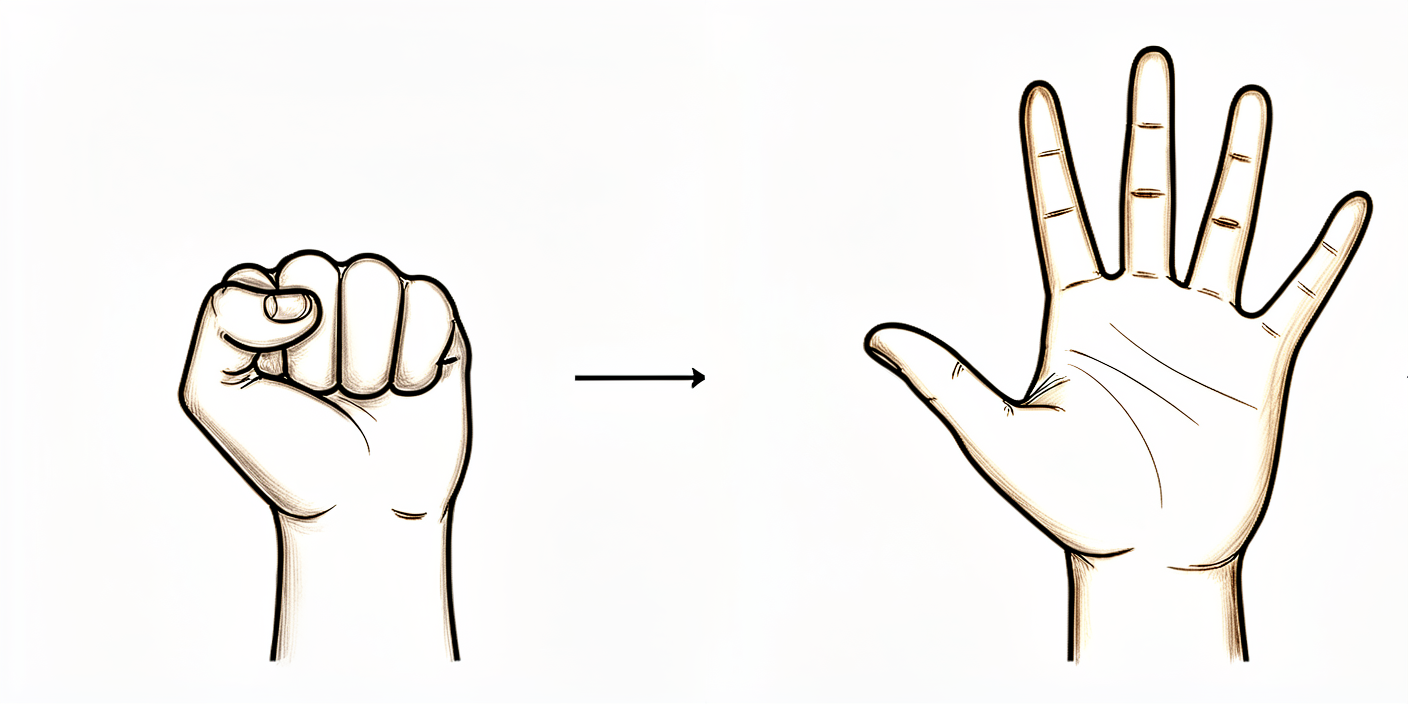
Buksan at isara ang kamay
Panatilihing gumagalaw ang iyong kamay at mga daliri sa pamamagitan ng pagbubukas at pagsasara ng mga ito, o sa pamamagitan ng pagpisil sa isang malambot na bola.
10 beses, 3 beses bawat araw
Kieran Hirpara 4.0
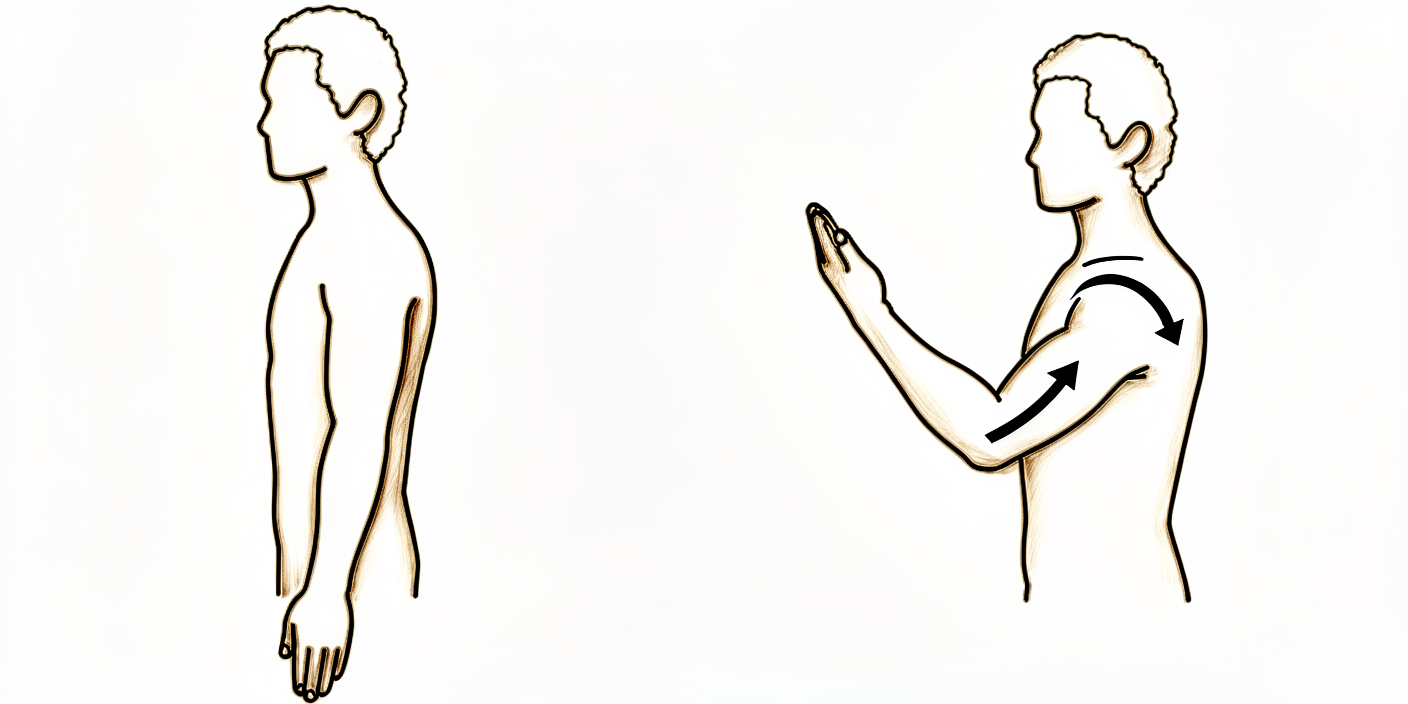
Pagtiklop ng siko
Ibaluktot at ituwid ang iyong siko.
10 beses, 3 beses bawat araw
Kieran Hirpara 4.0
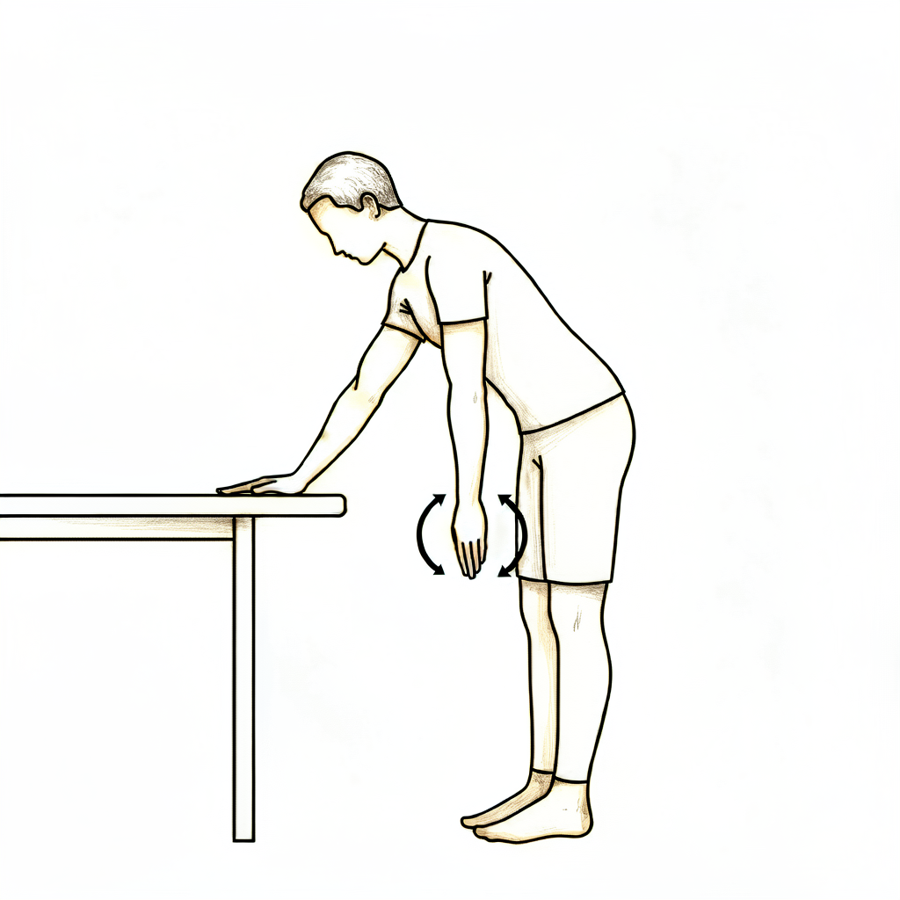
Mga Pendulum
Ito ay isang relaxed, passive exercise. Yumuko nang bahagya at hayaang nakabitin at nakarelaks ang iyong braso pababa. Gamitin ang iyong katawan upang dahan-dahang i-swing ang braso sa maliliit na bilog, clockwise at anti-clockwise, at pabalik-balik. Hayaang ang bigat ng braso ang gumawa ng trabaho, habang nakarelaks ang mga kalamnan ng balikat.
Mga 30 segundo bawat direksyon, 3 beses kada araw
Kieran Hirpara 4.0
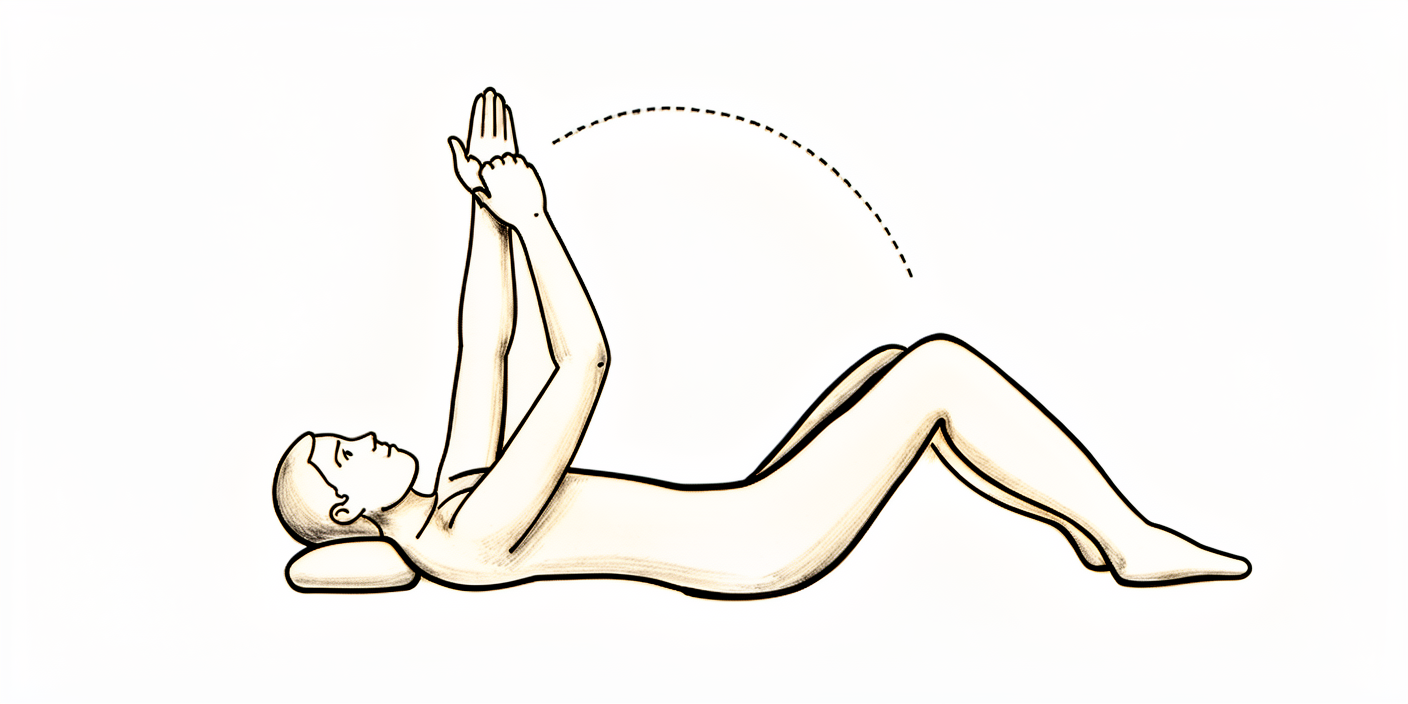
Tinutulungang forward flexion (nakahiga)
Kung mas gusto mo, humiga nang patihaya at humawak ng stick (o nakarolyo na tuwalya) gamit ang dalawang kamay. Gamitin ang iyong maayos na braso upang itulak ang inoperahang braso pataas lampas sa iyong ulo, hanggang sa kung saan ito komportableng makakarating, pagkatapos ay dahan-dahan itong ibaba. Itulak ito sa isang matatag na stretch sa bawat pagkakataon.
10 beses, 3 beses bawat araw
Kieran Hirpara 4.0
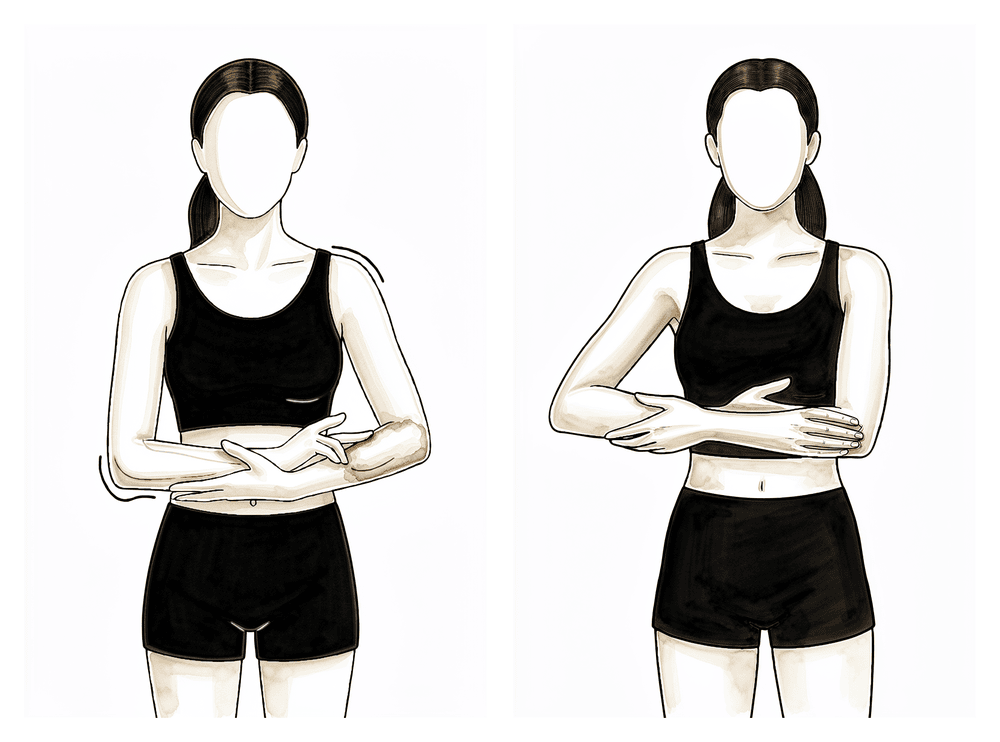
Assisted abduction (cradle)
Kargahin ang inoperahang braso gamit ang iyong kabilang braso, suportahan ito sa ilalim ng siko, at dahan-dahang i-ugoy ito palabas sa gilid at pabalik, gaya ng pag-ugoy sa isang sanggol. Dalhin ito sa isang matatag na stretch palabas sa gilid sa bawat pagkakataon.
10 beses, 3 beses bawat araw
Kieran Hirpara 4.0
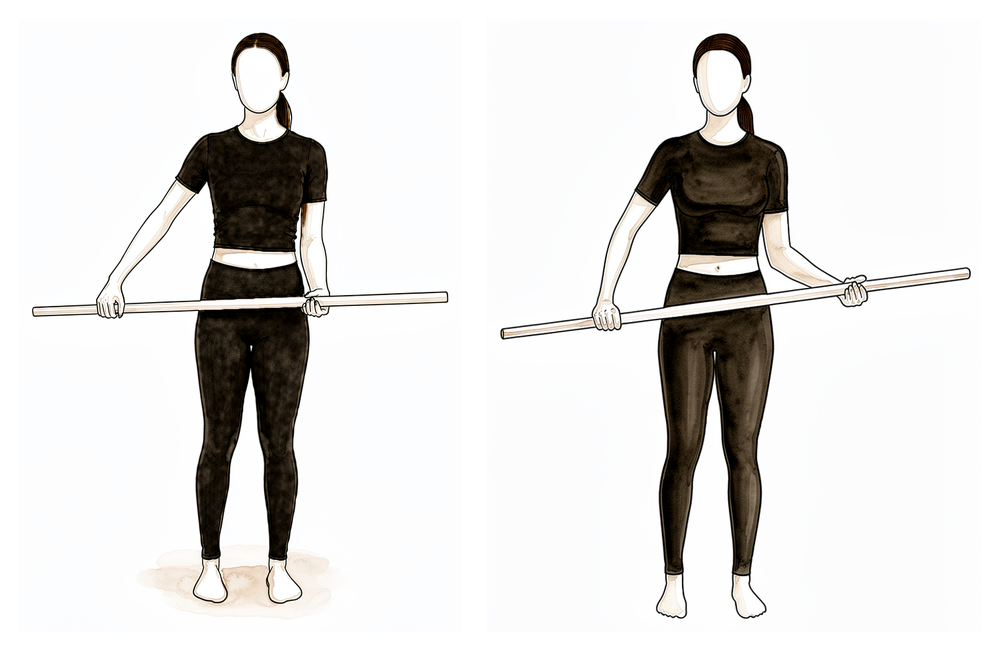
Assisted external rotation gamit ang stick
Humiga nang patihaya na ang iyong siko ay nakadikit sa iyong gilid at nakabaluktot nang 90 degrees. Humawak ng isang stick sa magkabilang kamay at gamitin ang iyong maayos na braso upang itulak palabas ang kamay ng operadong braso, habang iniikot ang balikat. Itulak ito hanggang sa maramdaman ang isang matatag na stretch: walang limitasyon kung gaano kalayo ang iyong itutulak pagkatapos ng operasyong ito, kaya itulak ang range.
10 beses, 3 beses bawat araw
Kieran Hirpara 4.0
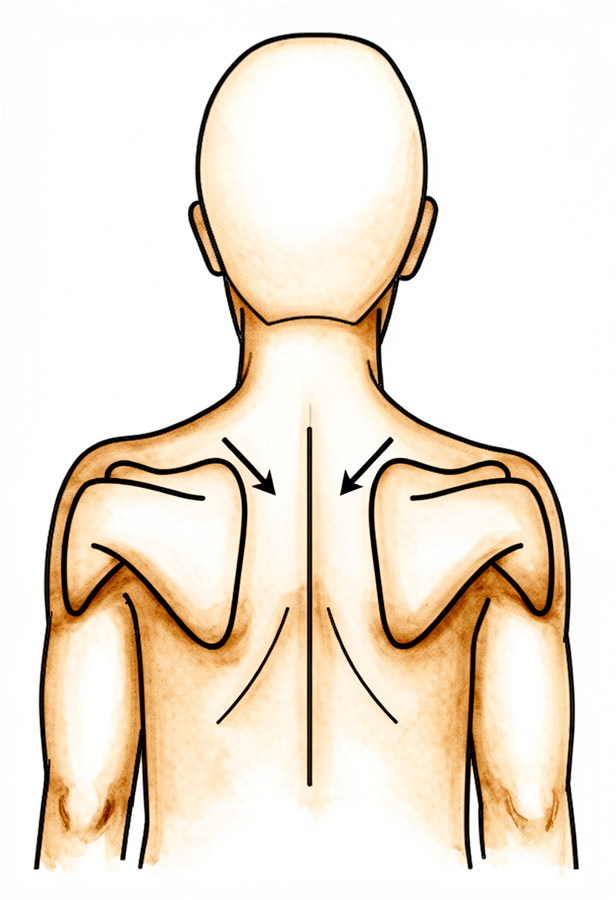
Pag-set ng lower trapezius
I-squeeze ang iyong mga shoulder blade pababa at magkasama, i-hold, pagkatapos ay i-relax.
Hawakan nang 5 segundo, 5 beses; ulitin nang 3 beses araw-araw
Kieran Hirpara 4.0
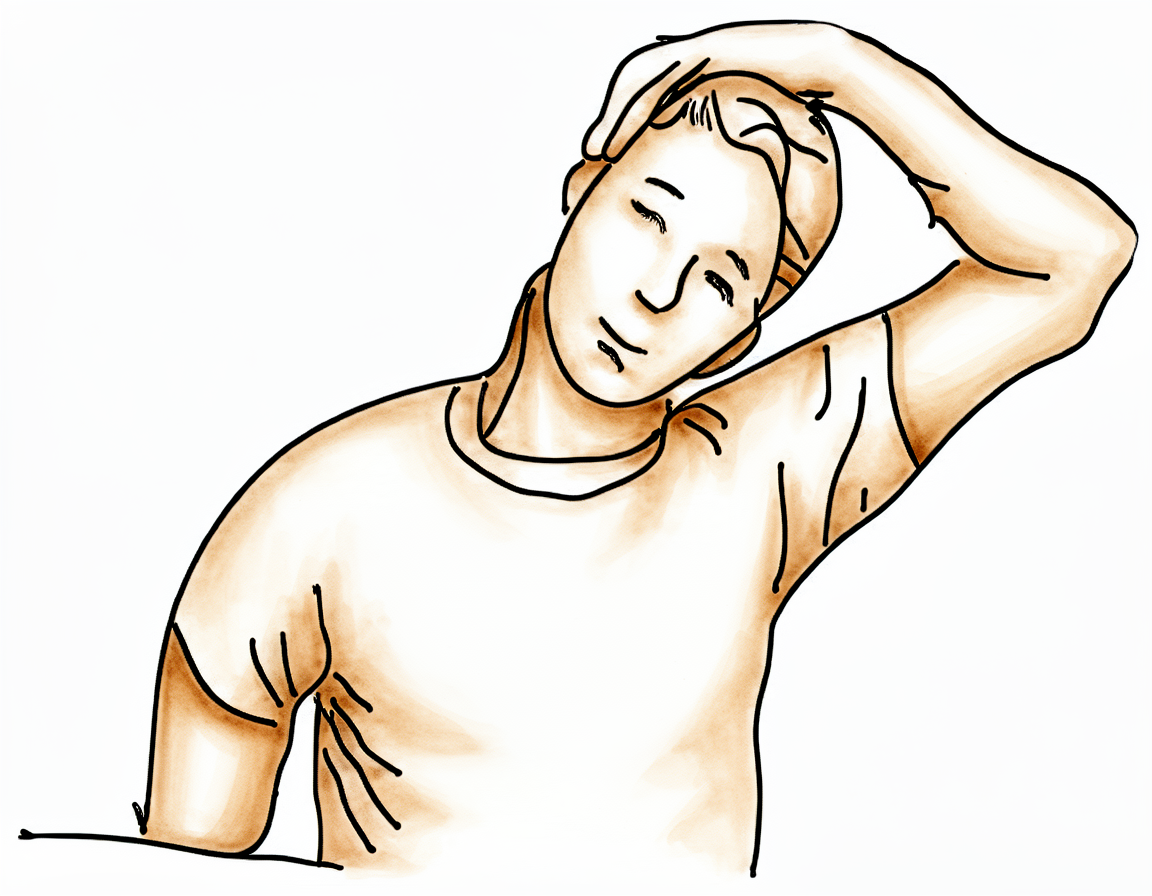
Stretch ng upper trapezius
Gamitin ang iyong maayos na braso upang dahan-dahang ilapit ang iyong tainga sa iyong balikat, palayo sa panig na inoperahan, hanggang sa makaramdam ka ng pag-unat sa gilid ng leeg.
Hawakan nang 10 segundo, 3 beses; ulitin nang 3 beses bawat araw
Kieran Hirpara 4.0
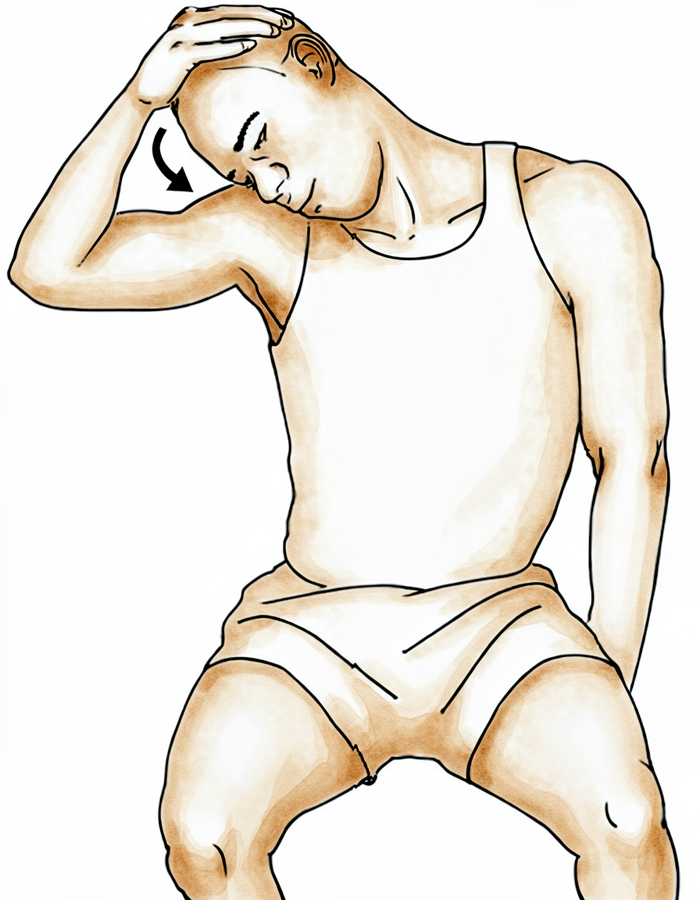
Stretch ng levator scapulae
Gamitin ang iyong maayos na braso upang ibaba ang iyong ilong patungo sa kili-kili sa kabilang panig, hanggang sa makaramdam ka ng stretch sa base ng leeg.
Hawakan nang 10 segundo, 3 beses; ulitin nang 3 beses bawat araw
Isang physiotherapist ang titingin sa iyo sa ospital at pasisimulan ka sa mga ehersisyo sa ibaba bago ka umuwi. Pinapanatili ng mga ito na gumagalaw ang kamay, siko, at balikat at agad na sinisimulan ang pagpapalawak ng range of motion ng balikat. Uminom ng iyong pain relief bago ito gawin upang makagalaw ka nang malaya. Gawin ang mga ito ayon sa itinakda ng iyong team, at ipagpatuloy ang mga ito sa bahay.
Ang iyong outpatient rehabilitation
Pagkatapos ng isang capsular release, ang rehabilitation ay tumatakbo sa kabaligtarang direksyon ng mga operasyon na nagkukumpuni ng tendon: walang kailangang protektahan, kaya ang buong pagsisikap ay nakatuon sa pagpapanatili ng paggalaw. Ang balikat ay may pinakamataas na posibilidad na tumigas muli sa mga unang linggo, kaya ang physiotherapy ay nagsisimula agad, nananatiling madalas, at nagpapatuloy sa loob ng ilang buwan hanggang sa maging stable ang iyong range. Ang mga phase sa ibaba ay sumusunod sa pattern ng mga nailathalang rehabilitation protocol para sa operasyong ito. Ang mga range ng linggo ay tipikal at hindi fixed: ang iyong physiotherapist ang magpapasulong sa iyo base sa kung paano gumagalaw ang iyong balikat, hindi base sa kalendaryo.
Ang paglalakbay sa isang sulyap:
- Phase I — Maagang rehabilitation: humigit-kumulang ang unang dalawang linggo
- Phase II — Pagpapanatili at pagbabalik ng iyong range: linggo 2 hanggang 6
- Phase III — Pagpapalakas (Strengthening): linggo 6 hanggang 12
- Phase IV — Pagbabalik sa buong aktibidad: linggo 12 pataas
Sa loob ng humigit-kumulang tatlong linggo, ang paggalaw sa ibaba ng taas ng balikat ay karaniwang nagiging mas komportable at bumabalik na ang karamihan sa iyong range, bagaman ang braso ay madalas na hindi pa rin komportable kapag itinataas sa overhead. Sa loob ng humigit-kumulang tatlong buwan, karamihan sa mga tao ay nakikita na ang kanilang mga sintomas ay malaki na ang paghupa, at ang pagbuti ay karaniwang nagpapatuloy sa loob ng anim hanggang siyam na buwan, kung minsan hanggang isang taon.
Phase I — Maagang rehabilitasyon (Linggo 0–2)
Kieran Hirpara 4.0
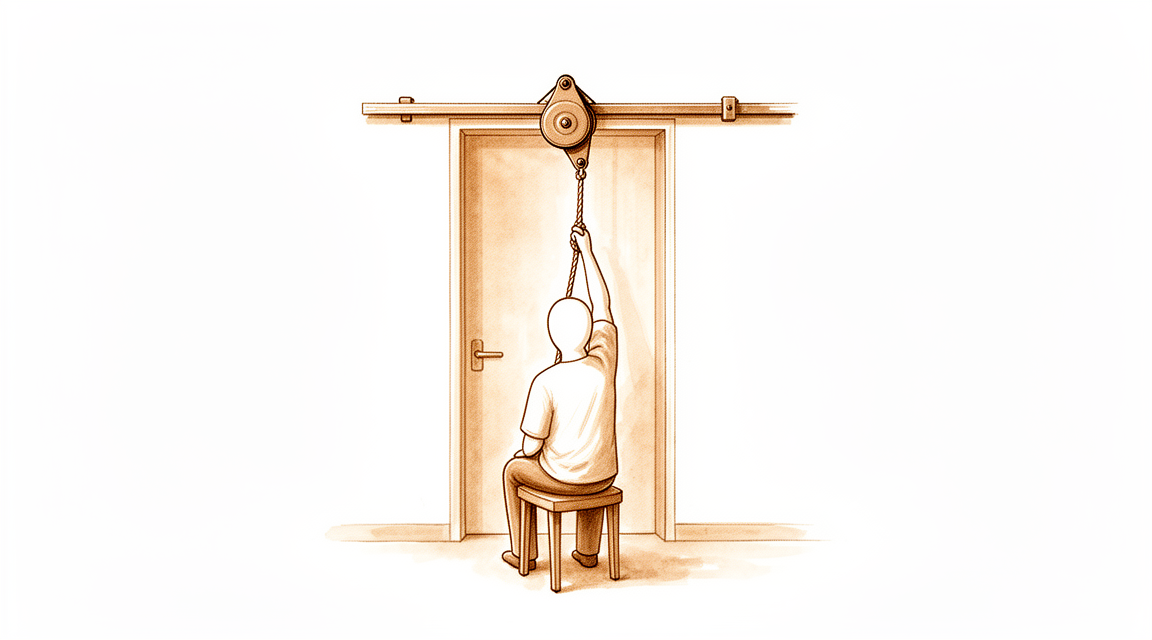
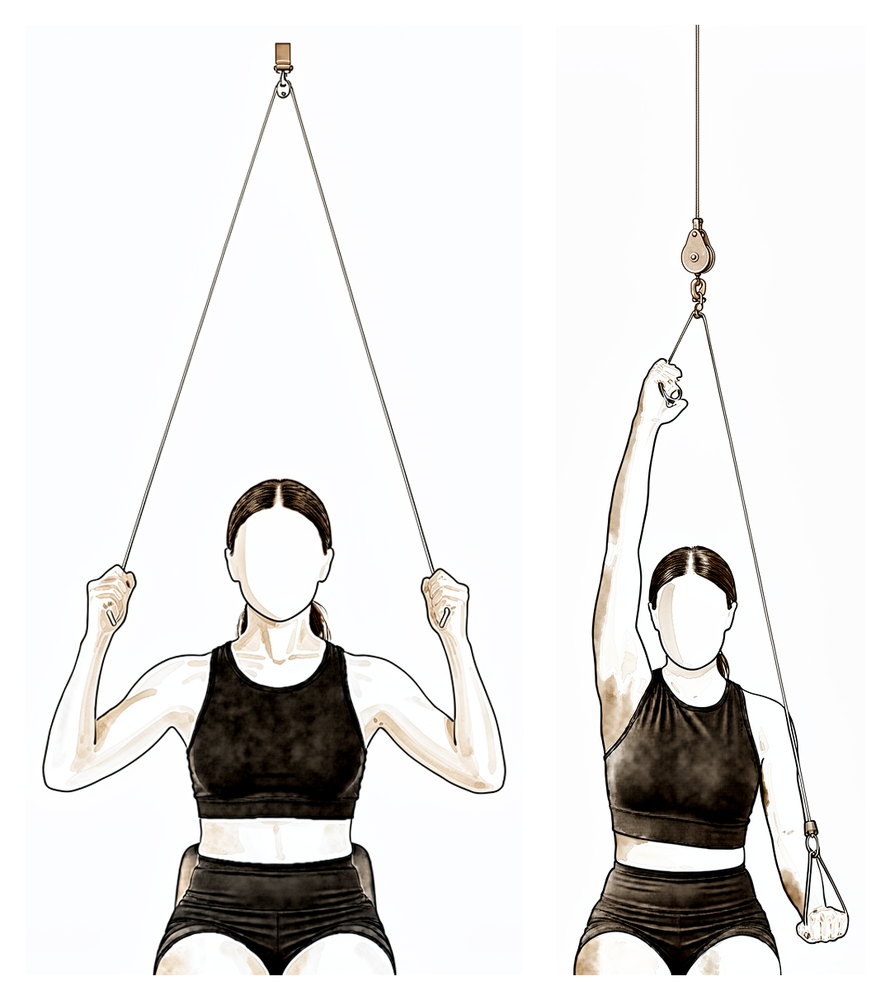
Over-door pulley
Umupo sa ilalim ng isang over-door pulley na may hawakan sa bawat kamay. Hilahin pababa gamit ang iyong mabuting braso upang itaas ang inoperahang braso sa itaas ng ulo hangga't kaya nito, pagkatapos ay dahan-dahang ibaba. Itulak ito tungo sa isang matatag na stretch sa bawat pagkakataon, ngunit hindi hanggang sa matinding sakit.
10 beses, 3 hanggang 4 na beses araw-araw
Kieran Hirpara 4.0
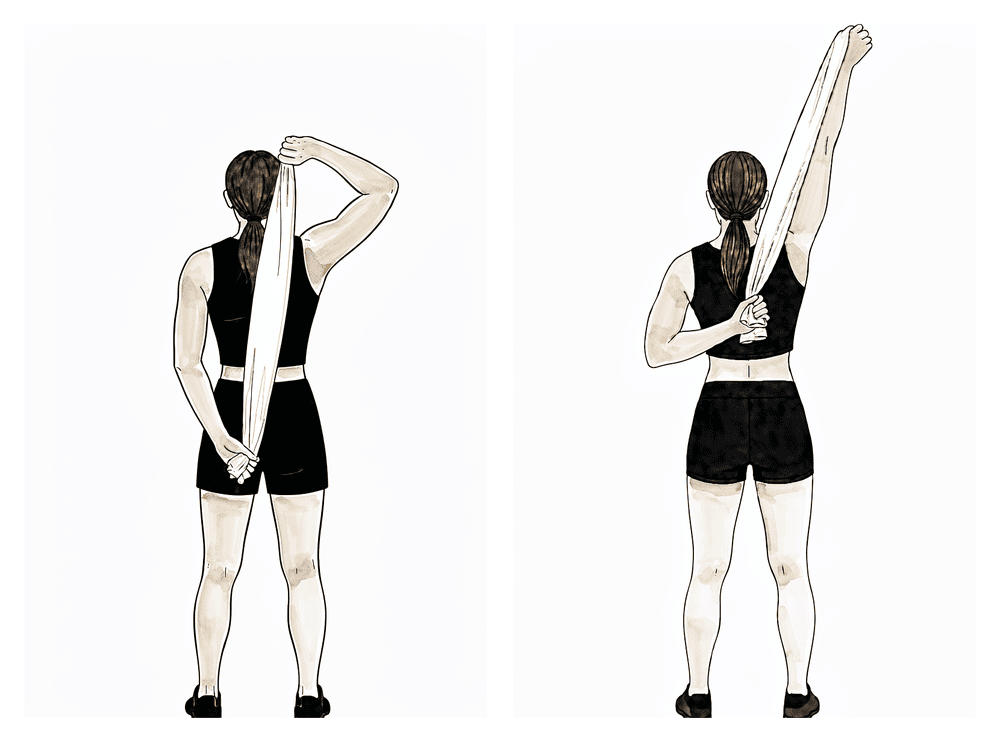
Stretch sa likod gamit ang tuwalya
Humawak ng tuwalya sa likod ng iyong katawan kung saan ang inoperahang kamay ay nasa ibaba, at gamitin ang iyong itaas na kamay upang hilahin ang ibabang kamay pataas sa iyong likod hangga't kaya nito. Dalhin ito sa isang matatag na stretch, pagkatapos ay bitawan: ang stretch ay dapat gumaan agad pagkatapos nito.
10 beses, 3 hanggang 4 na beses araw-araw
Kieran Hirpara 4.0
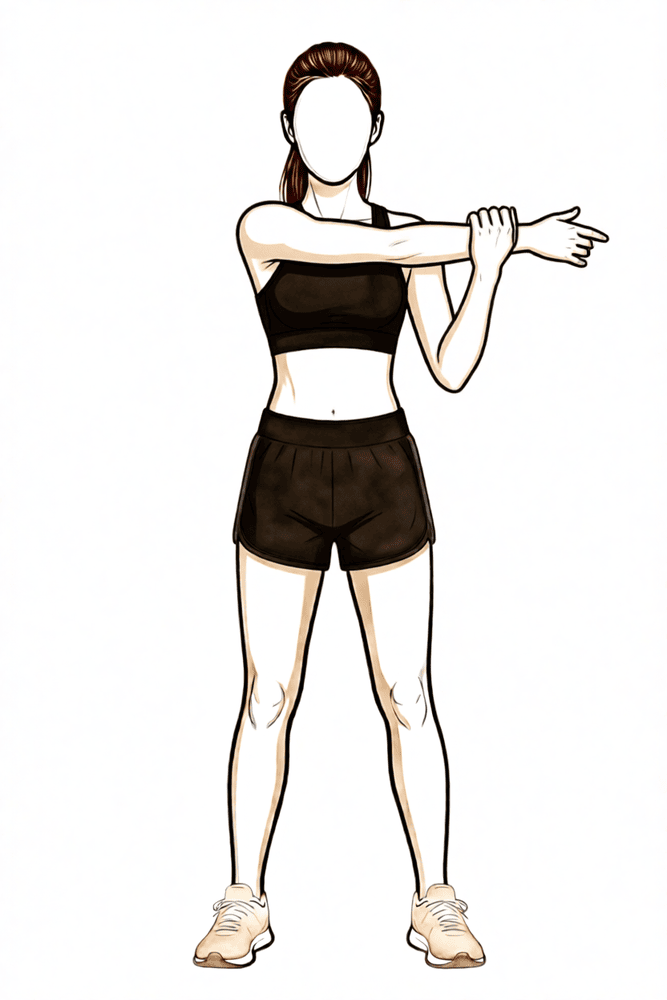
Cross-body stretch
Gamitin ang iyong maayos na kamay upang hilahin ang inoperahang braso patawid sa iyong dibdib hanggang sa makaramdam ka ng matatag na stretch sa likod ng balikat, pagkatapos ay bitawan.
10 beses, 3 hanggang 4 na beses araw-araw
Kieran Hirpara 4.0
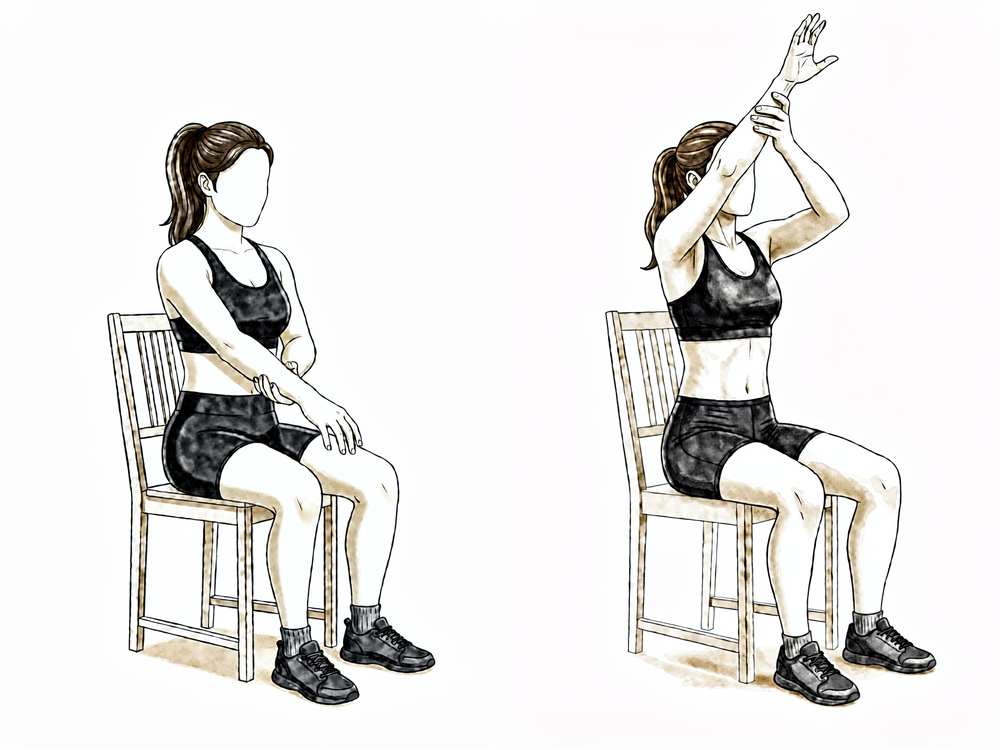
Tinutulungang forward elevation (nakaupo)
Habang nakaupo at bahagyang nakayuko pasulong, suportahan ang inoperahang forearm gamit ang iyong malusog na kamay at gamitin ito upang iangat ang inoperahang braso pasulong at pataas sa iyong harapan, hanggang sa kung saan ito komportable, pagkatapos ay dahan-dahan itong ibaba. Hayaan ang malusog na braso ang gumawa ng trabaho upang manatiling relaxed ang inoperahang balikat.
Ayon sa gabay ng iyong physiotherapist
Ang layunin ng unang dalawang linggong ito ay simple: huwag mawala ang range na nakuha sa operasyon. Ipagpatuloy ang mga ehersisyo mula sa ospital sa bahay, ilang beses sa isang araw, at magdagdag ng mga stretch na itinutulak ang balikat sa limitasyon nito sa bawat direksyon. Ang maayos na pagkontrol sa sakit ang nagbibigay-daan dito, kaya patuloy na uminom ng gamot sa sakit bago ang iyong mga ehersisyo at physiotherapy sessions, at gumamit ng init bago mag-stretch at yelo pagkatapos kung ito ay nakakatulong. Gamitin ang braso para sa mga normal at magagaan na pang-araw-araw na aktibidad tulad ng paghuhugas, pagbibihis, at pagkain. Itulak ang bawat stretch hanggang sa punto ng matinding discomfort, hindi matinding sakit, at tandaan na walang limitasyon na kailangan mong iwasan.
Handa na para sa susunod na phase kapag… nagagawa mo na ang iyong home program nang may kumpiyansa at mag-isa ilang beses sa isang araw, kontrolado na ang iyong sakit upang makapag-stretch sa range, at napapanatili mo ang paggalaw na mayroon ang iyong balikat noong operasyon.
Phase II — Pagpapanatili at pagbabalik ng iyong range (Linggo 2–6)
Kieran Hirpara 4.0
External rotation gamit ang wand (full range)
Ipagpatuloy ang stick-assisted external rotation mula sa ospital, at itulak ito nang higit pa habang lumuluwag ang range. Habang ang siko ay nasa iyong tabi, i-rotate ang forearm palabas hangga't kaya nito. Patuloy itong dalhin sa full limit nito: ang pagtulak sa range na ito ang buong layunin ng operasyon.
10 beses, 3 hanggang 4 na beses araw-araw
Kieran Hirpara 4.0
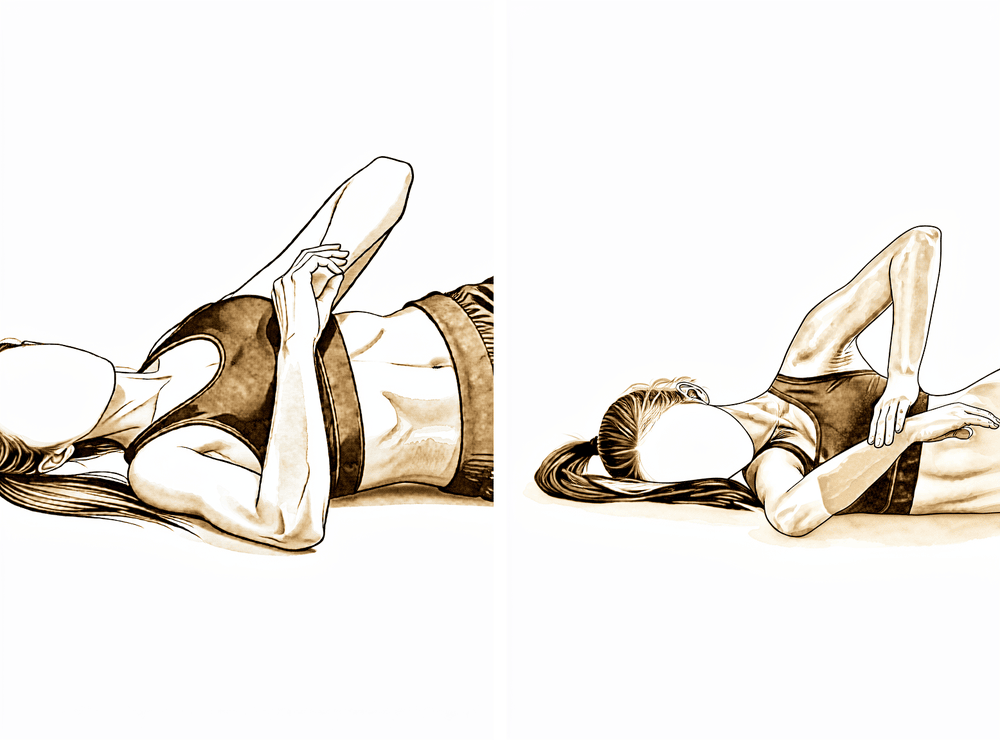
Sleeper stretch
Humiga sa panig na inoperahan na ang braso ay nakaunat sa harap at ang siko ay nakabaluktot. Gamitin ang iyong malusog na kamay upang dahan-dahang itulak ang forearm pababa sa kama, hanggang sa makaramdam ng stretch sa loob ng balikat, pagkatapos ay luwagan ito.
I-hold nang 20 hanggang 30 segundo, 3 beses; 3 hanggang 4 na beses araw-araw
Ipinagpapatuloy ng phase na ito ang madalas na physiotherapy at ang home stretching program, na ginagawa nang ilang beses sa isang araw, upang ang movement na nakuha sa surgery ay hindi mawala at ang range ay patuloy na bumuo. Ang iyong mga ehersisyo ay uunlad mula sa assisted movements patungo sa aktibong paggalaw ng braso sa lahat ng direksyon, at maaaring magdagdag ang iyong physiotherapist ng hands-on joint mobilisation upang makatulong. Patuloy na itulak ang range sa bawat plane, kabilang ang external rotation, hanggang sa full limit nito. Gamitin ang braso nang normal para sa mga light daily activities.
Handa na para sa susunod na phase kapag… ang range na nakuha sa surgery ay napapanatili o patuloy pang bumubuti, ang paggalaw sa ibaba ng taas ng balikat ay komportable, at ang iyong sakit ay humupa na nang sapat upang simulan ang gentle resistance work.
Phase III — Pagpapalakas (Linggo 6–12)
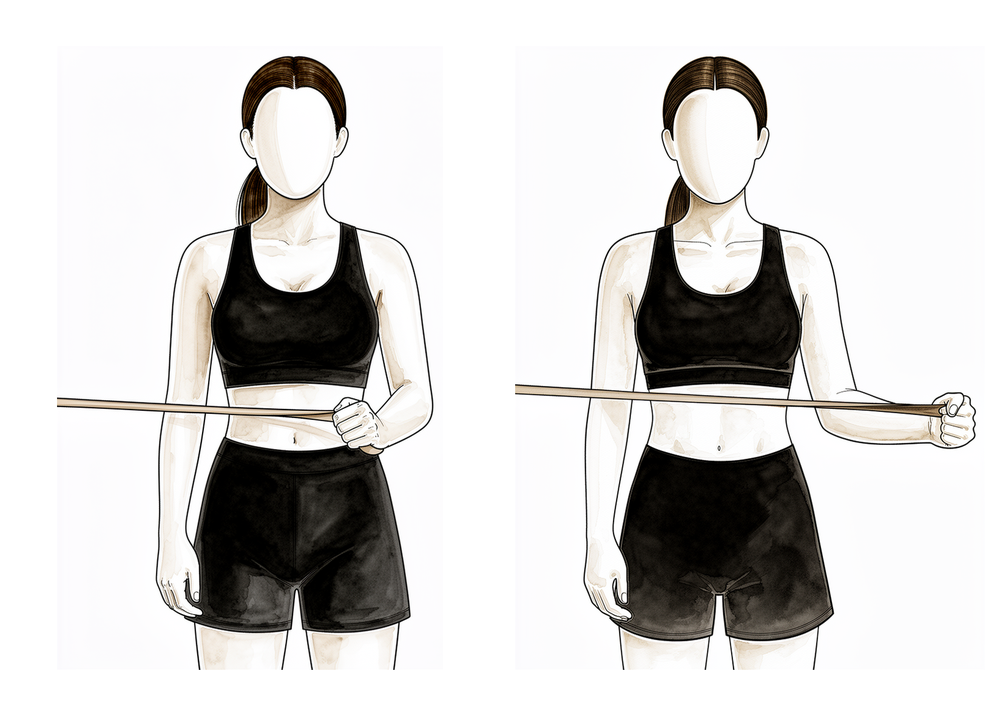
Kieran Hirpara 4.0
Band external rotation
Tumayo nang nakadikit ang iyong siko sa iyong tagiliran at nakabaluktot nang 90 degrees, habang hawak ang isang elastic band na naka-angkla sa taas ng baywang. Panatilihing nakadikit ang siko sa iyong tagiliran, i-rotate ang forearm palabas laban sa band, pagkatapos ay dahan-dahang ibalik.
2 hanggang 3 sets ng 10 hanggang 15, 5 araw bawat linggo
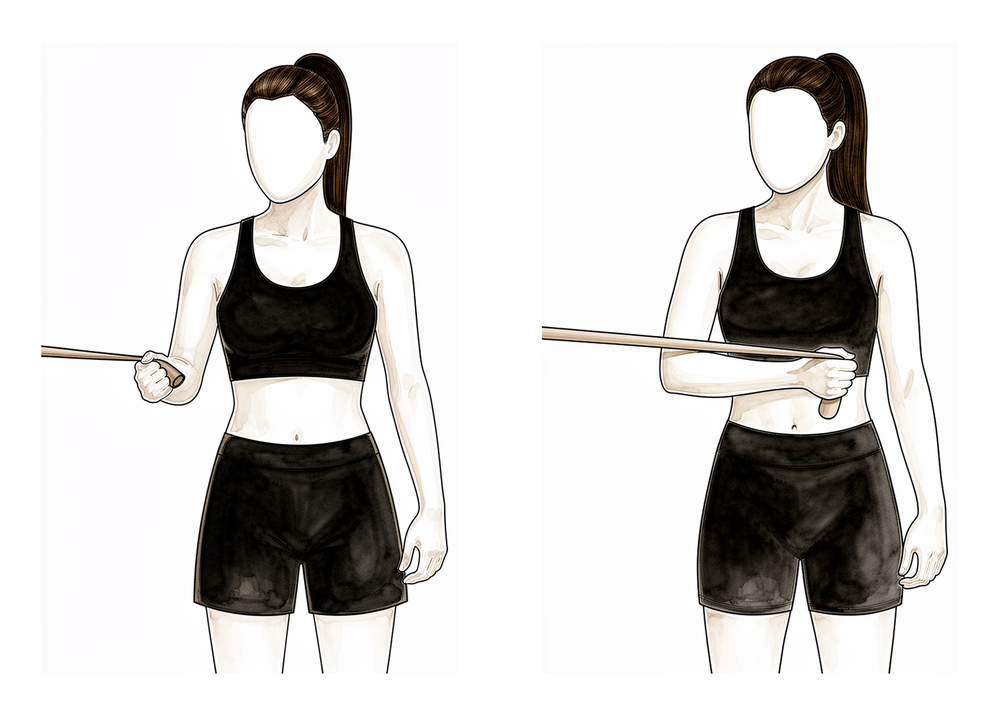
Kieran Hirpara 4.0
Band internal rotation
Habang nakadikit ang iyong siko sa iyong tagiliran, hawakan ang isang band na naka-angkla sa isang panig at i-rotate ang forearm papasok sa tapat ng iyong katawan laban sa band, pagkatapos ay dahan-dahang ibalik.
2 hanggang 3 sets ng 10 hanggang 15, 5 araw bawat linggo
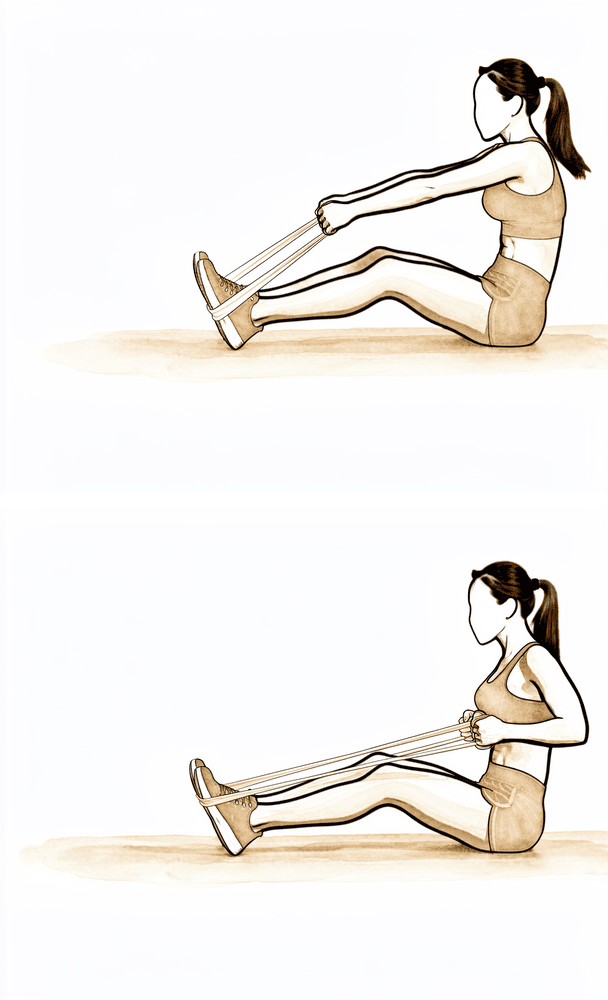
Kieran Hirpara 4.0
Low row
Humawak ng band na naka-angkla sa harap mo sa taas ng iyong baywang. Panatilihing medyo tuwid ang iyong braso, hilahin ito pabalik at pababa patungo sa iyong balakang, pigain ang shoulder blade pababa at pabalik, pagkatapos ay dahan-dahang ibalik.
2 hanggang 3 sets ng 10 hanggang 15, 5 araw bawat linggo
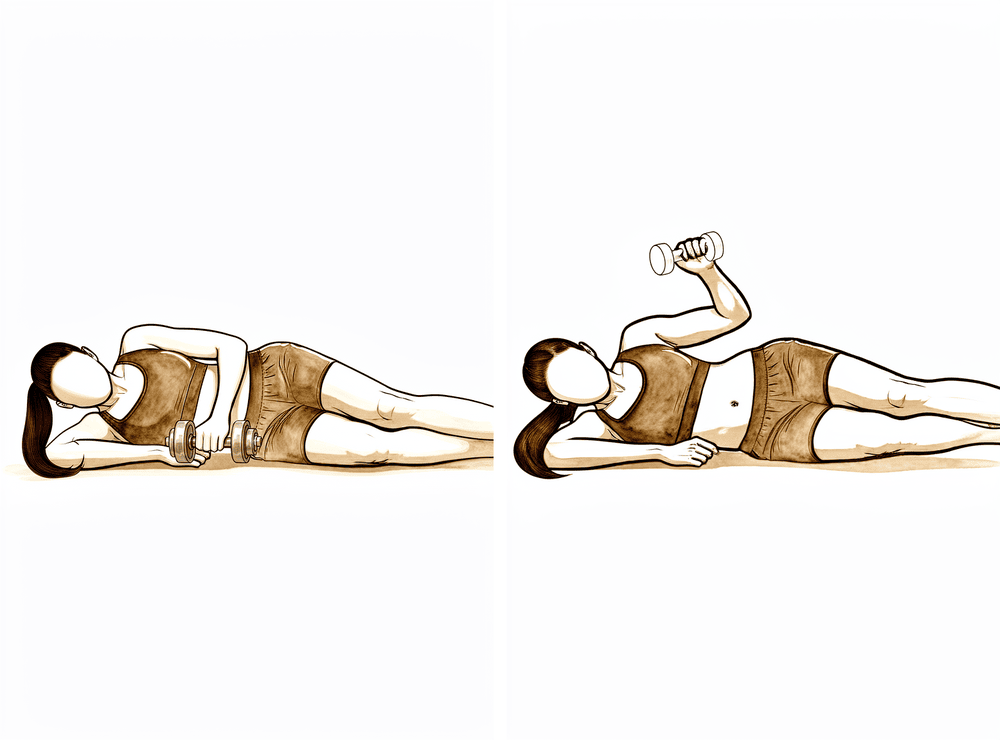
Kieran Hirpara 4.0
Side-lying external rotation (magaang timbang)
Humiga sa iyong maayos na panig na ang inoperahang siko ay nakabaluktot nang 90 degrees at nakadikit sa iyong tagiliran, habang humahawak ng magaan na pabigat (mga 0.5 hanggang 1.5 kg). I-rotate ang forearm pataas, pagkatapos ay dahan-dahang ibaba: ang mabagal na pagbaba ang mahalagang bahagi. Panatilihin ang paggalaw sa ibaba ng taas ng balikat.
2 hanggang 3 sets ng 10 hanggang 15, low load
Dahil stable na ang iyong range, ang atensyon ay nakatuon na sa muling pagbuo ng lakas ng balikat. Nagpapatuloy ang pang-araw-araw na stretching sa buong phase na ito, dahil ang pagpapalakas ay hindi dapat maging sanhi ng pagkawala ng range na iyong pinagtrabahuan. Ang resistance work ay magsisimula nang dahan-dahan, gamit ang mga elastic band at magagaan na weights para sa rotator cuff at mga kalamnan ng shoulder-blade, na may mababang load at mas mataas na repetitions. Ang mga normal na pang-araw-araw na aktibidad ay dapat na halos bumalik na sa dati, at ang mga mas magagaan na recreational activities ay karaniwang nagpapatuloy sa phase na ito, ayon sa gabay ng iyong physiotherapist.
Handa na para sa susunod na phase kapag… mayroon ka nang buo, o halos buong, pain-free na paggalaw sa lahat ng direksyon, at kaya mo nang gawin ang mga strengthening exercises nang walang flare-up ng sakit o anumang pagkawala ng range.
Phase IV — Pagbabalik sa buong aktibidad (Ika-12 linggo onwards)
Ang huling phase ay ang unti-unting pagbabalik sa mas mabibigat na trabaho, mga gawaing overhead, at sports. Ang pormal na rehabilitasyon ay karaniwang tumatagal ng tatlo hanggang apat na buwan sa kabuuan, at ang balikat ay patuloy na bumubuti lampas pa rito: karamihan sa mga tao ay patuloy na nakakaramdam ng ginhawa at kumpyansa sa loob ng anim hanggang siyam na buwan, kung minsan ay hanggang isang taon. Mahalagang ipagpatuloy ang isang maikling stretching routine hanggang sa ang iyong range ay mapanatili na nang kusa nang walang pormal na mga ehersisyo. Ang progression ay nananatiling ginagabayan ng iyong nararamdaman, kaya kung ang paninigas o sakit ay nagsimulang bumalik, ang solusyon ay bawasan ang tindi ng aktibidad at ibalik ang range, hindi ang pagpapahinga ng balikat.
Pagbabalik sa aktibidad
Karamihan sa mga tao ay nakakabalik na sa normal na pang-araw-araw na aktibidad at sa maraming uri ng trabaho sa loob ng apat hanggang anim na linggo, dahil ang paggaling dito ay nakabatay sa pagpapanatili ng iyong range kaysa sa paghihintay na gumaling ang tissue. Ang mas mabigat at mas pisikal na trabaho at mga overhead sport ay unti-unting ibinabalik sa mga sumunod na linggo hanggang buwan, habang bumabalik ang iyong lakas. Kung sa anumang punto ay magsimulang tumigas muli ang balikat, ituring ito bilang hudyat upang mas pagbutihin ang iyong mga stretch at kumonsulta sa iyong physiotherapist, hindi upang magpahinga.
Iyong mga ehersisyo
Ito ang mga ehersisyo mula sa iyong handout. Simulan ang mga ito ayon sa gabay ni Dr Hirpara at ng iyong physiotherapist. Pagkatapos ng isang capsular release, walang repair na kailangang protektahan, kaya ang pagpapanatiling hindi gumagalaw ng balikat ay makakasama sa iyo — ang na-release na balikat ay muling hihigpit sa pagitan ng mga session. Ito ang dahilan kung bakit mahaba ang listahan at kung bakit mas mabisa ang madalas ngunit maikling session kaysa sa isang mahabang session: ang mga maagang paggalaw ng wrist, kamay, at siko kasama ang mga pendulum ay nagpapanatiling maluwag sa buong braso, ang mga assisted stretch (lying flexion, cradle abduction, stick external rotation) ay pinapanatili ang range na nakuha sa operasyon, at ang band at scapular work ay idinaragdag kalaunan upang bumuo ng kontrol. Mas mahalaga ang dalas kaysa sa puwersa. Itigil ang anumang nagdudulot ng matalas na sakit sa halip na pakiramdam ng pag-stretch.
Pagkatapos ng iyong protocol
Ang mga outpatient phase sa itaas ay hango sa mga nailathalang rehabilitation protocol para sa arthroscopic capsular release, kung saan ang mga recovery milestone ay kinuha rin mula sa parehong mga source. Ang mga range ng linggo ay tipikal at hindi fixed, at ang iyong patuloy na rehabilitation ay ginagabayan nang indibidwal ng iyong physiotherapist, katuwang ang practice, base sa kung paano bumabalik ang paggalaw ng iyong balikat. Ang pahinang ito ay kasabay ng pangkalahatang payo sa recovery ng practice: tingnan ang pamamahala ng post-operative pain at pag-aalaga ng sugat. Para sa operasyon mismo at sa kondisyong ginagamot nito, tingnan ang capsular release at frozen shoulder.
Evidence & references
This is the clinical evidence summary written for health professionals. It is technical, and it lists the research this page was built from. You do not need to read it to understand your treatment or to make a decision about it.
Adhesive Capsulitis (Frozen Shoulder) — Non-operative Staged Management & Post-operative Rehabilitation (Capsular Release)
Topic scope: Both (A) non-operative staged management of primary/secondary adhesive capsulitis (freezing -> frozen -> thawing), including physiotherapy, intra-articular steroid and hydrodilatation; and (B) post-operative rehabilitation after arthroscopic capsular release (ACR).
Defining principle of surgical rehab here (the inversion): Unlike virtually every other shoulder operation -- where a repair (cuff, labrum, pec major, instability) must be protected with a sling and ROM is restricted to avoid disrupting healing tissue -- frozen-shoulder release rehab is the OPPOSITE: the goal is to prevent re-formation of the capsular contracture. So the protocol is immediate, aggressive ROM, usually NO sling, passive + active ROM starting the same day or day 1, with stretching to the end of the freshly gained range. Delay or immobilisation is the enemy (re-stiffening), not the protector. This is the single most important point distinguishing this protocol from the others in this audit.
A. NON-OPERATIVE STAGED MANAGEMENT
Natural history / staging (consensus, weak evidence -- descriptive, no RCT)
Frozen shoulder is self-limiting in most but typically lasts 12-18 months across 3 clinical stages (Reeves' classic model; staging boundaries overlap and are not sharply separable in practice -- flagged as weak/consensus evidence; the original Reeves model was a single prospective cohort of 49 patients, not an RCT) [Brigham SOC; Chan 2017; Reeves 1975 via Willmore 2020]:
| Stage | Name | Typical duration | Clinical picture | Management emphasis |
|---|---|---|---|---|
| 1 | Freezing (painful/inflammatory) | 2-9 months | Diffuse constant pain, worse at night; progressive ROM loss in a capsular pattern (ER > ABD > flexion > IR); loss of passive ER with arm at side is the hallmark | Pain control; intra-articular steroid; gentle ROM within pain limits -- do NOT force end-range while highly inflamed |
| 2 | Frozen (adhesive/stiff) | 4-12 months | Pain subsides to dull ache; stiffness dominant; marked functional loss | Restore motion: stretching, joint mobilisation grades III-IV, hydrodilatation; consider surgery if recalcitrant |
| 3 | Thawing | 6-9 months (Brigham) | Gradual spontaneous return of motion | Progressive ROM + strengthening; PT 2-3x/week |
(Stage durations from Brigham Standard of Care 2010 and Chan 2017: freezing 2-9 mo, frozen 4-12 mo, thawing 6-9 mo.)
Stepped non-operative interventions
- Education / "supervised neglect" + analgesia -- many resolve with reassurance, activity modification and analgesia alone (Codman; Hsu 2011 review). Weak (cohort/expert).
- Physiotherapy -- pendulum, PROM/AAROM/AROM, capsular stretching, joint mobilisation (grades I-II early for pain, III-IV later for tissue extensibility), scapular/posture work. Brigham: PT 1-2x/week in early stages (mainly HEP instruction), 2-3x/week in thawing. PT is best supported as an adjunct to mobilisation/injection/distension, not as a stand-alone cure (Itoi 2016 Current Concepts; Kelley/McClure/Leggin JOSPT 2009 guidance). Moderate; intensity/timing debated. Intensity caveat: end-range/high-intensity stretching is appropriate in the frozen/thawing phase but can be counter-productive in the acutely inflamed freezing phase -- match intensity to irritability (Kelley 2009).
- Intra-articular corticosteroid (glenohumeral) -- superior to placebo and to physiotherapy for short-term (up to 4-12 weeks) pain and function; benefit wanes after ~3 months. Strong for short term (multiple RCTs; Koh 2016 systematic review of 10 RCTs; Cochrane Buchbinder shoulder injection review). BESS pathway: GH steroid recommended for short-term symptom control; long-term (>3 mo) benefit not demonstrated (Rupani/Gwilym BESS 2025). Earlier injection (freezing phase) is the rationale -- steroid targets the inflammatory component.
- Hydrodilatation (distension arthrography) -- distends/ruptures the contracted capsule with saline +/- steroid +/- LA. A controlled, image-guided alternative to surgery. RCT/meta-analytic evidence is mixed: generally produces a transient functional/ROM gain, with no clear superiority over IA steroid alone in several network meta-analyses (Wu 2017 SR/MA of RCTs; Lin 2018 network MA). Some evidence hydrodilatation + steroid > steroid alone in refractory cases (Lee 2017 RCT). Low rate of needing later surgery after distension arthrogram (Nicholson 2020). Moderate; conflicting.
B. POST-OPERATIVE REHABILITATION (the "immediate aggressive ROM" protocols)
Surgery is reserved for cases recalcitrant to >=3-6 months of adequate non-operative care (Struyf 2024; Mullen 2025).
Arthroscopic capsular release (ACR)
- Controlled, direct-vision release of the contracted capsule (rotator interval, CHL, anterior +/- inferior +/- 360 degree capsulotomy; care re axillary nerve inferiorly). Allows graded release with a low risk of iatrogenic fracture or cuff tear (Kanbe 2018, n=255; Jerosch 2001 360 degree release). Achieves reliable gains in final forward elevation and may shorten recovery (most improved by ~4 months -- McAllister/CORR Insights 2025; Saade 2023 MA favoured ACR for AFE). A gentle, controlled manipulation is often performed as part of the arthroscopic release to confirm the gained range.
Consensus POST-OP phased timeline (applies after arthroscopic capsular release)
The hallmark is immediate motion, no protective sling, same-day/day-1 ROM to hold the range just won in theatre.
| Phase | Window | Sling | ROM | Active ROM | Strengthening | Notes |
|---|---|---|---|---|---|---|
| 0 -- Immediate | Day 0-1 (same day) | NO sling (or sling only briefly for comfort/analgesia, discarded fast) | Full passive ROM immediately; PT-assisted forward flexion + ER begun day 1; +/- continuous passive motion (CPM); pendulums; patient does HEP several times/day | AAROM/AROM started day 1 alongside PROM (no protected period) | -- | Intra-articular steroid often injected at time of release to damp post-op inflammatory re-stiffening |
| 1 -- Early | Week 0-2 | None | Aggressive PROM/AAROM to maintain gained range; stretch into end-range daily; hold ER/ABD/flexion | Active motion continued | Light scapular/rotator-cuff activation as pain allows | Pain control critical to allow the patient to move -- adequate analgesia / interscalene block / oral steroid taper |
| 2 -- Strengthening | Week 2-6 | None | Continue to full ROM | Full AROM goal | Rotator cuff + scapular strengthening begins ~week 2 (Kanbe protocol) | Most back to normal daily activity / work by 4-6 weeks |
| 3 -- Return to function | ~6 weeks-3 months | None | Maintain full ROM | Full | Progressive strengthening to full | Recurrence of stiffness is the main failure mode -> continued HEP emphasised |
Representative published protocol (Kanbe 2018, J Orthop Surg Res, n=255, ACR): "passive, assisted-active and stooping (pendulum) exercises for forward flexion and external rotation commenced 1 day after surgery... after 2 weeks of passive exercise, patients began active exercise to strengthen the rotator cuff and scapular stabilisers... after 4-6 weeks patients returned to normal work without limitation." Many ACR series add an intra-articular steroid + controlled manipulation at the index procedure (Filip Struyf 2024; PMC5137660).
Post-surgical physiotherapy is universally agreed to be essential but is under-standardised -- there is no high-level RCT defining the optimal post-release regimen; protocols are consensus/expert and vary widely (Willmore 2020 Shoulder & Elbow, "Post-surgical physiotherapy in frozen shoulder: a review"). Weak/consensus.
KEY CONTROVERSIES
- Evidence base for arthroscopic release. ACR gives a controlled, direct-vision release with a low iatrogenic fracture/cuff-tear risk and reliable gains in final elevation. Systematic reviews show consistently acceptable results, though there is no definitive RCT defining the optimal technique (Saade 2023 MA; McAllister 2025). Weak/moderate evidence (large cohorts).
- Steroid timing. Strong short-term benefit (<12 wk) but no durable >3-month benefit; debate over injecting early (freezing/inflammatory phase) vs reserving for refractory cases (Koh 2016; Rupani/Gwilym BESS 2025; Lin 2018).
- Aggressive vs gentle physiotherapy. High-intensity end-range stretching helps in the frozen/thawing phases but may worsen pain and prolong the condition if applied to the acutely inflamed freezing phase -- "intensity should match irritability" (Kelley/McClure 2009; Itoi 2016). Post-operatively, by contrast, aggressive immediate ROM is mandatory to prevent re-stiffening.
- Hydrodilatation worth it? Transient benefit only and not clearly better than IA steroid alone in pooled RCT data (Wu 2017; Lin 2018), though some refractory-case RCT support (Lee 2017) and a low rate of needing later surgery (Nicholson 2020).
- Does anything change the natural history? No intervention is proven to shorten the overall 12-18 month course in the highest-quality reviews; most accelerate symptom relief rather than alter end-point (Rookmoneea 2010 JBJS Br; Hsu 2011). Strong (negative).
EVIDENCE STRENGTH FLAGS (summary)
- STRONG (RCT / SR-MA): IA corticosteroid short-term benefit (Koh 2016 SR of 10 RCTs; Cochrane); hydrodilatation = transient, not superior to steroid (Wu 2017 SR-MA of RCTs; Lin 2018 network MA).
- MODERATE: end-range/scapular mobilisation (Yang 2012 RCT); ACR clinical outcomes (large cohorts -- Kanbe 2018 n=255; Jerosch 2001).
- WEAK / CONSENSUS ONLY: 3-stage natural-history model & stage durations (Reeves cohort, descriptive); the post-operative rehab protocol itself (no defining RCT; expert/consensus -- Willmore 2020); optimal ACR technique (published series are heterogeneous).
CITATIONS
RAG corpus (180,000+ Orthopaedic articles)
- Guyver P, Bruce D, Rees J. Frozen shoulder -- a stiff problem that requires a flexible approach. Maturitas. 2014.
- Kim J, Gahlot N, Park HB. Frozen shoulder: a narrative review of current treatment concepts and the underlying scientific evidence. Clinics in Shoulder and Elbow. 2025;28(4).
- Hsu JE, Anakwenze OA, Warrender WJ, et al. Current review of adhesive capsulitis. J Shoulder Elbow Surg. 2011;20(3):502-514.
- Koh KH. Corticosteroid injection for adhesive capsulitis in primary care: a systematic review of randomised clinical trials. Singapore Med J. 2016.
- Rupani N, Gwilym SE. British Elbow and Shoulder Society patient care pathway: Frozen shoulder. Shoulder & Elbow. 2025;17(4).
- Sheridan MA, Hannafin JA. Upper Extremity: Emphasis on Frozen Shoulder. Orthop Clin North Am. 2006.
- Chan H, Pua P, How C. Physical therapy in the management of frozen shoulder. Singapore Med J. 2017.
- Willmore EG, Millar NL, van der Windt D. Post-surgical physiotherapy in frozen shoulder: a review. Shoulder & Elbow. 2020;14(4).
- Lamplot JD, Lillegraven O, Brophy RH. Outcomes from conservative treatment of shoulder idiopathic adhesive capsulitis... Orthop J Sports Med. 2018.
- Itoi E, Arce G, Bain GI, et al. Shoulder Stiffness: Current Concepts and Concerns. Arthroscopy. 2016;32(7).
- Kanbe K. Clinical outcome of arthroscopic capsular release for frozen shoulder: essential technical points in 255 patients. J Orthop Surg Res. 2018;13(1). (post-op protocol: day-1 ROM, 4-6 wk RTW)
- Jerosch J. 360 degree arthroscopic capsular release in patients with adhesive capsulitis... Knee Surg Sports Traumatol Arthrosc. 2001;9(3).
- McAllister NB. CORR Insights: Releasing forces in adhesive capsulitis... Clin Orthop Relat Res. 2025.
- Saade F, van Rooij F, Saffarini M, et al. Management of shoulder stiffness following rotator cuff repair: a systematic review and meta-analysis. JSES Rev Rep Tech. 2023.
- Wu W, Chang K, Han D, et al. Effectiveness of glenohumeral joint dilatation for treatment of frozen shoulder: a systematic review and meta-analysis of RCTs. Sci Rep. 2017. (SR-MA of RCTs)
- Lin M, Hsiao M, Tu Y, et al. Comparative efficacy of intra-articular steroid injection and distension... a systematic review and network meta-analysis. Arch Phys Med Rehabil. 2018. (network MA)
- Lee D, Yoon S, Lee MY, et al. Capsule-preserving hydrodilatation with corticosteroid vs corticosteroid alone in refractory adhesive capsulitis: a randomized controlled trial. Arch Phys Med Rehabil. 2017. (RCT)
- Nicholson JA, Slader B, Martindale A, et al. Distension arthrogram in the treatment of adhesive capsulitis has a low rate of repeat intervention. Bone Joint J. 2020;102-B(5).
- Uppal HS. Frozen shoulder: a systematic review of therapeutic options. World J Orthop. 2015.
- Mullen JP, Hauer TM, Lau EN, et al. Adhesive capsulitis of the shoulder. Arthroscopy. 2025;41(7).
- Yang J, Jan M, Chang C, et al. Effectiveness of the end-range mobilization and scapular mobilization approach... a randomized control trial. Manual Therapy. 2012. (RCT)
- Rookmoneea M, et al. The effectiveness of interventions in the management of patients with primary frozen shoulder. J Bone Joint Surg Br. 2010;92-B(9).
- Struyf F. Frozen Shoulder. 2024 (surgical indication & post-op steroid + controlled manipulation).
Published rehab protocols (URLs)
- Brigham & Women's Hospital -- Standard of Care: Shoulder Adhesive Capsulitis (Dept of Rehabilitation Services, 2010): https://www.brighamandwomens.org/assets/BWH/patients-and-families/rehabilitation-services/pdfs/shoulder-adhesive-capsulitis.pdf (source for the 12-18 mo / 3-stage durations, capsular pattern, PT frequency 1-2x/wk early & 2-3x/wk thawing, mobilisation grades, steroid 4-6 wk short-term benefit).
- BESS (British Elbow & Shoulder Society) Frozen Shoulder patient care pathway -- Rupani & Gwilym, Shoulder & Elbow 2025 (GH steroid short-term only, no >3 mo benefit).
- Kanbe 2018 ACR open-access (post-op day-1 ROM protocol): https://pmc.ncbi.nlm.nih.gov/articles/PMC5857121/
- ChoosePT / APTA patient guide to frozen shoulder (lay phased overview): https://www.choosept.com/guide/physical-therapy-guide-frozen-shoulder-adhesive-capsulitis