Patients › General-Health
Diabetes at mga Kondisyon sa Upper-Limb
Why diabetes makes frozen shoulder, trigger finger, carpal tunnel syndrome and Dupuytren's more common, and how it affects healing and surgery.
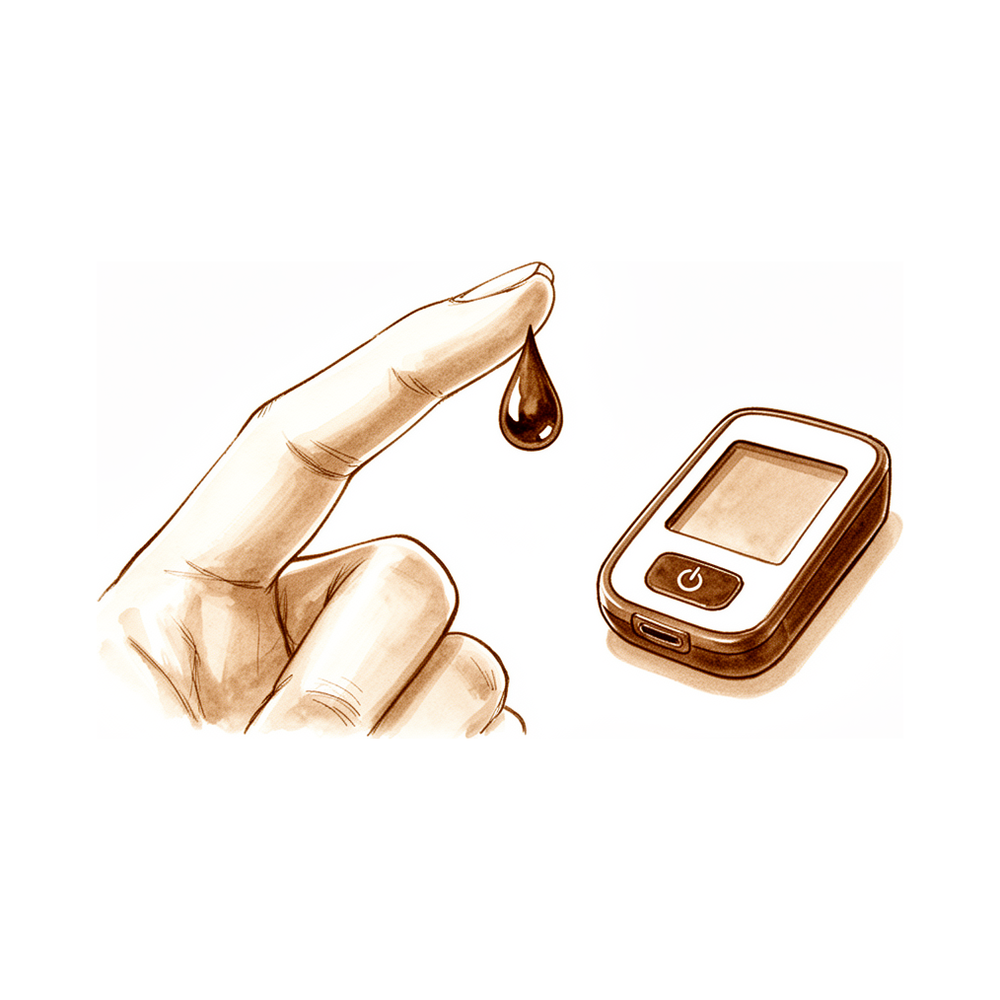
Ang iyong nararamdaman
Maaaring maapektuhan ng diabetes ang maraming bahagi ng iyong upper limb, hindi lamang ang isang bahagi. Maaaring may daliri kang nagki-click o sumasabit kapag ibinabaluktot mo ito, balikat na naninigas, o pangingilig at pamamanhid sa iyong kamay dahil sa pagkaipit ng isang nerve sa pulso. Napapansin ng ilang tao na ang kanilang mga daliri ay dahan-dahang bumabaluktot papasok at hindi na lubusang naitutuwid. Ang mga problemang ito ay madalas na lumalabas nang sunud-sunod sa paglipas ng panahon, kaya maaaring bumalik ka para sa ibang reklamo sa kamay o balikat kaysa sa una mong ipinatingin.
Ang paninigas at pananakit ay may tendensiyang unti-unting nabubuo sa halip na dumating pagkatapos ng isang pinsala. Ang naninigas na balikat ay madalas sumakit kapag umaabot ka sa itaas ng iyong ulo o sa likuran mo, at maaari nitong gambalain ang iyong tulog. Ang trigger finger ay maaaring mas malala sa umaga at lumuwag habang lumilipas ang araw. Ang mga pang-araw-araw na gawain ang nagpapakita nito: paghawak ng takure, pagpihit ng door handle, pagta-type, paghawak ng telepono, o pagbubutones. Dahil sa paninigas ng balikat, nagiging mahirap ang paghuhugas ng buhok o pag-abot sa bulsa sa likod. Kung gumagamit ka ng insulin, maaaring mas mahirap mawala ang mga problemang ito: mas madalas na sabay-sabay na naaapektuhan ng trigger finger ang ilang daliri, at mas malamang na kailanganin ng operasyon upang ma-release ang mga ito.
Bantayan ang mga senyales ng impeksyon sa iyong kamay o braso. Kung ang isang daliri, kamay o braso ay naging mainit, pula, namamaga at masakit, lalo na kung may kasamang lagnat, pumunta sa emergency department sa mismong araw na iyon. Hindi kailangan ng referral mula sa GP. Kung ang iyong mga daliri o kamay ay namutla, lumamig, pumuti o naging kulay asul, o kung bigla kang nawalan ng pakiramdam o paggalaw pagkatapos ng isang pinsala, kailangan ding pumunta sa emergency department sa mismong araw na iyon.
Magpatingin sa iyong GP o humiling ng pagsusuri ng isang specialist kung hindi humuhupa ang iyong mga sintomas, lumalala sa loob ng ilang linggo, ginigising ka sa gabi, o pumipigil sa iyong magtrabaho o gamitin ang iyong kamay o braso. Kung hindi mo makontak ang klinika, sa labas ng oras ng klinika o sa katapusan ng linggo, pumunta sa pinakamalapit na emergency department.
Ano ang aktwal na nangyayari
Ang mataas na blood sugar sa loob ng maraming taon ay nakakaapekto sa tissue na nakapaligid sa iyong mga tendon at joint. Ang mga tendon ay parang mga lubid na humihila sa iyong mga daliri at nagpapagalaw sa iyong balikat. Sa diabetes, maaaring kumapal ang mga ito at mawala ang kanilang maayos na pagdulas, kaya sumasabit ang isang tendon habang dumadaan ito sa tunnel nito sa palad, o humihigpit ang capsule sa paligid ng iyong balikat hanggang halos hindi na gumalaw ang joint. Tinatawag ito ng mga doktor na limited joint mobility. Ito ay may tendensiyang dahan-dahang lumala habang tumatagal ang pagkakaroon mo ng diabetes, at ang mga contracture sa daliri ay karaniwang lumalabas lamang pagkatapos ng siyam na taon o higit pa.
Ang ilan sa mga problemang ito ay maaaring magkasabay. Ang kumapal na tendon sa palad ay trigger finger, ang pagkaipit ng isang nerve sa pulso ay carpal tunnel syndrome, at ang balikat na naka-lock ay frozen shoulder. Pinapataas ng diabetes ang posibilidad ng bawat isa sa mga ito, at kapag mayroon ka ng isa, mas malamang na magkaroon ka ng iba. Kung gumagamit ka ng insulin, mas madalas na sabay-sabay na naaapektuhan ang ilang daliri, at mas marami sa mga daliring iyon ang kalaunang nangangailangan ng surgical release.
Ang parehong mga pagbabago ay nagpapahirap din sa operasyon at paggaling. Mas mabagal gumaling ang mga sugat sa kamay, at ang mga impeksyong nabubuo ay mas malalim at nangangailangan ng mas maraming operasyon upang malinis. Ang mga steroid injection, isang karaniwang gamutan para sa mga kondisyong ito, ay pansamantalang nagpapataas ng iyong blood sugar. Ang injection sa daliri ay maaaring magpataas ng iyong glucose nang hindi bababa sa 5 araw, kaya kakailanganin mong bantayang mabuti ang iyong mga level sa panahon ng anumang injection.
Hindi ibig sabihin ng lahat ng ito na kasalanan mo ang mga problemang ito o na hindi na magagamot ang mga ito. Ibig sabihin nito na ang pinagbabatayang sanhi ay ang diabetes mismo, na kumikilos sa iyong mga tendon, joint at nerve sa paglipas ng panahon, kaya titingnan ng iyong doktor ang iyong buong upper limb sa halip na ang bahagi lamang na masakit ngayon.
Ano ang maaari naming gawin tungkol dito
Marami kang magagawa nang mag-isa. Ang pagpapanatili ng iyong blood sugar sa tamang range ang unang hakbang, dahil ito ang pinagbabatayang sanhi ng paninigas ng iyong mga tendon at joint. Ang banayad na ehersisyo at physiotherapy ay naglalayong panatilihing gumagalaw ang iyong mga daliri, pulso at balikat, at pigilan ang paninigas na limitahan ang magagawa mo araw-araw. Kung mayroon kang type 2 diabetes, ang ehersisyo at diyeta ang unang paraan ng pamamahala nito. Kailangang isaalang-alang nang indibidwal ang iyong sariling kalusugan sa pagpaplano ng ehersisyo, lalo na kung mayroon kang problema sa puso o sa mga ugat ng dugo, kaya pag-usapan ang mga ito kasama ng iyong GP o diabetes team. Bigyan ng sapat na pagkakataon ang pamamahala sa sarili sa loob ng ilang linggo sa halip na ilang araw.
Makakatulong ang mga gamot sa pananakit habang nasa proseso. Ang isang anti-inflammatory na painkiller gaya ng loxoprofen ay maaaring gamitin para sa matinding (acute) na pananakit sa mga taong may diabetes. Ang mga steroid injection ay isa pang opsyon para sa nakakaabalang trigger finger, at makakatulong ang mga ito na maiwasan ang pangangailangan ng operasyon sa higit sa kalahati ng mga pagkakataon. Ang kapalit nito ay ang epekto sa iyong blood sugar: ang injection sa daliri ay maaaring magpataas ng iyong glucose nang hindi bababa sa 5 araw, at kung ang iyong HbA1c ay 7% o higit pa, ang pagtaas ay may tendensiyang mas mataas at mas matagal. Kaya ang iyong HbA1c ay makakatulong na mahulaan kung gaano kalaki ang itataas ng iyong glucose, kaya bantayang mabuti ang iyong mga level sa panahon ng anumang injection. Ang platelet-rich plasma, isang injection na ginawa mula sa sample ng sarili mong dugo, ay isang ligtas at madaling tiisin na opsyon para sa frozen shoulder sa mga taong may diabetes.
Kung malala ang iyong mga sintomas at hindi pa rin humuhupa sa kabila ng mga nabanggit, maaaring i-refer ka ng iyong GP o doktor para sa pagsusuri ng isang specialist. Para sa ilang partikular na kondisyon, paminsan-minsan ay maaaring isaalang-alang ang isang procedure. Ang magandang balita ay ang mga taong may diabetes ay karaniwang nakikinabang sa gamutan para sa mga problemang ito nang kasinghusay ng iba: pagkatapos ng carpal tunnel release, ang pagbuti sa mga taong may diabetes ay tumatagal nang pangmatagalan sa parehong antas tulad ng sa mga taong walang diabetes. Ang ilang procedure ay maaari pang gawin sa pamamagitan ng balat sa halip na sa pamamagitan ng bukas na hiwa, at ang mga ito ay gumagana nang parehong mahusay at ligtas, mayroon ka man o walang diabetes. Maaari pa ring tumagal nang kaunti ang paggaling kapag may diabetes, at ang naninigas na balikat na na-release sa pamamagitan ng operasyon ay maaaring manatiling mas masikip nang mas matagal kaysa sa inaasahan, kaya maingat na pag-iisipan ng iyong doktor kasama mo ang tamang panahon.
Ano ang dapat asahan
Karamihan sa mga problemang ito ay dahan-dahang nabubuo at dahan-dahang nagbabago. Ang limited joint mobility ay may tendensiyang unti-unting lumala habang tumatagal ang pagkakaroon mo ng diabetes, at ang mga contracture sa daliri ay karaniwang lumalabas lamang pagkatapos ng siyam na taon o higit pa. Karaniwan ang kaunting paninigas sa tumatandang kamay kahit walang diabetes, kaya hindi lahat ng naninigas na daliri ay patuloy na lalala. Sa mahusay na kontrol ng blood sugar, banayad na ehersisyo at tamang gamutan, karamihan sa mga tao ay napapanatiling gumagana ang kanilang kamay at balikat nang sapat para sa pang-araw-araw na buhay. Kung pababayaan, ang paninigas at pagsabit ay may tendensiyang magpatuloy sa halip na kusang humupa.
Maging makatotohanan tungkol sa kayang makamit ng gamutan. Ang mga steroid injection ay maaaring makaiwas sa pangangailangan ng operasyon sa higit sa kalahati ng mga pagkakataon para sa nakakaabalang trigger finger, gaya ng nabanggit kanina. Pagkatapos ng carpal tunnel release, ang mga taong may diabetes ay nakakaranas ng mas maraming sintomas bago at pagkatapos ng operasyon, ngunit maaaring asahan ang parehong relatibong pagbuti tulad ng mga taong walang diabetes. Para sa frozen shoulder, ang banayad na manipulation ng balikat habang ikaw ay tulog ay maaaring magbigay ng kasiya-siyang resulta sa mga taong may alinmang uri ng diabetes, bagaman humigit-kumulang isa sa tatlong release sa pamamagitan ng manipulation lamang ay hindi gumagana sa unang pagkakataon at kailangang ulitin. Ang balikat na na-release sa pamamagitan ng operasyon ay maaaring manatiling mas masikip nang mas matagal kaysa sa inaasahan, at ang mga resulta sa anim na buwan ay may tendensiyang mas malala sa mga taong may diabetes, na may tendensiya ng patuloy na limitasyon sa paggalaw dalawang taon pagkatapos ng operasyon. Walang pagkakaiba sa resulta para sa mga taong may diabetes kung maaga man o naantala ang operasyon.
Hinuhubog din ng iyong pangkalahatang kalusugan ang inaasahang takbo. Kung gumagamit ka ng insulin, mas mataas ang panganib ng mga komplikasyon pagkatapos ng operasyon sa kamay at upper limb, lalo na ang impeksyon sa sugat, kaya pag-iisipan ito ng iyong doktor kasama mo bago ang anumang operasyon. Ang mga impeksyon sa kamay sa mga taong may diabetes ay maaaring mas malala, lalo na kapag hindi maayos ang kontrol ng blood sugar, kaya mahalaga ang mga senyales ng emergency na nangangailangan ng pagpunta sa mismong araw na iyon na nabanggit sa naunang bahagi ng pahinang ito. Ang tapat na buod: gumagana ang gamutan para sa mga kondisyong ito sa mga taong may diabetes, at ang pagbuting nararamdaman mo ay karaniwang totoo at pangmatagalan, ngunit maaaring mas tumagal ang paggaling kaysa sa karaniwan, at maaaring manatili sa iyo ang kaunting paninigas. Patuloy na bantayan ang iyong glucose sa panahon ng anumang injection o procedure, patuloy na gumalaw sa abot ng kaya ng iyong katawan, at bumalik kung may magbago.
Kailan dapat magpatingin
Karamihan sa mga problemang ito ay dahan-dahang nabubuo, kaya ang isang regular na appointment ang karaniwang tamang unang hakbang. Magpatingin sa iyong GP o humiling ng pagsusuri ng isang specialist kung hindi humuhupa ang iyong mga sintomas, lumalala sa loob ng ilang linggo, ginigising ka sa gabi, o pumipigil sa iyong magtrabaho o gamitin ang iyong kamay o braso. Banggitin na mayroon kang diabetes, at banggitin ang anumang pattern na napansin mo: ilang daliring sumasabit sa iisang kamay, o balikat na naninigas nang walang anumang pinsala. Ang mga detalyeng ito ay tumutulong sa iyong GP o doktor na pag-ugnayin ang mga kondisyong madalas na magkasabay.
May isang sitwasyong hindi maaaring maghintay. Kung ang isang daliri, kamay o braso ay naging mainit, pula, namamaga at masakit, lalo na kung may kasamang lagnat, pumunta sa emergency department sa mismong araw na iyon. Ang mga impeksyon sa kamay sa mga taong may diabetes ay maaaring mas malalim at maging mas malala, lalo na kapag mataas ang iyong blood sugar, kaya huwag nang hintayin kung kusa itong huhupa. Hindi kailangan ng referral mula sa GP. Kung ang iyong mga daliri o kamay ay namutla, lumamig, pumuti o naging kulay asul, o kung bigla kang nawalan ng pakiramdam o paggalaw pagkatapos ng isang pinsala, kailangan ding pumunta sa emergency department sa mismong araw na iyon. Kung hindi mo makontak ang klinika, sa labas ng oras ng klinika o sa katapusan ng linggo, pumunta sa pinakamalapit na emergency department.
Evidence & references
This is the clinical evidence summary written for health professionals. It is technical, and it lists the research this page was built from. You do not need to read it to understand your treatment or to make a decision about it.
Overview
- Assessment of upper limb locomotor disease in diabetes should include an estimate of glycaemic control and a search for other complications [1].
- Examination of the hands and shoulders should be included in the evaluation of patients with diabetes [4].
- The prevalence of musculoskeletal disorders in people with type 2 Diabetes mellitus remains high despite advances in medical management over the last two decades [5].
- Upper extremity impairments are prevalent and significant in patients with diabetes mellitus [7].
- The systemic nature of musculoskeletal impairments in people with diabetes mellitus has traditionally been underappreciated but is recently gaining attention [12].
- Diabetes mellitus is associated with a variety of hand manifestations including stenosing tenosynovitis, Dupuytren's contracture, carpal tunnel syndrome, and limited joint mobility [18].
- Musculoskeletal hand disorders were prevalent in type 2 diabetes mellitus patients in Jordan [74].
- Insulin-dependent diabetic patients have a higher incidence of multiple digit involvement (59% of patients) compared to non-insulin-dependent diabetic patients (28% of patients) regarding trigger finger [2].
- Insulin-dependent diabetic patients have a higher rate of requiring surgical release for relief of symptoms (56% of digits) compared to non-insulin-dependent diabetic patients (28% of digits) regarding trigger finger [2].
- The presence of diabetes mellitus rather than its severity was the most important factor for developing trigger digit after carpal tunnel release [14].
- In 36 patients (4.5 per cent.), both shoulders were involved in periarthritis of the shoulder and there was a high incidence in insulin-dependent diabetics [3].
- Shoulder pain and disability are common, and persistent in adults with diabetes [6].
- The prevalence of frozen shoulder is less than previously reported but still greater in diabetic patients [23].
- There is continuing gradual deterioration of limited joint mobility with increasing duration of disease, though finger joint contractures are prevalent only in longstanding diabetics with a disease duration of nine years or more [8].
- Diabetes exacerbates the burden of surgical upper-extremity infections, characterized by more proximal locations, deeper involved anatomy, broader pathogenic microbiology, increased need for repeat drainage, and higher risk for amputation [9].
- Insulin-dependent diabetic patients have a greater risk of complications following hand and upper extremity surgery, specifically surgical site infections [11].
- More than one third of patients in a clinical series of diabetic hand infections are diabetic [17].
- Hand infection requiring hospitalization is an infrequent complication in diabetics [32].
Background & Causes
General Musculoskeletal Impact
- The systemic nature of musculoskeletal impairments in people with diabetes has traditionally been underappreciated but is recently gaining attention [12].
- The frequencies of hand region abnormalities are significantly higher in diabetic subjects as compared to the controls [34].
Pathophysiology and Risk Factors
- Diabetes is a significant risk factor for Dupuytren's Disease [38].
- Strong evidence indicates that diabetes is associated with a higher risk of tendinopathy [39].
- In diabetic patients, the presence of limited joint mobility is positively associated with the prevalence of multiple digit involvement by stenosing flexor tenosynovitis [33].
- Finger joint contractures are prevalent only in longstanding diabetics with a disease duration of nine years or more [8].
- There is continuing gradual deterioration of limited joint mobility with increasing duration of diabetes [8].
- In adults with hand syndromes associated with diabetes, disability was related to impaired muscle function and carpal tunnel syndrome [15].
- Patients with painful shoulders, irrespective of having type 2 diabetes mellitus, seem to have abnormal shoulder muscles [24].
Frozen Shoulder (Adhesive Capsulitis)
- People with diabetes are more likely to develop frozen shoulder [54].
- A genome-wide association study identifies diabetes as a likely causal risk factor for frozen shoulder, likely through a pathway involving long-term high blood glucose levels [55].
- Type 2 diabetes may be a cause of frozen shoulder, but the effect is not supported to be mediated by metabolic health [43].
- Although frozen shoulder might be associated with the duration of diabetes, the association between metabolic control and frozen shoulder has yet to be clearly shown [27].
- Whole-transcriptome expression profiles demonstrate a fundamentally different underlying pathophysiology when comparing diabetic adhesive capsulitis with idiopathic adhesive capsulitis, suggesting these are distinct clinical entities [72].
Carpal Tunnel Syndrome
- Type 2 diabetes does not seem to be a risk factor for carpal tunnel syndrome [69].
- Diabetic patients without peripheral neuropathy have an association with higher incidence of carpal tunnel syndrome, suggesting disparate mechanisms causing diabetic peripheral neuropathy and carpal tunnel syndrome [66].
- Molecular and pathological studies provide a potential basis for the predisposition of diabetic patients to the development of carpal tunnel syndrome [71].
- Among patients with diabetes who had carpal tunnel syndrome, higher RAGE expression was observed in those with more severe disease, suggesting that RAGE-mediated pathways may play a role in the pathophysiology [70].
Trigger Finger and Infections
- Insulin-dependent diabetic patients have a higher incidence of multiple digit involvement (59% of patients) and of requiring surgical release for relief of symptoms (56% of digits) when compared to non-insulin-dependent diabetic patients (28% of patients with multiple digit involvement; 28% of digits requiring surgery) [2].
- Three patients were found to have overt diabetes and four had latent diabetes in a study of pyogenic human hand infections, representing a disproportionately high incidence of metabolic disorders [13].
Symptoms & Presentation
General Musculoskeletal Manifestations
- Upper limb musculoskeletal abnormalities are associated with poor metabolic control in diabetes [1].
- The frequencies of hand region abnormalities are significantly higher in diabetic subjects compared to controls [34].
- Hand manifestations of diabetes often present with multiple visits for hand conditions over time [18].
- Long-term prospective randomised controlled trials on the effects of exercise in preventing musculoskeletal complications and disability in diabetics are needed [10].
Limited Joint Mobility and Contractures
- There is continuing gradual deterioration of limited joint mobility with increasing duration of disease [8].
- The presence of limited joint mobility is positively associated with the prevalence of multiple digit involvement by stenosing flexor tenosynovitis in diabetic patients [33].
Trigger Finger (Stenosing Tenosynovitis)
- Insulin-dependent diabetic patients have a higher incidence of multiple digit involvement (59% of patients) compared to non-insulin-dependent diabetic patients (28% of patients) [2].
- Insulin-dependent diabetic patients have a higher rate of requiring surgical release for relief of symptoms (56% of digits) compared to non-insulin-dependent diabetic patients (28% of digits) [2].
- In diabetic patients, flexor tenosynovitis typically affected more than one digit in the same hand [59].
Shoulder Disorders
- In a study of 36 patients, both shoulders were involved and there was a high incidence in insulin-dependent diabetics [3].
- Although frozen shoulder might be associated with the duration of diabetes, the association between metabolic control and shoulder disorders has yet to be clearly shown [27].
- A patient who presents with a painful shoulder of insidious onset with restricted motion for which an intrinsic cause can be ruled out radiographically has a 38.6% chance of being diabetic [35].
- A patient who presents with a painful shoulder of insidious onset with restricted motion for which an intrinsic cause can be ruled out radiographically has a 32.95% chance of being prediabetic [35].
- Patients with and without diabetes experienced similar pain except during exertion [29].
- Diabetic patients are reported to have more residual pain, reduced motion and inferior function compared to idiopathic cases after arthroscopic capsular release for adhesive capsulitis [64].
Infections
- Three patients were found to have overt diabetes and four had latent diabetes in a series of pyogenic human hand infections, representing a disproportionately high incidence of metabolic disorders [13].
- More than one third of the patients in a clinical series of hand infections were diabetic [17].
- There was an increased severity of hand infections in diabetic patients treated during the pandemic, linked to poor glycaemic control [28].
- Outcome in insulin dependent patients with poor glycemic control, deep hand infection and presence of associated ESRD, is the worst [36].
Disability and Functional Impairment
Management
Assessment and Monitoring
- Patients with and without diabetes experienced similar pain except during exertion in the context of diabetic frozen shoulder [29].
Non-Operative Management
- Exercise and diet are the first means of management for persons diagnosed with adult-onset type 2 diabetes (or noninsulin-dependent diabetes mellitus, NIDDM) [41].
- Patients with coronary artery disease, peripheral vascular disease, and diabetes mellitus must be considered individually when prescribing exercise, because their clinical status can vary greatly [61].
- Corticosteroid injections in the hand transiently increase blood glucose levels in diabetic patients [19].
- A digital injection of the corticosteroid methylprednisolone acetate in diabetic patients with trigger finger causes a hyperglycemic effect that lasts for at least 5 days [22].
- A digital injection of the corticosteroid methylprednisolone acetate in diabetic patients with trigger finger can help prevent the need for surgery more than half the time [22].
- Local corticosteroid injection to the shoulder can create a significant, short-term increase in systemic glucose levels in patients with type 2 diabetes not treated with insulin [26].
- Patients with HbA1c levels of 7% or greater experience higher and longer-lasting blood glucose elevations after corticosteroid injections compared to those with lower levels [67].
- HbA1c can predict the degree of glucose elevation following local corticosteroid injection in the hand [67].
- Platelet-rich plasma injection is a safe and well-tolerated method for adhesive capsulitis management for diabetic patients [48].
- Loxoprofen seems to be a first line treatment of acute pain in diabetics [51].
- GLP 1RA users experienced a similar risk of upper extremity fragility fractures compared to matched controls without GLP1-RA use in a retrospective analysis of 194,205 older patients with T2DM and a history of metformin use [62].
Operative Management
- Insulin-dependent diabetic patients have a higher incidence of multiple digit involvement (59% of patients) for trigger finger compared to non-insulin-dependent diabetic patients (28% of patients) [2].
- Insulin-dependent diabetic patients have a higher incidence of requiring surgical release for relief of symptoms (56% of digits) for trigger finger compared to non-insulin-dependent diabetic patients (28% of digits) [2].
- In 36 patients (4.5 per cent.), both shoulders were involved in periarthritis and there was a high incidence in insulin-dependent diabetics [3].
- Percutaneous release with or without simultaneous corticosteroid injection has shown promising results and is equally effective and safe in diabetics and nondiabetics for trigger finger [46].
- Excision of the ulnar slip of the flexor digitorum superficialis with or without A1 pulley release is a safe and effective treatment for stenosing flexor tenosynovitis in the diabetic patient [49].
- Patients with diabetes have the same beneficial outcome after carpal tunnel release as nondiabetic patients [31].
- Long-term improvement in patients with diabetes remained after carpal tunnel release to the same extent as for patients without diabetes [37].
- The duration of diabetes and its treatment can be related to the severity of the disease symptoms after carpal tunnel releasing surgeries [57].
- Preoperative semaglutide use was not associated with a reduction in 90-day complications or 2-year reoperation-free survival in patients with type II diabetes mellitus undergoing carpal tunnel release [68].
- The results in diabetics were significantly worse than those in non-diabetics six months post-operatively for arthroscopic release of frozen shoulder [30].
- There is a tendency towards persistent limitation of movement two years after arthroscopic release of frozen shoulder in diabetics [30].
- When shoulder mobilization was achievable with gentle manipulation under anesthesia, the outcome was satisfactory in both patients with IDDM and those with NIDDM [58].
- The best current evidence supports the efficacy of surgical interventions for the management of upper limb conditions in diabetic individuals [20].
- Additional research is required to determine whether treatment outcomes for upper limb conditions are equivalent to those of nondiabetic patients [20].
- Additional research is required to determine whether diabetes is associated with an increased risk of complications in upper limb surgery [20].
Infection and Vascular Considerations
- Three patients were found to have overt diabetes and four had latent diabetes, representing a disproportionately high incidence of metabolic disorders in pyogenic human hand infections [13].
- There was an increased severity of hand infections in those treated during the pandemic, linked to poor glycaemic control [28].
- Diabetes is associated with higher risk of tendinopathy [39].
- In patients with factors or injury characteristics that contraindicate single-digit replantation (eg, advanced age, diabetes mellitus, smoking), revision amputation is indicated [42].
- Many patients with critical ischemia due to complications of diabetes and renal disease will have multiple levels of partial occlusion that can be seen in the forearm vessels on arteriography [44].
- These types of lesion do not lend themselves to a local approach [44].
- Arterial occlusive disease in the distal upper extremity is primarily related to the combination of diabetes, renal disease, and often organ transplantation [45].
Key Considerations
Assessment and Prevalence
Specific Conditions and Risk Factors
- Insulin-dependent diabetic patients have a higher incidence of multiple digit involvement in trigger finger (59% of patients) compared to non-insulin-dependent diabetic patients (28% of patients) [2].
- Insulin-dependent diabetic patients have a higher rate of requiring surgical release for trigger finger symptoms (56% of digits) compared to non-insulin-dependent diabetic patients (28% of digits) [2].
- In a study of 36 patients with periarthritis of the shoulder, both shoulders were involved and there was a high incidence in insulin-dependent diabetics [3].
- A patient who presents with a painful shoulder of insidious onset with restricted motion for which an intrinsic cause can be ruled out radiographically has a 38.6% chance of being diabetic and a 32.95% chance of being prediabetic [35].
- Patients diagnosed with idiopathic frozen shoulder who are 60 years or younger and are not known diabetics have a similar probability of having diabetes or prediabetes to an age-matched population [80].
Surgical Outcomes and Complications
- Patients with insulin-dependent diabetes mellitus (IDDM) have a greater risk of complications following hand and upper extremity surgery, specifically surgical site infections [11].
- The results of arthroscopic release for frozen shoulder in diabetics were significantly worse than those in non-diabetics six months post-operatively, with a tendency towards persistent limitation of movement two years after operation [30].
- Patients with diabetes experience more symptoms both before and after open carpal tunnel release, but can expect the same relative improvement from surgery as patients without diabetes [76].
- Outcome was considered excellent if there was complete resolution of symptoms, which occurred in 35% of the treated hands in a study of carpal tunnel release in diabetic patients [77].
- An initial failure rate of approximately one-third for manipulation under general anesthesia for frozen shoulder may be considered unacceptably high in other general orthopedic procedures, but with appropriate counseling and consent and combined with a repeat MUA for recurrence, this protocol may represent a satisfactory treatment strategy in the diabetic population [78].
- There were no significant differences in outcomes between early and delayed arthroscopic release in patients with a history of diabetes mellitus [79].
- The preoperative status of the ulnar nerve, based on electrophysiology, among individuals with diabetes may be clinically relevant for surgery for cubital tunnel syndrome [53].
Infection and Metabolic Control
- Analysis of a clinical series of hand infections demonstrates that more than one third of the patients are diabetic [17].
- Three patients were found to have overt diabetes and four had latent diabetes, representing a disproportionately high incidence of metabolic disorders in a series of pyogenic human hand infections [13].
- The data did not support the guidelines for enforcing HbA1c cutoff levels prior to elective hand surgery overall [50].
- A collaborative and comprehensive approach to the pre-operative medical evaluation of patients with diabetes is critical for shoulder arthroplasty outcomes [52].
Key Evidence
- [L3] Assessment of upper limb locomotor disease in diabetes should include an estimate of glycaemic control and a search for other complications. [1] (10.1016/j.ejim.2009.08.001)
- [L4] Insulin-dependent diabetic patients have a higher incidence of multiple digit involvement (59% of patients) and of requiring surgical release for relief of symptoms (56% of digits) when compared to non-insulin-dependent diabetic patients (28% of patients with multiple digit involvement; 28% of digits requiring surgery). [2] (10.1016/s0363-5023(05)80432-0)
- [L4] In 36 patients (4.5 per cent.), both shoulders were involved and there was a high incidence in insulin-dependent diabetics. [3] (10.1136/ard.31.1.69)
- [L3] Examination of the hands and shoulders should be included in the evaluation of patients with diabetes. [4] (10.1016/s0002-9343(02)01045-8)
- [L3] The prevalence of musculoskeletal disorders in people with type 2 Diabetes mellitus remains high despite advances in medical management over the last two decades. [5] (10.1016/j.jht.2021.04.013)
- [L4] Shoulder pain and disability are common, and persistent in adults with diabetes. [6] (10.1093/rheumatology/ken333)
- [L3] These findings suggest that upper extremity impairments are prevalent and significant in this population. [7] (10.1016/j.physio.2014.07.003)
- [L3] There is continuing gradual deterioration with increasing duration of disease, though finger joint contractures are prevalent only in longstanding diabetics with a disease duration of nine years or more. [8] (10.1136/ard.44.2.93)
- [L2] Diabetes exacerbates the burden of surgical upper-extremity infections, characterized by more proximal locations, deeper involved anatomy, broader pathogenic microbiology, increased need for repeat drainage, and higher risk for amputation. [9] (10.1016/j.jhsa.2017.11.003)
- [L3] Long-term prospective randomised controlled trials on the effects of exercise in preventing musculoskeletal complications and disability in diabetics are needed. [10] (10.1007/s10067-003-0704-7)
- [L2] Our data demonstrate a greater risk of complications following hand and upper extremity surgery for patients with IDDM, specifically surgical site infections. [11] (10.1016/j.jhsa.2018.06.006)
- [L4] The systemic nature of musculoskeletal impairments in people with DM traditionally has been underappreciated but recently is gaining attention. [12] (10.1016/j.foot.2020.101680)
- [L4] Three patients were found to have overt diabetes and four had latent diabetes, representing a disproportionately high incidence of metabolic disorders. [13] (10.1016/s0363-5023(78)80140-3)
- [L4] The presence of diabetes mellitus rather than its severity was the most important factor for developing trigger digit. [14] (10.1016/j.jhsa.2013.10.023)
- [L4] In adults with hand syndromes associated with diabetes, disability was related to impaired muscle function and carpal tunnel syndrome. [15] (10.3899/jrheum.090239)
- [L4] Analysis of the authors' clinical series demonstrates that more than one third of the patients are diabetic. [17] (10.1016/s0749-0712(21)00424-8)
- [L4] Diabetes mellitus is associated with a variety of hand manifestations including stenosing tenosynovitis, Dupuytren's contracture, carpal tunnel syndrome, and limited joint mobility, which often present with multiple visits for hand conditions over time. [18] (10.1016/j.jhsa.2008.01.038)
- [L3] Corticosteroid injections in the hand transiently increase blood glucose levels in diabetic patients. [19] (10.1016/j.jhsa.2014.01.014)
- [L4] The best current evidence supports the efficacy of surgical interventions for the management of these conditions in diabetic individuals; however, additional research is required to determine whether the treatment outcomes are equivalent to those of nondiabetic patients, and whether diabetes is associated with an increased risk of complications. [20] (10.1016/j.jhsa.2011.10.002)
- [L4] A digital injection of the corticosteroid methylprednisolone acetate in diabetic patients with trigger finger causes a hyperglycemic effect that lasts for at least 5 days but can help prevent the need for surgery more than half the time. [22] (10.1016/j.jhsa.2006.03.022)
- [L3] The prevalence of frozen shoulder is less than previously reported but still greater in diabetic patients. [23] (10.1016/j.jse.2007.02.133)
- [L3] Patients with painful shoulders, irrespective of having type 2 diabetes mellitus, seem to have abnormal shoulder muscles. [24] (10.1186/s12891-022-05627-9)
- [L2] Local corticosteroid injection to the shoulder can create a significant, short-term increase in systemic glucose levels in patients with type 2 diabetes not treated with insulin. [26] (10.1016/j.jseint.2022.05.016)
- [L2] Although frozen shoulder might be associated with the duration of diabetes, the association between metabolic control and the two aforementioned shoulder disorders has yet to be clearly shown. [27] (10.1111/jdi.12491)
- [L4] While fewer patients attended the service during the pandemic, there was an increased severity of hand infections in those treated, linked to poor glycaemic control. [28] (10.1177/17531934231196026)
- [L3] Patients with and without diabetes experienced similar pain except during exertion. [29] (10.1177/0300060516675112)
- [L3] The results in diabetics were significantly worse than those in non-diabetics six months post-operatively with a tendency towards persistent limitation of movement two years after operation. [30] (10.1302/0301-620x.96b10.34476)
- [L2] Patients with diabetes have the same beneficial outcome after carpal tunnel release as nondiabetic patients. [31] (10.1016/j.jhsa.2009.04.006)
- [L4] Hand infection requiring hospitalization is an infrequent complication in diabetics. [32] (10.1016/s0266-7681(97)80041-1)
- [L2] Multiple regression analysis in diabetic patients revealed that the presence of limited joint mobility was positively associated with the prevalence of multiple digit involvement. [33] (10.3899/jrheum.081024)
- [L3] The study found that the frequencies of hand region abnormalities were significantly higher in diabetic subjects as compared to the controls (p-value <0.001). [34] (10.1186/1756-0500-6-16)
- [L4] The study shows with statistical significance that a patient who presents with a painful shoulder of insidious onset with restricted motion for which an intrinsic cause can be ruled out radiographically has a 38.6% chance of being diabetic and a 32.95% chance of being prediabetic. [35] (10.1097/smj.0b013e3181705d39)
- [L4] Outcome in insulin dependent patients with poor glycemic control, deep hand infection and presence of associated ESRD, is the worst. [36] (10.1142/s2424835519500401)
- [L2] Long-term improvement in patients with diabetes remained after carpal tunnel release to the same extent as for patients without diabetes. [37] (10.1016/j.jhsa.2014.01.012)
- [L3] Diabetes is a significant risk factor for Dupuytren's Disease. [38] (10.1016/s0363-5023(03)80324-6)
- [L1] These findings provide strong evidence that diabetes is associated with higher risk of tendinopathy. [39] (10.1136/bjsports-2015-094735)
- [L5] Exercise and diet are the first means of management for persons diagnosed with adult-onset type 2 diabetes (or noninsulin-dependent diabetes mellitus, NIDDM). [41] (10.1016/s0278-5919(05)70170-8)
- [L2] This study suggests that type 2 diabetes may be a cause of frozen shoulder but does not support the hypothesis that the effect is mediated by metabolic health. [43] (10.1186/s12891-025-08672-2)
- [L4] Percutaneous release with or without simultaneous corticosteroid injection has shown promising results and is equally effective and safe in diabetics and nondiabetics. [46] (10.1016/j.jhsa.2018.03.045)
- [L3] Additionally, it is a safe and well-tolerated method for AC management for diabetic patients. [48] (10.5397/cise.2021.00381)
- [L4] This procedure is a safe and effective treatment for the often-difficult problem of stenosing flexor tenosynovitis in the diabetic patient. [49] (10.1007/s11552-007-9065-z)
- [L3] The data did not support the guidelines for enforcing HbA1c cutoff levels prior to elective hand surgery overall. [50] (10.1177/1558944720937363)
- [L4] Loxoprofen seems to be a first line treatment of acute pain in diabetics. [51] (10.1016/j.injury.2026.113298)
- [L4] A collaborative and comprehensive approach to the pre-operative medical evaluation of patients with DM is critical, as is future investigation into alternative methods associated with outcomes after shoulder arthroplasty in patients with DM. [52] (10.1007/s00264-018-3874-2)
- [L5] They note that the preoperative status of the ulnar nerve, based on electrophysiology, among individuals with diabetes may also be clinically relevant. [53] (10.1177/17531934231172595)
- [L1] People with diabetes are more likely to develop frozen shoulder. [54] (10.1136/bmjopen-2022-062377)
- [L1] Diabetes is a likely causal risk factor for frozen shoulder, likely through a pathway involving long-term high blood glucose levels. [55] (10.1371/journal.pgen.1009577)
- [Paper] However, the duration of diabetes and its treatment can be related to the severity of the disease symptoms after the carpal tunnel releasing surgeries. [57] (10.1055/s-0039-1697059)
- [L4] When shoulder mobilization was achievable with gentle manipulation under anesthesia, the outcome was satisfactory in both patients with IDDM and those with NIDDM. [58] (10.1067/mse.2002.127301)
- [L3] In the diabetic patients studied here, flexor tenosynovitis typically affected more than one digit in the same hand. [59] (10.1016/s0363-5023(05)80068-1)
- [L5] Patients with coronary artery disease, peripheral vascular disease, and diabetes mellitus must be considered individually when prescribing exercise, because their clinical status can vary greatly. [61] (10.1016/s0278-5919(02)00035-2)
- [L3] In this retrospective analysis of 194,205 older patients with T2DM and a history of metformin use, GLP 1RA users experienced a similar risk of upper extremity fragility fractures compared to matched controls without GLP1-RA use. [62] (10.1016/j.injury.2026.113456)
- [L4] However, diabetic patients are reported to have more residual pain, reduced motion and inferior function compared to idiopathic cases. [64] (10.1016/j.otsr.2019.02.014)
- [L4] Diabetic patients without peripheral neuropathy have an association with higher incidence of CTS in this study, suggesting that there are disparate mechanisms causing DPN and CTS. [66] (10.1177/15589447211014607)
- [L2] Patients with HbA1c levels of 7% or greater experience higher and longer-lasting blood glucose elevations after corticosteroid injections compared to those with lower levels, suggesting HbA1c can predict the degree of glucose elevation. [67] (10.1016/j.jhsa.2014.06.035)
- [L3] Preoperative semaglutide use was not associated with a reduction in 90-day complications or 2-year reoperation-free survival in patients with type II diabetes mellitus undergoing carpal tunnel release. [68] (10.1016/j.jhsa.2025.09.003)
- [L3] Type 2 diabetes does not seem to be a risk factor for carpal tunnel syndrome. [69] (10.1186/1471-2474-15-346)
- [L2] Among patients with diabetes who had CTS, higher RAGE expression was observed in those with more severe disease, suggesting that RAGE-mediated pathways may play a role in the pathophysiology of CTS in patients with diabetes. [70] (10.1097/corr.0000000000003800)
- [L4] It therefore provides a potential molecular and pathological basis for the predisposition of diabetic patients to the development of CTS. [71] (10.1007/s00125-014-3271-3)
- [L5] Whole-transcriptome expression profiles demonstrate a fundamentally different underlying pathophysiology when comparing diabetic AC with idiopathic AC, suggesting that these conditions are distinct clinical entities. [72] (10.1016/j.jse.2021.06.016)
- [L4] In the present study, musculoskeletal hand disorders were prevalent in T2DM patients in Jordan. [74] (10.1111/1756-185x.12617)
- [L3] Patients with diabetes experience more symptoms both before and after open carpal tunnel release, but can expect the same relative improvement from surgery as patients without diabetes. [76] (10.1136/bmjopen-2019-030179)
- [L4] Outcome was considered excellent if there was complete resolution of symptoms and this occurred in 35% of the treated hands. [77] (10.1016/0266-7681(94)90131-7)
- [L3] An initial failure rate of approximately one-third may be considered unacceptably high in other general orthopedic procedures; however, with appropriate counseling and consent and combined with a repeat MUA for recurrence, this protocol may represent a satisfactory treatment strategy in the diabetic population. [78] (10.1016/j.jse.2011.11.006)
- [L3] There were no significant differences in outcomes between early and delayed arthroscopic release in patients with a history of diabetes mellitus. [79] (10.1016/j.jseint.2023.06.007)
- [L4] Patients diagnosed with idiopathic frozen shoulder who are 60 years or younger and are not known diabetics have a similar probability of having diabetes or prediabetes to an age-matched population. [80] (10.1177/2325967117716450)
References
[1] Upper limb musculoskeletal abnormalities and poor metabolic control in diabetes. European Journal of Internal Medicine. 2009. DOI: 10.1016/j.ejim.2009.08.001
[2] Treatment of trigger finger in patients with diabetes mellitus. The Journal of Hand Surgery. 1995. DOI: 10.1016/s0363-5023(05)80432-0
[3] Periarthritis of the shoulder and diabetes mellitus.. Annals of the Rheumatic Diseases. 1972. DOI: 10.1136/ard.31.1.69
[4] Musculoskeletal disorders of the hand and shoulder in patients with diabetes mellitus. The American Journal of Medicine. 2002. DOI: 10.1016/s0002-9343(02)01045-8
[5] Proportion and distribution of upper extremity musculoskeletal disorders and its association with disability in type 2 diabetes mellitus. Journal of Hand Therapy. 2022. DOI: 10.1016/j.jht.2021.04.013
[6] Predictors of shoulder pain and shoulder disability after one year in diabetic outpatients. Rheumatology. 2008. DOI: 10.1093/rheumatology/ken333
[7] Upper extremity impairments, pain and disability in patients with diabetes mellitus. Physiotherapy. 2015. DOI: 10.1016/j.physio.2014.07.003
[8] Limited joint mobility in diabetes mellitus.. Annals of the Rheumatic Diseases. 1985. DOI: 10.1136/ard.44.2.93
[9] Quantifying the Effect of Diabetes on Surgical Hand and Forearm Infections. The Journal of Hand Surgery. 2018. DOI: 10.1016/j.jhsa.2017.11.003
[10] The musculoskeletal complications seen in type II diabetics: predominance of hand involvement. Clinical Rheumatology. 2003. DOI: 10.1007/s10067-003-0704-7
[11] Insulin Dependence Is Associated With Increased Risk of Complications After Upper Extremity Surgery in Diabetic Patients. The Journal of Hand Surgery. 2018. DOI: 10.1016/j.jhsa.2018.06.006
[12] Relationships within and between lower and upper extremity dysfunction in people with diabetes. The Foot. 2020. DOI: 10.1016/j.foot.2020.101680
[13] Immune competence and diabetes mellitus: Pyogenic human hand infections. The Journal of Hand Surgery. 1978. DOI: 10.1016/s0363-5023(78)80140-3
[14] The Incidence of Trigger Digit After Carpal Tunnel Release in Diabetic and Nondiabetic Patients. The Journal of Hand Surgery. 2014. DOI: 10.1016/j.jhsa.2013.10.023
[15] Hand Syndromes Associated with Diabetes: Impairments and Obesity Predict Disability. The Journal of Rheumatology. 2009. DOI: 10.3899/jrheum.090239
[17] DIABETIC HAND INFECTIONS. Hand Clinics. 1998. DOI: 10.1016/s0749-0712(21)00424-8
[18] Hand Manifestations of Diabetes Mellitus. The Journal of Hand Surgery. 2008. DOI: 10.1016/j.jhsa.2008.01.038
[19] Blood Glucose Levels in Diabetic Patients Following Corticosteroid Injections Into the Hand and Wrist. The Journal of Hand Surgery. 2014. DOI: 10.1016/j.jhsa.2014.01.014
[20] Impact of Diabetes on Outcomes in Hand Surgery. The Journal of Hand Surgery. 2011. DOI: 10.1016/j.jhsa.2011.10.002
[22] The Effect of Corticosteroid Injection for Trigger Finger on Blood Glucose Level in Diabetic Patients. The Journal of Hand Surgery. 2006. DOI: 10.1016/j.jhsa.2006.03.022
[23] Prevalence of symptoms and signs of shoulder problems in people with diabetes mellitus. Journal of Shoulder and Elbow Surgery. 2007. DOI: 10.1016/j.jse.2007.02.133
[24] Shoulder muscle changes in patients with type 2 diabetes mellitus who have a painful shoulder: a quantitative muscle ultrasound study. BMC Musculoskeletal Disorders. 2022. DOI: 10.1186/s12891-022-05627-9
[26] The effect of steroid injection into the shoulder on glycemia in patients with type 2 diabetes. JSES International. 2022. DOI: 10.1016/j.jseint.2022.05.016
[27] Diabetes and shoulder disorders. Journal of Diabetes Investigation. 2016. DOI: 10.1111/jdi.12491
[28] The incidence and severity of diabetic hand infection presentations during the COVID-19 pandemic. Journal of Hand Surgery (European Volume). 2023. DOI: 10.1177/17531934231196026
[29] Range of motion of diabetic frozen shoulder recovers to the contralateral level. Journal of International Medical Research. 2016. DOI: 10.1177/0300060516675112
[30] Comparative outcome of arthroscopic release for frozen shoulder in patients with and without diabetes. The Bone & Joint Journal. 2014. DOI: 10.1302/0301-620x.96b10.34476
[31] Clinical Outcomes of Surgical Release Among Diabetic Patients With Carpal Tunnel Syndrome: Prospective Follow-Up With Matched Controls. The Journal of Hand Surgery. 2009. DOI: 10.1016/j.jhsa.2009.04.006
[32] Hand Infections in the Diabetic Patient. Journal of Hand Surgery. 1997. DOI: 10.1016/s0266-7681(97)80041-1
[33] The Presence of Limited Joint Mobility Is Significantly Associated with Multiple Digit Involvement by Stenosing Flexor Tenosynovitis in Diabetics. The Journal of Rheumatology. 2009. DOI: 10.3899/jrheum.081024
[34] Upper limb musculoskeletal abnormalities in type 2 diabetic patients in low socioeconomic strata in Pakistan. BMC Research Notes. 2013. DOI: 10.1186/1756-0500-6-16
[35] The Prevalence of a Diabetic Condition and Adhesive Capsulitis of the Shoulder. Southern Medical Journal. 2008. DOI: 10.1097/smj.0b013e3181705d39
[36] Diabetic Hand Infection: An Emerging Challenge. The Journal of Hand Surgery (Asian-Pacific Volume). 2019. DOI: 10.1142/s2424835519500401
[37] Carpal Tunnel Release in Patients With Diabetes: A 5-Year Follow-Up With Matched Controls. The Journal of Hand Surgery. 2014. DOI: 10.1016/j.jhsa.2014.01.012
[38] Diabetes, epilepsy and dupuytren's disease. The Journal of Hand Surgery. 2003. DOI: 10.1016/s0363-5023(03)80324-6
[39] Is there an association between tendinopathy and diabetes mellitus? A systematic review with meta-analysis. British Journal of Sports Medicine. 2015. DOI: 10.1136/bjsports-2015-094735
[41] NUTRITION AND EXERCISE IN INDIVIDUALS WITH DIABETES. Clinics in Sports Medicine. 1999. DOI: 10.1016/s0278-5919(05)70170-8
[42] Aaos Comprehensive Orthopaedic Review 3. Orthoses, Amputations, and Prostheses > V. Upper Limb Amputations.
[43] Type 2 diabetes, metabolic health, and the development of frozen shoulder: a cohort study in UK electronic health records. BMC Musculoskeletal Disorders. 2025. DOI: 10.1186/s12891-025-08672-2
[44] Green S Operative Hand Surgery. Vascular Disease > Preoperative Evaluation.
[45] Green S Operative Hand Surgery. Vascular Disease.
[46] Management of Diabetic Trigger Finger. The Journal of Hand Surgery. 2019. DOI: 10.1016/j.jhsa.2018.03.045
[48] The benefit of platelet-rich plasma injection over institution-based physical therapy program in adhesive capsulitis patients with diabetes mellitus: prospective observational cohort study. Clinics in Shoulder and Elbow. 2021. DOI: 10.5397/cise.2021.00381
[49] Treating Trigger Finger in Diabetics Using Excision of the Ulnar Slip of the Flexor Digitorum Superficialis with or without A1 Pulley Release. HAND. 2007. DOI: 10.1007/s11552-007-9065-z
[50] HbA1c and Infection in Diabetic Elective Hand Surgery: A Veterans Affair Medical Center Experience 2012-2018. HAND. 2022. DOI: 10.1177/1558944720937363
[51] Lower dosing of Loxoprofen in type two diabetics with bone fractures/surgeries; Distinction from common NSAIDs. Injury. 2026. DOI: 10.1016/j.injury.2026.113298
[52] Outcomes of shoulder arthroplasty in diabetic patients as assessed by peri-operative A1C. International Orthopaedics. 2018. DOI: 10.1007/s00264-018-3874-2
[53] Re: Stirling PHC, Harrison SJ, McEachan JE. The effect of diabetes mellitus on the outcome of surgery for cubital tunnel syndrome. J Hand Surg Eur. 2023, 48: 316–20. Journal of Hand Surgery (European Volume). 2023. DOI: 10.1177/17531934231172595
[54] Diabetes as a risk factor for the onset of frozen shoulder: a systematic review and meta-analysis. BMJ Open. 2023. DOI: 10.1136/bmjopen-2022-062377
[55] A genome-wide association study identifies 5 loci associated with frozen shoulder and implicates diabetes as a causal risk factor. PLOS Genetics. 2021. DOI: 10.1371/journal.pgen.1009577
[57] Subjective Outcomes of Carpal Tunnel Release in Patients with Diabetes and Patients without Diabetes. Journal of Hand and Microsurgery. 2020. DOI: 10.1055/s-0039-1697059
[58] Operative management of the frozen shoulder in patients with diabetes. Journal of Shoulder and Elbow Surgery. 2002. DOI: 10.1067/mse.2002.127301
[59] Dupuytren's disease, carpal tunnel syndrome, trigger finger, and diabetes mellitus. The Journal of Hand Surgery. 1995. DOI: 10.1016/s0363-5023(05)80068-1
[61] Exercise considerations in coronary artery disease, peripheral vascular disease, and diabetes mellitus. Clinics in Sports Medicine. 2003. DOI: 10.1016/s0278-5919(02)00035-2
[62] Glucagon-like peptide-1 receptor agonist use for type 2 diabetes and risk of upper extremity fragility fracture. Injury. 2026. DOI: 10.1016/j.injury.2026.113456
[64] Comparison of outcomes following arthroscopic capsular release for idiopathic, diabetic and secondary shoulder adhesive capsulitis: A Systematic Review. Orthopaedics & Traumatology: Surgery & Research. 2019. DOI: 10.1016/j.otsr.2019.02.014
[66] The Interaction of Diabetic Peripheral Neuropathy and Carpal Tunnel Syndrome. HAND. 2021. DOI: 10.1177/15589447211014607
[67] Elevated Hemoglobin A1C Levels Correlate With Blood Glucose Elevation in Diabetic Patients Following Local Corticosteroid Injection in the Hand: A Prospective Study. The Journal of Hand Surgery. 2014. DOI: 10.1016/j.jhsa.2014.06.035
[68] Endoscopic and Open Carpal Tunnel Release in Patients With Type II Diabetes Mellitus: Influence of Preoperative Semaglutide Use on Postoperative Outcomes. The Journal of Hand Surgery. 2025. DOI: 10.1016/j.jhsa.2025.09.003
[69] Type 2 diabetes seems not to be a risk factor for the carpal tunnel syndrome: a case control study. BMC Musculoskeletal Disorders. 2014. DOI: 10.1186/1471-2474-15-346
[70] Is RAGE Expression in Flexor Tendon Synovium Associated With Carpal Tunnel Syndrome in Patients With Diabetes?. Clinical Orthopaedics & Related Research. 2025. DOI: 10.1097/corr.0000000000003800
[71] Molecular and pathological studies in the posterior interosseous nerve of diabetic and non-diabetic patients with carpal tunnel syndrome. Diabetologia. 2014. DOI: 10.1007/s00125-014-3271-3
[72] Evaluating whole-genome expression differences in idiopathic and diabetic adhesive capsulitis. Journal of Shoulder and Elbow Surgery. 2022. DOI: 10.1016/j.jse.2021.06.016
[74] Musculoskeletal disorders of the hand in type 2 diabetes mellitus: prevalence and its associated factors. International Journal of Rheumatic Diseases. 2015. DOI: 10.1111/1756-185x.12617
[76] Open carpal tunnel release and diabetes: a retrospective study using PROMs and national quality registries. BMJ Open. 2019. DOI: 10.1136/bmjopen-2019-030179
[77] Outcome of Carpal Tunnel Release in Diabetic Patients. Journal of Hand Surgery. 1994. DOI: 10.1016/0266-7681(94)90131-7
[78] The outcome of manipulation under general anesthesia for the management of frozen shoulder in patients with diabetes mellitus. Journal of Shoulder and Elbow Surgery. 2012. DOI: 10.1016/j.jse.2011.11.006
[79] Effect of surgical timing in outcomes in Hispanic patients after arthroscopic capsular release in diabetic and idiopathic adhesive capsulitis. JSES International. 2023. DOI: 10.1016/j.jseint.2023.06.007
[80] Should Patients With Frozen Shoulder Be Screened for Diabetes Mellitus?. Orthopaedic Journal of Sports Medicine. 2017. DOI: 10.1177/2325967117716450