Patients › Rehabilitation
Latarjet Procedure
Rehabilitation protocol after the Latarjet coracoid bone-block transfer for anterior shoulder instability — union-gated loading and subscapularis/graft precautions.
Ang protocol na ito ay nagsisilbing gabay sa iyong paggaling pagkatapos ng Latarjet procedure kasama si Dr Kieran Hirpara sa Mater Private Hospital Rockhampton. Pinagsasama nito ang isang paliwanag sa simpleng wika ng bawat yugto at isang structured programme na maaari mong ibahagi sa iyong physiotherapist; dalhin ang pahinang ito o ang PDF nito sa iyong unang appointment upang manatiling coordinated ang iyong rehabilitasyon. Maaaring i-adjust ng iyong physiotherapist ang plano depende sa pag-unlad ng iyong paggaling.
Kung mayroon kang anumang alalahanin tungkol sa iyong sugat pagkatapos ng operasyon, makipag-ugnayan sa mga rooms. Madalas na nakatutulong ang pagkuha ng larawan ng sugat at pag-email nito para sa pagsusuri.
Ano ang dapat asahan
Ang Latarjet ay isang bone-block na operasyon para sa balikat na paulit-ulit na nagdidislocate sa harap. Dahil gumagamit ito ng matigas na buto na naka-fix gamit ang mga screw (sa halip na tahi lamang ng soft tissue), matatag agad ang pagkukumpuni, at ang iyong paggaling ay karaniwang mas mabilis kaysa sa soft-tissue stabilisation (isang Bankart repair). Sa average, ang mga tao ay nakakabalik sa sports sa loob ng humigit-kumulang 20 linggo, kumpara sa halos 32 linggo pagkatapos ng isang Bankart.
Ngunit ang "mas mabilis" ay hindi nangangahulugang "kahit ano ay pwede". Ang bilis ng iyong paggaling ay itinatakda ng isang bagay higit sa lahat: ang paghilom ng inilipat na buto sa iyong shoulder socket. Ang bony join na ito (tinatawag na union) ay karaniwang tumatagal ng mga 6 hanggang 8 linggo. Hangga't hindi kinukumpirma ng iyong surgeon na ito ay nag-unite na, ang paglalagay ng load sa balikat ay pinipigilan, gaano man kaganda ang pakiramdam ng braso. Ang Latarjet ay mayroon ding dalawang karagdagang istruktura para sa proteksyon na wala sa Bankart, kung kaya't ang ilan sa mga maagang restriksyon sa ibaba ay partikular para sa operasyong ito.
Ang pamamaraan
Sa isang Latarjet, ang isang maliit na piraso ng buto na tinatawag na coracoid (isang bony bump sa harap ng iyong shoulder blade) ay inililipat at inaayos gamit ang mga screw sa harap na rim ng iyong shoulder socket, kung saan may nawalang buto. Nagdaragdag ito ng buto kung saan ito ay kulang at lumilikha ng isang "sling" effect sa harap ng balikat na tumutulong upang pigilan ang pagkadislocate nito.
Upang mailipat ang butong iyon sa tamang posisyon, kailangang ipasa ito ng surgeon sa subscapularis (isang muscle sa harap ng balikat), na hinahati, o bahagyang tinatanggal at pagkatapos ay kinukumpuni. Samakatuwid, may dalawang bagay na kailangang protektahan habang ang mga ito ay gumagaling:
- ang bone block at ang mga screw nito, na dapat kumapit sa iyong socket (union, humigit-kumulang 6–8 linggo); at
- ang subscapularis muscle sa harap, na kinukumpuni sa paligid ng inilipat na buto.
Ang ilang tao ay naiiwang may maliit at permanenteng pagkawala ng outward-rotation range (pagpihit ng kamay palabas) na humigit-kumulang 7–8 degrees. Ito ay inaasahan at hindi isang komplikasyon; para sa karamihan ng mga tao, wala itong pagkakaiba sa pang-araw-araw na buhay.
Pagsusuot ng iyong sling
Gagamit ka ng simpleng shoulder sling, hindi abduction-pillow o wedge sling. Gumagamit si Dr Hirpara ng simpleng sling para sa stabilisation surgery, dahil matatag ang bone fixation at ang proteksyon ay pangunahing nagmumula sa pagpapanatili ng braso sa ligtas na posisyon, hindi mula sa hugis ng sling.
- Isuot ang sling sa loob ng humigit-kumulang 3 linggo para sa suporta at ginhawa sa araw (unti-unti itong aalisin simula sa ika-3 linggo). Ang bony Latarjet ay nangangailangan ng mas maikling panahon sa sling kaysa sa soft-tissue repair.
- Huwag matulog nang nakasuot ng sling. Matulog nang wala ito; panatilihin ang iyong braso sa ligtas na posisyon habang ikaw ay natutulog: huwag itong hayaang mahulog sa gilid at nakapihit palabas (ang posisyon na pinoprotektahan ng operasyon). Ang paghiga nang ang braso ay nakasuporta sa unan sa tapat ng iyong katawan o sa iyong gilid ay komportable at ligtas.
- Hubarin ito para sa pagligo at para sa iyong mga ehersisyo (kapag naipakita na sa iyo kung paano). Sa tuwing wala ang sling, panatilihing relax ang iyong braso at nasa iyong gilid.
- Gumamit ng ice kung ang balikat ay namamagâ o masakit, lalo na pagkatapos ng ehersisyo.
Bantayan ang iyong postura habang ginagamit ang sling: panatilihing nakalinya ang iyong mga tainga, balikat, at balakang at iwasan ang pagkubo.
Mga pangunahing pag-iingat — HUWAG gawin
Pinoprotektahan ng mga ito ang bone block, ang mga screw nito, at ang kalamnan sa harap habang ang mga ito ay gumagaling.
- HUWAG piliting i-outward rotation ang braso (pagpihit ng kamay palabas) nang maaga. Sa unang 2 linggo, ang outward rotation ay pinapanatili sa humigit-kumulang 25 degrees sa isang supported position, at unti-unti lamang bubuksan pagkatapos nito, palaging sa loob ng range na itinakda ng iyong surgeon.
- HUWAG itulak ang braso pabalik sa likod ng iyong katawan (shoulder extension), at iwasan ang pinagsamang posisyon ng braso na nakapihit palabas at nakaunat pabalik. Humihila ito sa tendon na nakakabit sa inilipat na buto.
- HUWAG gumawa ng resisted inward-rotation strengthening nang maaga (pagdiin nang malakas ng kamay papasok sa tapat ng katawan laban sa resistance). Pinapagana nito ang gumagaling na kalamnan sa harap (subscapularis) at pinipigilan hanggang sa pumayag ang iyong surgeon.
- HUWAG ipatong ang bigat ng katawan sa braso o kamay, huwag itulak ang sarili pataas mula sa upuan gamit ang braso, o magbuhat, tumulak o humila ng anumang mabigat hanggang sa kumpirmahin ng iyong surgeon na ang buto ay nag-unite na (humigit-kumulang 6–8 linggo). Ang pagdudugtong ng buto, hindi ang kalendaryo, ang nagdidikta kung kailan maaaring magsimula ang mas mabigat na loading.
- HUWAG gumawa ng mabibigat na chest o overhead gym work nang maaga: walang pec flys, wide-grip bench press, military (overhead) press, behind-the-neck lat pulldowns o triceps dips hanggang sa huling bahagi ng iyong recovery.
- Iwasan ang anumang biglaang paghatak, biglang pagkapit o pag-agaw, o pagbagsak nang nakatukod ang braso.
Phase I — Agarang proteksyon (mga linggo 0–2)
Kieran Hirpara 4.0
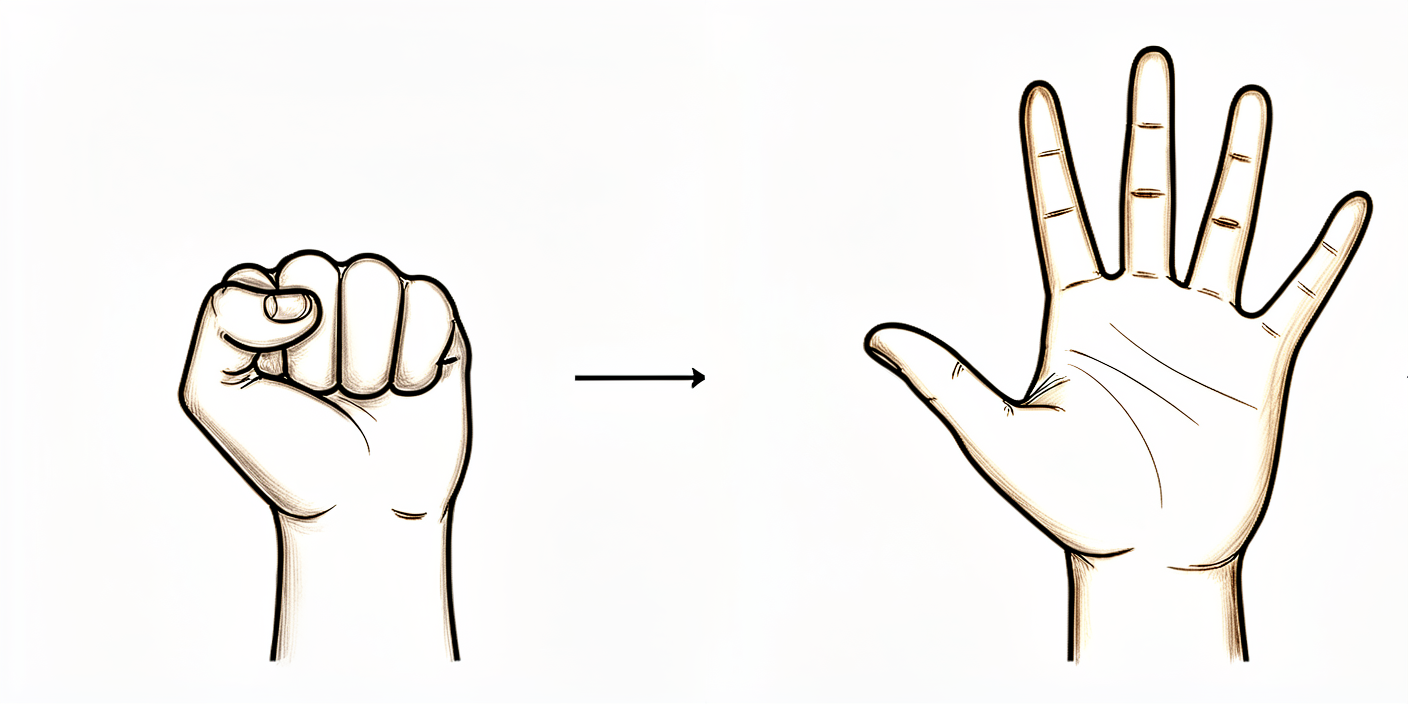
Buksan at isara ang kamay
I-kuyom nang mahigpit ang iyong kamay, pagkatapos ay ibuka ito nang lubos. Pinapanatili nito ang paggalaw ng iyong kamay at tumutulong upang maiwasan ang paninigas at pamamaga.
10 beses bawat oras
Kieran Hirpara 4.0
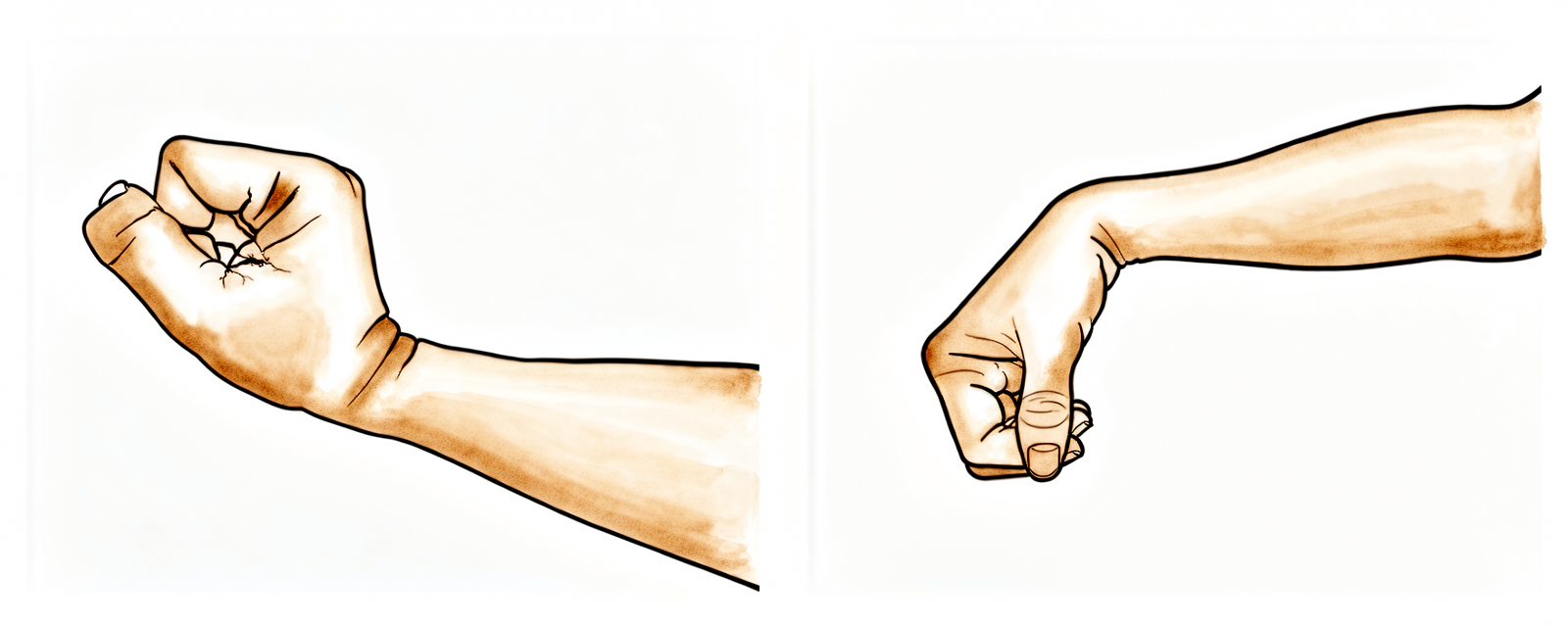
Aktibong pagbaluktot ng pulso
Dahan-dahang itiklop ang iyong pulso pasulong, pagkatapos ay pabalik, hanggang sa kung saan ito komportable.
10–15 beses bawat oras
Kieran Hirpara 4.0
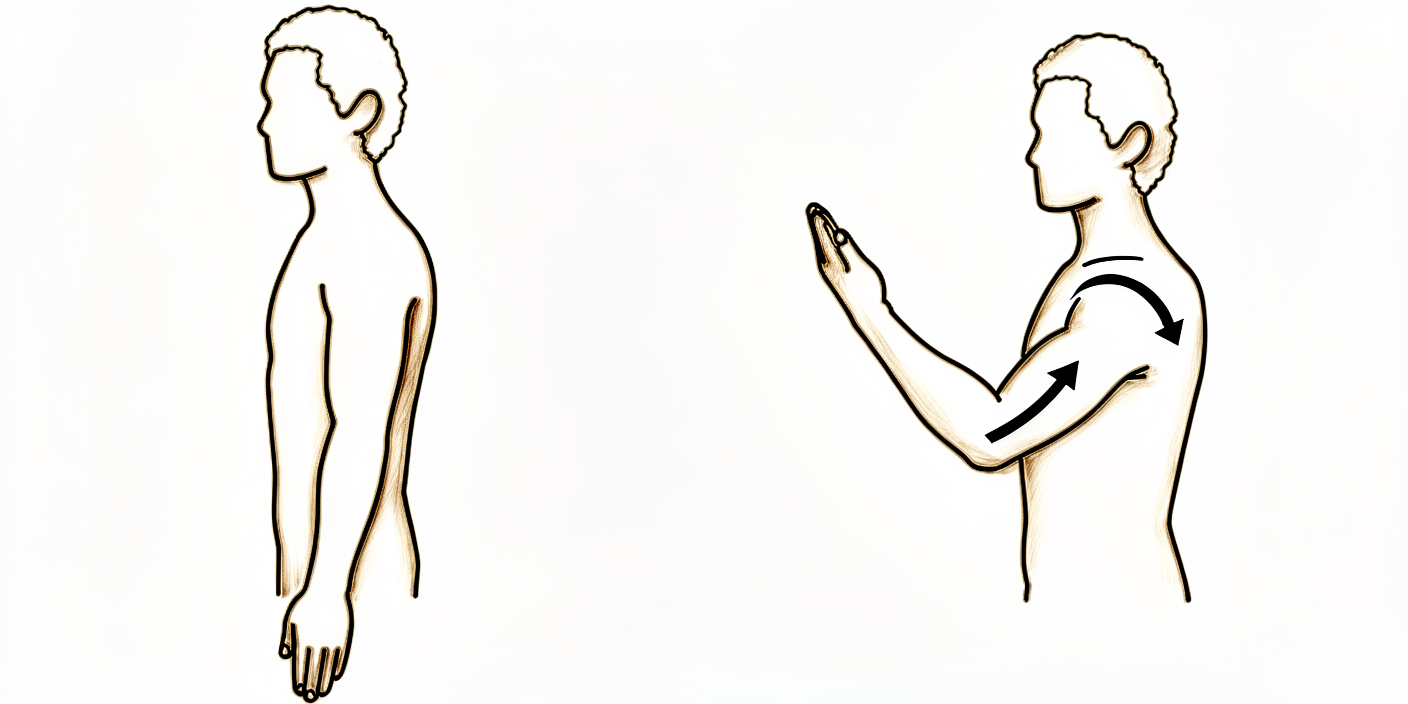
Aktibong pagbaluktot ng siko
Habang nakaharap pataas ang iyong palad, dahan-dahang itiklop ang iyong siko hangga't kaya mo, pagkatapos ay ituwid muli ang iyong braso. Panatilihing nakadikit ang iyong upper arm sa iyong gilid. HUWAG hayaang umugoy ang braso pabalik sa likod ng iyong katawan.
10–15 beses, 2–3 beses sa isang araw
Kieran Hirpara 4.0
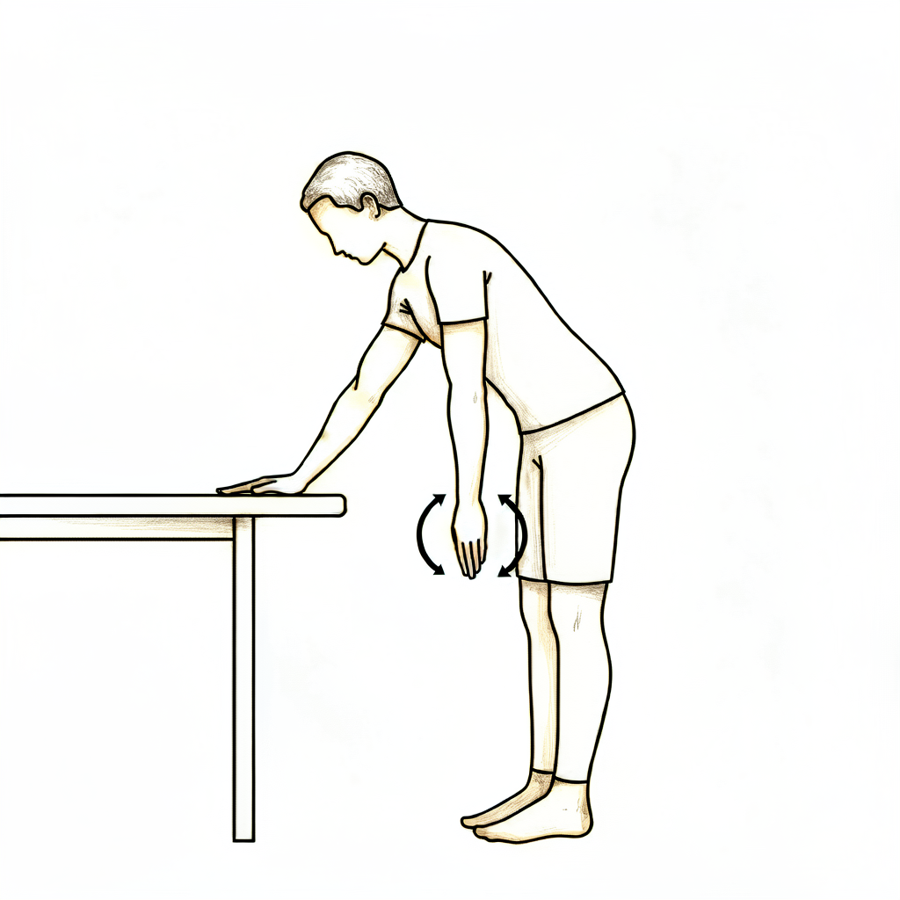
Pendulum swings
Yumuko nang bahagya pasulong at hayaang nakabitin ang iyong inoperahang braso, na lubos na relaks. Gumawa ng maliliit na bilog — clockwise, pagkatapos ay sa kabilang direksyon — sa pamamagitan ng pag-ugoy ng iyong katawan, HINDI sa pamamagitan ng paggamit ng mga kalamnan sa iyong balikat. Panatilihing maliit ang bilog (mas mababa sa humigit-kumulang 20 cm). Mananatiling relaks ang iyong inoperahang braso sa buong proseso — hindi mo ito itinataas. HUWAG hayaang mapunta ang braso pabalik sa likuran ng iyong katawan.
10 sa bawat direksyon, 2–3 beses sa isang araw
Kieran Hirpara 4.0
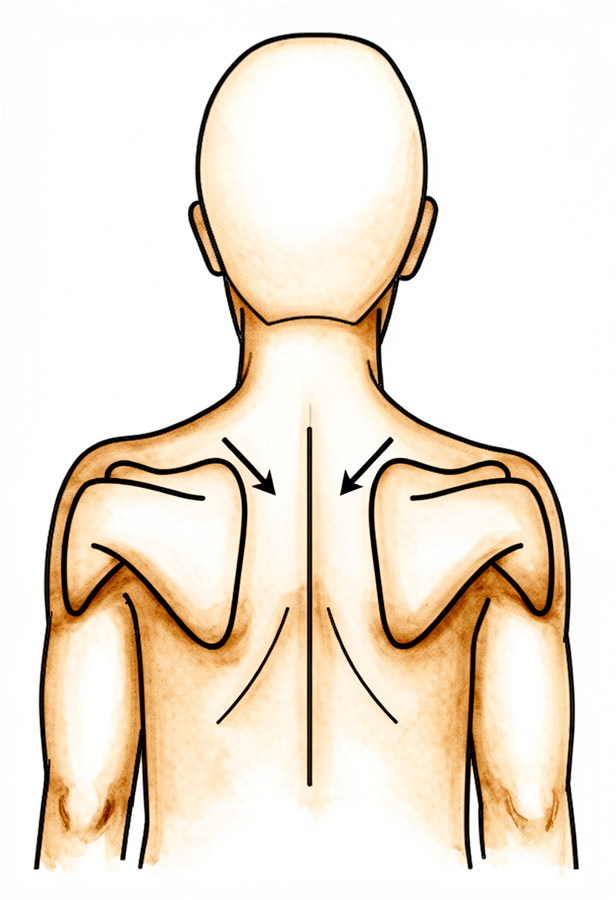
Pag-aayos ng shoulder-blade
Dahan-dahang pisilin ang iyong mga shoulder blade pababa at magkasama, manatili sa posisyong ito, pagkatapos ay i-relax. Ito ay isang light muscle-activation drill — hindi gumagalaw ang iyong braso.
Hawakan nang 5 segundo, 5 beses, 2–3 beses sa isang araw
Kieran Hirpara 4.0
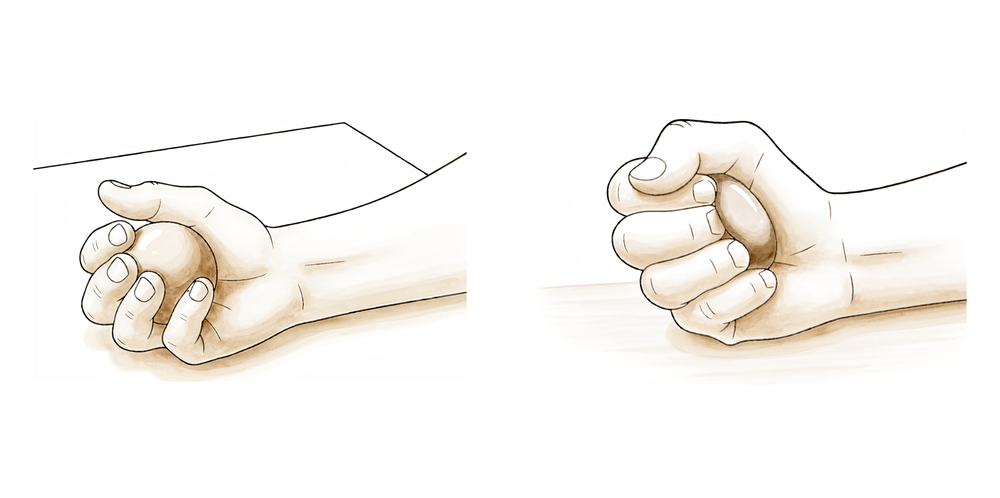
Pagpisil ng bola
Humawak ng malambot na bola o nakabilot na medyas sa iyong kamay at pisilin ito nang dahan-dahan, pagkatapos ay i-relax. Pinapanatili nito na aktibo ang kamay at forearm habang nagpapahinga ang balikat.
10 beses, 2–3 beses sa isang araw
Ang unang dalawang linggo ay tungkol sa pagprotekta sa bagong nailipat na bone block at sa kinumpuning front muscle habang humuhupa ang pamamaga. Gagamit ka ng simpleng sling sa araw, matutulog nang wala nito (panatilihin ang braso sa ligtas na posisyon), at gagawa ng mga banayad na drill upang mapanatiling gumagalaw ang iyong kamay, pulso, at siko nang hindi binibigyang-diin ang balikat. Ang balikat mismo ay igagalaw lamang nang banayad at passive; hindi mo pa itataas ang braso gamit ang sarili nitong lakas.
- Sling: simpleng sling para sa suporta at ginhawa sa araw; matulog nang WALANG sling habang ang braso ay nasa ligtas na posisyon; tanggalin para sa mga ehersisyo at kalinisan.
- Pinapayagang paggalaw: banayad na assisted at passive movement lamang; bawal itaas ang braso gamit ang sariling lakas ng balikat. Forward elevation at pag-abot sa gilid para sa ginhawa; ang outward rotation ay panatilihin sa humigit-kumulang 25 degrees sa isang supported na posisyon; huwag itulak ang braso pabalik sa likod ng katawan.
- Mga Ehersisyo: shoulder-blade setting; ball squeeze; banayad na paggalaw ng kamay, pulso, at siko; pendulum swings (relaks ang braso, hindi lumalayo pabalik).
Handa na para sa susunod na phase kapag: humuhupa na ang iyong sakit at kontrolado ng simpleng pain relief; ang iyong sugat ay gumaling na nang walang mga palatandaan ng problema; komportable ka na nang wala ang sling; at ang iyong banayad na paggalaw ay nananatili sa loob ng ligtas na range na itinakda ng iyong surgeon.
Phase II — Pagbabalik ng paggalaw (weeks 3–9)
Kieran Hirpara 4.0
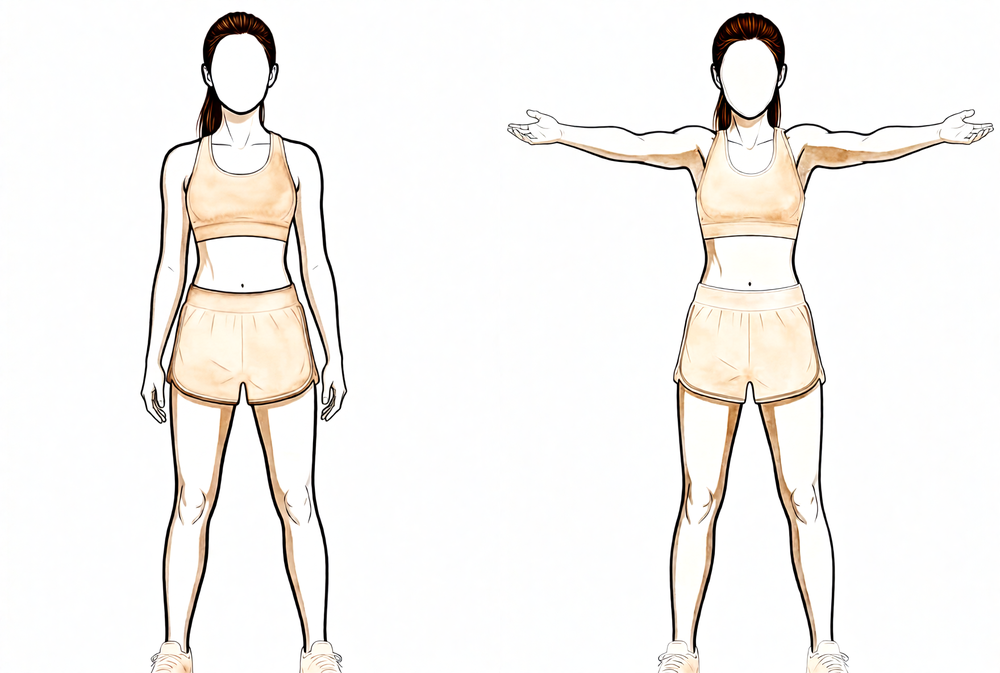
Full-can lift hanggang sa taas ng balikat
Mula sa ika-6 na linggo, kapag nagagalaw mo na ang braso gamit ang sarili mong lakas. Itaas ang iyong braso pasulong at bahagyang palabas sa gilid na ang iyong HINLALAKI AY NAKATURO PATAAS — ang "full can" na posisyon — hanggang sa taas ng balikat lamang (90°) sa simula, pagkatapos ay ibaba ito nang may kontrol. Huwag gumamit ng bigat o gumamit ng napakagaang bigat (mga 1–1.5 kg) at maraming repetisyon.
Ayon sa gabay ng iyong physiotherapist
Kieran Hirpara 4.0
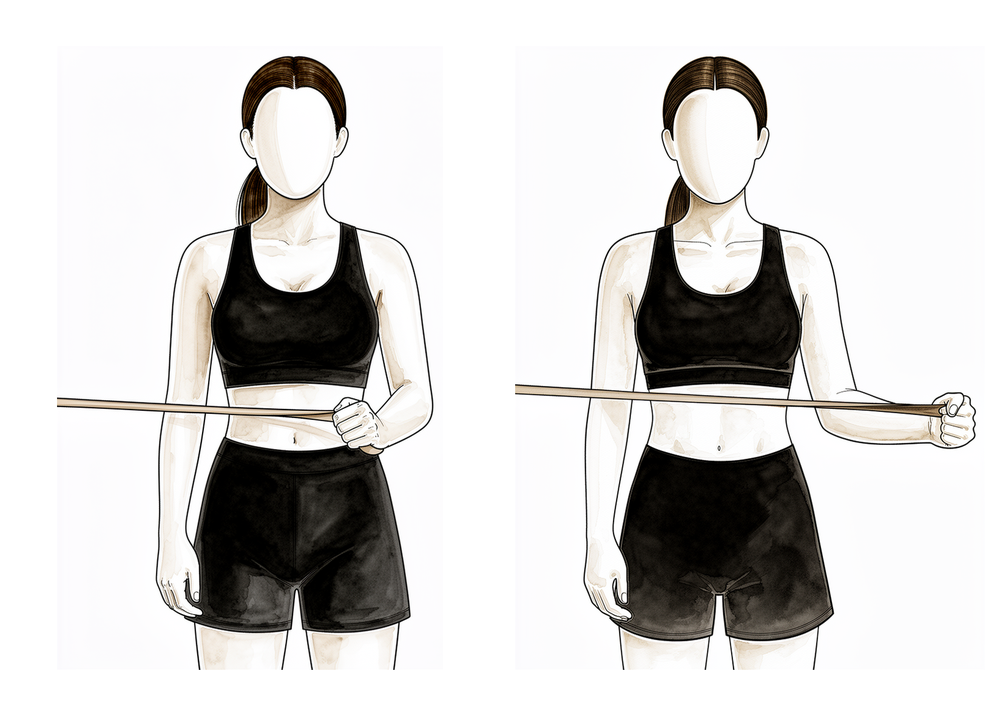
External rotation sa gilid (band)
Mula sa ika-6 na linggo, sa loob ng outward-rotation range na itinakda ng iyong surgeon. I-tuck ang iyong siko sa iyong gilid na may nakarolong tuwalya sa pagitan ng iyong siko at ng iyong katawan, at ang iyong siko ay nakabaluktot sa 90°. Dahan-dahang i-rotate ang forearm palabas laban sa isang light band, pagkatapos ay ibalik ito nang may kontrol. Manatili sa loob ng iyong safe range at huwag itong pilitin. Gumamit ng light band at maraming repetitions, hindi mabigat na resistance.
Ayon sa gabay ng iyong physiotherapist
Kieran Hirpara 4.0
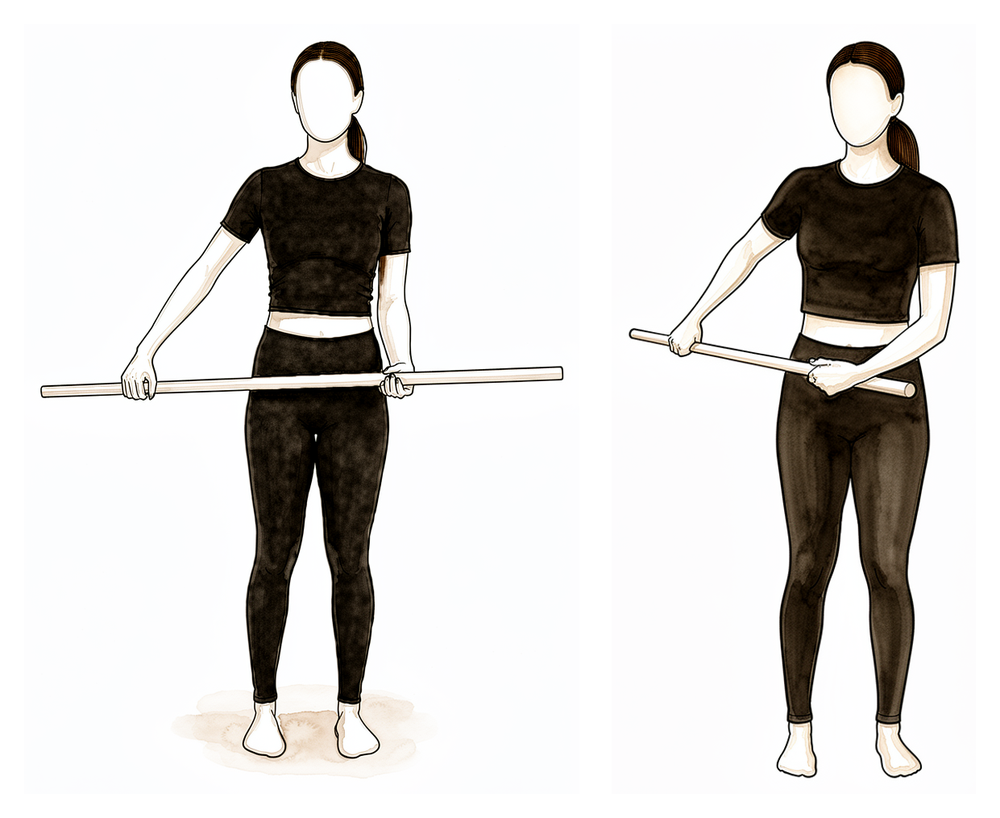
Internal rotation gamit ang stick
Mula sa ika-6 na linggo, gawin ito nang dahan-dahan at ayon lamang sa gabay. Panatilihing nakadikit ang iyong siko sa iyong gilid at gumamit ng stick sa iyong malusog na kamay upang dahan-dahang i-rotate ang inoperahang forearm papasok sa tapat ng iyong tiyan, pagkatapos ay ibalik ito. Ito ay banayad na paggalaw lamang — HUWAG itulak nang malakas o magdagdag ng resistance nang maaga, dahil ang harap ng iyong balikat (ang subscapularis muscle) ay nagpapagaling pa lamang.
Ayon sa gabay ng iyong physiotherapist
Kieran Hirpara 4.0
Low row (pag-aayos ng shoulder-blade)
Mula sa ika-6 na linggo. Habang ang iyong kamay ay nasa isang nakapirming ibabaw sa iyong tabi, idiin pababa at pabalik upang hilahin ang shoulder blade pababa at papasok, at panatilihin ito nang sandali. Pinapatatag nito ang shoulder blade.
Ayon sa gabay ng iyong physiotherapist
Kieran Hirpara 4.0
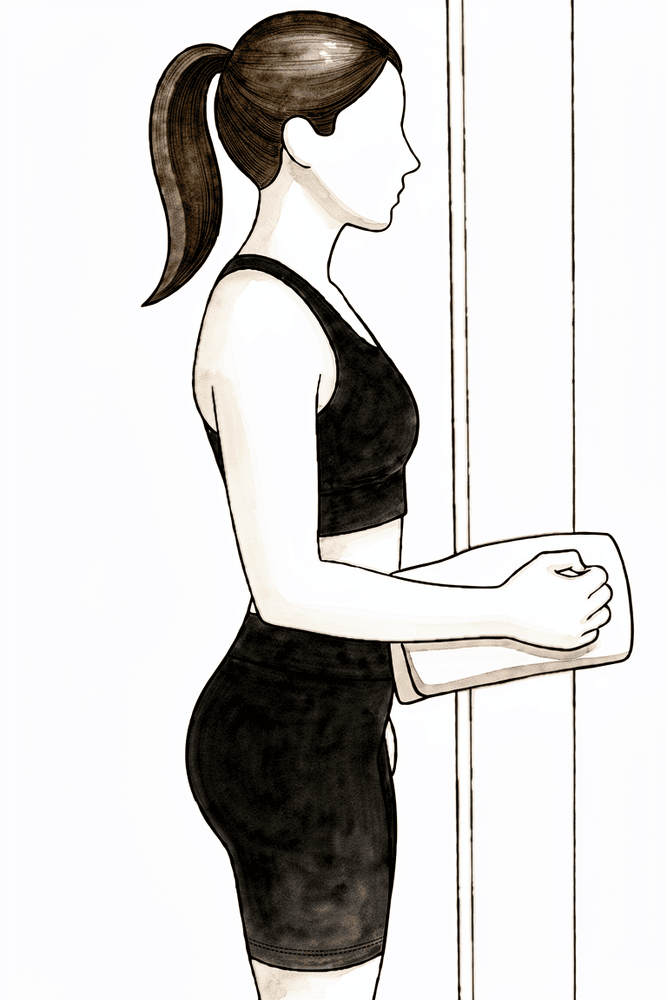
Isometric external rotation
Mula sa ika-6 na linggo, kung sasang-ayon ang iyong physiotherapist at sa loob lamang ng iyong safe range. Tumayo nang nakadikit ang siko sa iyong gilid at nakabaluktot nang 90°, ang likod ng iyong kamay ay malapit sa pader o hamba ng pinto. Dahan-dahang itulak ang likod ng iyong kamay palabas sa ibabaw nang HINDI pinapagalaw ang braso — isang banayad na pagsisikap, humigit-kumulang isang kapat ng iyong lakas, at walang sakit. Manatili sa posisyon, pagkatapos ay i-relax.
Hawakan nang ~5 segundo, dahan-dahan (~25% na pagsisikap), ayon sa gabay ng iyong physiotherapist
Kieran Hirpara 4.0
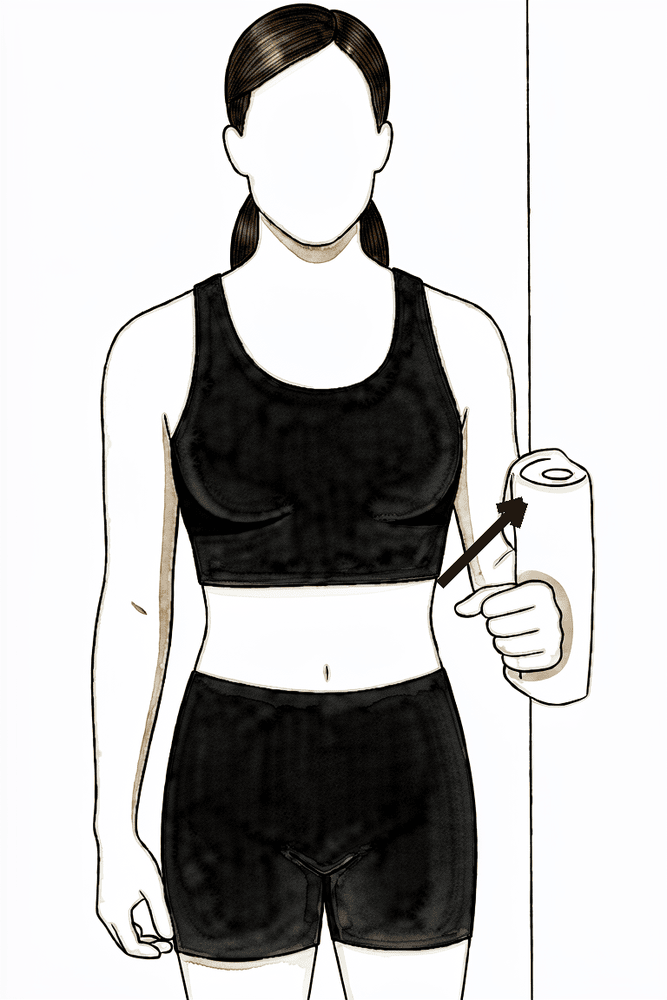
Isometric internal rotation
Ipinagpaliban hanggang sa huli (karaniwan ay pagkatapos magsanib ng graft at sumang-ayon ang iyong surgeon), dahil ang pagdiin papasok ay pinapagana ang nagpapagaling na muscle sa harap (subscapularis). Kapag pinayagan na, tumayo nang nakadikit ang siko sa iyong gilid, nakadikit ang palad sa dingding, at dahan-dahang idiin ang palad papasok NANG HINDI pinapagalaw ang braso — humigit-kumulang isang kapat na lakas, walang sakit. Hawakan, pagkatapos ay i-relax.
Hawakan nang ~5 segundo, dahan-dahan (~25% na pagsisikap), ayon sa gabay ng iyong physiotherapist
Kieran Hirpara 4.0
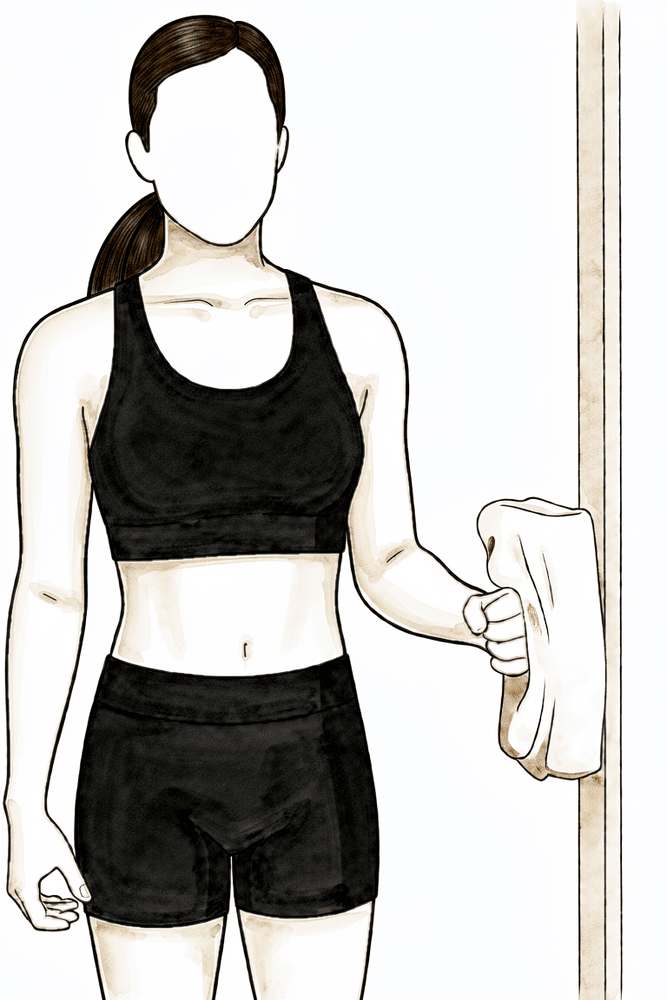
Isometric abduction
Mula sa ika-6 na linggo, kung papayag ang iyong physiotherapist. Tumayo nang patagilid na ang labas ng iyong upper arm ay malapit sa pader, at ang siko ay nasa iyong gilid. Dahan-dahang itulak ang braso palabas patungo sa pader NANG HINDI ito hinahayaang gumalaw — humigit-kumulang isang kapat na lakas, walang sakit. Manatili sa posisyong ito, pagkatapos ay i-relax.
Hawakan nang ~5 segundo, dahan-dahan (~25% na pagsisikap), ayon sa gabay ng iyong physiotherapist
Ngayon ang pokus ay paggalaw, hindi lakas. Ang sling ay unti-unting inaalis simula sa ika-3 linggo. Magpoprogress ka mula sa assisted movement patungo sa paggalaw ng braso gamit ang sarili mong lakas, at ang outward rotation ay unti-unting binubuksan; sa simula ay hanggang mga 45 degrees sa isang supported position, pagkatapos ay higit pa depende sa tolerance simula sa ika-6 na linggo, laging nasa loob ng mga limitasyong itinakda ng iyong surgeon. Idaragdag ang mga light press-and-hold (isometric) drills, panatilihing banayad ang effort sa inward-rotation upang protektahan ang harapang muscle. Naghihintay pa rin ang loading; ang bone block ay nagsisimula pa lamang mag-unite sa phase na ito.
- Sling: unti-unting inaalis simula sa ika-3 linggo.
- Pinapayagang paggalaw: assisted movement na bubuo patungo sa paggalaw gamit ang sariling lakas sa ika-6 na linggo (patungo sa humigit-kumulang 90–110° ng elevation). Ang outward rotation ay unti-unting binubuksan; sa simula ay mga 45 degrees sa support, kalaunan ay hanggang sa tolerance, sa loob ng range na itinakda ng iyong surgeon. Ang inward rotation ay banayad hanggang sa mga 45 degrees.
- Mga Ehersisyo: full-can lift hanggang shoulder height; banayad na outward-rotation band work sa ibabaw ng towel roll; banayad na inward rotation gamit ang stick (walang puwersa); low row; banayad na press-and-hold isometrics para sa outward rotation at abduction simula sa ika-6 na linggo (ang inward-rotation isometrics ay ipinagpaliban muna). Maaari ring magdagdag ang iyong physiotherapist ng banayad na rhythmic stabilisation (hold-steady drills kung saan tinutulak nila nang bahagya ang iyong braso at lalaban ka) upang muling sanayin ang kontrol; ito ay hands-on na trabaho na walang diagram.
Handa na para sa susunod na phase kapag: kinumpirma ng iyong surgeon (karaniwan sa review sa paligid ng 6–8 weeks) na ang bone block ay nag-unite na; kaya mo nang igalaw ang braso gamit ang sarili mong lakas na may mabuting kontrol; ang iyong assisted at passive movement ay full o halos full at komportable; at ang banayad na isometrics ay hindi nagdudulot ng paglala ng sakit pagkatapos. Ang strengthening ay hindi magsisimula hanggang hindi nakukumpirma ang union: ito ay nakadepende sa paghilom ng buto, na kinukumpirma ng iyong surgeon, hindi ng kalendaryo.
Phase III — Pagpapalakas (weeks 10–15)
Kieran Hirpara 4.0
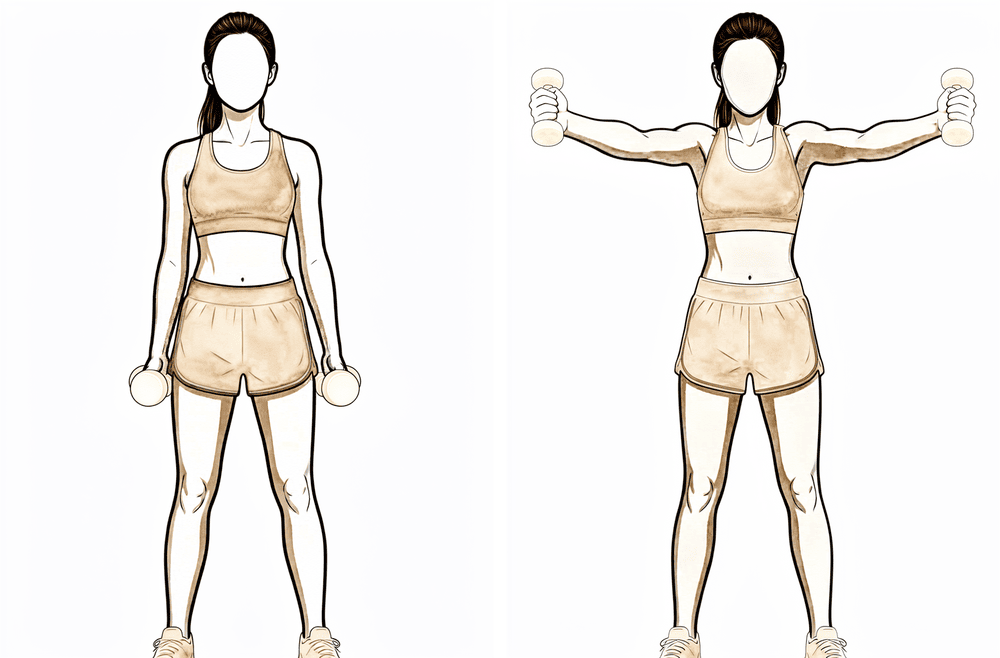
Full-can lift gamit ang magaan na pabigat
Mula sa humigit-kumulang ika-10 linggo, kapag nakumpirma na ng iyong surgeon na naghilom na ang bone block. Full-can lift gaya ng dati, ngayon ay unti-unting dinadagdagan ang taas at naglalagay ng magaan na pabigat. Panatilihing NAKATAAS ANG HINLALAKI (THUMB UP). Itigil kung masakit ang balikat o namamaga pagkatapos.
Ayon sa gabay ng iyong physiotherapist
Kieran Hirpara 4.0
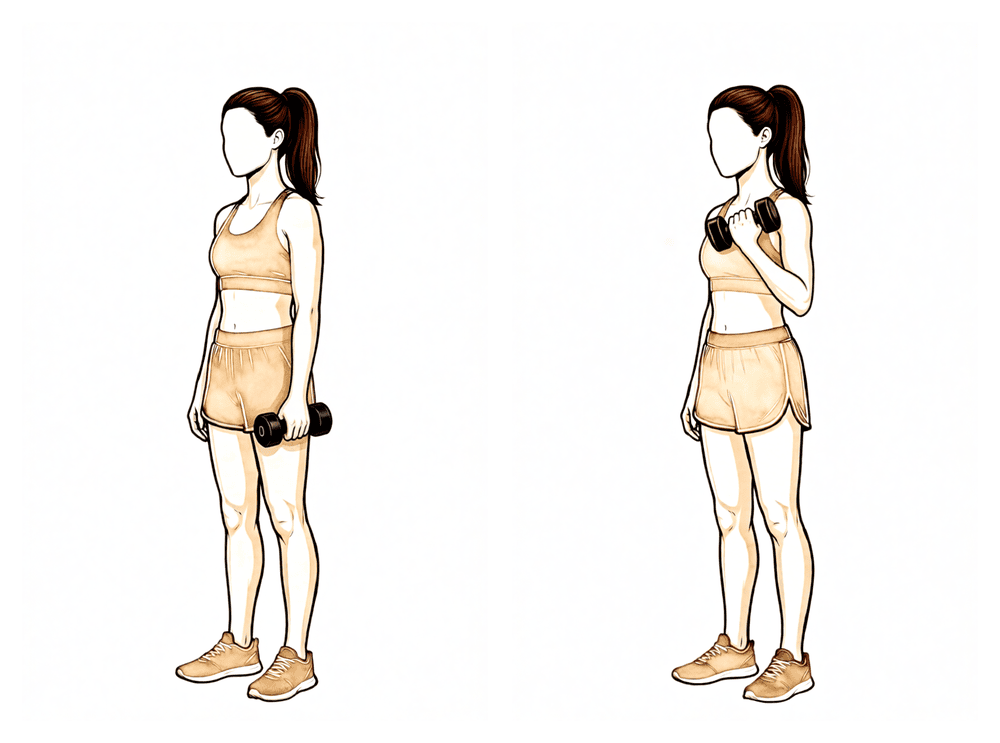
Magaang biceps curls
Mula sa humigit-kumulang ika-10 linggo, kapag nakumpirma na ang union. Habang nakadikit ang iyong itaas na braso sa iyong gilid, itiklop ang iyong siko upang i-curl ang isang magaan na pabigat, pagkatapos ay ibaba ito nang may kontrol. Unti-unting dagdagan ang bigat. Ang biceps tendon ay nakakabit malapit sa bone block, kaya magsimula sa magaan at dahan-dahang mag-progress.
Ayon sa gabay ng iyong physiotherapist
Kieran Hirpara 4.0
Internal rotation pataas sa likod, gamit ang stick (opsyon 1)
Mula sa humigit-kumulang ika-12 linggo, kapag kuntento na ang iyong surgeon at physiotherapist na gumaling na ang kalamnan sa harap (subscapularis). Humawak ng isang stick sa likod mo at gamitin ang iyong maayos na kamay upang dahan-dahang hilahin ang inoperahang kamay pataas sa iyong likod, pagkatapos ay ibaba ito nang may kontrol. Panatilihin itong komportable at sa loob ng mga limitasyong itinakda ng iyong physiotherapist.
Ayon sa gabay ng iyong physiotherapist
Kieran Hirpara 4.0
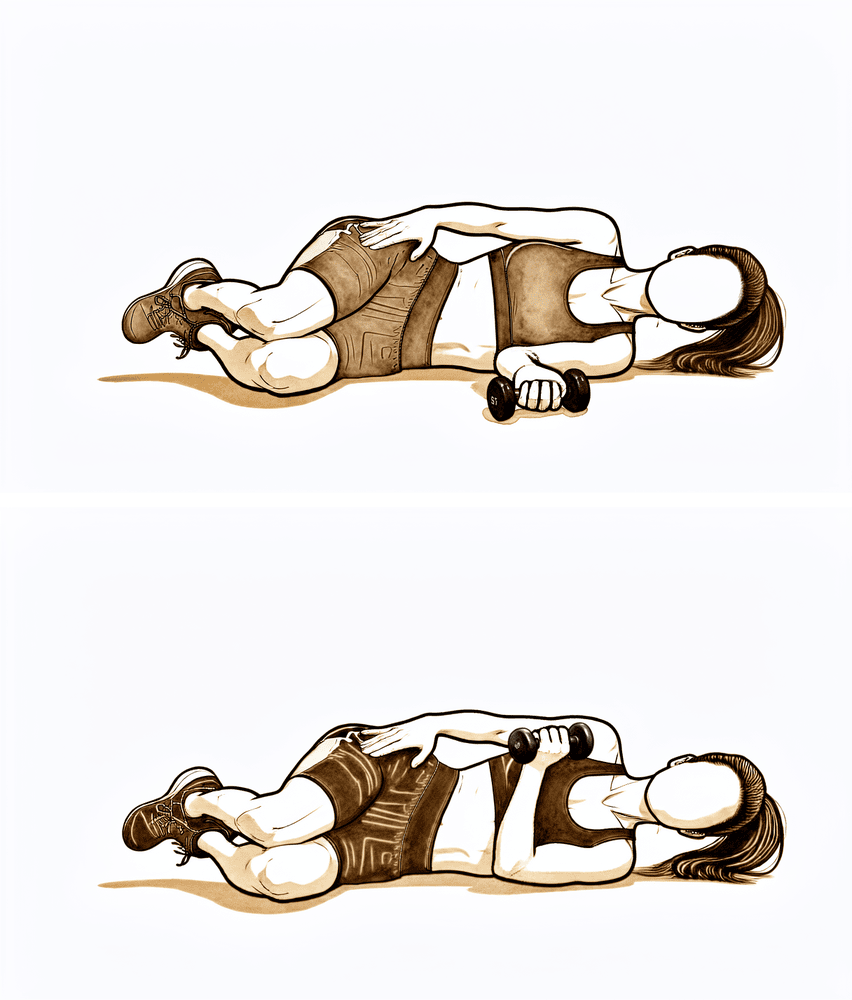
Internal rotation gamit ang magaan na pabigat, nakahiga nang patagilid (opsyon 2)
Isang alternatibo sa stick version, na may parehong timing (mula humigit-kumulang ika-12 linggo, kapag gumaling na ang muscle sa harap). Humiga sa gilid ng iyong inoperahang balikat na ang siko ay na nakadikit sa iyong baywang at nakabaluktot nang 90°; i-rotate ang forearm upang ang kamay ay mag-angat ng magaan na weight patungo sa iyong tiyan, pagkatapos ay ibaba ito nang may kontrol. Pipiliin ng iyong physiotherapist kung aling bersyon ang angkop para sa iyo — pareho itong bumubuo ng parehong inward-rotation strength.
Ayon sa gabay ng iyong physiotherapist
Kieran Hirpara 4.0
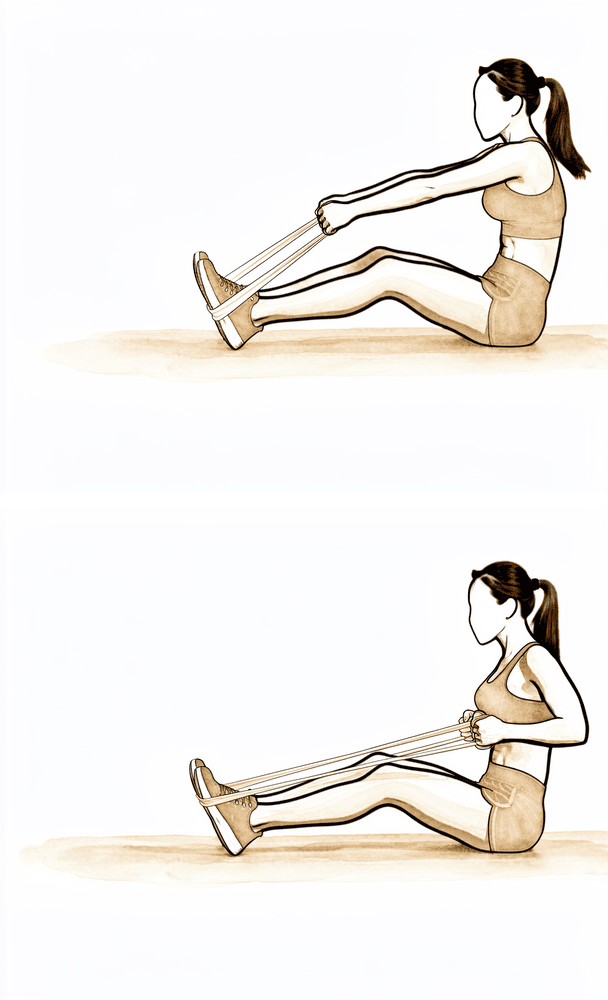
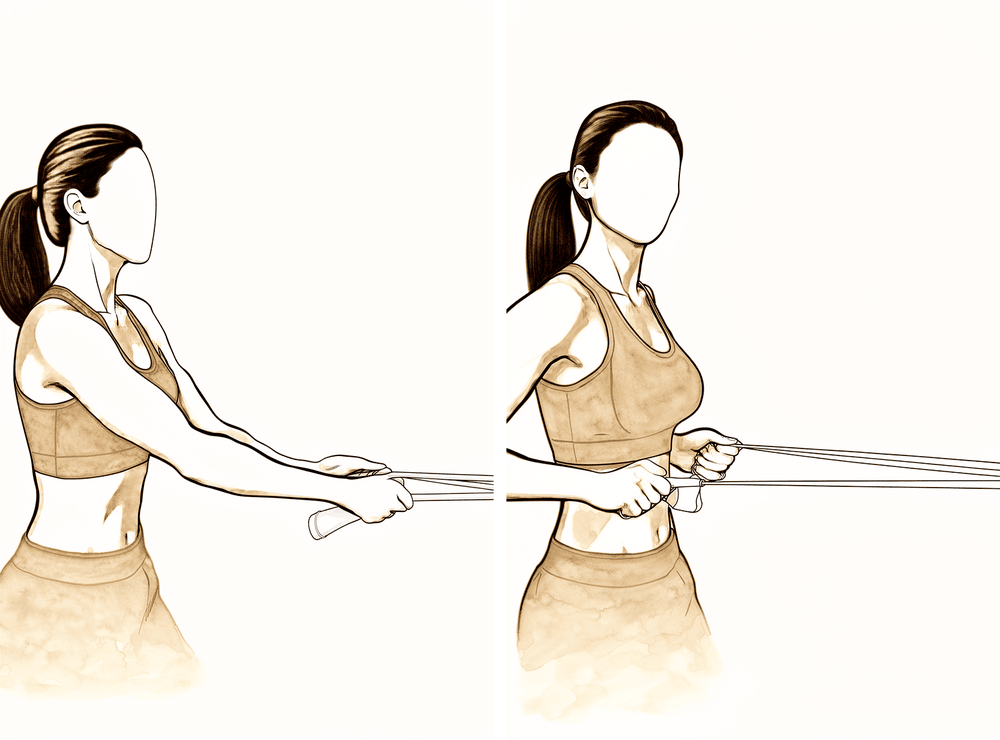
Resistance-band row
Mula sa humigit-kumulang ika-10 linggo, kapag nakumpirma na ang union. Gamit ang isang band na naka-angkla sa iyong harapan, hilahin ang mga handle patungo sa iyo, iurong ang iyong mga siko pabalik at pagdikitin ang iyong mga shoulder blade, pagkatapos ay ibalik ito nang may kontrol. Magaan na band, mataas na repetitions; huminto kung sumakit ang balikat.
Ayon sa gabay ng iyong physiotherapist
Kieran Hirpara 4.0
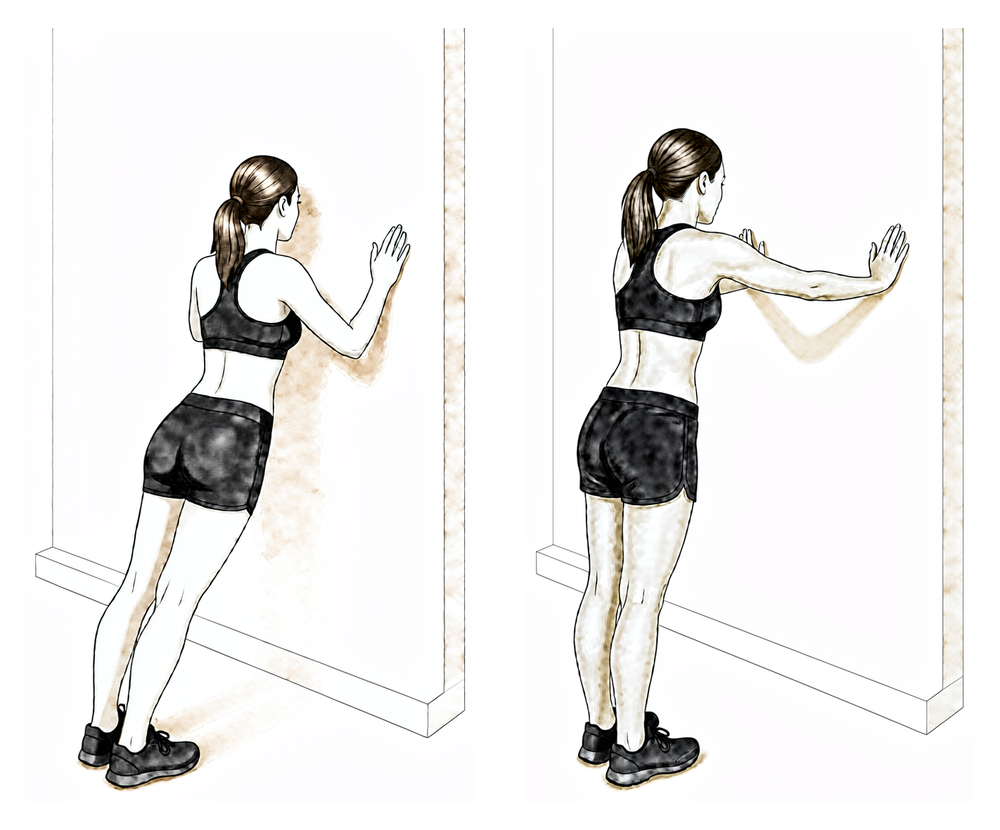
Push-up-plus (dingding)
Mula sa humigit-kumulang ika-10 linggo, kapag nakumpirma na ang union. Magsimula nang nakasandal sa pader (hindi sa sahig). Gumawa ng mabagal na push-up; sa itaas, itulak pa nang kaunti upang maghiwalay ang iyong mga shoulder blade at bahagyang bumilog ang iyong itaas na likod. Huwag hayaang lumampas ang iyong mga siko sa likod ng iyong mga balikat. Pinapagana nito ang kalamnan sa harap (subscapularis) — panatilihin itong magaan at walang sakit.
Ayon sa gabay ng iyong physiotherapist
Kieran Hirpara 4.0
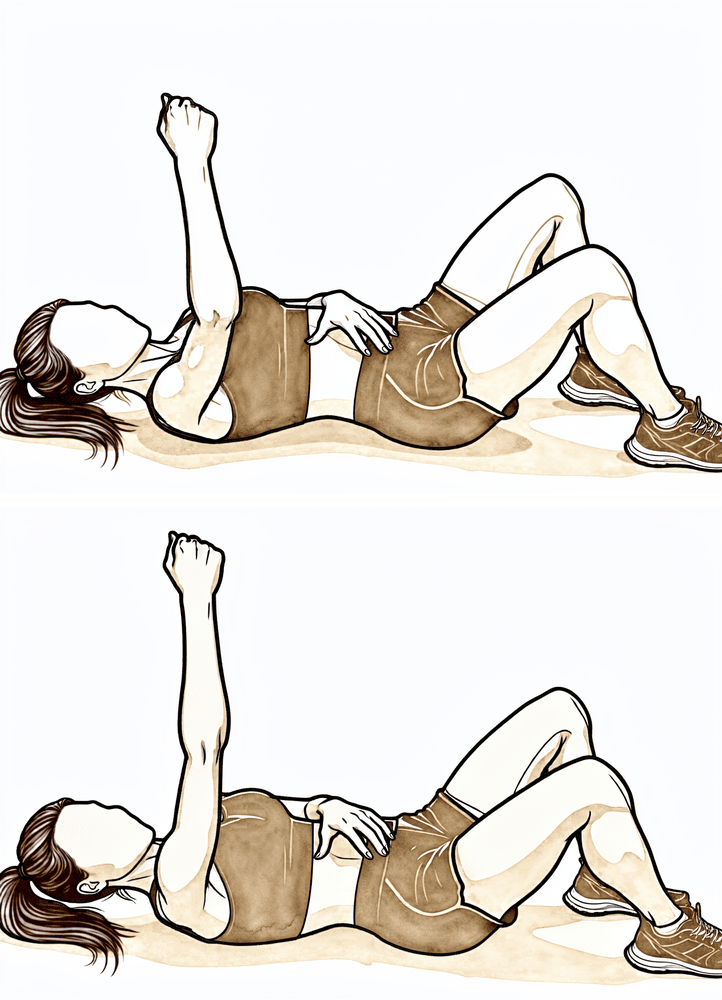
Forward punch (supine)
Mula sa humigit-kumulang ika-10 linggo, kapag nakumpirma na ang union. Humiga nang nakatihaya, ang braso ay nakaturo pataas sa kisame, habang humahawak ng magaan na pabigat o wala. Iunat ang kamay nang bahagya pa pataas sa kisame upang ang shoulder blade ay umangat mula sa kama, pagkatapos ay ibaba ito nang may kontrol. Isang banayad na subscapularis drill — panatilihin itong magaan.
Ayon sa gabay ng iyong physiotherapist
Kieran Hirpara 4.0
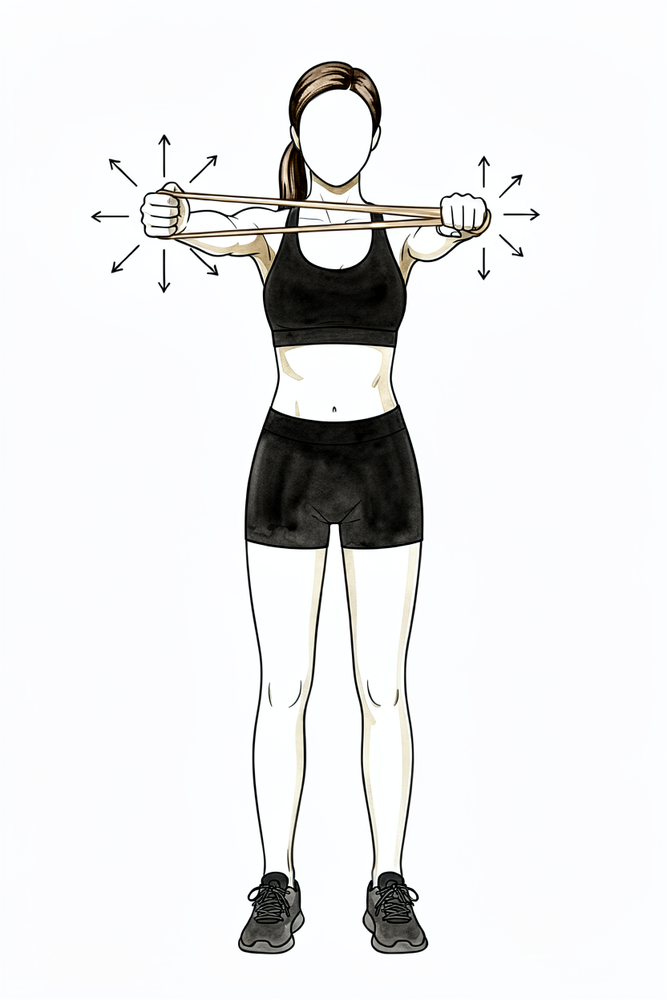
Rhythmic stabilisation
Habang ang iyong braso ay suportado sa harap mo sa taas na halos kapantay ng balikat, hayaan ang iyong physiotherapist (o ang iyong maayos na kamay) na magbigay ng maliliit at banayad na tulak mula sa iba't ibang direksyon habang pinapanatili mong hindi gumagalaw at matatag ang braso — huwag itong hayaang gumalaw. Sinasanay nito ang mga stabilising muscle ng balikat na tumugon. Panatilihing banayad ang lahat ng pagsisikap.
Ayon sa gabay ng iyong physiotherapist
Kapag nakumpirma na ng iyong surgeon na naghilom na ang buto, maaari mo nang simulan ang paglalagay ng load sa balikat. Ang pagpapalakas ay nagsisimula sa paggamit ng light bands at light weights: mataas na repetitions at mababang load, na unti-unting dinaragdagan. Ang golden rule ay isang direksyon sa bawat pagkakataon: palalakasin mo lamang ang isang direksyon kapag mayroon ka nang komportable at halos kumpletong paggalaw dito. Ang pagpapalakas ng inward-rotation at front-muscle (subscapularis) ay ipinapakilala pa rin nang maingat at sa huling bahagi, dahil ang muscle na iyon ay kinumpuni noong iyong operasyon.
- Sling: wala; inaasahan ang halos kumpleto at komportableng paggalaw bago lagyan ng load ang isang direksyon.
- Mga Ehersisyo: full-can lift gamit ang magaan at unti-unting binibigat na weight; light biceps curls; resistance-band rows; wall push-up-plus at supine forward punch para sa front muscle; internal rotation paakyat sa likod gamit ang stick (dahan-dahan, mula sa bandang week 12 kapag naghilom na ang front muscle). Unti-unting dagdagan ang load at huminto kung masakit o namamaga ang balikat.
Handa na para sa susunod na phase kapag: mayroon ka nang kumpleto at walang sakit na paggalaw gamit ang sarili mong lakas na may mabuting shoulder-blade control; walang sakit o pamamaga pagkatapos ng mga strengthening session; komportableng resisted lifting sa ibaba ng taas ng balikat; at ang iyong outward-rotation strength ay papalapit na sa lakas ng kabilang panig.
Phase IV — Overhead at pagbabalik sa sport (weeks 16–20)
Kieran Hirpara 4.0
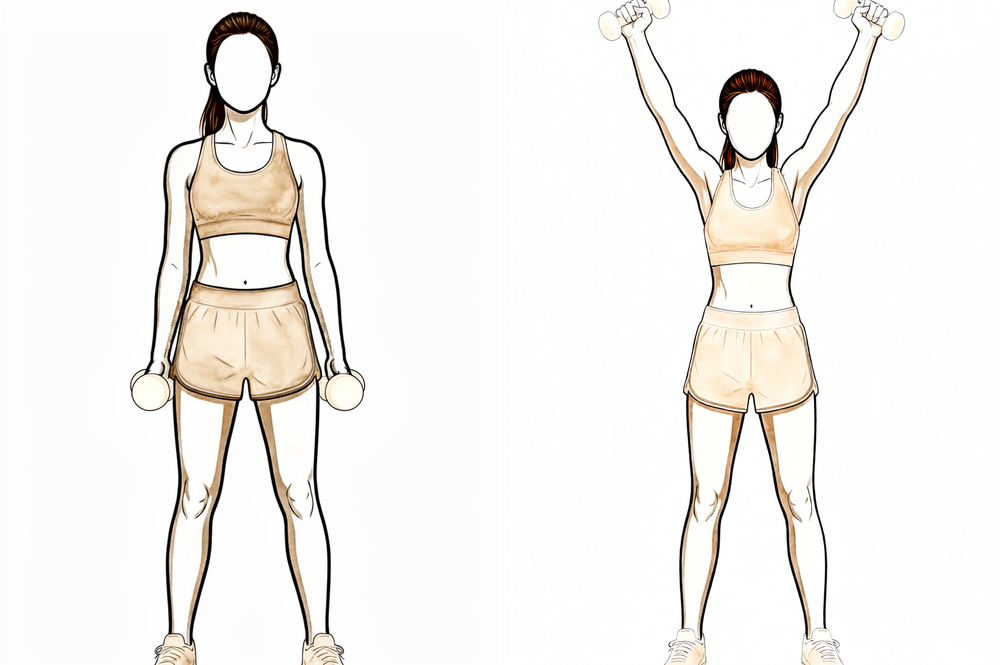
Overhead full-can lift
Mula sa humigit-kumulang ika-16 na linggo, kapag maayos na ang iyong lakas sa ibaba ng taas ng balikat. Itaas ang iyong braso pasulong at bahagyang palabas sa gilid na ang iyong HINLALAKI (THUMB) ay NAKATAAS, ngayon ay magpatuloy na sa itaas ng taas ng balikat, gamit ang magaan at unti-unting dinadagdagan na bigat. Huminto kung masakit ang balikat o namamaga pagkatapos.
Ayon sa gabay ng iyong physiotherapist
Kieran Hirpara 4.0
Progressive resistance-band row
Ipagpatuloy ang band row, ngayon ay dagdagan ang resistance at repetitions bilang basehan para sa mas mabigat na trabaho at sport-specific conditioning. Panatilihin ang maayos na kontrol sa shoulder-blade.
Ayon sa gabay ng iyong physiotherapist
Ang phase na ito ang tulay pabalik sa isang ganap na gumaganang balikat at isang unti-unting pagbabalik sa sport at mas mabigat na trabaho. Pananatilihin mo ang range na iyong nakuha at bubuo ng lakas, power, at endurance upang magamit ito nang may kumpiyansa, kabilang ang overhead. Ang pagbabalik ay staged, hindi biglaan; para sa sport, ang isang interval programme na bumubuo ng volume at intensity step by step ang pinakaligtas na ruta pabalik.
- Sling: wala.
- Mga Ehersisyo: overhead full-can lifts gamit ang magaan at unti-unting dinadagdagan na weight kapag maayos na ang lakas sa ibaba ng taas ng balikat; progressive band rows; conditioning na specific sa sport at trabaho at, sa huling bahagi ng phase, controlled higher-speed (plyometric) drills kung naaangkop. Maaaring idagdag ang mga push-up habang pinapanatili ang mga siko na hindi masyadong napupunta sa likod.
Handa nang bumalik kapag: ang iyong outward-rotation strength ay nasa loob ng humigit-kumulang 8–10% ng kabilang panig at ang iyong overall rotation strength ay pantay na nabubuo; mayroon kang buo at walang sakit na paggalaw nang walang reactive swelling sa ilalim ng mas mabigat na load; at naipasa mo ang mga task-specific test para sa iyong sport o trabaho. Ang pagbabalik sa sport ay karaniwang nasa 20 weeks, at ang contact o collision sport ay madalas na mas huli nang kaunti (humigit-kumulang 5–6 months), base sa pagtugon sa mga criteria na ito at sa clearance ni Dr Hirpara at ng iyong physiotherapist, hindi base sa kalendaryo lamang.
Pagbabalik sa isport at trabaho
Ang iyong pagbabalik ay nakabase sa mga criteria: walang sakit, may sapat na range, lakas at endurance, at may pirmadong pahintulot mula kay Dr Hirpara at sa iyong physiotherapist, at hindi nakadepende sa kalendaryo lamang. Dahil ang Latarjet ay gumagamit ng solidong buto, ang recovery ay karaniwang mas mabilis kaysa sa soft-tissue repair, ngunit ang lahat ng mas mabigat kaysa sa banayad na paggalaw ay kailangang maghintay hanggang sa magsanib na ang bone block (mga 6–8 linggo, kumpirmado ng iyong surgeon).
- Ang magaan na aktibidad sa antas ng dibdib ay maaaring ibalik mula sa humigit-kumulang 10–15 linggo.
- Ang overhead at throwing activity ay mula sa humigit-kumulang 4 na buwan.
- Ang pagbabalik sa isport ay humigit-kumulang 20 linggo sa average; ang full contact o collision sport ay madalas na humigit-kumulang 5–6 buwan, at palaging kapag naabot mo na ang mga criteria sa lakas at paggalaw.
Pagkatapos ng iyong protocol
Ang protocol na ito ay kasabay ng pangkalahatang payo sa paggaling ng klinika; tingnan ang pamamahala ng sakit pagkatapos ng operasyon at pag-aalaga ng sugat.
Evidence & references
This is the clinical evidence summary written for health professionals. It is technical, and it lists the research this page was built from. You do not need to read it to understand your treatment or to make a decision about it.
Latarjet (Coracoid Transfer) for Anterior Instability with Bone Loss: Rehabilitation Evidence
Topic: Open Latarjet / Bristow-Latarjet coracoid transfer for anterior glenohumeral instability with glenoid bone loss (>~20% glenoid, or off-track Hill-Sachs / failed soft-tissue repair). Compiled: 2026-06-16. Sources: local RAG Orthopaedic corpus + published fellowship/PT "standard of care" protocols.
How Latarjet rehab DIFFERS from arthroscopic Bankart
- It is a BONY procedure (coracoid autograft screw-fixed to the antero-inferior glenoid). Fixation is rigid -> the structural construct is stronger than soft-tissue suture anchors, so AROM and return to sport are generally FASTER than Bankart (Beletsky 2020: mean RTS ~19.6 wk Latarjet vs ~32.4 wk Bankart, p<0.001).
- BUT two distinct soft-tissue structures must be protected that Bankart does not involve: (1) the subscapularis (split, or taken down and repaired, to pass the graft); (2) the coracoid graft osseous union (~6-8 weeks to unite) plus the conjoint-tendon (biceps short head + coracobrachialis) "dynamic sling" still attached to the graft.
- Graft-protection precautions: avoid aggressive shoulder extension and combined extension + external rotation stretching early (tensions the conjoint origin on the graft). Progress biceps/coracobrachialis strengthening gradually. If subscapularis was taken down & repaired, slow ER progression and avoid aggressive IR strengthening until subscap healed - get an intra-operative "safe-zone" ER from the surgeon.
- Expect a permanent mild ER deficit (Hovelius: mean loss ~7.4 deg in adduction, ~8 deg in abduction) - this is accepted, not a complication.
Consensus phased timeline (BWH Latarjet standard of care)
| Phase | Week window | Sling/brace | ROM allowed & restrictions | AROM / strengthening | RTS |
|---|---|---|---|---|---|
| I - Immediate post-surgical | 0-2 wk | Sling at all times (remove only to shower, arm at side); towel under elbow to prevent hyperextension (graft protection); sleep in sling | No AROM. PROM only, no forcing: flexion/elevation & scaption to tolerance; IR to 45 deg at 30 deg abd; ER 0-25 deg in scapular plane at 30-40 deg abd (open-packed); respect anterior capsule; use intra-op ER measurements | Scapular isometrics, ball squeezes; cryotherapy | None |
| II - Intermediate / ROM | 3-9 wk | Wean from sling beginning wk 3 | Early (wk 3-4): ER to 0-45 deg at 30-40 deg abd, IR 45 deg at 30 deg abd. Late (wk 6): ER to tolerance, progress to multiple abd angles once >=35 deg; IR multi-angle. AAROM from wk 3 -> AROM by ~wk 6 (good mechanics, up to 90-110 deg elevation) | Begin balanced AROM/strengthening late phase II (~wk 6): high-rep/low-load (1-3 lb), full-can scaption to 90 deg, ER/IR tubing at 0 deg abd (towel roll), prone rows, rhythmic stabilisation. Subscap-specific work (upper+lower fibres) | None |
| III - Strengthening | 10-15 wk | None | Continue A/PROM; near-full ROM before loading a plane | Biceps curls light; progressive pec major/minor (avoid anterior-capsule-stress positions); subscap strengthening (push-up plus, cross-body diagonals, IR band 0/45/90, forward punch) | Chest-level functional activities |
| IV - Overhead / return to activity | 16-20 wk | None | Full pain-free ROM | Overhead strengthening once sub-90 strength good; progressive weightlifting (15-25 reps); plyometrics/interval program if cleared; push-ups allowed but elbows not past 90 deg | Throwing/overhead not before 4 months; pre-injury sport when cleared by MD |
Active ROM start: AAROM wk 3, AROM ~wk 6. Strengthening start: scapular isometrics immediately; isotonic/RC strengthening ~wk 6. RTS: chest-level ~10-15 wk; overhead/throwing >=4 months; full/contact sport typically ~5-6 months (RAG cohorts: open Latarjet RTS averages ~6 months; bone-block soft-tissue/graft healing requires the 3-month minimum). ER milestones to advance: PE >=155 deg, ER within 8-10 deg of contralateral at 20 deg abd and >=75 deg at 90 deg abd.
Graft-protection summary (the Latarjet-specific precautions): no aggressive extension or extension+ER stretch early; protect conjoint tendon/biceps origin; protect subscapularis (slower ER + delayed IR strengthening if taken down); no pec flys/wide-grip bench/military press/behind-neck lat pulls; tricep dips avoided; osseous union ~6-8 wk gates heavier loading.
Key controversies & evidence flags
-
Is a sling even necessary after open Latarjet? An RCT (Kourimpetis/PMC9969622, "Is sling immobilization necessary after open Latarjet surgery...") challenges routine immobilisation - because rigid bony fixation may not need the soft-tissue protection a Bankart does. This is the leading edge of "accelerated Latarjet." Evidence: STRONG (single RCT) - emerging, not yet standard.
-
Accelerated Latarjet rehab / faster RTS. Multiple comparative studies (Beletsky 2020; Delgado 2025 matched-pair; Rogowski 2025 JSES) confirm Latarjet RTS is earlier than Bankart and that bony union (~3 months) - not soft-tissue - is the rate limiter. Rogowski (JSES 2025) argues functional dominant/non-dominant testing at 4.5 months predicts successful RTS better than time alone, supporting criteria-based acceleration. Evidence: MODERATE (good cohorts, no large RCT on the rehab pace itself).
-
Contact/collision-sport return & procedure choice. Latarjet is often preferred in collision athletes (rugby) precisely because of bone block + dynamic sling. Tanaka 2022 / Hirose 2026 (Bristow vs Latarjet in rugby) and Gowd 2021 (JSES, RTS after Latarjet) inform RTS rates and timing; subluxation/pain after RTS more frequent in some Latarjet vs Bristow series. Contact RTS still generally ~5-6 months and criteria-based. Evidence: MODERATE cohort-level.
-
Subscapularis split vs takedown-and-repair changes ER progression: takedown demands slower ER and delayed IR strengthening. Protocol explicitly defers to an intra-operative surgeon-defined ER "safe zone." Evidence: consensus / biomechanical rationale.
CITATIONS
Published rehabilitation protocols (URLs)
- Brigham & Women's Hospital, Dept. of Rehabilitation Services - Anterior Stabilization of the Shoulder: Latarjet Protocol (orig. 2009, updated May 2016): https://www.brighamandwomens.org/assets/BWH/patients-and-families/rehabilitation-services/pdfs/shoulder-latarjet.pdf
- Rehabilitation Guidelines for Latarjet/Coracoid Process Transfer (Eichinger, MD): https://www.josefeichingermd.com/pdf/rehab-guideline-for-latarjet.pdf
- Rehabilitation Protocol - Latarjet (Coracoid Transfer/Eden-Hybinette), Lindsay Sports Med (2025): https://www.lindsaysportsmed.com/pdf/laterjet-and-edenhybinette-center-2025.pdf
- Rehabilitation Protocol: Latarjet Coracoid Process Transfer (Utz, MD): https://www.christopherutzmd.com/pdfs/latarjet-protocol.pdf
- Latarjet Procedure overview - Physiopedia: https://www.physio-pedia.com/Latarjet_Procedure
Local RAG corpus (article / journal / year)
- Beletsky A, Cancienne JM, Manderle BJ, et al. A Comparison of Physical Therapy Protocols Between Open Latarjet Coracoid Transfer and Arthroscopic Bankart Repair. Sports Health. 2020. [protocol comparison - Latarjet RTS ~19.6 wk vs Bankart ~32.4 wk, p<0.001; AAROM ~6-8 wk]
- Matache BA, Hurley ET, Wong I, et al. Anterior Shoulder Instability Part III - Revision Surgery, Rehabilitation and Return to Play - An International Consensus Statement. Arthroscopy. 2021;38(2). (Poses the open questions on immobilisation duration after coracoid transfer vs Bankart vs glenoid bone grafting.) [consensus]
- Gowd AK, Liu JN, Polce EM, et al. Return to sport following Latarjet glenoid reconstruction for anterior shoulder instability. Journal of Shoulder and Elbow Surgery. 2021;30(11):2549-2559. [systematic review - RTS]
- Rogowski I, Nove-Josserand L, Godeneche A, et al. Are the dominant-nondominant functional differences at 4.5 months after open Latarjet better predictors for successful RTS at 1 year than operated-nonoperated differences? Journal of Shoulder and Elbow Surgery. 2025;34(10):2338-2349. (3-month delay needed for graft healing; RTS ~6 months; criteria-based prediction.) [prospective cohort]
- Delgado C, Calvo E, Valencia M, et al. Arthroscopic Bankart Repair Versus Arthroscopic Latarjet for Anterior Shoulder Instability: A Matched-Pair Long-Term Follow-up Study. Orthopaedic Journal of Sports Medicine. 2025. [matched-pair comparative]
- Tanaka M, Hanai H, Kotani Y, et al. Open Bristow Versus Open Latarjet for Anterior Shoulder Instability in Rugby Players. Orthopaedic Journal of Sports Medicine. 2022. [comparative - contact athletes]
- Hirose T, Tanaka M, Nakai H, et al. Comparing Bristow and Latarjet procedures for anterior shoulder instability in competitive rugby players. Journal of Shoulder and Elbow Surgery. 2026;35(4). [within-subject comparative]
- Bonnevialle N, Girard M, Dalmas Y, et al. Short-Term Bone Fusion With Arthroscopic Double-Button Latarjet Versus Open-Screw Latarjet. The American Journal of Sports Medicine. 2021. [fixation/union]
- Salem HS, Vasconcellos AL, Sax OC, et al. Intra-articular Versus Extra-articular Coracoid Grafts: A Systematic Review of Capsular Repair Techniques During the Latarjet Procedure. Orthopaedic Journal of Sports Medicine. 2022. (Documents post-Latarjet ER loss ~4.5-6.3 deg.) [systematic review]
Additional online RCT/evidence
- "Is sling immobilization necessary after open Latarjet surgery for anterior shoulder instability? A randomized controlled trial." PMC9969622: https://www.ncbi.nlm.nih.gov/pmc/articles/PMC9969622/ [STRONG - RCT challenging routine immobilisation]
- "Latarjet procedure enables 73% to return to play within 8 months depending on preoperative SIRSI and Rowe scores." PMC8298242: https://www.ncbi.nlm.nih.gov/pmc/articles/PMC8298242/ [cohort - RTS rate/timing]
Overall evidence grade for the phased protocol itself: CONSENSUS / institutional standard-of-care (Level V). The "sling necessary?" question is the only RCT-level datapoint; accelerated/criteria-based RTS rests on good comparative cohorts (Level III).