Patients › General-Health
Mga GLP-1 na Gamot (Ozempic, Wegovy) at ang Iyong Operasyon
If you take a GLP-1 medication (such as semaglutide — Ozempic or Wegovy) and you are having an operation: what these drugs do, why they matter for your anaesthetic (delayed stomach emptying and aspiration risk), and what you should do before surgery.
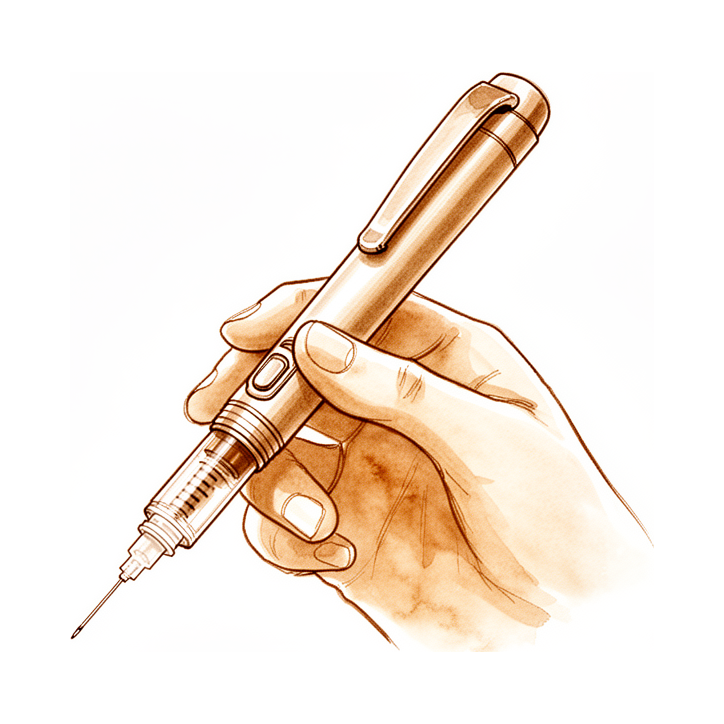
Ano ang gamot na ito
Ang mga GLP-1 na gamot ay isang grupo ng mga gamot na maaaring kilala mo sa mga brand name tulad ng Ozempic o Wegovy. Ang buong pangalan nila ay glucagon-like peptide-1 receptor agonists, o GLP-1 agonists sa madaling sabi. Unang ginamit ang mga ito para gamutin ang type 2 diabetes, isang kondisyon kung saan masyadong mataas ang antas ng blood sugar. Malawak na rin itong ginagamit ngayon para makatulong sa pagbabawas ng timbang ng mga taong may obesity [1].
Ginagaya ng mga gamot na ito ang isang natural na hormone na inilalabas ng iyong katawan pagkatapos mong kumain. Dalawang pangunahing bagay ang ginagawa ng hormone na iyon. Binabawasan nito ang iyong gana, kaya mas maaga kang nabubusog at mas kaunti ang iyong kinakain. Pinababagal din nito kung gaano kabilis nawawalan ng laman ang iyong sikmura, kaya mas tumatagal ang pakiramdam ng pagkabusog [2]. Ang resulta para sa maraming tao ay tuloy-tuloy na pagbaba ng timbang at mas mahusay na kontrol sa blood sugar [3].
Kung umiinom o gumagamit ka ng isa sa mga gamot na ito at may nakaplanong operasyon, mahalaga ito sa iyong care team. Lalong nagiging karaniwan ang mga gamot na ito, at parami nang parami ang mga pasyenteng gumagamit nito na nakikita ng mga surgeon [4]. Lumalawak pa ang pananaliksik tungkol sa epekto nito sa operasyon, at ang ilang natuklasan ay hindi pa nagkakasundo [5] [6]. Ang alam sa ngayon ay karamihang nakapagpapanatag ng loob sa simpleng pananalita: ang mga pag-aaral na sumubaybay sa mga pasyenteng may joint replacement ay walang natuklasang malinaw na pagtaas ng mga panandaliang problema pagkatapos ng operasyon [7] [8], at iniuugnay ng ilang pananaliksik ang mga gamot na ito sa mas mababang tsansa ng problema sa sugat o impeksyon [9] [10]. Sinasabi ng kasalukuyang mga guideline na hindi mo kailangang itigil ang iyong gamot bago ang isang elective na procedure, dahil ang pagtigil ay maaaring makagulo sa iyong blood sugar at sa pag-usad ng iyong pagbabawas ng timbang [11].
Ipinaliliwanag ng natitirang bahagi ng pahinang ito kung ano ang ibig sabihin nito para sa iyo sa panahon ng iyong operasyon.
Paano ito nakaaapekto sa iyong operasyon at anaesthetic
Ang pangunahing binabago ng mga gamot na ito kaugnay ng operasyon ay ang iyong sikmura. Dahil pinababagal nila kung gaano kabilis nawawalan ng laman ang iyong sikmura, maaaring mas matagal na manatili roon ang pagkain at likido kaysa sa inaasahan mo o ng iyong care team. Natuklasan ng karamihan ng pag-aaral na ang mga taong gumagamit ng mga gamot na ito ay may mas maraming natitirang laman ng sikmura kaysa sa inaasahan [12]. Mahalaga iyon dahil habang nasa anaesthetic, maaaring umakyat pabalik ang laman ng sikmura at pumasok sa iyong baga. Tinatawag itong aspiration. Kilalang panganib ito sa anumang anaesthetic, at maaaring madagdagan ito ng mga gamot na ito, bagaman nananatiling magkakahalo ang ebidensyang nag-uugnay sa mga ito sa aktwal na pangyayari ng aspiration [12].
Pinaplano ito ng iyong anaesthetist. Ang kasalukuyang gabay sa Australia ay ipagpatuloy ang gamot at malilinaw na likido lamang ang inumin sa loob ng 24 na oras bago ang operasyon, kung saan ang karaniwang oras ng pag-aayuno (fasting) ay nasa loob ng 24 na oras na iyon. Nagsasagawa rin ang ilang team ng ultrasound check ng sikmura bago nito. Tiningnan ng pananaliksik ang mga hakbang na ito at natuklasang maaari silang makatulong na mabawasan ang natitirang laman ng sikmura sa ilang pasyente [13]. Ang iyong team ang magpapasya kung ano ang naaangkop sa iyo.
May magandang balita rin tungkol sa paggaling. Ang mga pag-aaral ng mga taong sumailalim sa hip o knee replacement habang gumagamit ng mga gamot na ito ay walang natuklasang pare-parehong pagtaas ng panandaliang antas ng revision [8]. Iniuugnay ng ilang pananaliksik ang mga ito sa mas mababang tsansa ng impeksyon pagkatapos ng operasyon, kabilang ang impeksyon sa paligid ng bagong kasukasuan [3] [8]. Para sa operasyon sa kamay tulad ng carpal tunnel release, natuklasan ng isang pag-aaral ang maliit na pagbaba ng mga problema sa paghilom ng sugat at walang pagtaas ng ibang maagang komplikasyon [10].
Maingat na pinangangasiwaan ng iyong care team ang lahat ng ito. Nagtutulungan ang mga surgeon, anaesthetist at espesyalista sa diabetes para planuhin ang pinakaligtas na paraan para sa iyo [2]. Inaalam pa ng mga mananaliksik ang pinakamahusay na paraan ng pag-aalaga sa mga taong gumagamit ng mga gamot na ito kaugnay ng operasyon [14]. Sa ngayon, simple ang praktikal na mensahe: sabihin sa iyong team na ginagamit mo ang gamot na ito, sundin nang eksakto ang kanilang mga tagubilin sa pag-aayuno, at sila na ang bahala sa iba.
Ano ang dapat mong gawin
Ipagpatuloy ang iyong GLP-1 na gamot gaya ng dati bago ang iyong operasyon; huwag itong itigil. Sa loob ng 24 na oras bago ang iyong operasyon, malilinaw na likido lamang ang inumin at huwag kumain ng solidong pagkain. Ang malilinaw na likido ay mga inuming nakikita mo ang kabila, tulad ng tubig, malinaw na apple juice, o itim na tsaa o kape na walang gatas. Ang karaniwang oras ng pag-aayuno bago ang anaesthetic ay bahagi ng 24 na oras na iyon, hindi idinaragdag pagkatapos: sa bandang huli, sasabihin din sa iyo ng iyong anaesthetist kung kailan ititigil ang pag-inom ng malilinaw na likido. Sumusunod ito sa kasalukuyang gabay ng anaesthetic sa Australia (ANZCA).
Ipagpatuloy ang paggamit ng iyong gamot ayon sa reseta, at sabihin sa lahat ng kasangkot sa iyong pangangalaga na ginagamit mo ito. Kabilang dito ang iyong surgeon, ang iyong anaesthetist at ang iyong GP. Kabilang din dito ang doktor na nagreseta ng gamot, GP man o espesyalista.
Huwag itong itigil nang mag-isa. Ang pagtigil ay maaaring makaapekto sa iyong blood sugar at sa pag-usad ng iyong pagbabawas ng timbang.
Bago ang iyong procedure, bibigyan ka ng iyong team ng malinaw na mga tagubilin. Sundin nang eksakto ayon sa pagkakasulat ang gabay tungkol sa iyong gamot at tungkol sa pag-aayuno bago nito. Ang pag-aayuno ay nangangahulugang hindi kumakain o umiinom sa loob ng takdang oras bago ang operasyon. Nakatutulong ang mga hakbang na ito na mapanatiling walang laman ang iyong sikmura at mapababa ang mga panganib mula sa anaesthetic.
Kung hindi ka sigurado sa anumang bagay, magtanong. Nagtutulungan ang iyong surgeon, anaesthetist at GP para planuhin ang pinakaligtas na paraan para sa iyo. Walang tanong na masyadong maliit pagdating sa iyong gamot at sa iyong operasyon.
Mga Sanggunian
[1] GLP-1 Receptor Agonists in Orthopaedic Surgery: Implications for Perioperative Care and Outcomes. Journal of Bone and Joint Surgery. 2025. DOI: 10.2106/jbjs.24.01287
[2] Delayed gastric emptying induced by glucagon-like peptide-1 receptor agonists and its implications for perioperative risk during anesthesia. The Korean Journal of Internal Medicine. 2026. DOI: 10.3904/kjim.2025.277
[3] Semaglutide and Other GLP-1 Agonists: A Boon for the Arthroplasty Industry?. The Journal of Arthroplasty. 2024. DOI: 10.1016/j.arth.2023.12.014
[4] The Impact of Glucagon-Like Peptide-1 Agonists on Hip and Knee Arthroplasty and Perioperative Considerations. The Journal of Arthroplasty. 2024. DOI: 10.1016/j.arth.2023.12.002
[5] Glucagon-Like Peptide-1 Receptor Agonists: Have We Found the Holy Grail for Total Joint Arthroplasty?. The Journal of Arthroplasty. 2025. DOI: 10.1016/j.arth.2025.10.027
[6] Impact of Glucagon-Like Peptide-1 Receptor Agonists on Postoperative Outcomes in Arthroplasty: A Systematic Review. The Journal of Arthroplasty. 2025. DOI: 10.1016/j.arth.2025.07.015
[7] GLP-1 receptor agonist therapy is not associated with adverse events following shoulder surgery: a systematic review and meta-analysis. Journal of Shoulder and Elbow Surgery. 2026. DOI: 10.1016/j.jse.2025.12.005
[8] Glucagon-like peptide-1 receptor agonists in total joint arthroplasty: a comprehensive systematic review of what orthopaedic surgeons should know. Arthroplasty. 2026. DOI: 10.1186/s42836-026-00375-w
[9] The Association Between Glucagon-Like Peptide-1 Receptor Agonists and Postoperative Complications After Arthroplasty: A Systematic Review and Meta-Analysis. The Journal of Arthroplasty. 2025. DOI: 10.1016/j.arth.2025.06.083
[10] Impact of Perioperative Glucagon-Like Peptide-1 Receptor Agonists on Postoperative Outcomes Following Carpal Tunnel Release. Journal of Hand Surgery Global Online. 2025. DOI: 10.1016/j.jhsg.2025.100746
[11] Periprocedural use of GLP-1 receptor agonists: ANZCA Clinical Practice Recommendations. ANZCA. 2025.
[12] Perioperative anesthesia management of GLP-1 receptor agonists: a systematic review of potential risks. Perioperative Medicine. 2026. DOI: 10.1186/s13741-026-00662-9
[13] Peri-Procedural Fasting and Gastric Ultrasound Strategies in Glucagon-Like Peptide-1 (GLP-1) Receptor Agonist Users: A Systematic Review With Qualitative Synthesis. Cureus. 2026. DOI: 10.7759/cureus.108216
[14] GLP-1 agonists: a new hope for patients, a new challenge for anaesthetists. Anaesthesiology Intensive Therapy. 2025. DOI: 10.5114/ait/203167
Evidence & references
This is the clinical evidence summary written for health professionals. It is technical, and it lists the research this page was built from. You do not need to read it to understand your treatment or to make a decision about it.
Overview
- Glucagon-like peptide-1 receptor agonists induce delayed gastric emptying [1].
- The pharmacological mechanisms of GLP-1 RA-induced delayed gastric emptying have clinical implications for perioperative aspiration risk during anesthesia [1].
- Interdisciplinary collaboration between endocrinologists and anesthesiologists is emphasized for safe and individualized perioperative management of patients on GLP-1 RAs [1].
- GLP-1 agonists may not produce sufficient weight loss to achieve body mass index cutoffs for total joint arthroplasty depending on individual patient factors, including starting bodyweight [2].
- Further high-quality studies are called for to address the optimal perioperative care of patients on GLP-1RAs due to their increasing popularity in patients with obesity [3].
- Conflicting findings in the literature highlight the need for further research, particularly well-designed multicenter studies and randomized controlled trials, to clarify the effects of GLP-1 RAs on surgical outcomes [4].
- Arthroplasty surgeons will encounter an increasing number of patients on GLP-1 agonists [5].
- It is important for arthroplasty surgeons to understand the implications of GLP-1 agonist use in the perioperative period [5].
- GLP-1 agonist use should not be a contraindication for proceeding with total shoulder arthroplasty based on data showing no association with adverse events following shoulder surgery [6].
- Elective preprocedural cessation of GLP-1RAs and GLP-1/GIPRAs is not recommended due to insufficient data supporting cessation and risks of hyperglycaemia and compromised weight control [7].
- The variability in available studies, potential confounding factors, and severe heterogeneity of conclusions emphasize the need for more high-quality evidence-based primary research to optimize perioperative management of patients taking GLP-1 RAs [8].
- GLP-1 agonists have effects on bone health that are relevant to perioperative patients undergoing orthopedic surgery, with an emphasis on spine surgery [9].
- GLP-1RA use suggests a potential benefit for optimizing high-risk patients who have obesity or diabetes undergoing total joint arthroplasty [10].
Effects on Surgery and Recovery
Perioperative Anesthesia and Gastric Emptying
- Authors call for further high-quality studies to address the optimal perioperative care of patients on GLP-1RAs due to their increasing popularity in patients with obesity [3].
- Available observational evidence suggests that extended GLP-1 RA withholding, 24-hour clear liquid diets, and pre-procedural gastric POCUS may be associated with reduced residual gastric content in selected patient populations [14].
Arthroplasty Outcomes
- Arthroplasty surgeons will encounter an increasing number of patients on GLP-1 agonists, making it important to understand the implications of their use in the perioperative period [5].
- Conflicting findings highlight the need for further research, particularly well-designed multicenter studies and randomized controlled trials, to clarify the effects of GLP-1 RAs on surgical outcomes in arthroplasty [4].
- Findings suggest a potential benefit of GLP-1RA use for optimizing high-risk patients who have obesity or diabetes undergoing total joint arthroplasty [10].
- While GLP-1 receptor agonists show potential to reduce postoperative complications in total joint arthroplasty, findings remain inconsistent, and further research is needed to clarify their impact on outcomes and establish perioperative management guidelines [11].
- Preoperative glucagon-like peptide-1 receptor agonist use may be linked to reduced readmission risk following joint arthroplasty, without evidence of increased postoperative medical harm [12].
- Semaglutide and other GLP-1 agonists may increase the number of eligible candidates for elective total joint arthroplasty by enabling weight loss and improving diabetic control [13].
- Semaglutide and other GLP-1 agonists may potentially reduce postoperative complications such as sepsis and prosthetic joint infections [13].
- Current observational data suggest that perioperative GLP-1 RA use in patients undergoing total hip or knee arthroplasty is not associated with a consistent increase in short-term revision rates [16].
- Current observational data suggest that perioperative GLP-1 RA use in patients undergoing total hip or knee arthroplasty may be associated with a reduced risk of postoperative infection [16].
Other Orthopedic Procedures
- Based on data from a systematic review and meta-analysis, GLP-1 agonist use should not be a contraindication for proceeding with total shoulder arthroplasty [6].
- Perioperative GLP-1RA use was associated with a small yet statistically significant reduction in the odds of wound dehiscence following carpal tunnel release [15].
- Perioperative GLP-1RA use did not increase the odds of any other 90-day postoperative complications following carpal tunnel release [15].
Bone Health
- A narrative review explores the mechanisms of action of GLP-1 agonists, their effects on bone health, and the implications of their use in perioperative patients undergoing orthopedic surgery, with an emphasis on spine surgery [9].
- Exenatide is the best option agent with regard to the risk of fracture [17].
Practical Considerations
Perioperative Anesthesia and Gastric Emptying
- Delayed gastric emptying induced by GLP-1 RAs has implications for perioperative aspiration risk during anesthesia [1].
Medication Management
Arthroplasty Outcomes and Eligibility
- Conflicting findings highlight the need for further research, particularly well-designed multicenter studies and randomized controlled trials, to clarify the effects of GLP-1 RAs on surgical outcomes [4].
Shoulder Surgery
Bone Health and Spine Surgery
Key Evidence
- [L4] This review summarizes the pharmacological mechanisms and clinical implications of GLP-1 RA-induced delayed gastric emptying, evaluates current literature on perioperative aspiration risk, and emphasizes the importance of interdisciplinary collaboration between endocrinologists and anesthesiologists to ensure safe and individualized perioperative management. [1] (10.3904/kjim.2025.277)
- [Paper] While efficacious, GLP-1 agonists may not produce sufficient weight loss to achieve body mass index cutoffs for total joint arthroplasty depending on individual patient factors, including starting bodyweight. [2] (10.2106/jbjs.rvw.23.00167)
- [L4] Due to the increasing popularity of GLP-1RAs in patients with obesity, the authors call for further high-quality studies to address the optimal perioperative care of patients on GLP-1RAs. [3] (10.5114/ait/203167)
- [L4] However, conflicting findings highlight the need for further research, particularly well-designed multicenter studies and randomized controlled trials, to clarify the effects of GLP-1 RAs on surgical outcomes. [4] (10.1016/j.arth.2025.07.015)
- [L5] Arthroplasty surgeons will encounter an increasing number of patients on GLP-1 agonists, making it important to understand the implications of their use in the perioperative period. [5] (10.1016/j.arth.2023.12.002)
- [L1] Based on this data, GLP-1 agonist use should not be a contraindication for proceeding with TSA. [6] (10.1016/j.jse.2025.12.005)
- [L2] The variability in available studies, potential confounding factors, and the severe heterogeneity of conclusions all emphasize the need for more high-quality evidence-based primary research to optimize perioperative management of patients taking GLP-1 RAs. [8] (10.1186/s13741-026-00662-9)
- [L4] This narrative review explores the mechanisms of action of GLP-1 agonists, their effects on bone health, and the implications of their use in perioperative patients undergoing orthopedic surgery, with an emphasis on spine surgery. [9] (10.1177/15563316261438492)
- [L1] These findings suggest a potential benefit of GLP-1RA use for optimizing high-risk patients who have obesity or diabetes undergoing total joint arthroplasty. [10] (10.1016/j.arth.2025.09.054)
- [L5] The paper concludes that while GLP-1 receptor agonists show potential to reduce postoperative complications in total joint arthroplasty, findings remain inconsistent, and further research is needed to clarify their impact on outcomes and establish perioperative management guidelines. [11] (10.1016/j.arth.2025.10.027)
- [L1] Preoperative glucagon-like peptide-1 receptor agonist use may be linked to reduced readmission risk following joint arthroplasty, without evidence of increased postoperative medical harm. [12] (10.1016/j.arth.2025.11.036)
- [L5] Semaglutide and other GLP-1 agonists may increase the number of eligible candidates for elective total joint arthroplasty by enabling weight loss and improving diabetic control, while also potentially reducing postoperative complications such as sepsis and prosthetic joint infections. [13] (10.1016/j.arth.2023.12.014)
- [L4] Available observational evidence suggests that extended GLP-1 RA withholding, 24-hour clear liquid diets, and pre-procedural gastric POCUS may be associated with reduced residual gastric content in selected patient populations. [14] (10.7759/cureus.108216)
- [L3] Perioperative GLP-1RA use was associated with a small yet statistically significant reduction in the odds of wound dehiscence following CTR and did not increase the odds of any other 90-day postoperative complications. [15] (10.1016/j.jhsg.2025.100746)
- [L4] Current observational data suggest that perioperative GLP-1 RA use in patients undergoing total hip or knee arthroplasty is not associated with a consistent increase in short-term revision rates and may be associated with a reduced risk of postoperative infection. [16] (10.1186/s42836-026-00375-w)
- [L1] Exenatide is the best option agent with regard to the risk of fracture. [17] (10.1007/s00198-018-4649-8)
References
[1] Delayed gastric emptying induced by glucagon-like peptide-1 receptor agonists and its implications for perioperative risk during anesthesia. The Korean Journal of Internal Medicine. 2026. DOI: 10.3904/kjim.2025.277
[2] Glucagon-like Peptide-1 Agonists. JBJS Reviews. 2024. DOI: 10.2106/jbjs.rvw.23.00167
[3] GLP-1 agonists: a new hope for patients, a new challenge for anaesthetists. Anaesthesiology Intensive Therapy. 2025. DOI: 10.5114/ait/203167
[4] Impact of Glucagon-Like Peptide-1 Receptor Agonists on Postoperative Outcomes in Arthroplasty: A Systematic Review. The Journal of Arthroplasty. 2025. DOI: 10.1016/j.arth.2025.07.015
[5] The Impact of Glucagon-Like Peptide-1 Agonists on Hip and Knee Arthroplasty and Perioperative Considerations. The Journal of Arthroplasty. 2024. DOI: 10.1016/j.arth.2023.12.002
[6] GLP-1 receptor agonist therapy is not associated with adverse events following shoulder surgery: a systematic review and meta-analysis. Journal of Shoulder and Elbow Surgery. 2026. DOI: 10.1016/j.jse.2025.12.005
[7] Periprocedural use of GLP-1 receptor agonists: ANZCA Clinical Practice Recommendations. ANZCA. 2025.
[8] Perioperative anesthesia management of GLP-1 receptor agonists: a systematic review of potential risks. Perioperative Medicine. 2026. DOI: 10.1186/s13741-026-00662-9
[9] GLP-1 Agonists in Orthopedic Surgery: A Narrative Review of Bone Health and Surgical Implications. HSS Journal. 2026. DOI: 10.1177/15563316261438492
[10] The Impact of Glucagon-Like Peptide-1 Receptor Agonist Use on Clinical Outcomes After Total Hip and Knee Arthroplasty: A Systematic Review and Meta-Analysis of 346,899 Patients. The Journal of Arthroplasty. 2025. DOI: 10.1016/j.arth.2025.09.054
[11] Glucagon-Like Peptide-1 Receptor Agonists: Have We Found the Holy Grail for Total Joint Arthroplasty?. The Journal of Arthroplasty. 2025. DOI: 10.1016/j.arth.2025.10.027
[12] Glucagon-Like Peptide-1 Receptor Agonists, Readmission, and Postoperative Complications in Arthroplasty: A Systematic Review and Meta-Analysis. The Journal of Arthroplasty. 2025. DOI: 10.1016/j.arth.2025.11.036
[13] Semaglutide and Other GLP-1 Agonists: A Boon for the Arthroplasty Industry?. The Journal of Arthroplasty. 2024. DOI: 10.1016/j.arth.2023.12.014
[14] Peri-Procedural Fasting and Gastric Ultrasound Strategies in Glucagon-Like Peptide-1 (GLP-1) Receptor Agonist Users: A Systematic Review With Qualitative Synthesis. Cureus. 2026. DOI: 10.7759/cureus.108216
[15] Impact of Perioperative Glucagon-Like Peptide-1 Receptor Agonists on Postoperative Outcomes Following Carpal Tunnel Release. Journal of Hand Surgery Global Online. 2025. DOI: 10.1016/j.jhsg.2025.100746
[16] Glucagon-like peptide-1 receptor agonists in total joint arthroplasty: a comprehensive systematic review of what orthopaedic surgeons should know. Arthroplasty. 2026. DOI: 10.1186/s42836-026-00375-w
[17] Glucagon-like peptide-1 receptor agonists and fracture risk: a network meta-analysis of randomized clinical trials. Osteoporosis International. 2018. DOI: 10.1007/s00198-018-4649-8