Skip to content

Patients › General-Health

Pag-unawa sa Iyong mga Scan (X-ray, Ultrasound, MRI, CT)

PDF

What X-rays, ultrasound, MRI and CT each show, and why your surgeon chooses one over another.
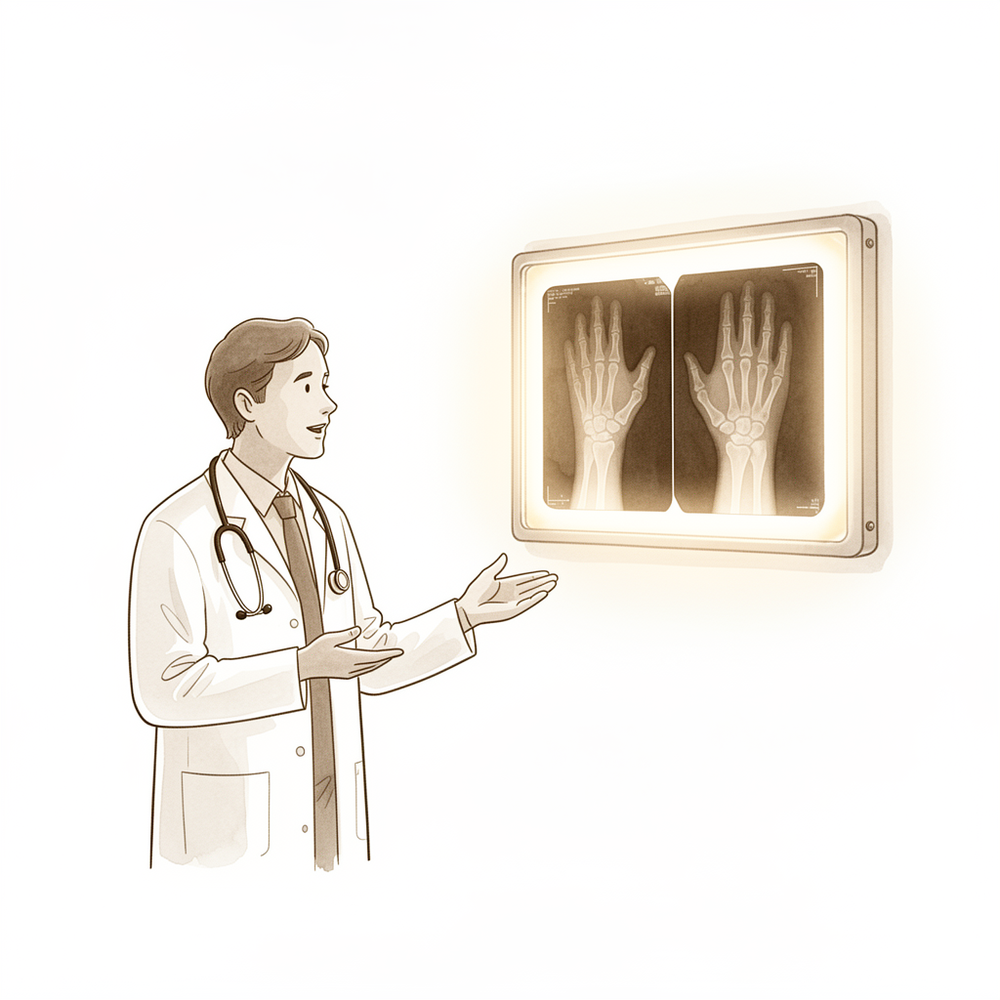
Isang doktor na nagpapaliwanag sa isang X-ray ng kamay sa screen sa harap ng isang pasyente.
Iba-ibang uri ng scan ang nagpapakita ng iba’t ibang bagay — ang iyong surgeon ang pipili ng angkop na scan para sa tanong at ipaliwanag sa iyo kung ano ang ipinapakita nito. Kieran Hirpara 4.0

Ang pahinang ito ay isinalin ng makina at hindi pa nasusuri ng isang doktor. Ang bersyong Ingles ang siyang opisyal.

Kapag ang iyong surgeon ay nag-order ng isang scan, maaaring magmukhang ito bilang "alphabet soup": X-ray, ultrasound, MRI, CT. Ang bawat isa ay isang iba't ibang tool na nagpapakita ng iba't ibang bagay, kaiba-iba sa pagitan ng isang litrato, video, at 3D model. Wala sa kanila ang simpleng "mas maganda" kaysa sa iba; ang tamang pagpili ay nakadepende lamang sa kung ano ang kailangan nating makita. Ang pag-unawa sa kung ano ang mabuti sa bawat scan ay nag-aalis ng maraming misteryo sa mga instruksyon na ibinibigay sa iyo, at tumutulong upang maunawaan mo kung bakit minsan ay hinihingi namin ang higit pa sa isang scan.

Bakit iba-iba ang mga scan? Ang bawat isa ay nakakakita ng iba’t ibang bagay

Ang pinakamahalagang dapat maintindihan ay ang bawat uri ng scan ay angkop para sa isang partikular na uri ng tissue. Ang buto, mga tendon, ligamento, cartilage, at mga nerbiyos ay lahat ay nagpapakita ng iba’t ibang anyo, at walang iisang scan ang perpektong nakakakita ng lahat ng ito. Ang X-ray ay napakahusay para sa buto ngunit halos hindi nakakakita ng tendon; ang ultrasound ay maganda sa pagpapakita ng tendon ngunit hindi nakakakita nang malalim sa loob ng isang kasu-kasuan. Kaya kapag pumipili kami ng isang scan, tinatanso namin ang isang tanong: nasa buto ba ang problema, o sa mga malambot na tissue, o pareho? Ang sagot ang nagdidikta ng gamit.

Ito rin ang dahilan kung bakit maaaring magkaroon ka ng isang scan, pagkatapos ay ipapadala ka para sa isa pang scan. Karaniwan, hindi ito nangangahulugan na may mali sa unang scan; nangangahulugan ito na na-narrow down namin ang tanong at ngayon ay kailangan namin ng ibang uri ng larawan upang sagutin ito.

X-ray — ang larawan para sa buto

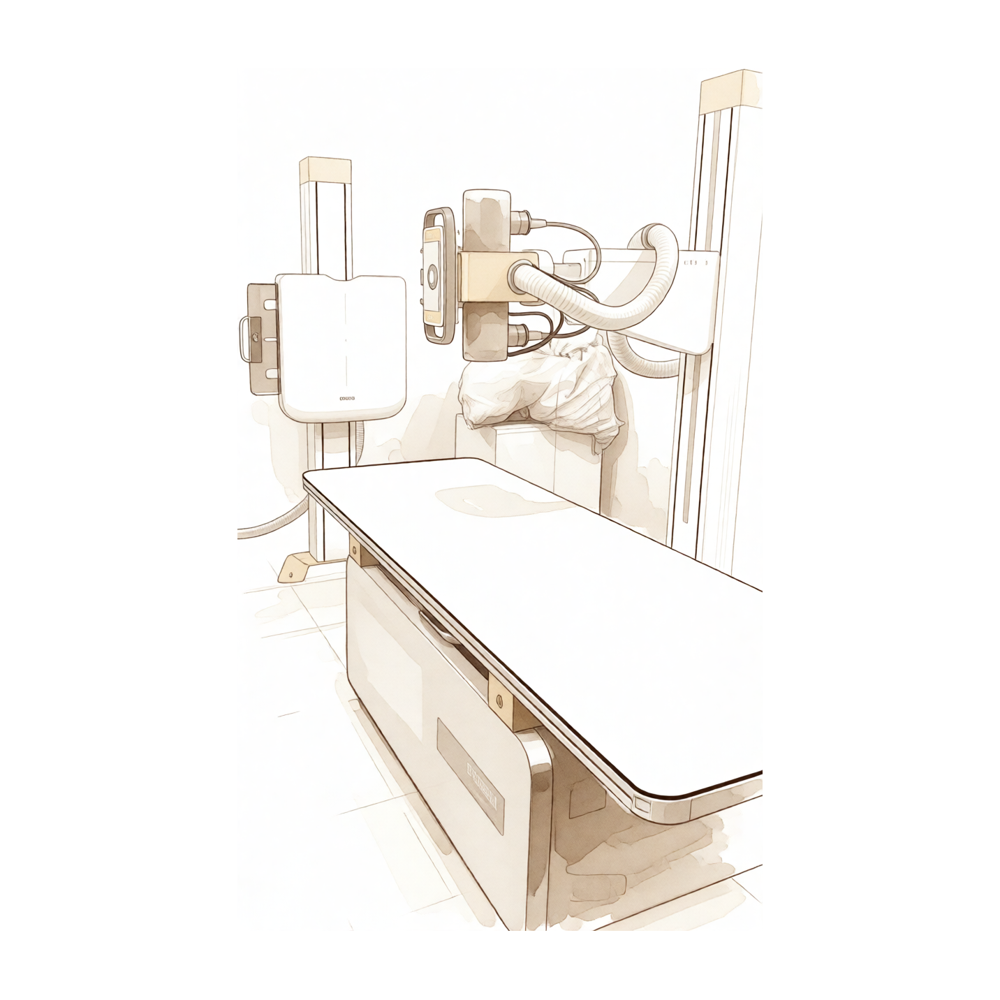
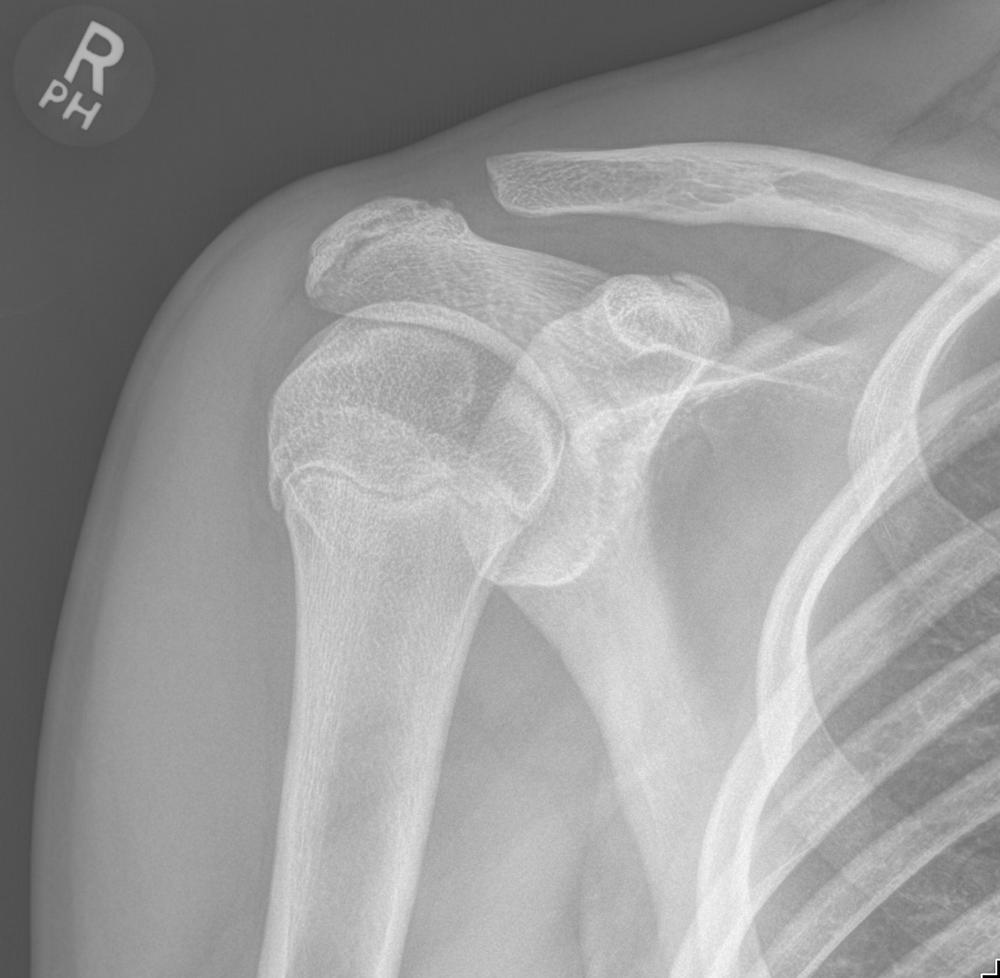
Ang X-ray ay ang pinakamabilis at pinakakilalang uri ng pag-scan, at nananatili itong unang pagsusuri para sa karamihan ng mga problema sa buto. Ito ay nagpapadaloy ng kaunting radiation sa lugar, at ang makapal na buto ay lumalabas na malinaw na puti, na nagiging sanhi nito na maging mahusay sa pagtukoy ng mga fracture (basag na buto), arthritis, ang pagkakahanay ng mga buto, at dislokasyon. Mabilis ito, murang halaga, at madaling makakuha, at maliit ang dose ng radiation.

Paano ito gumagana. Ang mga X-ray ay ginagawa sa loob ng isang maliit na tube sa isang gilid ng iyo: ang kuryente ay nagluluto ng mga electron mula sa mainit na filament at pinapadala ito sa isang metal na target, at habang ang mga ito ay bumabagsak at humihinto, ang enerhiya ay inilalabas bilang mga X-ray, isang uri ng napakataas na enerhiyang "liwanag" na, hindi tulad ng karaniwang liwanag, tumatawid nang direkta sa malambot na tisyu. (Kabilang ito sa parehong pamilya ng radiation na gamma rays, ngunit ginagawa ng mga electron na ito imbes na mula sa loob ng nucleus ng atom.) Habang ang beam ay tumatawid sa iyong katawan, ang makapal na buto ay sumisipsip ng mas marami dito kaysa sa malambot na tisyu o hangin. Isang patag na detector sa kabilang panig ay nakarrekorde ng kung gaano karami ang nakapasa sa bawat punto: kung maraming X-ray ang nakarating dito, ang larawan ay itim, kung kaunti (sa likod ng buto) ay puti, at ang mapang-aliw na mapa ng anino ay ang imahe.

Ang limitasyon nito ay ang kabaligtaran ng kanyang lakas: ang mga X-ray ay magaling makita ang buto ngunit ipinapakita ang malambot na tisyu (tendons, ligaments, at cartilage) bilang malabo na abong anino. Kaya ang isang normal na X-ray ay hindi nagpapatunay ng isang sugat sa malambot na tisyu; ito ay nagbibigay lamang ng impormasyon na ang buto ay tila intact, na madalas ay eksaktong kumpiyansa na ang kailangan namin sa unang pagkakataon.

Ultrasound — isang buhay na tanawin ng malambot na tisyu sa tabi ng ibabaw

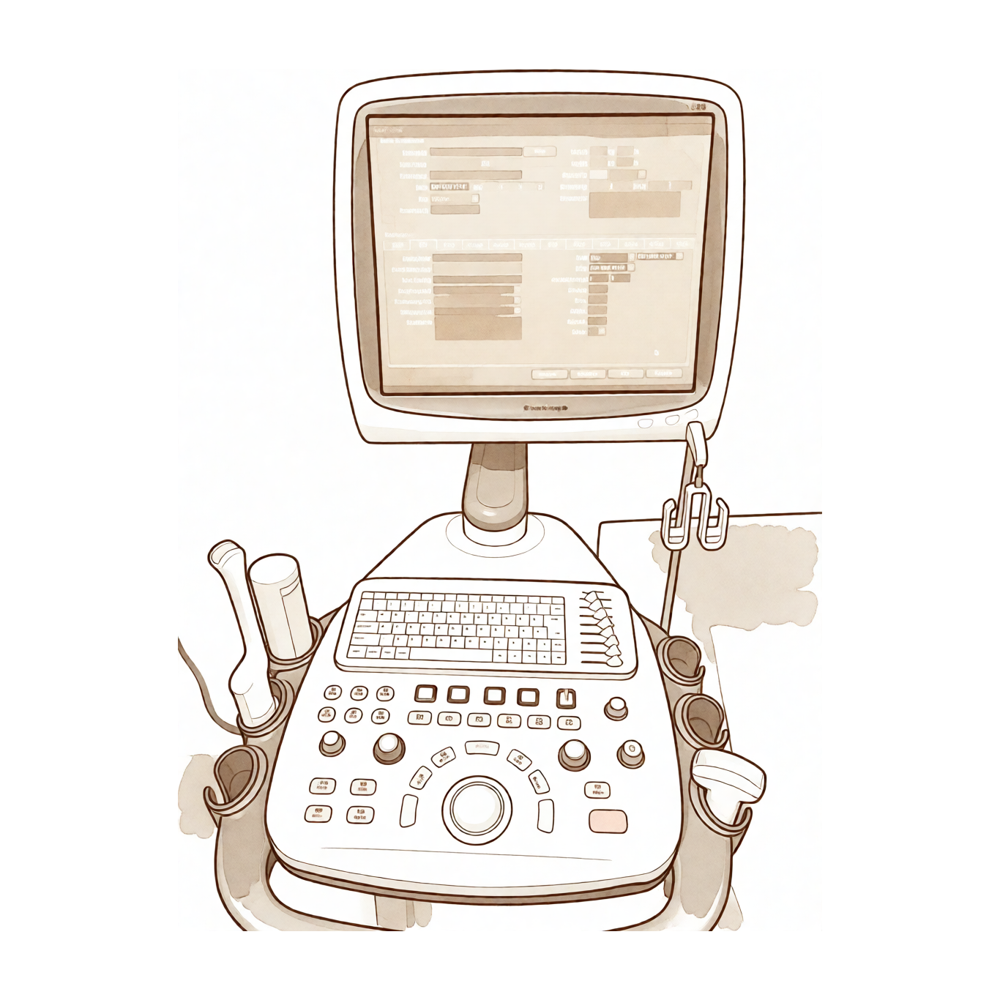
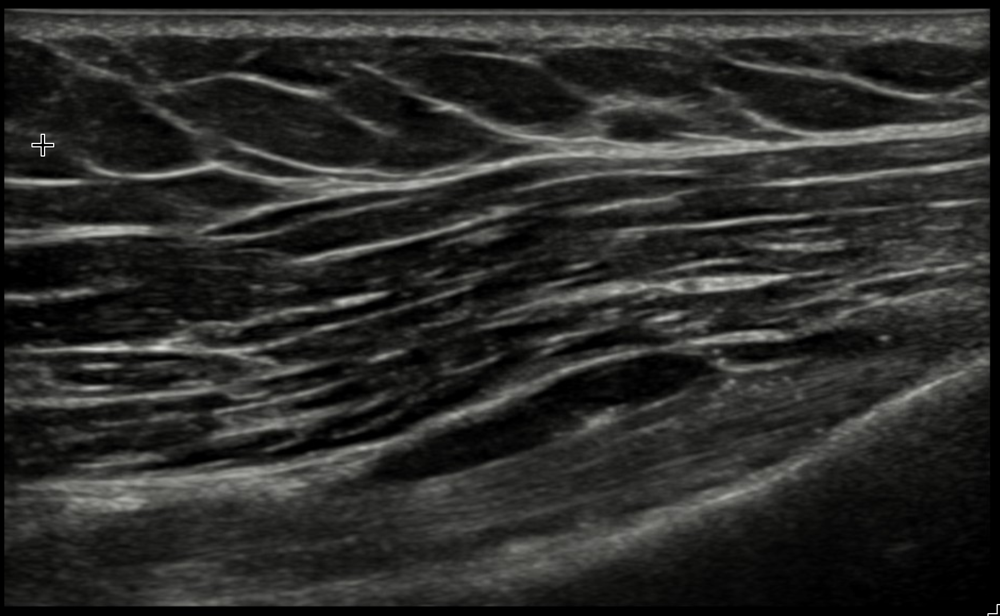
Gumagamit ang ultrasound ng mataas na dalas na tunog imbes na radiation, kaya walang dose sa lahat. Isang maliit na probe ang inililipat sa balat na may kaunting gel, at ito ay partikular na mahusay sa pagpapakita ng malambot na tisyu na nasa medyo malapit sa ibabaw: tendon, ganglion cyst, mga bulsa ng likido, at pamamaga.

Paano ito talaga gumagana. Ang probe ay naglalaman ng mga kristal na kumakawing kapag may maliit na elektrikong pulso ang ipinapatupad sa kanila (ang piezoelectric effect), na nagpapaputok ng mga pulso ng tunog na sobrang mataas ang pitch upang marinig sa katawan. Sa bawat pagdaan ng isang pulso sa hangganan sa pagitan ng dalawang magkaibang tisyu, bahagi nito ay bumabalik bilang echo. Pagkatapos, lumilipat ang probe sa "pagpakinggan" at nakadetect ng mga echo na iyon. Sukatin ng makina kung gaano katagal ang pagbabalik ng bawat echo (na nagbibigay ng impormasyon kung gaano kalalim ang hangganan na iyon) at kung gaano lakas ang echo (na nagtatakda kung gaano kalinaw ang itsura nito), at pinagsasama-sama ang libu-libu ng mga pagbabasa na ito bawat segundo upang makabuo ng buhay na larawan. Kung itinatarget ang dumadaloy na dugo, kaya rin nitong basahin ang pagbabago ng pitch ng mga bumabalik na echo (ang Doppler effect) upang ipakita, at kahit sukatin, ang daloy ng dugo.

Ang espesyal nitong trick ay gumagana ito sa real time. Dahil kayang manood kami ng larawan na buhay, kayang hilingin sa iyo na galawin ang iyong kamay o balikat at manood kung paano glide ang tendon habang nangyayari ito, isang bagay na hindi maipapakita ng isang static na larawan. Ginagawa itong napaka-gamit para sa mga problema sa tendon sa paligid ng pulso, kamay, at balikat. Ang pangunahing dapat malaman ay ang ultrasound ay operator-dependent: ang kalidad ay nakadepende sa kasanayan ng taong hawak ang probe, at hindi nito makikita ang malalim sa loob ng isang kasu-kasuan o sa pamamagitan ng buto.

MRI — ang detalyadong pangkalahatang gamit para sa malambot na tisyu at buto

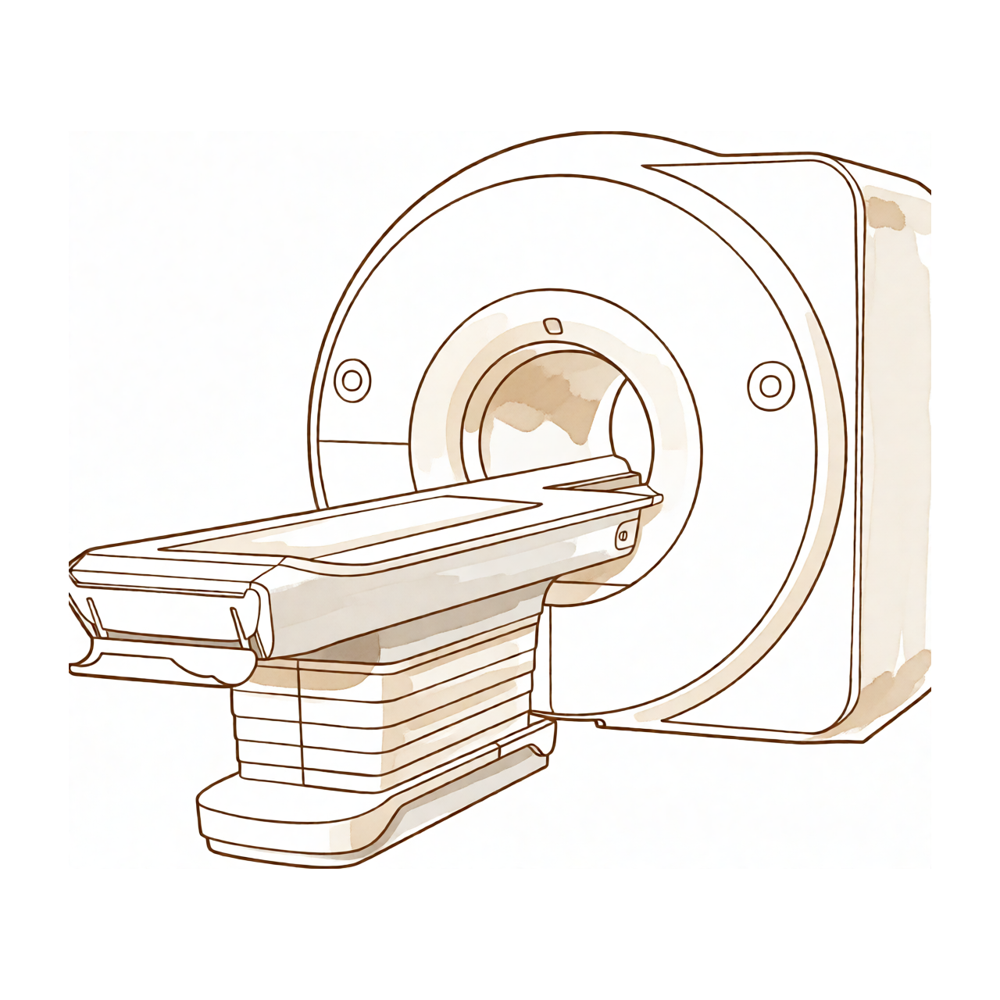
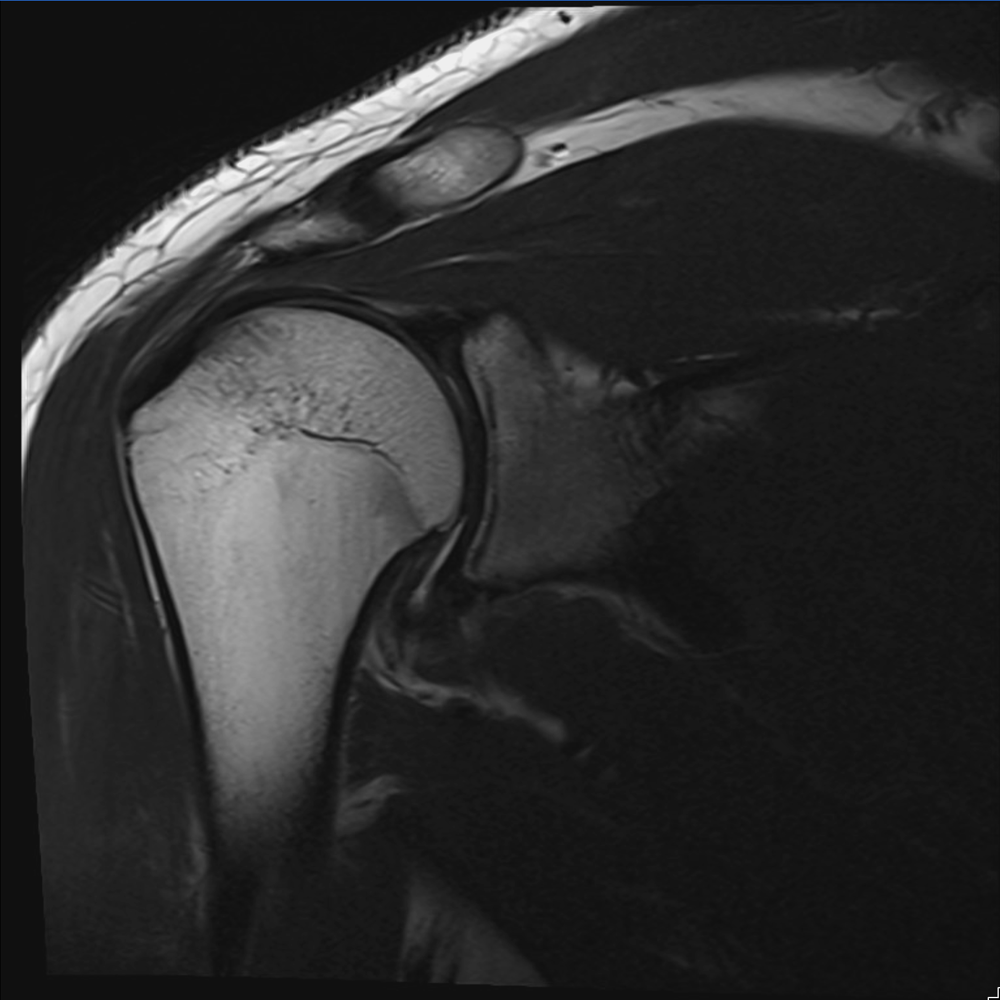
Ang MRI ay gumagamit ng malakas na magnet (walang radiation) upang lumikha ng napakadetalyadong mga larawan. Ito ang pangkalahatang gamit, dahil ipinapakita nito ang parehong malambot na tisyu at buto nang may mabuting detalye: mga ligamento, cartilage, mga nerbiyos, bone marrow, at kahit mga nakatagong fracture na hindi nakikita sa simpleng X-ray. Kapag nagpaplano kami ng operasyon o hinahanap ang isang problema na hindi masyadong naipapahiwatig ng ibang uri ng scan, madalas ang MRI ang nagiging desisyon sa pagpili ng pagsusuri.

Paano ito talaga gumagana. Ang katawan ay karamihan ay tubig at taba, na nangangahulugan na puno ito ng hydrogen, at ang nucleus ng isang atom ng hydrogen ay isang solong proton na umiikot na parang maliit na magnet. Karaniwan, ang mga ito ay tumuturo sa lahat ng direksyon, ngunit sa loob ng makapangyarihang magnetic field ng scanner, sila ay umaayos ayon dito at nagwawobble, o nagprecess, sa isang tiyak na rate na itinakda ng lakas ng field. Ang scanner ay sumasagot sa pamamagitan ng pagpapadala ng isang radio-wave pulse na tuned sa eksaktong rate na iyon, na nagtutulak sa mga proton na lumayo sa kanilang pagkakasunod-sunod at nagbibigay ng enerhiya sa kanila. Kapag huminto ang pulse, bumabalik sila sa pagkakasunod-sunod at ibinabalik ang enerhiyang iyon bilang isang mahinang radio signal, na kinukuha ng mga receiver coil. Iba-iba ang bilis ng paglabas ng signal ng mga magkakaibang tisyu, at iyon ang nagdudulot ng kontrast sa pagitan, halimbawa, ng cartilage, fluid, at buto. Ang mga magnetic-field gradient ay nagtatakda kung saan sa katawan nanggagaling ang bawat signal, at isang uri ng matematika na tinatawag na Fourier transform ang nagtatalo ng malaking dami ng kinolektang signal upang maging detalyadong larawan.

May ilang praktikal na bagay na karapat-dapat malaman upang hindi ka mapagbiglaan:

  • Mas matagal ito, karaniwang mga 20 hanggang 40 minuto, at kailangan mong humiga nang katatagan para sa malinaw na mga larawan.
  • Humihiga ka sa loob ng isang tunnel, at ang makina ay maingay, gumagawa ng mga tunog ng pagkukutya at pagbomba habang ito ay gumagana. Bibigyan ka ng earplugs o headphones.
  • Kung ikaw ay napakatakot sa saradong espasyo (claustrophobic), pakiusap ipaalam ito sa amin bago; may mga paraan upang gawin itong mas madali, at minsan ang ibang uri ng makina o isang mild sedative ay makakatulong.
  • Kung mayroon kang ilang partikular na metal implants (tulad ng pacemaker, o lumang metalwork), ipaalam sa amin. Maraming implants tulad ng mga plate at screw ay ganap na ligtas, ngunit sinusuri namin ito bago, kaya banggitin ang anumang meron ka.

CT — Detalyadong 3D para sa kumplikadong buto

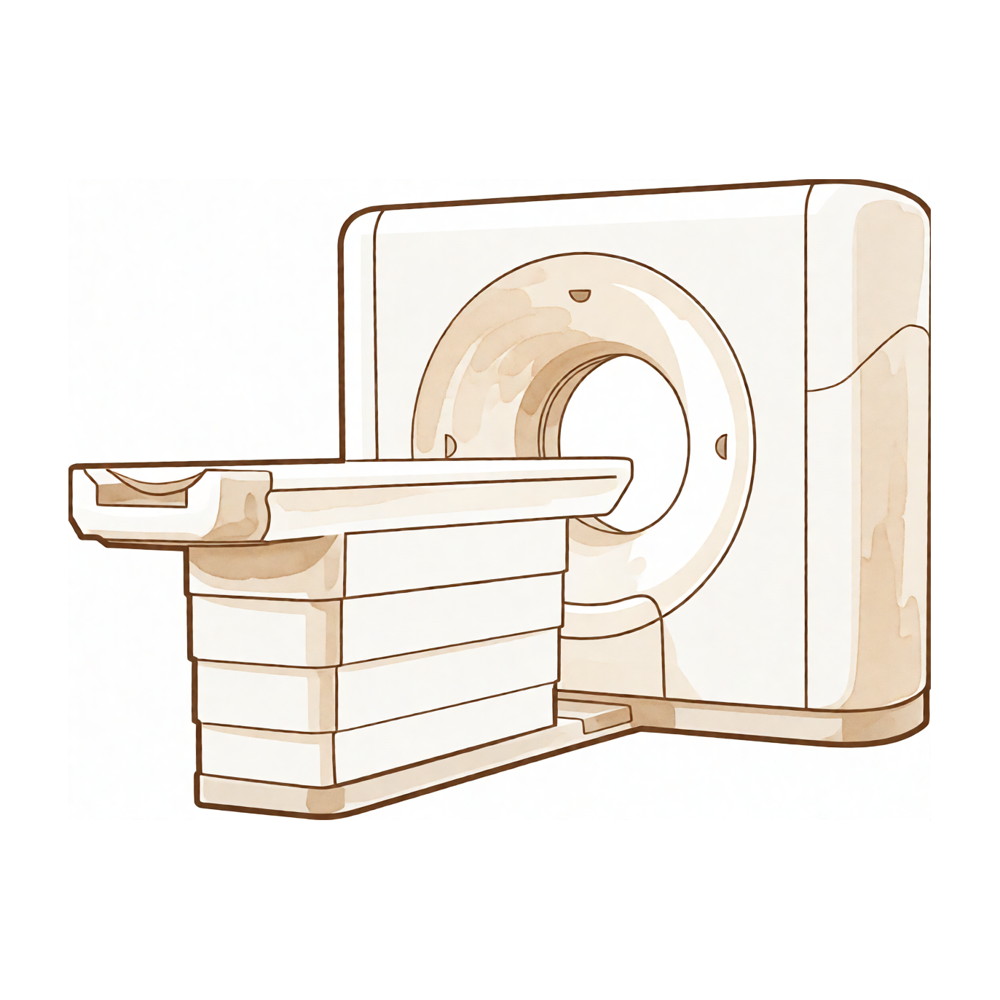
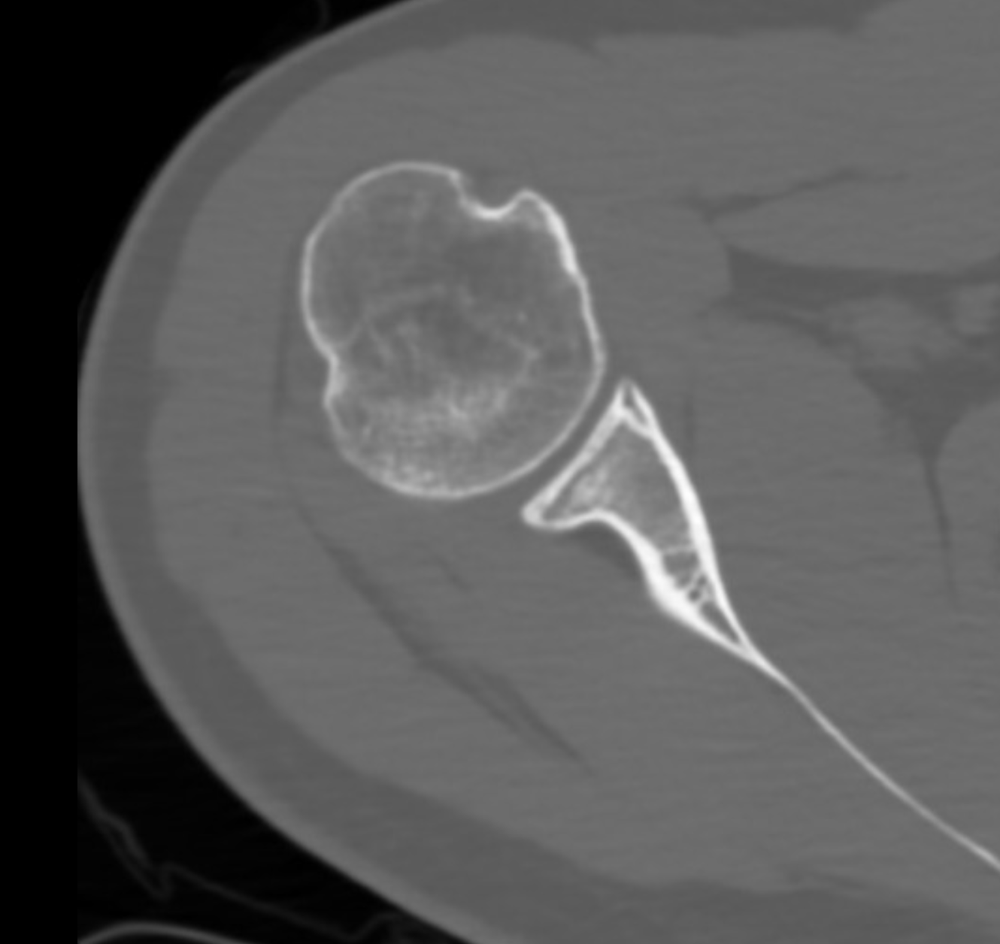
Ang CT scan ay kumukuha ng maraming X-ray mula sa iba't ibang anggulo at ginagawa ng computer na mga detalyadong cross-section, at kahit isang 3D model. Tulad ng simpleng X-ray, nakatuon ito sa buto, ngunit may mas maraming detalye, na nagiging sanhi nito na maging napakahusay para sa mga kumplikadong fracture (kung saan nababasag ang buto sa ilang piraso) at para sa pagpaplano ng operasyon sa tatlong dimensyon. Para sa mga mahirap na fracture sa paligid ng pulso, siko, o balikat, maaaring ipakita ng CT kung paano nakaposisyon ang mga fragment upang maipaplano namin ang pagkukumpuni nang eksakto.

Paano ito talaga gumagana. Ang CT scanner ay isang umiikot na X-ray machine: ang X-ray tube at isang singsing ng mga detector umiiikot sa paligid mo habang dahan-dahan kang gumagalaw sa butas na hugot-donut, na kumukuha ng mga X-ray view mula sa maraming anggulo. Sa sarili nitong pagkakataon, ang bawat view ay simpleng patag na anino, ngunit pinagsasama ng computer ang lahat ng mga ito, at sinusuri kung gaano kadalas ang tissue sa bawat punto, upang mabuo ang mga cross-sectional "slices" na maaaring i-stack upang maging 3D model.

Ang trade-off nito ay gumagamit ito ng mas maraming radiation kaysa sa simpleng X-ray, kaya ito ay inuorder namin kapag ang karagdagang detalye ay tunay na nagbabago sa plano.

Iba pang uri ng pagsusuri — mga pag-aaral ng nerbiyos

Hindi lahat ng pagsusuri ay larawan. Kung ang alalahanin ay isang nerbiyos (pagkasira ng pakiramdam, pangangati, o kahinaan), maaari kaming mag-ayos ng nerve conduction studies o EMG. Sa halip na kumuha ng litrato ng katawan, sinusukat nito kung gaano kagaling ang mga nerbiyos at kalamnan na gumagana, sa pamamagitan ng pagpapadala ng maliit na electrical signals sa isang nerbiyos at pagre-record ng tugon. Ito ay sumasagot sa isang ganap na ibang tanong. Maaari mong basahin pa sa aming pahina tungkol sa nerve tests and conduction studies.

Pagpupuno ng mga detalye — ano ang inaasahan

Ang mapagkumbabang pangwakas ay ang ang koponan ay nagpili ng imahen batay sa eksaktong kailangan nating makita, at karamihan sa mga imahen ay mabilis at walang sakit. Ang X-ray o ultrasound ay madalas na sapat lamang; ang MRI o CT ay ginagamit kapag kailangan natin ng mas malinaw na detalye o plano para sa operasyon. Anuman ang iyong karanasan, ang mga resulta ay ipapaliwanag sa iyo sa simpleng wika, kasama ang kahulugan nito para sa iyong paggamot.

Kung gusto mo, narito ang mga mahusay na tanong na itanong:

  • Ano ang hinahanap ng imahen na ito, at anong bahagi ng katawan ang ipinapakita nito?
  • Kailangan ko ba ng iba pang imahen pagkatapos nito, at gaano katagal ito magtatagal?
  • Mayroon bang dapat kong banggitin muna: takot sa saradong espasyo, metal na implant, o pagbubuntis?
  • Kailan at paano ko makakakuha ng paliwanag sa mga resulta?

Walang masama-masamang tanong dito. Ang pag-unawa kung bakit isang partikular na imahen ang pinili ay madalas na nagpapababa ng takot sa buong proseso.

Mas malalim pa

Ang seksyong ito ay nag-aalok ng mas detalyadong paliwanag na angkop sa antas ng mag-aaral. Hindi ito kailangan upang maunawaan ang iyong mga resulta, ngunit kung ikaw ay nakakaaliw sa paano ginagawa ng bawat makina ang kanyang larawan, magpatuloy sa pagbabasa.

X-ray at CT: mga anino ng densidad

Ang X-ray ay isang sinag na dumadaan sa katawan at mas naa-absorb ng mas denseng tissue (tulang) kaysa sa malambot na tissue o hangin. Ang abot sa detector ay epektibong isang anino: ang buto ay nagpapakita ng puti, ang hangin ay itim, at ang malambot na tissue ay kulay-abo. Ang CT scan ay simpleng maraming X-ray na kinuha mula sa lahat ng anggulo at inihitng ito sa mga cross-sectional na "slice," na nagbibigay ng detalye ng buto sa 3D. Parehong gumagamit ng ionising radiation (mas malaki ang CT kaysa sa isang simpleng X-ray), kaya't ginagamit ito nang may pag-iingat.

Ultrasound: Pakikinig sa mga Echo

Ang ultrasound probe ay nagpapadala ng mga pulse ng tunog na may napakataas na frequency papasok sa katawan at nakikinig sa mga echo na bumabalik mula sa mga hangganan ng tisyu. Isang computer ang nagtatala ng timing at lakas ng mga echo na iyon upang lumikha ng isang buhay, gumagalaw na imahe. Ito ay gumagamit ng walang radiation, at dahil ito ay real-time, napakahusay ito para sa mga malambot na tisyu na malapit sa ibabaw at para sa pagmamasid sa mga istrukturang gumagalaw, halimbawa, ang paggalaw ng isang tendon o ang pagbukas ng sugat sa tendon habang gumagalaw ka.

MRI: pag-ikot ng mga atom ng hydrogen

Ang MRI ay gumagamit ng makapangyarihang magnet at mga radio wave upang higitan ang mga atom ng hydrogen sa katawan (karamihan ay nasa tubig at taba) at pagkatapos ay makinig sa mahinang signal na ibinabalik nila habang sila ay nagse-settle. Iba-iba ang rate ng paglabas ng signal ng iba't ibang tissue, at sa pamamagitan ng pagtutukoy ng oras ng pagsukat, ang scan ay maaaring "weighted" upang gawing maliwanag ang iba't ibang bagay: ang T2-weighted scan ay nagpapakita ng maliwanag na likido, kaya ang pamamaga, pamamaga, at maraming sugat ay nagliliwanag; ang T1-weighted scan ay nagpapakita ng anatomiya at taba. Ang resulta ay napakagandang detalye ng malambot na tissue (mga ligamento, cartilage, discs, bone marrow) na walang radiation.

Bakit mahalaga ang pagpili ng uri ng scan

Ang bawat paraan ay "nakakakita" ng iba't ibang bagay, kaya ang pinakamainam na scan ay nakadepende sa tanong na tinutugon: alignment ng buto o fracture (X-ray), tendon na gumagalaw malapit sa ibabaw (ultrasound), kumplikadong anatomiyang buto (CT), o detalyadong malambot na tisyu at bone marrow (MRI). Madalas, ang tamang sagat ay makukuha sa tamang pagpili ng gamit, hindi sa paggawa ng lahat ng uri ng scan.


Creative Commons BY-NC 4.0

CC Creative Commons licence
BY Attribution — you must credit the source
NC NonCommercial — not for commercial use

Attribution-NonCommercial 4.0 International


Creative Commons Corporation ("Creative Commons") is not a law firm and does not provide legal services or legal advice. Distribution of Creative Commons public licenses does not create a lawyer-client or other relationship. Creative Commons makes its licenses and related information available on an "as-is" basis. Creative Commons gives no warranties regarding its licenses, any material licensed under their terms and conditions, or any related information. Creative Commons disclaims all liability for damages resulting from their use to the fullest extent possible.

Using Creative Commons Public Licenses

Creative Commons public licenses provide a standard set of terms and conditions that creators and other rights holders may use to share original works of authorship and other material subject to copyright and certain other rights specified in the public license below. The following considerations are for informational purposes only, are not exhaustive, and do not form part of our licenses.

Considerations for licensors: Our public licenses are intended for use by those authorized to give the public permission to use material in ways otherwise restricted by copyright and certain other rights. Our licenses are irrevocable. Licensors should read and understand the terms and conditions of the license they choose before applying it. Licensors should also secure all rights necessary before applying our licenses so that the public can reuse the material as expected. Licensors should clearly mark any material not subject to the license. This includes other CC- licensed material, or material used under an exception or limitation to copyright. More considerations for licensors: wiki.creativecommons.org/Considerations_for_licensors

Considerations for the public: By using one of our public licenses, a licensor grants the public permission to use the licensed material under specified terms and conditions. If the licensor's permission is not necessary for any reason--for example, because of any applicable exception or limitation to copyright--then that use is not regulated by the license. Our licenses grant only permissions under copyright and certain other rights that a licensor has authority to grant. Use of the licensed material may still be restricted for other reasons, including because others have copyright or other rights in the material. A licensor may make special requests, such as asking that all changes be marked or described. Although not required by our licenses, you are encouraged to respect those requests where reasonable. More considerations for the public: wiki.creativecommons.org/Considerations_for_licensees


Creative Commons Attribution-NonCommercial 4.0 International Public License

By exercising the Licensed Rights (defined below), You accept and agree to be bound by the terms and conditions of this Creative Commons Attribution-NonCommercial 4.0 International Public License ("Public License"). To the extent this Public License may be interpreted as a contract, You are granted the Licensed Rights in consideration of Your acceptance of these terms and conditions, and the Licensor grants You such rights in consideration of benefits the Licensor receives from making the Licensed Material available under these terms and conditions.

Section 1 -- Definitions.

a. Adapted Material means material subject to Copyright and Similar Rights that is derived from or based upon the Licensed Material and in which the Licensed Material is translated, altered, arranged, transformed, or otherwise modified in a manner requiring permission under the Copyright and Similar Rights held by the Licensor. For purposes of this Public License, where the Licensed Material is a musical work, performance, or sound recording, Adapted Material is always produced where the Licensed Material is synched in timed relation with a moving image.

b. Adapter's License means the license You apply to Your Copyright and Similar Rights in Your contributions to Adapted Material in accordance with the terms and conditions of this Public License.

c. Copyright and Similar Rights means copyright and/or similar rights closely related to copyright including, without limitation, performance, broadcast, sound recording, and Sui Generis Database Rights, without regard to how the rights are labeled or categorized. For purposes of this Public License, the rights specified in Section 2(b)(1)-(2) are not Copyright and Similar Rights.

d. Effective Technological Measures means those measures that, in the absence of proper authority, may not be circumvented under laws fulfilling obligations under Article 11 of the WIPO Copyright Treaty adopted on December 20, 1996, and/or similar international agreements.

e. Exceptions and Limitations means fair use, fair dealing, and/or any other exception or limitation to Copyright and Similar Rights that applies to Your use of the Licensed Material.

f. Licensed Material means the artistic or literary work, database, or other material to which the Licensor applied this Public License.

g. Licensed Rights means the rights granted to You subject to the terms and conditions of this Public License, which are limited to all Copyright and Similar Rights that apply to Your use of the Licensed Material and that the Licensor has authority to license.

h. Licensor means the individual(s) or entity(ies) granting rights under this Public License.

i. NonCommercial means not primarily intended for or directed towards commercial advantage or monetary compensation. For purposes of this Public License, the exchange of the Licensed Material for other material subject to Copyright and Similar Rights by digital file-sharing or similar means is NonCommercial provided there is no payment of monetary compensation in connection with the exchange.

j. Share means to provide material to the public by any means or process that requires permission under the Licensed Rights, such as reproduction, public display, public performance, distribution, dissemination, communication, or importation, and to make material available to the public including in ways that members of the public may access the material from a place and at a time individually chosen by them.

k. Sui Generis Database Rights means rights other than copyright resulting from Directive 96/9/EC of the European Parliament and of the Council of 11 March 1996 on the legal protection of databases, as amended and/or succeeded, as well as other essentially equivalent rights anywhere in the world.

l. You means the individual or entity exercising the Licensed Rights under this Public License. Your has a corresponding meaning.

Section 2 -- Scope.

a. License grant.

1. Subject to the terms and conditions of this Public License, the Licensor hereby grants You a worldwide, royalty-free, non-sublicensable, non-exclusive, irrevocable license to exercise the Licensed Rights in the Licensed Material to:

a. reproduce and Share the Licensed Material, in whole or in part, for NonCommercial purposes only; and

b. produce, reproduce, and Share Adapted Material for NonCommercial purposes only.

2. Exceptions and Limitations. For the avoidance of doubt, where Exceptions and Limitations apply to Your use, this Public License does not apply, and You do not need to comply with its terms and conditions.

3. Term. The term of this Public License is specified in Section 6(a).

4. Media and formats; technical modifications allowed. The Licensor authorizes You to exercise the Licensed Rights in all media and formats whether now known or hereafter created, and to make technical modifications necessary to do so. The Licensor waives and/or agrees not to assert any right or authority to forbid You from making technical modifications necessary to exercise the Licensed Rights, including technical modifications necessary to circumvent Effective Technological Measures. For purposes of this Public License, simply making modifications authorized by this Section 2(a) (4) never produces Adapted Material.

5. Downstream recipients.

a. Offer from the Licensor -- Licensed Material. Every recipient of the Licensed Material automatically receives an offer from the Licensor to exercise the Licensed Rights under the terms and conditions of this Public License.

b. No downstream restrictions. You may not offer or impose any additional or different terms or conditions on, or apply any Effective Technological Measures to, the Licensed Material if doing so restricts exercise of the Licensed Rights by any recipient of the Licensed Material.

6. No endorsement. Nothing in this Public License constitutes or may be construed as permission to assert or imply that You are, or that Your use of the Licensed Material is, connected with, or sponsored, endorsed, or granted official status by, the Licensor or others designated to receive attribution as provided in Section 3(a)(1)(A)(i).

b. Other rights.

1. Moral rights, such as the right of integrity, are not licensed under this Public License, nor are publicity, privacy, and/or other similar personality rights; however, to the extent possible, the Licensor waives and/or agrees not to assert any such rights held by the Licensor to the limited extent necessary to allow You to exercise the Licensed Rights, but not otherwise.

2. Patent and trademark rights are not licensed under this Public License.

3. To the extent possible, the Licensor waives any right to collect royalties from You for the exercise of the Licensed Rights, whether directly or through a collecting society under any voluntary or waivable statutory or compulsory licensing scheme. In all other cases the Licensor expressly reserves any right to collect such royalties, including when the Licensed Material is used other than for NonCommercial purposes.

Section 3 -- License Conditions.

Your exercise of the Licensed Rights is expressly made subject to the following conditions.

a. Attribution.

1. If You Share the Licensed Material (including in modified form), You must:

a. retain the following if it is supplied by the Licensor with the Licensed Material:

i. identification of the creator(s) of the Licensed Material and any others designated to receive attribution, in any reasonable manner requested by the Licensor (including by pseudonym if designated);

ii. a copyright notice;

iii. a notice that refers to this Public License;

iv. a notice that refers to the disclaimer of warranties;

v. a URI or hyperlink to the Licensed Material to the extent reasonably practicable;

b. indicate if You modified the Licensed Material and retain an indication of any previous modifications; and

c. indicate the Licensed Material is licensed under this Public License, and include the text of, or the URI or hyperlink to, this Public License.

2. You may satisfy the conditions in Section 3(a)(1) in any reasonable manner based on the medium, means, and context in which You Share the Licensed Material. For example, it may be reasonable to satisfy the conditions by providing a URI or hyperlink to a resource that includes the required information.

3. If requested by the Licensor, You must remove any of the information required by Section 3(a)(1)(A) to the extent reasonably practicable.

4. If You Share Adapted Material You produce, the Adapter's License You apply must not prevent recipients of the Adapted Material from complying with this Public License.

Section 4 -- Sui Generis Database Rights.

Where the Licensed Rights include Sui Generis Database Rights that apply to Your use of the Licensed Material:

a. for the avoidance of doubt, Section 2(a)(1) grants You the right to extract, reuse, reproduce, and Share all or a substantial portion of the contents of the database for NonCommercial purposes only;

b. if You include all or a substantial portion of the database contents in a database in which You have Sui Generis Database Rights, then the database in which You have Sui Generis Database Rights (but not its individual contents) is Adapted Material; and

c. You must comply with the conditions in Section 3(a) if You Share all or a substantial portion of the contents of the database.

For the avoidance of doubt, this Section 4 supplements and does not replace Your obligations under this Public License where the Licensed Rights include other Copyright and Similar Rights.

Section 5 -- Disclaimer of Warranties and Limitation of Liability.

a. UNLESS OTHERWISE SEPARATELY UNDERTAKEN BY THE LICENSOR, TO THE EXTENT POSSIBLE, THE LICENSOR OFFERS THE LICENSED MATERIAL AS-IS AND AS-AVAILABLE, AND MAKES NO REPRESENTATIONS OR WARRANTIES OF ANY KIND CONCERNING THE LICENSED MATERIAL, WHETHER EXPRESS, IMPLIED, STATUTORY, OR OTHER. THIS INCLUDES, WITHOUT LIMITATION, WARRANTIES OF TITLE, MERCHANTABILITY, FITNESS FOR A PARTICULAR PURPOSE, NON-INFRINGEMENT, ABSENCE OF LATENT OR OTHER DEFECTS, ACCURACY, OR THE PRESENCE OR ABSENCE OF ERRORS, WHETHER OR NOT KNOWN OR DISCOVERABLE. WHERE DISCLAIMERS OF WARRANTIES ARE NOT ALLOWED IN FULL OR IN PART, THIS DISCLAIMER MAY NOT APPLY TO YOU.

b. TO THE EXTENT POSSIBLE, IN NO EVENT WILL THE LICENSOR BE LIABLE TO YOU ON ANY LEGAL THEORY (INCLUDING, WITHOUT LIMITATION, NEGLIGENCE) OR OTHERWISE FOR ANY DIRECT, SPECIAL, INDIRECT, INCIDENTAL, CONSEQUENTIAL, PUNITIVE, EXEMPLARY, OR OTHER LOSSES, COSTS, EXPENSES, OR DAMAGES ARISING OUT OF THIS PUBLIC LICENSE OR USE OF THE LICENSED MATERIAL, EVEN IF THE LICENSOR HAS BEEN ADVISED OF THE POSSIBILITY OF SUCH LOSSES, COSTS, EXPENSES, OR DAMAGES. WHERE A LIMITATION OF LIABILITY IS NOT ALLOWED IN FULL OR IN PART, THIS LIMITATION MAY NOT APPLY TO YOU.

c. The disclaimer of warranties and limitation of liability provided above shall be interpreted in a manner that, to the extent possible, most closely approximates an absolute disclaimer and waiver of all liability.

Section 6 -- Term and Termination.

a. This Public License applies for the term of the Copyright and Similar Rights licensed here. However, if You fail to comply with this Public License, then Your rights under this Public License terminate automatically.

b. Where Your right to use the Licensed Material has terminated under Section 6(a), it reinstates:

1. automatically as of the date the violation is cured, provided it is cured within 30 days of Your discovery of the violation; or

2. upon express reinstatement by the Licensor.

For the avoidance of doubt, this Section 6(b) does not affect any right the Licensor may have to seek remedies for Your violations of this Public License.

c. For the avoidance of doubt, the Licensor may also offer the Licensed Material under separate terms or conditions or stop distributing the Licensed Material at any time; however, doing so will not terminate this Public License.

d. Sections 1, 5, 6, 7, and 8 survive termination of this Public License.

Section 7 -- Other Terms and Conditions.

a. The Licensor shall not be bound by any additional or different terms or conditions communicated by You unless expressly agreed.

b. Any arrangements, understandings, or agreements regarding the Licensed Material not stated herein are separate from and independent of the terms and conditions of this Public License.

Section 8 -- Interpretation.

a. For the avoidance of doubt, this Public License does not, and shall not be interpreted to, reduce, limit, restrict, or impose conditions on any use of the Licensed Material that could lawfully be made without permission under this Public License.

b. To the extent possible, if any provision of this Public License is deemed unenforceable, it shall be automatically reformed to the minimum extent necessary to make it enforceable. If the provision cannot be reformed, it shall be severed from this Public License without affecting the enforceability of the remaining terms and conditions.

c. No term or condition of this Public License will be waived and no failure to comply consented to unless expressly agreed to by the Licensor.

d. Nothing in this Public License constitutes or may be interpreted as a limitation upon, or waiver of, any privileges and immunities that apply to the Licensor or You, including from the legal processes of any jurisdiction or authority.


Creative Commons is not a party to its public licenses. Notwithstanding, Creative Commons may elect to apply one of its public licenses to material it publishes and in those instances will be considered the “Licensor.” The text of the Creative Commons public licenses is dedicated to the public domain under the CC0 Public Domain Dedication. Except for the limited purpose of indicating that material is shared under a Creative Commons public license or as otherwise permitted by the Creative Commons policies published at creativecommons.org/policies, Creative Commons does not authorize the use of the trademark "Creative Commons" or any other trademark or logo of Creative Commons without its prior written consent including, without limitation, in connection with any unauthorized modifications to any of its public licenses or any other arrangements, understandings, or agreements concerning use of licensed material. For the avoidance of doubt, this paragraph does not form part of the public licenses.

Creative Commons may be contacted at creativecommons.org.