Patients › Rehabilitation
Total Shoulder Arthroplasty
Phase-by-phase rehabilitation protocol after total shoulder replacement, with criteria to progress and the early exercise program.
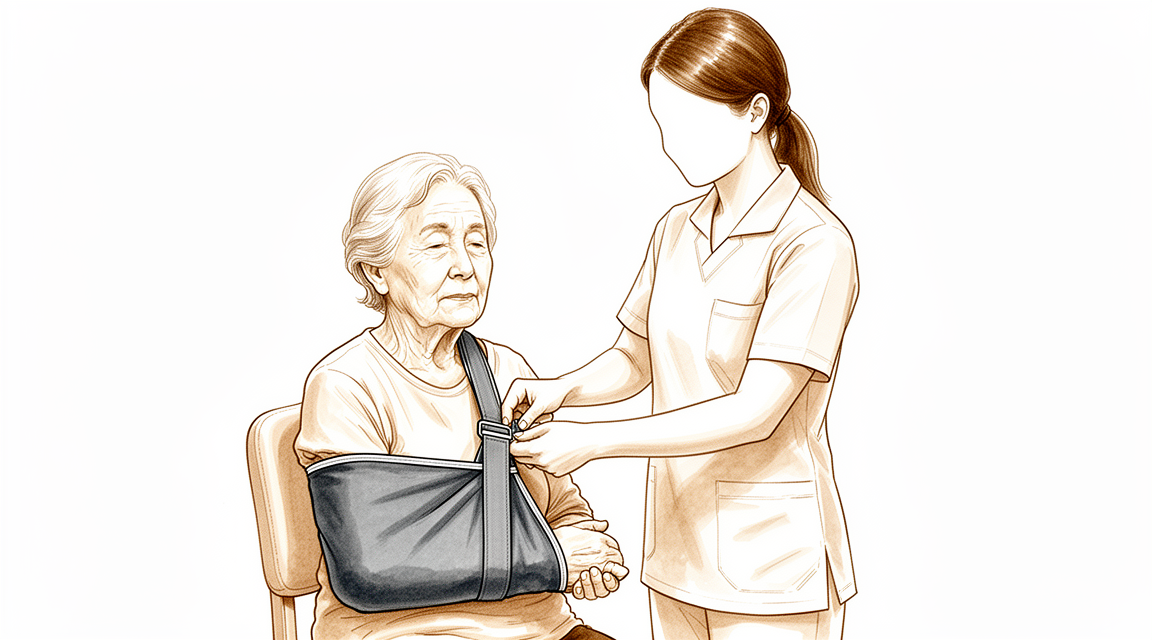
Ang protocol na ito ay nagsisilbing gabay sa iyong paggaling pagkatapos ng total shoulder arthroplasty (total shoulder replacement) kasama si Dr Kieran Hirpara sa Mater Private Hospital Rockhampton. Ang bawat phase sa ibaba ay nagsisimula sa isang paliwanag sa simpleng Ingles tungkol sa kung ano ang nangyayari at kung ano ang pinakamahalaga, na sinusundan ng structured protocol na isinulat para sa iyong physiotherapist; dalhin ang pahinang ito o ang PDF nito sa iyong unang pagbisita sa physiotherapy upang manatiling coordinated ang iyong rehabilitasyon. Maaaring i-adjust ng iyong physiotherapist ang plano depende sa pag-unlad ng iyong paggaling.
Kung mayroon kang anumang alalahanin tungkol sa iyong sugat pagkatapos ng operasyon, makipag-ugnayan sa mga rooms. Madalas na nakatutulong ang pagkuha ng larawan ng sugat at pag-email nito para sa pagsusuri.
Ano ang dapat asahan
Manhid ang iyong braso paggising mo, at karaniwang bumabalik ang pakiramdam sa loob ng 6 hanggang 12 oras. Bihira, ang ilang pamamanhid o panghihina ay maaaring magpatuloy sa loob ng 2 hanggang 3 araw.
Pagkagising mo mula sa iyong operasyon, ikaw ay nasa isang sling, na may malaking pad sa ibabaw ng iyong balikat. Ang pad na ito ay aalisin bago ang discharge. Sa ilalim nito ay isang waterproof dressing na tumatakip sa isang surgical glue strip, na maaaring hayaan lamang sa loob ng 2 linggo. Ang iyong mga tahi ay dissolvable at hindi kailangang tanggalin, ngunit maaaring may ilang dulo ng tahi sa bawat dulo ng sugat na maaaring gupitin nang pantay sa balat pagkatapos ng 2 linggo. Ikaw ay itatakda para makita ang aming nurse para sa wound check 1–2 linggo pagkatapos ng iyong operasyon. Kung hindi ka makakadalo sa dressing check, maaari mong tanggalin ang iyong dressing nang mag-isa pagkatapos ng 2 linggo.
Ang paglalakbay sa isang sulyap:
- Proteksyon: linggo 0–3
- Intermediate: linggo 4–6
- Intermediate, pagpapatuloy: linggo 7–8
- Transitional: linggo 9–11
- Advanced strengthening: linggo 12–16
Tinatayang timeframe para sa pagbabalik sa mga aktibidad:
- Pagmamaneho: 6 na linggo
- Paglangoy: breaststroke 8 linggo; freestyle 12 linggo
- Golf: 4–6 buwan
- Pagbubuhat: ang magaan na pagbubuhat ay maaaring magsimula sa ika-6 na linggo; iwasan ang pagbubuhat ng mabibigat na gamit sa loob ng 6 na buwan
- Trabaho: sedentary job 6 na linggo; manual job ay gagabayan ng iyong surgeon
Pagsusuot ng iyong sling
Ang iyong sling (shoulder immobiliser) ay sumusuporta sa balikat habang ito ay gumagaling. Simple lang ang mga panuntunan:
- Isuot ito sa loob ng 6 na linggo, kabilang na kapag natutulog.
- Hubarin lamang ito para sa pagligo at para sa iyong mga ehersisyo, kapag naipakita na sa iyo kung paano, at tuwing wala ang sling, panatilihing nasa gilid ang iyong braso.
- Kapag nagpapahinga sa bahay, maaari itong hubarin kung magiging maingat ka: suportado ang braso ng unan habang nakaupo.
- Gumamit ng ice kung ang balikat ay namamagâ o masakit, lalo na pagkatapos ng ehersisyo.
Mahalaga ang tamang pagsuot nito, at ang maluwag na sling ay hindi sumusuporta nang maayos sa balikat:
- Iposisyon ang iyong siko nang tama sa kanto ng sling, nang may sapat na suporta.
- Ang dulo ng sling ay dapat nakapatong sa knuckle ng iyong kalingkingan. Kung ang iyong kamay ay lumalampas pa rito, hindi ka nasusuportahan nang maayos ng sling.
- Ang sling ay may dalawang Velcro strap: isa para sa iyong leeg, isa para sa iyong baywang.
- Habang nakaposisyon ang iyong siko at forearm, gamitin ang iyong braso na hindi naoperahan upang iikot ang upper strap sa iyong leeg at ikabit ito sa upper loop.
- Ikabit ang lower strap sa paligid ng iyong baywang sa pamamagitan ng lower loop sa parehong paraan.
Habang suot ang sling, bantayan ang iyong postura. Panatilihing magkahanay ang iyong mga tainga, balikat, at balakang at iwasang hayaang lumaylay ang iyong mga balikat; ang mabuting postura ay nagpoprotekta sa iyong likod at tumutulong upang maiwasan ang paninigas ng iyong balikat. Ang isang nakarolyo na tuwalya sa ibabang bahagi ng iyong likod kapag nakaupo ay isang kapaki-pakinabang na paalala.
Bago ka umuwi, isusuot ng ward physiotherapist ang iyong sling, tuturuan ka kung paano ito pamahalaan nang mag-isa, at pasisimulan ka sa mga banayad na ehersisyo sa ibaba. May tatlong termino na madalas gamitin sa rehabilitasyon ng balikat, at makakatulong na malaman ang pagkakaiba ng mga ito: ang active range of motion (AROM) ay nangangahulugang paggalaw ng braso nang mag-isa, nang walang tulong; ang active-assisted range of motion (AAROM) ay nangangahulugang paggamit ng kabilang braso o ng isang bagay upang tulungan ang braso na gumalaw; at ang passive range of motion (PROM) ay nangangahulugang ang braso ay nananatiling lubos na relax habang ang kabilang braso o isang panlabas na puwersa ang gumagawa ng 100% ng trabaho. Sasabihin sa iyo ng iyong physiotherapist kung anong uri ng paggalaw ang ginagamit ng bawat ehersisyo.
Ang mga panuntunan sa maagang rehabilitasyon habang ikaw ay nasa ospital at sa mga unang linggo sa bahay:
- Kailangan mong matulog nang suot ang sling.
- Gumamit ng ice para sa pagpapaginhawa ng sakit kung kinakailangan.
- Kapag suot ang iyong sling, i-relax ang iyong balikat at hayaang ang sling ang pumasan sa bigat ng iyong braso.
- Inumin ang iyong mga painkiller bago gawin ang iyong mga ehersisyo, at bago ang iyong mga appointment sa physiotherapy.
- Pinapayagan kang ilabas ang iyong braso mula sa sling para sa iyong mga ehersisyo at pagligo.
- Kailangan mong isuot ang iyong sling sa loob ng 6 na linggo, lalo na kapag wala sa bahay.
- Maliban kung pinili mong ayusin ang iyong sariling physiotherapy, may nakatakda nang appointment para sa iyo at nakadetalye ito sa iyong discharge pack.
- Kung mayroon kang anumang problema, makipag-ugnayan sa opisina o ipaalam sa iyong physiotherapist.
Ito ang iyong mga maagang ehersisyo, na sinimulan sa ospital at ipagpapatuloy sa bahay ayon sa gabay ng iyong physiotherapist:
Ang iyong mga unang araw sa ospital
Kieran Hirpara 4.0
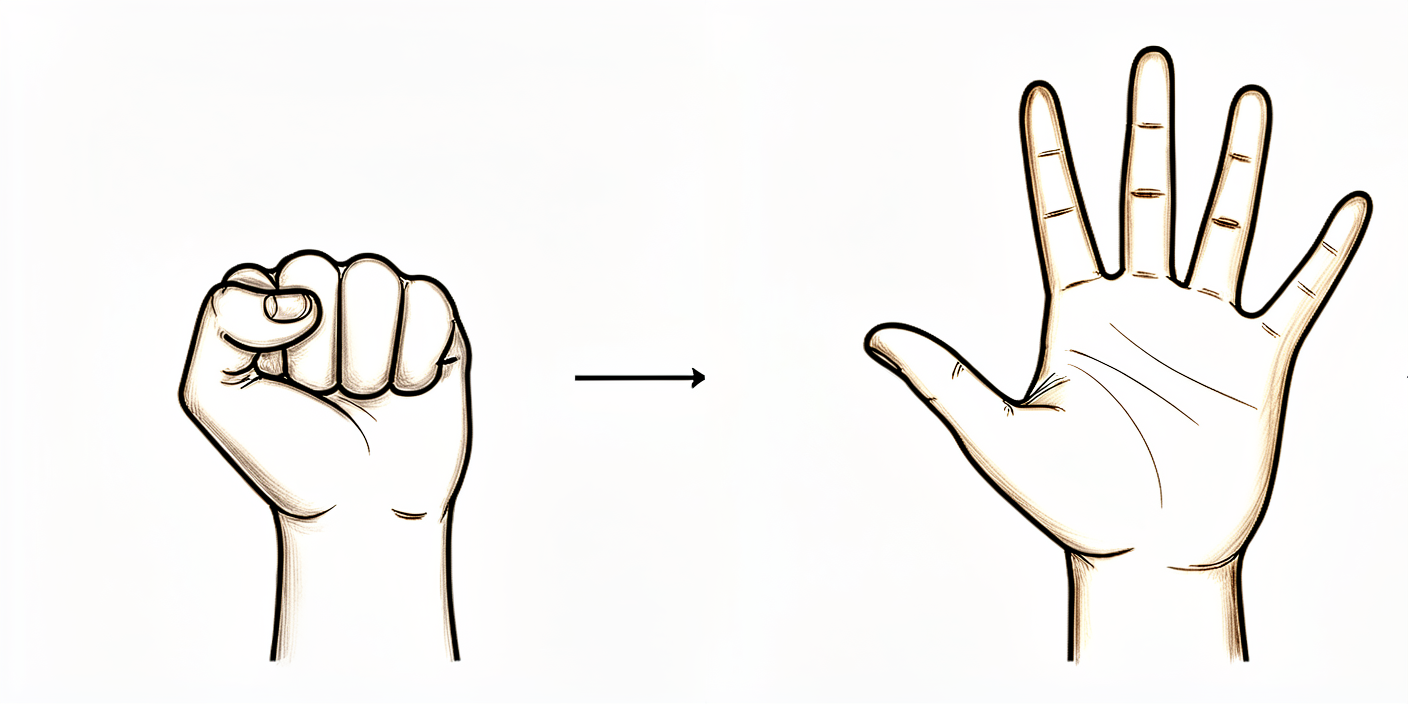
Buksan at isara ang kamay
Panatilihing gumagalaw ang iyong kamay at mga daliri sa pamamagitan ng pagbubukas at pagsasara ng mga ito, o sa pamamagitan ng pagpisil sa isang malambot na bola.
10 beses, 3 beses bawat araw
Kieran Hirpara 4.0
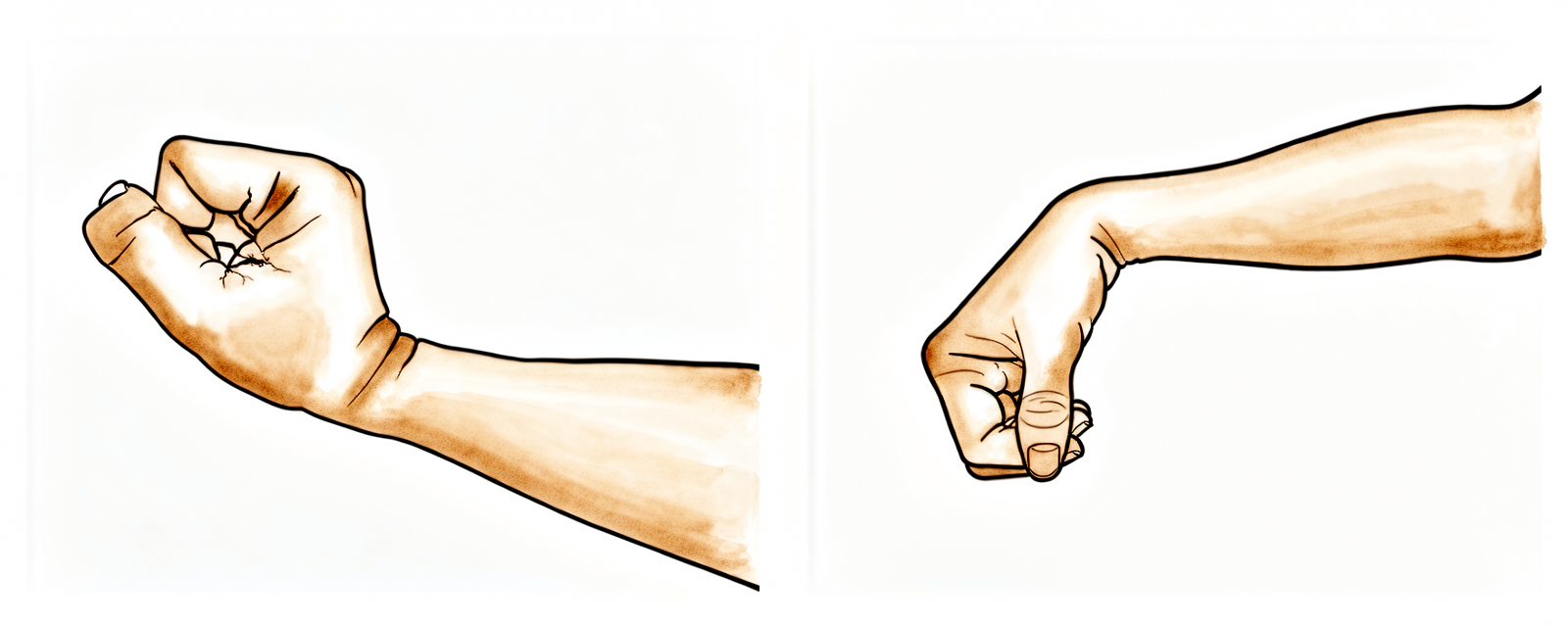
Paggalaw ng pulso
Panatilihing gumagalaw ang iyong pulso sa pamamagitan ng pagbaluktot nito pasulong, pabalik, at sa magkabilang gilid.
10 beses, 3 beses bawat araw
Kieran Hirpara 4.0
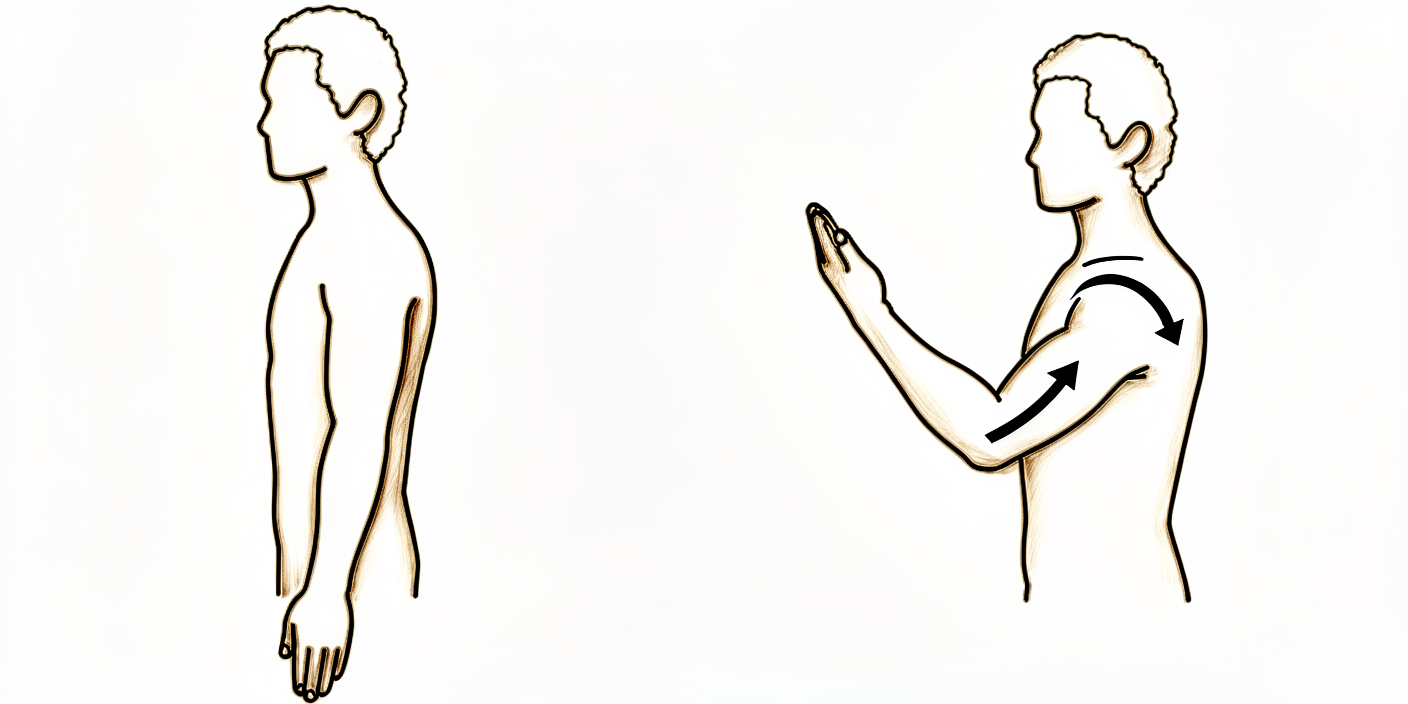
Siko
Ibaluktot at ituwid ang iyong siko.
10 beses, 3 beses bawat araw
Kieran Hirpara 4.0
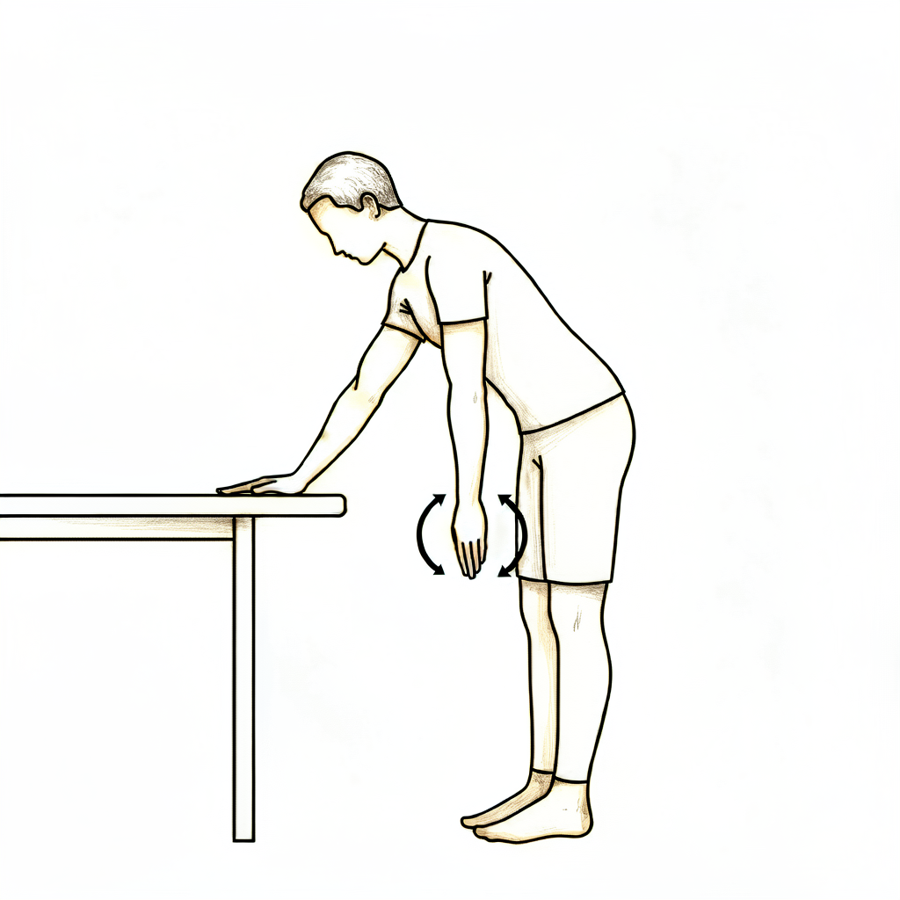
Mga Pendulum
Ito ay isang passive exercise. Yumuko nang bahagya pasulong at hayaang lumaylay ang iyong braso. Gamitin ang iyong katawan upang dahan-dahang igalaw ang braso pakanan (clockwise) o pakaliwa (anti-clockwise), gayundin pasulong, pabalik, at pagilid-gilid.
Humigit-kumulang 30 segundo bawat direksyon, 3 beses bawat araw
Kieran Hirpara 4.0
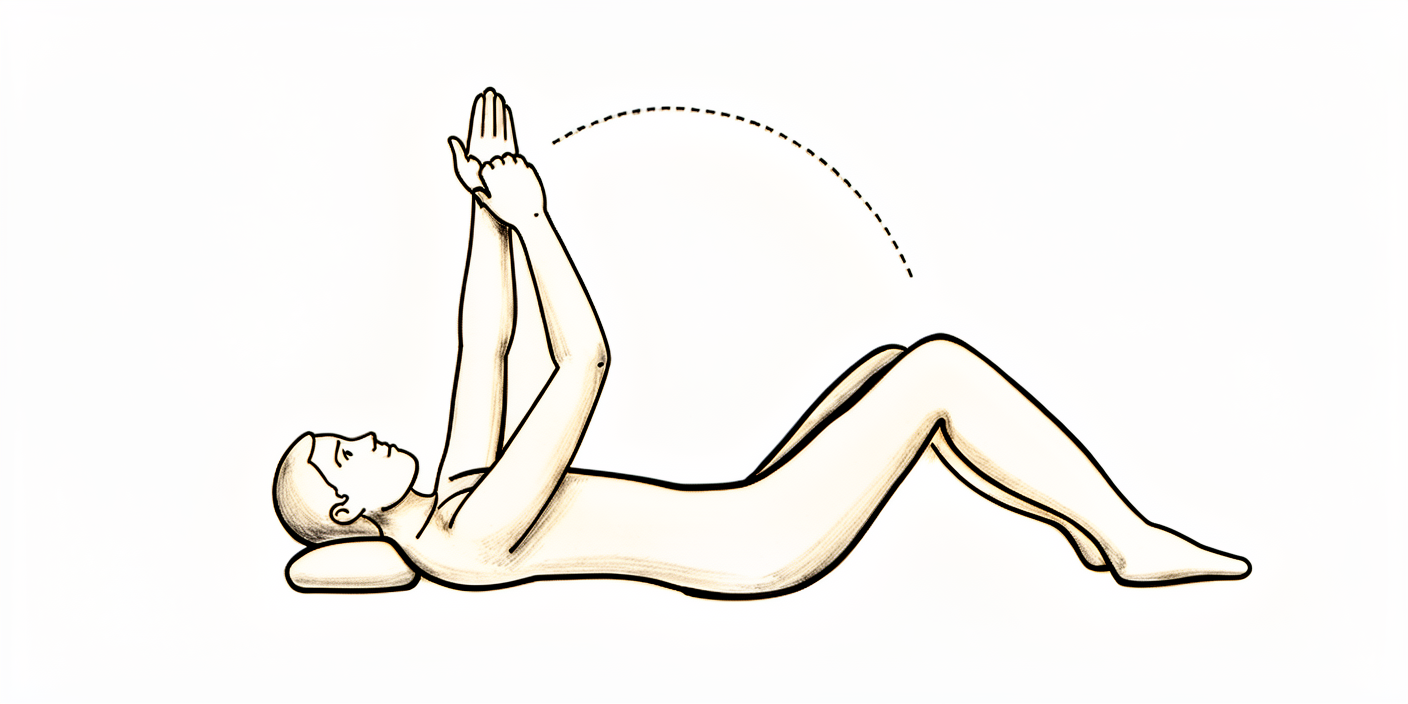
Forward flexion (assisted)
Habang nakaupo sa isang upuan at nakayuko pasulong, alalayan ang iyong inoperahang braso gamit ang kabilang braso at dahan-dahang igalaw ang iyong braso pataas sa iyong harapan. Ibaba itong muli sa tulong ng iyong braso na hindi inoperahan. Maaari mo ring subukang humiga nang patihaya sa kama at tulungan ang braso pataas kung mas gusto mo ito.
10 beses, 3 beses bawat araw
Kieran Hirpara 4.0
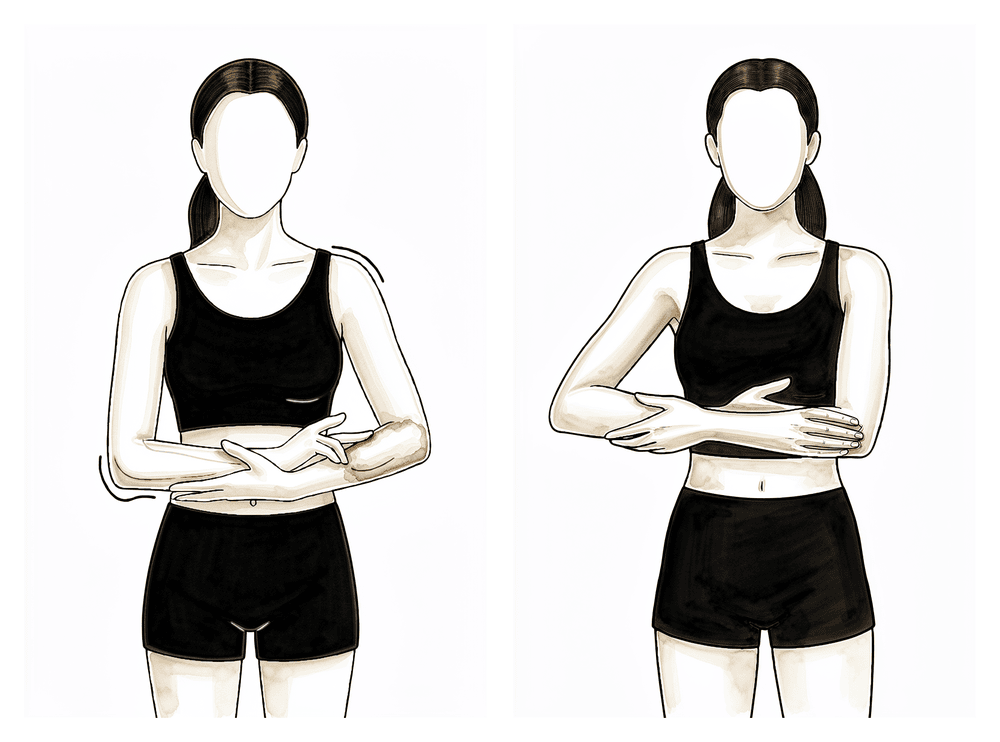
Abduction (assisted)
Habang nakaupo sa isang upuan at nakayuko pasulong, alalayan muli ang braso at tulungan itong igalaw palabas sa gilid (tulad ng pagduyan ng isang sanggol).
10 beses, 3 beses bawat araw
Kieran Hirpara 4.0
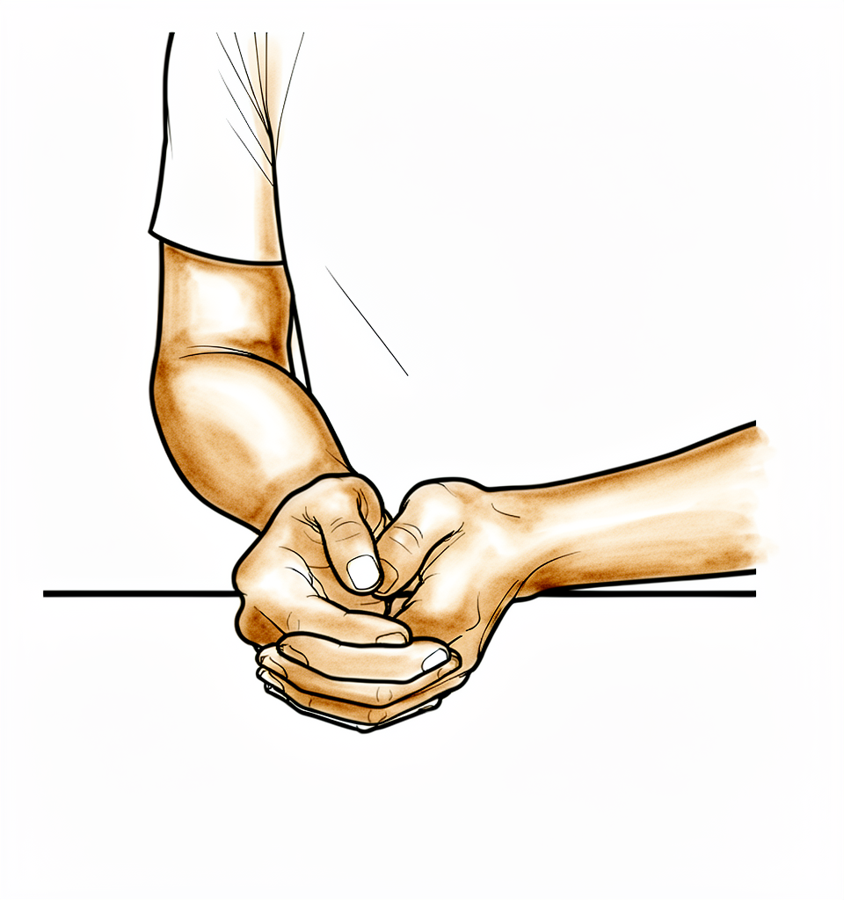
External rotation
Habang nakaupo sa isang upuan, igalaw lamang ang iyong braso mula sa posisyon nito sa sling hanggang sa ituro ito nang diretso sa iyong harapan. Huwag itong igalaw nang mas palabas pa.
Dahan-dahan, 10 beses, 3 beses bawat araw
Kieran Hirpara 4.0
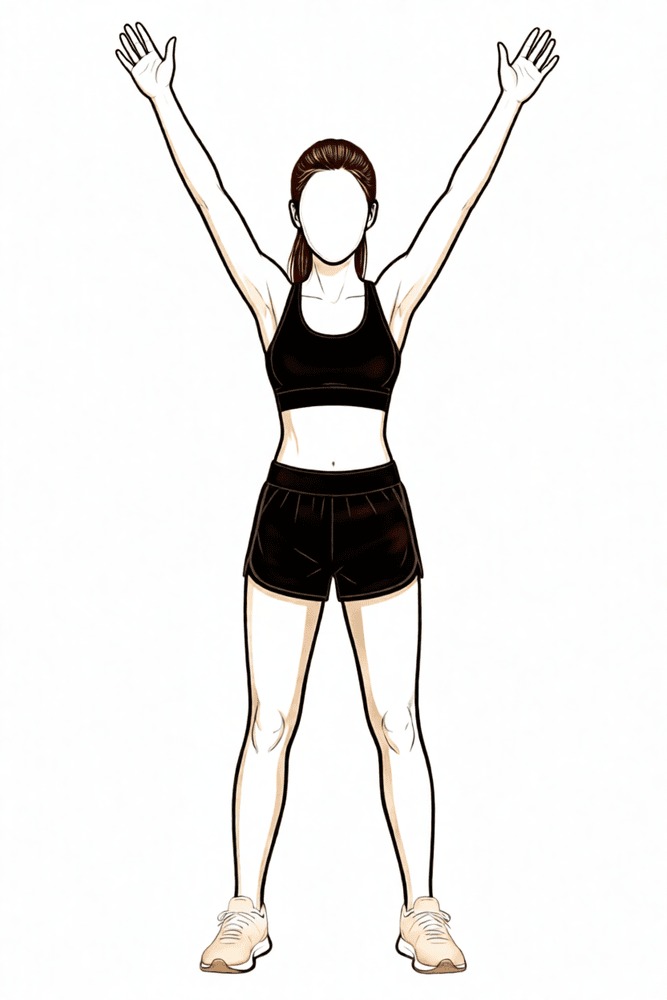
Pag-set ng lower trapezius
I-squeeze ang iyong mga shoulder blade pababa at magkasama.
Hawakan nang 5 segundo, 5 beses; ulitin nang 3 beses araw-araw
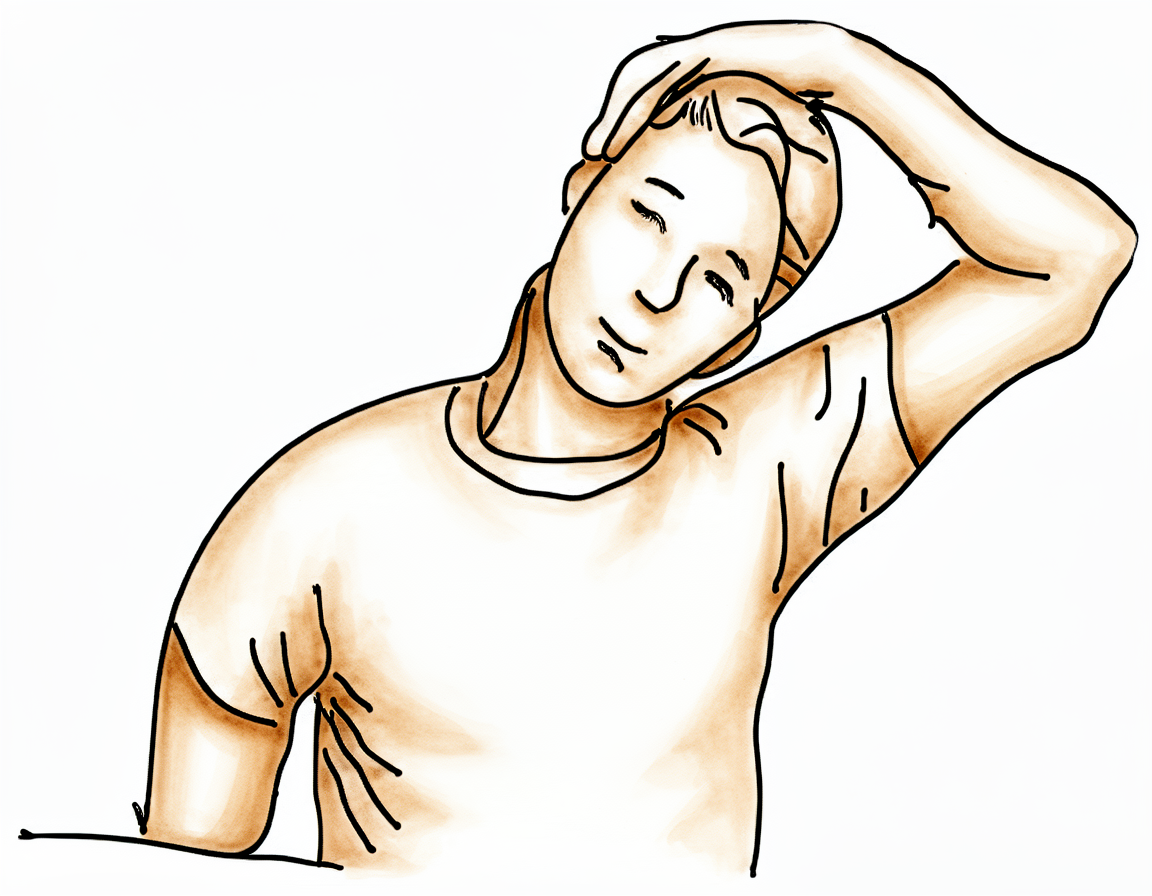
Kieran Hirpara 4.0
Stretch ng upper trapezius
Gamitin ang iyong braso na hindi naoperahan upang ilapit ang iyong tainga sa iyong balikat, palayo sa panig na naoperahan.
Hawakan nang 10 segundo, 3 beses; ulitin nang 3 beses bawat araw
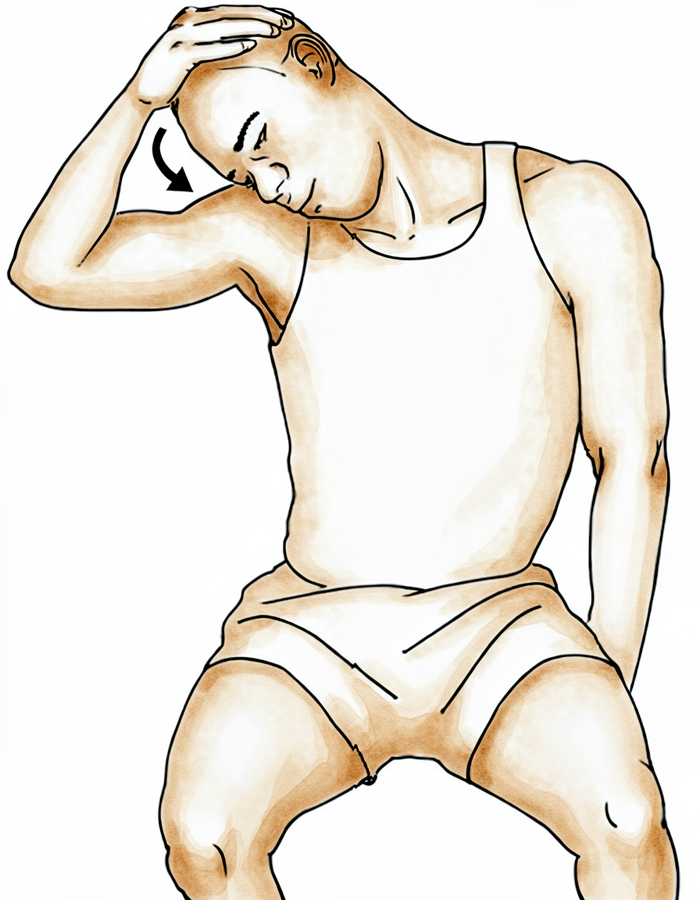
Kieran Hirpara 4.0
Stretch ng levator scapulae
Gamitin ang iyong braso na hindi naoperahan upang ilapit ang iyong ilong sa iyong utong o sa bahagi ng iyong kili-kili.
Hawakan nang 10 segundo, 3 beses; ulitin nang 3 beses bawat araw
Phase I — Proteksyon (Weeks 0–3)
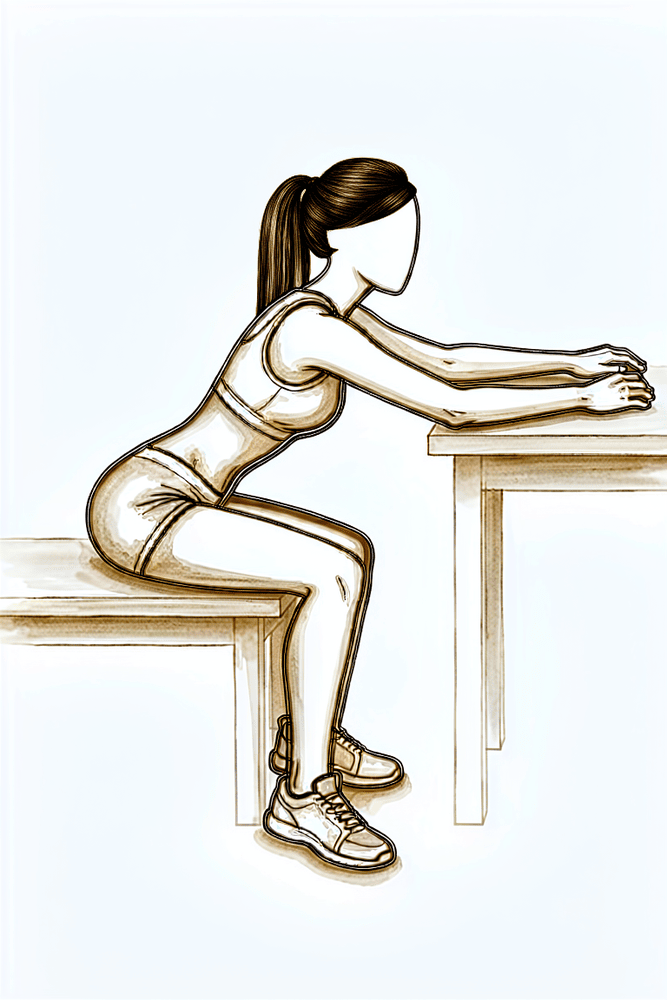
Kieran Hirpara 4.0
Seated table slide
Umupo sa isang mesa na ang iyong forearm ay nakapatong sa ibabaw nito. Hayaan ang iyong kamay na dumulas pasulong sa mesa habang dahan-dahang yumuyuko, hayaang tumiklop ang balikat pasulong nang hindi gumagamit ng mga kalamnan sa balikat, pagkatapos ay idulas ito pabalik. Panatilihing relaks at komportable ang paggalaw.
Ayon sa gabay ng iyong physiotherapist
Ang unang tatlong linggo ay tungkol sa pagprotekta sa iyong bagong balikat habang ito ay naghihilom. Mananatili ka sa sling (nakaposisyon nang neutral at isusuot sa gabi), gagamit ng ice at compression para sa pamamaga, habang dahan-dahang iginagalaw ng iyong physiotherapist ang balikat para sa iyo sa loob ng mga itinakdang limitasyon at pananatilihin mong gumagalaw ang iyong kamay, pulso, at siko nang mag-isa. Mula sa ikalawang linggo, magsisimula ang mga banayad na ehersisyo sa shoulder-blade at pag-squeeze ng bola. Ang mga panuntunang pinakamahalaga: walang active shoulder movement, bawal abutin ang likod, bawal magbuhat, at bawal itulak ang sarili pataas gamit ang mga kamay.
Para sa iyong physiotherapist:
Mga Layunin
- Protektahan ang surgical repair
- Bawasan ang pamamaga, bawasan ang sakit
- Panatilihin ang upper extremity (UE) range of motion sa siko, kamay, at pulso
- Unti-unting dagdagan ang shoulder passive range of motion (PROM)
- Bawasan ang muscle inhibition
- Edukasyon ng pasyente
Pamamahala
- Sling: neutral rotation; gamitin sa gabi habang natutulog
- Pamamahala sa pamamaga: ice, compression
- Range of motion / mobility:
- PROM: external rotation (ER) ≤ 30 degrees sa scapular plane; internal rotation (IR) hanggang belt line sa scapular plane
- Flexion/scaption ayon sa tolerance; abduction (ABD) ≤ 90 degrees; pendulums; seated glenohumeral (GH) flexion table slide; seated horizontal table slide
- Active-assisted range of motion (AAROM): active-assisted shoulder flexion
- Active range of motion (AROM): siko, kamay, pulso
- Pagpapalakas (week 2):
- Periscapular: scapular retraction, prone scapular retraction, standing scapular setting, supported scapular setting, inferior glide, low row
- Ball squeeze
Mga Pag-iingat
- Walang shoulder AROM
- Bawal abutin ang likod, lalo na sa internal rotation
- Walang labis na shoulder external rotation o abduction
- Bawal magbuhat ng mga bagay
- Bawal suportahan ang bigat ng katawan gamit ang mga kamay
- Maglagay ng maliit na unan/towel roll sa ilalim ng siko habang nakahiga nang patihaya upang maiwasan ang shoulder hyperextension
Mga Pamantayan para sa pag-usad
- ≥ 50% shoulder PROM flexion at scaption kumpara sa kabilang panig (contralateral side)
- ≤ 90 degrees ng shoulder ABD PROM
- ≤ 30 degrees ng shoulder ER PROM sa scapular plane
- ≥ 70 degrees ng IR PROM sa scapular plane
- Nararamdamang muscle contraction sa scapular musculature
- Sakit < 4/10
- Walang mga komplikasyon sa Phase I
Phase II — Intermediate (Weeks 4–6)
Kieran Hirpara 4.0
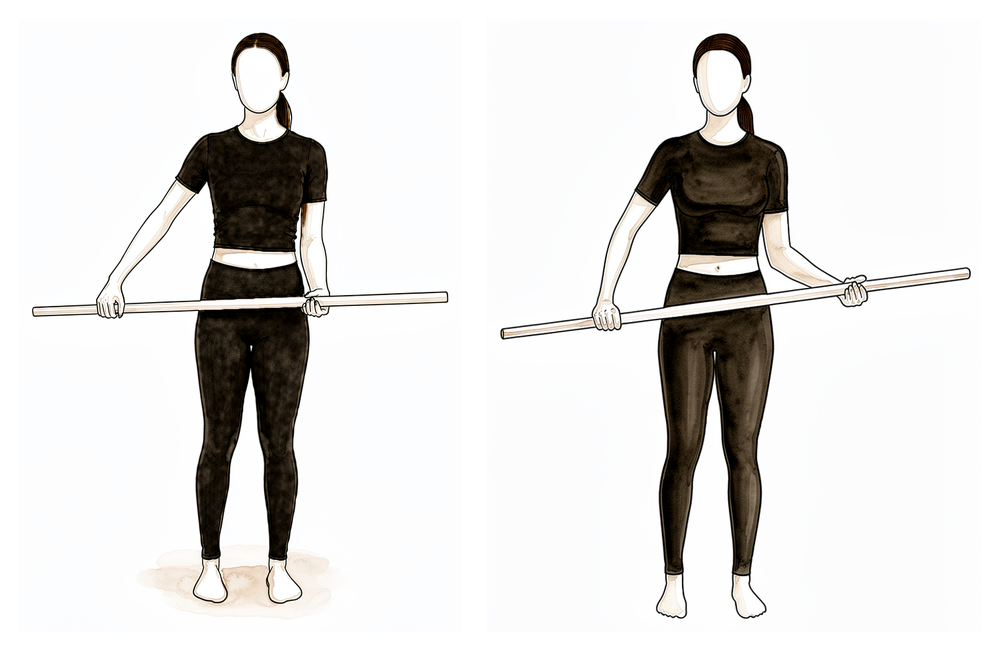
Stretch ng external rotation gamit ang baston
Humiga nang patihaya na ang iyong siko ay nasa iyong tabi at nakabaluktot nang 90 degrees. Humawak ng baston o tungkod sa magkabilang kamay at gamitin ang braso na hindi naoperahan upang dahan-dahang itulak palabas ang kamay ng braso na naoperahan. Manatili sa loob ng limitasyong itinakda ng iyong physiotherapist para sa yugtong ito, at huwag kailanman pilitin ang paggalaw.
Ayon sa gabay ng iyong physiotherapist
Protektado pa rin ang balikat, ngunit ang paggalaw ay unti-unti nang pinapalakas. Panatilihin ang sling sa gabi, at sa loob ng dalawang linggong ito, unti-unti itong babawasan ang paggamit sa araw. Ang iyong physiotherapist ay magsusulong ng passive movement patungo sa full range (nananatili pa rin sa itinakdang limitasyon ng external rotation at abduction), magdaragdag ng assisted at pagkatapos ay active movements, at magsisimula ng gentle activation work para sa rotator cuff at mga kalamnan ng shoulder-blade. Huwag magbuhat ng anumang mas mabigat kaysa sa isang tasa ng kape, at patuloy na iwasan ang extremes ng rotation at pag-abot.
Para sa iyong physiotherapist:
Mga Layunin
- Patuloy na protektahan ang surgical repair
- Bawasan ang pamamaga, minimisahin ang sakit
- Unti-unting dagdagan ang shoulder PROM
- Minimisahin ang substitution patterns sa AROM at AAROM
- Pagbutihin ang periscapular muscle activation/strength
- Simulan ang rotator cuff (RTC) activation (external rotators)
- Edukasyon ng pasyente
Pamamahala
- Sling: gamitin sa gabi habang natutulog; unti-unting simulan ang pagbabawas ng paggamit ng sling sa susunod na dalawang linggo sa araw
- Ituloy ang mga interbensyon ng Phase I
- Range of motion / mobility:
- PROM: full, maliban sa ER ≤ 30 degrees sa scapular plane at ABD ≤ 90 degrees
- AAROM: shoulder flexion gamit ang cane, cane external rotation stretch, washcloth press, seated shoulder elevation gamit ang cane
- AROM: supine flexion, salutes, supine punch
- Pagpapalakas (Strengthening):
- Rotator cuff: external rotation isometrics
- Periscapular: row sa physioball, serratus punches
- Elbow: biceps curl, resistance band biceps curls at triceps
- Motor control:
- ER sa scaption at flexion 90–125 (rhythmic stabilisation)
- Stretching:
- Side-lying horizontal adduction
Mga Pag-iingat
- Walang labis na shoulder external rotation o abduction
- Bawal magbuhat ng mga bagay na mas mabigat kaysa sa isang tasa ng kape
- Bawal suportahan ang bigat ng katawan gamit ang mga kamay
- Maglagay ng maliit na unan/towel roll sa ilalim ng siko habang nakahiga nang patihaya upang maiwasan ang shoulder hyperextension
Mga Kraytirya para sa pag-usad (Criteria to progress)
- ≥ 75% shoulder PROM flexion at scaption kumpara sa kabilang panig (contralateral side)
- ≥ 75% shoulder PROM IR sa scapular plane kumpara sa kabilang panig (contralateral side)
- 30 degrees ng shoulder PROM ER sa scapular plane
- 90 degrees ng shoulder PROM ABD
- Minimal na substitution patterns sa AAROM
- AROM shoulder elevation hanggang 100 degrees na may minimal na substitution patterns
- Sakit < 4/10
- Walang mga komplikasyon sa Phase II
Phase III — Intermediate, pagpapatuloy (Weeks 7–8)
Kieran Hirpara 4.0
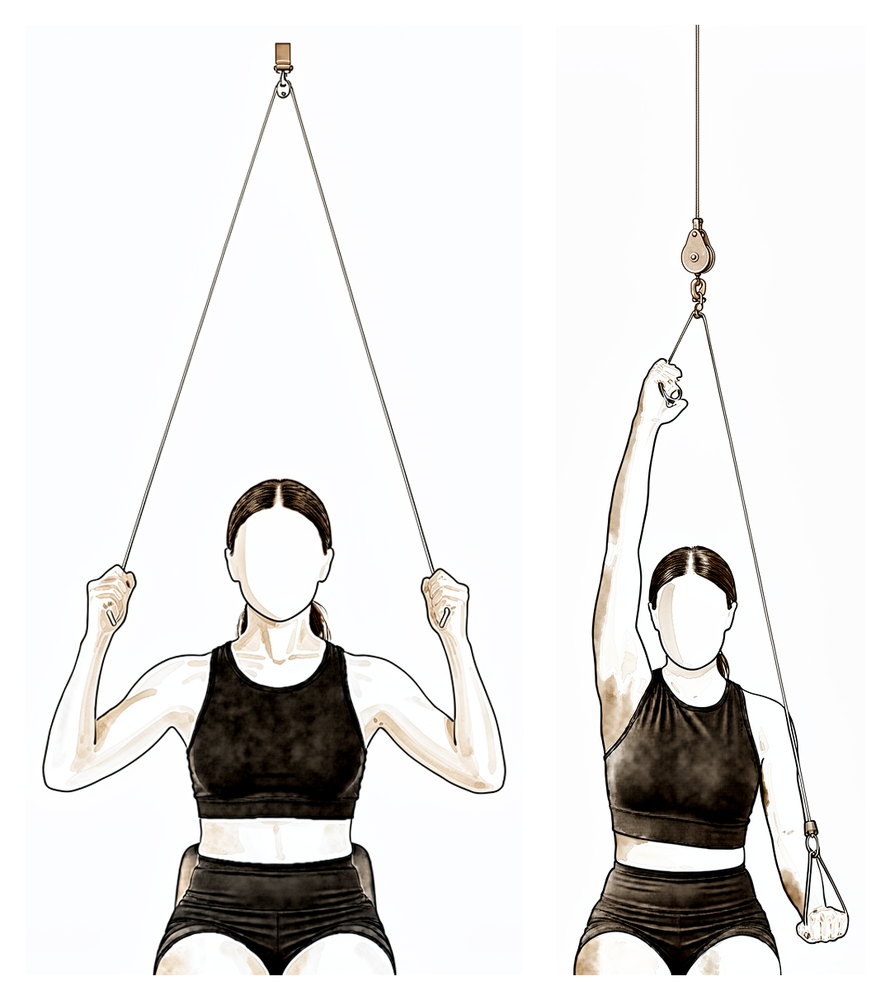
Over-door pulley
Umupo sa ilalim ng isang over-door pulley na may hawakan sa bawat kamay. Hilahin pababa gamit ang braso na hindi naoperahan upang itaas ang braso na naoperahan, panatilihing relax ang braso na naoperahan, pagkatapos ay ibaba ito nang dahan-dahan at swabe.
Ayon sa gabay ng iyong physiotherapist
Kieran Hirpara 4.0
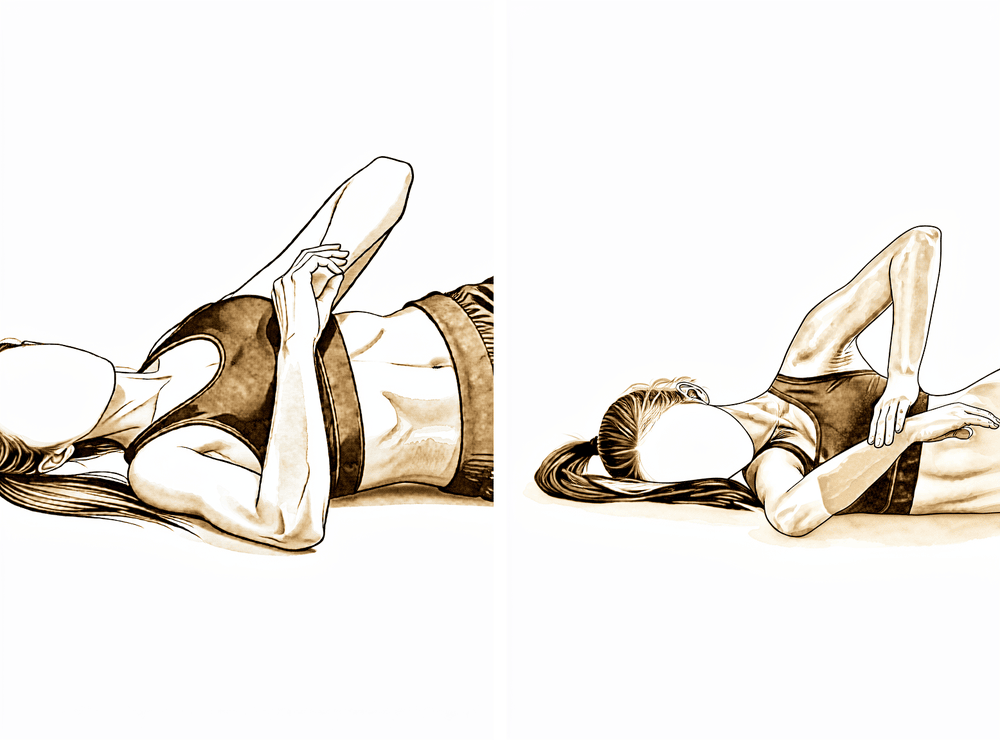
Sleeper stretch
Humiga sa panig na inoperahan na ang braso ay nakaunat sa harap sa taas ng balikat at ang siko ay nakabaluktot nang 90 degrees. Gamitin ang kabilang kamay upang dahan-dahang itulak ang forearm pababa sa kama hanggang sa makaramdam ng komportableng stretch sa likod ng balikat. Huwag pilitin ang stretch.
Ayon sa gabay ng iyong physiotherapist
Kieran Hirpara 4.0
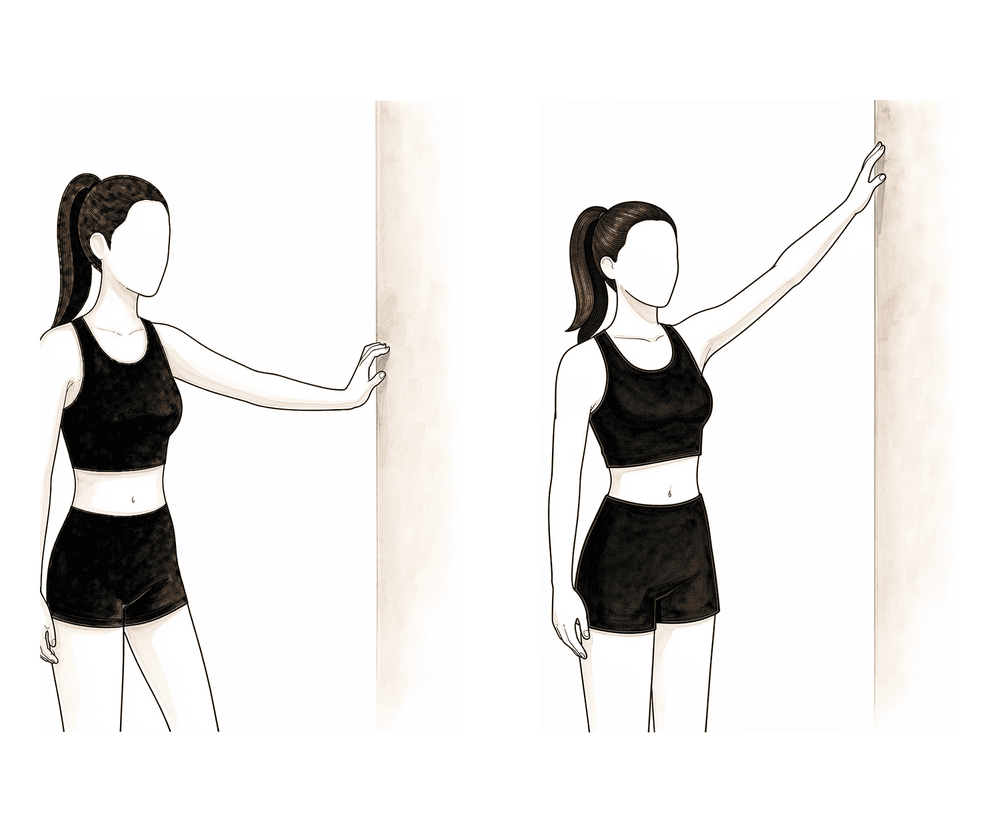
Wall walk palabas sa gilid
Tumayo nang patagilid sa isang pader na ang iyong mga dulo ng daliri ay nakapatong dito. I-lakad ang iyong mga daliri pataas sa pader palabas sa gilid, itaas ang braso hanggang sa komportable, pagkatapos ay dahan-dahang i-lakad ang mga ito pabalik pababa nang may kontrol. Sinusuportahan ng pader ang braso habang binabawi mo ang paggalaw palabas sa gilid.
Ayon sa gabay ng iyong physiotherapist
Tapos na ang paggamit ng sling, at ang layunin ay ang buong paggalaw sa bawat direksyon, may tulong kung kinakailangan at unti-unting ginagawa nang mag-isa. Pinatitindi ang pagpapalakas, gamit ang resistance-band work para sa rotator cuff at mga kalamnan ng shoulder-blade, at maaari ka nang bumalik sa mga ganap na pang-araw-araw na aktibidad. Dalawa ang nananatiling limitasyon: walang anumang mas mabigat sa 5 kg, at walang anumang magbibigay ng sobrang stress sa naghihilom na tissue sa harap ng balikat.
Para sa iyong physiotherapist:
Mga Layunin
- Huwag bigyan ng sobrang stress ang naghihilom na tissue (lalo na ang anterior capsule)
- Bawasan ang sakit
- Panatilihin ang PROM
- Pagbutihin ang AROM
- Isulong ang lakas ng periscapular at RTC
- Pagbalik sa mga ganap na functional activities
- Edukasyon ng pasyente
Pamamahala
- Sling: itigil na
- Ipagpatuloy ang mga interbensyon ng Phase I at II
- Range of motion / mobility:
- Buong range of motion sa lahat ng planes
- AAROM: incline table slides, ball roll on wall, wall climbs, pulleys
- AROM: seated scaption, seated flexion, supine forward elevation na may elastic resistance hanggang 90 degrees
- Pagpapalakas:
- Rotator cuff: internal rotation isometrics, side-lying external rotation, standing external rotation na may resistance band, standing internal rotation na may resistance band, internal rotation, external rotation
- Periscapular: resistance band shoulder extension, resistance band seated rows, rowing, lawn mowers, robbery
- Motor control:
- IR/ER at flexion 90–125 (rhythmic stabilisation)
- Quadruped alternating isometrics at ball stabilisation on wall
- Proprioceptive neuromuscular facilitation (PNF): D1 diagonal lifts, PNF D2 diagonal lifts
- Stretching:
- Internal rotation sa likod ng likod gamit ang tuwalya, side-lying horizontal adduction, sleeper stretch, triceps at lats
Mga Pag-iingat
- Bawal magbuhat ng mabibigat na bagay (> 5 kg)
Mga Kraytirya para sa pag-usad
- Minimal hanggang sa walang substitution patterns sa shoulder AROM
- Sakit < 4/10
Phase IV — Transitional (Weeks 9–11)
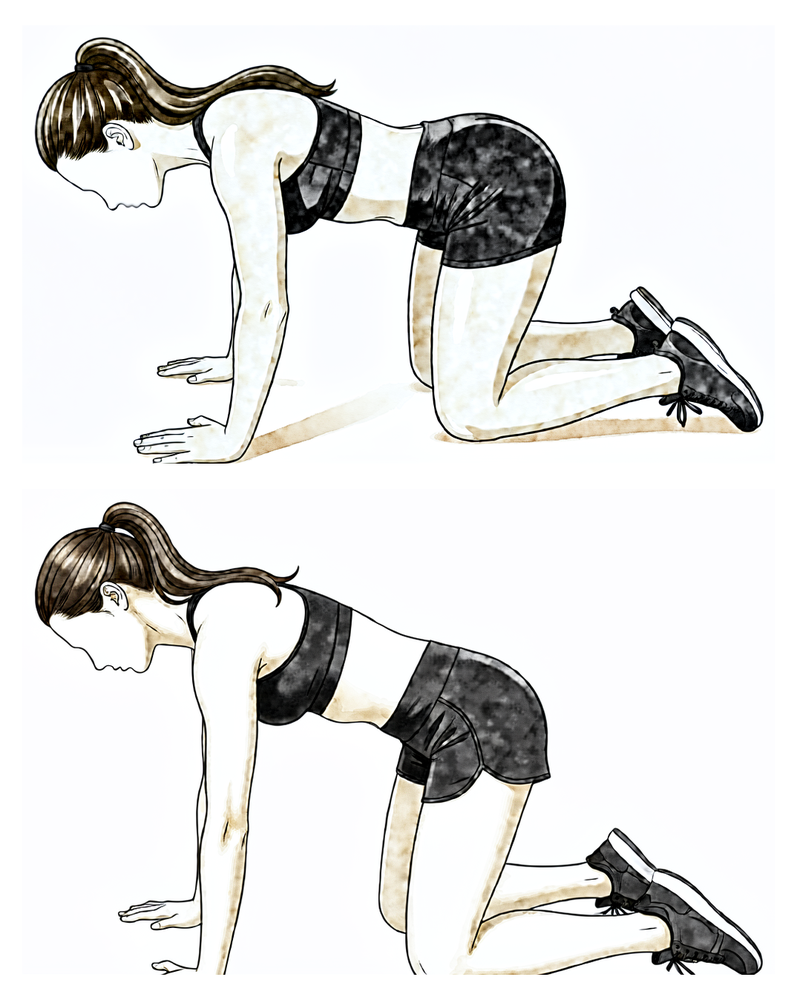
Kieran Hirpara 4.0
Push-up plus nang nakaluhod
Mula sa posisyon ng push-up gamit ang iyong mga tuhod at ang mga kamay ay nasa ilalim ng mga balikat, panatilihing diretso ang mga siko at itulak ang itaas na bahagi ng likod patungo sa kisame, hayaang maghiwalay ang mga shoulder blade, pagkatapos ay ibaba ito nang may kontrol.
Ayon sa gabay ng iyong physiotherapist
Ang paggalaw ay dapat na buo at komportable na ngayon; ang phase na ito ay tungkol sa paggawa rito na malakas at matatag. Tinitaas ang resistance sa mga rotator cuff exercise, pinalalawak ang shoulder-blade program, at hinahamon ng control work ang balikat sa mga diagonal at functional na pattern. Ang limitasyon sa pagbuhat na 5 kg ay umiiral pa rin, at ang mga posisyon na nagbibigay ng strain sa harap ng joint (pag-rotate ng braso palabas habang ito ay nakataas nang higit sa 80 degrees sa gilid) ay iniiwasan pa rin.
Para sa iyong physiotherapist:
Mga Layunin
- Huwag bigyan ng sobrang stress ang naghihilom na tissue (lalo na ang anterior capsule)
- Panatilihin ang pain-free PROM
- Ipagpatuloy ang pagpapabuti ng AROM
- Pagbutihin ang dynamic shoulder stability
- Unti-unting ibalik ang lakas at endurance ng balikat
Pamamahala
- Ipagpatuloy ang mga interbensyon ng Phase II–III
- Range of motion / mobility:
- Full range of motion sa lahat ng planes
- Pagpapalakas (Strengthening):
- Rotator cuff: dagdagan ang resistance ng mga rotator cuff exercise
- Periscapular: push-up plus sa mga tuhod, "W" exercise, resistance band Ws, dynamic hug, resistance band dynamic hug, prone shoulder extension Is, resistance band forward punch, forward punch, tripod, pointer
- Motor control:
- Resistance band PNF pattern; PNF D1 diagonal lifts na may resistance; diagonal-up, diagonal-down wall slides na may resistance band
Mga Pag-iingat
- Bawal magbuhat ng mabibigat na bagay (> 5 kg)
- Iwasan ang mga exercise na nagbibigay ng stress sa anterior shoulder capsule (hal. shoulder ER na higit sa 80 degrees ng ABD)
Mga Kraytirya para mag-progress
- Supine AROM flexion ≥ 140 degrees
- Supine AROM ABD ≥ 120 degrees
- Supine AROM ER sa scapular plane ≥ 60 degrees
- Supine AROM IR sa scapular plane ≥ 70 degrees
- AROM shoulder elevation hanggang 120 degrees na may minimal substitution patterns
- Naisasagawa ang lahat ng exercise na nagpapakita ng symmetric scapular mechanics
- Pain < 2/10
Phase V — Advanced strengthening (Weeks 12–16)
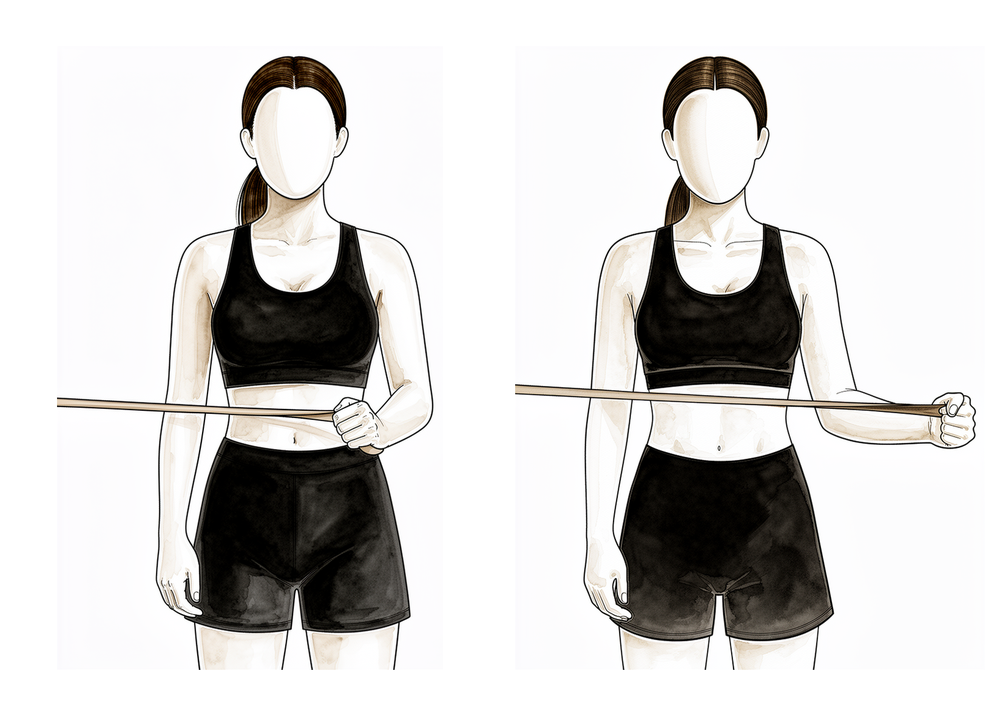
Kieran Hirpara 4.0
Nakatayong external rotation sa 90 degrees (band)
Habang nakatayo, itaas ang iyong braso hanggang sa taas ng balikat palabas sa gilid na may siko na nakabaluktot nang 90 degrees. I-rotate ang forearm pataas laban sa isang light resistance band, pagkatapos ay ibalik ito nang may kontrol.
Ayon sa gabay ng iyong physiotherapist
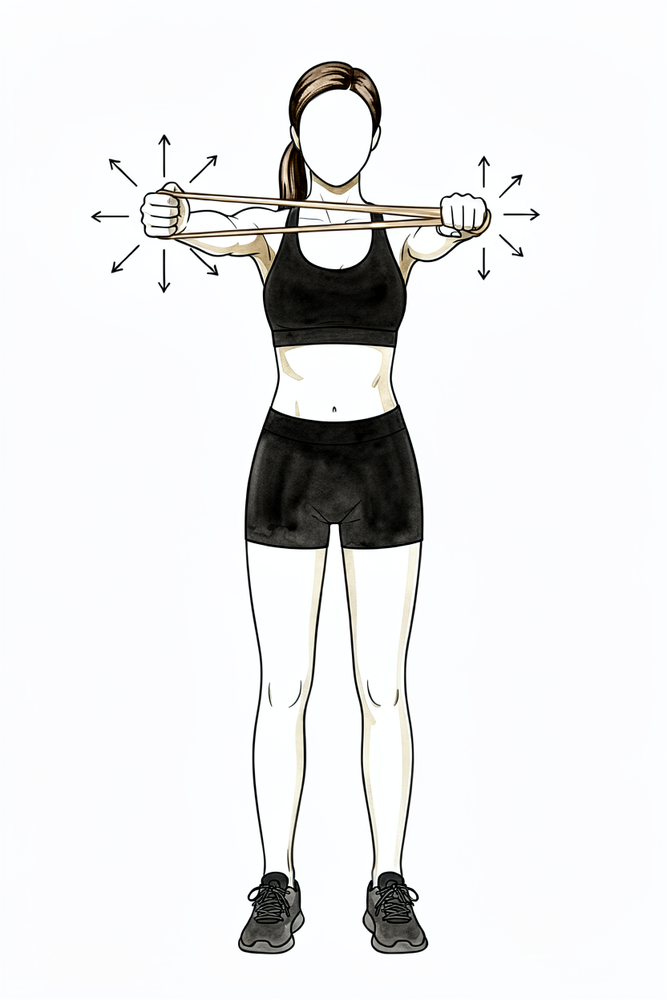
Kieran Hirpara 4.0
Rhythmic stabilisation
Habang ang iyong braso ay suportado sa harap mo sa taas na halos kapantay ng balikat, hayaan ang iyong physiotherapist (o ang iyong maayos na kamay) na magbigay ng maliliit at banayad na tulak mula sa iba't ibang direksyon habang pinapanatili mong hindi gumagalaw at matatag ang braso — huwag itong hayaang gumalaw. Sinasanay nito ang mga stabilising muscle ng balikat na tumugon. Panatilihing banayad ang lahat ng pagsisikap.
Ayon sa gabay ng iyong physiotherapist
Ang huling phase ay inihahanda ang balikat para sa lahat ng nais mong gamitan ito: pagbuo ng lakas at endurance sa mas mataas na posisyon, kabilang ang rotation work habang ang braso ay nakataas ng 90 degrees, at pag-unlad ng stability work overhead. Ang paglampas sa protocol (kabilang ang anumang pagbabalik sa sports) ay mangyayari lamang sa clearance ng iyong surgeon kapag ang lahat ng milestones ay nakamit na, at para sa mga atleta, ang desisyon ay individualised sa halip na nakabase sa kalendaryo.
Para sa iyong physiotherapist:
Mga Layunin
- Panatilihin ang pain-free range of motion
- Pagbutihin ang lakas at endurance ng balikat
- Paghusayin ang functional use ng upper extremity
Pamamahala
- Ipagpatuloy ang mga interbensyon ng Phase II–IV
- Strengthening:
- Rotator cuff: external rotation sa 90 degrees, internal rotation sa 90 degrees, resistance band standing external rotation sa 90 degrees, resistance band standing internal rotation sa 90 degrees
- Periscapular: T at Y, "T" exercise, push-up plus na may extended na mga tuhod, wall push-up
- Motor control:
- I-progress ang ball stabilisation sa wall patungo sa overhead alternating isometrics / rhythmic stabilisation
Mga Kraytirya para sa pag-unlad
- Clearance mula sa doktor, at LAHAT ng milestone criteria ay nakamit na
- Napapanatili ang pain-free PROM at AROM
- Naisasagawa ang lahat ng ehersisyo na nagpapakita ng symmetric scapular mechanics
- QuickDASH at ASES outcome scores
Pagbabalik sa sport
- Para sa recreational o competitive athlete, ang pagdedesisyon sa pagbabalik-sa-sport ay dapat na individualised at nakabase sa mga salik kabilang ang antas ng demand sa upper extremity, contact vs non-contact sport, dalas ng partisipasyon, atbp. Hinihikayat ang malapit na diskusyon sa referring surgeon bago magpatuloy sa isang return-to-sport rehabilitation program.
Pagkatapos ng iyong protocol
Ang protocol na ito ay kasabay ng pangkalahatang payo sa paggaling ng klinika; tingnan ang pamamahala ng sakit pagkatapos ng operasyon at pag-aalaga ng sugat. Para sa mismong operasyon, tingnan ang total shoulder replacement. Ang ebidensya sa likod ng protocol na ito, at kung bakit pinoprotektahan ng maagang yugto ang subscapularis repair, ay nakabuod sa seksyon ng ebidensya, na available bilang PDF mula sa itaas ng pahinang ito.
Evidence & references
This is the clinical evidence summary written for health professionals. It is technical, and it lists the research this page was built from. You do not need to read it to understand your treatment or to make a decision about it.
Anatomic Total Shoulder Arthroplasty — Post-operative Rehabilitation
Topic scope: Post-operative rehabilitation after anatomic total shoulder arthroplasty (aTSA) for glenohumeral arthritis. (Reverse total shoulder arthroplasty has a different rehab logic — see the reverse-shoulder-arthroplasty protocol; the early in-hospital phase of either is covered by the inpatient-shoulder-replacement protocol.)
Defining principle of this rehab — PROTECT THE SUBSCAPULARIS: to reach the joint in an anatomic TSA the surgeon usually takes down and then repairs the subscapularis (by tenotomy, peel, or a lesser-tuberosity osteotomy). That repair is the structure rehabilitation must protect. So the early plan is the mirror image of a frozen-shoulder release: external rotation is limited, and active/resisted internal rotation is delayed, to avoid pulling the subscapularis repair apart — while early passive forward elevation is encouraged so the shoulder does not stiffen. This subscapularis-protection logic is the key difference from reverse arthroplasty (which usually has no subscapularis repair to guard) and the reason aTSA rehab is more measured.
A. THE PROCEDURE (what is being protected)
Anatomic TSA resurfaces the arthritic joint with a metal humeral head and a plastic glenoid, restoring the normal ball-and-socket mechanics — which depends on an intact, balanced rotator cuff (the indication that distinguishes it from reverse arthroplasty). The subscapularis management is the rehab-defining variable:
- Subscapularis tenotomy / peel with tendon-to-tendon or transosseous repair, or
- Lesser-tuberosity osteotomy (LTO) — repaired bone-to-bone.
Either way, the repair governs the early external-rotation limit and the delay before active and resisted internal rotation. The specific ER ceiling and the IR-loading timeline are surgeon-set (they depend on repair quality and tissue) — the patient protocol follows the surgeon's chosen limits, and the phase table below reflects them.
B. POST-OPERATIVE PHASED TIMELINE (subscapularis-protective)
Consistent with the protocol's phases (Protection → Intermediate → Transitional → Advanced). Sling supports the arm; passive elevation early; ER capped and active/resisted IR withheld until the subscapularis has healed.
| Phase | Window | Sling | ROM | Strengthening | Notes |
|---|---|---|---|---|---|
| I — Protection | Week 0–3 | Full-time (off for hygiene + exercises) | Passive elevation + gentle ER to the surgeon's limit only; pendulums; hand/elbow free | None | Protect subscapularis repair; no active shoulder motion; no behind-the-back / forced ER |
| II — Intermediate | Week 4–6 | Weaning | Progress passive → active-assisted elevation; ER advanced within limit | Scapular setting / isometrics as allowed | Subscapularis still protected — no resisted internal rotation |
| III — Intermediate continued | Week 7–8 | Off | Active ROM all planes progressing toward full | Begin gentle cuff (incl. graded IR) + scapular work | Subscapularis repair healing — IR loading introduced cautiously |
| IV — Transitional | Week 9–11 | Off | Full active ROM goal | Progressive resistance, low load → higher | — |
| V — Advanced strengthening | Week 12–16 | Off | Full, incl. rotation at 90° abduction | Advanced strength/endurance; overhead stability | Return to sport/heavy use on surgeon clearance, individualised |
C. KEY CONTROVERSIES / EVIDENCE QUALITY
- Subscapularis management — tenotomy vs peel vs lesser-tuberosity osteotomy. Healing and functional-IR recovery drive the ER-restriction and IR-loading timeline; biomechanical and clinical data inform but do not settle the choice. Moderate (biomechanical + cohort).
- Early vs delayed / immobilisation — a single-blind RCT comparing early rehabilitation versus immobilisation after shoulder arthroplasty found broadly comparable outcomes, supporting a measured but not ultra-conservative early plan; subscapularis protection remains the governing constraint. Moderate (RCT).
- The phase timeline itself is consensus/expert (institutional protocols — MGH, BWH — and surgeon practice), not a defining rehab RCT. Phase weeks are typical, surgeon-adjustable. Weak/consensus.
D. EVIDENCE STRENGTH FLAGS (summary)
- MODERATE (RCT / biomechanical / cohort): early-rehab-vs-immobilisation after shoulder arthroplasty (RCT); subscapularis repair-technique biomechanics; durability/outcome of aTSA.
- WEAK / CONSENSUS: the specific subscapularis-protective phase structure and ER/IR restriction timings (institutional protocols + surgeon preference; no defining rehab RCT).
- CONTEXT: the protocol's measured early phase is appropriately keyed to subscapularis healing rather than the calendar.
CITATIONS
RAG corpus (180,000+ Orthopaedic articles)
- A randomized single-blinded trial of early rehabilitation versus immobilization after shoulder arthroplasty. J Shoulder Elbow Surg. 2020. DOI: 10.1016/j.jse.2019.10.005
- A biomechanical evaluation of three surgical techniques for subscapularis repair. J Shoulder Elbow Surg. 2007. DOI: 10.1016/j.jse.2007.04.016
- Deltoid fatigue part 2: a longitudinal assessment of anatomic total shoulder arthroplasty. J Shoulder Elbow Surg. 2021. DOI: 10.1016/j.jse.2021.07.019
Published rehab protocols (basis for the phase structure)
- Massachusetts General Brigham Sports Medicine. Rehabilitation Protocol for Total Shoulder Arthroplasty and Hemiarthroplasty (rev. Dec 2018). https://www.massgeneral.org/assets/MGH/pdf/orthopaedics/sports-medicine/physical-therapy/rehabilitation-protocol-for-total-shoulder-arthroplasty-and-hemi.pdf
- Brigham and Women's Hospital. Total Shoulder Arthroplasty / Hemiarthroplasty Protocol. https://www.brighamandwomens.org/assets/bwh/patients-and-families/pdfs/shoulder---total-shoulder-arthroplasty-protocol.pdf
Note on the rehab evidence: there is no single defining RCT for the anatomic-TSA rehab protocol. The phase structure is the originating-institution / surgeon consensus, and the external-rotation ceiling and internal-rotation loading timeline are deliberately keyed to subscapularis repair healing — a surgeon-set, tissue-dependent decision. Treat phase weeks as typical, surgeon-adjustable defaults.