Skip to content

Patients › General-Health

GLP-1 Medications (Ozempic, Wegovy) and Your Surgery

If you take a GLP-1 medication (such as semaglutide — Ozempic or Wegovy) and you are having an operation: what these drugs do, why they matter for your anaesthetic (delayed stomach emptying and aspiration risk), and what you should do before surgery.
Updated Jul 2026
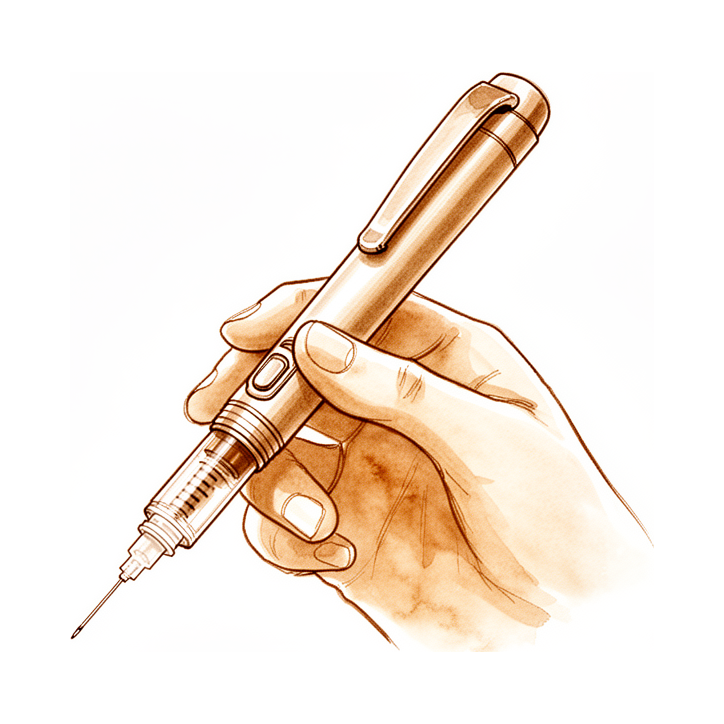
A medical injection pen.
GLP-1 medications are increasingly common and have implications worth discussing before surgery and anaesthesia. Kieran Hirpara 4.0

What you're feeling

You may notice that your body feels different as you prepare for surgery. Many patients find that taking GLP-1 medications helps with weight loss before the procedure. This can make the surgery easier and recovery smoother. You might feel more energy as your weight drops. However, these medicines also change how your stomach works. They slow down digestion. This means food stays in your stomach longer than usual.

Because of this slower digestion, you might feel full very quickly after eating small amounts. You may experience nausea or a feeling of heaviness in your belly. Some people notice heartburn or acid reflux. These symptoms are common when you start the medication or increase the dose. They often happen after meals. You might feel uncomfortable if you eat too fast or choose heavy, fatty foods.

Your surgeon will guide you on whether to stop these medicines before surgery. Current evidence does not recommend stopping them early because it can cause blood sugar spikes and weight regain. Instead, your care team will manage the timing carefully. This helps keep your weight stable and your blood sugar controlled during the healing process.

After surgery, you might wonder how these medicines affect your healing. Research shows that using GLP-1 drugs around the time of joint replacement does not increase the risk of complications in the first 90 days or two years. In fact, some studies suggest a lower risk of infection and readmission. You may heal faster and use fewer hospital resources.

However, these medicines can affect bone health. Some types may increase the risk of fractures. Exenatide is considered the safest option for bone strength among these drugs. Your surgeon will monitor your bones closely. If you have osteoarthritis, or wear-and-tear arthritis, your doctor will watch for any changes. This ensures your joints stay strong as you regain movement.

You might feel anxious about these changes. It is normal to worry about how medicines interact with surgery. Remember that your team has experience with this. They will tailor the plan to your body. Focus on following their instructions for eating and medication timing. This helps you stay safe and comfortable throughout your journey.

What's actually happening

Your body is using these medications to help manage weight and blood sugar. They work by slowing down how fast your stomach empties food. This keeps you feeling full longer and helps your body handle glucose better. For many patients, this is a helpful tool before surgery. It can lead to better early results after joint replacement and may lower the risk of needing to come back to the hospital.

However, this slower digestion changes how your body handles anesthesia and recovery. Because food stays in your stomach longer, there is a higher risk of stomach contents coming up during surgery. This is why your surgeon needs to know you are taking these drugs. It allows them to plan your care safely. Stopping the medication on your own is not recommended. Doing so can cause your blood sugar to spike and make it harder to control your weight.

These medications also interact with your bones and joints in complex ways. They may offer some protection against bone loss in certain patients with diabetes. However, the long-term effects on joint health are still being studied. Some data suggests they might reduce the risk of infection after hip or knee surgery. Other findings are mixed. Your surgeon will weigh these benefits against the risks. They want to ensure your bones and joints are as strong as possible for your procedure.

The goal is to keep you stable. You should not stop taking your prescribed dose before surgery unless your surgeon tells you to. Sudden changes can harm your health more than the surgery itself. Your medical team will guide you on the best timing. This ensures you get the weight and sugar benefits without increasing your surgical risk.

What to expect

You may notice changes in your body as you prepare for surgery. GLP-1 medications help with weight loss and blood sugar control. These tools can improve your early recovery after joint replacement. You might see fewer hospital visits and less strain on medical resources. Some data also links these drugs to a lower risk of infection after hip or knee surgery.

Your surgeon will likely keep you on your medication. Stopping the drug before surgery is not recommended. There is not enough proof that stopping helps. Stopping can instead cause high blood sugar and weight gain. This makes managing your health harder. Your care team wants to keep your weight and blood sugar stable.

You should know that results are not always the same for everyone. Research on these drugs is still growing. While many patients do well, some studies show mixed results. We need more high-quality studies to fully understand the best way to use these drugs around surgery.

Bone health is another part of the picture. These drugs affect how your body handles bone. Exenatide may carry a lower risk of fracture than other options in the same class. There is also ongoing investigation into whether these drugs link to new cases of wear-and-tear arthritis. This is a complex area that your surgeon will monitor closely.

Overall, the outlook is generally positive for those managing weight and diabetes with these tools. You are likely to have a smoother path through your procedure. You may face fewer complications and a quicker return to daily life. Your surgeon will tailor the plan to your specific needs. Stay on your medication as directed. Keep your care team informed of any changes. This approach supports the best possible outcome for your surgery.


Evidence & references

Overview

  • GLP-1 receptor agonists induce delayed gastric emptying, which has implications for perioperative aspiration risk during anesthesia [1].
  • The increasing prevalence of GLP-1 receptor agonist use in patients with obesity presents a new challenge for anesthesiologists [2].
  • High-quality studies are needed to determine optimal perioperative care for patients on GLP-1 receptor agonists [2].
  • GLP-1 receptor agonists show potential to reduce postoperative complications in total joint arthroplasty, but findings remain inconsistent [3].
  • Further research is needed to clarify the impact of GLP-1 receptor agonists on surgical outcomes and establish perioperative management guidelines [3].
  • Conflicting findings regarding the impact of GLP-1 receptor agonists on postoperative outcomes in arthroplasty highlight the need for well-designed multicenter studies and randomized controlled trials [4].
  • Arthroplasty surgeons will encounter an increasing number of patients on GLP-1 agonists, necessitating an understanding of their perioperative implications [5].
  • GLP-1 receptor agonist therapy is not associated with adverse events following shoulder surgery [6].
  • GLP-1 agonist use should not be a contraindication for proceeding with total shoulder arthroplasty [6].
  • Elective preprocedural cessation of GLP-1 receptor agonists and GLP-1/GIP receptor agonists is not recommended due to insufficient data supporting cessation and risks of hyperglycemia and compromised weight control [7].
  • Variability in available studies, potential confounding factors, and severe heterogeneity of conclusions emphasize the need for more high-quality evidence-based primary research to optimize perioperative management of patients taking GLP-1 receptor agonists [8].
  • Narrative reviews explore the mechanisms of action of GLP-1 agonists, their effects on bone health, and their implications in perioperative patients undergoing orthopedic surgery, with an emphasis on spine surgery [9].
  • Semaglutide and other GLP-1 agonists may increase the number of eligible candidates for elective total joint arthroplasty by enabling weight loss and improving diabetic control [10].
  • Semaglutide and other GLP-1 agonists may potentially reduce postoperative complications such as sepsis and prosthetic joint infections [10].
  • GLP-1 receptor agonist use suggests a potential benefit for optimizing high-risk patients with obesity or diabetes undergoing total joint arthroplasty [11].
  • GLP-1 receptor agonists may provide skeletal benefits in type 2 diabetes patients by addressing specific mechanisms underlying diabetic osteopathy [16].
  • The effects of GLP-1 receptor agonists on diabetic osteopathy vary by agent type, patient characteristics, and treatment duration [16].
  • Further investigation is needed to elucidate the association between GLP-1 receptor agonist use and the increased incidence of osteoarthritis diagnosis and conversion to total knee arthroplasty in patients with no preexisting osteoarthritis [19].

Effects on Surgery and Recovery

  • GLP-1 receptor agonists induce delayed gastric emptying, which has implications for perioperative aspiration risk during anesthesia [1].
  • Interdisciplinary collaboration between endocrinologists and anesthesiologists is important to ensure safe and individualized perioperative management of patients on GLP-1 RAs [1].
  • High-quality studies are needed to address the optimal perioperative care of patients on GLP-1RAs [2].
  • GLP-1 receptor agonists show potential to reduce postoperative complications in total joint arthroplasty, but findings remain inconsistent [3].
  • Further research is needed to clarify the impact of GLP-1 receptor agonists on outcomes and establish perioperative management guidelines for total joint arthroplasty [3].
  • Conflicting findings regarding the effects of GLP-1 RAs on surgical outcomes highlight the need for well-designed multicenter studies and randomized controlled trials [4].
  • Arthroplasty surgeons will encounter an increasing number of patients on GLP-1 agonists, necessitating an understanding of their perioperative implications [5].
  • GLP-1 receptor agonist therapy is not associated with adverse events following shoulder surgery [6].
  • GLP-1 agonist use should not be a contraindication for proceeding with total shoulder arthroplasty (TSA) [6].
  • Elective preprocedural cessation of GLP-1RAs and GLP-1/GIPRAs is not recommended due to insufficient data supporting cessation and risks of hyperglycemia and compromised weight control [7].
  • Variability in available studies, potential confounding factors, and severe heterogeneity of conclusions emphasize the need for more high-quality evidence-based primary research to optimize perioperative management of patients taking GLP-1 RAs [8].
  • Narrative reviews explore the mechanisms of action of GLP-1 agonists, their effects on bone health, and their implications in perioperative patients undergoing orthopedic surgery, with an emphasis on spine surgery [9].
  • Semaglutide and other GLP-1 agonists may increase the number of eligible candidates for elective total joint arthroplasty by enabling weight loss and improving diabetic control [10].
  • Semaglutide and other GLP-1 agonists may reduce postoperative complications such as sepsis and prosthetic joint infections in total joint arthroplasty [10].
  • GLP-1RA use has a potential benefit for optimizing high-risk patients with obesity or diabetes undergoing total joint arthroplasty [11].
  • Preoperative glucagon-like peptide-1 receptor agonist use may be linked to reduced readmission risk following joint arthroplasty [12].
  • Preoperative glucagon-like peptide-1 receptor agonist use is not associated with evidence of increased postoperative medical harm following joint arthroplasty [12].
  • Current observational data suggest that perioperative GLP-1 RA use in patients undergoing total hip or knee arthroplasty is not associated with a consistent increase in short-term revision rates [13].
  • Perioperative GLP-1 RA use in patients undergoing total hip or knee arthroplasty may be associated with a reduced risk of postoperative infection [13].
  • Extended GLP-1 RA withholding, 24-hour clear liquid diets, and pre-procedural gastric POCUS may be associated with reduced residual gastric content in selected patient populations [14].
  • Perioperative GLP-1RA use was associated with a small yet statistically significant reduction in the odds of wound dehiscence following carpal tunnel release (CTR) [15].
  • Perioperative GLP-1RA use did not increase the odds of any other 90-day postoperative complications following carpal tunnel release [15].
  • Exenatide is the best option agent with regard to the risk of fracture among GLP-1 receptor agonists [17].
  • GLP-1 receptor agonists are a promising tool for preoperative weight loss in patients with obesity and type-2 diabetes mellitus undergoing orthopaedic surgery [18].

Practical Considerations

  • GLP-1 receptor agonists induce delayed gastric emptying, which has implications for perioperative aspiration risk during anesthesia [1].
  • Interdisciplinary collaboration between endocrinologists and anesthesiologists is important to ensure safe and individualized perioperative management of patients on GLP-1 RAs [1].
  • The increasing prevalence of GLP-1 RA use in patients with obesity presents a new challenge for anesthesiologists regarding perioperative care [2].
  • High-quality studies are needed to address the optimal perioperative care of patients on GLP-1 RAs [2].
  • Arthroplasty surgeons will encounter an increasing number of patients on GLP-1 agonists, necessitating an understanding of their perioperative implications [5].
  • GLP-1 receptor agonists show potential to reduce postoperative complications in total joint arthroplasty, but findings remain inconsistent [3].
  • Further research is needed to clarify the impact of GLP-1 RAs on outcomes and establish perioperative management guidelines for total joint arthroplasty [3].
  • Conflicting findings regarding the effects of GLP-1 RAs on surgical outcomes highlight the need for further research, including well-designed multicenter studies and randomized controlled trials [4].
  • GLP-1 receptor agonist therapy is not associated with adverse events following shoulder surgery [6].
  • GLP-1 agonist use should not be a contraindication for proceeding with total shoulder arthroplasty (TSA) [6].
  • Elective preprocedural cessation of GLP-1 RAs and GLP-1/GIP RAs is not recommended due to insufficient data supporting cessation and the risks of hyperglycemia and compromised weight control [7].
  • Variability in available studies, potential confounding factors, and severe heterogeneity of conclusions emphasize the need for more high-quality evidence-based primary research to optimize perioperative management of patients taking GLP-1 RAs [8].
  • Narrative reviews explore the mechanisms of action of GLP-1 agonists, their effects on bone health, and their implications for perioperative patients undergoing orthopedic surgery, with an emphasis on spine surgery [9].
  • Semaglutide and other GLP-1 agonists may increase the number of eligible candidates for elective total joint arthroplasty by enabling weight loss and improving diabetic control [10].
  • Semaglutide and other GLP-1 agonists may reduce postoperative complications such as sepsis and prosthetic joint infections in total joint arthroplasty [10].
  • GLP-1 RA use may benefit high-risk patients with obesity or diabetes undergoing total joint arthroplasty [11].
  • Preoperative GLP-1 receptor agonist use may be linked to reduced readmission risk following joint arthroplasty [12].
  • Preoperative GLP-1 receptor agonist use is not associated with evidence of increased postoperative medical harm in joint arthroplasty [12].
  • Current observational data suggest that perioperative GLP-1 RA use in patients undergoing total hip or knee arthroplasty is not associated with a consistent increase in short-term revision rates [13].
  • Perioperative GLP-1 RA use in patients undergoing total hip or knee arthroplasty may be associated with a reduced risk of postoperative infection [13].

Key Evidence

  • [L4] This review summarizes the pharmacological mechanisms and clinical implications of GLP-1 RA-induced delayed gastric emptying, evaluates current literature on perioperative aspiration risk, and emphasizes the importance of interdisciplinary collaboration between endocrinologists and anesthesiologists to ensure safe and individualized perioperative management. [1] (10.3904/kjim.2025.277)
  • [L4] Due to the increasing popularity of GLP-1RAs in patients with obesity, the authors call for further high-quality studies to address the optimal perioperative care of patients on GLP-1RAs. [2] (10.5114/ait/203167)
  • [L5] The paper concludes that while GLP-1 receptor agonists show potential to reduce postoperative complications in total joint arthroplasty, findings remain inconsistent, and further research is needed to clarify their impact on outcomes and establish perioperative management guidelines. [3] (10.1016/j.arth.2025.10.027)
  • [L4] However, conflicting findings highlight the need for further research, particularly well-designed multicenter studies and randomized controlled trials, to clarify the effects of GLP-1 RAs on surgical outcomes. [4] (10.1016/j.arth.2025.07.015)
  • [L5] Arthroplasty surgeons will encounter an increasing number of patients on GLP-1 agonists, making it important to understand the implications of their use in the perioperative period. [5] (10.1016/j.arth.2023.12.002)
  • [L1] Based on this data, GLP-1 agonist use should not be a contraindication for proceeding with TSA. [6] (10.1016/j.jse.2025.12.005)
  • [L2] The variability in available studies, potential confounding factors, and the severe heterogeneity of conclusions all emphasize the need for more high-quality evidence-based primary research to optimize perioperative management of patients taking GLP-1 RAs. [8] (10.1186/s13741-026-00662-9)
  • [L4] This narrative review explores the mechanisms of action of GLP-1 agonists, their effects on bone health, and the implications of their use in perioperative patients undergoing orthopedic surgery, with an emphasis on spine surgery. [9] (10.1177/15563316261438492)
  • [L5] Semaglutide and other GLP-1 agonists may increase the number of eligible candidates for elective total joint arthroplasty by enabling weight loss and improving diabetic control, while also potentially reducing postoperative complications such as sepsis and prosthetic joint infections. [10] (10.1016/j.arth.2023.12.014)
  • [L1] These findings suggest a potential benefit of GLP-1RA use for optimizing high-risk patients who have obesity or diabetes undergoing total joint arthroplasty. [11] (10.1016/j.arth.2025.09.054)
  • [L1] Preoperative glucagon-like peptide-1 receptor agonist use may be linked to reduced readmission risk following joint arthroplasty, without evidence of increased postoperative medical harm. [12] (10.1016/j.arth.2025.11.036)
  • [L4] Current observational data suggest that perioperative GLP-1 RA use in patients undergoing total hip or knee arthroplasty is not associated with a consistent increase in short-term revision rates and may be associated with a reduced risk of postoperative infection. [13] (10.1186/s42836-026-00375-w)
  • [L4] Available observational evidence suggests that extended GLP-1 RA withholding, 24-hour clear liquid diets, and pre-procedural gastric POCUS may be associated with reduced residual gastric content in selected patient populations. [14] (10.7759/cureus.108216)
  • [L3] Perioperative GLP-1RA use was associated with a small yet statistically significant reduction in the odds of wound dehiscence following CTR and did not increase the odds of any other 90-day postoperative complications. [15] (10.1016/j.jhsg.2025.100746)
  • [L1] GLP-1 RAs may provide skeletal benefits in T2DM patients by addressing specific mechanisms underlying diabetic osteopathy, with effects varying by agent type, patient characteristics, and treatment duration. [16] (10.1186/s12891-025-09022-y)
  • [L1] Exenatide is the best option agent with regard to the risk of fracture. [17] (10.1007/s00198-018-4649-8)
  • [L5] GLP-1 receptor agonists are a promising tool for preoperative weight loss in patients with obesity and type-2 diabetes mellitus undergoing orthopaedic surgery. [18] (10.2106/jbjs.24.01287)
  • [L3] Further investigation is needed to elucidate the association between GLP-1-RA use and the increased incidence of OA diagnosis and conversion to TKA in patients with no preexisting OA. [19] (10.1177/23259671241297157)

References

[1] Delayed gastric emptying induced by glucagon-like peptide-1 receptor agonists and its implications for perioperative risk during anesthesia. The Korean Journal of Internal Medicine. 2026. DOI: 10.3904/kjim.2025.277 [2] GLP-1 agonists: a new hope for patients, a new challenge for anaesthetists. Anaesthesiology Intensive Therapy. 2025. DOI: 10.5114/ait/203167 [3] Glucagon-Like Peptide-1 Receptor Agonists: Have We Found the Holy Grail for Total Joint Arthroplasty?. The Journal of Arthroplasty. 2025. DOI: 10.1016/j.arth.2025.10.027 [4] Impact of Glucagon-Like Peptide-1 Receptor Agonists on Postoperative Outcomes in Arthroplasty: A Systematic Review. The Journal of Arthroplasty. 2025. DOI: 10.1016/j.arth.2025.07.015 [5] The Impact of Glucagon-Like Peptide-1 Agonists on Hip and Knee Arthroplasty and Perioperative Considerations. The Journal of Arthroplasty. 2024. DOI: 10.1016/j.arth.2023.12.002 [6] GLP-1 receptor agonist therapy is not associated with adverse events following shoulder surgery: a systematic review and meta-analysis. Journal of Shoulder and Elbow Surgery. 2026. DOI: 10.1016/j.jse.2025.12.005 [7] Periprocedural use of GLP-1 receptor agonists: ANZCA Clinical Practice Recommendations. ANZCA. 2025. [8] Perioperative anesthesia management of GLP-1 receptor agonists: a systematic review of potential risks. Perioperative Medicine. 2026. DOI: 10.1186/s13741-026-00662-9 [9] GLP-1 Agonists in Orthopedic Surgery: A Narrative Review of Bone Health and Surgical Implications. HSS Journal. 2026. DOI: 10.1177/15563316261438492 [10] Semaglutide and Other GLP-1 Agonists: A Boon for the Arthroplasty Industry?. The Journal of Arthroplasty. 2024. DOI: 10.1016/j.arth.2023.12.014 [11] The Impact of Glucagon-Like Peptide-1 Receptor Agonist Use on Clinical Outcomes After Total Hip and Knee Arthroplasty: A Systematic Review and Meta-Analysis of 346,899 Patients. The Journal of Arthroplasty. 2025. DOI: 10.1016/j.arth.2025.09.054 [12] Glucagon-Like Peptide-1 Receptor Agonists, Readmission, and Postoperative Complications in Arthroplasty: A Systematic Review and Meta-Analysis. The Journal of Arthroplasty. 2025. DOI: 10.1016/j.arth.2025.11.036 [13] Glucagon-like peptide-1 receptor agonists in total joint arthroplasty: a comprehensive systematic review of what orthopaedic surgeons should know. Arthroplasty. 2026. DOI: 10.1186/s42836-026-00375-w [14] Peri-Procedural Fasting and Gastric Ultrasound Strategies in Glucagon-Like Peptide-1 (GLP-1) Receptor Agonist Users: A Systematic Review With Qualitative Synthesis. Cureus. 2026. DOI: 10.7759/cureus.108216 [15] Impact of Perioperative Glucagon-Like Peptide-1 Receptor Agonists on Postoperative Outcomes Following Carpal Tunnel Release. Journal of Hand Surgery Global Online. 2025. DOI: 10.1016/j.jhsg.2025.100746 [16] Differential effects of GLP-1 receptor agonists on diabetic osteopathy in type 2 diabetes: a patient-stratified network meta-analysis. BMC Musculoskeletal Disorders. 2025. DOI: 10.1186/s12891-025-09022-y [17] Glucagon-like peptide-1 receptor agonists and fracture risk: a network meta-analysis of randomized clinical trials. Osteoporosis International. 2018. DOI: 10.1007/s00198-018-4649-8 [18] GLP-1 Receptor Agonists in Orthopaedic Surgery: Implications for Perioperative Care and Outcomes. Journal of Bone and Joint Surgery. 2025. DOI: 10.2106/jbjs.24.01287 [19] The Impact of Contemporary Glucagon-like Peptide-1 Receptor Agonists on the Onset, Severity, and Conversion to Arthroplasty in Hip and Knee Osteoarthritis. Orthopaedic Journal of Sports Medicine. 2025. DOI: 10.1177/23259671241297157

Creative Commons BY-NC 4.0

CC Creative Commons licence
BY Attribution — you must credit the source
NC NonCommercial — not for commercial use

Attribution-NonCommercial 4.0 International


Creative Commons Corporation ("Creative Commons") is not a law firm and does not provide legal services or legal advice. Distribution of Creative Commons public licenses does not create a lawyer-client or other relationship. Creative Commons makes its licenses and related information available on an "as-is" basis. Creative Commons gives no warranties regarding its licenses, any material licensed under their terms and conditions, or any related information. Creative Commons disclaims all liability for damages resulting from their use to the fullest extent possible.

Using Creative Commons Public Licenses

Creative Commons public licenses provide a standard set of terms and conditions that creators and other rights holders may use to share original works of authorship and other material subject to copyright and certain other rights specified in the public license below. The following considerations are for informational purposes only, are not exhaustive, and do not form part of our licenses.

Considerations for licensors: Our public licenses are intended for use by those authorized to give the public permission to use material in ways otherwise restricted by copyright and certain other rights. Our licenses are irrevocable. Licensors should read and understand the terms and conditions of the license they choose before applying it. Licensors should also secure all rights necessary before applying our licenses so that the public can reuse the material as expected. Licensors should clearly mark any material not subject to the license. This includes other CC- licensed material, or material used under an exception or limitation to copyright. More considerations for licensors: wiki.creativecommons.org/Considerations_for_licensors

Considerations for the public: By using one of our public licenses, a licensor grants the public permission to use the licensed material under specified terms and conditions. If the licensor's permission is not necessary for any reason--for example, because of any applicable exception or limitation to copyright--then that use is not regulated by the license. Our licenses grant only permissions under copyright and certain other rights that a licensor has authority to grant. Use of the licensed material may still be restricted for other reasons, including because others have copyright or other rights in the material. A licensor may make special requests, such as asking that all changes be marked or described. Although not required by our licenses, you are encouraged to respect those requests where reasonable. More considerations for the public: wiki.creativecommons.org/Considerations_for_licensees


Creative Commons Attribution-NonCommercial 4.0 International Public License

By exercising the Licensed Rights (defined below), You accept and agree to be bound by the terms and conditions of this Creative Commons Attribution-NonCommercial 4.0 International Public License ("Public License"). To the extent this Public License may be interpreted as a contract, You are granted the Licensed Rights in consideration of Your acceptance of these terms and conditions, and the Licensor grants You such rights in consideration of benefits the Licensor receives from making the Licensed Material available under these terms and conditions.

Section 1 -- Definitions.

a. Adapted Material means material subject to Copyright and Similar Rights that is derived from or based upon the Licensed Material and in which the Licensed Material is translated, altered, arranged, transformed, or otherwise modified in a manner requiring permission under the Copyright and Similar Rights held by the Licensor. For purposes of this Public License, where the Licensed Material is a musical work, performance, or sound recording, Adapted Material is always produced where the Licensed Material is synched in timed relation with a moving image.

b. Adapter's License means the license You apply to Your Copyright and Similar Rights in Your contributions to Adapted Material in accordance with the terms and conditions of this Public License.

c. Copyright and Similar Rights means copyright and/or similar rights closely related to copyright including, without limitation, performance, broadcast, sound recording, and Sui Generis Database Rights, without regard to how the rights are labeled or categorized. For purposes of this Public License, the rights specified in Section 2(b)(1)-(2) are not Copyright and Similar Rights.

d. Effective Technological Measures means those measures that, in the absence of proper authority, may not be circumvented under laws fulfilling obligations under Article 11 of the WIPO Copyright Treaty adopted on December 20, 1996, and/or similar international agreements.

e. Exceptions and Limitations means fair use, fair dealing, and/or any other exception or limitation to Copyright and Similar Rights that applies to Your use of the Licensed Material.

f. Licensed Material means the artistic or literary work, database, or other material to which the Licensor applied this Public License.

g. Licensed Rights means the rights granted to You subject to the terms and conditions of this Public License, which are limited to all Copyright and Similar Rights that apply to Your use of the Licensed Material and that the Licensor has authority to license.

h. Licensor means the individual(s) or entity(ies) granting rights under this Public License.

i. NonCommercial means not primarily intended for or directed towards commercial advantage or monetary compensation. For purposes of this Public License, the exchange of the Licensed Material for other material subject to Copyright and Similar Rights by digital file-sharing or similar means is NonCommercial provided there is no payment of monetary compensation in connection with the exchange.

j. Share means to provide material to the public by any means or process that requires permission under the Licensed Rights, such as reproduction, public display, public performance, distribution, dissemination, communication, or importation, and to make material available to the public including in ways that members of the public may access the material from a place and at a time individually chosen by them.

k. Sui Generis Database Rights means rights other than copyright resulting from Directive 96/9/EC of the European Parliament and of the Council of 11 March 1996 on the legal protection of databases, as amended and/or succeeded, as well as other essentially equivalent rights anywhere in the world.

l. You means the individual or entity exercising the Licensed Rights under this Public License. Your has a corresponding meaning.

Section 2 -- Scope.

a. License grant.

1. Subject to the terms and conditions of this Public License, the Licensor hereby grants You a worldwide, royalty-free, non-sublicensable, non-exclusive, irrevocable license to exercise the Licensed Rights in the Licensed Material to:

a. reproduce and Share the Licensed Material, in whole or in part, for NonCommercial purposes only; and

b. produce, reproduce, and Share Adapted Material for NonCommercial purposes only.

2. Exceptions and Limitations. For the avoidance of doubt, where Exceptions and Limitations apply to Your use, this Public License does not apply, and You do not need to comply with its terms and conditions.

3. Term. The term of this Public License is specified in Section 6(a).

4. Media and formats; technical modifications allowed. The Licensor authorizes You to exercise the Licensed Rights in all media and formats whether now known or hereafter created, and to make technical modifications necessary to do so. The Licensor waives and/or agrees not to assert any right or authority to forbid You from making technical modifications necessary to exercise the Licensed Rights, including technical modifications necessary to circumvent Effective Technological Measures. For purposes of this Public License, simply making modifications authorized by this Section 2(a) (4) never produces Adapted Material.

5. Downstream recipients.

a. Offer from the Licensor -- Licensed Material. Every recipient of the Licensed Material automatically receives an offer from the Licensor to exercise the Licensed Rights under the terms and conditions of this Public License.

b. No downstream restrictions. You may not offer or impose any additional or different terms or conditions on, or apply any Effective Technological Measures to, the Licensed Material if doing so restricts exercise of the Licensed Rights by any recipient of the Licensed Material.

6. No endorsement. Nothing in this Public License constitutes or may be construed as permission to assert or imply that You are, or that Your use of the Licensed Material is, connected with, or sponsored, endorsed, or granted official status by, the Licensor or others designated to receive attribution as provided in Section 3(a)(1)(A)(i).

b. Other rights.

1. Moral rights, such as the right of integrity, are not licensed under this Public License, nor are publicity, privacy, and/or other similar personality rights; however, to the extent possible, the Licensor waives and/or agrees not to assert any such rights held by the Licensor to the limited extent necessary to allow You to exercise the Licensed Rights, but not otherwise.

2. Patent and trademark rights are not licensed under this Public License.

3. To the extent possible, the Licensor waives any right to collect royalties from You for the exercise of the Licensed Rights, whether directly or through a collecting society under any voluntary or waivable statutory or compulsory licensing scheme. In all other cases the Licensor expressly reserves any right to collect such royalties, including when the Licensed Material is used other than for NonCommercial purposes.

Section 3 -- License Conditions.

Your exercise of the Licensed Rights is expressly made subject to the following conditions.

a. Attribution.

1. If You Share the Licensed Material (including in modified form), You must:

a. retain the following if it is supplied by the Licensor with the Licensed Material:

i. identification of the creator(s) of the Licensed Material and any others designated to receive attribution, in any reasonable manner requested by the Licensor (including by pseudonym if designated);

ii. a copyright notice;

iii. a notice that refers to this Public License;

iv. a notice that refers to the disclaimer of warranties;

v. a URI or hyperlink to the Licensed Material to the extent reasonably practicable;

b. indicate if You modified the Licensed Material and retain an indication of any previous modifications; and

c. indicate the Licensed Material is licensed under this Public License, and include the text of, or the URI or hyperlink to, this Public License.

2. You may satisfy the conditions in Section 3(a)(1) in any reasonable manner based on the medium, means, and context in which You Share the Licensed Material. For example, it may be reasonable to satisfy the conditions by providing a URI or hyperlink to a resource that includes the required information.

3. If requested by the Licensor, You must remove any of the information required by Section 3(a)(1)(A) to the extent reasonably practicable.

4. If You Share Adapted Material You produce, the Adapter's License You apply must not prevent recipients of the Adapted Material from complying with this Public License.

Section 4 -- Sui Generis Database Rights.

Where the Licensed Rights include Sui Generis Database Rights that apply to Your use of the Licensed Material:

a. for the avoidance of doubt, Section 2(a)(1) grants You the right to extract, reuse, reproduce, and Share all or a substantial portion of the contents of the database for NonCommercial purposes only;

b. if You include all or a substantial portion of the database contents in a database in which You have Sui Generis Database Rights, then the database in which You have Sui Generis Database Rights (but not its individual contents) is Adapted Material; and

c. You must comply with the conditions in Section 3(a) if You Share all or a substantial portion of the contents of the database.

For the avoidance of doubt, this Section 4 supplements and does not replace Your obligations under this Public License where the Licensed Rights include other Copyright and Similar Rights.

Section 5 -- Disclaimer of Warranties and Limitation of Liability.

a. UNLESS OTHERWISE SEPARATELY UNDERTAKEN BY THE LICENSOR, TO THE EXTENT POSSIBLE, THE LICENSOR OFFERS THE LICENSED MATERIAL AS-IS AND AS-AVAILABLE, AND MAKES NO REPRESENTATIONS OR WARRANTIES OF ANY KIND CONCERNING THE LICENSED MATERIAL, WHETHER EXPRESS, IMPLIED, STATUTORY, OR OTHER. THIS INCLUDES, WITHOUT LIMITATION, WARRANTIES OF TITLE, MERCHANTABILITY, FITNESS FOR A PARTICULAR PURPOSE, NON-INFRINGEMENT, ABSENCE OF LATENT OR OTHER DEFECTS, ACCURACY, OR THE PRESENCE OR ABSENCE OF ERRORS, WHETHER OR NOT KNOWN OR DISCOVERABLE. WHERE DISCLAIMERS OF WARRANTIES ARE NOT ALLOWED IN FULL OR IN PART, THIS DISCLAIMER MAY NOT APPLY TO YOU.

b. TO THE EXTENT POSSIBLE, IN NO EVENT WILL THE LICENSOR BE LIABLE TO YOU ON ANY LEGAL THEORY (INCLUDING, WITHOUT LIMITATION, NEGLIGENCE) OR OTHERWISE FOR ANY DIRECT, SPECIAL, INDIRECT, INCIDENTAL, CONSEQUENTIAL, PUNITIVE, EXEMPLARY, OR OTHER LOSSES, COSTS, EXPENSES, OR DAMAGES ARISING OUT OF THIS PUBLIC LICENSE OR USE OF THE LICENSED MATERIAL, EVEN IF THE LICENSOR HAS BEEN ADVISED OF THE POSSIBILITY OF SUCH LOSSES, COSTS, EXPENSES, OR DAMAGES. WHERE A LIMITATION OF LIABILITY IS NOT ALLOWED IN FULL OR IN PART, THIS LIMITATION MAY NOT APPLY TO YOU.

c. The disclaimer of warranties and limitation of liability provided above shall be interpreted in a manner that, to the extent possible, most closely approximates an absolute disclaimer and waiver of all liability.

Section 6 -- Term and Termination.

a. This Public License applies for the term of the Copyright and Similar Rights licensed here. However, if You fail to comply with this Public License, then Your rights under this Public License terminate automatically.

b. Where Your right to use the Licensed Material has terminated under Section 6(a), it reinstates:

1. automatically as of the date the violation is cured, provided it is cured within 30 days of Your discovery of the violation; or

2. upon express reinstatement by the Licensor.

For the avoidance of doubt, this Section 6(b) does not affect any right the Licensor may have to seek remedies for Your violations of this Public License.

c. For the avoidance of doubt, the Licensor may also offer the Licensed Material under separate terms or conditions or stop distributing the Licensed Material at any time; however, doing so will not terminate this Public License.

d. Sections 1, 5, 6, 7, and 8 survive termination of this Public License.

Section 7 -- Other Terms and Conditions.

a. The Licensor shall not be bound by any additional or different terms or conditions communicated by You unless expressly agreed.

b. Any arrangements, understandings, or agreements regarding the Licensed Material not stated herein are separate from and independent of the terms and conditions of this Public License.

Section 8 -- Interpretation.

a. For the avoidance of doubt, this Public License does not, and shall not be interpreted to, reduce, limit, restrict, or impose conditions on any use of the Licensed Material that could lawfully be made without permission under this Public License.

b. To the extent possible, if any provision of this Public License is deemed unenforceable, it shall be automatically reformed to the minimum extent necessary to make it enforceable. If the provision cannot be reformed, it shall be severed from this Public License without affecting the enforceability of the remaining terms and conditions.

c. No term or condition of this Public License will be waived and no failure to comply consented to unless expressly agreed to by the Licensor.

d. Nothing in this Public License constitutes or may be interpreted as a limitation upon, or waiver of, any privileges and immunities that apply to the Licensor or You, including from the legal processes of any jurisdiction or authority.


Creative Commons is not a party to its public licenses. Notwithstanding, Creative Commons may elect to apply one of its public licenses to material it publishes and in those instances will be considered the “Licensor.” The text of the Creative Commons public licenses is dedicated to the public domain under the CC0 Public Domain Dedication. Except for the limited purpose of indicating that material is shared under a Creative Commons public license or as otherwise permitted by the Creative Commons policies published at creativecommons.org/policies, Creative Commons does not authorize the use of the trademark "Creative Commons" or any other trademark or logo of Creative Commons without its prior written consent including, without limitation, in connection with any unauthorized modifications to any of its public licenses or any other arrangements, understandings, or agreements concerning use of licensed material. For the avoidance of doubt, this paragraph does not form part of the public licenses.

Creative Commons may be contacted at creativecommons.org.