Patients › General-Health
Hút thuốc và quá trình lành xương, khớp, gân
How smoking and nicotine affect bone healing, fracture union, spinal fusion, tendon and wound healing, and surgical complications — and the benefits of stopping before surgery.
Định nghĩa
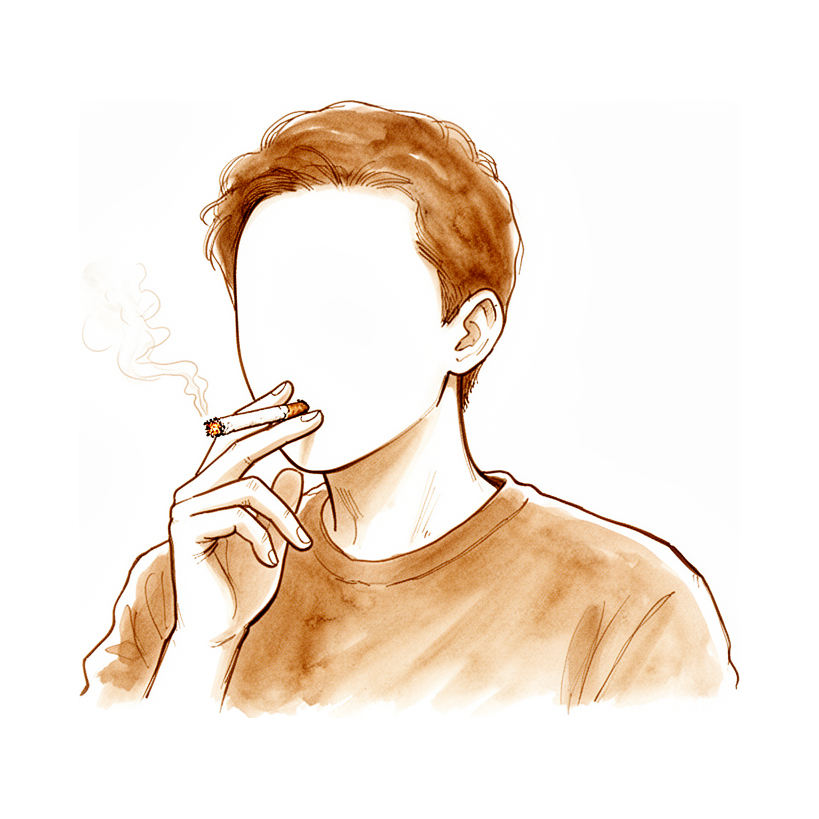
Hút thuốc ảnh hưởng đến nhiều thứ hơn là phổi và tim của bạn. Nó còn làm chậm khả năng lành thương của cơ thể sau phẫu thuật xương, khớp, gân và dây chằng. Trang này giải thích lý do, và điều đó có ý nghĩa gì đối với ca phẫu thuật của bạn.
Nicotine, chất gây nghiện trong thuốc lá, làm co hẹp các mạch máu nhỏ vận chuyển oxy và chất dinh dưỡng đến mô đang lành. Nó có tác động phụ thuộc vào liều lượng đối với quá trình lành xương, sự phát triển của xương và sự gắn kết của dụng cụ cấy ghép [1]. Điều đó có nghĩa là cơ thể bạn nhận càng nhiều nicotine thì quá trình lành thương càng có thể bị cản trở nhiều. Xương cần được cung cấp máu ổn định để liền lại, và dụng cụ cấy ghép cần xương khỏe mạnh để bám chắc vào.
Những tác động này xuất hiện ở nhiều loại phẫu thuật. Người hút thuốc có nguy cơ cao hơn gặp các biến chứng nội khoa và ngoại khoa sau phẫu thuật thay khớp háng hoặc khớp gối theo kế hoạch [2]. Sau phẫu thuật khâu chóp xoay, các sản phẩm thuốc lá làm nóng có tác hại đối với quá trình lành gân tương tự như thuốc lá điếu [3]. Thuốc lá không khói có liên quan đến nhiều biến chứng hơn sau phẫu thuật tái tạo dây chằng chéo trước (ACL) [4, 5] và sau phẫu thuật thay khớp háng [6]. Với phẫu thuật gãy xương cổ chân và xương gót, hút thuốc làm tăng nguy cơ nhiễm trùng vết mổ [7]. Nghiện nicotine trước phẫu thuật gãy xương cánh tay trên làm tăng 60-110% nguy cơ biến chứng như nhiễm trùng, toác vết mổ, không liền xương (vết gãy không lành được) và phải mổ lại [8].
Tin tốt là hút thuốc là một yếu tố nguy cơ có thể thay đổi được [9, 10]. Điều đó có nghĩa là bạn có thể thay đổi nó. Bỏ thuốc là điều quan trọng. Những người đã bỏ thuốc hơn 6 tháng trước phẫu thuật khâu chóp xoay không cho thấy sự gia tăng có thể phát hiện được về nhiễm trùng hoặc phẫu thuật chỉnh sửa so với những người chưa bao giờ hút thuốc [11]. Bác sĩ có thể trao đổi với bạn về việc bỏ thuốc, và về các lựa chọn liệu pháp thay thế nicotine, từ rất lâu trước ngày phẫu thuật.
Phẫu thuật có hiệu quả không?
Câu trả lời trung thực là phẫu thuật vẫn có thể hiệu quả với người hút thuốc, nhưng bằng chứng cho thấy nó thường kém hiệu quả hơn. Các nghiên cứu về thay khớp vai cho thấy những người đang hút thuốc có thể có chức năng kém hơn sau phẫu thuật so với những người chưa bao giờ hút thuốc hoặc đã bỏ thuốc [12]. Tỷ lệ biến chứng và phẫu thuật chỉnh sửa là tương tự nhau giữa các nhóm [12]. Vì vậy, bản thân khớp nhân tạo có thể vẫn bền, nhưng cảm giác và khả năng cử động của vai bạn có thể không đạt được mức tương tự.
Bản thân nicotine, kể cả khi không có thuốc lá, cũng có ảnh hưởng. Nghiên cứu về thay khớp vai cho thấy nghiện nicotine từ các nguồn không phải hút thuốc có liên quan đến nhiều trường hợp toác vết mổ và nhiễm trùng hơn trong 90 ngày đầu, cũng như nhiều trường hợp lỏng khớp nhân tạo và nhiễm trùng khớp hơn sau 2 năm [13]. Sau phẫu thuật nội soi khâu chóp xoay, những người nghiện nicotine cần khâu lại chóp xoay nhiều hơn và cần nhiều thủ thuật hơn để giải phóng vai bị cứng hoặc làm sạch khớp, ở cả thời điểm 2 và 5 năm [14].
Xu hướng tương tự cũng xuất hiện ở những nơi khác. Sau phẫu thuật tái tạo dây chằng chéo trước, những người chưa bao giờ hút thuốc có khả năng đạt được chức năng đầu gối tốt cao hơn so với người hút thuốc [15]. Với phẫu thuật thay khớp gối, hút thuốc dường như ảnh hưởng đến giai đoạn hồi phục sớm chứ không chỉ riêng mức độ đau [16]. Với phẫu thuật gãy xương, tác động của nicotine lên quá trình lành xương phụ thuộc vào liều lượng, và điều này đã được chứng minh trong các nghiên cứu trên động vật và trong phòng thí nghiệm [1]. Các phẫu thuật viên được khuyến cáo hỏi mọi người bệnh bị gãy xương thuyền, một xương nhỏ ở cổ tay, xem họ có hút thuốc hoặc dùng thuốc lá không khói hay không, vì cả hai đều làm tăng khả năng vết gãy không liền được [17].
Một số bằng chứng này mạnh hơn những bằng chứng khác. Phần lớn đến từ hồ sơ bệnh án của số lượng lớn người bệnh chứ không phải từ các thử nghiệm trong đó người tham gia được chia nhóm ngẫu nhiên. Một vài kết quả không đồng nhất. Một nghiên cứu cho thấy hút thuốc có nguy cơ biến chứng cao hơn so với thuốc lá không khói sau phẫu thuật thay khớp gối [18], điều này gợi ý rằng không có sản phẩm thuốc lá nào là an toàn rõ ràng trong khoảng thời gian phẫu thuật.
Ý nghĩa của điều này đối với bạn rất đơn giản. Bỏ thuốc trước ca mổ mang lại cho cơ thể bạn cơ hội tốt nhất để lành tốt, và bạn bỏ càng sớm thì càng tốt.
Những rủi ro là gì?
Những rủi ro chính là những rủi ro đã được mô tả ở trên: lành thương chậm hơn, các vấn đề về vết mổ và nhiễm trùng. Nhưng có một số chi tiết bạn nên biết.
Nicotine từ bất kỳ nguồn nào, không chỉ thuốc lá điếu, đều làm tăng khả năng toác vết mổ, nhiễm trùng và nhiễm trùng lan rộng nghiêm trọng trong 90 ngày đầu sau phẫu thuật thay khớp vai [13]. Nó cũng làm tăng khả năng khớp nhân tạo bị lỏng hoặc bị nhiễm trùng sau 2 năm [13]. Điều này bao gồm cả nicotine từ túi ngậm, kẹo cao su hoặc các sản phẩm khác hoàn toàn không chứa thuốc lá.
Một số rủi ro phụ thuộc vào vị trí bạn được phẫu thuật. Hút thuốc làm tăng nguy cơ nhiễm trùng vết mổ sau phẫu thuật gãy xương cổ chân và xương gót [7]. Sau phẫu thuật thay khớp gối, hút thuốc dường như ảnh hưởng nhiều nhất đến giai đoạn hồi phục sớm [16]. Với gãy xương thuyền, một xương nhỏ ở cổ tay, cả hút thuốc và việc dùng thuốc lá không khói đều được xem là dấu hiệu cảnh báo xương có thể không liền được [17].
Không phải rủi ro nào cũng đã được xác nhận. Một nghiên cứu về một loại phẫu thuật cột sống thắt lưng cụ thể cho thấy hút thuốc không làm chậm quá trình liền xương (hàn xương) khi sử dụng một kỹ thuật tiêu chuẩn [19]. Các kỹ thuật mới hơn và các chất bổ trợ giúp liền xương có thể bù đắp phần nào tác động của hút thuốc trong trường hợp đó [20]. Vì vậy, bức tranh không giống nhau đối với mọi ca phẫu thuật.
Rủi ro rõ ràng nhất lại là rủi ro bạn có thể thay đổi. Nicotine là một yếu tố nguy cơ có thể thay đổi được trong phẫu thuật chóp xoay [10]. Bỏ thuốc hơn 6 tháng trước phẫu thuật khâu chóp xoay không cho thấy sự gia tăng có thể phát hiện được về nhiễm trùng hoặc phẫu thuật chỉnh sửa so với những người chưa bao giờ hút thuốc [11].
Liệu phẫu thuật có phù hợp với bạn không?
Không có câu trả lời có hay không đơn giản ở đây. Hút thuốc không loại bạn khỏi phẫu thuật, nhưng nó làm thay đổi cuộc trao đổi mà bạn và bác sĩ cần có. Bằng chứng cho thấy thuốc lá và nicotine ảnh hưởng đến quá trình lành thương ở nhiều loại phẫu thuật, từ gãy xương cổ tay đến thay khớp vai và khớp gối. Vì vậy, câu hỏi không nằm nhiều ở việc bạn có thể phẫu thuật hay không, mà ở việc làm thế nào để cơ thể bạn có cơ hội tốt nhất để lành tốt.
Đó là lý do việc sàng lọc là quan trọng. Các phẫu thuật viên được khuyến cáo hỏi mọi người bệnh bị gãy xương thuyền xem họ có hút thuốc hoặc dùng thuốc lá không khói hay không [17], và hỏi về mọi hình thức sử dụng thuốc lá trước phẫu thuật tái tạo dây chằng chéo trước [4, 5]. Nicotine từ các nguồn không phải thuốc lá cũng là một phần của việc kiểm tra đó [21]. Nếu bạn sử dụng bất kỳ sản phẩm nào trong số này, việc cho bác sĩ biết sớm giúp bạn có thể lên kế hoạch phù hợp, bao gồm cả việc bỏ thuốc từ rất lâu trước ngày phẫu thuật.
Một số tình huống cần được chăm sóc thêm. Nếu bạn đang hút thuốc hoặc mới bỏ thuốc gần đây và sắp phẫu thuật thay khớp vai, nghiên cứu gợi ý rằng nằm viện ít nhất 2 đêm có thể giúp ích trong giai đoạn hồi phục sớm [22]. Và sau phẫu thuật thay khớp gối, hút thuốc dường như ảnh hưởng nhiều nhất đến giai đoạn hồi phục sớm [16], vì vậy việc theo dõi sát hơn trong những tuần đầu tiên có thể tạo ra sự khác biệt.
Đây là một quyết định chung. Hãy thẳng thắn nói về việc hút thuốc hoặc sử dụng nicotine của bạn, hỏi xem điều đó có ý nghĩa gì đối với ca phẫu thuật cụ thể của bạn, và cân nhắc các rủi ro được mô tả trong phần ở trên so với lợi ích mà bạn hy vọng đạt được. Bác sĩ có thể giúp bạn quyết định về thời điểm, và liệu việc bỏ thuốc trước có hợp lý đối với bạn hay không.
Tóm lại
Nếu bạn hút thuốc hoặc sử dụng nicotine dưới bất kỳ hình thức nào, bạn nên ngừng trước ca phẫu thuật. Bỏ thuốc là yếu tố nguy cơ duy nhất mà bạn có thể thay đổi, và bạn bỏ càng sớm thì càng tốt. Phẫu thuật vẫn có thể hiệu quả với người hút thuốc, nhưng cơ thể bạn sẽ có cơ hội lành tốt hơn khi không bị nicotine làm chậm lại. Lưu ý chính: nicotine từ bất kỳ nguồn nào, kể cả túi ngậm và kẹo cao su, cũng ảnh hưởng đến quá trình lành thương, vì vậy chỉ ngừng thuốc lá thôi có thể là chưa đủ.
Tài liệu tham khảo
[1] The effect of non-tobacco nicotine on bone healing: a systematic review and application to total joint arthroplasty. Journal of Orthopaedic Surgery and Research. 2026. DOI: 10.1186/s13018-026-06733-3
[2] Should Smoking Cessation Be Recommended and Required for Patients Undergoing Elective Knee or Hip Arthroplasty?. The Journal of Arthroplasty. 2025. DOI: 10.1016/j.arth.2024.10.035
[3] All Forms of Tobacco Products Adversely Affect Rotator Cuff Healing. Journal of Bone and Joint Surgery. 2024. DOI: 10.2106/jbjs.24.00192
[4] Poster 132: Smokeless Tobacco Use is Associated with Increased Perioperative Complications and Revision Surgery After Anterior Cruciate Ligament Reconstruction. Orthopaedic Journal of Sports Medicine. 2025. DOI: 10.1177/2325967125s00229
[5] Association of Smokeless Tobacco Use With Perioperative Complications and Revision Surgery After Anterior Cruciate Ligament Reconstruction. The American Journal of Sports Medicine. 2025. DOI: 10.1177/03635465241303487
[6] Smokeless Tobacco Use is Associated With Worse Medical and Surgical Outcomes Following Total Hip Arthroplasty. The Journal of Arthroplasty. 2024. DOI: 10.1016/j.arth.2023.05.041
[7] Adverse effect of smoking on surgical site infection following ankle and calcaneal fracture fixation: a meta-analysis. EFORT Open Reviews. 2024. DOI: 10.1530/EOR-23-0139
[8] The impact of nicotine dependence on postoperative complications following humeral shaft fracture repair. JSES Reviews, Reports, and Techniques. 2026. DOI: 10.1016/j.xrrt.2026.100732
[9] Influence of smoking on shoulder arthroplasty outcomes: A meta-analysis of postoperative complications. Shoulder & Elbow. 2025. DOI: 10.1177/17585732251327368
[10] Editorial Commentary : Tobacco or Not—All Nicotine Products Negatively Impact Rotator Cuff Surgery. Arthroscopy. 2026. DOI: 10.1002/arj.70199
[11] Does timing matter? The effect of preoperative smoking cessation on the risk of infection or revision following rotator cuff repair. Journal of Shoulder and Elbow Surgery. 2023. DOI: 10.1016/j.jse.2023.03.007
[12] The effect of smoking on outcomes of reverse total shoulder arthroplasty. Journal of Shoulder and Elbow Surgery. 2025. DOI: 10.1016/j.jse.2024.07.052
[13] Nontobacco Nicotine Dependence and Rates of Periprosthetic Joint Infection and Other Postoperative Complications in Shoulder Arthroplasty: A Retrospective Analysis. Journal of the American Academy of Orthopaedic Surgeons. 2024. DOI: 10.5435/jaaos-d-24-00706
[14] Nontobacco Nicotine Dependence Is Associated With Perioperative Complications and Repeat Surgery After Arthroscopic Rotator Cuff Repair. Arthroscopy. 2026. DOI: 10.1002/arj.70189
[15] Tobacco's toll: Comparable anterior cruciate ligament graft failure rates and inferior functional outcomes in smokers compared to non‐smokers: A systematic review and meta‐analysis. Knee Surgery, Sports Traumatology, Arthroscopy. 2025. DOI: 10.1002/ksa.70146
[16] Impact of Smoking Status on Early Outcomes and Healthcare Utilization Following Primary Total Knee Arthroplasty: A Retrospective Cohort Study. The Journal of Arthroplasty. 2026. DOI: 10.1016/j.arth.2026.04.018
[17] The Snuffbox: The Effect of Smokeless Tobacco Use on Scaphoid Fracture Healing. Journal of the American Academy of Orthopaedic Surgeons. 2023. DOI: 10.5435/jaaos-d-23-00188
[18] Smokeless Tobacco Use is Associated With Worse Outcomes Following Total Knee Arthroplasty. The Journal of Arthroplasty. 2023. DOI: 10.1016/j.arth.2023.01.035
[19] Cigarette Smoking Was Not Associated With Lower Odds of Radiographic Fusion After Combined TLIF and Posterolateral Lumbar (270°) Arthrodesis: A CT-based Retrospective Cohort Evaluation. Clinical Orthopaedics & Related Research. 2026. DOI: 10.1097/corr.0000000000003844
[20] Editor’s Spotlight/Take 5: Cigarette Smoking Was Not Associated With Lower Odds of Radiographic Fusion After Combined TLIF and Posterolateral Lumbar (270°) Arthrodesis: A CT-based Retrospective Cohort Evaluation. Clinical Orthopaedics & Related Research. 2026. DOI: 10.1097/corr.0000000000003999
[21] Non-Tobacco Nicotine Dependence and Rates of Postoperative Complications in Total Knee Arthroplasty: A Propensity-Matched Comparison. Journal of the American Academy of Orthopaedic Surgeons. 2024. DOI: 10.5435/jaaos-d-23-01053
[22] Smoking is an independent risk factor for complications in outpatient total shoulder arthroplasty. JSES International. 2023. DOI: 10.1016/j.jseint.2023.07.009
Evidence & references
This is the clinical evidence summary written for health professionals. It is technical, and it lists the research this page was built from. You do not need to read it to understand your treatment or to make a decision about it.
Overview
- Contemporary techniques and biologic augmentation may mitigate the adverse effects of smoking on radiographic fusion after combined TLIF and posterolateral lumbar arthrodesis [1].
- Heated tobacco use has a similar deleterious effect on rotator cuff repair healing as cigarette smoking [2].
- Pack-years and duration of cessation serve as independent predictors of tendon healing after arthroscopic rotator cuff repair [3].
- Surgeons should consider asking all patients with scaphoid fractures if they use smokeless tobacco or smoke to identify patients at risk for nonunions [4].
- Active smokers are at an increased risk of both medical and surgical complications following elective knee or hip arthroplasty [5].
- Patient factors that influence lesser tuberosity osteotomy healing in stemmed and stemless anatomic shoulder arthroplasty include a greater BMI and tobacco use [6].
- Heated tobacco users have worse clinical outcomes with respect to rotator cuff healing than nonsmokers, similar to conventional cigarette smokers [7].
- Smoking is associated with a higher risk for complications than smokeless tobacco use following total knee arthroplasty [8].
- Current smokers may have poorer functional outcomes after reverse total shoulder arthroplasty compared to former smokers and nonsmokers, despite no significant differences in the incidence of complications and revision surgery between cohorts [9].
- Smokeless tobacco use is associated with increased perioperative complications and revision surgery after anterior cruciate ligament reconstruction [10, 11].
- Smoking is associated with higher residual pain and poorer functional outcomes at midterm follow-up after autologous osteochondral transplantation for osteochondral lesions of the talus, despite no significant differences in activity levels based on Tegner scores [12].
- Cessation of smoking is highly advised for medial meniscus allograft transplantation and meniscus repair performed in the presence of concurrent ligamentous injury [13].
- Smoking is a modifiable risk factor that should be addressed to improve outcomes and reduce the costs associated with complications and joint replacement in patients undergoing shoulder arthroplasty [14].
- Smokeless tobacco use is associated with higher rates of medical- and joint-related complications following primary total hip arthroplasty [15].
- Orthopaedic surgeons should consider evaluating non-tobacco nicotine dependence within their surgical optimization protocol for total knee arthroplasty [16].
How It Works
- Tobacco use is a patient factor that influences lesser tuberosity osteotomy healing in stemmed and stemless anatomic shoulder arthroplasty [6].
- Heated tobacco users have worse clinical outcomes with respect to rotator cuff healing than nonsmokers [7].
- Current smokers may have poorer functional outcomes after reverse total shoulder arthroplasty compared to former smokers and nonsmokers [9].
- Smoking is associated with higher residual pain and poorer functional outcomes at midterm follow-up after autologous osteochondral transplantation for osteochondral lesions of the talus [12].
- Cessation of smoking is highly advised for meniscus repair performed in the presence of concurrent ligamentous injury [13].
- Smoking is a modifiable risk factor that should be addressed to improve outcomes and reduce costs associated with complications in patients undergoing shoulder arthroplasty [14].
- Cigarette smoking was not associated with impaired radiographic fusion after TLIF with adjunctive posterolateral arthrodesis performed using a standardized technique [17].
- Former smokers who quit more than 6 months prior to rotator cuff repair are not at a detectably elevated risk of infection or revision surgery compared with those who have never smoked [18].
- Smoking may primarily affect the early recovery trajectory rather than pain-related outcomes alone following primary total knee arthroplasty [19].
- Nicotine has a dose-dependent effect on bone healing, bone growth, and implant integration [20].
- Nicotine use is a modifiable risk factor in rotator cuff surgery [21].
- Smoking has a negative effect on anatomical total shoulder arthroplasty functional outcomes that may persist even after quitting [22].
- Nicotine dependence prior to surgical fixation of humeral shaft fractures is associated with a 60-110% increased risk for surgical complications including postoperative infection, wound disruption, nonunion and reoperation [23].
- Nontobacco nicotine dependence is associated with higher 90-day rates of wound disruptions, infections, sepsis, as well as increased rates of mechanical loosening and prosthetic joint infection at 2 years postoperatively after shoulder arthroplasty [24].
- Smoking is a significant risk factor for surgical site infection following ankle and calcaneal fracture fixation [26].
What the Evidence Shows
Spine and Arthrodesis
Shoulder and Rotator Cuff
- Patient factors that influence lesser tuberosity osteotomy healing in anatomic shoulder arthroplasty include a greater BMI and tobacco use [6].
- The incidence of complications and revision surgery after reverse total shoulder arthroplasty does not differ significantly between current smokers, former smokers, and nonsmokers [9].
- At 2 and 5 years, nontobacco nicotine dependence showed increased odds of subsequent cuff repair and manipulation under anesthesia or debridement versus controls after arthroscopic rotator cuff repair [30].
Knee and Hip Arthroplasty
- Smokeless tobacco use is associated with worse outcomes following total knee arthroplasty [8].
- Differences in follow-up communication suggest that smoking may primarily affect the early recovery trajectory rather than pain-related outcomes alone following primary total knee arthroplasty [19].
Ligament Reconstruction
- Smokeless tobacco use is associated with perioperative complications and revision surgery after anterior cruciate ligament reconstruction [11].
- Non-smokers were significantly more likely to achieve superior functional outcomes following ACL reconstruction compared to smokers [28].
- Anterior cruciate ligament graft failure rates are comparable between smokers and non-smokers [28].
Fractures and Bone Healing
- Cannabis and nicotine use were independently associated with increased postoperative complications following fixation of upper extremity fractures compared with matched non-user controls [29].
- Nicotine has a dose-dependent effect on bone healing, bone growth, and implant integration, as demonstrated in various animal and in vitro studies [20].
Cartilage and Meniscus
- There are no significant differences in activity levels based on Tegner scores between smokers and non-smokers after autologous osteochondral transplantation for osteochondral lesions of the talus [12].
Practical Considerations
Preoperative Screening and Risk Assessment
- Surgeons should ask all patients with scaphoid fractures about smokeless tobacco or smoking use and add this to the intake history to identify patients at risk for nonunions [4].
- Specific forms of tobacco use should be considered in preoperative screening for patients undergoing anterior cruciate ligament reconstruction [10, 11].
- Orthopaedic surgeons should consider evaluating non-tobacco nicotine dependence within their surgical optimization protocol [16].
- Smoking is a modifiable risk factor that should be addressed to improve outcomes and reduce costs associated with complications and joint replacement in patients undergoing shoulder arthroplasty [14].
Cessation Timing and Duration
Impact on Healing and Outcomes
- Smoking is associated with higher risk for complications than smokeless tobacco use following total knee arthroplasty [8].
- Current smokers may have poorer functional outcomes after reverse total shoulder arthroplasty compared to former smokers and nonsmokers, despite no significant differences in the incidence of complications and revision surgery [9].
- Patient factors that influence lesser tuberosity healing in stemmed and stemless anatomic shoulder arthroplasty include a greater body mass index and tobacco use [6].
- Smoking is an independent risk factor for complications in outpatient total shoulder arthroplasty [27].
Mitigation and Management
- Cessation of smoking is highly advised for meniscus repair performed in the presence of concurrent ligamentous injury to reduce factors that may contribute to failure [13].
- Current or recent smokers undergoing total shoulder arthroplasty may benefit from an inpatient setting of minimum 2 nights [27].
- Nicotine use is a modifiable risk factor, and using research to guide patients on the safest path to recovery is impactful for rotator cuff surgery [21].
Key Evidence
- [L3] Contemporary techniques and biologic augmentation may mitigate the adverse effects of smoking in this setting. [1] (10.1097/corr.0000000000003999)
- [L4] This novel study shows that heated tobacco use has a similar deleterious effect on rotator cuff repair healing as cigarette smoking. [2] (10.2106/jbjs.24.00192)
- [L3] Pack-years and duration of cessation serve as independent predictors of tendon healing. [3] (10.1177/03635465261422620)
- [L3] Surgeons should consider asking all patients with scaphoid fractures if they use smokeless tobacco or smoke and consider adding this to the patient's intake history to further identify patients at risk for nonunions. [4] (10.5435/jaaos-d-23-00188)
- [L1] The literature reveals that active smokers are at an increased risk of both medical and surgical complications. [5] (10.1016/j.arth.2024.10.035)
- [L3] In addition to the surgical technique, patient factors that influence tuberosity healing include a greater BMI and tobacco use. [6] (10.3390/jcm12030834)
- [L3] Heated tobacco users, like conventional cigarette smokers, have worse clinical outcomes with respect to rotator cuff healing than nonsmokers. [7] (10.2106/jbjs.23.00804)
- [L3] However, smoking is associated with higher risk for complications than smokeless tobacco use. [8] (10.1016/j.arth.2023.01.035)
- [L3] Current smokers may have poorer functional outcomes after rTSA compared to former smokers and nonsmokers, despite the incidence of complications and revision surgery not differing significantly between cohorts. [9] (10.1016/j.jse.2024.07.052)
- [L3] These findings highlight the importance of considering specific forms of tobacco use in preoperative screening for patients undergoing ACLR. [10] (10.1177/2325967125s00229)
- [L3] These findings highlight the importance of considering specific forms of tobacco use in preoperative screening for patients undergoing ACLR. [11] (10.1177/03635465241303487)
- [L3] However, smoking is associated with higher residual pain and poorer functional outcomes at midterm follow-up, despite no significant differences in activity levels based on Tegner scores. [12] (10.1186/s13018-025-06428-1)
- [L2] Nevertheless, MAT and meniscus repair performed in the presence of concurrent ligamentous injury require reduction of factors that may contribute to failure, and cessation of smoking is highly advised. [13] (10.1530/eor-24-0097)
- [L1] Smoking is a modifiable risk factor that should be addressed to improve outcomes and reduce the costs associated with complications and joint replacement in patients undergoing shoulder arthroplasty. [14] (10.1177/17585732251327368)
- [L3] Smokeless tobacco use is associated with higher rates of medical- and joint-related complications following primary THA. [15] (10.1016/j.arth.2023.05.041)
- [L3] Orthopaedic surgeons should consider evaluating non-tobacco nicotine dependence within their surgical optimization protocol. [16] (10.5435/jaaos-d-23-01053)
- [L2] Cigarette smoking was not associated with impaired radiographic fusion after TLIF with adjunctive posterolateral arthrodesis performed using a standardized technique. [17] (10.1097/corr.0000000000003844)
- [L3] Former smokers who quit >6 months prior to rotator cuff repair are not at a detectably elevated risk of infection or revision surgery compared with those who have never smoked. [18] (10.1016/j.jse.2023.03.007)
- [L3] Differences in follow-up communication suggest that smoking may primarily affect the early recovery trajectory rather than pain-related outcomes alone. [19] (10.1016/j.arth.2026.04.018)
- [L2] Nicotine has a dose-dependent effect on bone healing, bone growth, and implant integration, as demonstrated in various animal and in vitro studies. [20] (10.1186/s13018-026-06733-3)
- [L5] It highlights that nicotine use is a modifiable risk factor and that using research to guide patients on the safest path to recovery is impactful. [21] (10.1002/arj.70199)
- [L3] Smoking has a negative effect on anatomical total shoulder arthroplasty functional outcomes that may persist even after quitting. [22] (10.1302/0301-620x.106b11.bjj-2024-0202.r1)
- [L3] Nicotine dependence prior to surgical fixation of humeral shaft fractures is associated with a 60-110% increased risk for surgical complications including postoperative infection, wound disruption, nonunion and reoperation. [23] (10.1016/j.xrrt.2026.100732)
- [L3] Nontobacco nicotine dependence is associated with higher 90-day rates of wound disruptions, infections, sepsis, as well as increased rates of mechanical loosening and prosthetic joint infection at 2 years postoperatively after shoulder arthroplasty. [24] (10.5435/jaaos-d-24-00706)
- [L1] Smoking is a significant risk factor for surgical site infection following ankle and calcaneal fracture fixation. [26] (10.1530/EOR-23-0139)
- [L3] Current or recent smokers may benefit from an inpatient setting of minimum 2 nights. [27] (10.1016/j.jseint.2023.07.009)
- [L1] Nonetheless, non-smokers were significantly more likely to achieve superior functional outcomes following ACL reconstruction. [28] (10.1002/ksa.70146)
- [L3] Cannabis and nicotine use were independently associated with increased postoperative complications following fixation of upper extremity fractures compared with matched non-user controls. [29] (10.1186/s13018-025-06635-w)
- [L3] At 2 and 5 years, NTND showed increased odds of subsequent cuff repair and manipulation under anesthesia or debridement versus controls. [30] (10.1002/arj.70189)
References
[1] Editor’s Spotlight/Take 5: Cigarette Smoking Was Not Associated With Lower Odds of Radiographic Fusion After Combined TLIF and Posterolateral Lumbar (270°) Arthrodesis: A CT-based Retrospective Cohort Evaluation. Clinical Orthopaedics & Related Research. 2026. DOI: 10.1097/corr.0000000000003999
[2] All Forms of Tobacco Products Adversely Affect Rotator Cuff Healing. Journal of Bone and Joint Surgery. 2024. DOI: 10.2106/jbjs.24.00192
[3] Duration of Smoking Cessation Needed to Achieve Retear Rates Comparable to Those of Nonsmokers After Arthroscopic Rotator Cuff Repair. The American Journal of Sports Medicine. 2026. DOI: 10.1177/03635465261422620
[4] The Snuffbox: The Effect of Smokeless Tobacco Use on Scaphoid Fracture Healing. Journal of the American Academy of Orthopaedic Surgeons. 2023. DOI: 10.5435/jaaos-d-23-00188
[5] Should Smoking Cessation Be Recommended and Required for Patients Undergoing Elective Knee or Hip Arthroplasty?. The Journal of Arthroplasty. 2025. DOI: 10.1016/j.arth.2024.10.035
[6] Lesser Tuberosity Osteotomy Healing in Stemmed and Stemless Anatomic Shoulder Arthroplasty Is Higher with a Tensionable Construct and Affected by Body Mass Index and Tobacco Use. Journal of Clinical Medicine. 2023. DOI: 10.3390/jcm12030834
[7] Heated Tobacco Products Have Detrimental Effects on Rotator Cuff Healing, Similar to Conventional Cigarettes. Journal of Bone and Joint Surgery. 2024. DOI: 10.2106/jbjs.23.00804
[8] Smokeless Tobacco Use is Associated With Worse Outcomes Following Total Knee Arthroplasty. The Journal of Arthroplasty. 2023. DOI: 10.1016/j.arth.2023.01.035
[9] The effect of smoking on outcomes of reverse total shoulder arthroplasty. Journal of Shoulder and Elbow Surgery. 2025. DOI: 10.1016/j.jse.2024.07.052
[10] Poster 132: Smokeless Tobacco Use is Associated with Increased Perioperative Complications and Revision Surgery After Anterior Cruciate Ligament Reconstruction. Orthopaedic Journal of Sports Medicine. 2025. DOI: 10.1177/2325967125s00229
[11] Association of Smokeless Tobacco Use With Perioperative Complications and Revision Surgery After Anterior Cruciate Ligament Reconstruction. The American Journal of Sports Medicine. 2025. DOI: 10.1177/03635465241303487
[12] Smoking is associated with inferior postoperative outcomes after autologous osteochondral transplantation for osteochondral lesions of the talus: a minimum 5-year clinical follow-up study. Journal of Orthopaedic Surgery and Research. 2025. DOI: 10.1186/s13018-025-06428-1
[13] The impact of smoking on meniscus surgery: a systematic review. EFORT Open Reviews. 2025. DOI: 10.1530/eor-24-0097
[14] Influence of smoking on shoulder arthroplasty outcomes: A meta-analysis of postoperative complications. Shoulder & Elbow. 2025. DOI: 10.1177/17585732251327368
[15] Smokeless Tobacco Use is Associated With Worse Medical and Surgical Outcomes Following Total Hip Arthroplasty. The Journal of Arthroplasty. 2024. DOI: 10.1016/j.arth.2023.05.041
[16] Non-Tobacco Nicotine Dependence and Rates of Postoperative Complications in Total Knee Arthroplasty: A Propensity-Matched Comparison. Journal of the American Academy of Orthopaedic Surgeons. 2024. DOI: 10.5435/jaaos-d-23-01053
[17] Cigarette Smoking Was Not Associated With Lower Odds of Radiographic Fusion After Combined TLIF and Posterolateral Lumbar (270°) Arthrodesis: A CT-based Retrospective Cohort Evaluation. Clinical Orthopaedics & Related Research. 2026. DOI: 10.1097/corr.0000000000003844
[18] Does timing matter? The effect of preoperative smoking cessation on the risk of infection or revision following rotator cuff repair. Journal of Shoulder and Elbow Surgery. 2023. DOI: 10.1016/j.jse.2023.03.007
[19] Impact of Smoking Status on Early Outcomes and Healthcare Utilization Following Primary Total Knee Arthroplasty: A Retrospective Cohort Study. The Journal of Arthroplasty. 2026. DOI: 10.1016/j.arth.2026.04.018
[20] The effect of non-tobacco nicotine on bone healing: a systematic review and application to total joint arthroplasty. Journal of Orthopaedic Surgery and Research. 2026. DOI: 10.1186/s13018-026-06733-3
[21] Editorial Commentary : Tobacco or Not—All Nicotine Products Negatively Impact Rotator Cuff Surgery. Arthroscopy. 2026. DOI: 10.1002/arj.70199
[22] The effect of smoking on functional outcomes and implant survival of anatomical total shoulder arthroplasty. The Bone & Joint Journal. 2024. DOI: 10.1302/0301-620x.106b11.bjj-2024-0202.r1
[23] The impact of nicotine dependence on postoperative complications following humeral shaft fracture repair. JSES Reviews, Reports, and Techniques. 2026. DOI: 10.1016/j.xrrt.2026.100732
[24] Nontobacco Nicotine Dependence and Rates of Periprosthetic Joint Infection and Other Postoperative Complications in Shoulder Arthroplasty: A Retrospective Analysis. Journal of the American Academy of Orthopaedic Surgeons. 2024. DOI: 10.5435/jaaos-d-24-00706
[26] Adverse effect of smoking on surgical site infection following ankle and calcaneal fracture fixation: a meta-analysis. EFORT Open Reviews. 2024. DOI: 10.1530/EOR-23-0139
[27] Smoking is an independent risk factor for complications in outpatient total shoulder arthroplasty. JSES International. 2023. DOI: 10.1016/j.jseint.2023.07.009
[28] Tobacco's toll: Comparable anterior cruciate ligament graft failure rates and inferior functional outcomes in smokers compared to non‐smokers: A systematic review and meta‐analysis. Knee Surgery, Sports Traumatology, Arthroscopy. 2025. DOI: 10.1002/ksa.70146
[29] Cannabis and nicotine use are independently associated with adverse surgical, medical, and psychosocial outcomes following upper extremity fracture fixation. Journal of Orthopaedic Surgery and Research. 2026. DOI: 10.1186/s13018-025-06635-w
[30] Nontobacco Nicotine Dependence Is Associated With Perioperative Complications and Repeat Surgery After Arthroscopic Rotator Cuff Repair. Arthroscopy. 2026. DOI: 10.1002/arj.70189