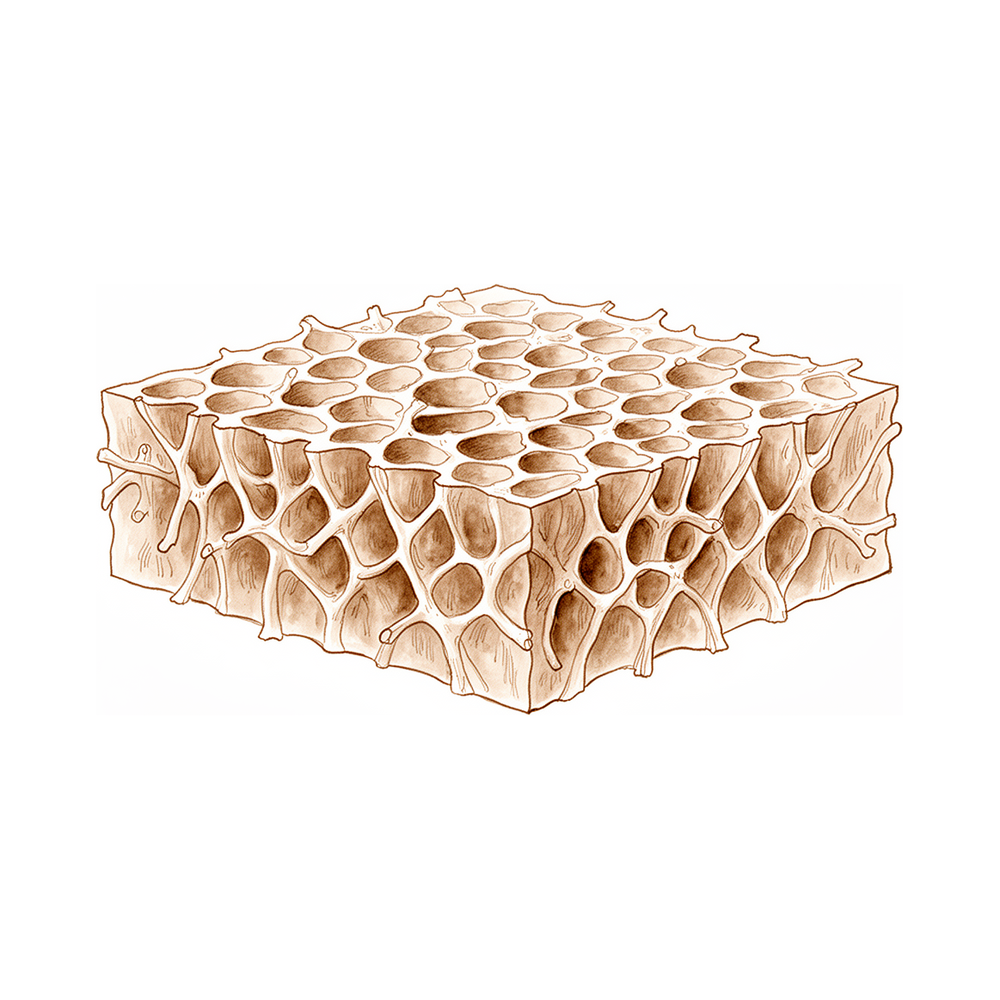
Xương có vẻ cứng cáp và vĩnh viễn, nhưng thực chất nó là mô sống, chứa đầy các tế bào và mạch máu; mỗi ngày xương đều được phân rã rồi tái tạo lại. Đó là lý do tại sao một chiếc xương gãy có thể liền lại thành một khối vững chắc như ban đầu. Quá trình hồi phục diễn ra theo một trình tự nhất định và mất nhiều thời gian hơn so với dự đoán của hầu hết mọi người; vì vậy việc hiểu rõ quy luật này sẽ giúp giảm bớt nỗi lo lắng trong thời gian chờ đợi. Trang này sẽ giải thích một cách đơn giản xương là gì và cách nó lành lại; đối với những ai tò mò, chúng tôi còn đi sâu hơn vào các khía cạnh sinh học, bao gồm cơ chế tái cấu trúc xương liên tục và những gì xảy ra khi cơ chế này bị rối loạn.
Xương là gì và có chức năng gì?
Xương đảm nhận nhiều chức năng cùng lúc. Nó là “khung xương” của cơ thể: cấu trúc nâng đỡ cơ thể và là điểm bám để các cơ kéo giúp ta di chuyển. Nó còn là “lớp áo giáp” bảo vệ não, tim và phổi. Đồng thời, xương cũng là “kho chứa” các khoáng chất, đặc biệt là canxi mà các bộ phận khác trong cơ thể luôn cần sử dụng.
Để thực hiện được những chức năng này, xương là một vật liệu tổng hợp, tương tự như bê tông cốt thép. Mạng lưới protein dẻo dai (chủ yếu là collagen) giúp xương có độ bền, cho phép nó uốn cong một chút mà không gãy; còn các tinh thể khoáng chất (tinh thể canxi-phosphat) nằm trong mạng lưới này giúp xương cứng cáp và chịu được lực nén. Nếu loại bỏ các khoáng chất, xương sẽ trở nên mềm dẻo như cao su; nếu loại bỏ collagen, xương sẽ giòn như phấn. Cả hai thành phần này đều cần thiết.
Tuy nhiên, xương không phải là vật liệu vô tri. Nó chứa đầy các tế bào sống và có nhiều mạch máu chạy qua; vì vậy khi bị gãy, xương sẽ chảy máu; việc có nguồn cung cấp máu tốt lại vô cùng quan trọng đối với quá trình lành thương; và khác với một chiếc bàn bị trầy xước, xương có khả năng tự phục hồi.
Quy trình liền xương sau gãy
Khi xương bị gãy, nó sẽ liền lại qua nhiều giai đoạn, dần dần lấp đầy khoảng trống bằng xương vững chắc.
- Cục máu đông (những ngày đầu). Vết gãy làm rách các mạch máu trong và quanh xương; máu sau đó tạo thành cục máu đông tại chỗ gãy. Cục máu đông này không chỉ đơn thuần là vật cản; nó đóng vai trò là khung nền và trung tâm phát tín hiệu để kích hoạt các tế bào sửa chữa. Đây cũng là lý do tại sao vùng bị gãy thường sưng, bầm tím và đau trong giai đoạn đầu.
- Sẹo mềm (những tuần đầu). Các tế bào sửa chữa di chuyển đến và tạo thành một cầu nối mềm, đàn hồi gồm sụn và mô chưa trưởng thành nối hai đầu xương lại. Lúc này xương đã được nối với nhau nhưng chưa vững chắc; vì vậy vết gãy mới cần được cố định bằng nẹp, bó bột hoặc phẫu thuật cho đến khi cầu nối này cứng cáp hơn.
- Sẹo cứng (từ vài tuần đến vài tháng). Cầu nối mềm dần được thay thế bằng xương cứng, chứa nhiều khoáng chất, tạo thành một lớp vỏ dày quanh vết gãy (gọi là sẹo xương). Đến cuối giai đoạn này, xương thường đã đủ vững để sử dụng bình thường.
- Tái cấu trúc (từ vài tháng đến vài năm). Lớp sẹo xương thô ráp dần được mài nhẵn và định hình lại theo các đường chịu lực, cho đến khi xương trông và hoạt động gần giống như trước khi bị gãy. Ở trẻ em, quá trình tái cấu trúc diễn ra rất tốt; ngay cả những vết gãy hơi cong cũng có thể thẳng ra theo thời gian.
Quá trình liền xương thực sự diễn ra chậm, và điều đó là bình thường. Theo kinh nghiệm chung, hầu hết các vết gãy ở người trưởng thành mất khoảng 6 đến 12 tuần để liền vững, và cần thời gian lâu hơn nữa mới phục hồi hết sức mạnh; quá trình tái cấu trúc hoàn thiện hình dạng xương có thể kéo dài tới một năm hoặc hơn. Thời gian liền xương phụ thuộc vào loại xương, cơ thể từng người và mức độ chấn thương; vì vậy hãy coi những con số này là hướng dẫn chứ không phải cam kết chắc chắn.
Những yếu tố giúp xương lành lại
Có một vài yếu tố thực sự có ảnh hưởng lớn, và hầu hết đều nằm trong tầm kiểm soát của bạn:
- Tuần hoàn máu và vị trí ổn định của xương gãy. Xương lành lại tốt nhất khi hai đầu gãy được cung cấp đủ máu và được giữ cố định; đó cũng là mục đích của việc bó bột hoặc phẫu thuật. Sự di chuyển quá mức hoặc tuần hoàn máu kém là nguyên nhân phổ biến khiến xương gãy lâu lành.
- Không hút thuốc. Việc hút thuốc và nicotin làm hẹp mạch máu, từ đó làm chậm quá trình lành xương đáng kể. Việc bỏ thuốc, ngay cả vào thời điểm bị chấn thương hoặc sau phẫu thuật, cũng mang lại lợi ích.
- Dinh dưỡng. Xương được tạo thành từ protein và khoáng chất; vì vậy việc cung cấp đủ protein, canxi và vitamin D sẽ hỗ trợ quá trình lành xương. Hầu hết mọi người không cần dùng liều cao; điều quan trọng là không bị thiếu hụt các chất này.
- Vận động vừa phải. Xương phản ứng tốt với việc sử dụng. Việc tuân thủ các hướng dẫn về mức độ vận động và bài tập được chỉ định – không quá nhiều cũng không quá ít – sẽ giúp xương gãy tái tạo đúng vị trí.
- Thời gian và theo dõi. Hầu hết các trường hợp gãy xương đều lành lại theo thời gian tự nhiên. Nếu một vết gãy vốn nên tiến triển tốt lại không có dấu hiệu cải thiện, cần được đánh giá lại; một số trường hợp cần can thiệp phẫu thuật để hỗ trợ.
Phân tích sâu hơn
Advanced reading: the deeper science (optional)
Phần này cung cấp lời giải thích chi tiết hơn ở mức độ dành cho sinh viên về các cơ chế sinh học đằng sau những nội dung đã trình bày. Phần này không cần thiết để hiểu về gãy xương hay cách điều trị; tuy nhiên, nếu bạn tò mò về cách xương hoạt động, cũng như cách mà cùng một cơ chế sinh học giúp vết gãy lành lại lại có thể bị lợi dụng để gây hại cho bộ xương, hãy tiếp tục đọc.
Xương – một mô sống
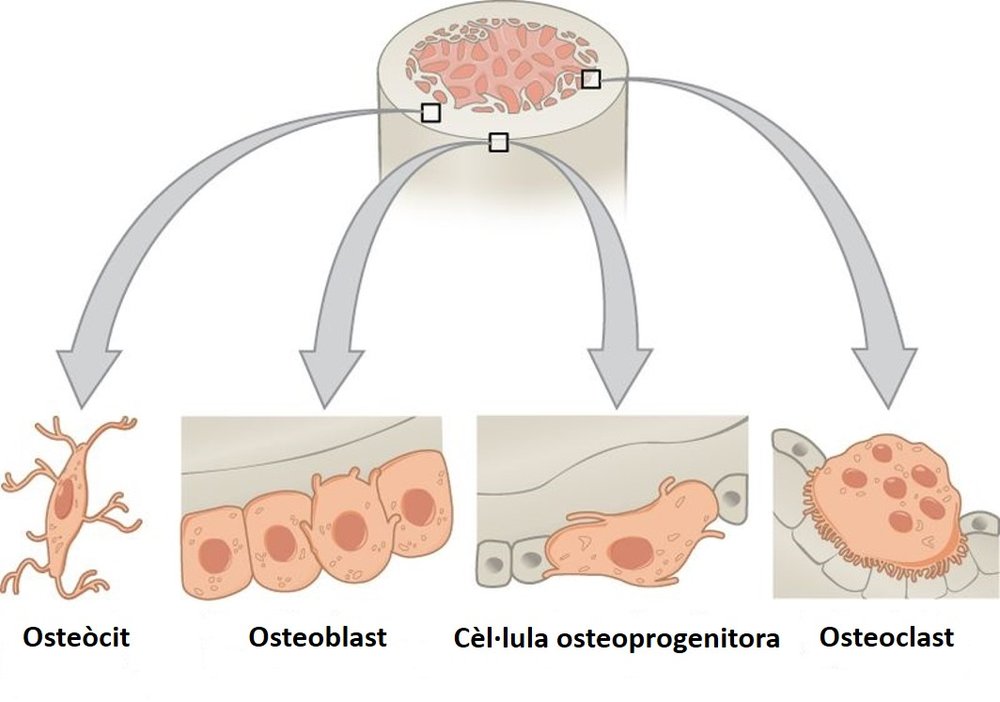
Xương được hình thành và duy trì bởi ba loại tế bào chính; việc nắm rõ tên gọi của chúng là rất quan trọng vì hầu hết những nội dung tiếp theo đều nói về sự cân bằng giữa các tế bào này:
- Osteoblast là những “người xây dựng”. Chúng tạo ra xương mới: đầu tiên là khung collagen mềm (gọi là osteoid), sau đó chúng làm khoáng hóa khung này thành xương cứng.
- Osteoclast là “đội phá dỡ”. Đây là những tế bào lớn, có nhiều nhân; chúng hòa tan xương bằng cách dùng axit để ăn mòn các chất khoáng và dùng enzyme để tiêu hóa collagen.
- Osteocyte là những osteoblast đã “mắc kẹt” trong chính khối xương mà chúng tạo ra. Chúng nằm trong những khoang nhỏ, được kết nối với nhau qua một mạng lưới kênh rộng khắp, hoạt động như một mạng lưới cảm biến trong xương. Như chúng ta sẽ thấy sau này, đây là những tế bào có khả năng “cảm nhận” lực cơ học và điều phối hoạt động của hai loại tế bào còn lại.
Ma trận cứng nơi các tế bào này sinh sống gồm collagen loại I được củng cố bởi các tinh thể hydroxyapatite (một khoáng chất chứa canxi và phốt pho). Xương có hai dạng cấu trúc: dạng cortical (xương vỏ) dày đặc ở thân các xương dài; và dạng trabecular (xương xốp) có cấu trúc lưới mở ở các đầu xương cũng như bên trong cột sống.
Quá trình liền xương
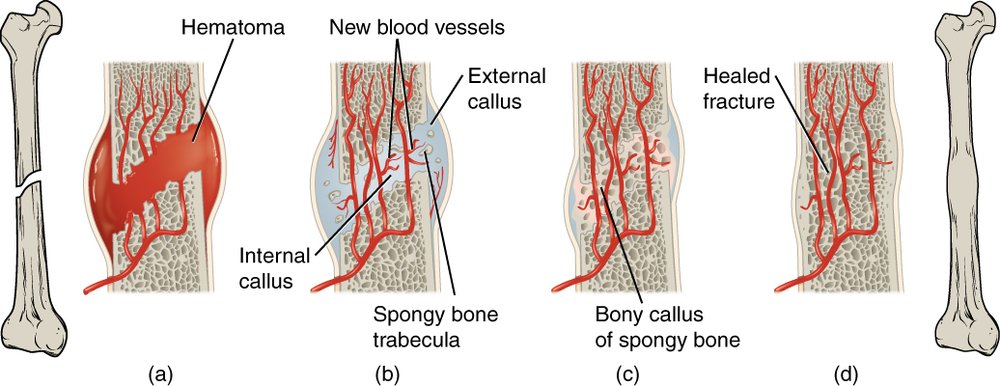
Bốn giai đoạn được mô tả ở trên tương ứng với một chuỗi các quá trình sinh học cụ thể. Cục máu đông hình thành tại vết gãy sẽ giải phóng nhiều tín hiệu viêm và yếu tố tăng trưởng, giúp thu hút các tế bào gốc. Những tế bào này trước hết tạo thành mô sụn – hay còn gọi là “callus mềm”. Quá trình hình thành xương diễn ra trên nền tảng mô sụn này, gọi là quá trình tạo xương nội sụn; đây cũng là cơ chế mà phần lớn bộ xương phát triển ở trẻ em. Sau đó, các mạch máu xâm nhập vào mô sụn và thay thế nó bằng xương dạng sợi – gọi là “callus cứng”. Cuối cùng, callus này được tái cấu trúc thành loại xương tầng lớp chín muồi và có cấu trúc ổn định.
Đây chính là quá trình liền xương thứ cấp (gián tiếp) – tức là quá trình liền xương thông qua việc hình thành callus; hiện tượng này xảy ra khi vết gãy có chút chuyển động, ví dụ như khi được bó bột. Ngoài ra còn có quá trình liền xương sơ cấp (trực tiếp), chỉ xảy ra khi hai đầu xương được giữ chặt lại với nhau, không có khe hở hay chuyển động nào (chẳng hạn như khi được cố định bằng tấm kim loại). Trong trường hợp này, hoàn toàn không hình thành callus; xương chỉ đơn giản được tái cấu trúc trực tiếp qua vùng nối. Cả hai phương thức đều không được coi là “tốt hơn” so với nhau; chúng là hai cơ chế mà cơ thể sử dụng tùy theo điều kiện cơ học tại vết gãy; vì vậy các bác sĩ phẫu thuật sẽ chọn phương pháp cố định phù hợp với từng trường hợp.
Tái cấu trúc và hình nón cắt
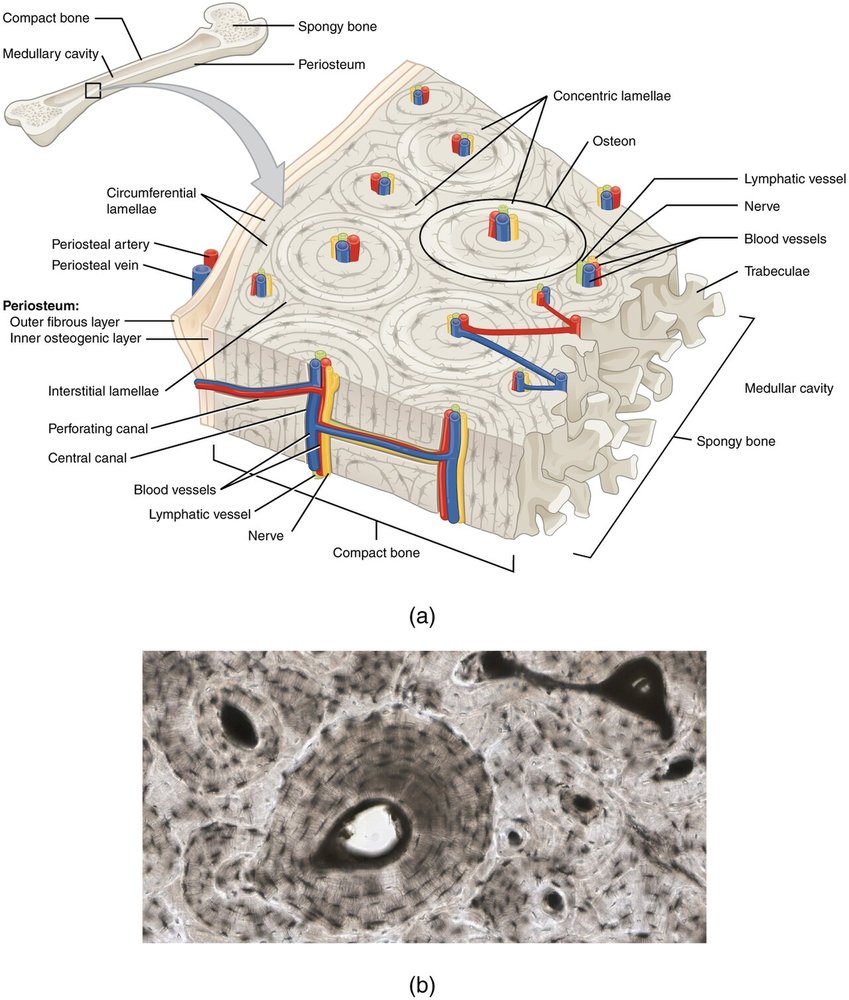
Ngay cả những mảnh xương chưa bị gãy cũng liên tục được tái tạo: mỗi năm, cơ thể thay thế khoảng một phần mười khung xương. Quá trình tái tạo diễn ra suốt đời này được gọi là tái cấu trúc, và nó được thực hiện bởi các nhóm tế bào gọi là Đơn vị Đa tế bào Cơ bản (Basic Multicellular Units – BMUs).
Trong lớp xương vỏ dày đặc, ta có thể quan sát hoạt động của một BMU như một “máy khoan” ở cấp độ vi mô. Ở phía đầu tiên, một nhóm tế bào hủy xương (osteoclasts) khoan một đường hầm xuyên qua xương, đồng thời hòa tan vật chất xương trong quá trình di chuyển; phần đầu này được gọi là hình nón cắt. Ngay sau đó, trong hình nón đóng, các tế bào tạo xương (osteoblasts) lấp đầy đường hầm vừa tạo, bắt đầu từ các thành bên vào trong, hình thành các vòng xương đồng tâm quanh một ống trung tâm chứa mạch máu. Cấu trúc hình trụ hoàn chỉnh gồm các vòng xương bao quanh ống trung tâm này được gọi là hệ tủy xương (osteon) – đơn vị cấu trúc cơ bản của xương vỏ. Như vậy, quá trình tái cấu trúc không diễn ra một cách ngẫu nhiên; đó là một chuỗi hành động phối hợp: phá hủy rồi tái xây dựng, tạo ra những mảnh xương mới được sắp xếp ngay ngắn thay thế cho phần xương cũ.
Đây cũng là lý do vì sao xương khỏe mạnh cần cả hai loại tế bào này hoạt động đồng bộ. Chính những tế bào hủy xương tạo nên hình nón cắt cũng là những tế bào, khi hoạt động mất kiểm soát, gây ra các bệnh liên quan đến mất xương được mô tả dưới đây.
Công tắc điều hòa: RANK, RANKL và OPG
Làm thế nào để các tế bào tạo xương kiểm soát các tế bào hủy xương? Thông qua một “công tắc phân tử” đáng được tìm hiểu, vì đây là cơ chế điều hòa cả quá trình tái cấu trúc xương bình thường lẫn nhiều bệnh lý (và nhiều loại thuốc).
Các tế bào thuộc dòng tạo xương tiết ra một tín hiệu gọi là RANKL. Khi RANKL kết nối với thụ thể RANK trên bề mặt các tế bào tiền thân của osteoclast, nó kích thích chúng trưởng thành thành những osteoclast hoạt động, có khả năng phân hủy xương. Như vậy, các “nhà xây dựng” nắm quyền điều khiển “đội phá dỡ”. Để hạn chế hoạt động này, các tế bào tạo xương lại tiết ra một chất gọi là OPG (osteoprotegerin) – một “mồi nhử” giúp hấp thụ RANKL trước khi nó tiếp cận RANK. Tỷ lệ RANKL/OPG do đó quyết định tốc độ hủy xương: tỷ lệ cao hơn của RANKL khiến xương bị mất đi nhiều hơn, còn tỷ lệ cao hơn của OPG giúp bảo tồn xương.
Hầu hết các tín hiệu ảnh hưởng đến xương (hormone, tình trạng viêm, thuốc) cuối cùng đều tác động lên cơ chế này. Chẳng hạn, thuốc điều trị loãng xương denosumab hoạt động chính tại đây: đây là kháng thể nhân tạo đóng vai trò tương tự OPG, hấp thụ RANKL để ức chế hoạt động của osteoclast. Hãy ghi nhớ “công tắc” này; hai phần tiếp theo sẽ kể về những trường hợp RANKL bị kích hoạt sai cách.
Cơ chế chuyển đổi tín hiệu cơ học và định luật Wolff
Xương có khả năng thích nghi với các lực tác động lên nó. “Xương được hình thành ở những nơi cần thiết và bị hấp thu ở những nơi không cần thiết” là định luật Wolff; đó là lý do tại sao cánh tay cầm vợt của vận động viên quần vợt có mật độ xương cao hơn, tại sao các phi hành gia và bệnh nhân nằm liệt giường lại bị mất xương, và tại sao việc chịu tải vừa phải giúp xương gãy liền lại đúng vị trí.
Những tế bào cảm nhận lực chính là các tế bào xương nằm sâu trong cấu trúc xương. Khi xương chịu tải, dịch lỏng bị ép chảy qua những kênh siêu nhỏ xung quanh các tế bào này; các tế bào xương cảm nhận được dòng chảy đó – quá trình này gọi là cơ chế chuyển đổi tín hiệu cơ học (chuyển đổi tín hiệu cơ học thành tín hiệu sinh học). Khi chịu tải, các tế bào xương làm giảm hoạt động của phân tử ức chế tên là sclerostin, từ đó kích thích các tế bào tạo xương hoạt động; ngược lại, ở những vùng xương không chịu tải, quá trình hấp thu xương diễn ra. Vì vậy, câu “dùng thì giữ, không dùng thì mất” không chỉ là khẩu hiệu; đó là cách các tế bào xương điều chỉnh sự cân bằng giữa RANKL và OPG dựa trên mức độ sử dụng xương của cơ thể.
Khi quá trình tái cấu trúc xương bị rối loạn: hiện tượng hủy xương và protein Sonic Hedgehog
Hủy xương đơn giản là quá trình xương bị phân hủy: các tế bào hủy xương hoạt động không kiểm soát, thường là do có yếu tố nào đó khiến cơ chế điều hòa RANKL luôn ở trạng thái “bật”. Đây là nguyên nhân khiến khối u xâm lấn vào xương, khiến implant bị lỏng lẻo (sẽ đề cập ở phần sau), và gây ra tình trạng xương bị rỗng trong một số bệnh viêm.
Một trong những yếu tố điều hòa khá bất ngờ trong quá trình này là protein Sonic Hedgehog (Shh) – một phân tử tín hiệu nổi tiếng với vai trò định hình cấu trúc cơ thể phôi thai (giúp hình thành các chi và ngón tay). Con đường tín hiệu này vẫn được sử dụng trong bộ xương người trưởng thành, và tác động của nó mang tính hai chiều. Trong quá trình liền xương sau gãy, tín hiệu Shh thực chất có lợi; nó hỗ trợ các tế bào tạo xương và quá trình hình thành xương. Tuy nhiên, trong trường hợp hủy xương thì ngược lại: Shh, thông qua chất truyền tin thứ cấp là Gli, kích thích các tế bào nền tạo ra nhiều RANKL hơn; lượng RANKL tăng lên lại dẫn đến nhiều tế bào hủy xương hơn và quá trình hủy xương diễn ra mạnh hơn. Đáng chú ý là bản thân Shh không trực tiếp gây hủy xương; nó chỉ “kích khuếch đại” con đường RANKL mà thôi; đây cũng là lý do khiến nó trở thành yếu tố làm trầm trọng thêm các tình trạng như phá hủy xương do ung thư. Đây là một ví dụ điển hình cho chủ đề xuyên suốt toàn bộ nội dung trang này: hầu hết các bệnh lý xương đều xuất phát từ việc cơ chế tái cấu trúc xương bình thường (các tế bào hủy xương, cơ chế điều hòa RANKL) bị vận hành quá mức theo một hướng nhất định.
Mài mòn polyethylene và tình trạng lỏng lẻo của implant
Đây là phần mà sinh học trở nên rất thiết thực, vì nó giải thích nguyên nhân khiến các khớp nhân tạo dần hỏng đi. Một khớp hông hoặc khớp gối nhân tạo có bề mặt tiếp xúc trơn nhẵn; thường là một khối cầu cứng hoặc bộ phận kim loại chuyển động trên lớp lót làm từ polyethylene (loại nhựa dùng trong y tế). Sau nhiều năm sử dụng, ma sát tạo ra vô số hạt mài mòn polyethylene có kích thước cực nhỏ – nhỏ đến mức không thể nhìn thấy – và số lượng hạt này lên tới hàng tỷ.
Cơ thể coi những hạt này là những vật lạ xâm nhập. Các tế bào miễn dịch dạng thực bào (đại thực bào) nằm quanh implant cố gắng nuốt chửng chúng, nhưng vì nhựa polyethylene không thể tiêu hóa được, các đại thực bào này buộc phải tiết ra các tín hiệu viêm. Những tín hiệu này làm tăng nồng độ RANKL, từ đó thu hút các tế bào hủy xương (osteoclasts) đến phá hủy mô xương xung quanh implant. Hiện tượng hủy xương do các hạt mài mòn này dần làm suy yếu cấu trúc xương nâng đỡ implant; cuối cùng implant sẽ bị lỏng lẻo. Đây là nguyên nhân chính khiến các khớp nhân tạo hỏng và cần phải thay thế, thường là sau một thập kỷ hoặc lâu hơn kể từ khi phẫu thuật. Quá trình này cũng tuân theo cùng cơ chế như các trường hợp trên: một tác nhân gây hại từ bên ngoài tác động qua trung gian RANKL, dẫn đến việc các tế bào hủy xương phá hủy xương. Việc hiểu rõ cơ chế này giải thích tại sao các nhà kỹ thuật phải nỗ lực không ngừng để phát triển những vật liệu tiếp xúc tốt hơn (chẳng hạn polyethylene được xử lý chéo) nhằm giảm thiểu lượng hạt mài mòn phát sinh và hạn chế các tác động tiêu cực.
Những yếu tố hỗ trợ và cản trở quá trình lành vết thương
Cuối cùng là các yếu tố thực tiễn; giờ đây chúng ta đã có cơ sở sinh học để giải thích chúng:
- Tuần hoàn máu cung cấp các tế bào, oxy và các tín hiệu cần thiết cho quá trình lành vết thương; mô mềm bị tổn thương hoặc xương có nguồn cung máu kém sẽ lành chậm. Đây là yếu tố quan trọng nhất.
- Sự ổn định giúp mô sẹo phát triển; việc vận động quá mức sẽ làm phá vỡ cấu trúc mô sẹo non nớt, dẫn đến tình trạng không liền xương (vết gãy không thể lành lại).
- Hút thuốc và nicotine làm co mạch máu và ảnh hưởng đến các tế bào tham gia quá trình sửa chữa; đây là yếu tố rõ ràng gây cản trở quá trình lành xương.
- Tiểu đường cùng một số loại thuốc (dùng steroid trong thời gian dài, một số thuốc chống viêm vào thời điểm xảy ra gãy xương) cũng có thể làm chậm quá trình lành vết thương.
- Dinh dưỡng (đủ protein, canxi và vitamin D) cung cấp nguyên liệu cần thiết; điều cần tránh là tình trạng thiếu hụt dinh dưỡng chứ không phải thừa dinh dưỡng.
- Tuổi tác làm chậm hoạt động của các tế bào, nhưng xương vẫn có khả năng lành vết thương đáng kể suốt cả cuộc đời.
Xem thêm
- Sức khỏe xương và bệnh loãng xương — khi sự cân bằng tái cấu trúc xương bị nghiêng về phía mất xương trên toàn bộ bộ xương
- Hút thuốc và quá trình hồi phục cơ xương khớp — lý do hút thuốc làm chậm quá trình hồi phục được mô tả ở đây
- Vitamin D và sức khỏe cơ xương khớp — vai trò của khoáng chất trong việc hình thành xương