Patients › Rehabilitation
Phẫu thuật giải phóng gân trong bệnh De Quervain
Kế hoạch phục hồi vận động sớm sau khi phẫu thuật giải phóng khoang cổ tay lưng thứ nhất nhằm điều trị viêm màng bao gân De Quervain: cung cấp hỗ trợ giảm đau tạm thời, thực hiện các động tác nhẹ nhàng cho ngón tay cái và cổ tay ngay từ đầu để ngăn ngừa cứng khớp, chăm sóc vết sẹo, và dần dần khôi phục lại sức mạnh nắm và kẹp tay vào khoảng tuần thứ tư đến thứ sáu.
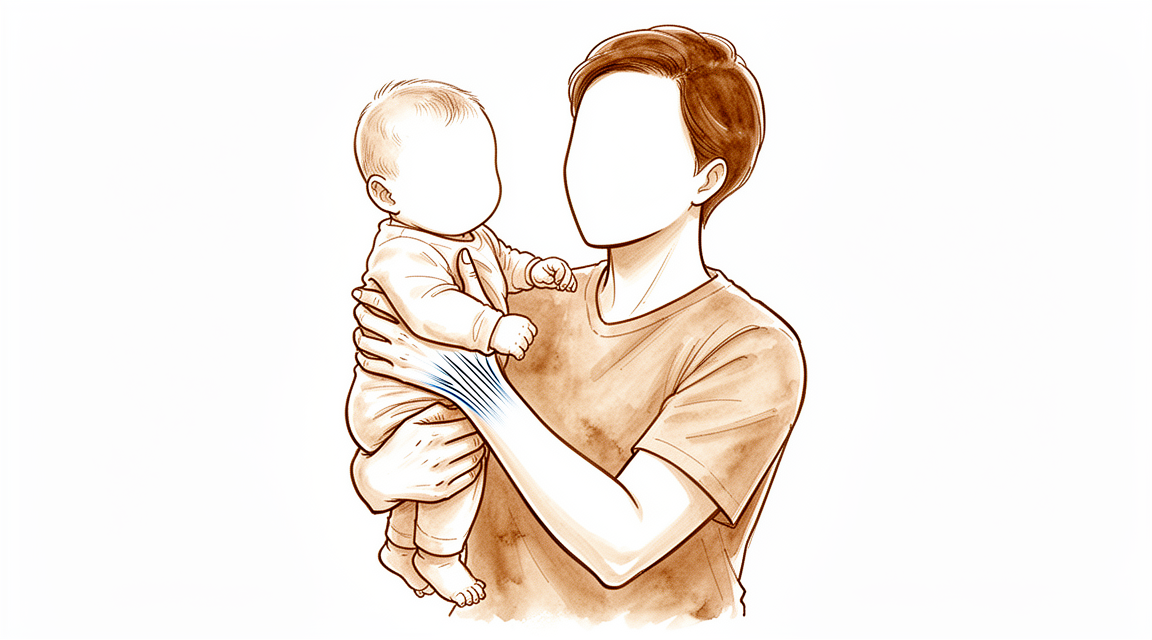
Giao thức này sẽ hướng dẫn quá trình hồi phục của bạn sau ca phẫu thuật giải phóng mô cứng De Quervain – một ca phẫu thuật nhỏ nhằm mở rộng đường hầm chật hẹp bao quanh các gân ở phía ngón tay cái của cổ tay – do bác sĩ Kieran Hirpara thực hiện tại Bệnh viện tư nhân Mater Rockhampton. Giao thức bắt đầu với chương trình tập luyện tại nhà, sau đó là quy trình điều trị chi tiết được soạn thảo dành riêng cho chuyên viên trị liệu tay của bạn; hãy mang theo trang này hoặc bản PDF tương ứng trong lần trị liệu đầu tiên để quá trình phục hồi được thực hiện một cách nhất quán. Chuyên viên trị liệu tay có thể điều chỉnh kế hoạch này tùy theo tiến triển hồi phục của bạn.
Nếu bạn có bất kỳ thắc mắc nào về vết thương sau phẫu thuật, vui lòng liên hệ với phòng khám. Việc chụp ảnh vết thương rồi gửi qua email để được đánh giá cũng là một cách hữu ích.
Những điều bạn có thể mong đợi
Viêm màng bao gân De Quervain là tình trạng viêm của hai gân dẫn đến ngón tay cái (gân cơ khảy dài ngón cái và gân cơ duỗi ngắn ngón cái) tại chỗ chúng đi qua một đường hầm hẹp (gọi là ngăn kéo lưng tay thứ nhất) ở phía ngón tay cái của cổ tay. Phẫu thuật giải phóng gân là một ca mổ nhỏ nhằm mở rộng đường hầm này để các gân có đủ không gian di chuyển tự do, từ đó giảm đau và tình trạng gân bị kẹt.
Vì không có gì được khâu lại hay siết chặt (đường hầm chỉ được mở ra và được thiết kế để giữ nguyên trạng thái mở), quá trình hồi phục cho phép vận động sớm, chứ không cần thời gian bảo vệ lâu dài. Không có cấu trúc nào cần nhiều tháng mới lành lại. Mục đích chính của việc phục hồi chức năng là giúp các gân di chuyển trong môi trường mô mềm đang lành lại, tránh tình trạng dính, đồng thời giúp vết thương nhỏ và các dây thần kinh da phía trên ổn định.
Vì vậy, kế hoạch phục hồi rất đơn giản: dùng băng gạc mềm (đôi khi là nẹp ngón tay cái nhẹ để tăng cảm giác thoải mái) trong vài ngày đến khoảng một hoặc hai tuần; bắt đầu vận động nhẹ nhàng ngón tay cái và cổ tay ngay từ sớm; chăm sóc vết sẹo sau khi vết thương lành; dần dần tăng cường sức mạnh nắm và kẹp. Hầu hết mọi người đều có thể trở lại các hoạt động bình thường mà không gặp khó khăn sau khoảng bốn đến sáu tuần.
Có hai vấn đề cần theo dõi sau ca phẫu thuật này. Thứ nhất là dây thần kinh da nhỏ mang tên dây thần kinh cảm giác quay, các nhánh của nó chạy ngang phía trước vùng mổ; tình trạng tê hoặc đau ở vùng này có thể kéo dài một thời gian, và các bài tập phục hồi chức năng sớm nhằm mục đích giúp dây thần kinh ổn định trở lại. Thứ hai là vị trí của các gân: việc mở đường hầm quá rộng về phía lòng bàn tay đôi khi khiến gân bị trượt ra phía trước (trật gân) khi bạn cử động ngón tay cái. Cả hai tình trạng này đều ít gặp; chuyên viên trị liệu tay sẽ theo dõi kỹ để phát hiện sớm nếu có.
Những lưu ý và hạn chế
- Cần vận động ngón tay cái và cổ tay ngay từ đầu: việc vận động nhẹ nhàng mới là phương pháp điều trị, chứ không phải là nghỉ ngơi. Chúng ta cần tránh tình trạng cứng khớp do ít vận động.
- Chỉ sử dụng nẹp hỗ trợ khi cảm thấy thoải mái, và chỉ trong vài ngày đến một hoặc hai tuần đầu: nẹp này chỉ nhằm mục đích giảm đau, không phải để bảo vệ khớp; bạn cần tháo nẹp ra khi thực hiện các bài tập vận động.
- Giữ vết thương sạch sẽ và khô ráo cho đến khi lành hẳn; không được xoa bóp vùng sẹo cho đến khi tháo băng gạc và da đã liền kín.
- Trong khoảng ba đến bốn tuần đầu, hãy tránh các động tác nắm chặt mạnh, bóp mạnh, nâng vật nặng hoặc vặn xoắn (như vắt khăn, mở các lọ kín, sử dụng dụng cụ nặng); sau đó mới dần dần tăng cường độ vận động.
- Nếu bạn cảm thấy tê, ngứa ran hoặc có cảm giác đau nhói ở mặt sau ngón tay cái và cổ tay, hoặc thấy gân bị trượt hoặc giật khi cử động ngón tay cái, hãy báo ngay cho chuyên viên trị liệu hoặc phòng khám.
Để biết thêm thông tin về chăm sóc vết thương, giảm sưng và xử lý sẹo, vui lòng tham khảo hướng dẫn chăm sóc vết thương của phòng khám.
Các bài tập của bạn
Kieran Hirpara 4.0
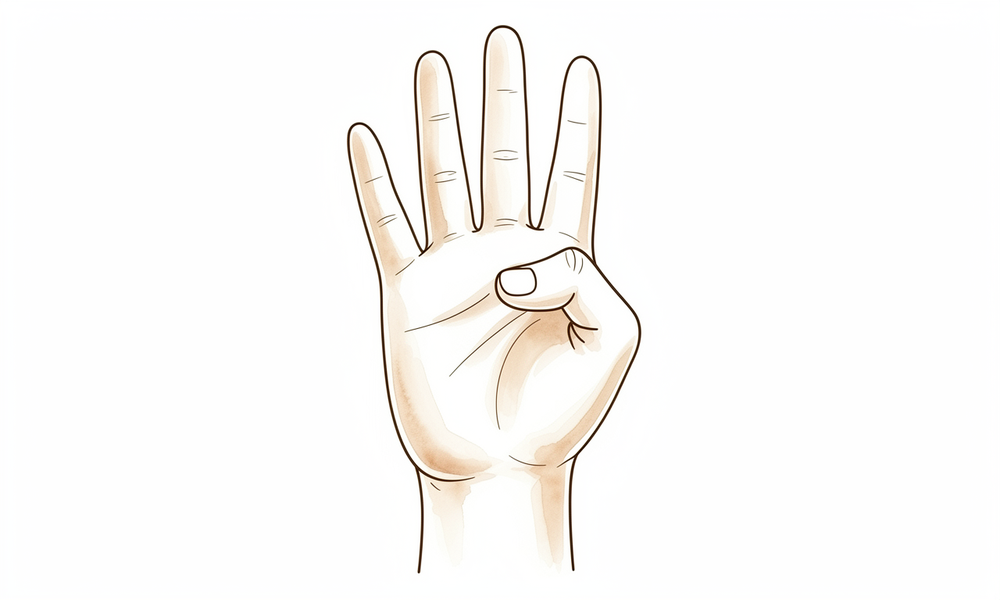
Cử động ngón cái (gập, duỗi và với ngang)
Hãy nhẹ nhàng di chuyển ngón tay cái trong toàn bộ phạm vi chuyển động: gập đầu ngón cái xuống phía lòng bàn tay, duỗi thẳng ra, sau đó di chuyển ngón cái sang bên để chạm vào gốc ngón út rồi trở lại vị trí ban đầu. Hãy thực hiện các động tác một cách chậm rãi và thoải mái. Việc vận động ngón tay cái từ sớm giúp các gân vừa được giải phóng vẫn có thể di chuyển trơn tru, tránh tình trạng bị dính vào mô sẹo đang hồi phục.
Mỗi động tác 10 lần, 3–4 lần mỗi ngày, trong mức độ thoải mái
Kieran Hirpara 4.0
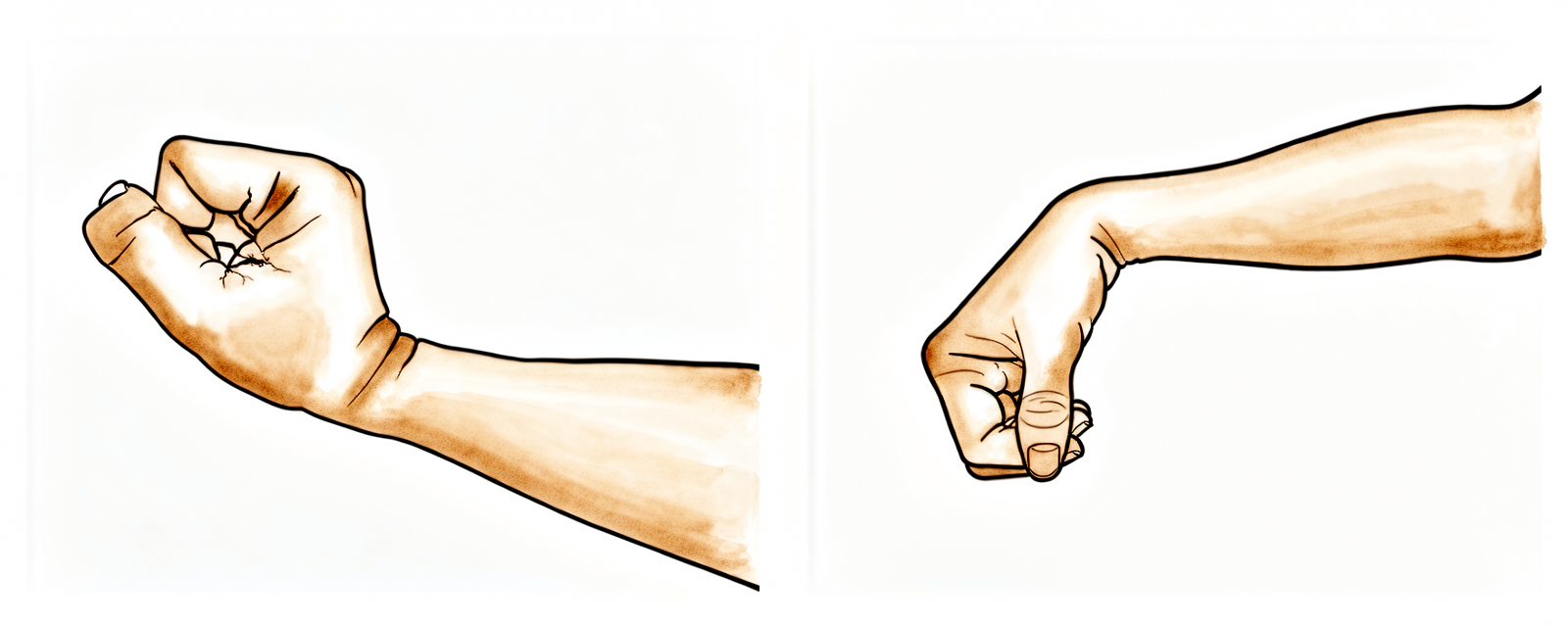
Chuyển động của cổ tay (lên, xuống và sang hai bên)
Khi khuỷu tay và cẳng tay đặt trên bàn, hãy nhẹ nhàng gập cổ tay lên xuống, sau đó nghiêng cổ tay sang hai bên (trước hết hướng về phía ngón cái, rồi hướng về phía ngón út). Chỉ vận động đến mức cảm thấy thoải mái thôi. Việc này giúp cổ tay vẫn giữ được độ linh hoạt trong lúc vết thương đang lành lại.
10 lần theo mỗi hướng, 3–4 lần mỗi ngày.
Kieran Hirpara 4.0
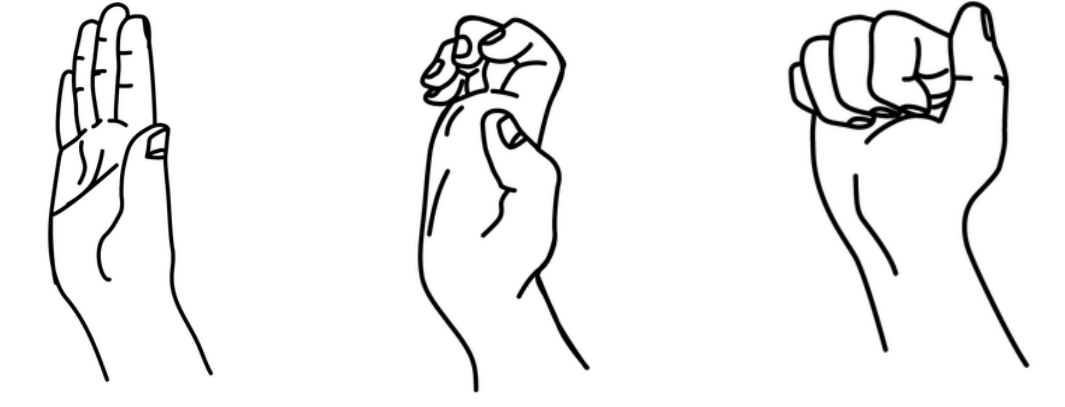
Bài tập trượt gân (bài tập trượt gân ngón cái và các ngón tay)
Hãy mở bàn tay ra hết mức, sau đó di chuyển ngón tay cái để chạm lần lượt vào đầu mỗi ngón tay còn lại; tiếp theo hãy nắm tay nhẹ rồi mở ra trở lại. Mục đích là để các gân trượt trơn tru, chứ không phải dùng lực. Giữ cho các gân tiếp tục trượt qua đường hầm đã được giải phóng là điều quan trọng nhất trong những tuần đầu tiên để ngăn ngừa cứng khớp và dính gân.
5–10 chu kỳ chậm, 3–4 lần mỗi ngày
Kieran Hirpara 4.0
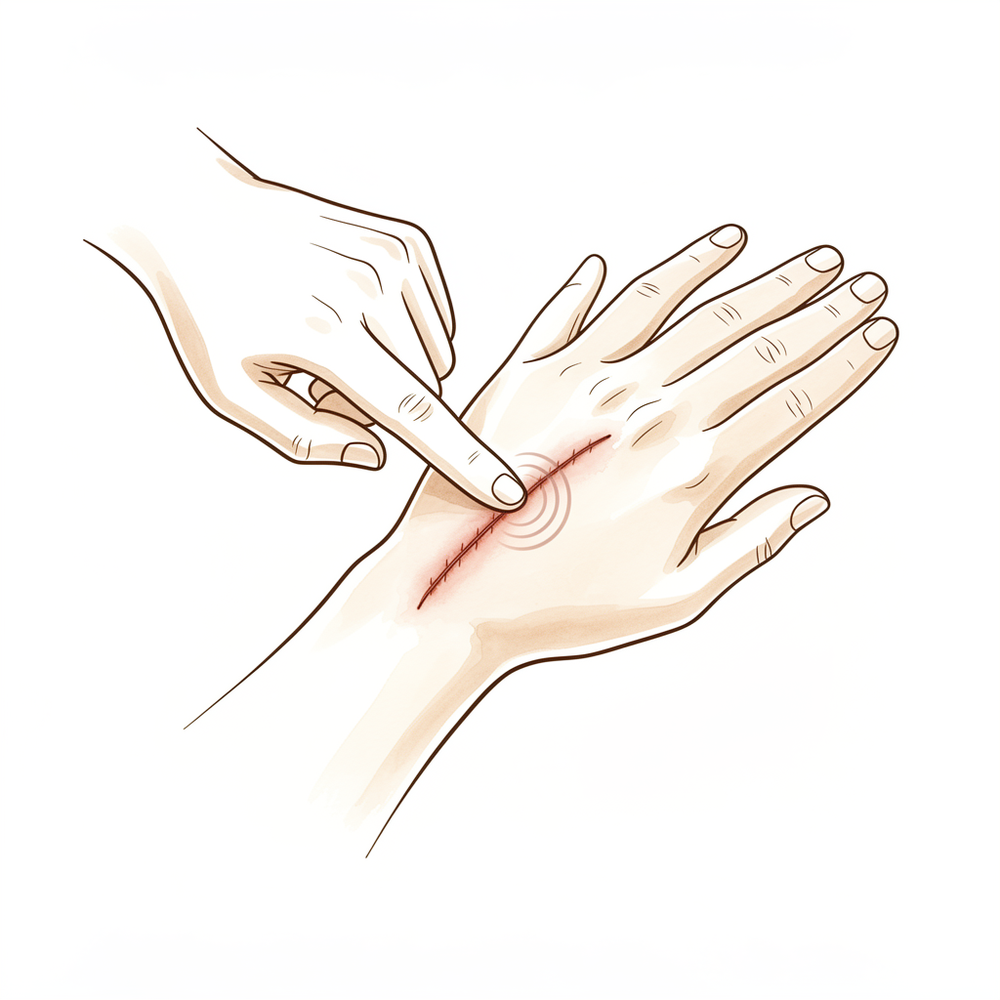
Xoa bóp vết sẹo
Khi vết thương đã lành hoàn toàn và băng gạc được tháo ra (thường từ khoảng hai tuần), hãy thoa một chút kem dưỡng ẩm thông thường lên vết sẹo bằng các vòng tròn nhỏ, ấn chắc tay, trong một hoặc hai phút. Việc này giúp làm mềm sẹo và giúp da cũng như các nhánh thần kinh nhạy cảm nằm bên dưới ổn định trở lại. Hãy ngừng lại nếu vùng da đó vẫn còn hở hoặc tiết dịch.
1–2 phút, 2–3 lần mỗi ngày, sau khi lành vết thương.
Kieran Hirpara 4.0
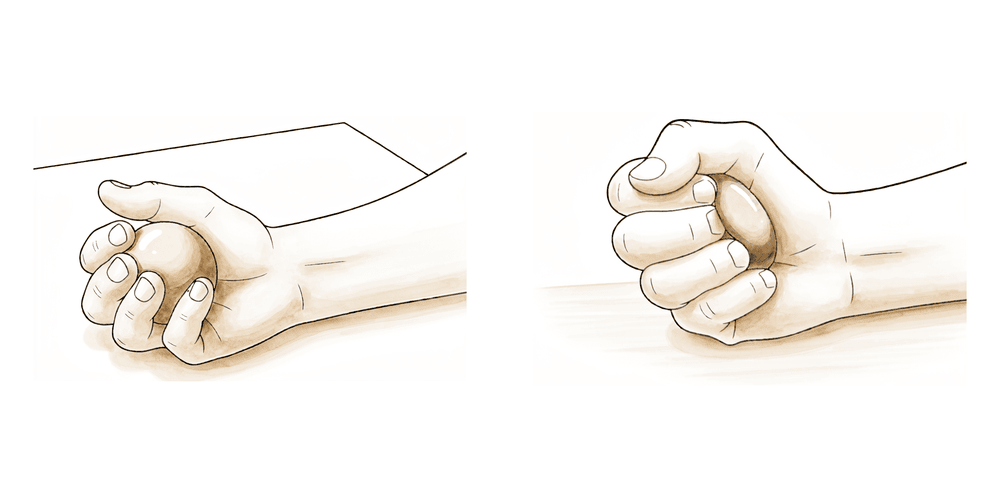
Tăng cường sức mạnh nắm và kẹp
Bài tập giai đoạn sau — thường bắt đầu từ khoảng tuần thứ ba đến thứ tư, sau khi vết thương đã lành và việc vận động trở nên dễ dàng. Hãy nắm chặt một quả bóng mềm hoặc hỗn hợp nhựa trị liệu để rèn luyện sức nắm; đồng thời dùng ngón cái và các ngón tay khác để kẹp một mẩu nhỏ hỗn hợp nhựa này nhằm rèn luyện sức kẹp. Hãy tăng dần mức độ vận động theo thời gian. Việc này sẽ giúp phục hồi sức mạnh cơ bắp vốn có xu hướng suy giảm sau phẫu thuật.
10–15 lần bóp/kẹp, 2–3 lần mỗi ngày (từ khoảng tuần thứ 3–4)
Kieran Hirpara 4.0
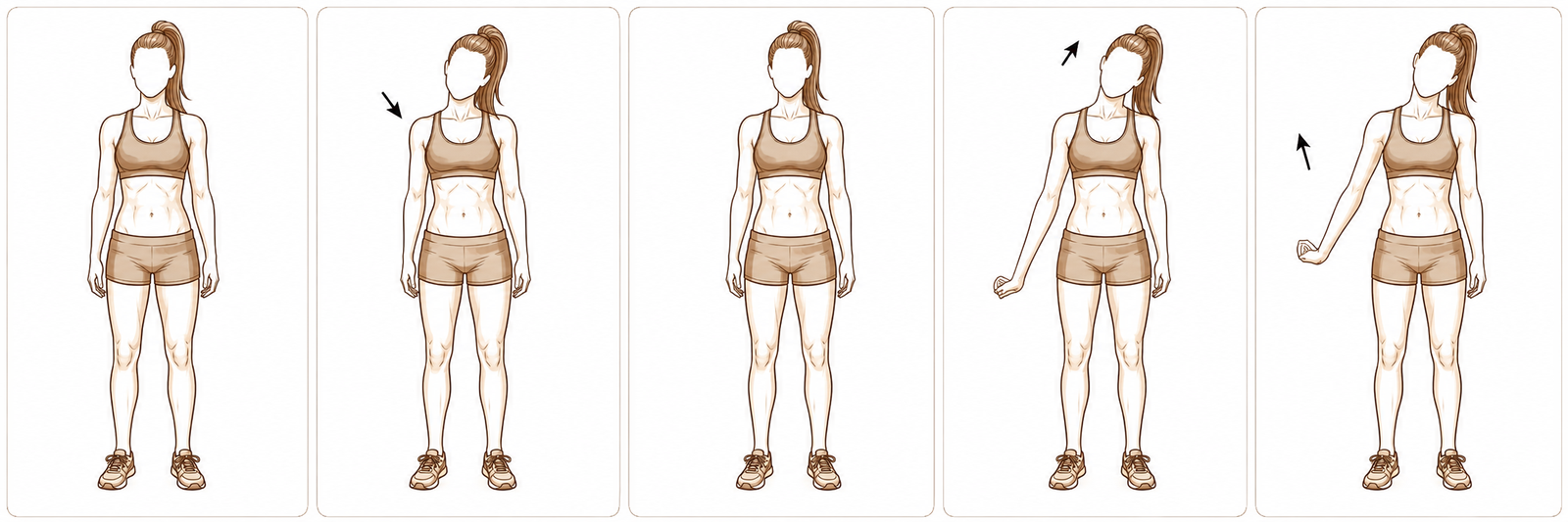
Bài tập trượt dây thần kinh quay (nếu vùng phía sau cổ tay có cảm giác tê hoặc đau nhức)
Chỉ thực hiện khi có sự hướng dẫn của chuyên viên trị liệu tay — đối với các triệu chứng tê, đau nhức hoặc cảm giác nhạy cảm ở mặt sau ngón tay cái và cổ tay. Hãy duỗi tay ra phía trước, sau đó từ từ hạ cổ tay và ngón tay cái xuống để tạo ra một lực kéo nhẹ; dừng lại một lúc rồi thả ra. Cử động này không được gây đau đớn hay làm tình trạng tê trở nên tồi tệ hơn. Động tác này giúp làm dịu các sợi dây thần kinh da nhỏ chạy ngay qua vùng vừa được phẫu thuật.
5–10 lần trượt chậm, 1–2 lần mỗi ngày, chỉ thực hiện theo hướng dẫn
Đây là những bài tập có trong tờ hướng dẫn của bạn. Hãy thực hiện chúng theo hướng dẫn của Bác sĩ Hirpara và chuyên viên trị liệu vận động. Các bài tập ban đầu (vận động ngón cái, vận động cổ tay và các động tác trượt gân) giúp các cấu trúc vận động di chuyển trơn tru, ngăn gân vừa được giải phóng bị dính lại; những bài tập này nên bắt đầu trong vài ngày đầu, khi cảm thấy thoải mái. Việc mát-xa vết sẹo chỉ được thực hiện sau khi vết thương đã lành. Các bài tập tăng cường sức mạnh nắm tay và kẹp ngón tay sẽ được thêm vào sau, thường từ khoảng tuần thứ ba đến thứ tư. Bài tập trượt dây thần kinh chỉ được thực hiện nếu vùng da trên cổ tay có cảm giác tê rần hoặc đau nhức. Hãy ngừng ngay bất kỳ bài tập nào gây ra cơn đau dữ dội hoặc đau nhói ở phía ngón cái của cổ tay.
Quy trình điều trị lâm sàng của bạn
Phần còn lại của trang này mô tả quy trình phục hồi chức năng theo từng giai đoạn sau khi thực hiện thủ thuật giải phóng màng bao cổng cổ tay thứ nhất (vùng lưng bàn tay). Phần này cần được cung cấp cho chuyên viên trị liệu tay của bạn; mỗi giai đoạn đều bắt đầu bằng lời giải thích bằng tiếng Việt đơn giản về những gì đang diễn ra. Đây là một thủ thuật giải áp, chứ không phải phẫu thuật sửa chữa: màng bao cổng cổ tay thứ nhất được tách ra và sẽ giữ nguyên trạng thái đó; vì vậy không có cấu trúc nào cần được bảo vệ. Chương trình phục hồi chức năng này là phương pháp vận động sớm, dựa trên việc di chuyển các gân: hãy duy trì sự di chuyển của các gân APL và EPB qua vùng vừa phẫu thuật nhằm ngăn ngừa sự hình thành mô sẹo, kiểm soát phù nề, chăm sóc vết sẹo cũng như dây thần kinh cảm giác quay, đồng thời khôi phục khả năng nắm và kẹp của bàn tay.
Trước khi bắt đầu điều trị, hãy kiểm tra báo cáo phẫu thuật của bệnh nhân và trao đổi với bác sĩ phẫu thuật về chi tiết thủ thuật (vị trí đường rạch dọc/lưng bàn tay, việc có phát hiện và tách rời màng bao riêng của gân EPB hay không), vị trí giải phóng màng bao ở vùng lưng nhằm ngăn ngừa tình trạng trật gân về phía lòng bàn tay, cũng như cách xử lý dây thần kinh cảm giác quay. Bác sĩ Hirpara thực hiện thủ thuật giải phóng màng bao qua đường rạch dọc ở vùng lưng, đồng thời bảo vệ các nhánh thần kinh cảm giác quay và giữ vùng giải phóng ở phía lưng để tránh hiện tượng trật gân về phía lòng bàn tay; việc cố định chỉ nhằm mục đích giảm đau (băng gạc mềm hoặc nẹp ngón cái trong vài ngày đến khoảng 1–2 tuần), và việc vận động ngón cái cùng cổ tay sớm là phương pháp được khuyến nghị.
Giai đoạn I – Vận động sớm, kiểm soát phù nề và chăm sóc vết thương (tuần 0 đến khoảng tuần 2)
Trong hai tuần đầu, cần bảo vệ vết thương và kiểm soát tình trạng sưng phù, đồng thời bắt đầu vận động ngay lập tức. Không có phạm vi chuyển động nào cần hạn chế: mục tiêu là giúp các gân vừa được giải phóng có thể di chuyển ngay. Mọi loại nẹp chỉ dùng để tăng cảm giác thoải mái; bệnh nhân có thể tháo ra để thực hiện các bài tập.
Dành cho chuyên viên trị liệu tay:
Giáo dục và các lưu ý cần chú ý - Đây là ca giải áp: không cần dùng phương pháp bảo vệ nào; việc vận động chủ động sớm là điều được khuyến khích - Chỉ dùng để hỗ trợ cảm giác thoải mái: băng gạc mềm, có thể kết hợp nẹp ngón tay cái kiểu thumb spica trong vài ngày đầu đến khoảng 1–2 tuần; tháo ra khi tập luyện hoặc rửa tay - Giữ vết thương sạch và khô cho đến khi lành; chưa cần chăm sóc sẹo cho đến khi da đã liền hoàn toàn - Trong giai đoạn này, tránh các động tác nắm chặt, kẹp mạnh, nâng vật nặng hoặc xoay cổ tay mạnh - Kiểm tra vùng chi phối của dây thần kinh cảm giác quay (vùng mu ngón tay cái và cổ tay) xem có hiện tượng tê, tăng cảm giác hoặc dấu hiệu Tinel hay không; đồng thời kiểm tra xem có hiện tượng trật khớp gân APL/EPB khi bệnh nhân thực hiện động tác duỗi – dạng ngón tay cái chủ động hoặc chống lại lực
Cách xử trí - Vết thương: thay băng theo hướng dẫn; theo dõi dấu hiệu nhiễm trùng - Phù nề: nâng chi lên cao, massage nhẹ theo hướng ngược dòng bạch huyết, chườm đá nếu cần - Bài tập: vận động chủ động các khớp ngón tay cái (gập/duỗi, dạng về phía gan bàn tay và phía quay), vận động chủ động cổ tay, thực hiện các động tác trượt gân APL/EPB, vận động chủ động toàn bộ các ngón tay; có thể sử dụng tay nhẹ nhàng cho các hoạt động sinh hoạt hàng ngày nếu cảm thấy thoải mái
Tiêu chí để chuyển sang giai đoạn tiếp theo - Vết thương đã lành hoặc đang hồi phục; tình trạng sưng phù được kiểm soát; bệnh nhân cảm thấy thoải mái khi vận động ngón tay cái và cổ tay một cách chủ động
Giai đoạn II — Phục hồi vận động và chăm sóc sẹo (khoảng tuần thứ 2 đến 4)
Sau khi vết thương lành hẳn, nẹp hỗ trợ sẽ được tháo bỏ; mục tiêu lúc này là khôi phục vận động một cách thoải mái, đồng thời giảm nhạy cảm cho vùng sẹo và dây thần kinh. Vào cuối giai đoạn này, bệnh nhân bắt đầu thực hiện các bài tập tăng cường sức mạnh nhẹ.
Dành cho chuyên viên trị liệu tay:
Các đánh giá cần thực hiện - Biên độ vận động chủ động/thụ động của ngón cái và cổ tay; chất lượng sẹo; các triệu chứng liên quan dây thần kinh cảm giác quay; kiểm tra tình trạng trật khớp nhẹ
Hướng dẫn và lưu ý - Ngừng sử dụng nẹp hỗ trợ; khuyến khích bệnh nhân sử dụng tay một cách bình thường và nhẹ nhàng - Tiếp tục tránh các động tác nắm chặt hoặc dùng lực mạnh cho đến khoảng tuần thứ 3–4
Các biện pháp chăm sóc - Sẹo: sau khi lành, thực hiện massage và thoa gel silicone/chất dưỡng ẩm; nếu vùng sẹo quá nhạy cảm thì cần giảm nhạy cảm - Dây thần kinh: nếu dây thần kinh cảm giác quay bị kích thích, cần thực hiện các bài tập trượt dây thần kinh và giảm nhạy cảm; chỉ bắt đầu các bài tập tải lực khi tình trạng đã ổn định - Các bài tập: tiến hành các bài tập để đạt biên độ vận động tối đa của ngón cái và cổ tay; tiếp tục các bài tập trượt gân; bắt đầu các bài tập nắm nhẹ/dùng lực kẹp (với đất sét nặn, quả bóng mềm) từ khoảng tuần thứ 3–4
Tiêu chí để chuyển sang giai đoạn tiếp theo - Biên độ vận động của ngón cái và cổ tay đầy đủ, không đau; sẹo đã lành và có độ linh hoạt tốt; các triệu chứng dây thần kinh đã giảm bớt
Giai đoạn III — Tăng cường sức mạnh cơ và trở lại các hoạt động bình thường (từ tuần thứ 4–6 trở đi)
Khi vận động đã được phục hồi và vết thương đã lành ổn định, bệnh nhân sẽ bắt đầu luyện tập tăng cường sức mạnh nắm và kẹp tay, rồi dần trở lại các hoạt động sinh hoạt bình thường. Hầu hết bệnh nhân có thể sử dụng tay một cách bình thường vào khoảng tuần thứ 4–6; những công việc đòi hỏi sức mạnh cơ bắp lớn hơn sẽ cần thêm thời gian và phải tuân theo các tiêu chí cụ thể.
Dành cho chuyên viên trị liệu tay:
Đánh giá - Độ mạnh khi nắm và kẹp tay so với bên còn lại; mức độ đau khi vận động; các bài kiểm tra chức năng phù hợp với công việc cụ thể
Giáo dục và lưu ý cần tránh - Từ từ tăng dần mức độ nắm, kẹp, nâng vật và xoay cổ tay; chỉ trở lại các hoạt động mạnh khi cảm thấy thoải mái và đã đủ sức mạnh - Nếu vẫn còn đau/ tê ở vùng mu cổ tay hoặc có hiện tượng gân “lách” ra ngoài → cần chuyển bệnh nhân lại cho bác sĩ phẫu thuật điều trị (có thể do u thần kinh, giải phóng gân chưa triệt để hoặc trật khớp gân về phía lòng bàn tay)
Xử trí - Bài tập: tăng cường sức mạnh nắm và kẹp tay một cách có tiến trình; luyện tập theo các nhiệm vụ/ công việc cụ thể; tiếp tục các bài trị liệu liên quan đến sẹo hoặc dây thần kinh nếu còn dư sót - Có thể cho bệnh nhân xuất viện khi sức mạnh cơ đã gần tương đương bên lành và chức năng tay đã phục hồi - Nếu tiến triển phục hồi bị chững lại hoặc kết quả không như mong đợi, cần chuyển bệnh nhân lại cho bác sĩ điều trị
Tiêu chí xuất viện/ trở lại các hoạt động bình thường - Sức mạnh nắm và kẹp tay gần như tương đương hai bên; có thể thực hiện các hoạt động sinh hoạt và công việc mà không còn đau
Trở lại với công việc và các hoạt động thường ngày
Bạn nên bắt đầu sử dụng tay nhẹ nhàng trong các hoạt động hàng ngày (ăn uống, viết lách, mặc quần áo, các công việc nhẹ) ngay từ đầu, miễn là cảm thấy thoải mái. Vì ca phẫu thuật diễn ra ở cổ tay, việc tay phải di chuyển tự do và nắm chắc các vật là rất quan trọng; việc lái xe có thể được thực hiện khi vết thương không còn gây khó chịu, khi đã tháo bỏ nẹp hỗ trợ và khi bạn tự tin nắm chặt tay lái. Đối với hầu hết mọi người, điều này thường xảy ra trong vòng một đến hai tuần đầu, theo đánh giá tại buổi tái khám.
Các hoạt động đòi hỏi lực nắm mạnh, kẹp chặt, nâng vác hoặc xoay cổ tay thì cần chờ đến khoảng ba đến bốn tuần sau, rồi mới dần dần tăng dần cường độ. Công việc văn phòng và các công việc nhẹ thường có thể tiếp tục trong vài ngày đến một hoặc hai tuần; còn những công việc chân tay nặng nhọc đòi hỏi sức mạnh và sự vận động liên tục của ngón tay cái và cổ tay thì thường phải chờ đến khoảng bốn đến sáu tuần mới được thực hiện. Việc này sẽ được Bác sĩ Hirpara cùng chuyên viên trị liệu tay quyết định dựa trên mức độ phục hồi sức mạnh và cảm giác thoải mái của bạn, chứ không chỉ dựa vào thời gian.
Sau khi thực hiện theo phác đồ này
Phác đồ này được áp dụng song song với các hướng dẫn phục hồi chung của phòng khám: vui lòng tham khảo mục xử lý cơn đau sau phẫu thuật, chăm sóc vết thương và chăm sóc sẹo. Kế hoạch từng giai đoạn nêu trên dựa trên các hướng dẫn phục hồi đã được công bố sau ca phẫu thuật giải phóng ống De Quervain; quá trình hồi phục của bạn sẽ được Bác sĩ Hirpara và chuyên viên trị liệu tay theo dõi, điều chỉnh riêng cho từng cá nhân tùy theo tiến triển của bàn tay.
Evidence & references
This is the clinical evidence summary written for health professionals. It is technical, and it lists the research this page was built from. You do not need to read it to understand your treatment or to make a decision about it.
de Quervain's Release — Procedure Outcomes & Post-operative Rehabilitation (First Dorsal Compartment Release)
Topic scope: post-operative rehabilitation after surgical release of the first dorsal compartment of the wrist (abductor pollicis longus, APL, and extensor pollicis brevis, EPB) for refractory de Quervain's tenosynovitis. This is a decompression, not a reconstruction: the fibro-osseous tunnel is opened and is meant to stay open, so the rehabilitation is an early-motion pathway built around tendon gliding, oedema and scar control, and protection of the overlying radial sensory nerve — rather than months of protected healing.
Defining principle of the rehab here: de Quervain's release relieves a tendon entrapment and does not create a construct that needs protection. The divided extensor retinaculum is meant to stay divided. So (unlike a tendon or ligament repair) immediate, gentle active thumb and wrist motion is the default, and the only deliberate restraints are brief comfort support and a short window of heavy-grip/pinch/twist avoidance while the wound heals. The therapy programme exists to keep the APL/EPB tendons gliding through the healing surgical bed so they do not adhere, to settle the radial sensory nerve branches that cross the incision, and to rebuild grip and pinch — not to immobilise. The single branch points are (1) whether a separate EPB sub-sheath/septum was present and released (its retention is a classic cause of failed release) and (2) keeping the release dorsal so the tendons do not subluxate volarly.
A. PROCEDURE OUTCOMES (open release; endoscopic and retinaculum-sparing variants)
Surgical release of the first dorsal compartment is a reliable operation for de Quervain's that has failed non-operative care: the great majority of patients obtain durable symptom relief, and the principal debates are over technique details (incision orientation, completeness of EPB sub-sheath release, whether to preserve/lengthen the retinaculum) rather than whether to decompress.
- Open release gives durable, high-quality long-term outcomes. A series of 80 cases with a mean 9.5-year follow-up reported sustained relief with a low complication profile, establishing the long-term reliability of open release [Garçon et al., Orthop Traumatol Surg Res 2018]. Moderate (long-term cohort).
- Functional recovery is good and objectively measurable. A series using DASH scores to evaluate first-extensor-compartment release for refractory disease documented good functional outcomes, and emphasised identifying and releasing a separate EPB sub-compartment (septum) when present [Lee et al., Clin Orthop Surg 2014]. DASH is a validated, widely used outcome instrument across hand and wrist conditions [Baltzer, Novak & McCabe, J Hand Surg Am 2014 — scoping review]. Moderate (cohort) + instrument SR.
- Endoscopic and open release are broadly comparable. A comparative study of endoscopic versus open release found favourable results for the endoscopic approach with attention to the radial sensory nerve, while open release remains the standard reference technique [Kang et al., Bone Joint J 2013]. Moderate (comparative).
- The retinaculum can be partly resected, simply divided, or reconstructed. Partial resection of the extensor retinaculum gives good short-term results [Altay et al., Orthop Traumatol Surg Res 2011]; simple release and Z-plasty (retinaculum-lengthening) reconstruction give comparable outcomes, with Z-plasty proposed to reduce subluxation risk at the cost of complexity [Kim, Baek & Lee, J Hand Surg Eur 2019]. A longitudinal-incision technique series likewise reports good functional outcomes [Mangukiya et al., Musculoskelet Surg 2019]. Moderate (comparative/cohort).
- Dissatisfaction does occur and is worth counselling for. A focused study of dissatisfaction after first dorsal compartment release found that a minority of patients remain dissatisfied, often linked to residual pain, nerve symptoms or incomplete relief — a reminder that outcomes are good but not universal [Rogozinski & Lourie, J Hand Surg Am 2016]. Moderate (cohort).
B. REHABILITATION / THERAPY EVIDENCE
The central rehab questions are (1) whether to immobilise the thumb/wrist afterwards and for how long, and (2) whether formal hand therapy changes the outcome. The published base specific to post-de-Quervain-release rehabilitation is thin and consensus-driven: there are no high-quality trials comparing immobilisation regimens or therapy protocols. Practice converges on brief comfort support and early motion, with hand therapy used selectively.
- Early motion is the rationalised default; prolonged immobilisation is not supported. Because the release is a decompression with no construct to protect, early active thumb and wrist motion is used to keep the APL/EPB tendons gliding and prevent adhesion. Immobilisation, where used, is a soft dressing or short thumb spica for comfort only for days to ~1–2 weeks. The supporting evidence is mechanistic/consensus, mirroring the well-established early-motion rationale after other upper-limb decompressions. Weak–moderate (mechanism strong, outcome data sparse).
- De Quervain's is not always an isolated problem — therapy assessment matters. A hand-therapy review highlights that de Quervain's syndrome may coexist with other dorsoradial/wrist pathology, so post-operative therapy should reassess rather than assume a single diagnosis — relevant when symptoms persist after release [Redvers-Chubb, Hand Therapy 2015]. Consensus (narrative/therapy review).
- Hand therapy focus is glide, scar and nerve, then strength. The programme priorities are tendon gliding (adhesion prevention), oedema control, scar management and radial sensory nerve desensitisation, and graded grip/pinch strengthening. The benefit of formal supervised therapy over a home programme is not established by trial data; selective therapy is defensible. Weak / consensus.
Recovery trajectory (expected, evidence-anchored)
| Phase | Window | Restraint | Hand use / therapy focus | Strength / load | Notes |
|---|---|---|---|---|---|
| I — Early motion, oedema & wound care | Week 0–~2 | Comfort support only (soft dressing ± short thumb spica) | Immediate active thumb + wrist motion; APL/EPB tendon glides; elevation/oedema control; screen radial sensory nerve + subluxation | Light functional use only | No construct to protect; motion is the treatment. Keep wound clean/dry |
| II — Restore motion & scar/nerve care | Week ~2–4 | Splint discarded once healed | Full thumb + wrist ROM; scar massage once wound healed; radial sensory nerve glides/desensitisation if irritable | Begin light grip/pinch (putty, ball) from ~3–4 wk | Avoid forceful grip/pinch/twist until ~3–4 wk |
| III — Strengthening & return | Week ~4–6+ | Restrictions lifted, graded | Progressive grip/pinch and task-specific loading | Return to near-symmetrical grip/pinch; full activity as strength allows | Light/desk work days–1–2 wk; manual work ~4–6 wk, criterion-based |
(Phase windows are typical clinical guides, not trial-derived deadlines. Driving resumes once the wound is comfortable, any comfort splint is off, and the patient can grip and steer confidently — commonly within 1–2 weeks.)
C. KEY CONTROVERSIES / EVIDENCE QUALITY
- The EPB sub-sheath (septum) must be sought and released. A separate EPB sub-compartment is common and, if missed, is a classic cause of persistent symptoms / failed release. Series that emphasise identifying and releasing it report good outcomes [Lee 2014]. Moderate — strong mechanistic consensus.
- Volar tendon subluxation if released too volar. Dividing the retinaculum too far towards the palmar side can let the APL/EPB tendons subluxate volarly with thumb motion. Keeping the release dorsal, and retinaculum-lengthening (Z-plasty) reconstructions, are described specifically to mitigate this [Kim 2019; Altay 2011]. Moderate (technique-comparative).
- Radial sensory nerve injury is the signature complication. The superficial radial nerve branches cross the operative field; injury or scar entrapment produces dorsoradial numbness, hypersensitivity or painful neuroma and is a leading driver of dissatisfaction [Ilyas et al., J Am Acad Orthop Surg 2007; Rogozinski 2016]. Careful exposure with nerve protection is emphasised across open and endoscopic techniques [Kang 2013]. Moderate.
- Immobilise or move early? No trial settles the optimal post-operative regimen; consensus favours brief comfort support and early motion (decompression logic) over prolonged splinting. Weak — consensus, not trial-derived.
- Outcomes are good but not universal. A measurable minority remain dissatisfied, usually from residual pain, nerve symptoms or incomplete release — worth explicit pre-operative counselling [Rogozinski 2016]. Moderate.
D. EVIDENCE STRENGTH FLAGS (summary)
- MODERATE (cohort / comparative): durable long-term relief from open release (9.5-yr cohort); good DASH-measured functional outcomes; comparability of endoscopic vs open and of simple release vs Z-plasty / partial retinaculum resection; radial sensory nerve injury as the signature complication; a real, defined dissatisfaction rate.
- WEAK / CONSENSUS: the early-motion, glide-based rehabilitation programme itself (mechanistically rationalised; no trial comparing immobilisation regimens or therapy protocols after de Quervain's release); the role of formal supervised therapy vs a home programme; exact phase timings and return-to-activity windows (typical guides, not trial-derived). Outcomes and the two signature complications (radial sensory nerve injury; volar subluxation) are better studied than the rehabilitation protocol.
CITATIONS
RAG corpus (180,000+ Orthopaedic articles)
- Garçon JJ, Charruau B, Marteau E, et al. Results of surgical treatment of De Quervain's tenosynovitis: 80 cases with a mean follow-up of 9.5 years. Orthop Traumatol Surg Res. 2018. DOI: 10.1016/j.otsr.2018.04.022 (PMID 29909297)
- Lee HJ, Kim PT, Aminata IW, et al. Surgical Release of the First Extensor Compartment for Refractory de Quervain's Tenosynovitis: Surgical Findings and Functional Evaluation Using DASH Scores. Clin Orthop Surg. 2014. DOI: 10.4055/cios.2014.6.4.405
- Ilyas AM, Ast M, Schaffer AA, et al. de Quervain Tenosynovitis of the Wrist. J Am Acad Orthop Surg. 2007. DOI: 10.5435/00124635-200712000-00009 (PMID 18063716)
- Kang HJ, Koh IH, Jang JW, et al. Endoscopic versus open release in patients with de Quervain's tenosynovitis. Bone Joint J. 2013. DOI: 10.1302/0301-620X.95B7.31486 (PMID 23814248)
- Altay M, Ertürk C, Işıkan UE. De Quervain's disease treatment using partial resection of the extensor retinaculum: A short-term results survey. Orthop Traumatol Surg Res. 2011. DOI: 10.1016/j.otsr.2011.03.015
- Kim J, Baek J, Lee J. Comparison between simple release and Z-plasty of retinaculum for de Quervain's disease: a retrospective study. J Hand Surg Eur Vol. 2019. DOI: 10.1177/1753193418818341 (PMID 30669923)
- Mangukiya HJ, Kale A, Mahajan NP, et al. Functional outcome of De Quervain's tenosynovitis with longitudinal incision in surgically treated patients. Musculoskelet Surg. 2019. DOI: 10.1007/s12306-018-0585-1
- Rogozinski B, Lourie GM. Dissatisfaction After First Dorsal Compartment Release for de Quervain Tendinopathy. J Hand Surg Am. 2016;41(1). DOI: 10.1016/j.jhsa.2015.09.020 (PMID 26481556)
- Baltzer H, Novak CB, McCabe SJ. A Scoping Review of Disabilities of the Arm, Shoulder, and Hand Scores for Hand and Wrist Conditions. J Hand Surg Am. 2014. DOI: 10.1016/j.jhsa.2014.07.050 (PMID 25227601)
- Redvers-Chubb K. De Quervain's syndrome: It may not be an isolated pathology. Hand Therapy. 2015. DOI: 10.1177/1758998315599796
de Quervain's release literature (URLs)
- Lee HJ, et al. Surgical Release of the First Extensor Compartment for Refractory de Quervain's Tenosynovitis (DASH outcomes; EPB septum). Clin Orthop Surg 2014 (open access). https://doi.org/10.4055/cios.2014.6.4.405
- Garçon JJ, et al. Results of surgical treatment of De Quervain's tenosynovitis: 80 cases, mean 9.5-year follow-up. Orthop Traumatol Surg Res 2018. https://doi.org/10.1016/j.otsr.2018.04.022
- Ilyas AM, et al. de Quervain Tenosynovitis of the Wrist (review — radial sensory nerve, surgical technique, complications). J Am Acad Orthop Surg 2007. https://doi.org/10.5435/00124635-200712000-00009
- Rogozinski B, Lourie GM. Dissatisfaction After First Dorsal Compartment Release for de Quervain Tendinopathy. J Hand Surg Am 2016. https://doi.org/10.1016/j.jhsa.2015.09.020