Patients › Rehabilitation
Phẫu thuật ổn định khớp vai phía sau
Rehabilitation protocol after posterior shoulder stabilisation, with posterior-specific precautions and return-to-sport criteria.
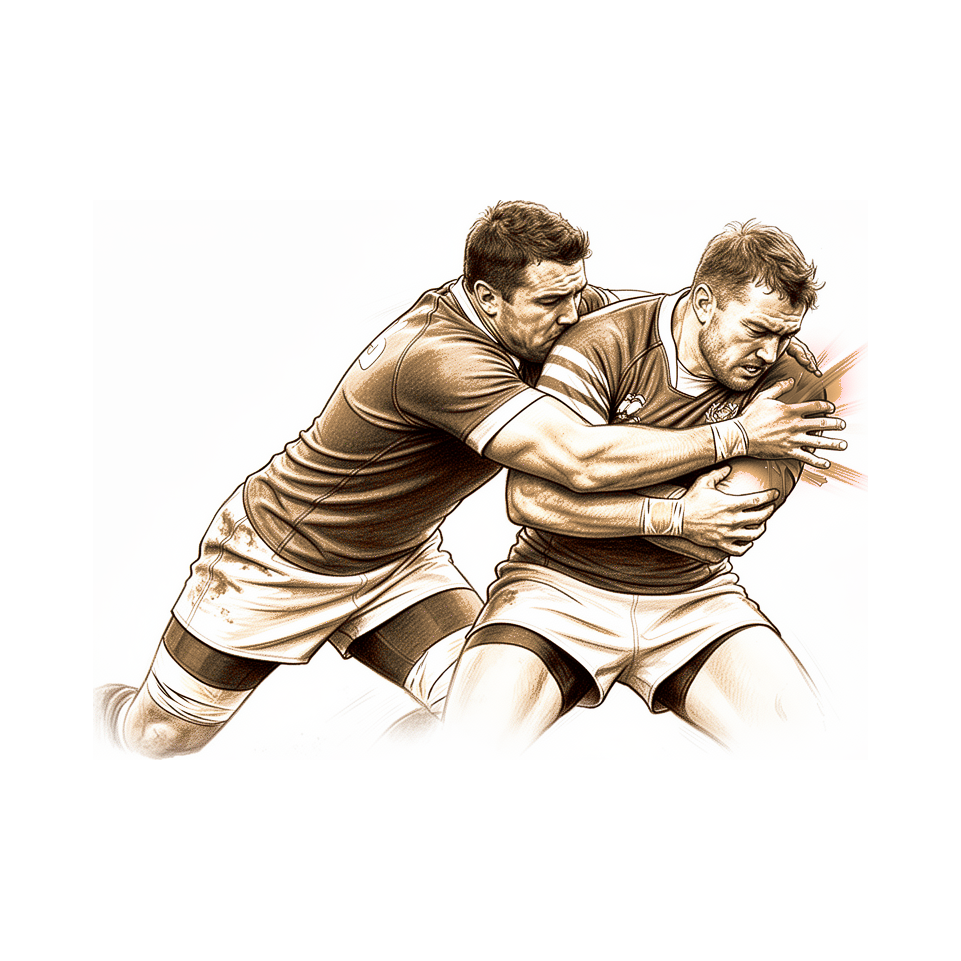
Quy trình này hướng dẫn quá trình hồi phục của bạn sau ca phẫu thuật ổn định khớp vai do Bác sĩ Kieran Hirpara thực hiện tại Bệnh viện tư nhân Mater Rockhampton. Mỗi giai đoạn dưới đây đều bắt đầu bằng lời giải thích bằng ngôn ngữ đơn giản về những gì đang diễn ra và những điều quan trọng cần lưu ý; tiếp theo là chương trình tập luyện có cấu trúc mà bạn có thể chia sẻ với chuyên viên vật lý trị liệu. Hãy mang theo trang này hoặc bản PDF tương ứng trong lần khám vật lý trị liệu đầu tiên để quá trình phục hồi được thực hiện một cách nhất quán. Chuyên viên vật lý trị liệu có thể điều chỉnh kế hoạch tập luyện tùy theo tiến độ hồi phục của bạn.
Nếu bạn có bất kỳ thắc mắc nào về vết thương sau phẫu thuật, vui lòng liên hệ với phòng khám. Việc chụp ảnh vết thương rồi gửi qua email để được đánh giá cũng là một cách hữu ích.
Những điều bạn có thể mong đợi
Phẫu thuật ổn định khớp vai phía sau nhằm khắc phục tình trạng tổn thương ở phía sau khớp vai, nơi môi sụn (labrum) và màng bao khớp bị rách khỏi ổ khớp. Vì vết khâu nằm ở phía sau khớp, động tác gây áp lực lớn nhất lên vùng này là duỗi tay ra phía trước đồng thời xoay cánh tay vào trong. Có ba động tác sinh hoạt thường ngày cần được hạn chế trong giai đoạn đầu, vì mỗi động tác này đều đẩy đầu khớp về phía sau, tác động lên vết khâu mới:
- Xoay cánh tay vào trong (xoay nội bộ): vươn tay ra phía sau lưng hoặc xoay bàn tay về phía bụng;
- Vươn tay qua thân người về phía vai đối diện (động tác khép ngang);
- Ngả người hoặc dùng lực qua cánh tay vừa phẫu thuật.
Đây là tình huống đối lập với phẫu thuật ổn định khớp vai phía trước, nơi cần hạn chế động tác xoay cánh tay ra ngoài. Đối với ca phẫu thuật phía sau, hướng an toàn là xoay cánh tay ra ngoài; còn xoay nội bộ là động tác được phục hồi cuối cùng: chỉ nên thực hiện nhẹ nhàng, chưa cần đạt biên độ tối đa cho đến khoảng 3 tháng sau phẫu thuật. Các giai đoạn dưới đây mô tả chính xác thời điểm từng động tác được phép thực hiện trở lại.
Dù có xu hướng muốn vận động sớm, các bằng chứng khoa học cho thấy việc vội vã chỉ giúp tăng biên độ vận động tạm thời; trong 6 tuần đầu, vết khâu vẫn còn yếu nhất. Việc thực hiện chương trình phục hồi dần dần, có kế hoạch mới là cách an toàn và hiệu quả nhất để phục hồi chức năng hoàn toàn. Tình trạng lỏng khớp vai phía sau ít gặp, vì vậy lộ trình này được xây dựng dựa trên các nguyên lý sinh cơ học và hướng dẫn từ các chuyên gia, chứ không phải từ các thử nghiệm quy mô lớn; Bác sĩ Hirpara sẽ điều chỉnh tốc độ phục hồi phù hợp với từng bệnh nhân.
Bạn sẽ đeo nẹp cổ tay đơn giản, chứ không phải nẹp đặc biệt dạng chống vẹo hay nẹp “gunslinger”. Việc bảo vệ khớp chủ yếu nhờ các lưu ý về tư thế nêu trên (giữ cánh tay phía trước, tránh xoay nội bộ và vươn tay qua thân người), chứ không phụ thuộc vào hình dạng của nẹp.
Tổng quan về quá trình phục hồi:
- Giai đoạn I — Bảo vệ khớp, tuần 0–2
- Giai đoạn II — Bắt đầu vận động nhẹ, tuần 2–4
- Giai đoạn III — Tăng dần biên độ vận động và bắt đầu rèn luyện sức mạnh, tuần 4–6
- Giai đoạn IV — Tiếp tục cải thiện vận động, tuần 6–8
- Giai đoạn V — Tập tăng cường sức mạnh, tuần 8–12
- Giai đoạn VI — Đạt biên độ vận động đầy đủ và tập tạ, tuần 12–14
- Trở lại hoạt động thể thao: từ tuần 12; đối với các môn thể thao tiếp xúc, phải đợi ít nhất 5 tháng
Việc trở lại sinh hoạt hàng ngày:
- Làm việc: công việc văn phòng: có thể làm bình thường; công việc chân tay: phải đợi ít nhất 3 tháng
- Lái xe: sau khi tháo nẹp và kiểm soát được cánh tay, thường là khoảng 6 tuần
- Nâng vác: có thể nâng vật nhẹ trong những tuần đầu, nhưng tránh nâng vật nặng trong khoảng 3 tháng
- Các môn thể thao tiếp xúc (bóng đá, rugby, võ thuật, môn dùng vợt, leo núi, cưỡi ngựa): sớm nhất là 5 tháng sau phẫu thuật, và chỉ khi đáp ứng đầy đủ các tiêu chí trở lại thi đấu.
Quy trình phẫu thuật
Việc ổn định vùng phía sau khớp vai thường được thực hiện qua phương pháp nội soi (phẫu thuật ít xâm lấn), hoặc thỉnh thoảng qua một vết rạch nhỏ. Phần môi khớp và màng bao khớp bị rách ở phía sau vai sẽ được khâu lại và căng chặt vào vành ổ khớp (thủ thuật này đôi khi được gọi là phẫu thuật Bankart ngược hoặc nối màng bao khớp phía sau). Nhiệm vụ của quá trình phục hồi chức năng là giữ cho đầu xương chày không tác động lên vùng vừa được phẫu thuật trong lúc lành thương; ban đầu cần hạn chế các chuyển động về phía trước, vào trong và ngang thân người, sau đó dần dần khôi phục lại phạm vi vận động, sức mạnh và chức năng của khớp.
Cách đeo đai treo cánh tay
Đai treo cánh tay giúp nâng đỡ cánh tay và nhắc nhở bạn giữ cánh tay ở vị trí an toàn trong thời gian vết phẫu thuật lành lại. Các quy tắc rất đơn giản:
- Hãy đeo đai treo đơn giản trong khoảng 6 tuần, đặc biệt là khi ra ngoài nhà hoặc ở nơi có người khác. Bác sĩ Hirpara không sử dụng gối hỗ trợ, miếng đệm nâng đỡ hay nẹp đặc biệt nào; chỉ cần đeo đai treo đơn giản kết hợp với các biện pháp giữ tư thế dưới đây là đủ để bảo vệ vết khâu phía sau vai.
- Bạn không nên ngủ khi đeo đai treo. Hãy tháo đai ra khi ngủ và giữ cánh tay không ở trong tư thế nguy hiểm: đặt cánh tay hơi ra phía trước thân, tránh xoay vào trong hoặc đặt chéo qua ngực. Việc kê một chiếc gối dưới cánh tay sẽ giúp giữ nó ở vị trí đó.
- Tháo đai treo ra khi tắm và khi tập các bài tập (sau khi đã được hướng dẫn). Mỗi khi tháo đai, hãy giữ cánh tay thả lỏng và ở phía trước thân; tuyệt đối không để cánh tay dịch chuyển ra sau lưng hoặc qua ngực.
- Nếu vai bị sưng hoặc đau, hãy chườm đá, đặc biệt là sau khi tập luyện.
Khi đeo đai treo, hãy chú ý đến tư thế: giữ sao cho tai, vai và hông nằm thẳng hàng, tránh cúi người quá mức. Tư thế đúng không chỉ bảo vệ cột sống mà còn giúp vai không bị cứng lại.
Chuyên viên vật lý trị liệu sẽ hướng dẫn bạn ba loại vận động: phạm vi chuyển động thụ động (PROM) (cánh tay hoàn toàn thả lỏng, người khác hoặc chuyên viên trị liệu sẽ thực hiện toàn bộ động tác); phạm vi chuyển động chủ động có hỗ trợ (AAROM) (dùng cánh tay lành hoặc vật hỗ trợ để giúp cánh tay vừa phẫu thuật di chuyển); và phạm vi chuyển động chủ động (AROM) (bạn tự vận động cánh tay bằng sức mình). Đội ngũ điều trị sẽ chỉ định loại vận động nào phù hợp với từng giai đoạn.
Những lưu ý quan trọng — tuyệt đối không được làm
Đặc biệt trong sáu tuần đầu tiên, cần tránh các động tác sau để bảo vệ vùng vừa được phẫu thuật ở phía sau vai:
- Tuyệt đối không xoay cánh tay vào trong vượt quá vị trí thẳng về phía trước (vị trí trung tính): không được với tay ra phía sau lưng, cũng không được xoay bàn tay sang phía bụng. Việc xoay cánh tay vào trong là động tác cần tránh nhiều nhất trong giai đoạn đầu, và cũng là động tác cuối cùng mới có thể khôi phục được.
- Tuyệt đối không với tay qua thân người về phía vai đối diện (không thực hiện các động tác vượt qua trục thân).
- Tuyệt đối không vừa với tay về phía trước vừa xoay cánh tay vào trong; đây chính là tư thế gây áp lực lớn nhất lên vùng vừa được phẫu thuật.
- Tuyệt đối không dựa vào cánh tay vừa phẫu thuật, dùng nó để đẩy người lên từ ghế hoặc giường, hay chịu trọng lượng cơ thể lên cánh tay đó.
- Tuyệt đối không nâng, đẩy hoặc kéo vật nặng bằng cánh tay vừa phẫu thuật trong giai đoạn đầu.
- Tuyệt đối không cố gắng căng cánh tay ra theo bất kỳ hướng nào; hãy để phạm vi chuyển động dần dần trở lại trong giới hạn do chuyên viên vật lý trị liệu đề ra.
- Sau khi phẫu thuật vùng phía sau vai, việc xoay cánh tay ra ngoài là hướng an toàn; tuy nhiên vẫn cần tuân thủ các giới hạn do chuyên viên vật lý trị liệu đặt ra.
Những ngày đầu tiên của bạn tại bệnh viện
Kieran Hirpara 4.0
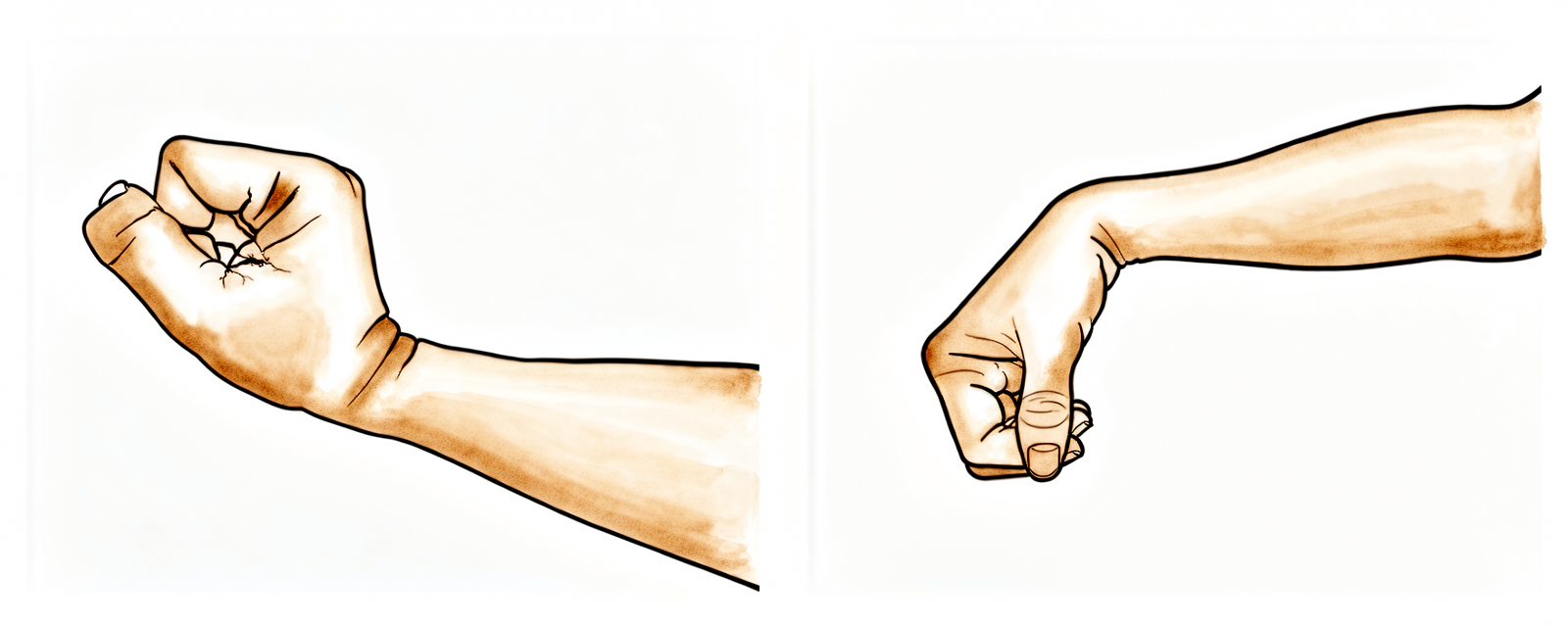
Cổ tay, bàn tay và các ngón tay
Hãy liên tục vận động tay bằng cách gập cổ tay về phía trước, phía sau và sang hai bên, đồng thời mở/khép các ngón tay hoặc nắm chặt một quả bóng mềm. Việc này giúp tay và cổ tay giữ được độ linh hoạt, giảm sưng – đồng thời không gây áp lực lên vùng vừa được phẫu thuật.
10 lần, 3 lần mỗi ngày.
Kieran Hirpara 4.0
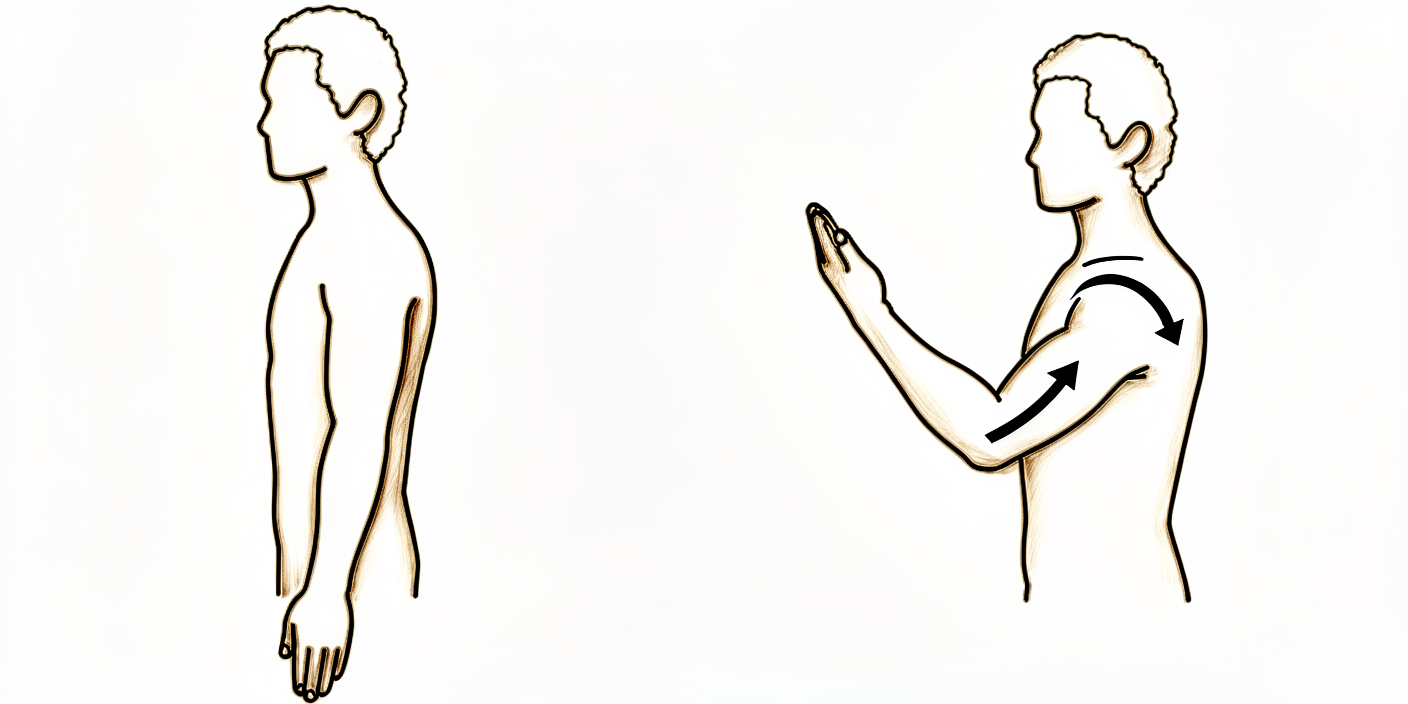
Cử động gập khuỷu tay
Giữ cánh tay phía trước thân người, từ từ gập và duỗi khuỷu tay ra. Giữ vai thả lỏng và không cử động.
10 lần, 3 lần mỗi ngày.
Kieran Hirpara 4.0
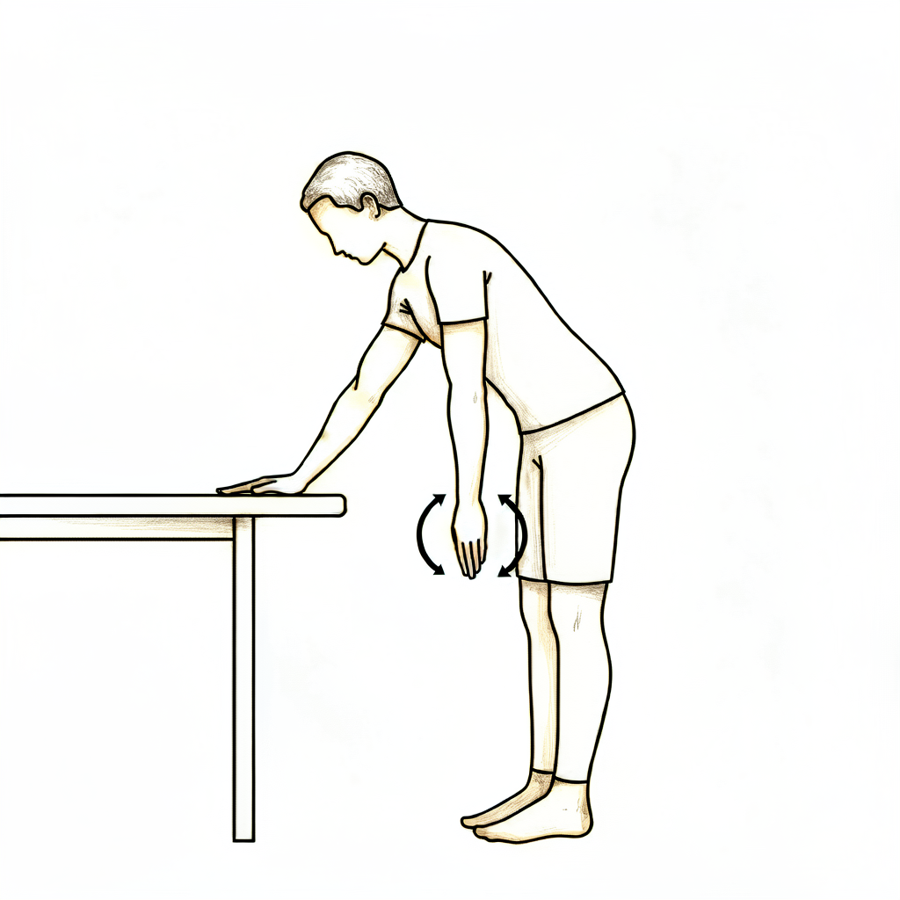
Bài tập con lắc
Hãy nghiêng người về phía trước và để cánh tay vừa được phẫu thuật thõng xuống, hoàn toàn thả lỏng. Dùng cơ thể để nhẹ nhàng đung đưa cánh tay: tạo những vòng tròn nhỏ theo chiều kim đồng hồ và ngược chiều kim đồng hồ, đồng thời đưa cánh tay ra trước/sau và sang hai bên. Các cơ vai không cần hoạt động; chính cơ thể bạn mới là người tạo ra chuyển động. Hãy giữ các chuyển động ở mức nhỏ thôi.
Khoảng 30 giây cho mỗi hướng, 3 lần mỗi ngày.
Một vài quy tắc cần tuân thủ trong bệnh viện và những ngày đầu sau khi về nhà:
- Nếu cần, hãy dùng đá lạnh để giảm đau.
- Khi đeo đai treo cánh tay, hãy thả lỏng vai để đai tự chịu trọng lượng cánh tay; giữ cánh tay ở phía trước cơ thể.
- Hãy uống thuốc giảm đau trước khi tập luyện và trước các buổi trị liệu vật lý.
- Bạn có thể tháo đai treo cánh tay ra khi tập luyện hoặc tắm vòi sen.
- Hãy đeo đai treo cánh tay trong khoảng 6 tuần, đặc biệt là khi ra ngoài.
- Trừ khi bạn đã tự sắp xếp dịch vụ trị liệu vật lý, một lịch hẹn đã được đặt cho bạn và nằm trong bộ hồ sơ xuất viện.
- Nếu gặp bất kỳ vấn đề nào, hãy liên hệ với văn phòng hoặc thông báo cho chuyên viên trị liệu vật lý của bạn.
Giai đoạn I — Bảo vệ vùng phẫu thuật (tuần 0–2)
Kieran Hirpara 4.0
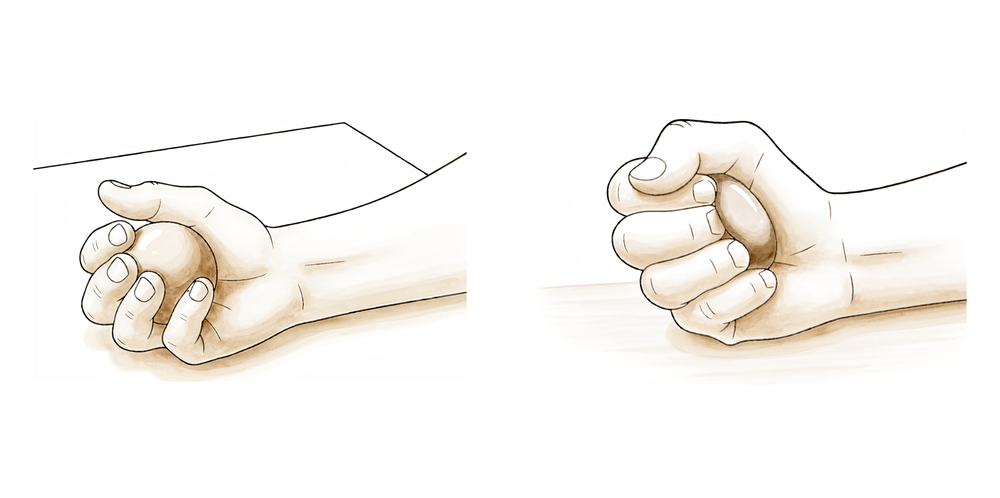
Bóp nén quả bóng
Hãy để cánh tay của bạn thả lỏng ở phía trước người, sau đó nắm chặt một quả bóng mềm hoặc chiếc tất được cuộn tròn lại, giữ trong chốc lát rồi thả lỏng. Cách này giúp cẳng tay và cơ nắm tay vẫn hoạt động mà không làm di chuyển vai.
Giữ nguyên trong 5 giây, thực hiện 10 lần, ngày 3 lần.
Kieran Hirpara 4.0
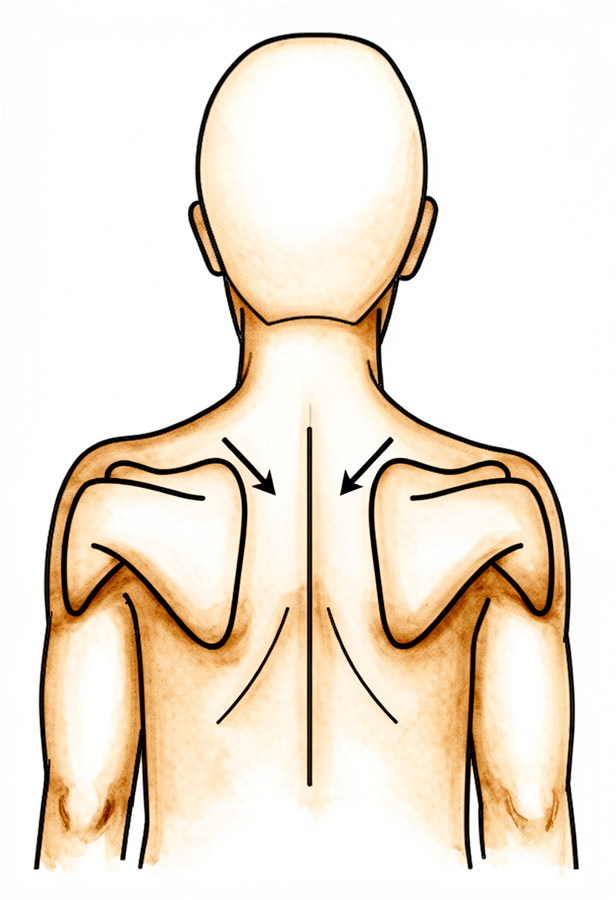
Siết giữ xương bả vai
Hãy nhẹ nhàng ép hai bả vai xuống dưới và khép lại với nhau, giữ nguyên tư thế rồi thả lỏng. Cánh tay của bạn không được di chuyển — đây là bài tập kích hoạt cơ nhẹ nhàng nhằm ổn định vị trí của bả vai.
Giữ nguyên trong 5 giây, thực hiện 5 lần, ngày 3 lần.
Kieran Hirpara 4.0
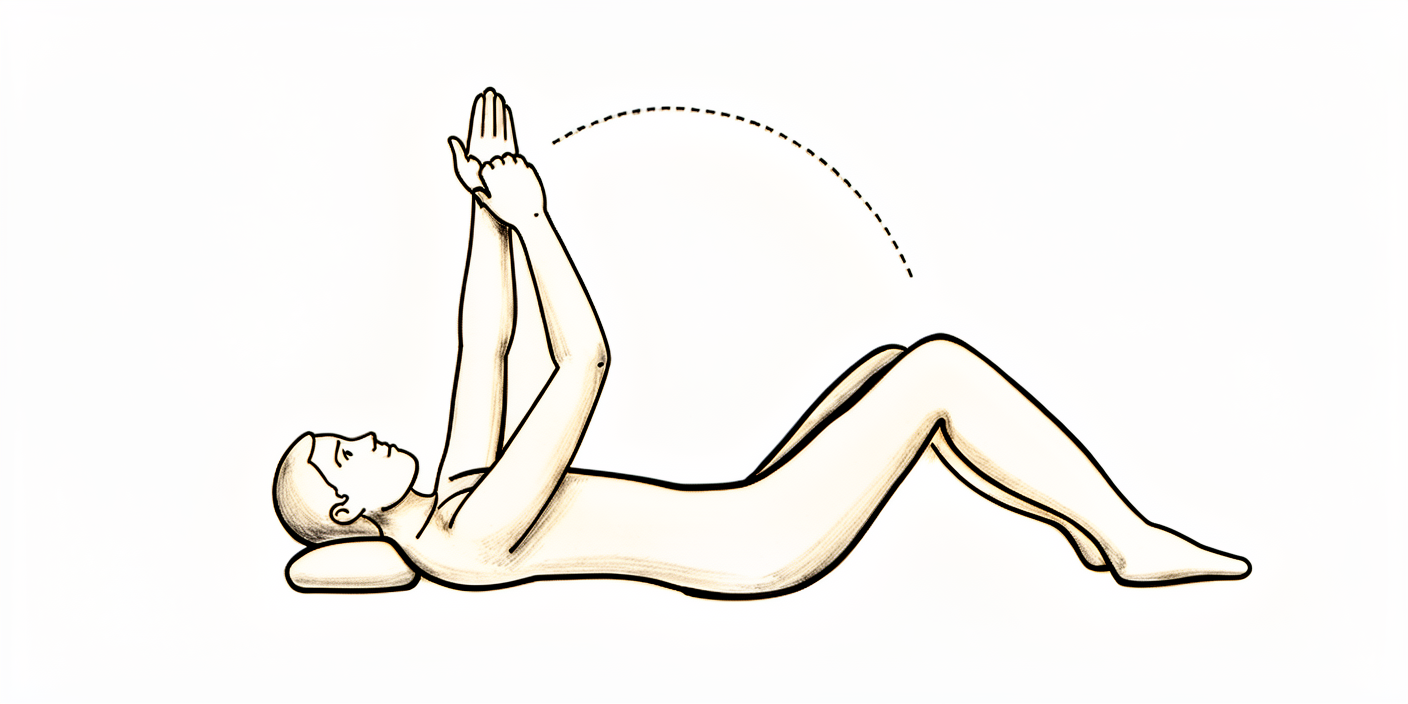
Hỗ trợ nâng tay lên phía trước
Ngồi xuống và hơi nghiêng người về phía trước; dùng tay lành ôm lấy cánh tay vừa được phẫu thuật rồi nhẹ nhàng nâng nó lên phía trước người. Ở giai đoạn đầu này, tuyệt đối không nâng quá nửa độ cao (khoảng 60°). Sau đó dùng tay lành hạ cánh tay xuống từ từ. Suốt quá trình, hãy giữ cánh tay ở phía trước người và tuyệt đối không gắng sức hay ép buộc nó.
10 lần, 3 lần mỗi ngày, trong giới hạn của chuyên viên vật lý trị liệu.
Kieran Hirpara 4.0
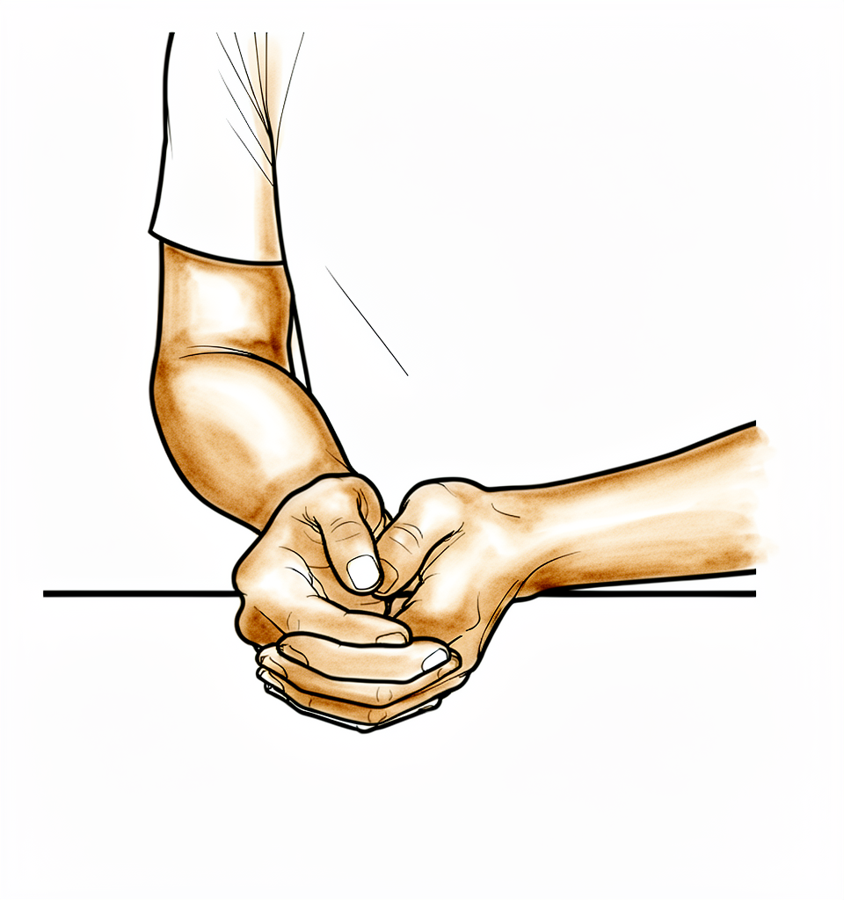
Hỗ trợ xoay ngoài (chỉ đến vị trí trung tính)
Khi ngồi, hãy giữ khuỷu tay khép ở phía trước người và xoay cẳng tay ra ngoài chỉ đến mức hướng thẳng về phía trước. Việc xoay ra ngoài là AN TOÀN sau phẫu thuật sửa chữa phía sau khớp vai — nhưng hướng xoay vào trong là hướng bạn phải tránh, vì vậy KHÔNG được để bàn tay trôi vào trong, ngang qua thân người.
Nhẹ nhàng, 10 lần, 3 lần mỗi ngày.
Hai tuần đầu tiên là giai đoạn bảo vệ vùng vừa được phẫu thuật đồng thời vẫn duy trì các chuyển động nhẹ nhàng. Bạn vẫn sử dụng đai treo đơn giản, giữ cánh tay phía trước cơ thể và chỉ thực hiện những bài tập nhẹ giúp các khớp tay, cổ tay và khuỷu tay vận động; đồng thời giúp xác định vị trí của xương bả vai mà không gây áp lực lên phía sau vai. Hai quy tắc quan trọng nhất là: luôn giữ cánh tay phía trước và không bao giờ xoay nó vào trong cơ thể; tuyệt đối không gắng sức hay kéo căng các khớp. Các chuyển động hỗ trợ về phía trước chỉ được thực hiện đến mức khoảng 60° (tương đương một nửa quãng đường); việc xoay ra ngoài chỉ được thực hiện đến vị trí thẳng về phía trước.
- Đai treo: sử dụng đai treo đơn giản vào ban ngày; khi ngủ thì tháo đai ra nhưng vẫn giữ cánh tay phía trước, không xoay vào trong. Tháo đai khi tập luyện hoặc tắm.
- Các chuyển động được phép: chỉ được thực hiện các chuyển động hỗ trợ hoặc thụ động. Nâng cánh tay về phía trước tối đa đến 60°; xoay ra ngoài chỉ đến vị trí thẳng về phía trước; không được xoay vào trong quá mức trung tính, không được với tay ra phía sau lưng hay vượt qua phía trước cơ thể.
- Các bài tập: đung đưa cánh tay như con lắc; vận động nhẹ nhàng các khớp tay, cổ tay và khuỷu tay; nắm chặt quả bóng; điều chỉnh vị trí xương bả vai; nâng cánh tay hỗ trợ đến mức một nửa quãng đường; xoay cánh tay ra ngoài hỗ trợ đến vị trí trung tính.
Sẵn sàng chuyển sang giai đoạn tiếp theo khi: cơn đau đã giảm dần và được kiểm soát tốt; bạn có thể giữ cánh tay ở tư thế bảo vệ (phía trước, không xoay vào trong) một cách thoải mái; việc nâng cánh tay hỗ trợ đạt mức khoảng một nửa quãng đường mà không gặp khó khăn; vết thương đã lành mà không có biến chứng; và bạn thực hiện đúng các biện pháp phòng ngừa liên quan đến phía sau vai.
Giai đoạn II — Vận động sớm (tuần 2–4)
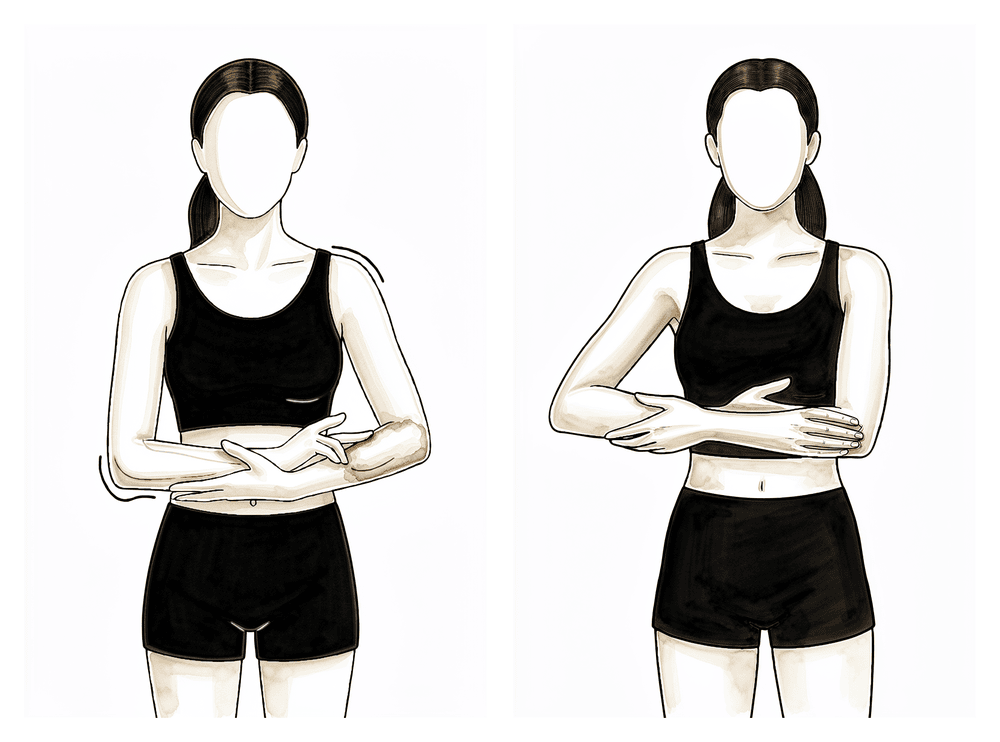
Kieran Hirpara 4.0
Hỗ trợ vận động cánh tay ra ngoài sang hai bên
Ngồi thẳng lưng và hơi nghiêng người về phía trước; dùng tay lành ôm lấy cánh tay vừa được phẫu thuật rồi nhẹ nhàng đưa nó sang bên — giống như cách ru một em bé vậy. Hãy giữ chuyển động trong phạm vi mà chuyên viên vật lý trị liệu đã chỉ định (khoảng 90°, tương đương chiều cao vai); đồng thời giữ cánh tay ở phía trước cơ thể, không đưa ra phía sau.
10 lần, 3 lần mỗi ngày.
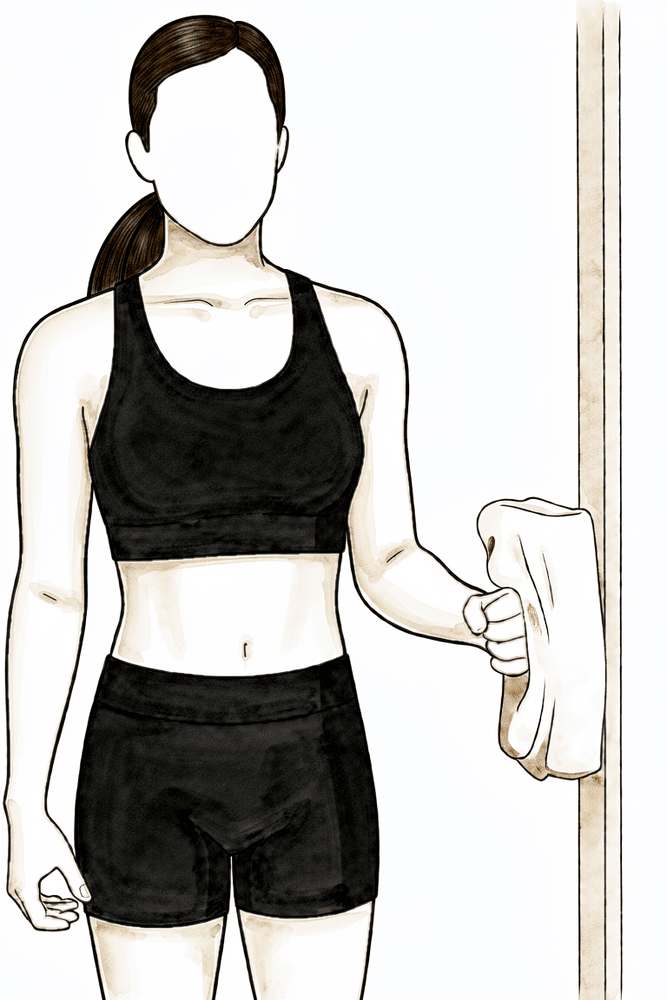
Kieran Hirpara 4.0
Xoay ngoài đẳng trường
Đứng thẳng, khuỷu tay gập 90° và đặt phía trước người; mu bàn tay chạm gần vào tường hoặc khung cửa. Nhẹ nhàng ấn mu bàn tay ra ngoài vào bề mặt đó mà không để cánh tay di chuyển — chỉ dùng lực vừa phải, khoảng một phần tư sức mạnh bình thường, và không gây đau đớn. Giữ nguyên tư thế rồi thả lỏng.
Giữ khoảng 5 giây, lực nhẹ (~25% sức lực), 10 lần, theo hướng dẫn của chuyên viên vật lý trị liệu.
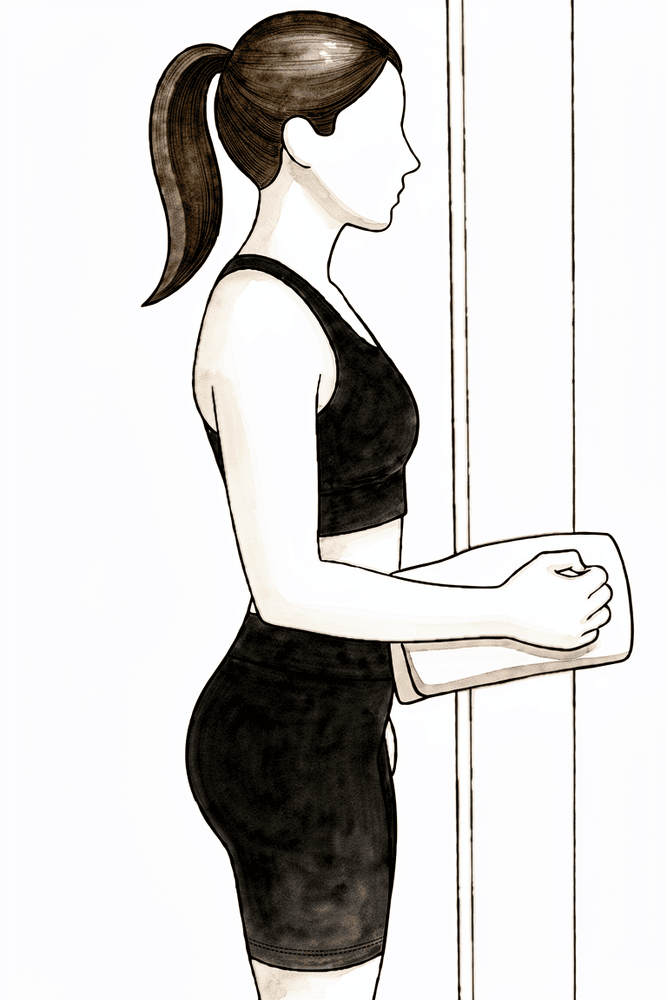
Kieran Hirpara 4.0
Xoay trong đẳng trường (chỉ ở tư thế trung tính)
Động tác này chỉ được thực hiện khi cánh tay đặt sát thân, lòng bàn tay hướng thẳng về phía trước (tư thế trung tính) — KHÔNG được thực hiện khi lòng bàn tay quay vào trong, hướng về phía thân mình. Giữ khuỷu tay sát thân và nhẹ nhàng ấn lòng bàn tay vào tường theo hướng vào trong, đảm bảo cánh tay không di chuyển — chỉ dùng khoảng ¼ lực, không gây đau đớn. Giữ nguyên tư thế rồi thả lỏng. Dừng lại trước khi lòng bàn tay di chuyển về phía bụng.
Giữ khoảng 5 giây, lực nhẹ (~25% sức lực), 10 lần, theo hướng dẫn của chuyên viên vật lý trị liệu.
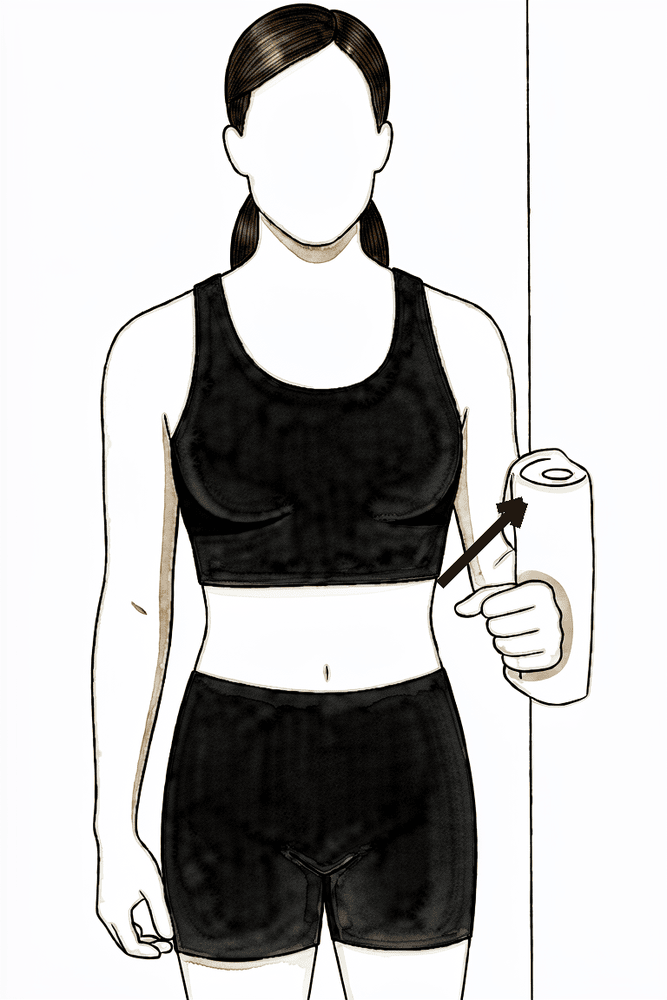
Kieran Hirpara 4.0
Dạng tay đẳng trường (đưa tay sang ngang)
Đứng nghiêng người sao cho mặt ngoài cánh tay trên ở gần tường, khuỷu tay khép sát thân. Nhẹ nhàng ấn cánh tay ra ngoài vào tường mà KHÔNG để nó di chuyển — chỉ dùng khoảng một phần tư sức lực, không gây đau. Giữ nguyên tư thế rồi thả lỏng.
Giữ khoảng 5 giây, lực nhẹ (~25% sức lực), 10 lần, theo hướng dẫn của chuyên viên vật lý trị liệu.
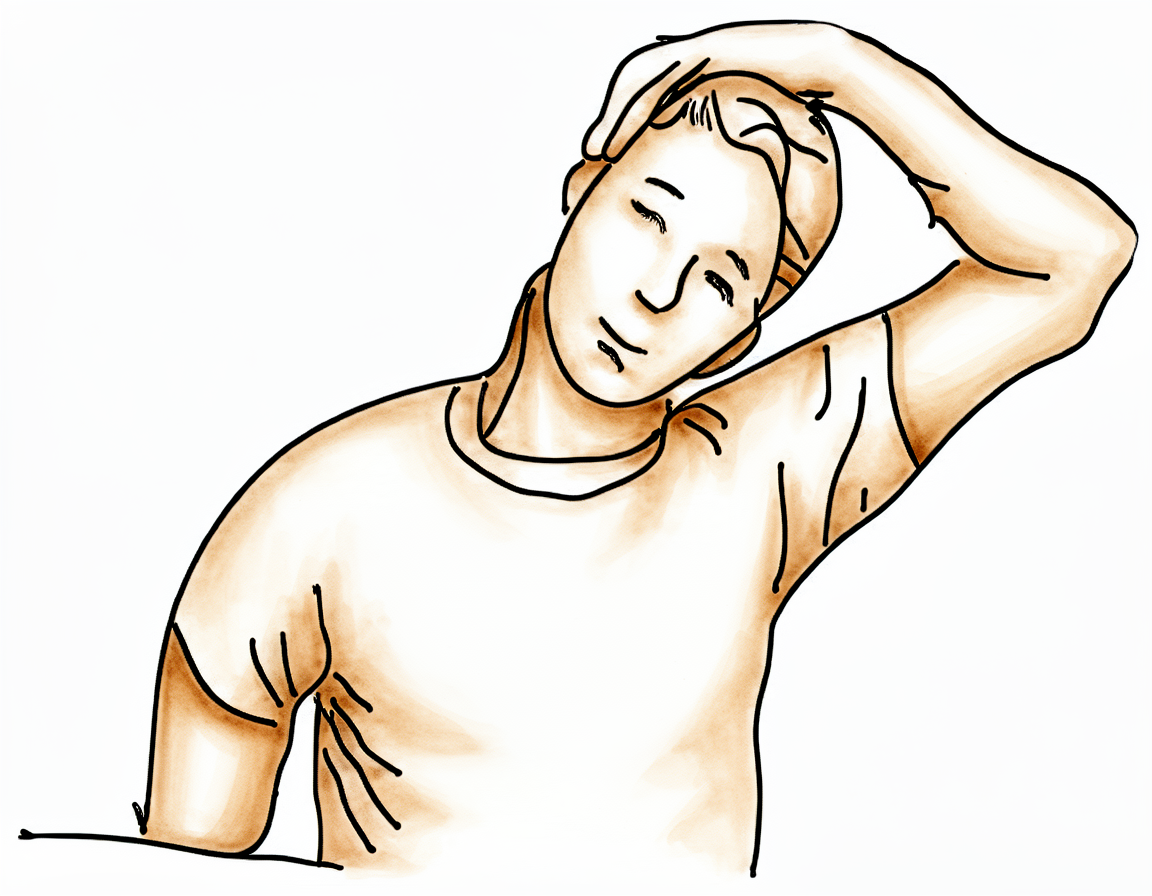
Kieran Hirpara 4.0
Bài tập kéo giãn cổ sang hai bên
Hãy dùng cánh tay lành để nhẹ nhàng đưa tai về phía vai lành, hướng ra xa phía bên đã phẫu thuật, cho đến khi bạn cảm nhận được sự giãn căng dễ chịu ở vùng cổ.
Giữ nguyên trong 10 giây, thực hiện 3 lần, ngày 3 lần.
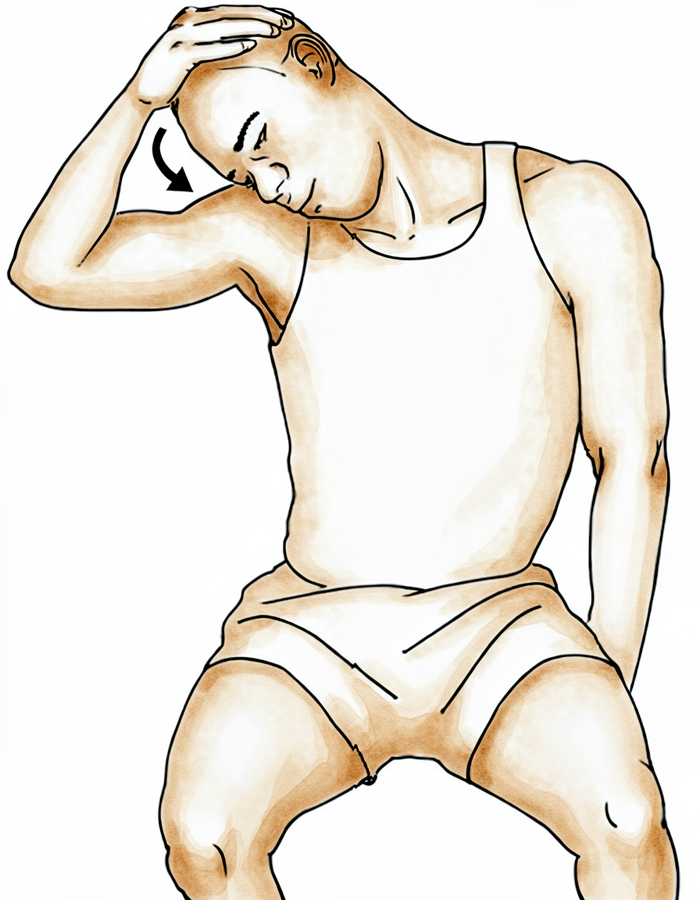
Kieran Hirpara 4.0
Duỗi cổ về phía nách
Hãy dùng cánh tay lành để nhẹ nhàng đưa mũi về phía nách, hướng ra xa khỏi bên vừa được phẫu thuật, cho đến khi bạn cảm nhận được sự giãn căng thoải mái.
Giữ nguyên trong 10 giây, thực hiện 3 lần, ngày 3 lần.
Từ tuần thứ hai, các động tác vận động nhẹ nhàng sẽ được tăng dần, nhưng vẫn phải tuân thủ nghiêm ngặt các hướng vận động an toàn. Chuyên viên vật lý trị liệu sẽ hướng dẫn các động tác thụ động và có hỗ trợ nhằm xác định giới hạn vận động; bạn cũng nên thực hiện các bài tập nhẹ kiểu nhấn và giữ (đẳng trương) để kích hoạt cơ bắp trong khi cánh tay vẫn giữ nguyên vị trí. Cánh tay phải luôn nằm phía trước cơ thể: tuyệt đối không được vươn tay ra phía sau lưng, không vận động ngang qua thân, và mức độ xoay vào trong chỉ được giữ ở mức trung tính.
- Đai treo cánh tay: vẫn phải đeo; giữ cánh tay ở phía trước; không vươn tay ra sau lưng.
- Các động tác được phép (dưới sự giám sát của chuyên viên vật lý trị liệu): nâng cánh tay lên phía trước đến góc khoảng 60°, xoay ra ngoài đến góc khoảng 45°, đưa sang ngang đến góc khoảng 90°; mức độ xoay vào trong vẫn giữ ở mức trung tính (0°) khi cánh tay ở ngang thân. Không được dùng các thiết bị kéo tại nhà.
- Các bài tập: vận động cánh tay sang ngang có hỗ trợ; các bài tập đẳng trương nhẹ nhàng gồm xoay ra ngoài, xoay vào trong (chỉ ở mức trung tính) và đưa sang ngang; tăng cường sức mạnh cơ vùng bả vai; các bài kéo giãn cổ. Ngừng ngay mọi động tác gây đau ở phía sau vai.
Bạn có thể chuyển sang giai đoạn tiếp theo khi: đạt được các giới hạn vận động nêu trên dưới sự giám sát mà không có triệu chứng đau ở phía sau vai; cơn đau và tình trạng sưng tấy đã được kiểm soát; khả năng điều khiển cơ vùng bả vai vẫn tốt ngay cả khi thực hiện các động tác nhẹ.
Giai đoạn III — Tăng phạm vi vận động và bắt đầu tập tăng cường sức mạnh (tuần 4–6)
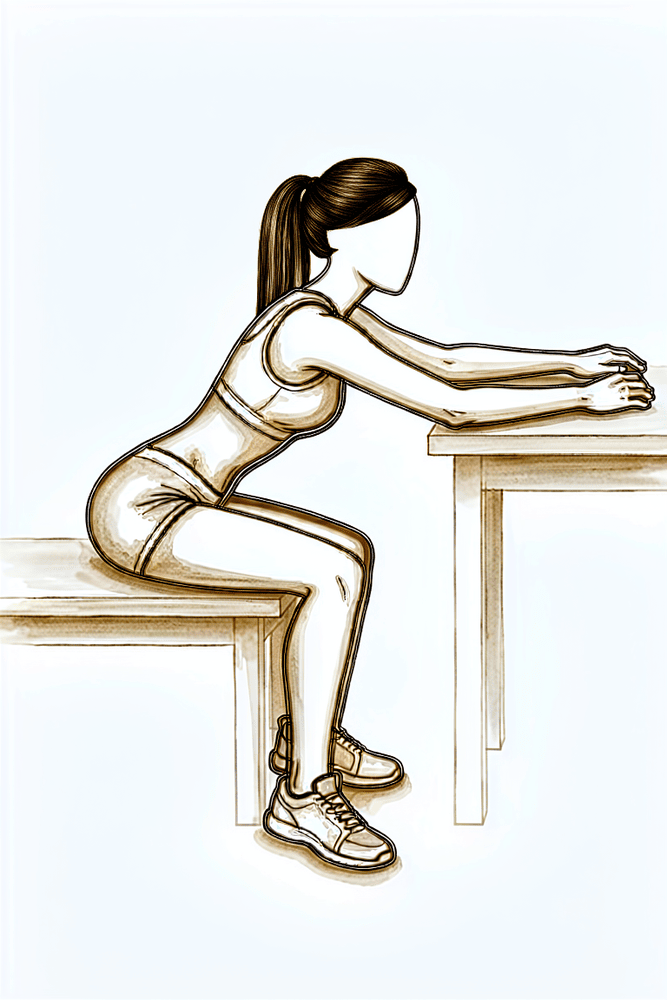
Kieran Hirpara 4.0
Trượt tay lên tường
Hãy quay mặt vào tường hoặc ngồi xuống bàn sao cho tay vừa phẫu thuật đặt lên bề mặt đó. Dịch chuyển tay về phía trước và lên trên dọc theo bề mặt, khiến cánh tay duỗi thẳng ra phía trước; để tường hoặc bàn gánh đỡ trọng lượng, sau đó dịch chuyển tay trở lại vị trí ban đầu. Giữ cánh tay luôn ở phía trước — không để nó di chuyển sang phía thân mình. Cách này giúp tăng khả năng vươn tay về phía trước trong khi vẫn có sự hỗ trợ về trọng lượng.
10 lần, 3 lần mỗi ngày, trong giới hạn của chuyên viên vật lý trị liệu.
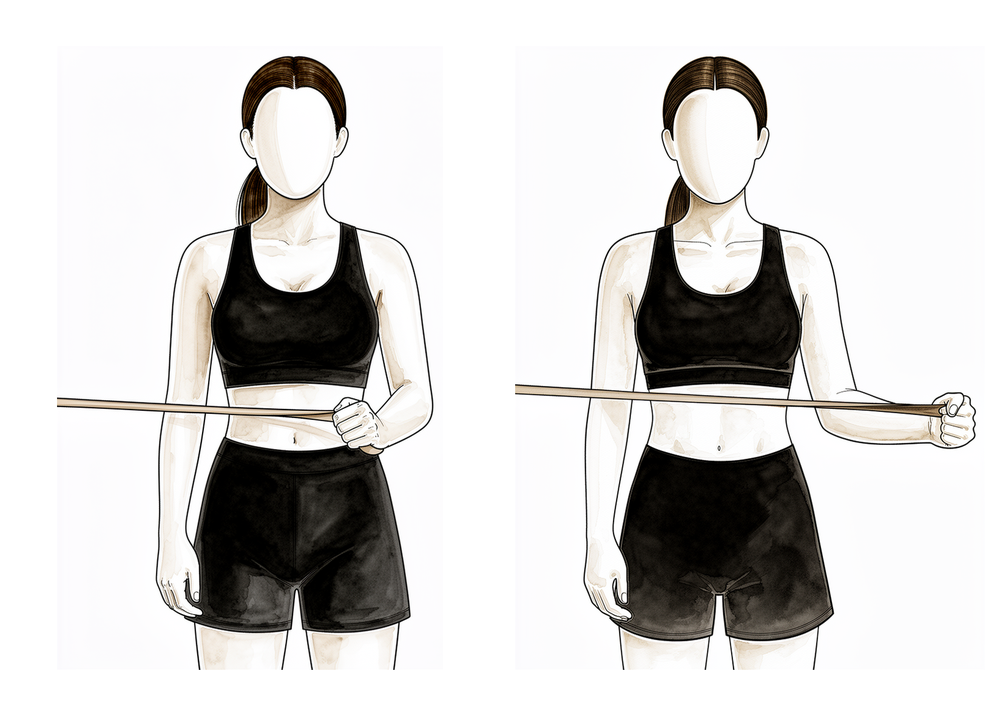
Kieran Hirpara 4.0
Xoay ngoài nhẹ nhàng bằng dây kháng lực
Khoảng từ tuần 4–6 trở đi, nếu được chuyên viên vật lý trị liệu đồng ý. Giữ khuỷu tay sát thân và gập 90°, cầm một dây kháng lực nhẹ rồi xoay cẳng tay ra ngoài chống lại lực của dây; sau đó trở về vị trí ban đầu một cách có kiểm soát. Xoay ra ngoài là hướng vận động an toàn sau phẫu thuật sửa chữa phía sau khớp vai. Dùng dây nhẹ và tập nhiều lần, không dùng lực cản mạnh.
Theo hướng dẫn của chuyên viên vật lý trị liệu của bạn.
Kieran Hirpara 4.0
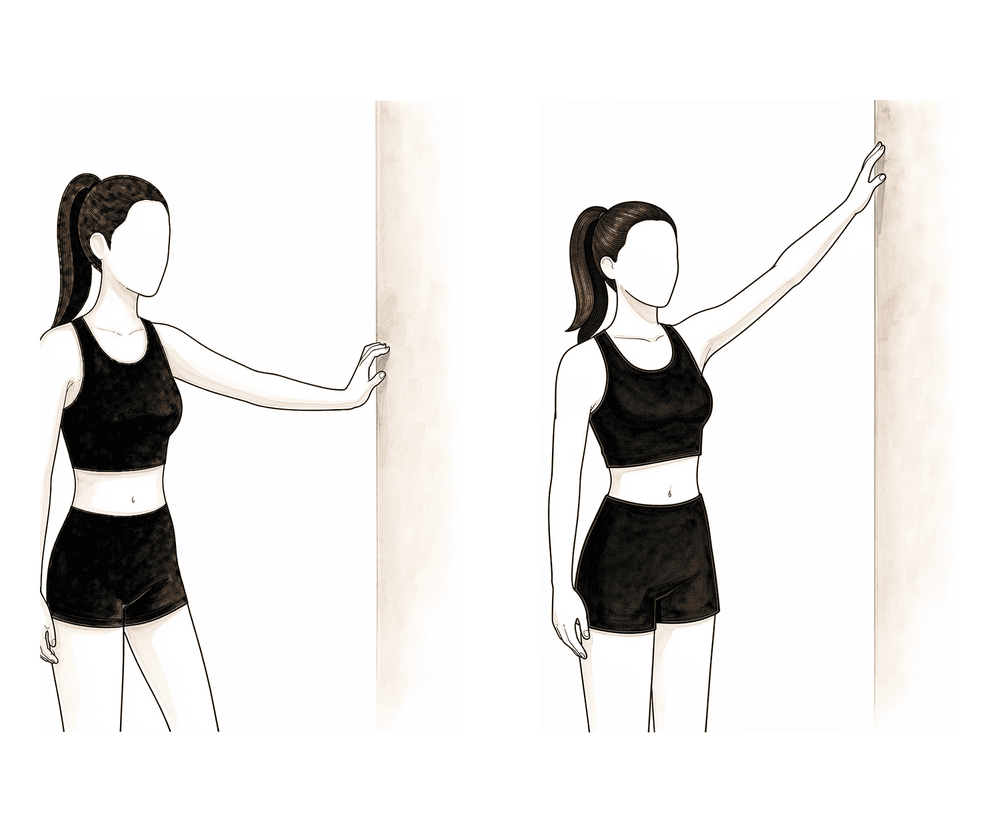
Di chuyển dọc theo tường sang phía bên
Đứng hướng ngang về phía tường, đặt đầu ngón tay lên bề mặt tường. Dùng các ngón tay di chuyển dần lên phía trên dọc theo tường sang bên hông, đồng thời nâng cánh tay lên mức thoải mái nhất; sau đó từ từ hạ cánh tay xuống lại một cách có kiểm soát. Bức tường sẽ giúp hỗ trợ cánh tay trong quá trình phục hồi khả năng vận động sang bên hông.
Theo hướng dẫn của chuyên viên vật lý trị liệu của bạn.
Phạm vi vận động dần mở rộng; các bài tập tăng cường sức mạnh nhẹ nhàng đầu tiên được thực hiện theo hướng xoay ngoài – hướng an toàn nhất. Bạn bắt đầu các động tác vươn tay có hỗ trợ, chẳng hạn như đi bộ dọc tường, cùng các bài tập nhẹ với dây kháng lực nhằm tăng cường cơ vùng xoay ngoài. Việc xoay trong chỉ được phép thực hiện một chút, và chỉ theo chỉ dẫn của chuyên viên vật lý trị liệu; đây vẫn là chuyển động cần được bảo vệ nhiều nhất. Băng treo vẫn được sử dụng vào ban ngày cho đến hết tuần thứ sáu.
- Băng treo: sử dụng băng treo đơn giản vào ban ngày trong khoảng 6 tuần. Nếu tháo băng vào ban đêm, vẫn phải tránh xoay cánh tay vào trong.
- Các chuyển động được phép: nâng tay lên phía trước đến khoảng 90°, nâng sang ngang tùy mức độ thoải mái; xoay ngoài đến khoảng 45° ở độ cao vai (hoặc hoàn toàn nếu ở vị trí ngang vai); xoay trong chỉ được phép tối đa 30° và phải theo chỉ dẫn của chuyên viên vật lý trị liệu. Bắt đầu các động tác vươn tay có hỗ trợ (đi bộ dọc tường). Không được nâng, đẩy hay kéo vật nặng hơn khoảng 2 pound, và không thực hiện các động tác trên đầu.
- Các bài tập: đi bộ dọc tường; tiếp tục các bài tập vận động xương bả vai và các bài tập co cứng cơ; bắt đầu các bài tập nhẹ với dây kháng lực nhằm tăng cường cơ vùng xoay ngoài ở vị trí ngang vai.
Sẵn sàng chuyển sang giai đoạn tiếp theo khi: bạn có khả năng vận động có hỗ trợ tốt, với sự kiểm soát ổn định và đều đặn của xương bả vai; cơn đau được kiểm soát tốt; và bạn đang tiến triển đúng theo các giới hạn đã đề ra mà không gây ảnh hưởng xấu đến vùng sau vai.
Giai đoạn IV — Tiến triển (tuần 6–8)
Kieran Hirpara 4.0
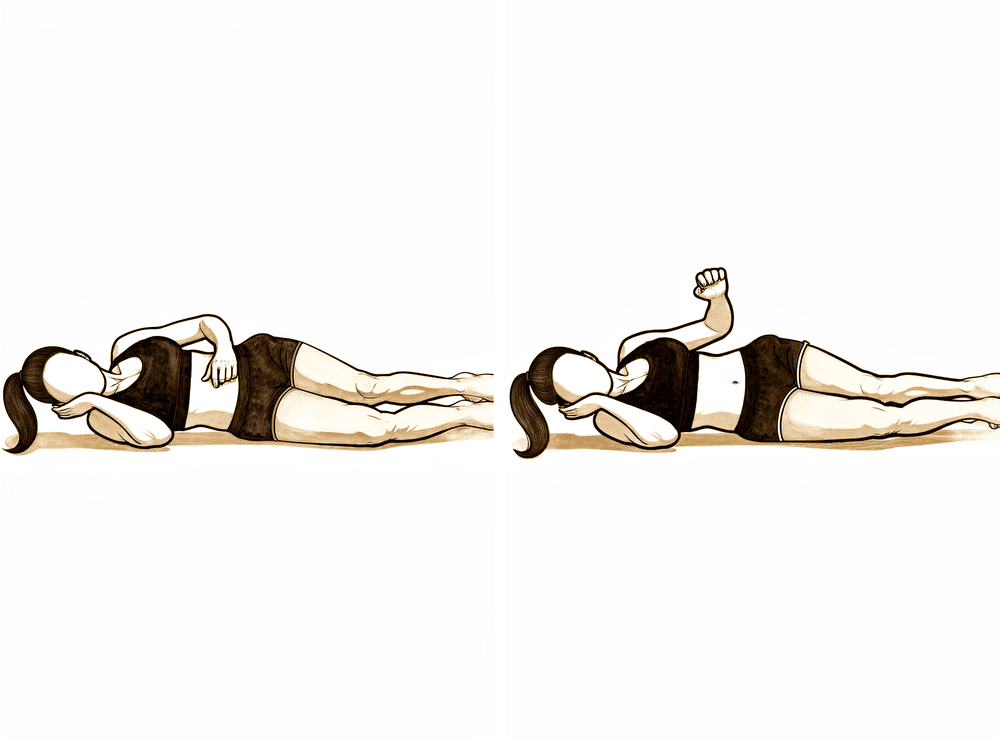
Tư thế nằm nghiêng với xoay ngoài
Nằm nghiêng về phía lành, khuỷu tay vừa phẫu thuật áp sát vào eo và gập ở góc 90°. Xoay cẳng tay lên trên (ra ngoài) sao cho bàn tay nâng lên về phía trần nhà, sau đó hạ xuống có kiểm soát. Bài tập này tăng cường các cơ chóp xoay làm nhiệm vụ xoay ngoài — hướng vận động an toàn ở giai đoạn này.
Theo hướng dẫn của chuyên viên vật lý trị liệu của bạn.
Kieran Hirpara 4.0
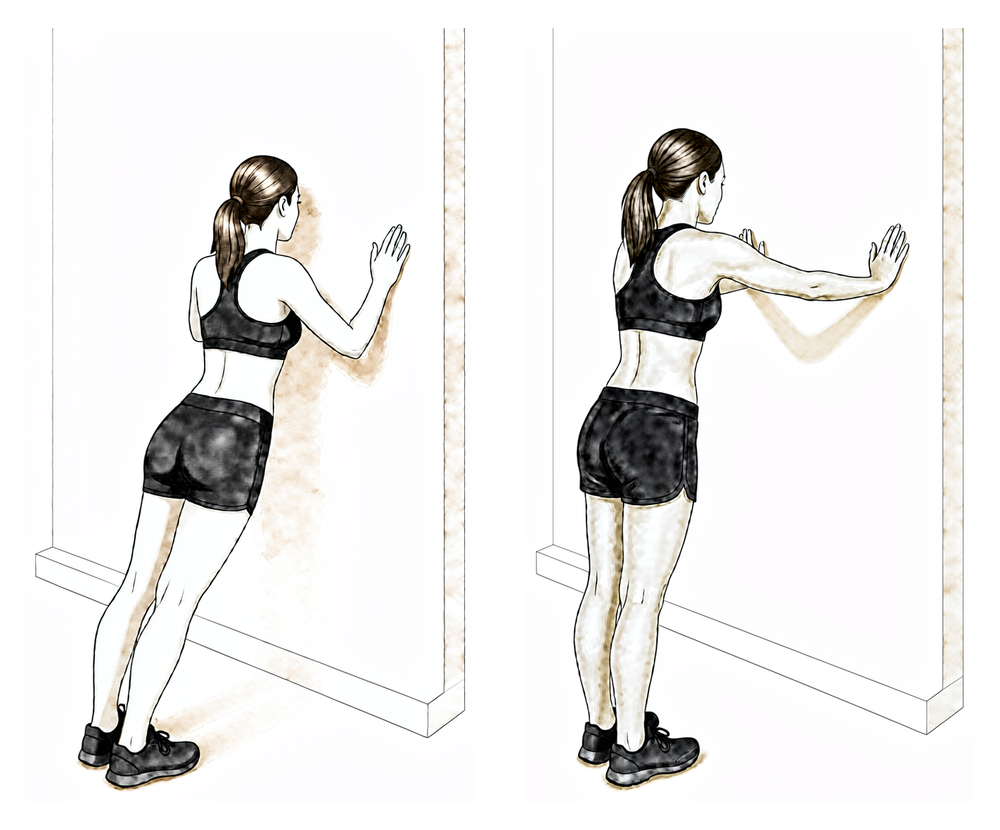
Tập hít đất chống tường
Đứng thẳng, hai tay úp phẳng lên tường ở độ cao vai và duỗi thẳng cánh tay. Gập khuỷu tay để đưa ngực lại gần tường, sau đó đẩy về tư thế ban đầu, nhẹ nhàng đẩy hai xương bả vai tách ra ở cuối động tác. Hãy tăng dần mức độ — bài tập này tác động trực tiếp lên phía sau vai, vì vậy được nâng dần từ từ và chỉ bắt đầu từ giai đoạn này.
Theo hướng dẫn của chuyên viên vật lý trị liệu của bạn.
Kieran Hirpara 4.0
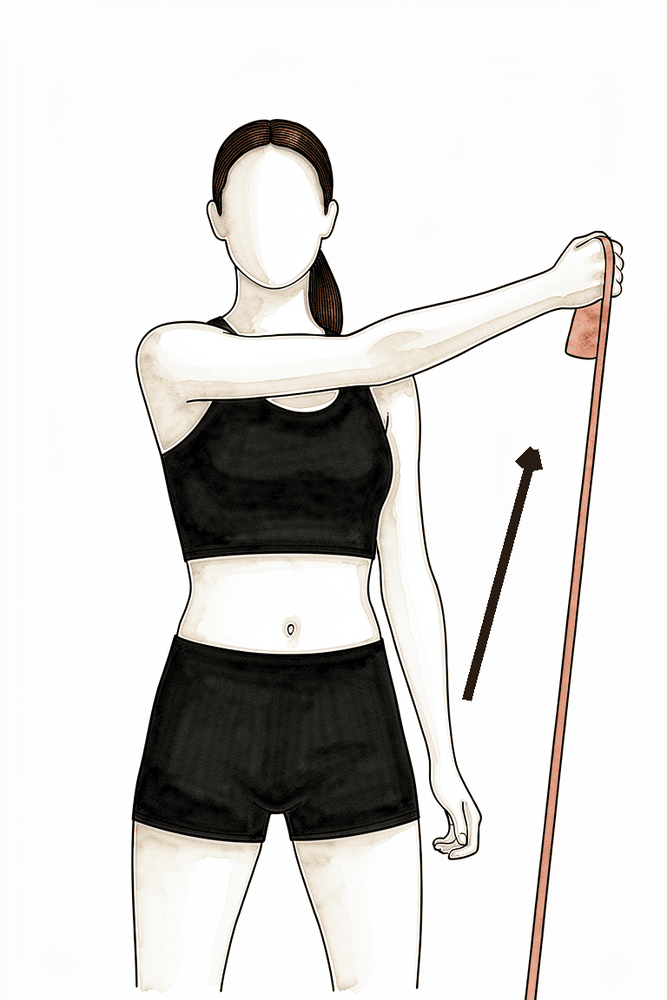
Kéo dây theo đường chéo (vươn ra ngoài và lên trên)
Một bài tập tăng cường sức mạnh cho toàn bộ cánh tay theo dạng chéo: sử dụng dây kháng lực nhẹ, bắt đầu từ vị trí thấp phía trước cơ thể rồi kéo dây ra ngoài và lên trên. Hãy thực hiện chuyển động một cách mượt mà và trong phạm vi mà bạn cảm thấy thoải mái; chuyên viên vật lý trị liệu sẽ xác định chính xác dạng chuyển động và mức độ kháng lực phù hợp.
Theo hướng dẫn của chuyên viên vật lý trị liệu của bạn.
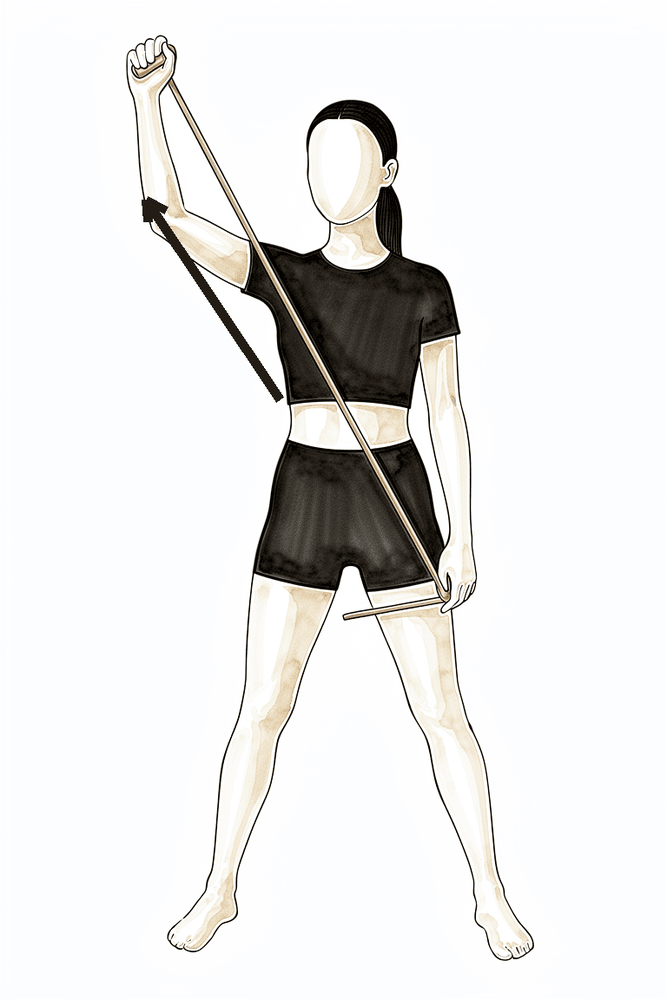
Kieran Hirpara 4.0
Kéo dây theo đường chéo (vươn ngang qua thân và xuống dưới)
Mẫu chuyển động chéo ngược lại cho toàn bộ cánh tay với một dây kháng lực nhẹ, từ trên-ra ngoài xuống dưới-ngang qua thân. Hãy thực hiện chuyển động mượt mà và có kiểm soát, trong phạm vi mà chuyên viên vật lý trị liệu đã đặt ra.
Theo hướng dẫn của chuyên viên vật lý trị liệu của bạn.
Dây treo sẽ được tháo ra vào tuần thứ sáu. Bệnh nhân dần thực hiện các chuyển động tự chủ ở mọi hướng, ngoại trừ chuyển động xoay vào trong; chuyển động này vẫn bị hạn chế cố ý (giới hạn ở mức khoảng 45° cho đến tuần thứ 12). Các bài tập tăng cường sức mạnh cũng được tăng dần: các bài tập nhẹ cho cơ vùng vai và xương bả vai, các động tác hít đất kiểm soát chặt chẽ lần đầu tiên dựa vào tường, cùng các bài tập vận động toàn bộ cánh tay theo hướng chéo với dây chun nhẹ.
- Dây treo: ngừng sử dụng vào tuần thứ 6.
- Các chuyển động được phép: thực hiện các chuyển động chủ động đến mức tối đa có thể, ngoại trừ chuyển động xoay vào trong; chuyển động này vẫn bị giới hạn ở mức khoảng 45° cho đến tuần thứ 12 (cả khi tay ở sát thân và khi tay ngang vai). Có thể nâng vật nặng tối đa khoảng 5 pound.
- Các bài tập: xoay cánh tay ra ngoài khi nằm nghiêng; hít đất dựa vào tường (tăng dần mức độ: bài tập này tác động trực tiếp lên mặt sau vai); các bài tập vận động theo hướng chéo với dây chun; tiếp tục luyện tập tăng cường sức mạnh cho cơ vùng vai và xương bả vai.
Sẵn sàng chuyển sang giai đoạn tiếp theo khi: bệnh nhân có thể thực hiện mọi chuyển động tự chủ ở mọi hướng ngoại trừ xoay vào trong; sức mạnh cơ thể tăng dần ổn định; và không còn cảm giác đau hay sưng sau khi thực hiện các bài tập tăng cường mới.
Giai đoạn V — Tăng cường sức mạnh (tuần 8–12)
Kieran Hirpara 4.0
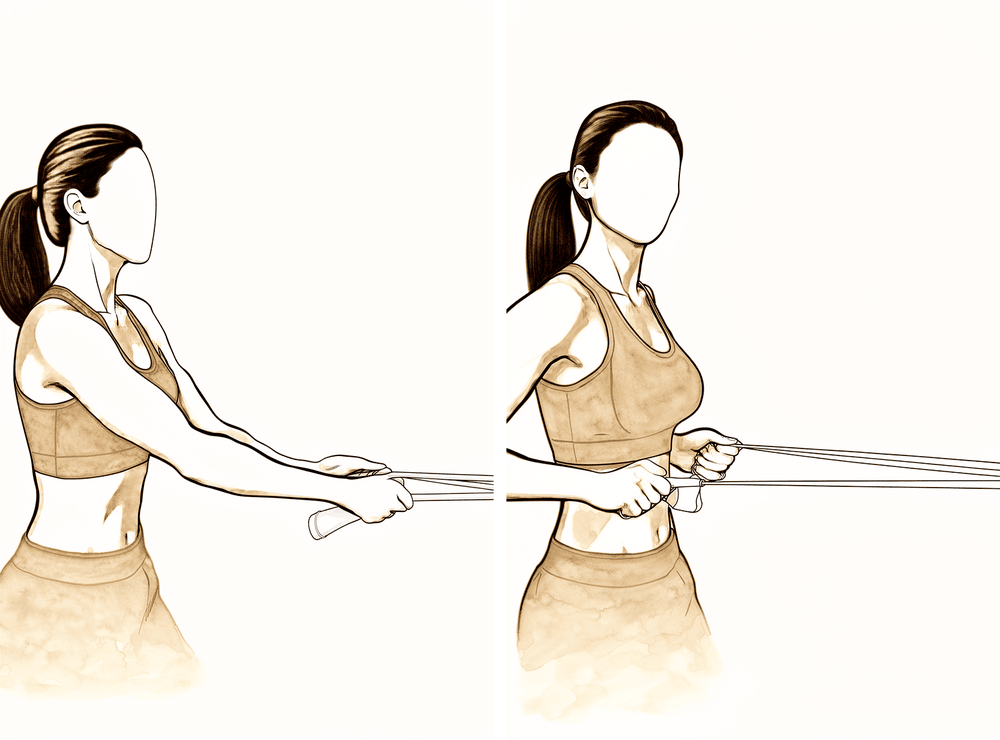
Kéo dây kháng lực ra sau (row)
Khi đã cố định dây kháng lực phía trước người, hãy kéo các tay cầm về phía mình, đưa khuỷu tay ra sau và siết chặt hai bả vai lại với nhau; sau đó từ từ trở về vị trí ban đầu một cách có kiểm soát. Nên dùng dây kháng lực mềm và thực hiện nhiều lần; ngừng lại nếu cảm thấy đau ở vùng vai.
Theo hướng dẫn của chuyên viên vật lý trị liệu của bạn.
Kieran Hirpara 4.0
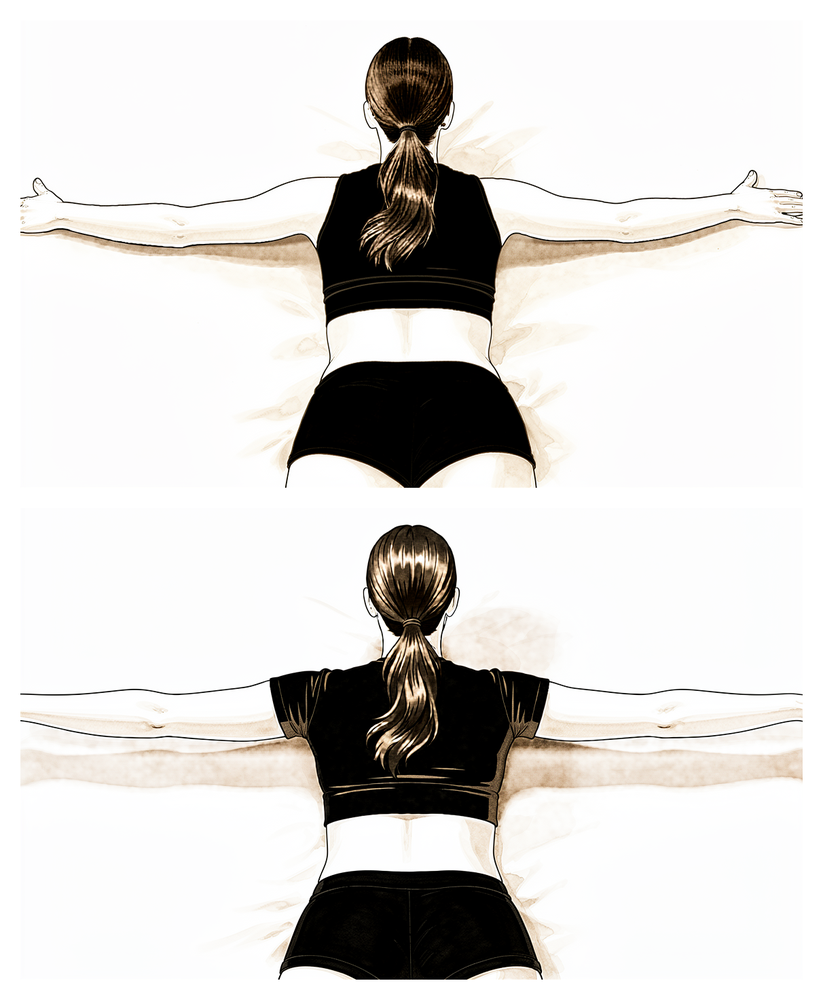
Chữ T nằm sấp
Nằm sấp (hoặc cúi người về phía trước trên bàn), hai ngón tay cái hướng lên trên; sau đó nâng hai tay ra hai bên thành hình chữ T, siết chặt các cơ vùng bả vai lại với nhau, rồi hạ tay xuống một cách từ từ và kiểm soát được. Bắt đầu tập không dùng tạ; chỉ thêm trọng lượng rất nhẹ khi có chỉ định của chuyên viên vật lý trị liệu.
Theo hướng dẫn của chuyên viên vật lý trị liệu của bạn.
Kieran Hirpara 4.0
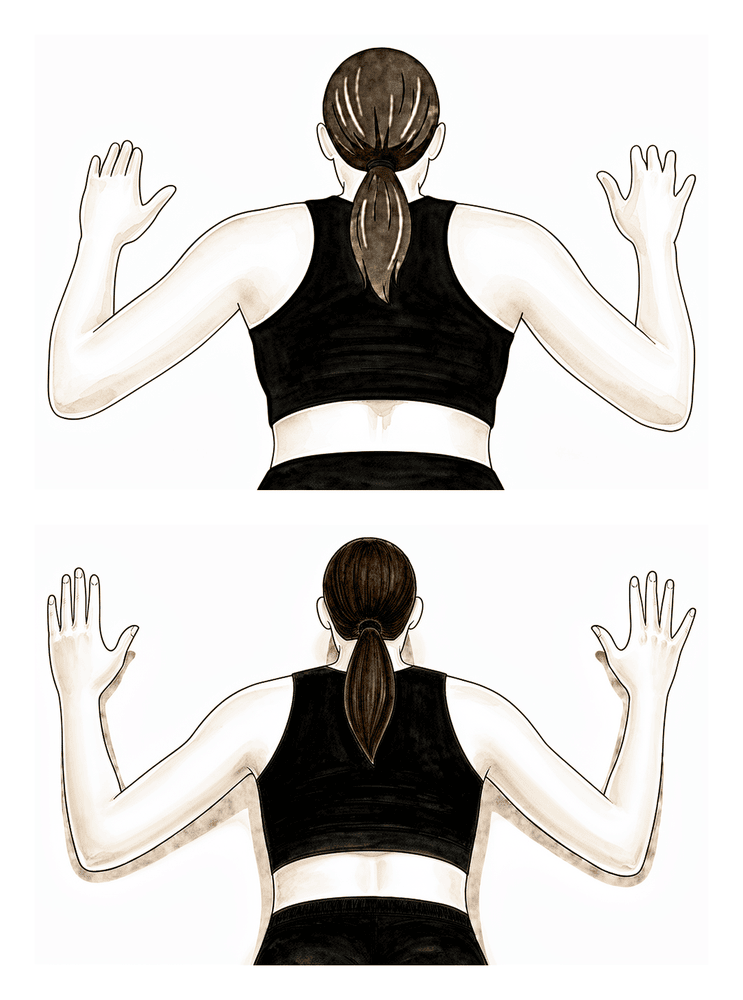
Chữ W nằm sấp
Nằm sấp, kéo khuỷu tay về phía sau và hướng xuống eo sao cho tạo thành hình chữ W; đồng thời siết chặt hai bả vai lại với nhau và hướng xuống dưới, sau đó từ từ thả ra một cách có kiểm soát. Bài tập này giúp tăng cường sức mạnh cho các cơ dưới bả vai.
Theo hướng dẫn của chuyên viên vật lý trị liệu của bạn.
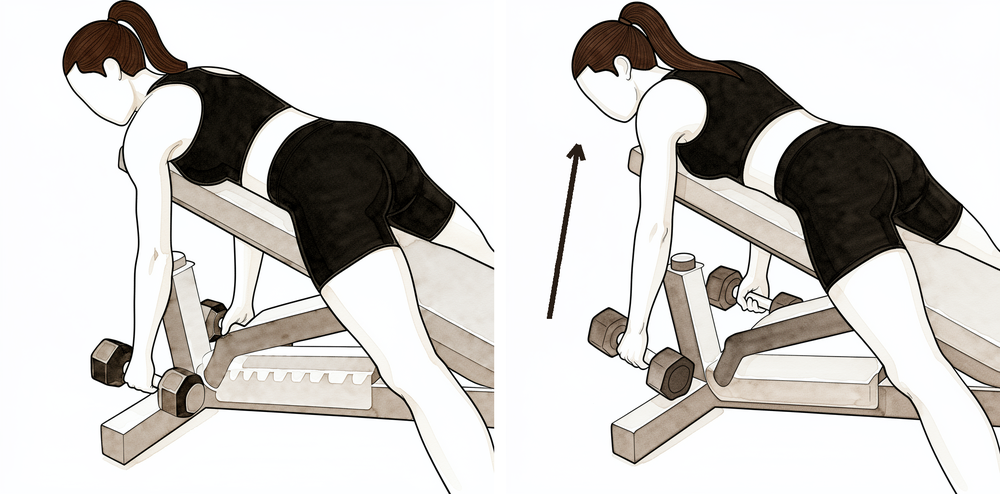
Kieran Hirpara 4.0
Bài tập kéo tăng cường cơ quanh xương bả vai
Kéo xương bả vai ra phía sau và xuống dưới chống lại một quả tạ nhẹ hoặc dây kháng lực, giữ trong chốc lát rồi thả ra có kiểm soát. Bài tập này là một phần của chương trình tăng cường sức mạnh rộng hơn (chuyên viên vật lý trị liệu có thể gọi là “Thrower's 10”) giúp tăng cường đồng thời chóp xoay và các cơ quanh xương bả vai.
Theo hướng dẫn của chuyên viên vật lý trị liệu của bạn.
Giai đoạn này nhằm phát triển sức mạnh, khả năng kiểm soát và sức bền để phục vụ công việc và các hoạt động thể thao. Đến tuần thứ 12, góc xoay vào trong vẫn được giới hạn ở mức khoảng 45°; các chuyển động ở các mặt phẳng khác đều được thực hiện đầy đủ. Chương trình tập luyện bao gồm các bài tập tăng cường sức mạnh cho cơ vùng vai và màng cơ vai (bác sĩ vật lý trị liệu có thể gọi đây là “Thrower’s 10”), cùng các bài tập kiểm soát động học.
- Dây treo: không dùng.
- Các chuyển động được phép: mọi chuyển động trên tất cả các mặt phẳng ngoại trừ xoay vào trong; góc xoay này vẫn bị giới hạn ở mức khoảng 45° cho đến tuần 12.
- Các bài tập: kéo dây kháng lực; các động tác T và W nằm sấp; bài tập tăng cường cơ màng vai; các bài tập kiểm soát động học và ổn định. Bác sĩ vật lý trị liệu có thể bổ sung thêm các bài ổn định nhịp nhàng (các bài tập giữ vững nhẹ nhàng, trong đó họ nhẹ nhàng đẩy tay bạn và bạn phải chống lại lực đó) nhằm tái huấn luyện khả năng kiểm soát; đây là các bài tập trực tiếp do bác sĩ thực hiện, không có hình minh họa. Các bài tập nâng tạ cũng dần được tăng dần lên mức khoảng 7–10 pound.
Sẵn sàng chuyển sang giai đoạn tiếp theo khi: khả năng xoay vào trong được cải thiện; các bài tập tăng cường không gây đau đớn hay sưng phù; và sức mạnh ở vùng vai phát triển đồng đều so với bên còn lại.
Giai đoạn VI — Luyện tập với vận động đầy đủ và tạ nặng (tuần 12–14)
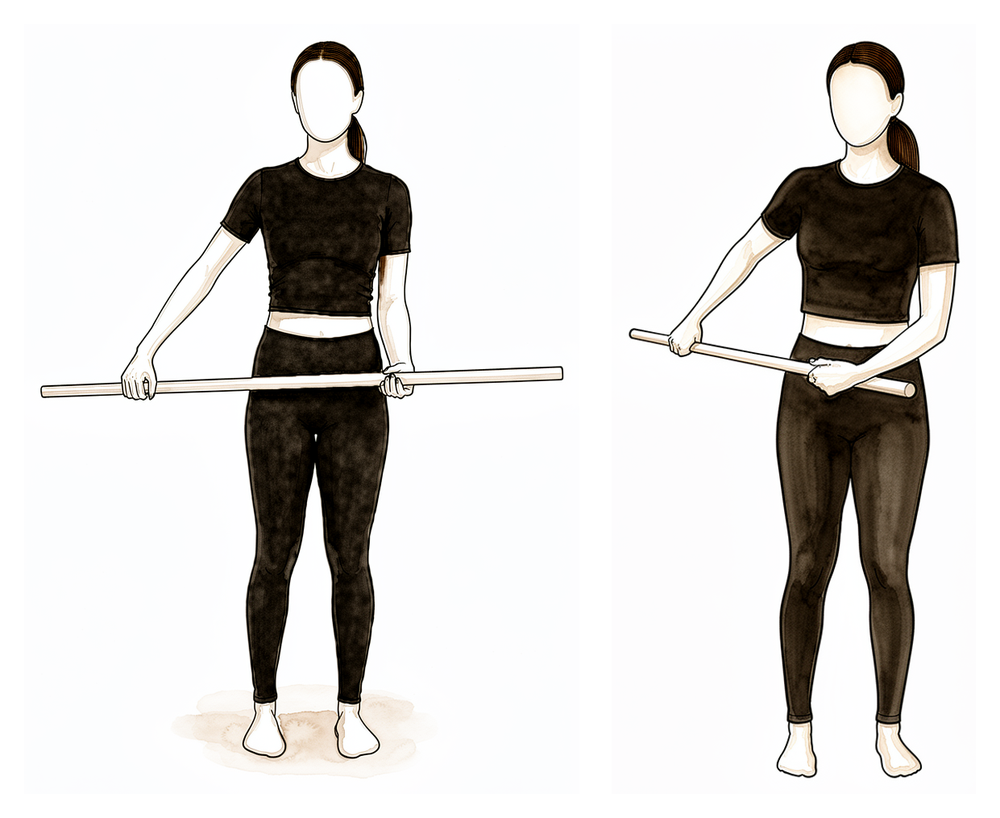
Kieran Hirpara 4.0
Xoay trong bằng cách dùng que cứng
Từ tuần thứ 12 trở đi — không được thực hiện trước đó. Cử động xoay vào trong là động tác cuối cùng được khôi phục sau khi phẫu thuật sửa chữa vùng sau khớp; vì vậy việc vươn tay ra phía sau lưng chỉ có thể bắt đầu từ thời điểm này. Hãy cầm một cây gậy phía sau lưng và dùng tay lành để nhẹ nhàng kéo tay vừa được phẫu thuật lên phía lưng, sau đó hạ xuống một cách từ từ và kiểm soát được lực. Hãy tiến triển dần dần và tuyệt đối không cố gắng vượt quá giới hạn vận động.
Theo hướng dẫn của chuyên viên vật lý trị liệu của bạn.
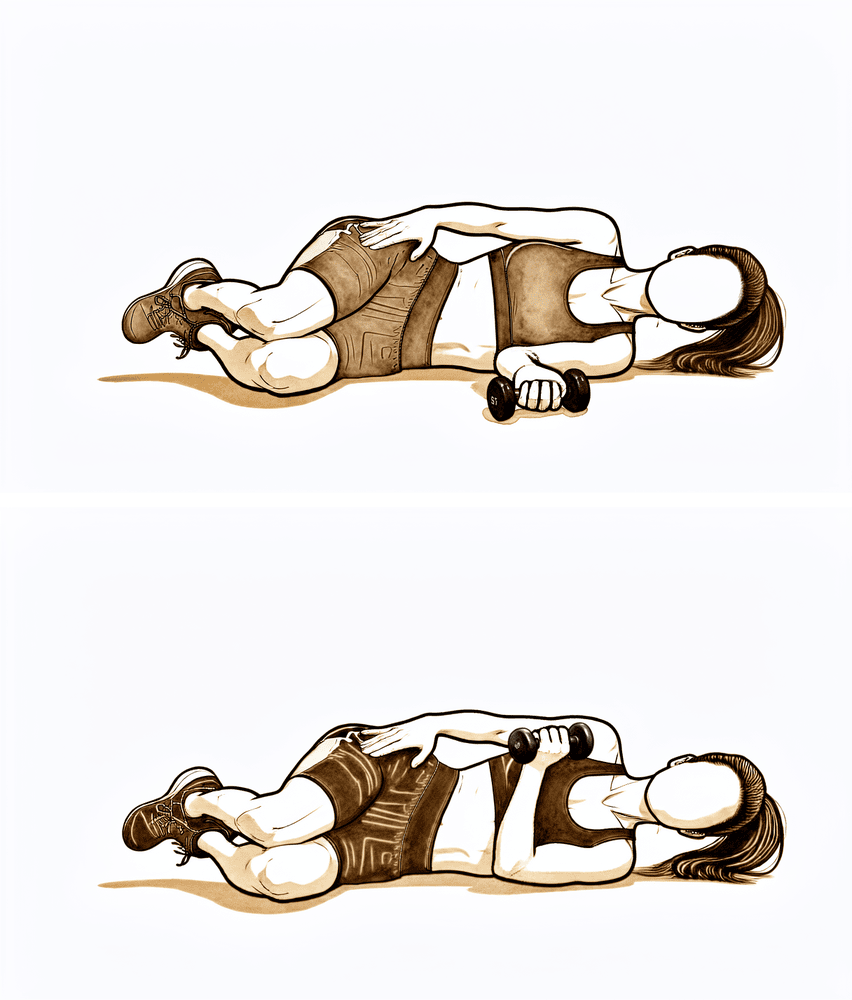
Kieran Hirpara 4.0
Xoay trong khi nằm nghiêng
Từ tuần thứ 12 trở đi. Nằm nghiêng về phía được phẫu thuật, đưa tay ra phía trước và gập khuỷu tay thành góc 90°. Xoay cẳng tay sao cho bàn tay quay xuống dưới (vào trong), sau đó trở về một cách có kiểm soát. Ban đầu không dùng tạ; chỉ thêm tạ nhẹ khi có hướng dẫn — bài tập này tăng cường các cơ xoay trong, nhóm được phục hồi cuối cùng sau phẫu thuật sửa chữa phía sau khớp vai.
Theo hướng dẫn của chuyên viên vật lý trị liệu của bạn.
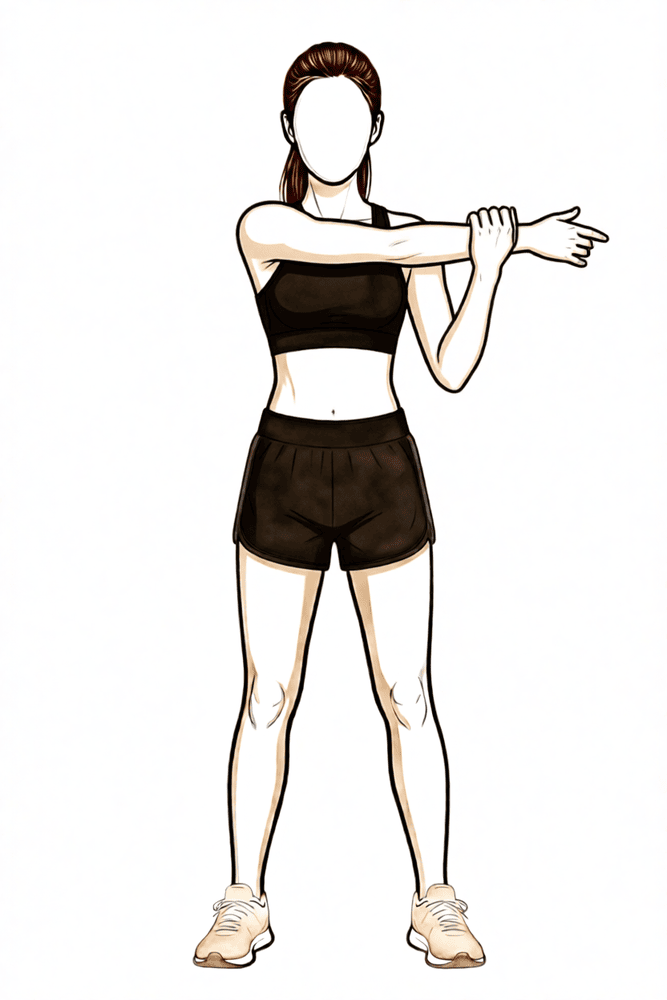
Kieran Hirpara 4.0
Bài tập kéo giãn chéo cơ thể
Từ tuần thứ 12 trở đi — không được làm sớm hơn, vì bài tập này gây áp lực lên phía sau vai và vùng vừa được phẫu thuật. Hãy dùng tay lành để nhẹ nhàng đưa cánh tay vừa mổ qua ngực cho đến khi bạn cảm nhận được sự giãn ra thoải mái ở phía sau vai. Hãy tăng dần mức độ tập luyện và tuyệt đối không gắng sức.
Theo hướng dẫn của chuyên viên vật lý trị liệu của bạn.
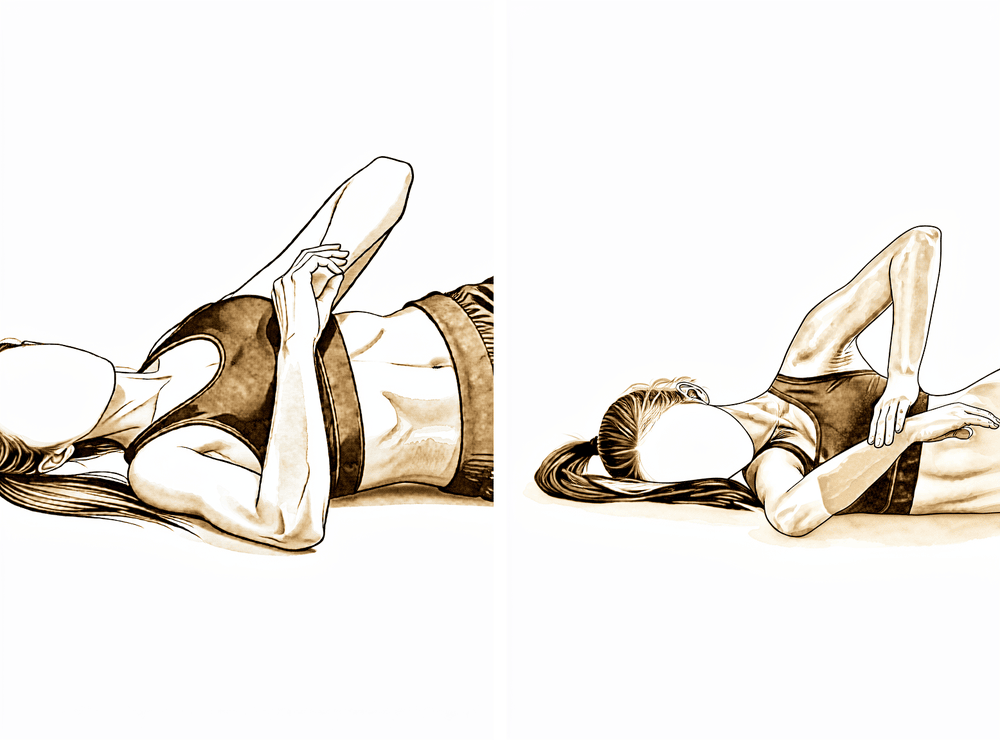
Kieran Hirpara 4.0
Kéo giãn tư thế nằm nghiêng (sleeper stretch)
Bài tập kéo giãn xoay trong ở vùng cuối biên độ được thực hiện từ tuần thứ 12 trở đi — không được thực hiện sớm hơn. Nằm nghiêng về phía có vết mổ, duỗi tay ra phía trước ngang tầm vai và gập khuỷu tay thành góc 90°. Dùng tay còn lại nhẹ nhàng ấn cẳng tay xuống giường cho đến khi cảm nhận được sự kéo giãn ở mức vừa phải. Hãy tăng dần mức độ tập luyện và tuyệt đối không gắng sức.
Theo hướng dẫn của chuyên viên vật lý trị liệu của bạn.
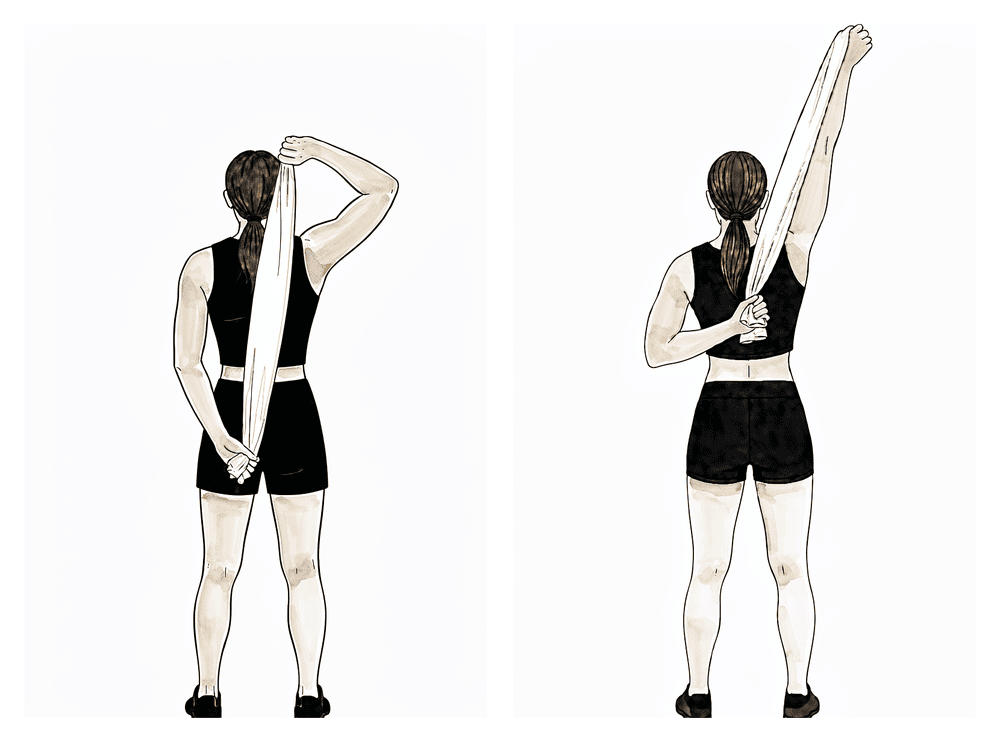
Kieran Hirpara 4.0
Bài tập kéo căng bằng khăn (xoay trong phía sau lưng)
Từ tuần thứ 12, hãy bắt đầu luyện tập để đạt được khả năng với tay ra phía sau lưng. Giữ một chiếc khăn sau lưng, dùng tay đã phẫu thuật nắm giữ phía dưới; sau đó dùng tay còn lại nhẹ nhàng kéo tay dưới lên dọc theo lưng. Hãy tiến hành từ từ và không nên cố gắng vượt quá phạm vi chuyển động tối đa của khớp.
Theo hướng dẫn của chuyên viên vật lý trị liệu của bạn.
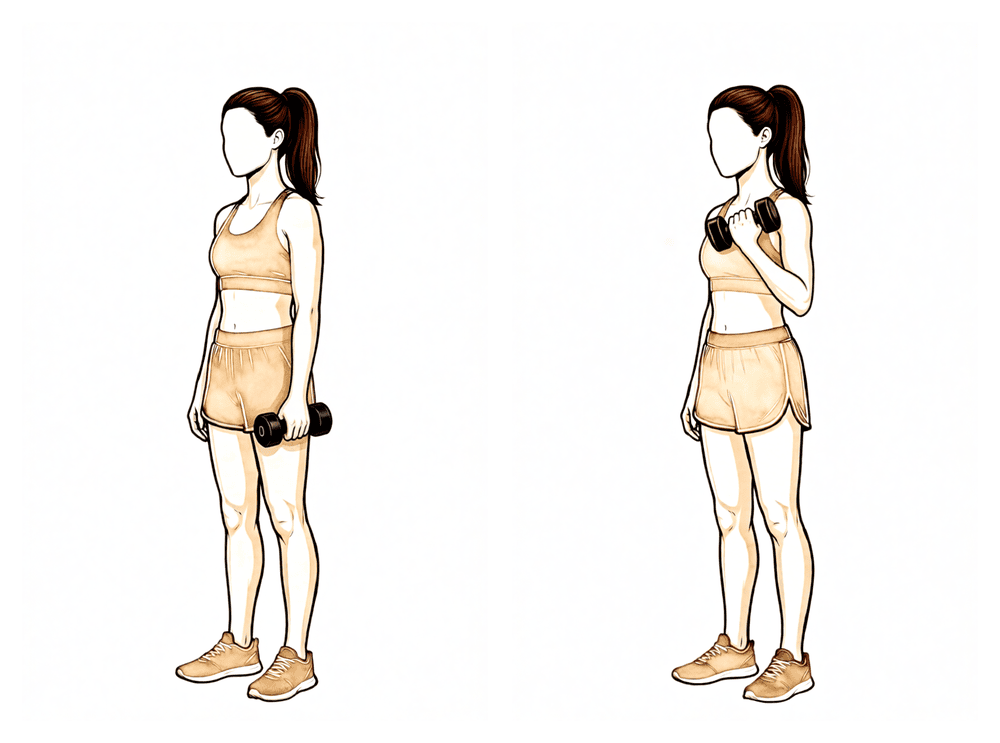
Kieran Hirpara 4.0
Gập khuỷu tay với tạ
Từ tuần thứ 12 trở đi, khi việc rèn luyện cánh tay được tiếp tục. Hãy giữ cánh tay trên sát thân, sau đó gập khuỷu tay để nâng vật nặng nhẹ lên, rồi hạ xuống một cách từ từ và kiểm soát được chuyển động. Giữ vai thả lỏng và không cử động.
Theo hướng dẫn của chuyên viên vật lý trị liệu của bạn.
Sau 12 tuần, khả năng xoay vào trong cuối cùng cũng được phục hồi hoàn toàn. Đây là thời điểm bắt đầu các bài giãn cơ phía sau lưng và ngang thân, đồng thời việc tập luyện tại phòng gym chuyển từ các máy tập sang việc sử dụng tạ tự do. Các bài hít đất cũng được thực hiện dần từ chống tay lên tường sang chống tay trên sàn. Mục tiêu ở giai đoạn này là đạt được khả năng xoay vào trong đầy đủ và đối xứng với bên còn lại, vì đây là chuyển động mà phẫu thuật phục hồi cơ vùng sau vai cần bảo vệ lâu nhất.
- Dây treo: không sử dụng.
- Các chuyển động được phép: vận động đầy đủ theo mọi hướng, bao gồm cả việc xoay vào trong, được thực hiện dần dần và tuyệt đối không gắng sức.
- Các bài tập: xoay vào trong bằng cây gậy; xoay vào trong khi nằm nghiêng; giãn cơ ngang thân; bài giãn cơ kiểu “ngủ say”; bài giãn cơ bằng khăn để với tay phía sau lưng; gập khuỷu tay với tạ và các bài rèn luyện sức mạnh tổng quát. Tiếp tục thực hiện và nâng dần độ khó các bài tập tăng cường cơ vùng vai, xương bả vai và các nhóm cơ chéo đã được thực hiện ở giai đoạn trước.
Điều kiện để chuyển sang tập luyện thể thao: khả năng xoay vào trong đã trở nên đối xứng với bên còn lại; mọi chuyển động đều thực hiện được mà không gây đau đớn; sức mạnh cơ bắp cũng tăng dần lên mức tương đương bên kia mà không gây sưng viêm phản ứng.
Trở lại tập luyện thể thao và đi làm
Việc trở lại tập luyện hoặc đi làm phụ thuộc vào các tiêu chí nhất định, không chỉ dựa vào thời gian, và phải được sự chấp thuận từ cả bác sĩ Hirpara lẫn chuyên viên vật lý trị liệu của bạn.
- Vận động viên ném bóng hoặc vận động viên hoạt động ở tư thế vươn tay lên cao: chương trình luyện tập từng bước sẽ bắt đầu vào khoảng 14–16 tuần, dần dần tăng dần về khối lượng và cường độ.
- Các môn thể thao có va chạm (bóng bầu dục, bóng đá, võ thuật, môn chơi dùng vợt, leo núi, cưỡi ngựa): không được trở lại sớm hơn 5 tháng, và chỉ khi đã đáp ứng đầy đủ các tiêu chí dưới đây.
- Công việc: có thể làm các công việc văn phòng tùy khả năng; đối với công việc chân tay hoặc nặng nhọc thì phải đợi ít nhất 3 tháng.
Bạn có thể trở lại tập luyện thể thao khi:
- Bạn đã có phạm vi chuyển động đầy đủ, không đau ở mọi hướng, bao gồm cả khả năng xoay trong, và độ vận động này tương đương với bên còn lại;
- Sức mạnh cơ khi xoay ngoài và xoay trong gần bằng với bên đối diện (đối với chuyên viên vật lý trị liệu: chỉ số đối xứng chi khoảng 90% hoặc cao hơn đối với sức mạnh xoay trong và xoay ngoài đo bằng máy đo lực hoặc phương pháp đo bằng tay; trong trường hợp đã phẫu thuật vùng sau khớp vai, cần đặc biệt chú ý đến độ mạnh của cơ khi xoay trong, vì đây là hướng được bảo vệ);
- Bạn đã hoàn thành toàn bộ chương trình luyện tập chuyên biệt cho môn thể thao đó (chẳng hạn chương trình ném bóng theo từng giai đoạn) mà không gặp đau đớn hay cảm giác lo ngại; và
- Bác sĩ Hirpara đã cho phép bạn trở lại sau khi khám lại.
Sau khi thực hiện theo quy trình này
Quy trình này được sử dụng song song với các hướng dẫn phục hồi chung của phòng khám; vui lòng tham khảo mục xử lý cơn đau sau phẫu thuật và chăm sóc vết thương. Đối với chính tình trạng bệnh, hãy xem mục tình trạng không ổn định khớp vai.
Lộ trình theo từng giai đoạn, các hạn chế bảo vệ vùng sau khớp vai, các bước phục hồi khả năng xoay vào trong và tiêu chuẩn trở lại hoạt động thể thao đều được xây dựng dựa trên các quy trình ổn định hóa khớp vai sau đã được công bố bởi Khoa Y học Thể thao Đại học Virginia và Khoa Y học Thể thao Đại học New Mexico (Quy trình Phục hồi Chức năng sau Phẫu thuật Sửa chữa Màng khớp vai phía sau), Khoa Y học Thể thao Massachusetts General Brigham (Phẫu thuật Sửa chữa Tổn thương Bankart phía sau), cùng bài bình luận lâm sàng “Phục hồi chức năng sau ổn định hóa khớp vai phía sau” (Tạp chí Quốc tế về Vật lý trị liệu Thể thao, năm 2021). Các nội dung này đã được Tiến sĩ Hirpara điều chỉnh cho phù hợp với phương pháp điều trị của phòng khám. Chương trình tập luyện gốc được xây dựng dựa trên công trình nghiên cứu của Leonard Funk và Đơn vị Chuyên trách Về Khớp Vai Wrightington (shoulderdoc.co.uk).
Evidence & references
This is the clinical evidence summary written for health professionals. It is technical, and it lists the research this page was built from. You do not need to read it to understand your treatment or to make a decision about it.
Posterior Stabilisation (Posterior Labral / Capsular Repair): Rehabilitation Evidence
Topic: Arthroscopic or open posterior labral repair / posterior capsulorrhaphy (reverse Bankart) for posterior glenohumeral instability. Compiled: 2026-06-16. Sources: local RAG Orthopaedic corpus + published fellowship/PT "standard of care" protocols.
The key difference vs anterior (Bankart/Latarjet): the precaution is REVERSED
Posterior instability and the posterior repair are stressed by the OPPOSITE motions to an anterior repair. The provocative/at-risk position is flexion + adduction + internal rotation (and horizontal adduction) - exactly the position of a posterior load (Itoi/Shoulderology: recurrent posterior instability = PIGHL deficiency failing to resist posterior translation with the arm in flexion and internal rotation). Therefore: - EARLY PRECAUTION = limit flexion, internal rotation, adduction, and horizontal/cross-body adduction; protect against the posteriorly-directed load. (Anterior repairs instead limit ER + abduction.) - Sling/brace is positioned in slight ABDUCTION and NEUTRAL/slight EXTERNAL rotation - often a "gunslinger" brace or abduction pillow - to keep the humeral head off the posterior repair. The arm must be kept in front of the body; do NOT reach behind the back and avoid internal rotation early. - Posterior instability is uncommon (~3-5% of instability) so high-level evidence is sparser; protocols are consensus/biomechanically driven.
Consensus phased timeline (UVA Sports Medicine posterior labral repair standard of care)
| Phase | Week window | Sling/brace | ROM allowed & RESTRICTIONS | AROM / strengthening | RTS |
|---|---|---|---|---|---|
| I - Immediate / protect | 0-2 wk | Sling (all components) at all times incl. sleeping (gunslinger / neutral-to-slight-ER, slight abduction); off only for home ex/PT | Pendulums; elbow/wrist ROM only. No shoulder PROM into the at-risk arc. Keep arm in front of body | Grip/wrist; ball squeezes | None |
| II - Early PROM | 2-4 wk | Continue sling at all times; keep arm IN FRONT - do NOT reach behind back | PROM (PT-supervised), strictly limited: flexion to 60 deg, extension to neutral (0 deg), abduction to 90 deg, ER to 45 deg, IR to neutral (0 deg) at side. No home pulleys | Scapular strengthening; submaximal pain-free isometrics in ALL directions (in sling); cervical ROM | None |
| III - Increase PROM, begin AAROM/strengthening | 4-6 wk | Continue sling by day; may stop sling at night but AVOID internal rotation; keep arm in front | PROM: flexion to 90 deg, extension to 30 deg, abduction full as tolerated, ER 45 deg at 90 deg abd / full at side, IR limited to 30 deg at 90 deg abd. Begin AAROM (wall walks). No reaching behind back | Continue scapular + isometrics; begin light ER Theraband at side. No lift/push/pull >2 lb, no overhead | None |
| IV - Advance | 6-8 wk | Discontinue sling at 6 wk | Advance AROM to full as tolerated EXCEPT IR; limit IR to 45 deg (at side and at 90 deg abd) until 12 wk | Isotonic RC (to 6-8 lb), UBE, wall push-ups, advance scapular, begin D1/D2 PNF (<=3 lb). Lift <=5 lb | None |
| V - Strengthen | 8-12 wk | None | IR still limited to 45 deg until 12 wk; full in all other planes | Advance RC/scapular, dynamic stabilisation, isokinetics with 60 deg block; Thrower's 10 for throwers (from ~10-12 wk). Lift <=7 lb (wk 8-10) -> <=10 lb (wk 10-12) | None |
| VI - Full ROM / weight training | 12-14 wk | None | IR advanced to FULL at 12 wk. Full ROM all directions | Traditional weight training (machines -> free weights), eccentric RC, advance PNF/isokinetics. Begin overhead-work progression | Begin late-stage loading |
| Thrower progression / RTS | 14-24 wk | None | Full | Throwing program from 14-16 wk (60% velocity); isokinetic testing 16-24 wk; interval throwing once passed | No contact sport before 5 months; full RTS on criteria + surgeon clearance |
Active ROM start: AAROM ~4 wk, full AROM (except IR) by ~6-8 wk. Strengthening start: isometrics from ~2-4 wk; isotonic RC ~6 wk. RTS: throwing 14-16 wk; contact sport not before 5 months; criterion-based.
RTS criteria (UVA)
Pass isokinetic test (ER/IR unilateral >=70%, ER bilateral >=98%, IR bilateral >=105%, ER/IR peak-torque/BW ratios); completed throwing program; no pain with activity; surgeon clearance; >=5 months post-op for contact sport.
Posterior-specific precaution summary: sling in slight abduction/neutral-ER (gunslinger); keep arm in front; avoid IR, adduction, horizontal/cross-body adduction, and flexion past limits early; IR is the LAST motion restored (capped 45 deg until 12 wk, full at 12 wk). This is the exact inverse of the anterior protocols, which cap ER.
Key controversies & evidence flags
-
Brace type/position - gunslinger / neutral-to-ER vs simple sling. Biomechanical consensus favours immobilisation in neutral or slight external rotation with slight abduction to unload the posterior capsulolabral repair (reverse of the IR sling used after anterior repair). The Sheean/Kibler current-concepts review and the published PT protocols converge on this, but there is no RCT comparing posterior brace positions. Evidence: consensus / biomechanical (Level V).
-
Throwers / overhead athletes vs traumatic (collision) posterior instability. Posterior labral injury in overhead athletes is often insidious/atraumatic (Sheean 2020), demanding a slower, more conservative throwing return; traumatic posterior instability in collision athletes (Funk 2009 rugby series; Kang "batter's shoulder") may follow a more standard timeline. Savoie (Arthroscopy 2008, 136 shoulders) shows arthroscopic posterior reconstruction is effective after failed conservative care. Evidence: case-series level (Level IV); no RCTs on rehab pace.
-
Sparse high-level evidence overall. Because posterior instability is rare (~3-5%), there are no instability-position RCTs for the posterior repair and protocols are extrapolated/biomechanical. Flag everything here as CONSENSUS / Level IV-V. The "Rehabilitation Following Posterior Shoulder Stabilization" clinical commentary (PMC8168996) is the main synthesising source.
-
Contact-sport return timing. Recent series (e.g., "Favorable Outcomes After Arthroscopic Posterior Bankart Repair for Traumatic Posterior Shoulder Instability in Collision Athletes," PMC12800795) support good RTS, but timing remains criteria-based with a ~5-6 month floor for collision sport. Evidence: cohort (Level IV).
CITATIONS
Published rehabilitation protocols (URLs)
- University of Virginia Sports Medicine - Posterior Labral Repair Rehabilitation Protocol (Arthroscopic or Open): https://med.virginia.edu/orthopaedic-surgery/wp-content/uploads/sites/242/2021/06/Posterior-Labral-Repair.pdf
- St. Louis Orthopedic Specialists - Posterior Labral Repair and Capsulorrhaphy Protocol: https://www.stlorthospecialists.com/wp-content/uploads/2019/05/Posterior-Labral-Repair-and-Capsulorraphy-Rehab-Protocol.pdf
- Dr. Coyner - Posterior Labral Repair Protocol: https://www.drcoyner.com/pdf/posterior-labral-repair-protocol.pdf
- Indianapolis Sports Medicine - Posterior Labral Repair Rehab Protocol: https://www.indysportsdr.com/pdf/posterior-labral-repair-rehab-protocol.pdf
- "Rehabilitation Following Posterior Shoulder Stabilization" (clinical commentary), PMC8168996: https://pmc.ncbi.nlm.nih.gov/articles/PMC8168996/
- "Postsurgical Rehabilitation of Posterior Instability," Musculoskeletal Key: https://musculoskeletalkey.com/postsurgical-rehabilitation-of-posterior-instability/
Local RAG corpus (article / journal / year)
- Eiji Itoi. Shoulderology. 2023. (Posterior instability ~3% of instability; PIGHL deficiency; at-risk position = flexion + internal rotation - the basis for the reversed precaution.) [textbook / mechanism]
- Sheean AJ, Kibler WB, Conway J, et al. Posterior Labral Injury and Glenohumeral Instability in Overhead Athletes: Current Concepts for Diagnosis and Management. Journal of the American Academy of Orthopaedic Surgeons. 2020. [current-concepts review]
- Funk L, Badge R, Tambe A. Arthroscopic isolated posterior labral repair in rugby players. International Journal of Shoulder Surgery. 2009. [case series - traumatic posterior instability, collision athletes]
- Savoie FH, Holt MS, Field LD, Ramsey JR. Arthroscopic Management of Posterior Instability: Evolution of Technique and Results. Arthroscopy. 2008;24(4). (136 shoulders; arthroscopic posterior reconstruction after failed conservative rehab.) [large case series, Level IV]
- Kang RW, Mahony GT, Harris TC, et al. Posterior Instability Caused by Batter's Shoulder. Clinics in Sports Medicine. 2013. [technique / case series]
- Rockwood CA, Fehringer EV. Rockwood and Matsen's The Shoulder. 2016. (Posterior drawer / laxity exam in neutral rotation; diagnostic basis.) [textbook]
Overall evidence grade for the phased protocol itself: CONSENSUS / institutional standard-of-care, weaker than the anterior literature (Level IV-V; no RCTs on posterior brace position or rehab pace). The reversed precaution (limit IR/adduction/flexion; brace in abduction + neutral/ER) is biomechanically well-founded but not RCT-tested.