Patients › Rehabilitation
Gắn chặt gân cơ nhị đầu
Rehabilitation after isolated biceps tenodesis, protecting the tenodesis fixation through staged return of biceps loading.
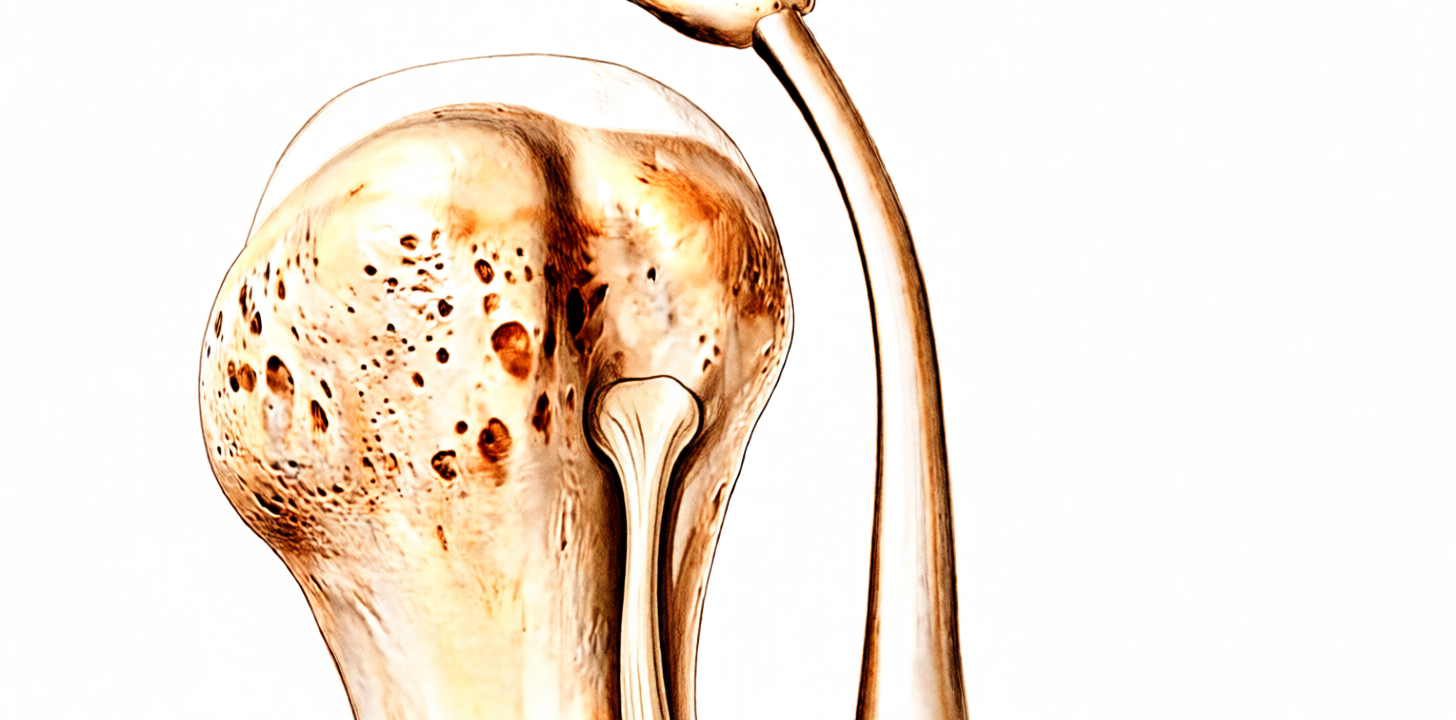
Quy trình này mô tả các bước phục hồi chức năng sau phẫu thuật cố định gân cơ nhị đầu do Bác sĩ Kieran Hirpara thực hiện tại Bệnh viện tư nhân Mater Rockhampton, bất kể phẫu thuật được tiến hành bằng phương pháp nội soi hay qua một vết mổ nhỏ ở vùng trước nách (kỹ thuật mở dưới cơ ngực). Vui lòng mang theo trang này hoặc bản PDF tương ứng trong lần trị liệu vật lý đầu tiên để quá trình phục hồi được thực hiện một cách nhất quán. Chuyên viên vật lý trị liệu sẽ điều chỉnh tiến độ phục hồi cho từng bệnh nhân qua các giai đoạn dưới đây, tùy theo mức độ hồi phục của vai và cánh tay.
Quy trình này chỉ áp dụng cho trường hợp chỉ thực hiện cố định gân cơ nhị đầu. Nếu ca phẫu thuật của bạn còn bao gồm cả việc sửa chữa cơ chóp xoay, vui lòng tham khảo quy trình phục hồi sau sửa chữa cơ chóp xoay; vì gân vừa được sửa chữa sẽ khiến tiến độ phục hồi chậm hơn.
Nếu có bất kỳ thắc mắc nào về vết mổ sau phẫu thuật, hãy liên hệ với phòng khám. Việc chụp ảnh vết thương rồi gửi qua email để được đánh giá cũng là một cách hữu ích.
Những điều bạn có thể mong đợi
Trong thủ thuật cố định gân cơ nhị đầu, đầu dài của gân cơ nhị đầu sẽ được tách ra khỏi điểm bám ban đầu trong khớp vai và sau đó được cố định vào xương cánh tay (xương cánh tay) bằng móc cố định hoặc ốc vít. Điểm bám mới này cần thời gian để lành thương và gắn chắc vào xương; vì vậy các tuần đầu tiên của quá trình phục hồi chức năng chủ yếu tập trung vào việc bảo vệ nó.
Cơ nhị đầu đảm nhiệm hai chức năng: gập khuỷu tay và xoay lòng bàn tay hướng lên trên (xoay ngoài). Đó là lý do tại sao (điều này khá khác biệt so với các ca phẫu thuật vai khác) các hạn chế vận động trong giai đoạn đầu chủ yếu liên quan đến khuỷu tay: trong vài tuần đầu, khuỷu tay chỉ được vận động thụ động (bằng tay kia hoặc do vật lý trị liệu viên thực hiện) để tránh gây áp lực lên gân đang lành thương. Việc nâng và mang vật nặng bằng cánh tay vừa phẫu thuật cũng bị hạn chế trong giai đoạn này vì cùng lý do. Một vài tư thế của vai gây căng giãn lên gân cũng bị hạn chế ban đầu: xoay cánh tay ra ngoài vượt quá 40 độ, hoặc đưa cánh tay ra phía sau đường thẳng của cơ thể.
Bạn sẽ phải đeo nẹp cánh tay trong khoảng ba đến bốn tuần, kể cả khi ngủ; từ tuần thứ ba trở đi sẽ dần tháo nẹp nếu cảm thấy thoải mái. Sau bất kỳ ca phẫu thuật vai nào, bạn không được lái xe trong ít nhất sáu tuần, ngay cả khi đã tháo nẹp; bác sĩ phẫu thuật sẽ cho phép bạn lái xe sau khi kiểm tra vào tuần thứ sáu.
Tóm tắt các giai đoạn phục hồi:
- Giai đoạn I — Bảo vệ vị trí cố định gân (khoảng bốn tuần đầu)
- Giai đoạn II — Vận động chủ động (tuần 4–6)
- Giai đoạn III — Tăng cường sức mạnh (tuần 6–12; bắt đầu các bài tập chống lực cho cơ nhị đầu từ tuần thứ 10)
- Giai đoạn IV — Trở lại các hoạt động bình thường (từ tuần 12 trở đi)
Các khoảng thời gian này chỉ mang tính tham khảo chứ không cố định; vật lý trị liệu viên sẽ điều chỉnh tiến độ phục hồi dựa trên tình trạng lành thương và khả năng vận động của cánh tay, chứ không dựa hoàn toàn vào lịch trình. Thông thường, vật lý trị liệu sẽ bắt đầu trong vòng một hoặc hai tuần sau phẫu thuật; chi tiết về buổi hẹn đầu tiên sẽ được ghi trong gói hướng dẫn xuất viện, trừ khi bạn đã tự sắp xếp riêng.
Giai đoạn I — Bảo vệ vị trí gắn kết gân (Tuần 0–4)
Kieran Hirpara 4.0
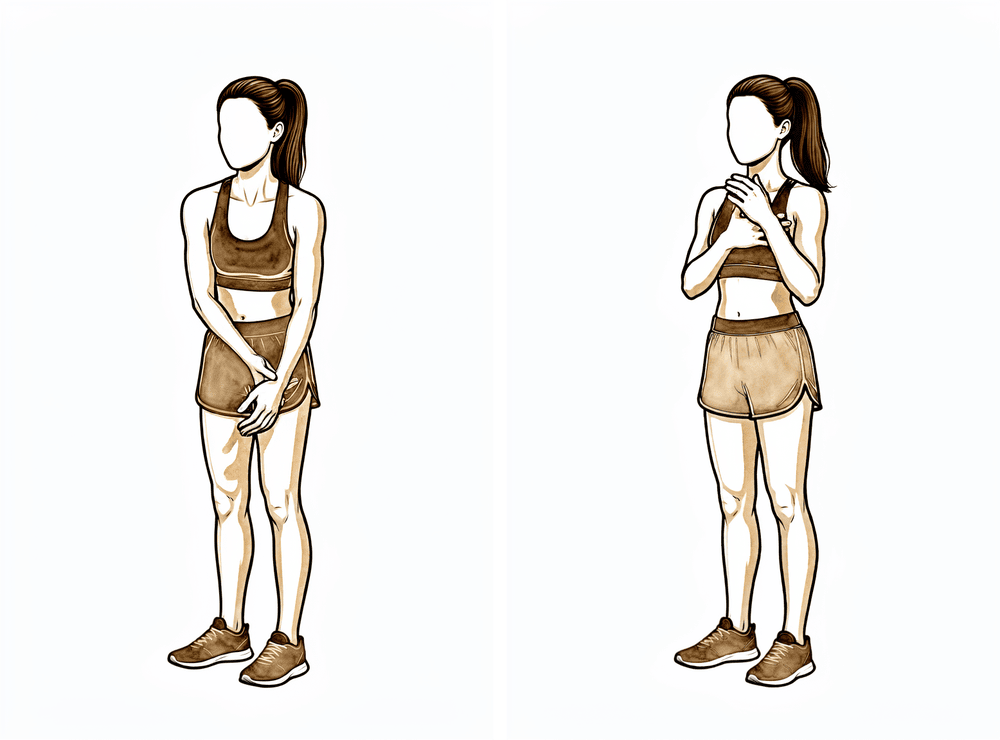
Cử động gập khuỷu tay thụ động
Hãy để cánh tay vừa được phẫu thuật ở trạng thái thả lỏng hoàn toàn; dùng tay kia để gập khuỷu tay lên rồi lại duỗi thẳng ra. Tay kia sẽ thực hiện toàn bộ động tác — cơ nhị đầu phải hoàn toàn thư giãn để sợi gân đang hồi phục không phải chịu lực kéo. Hãy làm tương tự khi xoay lòng bàn tay lên trên và xuống dưới.
Hàng ngày
Kieran Hirpara 4.0
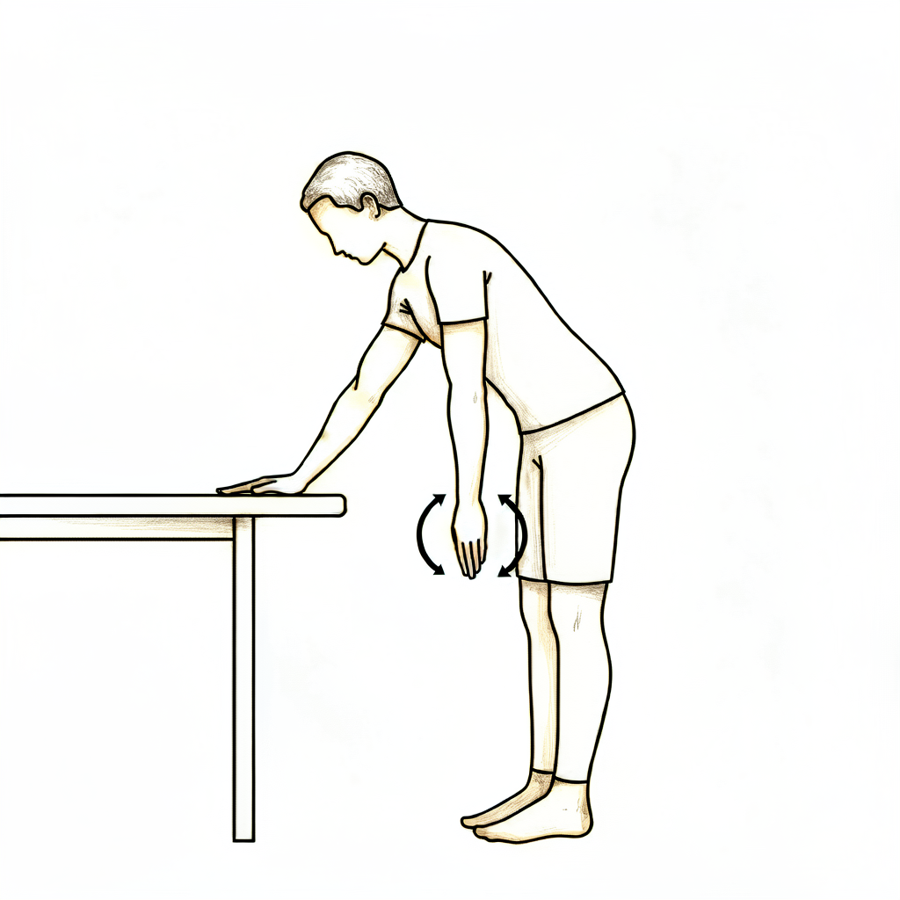
Bài tập đu đưa
Tháo đai treo tay ra, cúi người về phía trước ở ngang eo và để cánh tay vừa phẫu thuật thõng nhẹ ra xa khỏi thân. Để cánh tay đung đưa thành những vòng tròn nhỏ, thả lỏng; chuyển động này xuất phát từ cơ thể chứ không phải từ cơ vai hay cơ cánh tay. Chỉ thực hiện trong mức độ thoải mái, sau đó đưa cánh tay trở lại đai treo tay.
Theo hướng dẫn của chuyên viên vật lý trị liệu của bạn.
Kieran Hirpara 4.0
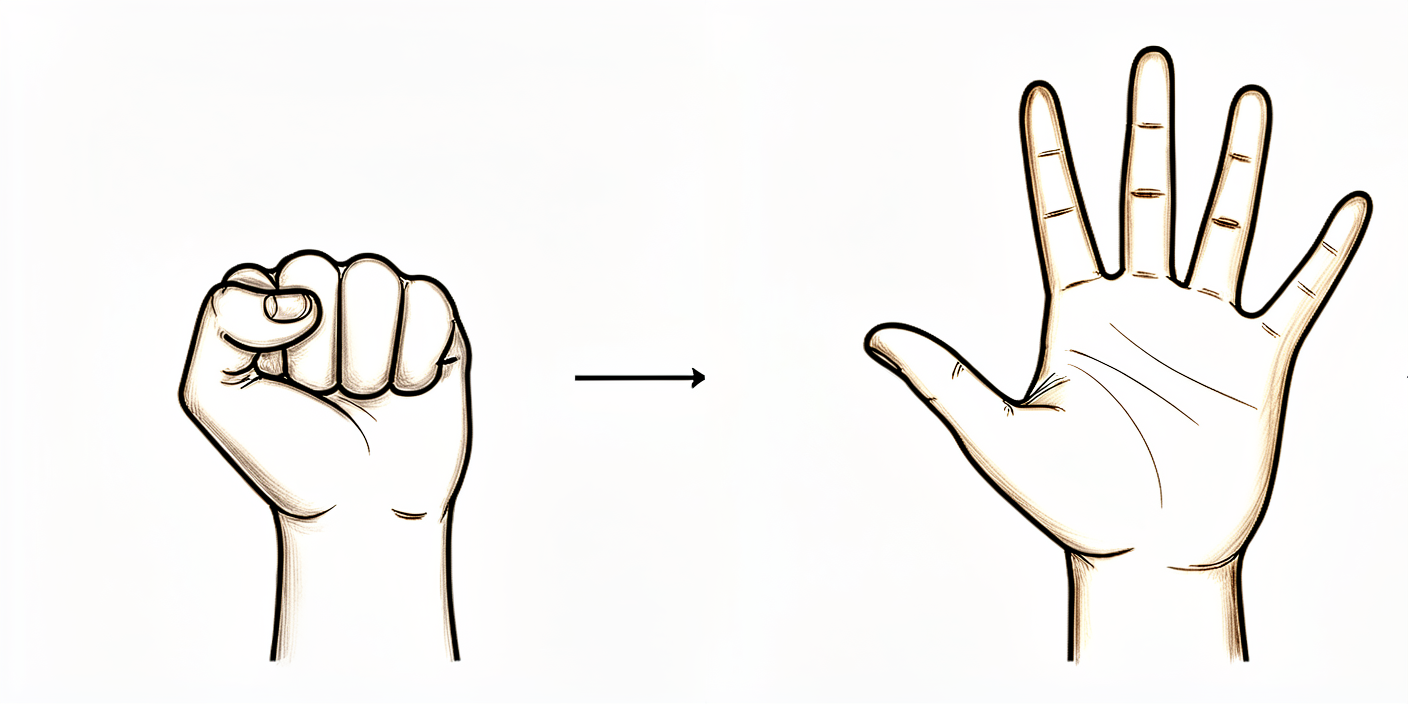
Các bài tập cho tay và khả năng nắm chặt
Khi cánh tay được nâng đỡ, hãy nắm tay thật chặt rồi từ từ duỗi các ngón tay ra thẳng. Bạn có thể dùng một quả bóng mềm hoặc chiếc tất cuộn tròn để nắm và siết nhằm rèn luyện sức mạnh. Ngay từ đầu, bàn tay, cổ tay và các ngón tay đều phải hoạt động.
Theo hướng dẫn của chuyên viên vật lý trị liệu của bạn.
Kieran Hirpara 4.0
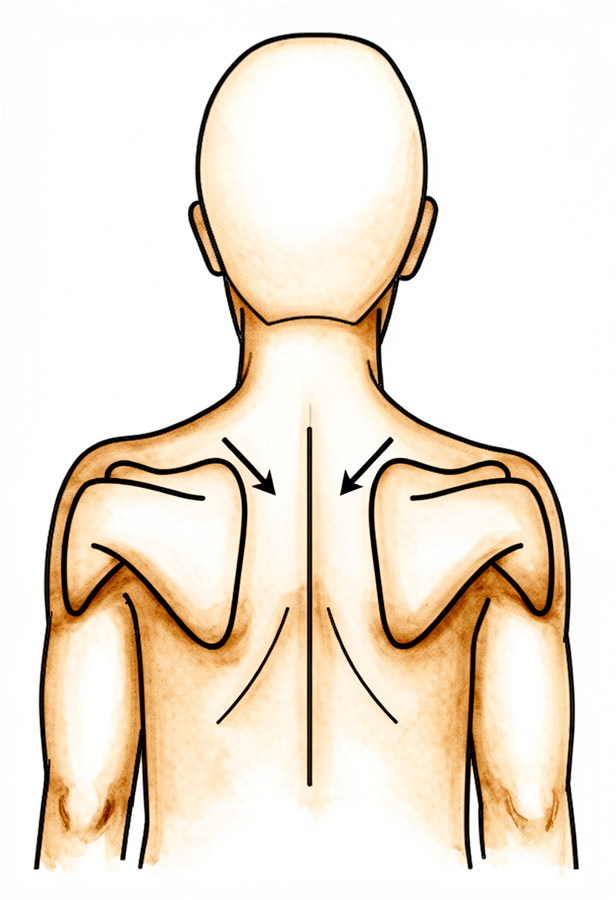
Kích hoạt xương bả vai
Khi cánh tay được nâng đỡ, hãy nhẹ nhàng kéo hai bả vai về phía sau và hạ xuống, tránh xa hai tai. Giữ nguyên tư thế này vài giây rồi thả lỏng. Cách này giúp duy trì tư thế đúng và khả năng kiểm soát bả vai mà không gây áp lực lên cơ chế tenodesis.
Theo hướng dẫn của chuyên viên vật lý trị liệu của bạn.
Kieran Hirpara 4.0
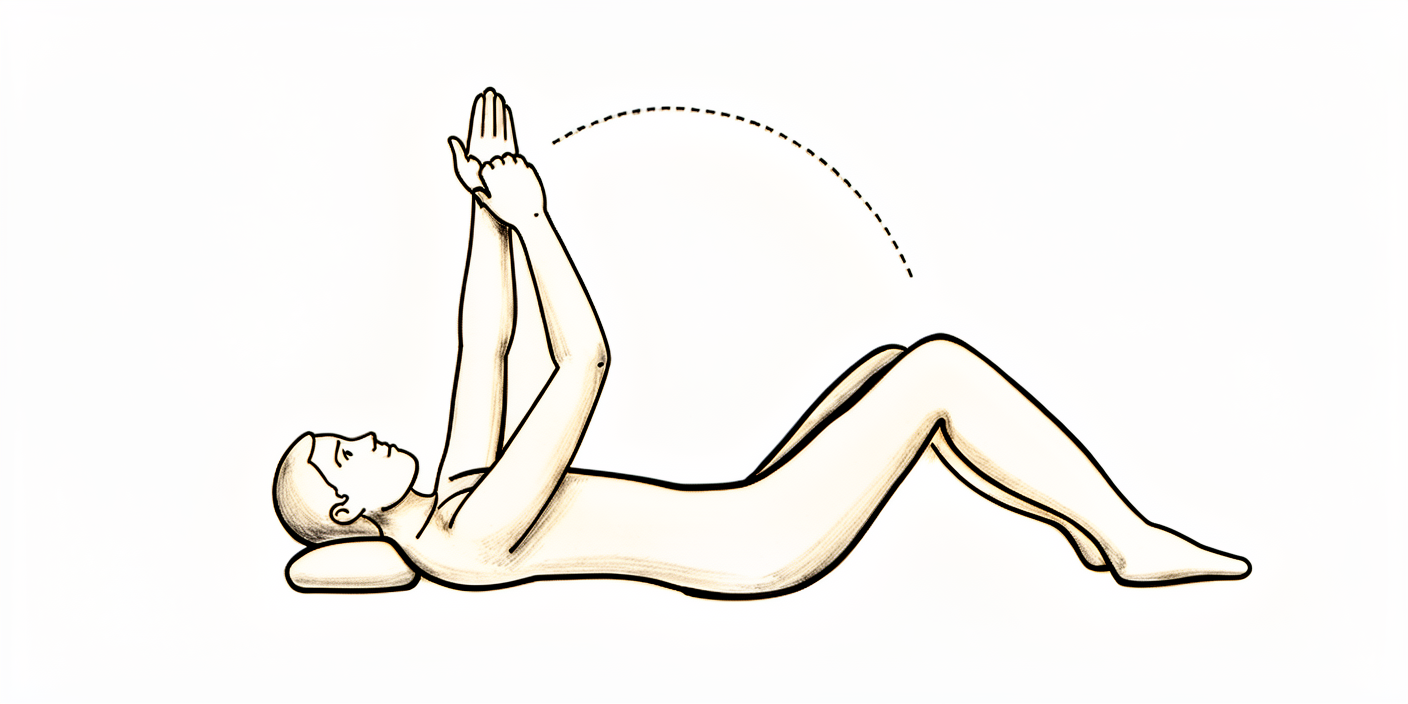
Nâng tay lên cao có hỗ trợ (tư thế nằm)
Nằm ngửa, dùng cánh tay lành để hỗ trợ nâng cánh tay vừa được phẫu thuật lên phía trước, đến khoảng ngang vai; sau đó hạ cánh tay xuống, cánh tay lành vẫn tiếp tục hỗ trợ. Cánh tay lành thực hiện toàn bộ động tác để cơ nhị đầu được thả lỏng. Hãy thực hiện trong mức độ thoải mái; cách này giúp khớp vai vẫn vận động trong lúc gân được cố định đang lành lại.
Theo hướng dẫn của chuyên viên vật lý trị liệu của bạn.
Kieran Hirpara 4.0
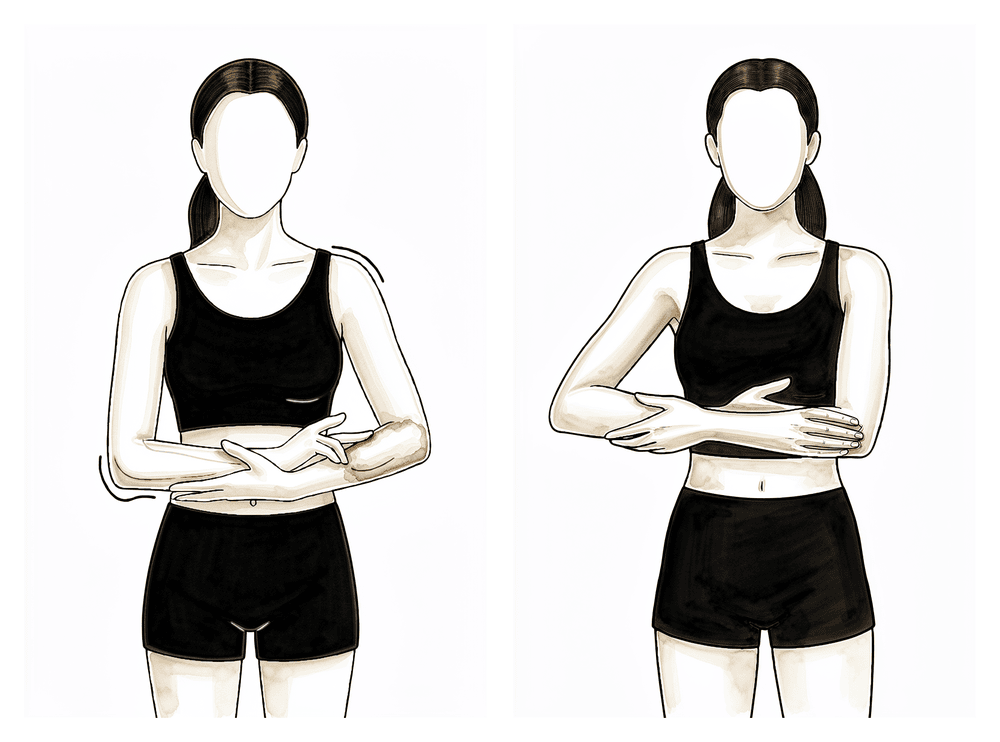
Hỗ trợ vận động ra phía bên ngoài
Dùng tay còn lại đỡ lấy cẳng tay vừa được phẫu thuật, rồi nhẹ nhàng nâng cả hai tay sang bên, để tay lành thực hiện động tác; sau đó hạ tay xuống một cách có kiểm soát. Hãy giữ động tác ở mức thoải mái và trong giới hạn cho phép ở giai đoạn đầu — điều này giúp duy trì nhẹ nhàng biên độ vận động của vai mà không bắt cơ nhị đầu phải hoạt động.
Theo hướng dẫn của chuyên viên vật lý trị liệu của bạn.
Kieran Hirpara 4.0
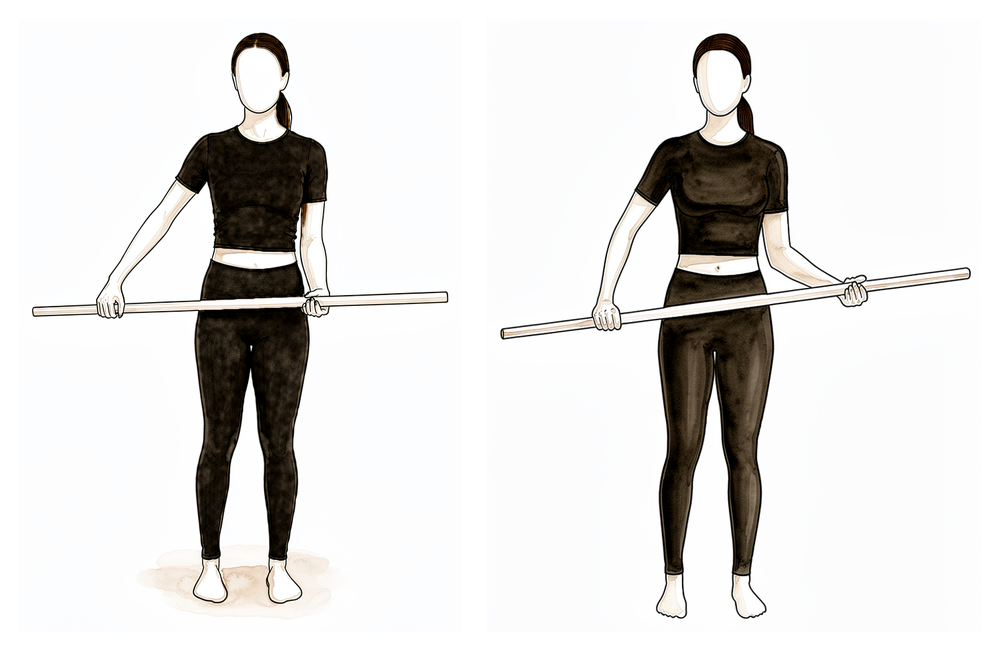
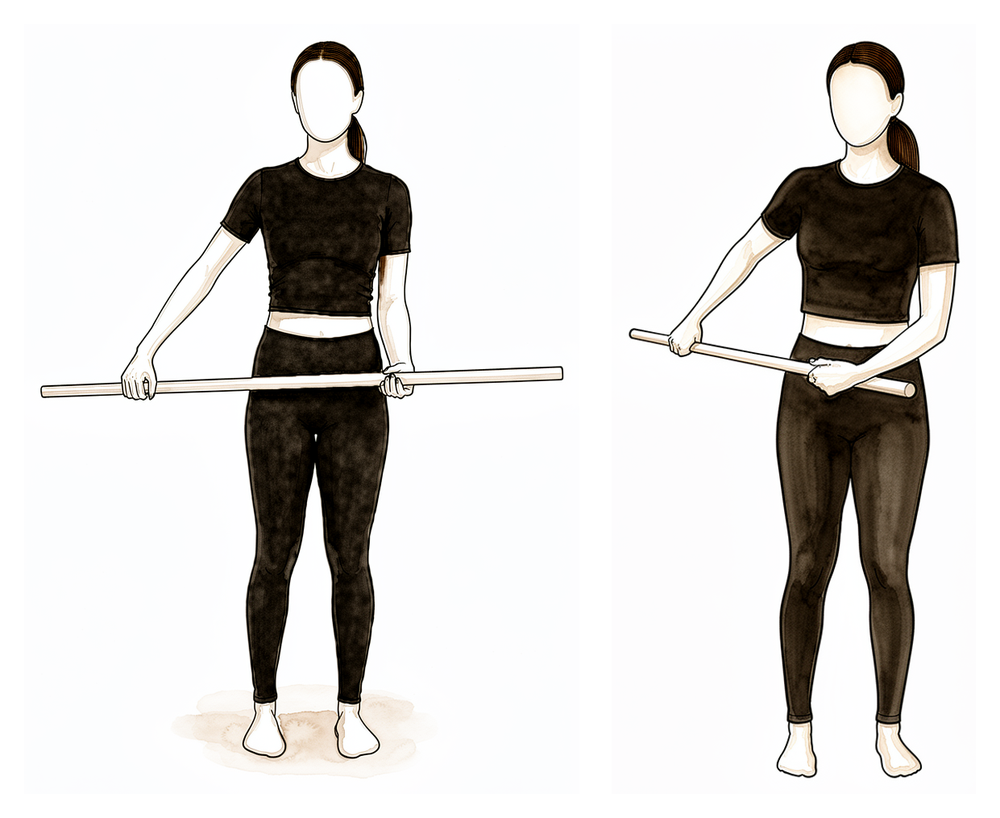
Hỗ trợ xoay ngoài cánh tay bằng một cây gậy
Nằm ngửa, khuỷu tay áp sát vào thân mình và gập thành góc vuông. Cầm một thanh gỗ bằng cả hai tay và dùng cánh tay lành để xoay bàn tay vừa được phẫu thuật ra ngoài. Trong những tuần đầu này, chỉ nên xoay đến khoảng 40 độ thôi; đây là mức độ vận động có kiểm soát, nhằm giảm áp lực lên gân đang hồi phục, chứ không phải là động tác vận động đầy đủ.
Theo hướng dẫn của chuyên viên vật lý trị liệu, hãy đưa góc độ lên khoảng 40 độ.
Kieran Hirpara 4.0
Hỗ trợ xoay vào trong bằng cách dùng cây gậy
Dùng cùng chiếc gậy đó, hãy dùng tay lành để nhẹ nhàng dẫn tay vừa phẫu thuật vào trong, qua phía trước cơ thể, đến góc khoảng 45 độ rồi đưa trở lại. Giữ tay vừa phẫu thuật ở trạng thái thả lỏng và chỉ thực hiện trong phạm vi giới hạn ban đầu; cách này giúp duy trì chuyển động xoay vào trong mà không gây áp lực lên cơ chế tenodesis.
Theo hướng dẫn của chuyên viên vật lý trị liệu, hãy giữ ở mức khoảng 45 độ.
Trong những tuần đầu, mục tiêu là giúp gân liền vào xương trong khi vẫn duy trì sự vận động của các vùng xung quanh. Bàn tay, cổ tay và các ngón tay của bạn sẽ được vận động ngay từ đầu. Khuỷu tay cũng được vận động mỗi ngày, nhưng theo kiểu thụ động: hãy dùng tay còn lại để gập khuỷu tay và xoay lòng bàn tay lên/xuống, nhằm giúp cơ nhị đầu được thư giãn. Vai được vận động nhẹ nhàng trong các giới hạn đã quy định, thông qua các bài tập đung đưa và các động tác hỗ trợ. Hãy chườm đá để giảm đau; uống thuốc giảm đau trước khi tập luyện và trị liệu vật lý; luôn đeo đai treo tay, kể cả khi ngủ. Không được nhấc hoặc mang vác bất cứ thứ gì bằng tay vừa phẫu thuật, và không được lái xe khi vẫn phải đeo đai treo tay. Các công việc nhẹ với cẳng tay được chống đỡ, như viết hoặc gõ máy, thường là chấp nhận được tùy theo mức độ thoải mái của bạn.
Dành cho chuyên viên trị liệu vật lý:
Mục tiêu
- Bảo vệ vị trí gắn kết gân trong quá trình liền xương
- Giảm đau, sưng và phản ứng viêm
- Đảm bảo phạm vi vận động thụ động đầy đủ của khuỷu tay và cẳng tay; phạm vi vận động thụ động của vai ở mức thoải mái trong các giới hạn quy định
- Duy trì chức năng và tư thế của xương bả vai
Cách xử trí
- Đeo đai treo tay khoảng 3–4 tuần, kể cả ban đêm; bắt đầu giảm dần từ tuần thứ 3
- Vận động thụ động khuỷu tay: gập/duỗi và xoay ngoài/xoay trong cẳng tay
- Vận động chủ động cổ tay và bàn tay; các bài tập nắm bóng mềm
- Vận động thụ động và vận động chủ động hỗ trợ nhẹ của vai trong các giới hạn: các bài tập đung đưa, gập vai và nâng vai lên khoảng 90 độ ban đầu, sau đó tăng dần tùy theo mức độ thoải mái; xoay ngoài vai tới 40 độ; xoay trong tới khoảng 45 độ
- Các bài tập điều chỉnh và kéo lùi xương bả vai (khi tay được chống đỡ), sau đó chuyển sang các bài tập co cứng cơ bả vai; vận động cột sống cổ và chỉnh sửa tư thế
- Chườm lạnh để giảm đau và sưng; dùng thuốc giảm đau trước khi tập luyện và trị liệu
- Đặt một cuộn khăn hoặc gối nhỏ dưới khuỷu tay khi nằm ngửa, nhằm tránh tình trạng duỗi vai quá mức
Những điều cần tránh
- Không được gập khuỷu tay chủ động và không thực hiện các động tác xoay ngoài cẳng tay có sức cản; cơ nhị đầu phải luôn được nghỉ ngơi
- Không thực hiện các động tác vận động chủ động của vai; không xoay ngoài vai quá 40 độ; không duỗi vai hay dang tay ngang quá mức trung tính
- Không nhấc hoặc mang vác bất cứ thứ gì bằng tay vừa phẫu thuật
- Không xoa bóp ma sát vùng gần cơ nhị đầu hoặc vị trí gắn kết gân
- Không được lái xe trong sáu tuần (quy định này áp dụng cho mọi ca phẫu thuật vai)
Tiêu chí để chuyển sang giai đoạn tiếp theo
- Vết thương đã lành và cơn đau được kiểm soát tốt
- Phạm vi vận động thụ động của khuỷu tay (gập/duỗi) và cẳng tay đầy đủ
- Phạm vi vận động thụ động của vai ở mức thoải mái trong các giới hạn đã quy định
Giai đoạn II — Vận động chủ động (Tuần 4–6)
Kieran Hirpara 4.0
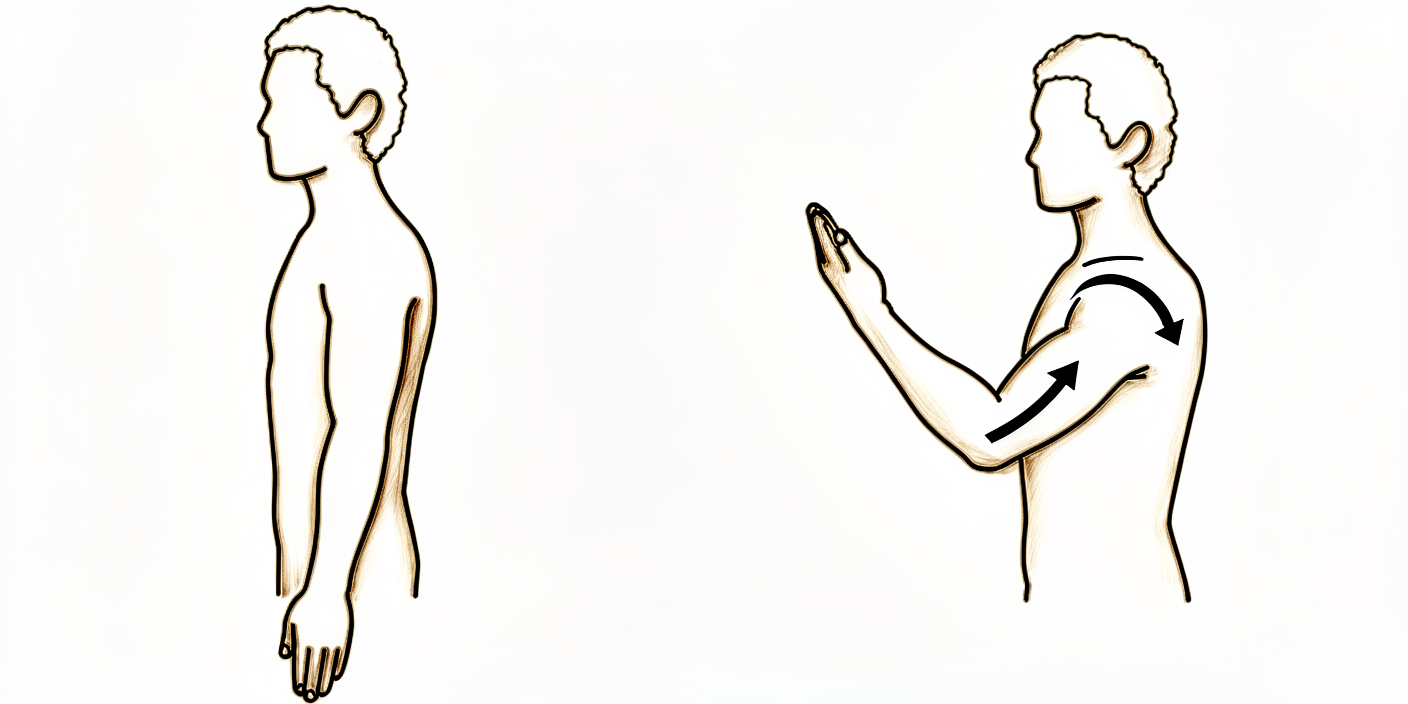
Gập và duỗi khuỷu tay chủ động
Gập và duỗi khuỷu tay bằng sức mình, không cầm gì trong tay, đồng thời xoay lòng bàn tay lên xuống. Lúc này cơ nhị đầu đang hoạt động nhưng chưa chịu tải trọng; hãy chỉ nâng vật nhẹ nhất có thể (không nâng vật gì nặng hơn một cốc trà bằng cánh tay này) cho đến khi chuyên viên vật lý trị liệu cho phép tăng mức độ vận động.
Theo hướng dẫn của chuyên viên vật lý trị liệu của bạn.
Kieran Hirpara 4.0
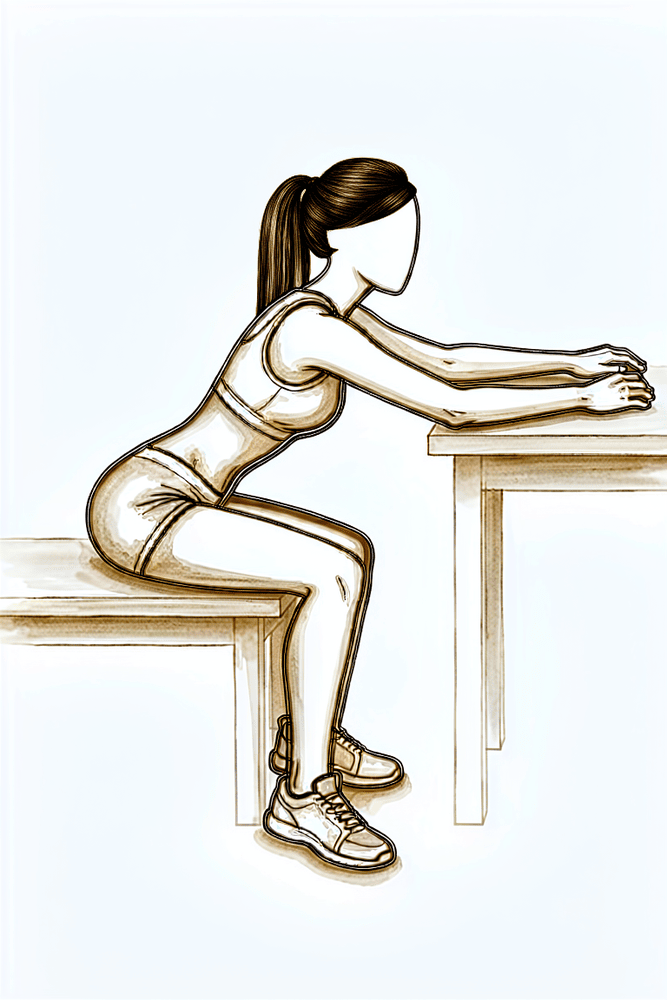
Trượt tay trên bàn
Ngồi tại bàn, đặt tay lên một chiếc khăn hoặc miếng vải. Trượt tay về phía trước dọc theo mặt bàn, nghiêng người về trước để cánh tay đi lên phía trước mặt; sau đó trượt tay trở lại. Mặt bàn đỡ trọng lượng của cánh tay, giúp vai vận động chủ động khi biên độ vận động dần hồi phục.
Theo hướng dẫn của chuyên viên vật lý trị liệu của bạn.
Kieran Hirpara 4.0
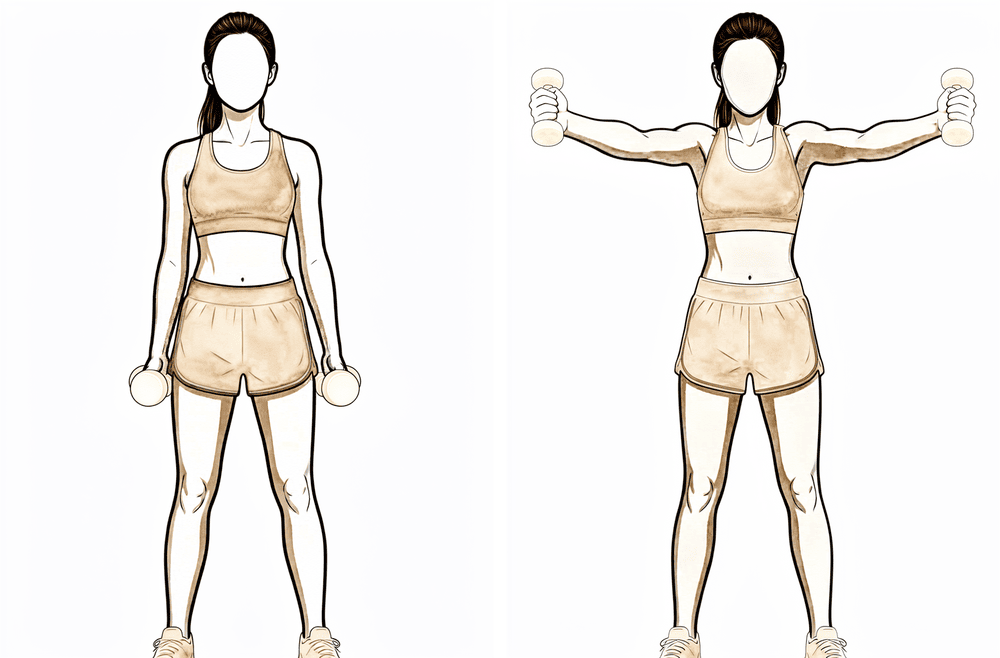
Vận động nâng tay chủ động trong mặt phẳng xương bả vai
Đứng thẳng, giơ cánh tay vừa được phẫu thuật lên và hơi hướng về phía trước — khoảng giữa vị trí thẳng ra phía trước và duỗi sang bên — sao cho ngón tay cái hướng lên trên, giống như đang cầm một chiếc lon đầy. Hãy nâng cánh tay lên bằng sức mình một cách thoải mái, sau đó hạ xuống từ từ. Bài tập này giúp khôi phục khả năng nâng vai một cách tự nhiên mà không cần dùng thêm trọng lượng nào.
Theo hướng dẫn của chuyên viên vật lý trị liệu của bạn.
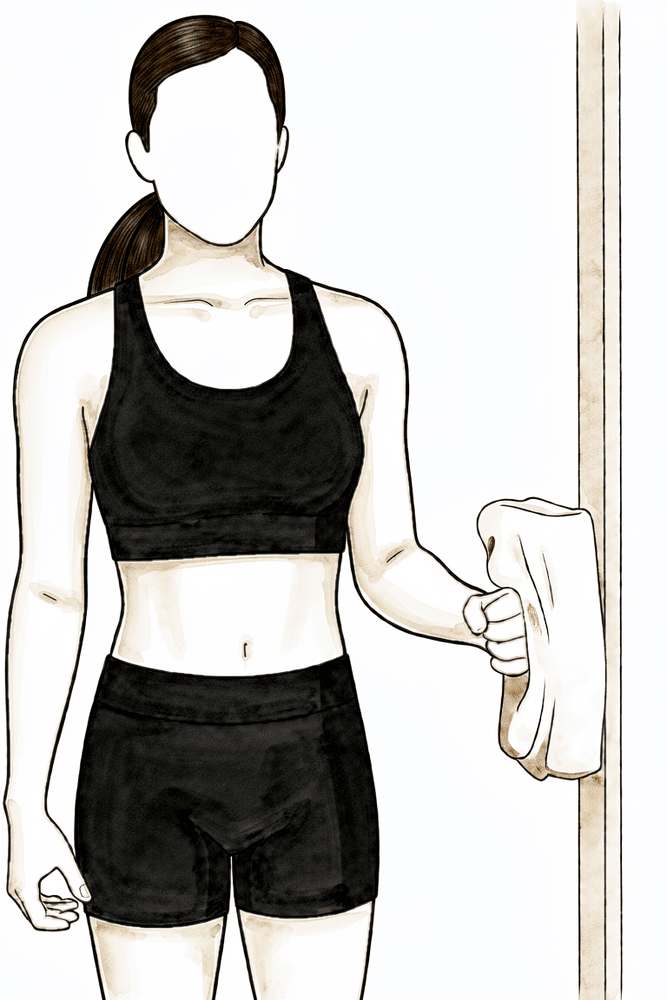
Kieran Hirpara 4.0
Xoay ngoài đẳng tích
Đứng thẳng, khuỷu tay áp sát vào hông và gập thành góc vuông; mu bàn tay chạm vào tường hoặc khung cửa. Nhẹ nhàng ấn tay ra phía ngoài mà không để cánh tay di chuyển, giữ nguyên tư thế vài giây rồi thả lỏng. Bài tập này bắt đầu rèn luyện chóp xoay mà không có chuyển động và không tạo tải lên cơ nhị đầu.
Giữ nguyên tư thế vài giây, lặp lại nhiều lần; theo hướng dẫn của chuyên viên vật lý trị liệu.
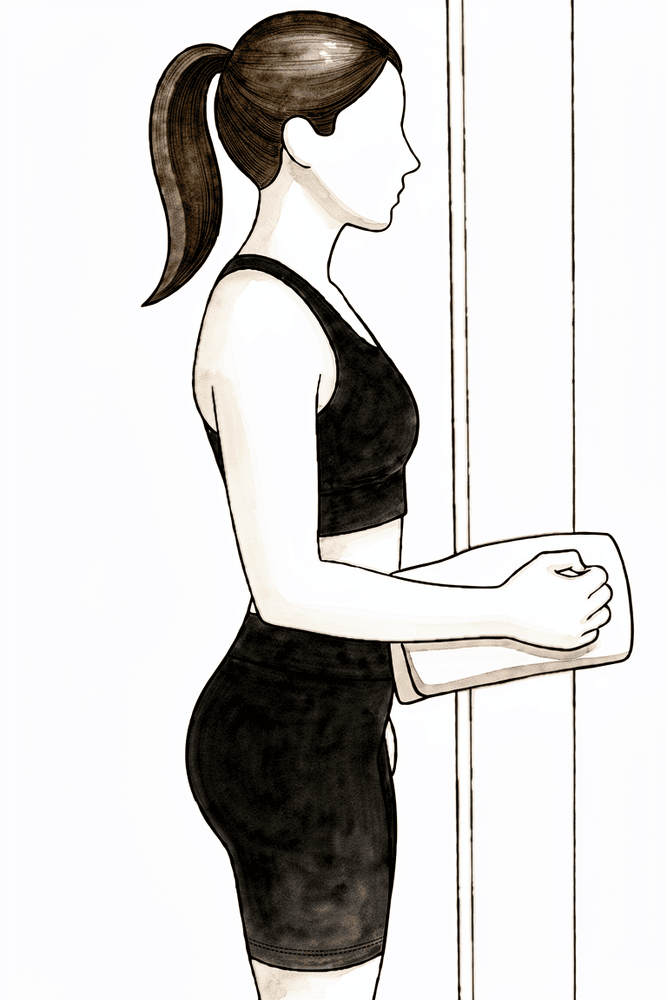
Kieran Hirpara 4.0
Xoay trong đẳng tích
Đứng thẳng, khuỷu tay áp sát vào thân mình và gập thành góc vuông; lòng bàn tay chạm vào tường hoặc khung cửa. Nhẹ nhàng ấn tay vào trong mà không để cánh tay di chuyển, giữ nguyên tư thế vài giây rồi thả lỏng. Đây là lực giữ dưới mức tối đa — chắc nhưng nhẹ nhàng, không bao giờ gắng sức.
Giữ nguyên tư thế vài giây, lặp lại nhiều lần; theo hướng dẫn của chuyên viên vật lý trị liệu.
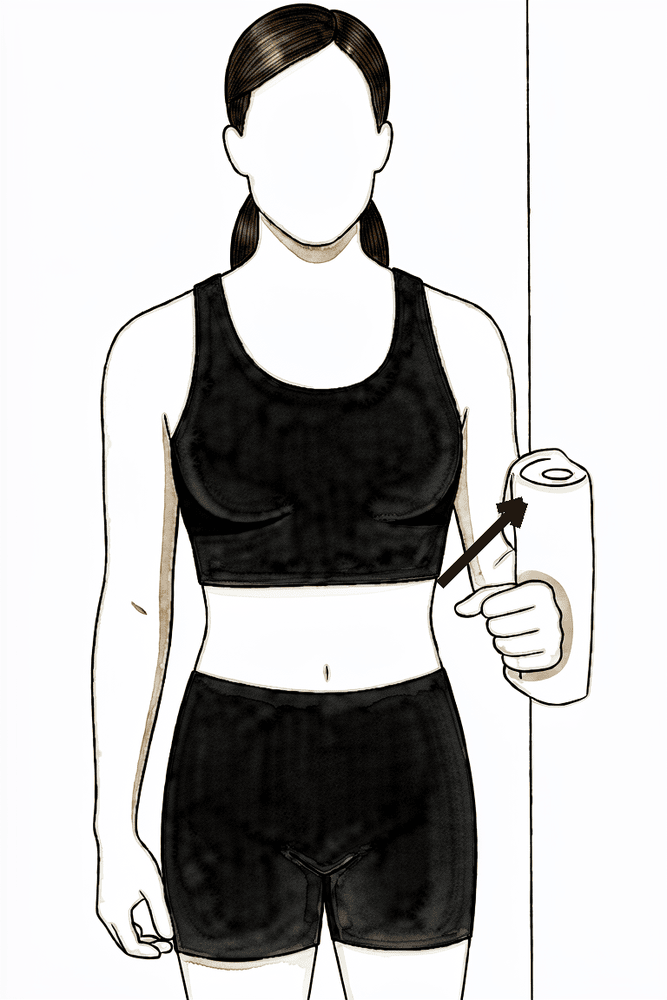
Kieran Hirpara 4.0
Dạng vai đẳng tích
Đứng quay hông về phía tường, khuỷu tay áp sát thân mình. Nhẹ nhàng ấn mặt ngoài cánh tay vào tường, như thể muốn nâng cánh tay ra phía bên mà không để nó di chuyển; giữ nguyên tư thế vài giây rồi thả lỏng. Bài tập này giúp tăng cường sức mạnh cho các cơ vai một cách tĩnh tại trước khi tiến hành các động tác vận động chủ động.
Giữ nguyên tư thế vài giây, lặp lại nhiều lần; theo hướng dẫn của chuyên viên vật lý trị liệu.
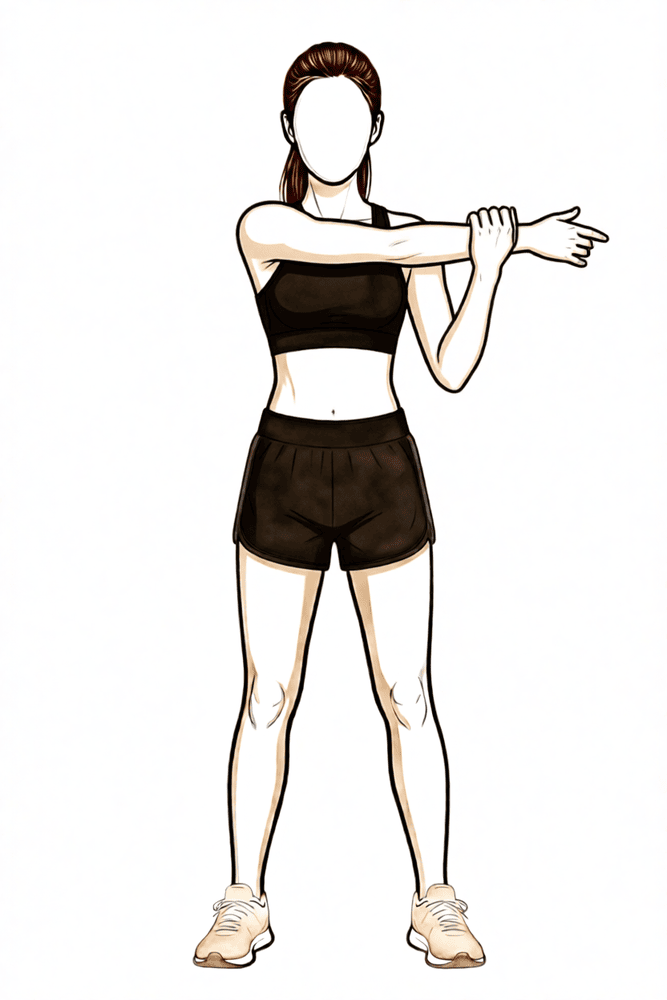
Kieran Hirpara 4.0
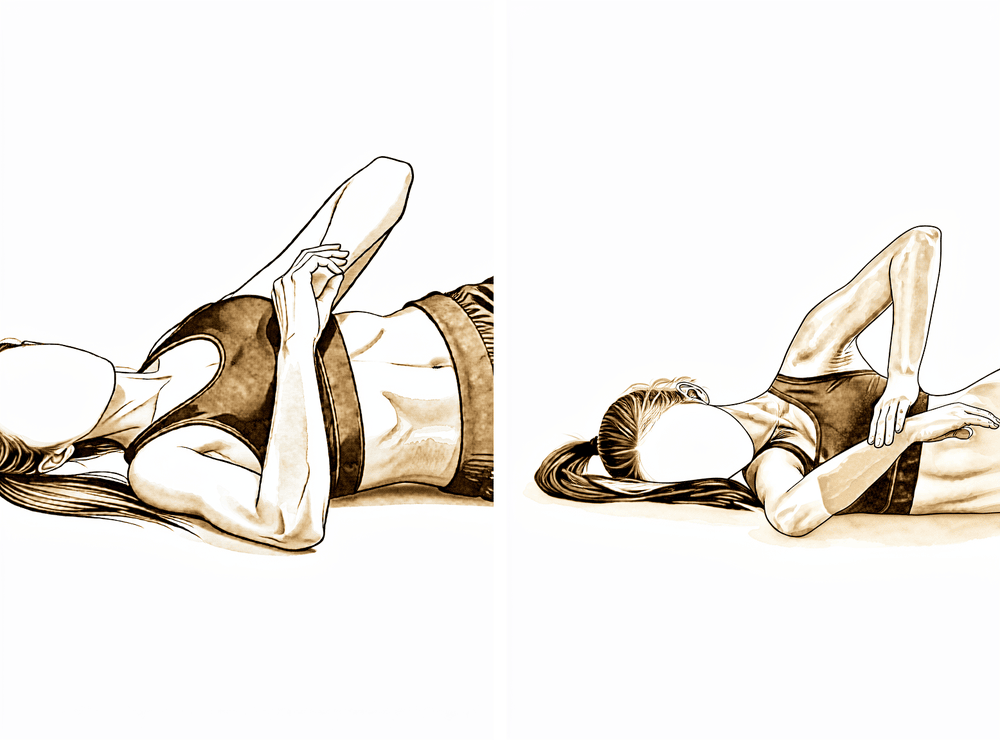
Bài tập kéo giãn chéo cơ thể
Hãy đưa cánh tay vừa được phẫu thuật qua ngực, sau đó dùng cánh tay còn lại nhẹ nhàng kéo nó thêm nữa cho đến khi bạn cảm nhận được sự giãn căng dễ chịu ở phía sau vai. Giữ nguyên tư thế này rồi thả lỏng. Động tác này giúp giảm căng cứng ở phía sau vai khi biên độ vận động của bạn dần hồi phục.
Theo hướng dẫn của chuyên viên vật lý trị liệu của bạn.
Kieran Hirpara 4.0
Kéo giãn tư thế ngủ nghiêng (sleeper stretch)
Nằm nghiêng về phía được phẫu thuật, duỗi tay ra phía trước và gập khuỷu tay thành góc vuông. Dùng tay còn lại nhẹ nhàng ấn cẳng tay xuống giường cho đến khi bạn cảm nhận được sự căng giãn ở phía sau vai. Hãy thực hiện một cách nhẹ nhàng; hãy thư giãn trong lúc căng giãn chứ đừng cố gắng ép mạnh.
Theo hướng dẫn của chuyên viên vật lý trị liệu của bạn.
Kieran Hirpara 4.0
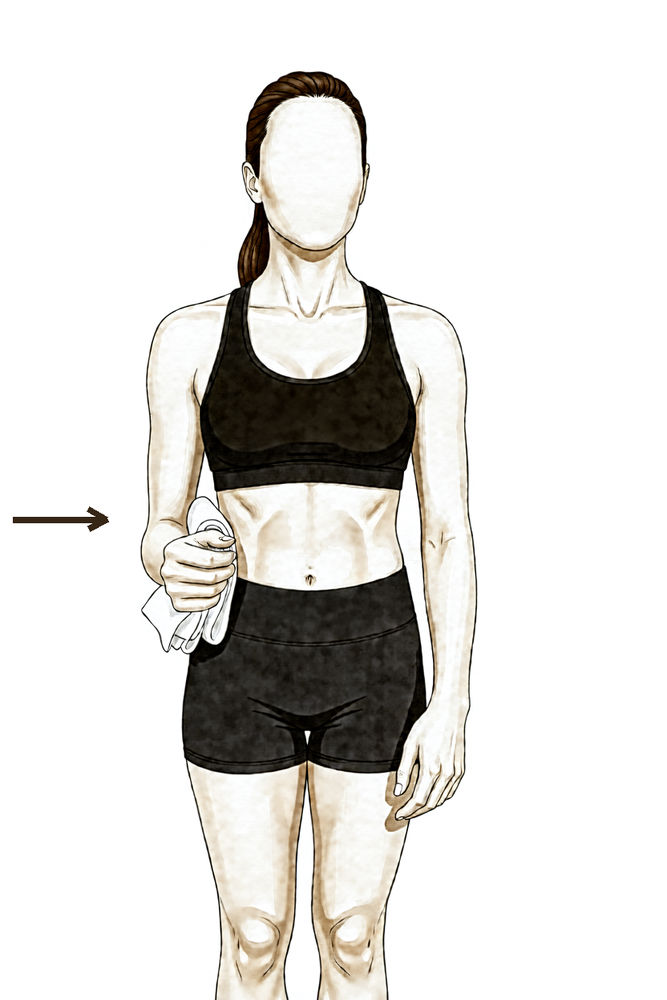
Khép tay đẳng tích (ép tay vào thân)
Đứng thẳng, khuỷu tay áp sát vào thân mình; đặt một chiếc khăn cuộn giữa cánh tay trên và thân người. Nhẹ nhàng siết cánh tay vào phía trong chống lại chiếc khăn mà không được di chuyển — chỉ dùng lực vừa phải, khoảng một phần tư sức mạnh bình thường, và không gây đau đớn. Giữ nguyên tư thế rồi thả lỏng.
Giữ nguyên trong khoảng 5 giây, với lực nhẹ (~25% sức lực), theo hướng dẫn của chuyên viên vật lý trị liệu.
Khi đã tháo nẹp treo cánh tay, cánh tay bắt đầu vận động nhờ sức mạnh tự nhiên. Khớp vai dần chuyển từ các chuyển động có hỗ trợ sang các chuyển động chủ động theo mọi hướng; khớp khuỷu giờ đây cũng có thể gập và xoay chủ động, nhưng vẫn chưa chịu tải trọng. Cơ nhị đầu vẫn đang vận động nhưng chưa phát huy hết chức năng; vì vậy hãy hạn chế các động tác nâng vật nặng (chỉ nên nâm những vật nhẹ như một tách trà) và giao các động tác đẩy, kéo, mang vác cho cánh tay còn lại. Các công việc văn phòng nhẹ nhàng thường vẫn có thể thực hiện được trong giai đoạn này. Bạn có thể lái xe trở lại sau 6 tuần, khi bác sĩ phẫu thuật cho phép và bạn đã có thể kiểm soát chiếc xe một cách an toàn, thoải mái.
Dành cho chuyên viên vật lý trị liệu:
Mục tiêu
- Khôi phục dần dần toàn bộ biên độ vận động chủ động của khớp vai và khuỷu tay
- Đảm bảo cơ chế vận động bình thường của xương bả vai khi cánh tay di chuyển
- Bắt đầu các bài tập co cứng cơ vai ở mức độ không tối đa
- Sử dụng cánh tay cho các hoạt động chức năng ở mức độ nhẹ, ngang thắt lưng
Cách thức điều trị
- Thực hiện các bài tập vận động chủ động có hỗ trợ, dần chuyển sang vận động chủ động ở mọi mặt phẳng (ví dụ: các bài tập trượt tay trên tường, trên thanh chắn, hoặc từ tư thế nằm ngửa sang đứng với cánh tay giơ lên);
- Thực hiện các động tác gập/duỗi khuỷu tay và xoay ngoài/xoay trong cẳng tay mà không có lực cản;
- Thực hiện các bài tập co cứng cơ vai ở mức độ không tối đa: xoay trong, xoay ngoài, giơ lên, hạ xuống;
- Tiếp tục các bài tập ổn định xương bả vai và cải thiện tư thế;
- Massage vết sẹo khi vết thương đã lành; tuyệt đối không thực hiện kỹ thuật xoa chéo tại vị trí khâu nối gân;
- Kéo giãn bao khớp vai phía sau (bài tập vươn tay qua ngực, bài tập nằm nghiêng kéo giãn) khi cần thiết;
- Tập đi bộ hoặc đạp xe cố định để rèn luyện sức khỏe; tuyệt đối không chịu tải trọng qua cánh tay đang điều trị.
Lưu ý phòng ngừa
- Không thực hiện các bài tập co cơ nhị đầu có sức cản; không để khớp khuỷu chịu tải trọng khi gập hay xoay ngoài;
- Không nâng vật gì bằng cánh tay vừa phẫu thuật; chưa được chạy bộ;
- Tránh kéo giãn mạnh hoặc dùng các kỹ thuật trị liệu thủ công gây áp lực quá mức lên gân đang hồi phục.
Tiêu chí để chuyển sang giai đoạn tiếp theo
- Biên độ vận động chủ động của vai, khuỷu tay và cẳng tay đầy đủ, không còn đau đớn;
- Cơ chế vận động của xương bả vai bình thường khi cánh tay di chuyển và thực hiện các hoạt động nhẹ;
- Cơn đau được kiểm soát tốt.
Giai đoạn III — Tăng cường sức mạnh (Tuần 6–12)
Kieran Hirpara 4.0
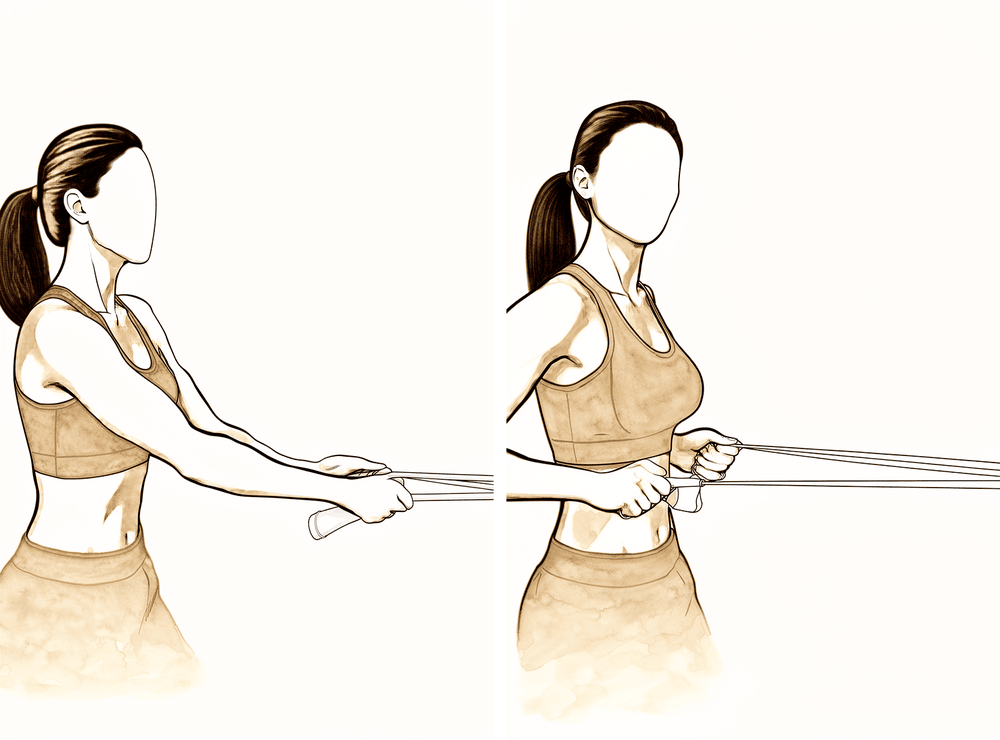
Bài tập kéo dây thun
Gắn một dây kháng lực vào vị trí phía trước người, ngang tầm eo. Kéo dây về phía mình, đồng thời kéo xương bả vai ra sau và xuống dưới khi khuỷu tay vượt qua vị trí bên hông; sau đó từ từ trở về vị trí ban đầu. Đây là bài tập thuộc chương trình rèn luyện xương bả vai — hãy giữ mức tải trọng thấp và thực hiện nhiều lần lặp lại.
Theo hướng dẫn của chuyên viên vật lý trị liệu của bạn.
Kieran Hirpara 4.0
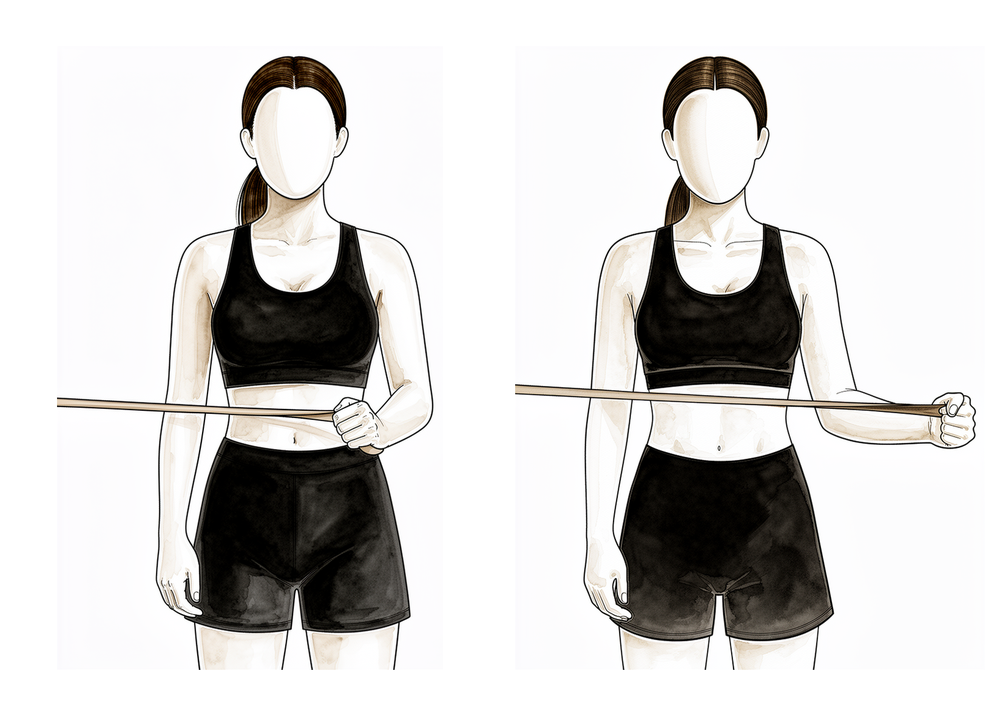
Xoay ngoài cánh tay với dây kháng lực
Cố định dây đàn hồi ở độ cao ngang eo. Giữ khuỷu tay sát thân mình và gập thành góc vuông, sau đó kéo dây ra ngoài, xoay cẳng tay ra xa khỏi cơ thể, rồi từ từ trở về vị trí ban đầu. Hãy bắt đầu với lực nhẹ và thực hiện nhiều lần — bài tập này tăng cường sức mạnh cho chóp xoay.
Theo hướng dẫn của chuyên viên vật lý trị liệu: tải trọng thấp, số lần lặp lại nhiều.
Kieran Hirpara 4.0
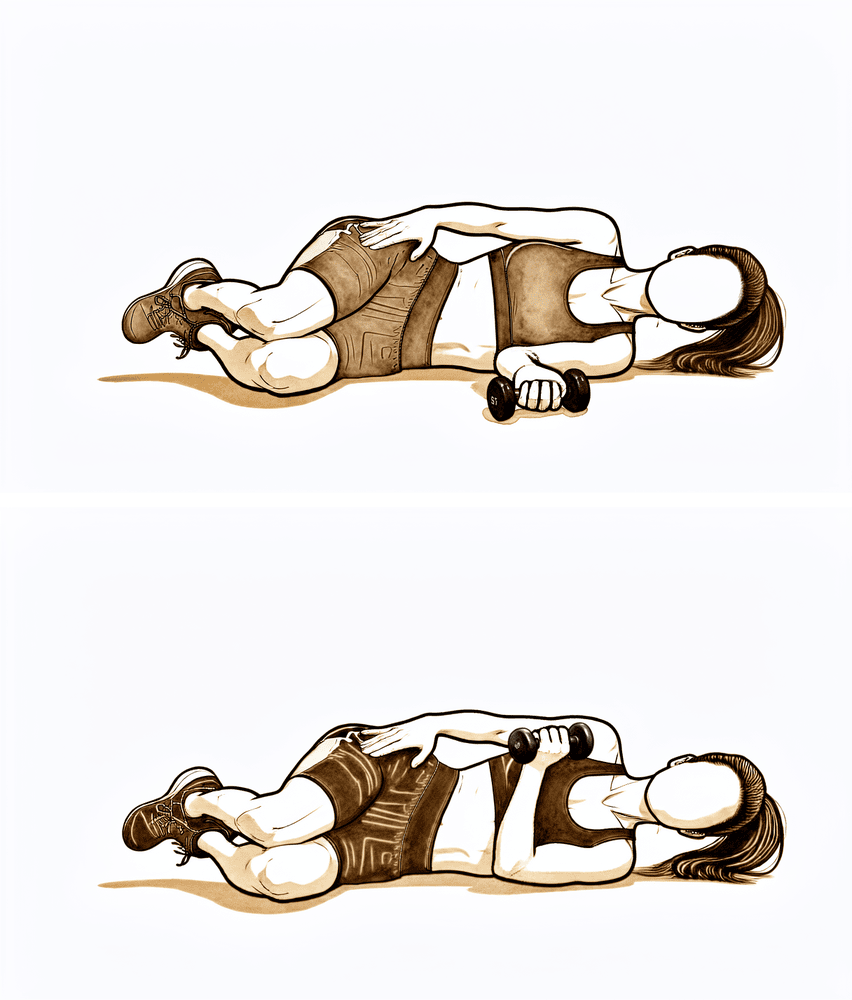
Chuyển động xoay vào trong có sức cản
Nằm nghiêng về phía được phẫu thuật, tay cầm một vật nặng nhẹ và khuỷu tay gập sát thân. Nâng vật nặng lên bằng cách xoay cẳng tay hướng về phía cơ thể, sau đó hạ xuống từ từ. Bài tập này tăng cường sức mạnh cho các cơ xoay trong của chóp xoay — ban đầu hãy dùng tải trọng nhẹ.
Theo hướng dẫn của chuyên viên vật lý trị liệu: tải trọng thấp, số lần lặp lại nhiều.
Kieran Hirpara 4.0
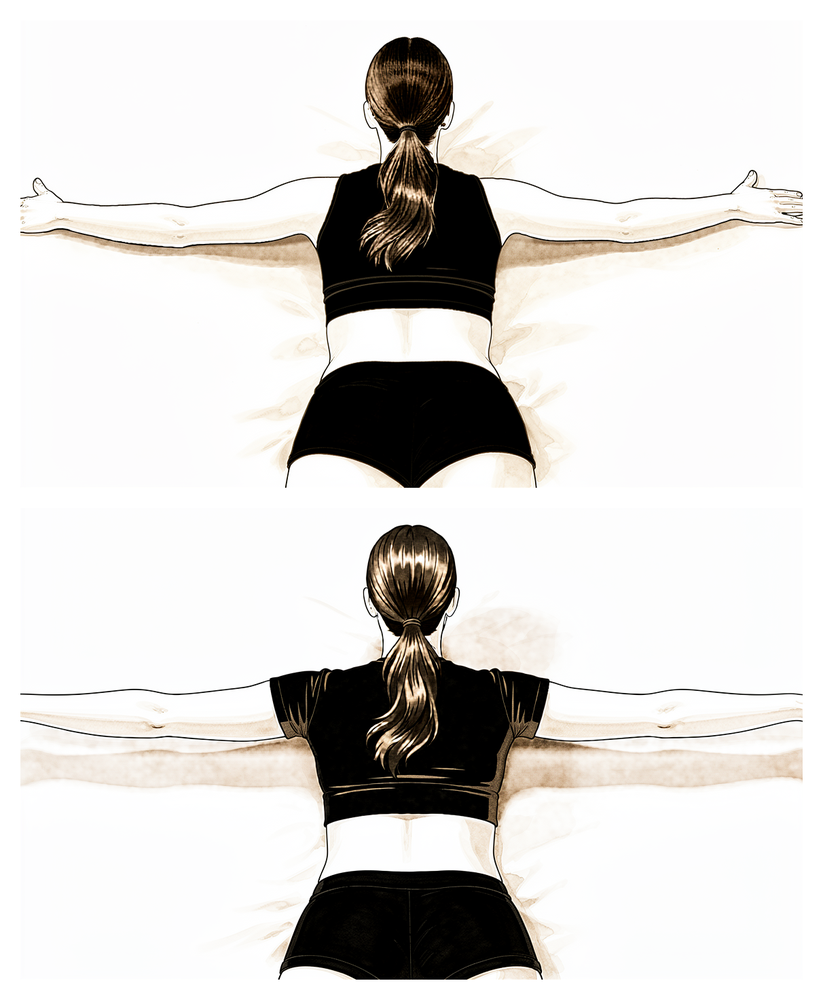
Nâng tay hình chữ T khi nằm sấp
Nằm sấp, để hai tay thõng xuống qua mép giường. Giơ cánh tay vừa được phẫu thuật sang ngang lên đến tầm vai, đồng thời siết bả vai, sao cho hai tay tạo thành hình chữ T, rồi từ từ hạ xuống. Đây là một phần của chương trình rèn luyện bả vai — kiểm soát chuyển động quan trọng hơn khối lượng tạ.
Theo hướng dẫn của chuyên viên vật lý trị liệu của bạn.
Kieran Hirpara 4.0
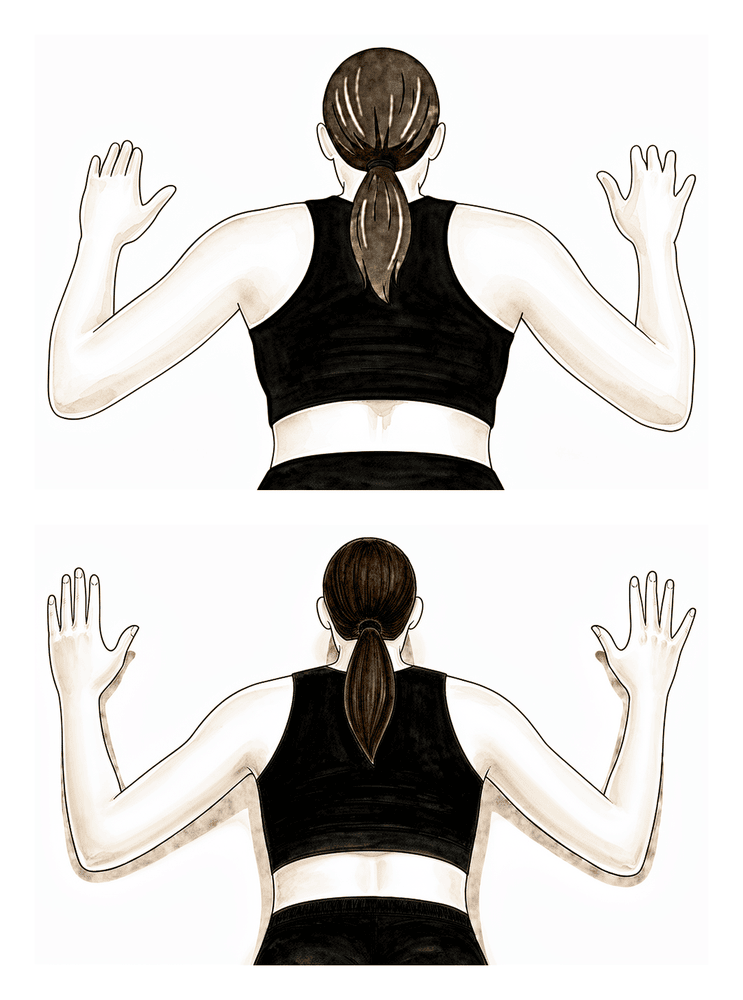
Nâng tay hình chữ W khi nằm sấp
Nằm sấp, kéo khuỷu tay ra sau và xuống về phía eo; gập khuỷu tay sao cho cánh tay tạo thành hình chữ W, siết hai bả vai lại với nhau, rồi từ từ hạ xuống. Bài tập này rèn luyện các cơ phần dưới của bả vai, những cơ giúp duy trì tư thế đúng.
Theo hướng dẫn của chuyên viên vật lý trị liệu của bạn.
Kieran Hirpara 4.0
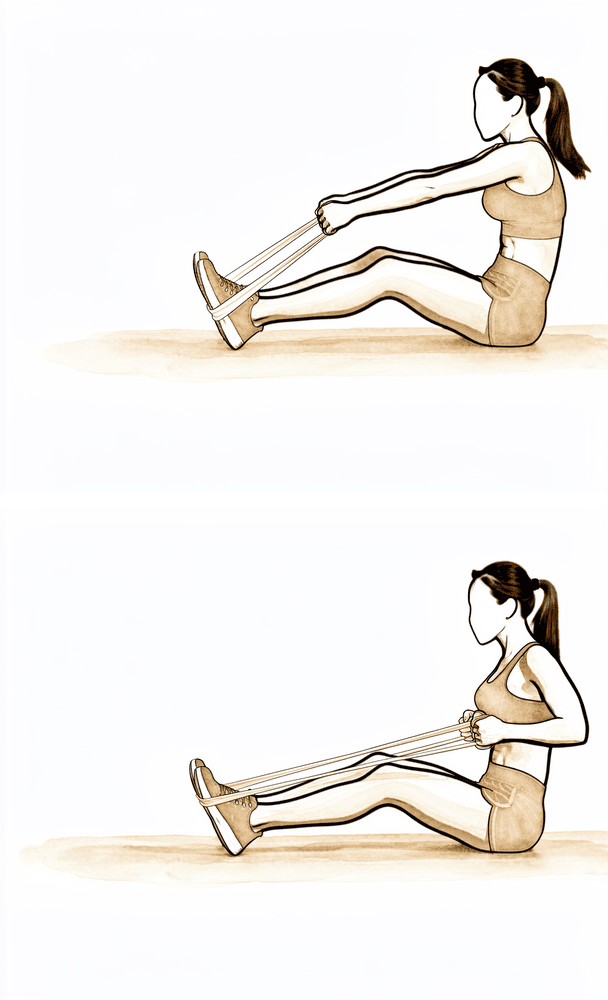
Tập kéo dây thấp
Khi tay đặt bên thân, hãy ấn xuống phía sau lên một dải cao su hoặc bề mặt phẳng, kéo xương bả vai xuống dưới và vào trong, sau đó thả ra. Đây là một phần của bài tập rèn luyện vận động xương bả vai, nhằm cải thiện khả điều khiển vùng xung quanh xương bả vai.
Theo hướng dẫn của chuyên viên vật lý trị liệu của bạn.
Kieran Hirpara 4.0
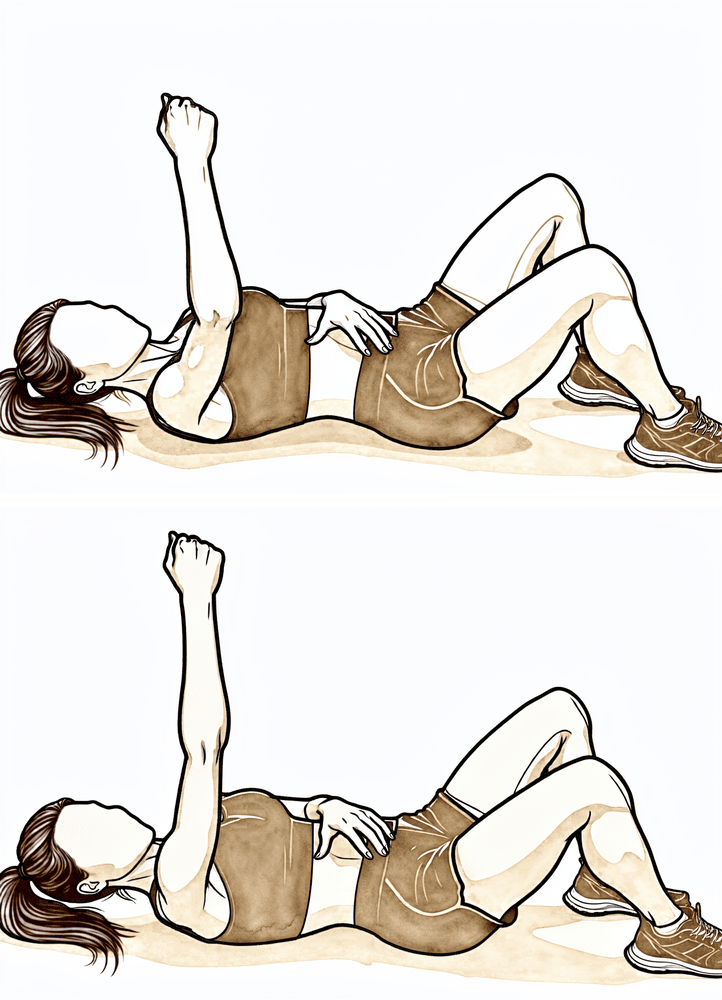
Đẩy tay kích hoạt cơ răng cưa (serratus punch)
Nằm ngửa, giơ cánh tay vừa được phẫu thuật thẳng lên trần nhà. Sau đó nắm đấm hướng lên trên thêm một chút để xương bả vai nhấc khỏi sàn, rồi hạ xuống trở lại. Bài tập này giúp rèn luyện cơ serratus – cơ có chức năng giữ xương bả vai áp sát vào các xương sườn.
Theo hướng dẫn của chuyên viên vật lý trị liệu của bạn.
Kieran Hirpara 4.0
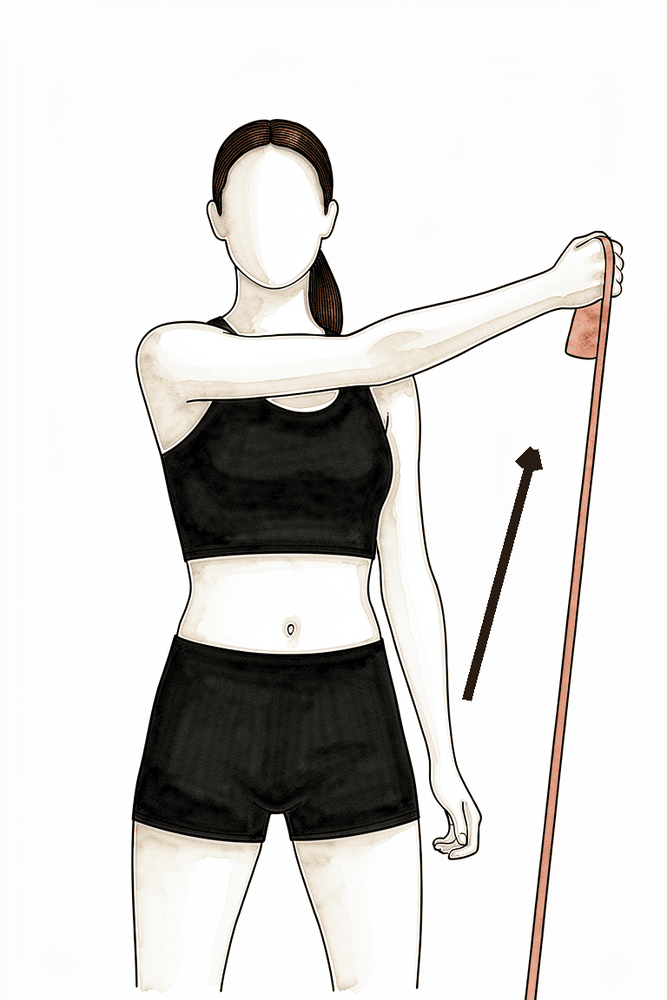
Kéo dây kháng lực theo đường chéo (D1)
Dùng dây đàn hồi để kéo tay theo đường chéo: từ phía trước cơ thể hướng lên trên và ra xa khỏi người, sau đó hạ tay xuống một cách có kiểm soát. Các chuyển động chéo này giúp tái thiết lập sức mạnh vai một cách phối hợp và hiệu quả.
Theo hướng dẫn của chuyên viên vật lý trị liệu của bạn.
Kieran Hirpara 4.0
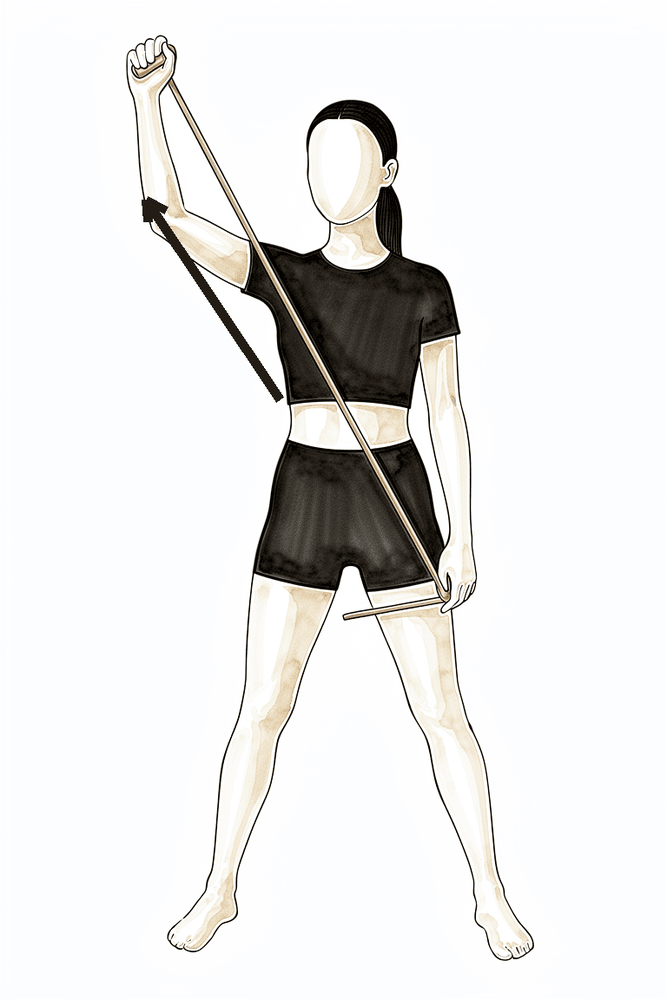
Kéo dây kháng lực theo đường chéo (D2)
Dùng dây đàn hồi để di chuyển cánh tay theo đường chéo: từ vị trí thấp bên hông, vung lên trên cao và ra ngoài, sau đó kiểm soát để hạ cánh tay trở lại. Đây là mẫu chuyển động chéo thứ hai nhằm tăng cường sức mạnh thông qua các vòng chuyển động rộng hơn, tương tự như trong các môn thể thao.
Theo hướng dẫn của chuyên viên vật lý trị liệu của bạn.
Kieran Hirpara 4.0
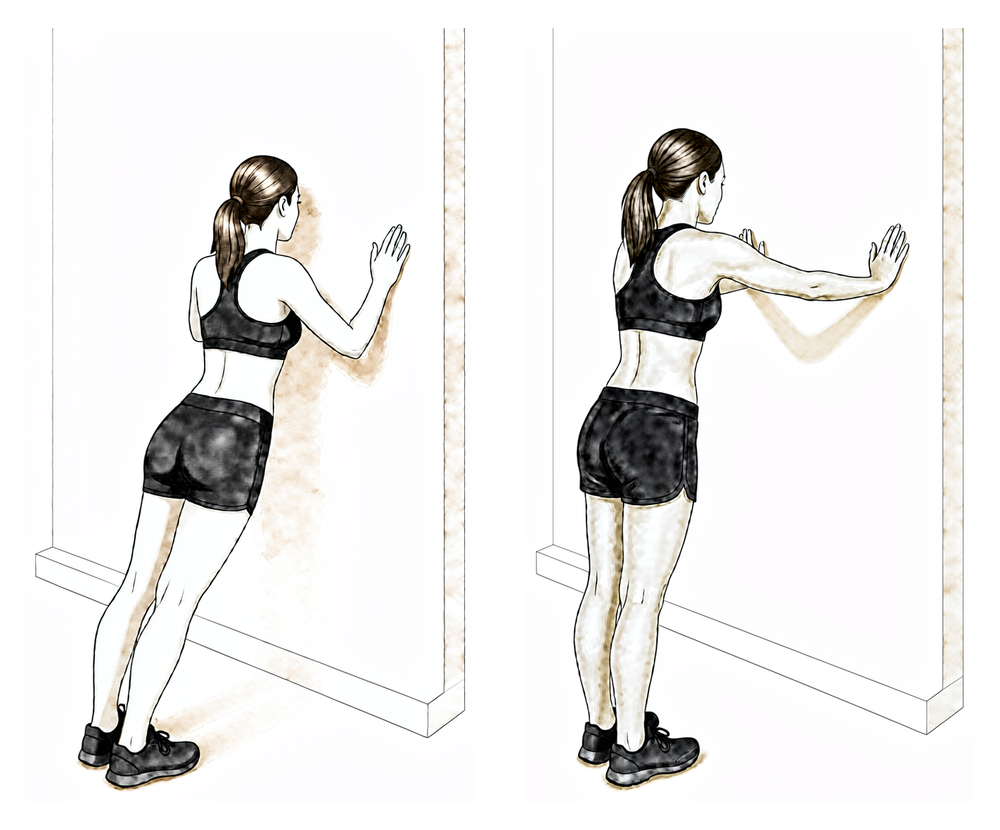
Chống đẩy tường nâng cao
Đứng thẳng, hai tay chống lên tường ở độ cao ngang vai. Giữ khuỷu tay thẳng, đẩy ngực ra xa khỏi tường sao cho hai bả vai cong về phía trước, sau đó thả lỏng trở lại. Đây là bước khởi đầu trong chuỗi bài tập hít đất – lần lượt thực hiện trên tường, rồi lên mặt bàn, tiếp theo là trên đầu gối, và cuối cùng là trên sàn, theo hướng dẫn.
Theo hướng dẫn của chuyên viên vật lý trị liệu của bạn.
Kieran Hirpara 4.0
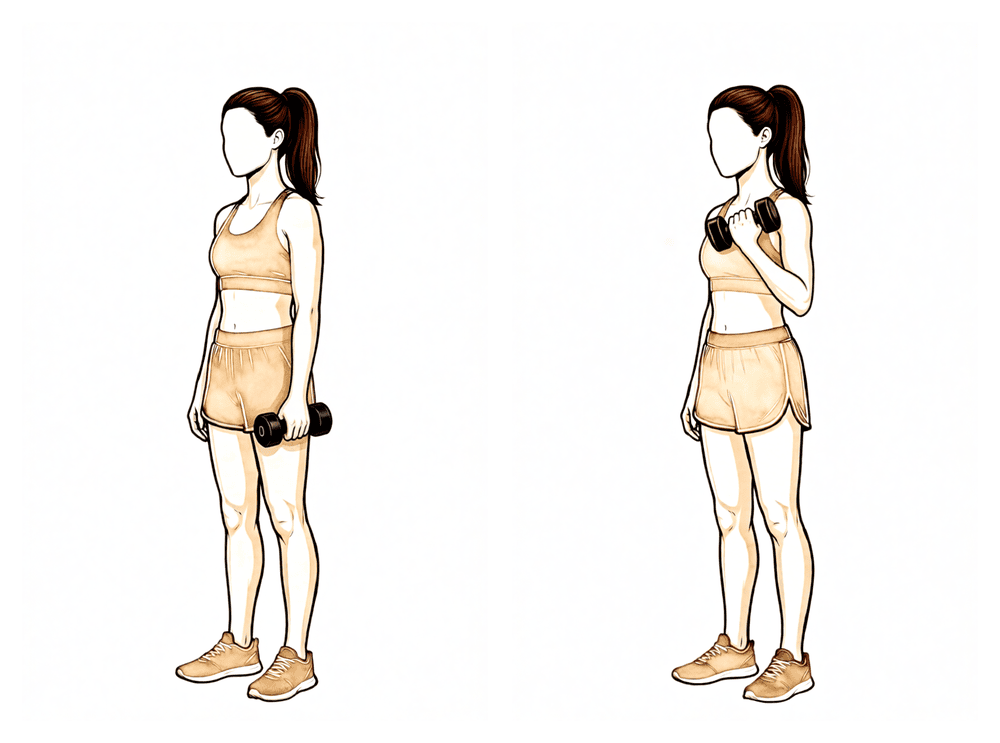
Gập khuỷu tay với tạ
Không thực hiện trước tuần thứ 10. Hãy cầm vật nặng nhẹ trong tay, giữ khuỷu tay sát thân mình; sau đó gập khuỷu tay để nâng vật nặng lên rồi hạ xuống từ từ. Cũng thực hiện tương tự với động tác xoay cổ tay hướng lòng bàn tay lên chống lại lực cản. Hãy bắt đầu với mức tải trọng nhẹ và tăng dần — đây là bài tập cuối cùng được thiết kế để tác động lên gân đang hồi phục.
Từ tuần thứ 10 trở đi: tải trọng thấp, số lần lặp lại nhiều.
Kieran Hirpara 4.0
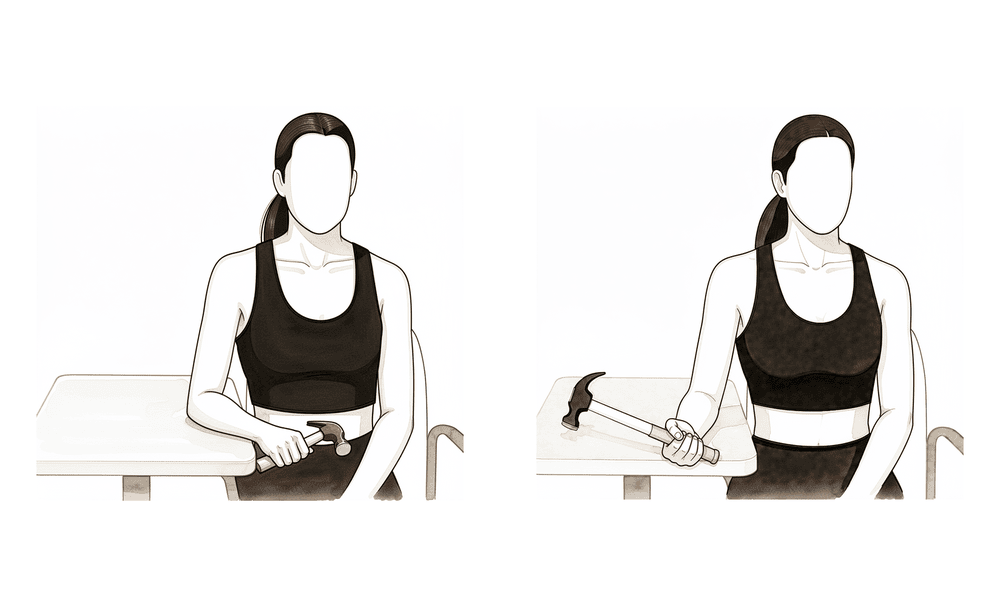
Xoay cẳng tay có sức cản
Không nên thực hiện trước tuần thứ 10. Hãy đặt cẳng tay lên bàn sao cho bàn tay thõng ra ngoài mép bàn, rồi cầm một vật nặng nhẹ. Từ từ xoay lòng bàn tay hướng lên trên, sau đó xoay xuống dưới, đảm bảo vận động được kiểm soát chặt chẽ. Việc xoay lòng bàn tay hướng lên tác động trực tiếp lên cơ nhị đầu; vì vậy bài tập này nên thực hiện sau các động tác gập tay — hãy bắt đầu với mức tạ nhẹ và tăng dần theo thời gian.
Từ tuần thứ 10 trở đi: tải trọng thấp, số lần lặp lại nhiều.
Kieran Hirpara 4.0
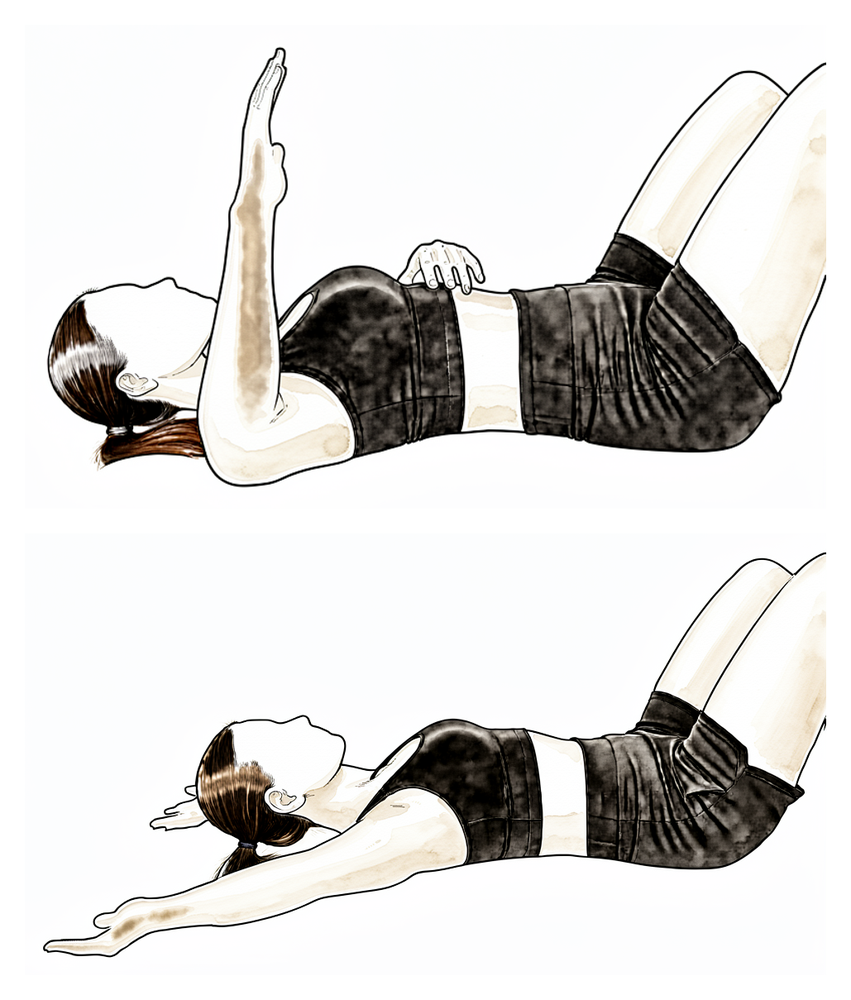
Xoay ngoài ở tư thế 90/90 (dây kháng lực)
Khi cánh tay dang ngang tầm vai và khuỷu tay gập thành góc vuông, hãy xoay cẳng tay ra sau và lên trên chống lại lực của dây kháng lực nhẹ hoặc tạ nhỏ, sau đó hạ xuống từ từ. Bài tập này tăng cường sức mạnh chóp xoay ở tư thế tay giơ cao (tư thế ném).
2 đến 3 hiệp, mỗi hiệp 10 đến 15 lần, sử dụng lực cản thấp.
Kieran Hirpara 4.0
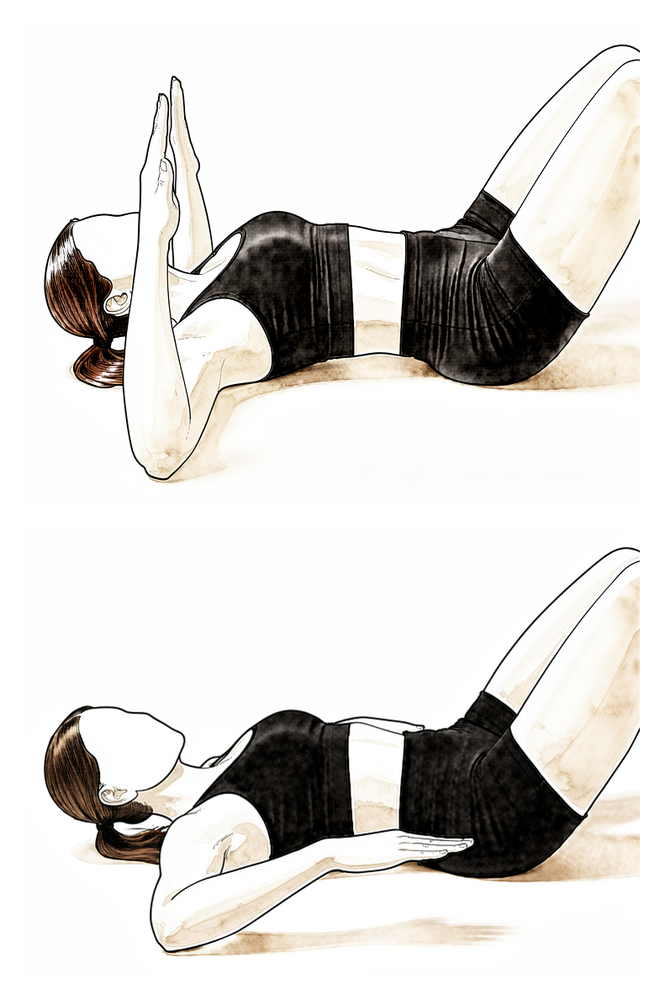
Xoay trong ở tư thế 90/90 (dây kháng lực)
Từ tư thế tương tự, với cánh tay duỗi ngang ngang vai, xoay cẳng tay về phía trước và hướng xuống chân chống lại sức căng của dây kháng lực hoặc tạ nhẹ, sau đó từ từ trở về vị trí ban đầu một cách có kiểm soát.
2 đến 3 hiệp, mỗi hiệp 10 đến 15 lần, sử dụng lực cản thấp.
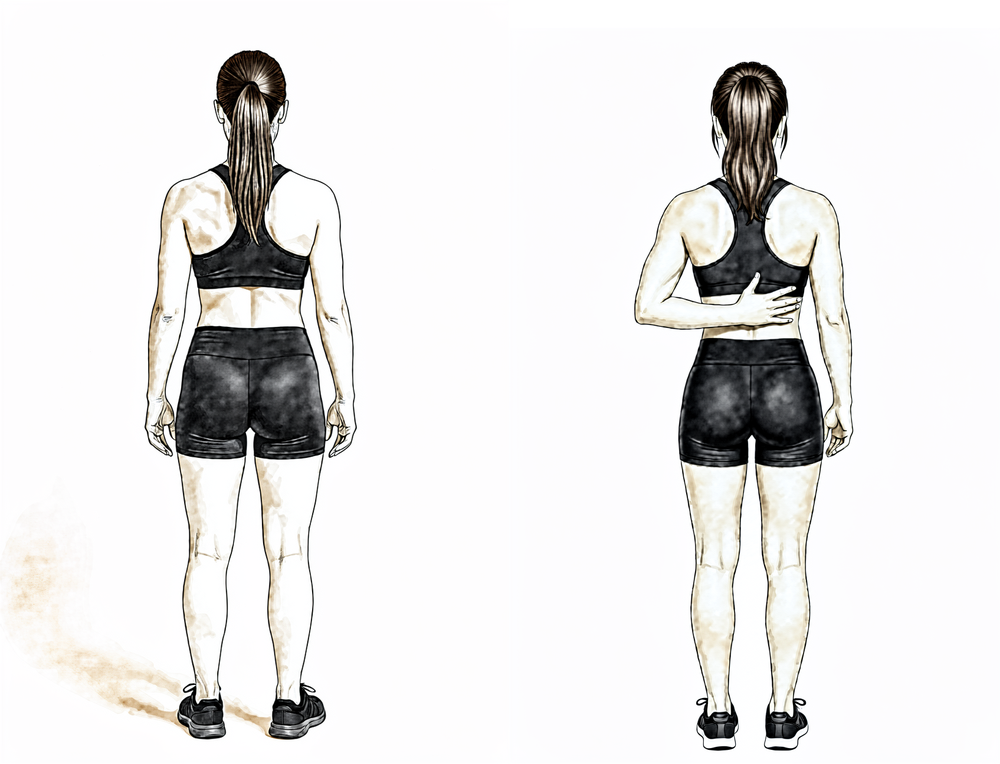
Kieran Hirpara 4.0
Với tay ra sau lưng
Khi đứng, hãy đặt mu bàn tay vừa được phẫu thuật áp vào vùng thắt lưng, sau đó dùng sức cơ của mình để nhẹ nhàng di chuyển tay lên dọc theo cột sống đến mức cảm thấy thoải mái, rồi hạ tay xuống. Chỉ vận động trong phạm vi thoải mái và tuyệt đối không gắng sức.
Theo hướng dẫn của chuyên viên vật lý trị liệu của bạn.
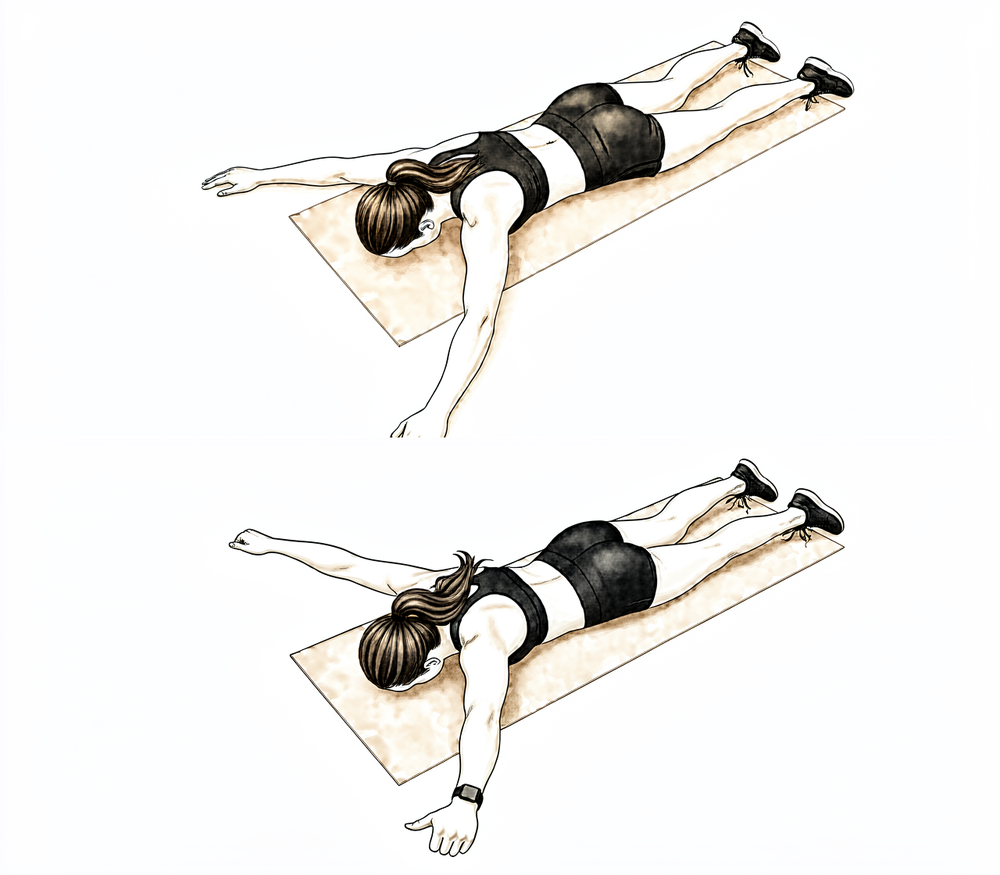
Kieran Hirpara 4.0
Tư thế nằm sấp kiểu Y (vùng dưới bả vai)
Nằm sấp, duỗi cánh tay vừa phẫu thuật lên trên và ra ngoài tạo thành góc khoảng 45° thành hình chữ Y, ngón tay cái hướng lên trên. Kéo xương bả vai xuống dưới và ra sau để nhấc nhẹ cánh tay khỏi mặt phẳng, sau đó hạ xuống từ từ. Chỉ cần thực hiện với lực nhẹ thôi – bài tập này nhằm tác động vào các cơ phía dưới xương bả vai.
Theo hướng dẫn của chuyên viên vật lý trị liệu: thực hiện các động tác nhẹ nhàng với số lần lặp lại nhiều.
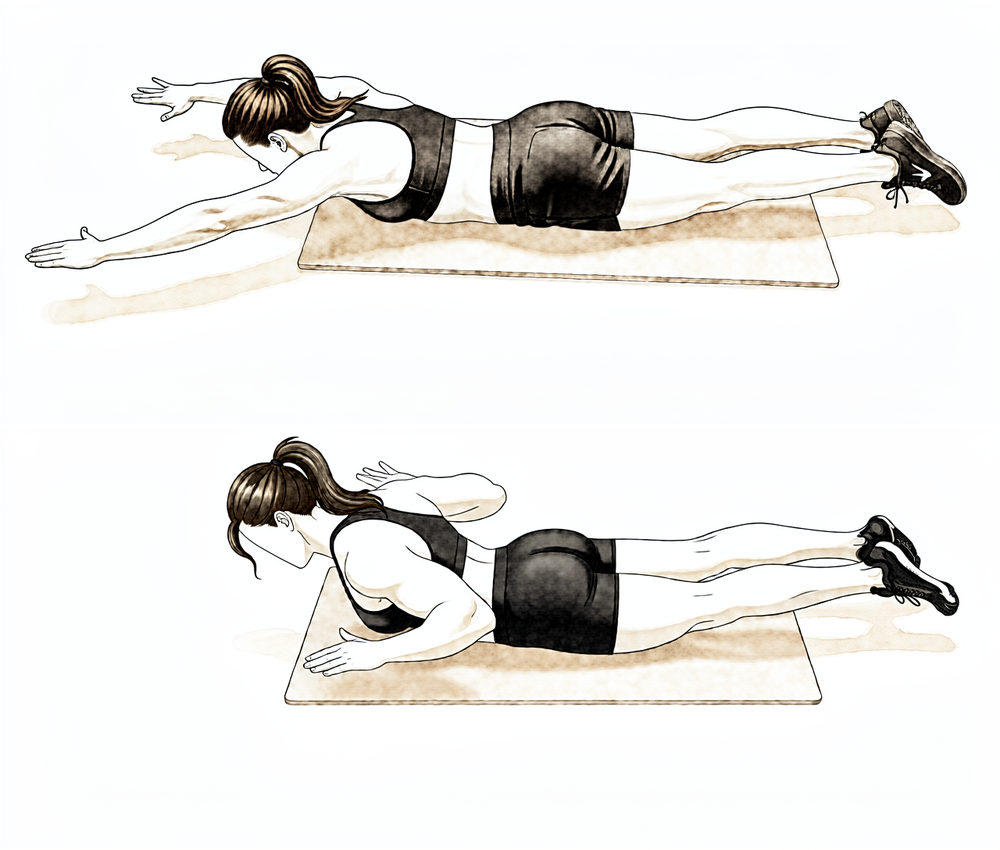
Kieran Hirpara 4.0
Bài tập kéo ngược theo tư thế nằm sấp
Nằm sấp, để cánh tay vừa phẫu thuật thõng xuống sát sàn nhà. Co khuỷu tay lên phía trần nhà, đồng thời siết bả vai lại gần cột sống, sau đó hạ tay xuống từ từ. Ban đầu không nên dùng tạ, và hãy thực hiện động tác một cách chậm rãi, kiểm soát được lực.
Theo hướng dẫn của chuyên viên vật lý trị liệu của bạn.
Giai đoạn tăng cường sức mạnh bắt đầu một cách nhẹ nhàng, tập trung từ vùng xương bả vai ra ngoài: trước hết là các cơ vùng cơ chóp xoay và cơ bả vai, sử dụng dây thun và tạ nhẹ với tải trọng thấp nhưng số lần lặp lại cao. Các bài tập chống lực cho cơ nhị đầu (gập tay và xoay cổ tay hướng lên trên chống lực) sẽ được bắt đầu vào tuần thứ 10; lúc đó cũng chỉ thực hiện với tải trọng nhẹ và tăng dần từ từ. Các phác đồ đã công bố thường áp dụng bài tập này vào khoảng tuần thứ 6 đến tuần thứ 10; phác đồ này chọn mốc bảo vệ nhất trong phạm vi đó nhằm giúp vết khâu cố định vững chắc nhất trước khi chịu tải. Trong suốt giai đoạn này, các hoạt động sinh hoạt hàng ngày hầu như đã trở lại bình thường; từ khoảng tuần thứ 8, bạn có thể bắt đầu chạy bộ, đạp xe và chơi golf theo hướng dẫn của chuyên viên vật lý trị liệu.
Dành cho chuyên viên vật lý trị liệu:
Mục tiêu
- Khôi phục sức mạnh, sức bền và khả năng kiểm soát thần kinh cơ
- Phục hồi chức năng vận động từ mức ngang eo lên đến mức ngang ngực và vượt qua đầu
Cách thực hiện
- Giữ nguyên phạm vi vận động đầy đủ của vai và khuỷu tay trong suốt quá trình
- Tăng cường sức mạnh cơ chóp xoay theo kiểu đồng trương lực: xoay trong và xoay ngoài với lực cản nhẹ, bắt đầu từ tư thế trung tính và tăng dần đến mức gập vai 90 độ
- Chương trình tập cho cơ bả vai: thực hiện các bài tập nằm sấp tiến triển dần theo từng tuần; các bài tập chống lực cho cơ serratus như đấm, kéo ngược, hít đất có biến tấu (thực hiện trên tường, mặt bàn, đầu gối hoặc sàn nhà)
- Từ tuần thứ 10 bắt đầu thực hiện các bài tập chống lực cho cơ nhị đầu: gập tay, xoay cổ tay hướng lên và hướng xuống; ban đầu dùng tay cầm ngắn, tải trọng thấp và số lần lặp lại cao, sau đó tăng dần một cách thận trọng
- Thực hiện các bài tập ổn định nhịp nhàng và các chuyển động chéo (D1/D2); tập ổn định khớp trong điều kiện chuỗi khép kín
- Từ khoảng tuần thứ 8 có thể cho phép bệnh nhân trở lại chạy bộ, đạp xe và chơi golf với kỹ thuật đúng
Lưu ý phòng ngừa
- Tránh các bài tập chống lực khuỷu tay với tay cầm dài ở giai đoạn đầu
- Không nâng hoặc mang vác vật nặng cho đến khi sức mạnh đã hồi phục
- Trong giai đoạn này không được bơi lội hay ném vật
- Chỉ bắt đầu tăng cường sức mạnh khi phạm vi vận động đã gần đạt mức tối đa và không gây đau đớn
Tiêu chí để chuyển sang giai đoạn tiếp theo
- Phạm vi vận động chủ động đầy đủ, không đau, với nhịp điệu vận động giữa xương bả vai và xương cánh tay bình thường
- Sức mạnh cơ chóp xoay đạt mức 5/5 khi gập vai 90 độ trong mặt phẳng xương bả vai; sức mạnh cơ bả vai – ngực cũng đạt mức 5/5
- Bệnh nhân chịu được các bài tập tăng cường sức mạnh mà không có triệu chứng tái phát
Giai đoạn IV — Trở lại các hoạt động bình thường (từ tuần thứ 12 trở đi)
Giai đoạn cuối này là quá trình dần dần trở lại các hoạt động nặng nhọc, các động tác vung tay trên đầu và các môn thể thao. Hầu hết mọi người được phép tập gym, làm việc chân tay và tham gia các hoạt động thể thao giải trí sau khoảng 3–4 tháng, với mức tải trọng tăng dần; đối với các vận động viên thường thực hiện các động tác vung tay trên đầu hoặc tiếp xúc trực tiếp (ném bóng, bơi lội, các môn vận động dùng vợt), quá trình hồi phục có thể kéo dài 4–5 tháng hoặc lâu hơn. Cơ nhị đầu vẫn tiếp tục tăng sức mạnh và độ vững chắc trong nhiều tháng sau đó; vì vậy tiến độ trong giai đoạn này được đánh giá dựa trên khả năng vận động của cánh tay chứ không phải thời điểm cụ thể.
Dành cho chuyên viên vật lý trị liệu:
Mục tiêu
- Phục hồi hoàn toàn sức mạnh và khả năng vận động mà không có các chuyển động bù trừ
- Đảm bảo sự ổn định và kiểm soát trong các động tác có tốc độ cao và đặc thù cho từng môn thể thao
- Trở lại các hoạt động thể thao và công việc bình thường
Cách thức điều trị
- Tập tăng cường sức mạnh cho nhiều khớp cùng lúc, tăng dần mức tải trọng một cách ổn định
- Bắt đầu các bài tập nhảy nẩy dưới mức chiều cao vai, dùng cả hai tay; sau đó chuyển dần sang dùng một tay và các động tác vung tay trên đầu
- Áp dụng các chương trình tập luyện từng bước để trở lại môn thể thao tương ứng (ném bóng, bơi lội, các môn dùng vợt)
- Chú trọng tăng cường sức mạnh và khả năng kiểm soát của vùng thân và hông nhằm tránh việc vai phải gánh chịu thêm áp lực
Lưu ý phòng ngừa
- Tăng dần độ khó của các bài tập tác động lên phía trước khớp vai (ví dụ: nâng tạ ngực, kéo tạ đứng thẳng) một cách từ từ
- Việc trở lại thi đấu chỉ được thực hiện sau khi có sự cho phép; mức sức mạnh cần đạt được là khoảng 90% so với cánh tay còn lại, đồng thời phải kiểm soát được các động tác có tốc độ cao đặc thù cho môn thể thao mà không gây đau đớn.
Sau khi thực hiện theo phác đồ
Các giai đoạn nêu trên được điều chỉnh từ các phác đồ phục hồi chức năng đã được công bố dành cho ca phẫu thuật cố định gân cơ nhị đầu: Bộ môn Y học Thể thao thuộc Bệnh viện Massachusetts General Brigham, Khoa Phẫu thuật Chỉnh hình Đại học Virginia, Trung tâm Y khoa Wexner thuộc Đại học Bang Ohio và UW Health (Đại học Wisconsin). Các khoảng thời gian theo tuần chỉ mang tính chất tham khảo chứ không cố định; quá trình phục hồi của bạn sẽ được điều chỉnh riêng biệt bởi chuyên viên vật lý trị liệu, dưới sự phối hợp với phòng khám, tùy theo tiến triển hồi phục của cánh tay. Trang này bổ trợ cho các hướng dẫn phục hồi chung từ phòng khám; vui lòng tham khảo mục kiểm soát cơn đau sau phẫu thuật và chăm sóc vết mổ. Để biết thêm thông tin về ca phẫu thuật, xem mục cố định gân cơ nhị đầu. Các bằng chứng khoa học liên quan đến phác đồ này (về việc cố định và quá trình lành vết thương, lựa chọn giữa phương pháp cố định gân hoặc cắt bỏ gân, tỷ lệ biến chứng và thất bại, cũng như cách xác định nhịp độ phục hồi) được tóm tắt trong mục “Bằng chứng khoa học”, có sẵn dưới dạng tệp PDF ở đầu trang này.
Evidence & references
This is the clinical evidence summary written for health professionals. It is technical, and it lists the research this page was built from. You do not need to read it to understand your treatment or to make a decision about it.
Biceps Tenodesis — Post-operative Rehabilitation Evidence Summary
Topic scope: the evidence behind post-operative rehabilitation after isolated biceps tenodesis (re-anchoring the long head of biceps to the humerus) — fixation methods and their healing implications, when to protect versus load the construct (active elbow flexion and resisted supination), shoulder ROM restrictions, return-to-activity timing, and the failure/complication profile (Popeye deformity, fixation failure). The combined cuff-repair pathway defers to the rotator-cuff-repair protocol and is out of scope here.
Defining principle of the surgical rehab here: a tenodesis is a healing construct that must be protected — the tendon has been detached from its native anchor and fixed into bone, and that bone–tendon interface needs weeks to heal. Because the biceps bends the elbow and turns the palm up (supination), the early restrictions are unusually centred on the elbow, not the shoulder: active elbow flexion and resisted supination are the loads that pull directly on the fresh tenodesis, so they are deferred while the construct heals. The shoulder itself is generally less restricted — only positions that tension the tendon (external rotation past ~40°, extension/horizontal abduction behind the body) are limited early. This is the inverse of a rotator-cuff or labral repair, where the shoulder is the protected structure.
A. THE PROCEDURE & WHY THE REHAB IS SHAPED THIS WAY
In a biceps tenodesis the long head of biceps is released from its origin on the superior glenoid/labrum and re-fixed into the proximal humerus, most commonly with an interference screw, a suture anchor, or a cortical/unicortical button (or combinations). The location is either suprapectoral (higher, usually all-arthroscopic, in or above the bicipital groove) or subpectoral (lower, usually open, below the pectoralis major tendon). Both achieve the same goal — remove the painful intra-articular biceps as a pain generator while preserving the muscle's length-tension relationship to avoid a Popeye deformity and cramping.
The rehab is built around the time for the tendon to incorporate into the bone tunnel/socket. The biceps' two actions — elbow flexion and forearm supination — are precisely the movements that load the tenodesis, so resisted/active use of these is staged in last. Shoulder motion is restored earlier because most shoulder positions do not pull hard on the construct.
B. EVIDENCE BY THEME
1. Tenodesis vs tenotomy — the decision upstream of rehab
Tenotomy (simply releasing the tendon) and tenodesis give broadly equivalent pain relief and function, but tenodesis trades a slightly more demanding recovery for a lower rate of Popeye deformity and cramping/fatigue, particularly relevant in younger, leaner and more active patients. A prospective double-blinded RCT and multiple reviews support this trade-off [Castricini RCT; Frost/Hackney review; Slenker review]. Moderate–strong (RCT + SR). This is why a tenodesis — and therefore a protected construct needing staged rehab — is chosen in the first place.
2. Fixation strength and what it permits
Interference screws and suture anchors both provide clinically adequate fixation; biomechanical load-to-failure figures vary between studies and clinical outcomes do not differ meaningfully by fixation type [biomechanical cadaver series; clinical comparisons]. The practical point for rehab: the construct is strong at time zero but the biological bond to bone is what is healing over the first 6–12 weeks — which is why loaded elbow flexion is deferred regardless of the hardware used. Moderate (biomechanical + clinical cohorts).
3. Does the rehab pace actually need to be slow? — the key controversy
The traditional protocol protects the elbow for ~6 weeks before active flexion and reserves resisted biceps work for ~10–12 weeks. However, Mazzocca et al. challenged this: in 105 open subpectoral tenodeses (dual-fixation button + interference screw) rehabilitated with immediate, unrestricted motion and no postoperative restrictions, the failure rate was only 2.2% (2 of 98) at minimum 2-year follow-up, with excellent ASES/DASH scores. Both failures occurred early (5 and 9 weeks). The conclusion: with a robust dual-fixation construct, early mobilisation is reasonable and may improve outcomes [Mazzocca, JSES 2018, DOI 10.1016/j.jse.2018.02.061]. A subsequent comparison of early versus delayed active ROM reached similar reassurance [PMID 34458384]. Moderate (single-arm cohort + comparative). This protocol nonetheless follows the more protective published pace — it is the safer default across mixed fixation methods and does not assume a dual-fixation construct.
4. Complications and failure rates — what rehab is protecting against
A review of 1,526 shoulders found a low overall complication rate: persistent anterior shoulder pain ~11–13%, Popeye deformity ~4.6–4.7%, with no meaningful difference by fixation type or location; reported fixation failure/re-rupture is ~0.8% [Nho/Virk review, DOI 10.1016/j.jse.2018.09.005]. The small early-failure window (the Mazzocca failures at 5 and 9 weeks) is exactly the period the protective phases cover. Moderate (large pooled review).
5. Suprapectoral vs subpectoral — does it change rehab?
A systematic review and meta-analysis of arthroscopic suprapectoral versus open subpectoral tenodesis found comparable clinical outcomes and complication profiles [DOI 10.1177/2325967120945322]. The rehabilitation pathway is therefore the same for both techniques — this protocol covers arthroscopic and open subpectoral alike. Moderate (SR-MA).
C. PHASED POST-OP TIMELINE (isolated tenodesis)
Consistent with the synthesis protocol. The hallmark is protect the elbow (no active flexion / no resisted supination) while keeping the hand, wrist, scapula and most of the shoulder moving.
| Phase | Window | Sling | ROM | Strengthening | Notes |
|---|---|---|---|---|---|
| I — Protecting the tenodesis | Week 0–4 | Yes, incl. at night; wean from ~wk 3 | Passive elbow flexion/extension + forearm rotation; active hand/wrist; gentle shoulder PROM/AAROM — flexion/scaption to ~90°, ER to 40°, IR to ~45°; pendulums | None (biceps stays unloaded) | No active elbow flexion, no resisted supination; no shoulder extension / horizontal abduction past neutral; no lifting/carrying. No driving while in the sling. |
| II — Active movement | Week 4–6 | Off | Progress shoulder AAROM → AROM all planes; active (unloaded) elbow flexion/extension + supination/pronation begins | Submaximal shoulder isometrics | Biceps moving but not working — keep lifting minimal (≤ a cup of tea). Driving once out of sling and able to control the car safely. |
| III — Strengthening | Week 6–12 | Off | Maintain full ROM | Cuff + scapular strengthening from wk 6; resisted biceps curls / resisted supination from ~week 10 | Resisted biceps deliberately last; published protocols introduce it wk 6–10, this protocol uses the protective end. Running/cycling/golf from ~wk 8. |
| IV — Return to full activity | Week 12+ | Off | Full | Progressive load, power, sport-specific | Gym/manual work/recreational sport ~3–4 months; overhead/throwing/contact staged over ~4–5 months+. |
Branch point — combined cuff repair: if a rotator cuff repair was performed at the same time, the rotator-cuff-repair protocol takes priority (sling ~6 weeks, ROM restrictions, slower strengthening, ~5 months total). The surgeon confirms post-operatively which pathway applies.
D. KEY CONTROVERSIES / EVIDENCE QUALITY
- How fast is safe? The strongest single piece of rehab-specific evidence (Mazzocca 2018) suggests immediate unrestricted motion is safe with a robust dual-fixation construct (2.2% failure). But this is a single-arm cohort with one specific construct; it does not license fast rehab across all fixation methods. The protective default remains the prudent generalisation. Moderate.
- Tenodesis vs tenotomy is well studied (RCT + SRs) and favours tenodesis for cosmesis/cramping — but this is the indication decision, not a rehab-timing trial. Moderate–strong.
- The rehab protocol timings themselves are consensus/expert, drawn from published academic physiotherapy guidelines (MGH Brigham, UVA, Ohio State, UW Health) rather than head-to-head rehab RCTs. Week ranges are typical, not trial-derived. Weak/consensus.
- Resisted-biceps start week varies (6–10) across published protocols; the choice of week 10 here is a deliberate protective bias, not a trial-supported threshold. Weak/consensus.
E. EVIDENCE-STRENGTH FLAGS (summary)
- MODERATE–STRONG (RCT / SR-MA): tenodesis vs tenotomy equivalence with lower Popeye/cramping after tenodesis; suprapectoral vs subpectoral outcome equivalence (SR-MA).
- MODERATE (cohorts / large pooled review): immediate-unrestricted-motion safety with dual fixation (Mazzocca, 2.2% failure); low overall complication profile (1,526-shoulder review — Popeye ~4.6%, fixation failure ~0.8%); fixation-type clinical equivalence.
- WEAK / CONSENSUS: the post-operative rehabilitation protocol itself (academic PT guidelines, no defining rehab RCT); the specific week-10 resisted-biceps threshold.
CITATIONS
RAG corpus (180,000+ Orthopaedic articles)
- Mazzocca AD, et al. Immediate physical therapy without postoperative restrictions following open subpectoral biceps tenodesis: low failure rates and improved outcomes at a minimum 2-year follow-up. J Shoulder Elbow Surg. 2018. DOI: 10.1016/j.jse.2018.02.061
- Complications of biceps tenodesis based on location, fixation, and indication: a review of 1526 shoulders. J Shoulder Elbow Surg. 2019. DOI: 10.1016/j.jse.2018.09.005
- Biceps tenotomy versus tenodesis: a review of clinical outcomes and biomechanical results. J Shoulder Elbow Surg. 2011. DOI: 10.1016/j.jse.2010.08.019
- Biceps Tenodesis Versus Tenotomy in the Treatment of Lesions of the Long Head of the Biceps Tendon in Patients Undergoing Arthroscopic Shoulder Surgery: A Prospective Double-Blinded Randomized Controlled Trial. Am J Sports Med. 2020. DOI: 10.1177/0363546520912212
- Outcomes and Complications After Primary Arthroscopic Suprapectoral Versus Open Subpectoral Biceps Tenodesis for SLAP Tears or Biceps Abnormalities: A Systematic Review and Meta-analysis. Orthop J Sports Med. 2020. DOI: 10.1177/2325967120945322
- Arthroscopic Proximal Biceps Tenodesis at the Articular Margin: Evaluation of Outcomes, Complications, and Revision Rate. Arthroscopy. 2014. DOI: 10.1016/j.arthro.2014.08.024
- Clinical and Biomechanical Evaluation of an All-Arthroscopic Suprapectoral Biceps Tenodesis. Orthop J Sports Med. 2014. DOI: 10.1177/2325967114553558
- All-Arthroscopic Suprapectoral Versus Open Subpectoral Tenodesis of the Long Head of the Biceps Brachii Without the Use of Interference Screws. Arthroscopy. 2016. DOI: 10.1016/j.arthro.2016.07.007
Literature (URLs)
- Early Versus Delayed Active Range of Motion After Open Subpectoral Biceps Tenodesis. PubMed. https://pubmed.ncbi.nlm.nih.gov/34458384/
- Complications of biceps tenodesis based on location, fixation, and indication: a review of 1526 shoulders. PubMed. https://pubmed.ncbi.nlm.nih.gov/30573431/
- Mazzocca — immediate PT without restrictions (minimum 2-year follow-up). PubMed. https://pubmed.ncbi.nlm.nih.gov/29804912/
- Interference Screw vs. Suture Anchor Fixation for Open Subpectoral Biceps Tenodesis: Does it Matter? PMC. https://www.ncbi.nlm.nih.gov/pmc/articles/PMC2553411/
Published rehab protocols (patient-guidance — basis for the phase structure)
- Massachusetts General Brigham Sports Medicine. Rehabilitation Guidelines for Biceps Tenodesis. https://www.massgeneral.org/assets/MGH/pdf/orthopaedics/sports-medicine/physical-therapy/rehabilitation-protocol-for-biceps-tenodesis.pdf
- UVA Department of Orthopaedic Surgery, University of Virginia. Isolated Biceps Tenodesis Post-operative Rehabilitation Protocol. https://med.virginia.edu/orthopaedic-surgery/wp-content/uploads/sites/242/2021/06/Isolated-Biceps-Tenodesis.pdf
- The Ohio State University Wexner Medical Center. Biceps Tenodesis Clinical Practice Guideline. https://medicine.osu.edu/-/media/files/medicine/departments/sports-medicine/medical-professionals/shoulder-and-elbow/bicep-tenodesis-2020.pdf
- UW Health Sports Medicine, University of Wisconsin. Rehabilitation Guidelines for Biceps Tenodesis. https://bynder.uwhealth.org/m/8a7c2438102f495f/original/Rehab-Guideline-Biceps-Tenodesis.pdf