Patients › Shoulder
Chứng mất ổn định khớp vai
Shoulder instability — understanding the feeling of looseness, causes, and treatment options.
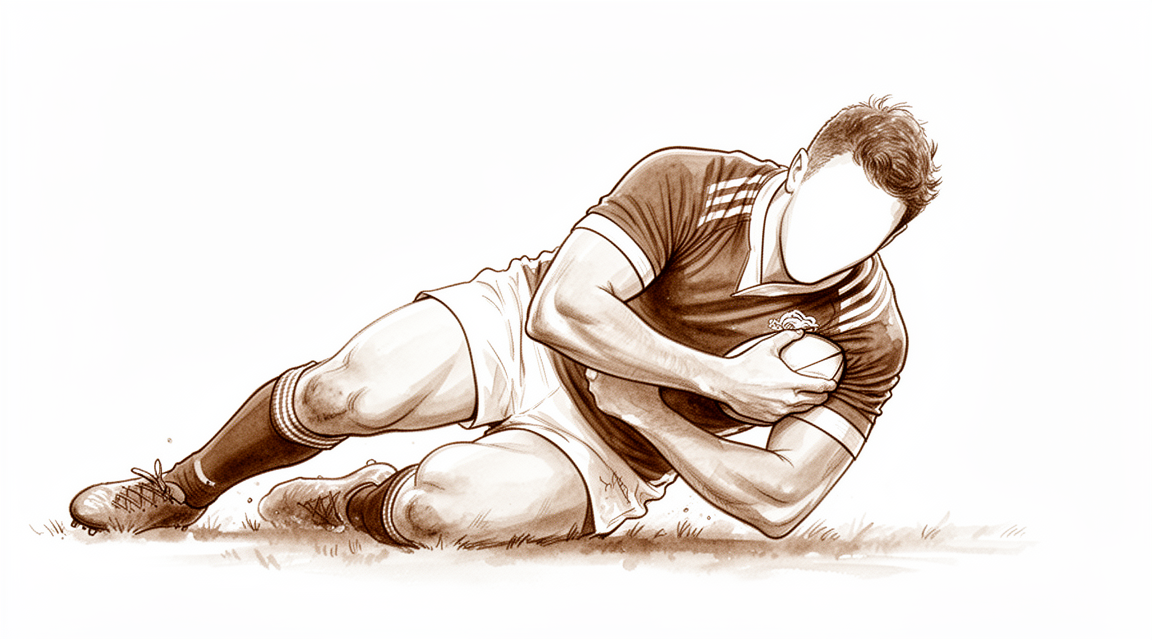
Những cảm giác bạn đang trải qua
Tình trạng không ổn định khớp vai có nghĩa là đầu xương cánh tay di chuyển trong ổ khớp nhiều hơn mức bình thường. Đôi khi nó trượt ra ngoài một phần, gọi là trật khớp một phần. Đôi khi nó thoát ra hoàn toàn, gọi là trật khớp hoàn toàn. Một số người nhận thấy hiện tượng này sau khi bị ngã hoặc chấn thương. Những người khác thì có khớp vai lỏng lẻo, từ trước đến nay luôn có cảm giác không chắc chắn, mà không có một chấn thương cụ thể nào để chỉ ra.
Cơn đau thường nằm sâu bên trong khớp vai, ở phía trước hoặc phía sau tùy theo hướng mà khớp bị trượt. Một số người cảm thấy đau âm ỉ chứ không phải đau nhói, và một số người có cảm giác tê rần hoặc kiến bò dọc xuống cánh tay. Bạn có thể nhận thấy cảm giác lục cục hoặc tiếng “pop” trong khớp, hoặc cảm giác vai sắp bị trượt ra khi bạn giơ tay sang bên hoặc lên quá đầu. Động tác ném có thể trở nên khó khăn, và việc bị đau trong giai đoạn lấy đà (vung tay ra sau) của cú ném là khá phổ biến.
Vai thường hay gặp vấn đề vào ban đêm. Nhiều người thấy khó chịu khi nằm nghiêng về bên vai đó, và vai có thể có cảm giác lỏng lẻo hoặc bị xê dịch vị trí trong lúc ngủ. Việc mang vác vật nặng, chẳng hạn như túi đồ đi chợ hoặc bế trẻ nhỏ, có thể gây đau. Nâng đồ lên cao, như với lấy đồ trên kệ cao, cũng là một yếu tố thường gặp làm khởi phát triệu chứng.
Các công việc hằng ngày có thể trở nên khó khăn hơn theo những cách khó nhận ra. Việc với tay ra phía sau, phơi quần áo, hoặc lấy đồ từ kệ trên cùng có thể khiến bạn phải gồng người hoặc ngần ngại. Nếu bạn chơi thể thao, bạn có thể đã mất tự tin vào khớp vai khi va chạm tranh bóng, khi thực hiện các động tác bơi, hoặc khi đánh bóng qua đầu. Một số người bắt đầu tránh những tư thế có cảm giác nguy hiểm, chẳng hạn như dang rộng tay và xoay ra ngoài.
Nếu vai của bạn đã bị trật khớp hoàn toàn, các cơ xung quanh thường bị co thắt và cơn đau rất dữ dội cho đến khi khớp được nắn lại. Nếu vai tự trở lại vị trí cũ, hoặc có cảm giác lỏng lẻo mà chưa bao giờ bị trật hoàn toàn, vấn đề có thể khó nhận ra hơn. Dù trong trường hợp nào, các triệu chứng này cũng cần được xem xét nghiêm túc, vì chúng cho bác sĩ phẫu thuật biết rất nhiều điều về những gì đang xảy ra bên trong khớp.
Chuyện gì đang thực sự xảy ra
Khớp vai của bạn được cấu tạo để vận động nhiều hơn là để chịu lực. Ổ khớp vốn có hình dạng nông, kích thước chỉ bằng khoảng một phần ba đầu xương mà nó chứa. Hãy hình dung một quả bóng golf đặt trên một chiếc tee, chứ không phải nằm trong một chiếc cốc sâu. Hình dạng này cho phép cánh tay bạn vươn theo mọi hướng, nhưng đồng thời cũng có nghĩa là khớp phải dựa vào các mô mềm để giữ nguyên vị trí.
Cấu trúc mô mềm chính giúp ổn định khớp là một vòng sụn chắc bao quanh vành ổ khớp, gọi là môi khớp. Nó hoạt động giống như vành nâng cao hoặc tấm chắn trên mép một chiếc đĩa nông, làm cho ổ khớp sâu thêm 50% và tạo chỗ tựa cho đầu xương. Bao quanh vòng sụn này là bao khớp – một lớp mô lỏng lẻo bao quanh khớp – với các dải dày lên đóng vai trò như những sợi dây căng giữ khớp đúng vị trí. Các cơ chóp xoay bổ sung thêm một lớp kiểm soát nữa bằng cách giữ đầu xương ở giữa ổ khớp khi bạn vận động.
Tình trạng mất ổn định xảy ra khi các cấu trúc giữ khớp này không còn làm tốt nhiệm vụ của mình. Ở một số người, bao khớp bị lỏng ở mọi phía; đó là lý do tại sao vai trượt theo nhiều hơn một hướng. Ở những người khác, một chấn thương làm giãn hoặc rách môi khớp và bao khớp ở phía trước hoặc phía sau, khiến tấm chắn này không còn giữ được đầu xương. Việc trượt khớp lặp đi lặp lại có thể làm môi khớp bị mòn thêm. Trật khớp cũng có thể tạo ra một vết lõm trên bề mặt trơn láng của đầu xương tại chỗ nó va vào vành ổ khớp; và ở một số khớp vai, chính vành ổ khớp bị mất xương, khiến đầu xương càng có ít chỗ tựa hơn. Mỗi thay đổi này đều khiến khớp dễ bị trượt hơn và khó tin cậy hơn.
Đó là lý do tại sao các triệu chứng bạn cảm thấy tương ứng với hướng của vấn đề. Nếu phía trước khớp bị ảnh hưởng, việc dang rộng tay và xoay ra ngoài sẽ khiến đầu xương trượt ra phía trước. Nếu phía sau bị ảnh hưởng, việc với tay ra phía trước hoặc bắt chéo qua người có thể đẩy đầu xương ra phía sau. Khi toàn bộ bao khớp bị lỏng, vai có thể xê dịch theo nhiều hướng, kể cả xuống dưới; điều này giải thích cảm giác tê rần và cảm giác khớp bị tụt xuống. Tiếng lục cục mà bạn nhận thấy thường là do môi khớp hoặc bao khớp bị vướng khi đầu xương di chuyển trong ổ khớp.
Những biện pháp chúng tôi có thể áp dụng
Bác sĩ Kieran Hirpara, bác sĩ phẫu thuật chi trên tại Bệnh viện tư nhân Mater Rockhampton, sẽ bắt đầu bằng các phương pháp ít xâm lấn nhất phù hợp với tình trạng của bạn. Thông thường, bệnh nhân được bác sĩ đa khoa giới thiệu đến phòng khám chúng tôi; nếu vật lý trị liệu viên khuyên bạn nên gặp chúng tôi, bạn vẫn cần có giấy giới thiệu từ bác sĩ đa khoa để được hưởng mức hoàn trả từ Medicare. Việc thăm khám tại phòng khám, bao gồm hỏi bệnh sử, khám lâm sàng và chụp chiếu khi cần thiết, sẽ giúp xác định chẩn đoán.
Đối với hầu hết các trường hợp không ổn định khớp vai, chúng tôi bắt đầu bằng vật lý trị liệu. Vật lý trị liệu viên sẽ hướng dẫn bạn thực hiện các bài tập tăng cường sức mạnh cho các cơ chóp xoay – nhóm cơ giữ đầu xương ở giữa ổ khớp. Chương trình tập còn rèn luyện các cơ quanh xương bả vai và tập lại khả năng cảm nhận vị trí của cánh tay trong không gian, gọi là cảm thụ bản thể (proprioception). Đối với những khớp vai lỏng theo nhiều hướng mà không có một chấn thương cụ thể nào, vật lý trị liệu là phương pháp điều trị chính, và khoảng 80% bệnh nhân cải thiện nhờ phương pháp này. Chúng tôi thường đề nghị bạn kiên trì tập luyện nghiêm túc trong 6 đến 9 tháng trước khi nghĩ đến phẫu thuật. Nếu vai bạn bị trật ra sau một chấn thương, việc đeo đai treo tay trong thời gian ngắn, thường từ 3 đến 7 ngày, sẽ giúp tình trạng lắng dịu trước khi bắt đầu phục hồi chức năng. Đối với lần trật khớp đầu tiên về phía sau khớp, cánh tay được giữ bất động trong 1 đến 2 tuần với khuỷu tay đặt sát bên thân, sau đó mới bắt đầu trị liệu. Thuốc giảm đau thông thường và thuốc chống viêm có thể giúp ích trong những ngày đầu, và việc điều chỉnh các hoạt động gây kích thích vai cũng là một phần của kế hoạch điều trị.
Phẫu thuật được cân nhắc khi vật lý trị liệu không giúp cải thiện tình trạng, hoặc khi các triệu chứng liên tục ảnh hưởng đến công việc hoặc hoạt động thể thao. Bạn cũng nên biết rằng ở các vận động viên trẻ bị trật khớp, tình trạng mất ổn định thường tái phát nếu không phẫu thuật; vì vậy chúng tôi có thể thảo luận về việc phẫu thuật sớm hơn. Trước bất kỳ ca phẫu thuật nào, chúng tôi đều khám vai cẩn thận và sử dụng các phương pháp chụp chiếu để kiểm tra môi khớp, bề mặt khớp và xem có bị mất xương ở vành ổ khớp hay không. Loại phẫu thuật phụ thuộc vào những gì được phát hiện. Nhiều trường hợp phù hợp với phẫu thuật nội soi để sửa chữa môi khớp và bao khớp bị rách. Nếu vành ổ khớp bị mòn mất khá nhiều xương, hoặc nếu vết lõm trên đầu xương lớn, chúng tôi có thể khuyến nghị một thủ thuật ghép thêm xương vào phía trước ổ khớp để khôi phục độ sâu của ổ khớp. Nếu vai bạn trượt theo nhiều hơn một hướng và bạn có thể chủ ý làm cho vai bị trật ra, phẫu thuật thường không được khuyến nghị, và vật lý trị liệu vẫn là phương pháp điều trị chủ yếu. Mọi quyết định phẫu thuật đều là quyết định chung giữa bạn và chúng tôi, được đưa ra sau khi bạn đã hiểu rõ các phương án.
Những điều có thể xảy ra
Một khi đã xuất hiện, tình trạng không ổn định khớp vai hiếm khi tự ổn định. Ở một số người, tình trạng này lúc có lúc không, với những khoảng thời gian yên ổn giữa các đợt trượt khớp. Ở những người khác, đặc biệt là người trẻ tuổi, nó trở thành một vòng lặp tái diễn. Ở những bệnh nhân dưới 22 tuổi bị trật khớp, 70% tiếp tục bị mất ổn định về sau, và một nửa trong số đó cuối cùng cần phẫu thuật để giữ khớp vững. Tiền sử nhiều lần tái phát là yếu tố dự báo mạnh nhất cho thấy vai sẽ tiếp tục bị trượt nếu không được điều trị.
Việc để mặc không điều trị mang lại những rủi ro thực sự, không chỉ dừng lại ở tình trạng trượt khớp. Mỗi đợt tái phát mới có thể làm mòn thêm xương ở vành ổ khớp, làm tổn thương bề mặt trơn láng của khớp, và khiến bất kỳ ca phẫu thuật nào sau này trở nên phức tạp hơn. Về lâu dài, hai phần ba số người từng bị trật khớp đã mắc viêm khớp thoái hóa ở vai đó trong vòng 25 năm, bất kể độ tuổi. Đó là lý do tại sao chúng tôi xem xét nghiêm túc ngay cả lần trật khớp đầu tiên thay vì chờ xem diễn biến ra sao.
Với việc điều trị đúng cách, tiên lượng thường ổn định hơn. Vật lý trị liệu là phương pháp chủ yếu cho những khớp vai lỏng lẻo, và hầu hết những người dưới 40 tuổi kiên trì tập luyện trong 6 tháng đều được điều trị mà không cần phẫu thuật. Khi cần phẫu thuật, mục tiêu là khôi phục sự ổn định và giúp bạn tin tưởng trở lại vào khớp vai của mình. Các vận động viên nhìn chung có thể trở lại thi đấu khi sức mạnh và tầm vận động đã hồi phục. Sau phẫu thuật điều trị mất ổn định về phía sau khớp, 90% vận động viên đã trở lại chơi thể thao sau 3 năm, và 67% trở lại ở mức độ như trước đây. Công việc nặng nhọc và các môn thể thao tiếp xúc thường phải đợi đến 6 tháng sau loại phẫu thuật sửa chữa này.
Sự trung thực là điều quan trọng ở đây, vì không có phương pháp điều trị nào loại bỏ hoàn toàn rủi ro. Sau phẫu thuật nội soi sửa chữa ở phía trước vai, 30% khớp vai bị mất ổn định trở lại tính đến thời điểm theo dõi trung hạn, và khoảng một phần ba bị trật lại ít nhất một lần trong vòng 8 đến 10 năm. Cứng khớp có thể xảy ra nếu bao khớp bị làm căng quá mức, mặc dù điều này không phổ biến. Đối với những khớp vai lỏng theo nhiều hướng, tình trạng mất ổn định tái phát ở 7% trường hợp, dù phẫu thuật nội soi hay phẫu thuật mở. Những con số này không nhằm làm bạn nản lòng. Đó là bức tranh thực tế mà chúng tôi sử dụng, cùng với độ tuổi, môn thể thao và kết quả chụp chiếu của bạn, để xây dựng kế hoạch giúp khớp vai có cơ hội tốt nhất để giữ vững vị trí.
Khi nào nên gặp bác sĩ
Hãy đến gặp bác sĩ đa khoa ngay nếu vai bạn đã bị trật và không thể trở lại vị trí cũ, hoặc nếu bạn không thể xoay cánh tay ra ngoài hoặc không thể giơ tay lên sau một chấn thương. Hãy yêu cầu được khám bởi bác sĩ chuyên khoa nếu vai liên tục bị trượt, nếu các đợt trượt khớp ngày càng dễ xảy ra hơn, hoặc nếu lần trật khớp đầu tiên xảy ra khi đang chơi thể thao. Hãy đến phòng cấp cứu nếu bạn thấy tê, cảm giác kiến bò hoặc yếu ở cánh tay sau khi bị trật khớp, vì các dây thần kinh chạy qua khớp có thể bị kéo giãn hoặc bị chèn ép. Bạn cũng nên đi khám nếu cơn đau và tình trạng lỏng khớp làm ảnh hưởng đến giấc ngủ, hạn chế công việc, hoặc khiến bạn không thể ném, không thể nâng đồ lên cao hay không thể mang vác đồ vật. Nếu vai bạn có cảm giác không chắc chắn dù không có chấn thương nào, điều đó vẫn đáng được kiểm tra thay vì chờ đến khi tình trạng nặng hơn.
Phân tích chi tiết hơn
Advanced reading: the deeper science (optional)
Phần này đi sâu hơn so với những gì bạn cần biết để đưa ra quyết định điều trị. Tình trạng không ổn định khớp vai là chủ đề đáng để tìm hiểu thêm; bởi quyết định quan trọng thực sự không phải là “có nên phẫu thuật hay không”, mà là “phẫu thuật loại nào”. Quyết định này phụ thuộc vào các chỉ số đo đạc về cấu trúc xương chứ không phải cảm giác tại khớp vai.
Sự mất xương là yếu tố quyết định
Việc phục hồi mô mềm giúp nối lại môi khớp bị rách và làm căng chặt bao khớp. Tuy nhiên, phương pháp này không thể bù đắp lượng xương bị mất ở phía trước ổ khớp. Một khi phần xương này bị mất đi nhiều, vai có thể bị trật ra khỏi vị trí bình thường ngay cả khi mô mềm đã được phục hồi hoàn hảo.
Một phân tích có hệ thống trên 19,307 bệnh nhân đã xác định các yếu tố nguy cơ gây tái phát sau phẫu thuật Bankart nội soi: tuổi còn trẻ, sự mất xương ở ổ khớp và các tổn thương Hill-Sachs lệch rãnh (off-track), cùng với việc tham gia các môn thể thao tiếp xúc hoặc thi đấu, số lượng dụng cụ cố định được sử dụng và giới tính cũng là những yếu tố thường được ghi nhận [1].
Thuật ngữ “lệch rãnh” (off-track) đáng được giải thích rõ. Tổn thương Hill-Sachs là vết lõm xuất hiện ở mặt sau đầu xương cánh tay khi khớp vai bị trật ra khỏi ổ khớp. Tổn thương này có ý nghĩa hay không phụ thuộc vào việc nó vẫn duy trì tiếp xúc với ổ chảo trong suốt tầm vận động (nằm trong rãnh, on-track), hay trượt khỏi mép ổ chảo và mắc kẹt vào đó. Chính sự tương tác giữa hai loại tổn thương này, chứ không phải riêng lẻ từng loại, mới là yếu tố dự đoán được kết quả điều trị.
Những lợi ích và chi phí của phương pháp phẫu thuật lớn hơn
Trong trường hợp mất mát xương nghiêm trọng, việc ghép xương là giải pháp khắc phục vấn đề mà các phương pháp sửa chữa thông thường không thể làm được. Khi so sánh trực tiếp, kỹ thuật Latarjet cho thấy tỷ lệ tái phát thấp hơn, kết quả điều trị được bệnh nhân đánh giá tốt hơn và thời gian trở lại tập luyện thể thao nhanh hơn so với phương pháp sửa chữa Bankart nội soi; tuy nhiên lại có tỷ lệ biến chứng cao hơn [2]. Một nghiên cứu dài hạn trên 3,088 bệnh nhân cho thấy tỷ lệ mất ổn định tái phát và phải phẫu thuật lại sau kỹ thuật Latarjet mở thấp hơn; đồng thời tỷ lệ viêm khớp giữa hai phương pháp là tương đương nhau [3]. Điều này giúp giải quyết mối lo ngại phổ biến rằng việc di chuyển xương qua khớp sẽ làm tăng tốc độ hao mòn khớp.
Cái giá phải trả đã được định lượng: dựa trên dữ liệu của 7,175 bệnh nhân, tỷ lệ biến chứng tổng thể sau phẫu thuật Latarjet là 6–7%, phần lớn liên quan đến vấn đề mảnh ghép; không có sự khác biệt đáng kể giữa phương pháp mổ mở và phương pháp nội soi [4].
Phương án trung gian
Lựa chọn không chỉ có hai hướng. Trên 2,100 bệnh nhân, việc thực hiện thủ thuật remplissage – tức là lấp đầy khuyết hổng Hill-Sachs bằng màng bao khớp và gân để nó không thể mắc kẹt vào mép ổ chảo – đã giúp giảm tỷ lệ tái phát so với phương pháp chỉ phẫu thuật sửa chữa Bankart; đồng thời không gây mất đáng kể khả năng xoay ngoài của khớp vai. Phương pháp này còn có thể giúp giảm nhu cầu phẫu thuật lại so với kỹ thuật Latarjet [5].
Điều này rất quan trọng đối với các vận động viên ném bóng và bất kỳ ai tham gia môn thể thao đòi hỏi khả năng xoay ngoài ở những góc độ cuối cùng; bởi truyền thống vẫn luôn có nỗi lo rằng việc cố định khớp vai là đổi tình trạng mất ổn định lấy tình trạng cứng khớp.
Hãy tiếp cận các tài liệu về kết quả điều trị một cách thận trọng
Có hai phát hiện quan trọng cần lưu ý để không quá tin tưởng vào những con số được đưa ra.
Một phân tích trên 19,156 bệnh nhân kết luận rằng một tỷ lệ lớn các nghiên cứu báo cáo về kết quả phẫu thuật sửa chữa Bankart đều có chất lượng phương pháp luận thấp và mức độ bằng chứng yếu [6].
Việc tiếp cận phương pháp điều trị này cũng không đồng đều: trên 43,054 bệnh nhân, việc thuộc nhóm dân tộc thiểu số, có bảo hiểm công, thu nhập thấp hơn hoặc thiệt thòi xã hội nhiều hơn đều làm giảm khả năng được thực hiện phẫu thuật Bankart; đồng thời việc có bảo hiểm công còn khiến thời gian chờ đợi kéo dài hơn [7]. Một phần nguyên nhân dẫn đến sự khác biệt trong các kết quả được công bố là do sự khác biệt về đối tượng bệnh nhân được phẫu thuật và thời điểm thực hiện, chứ không phải do bản thân phương pháp phẫu thuật.
Tài liệu tham khảo
[1] Bulleit CH, Hurley ET, Jing C, Hinton ZW, Doyle TR, Anakwenze OA và cộng sự. Các yếu tố nguy cơ gây tái phát sau phẫu thuật sửa chữa Bankart nội soi: một phân tích tổng quan có hệ thống. J Shoulder Elbow Surg. 2024;33(11):2539-49. https://doi.org/10.1016/j.jse.2024.04.017
[2] Hossein Zadeh R, Daliri M, Sadeghi M, Hossein Zadeh R, Sahebi M, Moradi A và cộng sự. So sánh phương pháp sửa chữa Bankart nội soi và kỹ thuật Latarjet trong điều trị tình trạng mất ổn định vai tái phát: phân tích tổng hợp. J Shoulder Elbow Surg. 2024;33(12):e652-e674. https://doi.org/10.1016/j.jse.2024.06.024
[3] Meyer AM, Lorentz SG, Klifto CS, Bradley KE, Lau BC, Dickens JF và cộng sự. Kết quả phẫu thuật Latarjet mở cho thấy tỷ lệ tái phát mất ổn định và phải phẫu thuật lại thấp hơn so với phương pháp sửa chữa Bankart nội soi sau thời gian dài theo dõi. Arthroscopy. 2025;41(9):3693-705. https://doi.org/10.1016/j.arthro.2024.12.038
[4] Hurley ET, Schwartz LB, Mojica ES, Campbell KA, Matache BA, Meislin RJ và cộng sự. Các biến chứng ngắn hạn sau phẫu thuật Latarjet: phân tích tổng quan có hệ thống. J Shoulder Elbow Surg. 2021;30(7):1693-9. https://doi.org/10.1016/j.jse.2021.01.024
[5] Gonzalez-Morgado D, Ardebol J, Noble MB, Galasso LA, Menendez ME, Denard PJ. Không có sự khác biệt về mức độ giảm khả năng xoay ngoài sau khi thực hiện riêng lẻ phương pháp sửa chữa Bankart, kỹ thuật remplissage hay phẫu thuật Latarjet: phân tích tổng quan và tổng hợp. Am J Sports Med. 2025;53(2):493-500. https://doi.org/10.1177/03635465241241825
[6] Moran FG, Hurley ET, Storme JG, Karavan MP, Downey SA, Klifto CS và cộng sự. Các nghiên cứu về phương pháp sửa chữa Bankart trong điều trị mất ổn định vai trước cho thấy việc báo cáo dữ liệu còn hạn chế và mức độ bằng chứng thấp: phân tích tổng quan có hệ thống. Arthroscopy. 2023;40(3):963. https://doi.org/10.1016/j.arthro.2023.07.010
[7] Gentile B, Muo E, Saraf SM, Rumps MV, Mulcahey MK. Ảnh hưởng của các yếu tố xã hội đến tình trạng mất ổn định vai và khả năng cần phẫu thuật: phân tích tổng quan có hệ thống. JSES Rev Rep Tech. 2025;5(4):828-33. https://doi.org/10.1016/j.xrrt.2025.05.006
Evidence & references
This is the clinical evidence summary written for health professionals. It is technical, and it lists the research this page was built from. You do not need to read it to understand your treatment or to make a decision about it.
Overview
Epidemiology and Cohorts
- The MOON Shoulder Instability Study has enrolled the largest cohort of patients undergoing shoulder stabilization to date [3].
- A review evaluates existing data on the presentation of shoulder instability in men and women to determine if there are differences in occurrence, treatment, or functional outcome following management [8].
Nonoperative Management
- At long-term follow-up of 17 years, a high rate of poor outcomes was observed following nonoperative management of anterior shoulder instability [4].
- Most patients younger than 40 years with shoulder instability who were initially treated nonoperatively for 6 months were definitively treated without surgery [6].
- Long-term follow-up demonstrates that nearly 40% of patients treated non-operatively for posterior shoulder instability eventually require surgery [9].
Operative Management
- Surgical treatment of primary, traumatic, anterior shoulder instability results in reduced rates of recurrence compared with nonsurgical treatment at 10-year follow-up [17].
- The 1-year outcomes in a prospective study suggest superiority of operative over non-operative treatment for posterior shoulder instability [14].
- The early and midterm results of arthroscopic stabilization of the shoulder for posterior instability are promising [20].
- Arthroscopic capsulolabral repair for posterior shoulder instability was a durable treatment option that improved long-term shoulder pain and function and facilitated return to sport in the majority of patients at a mean follow-up of 15.4 years, although a notable proportion of patients met various criteria for failure [84].
- The Bristow-Latarjet procedure was associated with significantly higher rates of full return to sport than Bankart repairs in anterior shoulder instability, despite variability in patient indications across procedures [212].
- Free bone block procedures are considered safe and clinically effective for the management of anterior shoulder instability with glenoid bone loss [24].
- In carefully selected patients, the use of anterior and posterior glenoid bone augmentation may be effective as a salvage procedure in rare cases of refractory multidirectional shoulder instability [219].
Indications and Evaluation
- Proper evaluation of bone loss best determines shoulder instability surgical indications and outcomes [11].
- The indications for an isolated soft-tissue procedure in anterior shoulder instability are now narrower; the ideal candidate presents with minimal glenoid bone loss (13.5%) [61].
- Failure of primary shoulder stabilization procedures is often related to uncorrected anatomic pathology, and the instability severity index score permits precise identification of patients at risk [12].
- In the interim, surgical soft-tissue stabilization might be more aggressively indicated in cases of primary shoulder dislocation, whereas recurrent instability with bone loss should be referred to experienced high-volume specialists [82].
Revision and Salvage
- The short-term outcome in a small series of arthroscopic revision surgery in shoulder instability is challenging and encouraging [21].
- Arthroscopic management of a failed instability repair provides similar success to open reconstruction if one selects proper indications [194].
Outcomes and Measurement
- The consensus statement aims to improve diagnosis and treatment of shoulder instability through universal agreement on outcome measurement tools and tailored treatment based on pathology, patient age, activity demands, and surgeon skills [23].
- The French version of the Western Ontario Shoulder Instability Index (WOSI-Fr) is recommended for following up patients with shoulder instability [36].
- The thresholds defined in a 2025 study can provide a guideline for interpreting patient outcomes following arthroscopic stabilization for posterior shoulder instability, allowing for earlier detection of recurrent posterior instability [58].
- Despite the wide array of available patient-reported outcome measures for assessing shoulder instability surgery outcomes, the availability of clinically significant outcome thresholds such as MCID and PASS remains relatively limited [196].
- The authors of a 2018 study express caution regarding the consensus that the WOSI should be used as the primary outcome measure for all studies on the treatment of shoulder instability before further prospective, high-level, evidence-based studies and multi-center studies are performed [213].
- Randomized controlled trials reporting on shoulder instability surgery are well performed but poorly reported [64].
Anatomy & Pathophysiology
Bony Anatomy
- The glenohumeral joint is inherently predisposed to instability by its bony architecture [86].
- The glenoid cavity is a shallow socket, approximately one third the size of the humeral head [96].
- The bony anatomy contributes little to stability and has been compared with a golf ball on a tee [105].
- The glenoid is a convex structure of shallow depth shaped like an inverted pear [95].
- The subchondral bone of the glenoid is relatively flat, with the articular concavity augmented by cartilage and a circumferential labrum [97].
- The glenoid averages 5° of retroversion in relation to the axis of the scapular body [97].
- The humeral head averages 19° of retroversion and 41° of inclination (neck-shaft angle) [97].
- The humeral head is retroverted an average of 30 degrees relative to the transepicondylar axis of the humerus [96].
- The articular surface of the humeral head is essentially spherical, with an arc of approximately 160 degrees covered by articular cartilage [104].
- The radius of curvature of the humeral head is approximately 25 mm and is slightly larger in men than in women [104].
- The glenoid articular surface radius of curvature is 2 to 3 mm larger than that of the humeral head [104].
- The average neck-shaft angle is 45 degrees (±5 degrees), with a range of 30 to 50 degrees [104].
- The superior margin of the humeral head articular surface normally is superior to the top of the greater tuberosity by 8 to 10 mm [104].
- The distance from the lateral base of the coracoid process to the lateral margin of the greater tuberosity is called the lateral humeral offset [104].
- A significant decrease in lateral humeral offset reduces the lever arms for the deltoid and supraspinatus muscles, which weakens abduction and impairs function [104].
- A significant increase in lateral humeral offset causes excessive tension on the soft tissues ("overstuffing" of the joint), which results in loss of motion and likely accelerates polyethylene wear [104].
- Proximal humeral retroversion is highly variable, ranging from 0 to 55 degrees, depending on the method used for measurement [104].
- The glenoid diameter ranges from 18-30 mm superior anteroposteriorly and 21-35 mm inferior anteroposteriorly [104].
- The glenoid inclination averages 4.2 degrees (range –7 to 20 degrees) [104].
- The glenoid version averages 1.5 degrees retroversion (range 10.5-9.5 degrees anteversion) [104].
- The glenoid surface area is 4-6 mm and the humeral head surface area is 11-19 mm [104].
- The glenoid cartilage thickness is 2.16 mm and the humeral head cartilage thickness is 1.44 mm [104].
- The glenoid radius of curvature is 22-28 mm and the humeral head radius of curvature is 23-28 mm [104].
- The medial (coronal) humeral offset is 4-14 mm and the posterior (transverse) humeral offset is –2 to 10 mm [104].
- The scapula spans the second through seventh ribs and serves as an attachment for 17 muscles [106].
- The scapula is anteverted on the chest wall approximately 30 degrees relative to the body [106].
- The glenoid is retroverted approximately 5 degrees relative to the scapular body [106].
- The humeral head is retroverted 30 degrees relative to the transepicondylar axis of the humerus [106].
- The head height is approximately 5.6 cm above the superior border of the pectoralis major tendon [106].
- The anatomic neck is located directly below the humeral head and serves as an attachment for the shoulder capsule [106].
- The surgical neck is more distal than the anatomic neck and is more often involved in fractures [106].
- The transverse humeral ligament is an important stabilizer of the biceps tendon [106].
- The coracoacromial ligament contributes to anterosuperior stability in rotator cuff deficiency and should be preserved with irreparable cuff tears to prevent anterosuperior escape [106].
- The acromial branch of the thoracoacromial artery runs on the medial aspect of the coracoacromial ligament [106].
- The coracoacromial ligament is the arthroscopic landmark for a complete release of the rotator interval for adhesive capsulitis [106].
- The clavicle is the first bone in the body to ossify at 5 weeks gestation and the last to fuse with the medial epiphysis fusing at 25 years of age [106].
- Fracture of the clavicle is the most common musculoskeletal birth injury [106].
- The proximal humerus has three ossification centers: the humeral head (4 to 6 months), the greater tuberosity (1 to 3 years), and the lesser tuberosity (3 to 5 years) [97].
- The proximal humeral ossification centers fuse to the shaft at age 17 to 20 years [97].
- The anterolateral ascending branch of the anterior humeral circumflex artery provides the primary blood supply to the humeral head [97].
- The terminal intraosseous portion of the anterior humeral circumflex artery enters at the proximal aspect of the intertubercular groove as the arcuate artery [97].
- The proximal humerus is primarily cartilaginous at birth, with ossification centers detectable by ultrasonography as early as the 38th week of gestation [101].
- The ossification center for the humeral head is usually present at birth [101].
- The greater tuberosity ossification center appears by 1 to 3 years of age [101].
- The lesser tuberosity ossification center appears by 5 years of age [101].
- The proximal humeral ossification centers fuse by 5 to 7 years of age to form the humeral head [101].
- The proximal humeral physis closes by 14 to 17 years of age in girls and by 16 to 18 years in boys [101].
- Humeral retroversion averages 65 degrees in infants and young children and gradually decreases, approaching adult values by 11 years of age [101].
- Eighty percent of subsequent humeral growth comes from the proximal humeral physis, accounting for approximately 40% of the growth of the entire upper extremity [101].
- Less than 75% of humeral growth occurs before 2 years of age and more than 85% occurs by 8 years of age [101].
- The capsule of the glenohumeral joint extends from the glenoid rim, progressing laterally toward the surgical neck of the humerus and blending with the tendons of the rotator cuff musculature [101].
- The posteromedial metaphysis, a portion of the physis, and the epiphysis are intracapsular [101].
- A large part of the proximal humeral physis is extracapsular, making it susceptible to traumatic injury [101].
- The proximal humeral physis is irregularly shaped, with its apex located on the posteromedial portion of the proximal humerus [101].
- The periosteum is thicker and stronger in the posteromedial portion of the proximal humerus as opposed to the anterolateral portion, which is often quite thin [101].
- The subscapularis originates from the anterior scapula and inserts anteriorly onto the lesser tuberosity [101].
- The greater tuberosity provides attachment superiorly and posteriorly for the supraspinatus, infraspinatus, and teres minor [101].
- The deltoid forward flexes and abducts the shoulder and courses from the clavicle and acromion superiorly, coalescing into a common tendinous insertion onto the lateral upper third of the humeral shaft [101].
- The pectoralis major powers adduction and internal rotation due to its tendinous insertion anteriorly onto the lateral wall of the bicipital groove [101].
- The pectoralis major forms the roof of the distal continuation of the bicipital tunnel, which is a closed space that extends proximally to the glenohumeral joint [101].
- The anterior and posterior humeral circumflex arteries provide a rich blood supply to the proximal humerus [101].
- 64% of the humeral head blood supply arises from the posterior humeral circumflex artery [101].
- The brachial plexus is prone to injury when the proximal humerus is injured in fractures or dislocations, or during traction [101].
- The axillary nerve circles the humeral neck just inferior to the glenohumeral joint as it courses posteriorly [101].
- The scapula in humans is suspended by muscles alone and has shifted caudally from the cervical position in lower animals [102].
- The scapular index is extremely high in pronograde animals with a long, narrow scapula [102].
- The scapula is broader in humans and other primates, with the most pronounced differences observed in the infraspinatus fossa [102].
- Broadening of the infraspinatus fossa has resulted in a change in the vector of muscle pull from the axillary border of the scapula to the glenoid fossa [102].
- This adaptation allows the infraspinatus and teres minor muscles to be more effective in their roles as depressors and external rotators of the humeral head [102].
- The supraspinatus fossa and muscle have changed little in size or shape over time [102].
- The acromion has enlarged over time, reflecting the increasing role of the deltoid muscle in shoulder function [102].
- The broader attachment of the deltoid on the acromion and its more distal insertion on the humerus have increased its mechanical advantage in shoulder motion [102].
- The coracoid process has undergone an increase in size over time [102].
- With the shoulder in 90 degrees of abduction, the coracoid extension over the glenohumeral joint can mechanically limit anterior translation of the humerus relative to the glenoid [102].
- One shoulder tested after sectioning the capsule would not dislocate anteriorly in full abduction until the coracoid process was removed [102].
- The anteroposterior dimension of the thoracic cage decreased over time, resulting in the scapula positioned approximately 45 degrees to the midline [102].
- The scapula and glenoid fossa assumed a more dorsal position in the thoracic cage, which led to the glenoid fossa being directed laterally [102].
- Consequently, a relative external rotation of the humeral head and an internal rotation of the shaft occurred [102].
- The size of the infraspinatus fossa gradually enlarged over time relative to the length of the scapular spine [102].
- This relative increase has led to a decrease in the scapular index [102].
Soft Tissue Anatomy & Stabilizers
- The glenohumeral joint depends on static and dynamic stabilizers for movement and stability [104].
- The rotator cuff stabilizes the glenohumeral joint while allowing greater freedom of motion [104].
- The rotator cuff fixes the fulcrum of the upper extremity against which the deltoid can contract and elevate the humerus [104].
- The rotator cuff must act simultaneously and synergistically with the deltoid muscle for normal function [104].
- The shoulder joint is composed of four articulations: the sternoclavicular, acromioclavicular, glenohumeral, and scapulothoracic [105].
- These articulations work together to allow the shoulder joint to have the greatest range of motion of any joint in the body [105].
- Normal function of the shoulder is a balance between mobility and stability [105].
- Mobility is allowed by the "large ball–small socket" bony arrangement and the voluminous glenohumeral joint capsule, which does not restrict movement until the extremes of motion [105].
- The glenoid is encircled by the labrum, composed of dense fibrocartilaginous tissue, which increases the depth of the socket by 50% around the humeral head and increases stability [105].
- The glenoid articular surface and the labrum combine to create a socket that is approximately 9 mm deep in the superoinferior direction and 5 mm deep in the anteroposterior direction [105].
- Adding the glenoid labrum increases the glenoid surface to 75% of the humeral head vertically and 57% horizontally [105].
- Biomechanical testing of cadaver shoulder specimens showed that the labrum affects the distribution of contact stresses when a compressive load is applied to the shoulder at 90 degrees of abduction [105].
- Because there is very little bony constraint to the shoulder, most of the stability is provided by the surrounding muscles and ligaments [105].
- The ligamentous constraints are the primary stabilizers at extremes of motion [105].
- The superior glenohumeral ligament is the primary restraint to inferior humeral subluxation in 0 degrees of abduction [105].
- The superior glenohumeral ligament is the primary stabilizer to anterior and posterior stress in 0 degrees of abduction [105].
- Tightening of the rotator interval, which includes the superior glenohumeral ligament, decreases posterior and inferior translation [105].
- The middle glenohumeral ligament limits external rotation when the arm is in the lower and middle ranges of abduction but has little effect when the arm is in 90 degrees of abduction [105].
- The inferior glenohumeral ligament is composed of an anterior band that is quite thick, a posterior band that is less thick and distinct, and a thinner intervening axillary pouch, creating a hammock-type sling [105].
- With external rotation, the hammock slides anteriorly and superiorly, the anterior band tightens, and the posterior band fans out [105].
- With internal rotation, the opposite occurs to the inferior glenohumeral ligament hammock [105].
- The anteroinferior glenohumeral ligament complex is the main stabilizer to anterior and posterior stresses when the shoulder is abducted 45 degrees or more [105].
- The extrinsic muscles primarily control movement of the scapula and include the rhomboids, levator scapulae, trapezius, and serratus anterior [105].
- The intrinsic muscles control the glenohumeral joint and include the rotator cuff muscles (subscapularis, supraspinatus, infraspinatus, and teres minor), the deltoid, the pectoralis major, the teres major, the latissimus dorsi, and the biceps brachii [105].
- The extrinsic muscles dynamically position the scapula to place the glenoid opposite the humeral head as the shoulder moves [105].
- Rowe compared the relationship of scapular positioning to a "ball on a seal’s nose" [105].
- Ligament stiffness and torsional rigidity are increased with concomitant muscle activity [105].
- Rotator cuff activity and biceps activity have been shown to stiffen the capsule and decrease glenohumeral translation [105].
- Intrinsic and extrinsic muscles serve as fine tuners of motion and power movers by working in "force couples" [105].
- The force couples control and direct the force through the joint, contributing to stability [105].
- The most important force couple involves the subscapularis and posterior rotator cuff [105].
- Together, the subscapularis and posterior rotator cuff provide a compressive force that centers the humeral head in the glenoid cavity [105].
- The teres minor has often been viewed as a minor contributor to rotator cuff function, but there has been heightened attention to its contribution, particularly when the other cuff tendons fail [105].
- The tendinous insertions of the rotator cuff muscles, the articular capsule, the coracohumeral ligament, and the glenohumeral ligament complex blend into a confluent sheet before insertion into the humeral tuberosities [105].
- The tendons of the infraspinatus and supraspinatus muscles join approximately 15 mm proximal to their insertion and cannot be readily separated by blunt dissection [105].
- The infraspinatus and teres minor fuse near their musculotendinous junctions [105].
- The supraspinatus and subscapularis tendons join as a sheath that surrounds the biceps tendon at the entrance of the
Classification
- Shoulder instability presents with a variety of clinical presentations and has historically been poorly understood due to its complex nature [1].
- The aetiologies and clinical manifestations of non-traumatic shoulder instability are multifactorial [2].
- The Multicenter Orthopaedic Outcomes Network (MOON) Shoulder Group was formed to conduct large multicenter studies on conditions of the shoulder [5].
- The MOON Shoulder Group consists of 16 fellowship-trained orthopaedic surgeons and research personnel from nine academic and private practice sites in the United States [5].
- MOON Shoulder Instability is an offshoot of MOON Shoulder that focuses on patients undergoing surgical treatment for shoulder instability [5].
- Existing data on the presentation of shoulder instability in men and women are evaluated to determine if there are differences in occurrence, treatment, or functional outcome following management [8].
- Biomechanical studies on posterior shoulder instability remain limited in the literature, with current models performed in a static manner which limits their translation for explaining a dynamic pathology [10].
- Failure of primary shoulder stabilization procedures is often related to uncorrected anatomic pathology [12].
- The instability severity index score permits precise identification of patients at risk for failure of primary shoulder stabilization procedures [12].
- As knowledge of the basic science behind the pathophysiology of shoulder instability improves and more clinical reports emerge, the exact indications for arthroscopic stabilization are gradually being refined [13].
- Significant advances in identifying the pathologic etiology of the unstable shoulder have occurred because of basic science glenohumeral ligament cutting studies, clinical evaluation, and the advent of arthroscopic evaluation and treatment [15].
- Anatomical variants should not be confounded with pathological findings when evaluating shoulder instability [16].
- Different anatomical lesions can be found depending on the type of instability and the functional requirements of the patient [16].
- Many different diagnostic examinations for assessing shoulder instability are used, and a high variety is seen in the use of diagnostic tools [22].
- The consensus statement on shoulder instability aims to improve diagnosis and treatment through universal agreement on outcome measurement tools and tailored treatment based on pathology, patient age, activity demands, and surgeon skills [23].
- Proper identification and treatment of osseous defects resulting in complex shoulder instability is critical in minimizing recurrence [25].
- The Delphi method is a structured communication technique used to allow a panel of experts to achieve a consensus in a systematic manner, resulting in an international consensus statement on shoulder instability covering diagnosis, nonoperative management, surgical options, rehabilitation, and clinical follow-up [26].
- Substantial variability was observed in the scoring of important elements in the radiological report for the evaluation of anterior shoulder instability, regardless of modality [28].
- Over the past several centuries, a number of procedures have been developed to address posterior shoulder instability, particularly as this pathology has become better understood [30].
- The study group achieved strong or unanimous consensus on 63% of statements related to the diagnosis, nonoperative treatment, and labrum repair for posterior shoulder instability [32].
- The FEDS classification, particularly the frequency and etiology of the patient's shoulder instability, may be helpful in identifying patients with a higher likelihood of undergoing surgical treatment [33].
- An expanded assessment framework is useful to estimate the contribution of each component of non-traumatic shoulder instability and offer a framework for targeted rehabilitation [50].
- The validity of testing specific subgroups within the expanded assessment framework for non-traumatic shoulder instability remains to be established [50].
- The approach to the anterior shoulder joint described in the modification of the subscapularis splitting technique is versatile and can be used to treat a variety of types of shoulder instability and accompanying pathologic lesions [55].
- Hyperlaxity is an individual trait and not pathologic, but it may be a factor of risk for having shoulder problems develop [60].
- Multidirectional instability should be distinguished from multidirectional hyperlaxity in the classification of shoulder instability [60].
- The Gerber et al. classification includes chronic locked dislocation, unidirectional instability without hyperlaxity, unidirectional instability with hyperlaxity, multidirectional instability without hyperlaxity, multidirectional instability with multidirectional hyperlaxity, and uni- or multidirectional voluntary instability [60].
- Static instabilities are defined by the absence of classic symptoms of instability yet the humeral head is displaced and fixed superior, anterior, or posterior relative to its normal position on the glenoid fossa [60].
- The diagnosis of static instability is radiological, not clinical [60].
- Static instability may remain asymptomatic for a long period [60].
- Static instabilities can co-exist with dynamic instabilities, such as recurrent anterior instability in a massive cuff tear with superior humeral migration [60].
- Usually the more disabling instability is dynamic and is best treated initially when static and dynamic instabilities co-exist [60].
- Static superior migration of the humeral head is present if the normal distance between the undersurface of the acromion and the most cranial aspect of the humeral head on an anteroposterior radiograph with the shoulder in neutral rotation is decreased [60].
- Seven millimetres is currently the value used to define static superior subluxation [60].
- The cause of cranial migration of the humeral head seems to be insufficiency of the infraspinatus in the presence of a supraspinatus tear [60].
- Isolated supraspinatus, isolated infraspinatus, or combination tears of the supraspinatus and subscapularis tendons do not cause static superior instability [60].
- Loss of the acromio humeral distance to less than 7 mm is associated with loss of strength of abduction and of external rotation [60].
- Static superior subluxation carries a poor prognosis for repair of the rotator cuff tear and some consider it to be a predictor of an irreparable tear [60].
- In the current authors’ experience, superior static subluxation essentially is irreversible by conventional repair techniques [60].
- Static anterior subluxation is a fixed anterior position of the humeral head on the glenoid fossa and often is manifest clinically as moderate to severe shoulder pain [60].
- Static anterior subluxation is partly caused by impingement under the coracoid and coracoacromial arch and loss of anterior elevation [60].
- Static anterior subluxation is usually detected on computed tomography scans or MRI scan taken with the arm in neutral rotation but occasionally may be evident on axillary lateral radiographs [60].
- Static anterior subluxation usually is not associated with recurrent anterior shoulder instability [60].
- To develop a static anterior subluxation without any previous operation, it seems that a combination of a subscapularis tear, a supraspinatus tear, and fatty degeneration of the infraspinatus muscle is necessary [60].
- An isolated tear of the subscapularis tendon and posterosuperior tears usually do not lead to anterior static subluxation [60].
- In the current authors’ experience to date (2002), static anterior subluxation has been irreversible with soft tissue procedure [60].
- Static posterior subluxation is a fixed posterior position of the humeral head on the glenoid fossa on CT or MRI scans with the arm in neutral rotation [60].
- Static posterior subluxation is most frequently but not always associated with congenital dysplasia of the glenoid or with degenerative glenohumeral joint disease [60].
- Static posterior subluxation may be associated with glenoid deformations such as classified by Walch and co-workers [60].
- Static posterior subluxation may be present without any rotator cuff deficiencies [60].
- To date, most authors have found static posterior subluxations to be irreversible [60].
- Inferior subluxation of the shoulder is characterized by straight inferior translation of the humerus relative to the glenoid fossa [60].
- Inferior subluxation may occur from trauma, neurologic injury, septic arthritis, or inadequate restoration of humeral length after arthroplasty [60].
- Inferior subluxation after trauma and surgery, if not associated with permanent nerve injury, usually resolves within 6 weeks but always resolves within 2 years [60].
- Inferior subluxation caused by infection tends to result in joint surface destruction and only successful treatment of infection results in the resolution of the inferior subluxation [60].
- Inferior subluxation caused by neurologic injury or shortening of the humerus also remains symptomatic unless the primary problem can be resolved [60].
- The ABC classification distinguishes three groups of posterior shoulder instability based on the nature of pathology (first-time, dynamic, or static) and two different subtypes based on the pathomechanical causes [65].
- The ABC classification aims to facilitate diagnosis and assist the treatment decisionmaking process for posterior shoulder instability [65].
- The incidence of shoulder arthropathy in patients with shoulder instability is difficult to measure given that the majority of shoulder dislocations occur in younger patients and following such a population until the onset of degenerative arthritis is not feasible [79].
- The high rate of recurrence seen with shoulder dislocation ranges from 10% to 90% after an initial dislocation [79].
- Posterior instability represents about 10% of shoulder instability and has become increasingly recognized and treated in military members [81].
- Classifications of shoulder instability are based on degree, direction, time factors, and mechanism of injury related to the instability [89].
- A chronologic classification for posttraumatic anterior shoulder instability was formulated based on dynamic pathophysiologic reasoning rather than catalog complex descriptions of multiple arthroscopic findings [93].
- The dynamic progression of lesions in posttraumatic anterior shoulder instability suggests a time-dependent, recurrence-dependent worsening of labral and ligamentous pathology in dislocation and subluxation disorders [93].
- The system categorizes instability based on frequency, aetiology, direction, and severity [113].
- Shoulder instability cannot reliably be classified using the ICD-9 coding system [118].
- The ABC classification distinguishes three groups of posterior glenohumeral instability with two different subtypes based on the pathomechanical type of instability and the current standard of treatment [150].
- Shoulder Instability: Alternative Surgical Techniques reviews classification of shoulder instability, pathoanatomy, the concept of glenoid track, and evaluation of bone loss [152].
- Objective and subjective scoring systems correlate significantly with the clinical condition of patients with recurrent shoulder instability and associated bony defects [180].
- Only the WOSI detected differential shoulder function related to shoulder instability [185].
- Patient demographic characteristics in the study were classified according to the Frequency, Etiology, Direction, and Severity classification system for shoulder instability [249].
- There are different patterns of subcritical bipolar bone lesions in anterior shoulder instability that can be divided into 4 groups with a significantly different prevalence [252].
- Subcritical bipolar bone lesion patterns are significant predictors of failure after surgery [252].
- Allocation based on clinical and intraoperative criteria for posteroinferior shoulder instability resulted in 4 groups (A to D) characterized by an increasing traumatic impact [259].
- Categorization into one of four subgroups for posteroinferior shoulder instability might be a valuable tool regarding the choice of the operative treatment options [259].
- The quality of the evidence of studies on Bankart repair for anterior shoulder instability was assessed using the Modified Coleman Methodology Score (MCMS) and the Anterior Shoulder Instability (ASI) Methodology criteria [261].
- The level of evidence of included studies on arthroscopic rotator interval closure for shoulder instability was assessed using the American Academy of Orthopaedic Surgeons classification system for the orthopaedic literature [262].
Clinical Presentation
General Principles and Definitions
- Shoulder instability is a phenomenon with a variety of clinical presentations, and its complex nature has until recently been poorly understood [1].
- Non-traumatic shoulder instability's aetiologies and clinical manifestations are multifactorial [2].
- Instability is defined as a patient experiencing symptoms of some shoulder problem, whereas asymptomatic shoulders with increased joint translation are defined as lax, not unstable [74].
- The diagnosis of shoulder instability can be very easy when the patient presents with an appropriate history of trauma, but is more challenging in patients with a sense of slipping and looseness without a history of macrotrauma [74].
- A thorough clinical exam is the most important factor when determining indication for shoulder instability surgery [27].
- A thorough history and physical examination most often diagnose the degree, direction, frequency, and etiology of shoulder instability [19].
- The history and physical examination are paramount in the diagnosis of a stiff shoulder, and ancillary studies may also be helpful in certain circumstances [7].
- As the knowledge of the basic science behind the pathophysiology of shoulder instability improves and as more clinical reports emerge, the exact indications for arthroscopic stabilization are gradually being refined [13].
- Shoulder anatomy is particularly complex and requires a thorough knowledge by the orthopedic surgeon, and anatomical variants should not be confounded with pathological findings [16].
- Different anatomical lesions can be found depending on the type of instability and the functional requirements of the patient, so the surgical procedures must be carefully chosen to achieve optimal outcomes when treating shoulder instability [16].
- The purpose of this article is to review the current literature concerning shoulder anatomy/pathology related to shoulder stability/instability to improve clinical diagnosis and surgical treatment of our patients [47].
- An expanded assessment framework is useful to estimate the contribution of each component of non-traumatic shoulder instability and offer a framework for targeted rehabilitation, though the validity of testing specific subgroups remains to be established [50].
- Detailed and specific information about prognosis is critical in the management of a first-time anterior shoulder dislocation [45].
- This review evaluates existing data on the presentation of shoulder instability in men and women to determine if there are differences in occurrence, treatment, or functional outcome following management [8].
- In a US epidemiologic population of patients <40 years old, the rate of recurrent anterior shoulder instability was roughly one-third after initial physician consultation [54].
- Recurrent anterior instability of the shoulder is a complex disorder which mainly affects younger population, and generally requires surgical intervention to restore joint stability [123].
- Traumatic shoulder instability in the older patient may result in a wide array of pathologic findings as well as a diversity of clinical presentations [42].
- Children and adolescents with all forms of shoulder instability demonstrate differences in their movement and muscle activity patterns when compared to age- and sex-matched controls [43].
- In this series of anterior shoulder instability in children and adolescents, instability lesions varied significantly by age, with atypical lesions more common in patients <15 years of age and bone loss associated with older age at presentation [126].
- Shoulder instability in female athletes presents commonly as multiple subluxation events [133].
- These findings may represent a pathologic change in the intrinsic characteristics of the shoulder capsule in patients with shoulder instability [132].
- Rotator cuff disease, shoulder instability, and associated lesions are common pathologic conditions of the shoulder involving soft tissues [131].
- The classification of shoulder instability according to Bayley et al. is anchored by three basic or polar groups: I Traumatic structural, II Atraumatic structural, and III Habitual nonstructural (muscle patterning) [80].
- The diagnosis of each type in the Bayley classification is made on the basis of a careful history and clinical examination followed by arthroscopy and, when necessary, functional electro-myography [80].
- Traumatic structural instability is characterized by significant trauma, often a Bankart’s defect, usually unilateral presentation, and no abnormal muscle patterning [80].
- Atraumatic structural instability is characterized by no trauma, structural damage to the articular surfaces, capsular dysfunction, no abnormal muscle patterning, and is not uncommonly bilateral [80].
- Habitual nonstructural (muscle patterning) instability is characterized by no trauma, no structural damage to the articular surfaces, capsular dysfunction, abnormal muscle patterning, and is often bilateral [80].
- There can be much overlap between the polar groups of the Bayley classification, and some patients have a dual pathology [80].
- The authors of the Bayley classification prefer to use the model of a triangle since it better highlights the continuum of presentation which can occur in between the three polar groups [80].
- The system of shoulder dislocation classification developed at the Royal National Orthopaedic Hospital works well for posterior and anterior dislocations and also for subluxations, and complete dislocations [80].
- The history takes account of the degree of trauma required to cause the first dislocation and whether the displacement was complete and requiring formal reduction or incomplete and spontaneously reducing [80].
- The clinical examination looks for signs of ligamentous laxity and specifically for evidence of abnormal muscle pattern recruitment [80].
- The presence or absence of articular surface damage is defined by arthroscopy and functional electromyographic studies look for evidence of abnormal muscle pattern recruitment in patients in whom clinical examination has been negative but suspicion of a nonstructural instability is high [80].
- The concept of instability refers to a patient experiencing symptoms of some shoulder problem, and many asymptomatic shoulders exhibit increased joint translation and are clearly loose during a physical examination [74].
- In the younger and active age groups, the symptom of shoulder instability may be the patient’s presenting complaint [74].
- Although there is often a history of acute traumatic event that resulted in an initial, well-defined onset, in many cases there is no history of such traumatic event [74].
- Since the 1980s, genetic factors in ligamentous laxity have been recognized as significant factors in patients’ perception of shoulder instability [74].
- With the increasing availability of sports trainers at most of the high school, college, and professional competitions, reduction of a dislocation by those personnel results in a history only; there are no ED records or radiographs [74].
- Although the history in these situations is still strong, an examination and radiographs even a few days following the event make this a less-than-challenging diagnosis [74].
- A more challenging problem occurs in patients with a sense of slipping and looseness in their shoulder without a history of macrotrauma [74].
- More often than not, this more subtle instability pattern is associated with a nondescript level of discomfort and diffuse pain around the shoulder girdle [74].
- The discomfort is poorly localized and may be more scapular in location [74].
- The association of such symptoms with paresthesia down the arm is nearly always related to shoulder instability [74].
- There may be a history of repetitive microtrauma with such activities as frequent swimming, gymnastics, or ballet [74].
- Although these activities may not appear to be highly stressful to the joint, they demand muscle function defined by high endurance [74].
- Conventional thought suggests that when the ligament quality and integrity do not contribute to joint stability, the surrounding muscle activity and appropriate proprioceptive activity become more important to maintain a functioning joint [74].
- The sense of instability might occur with the arm only in certain positions or it may be present regardless of arm placement or position [74].
- True symptomatic multidirectional instability is typically symptomatic in midrange positions before the ligament tension reaches the end of its range [74].
- The physician must carefully inquire about which activities and arm positions provoke the symptoms [74].
- Patients with this type of instability might have symptoms that are so incapacitating that they tend to avoid extremes of glenohumeral motion [74].
- Pain is the more common symptom with a shoulder instability based on ligamentous laxity (AMBRI), whereas apprehension is more common with unidirectional traumatic instability (TUBS) [74].
- The classic patient with traumatic instability is a male athlete who sustained an identifiable traumatic event during the course of a violent activity [74].
- Football tackling, a high-speed fall or collision while downhill skiing, or a hyperextension blocking force on an extended arm (such as a basketball blocking shot) are very common scenarios that result in an acute traumatic shoulder dislocation [74].
- The classic patient with multidirectional shoulder instability is the young, asthenic female ballet dancer, swimmer, or volleyball player with nondescript shoulder pain that also involves the scapula and provokes paresthesia down the arm, occurring in the absence of a defined traumatic event [74].
- Isolated symptomatic posterior shoulder instability is most often associated with a very specific event or process [74].
- Although falling on the outstretched arm is a common scenario because the arm is most often placed in the scapular plane to brace the fall and protect the head, and a posterior force is only placed on the hand, such circumstances result much more commonly in anterior dislocation [74].
- Posterior shoulder dislocations are rarely associated with traumatic events that include falls [74].
- Posterior shoulder instability is seen most often in the scenario of electric shocks and epilepsy [74].
- It appears that electrical stimulation to the muscles around the shoulder, when provided in a pathologic setting, can result in posterior instability [74].
- In a clinical setting, the most common cause of weakness is likely a rotator cuff tear, and although some tears are pain free, most patients experience some pain associated with the weak arm [74].
- It is important to ascertain other potential causes of weakness in the complete evaluation of a shoulder-related complaint [74].
- The clinical evaluation is the beginning of the doctor-patient relationship, and the goal is not so much to come up with a diagnosis that will drive to a specific treatment, but rather to carry out an evaluation of the patient that leads to a reasonable management plan [51].
- The four P’s that determine the outcome of treatment are the patient, the shoulder problem experienced, the procedure to treat the patient and the problem, and the physician rendering the treatment [51].
- The author places the patient first on this list because as Osler is quoted as saying, “It is more important to know what patient a disease has than what disease the patient has” [51].
- When introducing myself and shaking the patient’s hand I can sense a lot—healthy or frail, positive or negative, smelling of cigarettes or not [51].
- To learn a bit more, I ask the patient, “Where are you from and what do you do there?” [51].
- In an instant I’ve done a lot to determine if the person might benefit from a surgical approach should one be appropriate for the problem [51].
- Next I like to ask, “What can I help you with today?” giving the patient some uninterrupted time to answer [51].
- A patient with posterior instability may respond with “I can’t do my job,” “I need more pain medicine,” “My lawyer sent me,” or “My shoulder keeps on slipping out when I lift something in front of me”—same diagnosis, but four different problems [51].
- I prefer to avoid dwelling on pain, so rather than asking, “Where does your shoulder hurt?” I ask, “What does your shoulder problem keep you from doing? When does it bother you the most?” [51].
- I follow this with, “How and when did that problem start?”, “How much force was applied to your shoulder in the injury?”, and “Tell me about the treatment you’ve had for it up to now.” [51].
- Trying to learn more about the patient, I ask questions, such as, “How is your overall health?”, “How active are you?”, “What medications are you on?”, and “Have you had prior surgeries and how did they work out?” [51].
- My physical exam starts with a “no touch” approach: “Show me which actions are difficult for your shoulder, and what do you feel is happening when you do these things?” [51].
- To check active motion I ask patients to show me with each shoulder how high they can reach overhead, how far they can externally rotate the shoulder with the arm at the side, how far they can reach across their body, how far they can internally rotate the abducted arm, and how high they can reach up their back [51].
- If patients cannot raise their arm actively, I ask them to show how high they can raise it with the help of the opposite arm [51].
- At this point, without having touched the patient, I usually have a fairly good understanding of the problem and whether the patient is likely to be a good candidate for surgical intervention [51].
- The remainder of my history, physical examination, and plain radiographs seek to refine this understanding [51].
- The authors have done a marvelous job of cataloging the many tests that have been described for evaluating shoulder problems, but they and Dr. Wirth have also pointed out that these tests are rarely capable of discriminating between these problems [51].
- Instead, my exam seeks more tangible findings, such as loss of passive or active ROM, a palpable defect in the rotator cuff, minimal resistance to anterior translation of the humeral head pressed into the glenoid, palpable subacromial crepitus, muscle atrophy, loss of the biceps reflex, or an obvious “clunk” on cross-body adduction [51].
- Bottom line: if the problem is not apparent on history, physical examination, and plain radiographs, or if the patient does not appear to be an excellent surgical candidate, I’m likely to recommend nonoperative management [51].
- This remains the case even if MRIs show “acromioclavicular arthrosis,” “labral fraying,” a “humeral avulsion of the glenohumeral ligament (HAGL)” lesion, or “supraspinatus tendinosis” [51].
- The art of history taking and laying on of hands has been the a priori cornerstone and bulwark of medicine since antiquity [208].
- While the art of diagnosing and directing treatment for the suffering patient dates to the earliest of times, the science of medicine is remarkably recent [208].
- In our present era of unprecedented diagnostic technology, the authors of this chapter have reminded us once again of the importance of a thorough history and careful physical examination, as advocated by Dr. William J. Mayo so many years ago [208].
- Above all things, let me urge upon you the absolute necessity of careful examinations for the purpose of diagnosis [208].
- My own experience has been that the public will forgive you an error in treatment more readily than one in diagnosis, and I fully believe that more than one half of the failures in practice are due to hasty and unmethodic examinations [208].
- The wisdom of these words is clearly evident in the studies that have noted the high incidence of superior labral tears, bone abnormalities, rotator cuff tears, and acromioclavicular joint arthrosis in asymptomatic shoulders [208].
- In a report by Needell and colleagues, dual-echo T2-weighted oblique coronal MRIs were evaluated in 100 asymptomatic patients aged 19 to 88 years, and 75% were diagnosed with acromioclavicular joint arthrosis [208].
- In a similar study acromial joint arthrosis was diagnosed using MRI in 41 (82%) of 50 asymptomatic shoulders [208].
- Moreover, when stratified by age, 93% of those in the over-30 age group exhibited arthritic changes [208].
- In another report Connor and colleagues utilized detailed MRI scans to evaluate the shoulders of asymptomatic elite overhead athletes [208].
- Eight (40%) of 20 shoulders had findings of partial or full-thickness tears of the rotator cuff, but none of the athletes had experienced any subjective symptoms or required any evaluation or treatment for shoulder-related problems during the 5-year study period [208].
- More recently, a study presented at the 2015 annual meeting of the American Academy of Orthopa
Investigations
Clinical Evaluation and Diagnostic Challenges
- Recurrent posterior shoulder instability is an uncommon condition that is often unrecognized, leading to incorrect diagnoses and delays [40].
- Posterior shoulder dislocation is a rare and challenging injury with varied mechanisms of trauma that complicate diagnosis [46].
- Traumatic shoulder instability in patients older than 35 years may result in a wide array of pathologic findings and a diversity of clinical presentations [42].
- A thorough clinical exam is the most important factor when determining the indication for shoulder instability surgery [27].
- The history and physical examination are paramount in the diagnosis of shoulder conditions, with ancillary studies being helpful in certain circumstances [7].
- If the problem is not apparent on history, physical examination, and plain radiographs, nonoperative management is likely recommended even if MRIs show specific pathologies such as labral fraying or HAGL lesions [51].
- Many different diagnostic examinations are used for assessing shoulder instability, with a high variety seen in the use of diagnostic tools [22].
Plain Radiography
- Standardized plain films are almost always sufficient to garner the information needed for shoulder evaluation, and proper radiographic technique is as important as proper surgical technique [41].
- The first key radiographic view is the anteroposterior (AP) view in the plane of the scapula, which shows the superoinferior position of the humeral head relative to the glenoid, osteophytes, joint space narrowing, and medial displacement of the humerus [41].
- The second key radiographic view is the axillary view taken with the arm in the functional position of elevation in the plane of the scapula, referred to as the "truth view" because it demonstrates glenohumeral relationships in functional elevation [41].
- The standardized axillary "truth view" can show posterior subluxation or "functional decentering" that is not evident in images taken with the arm at the side [41].
- The degree of posterior subluxation can be measured by the position of the center of the humeral head in relation to the plane of the scapula, the glenoid face, or the point of contact of the humeral articular surface on the glenoid articular surface [41].
- Focal cortical bone loss at the inferior aspect of the glenoid is a radiographic sign of anterior shoulder instability of traumatic origin [241].
- Radiographic analysis of the Hill-Sachs lesion with a constant, reproducible technique can play a role in the diagnosis of anterior shoulder instability and patient selection for therapeutic intervention [254].
- Radiography can be used for screening patients for significant glenoid bone loss [256].
- The standard shoulder series should include orthogonal views including a true AP view in the scapular plane, an AP view, an axillary view, and a scapular Y view [141].
- The axillary view is necessary for the evaluation of glenohumeral joint instability and may detect occult, locked posterior shoulder dislocation in a patient who exhibits a lack of passive external rotation [141].
- Special radiographic views include the West Point view for anterior glenoid bone loss, the Stryker notch view to evaluate Hill-Sachs lesions after dislocation, and the apical oblique view to evaluate for glenoid rim fracture in instability [141].
- Radiographs seem inferior to CT scans for assessing osseous lesions, especially at the glenoid rim [268].
Computed Tomography (CT)
- CT imaging is frequently used to evaluate fractures of the shoulder, assess for bony lesions in recurrent instability cases, or for preoperative templating for shoulder arthritis [137].
- CT with three-dimensional reconstructions is the advanced imaging study of choice for determining the extent of glenoid bone loss in the setting of shoulder instability [141].
- Glenoid bone loss is a significant factor in recurrent anterior shoulder instability, present in up to 90% of cases, and requires careful diagnosis and quantification to guide treatment selection [52].
- Accurate characterization of glenoid and humeral bone loss is essential for preoperative planning to minimize the risk of recurrent dislocation, with three-dimensional imaging serving as an integral component of this evaluation [274].
- Despite the advantages of MRI in the detection of soft tissue damages in recurrent anterior shoulder instability, CT imaging proved to be more important for glenoid defects [227].
- Advanced imaging modalities are essential for identifying associated lesions, and bony reconstruction procedures should be considered for patients with significant glenoid bone loss or recurrent instability after soft tissue reconstruction [220].
- In the future, CT is expected to be superseded by MRI in anterior shoulder instability [251].
- MDCT arthrography showed better accuracy than MR arthrography in the detection of osseous, cartilage, and labroligamentous injuries related to anterior shoulder instability [276].
Magnetic Resonance Imaging (MRI) and Arthrography
- MRI is the modality of choice for evaluating the rotator cuff, biceps, and subacromial/subdeltoid bursa [137].
- T1-weighted MRI can reveal Hill-Sachs lesions and is often used with magnetic resonance (MR) arthrograms to provide a more detailed picture of the joint surfaces [137].
- T2-weighted MRI provides better visualization of full thickness rotator cuff tears [137].
- MR arthrography is considered the benchmark for evaluation of labral tears and is rarely indicated for evaluation of rotator cuff pathology [137].
- When MRI or MR arthrography is contraindicated, CT arthrography is indicated [137].
- Magnetic resonance arthrography is regarded as the gold-standard imaging modality for shoulder instability [204].
- MR-arthrography is identified as the main tool in diagnosing shoulder instability injuries [234].
- Identification of critical radiographic variables on magnetic resonance arthrography assists in the accurate diagnosis and management of clinically significant posterior shoulder instability [44].
- Static MRI does not appear helpful for diagnosing shoulder instability, however CINE MRI can reproducibly confirm the diagnosis [191].
- The superior-capsular elongation and its diagnostic criteria of measurements by MR arthrography could serve as references for diagnosing atraumatic posteroinferior shoulder instability [258].
- ZTE MRI demonstrated high reproducibility for the evaluation of glenoid bone defect in shoulders with anterior instability [264].
- MRI is a valid imaging tool to diagnose and measure osseous lesions of the shoulder in adolescents [265].
- The swelling and diminished findings of the anteroinferior capsulolabral complex on conventional MRI were moderately related to pathologic arthroscopic findings in patients with traumatic anterior shoulder instability [271].
- MR images did not show the detachment in three shoulders, while arthroscopy proved the detachment in these shoulders [273].
- A thorough clinical exam is the most important factor when determining indication for shoulder instability surgery, even when radiologist reported magnetic resonance arthrogram studies are normal or pathological [27].
- Arthrotomography of the glenoid labrum is a helpful adjunct in substantiating the diagnosis of shoulder instability and in planning the choice of surgical reconstruction [266].
- The study investigated whether unstable painful shoulder and anterior instability are associated with differences in scapula morphology using magnetic resonance imaging [267].
Ultrasonography
- Ultrasonography is a low-cost alternative to MRI and arthrography for evaluating both skeletal and soft-tissue structures of the shoulder [137].
- Ultrasonography can provide immediate, real-time visualization of the rotator cuff, biceps tendon, and calcific deposits [137].
- Ultrasonography can be used to measure the subacromial space and detect atrophy of rotator cuff muscles [137].
- As a result of providing images in real-time, ultrasonography can evaluate impingement in various positions and motions [137].
- Ultrasonography is highly operator dependent and is not as useful for evaluating labral tears or rotator cuff tears that are very small or larger than 3 cm [137].
Research and Standardization
- The Multicenter Orthopaedic Outcomes Network (MOON) Shoulder Group was formed to conduct large multicenter studies on conditions of the shoulder and has expanded its scope to include other shoulder pathology [5].
- MOON Shoulder Instability is an offshoot of MOON Shoulder, focusing on patients undergoing surgical treatment for shoulder instability [5].
- Future studies should attempt to control for all relevant factors, use advanced imaging for glenoid bone loss measurements, and consider a lower predictive threshold for the Instability Severity Index Score [270].
Treatment
Nonoperative Management
- Nonoperative management of anterior shoulder instability is associated with high rates of poor outcomes at 17-year follow-up [4].
- At long-term follow-up, nearly 40% of patients treated non-operatively for posterior shoulder instability eventually require surgery [9].
- A history of multiple instability episodes prior to presentation was the greatest predictor of recurrent instability and failure of nonoperative treatment and progression to surgery [38].
- Primary non-operative management is a prominent risk factor for recurrence of shoulder instability [115].
- The recurrence of anterior shoulder instability can be as high as 86.7% in high-risk patients who are treated nonoperatively after their first incident of instability [88].
- Patients treated conservatively for anterior shoulder instability were far more likely to achieve a successful outcome defined as completing a subsequent season in their same sport compared to surgical patients [92].
- Nonoperative treatment of shoulder instability has substantial societal costs [172].
- For multidirectional instability, all patients should undergo extensive physical therapy for 6 to 9 months prior to consideration of surgical treatment [17].
- Physical therapy for multidirectional instability should focus on rotator cuff strengthening, scapular kinematics, and proprioceptive training [17].
- Approximately 20% of patients with multidirectional instability fail nonsurgical management [17].
- Surgery for multidirectional instability is contraindicated for voluntary dislocators and patients who have not attempted physical therapy [17].
- Nonsurgical treatment should always be attempted first for posterior shoulder instability after a single traumatic injury [34].
- After a single traumatic posterior injury, the arm should be immobilized in neutral rotation with the elbow in adduction for 1 to 2 weeks followed by therapy [34].
- Nonsurgical treatment including physical therapy, activity modification, and anti-inflammatory agents should be considered for patients with minimal symptoms of posterior instability [73].
- Surgical intervention is contraindicated for voluntary posterior dislocators due to an extremely high failure rate [73].
- NHL team physicians strongly favor nonoperative management in-season for initial posterior instability events of the shoulder [193].
- A comprehensive conservative management program includes appropriate immobilization for a minimum of three weeks followed by intensive strengthening to restore the balance and stability of the shoulder musculature [236].
- Operative interventions should be approached with caution in patients with atraumatic shoulder instability, and physiotherapy should always be the primary management strategy [225].
- Eighty per cent of patients with atraumatic shoulder instability should respond to non-operative measures [225].
- Conservative treatment for recurrence in failed instability shoulders could be considered for patients with low functional demands and no associated shoulder injuries [235].
Operative Management: Anterior Instability
- Arthroscopic anterior capsulolabral repair accounts for more than 90% of surgical cases for anterior shoulder instability in North America [37].
- An isolated arthroscopic soft-tissue stabilization is best suited for patients with little to no glenoid bone loss, minimal humeral bone loss, and good capsular and labral tissue quality [37].
- A large 2017 cohort study showed subjective instability in 62% and revision surgery in 32% of patients undergoing arthroscopic Bankart repair after multiple episodes of instability [37].
- The open Bankart procedure typically involves a pants-over-vest capsular shift in addition to labral repair [37].
- A meta-analysis of 22 studies found no difference in rates of recurrent instability or patient-reported outcomes between open and arthroscopic anterior stabilization techniques [37].
- If the definition of recurrent instability is extended to include apprehension and subluxations, open repairs outperform arthroscopic repairs [37].
- Failure rates in all available studies are lower with open repairs than arthroscopic repairs in contact athletes [37].
- A humeral avulsion of the glenohumeral ligaments typically warrants an open repair with anchors back to the humeral neck [37].
- Early arthroscopic stabilization by anterior capsule-labrum reinsertion after initial anterior shoulder dislocation is associated with a low 10-year recurrence rate of 35% compared to non-operative management [221].
- First-time dislocators who underwent surgical stabilization had better outcomes than recurrent dislocators with regard to requiring additional surgery for recurrent dislocation, with rates of 7% versus 32% [140].
- In a randomized clinical trial comparing open versus arthroscopic Bankart repair, an increased rate of recurrence was noted after arthroscopic repair at 23% versus 11% in open repair [140].
- The highest rate of recurrence in the comparison of open versus arthroscopic Bankart repair was noted in males younger than 25 years with Hill-Sachs lesions [140].
- A systematic review of more recent meta-analyses demonstrated no difference in recurrence between open and arthroscopic anterior stabilization techniques [140].
- The indications for an isolated soft-tissue procedure in anterior shoulder instability are now narrower, with the ideal candidate presenting with minimal glenoid bone loss of 13.5% [61].
- Successful results were obtained in patients younger than 40 years with both primary and recurrent anterior shoulder instability after arthroscopic treatment [149].
- Arthroscopic surgery is an acceptable treatment if recurrent instability occurs consistently at ≤23.8% [165].
- The success of treating anterior glenohumeral instability relies on multiple factors, including glenoid bone loss [138].
- Surgical soft-tissue stabilization might be more aggressively indicated in cases of primary shoulder dislocation, whereas recurrent instability with bone loss should be referred to experienced high-volume specialists [82].
- Current evidence supports the safety and efficacy of both the Latarjet and free bone block procedures for anterior shoulder stabilization in the presence of glenoid bone loss [164].
- The critical size of a glenoid defect is reported to be 25% to 26% of the glenoid width [169].
- The acceptable size of a glenoid defect is less than 17% and the unacceptable defect size is more than 25% [169].
- For an on-track Hill-Sachs lesion, soft tissue repair alone, such as arthroscopic Bankart repair, is sufficient [169].
- For an off-track Hill-Sachs lesion with a small glenoid defect, remplissage may be indicated [169].
- For an off-track Hill-Sachs lesion with a large glenoid defect, the Latarjet procedure may be preferable [169].
- If a glenoid defect is larger than the critical size, it must be fixed by iliac bone graft or coracoid transfer [169].
- In a series of 100 patients with recurrent anterior dislocation, 93% had an on-track Hill-Sachs lesion and were treated by arthroscopic Bankart repair [169].
- In a series of 100 patients with recurrent anterior dislocation, 7% had an off-track Hill-Sachs lesion and were treated by the Latarjet procedure [169].
- The main indications for long head of biceps tendon transfer are shoulder instability in high-impact athletes with capsule-labrum reconstruction and poor tissue quality of the labrum in patients with multiple long-term dislocations [214].
- Stabilization of the dominant shoulder resulted in residual surgery-related functional impairments on both sides, whereas stabilization of the nondominant shoulder resulted in impairments primarily noted in the nondominant, operative shoulder [90].
- Patients in the no-sling group after open Latarjet procedures did not undergo sling immobilization postoperatively and were instructed to avoid active elevation and abduction [233].
- Patients in the sling group after open Latarjet procedures were instructed to wear a sling in internal rotation with the arm at the side of the body for the first 3 weeks postoperatively [233].
Operative Management: Posterior Instability
- Primary arthroscopic treatment of posterior shoulder instability is associated with favorable outcomes and high return to sport and work rates [148].
- Arthroscopic stabilization of posterior shoulder instability resulted in good outcomes with high patient satisfaction and low rates of recurrent instability, revisions, and residual pain [163].
- Arthroscopic treatment of posterior shoulder instability is an effective means to improve symptoms associated with recurrent posterior subluxation of the shoulder [158].
- Treatment of posterior shoulder instability by capsulolabral reconstruction leads to good clinical outcomes; however the recurrence rate is high [53].
- The benchmark treatment for unsuccessful nonsurgical treatment of posterior instability is an anchor-based arthroscopic capsulolabral repair [73].
- Recurrent instability rates for posterior stabilization are low at 8%, and 90% of patients return to sport [73].
- In throwers, only 58% were able to return to sport at the same level after posterior stabilization [73].
- Revision surgery is only required in 6% of patients with posterior instability, and the outcomes are far inferior to those of index surgery, with only 15% returning to sport at their preoperative level [73].
- Beyond 20% posterior bone loss, an isolated labral repair cannot restore adequate shoulder stability [73].
- Chronic attritional bony injuries in posterior instability require grafting using the iliac crest, distal tibia, or scapular spine [73].
- The iliac posterior shoulder bone-block is effective in managing instances of involuntary posterior shoulder instability, showing satisfactory results in terms of non-recurrence, pain relief, and function recovery [228].
- Recurrence is the most common complication of posterior instability surgery and is reported to be 8.5% in the general population [34].
- Recurrence rates for posterior instability surgery are highest in overhead athletes and increase with posterior glenoid bone loss >20%, which should be considered a contraindication to arthroscopic soft-tissue stabilization alone [34].
- Overtightening of the posterior capsule can lead to anterior subluxation or coracoid impingement [34].
- In arthroscopic labral repair for posterior instability, a high lateral portal provides better access than a standard posterior portal [34].
- Postoperatively for posterior instability, the shoulder should be placed in a rigid immobilizer with the arm abducted to 30° in neutral rotation [34].
- Strengthening for posterior instability should begin at 12 weeks postoperatively [34].
- Patients may return to heavy labor or contact sports 6 months after posterior instability surgery [34].
- The pooled published rate of return to any sport after posterior instability surgery is 91%, and to preinjury level of sport is 67% [34].
- Surgical shoulder stabilization in an athlete after a first episode of posterior instability is not indicated in all patients [206].
- The thresholds defined for interpreting patient outcomes following arthroscopic stabilization for posterior shoulder instability allow for earlier detection of recurrent posterior instability [58].
Operative Management: Multidirectional Instability
- Arthroscopic pancapsular plication with or without rotator interval closure is a surgical technique for multidirectional instability [17].
- If labral pathology is encountered during multidirectional instability surgery, anterior or posterior labral repair is indicated [17].
- Capsulorrhaphy for multidirectional instability should address the inferior redundancy in a balanced fashion to avoid asymmetric tightening [17].
- Open anterior-inferior capsular shift is a surgical technique for multidirectional instability [17].
- Recurrence of multidirectional instability is 7% for both open and arthroscopic techniques [17].
- Complications of multidirectional instability surgery include axillary nerve injury, stiffness (rare), and subscapularis insufficiency after open procedure [17].
- Adolescent multidirectional shoulder instability refractory to non-surgical management appears to have long-term outcomes after surgical intervention that are comparable to adolescent patients with unidirectional instability [155].
General Surgical Considerations and Outcomes
- No treatment has proved to be definitive for shoulder stiffness, and the treatment approach should be tailored to each individual patient [7].
- The Western Ontario Shoulder Instability Index (WOSI) is recommended for following up patients with shoulder instability [36].
- To assess the effectiveness of an arthroscopic stabilization procedure for anterior shoulder instability using the Rowe score, a difference of at least 9.7 in the score is clinically relevant [121].
- Despite the absence of evidence-based guidelines, there exists minimal variability in recommendations between North American and European shoulder surgeons regarding return to play criteria [239].
- RCTs reporting on shoulder instability surgery are well performed but poorly reported [64].
- The Delphi method was used to achieve an international consensus statement on shoulder instability covering diagnosis, nonoperative management, surgical options, rehabilitation, and clinical follow-up [26].
- Successful treatment of anterior instability of the shoulder requires a balance between restoring joint stability and minimizing loss of glenohumeral motion [153].
- There were no significant racial disparities seen between white and minority patients in regard to the rates of non-operative follow up for anterior shoulder instability [231].
Complications
Recurrence and Failure of Stabilization
- Recurrent shoulder instability is the most common complication after labral repair [201].
- Most reported rates of recurrent instability after arthroscopic Bankart repair are less than 10% [201].
- With a follow-up of 97%, about one third of the stabilized shoulders experienced at least one redislocation after 8 to 10 years [62].
- Patients undergoing arthroscopic capsulolabral revision repair (ACRR) for recurrent anterior shoulder instability had a recurrent instability rate of 27.6% at a minimum 20-year follow-up [83].
- About 1 in 3 patients suffered from shoulder instability, of whom approximately half reported a redislocation postoperatively, following arthroscopic Bankart repair with a minimum 20-year follow-up [237].
- While recurrence rates increased over time, no revision surgeries were required in a 10-year follow-up study of arthroscopic Bankart repair [209].
- The instability severity index score permits precise identification of patients at risk for failure of primary shoulder stabilization [12].
- Multiple instability events at initial presentation are the major predictor of failure of nonoperative treatment for anterior shoulder instability [6].
- In a prospective study of 200 shoulders in 183 athletes who underwent arthroscopic posterior capsulolabral repair, results were durable at 3 years with 90% of athletes returning to sport [35].
- In the adolescent population, 92% of patients who underwent posterior capsulolabral repair were stable at 5 years follow-up [35].
- Instability-related complications occurred only in the capsulabral group, and the incidence increased with time in patients returning to professional Australian Rules Football after surgery for traumatic anterior shoulder instability [205].
Nerve Injury
- Axillary nerve injury is a reported complication of multidirectional instability (MDI) surgical treatment [18].
- Nerve injuries can be permanent following interscalene blocks used for shoulder instability surgery [29].
- A complete neurologic examination should be done early in the postoperative period to document any nerve deficits [223].
- If no recovery of a nerve deficit is noted after 6 weeks, an electromyographic examination should be obtained and repeated at 3 months [223].
- If no recovery has occurred as evident by electromyography at 3 months, exploration of the nerve should be considered [223].
- Most nerve injuries are neurapraxias that recover with time [223].
Stiffness and Range of Motion
- Stiffness is a rare complication of multidirectional instability (MDI) surgical treatment [18].
- Additional capsular tightening or shifting in shoulders with traumatic anterior instability can result in a stiff shoulder [29].
- Capsular plication in shoulders with AMBRI type of instability may result in a stiff, redundant shoulder if overtightened [29].
Hardware and Implant Complications
- Suture anchors misplaced during arthroscopic instability repairs can give rise to secondary degenerative joint disease or "anchor arthropathy" [29].
- The Latarjet procedure for anterior shoulder instability results in an overall complication rate of 16.1% and a reoperation rate of 2.6% [173].
- Serious complications at short-term follow-up for the Latarjet procedure appear rare [173].
- Screw-related problems are a risk associated with the routine use of bone transfers such as the Latarjet procedure [29].
- Damage to the subscapularis is a risk associated with the routine use of bone transfers such as the Latarjet procedure [29].
- Difficulty in revision is a risk associated with the routine use of bone transfers such as the Latarjet procedure [29].
- Increased risk of arthritis is a risk associated with the routine use of bone transfers such as the Latarjet procedure [29].
- Subscapularis insufficiency is a complication after open procedures for multidirectional instability (MDI) [18].
- Recurrence of MDI is 7% for both open and arthroscopic techniques [18].
Arthritis and Joint Degeneration
- The natural history of the first time shoulder dislocations is bound up with arthropathy [69].
- There is no doubt that the humeral head suffers cartilage damage with shoulder dislocation [79].
- Osteochondral lesions of the humeral head were noted in 34 of 63 patients with first-time traumatic dislocations evaluated arthroscopically within 10 days [79].
- Chondral lesions were noted in an additional 23 of 63 patients with first-time traumatic dislocations evaluated arthroscopically within 10 days [79].
- Osteochondral lesions were found in six of 24 shoulders with first-time anterior shoulder dislocation assessed arthroscopically 1 to 3 days after injury [79].
- All remaining 18 of 24 shoulders with first-time anterior shoulder dislocation assessed arthroscopically 1 to 3 days after injury were noted to have chondral lesions [79].
- Of 88 patients with acute instability (within 90 days of index injury to surgery), 24% had grade I or higher chondral lesions [79].
- Of 88 patients with acute instability (within 90 days of index injury to surgery), 12% had Grade III or IV chondral damage [79].
- Use of intra-articular infusion of local antibiotics via a pain pump after arthroscopic instability repairs results in a risk of glenohumeral chondrolysis [29].
- Adolescent athletes who present with a history of anterior shoulder instability have a high incidence of bipolar bone loss [229].
- Anteroinferior glenoid rim fractures are a relatively common finding in shoulder instability patients aged 50 years or older [238].
- 41 of 177 patients (23.2%) with first-time anterior shoulder instability occurring at age ≥50 years had radiographic evidence of an anteroinferior glenoid rim fracture at initial presentation [238].
Arthroplasty-Related Instability
- Instability is the second leading cause of complications associated with shoulder arthroplasty, with a reported prevalence of 4% and accounting for 30% of all complications [240].
- In a meta-analysis of 11 series of total shoulder arthroplasties that included 838 patients, the incidence of postoperative dislocation was 1.2% over a follow-up period of 20 to 54 months [240].
- Approximately 80% of instability complications after total shoulder arthroplasty involve anterior or superior instability [240].
- Most instability complications after total shoulder arthroplasty are the result of soft-tissue deficiency [240].
- Anterior instability after total shoulder arthroplasty is most commonly associated with subscapularis failure, glenoid component malposition, or anterior deltoid dysfunction [240].
- Anterior instability secondary to subscapularis rupture is generally a consequence of operative technique, tissue quality, inappropriate physical therapy, or the use of oversized components [240].
- Anterior instability can be caused by the use of a humeral head that is too small for the joint volume [240].
- A torn subscapularis tendon is likely to be underreported and will not correlate with the postoperative physical examination [240].
- A torn subscapularis tendon can contribute to anterior instability and must be repaired to regain joint stability [240].
- Often the subscapularis is irreparable, necessitating a revision to reverse arthroplasty [240].
- Posterior instability after total shoulder arthroplasty has been attributed most often to malposition of the components [240].
- Posterior glenoid erosion with excessive component retroversion and soft-tissue imbalance has been implicated in the development of posterior instability after total shoulder arthroplasty [240].
- If the glenoid or humeral component is placed in too much retroversion, posterior instability may occur and revision is recommended [240].
- If the capsule is stretched from long-standing posterior wear on the glenoid, it may require imbrication to gain stability [240].
- Patients with posterior glenohumeral subluxation associated with long-standing osteoarthritis or a history of chronic posterior instability are at increased risk for posterior instability after shoulder arthroplasty [240].
- Inferior instability is related to the loss of normal humeral height and is most common after hemiarthroplasty for proximal humeral fractures [240].
- Removal of too much of the proximal humerus, with resultant inferior placement of the humeral head, can lead to inferior instability [240].
- Patients with inferior instability usually have difficulty elevating the arm past the horizontal plane because of weakness of the deltoid caused by shortening of the humerus [240].
- Revision surgery is usually necessary to restore humeral length and regain deltoid strength in cases of inferior instability [240].
- The overall complication rate after total shoulder arthroplasty is estimated to be approximately 15% [244].
- The most commonly reported complications after total shoulder arthroplasty, in order of frequency, are component (primarily glenoid) loosening, glenohumeral instability, rotator cuff tear, periprosthetic fracture, infection, implant failure including dissociation of modular prostheses, and deltoid weakness or dysfunction [244].
- Complications after total shoulder arthroplasty tend to occur late in the postoperative course (5 to 10 years after surgery) [244].
- Component loosening has been reported to occur approximately 8 years after total shoulder arthroplasty surgery [244].
- Infection has been reported to occur at 12 years after total shoulder arthroplasty surgery [244].
- Periprosthetic fractures have been reported to occur at 6 years after total shoulder arthroplasty surgery [244].
- Reverse total shoulder arthroplasty initially resulted in relatively high complication rates (50%) [244].
- With improved techniques and better understanding of the device, the complication rate for reverse total shoulder arthroplasty has fallen to 6% recently reported [244].
- The most common complications after reverse total shoulder arthroplasty are scapular notching, hematoma formation, glenoid dissociation such as baseplate failure or aseptic loosening, glenohumeral dislocation, acromial and scapular spine fractures, infection, loosening or dissociation of the humeral component, and nerve injury [244].
- In a study of 33 series (2540 shoulders) of unconstrained total shoulder arthroplasties, instability occurred in 4.9% of all shoulders [223].
- In a study of 33 series (2540 shoulders) of unconstrained total shoulder arthroplasties, instability accounted for 30% of all complications [223].
- In a study of 33 series (2540 shoulders) of unconstrained total shoulder arthroplasties, superior instability occurred in 3% of all shoulders [223].
- In a study of 33 series (2540 shoulders) of unconstrained total shoulder arthroplasties, posterior instability occurred in 1% of all shoulders [223].
- In a study of 33 series (2540 shoulders) of unconstrained total shoulder arthroplasties, anterior instability occurred in 0.9% of all shoulders [223].
Other Complications
- Complications associated with arthroscopic shoulder stabilization are relatively common [248].
- Excluding recurrence, complications associated with arthroscopic shoulder stabilization are rarely disabling [248].
- Current statistics undoubtedly underestimate the true incidence of complications associated with arthroscopic shoulder stabilization [248].
- Many complications, including neurovascular injuries and articular damage, are preventable and can be minimized through familiarity with anatomy, proper surgical technique and instrumentation, and clinical experience [248].
- Despite careful patient selection and attention to labral pathology and capsular laxity, arthroscopic repairs continue to have success rates lower than those achieved through open means [248].
- The outcomes at 3 years' follow-up for revision of failed Latarjet with the Eden-Hybinette surgical technique were satisfactory in 80% of patients [72].
- 86% of patients had stable shoulders at 3 years' follow-up after revision of failed Latarjet with the Eden-Hybinette surgical technique [72].
- This long-term follow-up study demonstrated that the open Latarjet procedure is a safe and reliable technique for recurrent anterior shoulder instability [75].
- Short-term outcomes for pre-shaped allograft for glenoid reconstruction in anterior shoulder instability are reassuring [63].
- More research is needed to study long-term graft union, graft resorption, glenohumeral arthritis, and patient outcomes including recurrent shoulder instability for pre-shaped allograft for glenoid reconstruction [63].
- At mid-term follow-up, patients with a history of anterior shoulder instability undergoing total shoulder arthroplasty can expect continued improvement in function compared with preoperative values [68].
Recovery
Non-Operative Management
- The cornerstone of treatment for instability remains immobilization followed by rehabilitation, but the optimal nonoperative treatment of a shoulder dislocation is still unknown and deserves further study [19].
- Recent studies continue to demonstrate a role for nonoperative treatment in the successful long-term management of anterior glenohumeral instability [78].
Operative Management
- Early arthroscopic stabilization can decrease recurrence rates and improve functional outcomes in young (>25 years old), high-risk patients with first-time anterior dislocations and an associated Bankart lesion [19].
- In the absence of severe capsular laxity or bony deficiency, arthroscopic stabilization is considered a first-line therapy in recurrent anterior and posterior instability of traumatic origin [19].
- Recent evidence suggests that participation in a contact sport is not a contraindication to arthroscopic stabilization [19].
- Athletes may return to play after a shoulder dislocation or after stabilization surgery when strength and mobility have normalized [19].
- Modern suture-anchor techniques and shoulder-specific instrumentation have yielded results comparable to those of open surgery; however, many believe that open surgery has a slightly lower recurrence rate at the cost of some loss of external rotation [19].
- Open surgery should be strongly considered in cases of severe capsular laxity or deficiency, glenoid or humeral bone loss, avulsion of the capsule from the humeral side, documented connective tissue disorders, and for revision stabilizations [19].
- MDI often manifests as bilateral shoulder subluxations in a susceptible patient and should be treated with an extended course of physical therapy [19].
- Arthroscopic and open capsular shifts have been successful in restoring stability and decreasing pain, but thermal capsulorrhaphy has recently shown a high complication rate [19].
- Generally, the results of arthroscopic treatment are less predictable in patients with greater than 2+ instability in two or more directions, patients with 3+ (locking) unidirectional patterns without evidence of capsular injury, and those with atraumatic posterior instability [19].
- In patients with greater than 2+ instability in two or more directions, patients with 3+ (locking) unidirectional patterns without evidence of capsular injury, and those with atraumatic posterior instability, an open capsular shift may provide a more predictable outcome [19].
- Short-term outcomes of pre-shaped allograft for glenoid reconstruction in anterior shoulder instability are reassuring, but more research is needed to study long-term graft union, graft resorption, glenohumeral arthritis, and patient outcomes including recurrent shoulder instability [63].
- The outcomes at 3 years' follow-up for revision of failed Latarjet with the Eden-Hybinette surgical technique were satisfactory in 80% of patients and 86% had stable shoulders [72].
- Patients undergoing ACRR for recurrent anterior shoulder instability had a recurrent instability rate of 27.6% at a minimum 20-year follow-up [83].
- This combination of arthroscopic remplissage in addition to the classic Bankart repair has long-term outcomes in terms of the recurrence rate and does not significantly influence the range of motion of the shoulder [188].
- Arthroscopic Bankart repair for anterior shoulder instability has been shown to result in excellent long-term functional outcomes despite a relatively high rate of recurrent instability necessitating revision surgery [215].
- The number of episodes of dislocation before surgery and the delayed surgical intervention did not increase the recurrent anterior shoulder instability rates postoperatively [275].
- In a cohort of young patients undergoing arthroscopic surgery for posterior shoulder instability, there was no significant difference in reoperation rate and recurrence of symptoms between athletes who underwent objective return to sport testing and those who were released to sport on a time-based protocol [277, 278].
- None of the patients has had instability after an average follow-up of 26 months following repair of humeral and glenoid detachment of the anterior inferior glenohumeral ligament [279].
- The prospective study of an initial series of 29 shoulders with a minimum of 26 months’ follow-up (mean, 36 months) shows 1 poor result because of the recurrence of instability (arthroscopic revision has had a successful outcome), 1 fair result, 2 good, and 25 excellent results (according to the Duplay scale) [281].
- Publication period subgroup analysis suggests that historical instability differences were driven primarily by earlier studies, whereas contemporary studies show comparable instability and functional outcomes between arthroscopic and open approaches [282].
Prognosis and Risk Factors
- Characteristics related to a history of instability (age <20 years at first instability episode, larger number of dislocations, ≥2 years between first dislocation and surgery) were found to be risk factors for the development of an off-track HS lesion [280].
Key Evidence
- [L5] Shoulder instability is a phenomenon with a variety of clinical presentations, and its complex nature has until recently been poorly understood. [1] (10.1016/j.cuor.2004.04.002)
- [L5] Non-traumatic shoulder instability's aetiologies and clinical manifestations are multifactorial. [2] (10.1177/17585732251320070)
- [L4] The MOON Shoulder Instability Study has enrolled the largest cohort of patients undergoing shoulder stabilization to date. [3] (10.1177/0363546518755752)
- [L4] At long-term follow-up of 17 years, a high rate of poor outcomes was observed following nonoperative management of anterior shoulder instability. [4] (10.1016/j.jse.2021.07.016)
- [L3] Most patients younger than 40 years with shoulder instability who were initially treated nonoperatively for 6 months were definitively treated without surgery. [6] (10.1016/j.arthro.2021.03.047)
- [L4] This review evaluates existing data on the presentation of shoulder instability in men and women to determine if there are differences in occurrence, treatment, or functional outcome following management. [8] (10.2106/jbjs.rvw.19.00007)
- [L3] Long-term follow-up demonstrates that nearly 40% of patients treated non-operatively for posterior shoulder instability eventually require surgery. [9] (10.1177/2325967118s00098)
- [L4] Biomechanical studies on posterior shoulder instability remain limited in the literature, with current models performed in a static manner which limits their translation for explaining a dynamic pathology. [10] (10.5312/wjo.v9.i11.245)
- [L5] Proper evaluation of bone loss best determines shoulder instability surgical indications and outcomes. [11] (10.1016/j.arthro.2021.01.004)
- [L5] Failure of primary shoulder stabilization procedures is often related to uncorrected anatomic pathology, and the instability severity index score permits precise identification of patients at risk. [12] (10.1016/j.arthro.2010.11.057)
- [Paper] As the knowledge of the basic science behind the pathophysiology of shoulder instability improves and as more clinical reports emerge, the exact indications for arthroscopic stabilization are gradually being refined. [13] (10.1016/s0278-5919(05)70294-5)
- [L3] The 1-year outcomes in this prospective study suggest superiority of operative over non-operative treatment for posterior shoulder instability. [14] (10.1016/j.otsr.2017.08.004)
- [L5] [15] (10.1177/03635465000280062501)
- [L1] Surgical treatment of primary, traumatic, anterior shoulder instability results in reduced rates of recurrence compared with nonsurgical treatment at 10-year follow-up. [17] (10.1016/j.arthro.2006.11.026)
- [L1] The early and midterm results of arthroscopic stabilization of the shoulder for posterior instability are promising. [20] (10.1016/j.arthro.2014.11.009)
- [L4] The short-term outcome in this small series of arthroscopic revision surgery in shoulder instability is challenging and encouraging. [21] (10.1016/s1058-2746(96)80315-6)
- [L4] Many different diagnostic examinations for assessing shoulder instability are used and a high variety is seen in the use of diagnostic tools. [22] (10.1007/s00402-016-2443-7)
- [L5] The consensus statement aims to improve diagnosis and treatment of shoulder instability through universal agreement on outcome measurement tools and tailored treatment based on pathology, patient age, activity demands, and surgeon skills. [23] (10.1016/j.arthro.2009.06.022)
- [L4] They are considered safe and clinically effective for the management of anterior shoulder instability with glenoid bone loss. [24] (10.5435/jaaos-d-22-00837)
- [Paper] Proper identification and treatment of osseous defects resulting in complex shoulder instability is critical in minimizing recurrence. [25] (10.1016/j.csm.2013.07.002)
- [L5] The Delphi method is a structured communication technique used to allow a panel of experts to achieve a consensus in a systematic manner, resulting in an international consensus statement on shoulder instability covering diagnosis, nonoperative management, surgical options, rehabilitation, and clinical follow-up. [26] (10.1016/j.arthro.2021.11.052)
- [L3] A thorough clinical exam is the most important factor when determining indication for shoulder instability surgery. [27] (10.1016/j.xrrt.2026.100675)
- [L5] Substantial variability was observed in the scoring of important elements in the radiological report for the evaluation of anterior shoulder instability, regardless of modality. [28] (10.1016/j.jseint.2024.03.012)
- [L5] Over the past several centuries, a number of procedures have been developed to address posterior shoulder instability, particularly as this pathology has become better understood. [30] (10.1016/j.jses.2019.08.008)
- [L5] The study group achieved strong or unanimous consensus on 63% of statements related to the diagnosis, nonoperative treatment, and labrum repair for posterior shoulder instability. [32] (10.1016/j.arthro.2024.04.035)
- [L2] The FEDS classification, particularly the frequency and etiology of the patient's shoulder instability, may be helpful in identifying patients with a higher likelihood of undergoing surgical treatment. [33] (10.1177/2325967115607434)
- [L2] We recommend using it in following up patients with shoulder instability. [36] (10.1016/j.otsr.2016.10.024)
- [L3] A history of multiple instability episodes prior to presentation was the greatest predictor of recurrent instability and failure of nonoperative treatment and progression to surgery. [38] (10.1016/j.asmr.2023.03.014)
- [L5] Recurrent posterior shoulder instability is an uncommon condition often unrecognized, leading to incorrect diagnoses and delays. [40] (10.5435/00124635-200608000-00004)
- [L4] Traumatic shoulder instability in the older patient may result in a wide array of pathologic findings as well as a diversity of clinical presentations. [42] (10.1177/2325967115584318)
- [L3] [43] (10.1016/j.jse.2024.01.043)
- [L3] Identification of these critical radiographic variables on magnetic resonance arthrography assists in the accurate diagnosis and management of clinically significant posterior shoulder instability. [44] (10.1177/0363546516660076)
- [L2] Detailed and specific information about prognosis is critical in the management of a first-time anterior shoulder dislocation. [45] (10.1016/j.jse.2010.10.037)
- [L4] Posterior shoulder dislocation is a rare and challenging injury with varied mechanisms of trauma that complicate diagnosis. [46] (10.5435/jaaos-22-03-145)
- [L5] The purpose of this article is to review the current literature concerning shoulder anatomy/pathology related to shoulder stability/instability to improve clinical diagnosis and surgical treatment of our patients. [47] (10.1016/j.arthro.2011.05.017)
- [L5] An expanded assessment framework is useful to estimate the contribution of each component of non-traumatic shoulder instability and offer a framework for targeted rehabilitation, though the validity of testing specific subgroups remains to be established. [50] (10.1177/1758573214548934)
- [L5] Glenoid bone loss is a significant factor in recurrent anterior shoulder instability, present in up to 90% of cases, and requires careful diagnosis and quantification to guide treatment selection ranging from soft-tissue repair to bony reconstitution. [52] (10.5435/00124635-200908000-00002)
- [Paper] Treatment of posterior shoulder instability by capsulolabral reconstruction leads to good clinical outcomes; however the recurrence rate is high. [53] (10.1016/j.otsr.2017.08.002)
- [L3] In a US epidemiologic population of patients <40 years old, the rate of recurrent anterior shoulder instability was roughly one-third after initial physician consultation. [54] (10.1177/0363546519886861)
- [L4] This approach to the anterior shoulder joint is versatile and can be used to treat a variety of types of shoulder instability and accompanying pathologic lesions. [55] (10.1097/00132589-200303000-00003)
- [L4] The thresholds defined in this study can provide a guideline for interpreting patient outcomes following arthroscopic stabilization for posterior shoulder instability, allowing for earlier detection of recurrent posterior instability. [58] (10.1016/j.jseint.2025.08.006)
- [Paper] The indications for an isolated soft-tissue procedure in anterior shoulder instability are now narrower; the ideal candidate presents with minimal glenoid bone loss (13.5%). [61] (10.2106/jbjs.rvw.26.00033)
- [L4] With a follow-up of 97%, about one third of the stabilized shoulders experienced at least one redislocation after 8 to 10 years. [62] (10.1177/0363546511415657)
- [Paper] Short-term outcomes are reassuring, but more research is needed to study long-term graft union, graft resorption, glenohumeral arthritis, and patient outcomes including recurrent shoulder instability. [63] (10.1016/j.eats.2017.10.007)
- [L2] RCTs reporting on shoulder instability surgery are well performed but poorly reported. [64] (10.1177/1758573218754370)
- [L5] [65] (10.1530/eor-24-0025)
- [L3] At mid-term follow-up, patients with a history of anterior shoulder instability undergoing total shoulder arthroplasty can expect continued improvement in function compared with preoperative values. [68] (10.1016/j.jse.2023.07.005)
- [Abstract] The natural history of the first time shoulder dislocations is bound up with arthropathy. [69] (10.1016/j.jse.2007.02.100)
- [L4] The outcomes at 3 years' follow-up were satisfactory in 80% of patients and 86% had stable shoulders. [72] (10.1016/j.otsr.2019.12.009)
- [L3] This long-term follow-up study demonstrated that the open Latarjet procedure is a safe and reliable technique for recurrent anterior shoulder instability. [75] (10.1016/j.jse.2021.03.097)
- [L4] Recent studies continue to demonstrate a role for nonoperative treatment in the successful long-term management of anterior glenohumeral instability. [78] (10.1007/s12178-017-9432-5)
- [L4] [79] (10.1016/j.csm.2004.08.010)
- [L4] Posterior instability represents about 10% of shoulder instability and has become increasingly recognized and treated in military members. [81] (10.1177/1941738116672446)
- [L5] In the interim, surgical soft-tissue stabilization might be more aggressively indicated in cases of primary shoulder dislocation, whereas recurrent instability with bone loss should be referred to experienced high-volume specialists. [82] (10.1016/j.arthro.2016.06.032)
- [L4] Patients undergoing ACRR for recurrent anterior shoulder instability had a recurrent instability rate of 27.6% at a minimum 20-year follow-up. [83] (10.1177/23259671251376528)
- [L4] Arthroscopic capsulolabral repair for posterior shoulder instability was a durable treatment option that improved long-term shoulder pain and function and facilitated return to sport in the majority of patients at a mean follow-up of 15.4 years, although a notable proportion of patients met various criteria for failure. [84] (10.1177/03635465231162271)
- [L4] The glenohumeral joint is inherently predisposed to instability by its bony architecture. [86] (10.1007/s12178-011-9092-9)
- [L4] The recurrence of anterior shoulder instability can be as high as 86.7% in high-risk patients who are treated nonoperatively after their first incident of instability. [88] (10.5435/jaaosglobal-d-19-00168)
- [L5] [89] (10.1016/s0894-1130(12)80078-0)
- [L3] Stabilization of the dominant shoulder resulted in residual surgery-related functional impairments on both sides, whereas stabilization of the nondominant shoulder resulted in impairments primarily noted in the nondominant, operative shoulder. [90] (10.1177/03635465231156181)
- [L3] Patients treated conservatively for anterior shoulder instability were far more likely to achieve a successful outcome defined as completing a subsequent season in their same sport compared to surgical patients. [92] (10.1177/2325967117s00284)
- [L3] [93] (10.1016/s1058-2746(99)90058-7)
- [L5] The system categorizes instability based on frequency, aetiology, direction, and severity. [113] (10.1136/bjsm.2009.071183)
- [L2] Primary non-operative management is a prominent risk factor for recurrence of shoulder instability. [115] (10.1136/bjsports-2016-096895)
- [L1] Shoulder instability cannot reliably be classified using the ICD-9 coding system. [118] (10.1016/j.jse.2008.10.005)
- [L4] To assess the effectiveness of an arthroscopic stabilization procedure for anterior shoulder instability using the Rowe score, a difference of at least 9.7 in the score is clinically relevant. [121] (10.1016/j.jse.2017.10.032)
- [L4] Recurrent anterior instability of the shoulder is a complex disorder which mainly affects younger population, and generally requires surgical intervention to restore joint stability. [123] (10.12998/wjcc.v2.i11.676)
- [L3] In this series of anterior shoulder instability in children and adolescents, instability lesions varied significantly by age, with atypical lesions more common in patients <15 years of age and bone loss associated with older age at presentation. [126] (10.1177/03635465231171129)
- [L2] These findings may represent a pathologic change in the intrinsic characteristics of the shoulder capsule in patients with shoulder instability. [132] (10.1016/j.arthro.2013.07.099)
- [L4] Shoulder instability in female athletes presents commonly as multiple subluxation events. [133] (10.1177/0363546519850810)
- [L5] The success of treating anterior glenohumeral instability relies on multiple factors, including glenoid bone loss. [138] (10.1016/j.arthro.2021.09.002)
- [L1] Primary arthroscopic treatment of posterior shoulder instability is associated with favorable outcomes and high return to sport and work rates. [148] (10.1016/j.asmr.2024.101032)
- [L3] Successful results were obtained in patients younger than 40 years with both primary and recurrent anterior shoulder instability after arthroscopic treatment. [149] (10.1016/j.jse.2023.05.029)
- [L5] The ABC classification distinguishes three groups of posterior glenohumeral instability with two different subtypes based on the pathomechanical type of instability and the current standard of treatment. [150] (10.1007/s11678-017-0404-6)
- [L5] Shoulder Instability: Alternative Surgical Techniques represents a detailed resource that reviews classification of shoulder instability, pathoanatomy, the concept of glenoid track, and evaluation of bone loss and offers a description of various procedures designed to address bone loss and restore stability. [152] (10.1016/j.arthro.2012.09.003)
- [L5] Successful treatment of anterior instability of the shoulder requires a balance between restoring joint stability and minimizing loss of glenohumeral motion. [153] (10.1177/03635465030310011001)
- [L4] Adolescent multidirectional shoulder instability refractory to non-surgical management appears to have long-term outcomes after surgical intervention that are comparable to adolescent patients with unidirectional instability. [155] (10.1177/2325967121s00021)
- [L4] Arthroscopic treatment of posterior shoulder instability is an effective means to improve symptoms associated with recurrent posterior subluxation of the shoulder. [158] (10.1177/0363546505278301)
- [L4] Arthroscopic stabilization of posterior shoulder instability resulted in good outcomes with high patient satisfaction and low rates of recurrent instability, revisions, and residual pain. [163] (10.1016/j.jse.2024.04.006)
- [L4] Current evidence supports the safety and efficacy of both the Latarjet and FBB procedures for anterior shoulder stabilization in the presence of glenoid bone loss. [164] (10.1177/0363546520925833)
- [L2] Arthroscopic surgery is an acceptable treatment if recurrent instability occurs consistently at ≤23.8%. [165] (10.1177/2325967115618161)
- [L3] Nonoperative treatment of shoulder instability has substantial societal costs. [172] (10.1177/1758573218773543)
- [L4] The Latarjet procedure for anterior shoulder instability results in an overall complication rate of 16.1% and a reoperation rate of 2.6%, though serious complications at short-term follow-up appear rare. [173] (10.1177/03635465211042314)
- [L3] Objective and subjective scoring systems correlate significantly with the clinical condition of patients with recurrent shoulder instability and associated bony defects. [180] (10.1177/0363546515626541)
- [L2] Only the WOSI detected differential shoulder function related to shoulder instability. [185] (10.1100/2012/410125)
- [L4] This combination has long-term outcomes in terms of the recurrence rate and does not significantly influence the range of motion of the shoulder. [188] (10.1007/s00167-018-5261-3)
- [Paper] Static MRI does not appear helpful, however CINE MRI can reproducibly confirm the diagnosis of shoulder instability. [191] (10.1016/s1058-2746(96)80178-9)
- [L4] NHL team physicians strongly favor nonoperative management in-season for initial posterior instability events of the shoulder. [193] (10.1177/23259671261440208)
- [L4] Arthroscopic management of a failed instability repair provides similar success to open reconstruction if one selects proper indications. [194] (10.1097/00132589-200212000-00008)
- [L1] Despite the wide array of available PROMs for assessing shoulder instability surgery outcomes, the availability of clinically significant outcome thresholds such as MCID and PASS remains relatively limited. [196] (10.1016/j.arthro.2024.07.039)
- [L4] Recurrent shoulder instability is the most common complication after labral repair, but most reported rates of recurrent instability after arthroscopic Bankart repair are less than 10 %. [201] (10.1007/s12178-014-9248-5)
- [L5] Magnetic resonance arthrography is regarded as the gold-standard imaging modality for shoulder instability. [204] (10.1016/j.mric.2019.12.005)
- [L3] Instability-related complications occurred only in the capsulabral group, and the incidence increased with time. [205] (10.1177/03635465211029022)
- [L3] Surgical shoulder stabilization in an athlete after a first episode of instability is not indicated in all patients. [206] (10.1016/j.arthro.2017.04.088)
- [L4] While recurrence rates increased over time, patient satisfaction remained high, and no revision surgeries were required, demonstrating the long-term reliability of ABR for anterior shoulder instability. [209] (10.1016/j.jseint.2025.07.004)
- [L3] The Bristow-Latarjet procedure was associated with significantly higher rates of full RTS than Bankart repairs in anterior shoulder instability, despite variability in patient indications across procedures. [212] (10.1177/23259671261450204)
- [L5] The authors express caution regarding the consensus that the WOSI should be used as the primary outcome measure for all studies on the treatment of shoulder instability before further prospective, high-level, evidence-based studies and multi-center studies are performed. [213] (10.1177/0363546518765992)
- [L5] Its main indications are for shoulder instability in high-impact athletes, together with a capsule-labrum reconstruction, and poor tissue quality of the labrum in patients with multiple long-term dislocations. [214] (10.1097/bte.0000000000000153)
- [L4] Arthroscopic Bankart repair for anterior shoulder instability has been shown to result in excellent long-term functional outcomes despite a relatively high rate of recurrent instability necessitating revision surgery. [215] (10.1016/j.jse.2019.04.057)
- [L5] In carefully selected patients, the use of anterior and posterior glenoid bone augmentation may be effective as a salvage procedure in rare cases of refractory multidirectional shoulder instability. [219] (10.1097/01.blo.0000150344.74378.b5)
- [Paper] Advanced imaging modalities are essential for identifying associated lesions, and bony reconstruction procedures should be considered for patients with significant glenoid bone loss or recurrent instability after soft tissue reconstruction. [220] (10.1016/j.csm.2014.06.006)
- [L2] Early arthroscopic stabilization by anterior capsule-labrum reinsertion after initial anterior shoulder dislocation is associated with a low 10-year recurrence rate of 35% compared to non-operative management. [221] (10.1016/j.otsr.2015.09.029)
- [L5] [225] (10.1177/1758573218815002)
- [L3] Despite the advantages of MRI in the detection of soft tissue damages in recurrent anterior shoulder instability CT imaging proved to be more important for glenoid defects. [227] (10.1007/s00402-012-1656-7)
- [L4] The iliac posterior shoulder bone-block is effective in managing instances of involuntary posterior shoulder instability, showing satisfactory results in terms of non-recurrence, pain relief, and function recovery. [228] (10.1016/j.otsr.2008.09.008)
- [L4] Adolescent athletes who present with a history of anterior shoulder instability have a high incidence of bipolar bone loss. [229] (10.1177/2325967126s00146)
- [L3] There were no significant racial disparities seen between white and minority patients in regard to the rates of non-operative follow up for anterior shoulder instability. [231] (10.1177/2325967121s00717)
- [L1] [233] (10.2106/jbjs.25.00560)
- [L5] MR-arthrography is identified as the main tool in diagnosing shoulder instability injuries. [234] (10.21037/qims.2017.08.05)
- [L5] [235] (10.1016/j.jisako.2025.101011)
- [L2] [236] (10.1197/j.jht.2004.02.010)
- [L3] About 1 in 3 patients, however, suffered from shoulder instability of whom approximately half reported a redislocation postoperatively. [237] (10.1177/2325967124s00022)
- [L3] [238] (10.1016/j.asmr.2022.07.012)
- [L4] Despite the absence of evidence-based guidelines, there exists minimal variability in recommendations between North American and European shoulder surgeons regarding return to play criteria. [239] (10.1016/j.jse.2021.01.026)
- [L4] These findings suggest that this radiographic change should be regarded as a new sign of anterior shoulder instability of traumatic origin. [241] (10.1016/1058-2746(92)90092-h)
- [L5] [248] (10.1016/s0278-5919(05)70183-6)
- [L3] [249] (10.1097/corr.0000000000002320)
- [L4] In the future, we expect CT to be superseded by MRI in anterior shoulder instability. [251] (10.1016/j.jseint.2025.101440)
- [L4] [252] (10.1016/j.jisako.2025.100765)
- [L4] The radiographic analysis of the Hill-Sachs lesion with a constant, reproducible technique can play a role in the diagnosis of anterior shoulder instability and patient selection for therapeutic intervention. [254] (10.1067/mse.2000.106920)
- [L4] Radiography can be used for screening patients for significant glenoid bone loss. [256] (10.1186/s12891-015-0607-1)
- [L3] The superior-capsular elongation as well as its diagnostic criteria of measurements by MR arthrography revealed in the present study could serve as references for diagnosing atraumatic posteroinferior shoulder instability and offer insight into the spectrum of imaging findings corresponding to the pathologies encountered at clinical presentation. [258] (10.3109/02841850903524421)
- [L4] [259] (10.1007/s00402-015-2193-y)
- [L1] [261] (10.1016/j.arthro.2023.07.010)
- [L1] [262] (10.1016/j.arthro.2018.05.042)
- [L3] ZTE MRI demonstrated high reproducibility for the evaluation of glenoid bone defect in shoulders with anterior instability. [264] (10.1016/j.jseint.2024.03.003)
- [L4] Additionally, MRI is a valid imaging tool to diagnose and measure osseous lesions of the shoulder. [265] (10.1007/s00247-018-4318-2)
- [L4] Arthrotomography of the glenoid labrum is a helpful adjunct in substantiating the diagnosis of shoulder instability and in planning the choice of surgical reconstruction. [266] (10.2106/00004623-198264040-00005)
- [L3] The study investigated whether unstable painful shoulder (UPS) and anterior instability (AI) are associated with differences in scapula morphology using magnetic resonance imaging (MRI). [267] (10.1016/j.jse.2026.04.009)
- [L3] Radiographs seem inferior to CT scans for assessing osseous lesions especially at the glenoid rim. [268] (10.1016/j.jse.2013.04.020)
- [L4] Future studies should attempt to control for all relevant factors, use advanced imaging for glenoid bone loss measurements, and consider a lower predictive threshold for the Instability Severity Index Score. [270] (10.1177/03635465211038712)
- [L4] The swelling and diminished findings of the anteroinferior capsulolabral complex on conventional MRI were moderately related to pathologic arthroscopic findings in patients with traumatic anterior shoulder instability. [271] (10.1016/j.jseint.2024.05.013)
- [L4] MR images did not show the detachment in three shoulders, while arthroscopy proved the detachment in these shoulders. [273] (10.1016/s1058-2746(95)80288-6)
- [L5] Accurate characterization of glenoid and humeral bone loss is essential for preoperative planning to minimize the risk of recurrent dislocation, with three-dimensional imaging serving as an integral component of this evaluation. [274] (10.5435/jaaos-d-22-00016)
- [L4] The number of episodes of dislocation before surgery and the delayed surgical intervention did not increase the recurrent anterior shoulder instability rates postoperatively. [275] (10.1016/j.jseint.2022.12.003)
- [L2] MDCT arthrography showed better accuracy than did MR arthrography in the detection of osseous, cartilage, and labroligamentous injuries related to anterior shoulder instability. [276] (10.2214/ajr.11.7251)
- [L3] In our cohort of young patients undergoing arthroscopic surgery for posterior shoulder instability, we detected no significant difference in reoperation rate and recurrence of symptoms between athletes who underwent objective return to sport testing and those who were released to sport on a time-based protocol. [277] (10.1177/2325967121s00549)
- [L3] In our cohort of young patients undergoing arthroscopic surgery for posterior shoulder instability, we detected no significant difference in reoperation rate and recurrence of symptoms between athletes who underwent objective return to sport testing and those who were released to sport on a time‐based protocol. [278] (10.1177/2325967121s00593)
- [L4] None of the patients has had instability after an average follow-up of 26 months. [279] (10.1016/s1058-2746(97)90064-1)
- [L3] Characteristics related to a history of instability (age <20 years at first instability episode, larger number of dislocations, ≥2 years between first dislocation and surgery) were found to be risk factors for the development of an off-track HS lesion. [280] (10.1177/23259671231213858)
- [L3] The prospective study of an initial series of 29 shoulders with a minimum of 26 months’ follow-up (mean, 36 months) shows 1 poor result because of the recurrence of instability (arthroscopic revision has had a successful outcome), 1 fair result, 2 good, and 25 excellent results (according to the Duplay scale). [281] (10.1097/00132589-200112000-00002)
- [L4] Publication period subgroup analysis suggests that historical instability differences were driven primarily by earlier studies, whereas contemporary studies show comparable instability and functional outcomes between approaches. [282] (10.1177/03635465261443999)
References
[1] (ii) The classification of shoulder instability: new light through old windows!. Current Orthopaedics. 2004. DOI: 10.1016/j.cuor.2004.04.002
[2] Assessment and diagnosis of non-traumatic shoulder instability: A scoping review. Shoulder & Elbow. 2025. DOI: 10.1177/17585732251320070
[3] Descriptive Epidemiology of the MOON Shoulder Instability Cohort. The American Journal of Sports Medicine. 2018. DOI: 10.1177/0363546518755752
[4] Nonoperative management of anterior shoulder instability can result in high rates of recurrent instability and pain at long-term follow-up. Journal of Shoulder and Elbow Surgery. 2022. DOI: 10.1016/j.jse.2021.07.016
[5] Orthopaedic Knowledge Update Sports Medicine 6. Research Studies and Registries in Sports Medicine > Multicenter and Registry-Based Research in Sports Medicine > Shoulder Research.
[6] Multiple Instability Events at Initial Presentation Are the Major Predictor of Failure of Nonoperative Treatment for Anterior Shoulder Instability. Arthroscopy: The Journal of Arthroscopic & Related Surgery. 2021. DOI: 10.1016/j.arthro.2021.03.047
[7] Rockwood And Matsen S The Shoulder. Arthroscopic Management of Prearthritic and Arthritic Conditions of the Shoulder and the Postarthroplasty Shoulder > SUMMARY.
[8] Shoulder Instability in Women Compared with Men. JBJS Reviews. 2019. DOI: 10.2106/jbjs.rvw.19.00007
[9] Non-operative Management of Posterior Shoulder Instability: An Assessment of Survival and Predictors for Conversion to Surgery at 1 to 13 Years After Diagnosis. Orthopaedic Journal of Sports Medicine. 2018. DOI: 10.1177/2325967118s00098
[10] Biomechanics of posterior shoulder instability - current knowledge and literature review. World Journal of Orthopedics. 2018. DOI: 10.5312/wjo.v9.i11.245
[11] Proper Evaluation of Bone Loss Determines Shoulder Instability Indications and Outcomes. Arthroscopy: The Journal of Arthroscopic & Related Surgery. 2021. DOI: 10.1016/j.arthro.2021.01.004
[12] Failure of Operative Treatment for Glenohumeral Instability: Etiology and Management. Arthroscopy. 2011. DOI: 10.1016/j.arthro.2010.11.057
[13] ARTHROSCOPIC VERSUS OPEN BANKART REPAIR FOR TRAUMATIC ANTERIOR SHOULDER INSTABILITY. Clinics in Sports Medicine. 2000. DOI: 10.1016/s0278-5919(05)70294-5
[14] Posterior shoulder instability: Prospective non-randomised comparison of operative and non-operative treatment in 51 patients. Orthopaedics & Traumatology: Surgery & Research. 2017. DOI: 10.1016/j.otsr.2017.08.004
[15] The Pathophysiology of Shoulder Instability. The American Journal of Sports Medicine. 2000. DOI: 10.1177/03635465000280062501
[16] 360° Around Shoulder Instability. 2020.
[17] Shoulder Instability: Surgical Versus Nonsurgical Treatment. Arthroscopy. 2007. DOI: 10.1016/j.arthro.2006.11.026
[18] Aaos Comprehensive Orthopaedic Review 3. The Unstable Shoulder > V. Multidirectional Instability.
[19] Rockwood And Matsen S The Shoulder. Fractures, Dislocations, and Acquired Problems of the Shoulder in Children > CONCLUSIONS.
[20] Arthroscopic Treatment of Posterior Shoulder Instability: A Systematic Review. Arthroscopy. 2014. DOI: 10.1016/j.arthro.2014.11.009
[21] Arthroscopic revision surgery in shoulder instability. Journal of Shoulder and Elbow Surgery. 1996. DOI: 10.1016/s1058-2746(96)80315-6
[22] International survey and surgeon’s preferences in diagnostic work-up towards treatment of anterior shoulder instability. Archives of Orthopaedic and Trauma Surgery. 2016. DOI: 10.1007/s00402-016-2443-7
[23] Consensus Statement on Shoulder Instability. Arthroscopy. 2009. DOI: 10.1016/j.arthro.2009.06.022
[24] Free Bone Block Procedures for Glenoid Reconstruction in Anterior Shoulder Instability. Journal of the American Academy of Orthopaedic Surgeons. 2023. DOI: 10.5435/jaaos-d-22-00837
[25] Biomechanics of Complex Shoulder Instability. Clinics in Sports Medicine. 2013. DOI: 10.1016/j.csm.2013.07.002
[26] Comprehensive Review of Shoulder Instability Includes Diagnosis, Nonoperative Management, Bankart, Latarjet, Remplissage, Glenoid Bone‐Grafting, Revision Surgery, Rehabilitation and Return to Play, and Clinical Follow‐Up. Arthroscopy. 2022. DOI: 10.1016/j.arthro.2021.11.052
[27] No difference in outcomes for posterior shoulder instability surgery in patients with a normal vs. pathological radiologist reported magnetic resonance arthrogram study. JSES Reviews, Reports, and Techniques. 2026. DOI: 10.1016/j.xrrt.2026.100675
[28] Substantial variability in what is considered important in the radiological report for anterior shoulder instability: a Delphi study with Dutch musculoskeletal radiologists and orthopedic surgeons. JSES International. 2024. DOI: 10.1016/j.jseint.2024.03.012
[29] Rockwood And Matsen S The Shoulder. Arthroscopic Management of Prearthritic and Arthritic Conditions of the Shoulder and the Postarthroplasty Shoulder > Instability.
[30] History of surgical stabilization for posterior shoulder instability. JSES Open Access. 2019. DOI: 10.1016/j.jses.2019.08.008
[32] Posterior Shoulder Instability, Part I—Diagnosis, Nonoperative Management, and Labral Repair for Posterior Shoulder Instability—An International Expert Delphi Consensus Statement. Arthroscopy. 2024. DOI: 10.1016/j.arthro.2024.04.035
[33] Predictors for Surgery in Shoulder Instability. Orthopaedic Journal of Sports Medicine. 2015. DOI: 10.1177/2325967115607434
[34] Aaos Comprehensive Orthopaedic Review 3. The Unstable Shoulder > IV. Posterior Instability.
[35] Rockwood And Matsen S The Shoulder. Fractures, Dislocations, and Acquired Problems of the Shoulder in Children > Operative Management of Posterior Instability.
[36] Translation and validation of the French version of the Western Ontario Shoulder Instability Index (WOSI): WOSI-Fr. Orthopaedics & Traumatology: Surgery & Research. 2017. DOI: 10.1016/j.otsr.2016.10.024
[37] Orthopaedic Knowledge Update 13 Ebook Without Multimedia. Shoulder Instability, Rotator Cuff Disorders, Muscular Ruptures, Adhesive Capsulitis, Calcific Tendinitis > Shoulder Instability > Anterior Instability.
[38] Patients Aged >50 Years With Anterior Shoulder Instability Have a Decreased Risk of Recurrent Dislocation After Operative Treatment Compared With Non‐Operative Treatment. Arthroscopy, Sports Medicine, and Rehabilitation. 2023. DOI: 10.1016/j.asmr.2023.03.014
[40] Recurrent Posterior Shoulder Instability. Journal of the American Academy of Orthopaedic Surgeons. 2006. DOI: 10.5435/00124635-200608000-00004
[41] Rockwood And Matsen S The Shoulder. Arthroscopic Management of Prearthritic and Arthritic Conditions of the Shoulder and the Postarthroplasty Shoulder > Radiographic Evaluation.
[42] Arthroscopic Findings After Traumatic Shoulder Instability in Patients Older Than 35 Years. Orthopaedic Journal of Sports Medicine. 2015. DOI: 10.1177/2325967115584318
[43] Children and adolescents with all forms of shoulder instability demonstrate differences in their movement and muscle activity patterns when compared to age- and sex-matched controls. Journal of Shoulder and Elbow Surgery. 2024. DOI: 10.1016/j.jse.2024.01.043
[44] Critical Findings on Magnetic Resonance Arthrograms in Posterior Shoulder Instability Compared With an Age-Matched Controlled Cohort. The American Journal of Sports Medicine. 2016. DOI: 10.1177/0363546516660076
[45] A predictive model of shoulder instability after a first-time anterior shoulder dislocation. Journal of Shoulder and Elbow Surgery. 2011. DOI: 10.1016/j.jse.2010.10.037
[46] Acute Traumatic Posterior Shoulder Dislocation. Journal of the American Academy of Orthopaedic Surgeons. 2014. DOI: 10.5435/jaaos-22-03-145
[47] Arthroscopic Anatomy, Variants, and Pathologic Findings in Shoulder Instability. Arthroscopy. 2011. DOI: 10.1016/j.arthro.2011.05.017
[50] The clinical physiotherapy assessment of non-traumatic shoulder instability. Shoulder & Elbow. 2014. DOI: 10.1177/1758573214548934
[51] Rockwood And Matsen S The Shoulder. Developmental Anatomy of the Shoulder and Anatomy of the Glenohumeral Joint > SENIOR EDITOR COMMENTARY.
[52] Glenoid Bone Deficiency in Recurrent Anterior Shoulder Instability: Diagnosis and Management. Journal of the American Academy of Orthopaedic Surgeons. 2009. DOI: 10.5435/00124635-200908000-00002
[53] Outcomes of capsulolabral reconstruction for posterior shoulder instability. Orthopaedics & Traumatology: Surgery & Research. 2017. DOI: 10.1016/j.otsr.2017.08.002
[54] An Age-Based Approach to Anterior Shoulder Instability in Patients Under 40 Years Old: Analysis of a US Population. The American Journal of Sports Medicine. 2019. DOI: 10.1177/0363546519886861
[55] Modification of the Subscapularis Splitting Technique for Anterior Shoulder Reconstructions. Techniques in Shoulder and Elbow Surgery. 2003. DOI: 10.1097/00132589-200303000-00003
[58] Defining clinical significance following primary stabilization of posterior shoulder instability. JSES International. 2025. DOI: 10.1016/j.jseint.2025.08.006
[60] Classifications And Scores Of The Shoulder. 7.9 Classification of shoulder instability according to Gerber et al. [44, 45, 118]*.
[61] Current Approaches to Arthroscopic Management of Anterior Shoulder Instability. JBJS Reviews. 2026. DOI: 10.2106/jbjs.rvw.26.00033
[62] Long-term Results After Arthroscopic Shoulder Stabilization Using Suture Anchors. The American Journal of Sports Medicine. 2011. DOI: 10.1177/0363546511415657
[63] Pre‐shaped Allograft for Glenoid Reconstruction in Anterior Shoulder Instability. Arthroscopy Techniques. 2018. DOI: 10.1016/j.eats.2017.10.007
[64] An assessment of quality of randomized controlled trials in shoulder instability surgery using a modification of the clear CLEAR-NPT score. Shoulder & Elbow. 2018. DOI: 10.1177/1758573218754370
[65] Diagnosis and treatment of posterior shoulder instability based on the ABC classification. EFORT Open Reviews. 2024. DOI: 10.1530/eor-24-0025
[68] Outcomes of total shoulder arthroplasty in patients with prior anterior shoulder instability: minimum 5-year follow-up. Journal of Shoulder and Elbow Surgery. 2024. DOI: 10.1016/j.jse.2023.07.005
[69] Long-Term Prognosis Of First Time Anterior Shoulder Dislocation In The Young: 229 Shoulders Prospectively Followed For 25 Years. Journal of Shoulder and Elbow Surgery. 2007. DOI: 10.1016/j.jse.2007.02.100
[72] Revision of failed Latarjet with the Eden-Hybinette surgical technique. Orthopaedics & Traumatology: Surgery & Research. 2020. DOI: 10.1016/j.otsr.2019.12.009
[73] Orthopaedic Knowledge Update 13 Ebook Without Multimedia. Shoulder Instability, Rotator Cuff Disorders, Muscular Ruptures, Adhesive Capsulitis, Calcific Tendinitis > Shoulder Instability > Posterior Instability.
[74] Rockwood And Matsen S The Shoulder. Developmental Anatomy of the Shoulder and Anatomy of the Glenohumeral Joint > Instability.
[75] Latarjet Procedure for Anterior Shoulder Instability: A 24-Year Follow Up Study. Journal of Shoulder and Elbow Surgery. 2021. DOI: 10.1016/j.jse.2021.03.097
[78] The Epidemiology and Natural History of Anterior Shoulder Instability. Current Reviews in Musculoskeletal Medicine. 2017. DOI: 10.1007/s12178-017-9432-5
[79] Osteoarthritis Following Shoulder Instability. Clinics in Sports Medicine. 2005. DOI: 10.1016/j.csm.2004.08.010
[80] Classifications And Scores Of The Shoulder. 7.10 Classification of shoulder instability according to Bayley et al. [5, 6]*.
[81] Posterior Shoulder Instability. Sports Health: A Multidisciplinary Approach. 2016. DOI: 10.1177/1941738116672446
[82] Editorial Commentary: Glenoid Bone Reconstruction for Recurrent Shoulder Instability—Risk or Benefit?. Arthroscopy. 2016. DOI: 10.1016/j.arthro.2016.06.032
[83] Long-Term Functional, Sports- and Work-Related Outcomes After Arthroscopic Capsulolabral Revision Repair for Recurrent Anterior Shoulder Instability: A Minimum 20-Year Follow-up. Orthopaedic Journal of Sports Medicine. 2025. DOI: 10.1177/23259671251376528
[84] Minimum 10-Year Clinical Outcomes After Arthroscopic Capsulolabral Repair for Isolated Posterior Shoulder Instability. The American Journal of Sports Medicine. 2023. DOI: 10.1177/03635465231162271
[86] Anterior shoulder instability: a review of pathoanatomy, diagnosis and treatment. Current Reviews in Musculoskeletal Medicine. 2011. DOI: 10.1007/s12178-011-9092-9
[88] An Algorithmic Approach to the Management of Shoulder Instability. JAAOS: Global Research and Reviews. 2019. DOI: 10.5435/jaaosglobal-d-19-00168
[89] Management of Shoulder Instability. Journal of Hand Therapy. 1994. DOI: 10.1016/s0894-1130(12)80078-0
[90] Functional Deficits After Open Latarjet Procedure and Dominance of the Operated Shoulder: An Analysis of 133 Patients. The American Journal of Sports Medicine. 2023. DOI: 10.1177/03635465231156181
[92] Return to Sport as Outcome Measure for Shoulder Instability: Surprising Findings in Non-Operative Management in a High School Athlete Population. Orthopaedic Journal of Sports Medicine. 2017. DOI: 10.1177/2325967117s00284
[93] Evolution of lesions of the labrum-ligament complex in posttraumatic anterior shoulder instability: A prospective study. Journal of Shoulder and Elbow Surgery. 1999. DOI: 10.1016/s1058-2746(99)90058-7
[95] Rockwood And Matsen S The Shoulder. Shoulder and Elbow Specialty Clinic Workers’ Survey > ANATOMY.
[96] A Lange Medical Book Current Diagnosis Treatment In Orthopedics Fifth Edition. 2Musculoskeletal Trauma Surgery > SHOULDER AND ARM INJURIES.
[97] Aaos Comprehensive Orthopaedic Review 3. Anatomy of the Shoulder, Arm, and Elbow > I. Shoulder.
[101] Rockwood And Matsen S The Shoulder. Fractures, Dislocations, and Acquired Problems of the Shoulder in Children > FRACTURES OF THE PROXIMAL HUMERUS.
[102] Rockwood And Matsen S The Shoulder. Developmental Anatomy of the Shoulder and Anatomy of the Glenohumeral Joint > Development of Individual Regions.
[104] Campbell S Operative Orthopaedics 4 Volume Set. RECONSTRUCTIVE PROCEDURES OF THE SHOULDER AND ELBOW IN ADULTS > ANATOMY AND BIOMECHANICS.
[105] Campbell S Operative Orthopaedics 4 Volume Set. ANTERIOR CRUCIATE LIGAMENT RECONSTRUCTION WITH BONE-PATELLAR TENDON-BONE GRAFT > SHOULDER INJURIES > ANATOMY AND BIOMECHANICS.
[106] Miller S Review Of Orthopaedics. Genetics of musculoskeletal conditions and abnormalities are summarized in Table 1.27 > UPPER EXTREMITY > SHOULDER.
[113] A new classification system for shoulder instability. British Journal of Sports Medicine. 2010. DOI: 10.1136/bjsm.2009.071183
[115] Recurrence and return to play after shoulder instability events in young and adolescent athletes: a systematic review and meta-analysis. British Journal of Sports Medicine. 2016. DOI: 10.1136/bjsports-2016-096895
[118] Intraobserver and interobserver agreement of International Classification of Diseases, Ninth Revision codes in classifying shoulder instability. Journal of Shoulder and Elbow Surgery. 2009. DOI: 10.1016/j.jse.2008.10.005
[121] Minimal clinically important differences in Rowe and Western Ontario Shoulder Instability Index scores after arthroscopic repair of anterior shoulder instability. Journal of Shoulder and Elbow Surgery. 2018. DOI: 10.1016/j.jse.2017.10.032
[123] Recurrent anterior shoulder instability: Review of the literature and current concepts. World Journal of Clinical Cases. 2014. DOI: 10.12998/wjcc.v2.i11.676
[126] Atypical Shoulder Instability Patterns in Adolescents Following Traumatic Anterior Shoulder Dislocation. The American Journal of Sports Medicine. 2023. DOI: 10.1177/03635465231171129
[131] Chapter 24 Shoulder Instability, Rotator Cuff Disorders, Muscular Ruptures, Adhesive Capsulitis, Calcific Tendinitis. 2020.
[132] Paper #95: Expression Profile of Collagen Genes in Shoulder Instability. Arthroscopy. 2013. DOI: 10.1016/j.arthro.2013.07.099
[133] Pathoanatomy of Shoulder Instability in Collegiate Female Athletes. The American Journal of Sports Medicine. 2019. DOI: 10.1177/0363546519850810
[137] Orthopaedic Knowledge Update 13 Ebook Without Multimedia. Shoulder Anatomy and Biomechanics, Clinical Evaluation, Imaging > Clinical Evaluation > Imaging.
[138] Editorial Commentary: Recurrent Anterior Shoulder Instability With Glenoid Bone Loss Requires Restoring the Bone. Arthroscopy. 2022. DOI: 10.1016/j.arthro.2021.09.002
[140] Orthopaedic Knowledge Update Sports Medicine 6. Shoulder Instability > Anterior Instability > Management.
[141] Aaos Comprehensive Orthopaedic Review 3. Imaging of the Shoulder and Elbow > I. Shoulder.
[148] Arthroscopic Repair for Posterior Shoulder Instability Is Associated With Favorable Outcomes and High Return to Sport or Work: A Systematic Review and Meta‐Analysis. Arthroscopy, Sports Medicine, and Rehabilitation. 2024. DOI: 10.1016/j.asmr.2024.101032
[149] Lesion prevalence and patient outcome comparison between primary and recurrent anterior shoulder instability. Journal of Shoulder and Elbow Surgery. 2023. DOI: 10.1016/j.jse.2023.05.029
[150] ABC classification of posterior shoulder instability. Obere Extremität. 2017. DOI: 10.1007/s11678-017-0404-6
[152] Shoulder Instability: Alternative Surgical Techniques. GiovanniDi Giacomo, AlbertoCostantini, AndreaDe Vita, NicoladeGasperis. 2011. Springer, Milan, Italy, 194 pp. Arthroscopy. 2012. DOI: 10.1016/j.arthro.2012.09.003
[153] Open Repairs for the Treatment of Anterior Shoulder Instability. The American Journal of Sports Medicine. 2003. DOI: 10.1177/03635465030310011001
[155] MEAN 6 YEAR CLINICAL OUTCOMES, SURVIVORSHIP, AND RETURN TO SPORTS AFTER ARTHROSCOPIC CAPSULAR REPAIR WITH SUTURE ANCHORS FOR ADOLESCENT MULTIDIRECTIONAL SHOULDER INSTABILITY. Orthopaedic Journal of Sports Medicine. 2021. DOI: 10.1177/2325967121s00021
[158] Arthroscopic Treatment of Posterior Shoulder Instability. The American Journal of Sports Medicine. 2005. DOI: 10.1177/0363546505278301
[163] Outcomes of arthroscopic stabilization for posterior shoulder instability: a systematic review. Journal of Shoulder and Elbow Surgery. 2024. DOI: 10.1016/j.jse.2024.04.006
[164] Outcomes of the Latarjet Procedure Versus Free Bone Block Procedures for Anterior Shoulder Instability: A Systematic Review and Meta-analysis. The American Journal of Sports Medicine. 2020. DOI: 10.1177/0363546520925833
[165] Bony Versus Soft Tissue Reconstruction for Anterior Shoulder Instability. Orthopaedic Journal of Sports Medicine. 2015. DOI: 10.1177/2325967115618161
[169] Rockwood And Matsen S The Shoulder. Fractures, Dislocations, and Acquired Problems of the Shoulder in Children > Eiji Itoi.
[172] Direct and indirect costs associated with nonoperative treatment for shoulder instability: an observational study in 132 patients. Shoulder & Elbow. 2018. DOI: 10.1177/1758573218773543
[173] Complications Related to Latarjet Shoulder Stabilization: A Systematic Review. The American Journal of Sports Medicine. 2021. DOI: 10.1177/03635465211042314
[180] Influence of Bony Defects on Preoperative Shoulder Function in Recurrent Anteroinferior Shoulder Instability. The American Journal of Sports Medicine. 2016. DOI: 10.1177/0363546515626541
[185] An Evaluation of the Responsiveness and Discriminant Validity of Shoulder Questionnaires among Patients Receiving Surgical Correction of Shoulder Instability. The Scientific World Journal. 2012. DOI: 10.1100/2012/410125
[188] Long‐term outcome of arthroscopic remplissage in addition to the classic Bankart repair for the management of recurrent anterior shoulder instability with engaging Hill–Sachs lesions. Knee Surgery, Sports Traumatology, Arthroscopy. 2018. DOI: 10.1007/s00167-018-5261-3
[191] Diagnosis of shoulder instability via cine MRI. Journal of Shoulder and Elbow Surgery. 1996. DOI: 10.1016/s1058-2746(96)80178-9
[193] Treatment of Posterior Shoulder Instability in National Hockey League Players: A Survey of NHL Team Physicians. Orthopaedic Journal of Sports Medicine. 2026. DOI: 10.1177/23259671261440208
[194] Arthroscopic Revision Bankart Repair for Failed Anterior Shoulder Instability. Techniques in Shoulder and Elbow Surgery. 2002. DOI: 10.1097/00132589-200212000-00008
[196] High Variability in Standardized Outcome Thresholds of Clinically Important Changes in Shoulder Instability Surgery: A Systematic Review. Arthroscopy. 2024. DOI: 10.1016/j.arthro.2024.07.039
[201] Complications after arthroscopic labral repair for shoulder instability. Current Reviews in Musculoskeletal Medicine. 2014. DOI: 10.1007/s12178-014-9248-5
[204] Posterior Shoulder Instability. Magnetic Resonance Imaging Clinics of North America. 2020. DOI: 10.1016/j.mric.2019.12.005
[205] Return to Professional Australian Rules Football After Surgery for Traumatic Anterior Shoulder Instability. The American Journal of Sports Medicine. 2021. DOI: 10.1177/03635465211029022
[206] Posterior Shoulder Instability in Athletes: An Analysis of the MOON Shoulder Stabilization Cohort. Arthroscopy. 2017. DOI: 10.1016/j.arthro.2017.04.088
[208] Rockwood And Matsen S The Shoulder. Developmental Anatomy of the Shoulder and Anatomy of the Glenohumeral Joint > Costoclavicular Maneuver.
[209] Long-term outcomes of arthroscopic Bankart repair: a 10-year follow-up study. JSES International. 2025. DOI: 10.1016/j.jseint.2025.07.004
[212] High Rates of Return to Sport After Surgical Stabilization for Anterior Shoulder Instability in Athletes: A Systematic Review and Meta-analysis. Orthopaedic Journal of Sports Medicine. 2026. DOI: 10.1177/23259671261450204
[213] Arthroscopic Versus Open Latarjet in the Treatment of Recurrent Anterior Shoulder Dislocation With Marked Glenoid Bone Loss: A Prospective Comparative Study: Response. The American Journal of Sports Medicine. 2018. DOI: 10.1177/0363546518765992
[214] Long Head of Biceps Tendon Transfer for Anterior Shoulder Instability. Techniques in Shoulder & Elbow Surgery. 2018. DOI: 10.1097/bte.0000000000000153
[215] Long-term outcomes of the arthroscopic Bankart repair: a systematic review of studies at 10-year follow-up. Journal of Shoulder and Elbow Surgery. 2019. DOI: 10.1016/j.jse.2019.04.057
[219] A Salvage Procedure for Refractory Shoulder Instability. Clinical Orthopaedics & Related Research. 2005. DOI: 10.1097/01.blo.0000150344.74378.b5
[220] Shoulder Instability in the Military. Clinics in Sports Medicine. 2014. DOI: 10.1016/j.csm.2014.06.006
[221] Ten-year follow-up of acute arthroscopic Bankart repair for initial anterior shoulder dislocation in young patients. Orthopaedics & Traumatology: Surgery & Research. 2015. DOI: 10.1016/j.otsr.2015.09.029
[223] Campbell S Operative Orthopaedics 4 Volume Set. RECONSTRUCTIVE PROCEDURES OF THE SHOULDER AND ELBOW IN ADULTS > INTRAOPERATIVE COMPLICATIONS > Table 12.4.
[225] BESS/BOA patient care pathways: Atraumatic shoulder instability. Shoulder & Elbow. 2018. DOI: 10.1177/1758573218815002
[227] The importance of CT for the pre-operative surgical planning in recurrent anterior shoulder instability. Archives of Orthopaedic and Trauma Surgery. 2012. DOI: 10.1007/s00402-012-1656-7
[228] Iliac bone-block autograft for posterior shoulder instability. Orthopaedics & Traumatology: Surgery & Research. 2009. DOI: 10.1016/j.otsr.2008.09.008
[229] Bipolar Bone Loss in Adolescent Anterior Shoulder Instability. Orthopaedic Journal of Sports Medicine. 2026. DOI: 10.1177/2325967126s00146
[231] Poster 156: Investigating Disparity in Follow-Up Rates of Non-Operative Treatment for Anterior Shoulder Instability. Orthopaedic Journal of Sports Medicine. 2022. DOI: 10.1177/2325967121s00717
[233] Immediate Self-Rehabilitation With Versus Without Sling Immobilization After Open Latarjet Procedures for Recurrent Anterior Shoulder Instability. Journal of Bone and Joint Surgery. 2026. DOI: 10.2106/jbjs.25.00560
[234] Imaging of shoulder instability. Quantitative Imaging in Medicine and Surgery. 2017. DOI: 10.21037/qims.2017.08.05
[235] Failed shoulder instability surgery: State -of-the-art. Journal of ISAKOS. 2026. DOI: 10.1016/j.jisako.2025.101011
[236] The effectiveness of rehabilitation for nonoperative management of shoulder instability: a systematic review. Journal of Hand Therapy. 2004. DOI: 10.1197/j.jht.2004.02.010
[237] Paper 09: Minimum 20-Year Outcomes Following Arthroscopic Bankart Repair for the Treatment of Anterior Shoulder Instability. Orthopaedic Journal of Sports Medicine. 2024. DOI: 10.1177/2325967124s00022
[238] Anteroinferior Glenoid Rim Fractures Are a Relatively Common Finding in Shoulder Instability Patients Aged 50 Years or Older but May Not Portend a Worse Prognosis. Arthroscopy, Sports Medicine, and Rehabilitation. 2022. DOI: 10.1016/j.asmr.2022.07.012
[239] Return to play criteria among shoulder surgeons following shoulder stabilization. Journal of Shoulder and Elbow Surgery. 2021. DOI: 10.1016/j.jse.2021.01.026
[240] Campbell S Operative Orthopaedics 4 Volume Set. RECONSTRUCTIVE PROCEDURES OF THE SHOULDER AND ELBOW IN ADULTS > INSTABILITY.
[241] Focal cortical bone loss at the inferior aspect of the glenoid: A new radiographic sign of anterior shoulder instability. Journal of Shoulder and Elbow Surgery. 1992. DOI: 10.1016/1058-2746(92)90092-h
[244] Campbell S Operative Orthopaedics 4 Volume Set. RECONSTRUCTIVE PROCEDURES OF THE SHOULDER AND ELBOW IN ADULTS > COMPLICATIONS OF SHOULDER ARTHROPLASTY.
[248] ARTHROSCOPIC SHOULDER INSTABILITY SURGERY. Clinics in Sports Medicine. 1999. DOI: 10.1016/s0278-5919(05)70183-6
[249] Phone Administration of the Western Ontario Shoulder Instability Index Is More Reliable Than Administration via Email. Clinical Orthopaedics & Related Research. 2022. DOI: 10.1097/corr.0000000000002320
[251] MRI augmented with novel artificial intelligence system is superior to CT in shoulder instability. JSES International. 2026. DOI: 10.1016/j.jseint.2025.101440
[252] Lower Recurrence Rates With Arthroscopic Latarjet Compared to Arthroscopic Bankart Repair in Shoulder Instability: A Long-Term Matched Pair Study. Journal of ISAKOS. 2025. DOI: 10.1016/j.jisako.2025.100765
[254] Radiographic evaluation of the Hill-Sachs lesion in patients with recurrent anterior shoulder instability. Journal of Shoulder and Elbow Surgery. 2000. DOI: 10.1067/mse.2000.106920
[256] Imaging methods for quantifying glenoid and Hill-Sachs bone loss in traumatic instability of the shoulder: a scoping review. BMC Musculoskeletal Disorders. 2015. DOI: 10.1186/s12891-015-0607-1
[258] Superior-capsular elongation and its significance in atraumatic posteroinferior multidirectional shoulder instability in magnetic resonance arthrography. Acta Radiologica. 2010. DOI: 10.3109/02841850903524421
[259] Posteroinferior shoulder instability: clinical outcome of arthroscopic stabilization in 32 shoulders and categorization based on labral mapping. Archives of Orthopaedic and Trauma Surgery. 2015. DOI: 10.1007/s00402-015-2193-y
[261] Studies on Bankart Repair for Anterior Shoulder Instability Show Poor Reporting of Data and Reflect Low Level of Evidence: A Systematic Review. Arthroscopy. 2023. DOI: 10.1016/j.arthro.2023.07.010
[262] Outcomes After Arthroscopic Rotator Interval Closure for Shoulder Instability: A Systematic Review. Arthroscopy. 2018. DOI: 10.1016/j.arthro.2018.05.042
[264] Evaluation of glenoid morphology and bony Bankart lesion in shoulders with traumatic anterior instability using zero echo time magnetic resonance imaging. JSES International. 2024. DOI: 10.1016/j.jseint.2024.03.003
[265] Magnetic resonance imaging predictors of shoulder instability in adolescents. Pediatric Radiology. 2018. DOI: 10.1007/s00247-018-4318-2
[266] Arthrotomography of the glenoid labrum in shoulder instability.. The Journal of Bone & Joint Surgery. 1982. DOI: 10.2106/00004623-198264040-00005
[267] Scapula morphologic analysis using magnetic resonance imaging in unstable painful shoulder and anterior shoulder instability. Journal of Shoulder and Elbow Surgery. 2026. DOI: 10.1016/j.jse.2026.04.009
[268] The interobserver reliability in diagnosing osseous lesions after first-time anterior shoulder dislocation comparing plain radiographs with computed tomography scans. Journal of Shoulder and Elbow Surgery. 2013. DOI: 10.1016/j.jse.2013.04.020
[270] Inconsistencies in Controlling for Risk Factors for Recurrent Shoulder Instability After Primary Arthroscopic Bankart Repair: A Systematic Review. The American Journal of Sports Medicine. 2021. DOI: 10.1177/03635465211038712
[271] A comparison of conventional 3.0-Tesla nonenhanced magnetic resonance imaging and arthroscopic findings of the anteroinferior capsulolabral complex in patients with traumatic anterior shoulder instability. JSES International. 2024. DOI: 10.1016/j.jseint.2024.05.013
[273] The findings of the anterior labrum of anterior shoulder instability in MR arthrography and arthroscopy. Journal of Shoulder and Elbow Surgery. 1995. DOI: 10.1016/s1058-2746(95)80288-6
[274] Evaluating Bone Loss in Anterior Shoulder Instability. Journal of the American Academy of Orthopaedic Surgeons. 2022. DOI: 10.5435/jaaos-d-22-00016
[275] Quality of life following an open Latarjet-Bristow procedure in a general population with recurrent anterior shoulder instability. JSES International. 2023. DOI: 10.1016/j.jseint.2022.12.003
[276] Preoperative Imaging of Anterior Shoulder Instability: Diagnostic Effectiveness of MDCT Arthrography and Comparison With MR Arthrography and Arthroscopy. American Journal of Roentgenology. 2012. DOI: 10.2214/ajr.11.7251
[277] Paper 11: Return to Sport Testing vs Time-Based Clearance in Posterior Shoulder Instability. Orthopaedic Journal of Sports Medicine. 2022. DOI: 10.1177/2325967121s00549
[278] Paper 29: Return to Sport Testing vs Time-Based Clearance in Posterior Shoulder Instability. Orthopaedic Journal of Sports Medicine. 2022. DOI: 10.1177/2325967121s00593
[279] Humeral and glenoid detachment of the anterior inferior glenohumeral ligament: A cause of anterior shoulder instability. Journal of Shoulder and Elbow Surgery. 1997. DOI: 10.1016/s1058-2746(97)90064-1
[280] Association of Instability History and Off-Track Hill-Sachs Lesions in Anterior Shoulder Instability. Orthopaedic Journal of Sports Medicine. 2023. DOI: 10.1177/23259671231213858
[281] Arthroscopic Repair for Recurrent Anterior Shoulder Instability. Techniques in Shoulder & Elbow Surgery. 2001. DOI: 10.1097/00132589-200112000-00002
[282] Arthroscopic vs Open Bankart Repair for Anterior Shoulder Instability: A Systematic Review and Meta-analysis. The American Journal of Sports Medicine. 2026. DOI: 10.1177/03635465261443999