Patients › Rehabilitation
Phẫu thuật Latarjet
Rehabilitation protocol after the Latarjet coracoid bone-block transfer for anterior shoulder instability — union-gated loading and subscapularis/graft precautions.
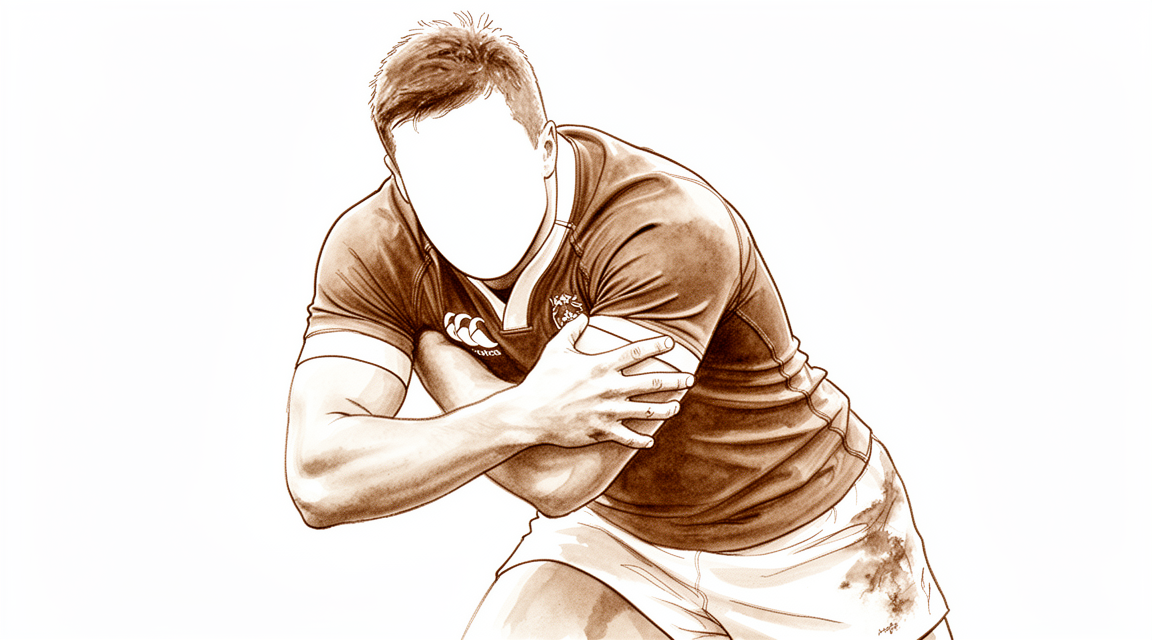
Quy trình này sẽ hướng dẫn quá trình hồi phục của bạn sau ca phẫu thuật Latarjet do bác sĩ Kieran Hirpara thực hiện tại Bệnh viện tư nhân Mater Rockhampton. Quy trình này bao gồm phần giải thích bằng ngôn ngữ dễ hiểu về từng giai đoạn phục hồi, kèm theo lịch trình chi tiết mà bạn có thể chia sẻ với chuyên viên vật lý trị liệu. Hãy mang theo trang này hoặc bản PDF tương ứng đến buổi khám đầu tiên để quá trình phục hồi được thực hiện một cách đồng bộ. Chuyên viên vật lý trị liệu có thể điều chỉnh kế hoạch này tùy theo tiến triển hồi phục của bạn.
Nếu bạn có bất kỳ thắc mắc nào liên quan đến vết thương sau phẫu thuật, vui lòng liên hệ với phòng khám. Việc chụp ảnh vết thương rồi gửi qua email để các bác sĩ xem xét thường rất hữu ích.
Những điều bạn có thể mong đợi
Phẫu thuật Latarjet là một ca phẫu thuật sử dụng khối xương nhằm điều trị tình trạng vai bị trật ra phía trước liên tục. Vì phương pháp này sử dụng khối xương chắc chắn được cố định bằng vít (thay vì chỉ khâu lại các mô mềm), phần sửa chữa vững chắc ngay từ sớm; thời gian hồi phục của bệnh nhân cũng thường nhanh hơn so với phương pháp ổn định mô mềm (phẫu thuật Bankart). Trung bình, bệnh nhân có thể trở lại tập luyện thể thao sau khoảng 20 tuần, so với khoảng 32 tuần sau phẫu thuật Bankart.
Tuy nhiên, “nhanh hơn” không có nghĩa là “có thể làm bất cứ điều gì”. Tốc độ hồi phục của bạn phụ thuộc chủ yếu vào một yếu tố duy nhất: quá trình lành xương tại vị trí khối xương được ghép vào ổ vai. Quá trình tái tạo xương này (gọi là sự liền xương) thường mất khoảng 6 đến 8 tuần. Cho đến khi bác sĩ phẫu thuật xác nhận rằng xương đã liền hoàn toàn, việc cho vai chịu tải vẫn bị hoãn lại, dù cảm giác vùng cánh tay có tốt đến đâu đi nữa. Ngoài ra, với phẫu thuật Latarjet còn có thêm hai cấu trúc cần được bảo vệ mà phẫu thuật Bankart không có; vì vậy một số hạn chế trong giai đoạn đầu sau mổ dưới đây chỉ áp dụng riêng cho ca phẫu thuật này.
Quy trình phẫu thuật
Trong phương pháp Latarjet, một mảnh xương nhỏ gọi là mỏm quạ (phần nhô ra ở phía trước xương bả vai) sẽ được chuyển sang và cố định bằng vít vào vành trước của ổ vai – nơi có sự thiếu hụt xương. Việc này giúp bổ sung xương vào vùng thiếu hụt và tạo ra hiệu ứng “dây võng” ở phía trước vai, giúp ngăn ngừa tình trạng trật khớp.
Để di chuyển mảnh xương này vào đúng vị trí, bác sĩ phẫu thuật phải luồn nó qua cơ dưới vai (subscapularis – cơ nằm ở phía trước vai); cơ này sẽ bị tách ra hoặc tháo rời một phần rồi sau đó được khâu lại. Do đó, có hai thành phần cần được bảo vệ trong quá trình lành thương:
- Mảnh xương và các vít cố định, cần dính chặt vào ổ vai (hiện tượng liền xương, mất khoảng 6–8 tuần); và
- Cơ dưới vai ở phía trước, vốn đã được khâu lại quanh mảnh xương được chuyển sang.
Một số người bị giảm nhẹ vĩnh viễn tầm xoay ngoài (xoay bàn tay ra ngoài), khoảng 7–8 độ. Đây là hiện tượng bình thường và không phải là biến chứng; đối với hầu hết mọi người, điều này không ảnh hưởng gì đến sinh hoạt hàng ngày.
Cách đeo đai treo cánh tay
Bạn sẽ đeo đai treo vai đơn giản, không phải là đai có gối dạng vai hoặc đai hình nêm. Bác sĩ Hirpara sử dụng loại đai treo đơn giản này trong các ca phẫu thuật ổn định khớp, vì việc cố định xương rất vững chắc; chức năng bảo vệ chủ yếu đến từ việc giữ cánh tay ở vị trí an toàn chứ không phải do hình dạng của đai treo.
- Đeo đai treo khoảng 3 tuần để hỗ trợ và mang lại cảm giác thoải mái ban ngày (được bỏ dần từ khoảng tuần thứ 3). Trường hợp phẫu thuật cố định xương Latarjet thì thời gian đeo đai ngắn hơn so với ca phẫu thuật sửa chữa mô mềm.
- Bạn không nên đeo đai khi ngủ. Hãy tháo đai ra khi ngủ; giữ cánh tay ở vị trí an toàn: không để nó vừa ngả ra bên ngoài vừa xoay ra ngoài (đây là tư thế mà ca phẫu thuật nhằm ngăn chặn). Nằm ngủ với cánh tay được kê trên gối đặt ngang thân hoặc bên cạnh là cách thoải mái và an toàn.
- Tháo đai khi tắm và khi tập các bài tập (sau khi đã được hướng dẫn cách thực hiện). Mỗi khi tháo đai, hãy để cánh tay thả lỏng và nằm sát bên thân.
- Nếu vai bị sưng hoặc đau, hãy chườm đá, đặc biệt là sau khi tập luyện.
Khi đeo đai, hãy chú ý đến tư thế: giữ cho tai, vai và hông nằm thẳng hàng, tránh cúi người hay cong lưng.
Những lưu ý quan trọng — tuyệt đối không được làm
Các biện pháp này giúp bảo vệ khối xương, các vít cố định và cơ vùng trước vai trong quá trình lành thương.
- Tuyệt đối không ép cánh tay xoay ra ngoài (xoay bàn tay ra phía ngoài) trong giai đoạn đầu. Trong 2 tuần đầu, mức xoay ra ngoài chỉ giữ ở khoảng 25 độ ở tư thế được đỡ; sau đó mới được mở rộng dần, luôn tuân theo phạm vi mà bác sĩ phẫu thuật đã chỉ định.
- Tuyệt đối không đưa cánh tay ra phía sau thân mình (duỗi vai ra sau), đồng thời tránh tình huống cánh tay vừa xoay ra ngoài vừa bị duỗi thẳng ra phía sau. Tư thế này gây lực kéo lên gân nối với khối xương vừa được ghép.
- Tuyệt đối không tập tăng cường sức mạnh bằng cách chống lại lực cản khi xoay cánh tay vào trong (ép mạnh lòng bàn tay vào phía thân mình chống lại sức cản). Động tác này tác động lên cơ vùng trước vai đang trong quá trình lành thương (cơ dưới vai) và được hoãn lại cho đến khi có sự đồng ý của bác sĩ phẫu thuật.
- Tuyệt đối không chịu tải trọng lên cánh tay hay bàn tay, không dùng cánh tay để đẩy người lên khỏi ghế, cũng không nâng, đẩy hay kéo vật nặng cho đến khi bác sĩ xác nhận xương đã liền (khoảng 6–8 tuần). Thời điểm có thể tăng tải trọng phụ thuộc vào mức độ liền xương chứ không phải theo thời gian.
- Tuyệt đối không tập các bài tập nặng cho vùng ngực hay vận động trên cao trong giai đoạn đầu: không tập ép ngực (pec fly), đẩy ngực tay rộng (wide-grip bench press), đẩy tạ qua đầu (military press), kéo xà sau gáy (behind-the-neck lat pulldown) hay chống xà kép tập cơ tam đầu (triceps dips) cho đến giai đoạn muộn của quá trình hồi phục.
- Tránh mọi động tác giật mạnh, chộp lấy đột ngột hay ngã đè lên cánh tay.
Giai đoạn I — Bảo vệ ngay sau mổ (tuần 0–2)
Kieran Hirpara 4.0
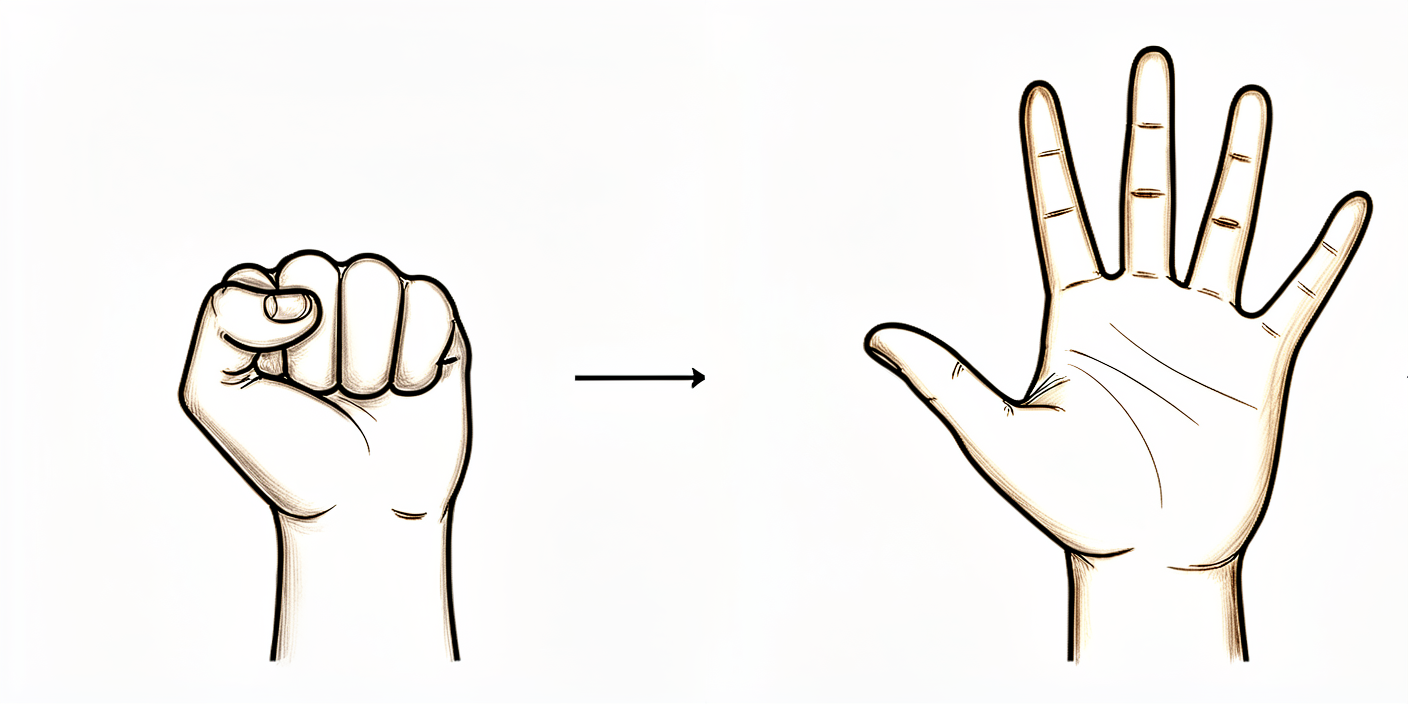
Mở và nắm tay
Nắm chặt nắm tay lại, sau đó mở ra hoàn toàn. Việc này giúp các khớp tay được vận động, ngăn ngừa tình trạng cứng khớp và sưng phù.
10 lần mỗi giờ
Kieran Hirpara 4.0
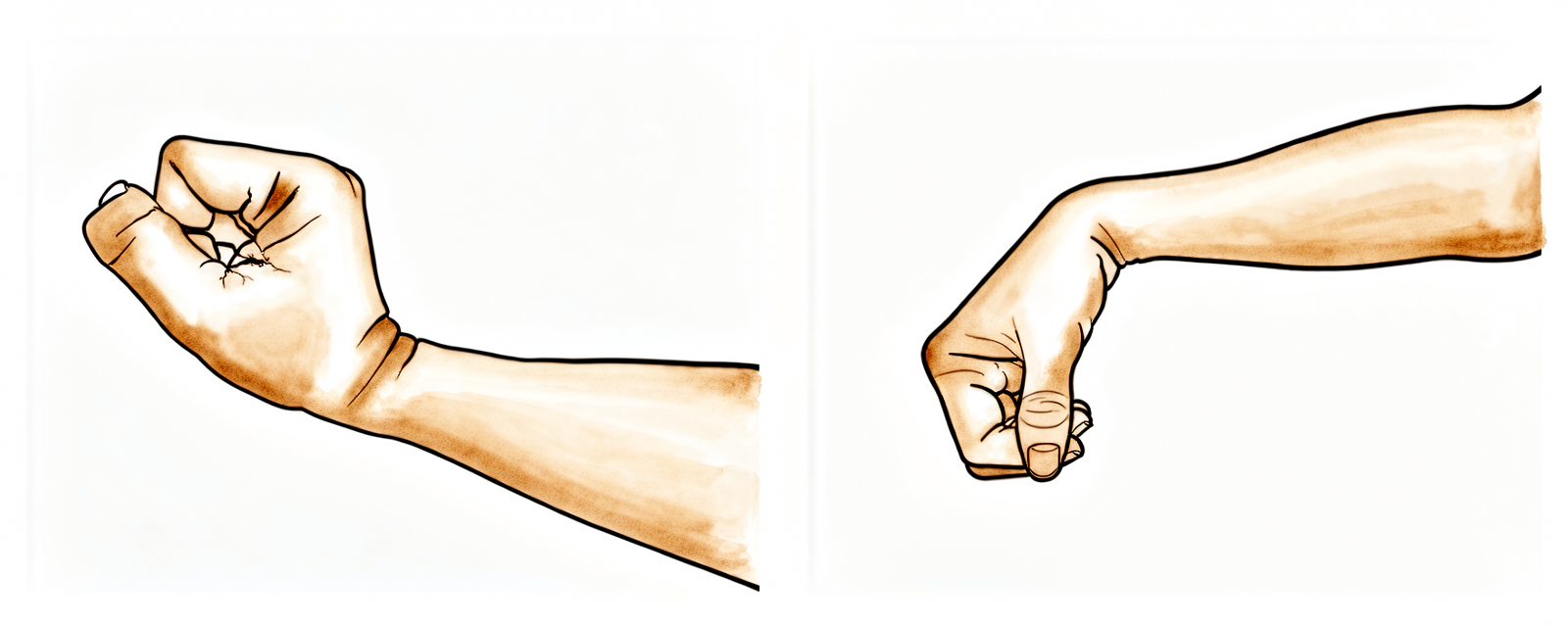
Các động tác gập cổ tay chủ động
Hãy nhẹ nhàng gập cổ tay về phía trước rồi lại về phía sau, đến mức mà bạn cảm thấy thoải mái.
10–15 lần mỗi giờ
Kieran Hirpara 4.0
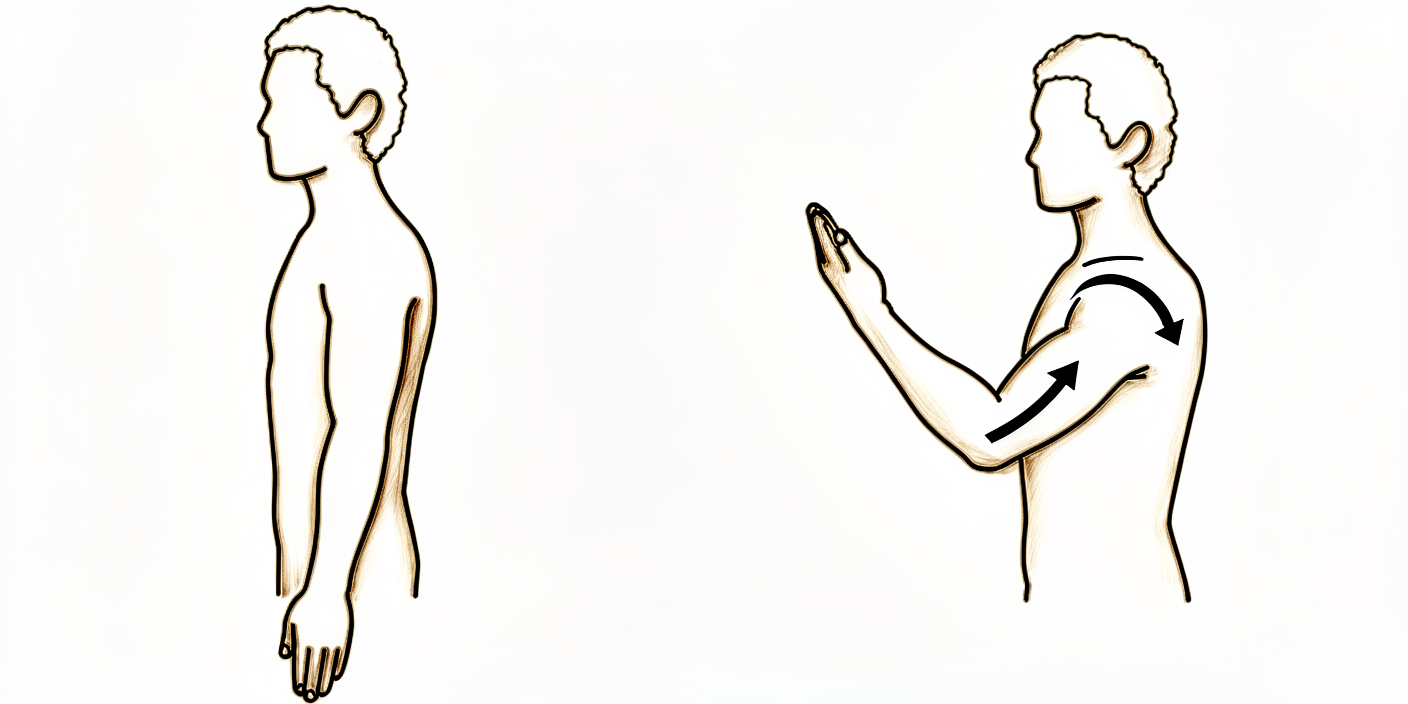
Các động tác gập khuỷu tay chủ động
Hãy để lòng bàn tay hướng lên trên, sau đó từ từ gập khuỷu tay hết mức có thể rồi duỗi thẳng tay trở lại. Giữ cánh tay trên sát bên thân mình. Tuyệt đối không để cánh tay vung ra phía sau lưng.
10–15 lần, 2–3 lần mỗi ngày
Kieran Hirpara 4.0
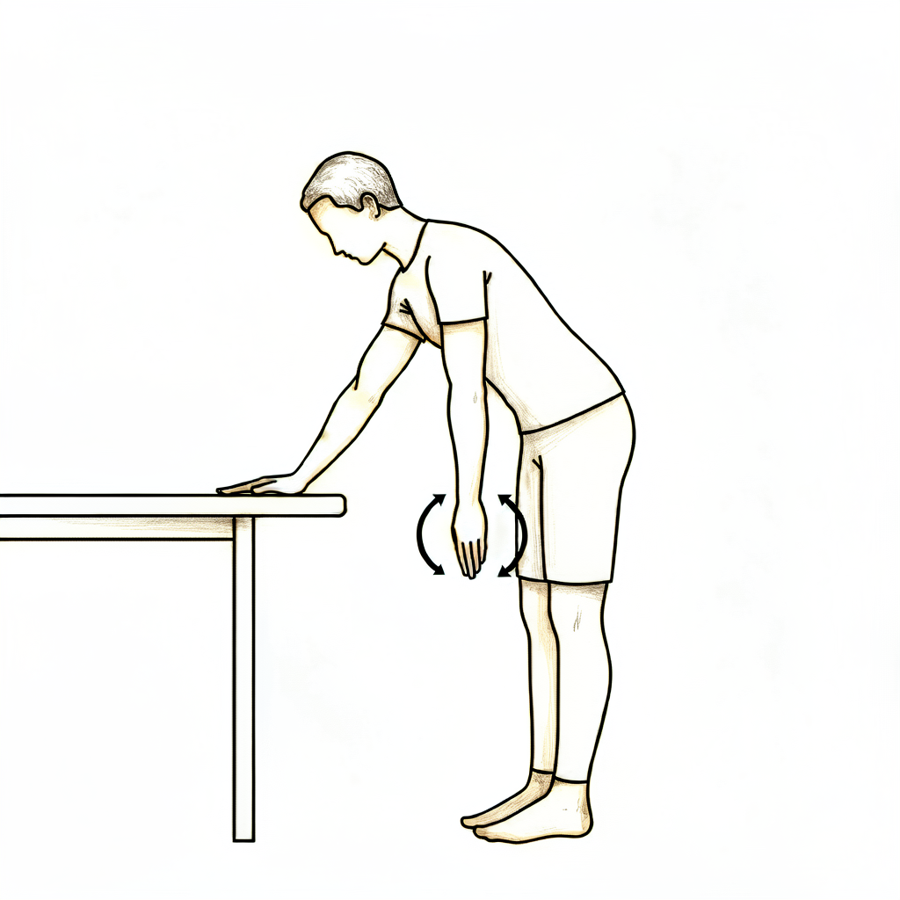
Bài tập con lắc
Hãy nghiêng người về phía trước và để cánh tay vừa được phẫu thuật thả lỏng, treo xuống tự nhiên. Tiếp theo, hãy vẽ những vòng tròn nhỏ — trước là theo chiều kim đồng hồ, sau đó ngược lại — bằng cách lắc nhẹ cơ thể, chứ không phải dùng cơ vai. Các vòng tròn này cần giữ nhỏ (đường kính dưới khoảng 20 cm). Suốt quá trình, cánh tay vừa phẫu thuật vẫn phải giữ trạng thái thả lỏng; bạn không được nâng nó lên. Tuyệt đối không để cánh tay di chuyển ra phía sau lưng.
10 vòng theo mỗi hướng, 2–3 lần mỗi ngày
Kieran Hirpara 4.0
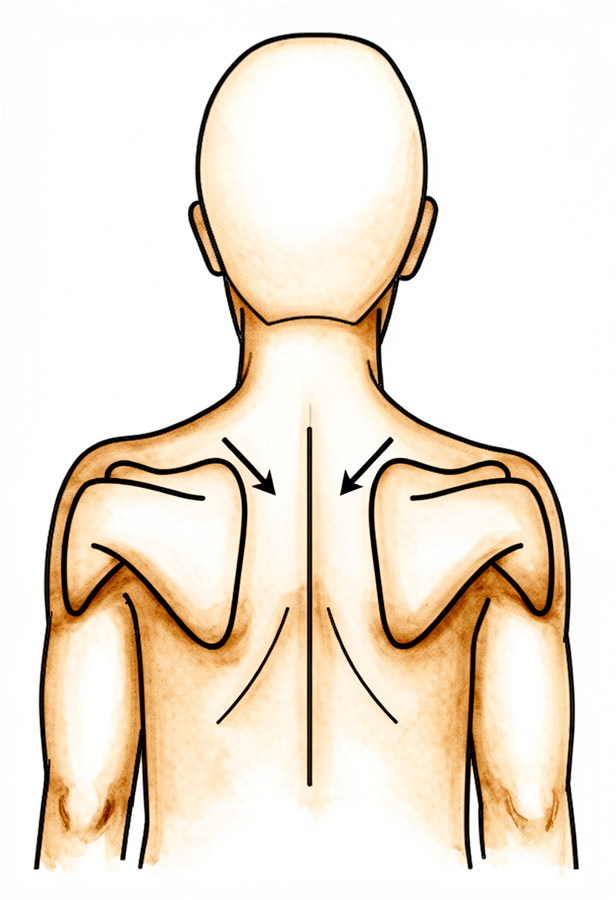
Định vị xương bả vai
Nhẹ nhàng kéo hai xương bả vai xuống dưới và khép lại với nhau, giữ nguyên rồi thả lỏng. Đây là bài tập kích hoạt cơ nhẹ nhàng — cánh tay của bạn không cử động.
Giữ 5 giây, thực hiện 5 lần, 2–3 lần mỗi ngày
Kieran Hirpara 4.0
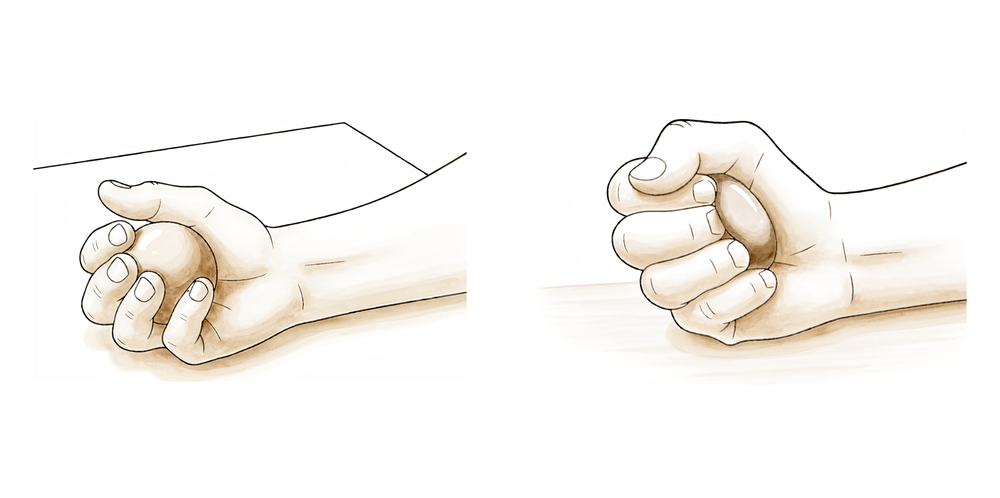
Bóp bóng
Hãy cầm một quả bóng mềm hoặc chiếc tất được cuộn tròn trong tay, sau đó siết nhẹ rồi thả lỏng. Cách này giúp bàn tay và cẳng tay vẫn vận động trong lúc vai được nghỉ ngơi.
10 lần, 2–3 lần mỗi ngày
Hai tuần đầu tiên là thời gian bảo vệ khối xương vừa được chuyển và cơ phía trước vai đã được khâu sửa trong lúc tình trạng sưng nề dần hết. Ban ngày bạn đeo đai treo đơn giản; ban đêm thì tháo đai ra (vẫn giữ cánh tay ở tư thế an toàn), đồng thời thực hiện các bài tập nhẹ nhàng để giúp tay, cổ tay và khuỷu tay vận động mà không gây áp lực lên vai. Chính vùng vai chỉ được vận động một cách nhẹ nhàng và thụ động; bạn chưa được nâng tay bằng sức của mình.
- Đai treo: đai treo đơn giản dùng để hỗ trợ và tạo cảm giác thoải mái ban ngày; tháo đai khi ngủ, giữ cánh tay ở tư thế an toàn; tháo đai khi tập luyện hoặc vệ sinh.
- Các chuyển động được phép: chỉ những chuyển động nhẹ nhàng có sự hỗ trợ hoặc thụ động; không được nâng tay bằng sức của vai. Nâng tay ra phía trước và đưa tay sang bên trong mức thoải mái; mức xoay ngoài chỉ nên ở khoảng 25 độ ở tư thế được đỡ; không được đưa tay ra phía sau thân mình.
- Các bài tập: định vị xương bả vai; bóp bóng; vận động nhẹ nhàng tay, cổ tay và khuỷu tay; vung tay theo kiểu “con lắc” (cánh tay thả lỏng, không vung ngược ra phía sau).
Sẵn sàng chuyển sang giai đoạn tiếp theo khi: cơn đau đã giảm dần và được kiểm soát bằng các thuốc giảm đau thông thường; vết thương đã lành mà không có dấu hiệu bất thường; bạn cảm thấy thoải mái khi không đeo đai; và các chuyển động nhẹ nhàng của bạn vẫn nằm trong phạm vi an toàn do bác sĩ phẫu thuật quy định.
Giai đoạn II — Phục hồi khả năng vận động (tuần 3–9)
Kieran Hirpara 4.0
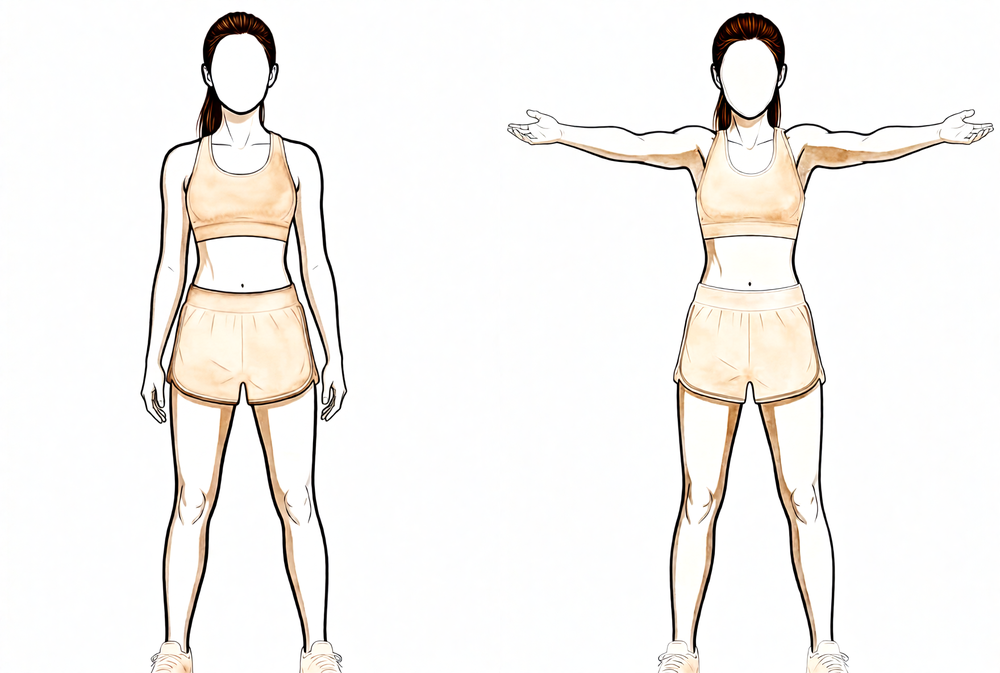
Nâng tay tư thế “full-can” đến ngang vai
Từ khoảng tuần thứ 6, khi bạn đã có thể cử động cánh tay bằng sức của chính mình. Giơ cánh tay ra phía trước và hơi sang bên với NGÓN CÁI HƯỚNG LÊN — tư thế “full can” — ban đầu chỉ nâng đến khoảng ngang vai (90°), sau đó hạ xuống có kiểm soát. Không dùng tạ hoặc chỉ dùng tạ rất nhẹ (khoảng 1–1.5 kg) và tập nhiều lần lặp lại.
Theo hướng dẫn của chuyên viên vật lý trị liệu
Kieran Hirpara 4.0
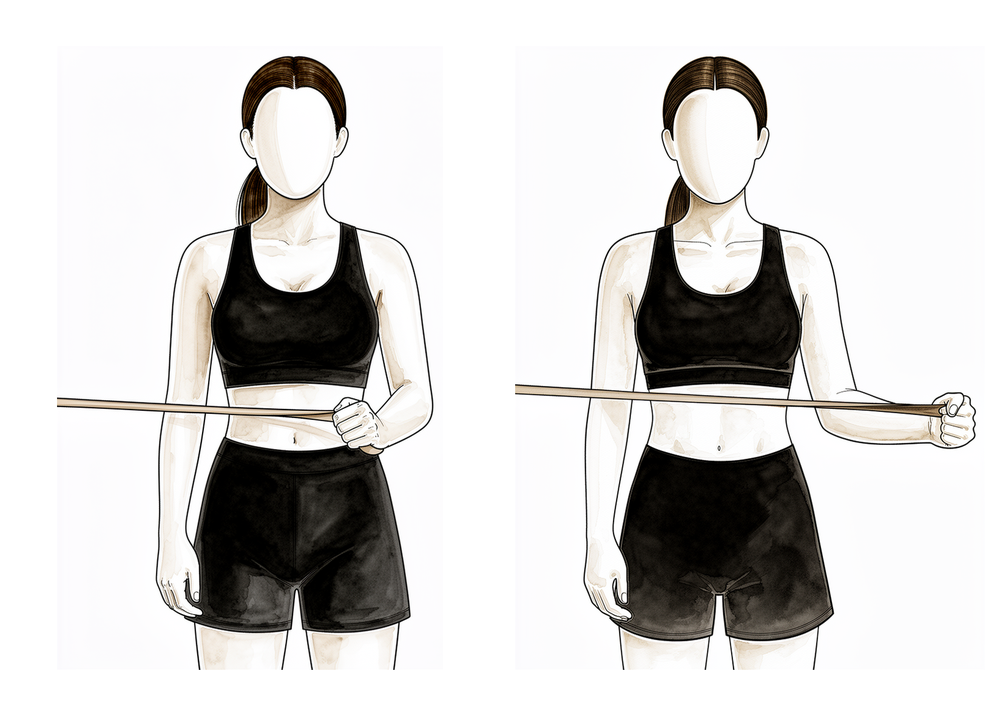
Xoay ngoài sát thân (dây đàn hồi)
Từ khoảng tuần thứ 6, trong phạm vi xoay ngoài mà bác sĩ phẫu thuật đã cho phép. Giữ khuỷu tay sát bên thân với một chiếc khăn cuộn kẹp giữa khuỷu tay và thân mình, khuỷu tay gập 90°. Nhẹ nhàng xoay cẳng tay ra ngoài chống lại một dây đàn hồi nhẹ, sau đó trở về có kiểm soát. Luôn ở trong phạm vi an toàn và không bao giờ cố ép. Dùng dây đàn hồi nhẹ và tập nhiều lần lặp lại, không dùng lực cản nặng.
Theo hướng dẫn của chuyên viên vật lý trị liệu
Kieran Hirpara 4.0
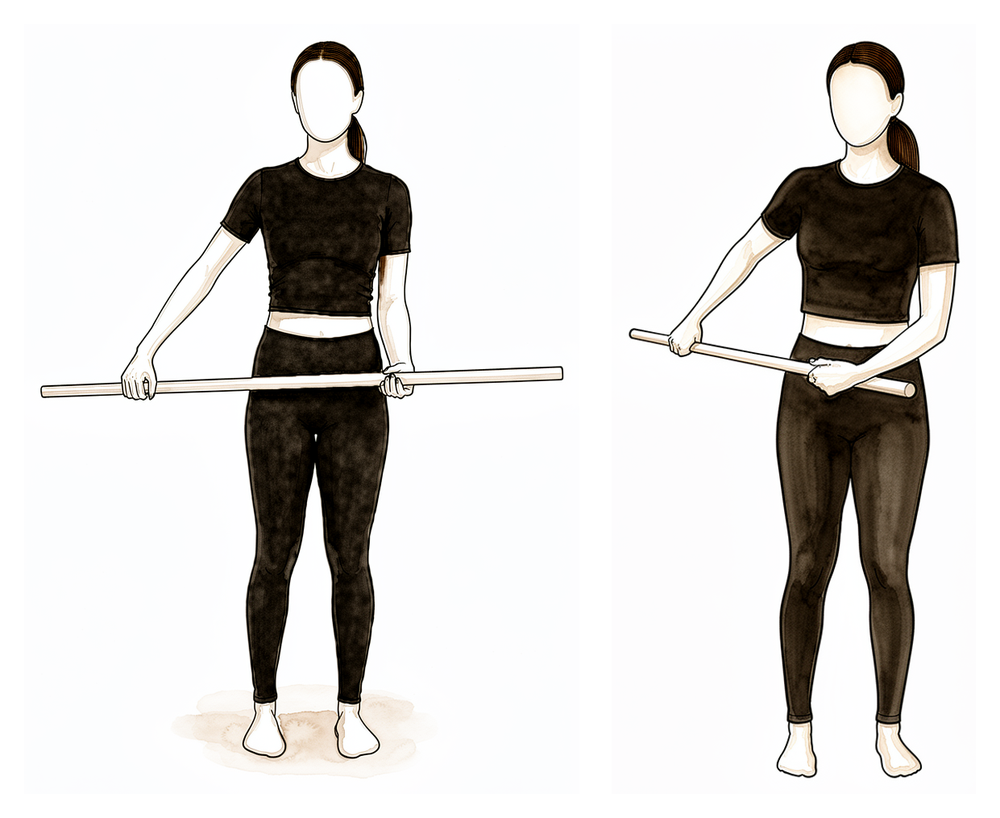
Xoay trong với gậy
Từ khoảng tuần thứ 6 trở đi, hãy thực hiện các động tác một cách nhẹ nhàng và chỉ theo hướng dẫn. Giữ khuỷu tay sát bên thân, dùng cây gậy cầm bằng tay lành để xoay cẳng tay vừa phẫu thuật nhẹ nhàng vào trong ngang qua bụng, rồi quay trở lại vị trí ban đầu. Đây chỉ là các động tác nhẹ nhàng thôi; tuyệt đối không được dùng lực mạnh hay tạo sức cản ngay từ đầu, vì vùng phía trước vai (cơ dưới vai) vẫn đang trong quá trình hồi phục.
Theo hướng dẫn của chuyên viên vật lý trị liệu
Kieran Hirpara 4.0
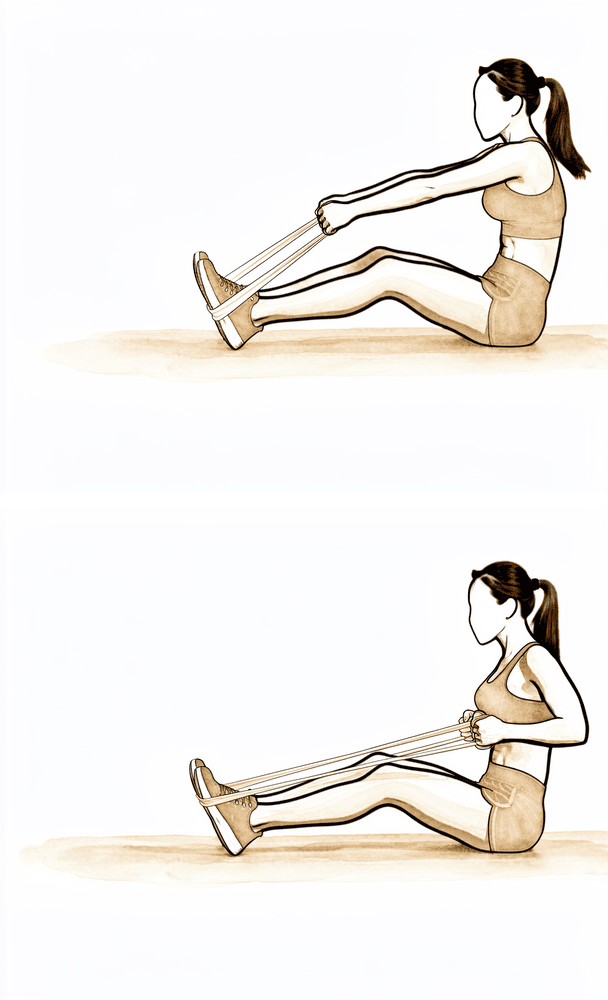
Kéo thấp (định vị xương bả vai)
Từ khoảng tuần thứ 6 trở đi. Đặt tay lên một bề mặt cố định bên cạnh mình, sau đó ấn xuống và hướng về phía sau để kéo xương bả vai xuống dưới và vào trong, giữ nguyên tư thế trong chốc lát. Điều này giúp ổn định xương bả vai.
Theo hướng dẫn của chuyên viên vật lý trị liệu
Kieran Hirpara 4.0
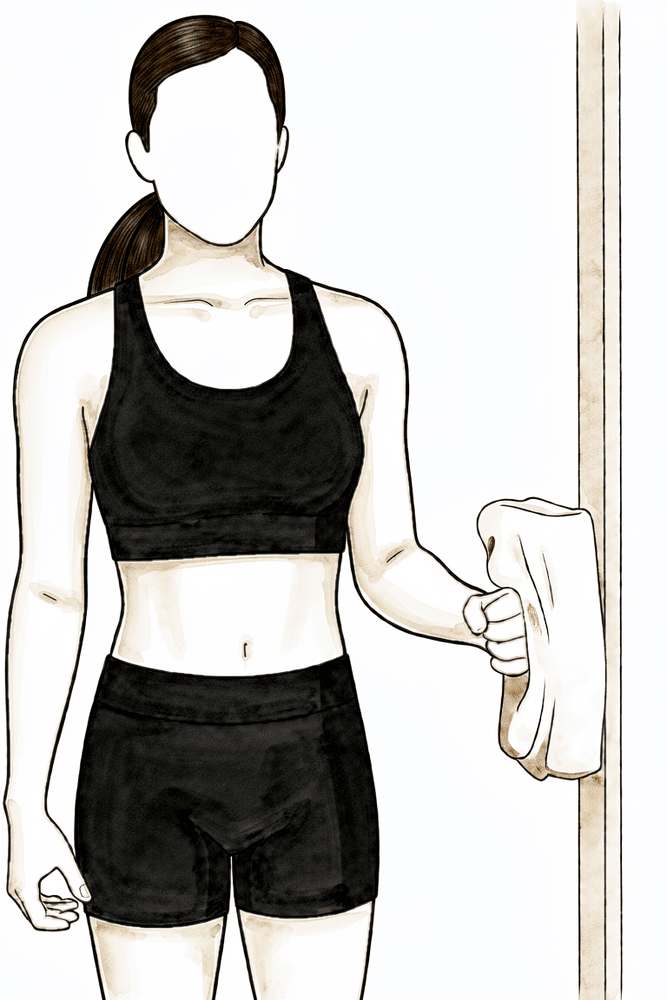
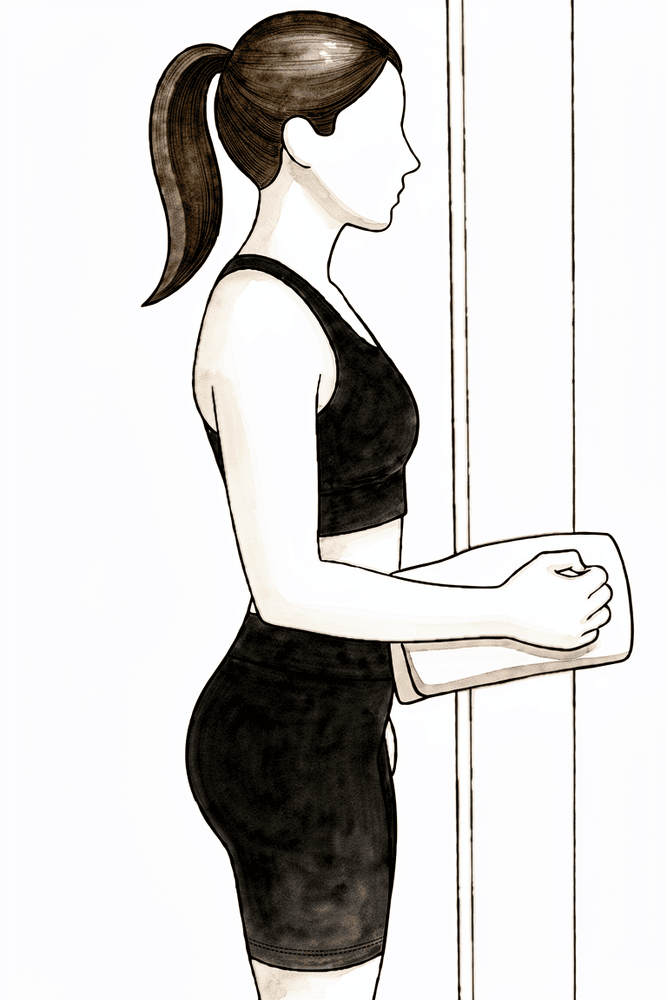
Xoay ngoài đẳng trường
Từ khoảng tuần thứ 6, nếu chuyên viên vật lý trị liệu đồng ý và chỉ trong phạm vi an toàn của bạn. Đứng với khuỷu tay áp sát thân và gập 90°, mu bàn tay ở gần tường hoặc khung cửa. Nhẹ nhàng ấn mu bàn tay ra ngoài vào bề mặt đó mà KHÔNG để cánh tay di chuyển — lực nhẹ, khoảng một phần tư sức của bạn, không gây đau. Giữ, rồi thả lỏng.
Giữ khoảng 5 giây, lực nhẹ (~25% sức), theo hướng dẫn của chuyên viên vật lý trị liệu
Kieran Hirpara 4.0
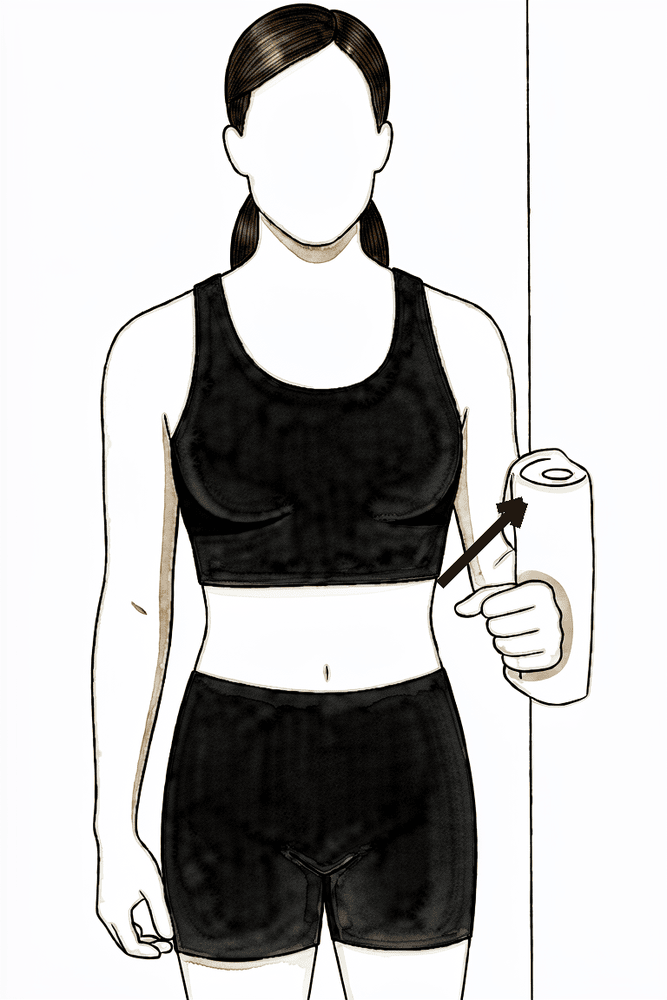
Xoay trong đẳng trường
Được hoãn lại đến giai đoạn sau (thường là sau khi khối xương ghép đã liền và bác sĩ phẫu thuật đồng ý), vì động tác ấn vào trong làm việc cơ phía trước đang lành (cơ dưới vai). Khi được cho phép, hãy đứng với khuỷu tay áp sát thân, lòng bàn tay áp vào tường, và nhẹ nhàng ấn lòng bàn tay vào trong mà KHÔNG để cánh tay di chuyển — khoảng một phần tư sức, không gây đau. Giữ, rồi thả lỏng.
Giữ khoảng 5 giây, lực nhẹ (~25% sức), theo hướng dẫn của chuyên viên vật lý trị liệu
Kieran Hirpara 4.0
Dạng vai đẳng trường
Từ khoảng tuần thứ 6, nếu chuyên viên vật lý trị liệu đồng ý. Đứng nghiêng một bên với mặt ngoài cánh tay trên ở gần tường, khuỷu tay sát thân. Nhẹ nhàng ấn cánh tay ra ngoài vào tường mà KHÔNG để nó di chuyển — khoảng một phần tư sức, không gây đau. Giữ, rồi thả lỏng.
Giữ khoảng 5 giây, lực nhẹ (~25% sức), theo hướng dẫn của chuyên viên vật lý trị liệu
Lúc này, mục tiêu chính là khả năng vận động chứ không phải sức mạnh cơ bắp. Từ khoảng tuần thứ 3, người bệnh bắt đầu giảm dần việc sử dụng đai treo tay. Bạn sẽ tiến dần từ việc vận động có hỗ trợ sang việc cử động cánh tay một cách tự chủ; khả năng xoay ngoài cũng dần được cải thiện: ban đầu chỉ đạt khoảng 45 độ khi có hỗ trợ, sau đó tăng dần tùy theo khả năng chịu đựng, thường từ tuần thứ 6 trở đi, nhưng luôn phải nằm trong giới hạn cho phép do bác sĩ phẫu thuật đặt ra. Các bài tập giữ lực tĩnh (isometric) nhẹ nhàng cũng được bổ sung; khi thực hiện các động tác xoay vào trong, cần hết sức nhẹ nhàng để bảo vệ các cơ phía trước. Việc tăng tải trọng vẫn chưa được phép; trong giai đoạn này, khối xương mới chỉ đang trong quá trình liền lại.
- Đai treo tay: được giảm dần sử dụng từ tuần thứ 3.
- Các chuyển động được phép: bắt đầu từ vận động có hỗ trợ, đến khoảng tuần thứ 6 có thể cử động tự chủ (đạt độ nâng cánh tay khoảng 90–110 độ). Khả năng xoay ngoài cũng dần được mở rộng; ban đầu chỉ đạt 45 độ khi có hỗ trợ, sau đó tăng dần tùy theo khả năng chịu đựng, trong phạm vi do bác sĩ phẫu thuật quy định. Độ xoay vào trong cũng được thực hiện nhẹ nhàng, đạt khoảng 45 độ.
- Các bài tập: nâng tay tư thế “full-can” đến ngang vai; các bài tập xoay ngoài nhẹ nhàng bằng dây kháng lực trên cuộn khăn; xoay vào trong nhẹ nhàng bằng cách dùng cây gậy (không dùng lực); bài tập kéo thấp (low row); các bài tập giữ lực tĩnh nhẹ nhàng cho xoay ngoài và dạng vai từ khoảng tuần thứ 6 (các bài tập giữ lực tĩnh xoay vào trong được hoãn đến sau). Chuyên viên vật lý trị liệu cũng có thể hướng dẫn thêm các bài tập ổn định nhịp nhàng (bài tập giữ vững tư thế khi họ nhẹ nhàng đẩy tay bạn và bạn chống lại lực đó); đây là các bài tập trực tiếp do chuyên viên hướng dẫn, không có hình minh họa đi kèm.
Bạn có thể chuyển sang giai đoạn tiếp theo khi: bác sĩ phẫu thuật xác nhận (thường là trong lần tái khám khoảng tuần 6–8) rằng khối xương đã liền lại; bạn có thể cử động cánh tay tự chủ một cách ổn định; các chuyển động có hỗ trợ và thụ động đều đạt đầy đủ hoặc gần đầy đủ và thoải mái; các bài tập giữ lực tĩnh nhẹ nhàng cũng không gây đau đớn sau khi thực hiện. Việc tăng cường sức mạnh chỉ được bắt đầu sau khi đã xác nhận sự liền xương: điều này phụ thuộc vào quá trình hồi phục của xương dưới sự giám sát của bác sĩ phẫu thuật, chứ không phải dựa vào thời gian theo lịch trình.
Giai đoạn III — Tăng cường sức mạnh (tuần 10–15)
Kieran Hirpara 4.0
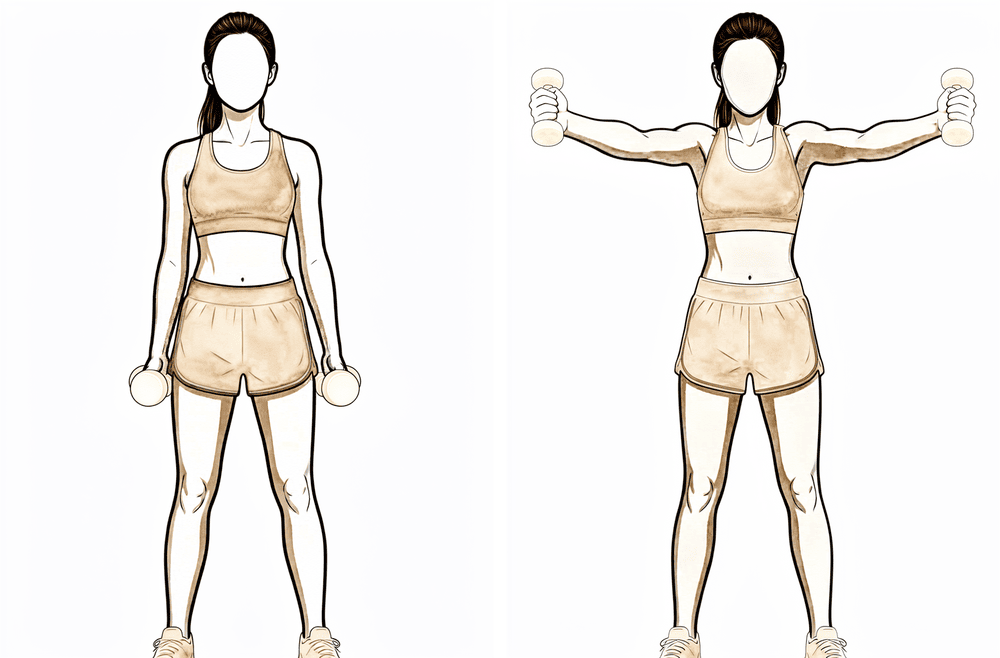
Nâng tay tư thế “full-can” với tạ nhẹ
Từ khoảng tuần thứ 10, sau khi bác sĩ phẫu thuật xác nhận khối xương ghép đã liền. Thực hiện động tác nâng tay “full-can” như trước, nay tăng dần độ cao và thêm dần tạ nhẹ. Giữ NGÓN CÁI HƯỚNG LÊN. Dừng lại nếu vai bị đau hoặc sưng sau khi tập.
Theo hướng dẫn của chuyên viên vật lý trị liệu
Kieran Hirpara 4.0
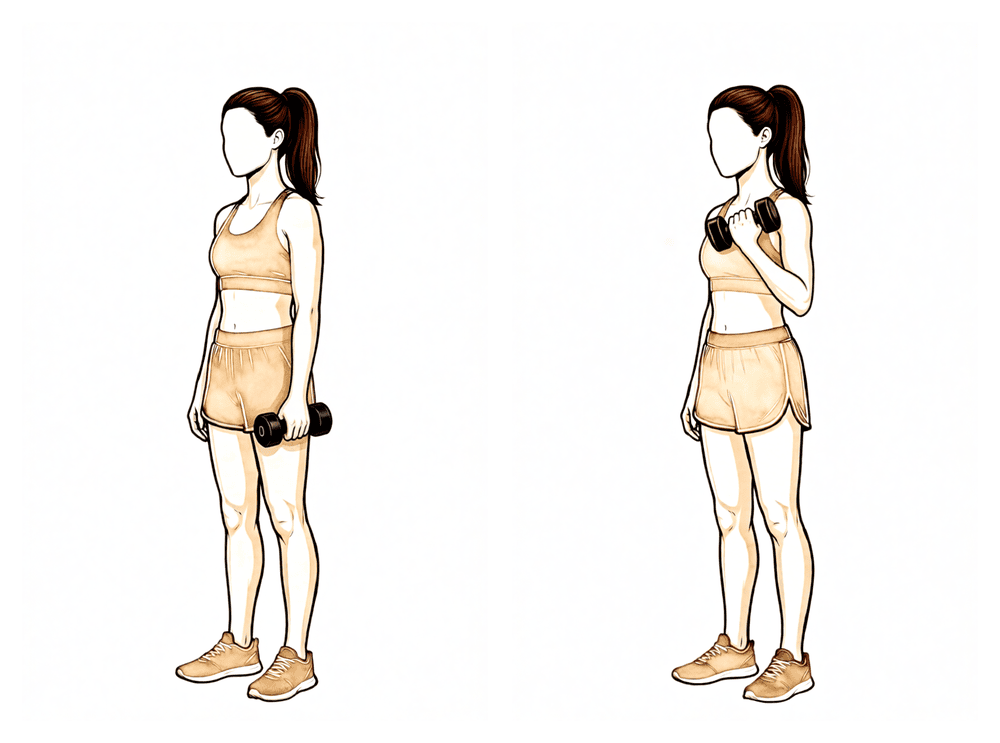
Gập tay với tạ nhẹ (biceps curl)
Từ khoảng tuần thứ 10, khi đã xác nhận xương liền. Giữ cánh tay trên sát bên thân, gập khuỷu tay để nâng một quả tạ nhẹ, sau đó hạ xuống có kiểm soát. Tăng dần mức tạ. Gân cơ nhị đầu bám gần khối xương ghép, vì vậy hãy bắt đầu nhẹ và tăng dần một cách chậm rãi.
Theo hướng dẫn của chuyên viên vật lý trị liệu
Kieran Hirpara 4.0
Xoay trong đưa tay lên lưng, dùng gậy (phương án 1)
Khoảng từ tuần thứ 12 trở đi, khi bác sĩ phẫu thuật và chuyên viên vật lý trị liệu xác nhận rằng cơ phía trước (cơ dưới vai) đã lành thương, bạn hãy cầm một cây gậy đặt phía sau lưng và dùng tay lành để nhẹ nhàng kéo tay vừa phẫu thuật lên phía lưng, sau đó hạ xuống một cách từ từ và có kiểm soát. Hãy thực hiện động tác này sao cho cảm thấy thoải mái và nằm trong phạm vi hướng dẫn của chuyên viên vật lý trị liệu.
Theo hướng dẫn của chuyên viên vật lý trị liệu
Kieran Hirpara 4.0
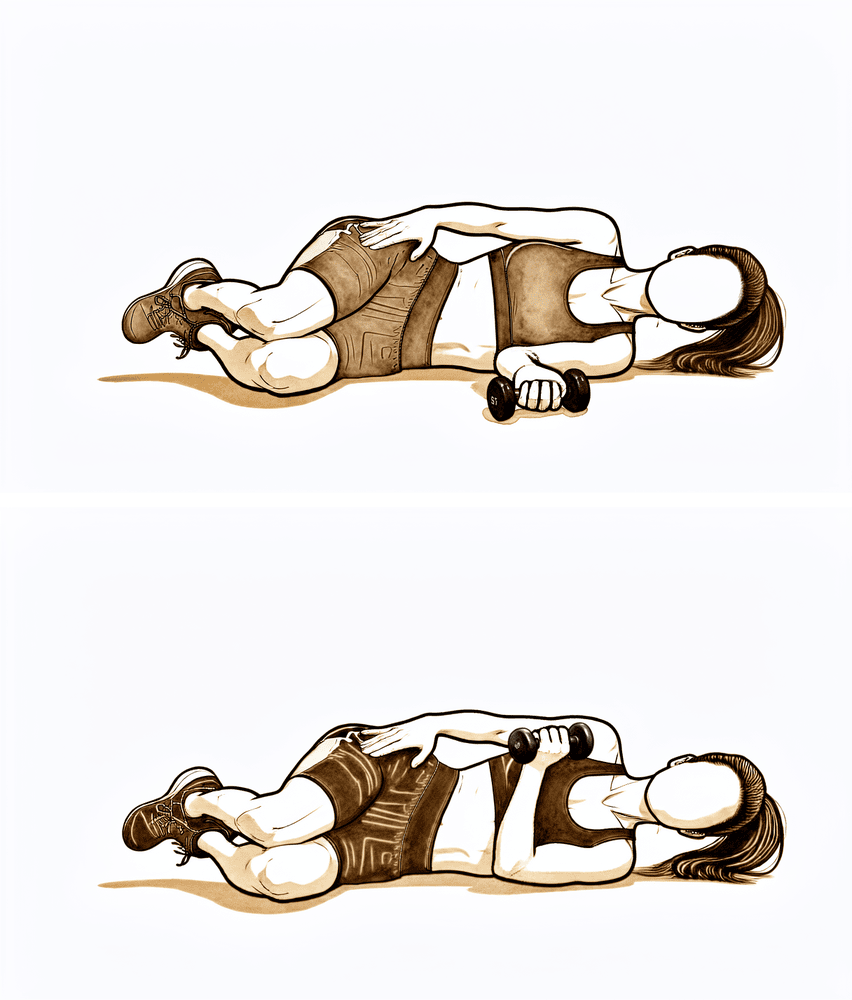
Xoay trong với tạ nhẹ, nằm nghiêng (phương án 2)
Một phương pháp thay thế cho bài tập dùng gậy, với thời điểm thực hiện tương tự (khoảng từ tuần thứ 12, khi cơ phía trước đã lành). Nằm nghiêng về phía bên được phẫu thuật, khuỷu tay áp sát vào eo và gập 90 độ; xoay cẳng tay sao cho bàn tay nâng một quả tạ nhẹ lên phía bụng, rồi hạ xuống một cách từ từ và kiểm soát được. Chuyên viên vật lý trị liệu sẽ chọn phương pháp phù hợp nhất với bạn — cả hai cách đều xây dựng cùng một loại sức mạnh xoay vào trong.
Theo hướng dẫn của chuyên viên vật lý trị liệu
Kieran Hirpara 4.0
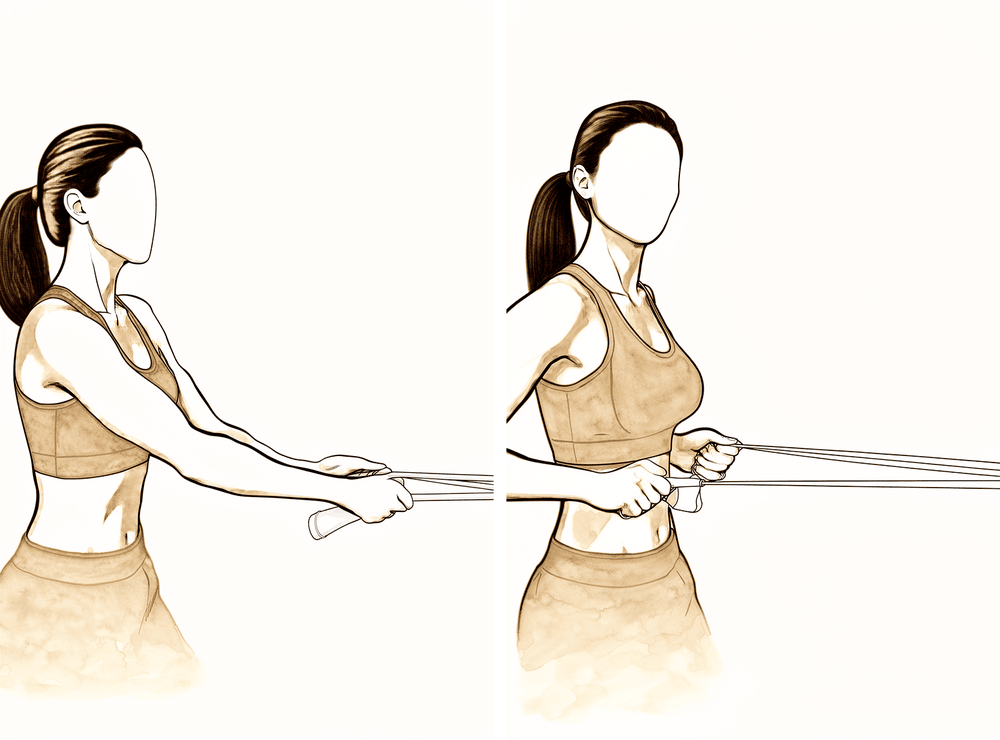
Kéo dây kháng lực (row)
Từ khoảng tuần thứ 10, khi đã xác nhận xương liền. Với một dây kháng lực được cố định phía trước mặt, kéo tay cầm về phía mình, đưa khuỷu tay ra sau và siết hai xương bả vai lại với nhau, sau đó trở về có kiểm soát. Dây nhẹ, nhiều lần lặp lại; dừng lại nếu vai bị đau.
Theo hướng dẫn của chuyên viên vật lý trị liệu
Kieran Hirpara 4.0
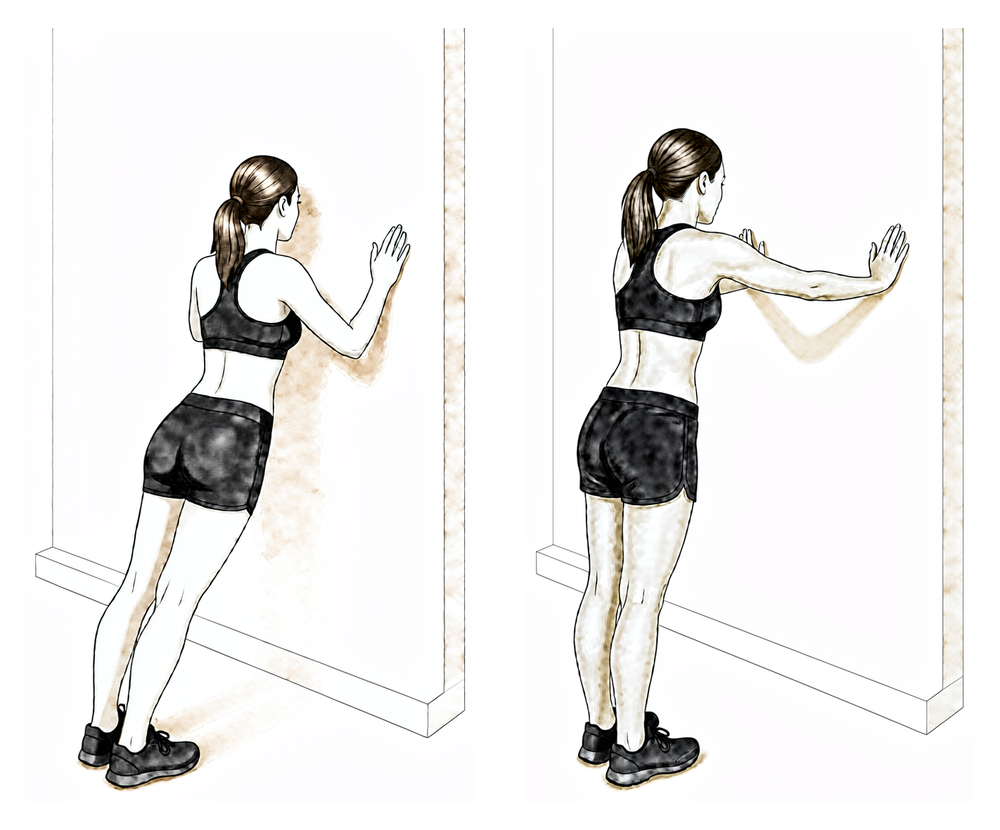
Chống đẩy cộng (push-up-plus) vào tường
Từ khoảng tuần thứ 10, khi đã xác nhận xương liền. Bắt đầu chống vào tường (không phải sàn nhà). Thực hiện động tác chống đẩy chậm; ở vị trí cao nhất, đẩy thêm một chút để hai xương bả vai tách ra xa nhau và lưng trên hơi gù tròn. Không để khuỷu tay đi ra sau xa hơn vai. Động tác này làm việc cơ phía trước (cơ dưới vai) — hãy tập nhẹ và không gây đau.
Theo hướng dẫn của chuyên viên vật lý trị liệu
Kieran Hirpara 4.0
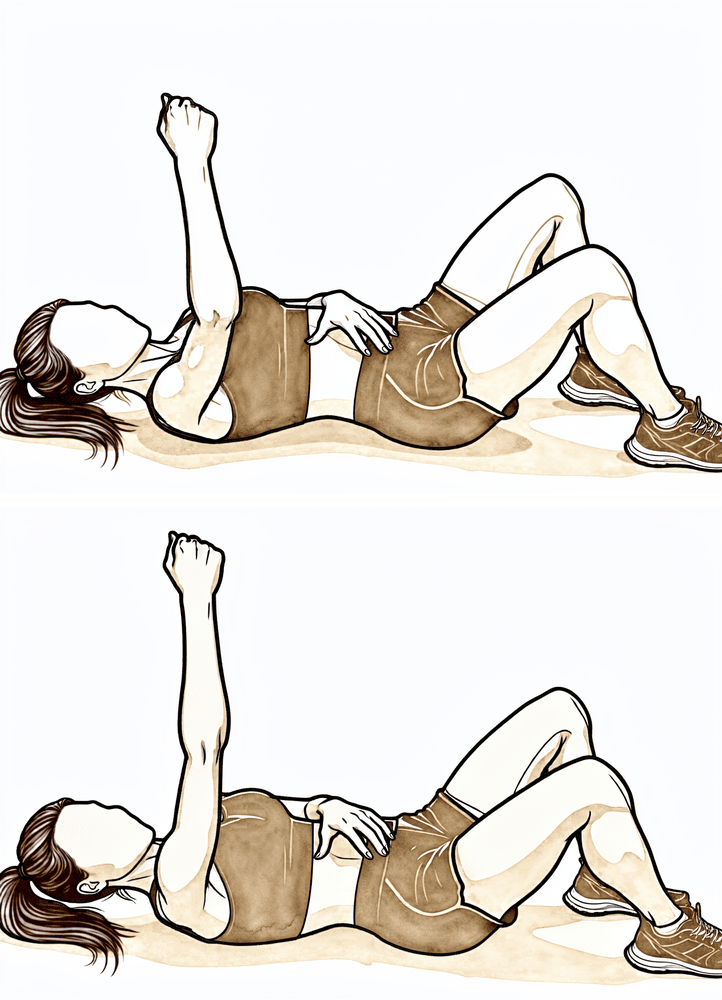
Đấm thẳng về phía trước (nằm ngửa)
Khoảng từ tuần thứ 10 trở đi, sau khi đã xác nhận xương đã liền lại. Nằm ngửa, duỗi tay thẳng lên trần nhà; có thể cầm một vật nặng nhẹ hoặc không cầm gì cả. Vươn tay lên cao hơn nữa sao cho xương bả vai tách khỏi mặt giường, rồi hạ tay xuống một cách từ từ và kiểm soát được. Đây là bài tập nhẹ nhàng dành cho cơ dưới vai — hãy tập nhẹ nhàng.
Theo hướng dẫn của chuyên viên vật lý trị liệu
Kieran Hirpara 4.0
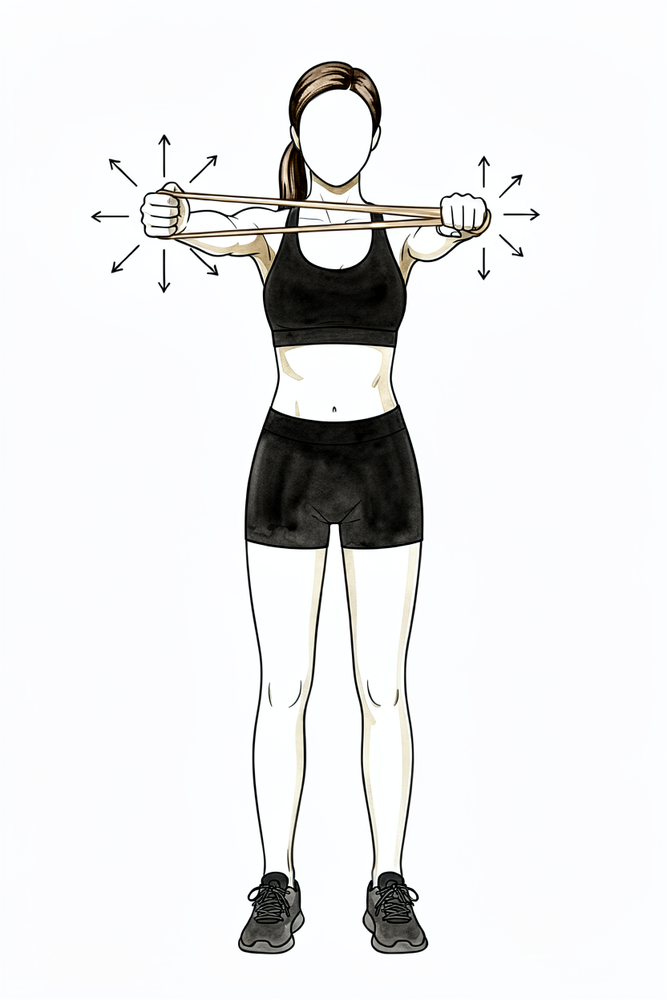
Ổn định nhịp nhàng
Với cánh tay được đỡ ở phía trước ngang tầm vai, nhờ chuyên viên vật lý trị liệu (hoặc tay lành của bạn) đẩy nhẹ, nhỏ từ nhiều hướng khác nhau trong khi bạn giữ cánh tay yên và vững — không để nó di chuyển. Bài tập này rèn luyện các cơ ổn định vai phản ứng. Giữ mọi lực ở mức nhẹ nhàng.
Theo hướng dẫn của chuyên viên vật lý trị liệu
Khi bác sĩ phẫu thuật xác nhận xương đã liền lại, bạn có thể bắt đầu tải trọng lên vai. Việc tăng cường sức mạnh ban đầu sử dụng các dây kháng lực nhẹ và tạ nhẹ: thực hiện nhiều lần lặp lại với tải trọng thấp, sau đó tăng dần lên. Nguyên tắc quan trọng là chỉ tập theo một hướng mỗi lần: bạn chỉ nên tăng cường sức mạnh theo một hướng khi đã có khả năng vận động gần như đầy đủ và thoải mái theo hướng đó. Việc tăng cường sức mạnh cho cơ xoay vào trong và cơ ở mặt trước (cơ dưới vai) vẫn cần được thực hiện một cách cẩn trọng và muộn hơn, vì cơ này đã được phẫu thuật sửa chữa trong ca mổ của bạn.
- Đai treo: không cần dùng; cần có khả năng vận động thoải mái gần như đầy đủ trước khi bắt đầu tải trọng theo một hướng nào đó.
- Các bài tập: nâng tay theo tư thế “full-can” với tạ nhẹ, dần tăng trọng lượng; gập tay bằng tạ nhẹ; kéo dây kháng lực; hít đất kiểu “push-up-plus” vào tường và đấm thẳng về phía trước khi nằm ngửa để tăng cường cơ mặt trước; xoay tay vào trong phía sau lưng bằng cách dùng cây gậy (thực hiện nhẹ nhàng, bắt đầu từ khoảng tuần 12 khi cơ mặt trước đã lành hẳn). Tăng dần tải trọng và ngừng tập nếu vai bị đau hoặc sưng.
Bạn sẵn sàng chuyển sang giai đoạn tiếp theo khi: có khả năng vận động đầy đủ, không đau và kiểm soát tốt xương bả vai; không còn đau hay sưng sau các buổi tập tăng cường sức mạnh; có thể nâng vật nặng với lực cản thoải mái ở mức thấp hơn độ cao vai; và sức mạnh xoay tay ra ngoài đang dần tăng lên, tiệm cận mức của bên còn lại.
Giai đoạn IV — Hoạt động trên cao và trở lại thể thao (tuần 16–20)
Kieran Hirpara 4.0
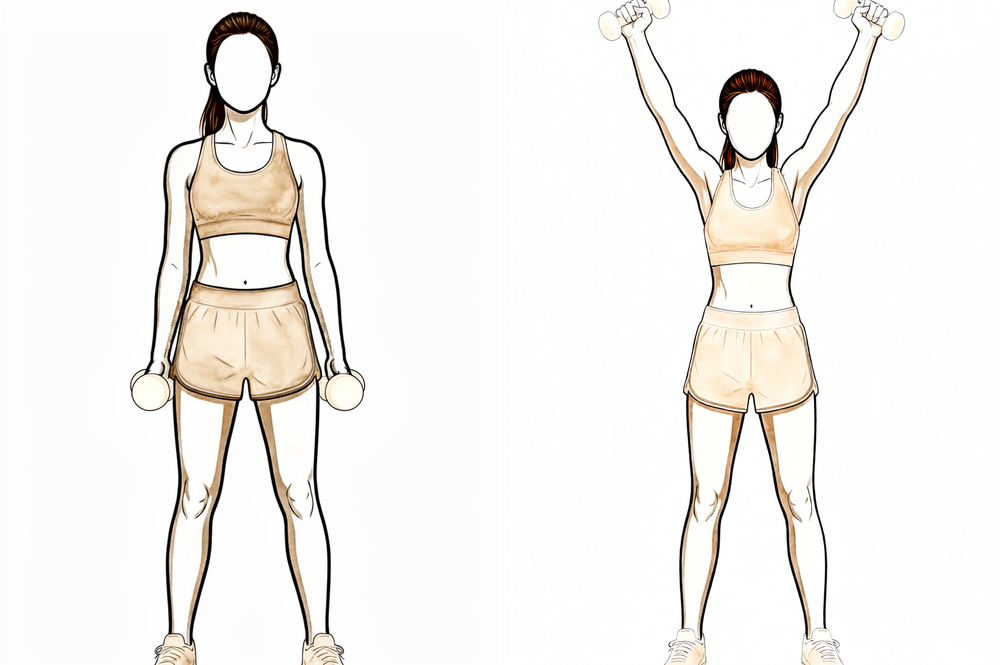
Nâng tay tư thế “full-can” lên quá đầu
Từ khoảng tuần thứ 16, khi sức mạnh ở dưới tầm vai đã tốt. Giơ cánh tay ra phía trước và hơi sang bên với NGÓN CÁI HƯỚNG LÊN, nay tiến dần lên cao hơn tầm vai, với tạ nhẹ tăng dần. Dừng lại nếu vai bị đau hoặc sưng sau khi tập.
Theo hướng dẫn của chuyên viên vật lý trị liệu
Kieran Hirpara 4.0
Kéo dây kháng lực tăng tiến
Tiếp tục bài kéo dây, nay tăng dần kháng lực và số lần lặp lại để làm nền tảng cho các bài tập nặng hơn và rèn luyện chuyên biệt cho môn thể thao. Duy trì kiểm soát tốt xương bả vai.
Theo hướng dẫn của chuyên viên vật lý trị liệu
Giai đoạn này đóng vai trò cầu nối để vai phục hồi hoàn toàn chức năng và người bệnh có thể dần dần trở lại tập luyện thể thao cũng như các hoạt động lao động nặng. Bạn cần duy trì phạm vi vận động đã đạt được, đồng thời xây dựng sức mạnh, sức bật và sức bền để sử dụng vai một cách tự tin, kể cả khi đưa tay lên cao quá đầu. Việc trở lại hoạt động diễn ra từng bước, không đột ngột; đối với các môn thể thao, chương trình tập ngắt quãng (interval) tăng dần khối lượng và cường độ từng bước là con đường trở lại an toàn nhất.
- Đai treo: không cần dùng.
- Các bài tập: nâng tay tư thế “full-can” lên quá đầu với tạ nhẹ, dần tăng trọng lượng khi sức mạnh ở dưới tầm vai đã tốt; các bài tập kéo dây kháng lực có mức độ tăng dần; các bài tập rèn luyện phù hợp với môn thể thao và công việc; về cuối giai đoạn, có thể thực hiện các bài tập tốc độ cao (loại plyometric) dưới sự kiểm soát chặt chẽ. Có thể thêm bài hít đất nhưng cần giữ khuỷu tay không di chuyển quá xa về phía sau.
Điều kiện để trở lại tập luyện: sức mạnh cơ vùng vai khi xoay ra ngoài chỉ chênh lệch trong khoảng 8–10% so với bên lành; sức mạnh xoay vai tổng thể tăng đều đặn; khả năng vận động hoàn toàn không đau và không có phù nề khi chịu tải trọng lớn; đồng thời vượt qua các bài kiểm tra đặc thù liên quan đến môn thể thao hoặc công việc. Thời điểm trở lại thể thao thường là khoảng 20 tuần; đối với các môn thể thao có tiếp xúc hoặc va chạm, thời điểm này thường muộn hơn một chút (khoảng 5–6 tháng). Việc trở lại phụ thuộc vào việc đáp ứng các tiêu chí trên cũng như sự chấp thuận từ bác sĩ Hirpara và chuyên viên vật lý trị liệu, chứ không chỉ dựa vào thời gian theo lịch trình.
Trở lại với các hoạt động thể thao và công việc
Việc bạn có thể trở lại hoạt động được quyết định dựa trên các tiêu chí cụ thể: không còn đau, có phạm vi vận động, sức mạnh và sức bền đầy đủ, đồng thời phải được sự chấp thuận từ cả bác sĩ Hirpara và chuyên viên vật lý trị liệu; thời điểm này không chỉ phụ thuộc vào lịch trình. Vì kỹ thuật Latarjet sử dụng mảnh xương vững chắc, quá trình hồi phục thường nhanh hơn so với phương pháp phục hồi mô mềm; tuy nhiên mọi hoạt động nặng hơn việc vận động nhẹ đều phải chờ cho đến khi mảnh xương đã liền lại (khoảng 6–8 tuần, theo xác nhận của bác sĩ phẫu thuật).
- Các hoạt động nhẹ ở mức ngực có thể bắt đầu từ khoảng 10–15 tuần sau phẫu thuật.
- Các hoạt động cần nâng tay lên cao hoặc ném vật thể có thể thực hiện từ khoảng 4 tháng sau phẫu thuật.
- Thời gian trung bình để trở lại tập luyện thể thao là khoảng 20 tuần; đối với các môn thể thao có va chạm mạnh thì thường là khoảng 5–6 tháng sau phẫu thuật, và chỉ được thực hiện khi bạn đã đáp ứng đầy đủ các tiêu chí về sức mạnh và phạm vi vận động.
Sau khi thực hiện theo quy trình
Quy trình này được áp dụng song song với các hướng dẫn phục hồi chung của phòng khám; vui lòng tham khảo mục xử lý cơn đau sau phẫu thuật và chăm sóc vết thương.
Evidence & references
This is the clinical evidence summary written for health professionals. It is technical, and it lists the research this page was built from. You do not need to read it to understand your treatment or to make a decision about it.
Latarjet (Coracoid Transfer) for Anterior Instability with Bone Loss: Rehabilitation Evidence
Topic: Open Latarjet / Bristow-Latarjet coracoid transfer for anterior glenohumeral instability with glenoid bone loss (>~20% glenoid, or off-track Hill-Sachs / failed soft-tissue repair). Compiled: 2026-06-16. Sources: local RAG Orthopaedic corpus + published fellowship/PT "standard of care" protocols.
How Latarjet rehab DIFFERS from arthroscopic Bankart
- It is a BONY procedure (coracoid autograft screw-fixed to the antero-inferior glenoid). Fixation is rigid -> the structural construct is stronger than soft-tissue suture anchors, so AROM and return to sport are generally FASTER than Bankart (Beletsky 2020: mean RTS ~19.6 wk Latarjet vs ~32.4 wk Bankart, p<0.001).
- BUT two distinct soft-tissue structures must be protected that Bankart does not involve: (1) the subscapularis (split, or taken down and repaired, to pass the graft); (2) the coracoid graft osseous union (~6-8 weeks to unite) plus the conjoint-tendon (biceps short head + coracobrachialis) "dynamic sling" still attached to the graft.
- Graft-protection precautions: avoid aggressive shoulder extension and combined extension + external rotation stretching early (tensions the conjoint origin on the graft). Progress biceps/coracobrachialis strengthening gradually. If subscapularis was taken down & repaired, slow ER progression and avoid aggressive IR strengthening until subscap healed - get an intra-operative "safe-zone" ER from the surgeon.
- Expect a permanent mild ER deficit (Hovelius: mean loss ~7.4 deg in adduction, ~8 deg in abduction) - this is accepted, not a complication.
Consensus phased timeline (BWH Latarjet standard of care)
| Phase | Week window | Sling/brace | ROM allowed & restrictions | AROM / strengthening | RTS |
|---|---|---|---|---|---|
| I - Immediate post-surgical | 0-2 wk | Sling at all times (remove only to shower, arm at side); towel under elbow to prevent hyperextension (graft protection); sleep in sling | No AROM. PROM only, no forcing: flexion/elevation & scaption to tolerance; IR to 45 deg at 30 deg abd; ER 0-25 deg in scapular plane at 30-40 deg abd (open-packed); respect anterior capsule; use intra-op ER measurements | Scapular isometrics, ball squeezes; cryotherapy | None |
| II - Intermediate / ROM | 3-9 wk | Wean from sling beginning wk 3 | Early (wk 3-4): ER to 0-45 deg at 30-40 deg abd, IR 45 deg at 30 deg abd. Late (wk 6): ER to tolerance, progress to multiple abd angles once >=35 deg; IR multi-angle. AAROM from wk 3 -> AROM by ~wk 6 (good mechanics, up to 90-110 deg elevation) | Begin balanced AROM/strengthening late phase II (~wk 6): high-rep/low-load (1-3 lb), full-can scaption to 90 deg, ER/IR tubing at 0 deg abd (towel roll), prone rows, rhythmic stabilisation. Subscap-specific work (upper+lower fibres) | None |
| III - Strengthening | 10-15 wk | None | Continue A/PROM; near-full ROM before loading a plane | Biceps curls light; progressive pec major/minor (avoid anterior-capsule-stress positions); subscap strengthening (push-up plus, cross-body diagonals, IR band 0/45/90, forward punch) | Chest-level functional activities |
| IV - Overhead / return to activity | 16-20 wk | None | Full pain-free ROM | Overhead strengthening once sub-90 strength good; progressive weightlifting (15-25 reps); plyometrics/interval program if cleared; push-ups allowed but elbows not past 90 deg | Throwing/overhead not before 4 months; pre-injury sport when cleared by MD |
Active ROM start: AAROM wk 3, AROM ~wk 6. Strengthening start: scapular isometrics immediately; isotonic/RC strengthening ~wk 6. RTS: chest-level ~10-15 wk; overhead/throwing >=4 months; full/contact sport typically ~5-6 months (RAG cohorts: open Latarjet RTS averages ~6 months; bone-block soft-tissue/graft healing requires the 3-month minimum). ER milestones to advance: PE >=155 deg, ER within 8-10 deg of contralateral at 20 deg abd and >=75 deg at 90 deg abd.
Graft-protection summary (the Latarjet-specific precautions): no aggressive extension or extension+ER stretch early; protect conjoint tendon/biceps origin; protect subscapularis (slower ER + delayed IR strengthening if taken down); no pec flys/wide-grip bench/military press/behind-neck lat pulls; tricep dips avoided; osseous union ~6-8 wk gates heavier loading.
Key controversies & evidence flags
-
Is a sling even necessary after open Latarjet? An RCT (Kourimpetis/PMC9969622, "Is sling immobilization necessary after open Latarjet surgery...") challenges routine immobilisation - because rigid bony fixation may not need the soft-tissue protection a Bankart does. This is the leading edge of "accelerated Latarjet." Evidence: STRONG (single RCT) - emerging, not yet standard.
-
Accelerated Latarjet rehab / faster RTS. Multiple comparative studies (Beletsky 2020; Delgado 2025 matched-pair; Rogowski 2025 JSES) confirm Latarjet RTS is earlier than Bankart and that bony union (~3 months) - not soft-tissue - is the rate limiter. Rogowski (JSES 2025) argues functional dominant/non-dominant testing at 4.5 months predicts successful RTS better than time alone, supporting criteria-based acceleration. Evidence: MODERATE (good cohorts, no large RCT on the rehab pace itself).
-
Contact/collision-sport return & procedure choice. Latarjet is often preferred in collision athletes (rugby) precisely because of bone block + dynamic sling. Tanaka 2022 / Hirose 2026 (Bristow vs Latarjet in rugby) and Gowd 2021 (JSES, RTS after Latarjet) inform RTS rates and timing; subluxation/pain after RTS more frequent in some Latarjet vs Bristow series. Contact RTS still generally ~5-6 months and criteria-based. Evidence: MODERATE cohort-level.
-
Subscapularis split vs takedown-and-repair changes ER progression: takedown demands slower ER and delayed IR strengthening. Protocol explicitly defers to an intra-operative surgeon-defined ER "safe zone." Evidence: consensus / biomechanical rationale.
CITATIONS
Published rehabilitation protocols (URLs)
- Brigham & Women's Hospital, Dept. of Rehabilitation Services - Anterior Stabilization of the Shoulder: Latarjet Protocol (orig. 2009, updated May 2016): https://www.brighamandwomens.org/assets/BWH/patients-and-families/rehabilitation-services/pdfs/shoulder-latarjet.pdf
- Rehabilitation Guidelines for Latarjet/Coracoid Process Transfer (Eichinger, MD): https://www.josefeichingermd.com/pdf/rehab-guideline-for-latarjet.pdf
- Rehabilitation Protocol - Latarjet (Coracoid Transfer/Eden-Hybinette), Lindsay Sports Med (2025): https://www.lindsaysportsmed.com/pdf/laterjet-and-edenhybinette-center-2025.pdf
- Rehabilitation Protocol: Latarjet Coracoid Process Transfer (Utz, MD): https://www.christopherutzmd.com/pdfs/latarjet-protocol.pdf
- Latarjet Procedure overview - Physiopedia: https://www.physio-pedia.com/Latarjet_Procedure
Local RAG corpus (article / journal / year)
- Beletsky A, Cancienne JM, Manderle BJ, et al. A Comparison of Physical Therapy Protocols Between Open Latarjet Coracoid Transfer and Arthroscopic Bankart Repair. Sports Health. 2020. [protocol comparison - Latarjet RTS ~19.6 wk vs Bankart ~32.4 wk, p<0.001; AAROM ~6-8 wk]
- Matache BA, Hurley ET, Wong I, et al. Anterior Shoulder Instability Part III - Revision Surgery, Rehabilitation and Return to Play - An International Consensus Statement. Arthroscopy. 2021;38(2). (Poses the open questions on immobilisation duration after coracoid transfer vs Bankart vs glenoid bone grafting.) [consensus]
- Gowd AK, Liu JN, Polce EM, et al. Return to sport following Latarjet glenoid reconstruction for anterior shoulder instability. Journal of Shoulder and Elbow Surgery. 2021;30(11):2549-2559. [systematic review - RTS]
- Rogowski I, Nove-Josserand L, Godeneche A, et al. Are the dominant-nondominant functional differences at 4.5 months after open Latarjet better predictors for successful RTS at 1 year than operated-nonoperated differences? Journal of Shoulder and Elbow Surgery. 2025;34(10):2338-2349. (3-month delay needed for graft healing; RTS ~6 months; criteria-based prediction.) [prospective cohort]
- Delgado C, Calvo E, Valencia M, et al. Arthroscopic Bankart Repair Versus Arthroscopic Latarjet for Anterior Shoulder Instability: A Matched-Pair Long-Term Follow-up Study. Orthopaedic Journal of Sports Medicine. 2025. [matched-pair comparative]
- Tanaka M, Hanai H, Kotani Y, et al. Open Bristow Versus Open Latarjet for Anterior Shoulder Instability in Rugby Players. Orthopaedic Journal of Sports Medicine. 2022. [comparative - contact athletes]
- Hirose T, Tanaka M, Nakai H, et al. Comparing Bristow and Latarjet procedures for anterior shoulder instability in competitive rugby players. Journal of Shoulder and Elbow Surgery. 2026;35(4). [within-subject comparative]
- Bonnevialle N, Girard M, Dalmas Y, et al. Short-Term Bone Fusion With Arthroscopic Double-Button Latarjet Versus Open-Screw Latarjet. The American Journal of Sports Medicine. 2021. [fixation/union]
- Salem HS, Vasconcellos AL, Sax OC, et al. Intra-articular Versus Extra-articular Coracoid Grafts: A Systematic Review of Capsular Repair Techniques During the Latarjet Procedure. Orthopaedic Journal of Sports Medicine. 2022. (Documents post-Latarjet ER loss ~4.5-6.3 deg.) [systematic review]
Additional online RCT/evidence
- "Is sling immobilization necessary after open Latarjet surgery for anterior shoulder instability? A randomized controlled trial." PMC9969622: https://www.ncbi.nlm.nih.gov/pmc/articles/PMC9969622/ [STRONG - RCT challenging routine immobilisation]
- "Latarjet procedure enables 73% to return to play within 8 months depending on preoperative SIRSI and Rowe scores." PMC8298242: https://www.ncbi.nlm.nih.gov/pmc/articles/PMC8298242/ [cohort - RTS rate/timing]
Overall evidence grade for the phased protocol itself: CONSENSUS / institutional standard-of-care (Level V). The "sling necessary?" question is the only RCT-level datapoint; accelerated/criteria-based RTS rests on good comparative cohorts (Level III).