Skip to content

Patients › General-Health

Cách sụn hoạt động (và lý do tại sao nó gặp khó khăn trong việc phục hồi)

PDF

Trang này được dịch bằng máy và chưa được bác sĩ kiểm tra. Bản tiếng Anh là bản chính thức.

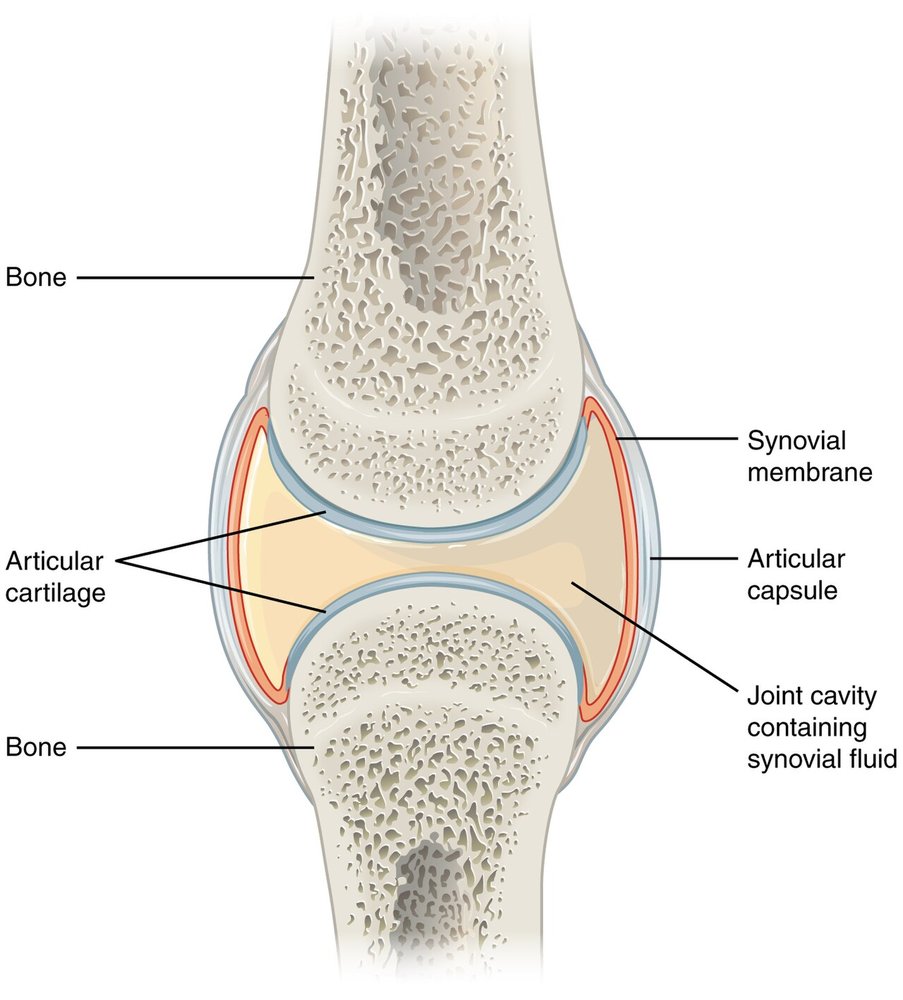
Sụn là bề mặt nhẵn bóng bao phủ đầu các xương bên trong khớp. Đây là một trong những vật liệu đáng chú ý nhất trong cơ thể: trơn hơn cả băng, có khả năng giảm xóc suốt một đời chịu tải trọng, nhưng khác với xương và gân, sụn gần như không có khả năng tự sửa chữa. Chính điều này giải thích tại sao tổn thương sụn và thoái hóa khớp lại là những vấn đề dai dẳng, và vì sao việc bảo vệ sụn của bạn lại quan trọng đến vậy. Trang này giải thích, bằng ngôn ngữ đơn giản, sụn là gì và vì sao nó lành thương kém, sau đó đi sâu hơn vào kỹ thuật tinh tế của mô này và sinh học tích cực đằng sau những gì chúng ta thường gọi là "mòn và rách".

Sụn là gì và chức năng của nó

Sụn mà chúng tôi đề cập ở đây, sụn khớp, là lớp phủ cứng, nhẵn, màu trắng, dày chỉ vài milimet ở đầu các xương nơi chúng gặp nhau trong khớp. Nó thực hiện hai chức năng xuất sắc:

  • Nó là một bề mặt trượt gần như không ma sát, cho phép các xương của khớp trượt lên nhau với gần như không có sức cản.
  • Nó là một đệm, phân tán lực trên khớp và bảo vệ xương bên dưới khỏi tác động.

Sụn là mô sống, nhưng là một loại mô đặc biệt: nó không có mạch máu và không có dây thần kinh. Việc không có dây thần kinh là lý do tại sao bề mặt sụn bị mòn tự nó không gây đau (đau do viêm khớp đến từ các cấu trúc khác). Việc không có nguồn cung cấp máu là yếu tố then chốt dẫn đến điểm yếu lớn của nó: nó không thể tự lành như da hoặc xương.

Tại sao sụn khó lành

Hầu hết mọi nơi khác trong cơ thể, quá trình lành vết thương bắt đầu bằng chảy máu: một cục máu đông hình thành, các tế bào viêm di chuyển đến, và các yếu tố tăng kích hoạt quá trình sửa chữa. Sụn không có nguồn cung cấp máu, do đó một tổn thương đối với nó sẽ không nhận được bất kỳ quá trình nào trong số đó. Thêm vào đó, các tế bào cư trú ít ỏi của nó bị mắc kẹt trong vật liệu xung quanh và không thể di chuyển đến vết thương để vá nó lại.

Kết quả là một vết trầy xước hoặc vết nứt giới hạn trong sụn có xu hướng chỉ tồn tại ở đó. Tổn thương đi sâu hơn (xuyên qua sụn và vào xương bên dưới) có thể được lấp đầy, nhưng với một loại "sụn xơ" giống như sẹo, yếu hơn và kém bền hơn so với sụn ban đầu. Do đó, tổn thương sụn có xu hướng là vĩnh viễn và tiến triển chậm, đó chính là lý do tại sao phòng ngừa và bảo vệ đóng vai trò rất quan trọng.

Những yếu tố giúp bảo vệ sụn của bạn

  • Vận động thường xuyên. Sụn được nuôi dưỡng bởi dịch khớp được bơm ra vào khi bạn vận động; hoạt động đều đặn, thoải mái giúp nuôi dưỡng sụn, trong khi thời gian bất động kéo dài khiến sụn bị thiếu dinh dưỡng.
  • Duy trì cân nặng hợp lý. Mỗi kilogram cân nặng đều tạo thêm tải trọng lên bề mặt khớp.
  • Phát triển cơ bắp xung quanh khớp. Cơ bắp khỏe mạnh chia sẻ tải trọng và hấp thụ lực xung kích, bảo vệ sụn.
  • Chăm sóc các chấn thương. Một khớp lỏng lẻo hoặc không ổn định sẽ làm mòn sụn nhanh hơn; việc điều trị tình trạng mất ổn định giúp bảo vệ bề mặt sụn.

Tìm hiểu sâu hơn

Phần này đi sâu hơn vào giải thích chi tiết ở mức độ sinh viên về mặt sinh học. Phần này không cần thiết để hiểu về vấn đề sụn hoặc cách điều trị, nhưng nếu bạn tò mò về cách mà sụn có thể trơn hơn cả băng, và tại sao "mòn và hao" thực chất là một bệnh lý đang hoạt động, hãy tiếp tục đọc.

Sụn là mô sống

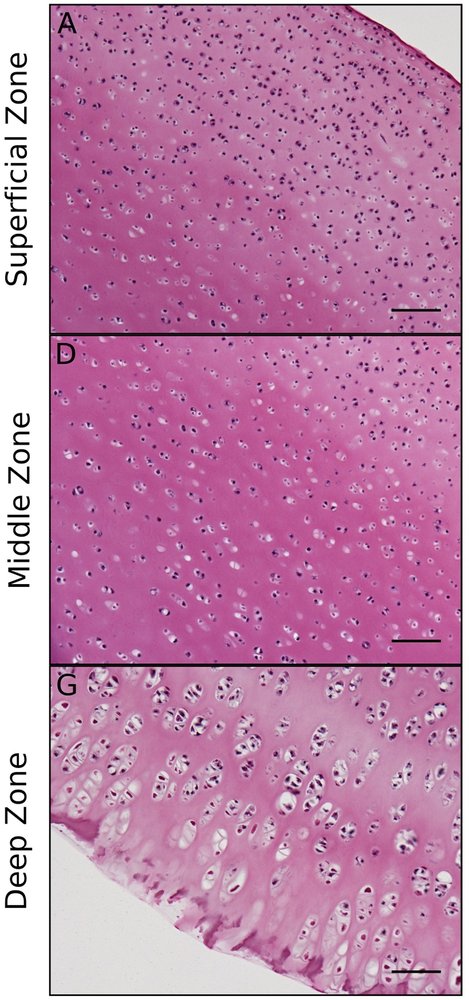
Sụn khớp là một loại được gọi là sụn hyaline. Nó được cấu tạo từ một số lượng tế bào thưa thớt (tế bào sụn) được bao quanh bởi một khối lượng ma trận khổng lồ mà các tế bào này sản xuất và duy trì. Ma trận là bí quyết cho mọi chức năng của sụn. Nó là một mạng lưới các sợi collagen loại II, chứa đầy các phân tử lớn có hình dạng như bàn chải chai, có khả năng hút nước mạnh mẽ được gọi là proteoglycan (chủ yếu là aggrecan), và khoảng 70–80% là nước. Mạng lưới collagen chống lại lực kéo dãn; aggrecan hút nước vào và tạo ra áp suất trương nở chống lại lực nén. Về cơ bản, sụn giống như một miếng bọt biển chứa đầy nước được giữ dưới sức căng bên trong một mạng lưới sợi.

Nó cũng được cách ly độc nhất: không có mạch máu, không có dây thần kinh, không có hệ bạch huyết. Các tế bào sụn nằm trong các hốc nhỏ (lacunae), duy trì vùng ma trận của chúng một cách chậm chạp và không thể di chuyển.

Ổ đỡ gần như không ma sát: cách sụn chịu tải

Sụn là một trong những vật liệu trơn trượt nhất được biết đến: hệ số ma sát của nó vào khoảng 0,001, thấp hơn cả băng trượt trên băng. Nó đạt được điều này nhờ hai cơ chế phối hợp cùng hoạt động.

Thứ nhất, sụn có tính chất hai pha, gồm một ma trận rắn ngấm đầy dịch lỏng. Khi khớp chịu tải, lượng nước bị mắc kẹt không thể thoát ra ngay lập tức, do đó nó tạo áp lực và chịu tải, ban đầu chịu hơn 90% lực tác động. Áp lực dịch lỏng, chứ không phải khung xương rắn, mới là thứ chịu lực, tương tự như việc đứng trên một chiếc giường nước. Khi điểm tiếp xúc di chuyển (do bạn tiếp tục vận động), dịch lỏng rỉ ra phía trước và được hút trở lại phía sau. Áp lực dịch gian bào này là lý do chính khiến sụn có thể chịu tải trọng lớn với rất ít ma sát hoặc mài mòn.

Thứ hai, bề mặt sụn mang một lớp biên trơn trượt gồm các phân tử, bao gồm lubricin (còn gọi là PRG4) và axit hyaluronic từ dịch khớp, tạo thành một màng ngấm nước giúp hai bề mặt không bao giờ tiếp xúc trực tiếp với nhau.

Ma trận cũng được sắp xếp thành các vùng: các sợi collagen chạy song song với bề mặt ở vùng trên cùng (vùng nông), giữ lớp bôi trơn và chống lại lực cắt; chúng trở nên ngẫu nhiên hơn ở vùng giữa; và neo đứng ở vùng sâu, vào một lớp sụn vôi hóa (được phân tách bởi một đường gọi là đường tidemark) liên kết chắc chắn sụn mềm với xương cứng, giải quyết cùng thách thức kỹ thuật về việc nối vật liệu mềm với vật liệu cứng mà chỏm gân (enthesis) đã giải quyết.

Tại sao sụn hầu như không lành

Ghép các mảnh lại với nhau, việc chữa lành kém trở nên hợp lý:

  • Không có nguồn cung cấp máu nghĩa là không có cục máu đông, không có tế bào viêm và không có các yếu tố tăng trưởng thúc đẩy quá trình sửa chữa ở những nơi khác.
  • Các tế bào không thể hỗ trợ nhiều: tế bào sụn (chondrocytes) hiếm, bị bao bọc trong ma trận và không di chuyển hoặc nhân lên đủ nhiều để lấp đầy khoảng trống.
  • Độ sâu quyết định phản ứng. Một khuyết tật một phần (partial-thickness) giới hạn trong sụn không tiếp cận được máu hoặc tủy xương, do đó hầu như không có phản ứng sửa chữa nào. Một khuyết tật toàn phần (full-thickness) phá vỡ vào xương dưới sụn cho phép các tế bào tủy xương và máu tràn vào, và những thứ này lấp đầy khoảng trống, nhưng với sụn xơ (fibrocartilage) (chứa collagen type I, ít proteoglycan), vốn kém bền vững về mặt cơ học và mòn nhanh hơn so với sụn hyaline thực sự.

Đó là nỗi frustrate trung tâm của phẫu thuật sụn: chúng ta có thể lấp đầy một lỗ hổng, nhưng không thể bằng vật liệu thực sự.

Cách sụn được nuôi dưỡng

Không có mạch máu riêng, sụn được nuôi dưỡng nhờ sự khuếch tán từ dịch khớp (dịch hoạt dịch), và quá trình khuếch tán này được thúc đẩy bởi chuyển động và tải trọng. Mỗi khi khớp chịu tải và nhả tải, dịch và chất dinh dưỡng được bơm vào và ra khỏi sụn (tương tự như cách cử động ngón tay nuôi dưỡng gân gấp đang lành). Do đó, sụn thực sự cần tải trọng theo chu kỳ để duy trì sức khỏe: bất động kéo dài hoặc không chịu tải sẽ làm suy giảm sụn, trong khi hoạt động vừa phải, đều đặn sẽ duy trì sụn. Câu nói của nhà vật lý trị liệu rằng "chuyển động là thuốc" có cơ sở sinh học thực sự ở đây.

Thoái hóa khớp: khi sụn bị phá hủy

Thoái hóa khớp (OA) thường được gọi là "hao mòn", nhưng cách gọi này làm giảm nhẹ mức độ nghiêm trọng: đây là một quá trình sinh học chủ động, không chỉ đơn thuần là sự xói mòn cơ học.

Bắt đầu bởi quá tải cơ học, chấn thương, lão hóa hoặc mất ổn định khớp, các tế bào sụn chuyển sang chế độ phá hủy. Chúng tăng cường sản xuất các enzyme phân hủy ma trận (MMPs như MMP-13, và aggrecanases như ADAMTS-4 và -5) để phân hủy collagen type II và aggrecan nhanh hơn khả năng thay thế của chúng. Ma trận mất đi proteoglycan giữ nước, trở nên mềm và xơ rách. Các tế bào sụn cũng thay đổi đặc tính (một sự chuyển đổi gọi là tăng sản), sụn bắt đầu bị vôi hóa và cho phép mạch máu xâm nhập, xương dưới sụn dày lên và tạo ra các gai xương (osteofytes), và lớp lót khớp (hoạt dịch) bị viêm nhẹ, giải phóng các tín hiệu như IL-1 và TNF làm duy trì vòng luẩn quẩn này. Vì sụn không thể tái sinh, đây chủ yếu là một quá trình một chiều, lý do khiến việc chăm sóc OA tập trung vào giảm tải, tăng cường sức mạnh và quản lý cân nặng, và khi sụn cuối cùng đã biến mất, thay thế khớp.

Sửa sụn: Tại sao điều này lại khó khăn đến vậy

Nhiều loại phẫu thuật được thực hiện nhằm khôi phục bề mặt bị tổn thương, và lý do không có phương pháp nào mang lại kết quả hoàn hảo bắt nguồn trực tiếp từ sinh học đã nêu ở trên:

  • Vi gãy xương (Microfracture) khoan những lỗ nhỏ vào xương dưới sụn để cho phép các tế tào tủy xương xâm nhập. Chúng tạo thành sụn xơ, có tác dụng trong ngắn hạn nhưng có xu hướng suy giảm sau một vài năm.
  • Chuyển ghép sụn-xương (OATS / mosaicplasty) di chuyển các khối sụn và xương từ một phần ít chịu lực của khớp. Đây sụn hyaline thực sự, nhưng nguồn cung bị hạn chế.
  • Liệu pháp tế bào (ACI / MACI) nuôi cấy các tế bào sụn của chính bệnh nhân trong phòng thí nghiệm và cấy ghép lại; phương pháp này hứa hẹn nhưng đòi hỏi kỹ thuật cao và vẫn chưa hoàn hảo.

Không có phương pháp nào tái tạo đáng tin cậy lớp sụn hyaline ban đầu với kiến trúc vùng chính xác và khả năng bôi trơn. Khi sụn của toàn bộ khớp bị mòn hết, giải pháp dứt điểm vẫn là thay khớp.

Những yếu tố giúp ích và gây hại cho sụn

  • Vận động và tải trọng vừa phải giúp nuôi dưỡng và duy trì sụn; bất động kéo dài gây hại cho sụn.
  • Thừa cân và mất ổn định khớp thúc đẩy quá trình thoái hóa; các cơ xung quanh khỏe mạnh giúp bảo vệ sụn.
  • Chấn thương, đặc biệt là những trường hợp làm mất ổn định khớp hoặc tổn thương bề mặt sụn, làm tăng nguy cơ mắc bệnh viêm xương khớp về lâu dài.
  • Và một sự thật khó khăn xuyên suốt trang này: một khi đã bị tổn thương đáng kể, sụn không thể tái sinh. Hầu như không có mô nào khác mà việc phòng ngừa lại quan trọng hơn.

Xem thêm


Creative Commons BY-NC 4.0

CC Creative Commons licence
BY Attribution — you must credit the source
NC NonCommercial — not for commercial use

Attribution-NonCommercial 4.0 International


Creative Commons Corporation ("Creative Commons") is not a law firm and does not provide legal services or legal advice. Distribution of Creative Commons public licenses does not create a lawyer-client or other relationship. Creative Commons makes its licenses and related information available on an "as-is" basis. Creative Commons gives no warranties regarding its licenses, any material licensed under their terms and conditions, or any related information. Creative Commons disclaims all liability for damages resulting from their use to the fullest extent possible.

Using Creative Commons Public Licenses

Creative Commons public licenses provide a standard set of terms and conditions that creators and other rights holders may use to share original works of authorship and other material subject to copyright and certain other rights specified in the public license below. The following considerations are for informational purposes only, are not exhaustive, and do not form part of our licenses.

Considerations for licensors: Our public licenses are intended for use by those authorized to give the public permission to use material in ways otherwise restricted by copyright and certain other rights. Our licenses are irrevocable. Licensors should read and understand the terms and conditions of the license they choose before applying it. Licensors should also secure all rights necessary before applying our licenses so that the public can reuse the material as expected. Licensors should clearly mark any material not subject to the license. This includes other CC- licensed material, or material used under an exception or limitation to copyright. More considerations for licensors: wiki.creativecommons.org/Considerations_for_licensors

Considerations for the public: By using one of our public licenses, a licensor grants the public permission to use the licensed material under specified terms and conditions. If the licensor's permission is not necessary for any reason--for example, because of any applicable exception or limitation to copyright--then that use is not regulated by the license. Our licenses grant only permissions under copyright and certain other rights that a licensor has authority to grant. Use of the licensed material may still be restricted for other reasons, including because others have copyright or other rights in the material. A licensor may make special requests, such as asking that all changes be marked or described. Although not required by our licenses, you are encouraged to respect those requests where reasonable. More considerations for the public: wiki.creativecommons.org/Considerations_for_licensees


Creative Commons Attribution-NonCommercial 4.0 International Public License

By exercising the Licensed Rights (defined below), You accept and agree to be bound by the terms and conditions of this Creative Commons Attribution-NonCommercial 4.0 International Public License ("Public License"). To the extent this Public License may be interpreted as a contract, You are granted the Licensed Rights in consideration of Your acceptance of these terms and conditions, and the Licensor grants You such rights in consideration of benefits the Licensor receives from making the Licensed Material available under these terms and conditions.

Section 1 -- Definitions.

a. Adapted Material means material subject to Copyright and Similar Rights that is derived from or based upon the Licensed Material and in which the Licensed Material is translated, altered, arranged, transformed, or otherwise modified in a manner requiring permission under the Copyright and Similar Rights held by the Licensor. For purposes of this Public License, where the Licensed Material is a musical work, performance, or sound recording, Adapted Material is always produced where the Licensed Material is synched in timed relation with a moving image.

b. Adapter's License means the license You apply to Your Copyright and Similar Rights in Your contributions to Adapted Material in accordance with the terms and conditions of this Public License.

c. Copyright and Similar Rights means copyright and/or similar rights closely related to copyright including, without limitation, performance, broadcast, sound recording, and Sui Generis Database Rights, without regard to how the rights are labeled or categorized. For purposes of this Public License, the rights specified in Section 2(b)(1)-(2) are not Copyright and Similar Rights.

d. Effective Technological Measures means those measures that, in the absence of proper authority, may not be circumvented under laws fulfilling obligations under Article 11 of the WIPO Copyright Treaty adopted on December 20, 1996, and/or similar international agreements.

e. Exceptions and Limitations means fair use, fair dealing, and/or any other exception or limitation to Copyright and Similar Rights that applies to Your use of the Licensed Material.

f. Licensed Material means the artistic or literary work, database, or other material to which the Licensor applied this Public License.

g. Licensed Rights means the rights granted to You subject to the terms and conditions of this Public License, which are limited to all Copyright and Similar Rights that apply to Your use of the Licensed Material and that the Licensor has authority to license.

h. Licensor means the individual(s) or entity(ies) granting rights under this Public License.

i. NonCommercial means not primarily intended for or directed towards commercial advantage or monetary compensation. For purposes of this Public License, the exchange of the Licensed Material for other material subject to Copyright and Similar Rights by digital file-sharing or similar means is NonCommercial provided there is no payment of monetary compensation in connection with the exchange.

j. Share means to provide material to the public by any means or process that requires permission under the Licensed Rights, such as reproduction, public display, public performance, distribution, dissemination, communication, or importation, and to make material available to the public including in ways that members of the public may access the material from a place and at a time individually chosen by them.

k. Sui Generis Database Rights means rights other than copyright resulting from Directive 96/9/EC of the European Parliament and of the Council of 11 March 1996 on the legal protection of databases, as amended and/or succeeded, as well as other essentially equivalent rights anywhere in the world.

l. You means the individual or entity exercising the Licensed Rights under this Public License. Your has a corresponding meaning.

Section 2 -- Scope.

a. License grant.

1. Subject to the terms and conditions of this Public License, the Licensor hereby grants You a worldwide, royalty-free, non-sublicensable, non-exclusive, irrevocable license to exercise the Licensed Rights in the Licensed Material to:

a. reproduce and Share the Licensed Material, in whole or in part, for NonCommercial purposes only; and

b. produce, reproduce, and Share Adapted Material for NonCommercial purposes only.

2. Exceptions and Limitations. For the avoidance of doubt, where Exceptions and Limitations apply to Your use, this Public License does not apply, and You do not need to comply with its terms and conditions.

3. Term. The term of this Public License is specified in Section 6(a).

4. Media and formats; technical modifications allowed. The Licensor authorizes You to exercise the Licensed Rights in all media and formats whether now known or hereafter created, and to make technical modifications necessary to do so. The Licensor waives and/or agrees not to assert any right or authority to forbid You from making technical modifications necessary to exercise the Licensed Rights, including technical modifications necessary to circumvent Effective Technological Measures. For purposes of this Public License, simply making modifications authorized by this Section 2(a) (4) never produces Adapted Material.

5. Downstream recipients.

a. Offer from the Licensor -- Licensed Material. Every recipient of the Licensed Material automatically receives an offer from the Licensor to exercise the Licensed Rights under the terms and conditions of this Public License.

b. No downstream restrictions. You may not offer or impose any additional or different terms or conditions on, or apply any Effective Technological Measures to, the Licensed Material if doing so restricts exercise of the Licensed Rights by any recipient of the Licensed Material.

6. No endorsement. Nothing in this Public License constitutes or may be construed as permission to assert or imply that You are, or that Your use of the Licensed Material is, connected with, or sponsored, endorsed, or granted official status by, the Licensor or others designated to receive attribution as provided in Section 3(a)(1)(A)(i).

b. Other rights.

1. Moral rights, such as the right of integrity, are not licensed under this Public License, nor are publicity, privacy, and/or other similar personality rights; however, to the extent possible, the Licensor waives and/or agrees not to assert any such rights held by the Licensor to the limited extent necessary to allow You to exercise the Licensed Rights, but not otherwise.

2. Patent and trademark rights are not licensed under this Public License.

3. To the extent possible, the Licensor waives any right to collect royalties from You for the exercise of the Licensed Rights, whether directly or through a collecting society under any voluntary or waivable statutory or compulsory licensing scheme. In all other cases the Licensor expressly reserves any right to collect such royalties, including when the Licensed Material is used other than for NonCommercial purposes.

Section 3 -- License Conditions.

Your exercise of the Licensed Rights is expressly made subject to the following conditions.

a. Attribution.

1. If You Share the Licensed Material (including in modified form), You must:

a. retain the following if it is supplied by the Licensor with the Licensed Material:

i. identification of the creator(s) of the Licensed Material and any others designated to receive attribution, in any reasonable manner requested by the Licensor (including by pseudonym if designated);

ii. a copyright notice;

iii. a notice that refers to this Public License;

iv. a notice that refers to the disclaimer of warranties;

v. a URI or hyperlink to the Licensed Material to the extent reasonably practicable;

b. indicate if You modified the Licensed Material and retain an indication of any previous modifications; and

c. indicate the Licensed Material is licensed under this Public License, and include the text of, or the URI or hyperlink to, this Public License.

2. You may satisfy the conditions in Section 3(a)(1) in any reasonable manner based on the medium, means, and context in which You Share the Licensed Material. For example, it may be reasonable to satisfy the conditions by providing a URI or hyperlink to a resource that includes the required information.

3. If requested by the Licensor, You must remove any of the information required by Section 3(a)(1)(A) to the extent reasonably practicable.

4. If You Share Adapted Material You produce, the Adapter's License You apply must not prevent recipients of the Adapted Material from complying with this Public License.

Section 4 -- Sui Generis Database Rights.

Where the Licensed Rights include Sui Generis Database Rights that apply to Your use of the Licensed Material:

a. for the avoidance of doubt, Section 2(a)(1) grants You the right to extract, reuse, reproduce, and Share all or a substantial portion of the contents of the database for NonCommercial purposes only;

b. if You include all or a substantial portion of the database contents in a database in which You have Sui Generis Database Rights, then the database in which You have Sui Generis Database Rights (but not its individual contents) is Adapted Material; and

c. You must comply with the conditions in Section 3(a) if You Share all or a substantial portion of the contents of the database.

For the avoidance of doubt, this Section 4 supplements and does not replace Your obligations under this Public License where the Licensed Rights include other Copyright and Similar Rights.

Section 5 -- Disclaimer of Warranties and Limitation of Liability.

a. UNLESS OTHERWISE SEPARATELY UNDERTAKEN BY THE LICENSOR, TO THE EXTENT POSSIBLE, THE LICENSOR OFFERS THE LICENSED MATERIAL AS-IS AND AS-AVAILABLE, AND MAKES NO REPRESENTATIONS OR WARRANTIES OF ANY KIND CONCERNING THE LICENSED MATERIAL, WHETHER EXPRESS, IMPLIED, STATUTORY, OR OTHER. THIS INCLUDES, WITHOUT LIMITATION, WARRANTIES OF TITLE, MERCHANTABILITY, FITNESS FOR A PARTICULAR PURPOSE, NON-INFRINGEMENT, ABSENCE OF LATENT OR OTHER DEFECTS, ACCURACY, OR THE PRESENCE OR ABSENCE OF ERRORS, WHETHER OR NOT KNOWN OR DISCOVERABLE. WHERE DISCLAIMERS OF WARRANTIES ARE NOT ALLOWED IN FULL OR IN PART, THIS DISCLAIMER MAY NOT APPLY TO YOU.

b. TO THE EXTENT POSSIBLE, IN NO EVENT WILL THE LICENSOR BE LIABLE TO YOU ON ANY LEGAL THEORY (INCLUDING, WITHOUT LIMITATION, NEGLIGENCE) OR OTHERWISE FOR ANY DIRECT, SPECIAL, INDIRECT, INCIDENTAL, CONSEQUENTIAL, PUNITIVE, EXEMPLARY, OR OTHER LOSSES, COSTS, EXPENSES, OR DAMAGES ARISING OUT OF THIS PUBLIC LICENSE OR USE OF THE LICENSED MATERIAL, EVEN IF THE LICENSOR HAS BEEN ADVISED OF THE POSSIBILITY OF SUCH LOSSES, COSTS, EXPENSES, OR DAMAGES. WHERE A LIMITATION OF LIABILITY IS NOT ALLOWED IN FULL OR IN PART, THIS LIMITATION MAY NOT APPLY TO YOU.

c. The disclaimer of warranties and limitation of liability provided above shall be interpreted in a manner that, to the extent possible, most closely approximates an absolute disclaimer and waiver of all liability.

Section 6 -- Term and Termination.

a. This Public License applies for the term of the Copyright and Similar Rights licensed here. However, if You fail to comply with this Public License, then Your rights under this Public License terminate automatically.

b. Where Your right to use the Licensed Material has terminated under Section 6(a), it reinstates:

1. automatically as of the date the violation is cured, provided it is cured within 30 days of Your discovery of the violation; or

2. upon express reinstatement by the Licensor.

For the avoidance of doubt, this Section 6(b) does not affect any right the Licensor may have to seek remedies for Your violations of this Public License.

c. For the avoidance of doubt, the Licensor may also offer the Licensed Material under separate terms or conditions or stop distributing the Licensed Material at any time; however, doing so will not terminate this Public License.

d. Sections 1, 5, 6, 7, and 8 survive termination of this Public License.

Section 7 -- Other Terms and Conditions.

a. The Licensor shall not be bound by any additional or different terms or conditions communicated by You unless expressly agreed.

b. Any arrangements, understandings, or agreements regarding the Licensed Material not stated herein are separate from and independent of the terms and conditions of this Public License.

Section 8 -- Interpretation.

a. For the avoidance of doubt, this Public License does not, and shall not be interpreted to, reduce, limit, restrict, or impose conditions on any use of the Licensed Material that could lawfully be made without permission under this Public License.

b. To the extent possible, if any provision of this Public License is deemed unenforceable, it shall be automatically reformed to the minimum extent necessary to make it enforceable. If the provision cannot be reformed, it shall be severed from this Public License without affecting the enforceability of the remaining terms and conditions.

c. No term or condition of this Public License will be waived and no failure to comply consented to unless expressly agreed to by the Licensor.

d. Nothing in this Public License constitutes or may be interpreted as a limitation upon, or waiver of, any privileges and immunities that apply to the Licensor or You, including from the legal processes of any jurisdiction or authority.


Creative Commons is not a party to its public licenses. Notwithstanding, Creative Commons may elect to apply one of its public licenses to material it publishes and in those instances will be considered the “Licensor.” The text of the Creative Commons public licenses is dedicated to the public domain under the CC0 Public Domain Dedication. Except for the limited purpose of indicating that material is shared under a Creative Commons public license or as otherwise permitted by the Creative Commons policies published at creativecommons.org/policies, Creative Commons does not authorize the use of the trademark "Creative Commons" or any other trademark or logo of Creative Commons without its prior written consent including, without limitation, in connection with any unauthorized modifications to any of its public licenses or any other arrangements, understandings, or agreements concerning use of licensed material. For the avoidance of doubt, this paragraph does not form part of the public licenses.

Creative Commons may be contacted at creativecommons.org.