Patients › General-Health
Tình trạng khớp quá linh hoạt và Hội chứng Ehlers-Danlos
Bendy joints that can slip or ache — the spectrum from benign hypermobility to hEDS, and why strengthening is the mainstay.
Những cảm giác mà bạn đang trải qua
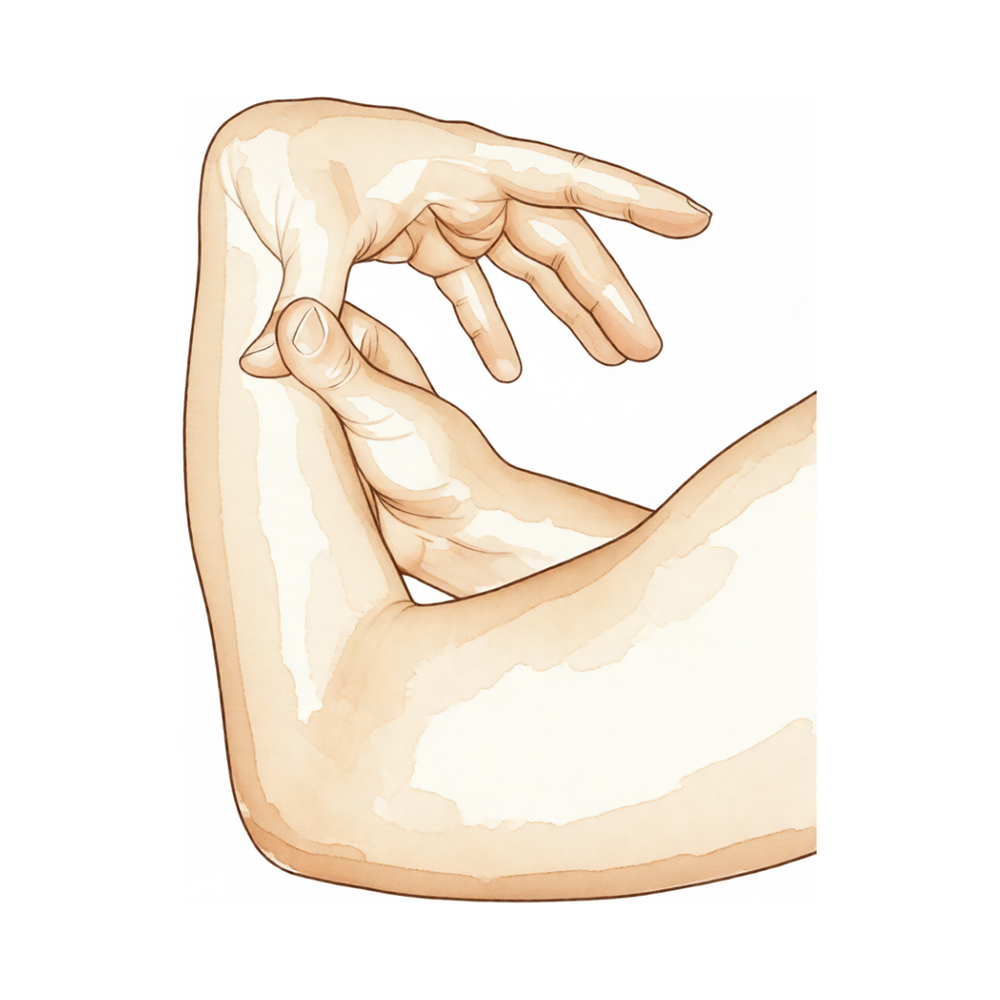
Có thể từ trước đến nay bạn luôn là người có “khớp gối linh hoạt”, có thể uốn cong ngón tay cái về phía cẳng tay, duỗi thẳng khuỷu tay vượt mức bình thường, hoặc uốn mình thành những tư thế khiến người khác phải nhăn mặt. Đối với nhiều người, tính linh hoạt này chỉ là một đặc điểm vô hại và hoàn toàn không gây ra vấn đề gì.
Tuy nhiên, đối với một số người, điều này lại đi kèm với những hậu quả. Các khớp vận động vượt quá phạm vi bình thường có thể gây đau, đặc biệt là sau khi vận động hoặc vào cuối ngày. Bạn có thể nhận thấy một số khớp phát ra tiếng “cạch cạch”, cảm giác lỏng lẻo như sắp trật khớp; đôi khi chúng thực sự trật ra khỏi vị trí. Ở chi trên, vai, các khớp ngón tay nhỏ và khớp ngón tay cái là những vị trí thường gặp nhất: vai có thể bị trật một phần (gọi là trật khớp tạm thời) hoặc trật hoàn toàn; các ngón tay có thể uốn cong theo hướng không bình thường; khớp ngón tay cái có thể mất ổn định khi bạn nắm chặt hay kẹp vật. Những chấn thương dường như mất nhiều thời gian để hồi phục hơn dự kiến, và cùng một khớp có thể liên tục gây phiền toái cho bạn.
Tình trạng khớp linh hoạt thường đi kèm với nhiều đặc điểm khác. Một số người có làn da mềm, dễ giãn và dễ bị bầm tím. Nhiều người than phiền về tình trạng mệt mỏi không tương xứng với mức độ vận động, chóng mặt hoặc tim đập nhanh khi đứng dậy, cùng các triệu chứng tiêu hóa như đầy hơi hoặc trào ngược axit. Không phải ai cũng gặp phải tất cả các triệu chứng này, nhưng nếu nhiều dấu hiệu trên xuất hiện cùng với tình trạng khớp lỏng, chúng có thể có liên quan với nhau.
Điều gì đang thực sự xảy ra
Các khớp của bạn được giữ chặt và hỗ trợ bởi mô liên kết (dây chằng, gân và màng bao quanh mỗi khớp); thành phần chính cấu tạo nên mô này là một loại protein gọi là collagen. Ở những người bị chứng khớp quá linh động, collagen và mô liên kết có độ dẻo dai và đàn hồi cao hơn so với bình thường. Do đó, các cấu trúc hỗ trợ này cho phép khớp di chuyển vượt ra ngoài phạm vi bình thường.
Tình trạng này nằm trong một phổ biến thể. Ở một đầu phổ là chứng khớp quá linh động đơn thuần – tình trạng không gây ra bất kỳ vấn đề gì. Khi các khớp lỏng lẻo bắt đầu gây đau, mất ổn định hoặc dẫn đến chấn thương tái diễn, các bác sĩ gọi đó là rối loạn thuộc phổ khớp quá linh động. Ở đầu kia của phổ là hội chứng Ehlers-Danlos dạng khớp quá linh động (hEDS); ở đây mô liên kết càng dẻo dai hơn nữa và thường đi kèm với nhiều triệu chứng toàn thân (da, dễ bầm tím, mệt mỏi, rối loạn tiêu hóa, chóng mặt và các triệu chứng thần kinh tự chủ). Giữa các mức độ này không có ranh giới rõ ràng; vị trí của mỗi người có thể thay đổi theo thời gian. Để xác định chính xác, các bác sĩ thường sử dụng bộ bài kiểm tra gập khớp gọi là thang điểm Beighton, kết hợp với việc xem xét toàn bộ tiền sử bệnh của bệnh nhân.
Lý do tất cả những điều này ảnh hưởng đến khớp là vì: khi các cấu trúc hỗ trợ thụ động (dây chằng và màng bao khớp) không giữ khớp chắc chắn nữa, khớp buộc phải dựa nhiều hơn vào các cơ xung quanh để giữ ổn định. Nếu các cơ này khỏe mạnh và phối hợp tốt, khớp sẽ vẫn giữ nguyên vị trí. Ngược lại, khi các cơ mệt mỏi hoặc chưa được rèn luyện đầy đủ, khớp có thể bị trượt ra khỏi vị trí, gây đau đớn; theo thời gian, tình trạng này có thể khiến khớp bị hao mòn nhanh hơn mức bình thường.
Có một đặc điểm đáng chú ý liên quan đến khớp vai. Trong khi một chấn thương đơn lẻ có thể khiến khớp vai bình thường bị trật về một hướng, thì khớp vai lỏng lẻo lại dễ mất ổn định theo nhiều hướng cùng lúc: trượt về phía trước, phía sau hoặc xuống dưới. Các bác sĩ gọi tình trạng này là mất ổn định đa hướng. Điều này cũng có nghĩa là những khớp vai này thường bị trượt một phần rồi tự trở về vị trí ban đầu (trật khớp từng phần) nhiều hơn là bị trật hoàn toàn. Điều này rất quan trọng vì đây chính là dạng mất ổn định phản ứng tốt nhất với việc rèn luyện kiểm soát cơ bắp, và ít đáp ứng với phương pháp phẫu thuật đơn thuần.
Những gì chúng tôi có thể làm
Thông điệp quan trọng nhất là: tình trạng khớp quá linh động và hEDS không thể chữa khỏi, nhưng hoàn toàn có thể kiểm soát được. Nền tảng của việc kiểm soát này không phải là thuốc hay phẫu thuật, mà là xây dựng sức mạnh cho các cơ giúp ổn định khớp.
Vật lý trị liệu và các bài tập tăng cường sức mạnh là phương pháp chủ đạo. Một chuyên viên vật lý trị liệu hiểu rõ về tình trạng khớp quá linh động sẽ cùng bạn rèn luyện khả năng kiểm soát và sức mạnh cho các khớp gây phiền toái nhất. Đối với chi trên, đó thường là các cơ vùng bả vai, cơ chóp xoay, cùng các cơ nhỏ điều khiển ngón tay cái và các ngón tay. Mục tiêu là huấn luyện các cơ này đảm nhiệm vai trò ổn định khớp mà các dây chằng không còn làm tốt được nữa. Đây là một chương trình luyện tập dần dần, kéo dài chứ không phải giải pháp tức thời; tuy nhiên, nó lại là yếu tố quyết định giúp hầu hết mọi người cải thiện tình trạng sức khỏe.
Bên cạnh đó, một số biện pháp khác cũng hỗ trợ hiệu quả:
- Kiểm soát cường độ hoạt động và bảo vệ khớp: phân bổ các hoạt động trong ngày hợp lý, tránh các tư thế vượt quá giới hạn vận động gây căng thẳng cho khớp yếu, đồng thời điều chỉnh cách thực hiện các công việc đòi hỏi sức lực hoặc lặp đi lặp lại.
- Đeo nẹp và dán băng: chỉ sử dụng có chọn lọc để hỗ trợ khớp trong giai đoạn luyện tập tăng cường sức mạnh hoặc khi cơn đau bùng phát; không nên dùng như phương tiện hỗ trợ vĩnh viễn.
- Kiểm soát cơn đau: áp dụng các biện pháp đơn giản, đôi khi dùng thuốc, đồng thời chú trọng giấc ngủ, mức độ mệt mỏi và các triệu chứng toàn thân khác; vì tất cả những yếu tố này đều ảnh hưởng đến cảm giác đau ở khớp.
Phẫu thuật chỉ được cân nhắc một cách thận trọng. Đối với các bác sĩ phẫu thuật chi trên, đây là điểm rất quan trọng. Khi một khớp (thường là khớp vai) bị trật khớp nhiều lần dù đã thực hiện vật lý trị liệu đầy đủ, lúc đó mới có thể cân nhắc phẫu thuật để ổn định khớp. Tuy nhiên, chính mô mềm có độ đàn hồi cao khiến khớp bị lỏng lẻo từ đầu cũng khiến các phương pháp phẫu thuật ổn định khớp không đạt hiệu quả bền vững và có thể bị giãn ra theo thời gian. Vì vậy, phẫu thuật chỉ được áp dụng cho những trường hợp được chọn lọc kỹ lưỡng, với việc tính đến tình trạng khớp quá linh động của bệnh nhân; đồng thời luôn đi kèm chương trình tăng cường sức mạnh cả trước và sau mổ. Chính quá trình phục hồi chức năng này mới là yếu tố bảo vệ kết quả phẫu thuật.
Những điều có thể mong đợi
Tình trạng khớp linh hoạt quá mức là một đặc điểm cấu tạo tự nhiên của cơ thể, nên nó không thể biến mất hoàn toàn. Tuy nhiên, tác động của nó có thể thay đổi đáng kể nếu được quản lý đúng cách. Nhiều người kiên trì thực hiện các chương trình tăng cường sức mạnh cơ bắp nhận thấy các khớp trở nên ổn định hơn nhiều, cơn đau giảm đi, và tình trạng trượt khớp, trật khớp cũng ít xảy ra hơn. Sự tiến bộ thường diễn ra từ từ chứ không đột ngột; cần mất vài tháng mới thấy kết quả rõ rệt. Để duy trì những cải thiện này, điều quan trọng là tiếp tục rèn luyện cơ bắp lâu dài thay vì ngừng tập luyện khi đã thấy cải thiện.
Bạn nên coi đây là một mối quan hệ hợp tác lâu dài với cơ thể mình, chứ không phải là một vấn đề chỉ cần giải quyết một lần là xong. Các đợt bùng phát vẫn có thể xảy ra, đặc biệt sau khi bị ốm, trong giai đoạn tăng trưởng nhanh hoặc khi ít vận động; dần dần bạn sẽ biết cách nhận biết các dấu hiệu sớm và ngăn chặn chúng. Nếu có kèm theo các triệu chứng khác như mệt mỏi, chóng mặt, rối loạn tiêu hóa, việc chăm sóc toàn diện cả những vấn đề này cùng với các khớp thường giúp mọi thứ dễ kiểm soát hơn. Với một kế hoạch hợp lý, hầu hết mọi người vẫn có thể duy trì hoạt động và làm những điều quan trọng đối với mình.
Khi nào nên đi khám bác sĩ
- Khớp bị trật hoặc lệch ra khỏi vị trí nhiều lần, đặc biệt là khớp vai; hoặc trường hợp trật khớp lần đầu mà không thể trở lại vị trí bình thường.
- Cơn đau gây khó khăn trong sinh hoạt hoặc ngày càng nặng hơn dù đã nghỉ ngơi và áp dụng các biện pháp thông thường.
- Tình trạng mất ổn định gây ảnh hưởng đến cuộc sống hàng ngày: khó cầm nắm, nâng vật, làm việc hoặc ngủ được vì khớp liên tục bị lỏng lẻo.
- Các vấn đề về khớp mới xuất hiện hoặc tiến triển nhanh; hoặc cảm giác tê, ngứa ran hoặc yếu ở cánh tay, bàn tay.
- Nếu bạn nghi ngờ mình mắc rối loạn phổ hypermobility hoặc hEDS và muốn được chẩn đoán chính xác (đặc biệt khi các khớp lỏng lẻo đi kèm với các triệu chứng như da mỏng, dễ bầm tím, mệt mỏi, chóng mặt hoặc rối loạn tiêu hóa), việc tìm đến bác sĩ để được đánh giá kỹ lưỡng là rất cần thiết nhằm xây dựng phương án điều trị phù hợp.
Phân tích sâu hơn
Advanced reading: the deeper science (optional)
Phần này đi sâu hơn mức cần thiết để bạn có thể đưa ra các quyết định điều trị. Tình trạng khớp quá linh động xứng đáng được nghiên cứu kỹ hơn; tuy nhiên, quan điểm cho rằng các khớp lỏng lẻo là do vấn đề liên quan đến gen collagen, và rằng chỉ cần phẫu thuật là có thể làm cứng các khớp này, hoàn toàn không phù hợp với các bằng chứng khoa học hiện có.
Dạng phổ biến nhất không có nguyên nhân di truyền nào được xác định
Phân loại quốc tế năm 2017 công nhận 13 dạng của hội chứng Ehlers-Danlos. Trong số đó, 12 dạng là do các đột biến ở 20 gen đã được xác định; việc chẩn đoán chính xác cho 12 dạng này đòi hỏi phải có kết quả xét nghiệm phân tử [1].
Dạng thứ 13 là hội chứng EDS dạng siêu co giãn – dạng phổ biến nhất một cách vượt trội – và cơ sở phân tử gây bệnh của nó vẫn chưa được biết rõ [1]. Hiện chưa có xét nghiệm gen nào dành cho dạng này. Đây là dạng duy nhất được chẩn đoán hoàn toàn dựa trên các tiêu chí lâm sàng; vì vậy việc chẩn đoán có thể mang tính chủ quan, gây cảm giác khó chịu so với các bệnh lý có kết quả xét nghiệm phòng thí nghiệm làm căn cứ.
Điều này có ý nghĩa quan trọng trong việc giải thích về căn bệnh này. Việc cho rằng tình trạng siêu co giãn “phát sinh từ những khác biệt di truyền ở các gen collagen” là đúng đối với các dạng EDS cổ điển và dạng mạch máu, nơi các đột biến gây bệnh đã được xác định. Còn đối với hội chứng EDS dạng siêu co giãn, đó chỉ là một giả thuyết hợp lý chứ chưa phải là sự thật đã được chứng minh. Thực tế là chúng ta có thể mô tả chính xác các đặc điểm của mô bị ảnh hưởng, nhưng vẫn chưa xác định được nguyên nhân phân tử gây bệnh.
Thang điểm Beighton đáng tin cậy hơn nhiều so với nhận định chung
Thang điểm Beighton gồm 9 điểm thường bị coi là phương pháp thô sơ và phụ thuộc nhiều vào người đánh giá. Tuy nhiên, những chỉ trích này không có cơ sở. Một phân tích hệ thống trên 1.333 người tham gia cho thấy thang điểm này có độ tin cậy giữa các người đánh giá và độ tin cậy nội tại ở mức từ khá cao đến xuất sắc; điều này đúng với cả những người đánh giá có nền tảng và kinh nghiệm khác nhau [2].
Vì vậy, phương pháp đo lường này hoàn toàn đáng tin cậy. Hạn chế thực sự lại nằm ở chỗ khác: thang điểm này chỉ đánh giá các ngón tay út, ngón cái, khuỷu tay, đầu gối và cột sống; một kết quả tốt trên thang điểm này chỉ phản ánh mức độ lỏng khớp toàn thân, chứ không được thiết kế để đánh giá độ ổn định của riêng một khớp vai nào.
Tình trạng khớp quá linh động có thể dự báo điều gì đối với chi trên?
Đây là con số quan trọng cần lưu ý trong các phòng khám điều trị vai. Một phân tích tổng hợp và nghiên cứu hệ thống trên 2.335 vận động viên cho thấy tình trạng khớp quá linh động có liên quan đến việc nguy cơ chấn thương vai tăng gấp ba lần [3]. Các tác giả cũng thận trọng về chất lượng của các bằng chứng nghiên cứu, nhưng xu hướng và mức độ ảnh hưởng thì khó có thể phủ nhận.
Nguy cơ này không chỉ giới hạn ở chi trên. Tình trạng lỏng khớp toàn thân cũng có liên quan đến tỷ lệ thất bại của mô ghép cao hơn cùng kết quả điều trị kém hơn sau phẫu thuật tái tạo dây chằng chéo trước [4]; điều này cho thấy cùng một loại mô vẫn có phản ứng tương tự ở các khớp khác nhau.
Phẫu thuật ít hiệu quả hơn; các con số cũng rất cụ thể
Đây là phần trong các tài liệu nghiên cứu ít dễ chịu nhất nhưng lại hữu ích nhất.
Một phân tích tổng hợp và phân tích thống kê trên 1.769 bệnh nhân cho thấy những người mắc hội chứng Ehlers-Danlos khi thực hiện phẫu thuật thay khớp toàn phần có nguy cơ cao hơn đáng kể mắc các biến chứng như phẫu thuật sửa chữa do mọi nguyên nhân, tình trạng khớp không ổn định, lỏng khớp vô trùng và các biến chứng vết mổ [5]. Một nghiên cứu khác về kết quả phẫu thuật chỉnh hình ở các bệnh nhân mắc hội chứng Ehlers-Danlos cũng đi đến kết luận tương tự: kết quả điều trị kém hơn so với dân số nói chung, và tỷ lệ biến chứng cũng cao hơn [6].
Những điều trên không có nghĩa là phẫu thuật là không nên thực hiện. Chúng chỉ cho thấy lợi ích dự kiến từ phẫu thuật thấp hơn và tỷ lệ biến chứng cao hơn so với các con số được ghi nhận ở dân số nói chung; vì vậy ngưỡng chỉ định phẫu thuật cũng cần được điều chỉnh tương ứng. Nếu bạn có mô mềm dễ bị giãn, các tỷ lệ thành công được công bố trước đây hầu như chưa được đo lường trên những người có đặc điểm giống bạn.
Đối với trường hợp vai không ổn định, phục hồi chức năng không phải là giải pháp thay thế
Tình trạng vai không ổn định theo nhiều hướng – tức là vai lỏng lẻo ở nhiều phương hướng thay vì chỉ bị trật khớp ở một hướng – là vấn đề điển hình của tình trạng vai quá linh hoạt; đây cũng là ví dụ rõ ràng nhất cho luận điểm nêu trên.
Trong những trường hợp cần phẫu thuật sau khi phục hồi chức năng thực sự thất bại, cả phương pháp khâu chặt màng bao khớp nội soi lẫn phương pháp chỉnh sửa màng bao khớp mở đều cho tỷ lệ tái phát tình trạng không ổn định, khả năng trở lại tập luyện thể thao và các biến chứng tương đương nhau [7][8]; trong đó phương pháp nội soi gây ra ít tình trạng cứng khớp sau phẫu thuật hơn [9]. Một kỹ thuật cũ là làm co rút màng bao khớp bằng nhiệt lại cho kết quả kém đến mức các phân tích tổng hợp khuyến cáo không nên áp dụng phương pháp này [9].
Thứ tự thực hiện các bước điều trị mới là điều quan trọng. Tất cả các nghiên cứu đều xem phẫu thuật là bước tiếp theo sau khi phục hồi chức năng thất bại, chứ không phải là phương án thay thế; bởi việc siết chặt màng bao khớp không làm thay đổi bản chất mô cấu thành nên nó, và các cơ vẫn là thành phần duy nhất trong hệ thống này có thể được tăng cường sức mạnh.
Tài liệu tham khảo
[1] Malfait F, Francomano C, Byers P, Belmont J, Berglund B, Black J và cộng sự. Phân loại quốc tế các hội chứng Ehlers-Danlos năm 2017. Am J Med Genet C Semin Med Genet. 2017;175(1):8-26. https://doi.org/10.1002/ajmg.c.31552
[2] Bockhorn LN, Vera AM, Dong D, Delgado DA, Varner KE, Harris JD. Độ tin cậy giữa các người đánh giá và trong cùng một người đánh giá đối với thang điểm Beighton: một tổng quan có hệ thống. Orthop J Sports Med. 2021;9(1). https://doi.org/10.1177/2325967120968099
[3] Liaghat B, Pedersen JR, Young JJ, Thorlund JB, Juul-Kristensen B, Juhl CB. Tình trạng khớp quá linh động ở vận động viên có liên quan đến các chấn thương vai: một tổng quan có hệ thống và phân tích tổng hợp. BMC Musculoskelet Disord. 2021;22(1). https://doi.org/10.1186/s12891-021-04249-x
[4] Krebs NM, Barber-Westin S, Noyes FR. Tình trạng lỏng khớp toàn thân có liên quan đến tỷ lệ thất bại cao hơn ở các ca phẫu thuật tái tạo dây chằng chéo trước: một tổng quan có hệ thống. Arthroscopy. 2021;37(7):2337-47. https://doi.org/10.1016/j.arthro.2021.02.021
[5] Subramanian T, Uzzo RN, Lama J, Mazzucco M, Ortiz S, Gausden EB. Kết quả phẫu thuật thay khớp toàn phần ở bệnh nhân mắc hội chứng Ehlers-Danlos: một tổng quan có hệ thống và phân tích tổng hợp. J Arthroplasty. 2025;40(8):2186-95.e1. https://doi.org/10.1016/j.arth.2025.01.018
[6] Yonko EA, LoTurco HM, Carter EM, Raggio CL. Các vấn đề chỉnh hình và kết quả phẫu thuật ở hội chứng Ehlers-Danlos. Am J Med Genet C Semin Med Genet. 2021;187(4):458-65. https://doi.org/10.1002/ajmg.c.31958
[7] Longo UG, Rizzello G, Loppini M, Locher J, Buchmann S, Maffulli N và cộng sự. Tình trạng mất ổn định đa hướng của khớp vai: một tổng quan có hệ thống. Arthroscopy. 2015;31(12):2431-43. https://doi.org/10.1016/j.arthro.2015.06.006
[8] Jacobson ME, Riggenbach M, Wooldridge AN, Bishop JY. Phẫu thuật chỉnh sửa màng bao khớp mở và phương pháp khâu cố định màng bao khớp nội soi để điều trị tình trạng mất ổn định đa hướng. Arthroscopy. 2012;28(7):1010-17. https://doi.org/10.1016/j.arthro.2011.12.006
[9] Chen D, Goldberg J, Herald J, Critchley I, Barmare A. Tác động của các phương pháp điều trị phẫu thuật đối với tình trạng mất ổn định đa hướng của khớp vai: một phân tích tổng hợp. Knee Surg Sports Traumatol Arthrosc. 2015;24(2):630-9. https://doi.org/10.1007/s00167-015-3901-4