Patients › Rehabilitation
Giải phóng ống khuỷu tay
Quá trình hồi phục sau phẫu thuật giải ép dây thần kinh trụ ở khuỷu tay, bao gồm cả phương pháp giải ép tại chỗ (đơn giản) và phương pháp chuyển vị dây thần kinh ra phía trước.
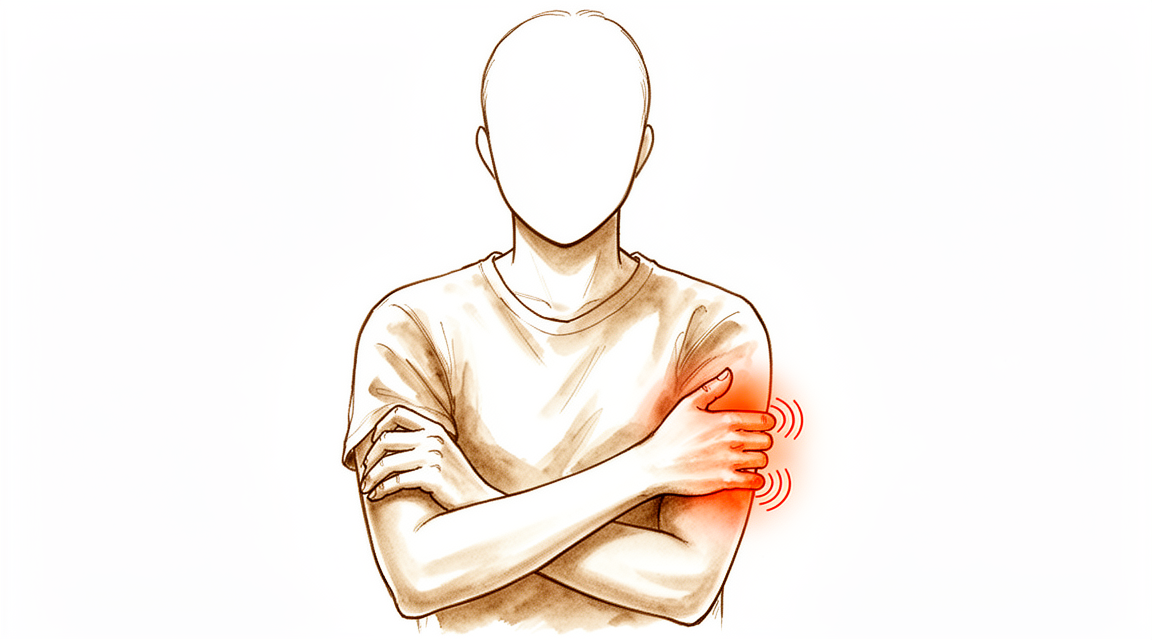
Giao thức này hướng dẫn quá trình hồi phục của bạn sau ca phẫu thuật giải phóng dây thần kinh trụ ở khuỷu tay (giải phóng đường hầm khuỷu tay) do bác sĩ Kieran Hirpara thực hiện tại Bệnh viện tư nhân Mater Rockhampton. Giao thức nêu rõ những gì bạn có thể mong đợi, các biện pháp phòng ngừa trong những tuần đầu sau mổ, cũng như các bài tập giúp dây thần kinh di chuyển dễ dàng trong lúc cơ thể đang hồi phục. Hãy mang theo trang này hoặc bản PDF tương ứng đến gặp chuyên viên vật lý trị liệu hoặc chuyên gia trị liệu tay để quá trình phục hồi được phối hợp tốt. Chuyên gia trị liệu có thể điều chỉnh kế hoạch điều trị tùy theo tiến triển hồi phục của bạn.
Nếu bạn có bất kỳ thắc mắc nào về vết mổ sau phẫu thuật, hãy liên hệ với phòng khám. Việc chụp ảnh vết thương rồi gửi qua email để được đánh giá cũng rất hữu ích.
Hai phương pháp phẫu thuật khác nhau, hai quá trình hồi phục hơi khác nhau. Có hai cách chính để giải phóng dây thần kinh trụ; phương pháp mà bạn được thực hiện sẽ quyết định các biện pháp phòng ngừa trong giai đoạn đầu:
- Giải phóng tại chỗ (phương pháp đơn giản): dây thần kinh được giải phóng ở vị trí ban đầu mà không cần di chuyển. Đây là phương pháp phẫu thuật tiêu chuẩn mà bác sĩ Hirpara thực hiện; quá trình hồi phục diễn ra nhanh chóng: bạn có thể bắt đầu vận động khuỷu tay một cách nhẹ nhàng ngay từ sớm. Không cần sử dụng nẹp cố định.
- Dịch chuyển dây thần kinh ra phía trước (dưới cơ): dây thần kinh được nâng lên và đặt lại ở vị trí an toàn hơn phía trước khuỷu tay. Phương pháp này chỉ áp dụng trong những trường hợp hiếm gặp khi dây thần kinh bị trật hoặc lệch khỏi vị trí bình thường trên mỏm khuỷu tay khi khuỷu tay gập lại. Giai đoạn đầu sau mổ cần được chăm sóc cẩn thận hơn: tránh gập và duỗi khuỷu tay hết mức trong vài tuần đầu để dây thần kinh cùng các mô mềm ổn định ở vị trí mới. Bạn có thể đeo một chiếc đai treo đơn giản nhằm tăng cảm giác thoải mái mà thôi.
Vui lòng tuân theo hướng dẫn dưới đây tùy theo phương pháp phẫu thuật mà bạn đã thực hiện: giải phóng tại chỗ trong hầu hết các trường hợp; dịch chuyển dây thần kinh nếu dây thần kinh của bạn trước đó không ổn định.
Những điều bạn có thể mong đợi
Đối với việc chăm sóc vết thương, giảm sưng và quản lý sẹo, vui lòng tham khảo hướng dẫn chăm sóc vết thương của phòng khám.
Mục đích của ca phẫu thuật là giảm áp lực lên dây thần kinh trụ (dây thần kinh chi phối cảm giác cho ngón út và ngón áp út, đồng thời điều khiển nhiều cơ nhỏ ở bàn tay). Khi áp lực được giảm bớt, dây thần kinh bắt đầu hồi phục; tuy nhiên quá trình này diễn ra rất chậm.
Tốc độ cải thiện các triệu chứng phụ thuộc rất nhiều vào thời gian dây thần kinh bị chèn ép và mức độ tổn thương trước khi phẫu thuật. Các triệu chứng tê rần và cảm giác kiến bò thường giảm đi trước, đôi khi chỉ sau vài ngày hoặc vài tuần. Trong khi đó, tình trạng tê cứng và sức mạnh của bàn tay cần thời gian lâu hơn (thường là vài tháng); kết quả cuối cùng có thể tiếp tục cải thiện trong vòng một năm hoặc lâu hơn sau phẫu thuật. Trong trường hợp dây thần kinh bị tổn thương nghiêm trọng trong thời gian dài trước phẫu thuật, một số triệu chứng tê hoặc yếu cơ có thể không hồi phục hoàn toàn; lúc này mục đích của ca phẫu thuật là ngăn chặn tình trạng xấu đi và tạo điều kiện tốt nhất cho dây thần kinh phục hồi.
Khi so sánh hai phương pháp phẫu thuật này, các nghiên cứu tổng hợp các thử nghiệm đã công bố cho thấy cả phương pháp giải ép đơn giản tại chỗ và phương pháp chuyển vị dây thần kinh về phía trước đều mang lại kết quả tương đương; trong đó phương pháp giải ép đơn giản có xu hướng gây ít biến chứng về vết thương và mô mềm hơn [1][2]. Việc lựa chọn phương pháp nào sẽ do bác sĩ phẫu thuật quyết định dựa trên tình trạng dây thần kinh và khuỷu tay của bạn.
Các biện pháp phòng ngừa và hạn chế
Bạn nên bắt đầu sử dụng bàn tay một cách nhẹ nhàng cho các hoạt động hàng ngày như chăm sóc bản thân, ăn uống, mặc quần áo, viết lách và đánh máy, miễn là cảm thấy thoải mái.
Các hạn chế ban đầu phụ thuộc vào loại phẫu thuật mà bạn đã trải qua:
- Sau phẫu thuật giải ép tại chỗ (loại phẫu thuật thông thường): Bạn nên vận động nhẹ nhàng khớp khuỷu tay, cẳng tay, cổ tay và bàn tay ngay từ sớm để giúp dây thần kinh di chuyển dễ dàng. Không cần đeo nẹp. Trong khoảng sáu tuần đầu, hãy hạn chế việc nâng vật nặng, nắm chặt hay chịu lực bằng cánh tay; sau đó mới tăng dần mức độ vận động.
- Sau phẫu thuật chuyển vị dây thần kinh ra phía trước (chỉ áp dụng nếu dây thần kinh của bạn không ổn định): Trong vài tuần đầu, cần bảo vệ khớp khuỷu tay; tránh gập hoặc duỗi khuỷu tay quá mức, cũng như tránh giữ khuỷu tay ở tư thế gập lâu, cho đến khi dây thần kinh ổn định tại vị trí mới. Bạn có thể đeo một chiếc đai đơn giản chỉ để tăng cảm giác thoải mái. Việc vận động dây thần kinh bắt đầu muộn hơn một chút so với sau phẫu thuật giải ép thông thường (thường là khoảng hai đến ba tuần). Tương tự như sau phẫu thuật giải ép, trong sáu tuần đầu hãy hạn chế việc nâng vật nặng và các bài tập chịu lực; sau đó mới tăng dần mức độ vận động.
Nhìn chung, các bài tập nâng vật nặng và tăng sức mạnh chỉ nên thực hiện ở mức độ nhẹ cho đến khoảng sáu tuần, sau đó mới tăng dần [3][4].
Việc tựa khuỷu tay lên bề mặt cứng sẽ gây áp lực trực tiếp lên dây thần kinh; vì vậy cần tránh làm như vậy trong thời gian dây thần kinh đang hồi phục.
Khi vết thương đã lành, việc massage vùng sẹo giúp da và các mô xung quanh dây thần kinh giữ được độ mềm mại. Trang chăm sóc vết thương cung cấp thêm thông tin về cách xử lý sẹo.
Dưới đây là các bài tập được ghi trong tờ hướng dẫn; hãy thực hiện theo hướng dẫn trên từng thẻ hướng dẫn. Bắt đầu thực hiện theo chỉ dẫn của bác sĩ Hirpara và chuyên viên trị liệu: ngày bắt đầu thực hiện các bài vận động dây thần kinh cũng như các hạn chế về góc gập khuỷu tay phụ thuộc vào loại phẫu thuật mà bạn đã trải qua.
Các bài tập của bạn
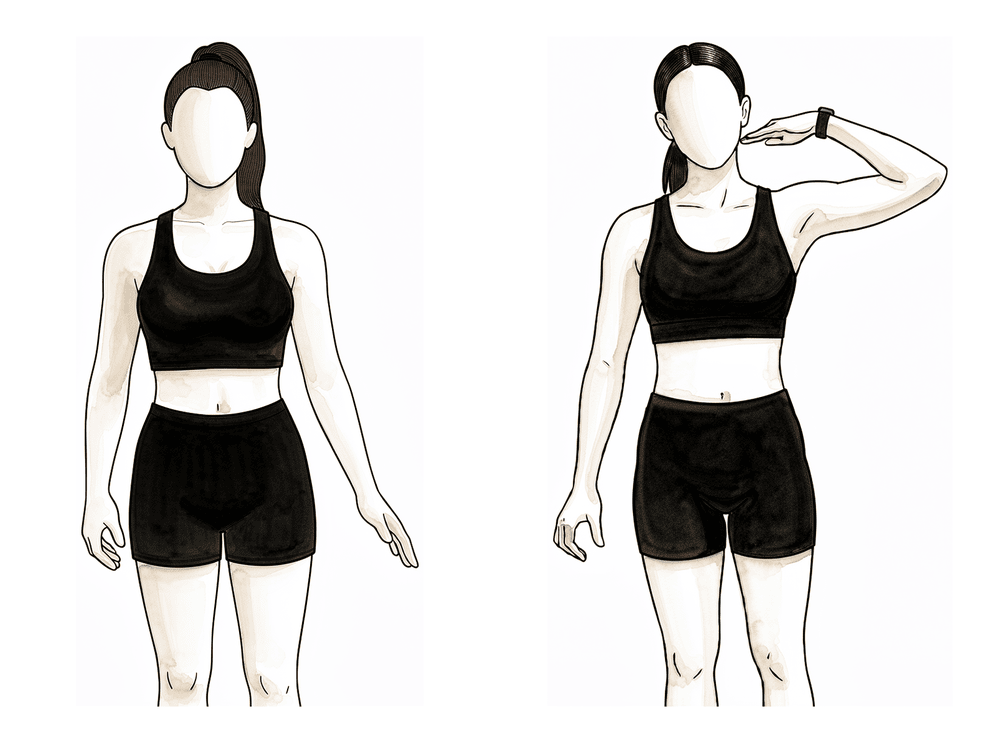
Kieran Hirpara 4.0
Các bài tập trượt dây thần kinh trụ
Những động tác nhẹ nhàng này giúp dây thần kinh trụ di chuyển dễ dàng, tránh việc bị dính vào mô đang hồi phục. Hãy thực hiện từng động tác một cách trơn tru, chỉ đến mức bạn cảm thấy thoải mái; cảm giác căng nhẹ hoặc tê nhức là bình thường, nhưng hãy dừng lại ngay khi xuất hiện cảm giác tê dại mạnh hoặc đau nhói. Tuyệt đối không cố gắng kéo căng quá mức. Chỉ bắt đầu thực hiện khi bác sĩ phẫu thuật hoặc chuyên viên trị liệu cho phép (thông thường là sau một thời gian nếu bạn đã trải qua ca phẫu thuật dịch chuyển dây thần kinh — xem các lưu ý an toàn bên dưới).
5 lần lặp lại chậm, 2–3 lần mỗi ngày.
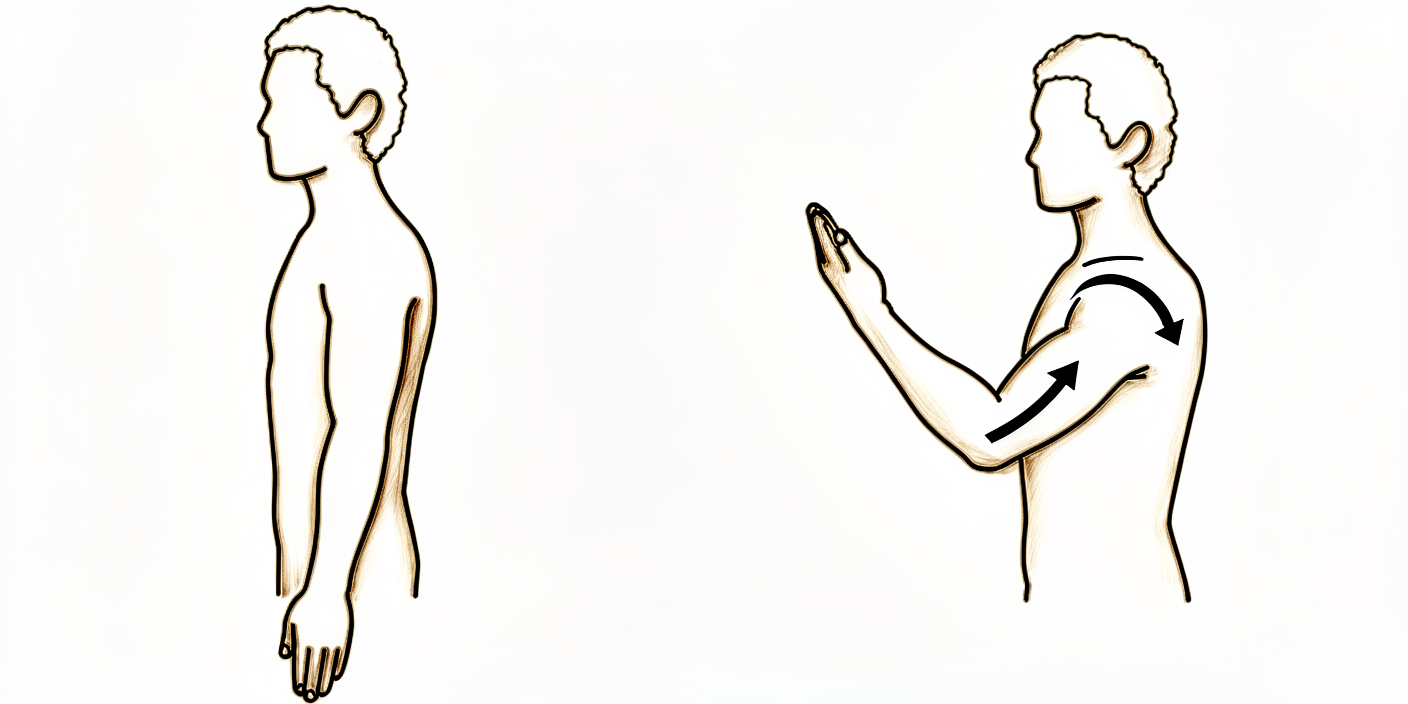
Kieran Hirpara 4.0
Khả năng gập khuỷu tay (động tác gập)
Hãy giữ cánh tay được nâng đỡ, sau đó nhẹ nhàng gập khuỷu tay để đưa tay về phía vai rồi hạ tay xuống trở lại. Hãy thực hiện chuyển động trong phạm vi thoải mái cho bạn. Nếu bạn đã từng trải qua phẫu thuật chuyển vị, bác sĩ phẫu thuật có thể yêu cầu bạn tránh gập khuỷu tay hết mức trong vài tuần đầu — hãy tuân theo giới hạn mà bác sĩ đã đặt ra.
Thực hiện 10 lần lặp lại, 3–4 lần mỗi ngày, trong phạm vi cho phép của bạn.
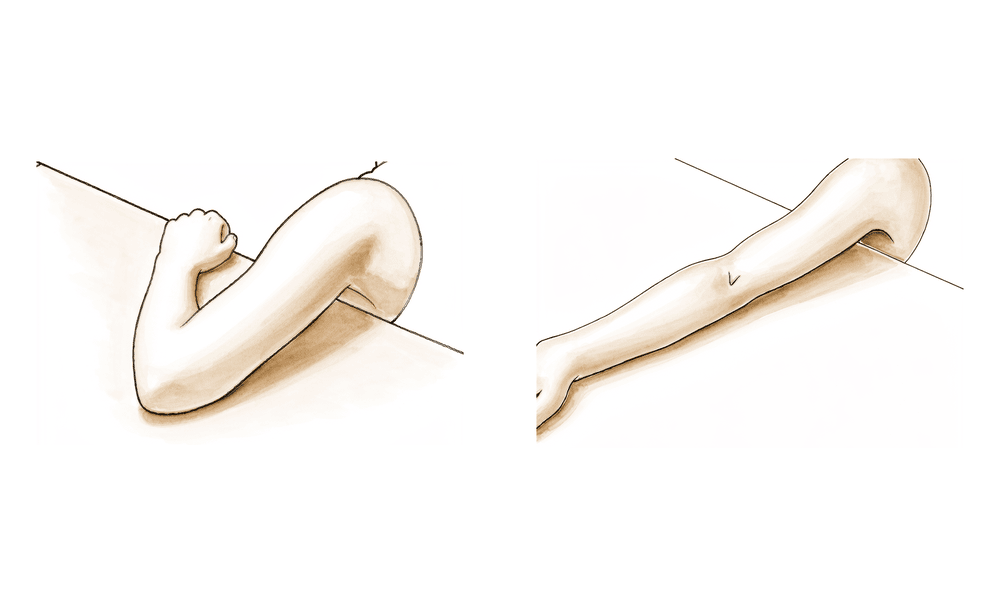
Kieran Hirpara 4.0
Duỗi thẳng khuỷu tay (đưa khuỷu tay về trạng thái duỗi thẳng)
Từ tư thế khuỷu tay gập, hãy từ từ duỗi thẳng khuỷu tay đến mức bạn cảm thấy thoải mái, rồi trở về tư thế ban đầu. Nếu bạn đã trải qua phẫu thuật chuyển vị, trong những tuần đầu tiên hãy tránh cố gắng duỗi thẳng khuỷu tay hết mức nếu bác sĩ đã yêu cầu như vậy; hãy chỉ thực hiện trong phạm vi vận động mà bác sĩ phẫu thuật đã xác định là phù hợp với bạn.
Thực hiện 10 lần lặp lại, 3–4 lần mỗi ngày, trong phạm vi cho phép của bạn.
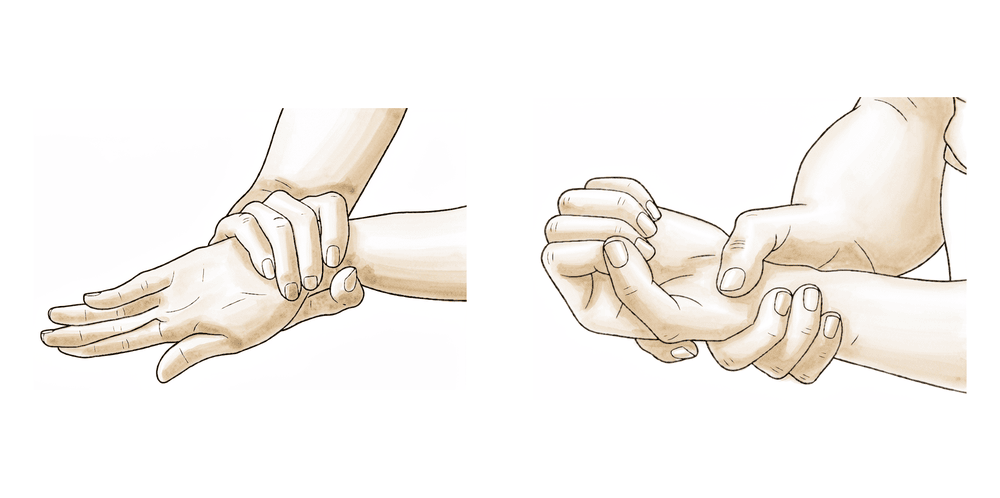
Kieran Hirpara 4.0
Chuyển động xoay cẳng tay
Khi khuỷu tay áp sát vào thân mình và gập thành góc vuông, hãy từ từ hướng lòng bàn tay lên trần nhà rồi hướng xuống sàn nhà. Trong suốt quá trình này, hãy giữ khuỷu tay áp sát vào cơ thể.
10 lần mỗi hướng, 3–4 lần mỗi ngày.
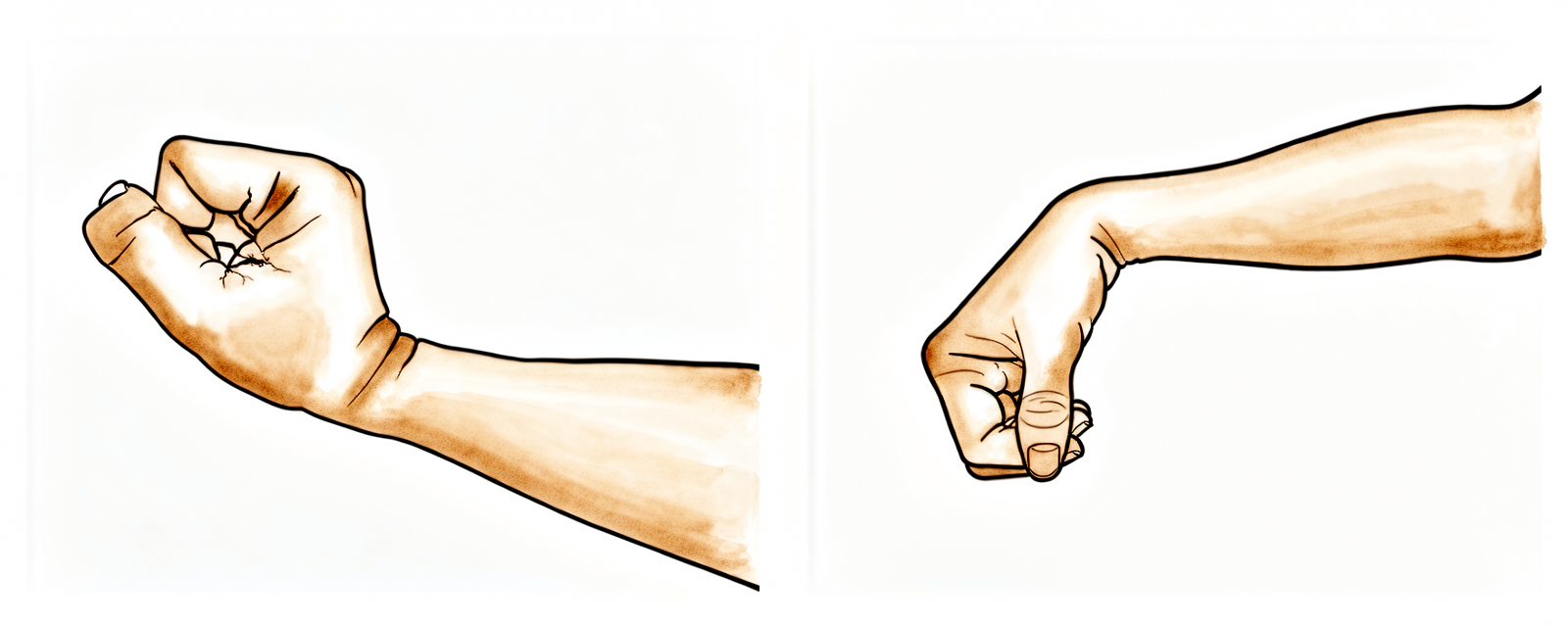
Kieran Hirpara 4.0
Chuyển động cổ tay và các ngón tay
Hãy nhẹ nhàng gập cổ tay lên xuống, đồng thời mở và khép các ngón tay ra hết mức, từ nắm thành nắm đấm lỏng rồi lại duỗi thẳng các ngón tay ra. Việc này giúp toàn bộ chi trên luôn được vận động, góp phần giảm sưng và cứng khớp trong lúc khuỷu tay đang hồi phục.
Mỗi loại 10 đơn vị, thực hiện vài lần mỗi ngày.
Chỉ thực hiện các bài tập dưới đây khi có sự hướng dẫn của Bác sĩ Hirpara và chuyên viên trị liệu vận động, đồng thời tuân thủ mọi phạm vi chuyển động và hạn chế đã được chỉ định. Các bài tập giúp dây thần kinh trụ di chuyển là những bài quan trọng nhất — chúng giúp dây thần kinh tiếp tục di động ở vị trí mới thay vì bị sẹo hóa, và nên bắt đầu thực hiện sớm. Việc gập, duỗi khuỷu tay cùng các động tác xoay cẳng tay giúp ngăn ngừa tình trạng cứng khớp khuỷu; còn các động tác vận động cổ tay và ngón tay giúp các bộ phận khác vẫn hoạt động bình thường. Tránh tình trạng nghỉ ngơi trong thời gian dài với khuỷu tay gập hoàn toàn, vì điều này chính là nguyên nhân gây kích ứng dây thần kinh. Ngừng ngay mọi bài tập gây ra cảm giác đau nhói hoặc đau như bị điện giật chạy dọc cẳng tay, lan xuống ngón út và ngón áp út.
Trở lại làm việc và các hoạt động thường ngày
Hầu hết mọi người có thể quay lại làm việc văn phòng hoặc các công việc nhẹ trong vòng một đến hai tuần; còn những công việc nặng nhọc, đòi hỏi sự lặp lại nhiều lần hoặc phải dùng sức thì thường mất khoảng bốn đến tám tuần. Bạn có thể bắt đầu thực hiện một công việc cụ thể khi vết thương của bạn chịu được sự tiếp xúc và áp lực từ công việc đó, và bạn có thể thực hiện nó một cách thoải mái trong khuôn khổ các biện pháp phòng ngừa đã nêu trên. Nếu công việc của bạn nặng nhọc, đòi hỏi việc chống khuỷu tay xuống mặt đất hoặc sử dụng các dụng cụ rung động, hãy đề cập điều này trong buổi tái khám sau phẫu thuật để có kế hoạch phù hợp (bao gồm cả việc điều chỉnh nhiệm vụ).
Việc lái xe thường có thể bắt đầu trở lại sau khoảng hai đến ba tuần, khi bạn đã tháo nẹp và có thể điều khiển phương tiện, phản ứng kịp thời trong các tình huống khẩn cấp mà không cảm thấy đau đớn. Việc trở lại tập luyện thể thao và các hoạt động đòi hỏi vận động vùng trên đầu thường diễn ra sau khoảng sáu đến mười hai tuần.
Quá trình hồi phục của dây thần kinh diễn ra theo một lộ trình chậm hơn. Cảm giác tê rần thường giảm dần trong vòng vài ngày đến vài tuần; trong khi cảm giác mất cảm giác và sức mạnh vùng chi vẫn tiếp tục cải thiện trong nhiều tháng, thậm chí có thể tiến triển tốt hơn trong khoảng một năm. Trong những trường hợp dây thần kinh bị chèn ép nghiêm trọng trong thời gian dài, một số triệu chứng mất cảm giác hoặc yếu cơ có thể không hồi phục hoàn toàn; lúc này mục tiêu của phẫu thuật là ngăn chặn tình trạng này tiếp diễn.
Sau khi thực hiện theo phác đồ này
Phác đồ này được áp dụng song song với các hướng dẫn phục hồi chung của phòng khám: vui lòng tham khảo mục cách kiểm soát cơn đau sau phẫu thuật, chăm sóc vết thương và những kiến thức cơ bản về vật lý trị liệu tay. Kế hoạch từng giai đoạn nêu trên phù hợp với các bằng chứng khoa học hiện có về việc giải ép dây thần kinh trụ ở khuỷu tay; quá trình hồi phục của bạn sẽ được điều chỉnh riêng biệt bởi chuyên viên vật lý trị liệu hoặc chuyên gia trị liệu tay, tùy theo tiến triển của dây thần kinh và khuỷu tay.
Tài liệu tham khảo
[1] Said J, Van Nest D, Foltz C, và cộng sự. Giải ép dây thần kinh quay tại chỗ so với việc dịch chuyển dây thần kinh trong điều trị hội chứng ống cổ tay quay nguyên phát: phân tích tổng hợp cập nhật. J Hand Microsurg. 2019;11(1):18–27. https://pmc.ncbi.nlm.nih.gov/articles/PMC6431285/ [2] Macadam SA, Gandhi R, Bezuhly M, Lefaivre KA. Giải ép đơn thuần so với phương pháp dịch chuyển dây thần kinh quay dưới da và dưới cơ phía trước trong điều trị hội chứng ống cổ tay quay: phân tích tổng hợp. J Hand Surg Am. 2008;33(8):1314.e1–12. https://pubmed.ncbi.nlm.nih.gov/18929194/ [3] Caliandro P, La Torre G, Padua R, Giannini F, Padua L. Các phương pháp điều trị tổn thương dây thần kinh quay ở khuỷu tay. Cochrane Database Syst Rev. 2016;11:CD006839. https://www.cochranelibrary.com/cdsr/doi/10.1002/14651858.CD006839.pub4/full [4] Andrews K, Rowland A, Pranjal A, Ebraheim N. Hội chứng ống cổ tay quay: giải phẫu, biểu hiện lâm sàng và cách xử trí. J Orthop. 2018;15(3):832–836. https://pmc.ncbi.nlm.nih.gov/articles/PMC6082832/
Evidence & references
This is the clinical evidence summary written for health professionals. It is technical, and it lists the research this page was built from. You do not need to read it to understand your treatment or to make a decision about it.
Cubital Tunnel Release — Post-operative Rehabilitation (In-situ Decompression vs Anterior Transposition)
Topic scope: post-operative rehabilitation after surgical decompression of the ulnar nerve at the elbow. The single defining branch point is the operative technique: (A) in-situ (simple) decompression — an early-full-motion pathway; versus (B) anterior transposition (subcutaneous or submuscular) — a protected early phase that avoids end-range elbow flexion/extension for the first few weeks to protect the transposed nerve and its soft-tissue bed.
Defining principle of the rehab here: decompression relieves pressure on a nerve; it does not, by itself, create a load-bearing repair that needs months of protection. So the rehab is fundamentally an early-motion, nerve-glide pathway aimed at preventing perineural adhesion while the nerve recovers on its own (slow) biological timeline. The one variable that changes the early phase is whether the nerve was transposed — a transposed nerve sits in a new bed and end-range elbow excursion is restricted briefly to protect it, so nerve glides start later and elbow ROM is capped for a few weeks. Phase timings below are typical of published surgeon protocols and institutional consensus rather than trial-derived.
A. PROCEDURE CHOICE & OUTCOME EQUIVALENCE
- In-situ decompression and anterior transposition give equivalent clinical outcomes. Multiple meta-analyses of RCTs and comparative series find no significant difference in motor nerve conduction velocity or clinical outcome scores between simple decompression and transposition for idiopathic cubital tunnel syndrome. Strong (multiple SR/meta-analyses).
- Simple decompression carries a lower complication burden (wound, soft-tissue, devascularisation risk), and is often preferred where the nerve is stable and does not subluxate. Moderate–strong.
- Transposition is selected for nerve instability/subluxation, prior failed in-situ release, bony deformity, or a hostile cubital tunnel floor — surgeon's intra-operative judgement. Consensus.
- Endoscopic vs open in-situ decompression show comparable outcomes; choice does not change the rehab pathway (both early-motion). Moderate (SR).
B. POST-OPERATIVE REHABILITATION
Common principles (both pathways)
- Early digital, wrist and shoulder motion from day 1 to prevent stiffness and oedema.
- Ulnar nerve gliding to prevent perineural adhesion — timing differs by pathway (see below).
- No elbow leaning / direct pressure over the nerve during recovery.
- Wound: suture removal ~10–14 days; scar massage and desensitisation once healed.
- Nerve recovery is slow and graded: paraesthesia often improves first (days–weeks); numbness and intrinsic strength lag (months); final outcome continues to ~12 months. DASH, clinical findings and NCV improve postoperatively, with significant early gains by ~1 month in cohort data. Pre-operative severity/chronicity is the dominant predictor of incomplete recovery.
Phased timeline (typical of published surgeon protocols)
| Phase | In-situ (simple) decompression | Anterior transposition (SC / submuscular) |
|---|---|---|
| Week 0–2 | Soft dressing; early active full elbow ROM + digit/wrist/shoulder ROM; light ADLs | Splint/sling for comfort/protection (often elbow ~semi-flexed early); avoid end-range flexion AND extension, and avoid sustained/prolonged elbow flexion; digit/wrist/shoulder ROM |
| Week 2–6 | Progress to full unrestricted active ROM; scar massage + desensitisation once healed; nerve glides as tolerated | Suture out ~10–14d; gradually restore elbow ROM within set limits; scar/desensitisation; introduce nerve glides — typically deferred to this window |
| Week ~6+ | Strengthening / lifting built up as tolerated; return to full activity | Restrictions usually lifted ~6 wk; resistance strengthening from ~6 wk; build up gradually |
Dr Hirpara's practice parameters:
- Default operation = in-situ (simple) decompression; anterior submuscular transposition is reserved for a nerve that subluxates over the medial epicondyle. No rigid brace is used.
- Early elbow ROM: full active elbow motion from day 1 after in-situ decompression. After a transposition the elbow is protected from end-range flexion/extension for the first few weeks (a simple sling for comfort only — no rigid brace).
- Nerve glides: start early/as-tolerated after in-situ; start around 2–3 weeks after a transposition.
- Lifting: kept light (around ≤2 kg) for the first ~6 weeks, then resistance strengthening is built up gradually.
- Nerve recovery: paraesthesia settles first (days–weeks); numbness and intrinsic strength recover over months and can keep improving to ~12 months. Pre-operative severity/chronicity is the dominant predictor — long-standing severe compression may not fully recover, and surgery then aims to halt progression.
C. KEY CONTROVERSIES / EVIDENCE QUALITY
- Procedure equivalence is well supported (multiple meta-analyses); the complication-profile advantage of simple decompression drives the "in-situ first unless unstable" stance. Strong.
- The post-op rehab protocol itself is consensus/expert — drawn from surgeon patient-guidance protocols, not a rehab RCT. Phase timings are typical, not trial-derived. Weak/consensus.
- Nerve-glide evidence is stronger as a non-operative and adhesion-prevention measure than as a proven post-operative outcome-changer; biomechanical and clinical work supports gliding to reduce excursion-related symptoms. Moderate.
D. EVIDENCE STRENGTH FLAGS (summary)
- STRONG (SR / meta-analysis): clinical-outcome equivalence of in-situ decompression vs anterior transposition; lower complication rate with simple decompression.
- MODERATE (cohorts / SR): endoscopic vs open in-situ equivalence; post-op DASH/NCV improvement with early gains by ~1 month; nerve-gliding rationale.
- WEAK / CONSENSUS: the post-operative rehabilitation protocol (surgeon patient-guidance documents; no defining rehab RCT) — including the transposition early-ROM cap, nerve-glide start date, and the ~6-week lifting/strengthening threshold.
CITATIONS
RAG corpus (180,000+ Orthopaedic articles)
- Open vs retractor-endoscopic in-situ decompression of the ulnar nerve in cubital tunnel syndrome. Neurosurgery. DOI: 10.1227/neu.0b013e3182846dbd
- Randomized, prospective study comparing ulnar neurolysis in situ with submuscular transposition. Neurosurgery. DOI: 10.1227/01.neu.0000194847.04143.a1
- Open versus endoscopic in situ decompression in cubital tunnel syndrome: a systematic review. Int J Surg. 2016. DOI: 10.1016/j.ijsu.2016.09.012
- Simple decompression vs. subcutaneous anterior transposition of the ulnar nerve (2025). J Hand Surg Glob Online / XRRT. DOI: 10.1016/j.xrrt.2025.100630
- Cubital tunnel syndrome: current concepts. Curr Rev Musculoskelet Med. 2020. DOI: 10.1007/s12178-020-09650-y
- Predictors of surgical revision after in situ decompression of the ulnar nerve. J Shoulder Elbow Surg. 2015. DOI: 10.1016/j.jse.2014.12.015
- Clinical outcomes of ulnar nerve gliding exercise in the nonoperative treatment of cubital tunnel syndrome. JSES Int. 2025. DOI: 10.1016/j.jseint.2025.02.001
- Biomechanical analysis of ulnar nerve gliding and elongation. Clin Shoulder Elbow. 2024. DOI: 10.5397/cise.2024.00934
- Postoperative improvement in DASH score, clinical findings and nerve conduction velocity in cubital tunnel syndrome. Sci Rep. 2016. DOI: 10.1038/srep27497
Comparative-effectiveness literature (URLs)
- Said J, et al. Ulnar nerve in situ decompression versus transposition for idiopathic cubital tunnel syndrome: an updated meta-analysis. J Hand Microsurg. 2019. https://pmc.ncbi.nlm.nih.gov/articles/PMC6431285/
- Macadam SA, et al. Simple decompression versus anterior subcutaneous and submuscular transposition of the ulnar nerve: a meta-analysis. J Hand Surg Am. 2008. https://pubmed.ncbi.nlm.nih.gov/18929194/
- Caliandro P, et al. Treatment for ulnar neuropathy at the elbow. Cochrane Database Syst Rev. 2016;CD006839. https://www.cochranelibrary.com/cdsr/doi/10.1002/14651858.CD006839.pub4/full
- Andrews K, et al. Cubital tunnel syndrome: anatomy, clinical presentation, and management. J Orthop. 2018. https://pmc.ncbi.nlm.nih.gov/articles/PMC6082832/
Published rehab protocols (patient-guidance — basis for the phase structure)
- University of Virginia Orthopaedics — Cubital Tunnel Release, In-situ Rehabilitation Guidelines. https://med.virginia.edu/orthopaedic-surgery/wp-content/uploads/sites/242/2024/09/Cubital-tunnel-release-in-situ.pdf
- University of Virginia Orthopaedics — Cubital Tunnel Release, Anterior Subcutaneous Transposition. https://med.virginia.edu/orthopaedic-surgery/wp-content/uploads/sites/242/2024/09/Cubital-tunnel-release-anterior-subcutaneous-transposition.pdf
- AAOS OrthoInfo — Cubital Tunnel Release (patient recovery expectations). https://orthoinfo.aaos.org/en/treatment/cubital-tunnel-release/