Patients › Rehabilitation
Phẫu thuật cắt bỏ một phần và ghép mô khớp quay-trụ xa (DRUJ)
Kế hoạch phục hồi sau phẫu thuật cắt bỏ một phần và ghép mô khớp quay-trụ xa, trong đó phần bị mòn của chỏm xương trụ được cắt bỏ một phần để khôi phục khả năng xoay cẳng tay không đau. Sau một thời gian ngắn bảo vệ, việc tập xoay cẳng tay sớm (xoay lòng bàn tay lên và xuống) là ưu tiên hàng đầu; tải nặng hơn được bổ sung dần dần.
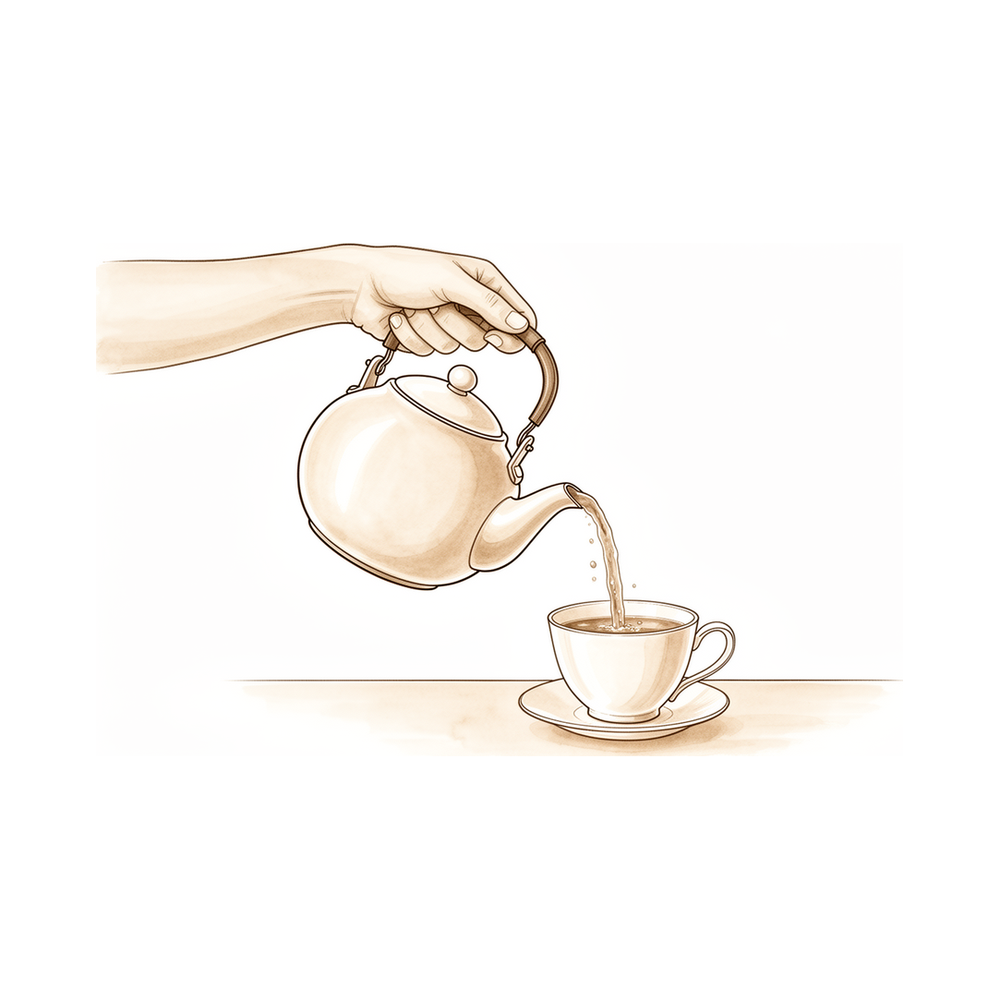
Quy trình này hướng dẫn quá trình hồi phục của bạn sau phẫu thuật cắt bỏ một phần và ghép mô khớp quay-củi xa (DRUJ) – ca phẫu thuật nhằm tái tạo phần đầu xương bị mòn ở cẳng tay để khôi phục khả năng xoay cẳng tay một cách thoải mái và không đau đớn, do Bác sĩ Kieran Hirpara thực hiện tại Bệnh viện tư nhân Mater Rockhampton. Quy trình bắt đầu với chương trình tập luyện tại nhà, sau đó là quy trình điều trị lâm sàng được thiết kế riêng cho chuyên viên trị liệu tay của bạn; hãy mang theo trang này hoặc bản PDF tương ứng trong lần trị liệu đầu tiên để việc phục hồi được thực hiện một cách đồng bộ. Chuyên viên trị liệu có thể điều chỉnh kế hoạch tập luyện tùy theo tiến triển hồi phục của bạn.
Nếu bạn có bất kỳ thắc mắc nào về vết thương sau phẫu thuật, hãy liên hệ với phòng khám. Việc chụp ảnh vết thương rồi gửi qua email để được đánh giá cũng là cách hữu ích.
Những điều bạn có thể mong đợi
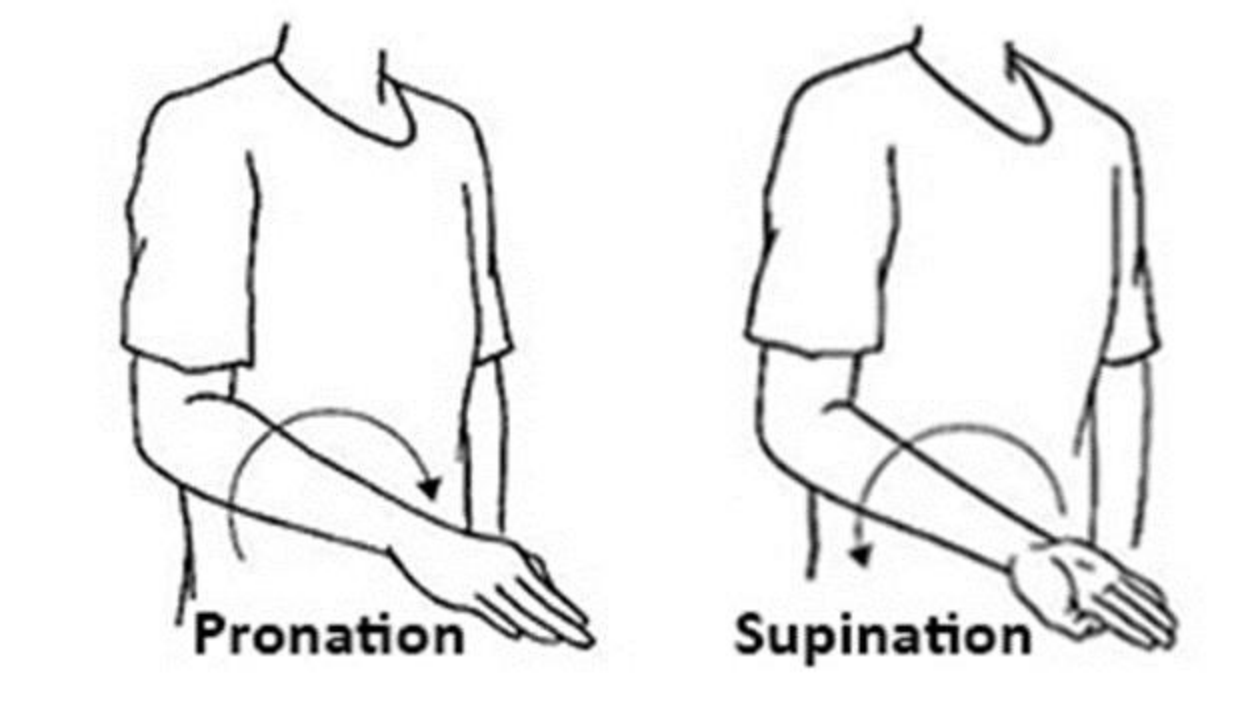
Khớp cổ tay dưới (Distal Radioulnar Joint – DRUJ) là khớp nhỏ nằm gần cổ tay, phía ngón út, nơi hai xương cẳng tay (xương quay và xương trụ) gặp nhau. Đây là khớp giúp bạn xoay cẳng tay: lòng bàn tay hướng lên trên (xoay ngửa) hoặc hướng xuống dưới (xoay sấp). Khi khớp này bị hao mòn và viêm khớp, việc xoay cẳng tay sẽ gây đau đớn.
Trong phẫu thuật thay khớp một phần (hemiresection arthroplasty), chỉ phần đầu xương trụ bị hao mòn và viêm khớp mới được loại bỏ (đây là phẫu thuật “một phần”; từ “hemi” có nghĩa là một nửa). Sau đó, một mảnh mô mềm lấy từ chính cơ thể bệnh nhân sẽ được đặt vào chỗ trống nhằm ngăn hai bề mặt xương cọ xát vào nhau. Phẫu thuật này giúp bảo tồn các cấu trúc quan trọng có chức năng ổn định khớp, bao gồm màng sụn và dây chằng TFCC (cấu trúc hỗ trợ cổ tay phía này), mỏm trụ và các mô mềm gắn kết; nhờ đó đầu xương trụ vẫn được giữ vững. Điều này khiến phẫu thuật này khác biệt so với việc cắt bỏ hoàn toàn đầu xương trụ (phẫu thuật Darrach).
Vì các bề mặt khớp chỉ được tái tạo hình mà không cần sửa chữa hay tái tạo lại, nên không có gân hay dây chằng nào cần thời gian dài để lành lại. Mục tiêu của ca phẫu thuật này là giúp bệnh nhân xoay cẳng tay mà không đau. Giai đoạn quan trọng nhất trong quá trình hồi phục là việc vận động xoay cẳng tay sớm. Sau một thời gian ngắn đeo nẹp để các mô mềm ổn định, việc khôi phục khả năng xoay cẳng tay (lòng bàn tay hướng lên và hướng xuống) sẽ trở thành ưu tiên hàng đầu trong quá trình phục hồi. Sau đó, sức mạnh cơ và mức tải trọng sẽ được tăng dần.
Các lưu ý và hạn chế
- Trong khoảng hai đến ba tuần đầu, hãy đeo nẹp theo hướng dẫn; nẹp này giúp hạn chế nhẹ chuyển động xoay cẳng tay trong lúc mô nối được ổn định. Đồng thời, hãy cử động các ngón tay và (khi được phép) cổ tay liên tục.
- Sau khi được phép tháo nẹp, hãy ưu tiên thực hiện các động tác xoay cẳng tay, đảm bảo không gây đau đớn và không chịu tải trọng. Các động tác xoay ban đầu nên thực hiện với tay trống rỗng, không chịu lực cản.
- KHÔNG đặt tải trọng lên cẳng tay trong giai đoạn đầu: không được vặn mở nắp hộp, vắt khô vải, sử dụng tuốc nơ vít, hay mang túi nặng ở phía cẳng tay đó cho đến khi bác sĩ cho phép tăng cường sức mạnh (thường là sau khoảng sáu đến tám tuần).
- Hãy chú ý nếu có cảm giác đau hoặc mất ổn định ở vùng phía ngón út của cổ tay khi bạn dùng lực hoặc xoay cẳng tay; đây là vùng đã được phẫu thuật. Hãy thông báo cho chuyên viên trị liệu tay; đừng cố gắng vượt qua cảm giác đau đó.
- Ngay từ đầu, hãy cử động các ngón tay, ngón cái, khuỷu tay và vai một cách tự do; có thể sử dụng tay để thực hiện các công việc hàng ngày nhẹ nhàng, miễn là không gây xoay cổ tay quá mức hoặc chịu tải trọng lớn.
Về cách chăm sóc vết thương, giảm sưng và quản lý sẹo, vui lòng tham khảo hướng dẫn chăm sóc vết thương của phòng khám.
Các bài tập của bạn
Kieran Hirpara 4.0
Chuyển động xoay cẳng tay (lòng bàn tay hướng lên / lòng bàn tay hướng xuống)
Đây là bài tập mục tiêu — đó là chuyển động mà ca phẫu thuật nhằm khôi phục lại. Hãy giữ khuỷu tay sát vào thân mình và gập thành góc vuông (để vai không thể can thiệp vào chuyển động này), sau đó nhẹ nhàng hướng lòng bàn tay lên trần nhà rồi từ từ hạ xuống sàn nhà. Chỉ thực hiện chuyển động trong phạm vi thoải mái với bạn thôi. Hãy bắt đầu bài tập này khi Bác sĩ Hirpara và chuyên viên trị liệu tay cho phép bạn tháo nẹp để tập luyện — thường là sau khoảng hai đến ba tuần — và hãy coi đây là bài tập chính mà bạn cần tập trung thực hiện từ đó về sau.
10 lần theo mỗi hướng, 3-4 lần mỗi ngày, trong phạm vi không gây đau.
Kieran Hirpara 4.0
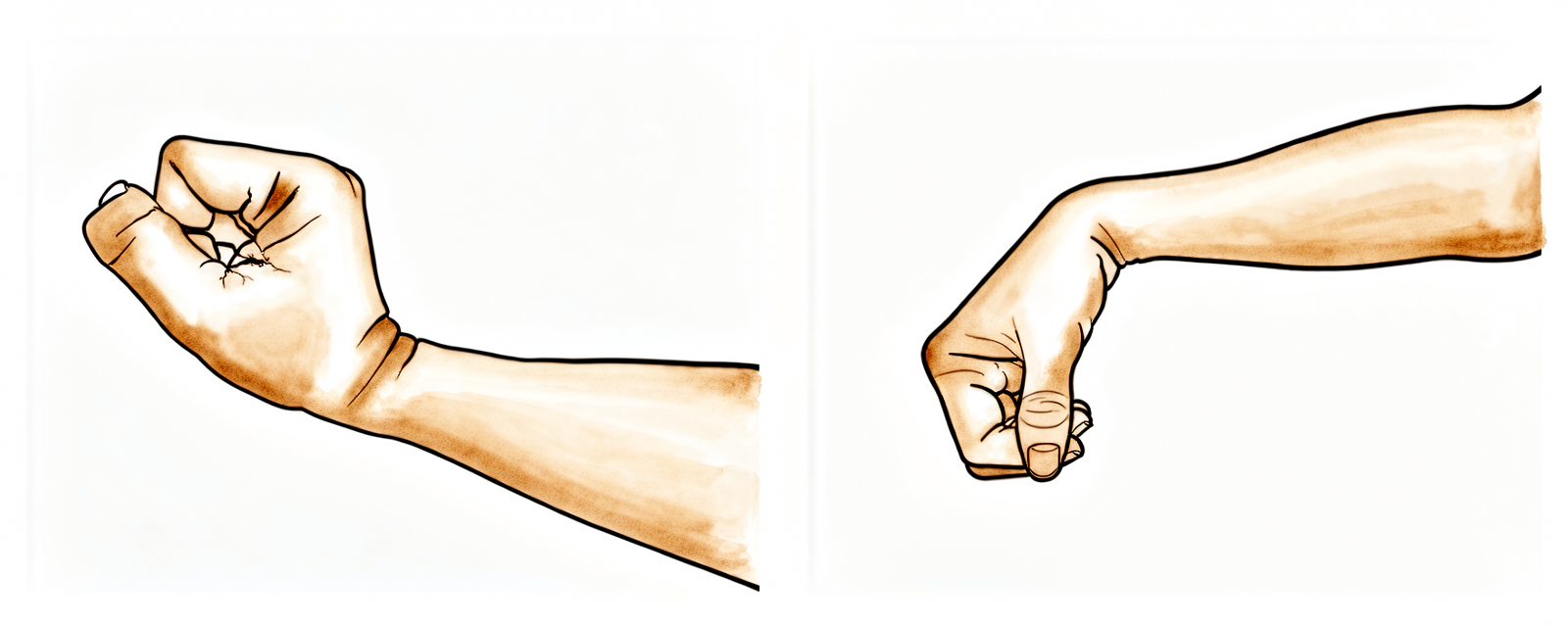
Chuyển động cổ tay (gập và duỗi)
Hãy nhẹ nhàng gập cổ tay về phía trước (lòng bàn tay hướng về cẳng tay) và về phía sau (mu bàn tay hướng về cẳng tay), thực hiện chậm rãi và trong mức độ thoải mái. Việc này giúp cổ tay không bị cứng lại trong lúc đầu xa xương trụ ổn định dần. Ban đầu hãy tập nhẹ nhàng và không cố ép ở cuối tầm vận động.
10 lần theo mỗi hướng, 2-3 lần mỗi ngày.
Kieran Hirpara 4.0
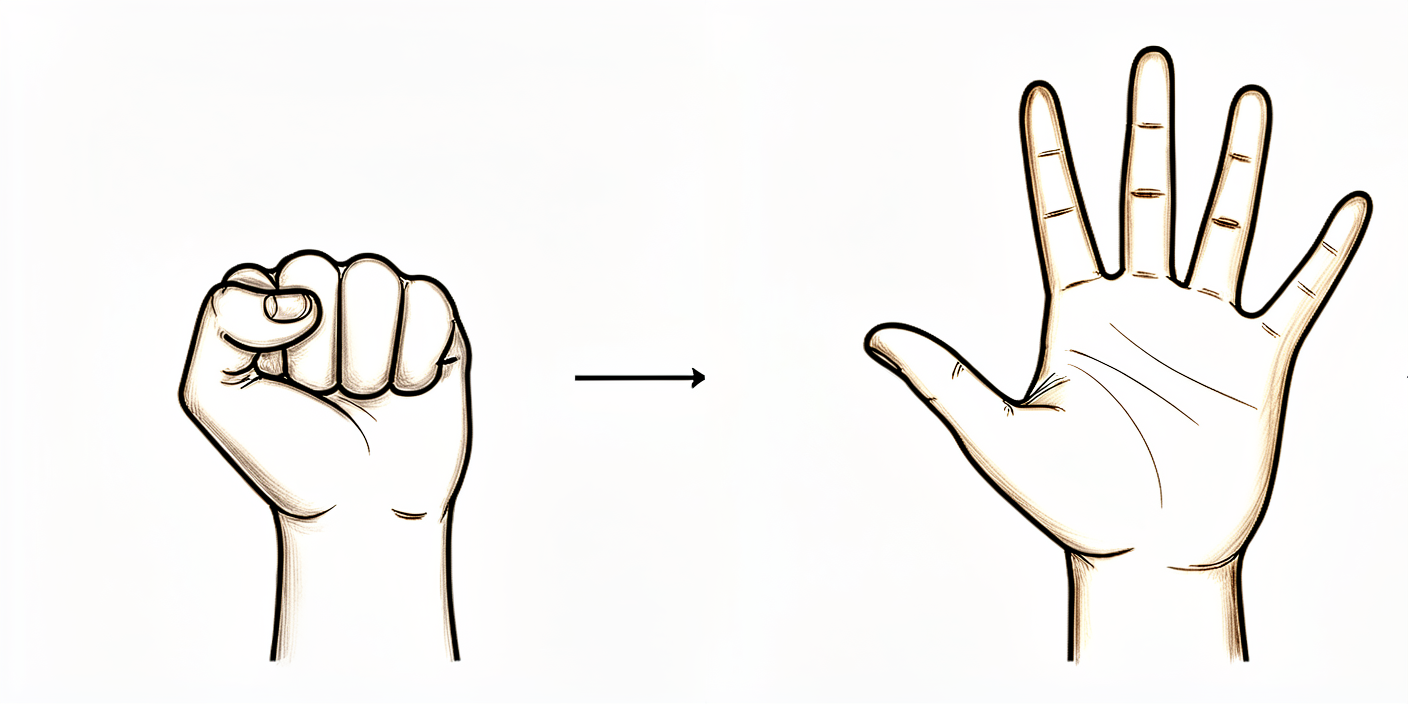
Chuyển động ngón tay (nắm tay hoàn toàn và duỗi thẳng)
Hãy thực hiện động tác này ngay từ ngày đầu tiên. Nắm chặt tay thành nắm đấm, sau đó mở tay ra và duỗi thẳng các ngón tay. Việc vận động các ngón tay sớm sẽ giúp tránh cứng khớp và hỗ trợ giảm sưng. Hãy thực hiện động tác này nhiều lần trong ngày, ngay cả khi cẳng tay vẫn đang được đeo nẹp.
10 lần, cứ vài giờ một lần trong lúc còn thức.
Kieran Hirpara 4.0
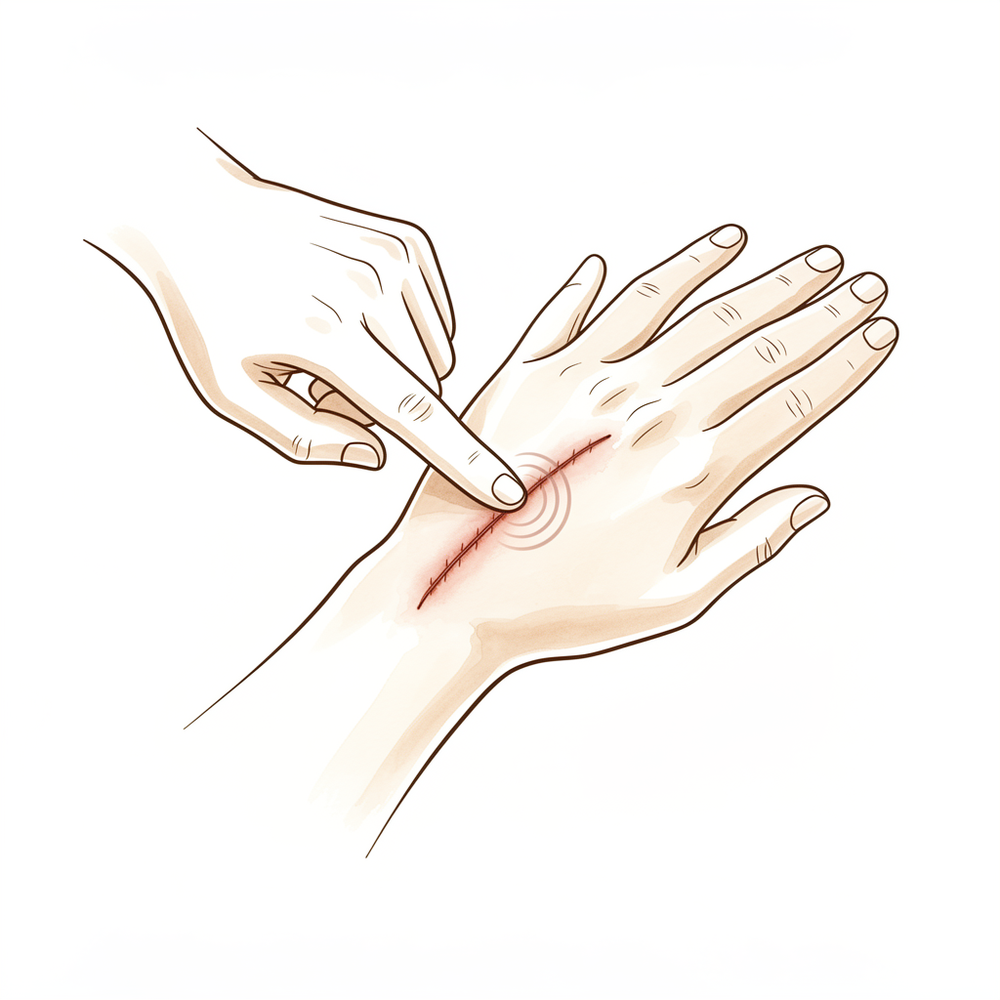
Xoa bóp vết sẹo
Khi vết thương đã lành hoàn toàn và không còn vảy (thường là sau khoảng ba đến bốn tuần), hãy thoa một lượng nhỏ kem dưỡng ẩm lên vết sẹo và massage theo những vòng tròn nhỏ, mạnh trong vài phút. Việc này giúp làm mềm vết sẹo và giúp da cũng như các gân ở vùng xương trụ di chuyển dễ dàng hơn. Hãy ngừng lại nếu vết thương vẫn chưa lành hẳn.
2-3 phút, hai lần mỗi ngày, sau khi vết thương đã lành.
Kieran Hirpara 4.0
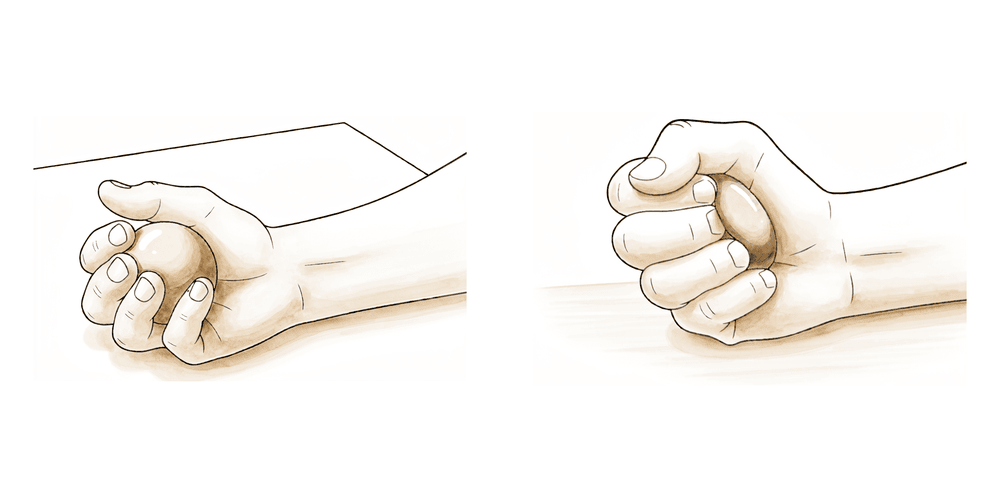
Tăng cường sức mạnh nắm và khả năng xoay (sẽ thực hiện sau)
Bài tập này chỉ nên thực hiện sau khi Bác sĩ Hirpara và chuyên viên trị liệu tay của bạn cho phép bắt đầu giai đoạn tăng cường sức mạnh; thường là khoảng từ sáu đến tám tuần sau phẫu thuật. Hãy nắm chặt một quả bóng mềm hoặc đất nặn để phục hồi sức mạnh nắm tay; đồng thời xoay cẳng tay lên trên và xuống dưới chống lại lực cản nhẹ (ví dụ: dùng một quả tạ tay nhẹ cầm như cầm búa). Dần dần tăng mức lực cản trong vài tuần tiếp theo. Hãy ngừng ngay nếu việc xoay cẳng tay dưới tải trọng gây đau ở phía ngón út của cổ tay.
Theo hướng dẫn của chuyên viên trị liệu tay (chỉ từ khoảng tuần thứ 6-8 trở đi)
Đây là những bài tập có trong tờ hướng dẫn của bạn. Chỉ thực hiện chúng khi có sự hướng dẫn của Bác sĩ Hirpara và chuyên viên trị liệu vận động, đồng thời tuân thủ mọi phạm vi chuyển động và giới hạn đã được chỉ định. Các động tác vận động ngón tay có thể thực hiện ngay lập tức. Các động tác xoay cẳng tay (bài tập cốt lõi trong toàn bộ chương trình này) và các động tác vận động cổ tay sẽ bắt đầu sau khi bạn được tháo nẹp, thường là khoảng hai đến ba tuần; lúc này việc xoay cẳng tay sẽ là trọng tâm chính. Massage vùng sẹo được thực hiện khi vết thương đã lành hoàn toàn. Việc tăng cường sức mạnh nắm tay và khả năng xoay thuộc về giai đoạn sau và chỉ nên bắt đầu khi có sự cho phép cụ thể từ bác sĩ. Ngừng ngay mọi bài tập gây ra cơn đau dữ dội ở phía ngón út của cổ tay.
Quy trình điều trị lâm sàng của bạn
Phần còn lại của trang này mô tả quy trình điều trị phục hồi chức năng theo từng giai đoạn sau phẫu thuật cắt bỏ một nửa khớp và đặt mảnh ghép nhân tạo vào khớp quay-củi xa. Phần này cần được cung cấp cho chuyên viên trị liệu tay của bạn; mỗi giai đoạn đều bắt đầu bằng lời giải thích bằng ngôn ngữ thông thường về những gì đang diễn ra. Đây là thủ thuật tạo hình khớp (arthroplasty), chứ không phải thủ thuật sửa chữa: không có cấu trúc nào cần được bảo vệ trong nhiều tháng do chịu lực căng. Việc hạn chế vận động chỉ diễn ra trong thời gian ngắn: chỉ cần đeo nẹp trong một thời gian ngắn để mô mềm và màng khớp ổn định, sau đó việc khôi phục sớm khả năng xoay cẳng tay mới là ưu tiên hàng đầu, vì đó là chức năng mà ca phẫu thuật nhằm phục hồi. Lực tác động chính cần lưu ý suốt quá trình hồi phục là lực xoay tác động lên đầu củi xa; đây là yếu tố gây ra tình trạng không ổn định đau đớn ở đầu củi và hiện tượng hai xương quay-củi bị gần nhau quá mức.
Trước khi điều trị, hãy kiểm tra báo cáo phẫu thuật và tiền sử bệnh của bệnh nhân; đồng thời trao đổi với bác sĩ phẫu thuật về các thủ thuật đi kèm (sửa chữa màng TFCC, cắt xương quay xa, cắt dây thần kinh PIN, tái tạo gân duỗi), mức độ ổn định của đầu củi xa được đánh giá trong lúc mổ, cũng như loại nẹp và giới hạn độ xoay được chỉ định. Nếu có phẫu thuật sửa chữa màng TFCC hoặc cắt xương quay xa đi kèm thì thời gian bảo vệ khớp sẽ kéo dài hơn; còn trường hợp chỉ thực hiện cắt bỏ một nửa khớp do viêm khớp thoái hóa hoặc sau chấn thương thì sẽ tuân theo lộ trình ngắn hơn nêu dưới đây. Bác sĩ Hirpara luôn bảo tồn màng TFCC, mỏm củi và các cấu trúc mô mềm quanh củi, nhờ đó đầu củi xa vẫn được nâng đỡ và quá trình phục hồi có thể tập trung vào việc khôi phục sớm khả năng xoay.
Giai đoạn I — Cố định cổ tay bằng nẹp để phục hồi (từ tuần 0 đến 2-3)
Trong hai đến ba tuần đầu, mục đích là bảo vệ các mô mềm và màng bao khớp, đồng thời vẫn cho phép các bộ phận còn lại của chi cử động được. Cẳng tay được giữ cố định bằng nẹp (thường là nẹp trên khuỷu tay kiểu Muenster hoặc bó bột hạn chế chuyển động xoay của cẳng tay); nẹp chỉ được tháo ra để vệ sinh và vào cuối giai đoạn này để thực hiện các chuyển động xoay nhẹ đầu tiên. Các ngón tay được vận động ngay từ ngày đầu tiên.
Dành cho chuyên viên trị liệu tay:
Giáo dục và các lưu ý cần tránh - Cố định cẳng tay bằng nẹp theo chỉ định (nẹp trên khuỷu tay kiểu Muenster hoặc theo hướng dẫn của bác sĩ phẫu thuật) nhằm hạn chế chuyển động xoay cẳng tay; chỉ tháo nẹp khi cần vệ sinh hoặc khi được phép thực hiện các bài tập - Tuyệt đối không thực hiện chuyển động xoay cẳng tay có tải trọng; không chịu trọng lượng hay xoay cẳng tay đã phẫu thuật - Giải thích cho bệnh nhân rằng tình trạng yếu lực nắm tay và sưng ở phía xương trụ trong giai đoạn đầu là hiện tượng bình thường
Cách xử trí - Vết mổ: thay băng theo hướng dẫn; theo dõi dấu hiệu nhiễm trùng - Phù nề: nâng cao chi, thực hiện các động tác bơm máu nhẹ nhàng cho tay, chườm đá nếu cần - Các bài tập: vận động chủ động các ngón tay, ngón cái và (nếu nẹp không cản trở) các chuyển động của khớp vai ngay từ ngày đầu; thực hiện các chuyển động nhẹ ở khớp khuỷu tay khi nẹp cho phép; nếu bác sĩ phẫu thuật cho phép tháo nẹp sớm, có thể bắt đầu chuyển động xoay cẳng tay nhẹ nhàng, không gây đau trong vài ngày cuối của giai đoạn này
Tiêu chí để chuyển sang giai đoạn tiếp theo - Vết mổ đã ổn định; thời gian đeo nẹp đã đủ (khoảng 2-3 tuần đối với ca cắt bỏ một nửa xương cổ tay); bác sĩ phẫu thuật cho phép thực hiện các chuyển động chủ động
Giai đoạn II — vận động xoay cẳng tay sớm (ưu tiên hàng đầu) (từ tuần 2-3 đến tuần 6)
Đây là giai đoạn quan trọng nhất. Sau khi tháo nẹp, việc vận động xoay cẳng tay chủ động trở thành trọng tâm của quá trình phục hồi: thực hiện nhẹ nhàng, thường xuyên, không gây đau và không chịu tải trọng. Đồng thời, vận động cổ tay cũng được bổ sung. Xoay cẳng tay là chức năng mà ca phẫu thuật nhằm khôi phục; vì vậy ở giai đoạn này cần tập trung tích cực vào vận động này trong khi vẫn hạn chế tải trọng lên vùng điều trị.
Dành cho chuyên viên trị liệu tay:
Đánh giá - Đánh giá khả năng xoay cẳng tay chủ động và thụ động (mục tiêu phục hồi khoảng 80° mỗi hướng, như đã ghi nhận trong các nghiên cứu kết quả điều trị); biên độ vận động cổ tay và các ngón tay; tình trạng đau ở vùng cổ tay phía xương trụ; tình trạng sưng nề; kiểm tra vết thương và sẹo
Giáo dục và lưu ý - Xoay cẳng tay là ưu tiên hàng đầu: thực hiện vận động xoay cẳng tay chủ động nhẹ nhàng, thường xuyên, không gây đau và không chịu tải; khuỷu tay nên giữ sát thân người để cô lập vùng cẳng tay - Không thực hiện vận động xoay có sức cản hoặc chịu tải; không nắm chặt mạnh hay thực hiện các động tác vặn xoắn cho đến khoảng tuần 6-8 - Một số loại nẹp có thể hạn chế vận động xoay ở biên độ tối đa trong vài tuần sau khi tháo bó bột; cần tuân thủ mức giới hạn được chỉ định
Quản lý điều trị - Bài tập: tập trung chủ yếu vào vận động xoay cẳng tay chủ động và hỗ trợ chủ động; tiếp tục thực hiện các động tác gập duỗi cổ tay và di chuyển cổ tay sang hai phía; duy trì vận động các ngón tay và khả năng nắm tay (chưa thực hiện nắm tay có sức cản); bắt đầu chăm sóc sẹo khi vết thương đã lành hoàn toàn - Áp dụng các phương pháp điều trị hỗ trợ để giảm sưng nề và chăm sóc sẹo nếu cần
Tiêu chí để chuyển sang giai đoạn tiếp theo - Có thể thực hiện vận động xoay cẳng tay chủ động gần như hoàn toàn mà không đau; vết thương đã lành; mức độ đau ≤3/10; không có cảm giác đau ở vùng xương trụ khi vận động xoay nhẹ nhàng
Giai đoạn III – Tăng cường sức mạnh và trở lại sinh hoạt bình thường (tuần 6-8 trở đi)
Khi khả năng xoay cẳng tay đã phục hồi và không còn đau đớn, việc tăng cường sức mạnh mới bắt đầu và được thực hiện từ từ: trước hết là sức mạnh nắm tay, sau đó là xoay cẳng tay có tải trọng. Cần đặc biệt chú ý đến tình trạng mất ổn định ở đoạn cuối xương trụ gây đau đớn hoặc hiện tượng hai xương trụ và quay bị gần nhau khi chịu tải. Việc trở lại làm việc nặng hoặc tham gia các hoạt động thể thao phải dựa trên các tiêu chí nhất định.
Dành cho chuyên viên trị liệu tay:
Các phép đánh giá - Đánh giá sức mạnh nắm tay so với bên lành (kết quả phục hồi thường đạt khoảng 85-90% so với bên đối diện); đánh giá sức mạnh xoay cẳng tay và tình trạng đau hay mất ổn định khi thực hiện động tác xoay có tải trọng; tiến hành các bài kiểm tra chức năng cũng như các bài kiểm tra phù hợp với công việc hoặc môn thể thao cụ thể
Giáo dục và lưu ý phòng ngừa - Bắt đầu bằng các bài tập nắm tay có sức cản, sau đó mới thực hiện các bài tập xoay cẳng tay có tải trọng tăng dần (ví dụ: xoay búa với trọng lượng nhẹ) vào khoảng tuần thứ sáu đến tám; tăng dần mức tải trọng một cách từ từ - Cần theo dõi kỹ tình trạng mất ổn định ở đoạn cuối xương trụ gây đau đớn hoặc hiện tượng hai xương trụ và quay bị gần nhau khi chịu tải theo trục hoặc khi xoay: nếu có các triệu chứng này, cần giảm mức tải trọng và liên hệ ngay với bác sĩ phẫu thuật
Cách quản lý - Các bài tập: tăng dần sức mạnh nắm tay và các bài tập với đất sét trị liệu; thực hiện các bài tập xoay cẳng tay có sức cản từ mức nhẹ đến vừa phải; áp dụng các bài tập phù hợp với từng nhiệm vụ cụ thể; tiếp tục thực hiện các bài tập nhằm phục hồi biên độ vận động còn hạn chế - Có thể cho bệnh nhân xuất viện khi khả năng xoay cẳng tay và sức mạnh nắm tay đã phục hồi gần như bình thường, đạt được mức chức năng mong muốn - Cần giới thiệu bệnh nhân quay lại gặp bác sĩ điều trị nếu tiến độ phục hồi bị chậm lại, hoặc nếu vẫn còn đau ở vùng xương trụ khi chịu tải, gợi ý tình trạng mất ổn định hoặc hiện tượng hai xương trụ và quay bị gần nhau
Các tiêu chí để trở lại làm việc hoặc tham gia thể thao - Sức mạnh nắm tay và khả năng xoay cẳng tay gần như tương đương bên lành; không còn đau khi thực hiện động tác xoay có tải trọng; không có dấu hiệu mất ổn định trong các bài kiểm tra chức năng
Trở lại với công việc và các hoạt động hàng ngày
Bạn nên bắt đầu sử dụng tay nhẹ nhàng trong các hoạt động thường ngày (ăn uống, viết lách, chăm sóc bản thân) ngay từ đầu, miễn là cảm thấy thoải mái và không gây ra lực xoắn mạnh lên cẳng tay. Vì cẳng tay của bạn được bó bột ngay từ đầu và bạn cần kiểm soát được vô lăng một cách an toàn (bao gồm cả việc xoay vô lăng), hãy sắp xếp người hỗ trợ trong những tuần đầu tiên; việc lái xe chỉ được phép khi bạn đã tháo bó bột và có thể xoay cẳng tay một cách thoải mái, an toàn để điều khiển xe, như đã được xác nhận trong buổi tái khám.
Các công việc đòi hỏi lực xoắn mạnh (mở các lọ thủy tinh cứng, vắt khăn, sử dụng tuốc nơ vít, mang các túi nặng bằng tay đó) cần phải chờ đến khi sức mạnh cơ bắp đã hồi phục (thường là khoảng 6–8 tuần), sau đó mới dần dần thực hiện trở lại. Việc quay lại các công việc chân tay nặng nhọc hoặc các môn thể thao cũng tuân theo nguyên tắc tiến triển tương tự; điều này phụ thuộc vào khả năng xoay cẳng tay và nắm chặt tay mà không gây đau đớn, gần như tương đương với bên còn lại; quyết định này do Bác sĩ Hirpara và chuyên viên trị liệu tay đưa ra chứ không chỉ dựa vào thời gian.
Sau khi thực hiện theo phác đồ này
Phác đồ này được sử dụng kết hợp với các hướng dẫn phục hồi chung của phòng khám; vui lòng tham khảo các mục xử lý cơn đau sau phẫu thuật, chăm sóc vết thương và chăm sóc sẹo. Nếu tình trạng tổn thương khớp cổ tay của bạn là hậu quả của gãy xương cổ tay, phác đồ cố định gãy xương mỏm quay xa cũng rất hữu ích để tham khảo. Kế hoạch từng giai đoạn nêu trên dựa trên các hướng dẫn phục hồi đã được công bố sau phẫu thuật cắt bỏ một nửa khớp cổ tay; quá trình hồi phục của bạn sẽ được Bác sĩ Hirpara và chuyên viên trị liệu tay theo dõi, điều chỉnh tùy theo tiến triển của cẳng tay bạn.
Evidence & references
This is the clinical evidence summary written for health professionals. It is technical, and it lists the research this page was built from. You do not need to read it to understand your treatment or to make a decision about it.
DRUJ Hemiresection-Interposition Arthroplasty (Bowers) — Procedure Outcomes & Post-operative Rehabilitation
Topic scope: post-operative rehabilitation after hemiresection-interposition arthroplasty (HIT) of the distal radioulnar joint (DRUJ) — the Bowers procedure — for painful DRUJ arthritis (degenerative, post-traumatic, or inflammatory). The arthritic portion of the ulnar head is partially resected and a soft-tissue spacer is interposed, preserving the TFCC, ulnar styloid and ulnar soft-tissue attachments so the distal ulna remains supported. This is a joint-reshaping arthroplasty, not a repair or reconstruction: the rehab is therefore an early-rotation pathway built around a short protected settling phase, then prioritised restoration of forearm pronation/supination, then graded loading — not months of construct protection.
Defining principle of the rehab here: the operation exists to restore pain-free forearm rotation, and nothing is sutured under tension that must heal protected for months. The deliberate restraint is a brief splinted phase (commonly an above-elbow / Muenster-type splint limiting forearm rotation for ~2-3 weeks in the isolated case) to let the soft-tissue interposition and capsule settle. After that, early active pronation/supination is the explicit priority — rotation is the function the operation restores. The single load to respect throughout is rotational/axial loading of the distal ulna, which provokes the characteristic failure mode: painful ulnar-stump instability and radioulnar convergence. The main branch point that lengthens the protected phase is a concurrent procedure (TFCC repair, distal radius osteotomy, extensor reconstruction).
A. PROCEDURE OUTCOMES (hemiresection-interposition arthroplasty)
The Bowers HIT is a long-established, generally reliable salvage for the arthritic DRUJ. The evidence base is level IV (retrospective cohorts and case series, no randomised trials), but it is consistent across decades: most patients gain durable pain relief and improved, stable forearm rotation, with the principal residual concern being ulnar-stump instability / radioulnar convergence under load.
- The original Bowers series established the procedure and its rationale. Bowers' 1985 description (38 patients, mean ~2.5 yr) reported stable, painless rotation in the great majority — in rheumatoid patients ~85% achieved stable painless rotation (pronation ~84°, supination ~77°), and degenerative/post-traumatic patients achieved painless rotation averaging ~80° in each direction. The technique was explicitly designed to preserve the functional ulnocarpal ligament complex [Bowers, J Hand Surg Am 1985]. Level IV (foundational case series).
- Long-term outcomes are durable but with a defined complication rate. A long-term cohort (66 patients, mean follow-up 8.6 years) reported low residual pain (median NRS 1/10), an overall complication rate of ~14% and reoperation ~8%; reported complications included stylocarpal impingement, ulnar subluxation, exostoses and tendon rupture. Inflammatory-arthritis patients had lower pain than post-traumatic patients (median 0 vs 5). The same series found PIN neurectomy associated with improved pain scores [HIT long-term outcome study, Hand (N Y) 2019]. Level IV (cohort).
- Forearm rotation, grip and pain all improve measurably. A capsuloretinacular HIT series (21 wrists, mean ~2 yr 10 mo) reported significant gains: pronation 56.8°→83.0°, supination 60.0°→82.0°, grip 66.0%→87.4% of the contralateral side, VAS pain 62→23 mm, DASH 37.7→25.0, PRWE 48.1→24.4, with no post-operative DRUJ instability reported in that series [HIT capsuloretinacular series, J Wrist Surg 2023]. Level IV (cohort).
- HIT sits within a family of DRUJ salvage options (Darrach distal ulna resection, Sauvé-Kapandji arthrodesis-pseudarthrosis, matched/hemiresection variants, and ulnar-head implant arthroplasty), each with its own instability/convergence profile; HIT's selling point is preservation of the ulnar support structures to reduce stump instability versus a formal Darrach [Bowers 1985; Glowacki, Hand Clin 2005; Chidgey, JAAOS 1995; Rekant, Hand Clin 2012; Murray, Hand Clin 2011]. Mechanistic / narrative-review.
B. REHABILITATION / THERAPY EVIDENCE
There is no trial-level evidence for any specific rehabilitation regimen after DRUJ HIT. Protocols are surgeon- and technique-derived expert consensus, reported as the post-operative methods of the outcome series and operative-technique articles above. The consensus is consistent on its key features.
- A brief protected settling phase, not prolonged immobilisation. In the isolated hemiresection (no distal radius osteotomy, no TFCC repair), a long-arm plaster splint for ~10 days followed by a removable Muenster splint for a further 2-3 weeks is typical; cohort series report an upper-arm cast ~3 weeks then a forearm cast 1-2 weeks. Where a distal radius osteotomy or TFCC repair is added, immobilisation is longer (e.g. a long-arm cast in ~45° supination for ~4 weeks) [Pillukat & van Schoonhoven, Oper Orthop Traumatol 2009; HIT capsuloretinacular series, J Wrist Surg 2023]. Weak / expert consensus.
- Early forearm rotation is the explicit priority once protection ends. The whole point of the operation is rotation, so active pronation/supination is pursued early and frequently. Some protocols further limit end-range rotation by splint for ~4 more weeks after the cast comes off before unrestricted motion and load [Pillukat & van Schoonhoven 2009]. Weak / expert consensus.
- Loading is added last, watching for the characteristic failure mode. Range and load are returned to normal after the rotation-limited window; the specific thing to watch is painful ulnar-stump instability and radioulnar convergence under axial/rotational load, which is the biomechanically demonstrated weak point of distal-ulna procedures [Sauerbier et al., J Hand Surg Br 2002; Douglas et al., J Hand Surg Am 2014; Barret et al., Orthop Traumatol Surg Res 2020]. Mechanistic (biomechanical) + consensus.
- Finger, thumb, elbow and shoulder motion from day one is standard to prevent stiffness, as in any forearm/wrist immobilisation pathway. Consensus.
Recovery trajectory (expected, evidence-anchored)
| Phase | Window | Restraint | Hand use / therapy focus | Strength / load | Notes |
|---|---|---|---|---|---|
| I — Protected settling | Week 0 to 2-3 | Splint limiting forearm rotation (Muenster / above-elbow type) | Active finger/thumb/shoulder ROM from day 1; elbow ROM as splint allows; first gentle pain-free rotation toward end of phase | None through forearm | Longer if concurrent TFCC repair or distal radius osteotomy (cast in supination ~4 wk) |
| II — Early forearm rotation (priority) | Week 2-3 to 6 | Unloaded; some protocols cap end-range rotation a few more weeks | Active pronation/supination as the main focus, elbow tucked; add wrist ROM; finger/grip ROM; scar massage once healed | No resisted/loaded rotation, no heavy grip | Target restoration toward ~80° each direction; pain-free is the rule |
| III — Strengthening & return | Week 6-8+ | Restrictions lifted progressively | Resisted grip first, then graded loaded rotation (hammer turns); task-specific loading | Build load slowly; grip recovers toward ~85-90% contralateral | Watch for ulnar-stump instability / radioulnar convergence under load |
(Phase windows mirror the precautions and phase tables in the patient protocol; they are typical expert-consensus guides, not trial-derived deadlines, and lengthen with concurrent procedures.)
C. KEY CONTROVERSIES / EVIDENCE QUALITY
- HIT vs Darrach. The Darrach (complete distal ulna resection) is simpler but sacrifices the ulnar support structures and is more prone to painful proximal ulnar-stump instability and radioulnar convergence, especially in younger, higher-demand or post-traumatic patients. HIT preserves the TFCC/styloid/attachments to mitigate this — but biomechanical work shows HIT also converges under load, just to a different degree, so convergence is a spectrum, not a HIT-vs-Darrach binary [Sauerbier et al., J Hand Surg Br 2002; Douglas et al., J Hand Surg Am 2014]. Darrach remains reasonable in low-demand/elderly patients. *Moderate (biomechanical
- cohort).*
- HIT vs Sauvé-Kapandji. Sauvé-Kapandji fuses the DRUJ and creates a controlled proximal pseudarthrosis, preserving the ulnar head/buttress for the carpus; it is often favoured where ulnar translation of the carpus is a concern (e.g. rheumatoid), but it too can develop painful proximal-stump instability. Long-term Sauvé-Kapandji and modified-Sauvé-Kapandji series report durable function with that caveat [Reissner et al., J Hand Surg Eur 2021; Zimmermann et al., Arch Orthop Trauma Surg 2003]. Choice is patient- and pathology-specific, not evidence-mandated. Moderate.
- HIT vs ulnar-head (implant) replacement. Implant ulnar-head arthroplasty is an alternative — particularly for failed resection/instability salvage — restoring a load-bearing buttress, but it adds implant-specific complications. Long-term implant series report good outcomes; it is increasingly used to rescue a painful, unstable stump after resection-type procedures [Kakar et al., J Hand Surg Am 2010; Adams, Hand Clin 2010; Watts et al., Hand Clin 2010; Rekant, Hand Clin 2012]. Moderate.
- The rehab regimen itself is consensus, not trial-derived. No RCT compares immobilisation length, rotation timing or loading progression after HIT. The "brief protection → early rotation → graded load" structure is inferred from technique articles and the methods of level-IV outcome series. Exact phase timings are typical, not deadlines, and shift with concurrent procedures. Weak / expert consensus.
- Patient selection drives results. Inflammatory-arthritis patients report lower residual pain than post-traumatic patients in long-term follow-up; adjunct PIN neurectomy is associated with better pain scores. Both point to outcome being substantially a selection/technique matter, not a rehab one [HIT long-term cohort, Hand 2019]. Moderate (within level-IV data).
D. EVIDENCE STRENGTH FLAGS (summary)
- STRONG (RCT / SR): none. There are no randomised trials of DRUJ HIT or of its rehabilitation.
- MODERATE: the biomechanical basis of radioulnar convergence / ulnar-stump instability under load across distal-ulna procedures (cadaveric studies); the comparative trade-offs among HIT / Darrach / Sauvé-Kapandji / ulnar-head replacement (consistent cohort + mechanistic data).
- LEVEL IV (cohort / case series — the outcome evidence): pain relief, grip recovery (~85-90% contralateral), pronation/supination gains (toward ~80° each), ~14% complication and ~8% reoperation rates, durability to ~8-9 years. Consistent but uncontrolled and surgeon-reported.
- WEAK / EXPERT CONSENSUS (the rehab regimen): the specific brief-protection → early-rotation → graded-load programme, the Muenster/above-elbow splint choice, the ~2-3 week protected window, and all exact phase timings — derived from technique articles and the methods sections of level-IV series, lengthened by concurrent procedures. No comparative rehab evidence exists.
CITATIONS
RAG corpus (180,000+ Orthopaedic articles)
- Glowacki KA. Hemiresection arthroplasty of the distal radioulnar joint. Hand Clin. 2005. DOI: 10.1016/j.hcl.2005.08.002
- Sauerbier M, Fujita M, Hahn ME, et al. The dynamic radioulnar convergence of the Darrach procedure and the ulnar head hemiresection interposition arthroplasty: a biomechanical study. J Hand Surg Br. 2002. DOI: 10.1054/jhsb.2002.0763
- Douglas KC, Parks BG, Tsai MA, et al. The biomechanical stability of salvage procedures for distal radioulnar joint arthritis. J Hand Surg Am. 2014. DOI: 10.1016/j.jhsa.2014.03.028
- Barret H, Lazerges C, Chammas P, et al. Modification of matched distal ulnar resection for distal radio-ulnar joint arthropathy: analysis of distal instability and radio-ulnar convergence. Orthop Traumatol Surg Res. 2020. DOI: 10.1016/j.otsr.2020.07.008
- Chidgey LK. The distal radioulnar joint: problems and solutions. J Am Acad Orthop Surg. 1995. DOI: 10.5435/00124635-199503000-00005
- Murray PM. Current concepts in the treatment of rheumatoid arthritis of the distal radioulnar joint. Hand Clin. 2011. DOI: 10.1016/j.hcl.2010.10.002
- Lee SK, Hausman MR. Management of the distal radioulnar joint in rheumatoid arthritis. Hand Clin. 2005. DOI: 10.1016/j.hcl.2005.08.009
- Ozer K. Management of complications of distal radioulnar joint. Hand Clin. 2015. DOI: 10.1016/j.hcl.2014.12.003
- Zimmerman RM, Jupiter JB. Instability of the distal radioulnar joint. J Hand Surg Eur Vol. 2014. DOI: 10.1177/1753193414527052
- Rekant M. Distal ulna arthroplasties. Hand Clin. 2012. DOI: 10.1016/j.hcl.2012.08.016
- Watts AC, Hayton MJ, Stanley JK. Salvage of failed distal radioulnar joint reconstruction. Hand Clin. 2010. DOI: 10.1016/j.hcl.2010.05.004
- Kakar S, Swann R, Perry K, et al. Distal radioulnar joint implant arthroplasty: a long-term outcome analysis. J Hand Surg Am. 2010. DOI: 10.1016/j.jhsa.2010.05.010
- Adams BD. Complications of wrist arthroplasty. Hand Clin. 2010. DOI: 10.1016/j.hcl.2010.01.006
- Reissner L, Schweizer A, Unterfrauner I, et al. Long-term results of the Sauvé-Kapandji procedure. J Hand Surg Eur Vol. 2021. DOI: 10.1177/17531934211004459
- Zimmermann R, Gschwentner M, Arora R, et al. Treatment of distal radioulnar joint disorders with a modified Sauvé-Kapandji procedure: long-term outcome with special attention to the DASH questionnaire. Arch Orthop Trauma Surg. 2003. DOI: 10.1007/s00402-003-0529-5
- Nypaver C, Bozentka DJ. Distal radius fracture and the distal radioulnar joint. Hand Clin. 2021. DOI: 10.1016/j.hcl.2021.02.011
- Pillukat T, van Schoonhoven J. Die Hemiresektions-Interpositionsarthroplastik des distalen Radioulnargelenks nach Bowers [The hemiresection-interposition arthroplasty of the distal radioulnar joint]. Oper Orthop Traumatol. 2009. DOI: 10.1007/s00064-009-1913-2
DRUJ hemiresection literature (URLs)
- Bowers WH. Distal radioulnar joint arthroplasty: the hemiresection-interposition technique. J Hand Surg Am. 1985;10(2):169-178. https://www.jhandsurg.org/article/S0363-5023(85)80100-3/abstract (PMID: 3980927)
- Hemiresection interposition arthroplasty of the distal radioulnar joint: a long-term outcome study. Hand (N Y). 2019. DOI: 10.1177/1558944719873430. https://pmc.ncbi.nlm.nih.gov/articles/PMC8461192/
- Hemiresection capsuloretinacular interposition arthroplasty for distal radioulnar joint osteoarthritis. J Wrist Surg. 2023. DOI: 10.1055/s-0043-1771341. https://pmc.ncbi.nlm.nih.gov/articles/PMC11606672/
- Mid- to long-term functional results after Bowers' hemiresection interposition arthroplasty of the distal radio-ulnar joint. PubMed. https://pubmed.ncbi.nlm.nih.gov/35238965/
- Pillukat T, van Schoonhoven J. The hemiresection-interposition arthroplasty of the distal radioulnar joint (operative technique). Oper Orthop Traumatol. 2009. https://link.springer.com/article/10.1007/s00064-009-1913-2 (PMID: 20058126)
- Ulnar head hemiresection with interposition and extensor reconstruction — surgical technique. OrthOracle. https://www.orthoracle.com/library/ulnar-head-hemiresection-with-interposition-and-extensor-reconstruction/