Patients › Wrist
Phẫu thuật giải phóng gân De Quervain
De Quervain’s release surgery widens the tendon sheath to relieve pain from thumb tendon inflammation.
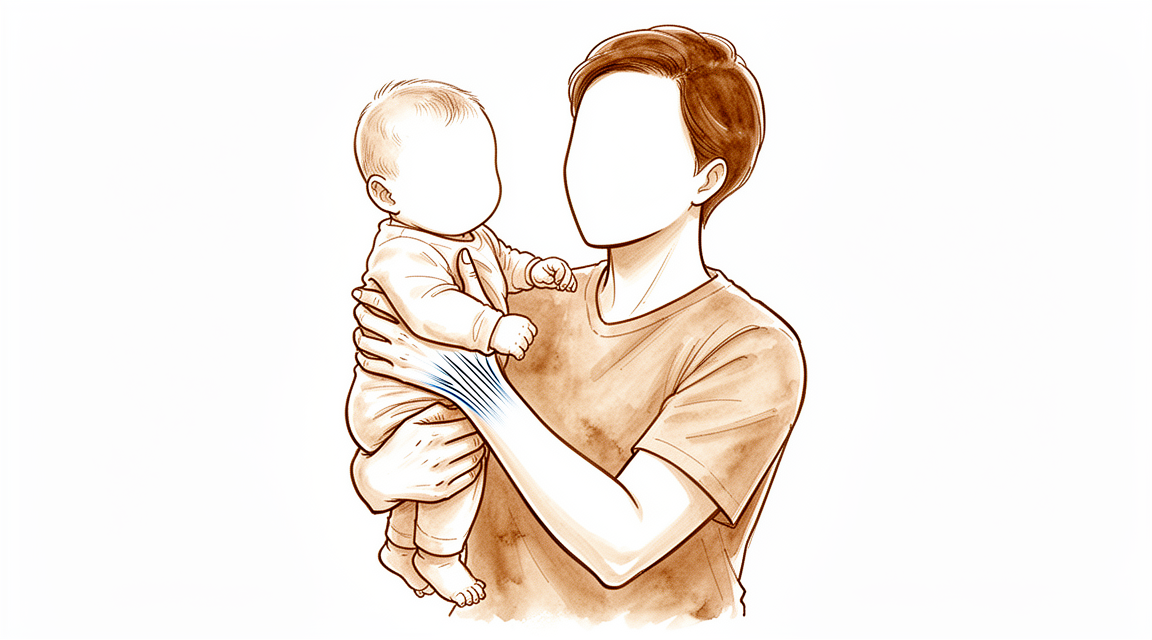
Lý do phẫu thuật này được đề xuất
Bác sĩ Kieran Hirpara, bác sĩ phẫu thuật chi trên tại Bệnh viện tư nhân Mater Rockhampton, sẽ bắt đầu bằng các phương pháp điều trị ít xâm lấn nhất phù hợp với tình trạng của bạn. Phẫu thuật giải phóng mô De Quervain là thủ thuật mở đường hầm mô bao quanh hai gân ngón tay cái ở cổ tay, giúp các gân này di chuyển trơn tru mà không bị vướng. Chúng tôi thường chỉ định phương pháp này khi các phương pháp điều trị khác chưa mang lại hiệu quả đáng kể.
Thông thường, bệnh nhân được bác sĩ đa khoa giới thiệu đến phòng khám chúng tôi; nếu nhà vật lý trị liệu khuyên bạn nên đến gặp chúng tôi, bạn vẫn cần có giấy giới thiệu từ bác sĩ đa khoa để được hưởng mức hoàn trả từ Medicare. Trong buổi khám, chúng tôi sẽ hỏi bệnh sử, khám cổ tay và chỉ định chụp hình ảnh nếu cần thiết nhằm xác định nguyên nhân gây đau. Đối với tình trạng này, các biện pháp điều trị không phẫu thuật thường được áp dụng trước. Cụ thể là tiêm corticosteroid – phương pháp điều trị ban đầu được ưu tiên – kết hợp với việc đeo nẹp và vật lý trị liệu cho tay. Kết quả cho thấy 82% bệnh nhân giảm đau sau một lần tiêm corticosteroid; hơn một nửa trong số đó không còn triệu chứng trong ít nhất 12 tháng. Việc tiêm lại cũng mang lại hiệu quả tốt. Phẫu thuật chỉ được cân nhắc khi các phương pháp tiêm và đeo nẹp không làm giảm đau, hoặc khi các triệu chứng nghiêm trọng đến mức ảnh hưởng đến sinh hoạt hàng ngày. Mục đích của ca phẫu thuật là giảm đau và giúp bạn sử dụng ngón tay cái cùng cổ tay một cách bình thường trở lại.
Trước khi phẫu thuật
Bác sĩ phẫu thuật sẽ xác nhận chẩn đoán trong buổi khám, thường là bằng cách khám cổ tay nhẹ nhàng và, nếu cần thiết, thực hiện các phương pháp chẩn đoán hình ảnh như chụp X-quang, siêu âm hoặc chụp MRI để lên kế hoạch phẫu thuật. Hầu hết bệnh nhân không cần làm gì thêm trước ngày mổ. Nếu bạn mắc các bệnh lý khác, có thể bạn sẽ cần xét nghiệm máu hoặc được bác sĩ gây mê đánh giá lại. Vào ngày phẫu thuật, hãy ngừng ăn và uống 7 giờ trước đó; chúng tôi yêu cầu như vậy để có thể sắp xếp phẫu thuật sớm hơn nếu lịch mổ được rút ngắn. Bác sĩ phẫu thuật sẽ hướng dẫn bạn những loại thuốc thông thường nào cần ngưng dùng. Hãy mang theo danh sách ghi rõ tất cả các loại thuốc bạn đang sử dụng. Hãy nhờ ai đó đưa bạn về nhà sau phẫu thuật, và mặc quần áo rộng rãi, thoải mái có tay áo có thể kéo lên qua cổ tay.
Vào ngày phẫu thuật
Bạn sẽ đến khoa tiếp nhận bệnh nhân phẫu thuật của bệnh viện, nơi bạn được làm thủ tục nhập viện và chuẩn bị cho ca mổ. Sau đó, bạn sẽ gặp bác sĩ gây mê. Ca phẫu thuật này có thể được thực hiện dưới gây tê tại chỗ (tiêm thuốc gây tê chỉ ở vùng cần mổ, trong khi bạn vẫn tỉnh táo) hoặc gây mê toàn thân (bạn sẽ ngủ hoàn toàn). Hầu hết mọi người chọn phương pháp gây tê tại chỗ vì thời gian hồi phục nhanh hơn và bạn có thể về nhà ngay sau đó. Nếu bạn muốn ngủ trong suốt ca mổ, đó cũng là lựa chọn hợp lý; hãy thảo luận với bác sĩ phẫu thuật và bác sĩ gây mê.
Sau đó, bạn sẽ được đưa vào phòng mổ để tiến hành phẫu thuật. Sau khi mổ, bạn tỉnh dậy tại khu vực hồi sức, nơi các y tá theo dõi tình trạng sức khỏe của bạn cho đến khi thuốc gây mê hết tác dụng. Khi tình trạng sức khỏe ổn định, tùy vào loại phẫu thuật và mức độ hồi phục, bạn sẽ được chuyển về phòng bệnh hoặc về nhà.
Quy trình phẫu thuật
Phẫu thuật này được gọi là giải phóng khoang mô mềm lưng cổ tay thứ nhất. Đây là một “đường hầm” mô nằm ở phía ngón tay cái của cổ tay, nơi hai gân đi qua và bị chèn ép. Bác sĩ phẫu thuật sẽ tạo một vết rạch nhỏ ngay phía trên đường hầm này, ở mặt ngoài cổ tay, rồi mở rộng đường hầm để các gân có thể di chuyển tự do.
Đôi khi, một trong hai gân lại nằm trong một không gian riêng biệt bên trong đường hầm, được ngăn cách bởi một vách mô. Nếu bác sĩ phát hiện điều này trong quá trình phẫu thuật, họ sẽ mở cả không gian đó ra để cả hai gân đều được giải phóng.
Sau khi các gân có thể di chuyển mà không bị vướng, bác sĩ sẽ khâu lại vết rạch và băng vết thương lại. Bạn cần giữ băng bó này trong khoảng 10 ngày, như đã được hướng dẫn ở phần tiếp theo.
Toàn bộ ca phẫu thuật chỉ là một thủ thuật ngắn gọn, tập trung vào một vùng nhỏ ở cổ tay. Bạn sẽ được về nhà ngay trong ngày và nhận các hướng dẫn chăm sóc vết thương.
Sau khi phẫu thuật
Bạn sẽ tỉnh dậy tại khu vực hồi sức, nơi các y tá theo dõi tình trạng của bạn cho đến khi thuốc gây mê hết tác dụng. Thông thường đây là ca phẫu thuật ngoại trú nên bạn có thể về nhà ngay trong ngày; tuy nhiên đôi khi bệnh nhân cần ở lại qua đêm. Trong 24 giờ đầu tiên sau phẫu thuật, nên có người ở bên cạnh bạn. Vết khâu ở cổ tay sẽ được băng bó; chúng tôi để băng bó này trong khoảng 10 ngày; vui lòng đừng tháo ra trước thời hạn đó trừ khi chúng tôi yêu cầu. Chúng tôi sẽ thay hoặc gỡ băng bó khi khám lại cho bạn. Bạn có thể cử động ngón tay, ngón cái và cổ tay tùy theo mức độ thoải mái; hầu hết mọi người đều có thể sử dụng tay để làm các công việc nhẹ ngay lập tức. Nhiều người cảm thấy dễ chịu hơn chỉ sau một hoặc hai ngày.
Quá trình hồi phục
Nhiều người cảm thấy dễ chịu hơn ngay trong ngày đầu hoặc ngày thứ hai sau phẫu thuật, khi đường hầm chứa các gân đã được mở rộng và các gân có thể di chuyển tự do. Trong những ngày đầu, cảm giác đau nhức và sưng nhẹ quanh vết mổ là hiện tượng bình thường. Việc nghỉ ngơi với tay được nâng cao trên gối sẽ giúp giảm triệu chứng này; đồng thời việc cử động nhẹ nhàng các ngón tay, ngón cái và cổ tay khi cảm thấy thoải mái cũng có tác dụng tương tự.
Bạn có thể sử dụng tay để thực hiện các công việc nhẹ ngay lập tức. Hãy giữ cho băng gạc sạch sẽ và khô ráo, đồng thời giữ nguyên băng gạc cho đến khi chúng tôi kiểm tra lại. Sau phẫu thuật, bạn sẽ được điều trị vật lý trị liệu với chuyên viên Ruby Doolan tại trung tâm Extend Rehabilitation. Chuyên viên trị liệu sẽ hướng dẫn bạn thực hiện các bài tập đơn giản nhằm giúp các gân tiếp tục di chuyển trơn tru; đồng thời sẽ chế tạo nẹp nếu cần thiết.
Khi tình trạng sưng giảm dần, các hoạt động sinh hoạt hàng ngày cũng trở nên dễ dàng hơn. Bạn sẽ thấy khả năng nắm chặt và cử động ngón cái dần hồi phục. Khi bạn có thể nắm tay và xoay vô lăng mà không cần bảo vệ tay nữa, đồng thời vết mổ không còn gây khó chịu, bạn thường có thể lái xe trở lại; vui lòng tham khảo trang thông tin Lái xe sau phẫu thuật chi trên. Bạn có thể quay lại làm việc và tham gia các hoạt động khác khi cảm thấy thoải mái và đủ sức khỏe.
Quá trình hồi phục ở mỗi người là khác nhau. Thời gian hồi phục của bạn có thể khác đi; bác sĩ phẫu thuật và chuyên viên trị liệu sẽ hỗ trợ bạn trong suốt quá trình này.
Những biến chứng có thể xảy ra
Hầu hết bệnh nhân đều hồi phục tốt, nhưng đôi khi vẫn có thể gặp phải các vấn đề. Bác sĩ phẫu thuật và đội ngũ y tế sẽ theo dõi sát sao để phát hiện sớm bất kỳ bất thường nào.
Đôi khi đường hầm nơi các gân đi qua không được mở rộng hoàn toàn, hoặc các gân bị trượt ra khỏi rãnh di chuyển của chúng. Bạn có thể cảm thấy hiện tượng vướng víu, bị kẹt giống như trước khi phẫu thuật, hoặc có cảm giác “lách cách” ở gốc ngón tay cái khi cử động. Nếu điều này xảy ra, hãy báo lại cho bác sĩ trong lần tái khám tiếp theo. Trong những trường hợp gân tiếp tục bị trượt, có thể cần phẫu thuật lại để mở rộng đường hầm và cố định các gân vào đúng vị trí.
Các dây thần kinh truyền cảm giác cho mặt sau bàn tay và ngón tay cái nằm gần đường hầm này. Nếu chúng bị kích thích trong quá trình phẫu thuật, bạn có thể cảm thấy tê, ngứa ran hoặc có cảm giác điện giật ở ngón tay cái hoặc mặt sau bàn tay. Hầu hết các triệu chứng này sẽ tự hết; tuy nhiên, nếu chúng không thuyên giảm hoặc có xu hướng nặng hơn, hãy thông báo ngay cho bác sĩ phẫu thuật.
Quá trình hồi phục cũng có thể kéo dài hơn dự kiến. Một số người vẫn cảm thấy đau nhức và cứng khớp trong nhiều tuần thay vì vài ngày; điều này có thể gây cảm giác bực bội. Nếu cổ tay vẫn đau sau một khoảng thời gian hợp lý, hoặc nếu cảm giác dễ chịu mong đợi không xuất hiện, hãy trao đổi với bác sĩ trong lần tái khám để chúng tôi tìm hiểu nguyên nhân.
Thỉnh thoảng, việc tiêm corticosteroid trước phẫu thuật không mang lại hiệu quả như mong muốn, khiến cơn đau vẫn tiếp diễn. Nếu bạn gặp tình huống này, điều đó không có nghĩa là có gì sai sót với cổ tay của bạn; đơn giản là phẫu thuật là bước điều trị phù hợp tiếp theo dành cho bạn.
Bảng các biến chứng ở trang này liệt kê tỷ lệ xảy ra của từng vấn đề để bạn tham khảo nếu muốn biết chi tiết.
Khi nào nên liên hệ với chúng tôi
Hầu hết mọi người đều hồi phục mà không gặp vấn đề gì, nhưng một số triệu chứng cần được xử lý gấp. Hãy gọi cho chúng tôi nếu bạn bị sốt, vết thương trở nên đỏ hơn hoặc có dịch chảy ra, hoặc nếu cơn đau đột nhiên trở nên dữ dội hơn. Hãy đến phòng cấp cứu nếu bạn bị sưng hoặc đau ở vùng bắp chân, hoặc khó thở. Hãy gọi ngay cho chúng tôi nếu tay hoặc ngón cái của bạn bị tê và tình trạng này kéo dài, hoặc nếu bạn không thể cử động các ngón tay hay ngón cái. Nếu không chắc chắn, hãy gọi cho chúng tôi.
Nơi để đọc thêm về bệnh lý này
Trang này nói về chính ca phẫu thuật. Các thông tin liên quan đến bệnh lý được điều trị, bao gồm cả những bằng chứng cho thấy khi nào phẫu thuật có ích và khi nào không, đều được trình bày chi tiết hơn trên trang Viêm màng bao gân De Quervain.
Evidence & references
This is the clinical evidence summary written for health professionals. It is technical, and it lists the research this page was built from. You do not need to read it to understand your treatment or to make a decision about it.
Anatomy & Pathophysiology
First Extensor Compartment Anatomy
- A common septum is found between the abductor pollicis longus (APL) and extensor pollicis brevis (EPB) tendons in 80% of patients requiring surgical release for de Quervain tenosynovitis [2].
- The first dorsal compartment of the wrist contains the APL and EPB tendons [7].
- The fibrous and osseous components of the first extensor compartment of the wrist have been characterized in cadaveric studies [1].
Wrist Bony Anatomy
- The wrist includes the distal radioulnar, radiocarpal, and ulnocarpal joints, as well as the eight carpal bones and their proximal and distal articulations [3].
- The proximal row of carpal bones consists of the scaphoid, lunate, triquetrum, and pisiform [3].
- The distal row of carpal bones consists of the trapezium, trapezoid, capitate, and hamate [3].
- The distal radius has three articular components: the scaphoid fossa, the lunate fossa, and the sigmoid notch [7].
- The concave elliptical distal radius is oriented in the sagittal plane with an average of 11 degrees of volar tilt [7].
- In the frontal plane, the average radial inclination of the distal radius is 23 degrees [7].
- Radial length is measured from the tip of the radial styloid to the ulnar articular surface and averages 13 mm [7].
- The distal ulnar convexity articulates at the lesser sigmoid notch of the distal radius [3].
- There is about a 20-degree inclination of the distal ulna at its articulation with the radius [3].
Wrist Ligaments and Soft Tissue
- Extrinsic carpal ligaments connect the radius or the ulna to the carpus [8].
- In general, volar wrist ligaments are stronger than dorsal ligaments [8].
- The triangular fibrocartilage complex (TFCC) attaches to the ulnar margin of the lunate fossa of the radius and includes the ulnar collateral ligament, dorsal and volar radioulnar ligaments, articular disc, meniscal homologue, extensor carpi ulnaris sheath, and ulnolunate and ulnotriquetral ligaments [3].
- The space of Poirier is a relatively thin area on the palmar side of the carpus situated between the radiolunotriquetral ligament and the radioscapocapitate ligament, overlying the palmar surface of the lunate [3].
- The space of Poirier is a weak area vulnerable to instability where the distal carpal row separates from the lunate during a perilunate dislocation [8].
- The dorsal radiocarpal ligament has a trapezoidal shape and passes from the dorsal rim of the distal radius to the lunate and the triquetrum [8].
- The scapholunate interosseous ligament is C-shaped, consisting of dorsal, palmar, and interosseous portions, with the dorsal portion being the strongest and thickest [8].
- The lunotriquetral interosseous ligament is C-shaped, with the volar portion being the thickest and strongest [8].
Wrist Biomechanics and Kinematics
- The radius bears 80% of the axial load transmitted through the radiocarpal joint, while the ulna bears 20% in neutral ulnar variance [8].
- Approximately 62° of wrist extension occurs through the radiocarpal joint [8].
- Approximately 62% of wrist flexion occurs through the midcarpal joint [8].
- The midcarpal joint is mostly responsible for 20° of radial deviation and 40° of ulnar deviation [8].
- The midcarpal joint is responsible for the “dart thrower’s motion,” which involves moving from radial extension into ulnar flexion positioning of the wrist [8].
- During wrist flexion from neutral, the proximal row translates dorsally [8].
- During wrist extension from neutral, the proximal row translates palmarly [8].
- The extensor carpi ulnaris (ECU) ulnarly deviates the wrist when the forearm is in pronation and extends the wrist when the forearm is supinated [2].
- The ECU provides both static and dynamic support to the wrist [2].
- The volar ECU sheath is adjacent to the TFCC, and ECU injury may coexist with concomitant TFCC injury [2].
Pathophysiology and Associated Conditions
- Tenosynovitis of the ECU is a common cause of ulnar-sided wrist pain [2].
- Painful dorsal wrist swelling may be the presenting symptom in rheumatoid arthritis, and tenosynovial swelling may contribute to de Quervain disease [11].
- In rheumatoid arthritis, synovitis can spread and cause massive swelling in the shape of an hourglass, with the middle constricted by the extensor retinaculum [11].
- The human wrist is described as the most complex articular system in the human body, with each carpal bone capable of moving in different degrees or directions dependent on hand position, motion, and force generation [4].
Physical Examination
- Patients with ECU tenosynovitis present with tenderness over the ECU tendon [2].
- Patients with ECU tenosynovitis present with swelling [2].
- Patients with ECU tenosynovitis present with pain with resisted wrist extension [2].
- Patients with ECU tenosynovitis do not have instability [2].
- The ECU synergy test helps distinguish a TFCC injury from ECU tenosynovitis [2].
- In the ECU synergy test, the patient rests the elbow of the supinated forearm on a table with the digits extended [2].
- In the ECU synergy test, the examiner grasps the patient’s thumb and long finger and asks the patient to deviate the thumb radially against resistance [2].
- In the ECU synergy test, the examiner’s other hand gently palpates the ECU and flexor carpi ulnaris [2].
- The presence of pain during the ECU synergy test suggests pathology in the ECU rather than intra-articular pathology [2].
Imaging
- Ultrasonography can be used to distinguish tenosynovitis from ECU subsheath injury in patients whose examination is equivocal [2].
- MRI can be used to distinguish tenosynovitis from ECU subsheath injury in patients whose examination is equivocal [2].
Investigations
Magnetic Resonance Imaging
- MRI has been an important diagnostic tool for hand and wrist imaging since its first report in 1986 [9].
- The primary advantages of MRI compared with CT and radiography are improved tissue characterization, especially of soft tissues such as ligamentous structures and synovium, and the lack of ionizing radiation [9].
- MRI is the modality of choice for imaging radiographically occult fractures of the hand and wrist [9].
- Early MRI was limited by low magnetic field strength (0.15 T) and limited image options and processing [9].
- Modern MRI is generally performed at 1.5T or 3T with a wide variety of imaging options and powerful image processing [9].
- 3T MRI is much preferred for hand and wrist imaging, especially for imaging small fields of view [9].
- Dedicated extremity magnets have been marketed, but their image quality is poor compared with conventional MR imaging [9].
- 7T MRI has recently become approved for clinical use and has the potential to become a powerful tool for hand and wrist imaging as applications are developed [9].
- MRI with contrast enhancement is most commonly used to determine whether soft-tissue lesions are solid or cystic or to better visualize erosions and synovial burden in rheumatologic imaging [9].
- Dynamic contrast enhancement has been used with inconsistent results to assess for the presence of avascular necrosis in the lunate or scaphoid after injury [9].
- MR angiography of the hand and wrist can be helpful in situations such as the diagnosis of hypothenar hammer syndrome [9].
- MR arthrography can be performed for evaluation of triangular fibrocartilage and intercarpal ligament tears, but this is generally unnecessary with the increasing availability of high-field MRI [9].
- The use of MRI for hand and wrist imaging was first reported in 1986 [9].
Radiography and Computed Tomography
- Hybrid SPECT/CT has been used for the diagnosis of radiographically occult fractures of the wrist [5].
- Cone-beam CT has been used in the diagnosis of scaphoid fractures [5].
- CT and MRI have a diagnostic impact on wrist injuries in young adults [5].
- Distal radioulnar joint stress radiography has been used for detecting radioulnar ligament injury [5].
- Cine MRI has been used as a new approach to the diagnosis of scapholunate dissociation [5].
- Radiographic stress views have been compared for scapholunate dynamic instability in a cadaver model [5].
- Cone-beam computed tomography arthrography is an innovative modality for the evaluation of wrist ligament and cartilage injuries [5].
- Simple plain radiographic signs and measures have been evaluated for the accuracy of diagnosing acute scapholunate ligament injuries of the wrist [10].
- Radiographic clues have been used for determining carpal instability and treatment protocols for scaphoid fractures [10].
References
[1] Campbell S Operative Orthopaedics 4 Volume Set. ANATOMIC RECONSTRUCTION OF THE DISTAL RADIOULNAR LIGAMENTS > ANATOMY AND BIOMECHANICS.
[2] Aaos Comprehensive Orthopaedic Review 3. Tendinopathy of the Hand and Wrist* > VII. Extensor Carpi Ulnaris Tenosynovitis.
[3] Campbell S Operative Orthopaedics 4 Volume Set. NERVE INJURIES AT THE LEVEL OF THE HAND AND WRIST > ANATOMY.
[4] Green S Operative Hand Surgery. INTRODUCTION.
[5] Campbell S Operative Orthopaedics 4 Volume Set. ANATOMIC RECONSTRUCTION OF THE DISTAL RADIOULNAR LIGAMENTS > RADIOGRAPHIC TECHNIQUES.
[7] A Lange Medical Book Current Diagnosis Treatment In Orthopedics Fifth Edition. 2Musculoskeletal Trauma Surgery > FRACTURES AND DISLOCATIONS OF THE DISTAL AND MID-FOREARM.
[8] Aaos Comprehensive Orthopaedic Review 3. Carpal Instability* > II. Anatomy and Biomechanics (See Chapter 92).
[9] Orthopaedic Knowledge Update 13 Ebook Without Multimedia. Anatomy, Evaluation, Clinical Examination, and Imaging > Imaging: Advances in Imaging of the Hand and Upper Extremity > Magnetic Resonance Imaging.
[10] Campbell S Operative Orthopaedics 4 Volume Set. ANATOMIC RECONSTRUCTION OF THE DISTAL RADIOULNAR LIGAMENTS > DIAGNOSIS AND EVALUATION.
[11] Campbell S Operative Orthopaedics 4 Volume Set. THUMB CARPODNETACARPAL ARTHRODESIS WITH KIRSCHNER WIRE OR BLADE-PLATE FIXATION > SYNOVITIS OF THE WRIST.