Patients › Rehabilitation
Sửa chữa cơ ngực lớn
Rehabilitation protocol after pectoralis major repair, with the protected safe zone and staged return to chest loading.
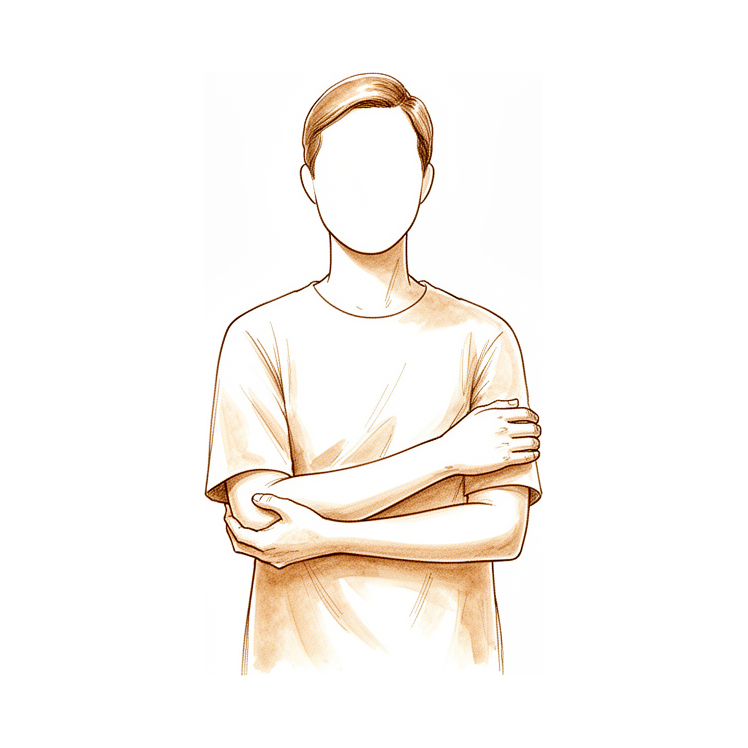
Quy trình này hướng dẫn quá trình hồi phục của bạn sau ca phẫu thuật sửa chữa cơ ngực lớn do bác sĩ Kieran Hirpara thực hiện tại Bệnh viện tư nhân Mater Rockhampton. Mỗi giai đoạn dưới đây đều bắt đầu bằng lời giải thích bằng ngôn ngữ dễ hiểu về những gì đang diễn ra và những điều quan trọng cần lưu ý; tiếp theo là các thông tin chi tiết mà chuyên viên vật lý trị liệu cần biết. Hãy mang theo trang này hoặc bản PDF tương ứng trong lần khám vật lý trị liệu đầu tiên để việc phục hồi diễn ra đúng kế hoạch. Chuyên viên vật lý trị liệu có thể điều chỉnh kế hoạch tùy theo tiến triển hồi phục của bạn.
Nếu bạn có bất kỳ thắc mắc nào về vết thương sau phẫu thuật, hãy liên hệ với phòng khám. Việc chụp ảnh vết thương rồi gửi qua email để được đánh giá cũng rất hữ
Những điều bạn có thể mong đợi
Cơ ngực lớn là cơ mạnh mẽ ở vùng ngực, giúp thực hiện các động tác đẩy và ôm: như tập bench press, hít đất, hoặc đưa tay qua ngực. Chấn thương cơ này thường xảy ra ở những nam giới trẻ, khỏe mạnh trong giai đoạn hạ tay xuống khi thực hiện bench press nặng; lúc đó cơ bị kéo giãn và chịu tải trọng cùng lúc. Việc phẫu thuật sửa chữa là để nối lại gân cơ bị rách; toàn bộ chương trình phục hồi đều dựa trên một nguyên tắc đơn giản: giữ cho gân vừa được sửa chữa không bị kéo giãn và không chịu tải trong quá trình lành lại.
Cơ ngực lớn có chức năng kéo tay qua ngực và hướng vào trong, đồng thời xoay tay vào trong. Hai động tác gây kéo giãn và tạo áp lực lớn nhất lên vùng vừa được sửa chữa là đưa tay ra ngoài sang bên (khép vai) và xoay tay ra ngoài (xoay ngoài); đặc biệt là khi thực hiện cả hai động tác này cùng lúc – chính là tư thế gây ra chấn thương ban đầu. Vì vậy, trong giai đoạn đầu, tay sẽ được giữ phía trước ngực, hơi xoay vào trong; hai động tác trên bị hạn chế nghiêm ngặt và chỉ được phép thực hiện dần dần, từng chút một.
Do vết sửa chữa có thể bị bong khỏi xương nếu chịu tải quá mức, các bài tập nặng cho vùng ngực (bench press, flyes, dips, hít đất và các môn thể thao tiếp xúc) sẽ bị hoãn lại trong khoảng bốn đến sáu tháng. Thời gian này có vẻ dài hơn so với cảm nhận thông thường, nhưng đây là yếu tố quan trọng nhất để bảo vệ vết sửa chữa.
Lịch trình phục hồi còn phụ thuộc vào cách gân được sửa chữa. Phương pháp sửa chữa gân – xương (gân được nối lại với xương cánh tay bằng móc hoặc nút) có tốc độ lành lại chậm hơn so với phương pháp gân – gân, và thời gian mang nẹp cũng lâu hơn một chút. Bác sĩ Hirpara sẽ cho bạn biết phương pháp nào phù hợp với trường hợp của mình. Trong suốt quá trình phục hồi này, bạn chỉ tiến sang giai đoạn tiếp theo khi vai đã sẵn sàng, chứ không phải chỉ dựa vào thời gian đã định: mỗi giai đoạn dưới đây đều mô tả rõ những dấu hiệu cho thấy vai đã “sẵn sàng”.
Quy trình phẫu thuật
Phẫu thuật khâu lại gân cơ ngực lớn nhằm nối lại phần gân cơ ngực bị rách. Thông thường, gân này bị tách rời khỏi chỗ bám trên xương cánh tay (xương cánh tay trên), và bác sĩ sẽ khâu lại tại chỗ đó bằng các mũi khâu chắc chắn thông qua các móc cố định hoặc nút khóa; đôi khi vết rách nằm ngay trong chính sợi gân và cũng được khâu lại. Nhiệm vụ của quá trình phục hồi chức năng là bảo vệ chỗ khâu đó trong thời gian lành thương, sau đó dần dần khôi phục lại toàn bộ vận động, sức mạnh cũng như khả năng thực hiện các động tác ấn mạnh một cách tự tin.
Cách đeo đai treo cánh tay
Bạn sẽ đeo một đai treo đơn giản: Bác sĩ Hirpara sử dụng loại đai treo đơn giản này, chứ không phải loại đai nâng cánh tay cồng kềnh hay nẹp đặc biệt. Đai treo giúp giữ cánh tay ở tư thế an toàn: nằm phía trước cơ thể và hơi xoay vào trong, sao cho cơ ngực vừa được phẫu thuật được thả lỏng.
- Đeo đai treo trong khoảng 4 đến 6 tuần (trường hợp phục hồi gân – xương thì thời gian đeo lâu hơn so với trường hợp nối hai đầu gân; Bác sĩ Hirpara sẽ thông báo rõ cho bạn). Bạn không cần phải đeo đai khi ngủ.
- Chỉ tháo đai ra khi tắm hoặc khi thực hiện các bài tập vận động, sau khi đã được hướng dẫn cách làm; mỗi khi tháo đai, hãy giữ cánh tay nằm phía trước cơ thể và sát bên hông, không được để ra ngoài hay xoay ra ngoài.
- Khi nghỉ ngơi tại nhà, bạn có thể tháo đai nếu biết cách bảo vệ cánh tay: đặt tay lên gối hoặc gối ôm, giữ tay ở phía trước người.
- Nếu vai bị sưng hoặc đau, hãy chườm đá, đặc biệt là sau khi tập luyện.
Trong thời gian đeo đai, hãy chú ý đến tư thế của mình. Giữ cho tai, vai và hông nằm thẳng hàng; tránh để vai bị chùng xuống. Tư thế đúng không chỉ bảo vệ cột sống mà còn giúp ngăn ngừa tình trạng cứng khớp vai.
Những lưu ý quan trọng — tuyệt đối không được làm
- Tuyệt đối không xoay cánh tay ra ngoài vượt quá giới hạn hàng tuần do vật lý trị liệu viên quy định. Việc xoay ra ngoài bắt đầu từ vị trí thẳng về phía trước (trạng thái trung tính, 0°) và mỗi tuần chỉ được phép xoay thêm khoảng 5°; việc xoay ra ngoài quá mức sẽ gây căng giãn vùng vừa được phẫu thuật.
- Tuyệt đối không đưa cánh tay sang ngang vượt quá mức cho phép mỗi tuần; cũng không được kết hợp việc đưa cánh tay sang ngang với việc xoay nó ra ngoài: tư thế này dễ gây rách cơ.
- Tuyệt đối không để khuỷu tay di chuyển về phía sau đường thẳng ngang ngực (điều này gây căng giãn vùng vừa được phẫu thuật); hãy tránh tư thế này trong thời gian dài khi tập luyện tại phòng gym.
- Tuyệt đối không thực hiện các bài tập đu đưa cánh tay (pendulum) hay dùng que để tạo đòn bẩy trong những tuần đầu; trái với các ca phẫu thuật vai thông thường, việc để cánh tay đu đưa hoặc dùng que tạo đòn bẩy sẽ gây lực kéo lên cơ ngực vừa được phẫu thuật. (Các bài tập dùng que chỉ được áp dụng từ khoảng tuần 4 trở đi.)
- Tuyệt đối không đẩy, ấn hay tạo tải trọng lên vùng ngực (không tập bench press, flyes, dips, pec-deck, hít đất hay tham gia các môn thể thao tiếp xúc) cho đến khi được bác sĩ cho phép; thời gian tối thiểu là 4 đến 6 tháng.
- Tuyệt đối không cố gắng thực hiện các chuyển động vượt mức hay kéo giãn cơ ngực vừa được phẫu thuật; cũng không được tập các bài tập tạo sức cản cho chuyển động xoay vào trong hay ấn ngực cho đến khi đội ngũ y tế chỉ định, tức là từ khoảng tuần 9.
Giai đoạn I — Bảo vệ (tuần 0–3)
Trong những tuần đầu tiên, mục tiêu chính là bảo vệ gân vừa được phẫu thuật khi nó dần dính vào xương. Ban ngày, bạn phải đeo nẹp đơn giản; cánh tay đặt phía trước người và hơi xoay vào trong; bạn không cần đeo nẹp khi ngủ, nhưng vẫn phải giữ cánh tay ở tư thế an toàn đó qua đêm. Bàn tay, cổ tay, các ngón tay và khuỷu tay vẫn vận động bình thường. Từ khoảng tuần thứ 2, chuyên viên vật lý trị liệu có thể bắt đầu hỗ trợ vận động nhẹ nhàng cho vai bạn (vận động thụ động) trong những giới hạn nghiêm ngặt; tuy nhiên không được vận động chủ động, không được gắng sức, và cấm thực hiện các bài tập đu đưa vai hoặc dùng que để vận động.
- Nẹp: nẹp đơn giản, cánh tay đặt phía trước và hơi xoay vào trong; đeo vào ban ngày; khi ngủ thì tháo nẹp nhưng vẫn giữ cánh tay ở tư thế an toàn tương tự.
- Các chuyển động được phép: chỉ vận động thụ động (có hỗ trợ), bắt đầu từ khoảng tuần thứ 2 và phải nằm trong các giới hạn sau: xoay ra ngoài chỉ đến mức trung tính (0°), nâng lên phía trước chỉ đến khoảng 45°, và đưa tay sang ngang chỉ đến khoảng 30°. Khuỷu tay, cổ tay và bàn tay vẫn vận động tự do.
- Các bài tập: vận động bàn tay, cổ tay và khuỷu tay; nắm tay nhẹ nhàng; các bài tập điều chỉnh vị trí xương bả vai và kéo nhẹ các cơ xung quanh xương bả vai (với biên độ thấp, dưới mức độ cao của vai). Tuyệt đối không thực hiện các bài tập tải trọng lên cơ ngực.
Sẵn sàng chuyển sang giai đoạn tiếp theo khi: cơn đau đã được kiểm soát; vết thương lành tốt, không có dấu hiệu bất thường; các chuyển động thụ động diễn ra thoải mái trong các giới hạn đã nêu; và không có dấu hiệu cho thấy vết khâu bị quá tải.
Giai đoạn II — Phục hồi vận động và dần bỏ nẹp cố định (tuần 4–6)
Kieran Hirpara 4.0
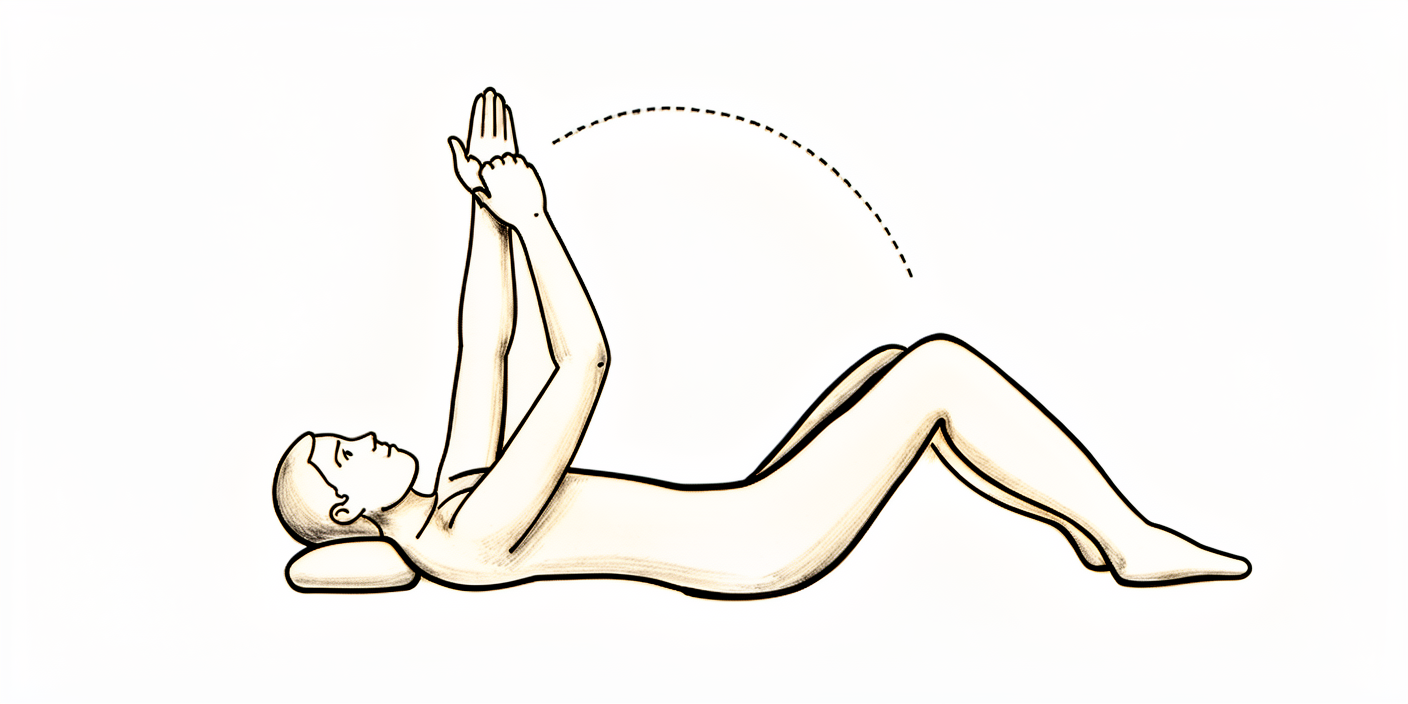
Hỗ trợ nâng tay lên phía trước khi nằm
Nằm ngửa. Dùng tay lành đặt dưới khuỷu tay của cánh tay vừa được phẫu thuật để hỗ trợ nâng cánh tay lên phía trước; chỉ nâng đến mức độ mà chuyên viên vật lý trị liệu đã chỉ định, sau đó hạ xuống từ từ. Vai vừa phẫu thuật phải giữ ở trạng thái thư giãn, toàn bộ công việc nâng hạ do tay lành đảm nhiệm. Bài tập này bắt đầu thực hiện từ khoảng tuần thứ 4 trở đi — không thực hiện trong những tuần đầu sau phẫu thuật.
Theo hướng dẫn của chuyên viên vật lý trị liệu của bạn.
Kieran Hirpara 4.0
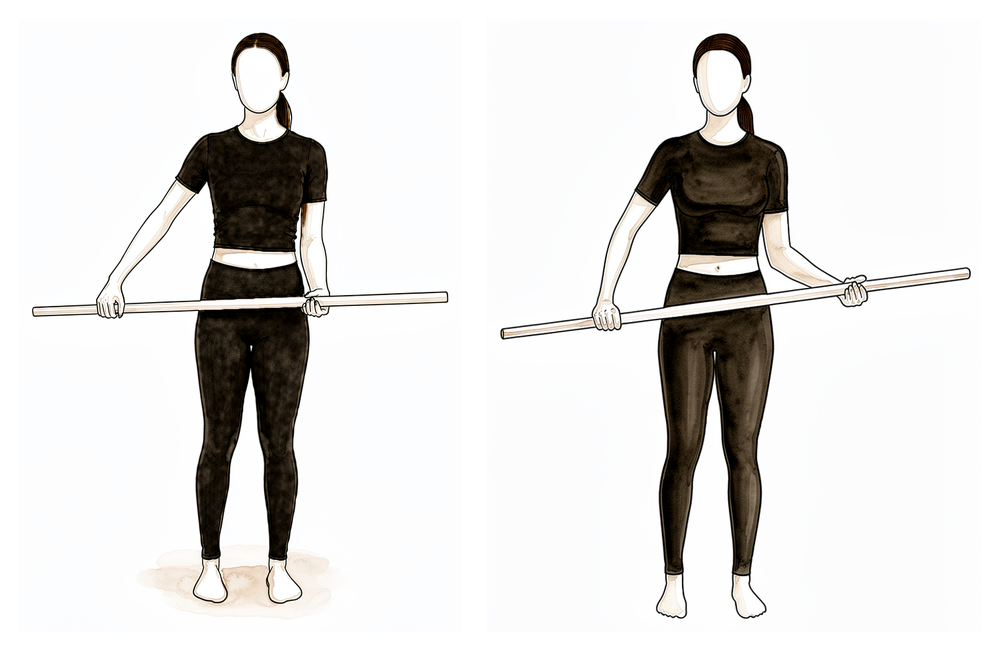
Hỗ trợ xoay ngoài cánh tay bằng cách dùng cây gậy
Cầm một cây gậy (hoặc gậy chống) bằng cả hai tay, đồng thời giữ khuỷu tay của cánh tay vừa được phẫu thuật sát vào thân mình. Dùng cánh tay lành để nhẹ nhàng đẩy cẳng tay vừa phẫu thuật ra ngoài, nhưng chỉ đến mức giới hạn mà chuyên viên vật lý trị liệu đã quy định; sau đó đưa tay trở lại vị trí ban đầu. Bài tập này bắt đầu thực hiện từ khoảng tuần thứ 4 trở đi — không thực hiện trong những tuần đầu sau phẫu thuật.
Theo hướng dẫn của chuyên viên vật lý trị liệu của bạn.
Kieran Hirpara 4.0
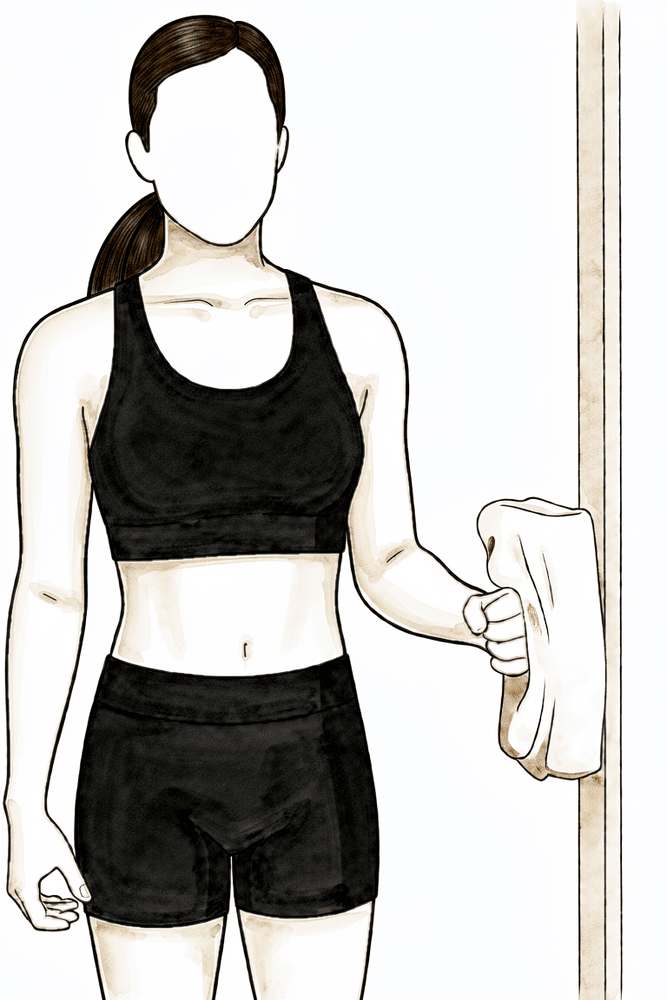
Nhấn giữ trong tư thế xoay ngoài
Đứng thẳng, khuỷu tay áp sát vào thân mình và gập 90 độ; mặt sau bàn tay chạm vào tường hoặc khung cửa. Nhẹ nhàng ấn mặt sau bàn tay ra ngoài hướng tường — chỉ dùng khoảng một phần tư sức lực của mình — nhưng không để cánh tay di chuyển. Giữ nguyên tư thế khoảng 5 giây rồi thả lỏng.
10 lần, mỗi ngày một hoặc hai lần.
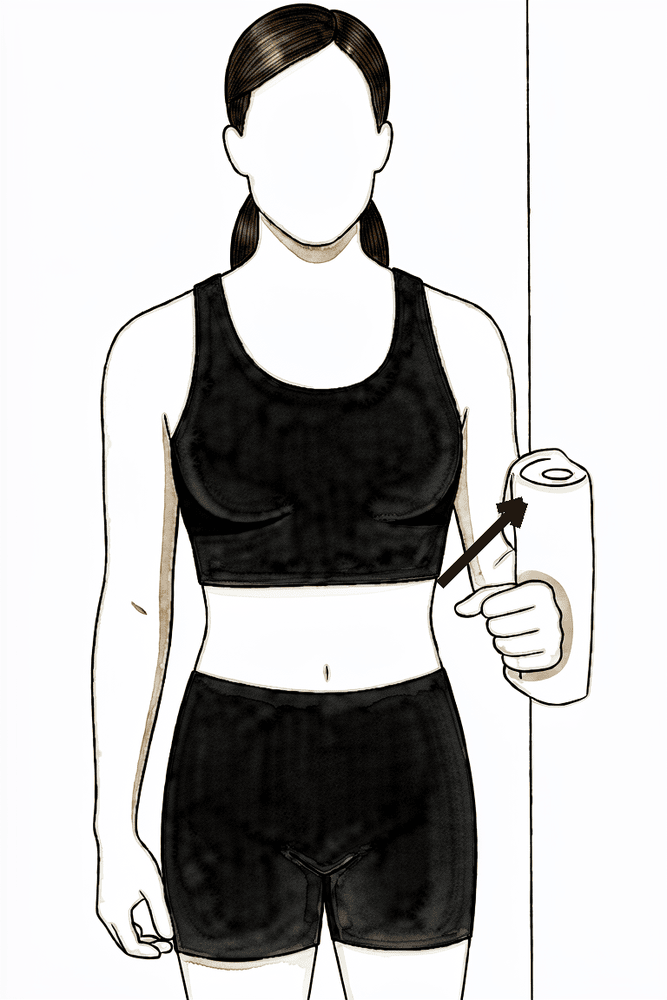
Kieran Hirpara 4.0
Nhấn và giữ tay duỗi ra sang bên.
Đứng nghiêng người sao cho mặt ngoài cánh tay áp sát vào tường, khuỷu tay đặt sát bên hông. Nhẹ nhàng đẩy cánh tay ra ngoài hướng tường — chỉ dùng khoảng một phần tư sức lực của mình — nhưng không để cánh tay di chuyển. Giữ nguyên tư thế khoảng 5 giây rồi thả lỏng.
10 lần, mỗi ngày một hoặc hai lần.
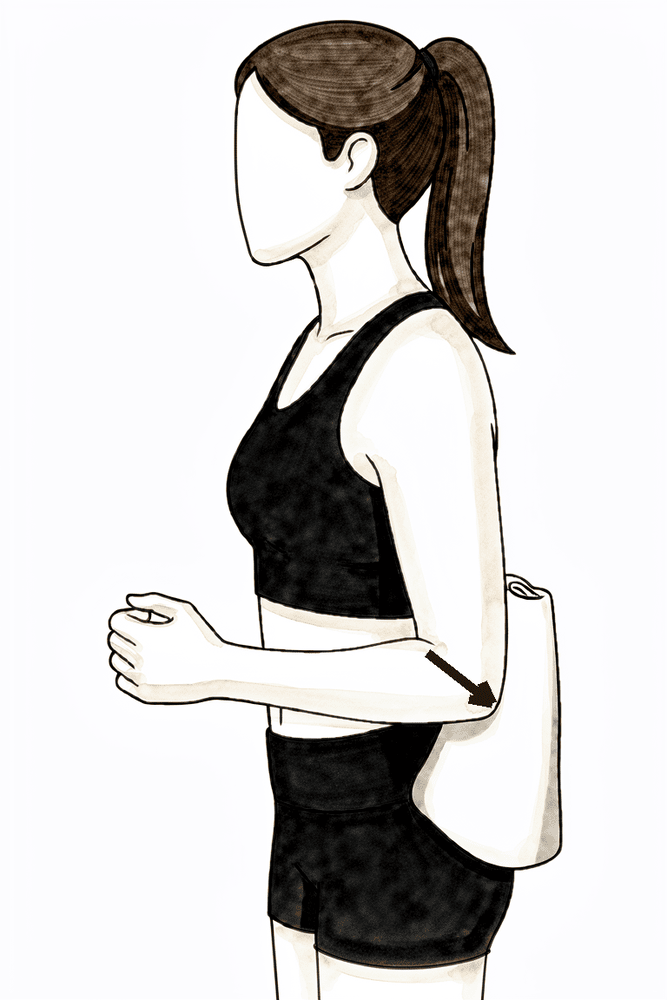
Kieran Hirpara 4.0
Nhấn giữ tay ở tư thế quay ra sau
Đứng sao cho lưng áp sát vào tường, tay đặt bên hông và khuỷu tay duỗi thẳng. Nhẹ nhàng ấn mặt sau cánh tay ra phía sau vào tường – chỉ dùng khoảng một phần tư lực của mình – mà không để tay di chuyển. Giữ nguyên tư thế khoảng 5 giây rồi thả lỏng. Bài tập này giúp vận động các cơ phía sau vai. Chúng tôi sử dụng bài tập này thay vì các bài tập ấn vào trong ở giai đoạn đầu, vì việc ấn vào trong sẽ gây áp lực lên cơ ngực vừa được phẫu thuật.
10 lần, mỗi ngày một hoặc hai lần.
Vết khâu đang lành lại; nẹp cố định cũng dần được tháo bỏ trong khoảng từ tuần thứ 4 đến tuần thứ 6. Phạm vi vận động được bảo vệ chỉ tăng thêm vài độ mỗi tuần; từ nay có thể bắt đầu các bài tập hỗ trợ nhẹ nhàng (dùng que hỗ trợ). Các bài tập co cơ tĩnh (isometric) dành cho các cơ quanh vai cũng bắt đầu được thực hiện, nhưng không áp dụng cho cơ ngực cũng như các động tác xoay vào trong, vì cả hai đều gây áp lực lên vết khâu.
- Nẹp cố định: dần được tháo bỏ (trong khoảng từ tuần thứ 4 đến tuần thứ 6).
- Các vận động được phép: vận động thụ động và vận động có hỗ trợ; mỗi tuần phạm vi vận động tăng thêm khoảng 5°: xoay ra ngoài từ vị trí trung tính, nâng tay lên phía trước tới mức khoảng 65–85°, và đưa tay sang ngang tới mức khoảng 50°. Vẫn chưa được vận động bằng sức mình; không được vượt quá giới hạn vận động quy định mỗi tuần.
- Các bài tập: nâng tay phía trước có hỗ trợ khi nằm; xoay tay ra ngoài có hỗ trợ bằng que (chỉ đến mức giới hạn cho phép mỗi tuần); các bài tập co cơ tĩnh cho động tác xoay ra ngoài, đưa tay sang ngang và đưa tay ra sau; không thực hiện các bài tập xoay tay vào trong; bài tập điều chỉnh vị trí xương bả vai.
Sẵn sàng chuyển sang giai đoạn tiếp theo khi: bạn đã tháo nẹp cố định; phạm vi vận động được bảo vệ tăng dần đúng theo lộ trình; không cảm thấy đau ở phía trước vai khi xoay tay ra ngoài đến mức giới hạn; và các bài tập co cơ tĩnh không gây khó chịu.
Giai đoạn III — Vận động chủ động (tuần 6–8)
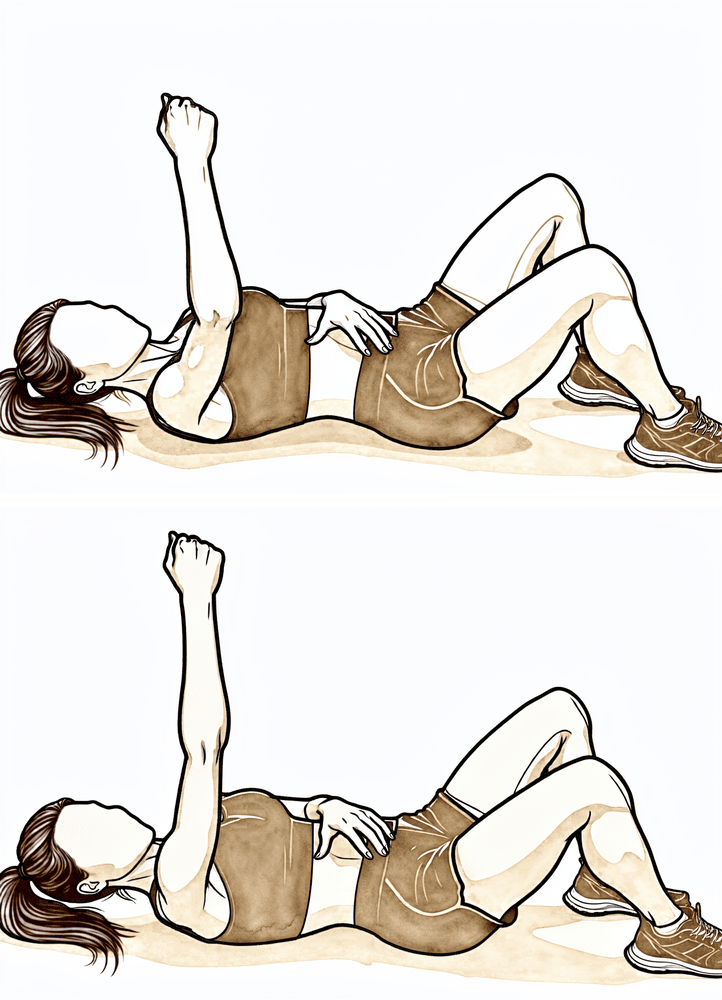
Kieran Hirpara 4.0
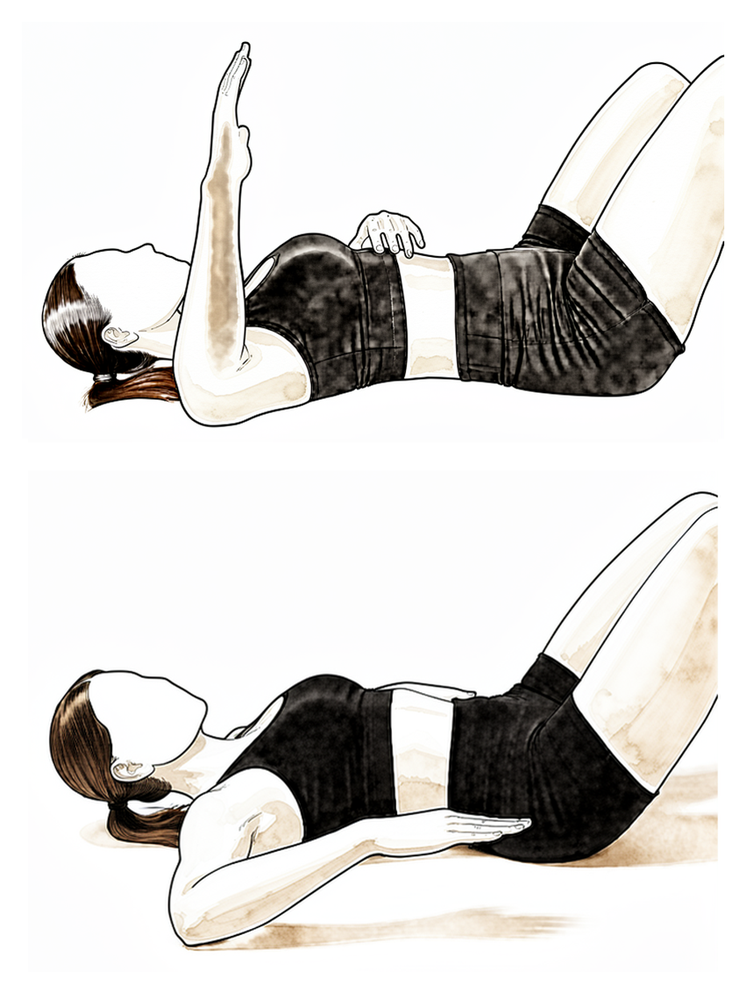
Đấm tay lên trần khi nằm ngửa (tư thế chào)
Nằm ngửa, tay vừa được phẫu thuật hướng lên trần nhà. Duỗi tay lên phía trần sao cho xương bả vai rời khỏi mặt sàn, sau đó hạ tay xuống từ từ. Thực hiện chuyển động một cách nhẹ nhàng và trong phạm vi thoải mái.
10 lần, mỗi ngày một lần.
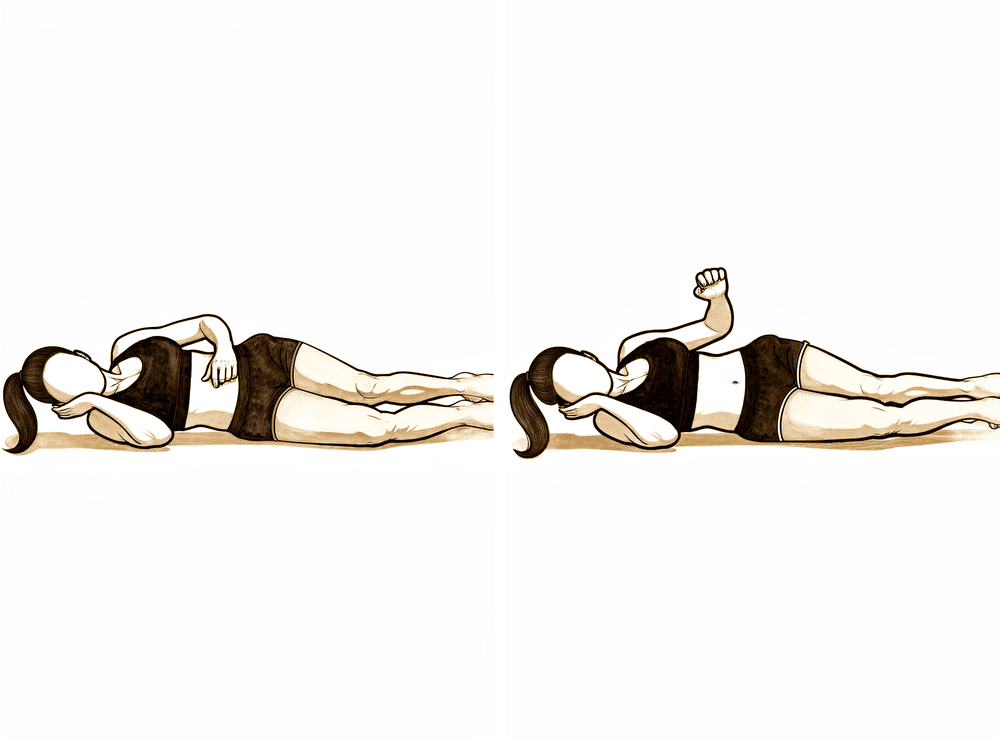
Kieran Hirpara 4.0
Xoay ngoài khi nằm nghiêng
Nằm nghiêng về phía lành, đặt khuỷu tay vừa phẫu thuật sát vào hông và gập lại thành góc 90 độ. Giữ nguyên tư thế khuỷu tay, xoay cẳng tay lên trên hết mức có thể một cách thoải mái, sau đó hạ xuống từ từ. Ban đầu không nên dùng thêm trọng lượng nào.
10–15 lần, mỗi ngày một lần.
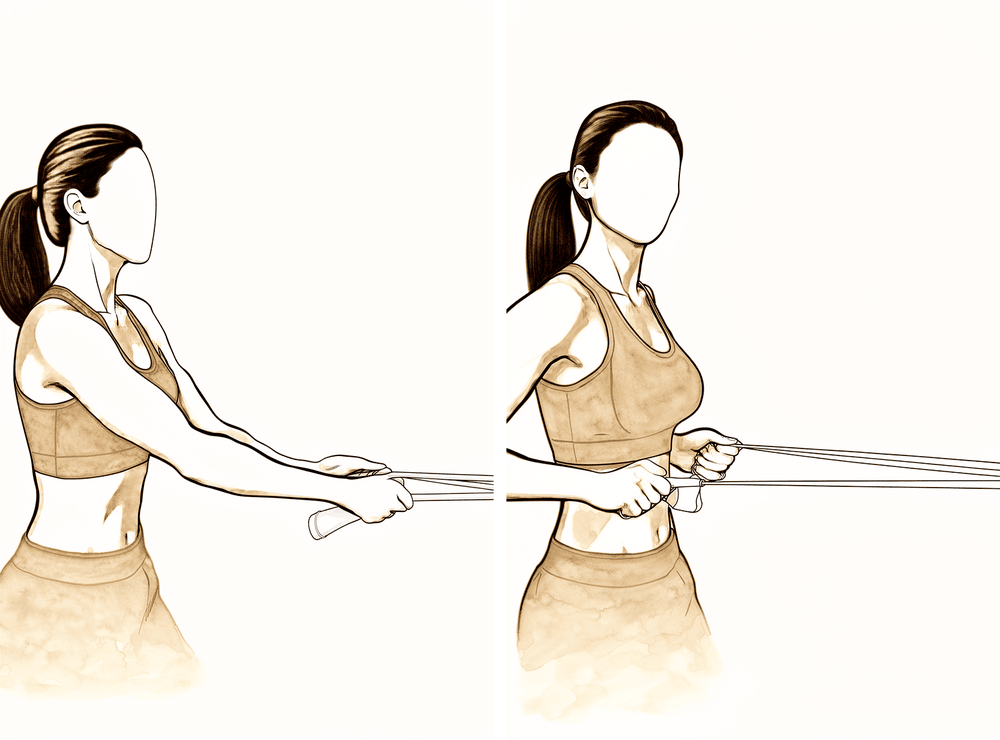
Kieran Hirpara 4.0
Bài tập kéo dây kháng lực
Gắn dây đàn hồi ở phía trước bạn, ngang tầm eo. Đứng thẳng người, kéo khuỷu tay về phía thân mình đồng thời siết chặt hai bả vai lại với nhau, sau đó từ từ trở về vị trí ban đầu. Giữ khuỷu tay sát hai bên thân người và không để chúng vượt qua đường thẳng của cơ thể.
10–15 lần, mỗi ngày một lần.
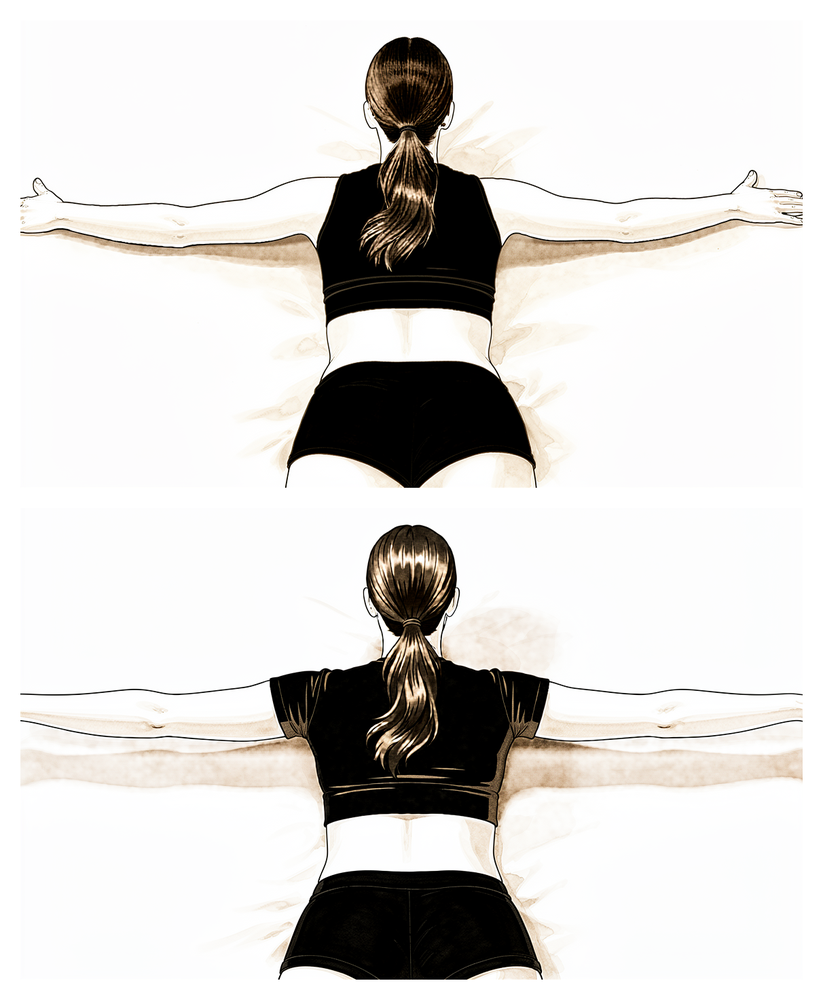
Kieran Hirpara 4.0
Bài tập kéo xương bả vai xuống (tư thế nằm sấp hình chữ Y)
Nằm sấp, để hai tay thõng xuống. Từ từ nâng hai tay sang hai bên ngang mức vai, siết chặt các cơ vùng bả vai lại, sau đó hạ tay xuống chậm rãi. Hãy thực hiện chuyển động một cách nhẹ nhàng và có kiểm soát.
10 lần, mỗi ngày một lần.
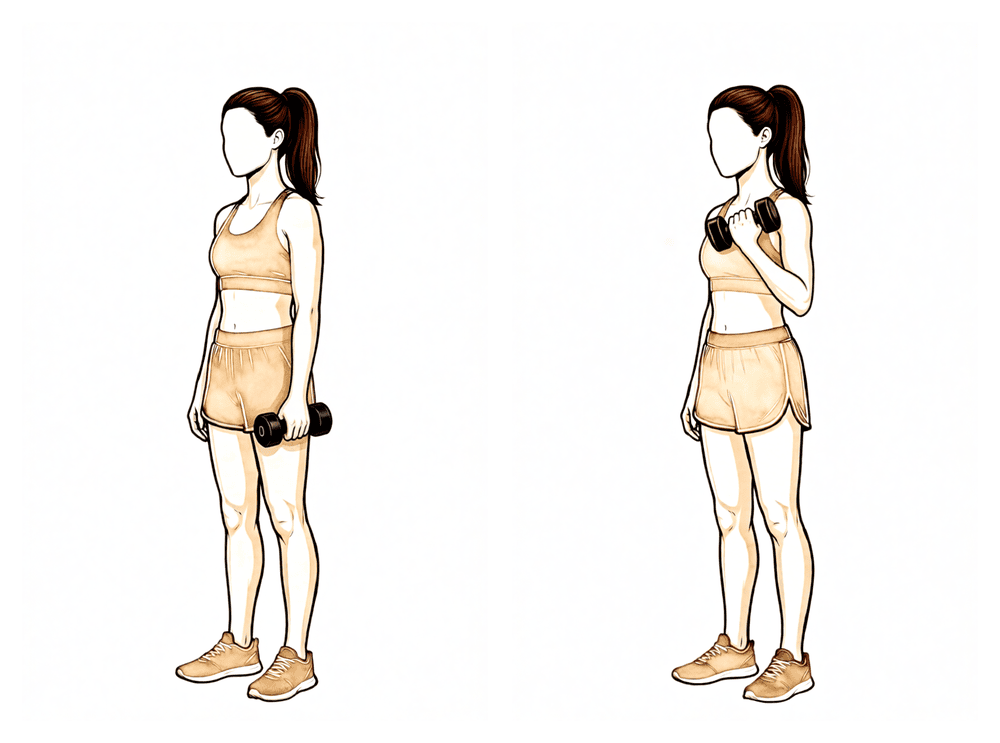
Kieran Hirpara 4.0
Gập khuỷu tay với tạ
Với vật nặng có trọng lượng nhẹ và khuỷu tay áp sát vào thân mình, hãy gập khuỷu tay để nâng vật nặng lên, sau đó hạ xuống từ từ. Giữ nguyên cánh tay trên ở vị trí cố định phía trước cơ thể.
10–15 lần, mỗi ngày một lần
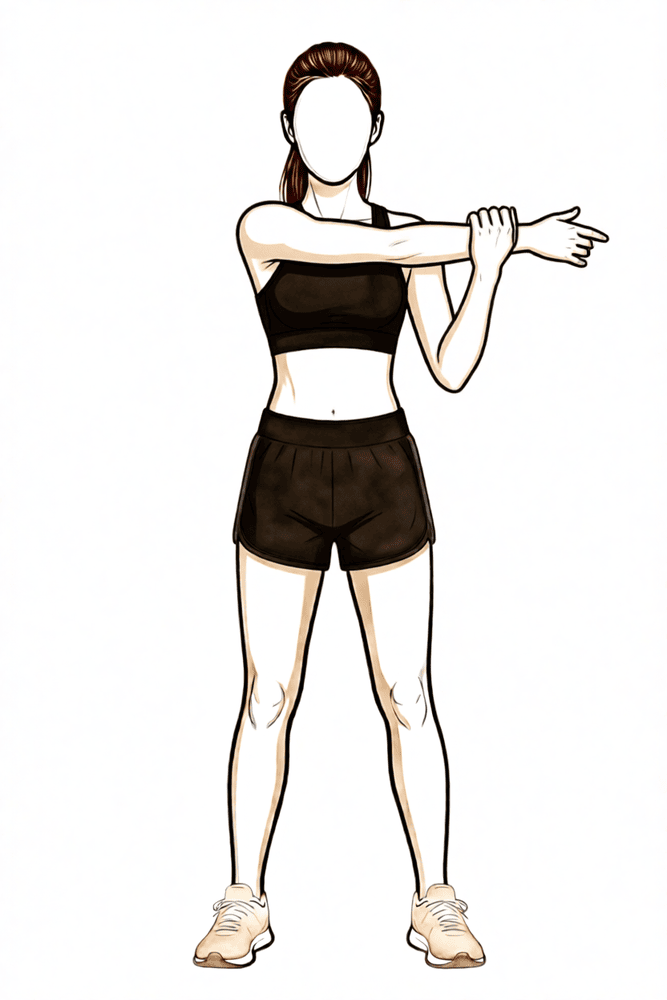
Kieran Hirpara 4.0
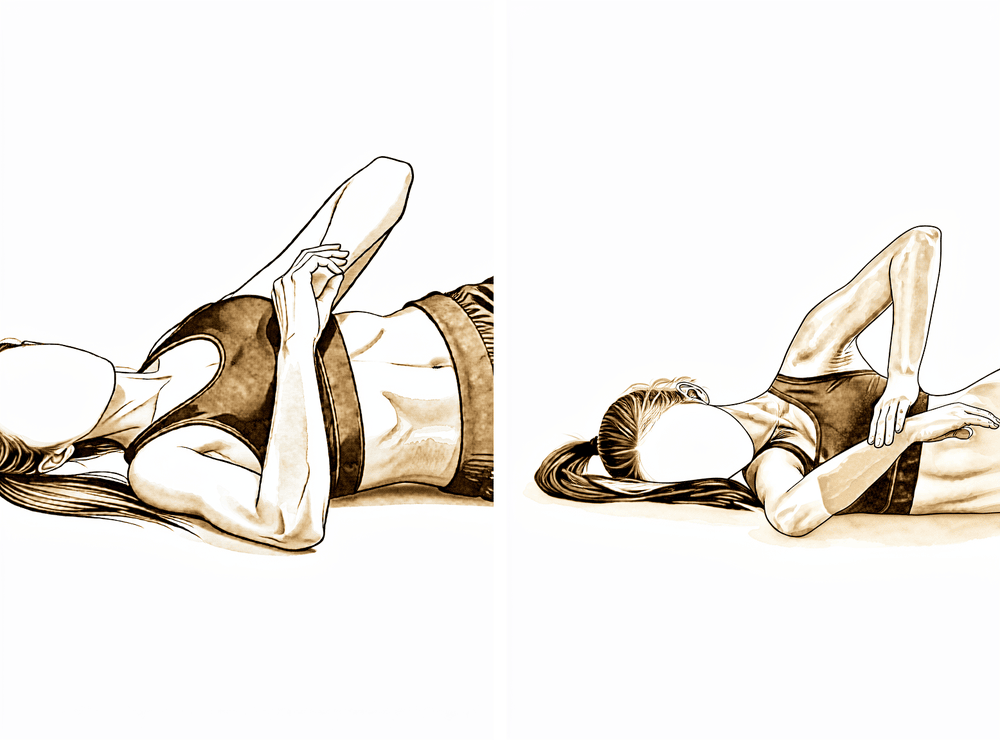
Bài tập kéo giãn chéo cơ thể
Hãy dùng tay lành để nhẹ nhàng đưa cánh tay vừa được phẫu thuật qua ngực, ở mức thấp hơn vai, cho đến khi cảm nhận được sự giãn ra nhẹ nhàng ở phía sau vai; sau đó thả tay ra. Tuyệt đối không cố gắng kéo căng quá mức gây đau đớn.
Giữ trong 20–30 giây, 2–3 lần.
Kieran Hirpara 4.0
Bài tập kéo giãn ngủ
Nằm nghiêng về phía có vết mổ, gập vai và khuỷu tay thành góc 90 độ. Dùng tay lành nhẹ nhàng ấn cẳng tay xuống giường cho đến khi cảm nhận được sự kéo giãn nhẹ ở phía sau vai. Tuyệt đối không dùng lực mạnh.
Giữ trong 20–30 giây, 2–3 lần.
Khoảng từ tuần thứ sáu trở đi, bạn sẽ tháo dây treo cánh tay ra và bắt đầu vận động cánh tay bằng sức mình, bắt đầu từ những tư thế đơn giản nhất mà trọng lực ít gây ảnh hưởng: nằm ngửa hoặc vươn tay lên trần nhà. Phạm vi vận động được bảo vệ sẽ dần mở rộng thêm vài độ mỗi tuần cho đến khi đạt mức tối đa. Các cơ quanh vai được tăng cường sức mạnh; các bài giãn cơ nhẹ nhàng dành cho vùng sau vai cũng được thực hiện, nhưng vùng cơ ngực vừa được phẫu thuật vẫn phải được để yên.
- Dây treo: đã ngừng sử dụng.
- Các chuyển động được phép: tiếp tục thực hiện các chuyển động thụ động cho đến khi đạt mức tối đa (mỗi tuần tăng thêm khoảng 5° theo mọi hướng), đồng thời bắt đầu thực hiện các chuyển động chủ động bằng sức mình. Việc chịu tải nhẹ qua cánh tay cũng được cho phép.
- Các bài tập: đấm tay khi nằm ngửa; xoay cánh tay ra ngoài khi nằm nghiêng (không chịu tải); kéo dây kháng lực và các bài tập vận động xương bả vai; các bài tập nhẹ cho cơ tay trước; các bài giãn cơ chéo thân và giãn cơ vùng sau vai.
Bạn đã sẵn sàng cho giai đoạn tiếp theo khi: khả năng vận động cánh tay đạt mức tối đa hoặc gần như tối đa theo mọi hướng; bạn có thể vận động cánh tay bằng sức mình một cách kiểm soát tốt (không có hiện tượng nhô vai hay giật cục); và không còn cảm giác đau ở vùng trước vai.
Giai đoạn IV — Bắt đầu tải trọng lên cơ ngực (tuần 9–14)
Kieran Hirpara 4.0
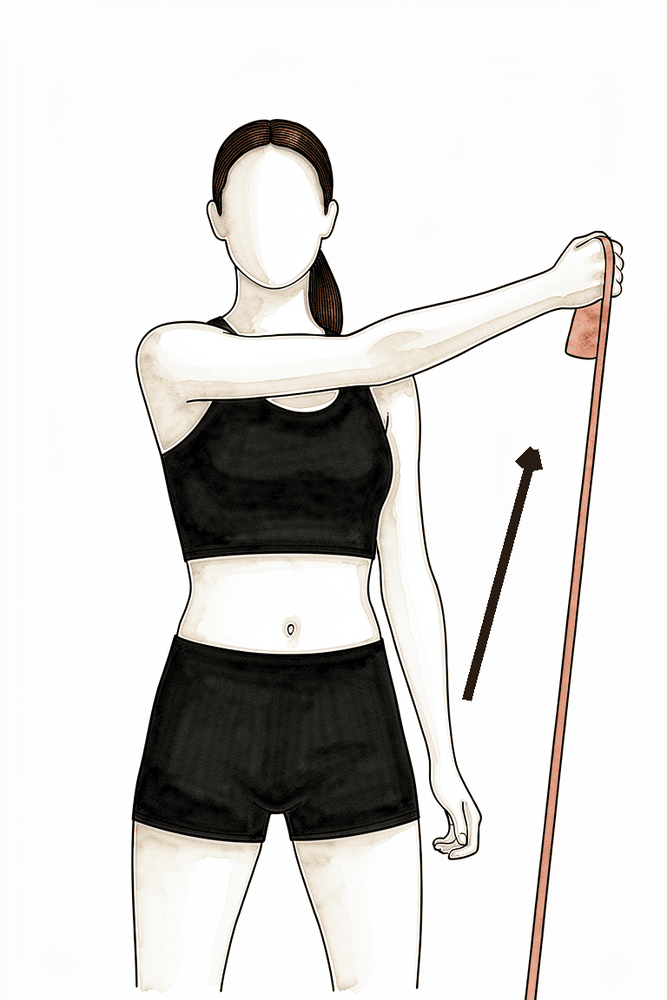
Kỹ thuật PNF theo đường chéo D1 sử dụng dây kháng lực
Cầm chặt dây kháng lực, di chuyển cánh tay theo đường chéo một cách từ từ và có kiểm soát — từ vị trí ngang bụng, đưa ra ngoài và hướng lên phía bên kia — sau đó đảo chiều một cách mượt mà. Chuyên viên vật lý trị liệu sẽ xác định các vị trí bắt đầu và kết thúc cho bài tập. Chỉ bắt đầu khi bạn đã có thể vận động mà không cảm thấy đau.
Theo hướng dẫn của chuyên viên vật lý trị liệu của bạn.
Kieran Hirpara 4.0
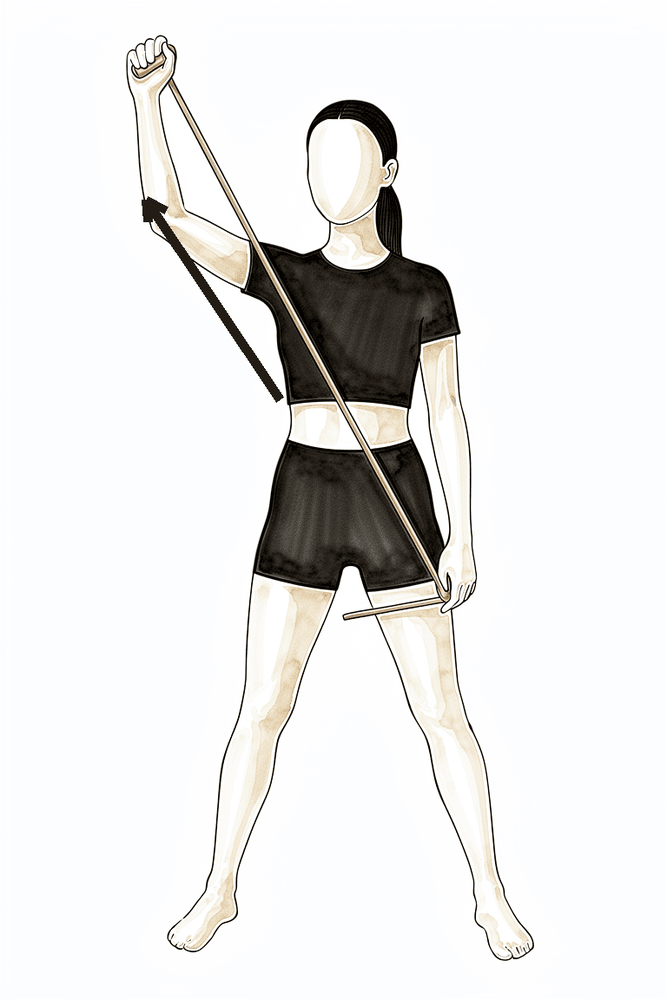
Kỹ thuật PNF theo đường chéo D2 sử dụng dây kháng lực
Cầm lấy dây tập, di chuyển cánh tay theo đường chéo một cách từ từ và có kiểm soát — từ hông phía đối diện ra ngoài rồi nâng lên trên đầu — sau đó đưa cánh tay trở lại vị trí ban đầu một cách mượt mà. Chuyên viên vật lý trị liệu sẽ xác định phạm vi vận động phù hợp. Chỉ bắt đầu bài tập khi bạn đã có thể cử động cánh tay một cách trọn vẹn mà không cảm thấy đau.
Theo hướng dẫn của chuyên viên vật lý trị liệu của bạn.
Kieran Hirpara 4.0
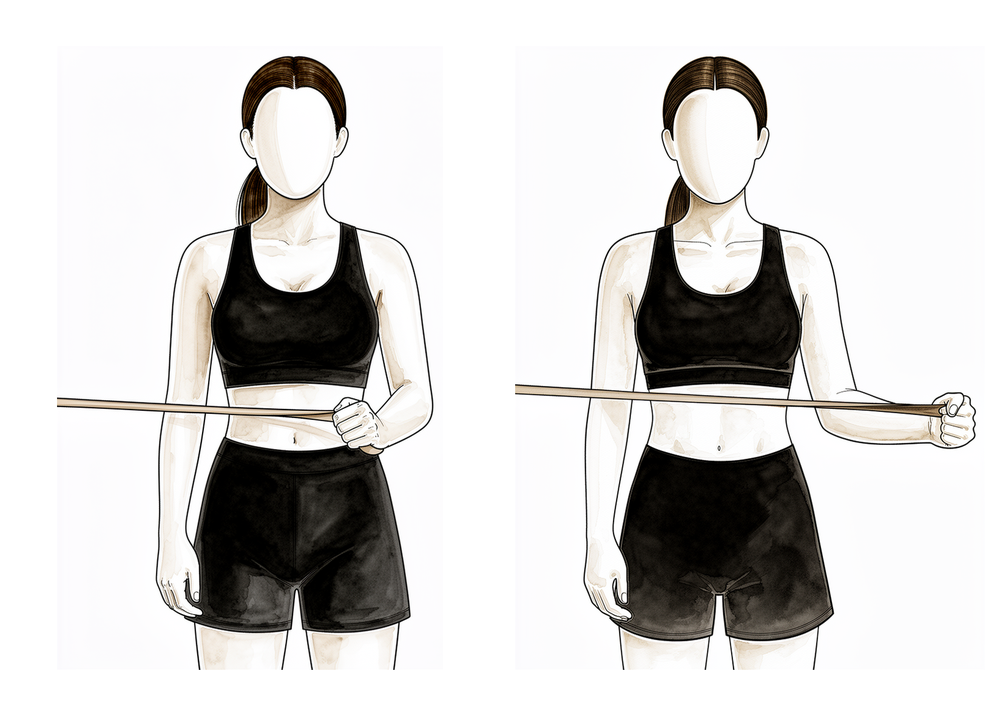
Xoay ngoài với dây kháng lực
Hãy giữ khuỷu tay sát bên thân và gập ở góc 90 độ, sau đó cầm dây kháng lực và xoay cẳng tay ra ngoài chống lại lực cản, rồi từ từ quay trở lại vị trí ban đầu. Luôn giữ khuỷu tay sát bên thân trong suốt quá trình tập.
10–15 lần, mỗi ngày một lần.
Kieran Hirpara 4.0
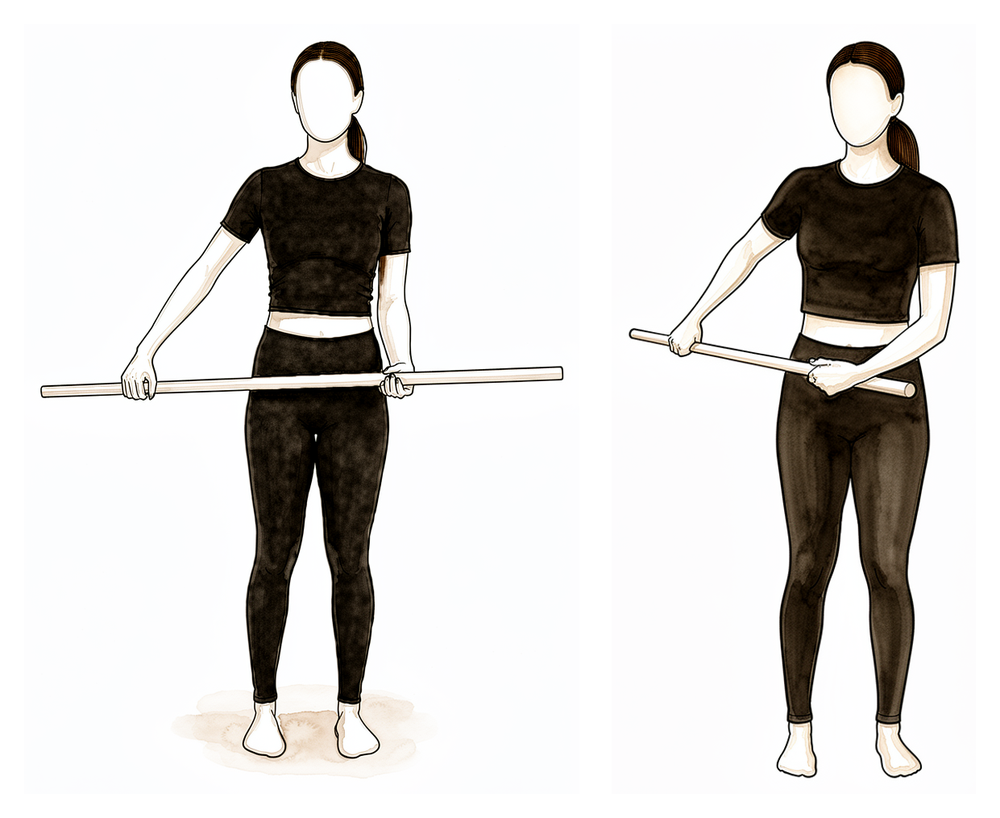
Xoay vào trong bằng cách dùng que
Hãy cầm một cây gậy hoặc chiếc khăn và nhẹ nhàng hướng bàn tay vừa được phẫu thuật vào trong, qua phía bụng hoặc ra sau lưng, đến mức độ thoải mái nhất. Động tác xoay vào trong sẽ làm căng cơ ngực vừa được vá lại; vì vậy động tác này chỉ nên bắt đầu thực hiện từ khoảng tuần thứ 9 và tăng dần mức độ một cách từ từ.
Theo hướng dẫn của chuyên viên vật lý trị liệu của bạn.
Đây là thời điểm quan trọng: từ khoảng tuần thứ 9, chính cơ ngực vừa được phục hồi bắt đầu hoạt động một cách nhẹ nhàng. Ban đầu, cơ nằm ở tư thế ngắn lại (thư giãn), sau đó dần dần kéo dài ra khi cơ thể thích nghi với tải trọng. Động tác xoay vào trong – vốn vẫn bị hạn chế cho đến lúc này – cũng được bắt đầu thực hiện ở giai đoạn này và tăng dần về cường độ. Các chuyển động cần được thực hiện đầy đủ; trọng tâm lúc này là việc tải trọng một cách có kiểm soát và nhẹ nhàng. Việc nâng tải trọng nặng hơn vẫn phải chờ đợi sau này.
- Chuyển động: thực hiện các chuyển động thụ động và chủ động đầy đủ hoặc gần như đầy đủ theo mọi hướng.
- Bài tập: các bài tập xoay vào trong nhẹ nhàng và siết chặt cơ ngực, bắt đầu từ tư thế cơ ngắn lại; xoay vào trong bằng cây gậy; xoay ra ngoài bằng dây kháng lực; các mẫu chuyển động chéo kiểu PNF với dây kháng lực (những chuyển động chéo được điều chỉnh cẩn thận bởi chuyên viên vật lý trị liệu).
Sẵn sàng chuyển sang giai đoạn tiếp theo khi: bạn có thể thực hiện mọi chuyển động một cách đầy đủ mà không đau; và có thể thực hiện các bài tập cơ ngực nhẹ nhàng mà không cảm thấy đau sau đó.
Giai đoạn V — Tăng cường sức mạnh (tuần 14–20)
Kieran Hirpara 4.0
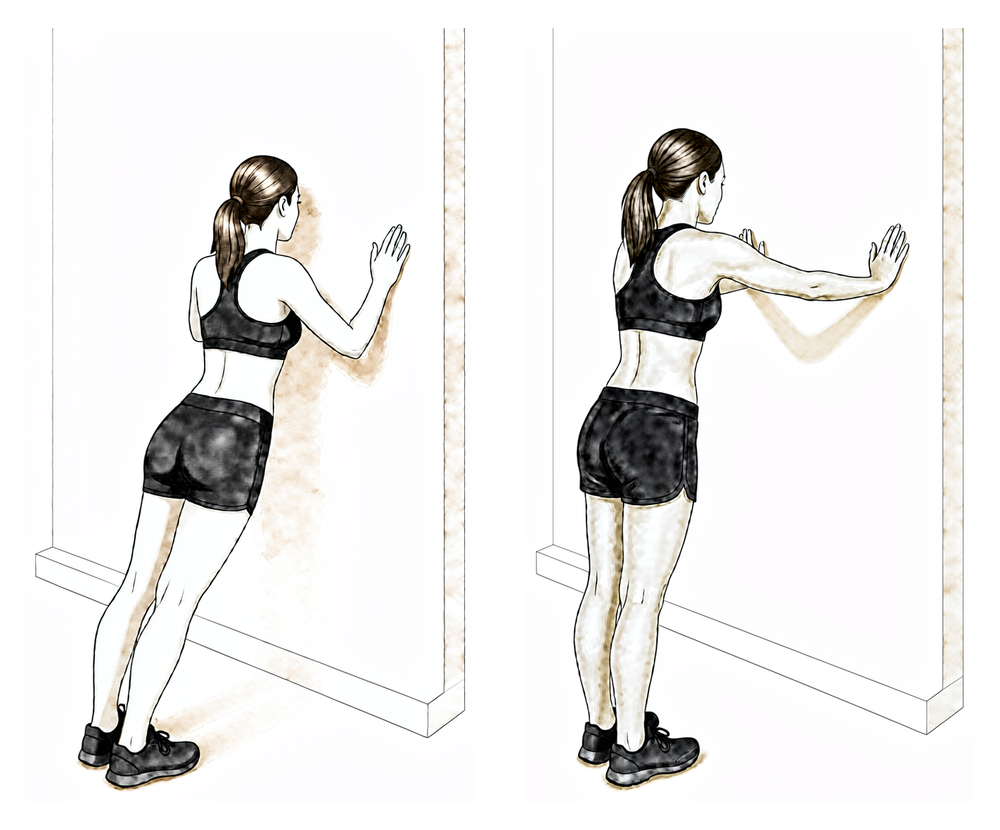
Từ động tác đẩy tường sang động tác hít đất trên sàn
Bắt đầu với động tác hít đất dựa vào tường: hơi nghiêng người về phía trước rồi đẩy ra sau, đồng thời để hai bả vai mở rộng ra ở vị trí cao nhất. Khi sức mạnh đã tăng lên, hãy lần lượt chuyển sang hít đất trên ghế bếp, sau đó là trên đầu gối và cuối cùng là trên sàn nhà. Hãy chú ý không để khuỷu tay di chuyển ra sau đường thẳng của cơ thể; tuyệt đối không để ngực hạ thấp xuống dưới mức khuỷu tay.
Theo hướng dẫn của chuyên viên vật lý trị liệu của bạn.
Kieran Hirpara 4.0
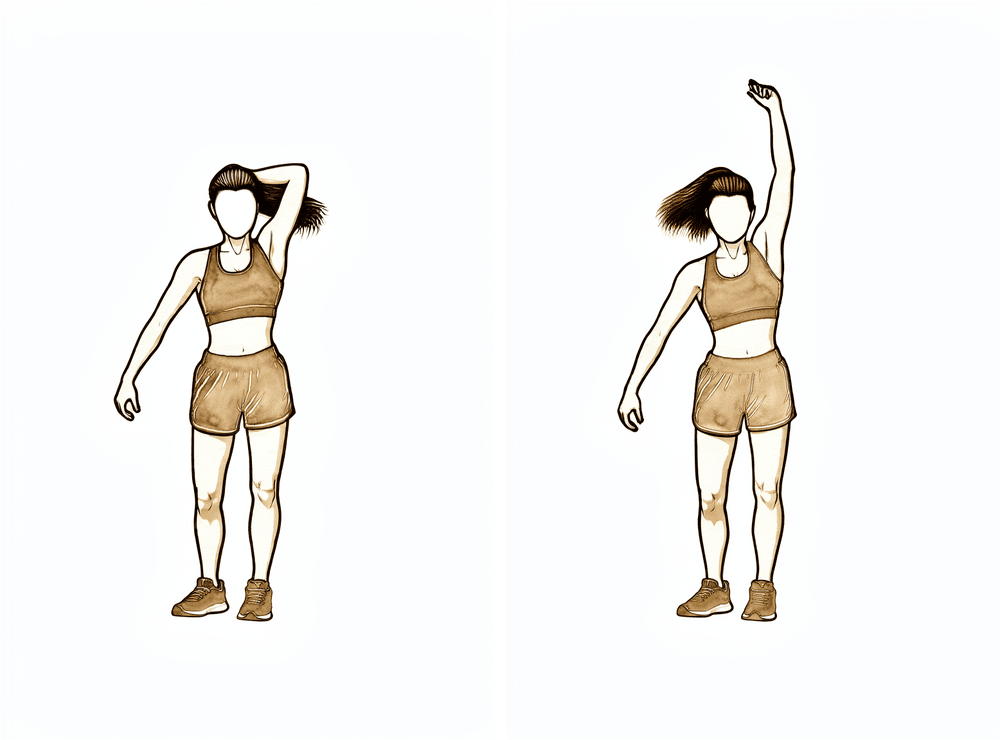
Duỗi khuỷu tay trên đầu (tập cơ tam đầu)
Giữ một vật nhẹ phía trên đầu, khuỷu tay hơi gập; sau đó duỗi thẳng khuỷu tay để nâng vật lên, rồi hạ xuống từ từ. Bắt đầu thực hiện khi động tác nâng vật lên trên đầu đã được thực hiện trọn vẹn và thoải mái.
10–15 lần, mỗi ngày một lần.
Kieran Hirpara 4.0
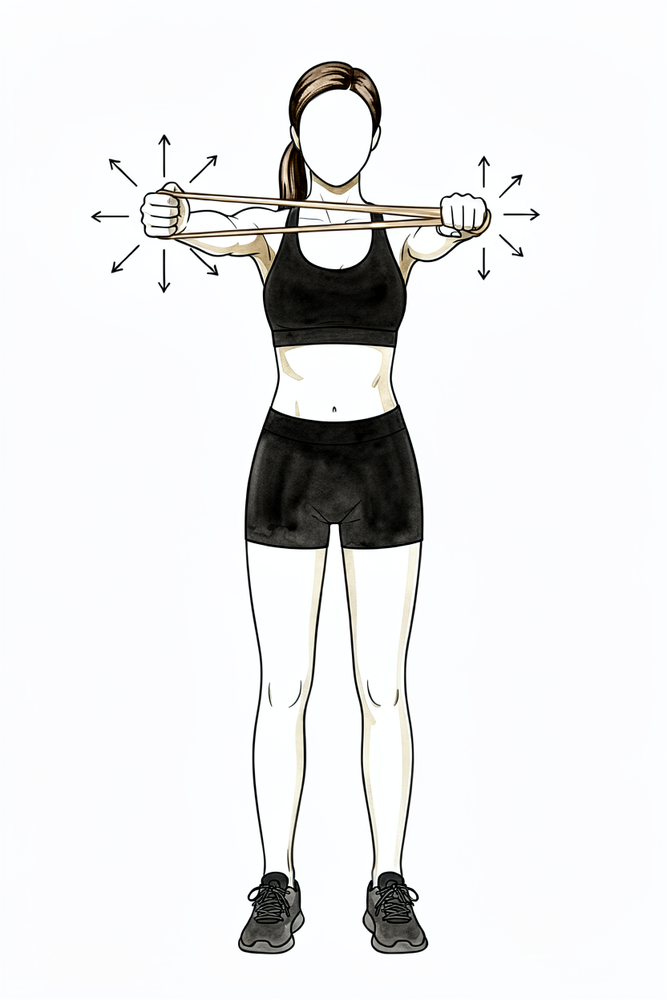
Ổn định theo nhịp điệu
Khi đặt cánh tay lên phía trước ở độ cao ngang vai, hãy nhờ chuyên viên vật lý trị liệu (hoặc tay lành của bạn) thực hiện những lực đẩy nhỏ, nhẹ nhàng từ nhiều hướng khác nhau; trong lúc đó bạn hãy giữ cánh tay cố định, không được để nó di chuyển. Phương pháp này giúp rèn luyện các cơ ổn định vai để chúng phản ứng kịp thời. Hãy đảm bảo mọi lực tác động đều ở mức nhẹ nhàng.
Theo hướng dẫn của chuyên viên vật lý trị liệu của bạn.
Kể từ tuần thứ 14 trở đi, việc tăng cường sức mạnh cho vùng ngực (dùng tạ nhẹ và lực cản, hoặc các bài tập “isotonic”) sẽ bắt đầu, dần dần và đồng đều với bên còn lại. Các bài tập hít đất sẽ bắt đầu bằng cách thực hiện sát tường, sau đó mới chuyển dần sang thực hiện trên sàn khi sức mạnh đã đủ. Có hai quy tắc tập luyện quan trọng cần tuân thủ trong thời gian dài, vì chúng tạo áp lực lên gân vừa được phục hồi theo cách giống như gây rách gân: không bao giờ để khuỷu tay di chuyển ra sau đường thẳng của cơ thể ở vị trí thấp nhất của các động tác ép ngực, đẩy ngang hoặc tập với máy pec-deck; và tránh sử dụng tạ nặng với số lần lặp ít: nên dùng tạ nhẹ hơn và thực hiện nhiều lần hơn, đồng thời khởi động từ từ.
- Khả năng vận động: bình thường.
- Các bài tập: hít đất sát tường dần chuyển sang hít đất trên sàn; xoay trong ngực bằng dây kháng lực; tập tam đầu tay trên cao; các bài tập ngực và ép ngực nhẹ nhàng, tăng dần cường độ; bài kéo giãn ngực nhẹ nhàng ở cửa.
Sẵn sàng chuyển sang giai đoạn tiếp theo khi: sức mạnh của vùng ngực tăng lên đồng đều so với bên còn lại; và bạn không cảm thấy đau khi thực hiện các bài tập ép ngực có lực cản.
Giai đoạn VI — Trở lại tập luyện thể thao sớm (5–6 tháng)
Kieran Hirpara 4.0
Xoay ngoài và xoay trong ở tư thế 90/90
Khi cánh tay duỗi ngang ngang với vai và khuỷu tay gập 90 độ, hãy xoay cẳng tay lên xuống trong phạm vi kiểm soát. Đây là bài tập dành cho giai đoạn sau của quá trình phục hồi, nhằm chuẩn bị cho các hoạt động thể thao; chỉ nên thực hiện khi đã được bác sĩ cho phép, vì tư thế này sẽ làm căng cơ ngực vừa được phẫu thuật.
Theo hướng dẫn của chuyên viên vật lý trị liệu của bạn.
Kieran Hirpara 4.0
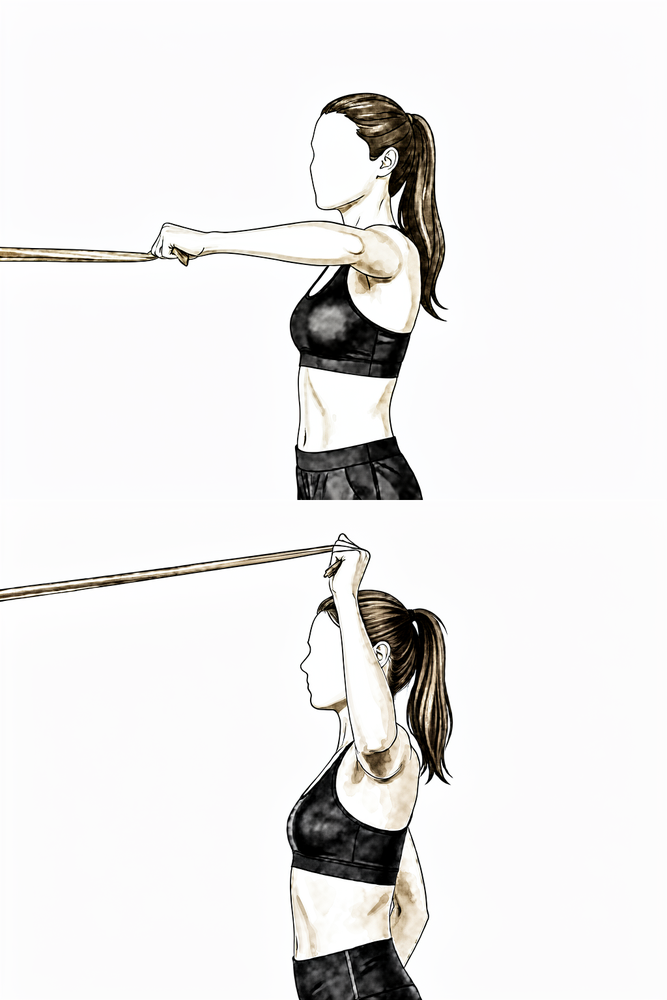
Xoay ngoài ở tư thế 90/90 (dùng dây đeo)
Khi cánh tay dang ngang ngang vai và khuỷu tay gập thành góc vuông, hãy xoay cẳng tay ra sau và lên trên chống lại sức căng của dây chun nhẹ hoặc tạ nhỏ, sau đó hạ xuống từ từ. Bài tập này giúp tăng cường sức mạnh cho cơ chóp xoay ở tư thế tay nâng cao (tư thế ném).
2 đến 3 hiệp, mỗi hiệp 10 đến 15 lần, sử dụng lực cản thấp.
Kieran Hirpara 4.0
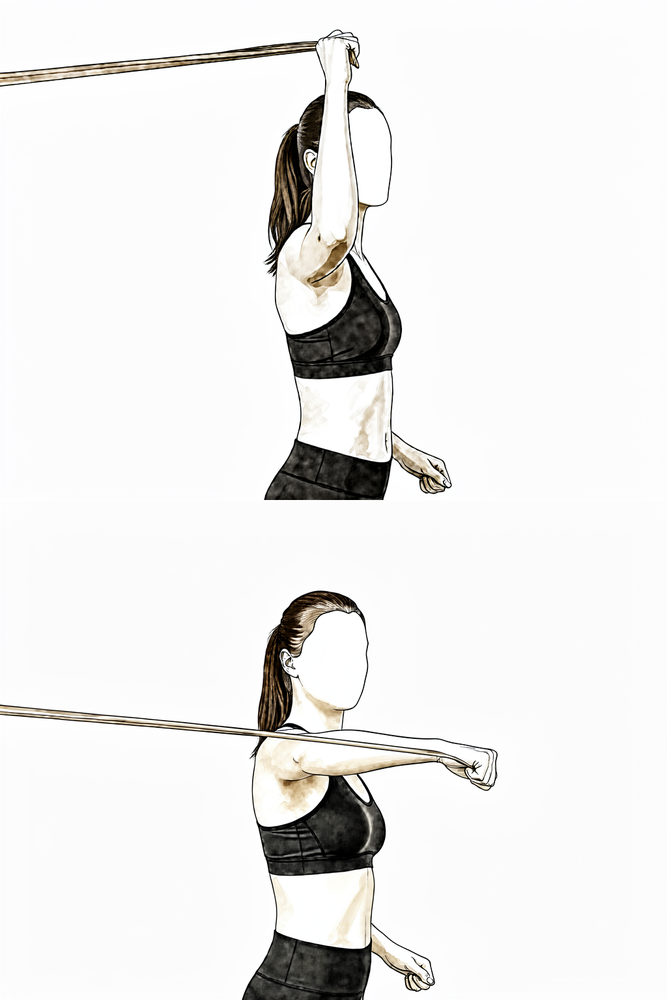
Xoay trong ở góc 90/90 (dùng dây đeo)
Từ tư thế tương tự, với cánh tay duỗi ngang ngang vai, xoay cẳng tay về phía trước và hướng xuống chân chống lại sức căng của dây kháng lực hoặc tạ nhẹ, sau đó từ từ trở về vị trí ban đầu một cách có kiểm soát.
2 đến 3 hiệp, mỗi hiệp 10 đến 15 lần, sử dụng lực cản thấp.
Hiện tại, cánh tay đã khỏe mạnh và có thể vận động đầy đủ các chuyển động; các bài tập lúc này sẽ được điều chỉnh phù hợp với môn thể thao của bạn, bao gồm các bài tập nổ lực nhanh (loại plyometric) như các động tác chuyền bóng và ném bóng. Đây là giai đoạn chuẩn bị để trở lại tập luyện thể thao, chưa phải là dấu hiệu cho phép bạn thực hiện các bài tập nặng một cách tự do.
- Chuyển động: đầy đủ.
- Các bài tập: xoay ngoài và xoay trong cánh tay ở tư thế 90/90 (tư thế thi đấu); các bài tập plyometric chuyền bóng và ném bóng theo hướng dẫn của chuyên viên vật lý trị liệu.
Bạn có thể chuyển sang giai đoạn tiếp theo khi: vượt qua các bài kiểm tra sức mạnh và các bài kiểm tra chuyên biệt cho môn thể thao của mình; đồng thời cả Bác sĩ Hirpara và chuyên viên vật lý trị liệu đều đồng ý cho phép.
Giai đoạn VII — Trở lại hoạt động bình thường (sau 6 tháng)
Khoảng từ 6 tháng sau phẫu thuật, nếu được bác sĩ cho phép, bạn có thể trở lại hoàn toàn các công việc nặng nhọc và các hoạt động giải trí. Bạn có thể bắt đầu tập bench press với mức tạ bằng khoảng một nửa mức tối đa trước đây, rồi tăng dần theo thời gian; các môn thể thao có tiếp xúc vật lý chỉ được thực hiện sau 6 tháng. Việc trở lại hoạt động phụ thuộc vào việc sức mạnh cơ bắp của bạn đạt ít nhất 85–90% so với bên còn lại và phải có sự chấp thuận từ bác sĩ Hirpara, chứ không chỉ dựa vào thời gian.
- Khả năng vận động: hoàn toàn bình thường.
- Các bài tập: có thể trở lại hoàn toàn các bài tập nâng tạ, đẩy tạ nặng; bắt đầu từ mức tải trọng nhẹ rồi tăng dần; đồng thời có thể tập luyện chuyên biệt cho từng môn thể thao.
Điều kiện để trở lại: sức mạnh cơ bắp của bạn đạt ít nhất 85–90% so với bên còn lại; khả năng vận động và sức bền hoàn toàn bình thường, không có cơn đau nào xuất hiện sau khi tập nặng; đồng thời cả bác sĩ Hirpara và chuyên viên vật lý trị liệu đều đã đồng ý.
Trở lại với công việc và các hoạt động thể thao
Việc trở lại các hoạt động vận động và thể thao phải dựa trên các tiêu chí cụ thể: khả năng vận động đầy đủ, sức mạnh và sức bền đạt mức yêu cầu, không có cảm giác đau đớn; đồng thời phải được sự chấp thuận từ cả bác sĩ Hirpara và chuyên viên vật lý trị liệu. Việc này không phụ thuộc hoàn toàn vào thời gian đã trôi qua.
- Công việc: có thể làm các công việc văn phòng tùy theo khả năng; các công việc chân tay hoặc nặng nhọc chỉ được thực hiện sau ít nhất 3 tháng.
- Lái xe: khoảng 6 đến 8 tuần sau phẫu thuật.
- Các bài tập tăng cường sức mạnh vùng ngực nhẹ: bắt đầu từ khoảng tuần thứ 14.
- Các bài tập như nâng tạ, hít đất, hoặc các môn thể thao tiếp xúc: không được thực hiện trước 4 đến 6 tháng, và chỉ khi sức mạnh đã hồi phục; mức tạ khi tập bench press nên bắt đầu ở mức bằng một nửa mức tối đa trước đây, sau đó tăng dần.
Đối với các môn thể thao đòi hỏi ném vật hoặc tiếp xúc mạnh, cần thực hiện chương trình tập luyện tăng dần trước khi tham gia thi đấu bình thường.
Các bài tập ban đầu
Kieran Hirpara 4.0
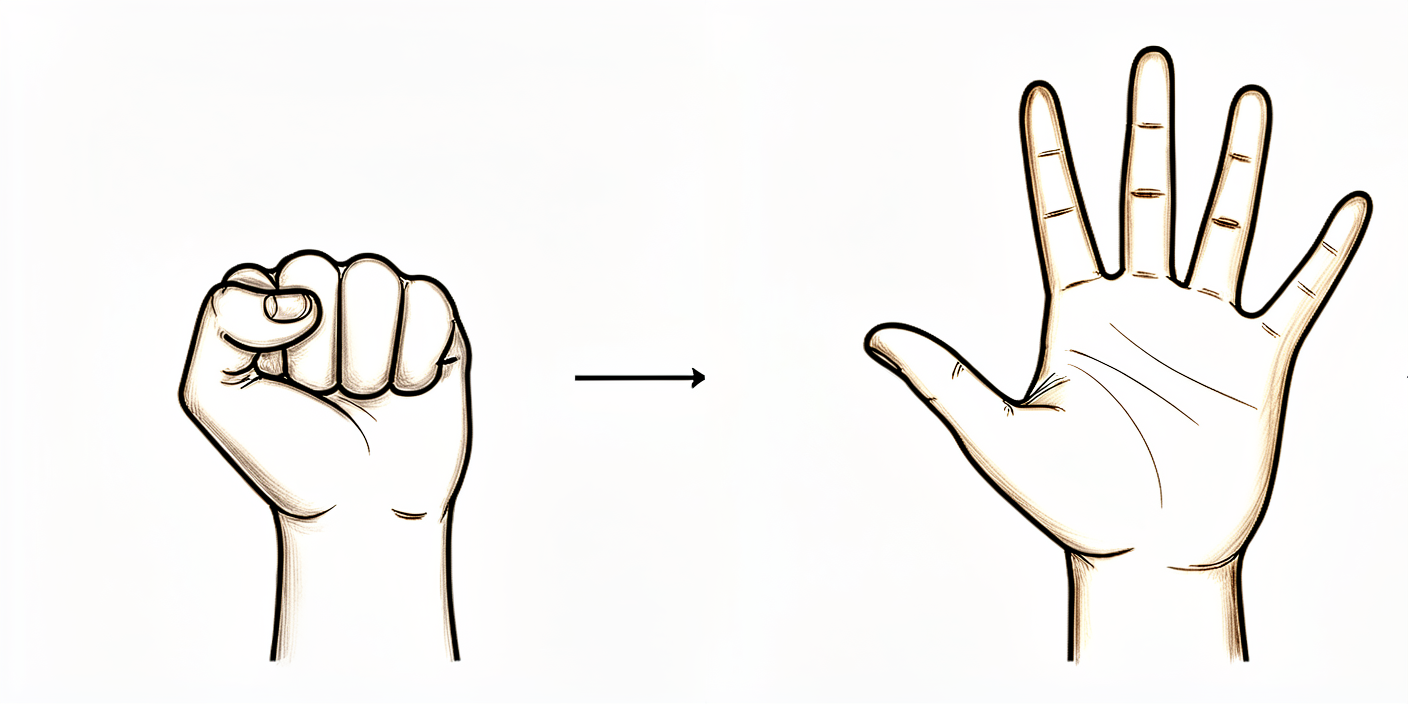
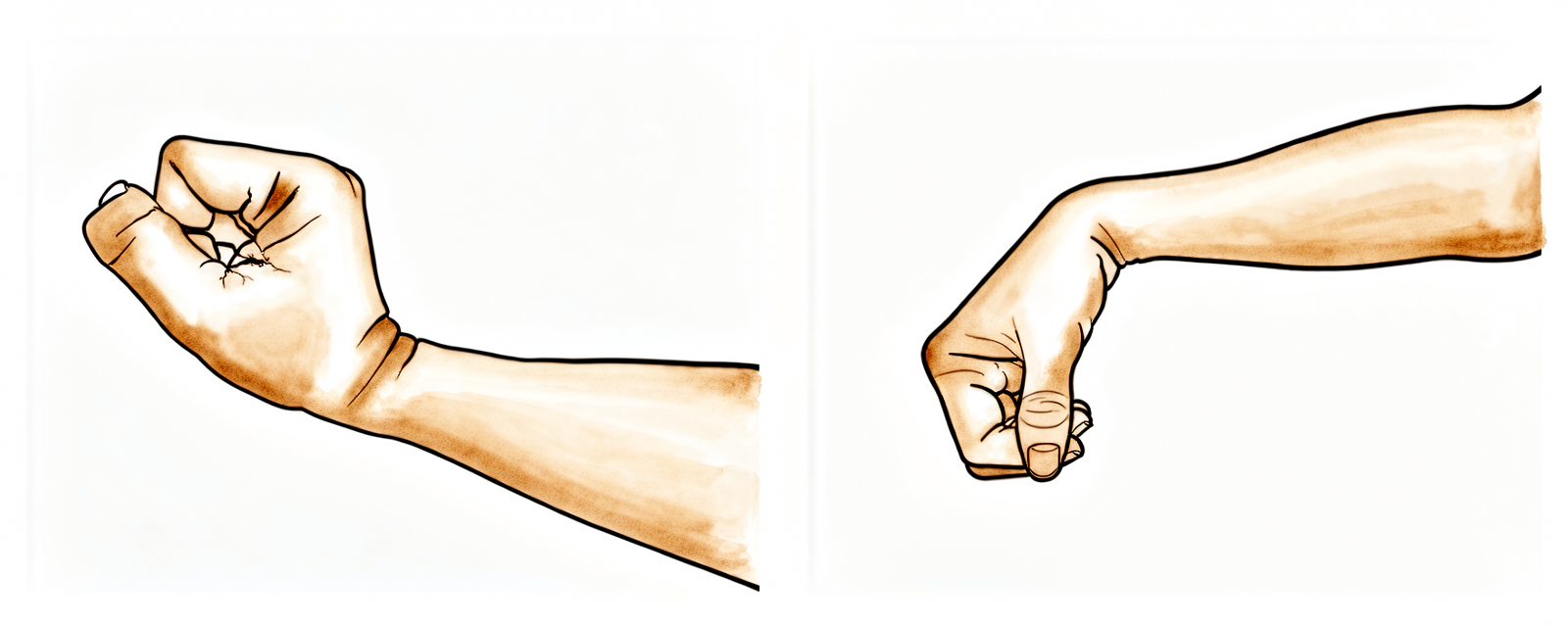
Mở và nắm tay
Hãy nắm chặt tay lại, sau đó mở tay ra và dang rộng các ngón tay ra hết mức. Trong suốt cả ngày, hãy giữ cho tay, các ngón tay và cổ tay vẫn chuyển động bình thường.
10 lần mỗi giờ
Kieran Hirpara 4.0
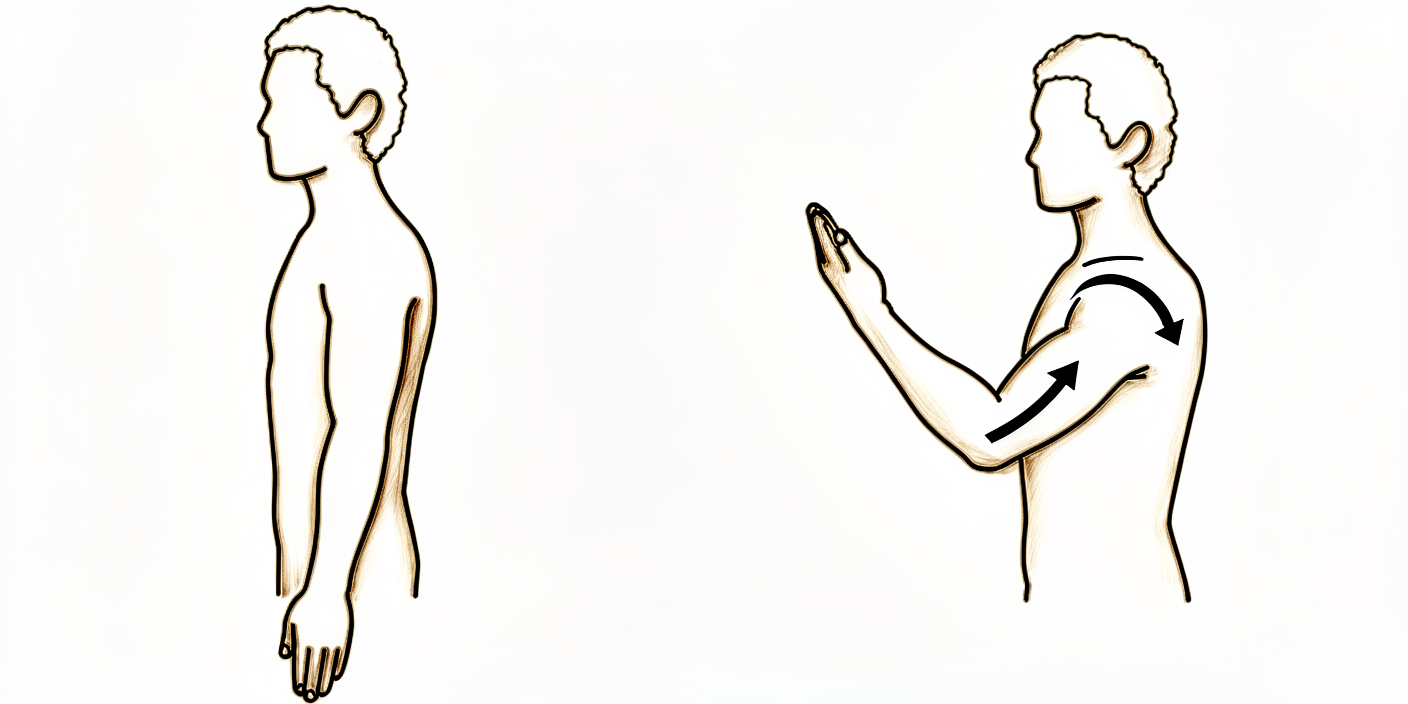
Chuyển động cổ tay
Khi cẳng tay được giữ vững, hãy gập cổ tay về phía trước hết mức mà bạn cảm thấy thoải mái, sau đó gập ngược lại. Hãy thực hiện động tác một cách nhẹ nhàng và đều đặn trong suốt cả ngày.
10–15 lần mỗi giờ
Kieran Hirpara 4.0
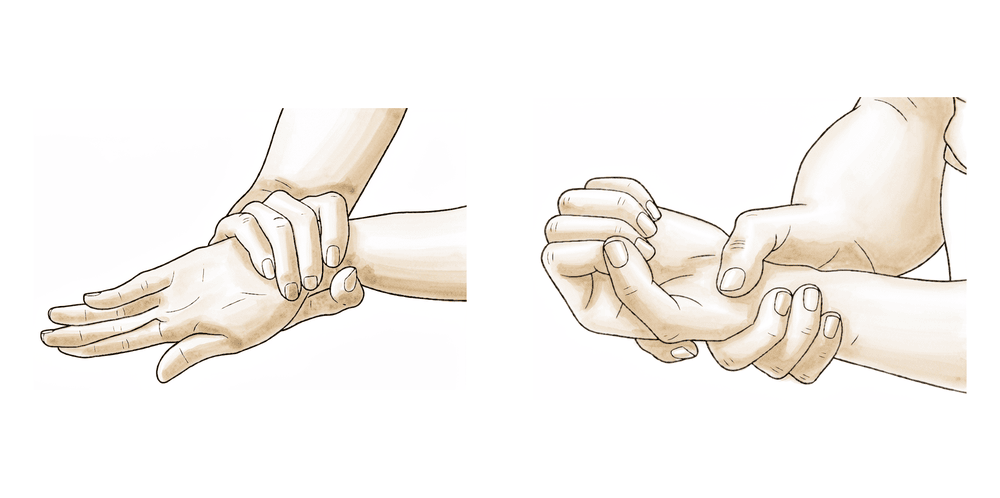
Các động tác gập khuỷu tay chủ động
Khi cánh tay đặt dọc theo thân mình, hãy gập khuỷu tay đến mức thoải mái nhất, sau đó duỗi thẳng hoàn toàn. Chỉ có khuỷu tay là di chuyển; cánh tay vẫn giữ nguyên vị trí.
10–15 lần, 2–3 lần mỗi ngày
Kieran Hirpara 4.0
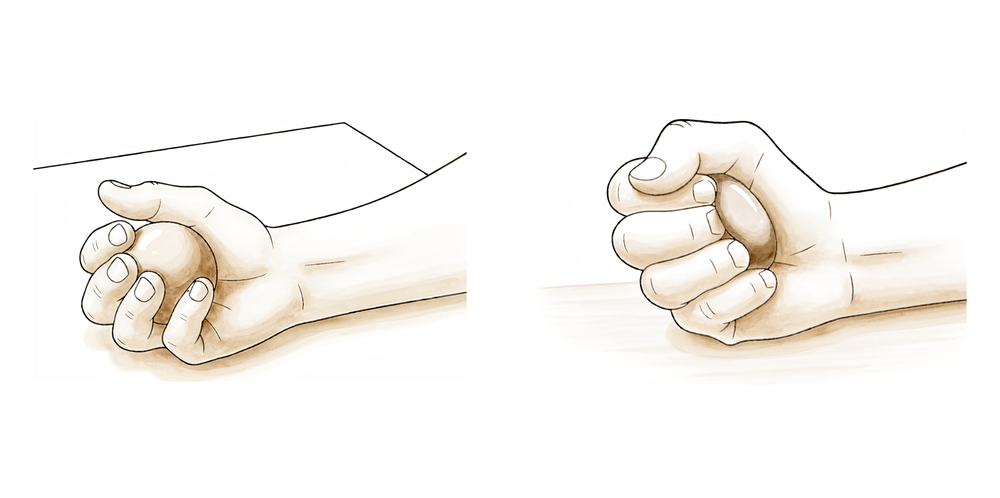
Chuyển động xoay cẳng tay
Khi khuỷu tay gập 90 độ và áp sát vào thân mình, hãy xoay cẳng tay sao cho lòng bàn tay hướng xuống dưới rồi lại hướng lên trên. Giữ khuỷu tay áp chặt vào cơ thể để chỉ có cẳng tay là di chuyển.
10 lần, 2–3 lần mỗi ngày.
Kieran Hirpara 4.0
Bóp tay
Khi cánh tay được nâng đỡ và đặt phía trước cơ thể, hãy nhẹ nhàng nắm chặt một quả bóng mềm hoặc chiếc tất được cuộn tròn lại, giữ nguyên trong vài giây rồi thả lỏng. Cách này giúp cánh tay vẫn vận động mà không gây lực kéo lên vùng vừa được phẫu thuật.
10 lần, 2–3 lần mỗi ngày.
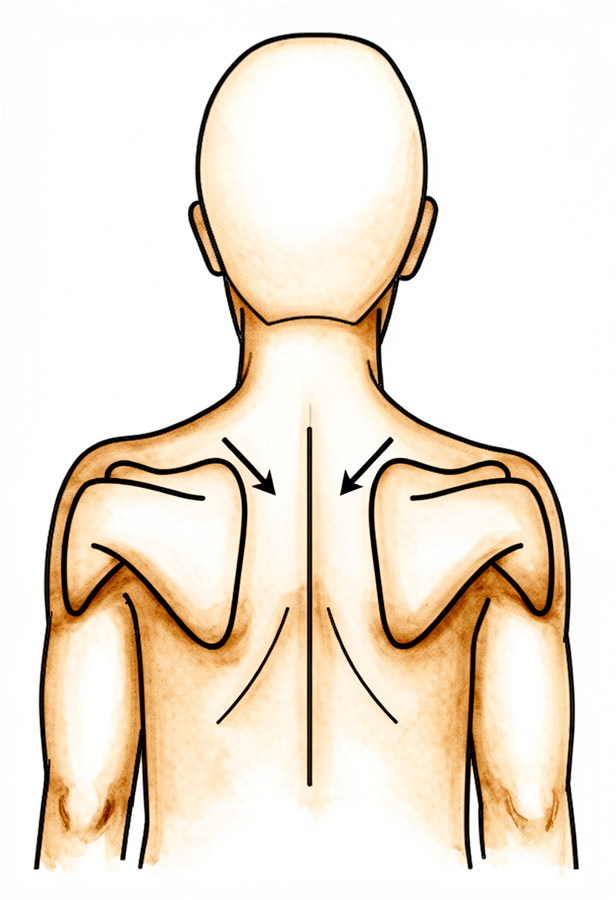
Kieran Hirpara 4.0
Cách đặt xương bả vai
Khi ngồi hoặc đứng thẳng, hãy nhẹ nhàng kéo hai bả vai xuống dưới và khép lại với nhau mà không di chuyển cánh tay; giữ nguyên tư thế vài giây rồi thả lỏng. Hãy đảm bảo tai, vai và hông nằm trên cùng một đường thẳng.
10 lần, 2–3 lần mỗi ngày.
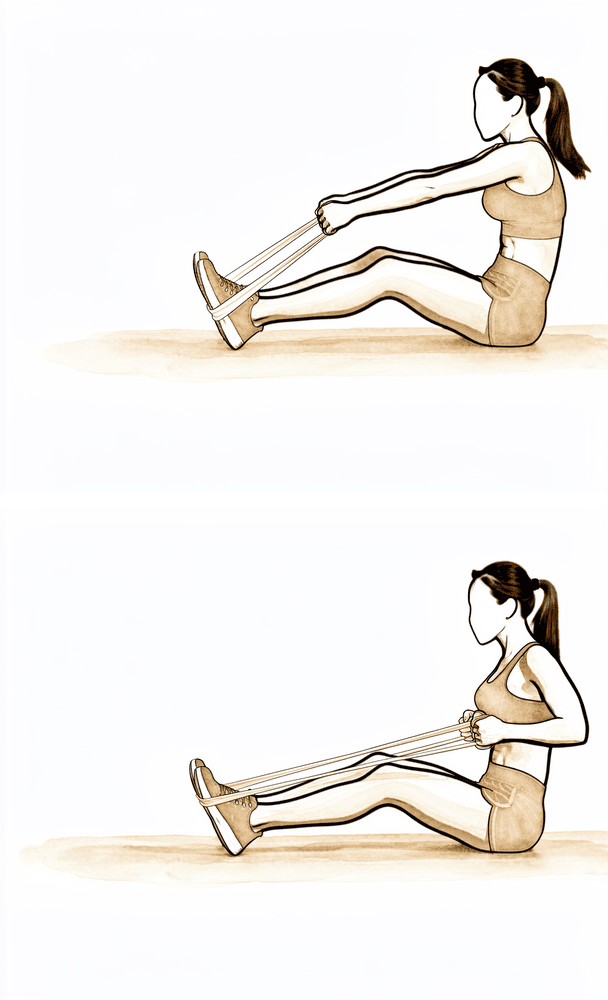
Kieran Hirpara 4.0
Tập kéo ngang (điều chỉnh vị trí xương bả vai)
Ngồi thẳng lưng, đặt tay thấp xuống phía trước người; nhẹ nhàng hạ khuỷu tay xuống và kéo ra phía sau để điều chỉnh vị trí xương bả vai, giữ nguyên tư thế trong chốc lát rồi thả lỏng. Hãy giữ tay luôn thấp hơn mức độ cao của vai; cách này sẽ tác động lên các cơ quanh xương bả vai mà không gây áp lực lên vùng ngực.
10 lần, 2–3 lần mỗi ngày.
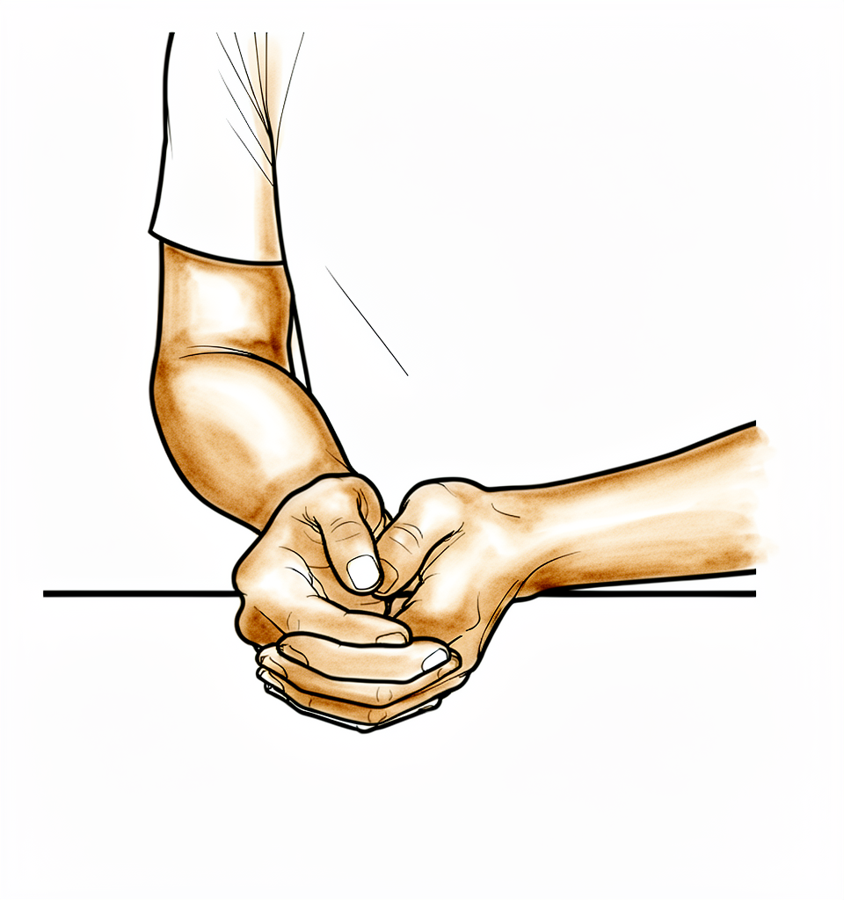
Kieran Hirpara 4.0
Xoay ngoài về vị trí trung tính
Khi khuỷu tay gập 90 độ và áp sát vào thân mình, hãy nhẹ nhàng xoay cẳng tay từ vị trí đặt trên bụng cho đến khi nó hướng thẳng về phía trước (đây là vị trí trung tính — 0 độ), sau đó quay trở lại vị trí ban đầu. Trong những tuần đầu, chỉ dừng lại ở vị trí trung tính; chỉ được xoay ra ngoài thêm một chút theo mức độ mà chuyên viên vật lý trị liệu hướng dẫn mỗi tuần. Tuyệt đối không đưa tay ra phía bên hông.
Theo hướng dẫn của chuyên viên vật lý trị liệu của bạn.
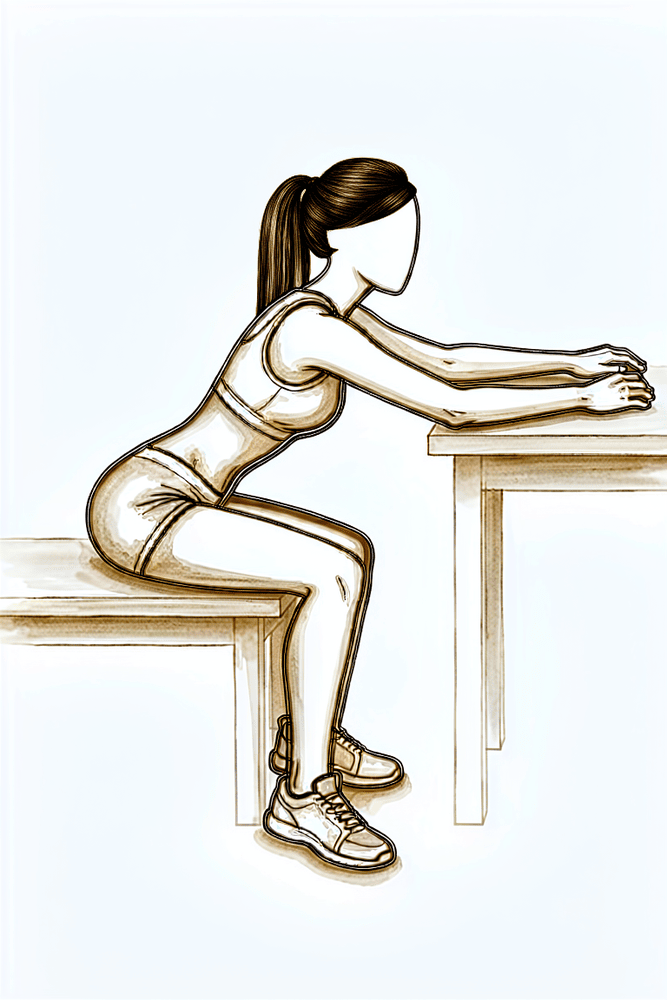
Kieran Hirpara 4.0
Gập vai trên bàn (trượt tay trên bàn)
Ngồi xuống bàn sao cho cẳng tay tựa lên mặt bàn. Từ từ nghiêng người về phía trước để bàn tay trượt dọc theo mặt bàn; lúc này mặt bàn sẽ chịu trọng lượng của cánh tay. Sau đó ngồi thẳng lại. Hãy tuân thủ giới hạn mà chuyên viên vật lý trị liệu đã đặt ra: cánh tay phải nằm phía trước cơ thể, thấp hơn mức độ cao của vai; tuyệt đối không được gắng sức hay kéo căng cánh tay.
Theo hướng dẫn của chuyên viên vật lý trị liệu của bạn.
Đây là những bài tập nhẹ nhàng dành cho giai đoạn đầu (giai đoạn bảo vệ vết mổ), được thực hiện ngay tại bệnh viện và tiếp tục tại nhà. Khi tập, tay vừa phẫu thuật phải được giữ phía trước cơ thể, đồng thời các cơ vai phải thả lỏng. Hãy bắt đầu thực hiện theo hướng dẫn của chuyên viên vật lý trị liệu; ngừng ngay mọi động tác gây đau dữ dội ở vai. Hãy nhớ các quy tắc ban đầu: chưa được thực hiện các bài tập đung đưa cánh tay hay dùng gậy để tập; tuyệt đối không được đưa tay ra ngoài phía bên và xoay tay ra ngoài cùng lúc.
Sau khi thực hiện theo quy trình này
Quy trình này được áp dụng song song với các hướng dẫn phục hồi chung của phòng khám: vui lòng tham khảo mục xử lý cơn đau sau phẫu thuật và chăm sóc vết thương.
Evidence & references
This is the clinical evidence summary written for health professionals. It is technical, and it lists the research this page was built from. You do not need to read it to understand your treatment or to make a decision about it.
Pectoralis Major Tendon Repair -- Post-operative Rehabilitation
Topic scope: Rehabilitation after surgical repair of a pectoralis major (PM) tendon rupture/tear (typically a humeral-insertion avulsion in a 20-40 yr-old male, classically during the eccentric phase of a bench press). Covers protected positioning, the early restrictions on abduction (ABD) and external rotation (ER), ROM progression, when active ROM and strengthening start, and return to heavy lifting / bench press / sport.
Defining principle (contrast with frozen-shoulder release): PM repair rehab is a classic protect-the-repair protocol -- the OPPOSITE of frozen-shoulder release. The repaired tendon runs anteriorly to its humeral insertion; abduction and external rotation stretch/tension the repair, so both are strictly limited early and the arm is held in adduction + internal rotation in a sling/immobiliser. Progression is deliberately slow, and heavy resisted pec loading (bench press, flyes, dips, contact sport) is delayed to ~4-6 months to avoid re-rupture.
A key modifier throughout: repair type dictates the timeline. Bone-tendon repairs (suture anchors/cortical buttons into humerus) heal slower than tendon-tendon or muscle-tendon repairs and wean from the sling later (MGH protocol).
CONSENSUS PHASED TIMELINE
Synthesised from the Mass General Brigham (MGH) Sports Medicine protocol (rev. 7/2023, the most granular degree-by-degree protocol) and the University Orthopedics protocol, cross-checked against the published literature (Cordasco/HSS 2017; Manske & Prohaska 2007; Schepsis 2000; Haley/Zacchilli 2014). Both published protocols agree on the core structure; the ROM numbers below are the MGH degree targets.
| Phase | Window | Sling / position | ROM allowed + RESTRICTIONS | Active ROM | Strengthening | RTS / lifting |
|---|---|---|---|---|---|---|
| I -- Immediate | 0-3 wk (UnivOrtho: 0-2 wk) | Sling/immobiliser, arm in NEUTRAL or INTERNAL ROTATION, worn day & night | PROM only, started ~week 2. ER limited: start at 0 deg in adduction, progress ~5 deg/week. Flexion start 45 deg, +5-10 deg/wk. ABD start 30 deg, +5 deg/wk. Elbow/wrist/hand AROM free. No active shoulder motion; no ER beyond limit; no abduction/extension stretch | None at shoulder (distal joints only) | Wk 3: periscapular only (inferior glide <35 deg ABD, low row), ball squeeze. No pec loading | None |
| II -- Intermediate | 4-6 wk | Begin weaning sling: bone-tendon at 4 wk; tendon-tendon / muscle-tendon at 5-6 wk (UnivOrtho: immobiliser to 6 wk for all) | PROM continues (ER +5 deg/wk; flex +5-10 deg/wk to ~65-85 deg; ABD +5 deg/wk to ~50 deg). Begin AAROM (cane flexion, cane ER stretch, washcloth press). Still no aggressive ER/ABD past targets | AAROM introduced | Submaximal isometrics: ABD, extension, ER -- explicitly NO IR isometrics (IR/adduction tension the pec); periscapular setting | None |
| III -- Late | 6-8 wk | Sling discontinued | PROM continue to full (ER, flex, ABD each +5 deg/wk to full). Initiate AROM (supine flexion, salutes, supine punch). Can begin weight-bearing through arm | Active ROM starts ~6 wk | Sidelying ER, periscapular rows/extension, biceps/triceps; rhythmic stabilisation; sleeper/cross-body stretch | None |
| IV -- Transitional | 9-14 wk | None | Restore full PROM/AROM (full by wk 12-14 for bone-tendon) | Full | Initiate shoulder IR isometrics + pec major isometrics (~week 9) -- shortened position first, then lengthened; ER w/ band, ABD; PNF D1/D2 | None |
| V -- Advanced strengthening | 14-20 wk (~3.5-5 mo) | None | Full | Full | Pectoralis isotonics begin; IR w/ band, counter push-ups -> push-ups, lat pulldowns; doorway pec stretch gentle | Begin sport-specific prep |
| VI -- Early return to sport | 5-6 months | None | Full | Full | ER/IR at 90 deg, plyometrics (med-ball chest pass, ball drops, 90/90 throws) | Begin return-to-sport program when criteria met |
| VII -- Unrestricted RTS | 6+ months | None | Full | Full | Bench press resumed at 50% 1-RM, progress slowly with physician; full return to strenuous work, recreation, contact sport NOT before 6 months | Heavy lifting / bench press / contact sport: 6+ months, criterion-based |
Key numeric consensus points
- Sling: ~4-6 weeks (4 wk bone-tendon may wean earlier; 6 wk common; UnivOrtho keeps immobiliser a full 6 wk), arm in adduction/internal rotation.
- ER early limit: 0 deg at the side, advance ~5 deg/week -- because ER tensions the anterior repair.
- ABD/flexion early limit: ABD ~30 deg and flexion ~45 deg initially, advancing ~5-10 deg/week.
- Active ROM: ~6 weeks.
- Isometrics: scapular wk 3; submaximal shoulder (ABD/ext/ER, no IR) wk 4-6; pec/IR isometrics ~wk 9 (Phase IV).
- Pec isotonics / push-ups: ~14 weeks (Phase V).
- Bench press / heavy lifting / contact sport: deferred to ~4-6 months (MGH: 50% 1-RM bench at 6+ mo; UnivOrtho: light bench from ~4 mo with very light resistance, no contact until 6 mo).
The rationale for restricting ER and ABD is biomechanical: the PM is a strong adductor, internal rotator and flexor; abduction + external rotation is the position of maximal stretch on the anterior insertion (this is the injuring mechanism -- eccentric load in abduction/ER, e.g. bench press), so it maximally tensions the repair (Maier 2021; Schepsis 2000; Provencher 2010). Biomechanical work shows transosseous sutures, suture anchors and cortical buttons confer similar repair strength, and early activity should stay below identified failure loads until soft-tissue- to-bone healing is reliable (Sherman 2012; Edgar 2017) -- the biomechanical basis for the slow progression.
OUTCOMES / RETURN TO SPORT EVIDENCE
- Surgical > non-operative for restoring strength/function: objective strength testing shows repair recovers significantly more peak torque and work than conservative care (Hanna 2001 -- comparative cohort); literature "strongly supports early operative treatment" of complete tears in active patients/athletes (Kircher 2010 review; Schepsis 2000). Acute repair > chronic/delayed repair (Schepsis 2000).
- Return to sport in repaired athletes is generally good, with most returning by ~6 months to a year; Cordasco (HSS, 2017, n=40 acutely repaired athletes) reported high RTS and functional scores with low re-operation. Faster individual returns (5-7 mo) are reported in single cases but 6 months is the consensus floor for heavy/contact loading.
KEY CONTROVERSIES / VARIABLES
- Sling duration & wean point. 4 wk vs 6 wk; MGH ties it to repair type (bone-tendon later); UnivOrtho fixes 6 wk for all. No RCT defines the optimum. Weak/consensus.
- How fast to advance ER/ABD. ~5 deg/week is widely used but arbitrary; tissue quality, tear size and fixation method modify it -- larger tears / poor tissue / chronic repairs progress slower. Expert opinion.
- Repair construct. Cortical button vs suture anchor vs transosseous -- biomechanically similar (Sherman 2012; Edgar 2017), so construct should not, in principle, change the rehab timeline, but surgeons individualise. Strong biomechanical, weak clinical.
- RTS timing for bench press / contact sport. Range 4-6 months across protocols; no high-level evidence sets the safe threshold -- driven by re-rupture fear and biomechanical failure-load data, not RCTs. Weak/consensus.
- Acute vs chronic / augmentation. Chronic or retracted tears may need allograft or autograft (semitendinosus) augmentation and a more conservative timeline (Neumann 2018 dermal allograft: 6 wk full immobilisation then 4-phase PT from wk 6; Garofo 2025 semitendinosus technique). Weak (technique notes/small series).
- Overall evidence base. Almost entirely retrospective cohorts, technique notes and biomechanical studies -- no RCTs of one rehab protocol vs another for PM repair. The whole timeline is consensus/expert, anchored by biomechanical failure-load data. Flag: WEAK.
EVIDENCE STRENGTH FLAGS (summary)
- STRONG: biomechanical failure-load / repair-construct comparisons (Sherman 2012; Edgar 2017 -- cadaveric, controlled) -- these justify the load restrictions.
- MODERATE: surgical vs conservative superiority (Hanna 2001 comparative; Schepsis 2000; Cordasco 2017 n=40 outcome series; Campbell's / Pochini 2014 prospective 60-case series).
- WEAK / CONSENSUS ONLY: every specific rehab parameter -- sling duration, ER/ABD degree-per- week limits, AROM/strengthening start weeks, 4-6 month RTS/bench-press timing. Derived from institutional PT protocols (MGH, University Orthopedics) and narrative reviews (Manske/Prohaska 2007; Haley/Zacchilli 2014; Maier 2021), not RCTs.
CITATIONS
RAG corpus (180,000+ Orthopaedic articles)
- Cordasco FA, Mahony GT, Tsouris N, et al. Pectoralis major tendon tears: functional outcomes and return to sport in a consecutive series of 40 athletes. J Shoulder Elbow Surg. 2017;26(3):458-463.
- Kang RW, Mahony GT, Cordasco FA. Pectoralis major repair with cortical button technique. Arthroscopy Techniques. 2014.
- Haley CA, Zacchilli MA. Pectoralis major injuries. Clin Sports Med. 2014.
- Schepsis AA, Grafe MW, Jones HP, et al. Rupture of the pectoralis major muscle. Am J Sports Med. 2000;28(1):9-15.
- Sherman SL, Lin EC, Verma NN, et al. Biomechanical analysis of the pectoralis major tendon and comparison of techniques for tendo-osseous repair. Am J Sports Med. 2012.
- Hanna CM, Glenny AB, Stanley SN, et al. Pectoralis major tears: comparison of surgical and conservative treatment. Br J Sports Med. 2001.
- Kircher J. Surgical and nonsurgical treatment of total rupture of the pectoralis major muscle in athletes: update and critical appraisal. Open Access J Sports Med. 2010.
- Maier J, Oak SR, Soloff L, et al. Management of common upper extremity injuries in throwing athletes: a critical review of current outcomes. JSES Rev Rep Tech. 2021;1(4).
- Neumann JA, Klein CM, van Eck CF, et al. Outcomes after dermal allograft reconstruction of chronic or subacute pectoralis major tendon ruptures. Orthop J Sports Med. 2018. (6 wk full immobilisation; PT from wk 6, 4 phases)
- Garofo AGP, Medina G, Schor B. Acute pectoralis major tendon tear reconstruction with semitendinosus augmentation: a technique note. JSES Rev Rep Tech. 2025;5(4).
- Azar FM, Canale ST, Beaty JH. Campbell's Operative Orthopaedics (cites Pochini 2014 prospective 60-case series; Edgar 2017 repair-configuration biomechanics; ElMaraghy classification). 2020.
- (Provencher MT, Handfield K, Boniquit NT, et al. Injuries to the pectoralis major muscle: diagnosis and management. Am J Sports Med. 2010;38(8):1693-1705 -- cited within MGH protocol.)
- (Manske RC, Prohaska D. Pectoralis major tendon repair post-surgical rehabilitation. N Am J Sports Phys Ther. 2007;2(1):22-33 -- cited within MGH protocol.)
Published rehab protocols (URLs)
- Mass General Brigham (MGH) Sports Medicine -- Rehabilitation Protocol for Pectoralis Major Repair (rev. 7/2023): https://www.massgeneral.org/assets/MGH/pdf/orthopaedics/sports-medicine/physical-therapy/rehabilitation-protocol-for-pectoralis-major-repair.pdf (source for the degree-by-degree ER 0 deg +5/wk, flex 45 deg, ABD 30 deg limits; sling neutral/IR; bone-tendon vs tendon-tendon wean; pec isometrics wk 9, pec isotonics wk 14; bench 50% 1-RM at 6+ mo).
- University Orthopedics, Inc. -- Pectoralis Major Repair Rehabilitation Protocol: https://universityorthopedics.com/assets/shoulder/PECTORALIS-MAJOR-REPAIR.pdf (immobiliser x6 wk; AROM ~6 wk; phased push-up progression; light bench from ~4 mo; no contact sport until 6 mo).
- Additional concordant institutional protocols: Melbourne Orthopaedic Group https://mgorthopaedics.com.au/wp-content/uploads/2021/04/PECTORALIS-MAJOR-REPAIR-PROTOCOL.pdf ; Summit Orthopedics https://www.summitortho.com/wp-content/uploads/2022/08/6575_SURGICAL-Pect-Major-Repair-Protocol_6.22_MB.pdf