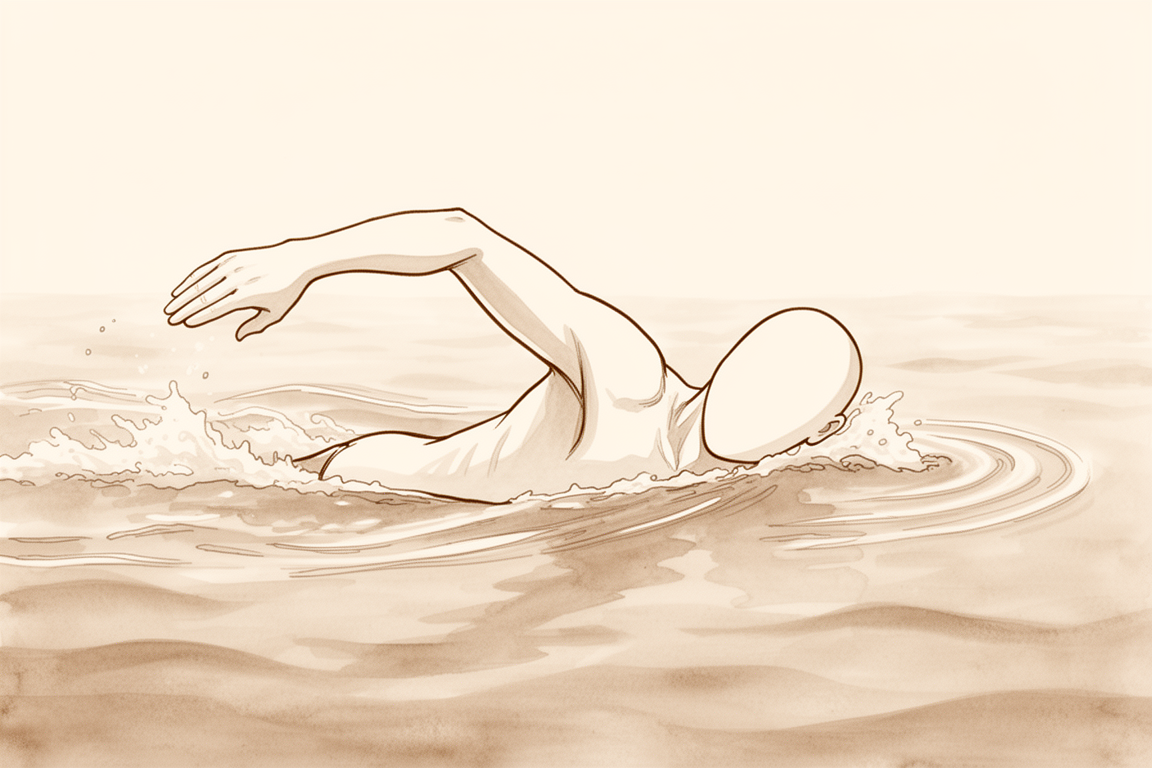
Quy trình này mô tả các bước phục hồi chức năng sau khi thực hiện thủ thuật Quản lý Nội soi Toàn diện (CAM) do bác sĩ Kieran Hirpara thực hiện tại Bệnh viện tư nhân Mater Rockhampton; bao gồm cả những điều sẽ diễn ra trong bệnh viện và trong những tuần, tháng tiếp theo. Hãy mang theo trang này hoặc bản PDF tương ứng trong lần trị liệu vật lý đầu tiên để quá trình phục hồi được phối hợp tốt. Nhà trị liệu vật lý sẽ điều chỉnh tiến độ phục hồi của bạn theo từng giai đoạn dưới đây, dựa trên mức độ vận động của vai và những thao tác đã được thực hiện trong ca phẫu thuật.
Nếu bạn có bất kỳ thắc mắc nào về vết thương sau phẫu thuật, hãy liên hệ với phòng khám. Việc chụp ảnh vết thương rồi gửi qua email để được đánh giá cũng thường rất hữu ích.
Những điều bạn có thể mong đợi
Phẫu thuật CAM là một ca mổ nội soi nhằm điều trị tình trạng vai bị hao mòn và viêm khớp. Thay vì thay thế khớp, mục tiêu của phẫu thuật là làm sạch và giải phóng khớp để giúp vai vận động dễ dàng hơn và giảm đau: bác sĩ phẫu thuật sẽ làm nhẵn lớp sụn bị sần sùi, loại bỏ các mảnh sụn rời và gai xương, giải phóng lớp màng khớp bị căng chặt để vai có thể xoay trở lại, đồng thời giải phóng dây thần kinh chạy ngay bên dưới khớp (dây thần kinh nách). Mục đích là giúp bạn có được nhiều năm sống với vai thoải mái, linh hoạt hơn, đồng thời trì hoãn hoặc tránh phải thay khớp.
Sự kết hợp các thao tác phẫu thuật này ảnh hưởng trực tiếp đến quá trình hồi phục của bạn. Vì bác sĩ đã giải phóng vai bị cứng và nỗ lực khôi phục khả năng xoay của vai, nhiệm vụ quan trọng nhất sau phẫu thuật là duy trì sự vận động này: nếu không vận động, vai sẽ có xu hướng cứng lại. Tuy nhiên, do bác sĩ cũng đã can thiệp vào các bề mặt khớp bị hao mòn, việc vận động ban đầu cần được thực hiện một cách từ từ, có kiểm soát: bạn nên vận động sớm và thường xuyên, nhưng phải thực hiện các động tác giãn cơ một cách nhẹ nhàng chứ không ép buộc, nhằm giúp khớp ổn định thay vì gây viêm tấy. Vì vậy, quá trình hồi phục chủ yếu dựa vào vận động, tương tự như phẫu thuật giải phóng vai bị cứng, nhưng ở mức độ nhẹ nhàng và từ từ hơn.
Các bài tập dành cho bạn bao gồm ba dạng vận động; đội ngũ y tế sẽ chỉ ra dạng nào phù hợp với bạn:
- Vận động thụ động: vai hoàn toàn thả lỏng trong khi cánh tay còn lại, một chiếc gậy hoặc hệ thống ròng rọc thực hiện động tác vận động.
- Vận động chủ động có hỗ trợ: bạn tự vận động cánh tay nhưng có sự hỗ trợ từ cánh tay kia hoặc một vật dụng nào đó.
- Vận động chủ động: bạn vận động cánh tay hoàn toàn bằng sức mình, không cần sự hỗ trợ.
Về chiếc đai treo
Thông thường, bạn sẽ được cung cấp một chiếc đai treo để giúp cảm thấy thoải mái trong tuần đầu tiên hoặc hai tuần đầu sau phẫu thuật. Chiếc đai này có tác dụng giúp cánh tay được nghỉ ngơi và tránh bị va chạm trong lúc khớp hồi phục; nó không có chức năng giữ các mô vừa được phục hồi lại với nhau. Điều quan trọng cần nhớ là ngược lại với trường hợp phục hồi gân hoặc dây chằng: chiếc đai treo chỉ nhằm mục đích mang lại sự thoải mái mà thôi; bạn không được để vai bị cứng lại. Ngay từ ngày đầu tiên, hãy tháo đai treo ra để thực hiện các bài tập; hãy sử dụng cánh tay cho những công việc hàng ngày nhẹ nhàng khi cảm thấy thoải mái, và hạn chế đeo đai treo càng nhiều càng tốt sau khi cơn đau ban đầu giảm bớt.
Nếu bác sĩ phẫu thuật đã nối lại gân cơ nhị đầu trong quá trình mổ (thủ thuật gọi là biceps tenodesis), các bác sĩ trong đội ngũ điều trị sẽ yêu cầu bạn tránh nâng vật nặng và gập khuỷu tay mạnh trong khoảng sáu tuần để gân có thời gian hồi phục; họ sẽ thông báo cho bạn biết liệu điều này có áp dụng với trường hợp của bạn hay không.
Những điểm quan trọng
- Hãy vận động thường xuyên. Ngay từ đầu, hãy sử dụng cánh tay để thực hiện các hoạt động nhẹ hàng ngày như rửa mặt, mặc quần áo và ăn uống. Việc vận động nhẹ nhàng, đều đặn là yếu tố giúp vai không bị cứng trở lại.
- Luyện tập các động tác xoay. Động tác xoay cánh tay ra ngoài (xoay ngoại vi) là một trong những chuyển động chính mà ca phẫu thuật này nhằm khôi phục; vì vậy hãy thường xuyên luyện tập động tác này. Việc lấy lại và duy trì khả năng xoay là mục tiêu quan trọng.
- Tập các bài giãn cơ một cách từ từ, đừng gắng sức. Hãy giãn cơ đến mức cảm thấy hơi căng nhẹ, chứ không phải đau nhói. Các bề mặt khớp vừa mới được can thiệp; việc cố gắng giãn cơ quá mức có thể gây viêm vai và làm chậm tiến độ hồi phục. Việc tập luyện ít lần nhưng thường xuyên luôn tốt hơn là những buổi tập dài và gắng sức.
- Kiểm soát cơn đau để có thể vận động. Hãy dùng thuốc giảm đau trước khi tập luyện và trước các buổi trị liệu vật lý. Nhiều người thấy rằng dùng nhiệt trước khi giãn cơ và chườm đá sau đó rất hữu ích.
- Đi trị liệu vật lý đều đặn. Trong sáu tuần đầu, hãy cố gắng tham gia các buổi trị liệu thường xuyên. Hãy mang trang này theo khi đi khám lần đầu.
Tại bệnh viện — các bài tập đầu tiên
Kieran Hirpara 4.0
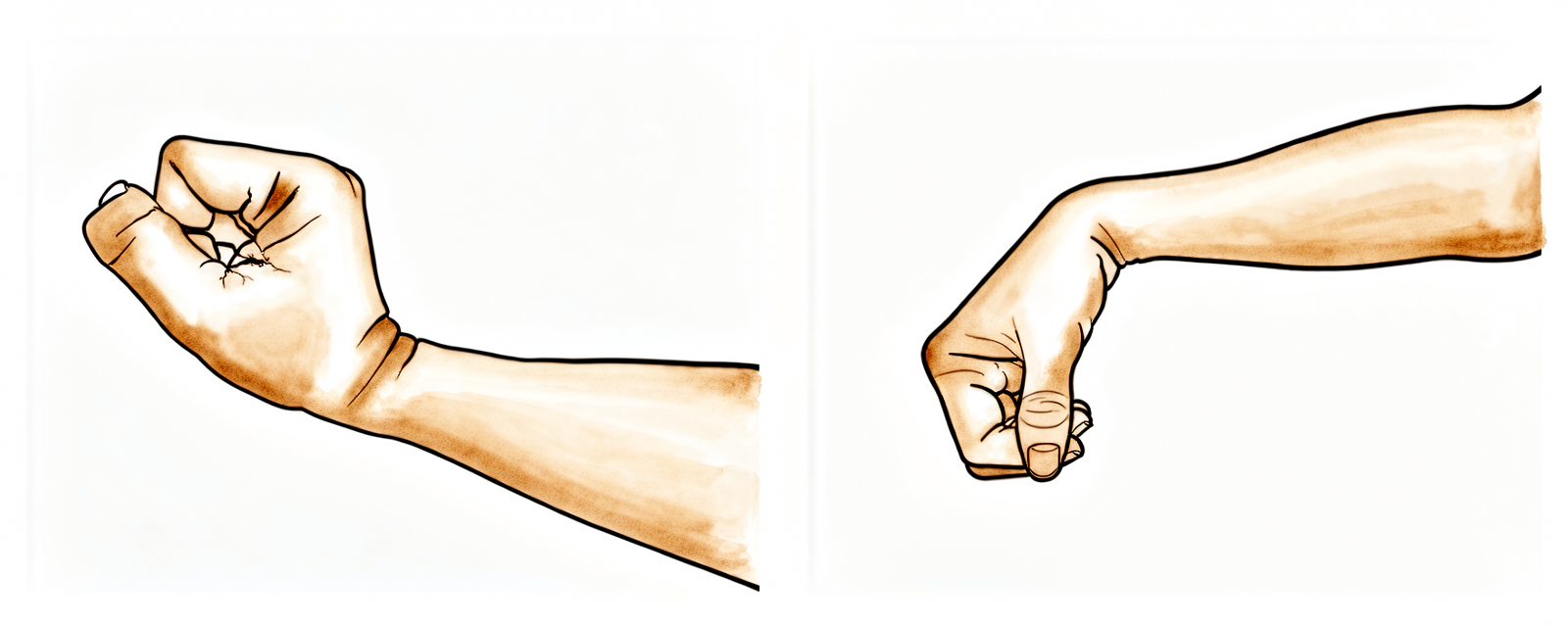
Chuyển động cổ tay
Hãy liên tục cử động tay bằng cách gập cổ tay về phía trước, phía sau và sang hai bên.
10 lần, 3 lần mỗi ngày.
Kieran Hirpara 4.0
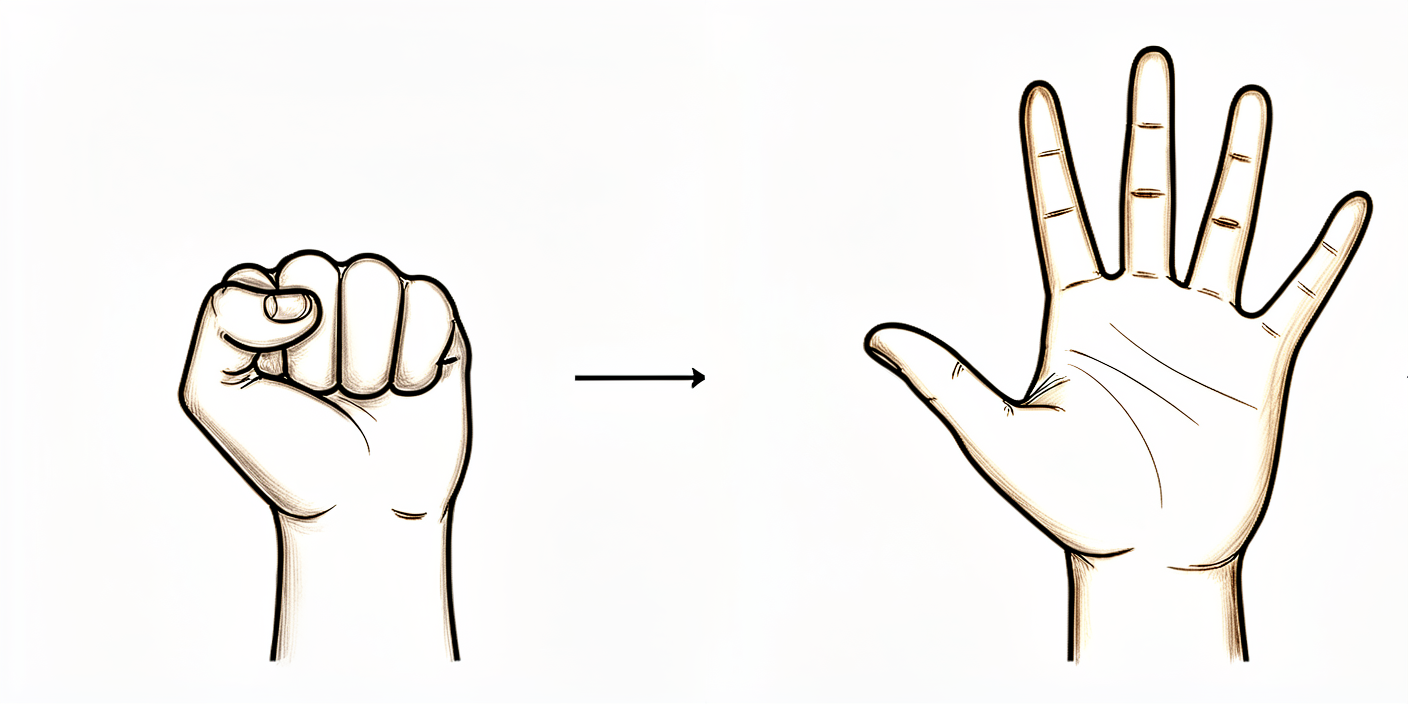
Mở và nắm tay
Hãy cử động tay và các ngón tay bằng cách mở ra, khép lại, hoặc nắm chặt một quả bóng mềm.
10 lần, 3 lần mỗi ngày
Kieran Hirpara 4.0
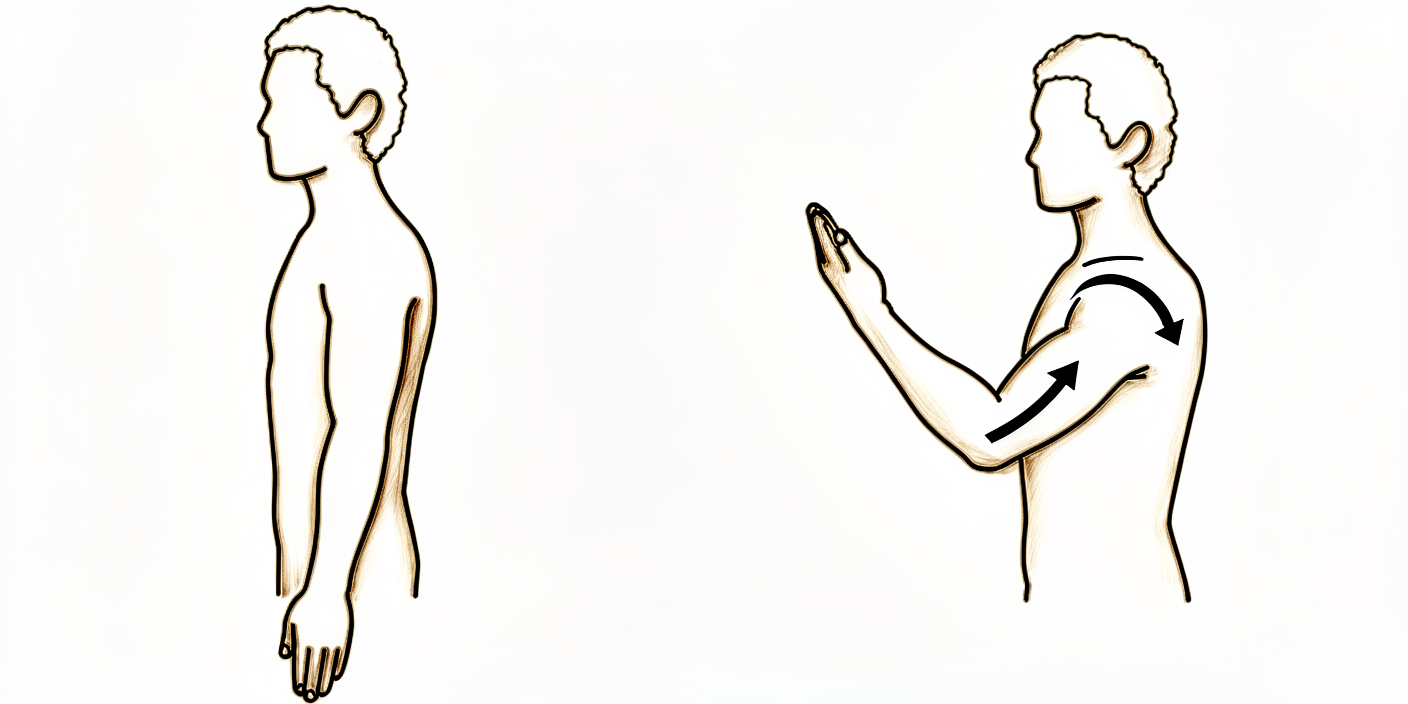
Cử động gập khuỷu tay
Hãy gập và duỗi khuỷu tay của bạn. Nếu gân cơ nhị đầu của bạn đã được nối lại trong ca phẫu thuật, các bác sĩ sẽ hướng dẫn bạn thực hiện động tác này một cách nhẹ nhàng và tránh dùng cánh tay để nâng vật trong vài tuần đầu sau phẫu thuật.
10 lần, 3 lần mỗi ngày.
Kieran Hirpara 4.0
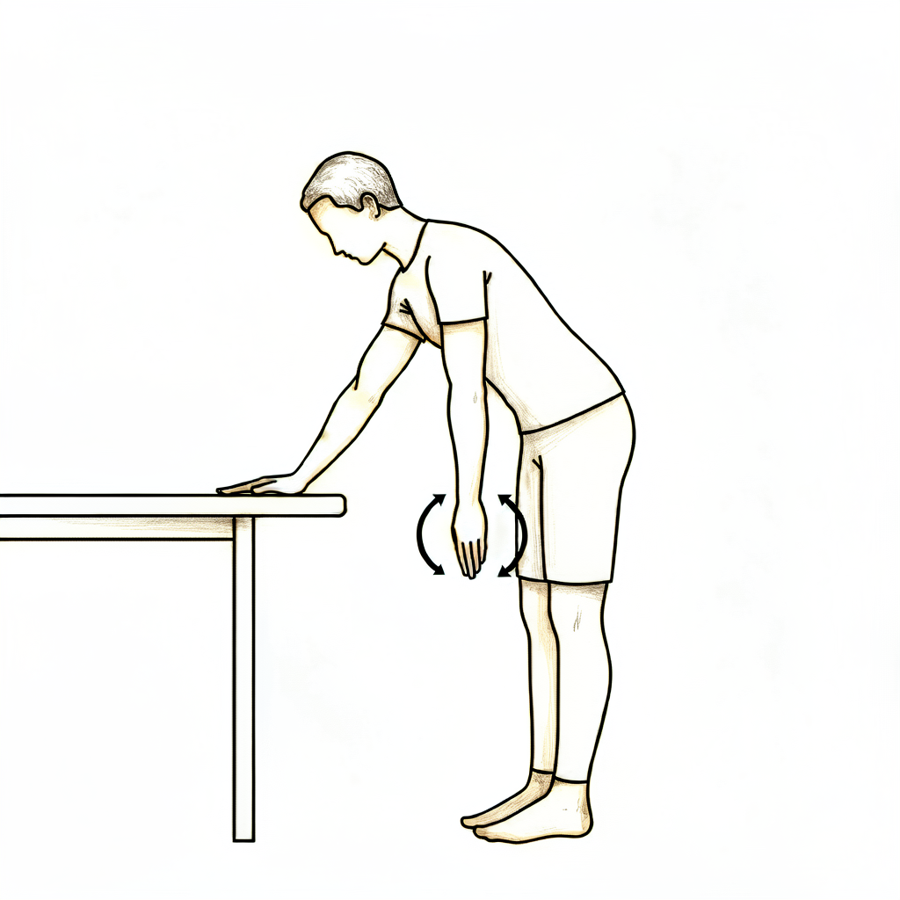
Con lắc
Đây là bài tập thư giãn, không tốn nhiều sức lực. Hãy cúi người về phía trước và để cánh tay thõng xuống, thả lỏng hoàn toàn. Dùng cơ thể để nhẹ nhàng đưa cánh tay vẽ những vòng tròn nhỏ theo chiều kim đồng hồ và ngược lại, đồng thời đưa qua lại. Hãy để trọng lượng của cánh tay tự làm nhiệm vụ này, trong khi các cơ vai vẫn giữ trạng thái thư giãn.
Khoảng 30 giây mỗi chiều, 3 lần mỗi ngày
Kieran Hirpara 4.0
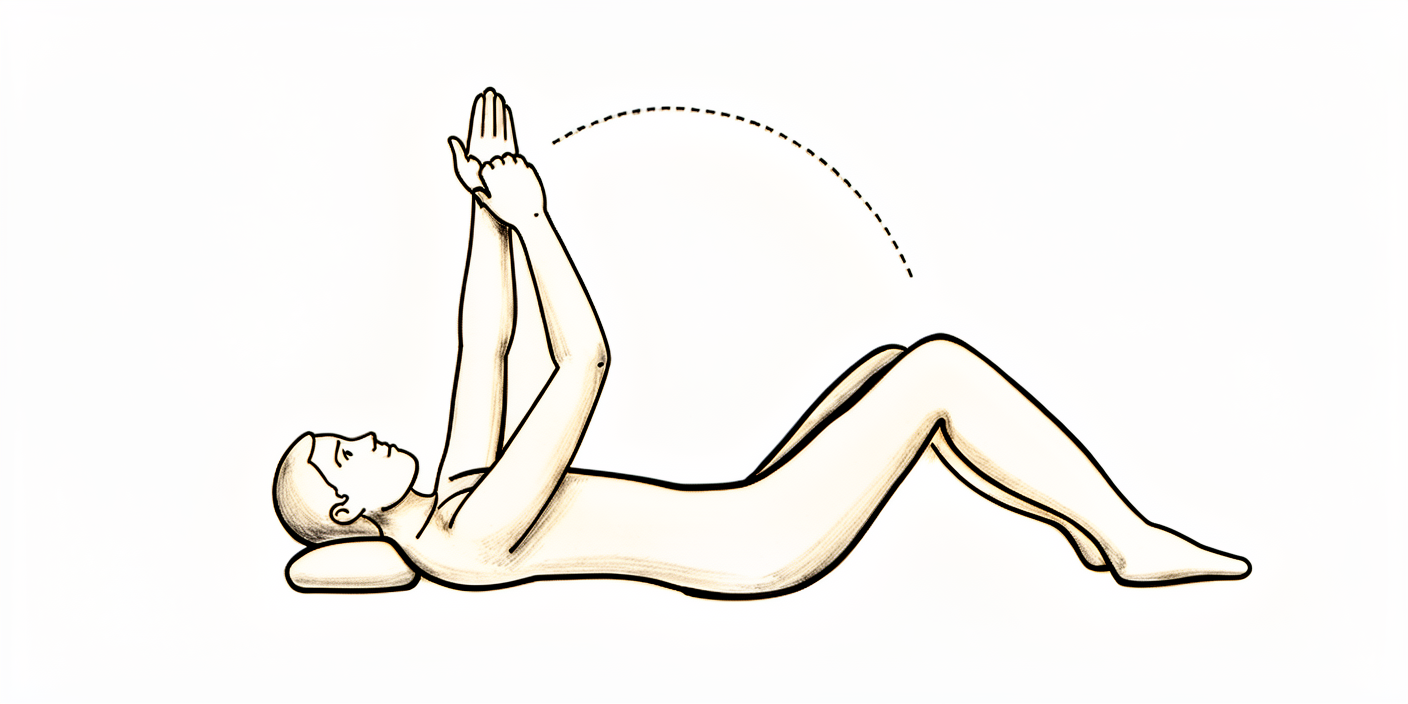
Nâng tay ra trước có hỗ trợ (nằm)
Nếu muốn, bạn có thể nằm ngửa và cầm một thanh gỗ (hoặc một chiếc khăn cuộn) bằng cả hai tay. Dùng cánh tay lành để đưa cánh tay vừa được phẫu thuật lên trên đầu, đến mức độ thoải mái nhất, rồi từ từ hạ xuống.
10 lần, 3 lần mỗi ngày
Kieran Hirpara 4.0
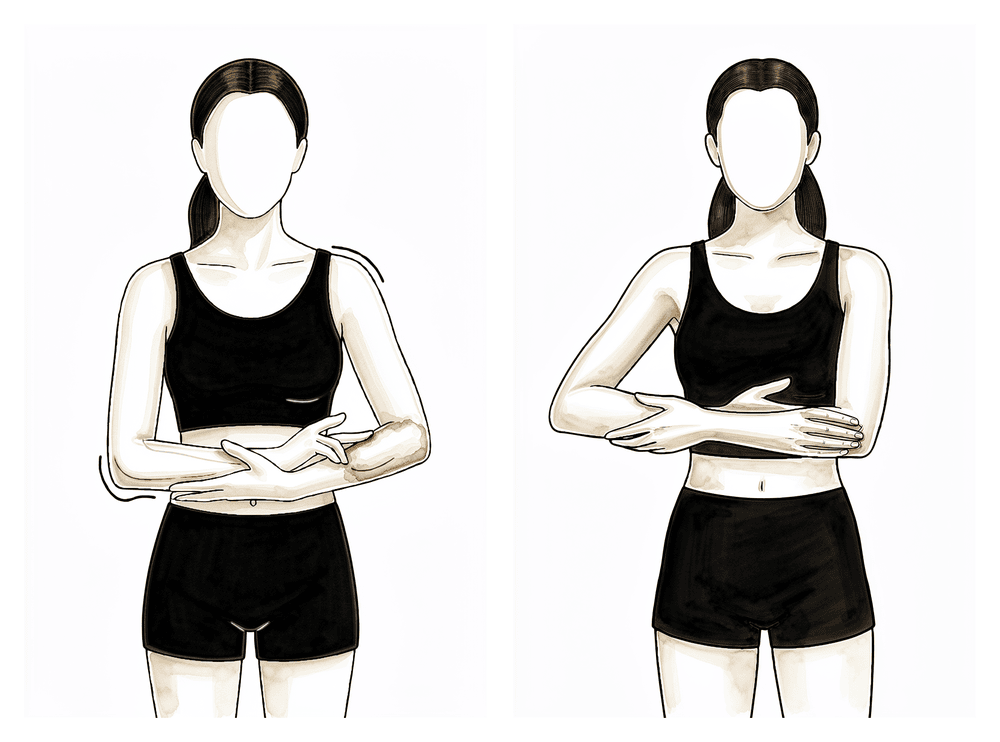
Dạng tay có hỗ trợ (tư thế bế ru)
Hãy dùng cánh tay còn lại ôm lấy cánh tay vừa được phẫu thuật, đỡ dưới khuỷu tay, rồi nhẹ nhàng đưa nó ra sang bên và trở lại, giống như cách ru một em bé vậy. Mỗi lần làm như vậy, hãy đưa cánh tay ra phía bên đến mức căng giãn thoải mái.
10 lần, 3 lần mỗi ngày.
Kieran Hirpara 4.0
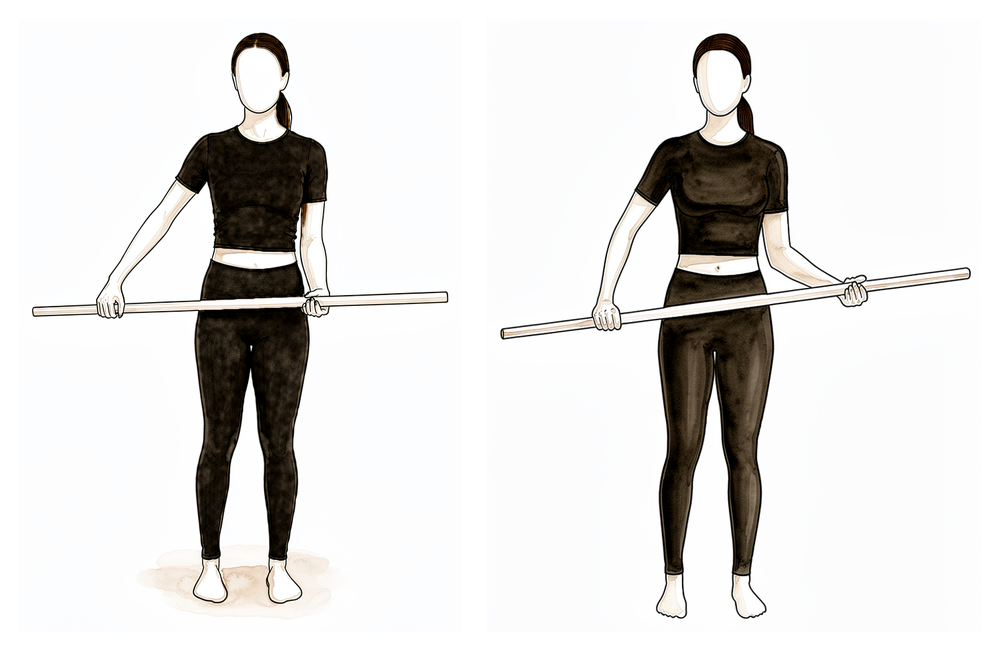
Hỗ trợ xoay ngoài cánh tay bằng cách dùng cây gậy
Nằm ngửa, khuỷu tay áp sát vào thân mình và gập 90 độ. Cầm một thanh gỗ bằng cả hai tay, dùng cánh tay lành để xoay bàn tay của cánh tay vừa được phẫu thuật ra ngoài, từ đó xoay vai. Việc xoay ra ngoài là một động tác quan trọng cần khôi phục sau ca phẫu thuật này; vì vậy hãy tiếp tục thực hiện nhẹ nhàng và tăng dần biên độ theo từng tuần.
10 lần, 3 lần mỗi ngày.
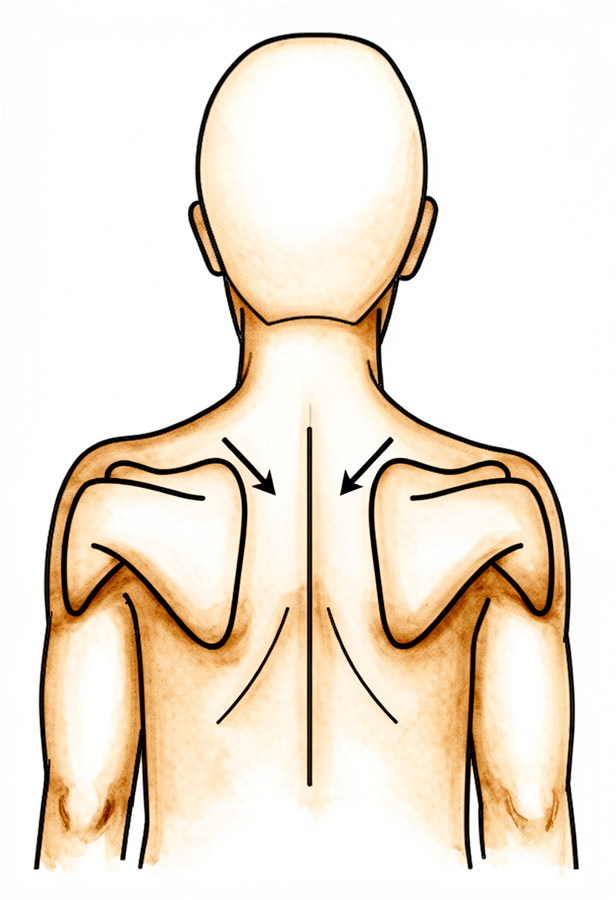
Kieran Hirpara 4.0
Siết giữ cơ thang dưới
Hãy siết hai bả vai xuống dưới và khép lại với nhau, giữ nguyên tư thế rồi thả lỏng.
Giữ nguyên trong 5 giây, thực hiện 5 lần; lặp lại 3 lần mỗi ngày.
Nhân viên vật lý trị liệu sẽ gặp bạn tại bệnh viện và hướng dẫn bạn thực hiện các bài tập dưới đây trước khi bạn xuất viện. Những bài tập này giúp duy trì sự vận động của bàn tay, khuỷu tay và vai, đồng thời bắt đầu khôi phục biên độ vận động của vai ngay lập tức. Hãy dùng thuốc giảm đau trước khi tập để có thể vận động một cách thoải mái. Hãy thực hiện các bài tập theo hướng dẫn của các chuyên gia và tiếp tục luyện tập tại nhà.
Quá trình phục hồi chức năng ngoại trú của bạn
Sau ca phẫu thuật CAM, việc phục hồi chức năng chủ yếu dựa vào các bài tập vận động: khớp vai trước đó bị cứng và đã được làm mềm ra; vì vậy giai đoạn đầu cần tập trung vào việc duy trì và tái thiết lập biên độ vận động trước khi khớp lại bị cứng trở lại, nhưng phải thực hiện một cách từ từ và tuân thủ các nguyên tắc bảo vệ bề mặt khớp vừa được điều trị. Vật lý trị liệu được bắt đầu sớm, thực hiện đều đặn và kéo dài trong nhiều tháng. Các giai đoạn dưới đây tuân theo quy trình phục hồi chức năng đã được công bố cho ca phẫu thuật này. Phạm vi thời gian được nêu ra chỉ mang tính chất tham khảo chứ không cố định; chuyên viên vật lý trị liệu sẽ điều chỉnh tiến độ dựa trên mức độ phục hồi của khớp vai chứ không dựa vào lịch trình cố định. Các buổi tái khám thường được sắp xếp vào khoảng tuần thứ 2, tuần thứ 6 và sau 3–4 tháng.
Tổng quan về các giai đoạn phục hồi:
- Giai đoạn I — Vận động sớm: khoảng hai tuần đầu tiên
- Giai đoạn II — Phục hồi biên độ vận động: từ tuần thứ 2 đến tuần thứ 6
- Giai đoạn III — Tăng cường sức mạnh: từ tuần thứ 6 đến tuần thứ 12
- Giai đoạn IV — Trở lại các hoạt động bình thường: từ tuần thứ 12 trở đi (khoảng ba tháng)
Hầu hết bệnh nhân sẽ cảm nhận được sự giảm đau rõ rệt và khả năng vận động dễ dàng hơn trong vòng một đến ba tháng đầu, và quá trình cải thiện thường tiếp tục diễn ra trong sáu đến mười hai tháng sau đó.
Giai đoạn I — Vận động sớm (Tuần 0–2)
Mục tiêu trong hai tuần đầu tiên là giúp vai bắt đầu vận động và duy trì phạm vi chuyển động đã được khôi phục sau phẫu thuật, mà không gây kích ứng khớp. Bạn tiếp tục thực hiện các bài tập tại bệnh viện ở nhà nhiều lần mỗi ngày: các động tác vận động thụ động và vận động có hỗ trợ, các chuyển động kiểu “con lắc”, cùng các bài giãn cơ nhẹ nhàng theo mọi hướng, kể cả việc xoay cánh tay ra ngoài. Chỉ dùng đai treo vai để tạo cảm giác thoải mái; hãy tháo đai ra khi tập luyện hoặc thực hiện các hoạt động sinh hoạt hàng ngày nhẹ nhàng. Việc kiểm soát cơn đau tốt là điều kiện tiên quyết để thực hiện các động tác này; vì vậy hãy uống thuốc giảm đau trước khi tập, đồng thời có thể chườm nóng trước và chườm lạnh sau nếu thấy có ích. Khi giãn cơ, hãy từ từ tăng dần lực đến mức cảm thấy hơi căng nhẹ, chứ không phải đau dữ dội.
Bạn đã sẵn sàng chuyển sang giai đoạn tiếp theo khi… bạn thực hiện đều đặn các bài tập tại nhà nhiều lần mỗi ngày, cơn đau đã giảm dần, và vai có thể vận động tự do trong phạm vi ban đầu.
Giai đoạn II — Phục hồi biên độ vận động (Tuần 2–6)
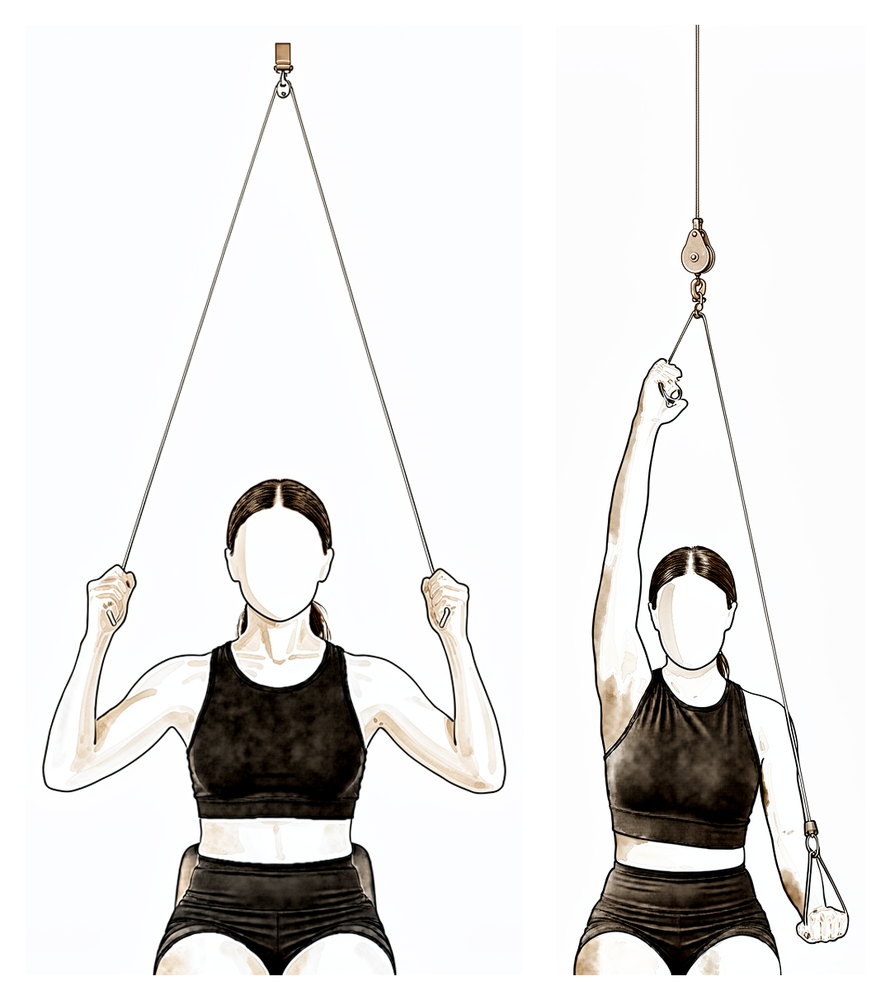
Kieran Hirpara 4.0
Ròng rọc treo cửa
Ngồi dưới hệ thống ròng rọc gắn trên cửa, hai tay cầm vào các tay cầm. Dùng cánh tay lành để kéo xuống, nhằm nâng cánh tay vừa được phẫu thuật lên cao hết mức có thể một cách thoải mái; sau đó hạ xuống từ từ. Thực hiện động tác này sao cho có cảm giác căng nhẹ, chứ không gây đau đớn dữ dội.
10 lần, 3 đến 4 lần mỗi ngày.
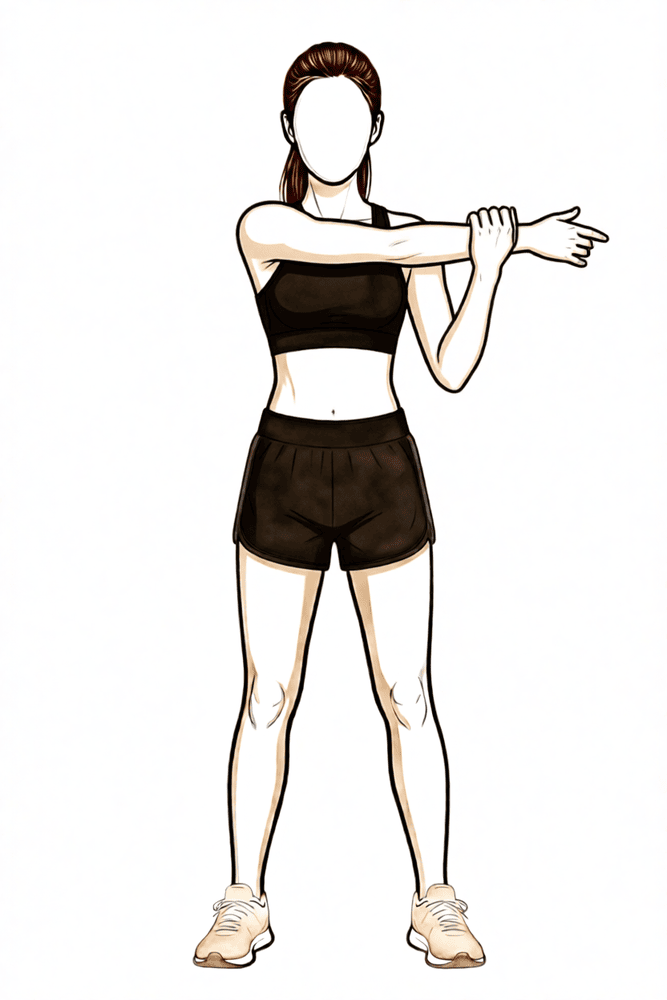
Kieran Hirpara 4.0
Bài tập kéo giãn chéo cơ thể
Hãy dùng tay lành để đưa cánh tay vừa được phẫu thuật qua ngực cho đến khi bạn cảm nhận được sự căng nhẹ ở phía sau vai, sau đó thả ra.
10 lần, 3 đến 4 lần mỗi ngày.
Kieran Hirpara 4.0
Xoay ngoài vai với gậy
Tiếp tục thực hiện động tác xoay ngoài có hỗ trợ bằng gậy như đã làm ở bệnh viện, đưa xa hơn một chút khi biên độ chuyển động được mở rộng. Giữ khuỷu tay sát bên thân, xoay cẳng tay ra ngoài hết mức mà bạn cảm thấy thoải mái, rồi quay trở lại vị trí ban đầu.
10 lần, 3 đến 4 lần mỗi ngày.
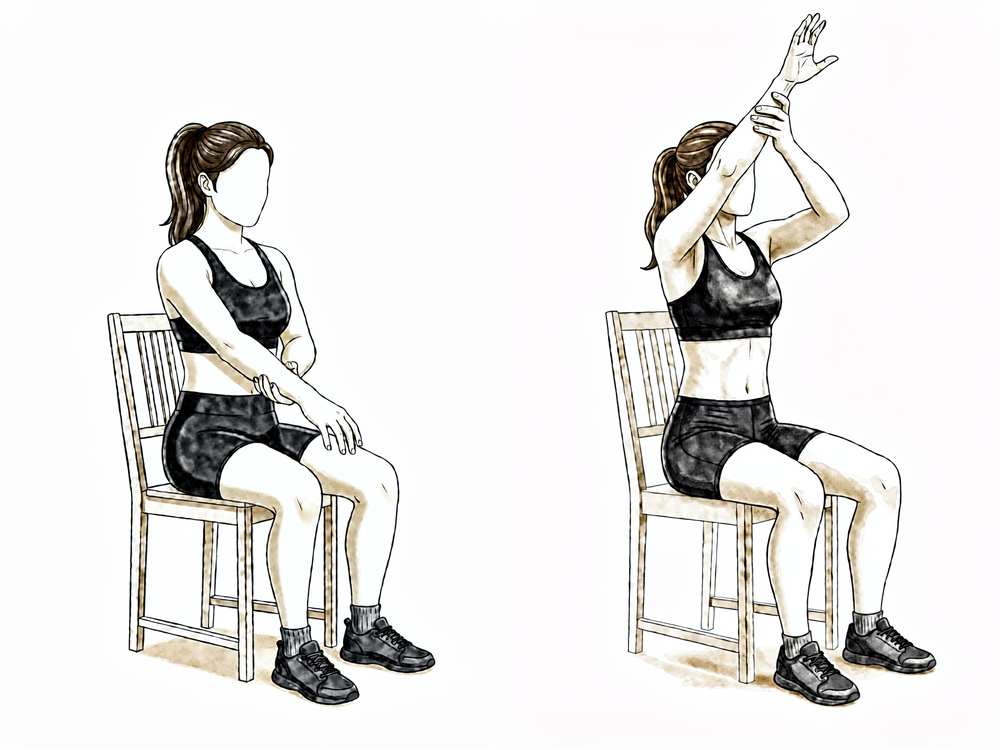
Kieran Hirpara 4.0
Hỗ trợ nâng tay lên phía trước (khi ngồi)
Ngồi xuống và hơi nghiêng người về phía trước; dùng tay lành để nâng đỡ cẳng tay vừa được phẫu thuật, rồi dùng tay này nâng cánh tay bị phẫu thuật ra phía trước và lên cao hết mức mà bạn cảm thấy thoải mái; sau đó hạ cánh tay xuống từ từ. Hãy để tay lành thực hiện động tác này nhằm giúp vai bị phẫu thuật luôn được thả lỏng.
Theo hướng dẫn của chuyên viên vật lý trị liệu của bạn.
Trong giai đoạn này, bạn vẫn tiếp tục thực hiện các bài vật lý trị liệu định kỳ và chương trình tập luyện tại nhà, dần mở rộng biên độ vận động khi vai cho phép. Các bài tập sẽ chuyển từ các động tác có hỗ trợ sang việc vận động cánh tay chủ động theo mọi hướng; chuyên viên vật lý trị liệu có thể thực hiện thêm các kỹ thuật kéo giãn khớp trực tiếp. Bạn vẫn cần duy trì các bài tập xoay ngoài vai. Việc kéo giãn vẫn được thực hiện từng bước, mức độ mạnh hơn so với tuần đầu tiên, nhưng vẫn phải tiến hành một cách từ từ chứ không được gắng sức quá mức. Hầu hết mọi người trong giai đoạn này đã tháo nẹp vai và có thể sử dụng cánh tay bình thường cho các hoạt động hàng ngày nhẹ nhàng.
Bạn đã sẵn sàng chuyển sang giai đoạn tiếp theo khi… biên độ vận động của vai ngày càng cải thiện, các động tác dưới mức độ cao của vai trở nên dễ dàng, và cơn đau đã giảm đáng kể để có thể bắt đầu các bài tập chống lại lực cản nhẹ.
Giai đoạn III — Tăng cường sức mạnh (Tuần 6–12)
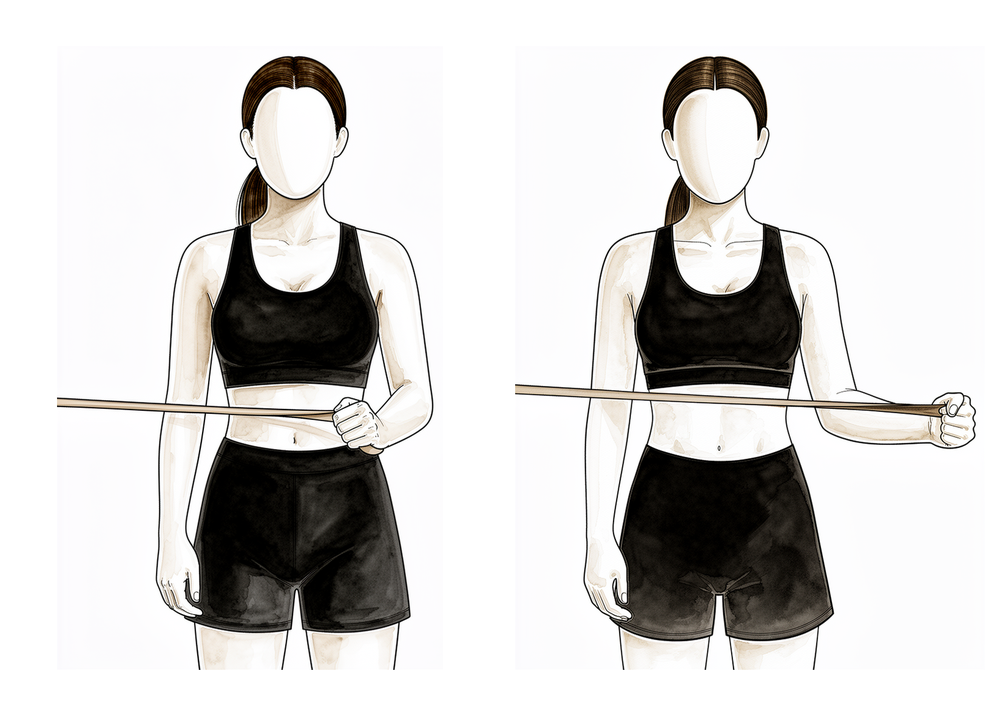
Kieran Hirpara 4.0
Xoay ngoài với dây đàn hồi
Đứng thẳng, khuỷu tay áp sát vào hông và gập 90 độ; cầm dây đàn hồi được cố định ở độ cao ngang eo. Giữ nguyên khuỷu tay ở vị trí cạnh hông, xoay cẳng tay ra ngoài chống lại lực căng của dây, sau đó từ từ đưa về vị trí ban đầu.
2 đến 3 hiệp, mỗi hiệp 10 đến 15 lần, thực hiện 5 ngày mỗi tuần.
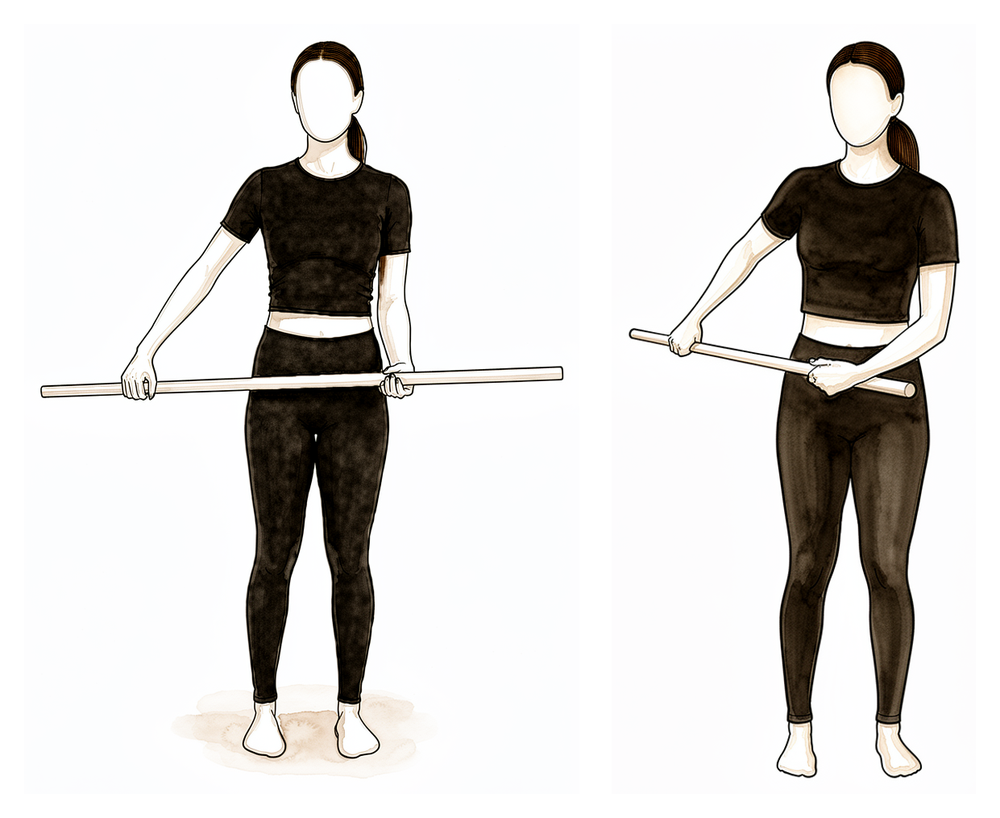
Kieran Hirpara 4.0
Xoay trong với dây đàn hồi
Với khuỷu tay áp sát vào thân mình, hãy cầm sợi dây chun được cố định ở một phía rồi xoay cẳng tay vào trong, hướng về phía thân mình chống lại lực căng của dây chun; sau đó từ từ trở về vị trí ban đầu.
2 đến 3 hiệp, mỗi hiệp 10 đến 15 lần, thực hiện 5 ngày mỗi tuần.
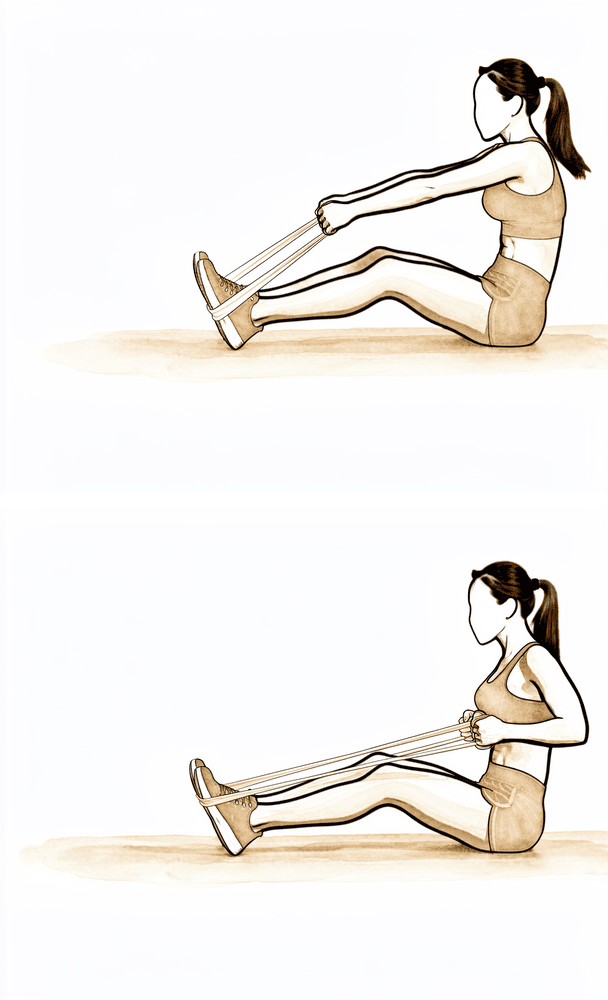
Kieran Hirpara 4.0
Tập kéo dây ở mức thấp
Giữ sợi dây đàn hồi ở phía trước người, ngang thắt lưng. Giữ cánh tay gần như thẳng, kéo cánh tay ra sau và xuống phía hông, đồng thời siết chặt bả vai xuống dưới và ra sau; sau đó từ từ đưa cánh tay về vị trí ban đầu.
2 đến 3 hiệp, mỗi hiệp 10 đến 15 lần, thực hiện 5 ngày mỗi tuần.
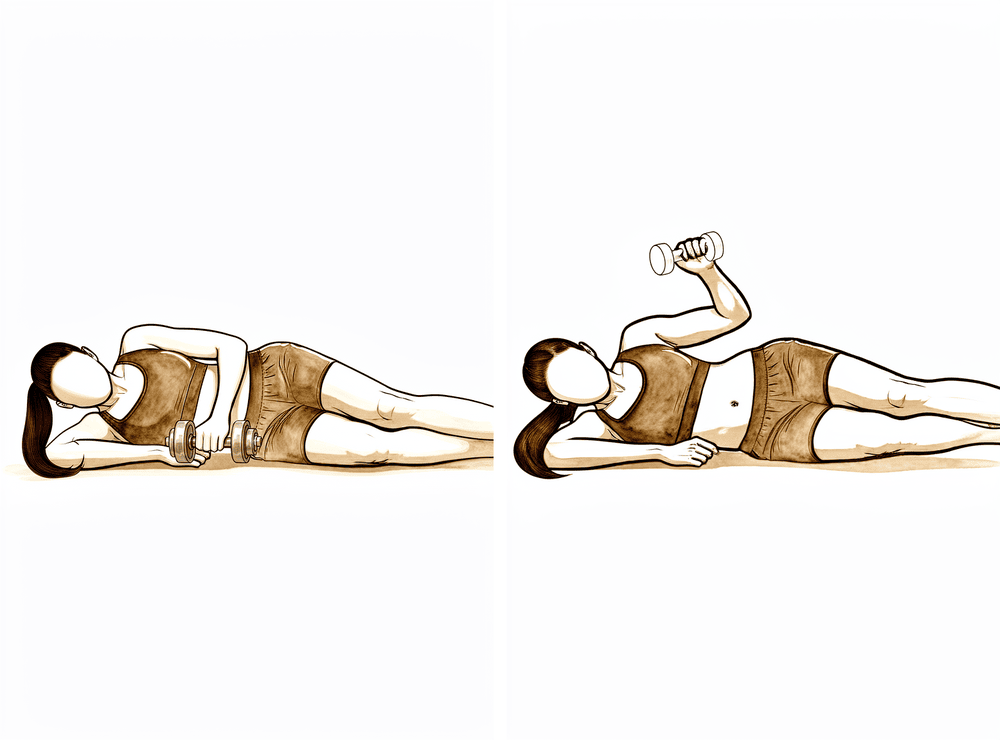
Kieran Hirpara 4.0
Nằm nghiêng, xoay ngoài chi (với tạ nhẹ)
Nằm nghiêng về phía lành, khuỷu tay vừa phẫu thuật gập lại 90 độ và áp sát vào thân mình; đồng thời cầm một vật nặng nhẹ (khoảng 0,5 đến 1,5 kg). Xoay cẳng tay lên trên rồi hạ xuống từ từ; việc hạ xuống chậm là bước quan trọng nhất. Hãy đảm bảo động tác được thực hiện dưới mức độ cao của vai.
2 đến 3 hiệp, mỗi hiệp 10 đến 15 lần, tải trọng thấp.
Khi biên độ vận động đã được cải thiện, mục tiêu tiếp theo là khôi phục sức mạnh cơ bắp. Việc kéo giãn nhẹ nhàng vẫn được duy trì để bạn không mất đi những tiến bộ vận động đã đạt được. Khoảng tuần thứ sáu, bạn bắt đầu các bài tập chống lực với cường độ thấp, sử dụng dây thun và tạ nhẹ nhằm rèn luyện cơ vùng vai và cơ cánh tay; các bài tập này dùng tải trọng thấp nhưng số lần lặp lại cao. Các hoạt động sinh hoạt hàng ngày phần lớn đã trở lại bình thường; các hoạt động giải trí nhẹ nhàng cũng thường được khởi động trở lại trong giai đoạn này theo hướng dẫn của chuyên viên vật lý trị liệu.
Bạn sẵn sàng chuyển sang giai đoạn tiếp theo khi… có khả năng vận động thoải mái, gần như đầy đủ theo mọi hướng, và có thể thực hiện các bài tập tăng cường sức mạnh mà không gây đau tái phát.
Giai đoạn IV — Trở lại các hoạt động bình thường (từ tuần thứ 12 trở đi)
Giai đoạn cuối cùng, bắt đầu từ khoảng ba tháng sau phẫu thuật, là quá trình dần dần trở lại các công việc nặng nhọc, các hoạt động đòi hỏi vận động trên cao và các môn thể thao, kèm theo việc tăng cường sức mạnh cơ bắp. Khả năng vận động của vai vẫn tiếp tục cải thiện ngay cả sau giai đoạn này: hầu hết mọi người vẫn cảm thấy thoải mái và tự tin hơn trong vòng sáu đến mười hai tháng. Việc tăng dần mức độ hoạt động vẫn phải dựa trên cảm nhận của bản thân: nếu xuất hiện tình trạng cứng khớp hoặc đau nhức, hãy giảm bớt cường độ hoạt động, khôi phục lại phạm vi vận động và giúp khớp ổn định trở lại thay vì cố gắng vượt qua cơn đau.
Quay trở lại các hoạt động bình thường
Hầu hết mọi người có thể trở lại làm việc văn phòng và các hoạt động sinh hoạt nhẹ trong vòng vài tuần đầu, khi họ cảm thấy thoải mái và đã tháo nẹp vai ra. Các công việc nặng nhọc, đòi hỏi nhiều sức lực cũng như các môn thể thao đòi hỏi vận động trên cao sẽ được thực hiện dần dần trong những tuần, thậm chí vài tháng tiếp theo; thường là từ khoảng 3 tháng sau phẫu thuật, khi sức mạnh cơ thể đã hồi phục. Việc lái xe sau bất kỳ ca phẫu thuật vai nào sẽ tuân theo quy định chung của phòng khám chứ không dựa vào một thời điểm cố định nào trong quy trình này: vui lòng tham khảo mục Lái xe sau phẫu thuật chi trên và trao đổi với bác sĩ phẫu thuật tại lần tái khám để xác nhận.
Các bài tập của bạn
Đây là những bài tập được nêu trong tờ hướng dẫn của bạn. Hãy thực hiện chúng theo hướng dẫn của Bác sĩ Hirpara và chuyên viên vật lý trị liệu. Các bài tập ban đầu — vận động cổ tay, mở và nắm tay, gập khuỷu tay và các động tác đung đưa — giúp phần còn lại của cánh tay vận động trong lúc vai dần ổn định. Các bài kéo giãn có hỗ trợ (gập tay khi nằm, dang tay sang hai bên, xoay ngoài cánh tay bằng que) giúp phục hồi biên độ vận động mà không gây áp lực lên khớp; các bài tập dùng dây kháng lực, kéo ngược và tập nằm nghiêng sẽ được thêm vào sau khi các chuyển động đã trở nên dễ dàng. Trước tiên hãy tăng dần biên độ vận động, sau đó mới tập tăng sức mạnh. Ngừng ngay mọi bài tập gây ra cơn đau dữ dội thay vì cảm giác căng cơ thông thường.
Sau khi thực hiện theo phác đồ
Các giai đoạn điều trị ngoại trú nêu trên được điều chỉnh từ phác đồ phục hồi chức năng đã được công bố dành cho thủ thuật CAM; các mốc phục hồi cũng được lấy từ cùng các nguồn tài liệu đó. Các khoảng thời gian trong tuần chỉ mang tính chất tham khảo chứ không cố định; quá trình phục hồi của bạn sẽ được điều chỉnh riêng biệt bởi chuyên viên vật lý trị liệu, phối hợp cùng phòng khám, dựa trên mức độ hồi phục của vai và những thao tác cụ thể đã được thực hiện trong ca phẫu thuật. Trang này bổ trợ cho các hướng dẫn phục hồi chung của phòng khám: vui lòng tham khảo mục xử lý cơn đau sau phẫu thuật và chăm sóc vết thương. Để biết thêm thông tin về thủ thuật phẫu thuật cũng như tình trạng bệnh mà nó điều trị, hãy xem mục phương pháp điều trị nội soi toàn diện và viêm khớp vai.
Evidence & references
This is the clinical evidence summary written for health professionals. It is technical, and it lists the research this page was built from. You do not need to read it to understand your treatment or to make a decision about it.
Comprehensive Arthroscopic Management (CAM) of Glenohumeral Osteoarthritis — Post-operative Rehabilitation
Topic scope: Post-operative rehabilitation after the Comprehensive Arthroscopic Management (CAM) procedure — a joint-preserving arthroscopic treatment for advanced glenohumeral osteoarthritis in young, active patients who wish to avoid or defer arthroplasty.
Defining principle of CAM rehab (a hybrid): CAM is not a repair, so — like a capsular release for frozen shoulder — there is no healing construct to protect and the priority is to keep the motion that was restored at surgery, especially external rotation freed by the capsular release and axillary nerve neurolysis. BUT, unlike a pure capsular release, CAM also resurfaces and reshapes the articular surfaces themselves (chondroplasty, microfracture, humeral osteoplasty). So the rehab is motion-led but graded: early and frequent passive/active-assisted ROM, short sling for comfort only, stretching eased to end-range rather than forced — Millett's own protocol instructs the patient to "proceed with caution while stretching to avoid joint inflammation and pain." Re-stiffening is the failure mode to prevent; joint flare from over-aggressive forcing is the one to avoid.
A. THE PROCEDURE (what is being rehabilitated)
CAM is a systematic, inclusive arthroscopic approach to the multiple pathologies of early-to-advanced glenohumeral OA, described by Millett and colleagues. It bundles, in one sitting, as many of the following as the joint requires [Millett 2013; Millett EATS 2015]:
- Debridement, chondroplasty, synovectomy and loose-body removal — smoothing frayed cartilage and clearing mechanical debris.
- Capsular release — to restore range, particularly external rotation, lost to the arthritic contracture.
- Inferior humeral osteoplasty — excision of the inferior humeral "goat's-beard" osteophyte that tethers the axillary nerve and blocks motion.
- Axillary nerve neurolysis — freeing the nerve adjacent to that osteophyte (a defining CAM step; note a validated CAM variant deliberately omits axillary nerve release and subacromial decompression with satisfactory durable results [Mahmoud/KSSTA 2023]).
- Subacromial decompression ± biceps tenodesis ± microfracture of focal chondral defects, where indicated.
Patient selection (drives prognosis, not the rehab itself): best results with > 2 mm of joint space and glenohumeral congruity without significant deformity; less joint space and abnormal posterior glenoid shape (Walch B2/C) predict early failure [Millett 2016 predictors]. Survivorship (freedom from arthroplasty): 76.9% at minimum 5 years, 63.2% at minimum 10 years in suitable candidates [Mitchell 2016; Spiegl/Horan 2020].
B. POST-OPERATIVE PHASED TIMELINE
The published protocol is a 3-phase, individually-tailored program (Millett group; mirrored in clinic patient materials). Mapped here onto the practice's standard 4-phase patient structure. Clinic follow-up at 2 weeks, 6 weeks, and 3–4 months.
| Phase | Window | Sling | ROM | Strengthening | Notes |
|---|---|---|---|---|---|
| I — Early motion | Week 0–2 | Comfort only, ~1–2 wk, off for exercise from day 0 | Passive + active-assisted ROM immediately; pendulums; gentle stretch in all planes incl. external rotation; caution — ease to end-range, do not force | Hand/elbow/scapular setting only | Goal: maintain the motion gained at surgery + prevent scar/re-contracture; pain control to permit motion |
| II — Restoring range | Week 2–6 | Off | Progress AAROM → AROM all planes; keep working external rotation; add joint mobilisation; stretching graded (firmer, still not forced) | Light scapular/cuff activation as pain allows | Most back to light daily activity/work by this window |
| III — Strengthening | Week 6–12 | Off | Maintain full/near-full ROM | Elastic-resistance + light-weight cuff & scapular strengthening from ~6 wk, low load / higher reps; continued stretching | Lighter recreation resumes |
| IV — Return to function/sport | ~3 months + | Off | Full | Advanced strengthening; graduated return to sport/heavy work | Outcomes continue to improve over 6–12 months |
Procedure-specific modifiers (surgeon-dependent): - Biceps tenodesis performed → avoid resisted elbow flexion / lifting ~6 weeks. - Microfracture of a focal chondral defect → early passive motion is beneficial for the marrow-stimulation clot (as in knee microfracture), but avoid heavy axial loading in the early weeks; favour motion over load. - Axillary nerve neurolysis performed → prioritise early external-rotation ROM to hold the gain; transient axillary nerve paraesthesia is recognised and usually settles.
Recovery milestones (from CAM outcome series, not a rehab trial): meaningful pain/function improvement within the first 1–3 months; sustained patient-reported improvement and satisfaction by 6–12 months [Outcomes/Survivorship series].
C. KEY CONTROVERSIES / EVIDENCE QUALITY
- No rehabilitation RCT exists for CAM. The post-operative regimen is expert/consensus from the originating group (Millett), not a tested protocol. Intensity and timing are reasoned from the procedure's components, not from comparative data. Weak/consensus.
- The evidence base for the operation is itself debated. CAM outcome series are predominantly Level IV (case series from a small number of high-volume centres); systematic reviews conclude arthroscopic debridement for GHOA lacks high-quality evidence for routine use, and isolated debridement + capsular release "may not provide substantial benefit" in most patients [Kelly 2014; van der Bracht 2013 critical review]. CAM's value is strongest in carefully selected young, high-demand patients with preserved joint space.
- Motion vs protection balance. The capsular-release component argues for aggressive early motion (re-stiffening is the enemy); the cartilage/microfracture/osteoplasty components argue for graded loading (joint flare is the enemy). The published protocol resolves this as early but cautious motion — the central rehab judgement.
- CAM is a family of procedures, not one operation. Exactly which steps were done (axillary nerve release, microfracture, biceps tenodesis) legitimately shifts the rehab — hence the per-patient modifiers above. A validated variant omits axillary nerve release/SAD entirely [Mahmoud 2023].
D. EVIDENCE STRENGTH FLAGS (summary)
- MODERATE (large/long-term cohorts): CAM mid- and long-term survivorship + PRO improvement (Mitchell 2016 n-series, 76.9% @5 yr; Spiegl/Horan 2020, 63.2% @10 yr); preoperative predictors of failure (Morrison/Millett 2016).
- WEAK / CONSENSUS ONLY: the post-operative rehabilitation protocol itself (no defining RCT; expert protocol from the originating group); debridement-based arthroscopy for GHOA (systematic reviews: low-quality evidence, Kelly 2014; van der Bracht 2013).
- EXTRAPOLATED: early-motion rationale borrowed from arthroscopic capsular-release rehab; microfracture early-motion / load-caution rationale borrowed from marrow-stimulation cartilage literature.
CITATIONS
RAG corpus (180,000+ Orthopaedic articles) — CAM clinical evidence base
- Millett PJ, Gobezie R, Boykin RE. Comprehensive Arthroscopic Management (CAM) procedure for treatment of glenohumeral osteoarthritis. Arthroscopy Techniques. 2015. (technique + post-op rehab description) DOI: 10.1016/j.eats.2015.04.003
- Millett PJ, et al. Comprehensive Arthroscopic Management (CAM) Procedure: clinical results of a joint-preserving arthroscopic treatment for young, active patients with advanced shoulder osteoarthritis. Arthroscopy. 2013. DOI: 10.1016/j.arthro.2012.10.028
- Mitchell JJ, et al. Survivorship and patient-reported outcomes after CAM of glenohumeral osteoarthritis (minimum 5 years; 76.9% survivorship). Am J Sports Med. 2016. DOI: 10.1177/0363546516656372
- Morrison/Millett, et al. CAM of glenohumeral osteoarthritis: preoperative factors predictive of treatment failure. Am J Sports Med. 2016. DOI: 10.1177/0363546516668823
- Survivorship and PROs after CAM, minimum 10-year follow-up (63.2% survivorship). Am J Sports Med. 2020. DOI: 10.1177/0363546520962756 / OJSM 2021. DOI: 10.1177/2325967121s00213
- Comprehensive arthroscopic management without axillary nerve release or subacromial decompression — satisfactory durable results in young patients. Knee Surg Sports Traumatol Arthrosc. 2023. DOI: 10.1007/s00167-023-07377-0
- Arthroscopic Management of Glenohumeral Arthritis: a joint-preservation approach. JAAOS. 2018. DOI: 10.5435/jaaos-d-17-00214
- Outcomes and survivorship after arthroscopic treatment of glenohumeral arthritis: a systematic review (ROM + PRO improvement, minimal complications). Arthroscopy. 2020. DOI: 10.1016/j.arthro.2020.02.036
- Kelly EW, et al. Arthroscopic debridement and capsular release for the treatment of shoulder osteoarthritis (may not justify routine use). Arthroscopy. 2014. DOI: 10.1016/j.arthro.2014.08.025
- van der Bracht H, et al. What is the role of arthroscopic debridement for glenohumeral arthritis? A critical examination of the literature (lacks high-quality evidence). Arthroscopy. 2013. DOI: 10.1016/j.arthro.2013.02.022
- CAM vs total shoulder arthroplasty and hemiarthroplasty in patients < 50 years. EFORT Open Reviews. 2026. DOI: 10.1530/eor-2023-0156
Published rehab protocol (URLs)
- Dr Peter Millett — Comprehensive Arthroscopic Management of Glenohumeral Osteoarthritis (procedure + components incl. inferior humeral osteoplasty, axillary nerve neurolysis, biceps tenodesis, microfracture): https://drmillett.com/wp-content/uploads/2017/02/comprehensive-arthroscopic-management-glenohumeral-osteoarthritis.pdf
- The Upper Limb Clinic — Comprehensive Arthroscopic Management (3-phase rehab description: sling few weeks; Phase 1 passive/active-assisted ROM + cautious stretching; Phase 2 strengthening ~6 wk; Phase 3 advanced/return-to-sport ~3 mo; follow-up 2 wk / 6 wk / 3–4 mo): https://theupperlimbclinic.co.uk/comprehensive-arthroscopic-management-a-joint-preserving-solution-for-shoulder-arthritis/
- Millett PJ, et al. CAM clinical results (open journal record): https://www.arthroscopyjournal.org/article/S0749-8063(12)01801-4/fulltext
- CAM (EATS technique record, PubMed): https://pubmed.ncbi.nlm.nih.gov/26697301/
Note on the rehab evidence: there is no CAM-specific rehabilitation trial in the corpus or the literature. The phased protocol above is the originating group's expert protocol (Millett, mirrored in clinic patient materials), with the early-motion and load-caution rationale extrapolated from arthroscopic-capsular-release and cartilage marrow-stimulation rehab respectively. Treat phase timings as typical, surgeon-adjustable defaults — not as trial-derived prescriptions.