Skip to content

Patients › Rehabilitation

Các bài tập dành cho bệnh nhân nằm viện — chóp xoay và phẫu thuật ổn định khớp vai

Early in-hospital exercises after rotator cuff repair or shoulder stabilisation — gentle hand, elbow and shoulder movement, with six-week sling precautions.
Updated Jun 2026
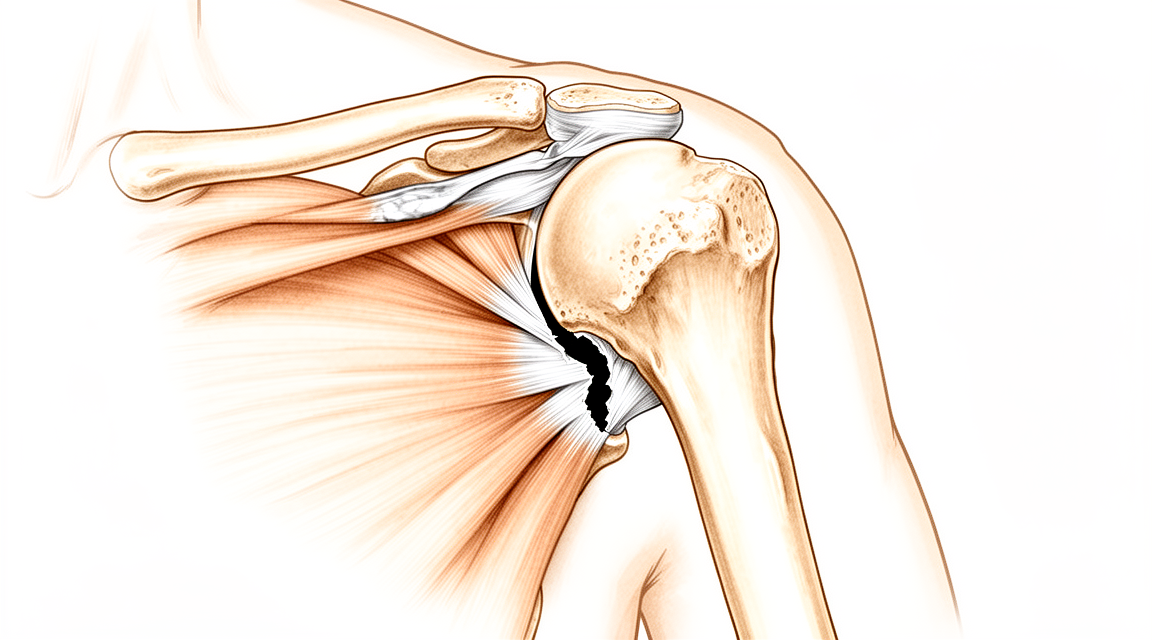
Hình minh họa mô tả tình trạng gân cơ chóp xoay ở vai bị rách.
Các bài tập sớm trong bệnh viện sau phẫu thuật khâu chóp xoay hoặc phẫu thuật ổn định khớp vai. Kieran Hirpara 4.0

Trang này được dịch bằng máy và chưa được bác sĩ kiểm tra. Bản tiếng Anh là bản chính thức.

Đây là những bài tập nhẹ nhàng có thể bắt đầu thực hiện tại bệnh viện sau khi phẫu thuật khâu lại gân cơ chóp xoay hoặc cố định khớp vai. Các bài tập này giúp duy trì sự vận động của tay, khuỷu tay và vai trong quá trình vết thương lành lại.

Các bài tập của bạn

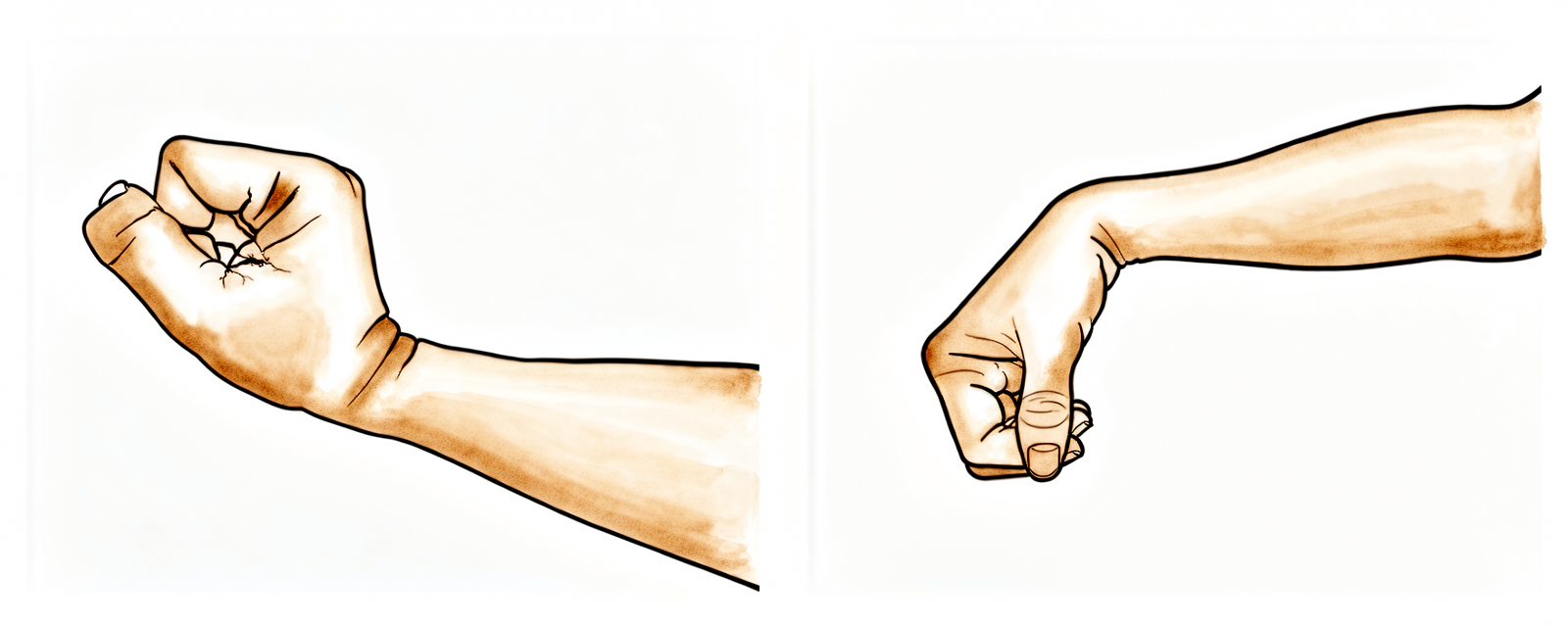
Hãy gập cổ tay về phía trước, phía sau và sang hai bên.

Kieran Hirpara 4.0

Chuyển động cổ tay

Hãy liên tục cử động tay bằng cách gập cổ tay về phía trước, phía sau và sang hai bên.

10 lần, 3 lần mỗi ngày
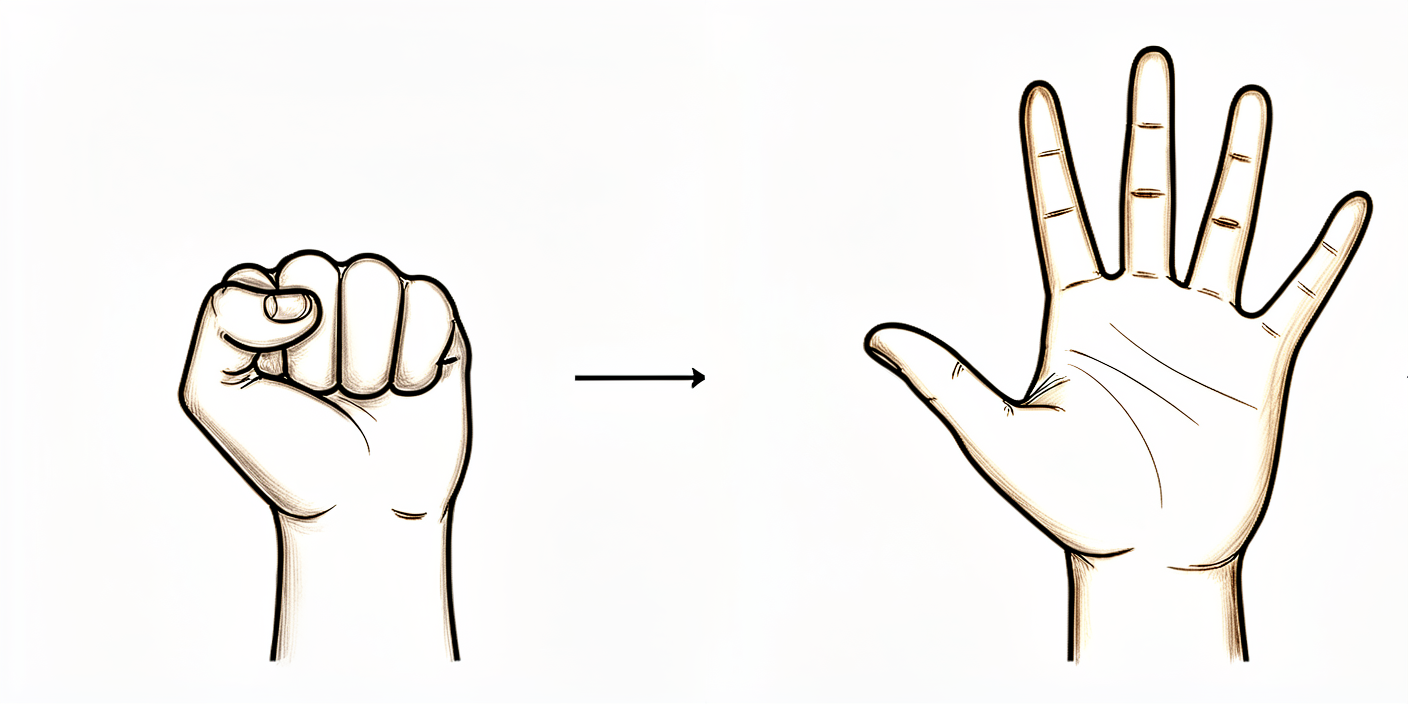
Nắm chặt nắm đấm, sau đó mở bàn tay ra hết mức.

Kieran Hirpara 4.0

Mở và nắm tay

Hãy cử động tay và các ngón tay bằng cách mở ra, khép lại, hoặc nắm chặt quả bóng giảm căng thẳng.

10 lần, 3 lần mỗi ngày
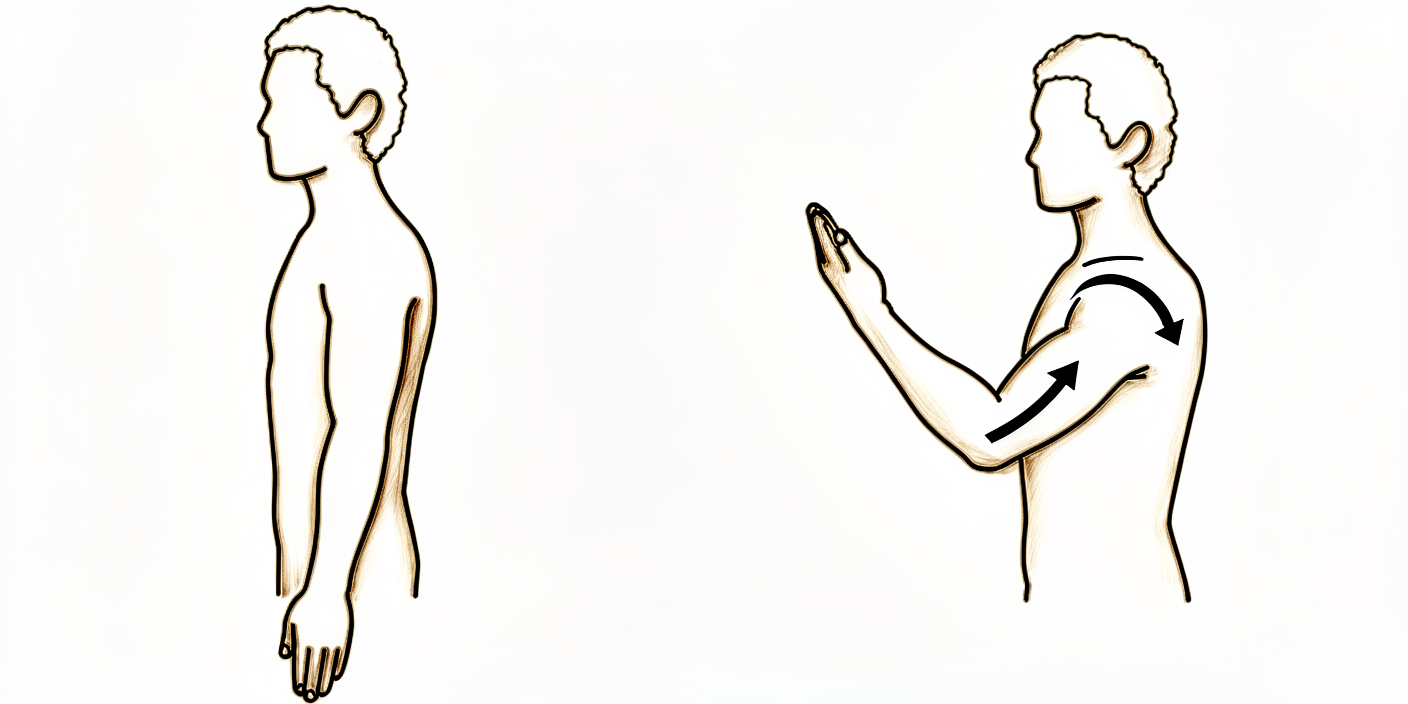
Gập và duỗi khuỷu tay ra.

Kieran Hirpara 4.0

Cử động gập khuỷu tay

Hãy gập và duỗi khuỷu tay của bạn.

10 lần, 3 lần mỗi ngày
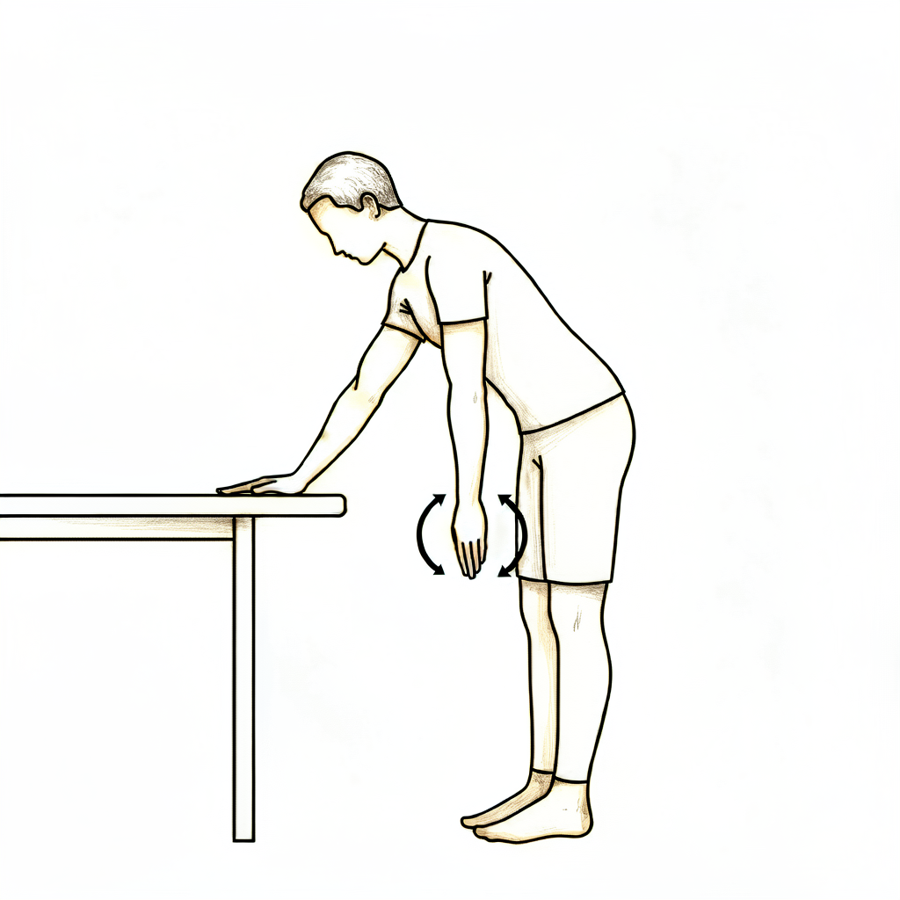
Hãy cúi người về phía trước, để cánh tay thõng xuống rồi vòng tròn bằng cách lắc người.

Kieran Hirpara 4.0

Con lắc

Đây là bài tập thụ động. Hãy cúi người về phía trước và để cánh tay thả lỏng. Dùng cơ thể để nhẹ nhàng di chuyển cánh tay theo chiều kim đồng hồ hoặc ngược chiều kim đồng hồ, đồng thời di chuyển về phía trước, phía sau và sang hai bên.

Khoảng 30 giây cho mỗi hướng, 3 lần mỗi ngày.
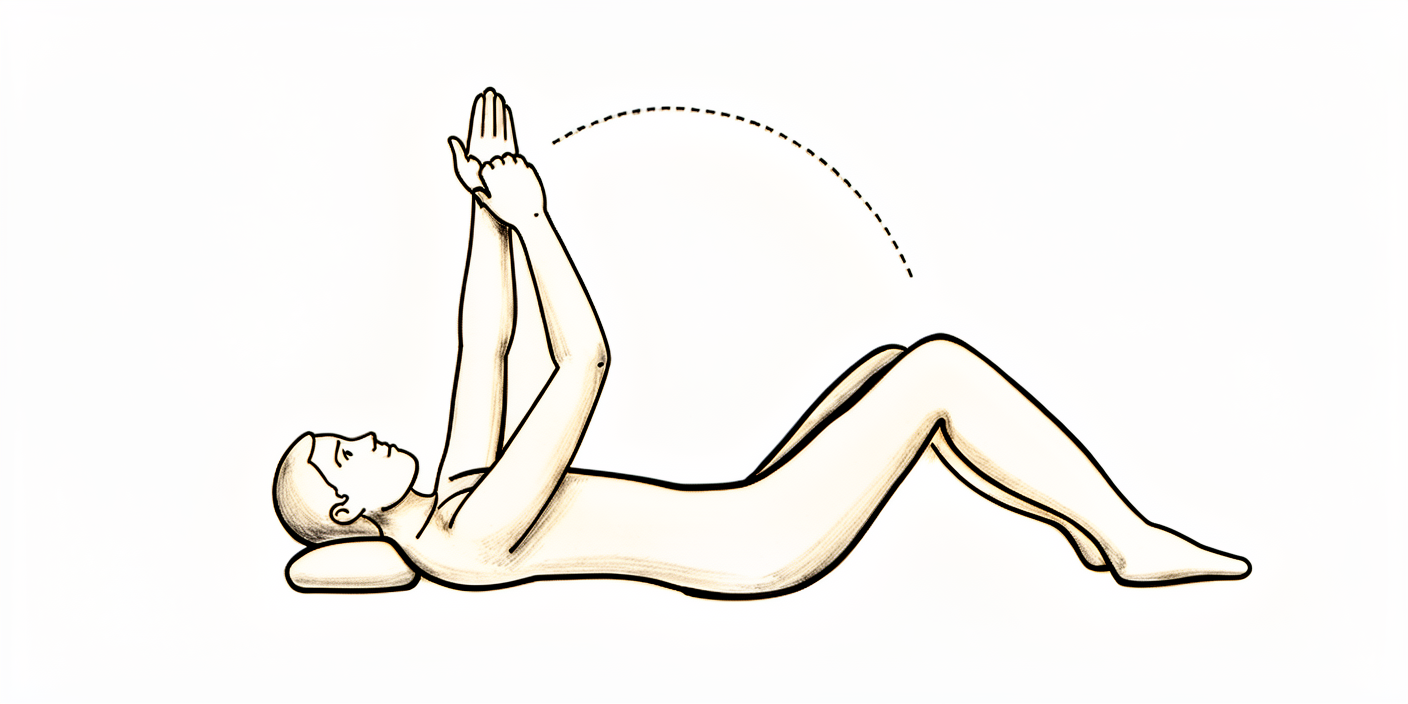
Dùng tay còn lại ôm lấy cánh tay vừa phẫu thuật rồi nâng nó lên phía trước.

Kieran Hirpara 4.0

Hỗ trợ gập cánh tay về phía trước

Ngồi trên ghế và hơi cúi người về phía trước; dùng tay còn lại ôm lấy cánh tay vừa được phẫu thuật rồi nhẹ nhàng nâng nó lên phía trước người. Sau đó, dùng tay không phẫu thuật để hỗ trợ hạ cánh tay xuống. Nếu thích, bạn cũng có thể nằm ngửa trên giường và dùng tay không phẫu thuật để nâng cánh tay lên.

10 lần, 3 lần mỗi ngày
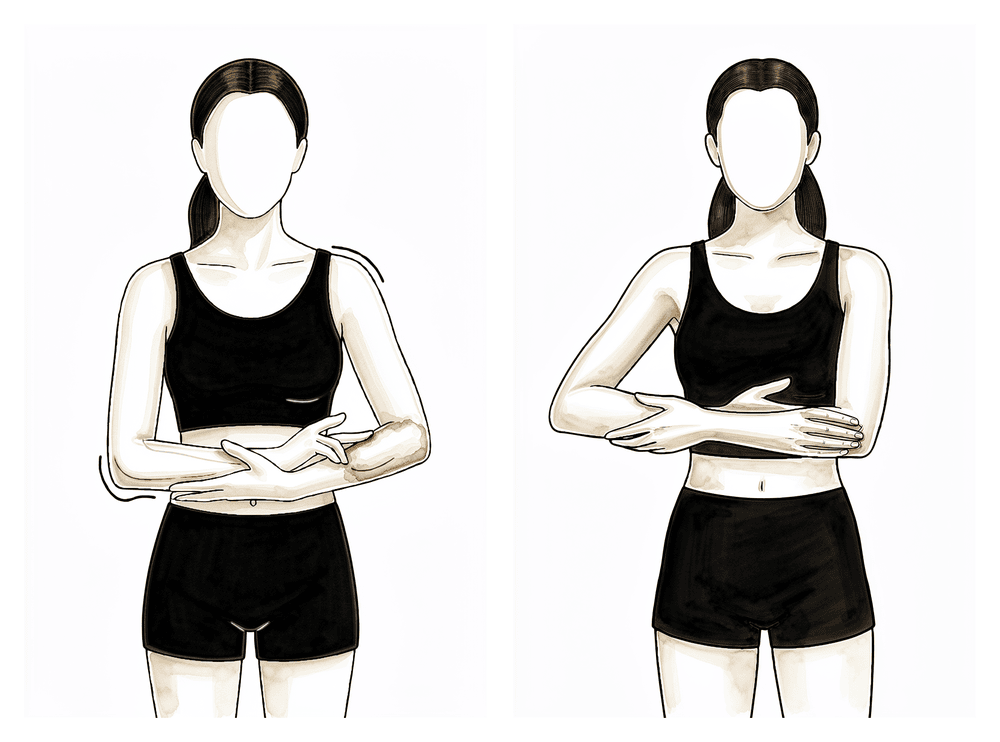
Hãy ôm nhẹ cánh tay vừa được phẫu thuật và hỗ trợ đưa nó ra bên hông.

Kieran Hirpara 4.0

Hỗ trợ vận động cánh tay ra xa thân

Ngồi trên ghế và hơi nghiêng người về phía trước; sau đó ôm lấy cánh tay và nhẹ nhàng đưa nó sang bên cạnh (giống như cách ru em bé vậy).

10 lần, 3 lần mỗi ngày
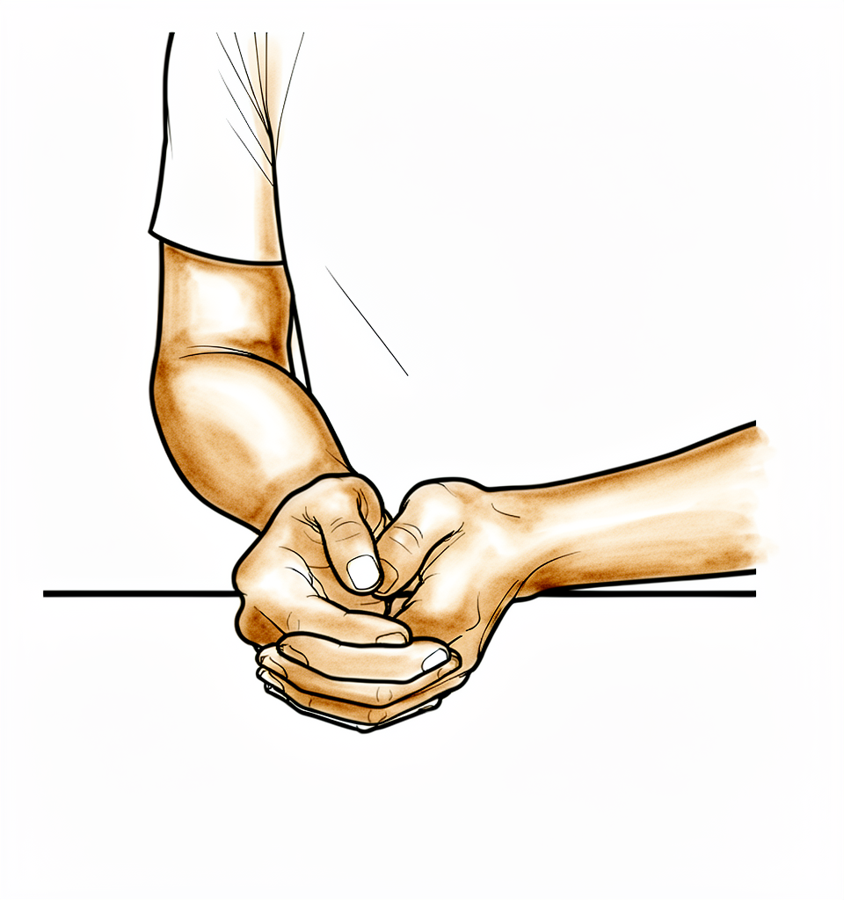
Di chuyển cánh tay từ tư thế treo trong đai sang tư thế duỗi thẳng ra phía trước, nhưng không vượt quá mức đó.

Kieran Hirpara 4.0

Xoay ngoài

Ngồi trên ghế, chỉ cần di chuyển cánh tay từ vị trí đang được treo trong dây đeo sao cho nó hướng thẳng về phía trước. Đừng di chuyển cánh tay ra ngoài quá mức.

10 lần, 3 lần mỗi ngày.
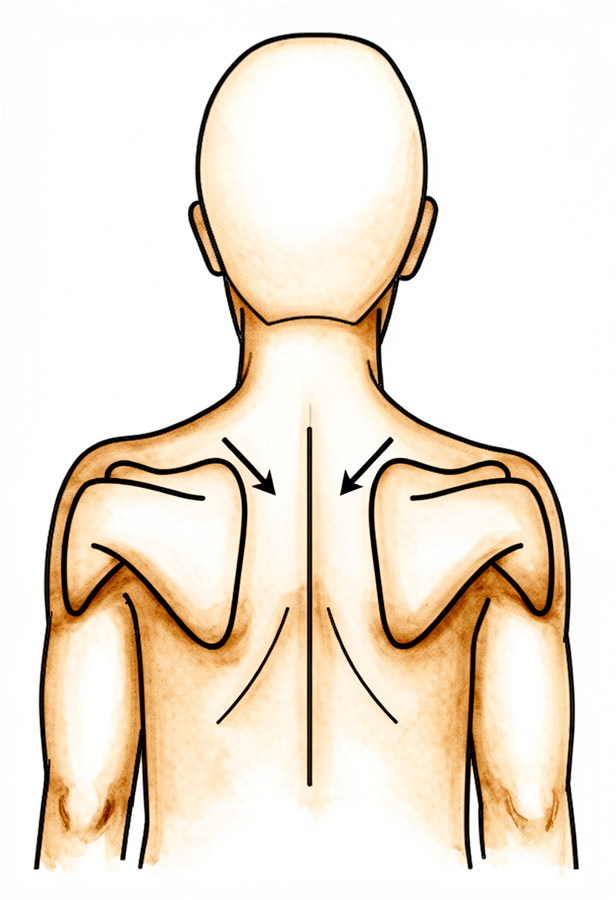
Siết hai xương bả vai xuống dưới và khép lại gần nhau.

Kieran Hirpara 4.0

Siết giữ cơ thang dưới

Hãy siết hai xương bả vai xuống dưới và khép lại gần nhau.

Giữ nguyên trong 5 giây, thực hiện 5 lần, ngày 3 lần.
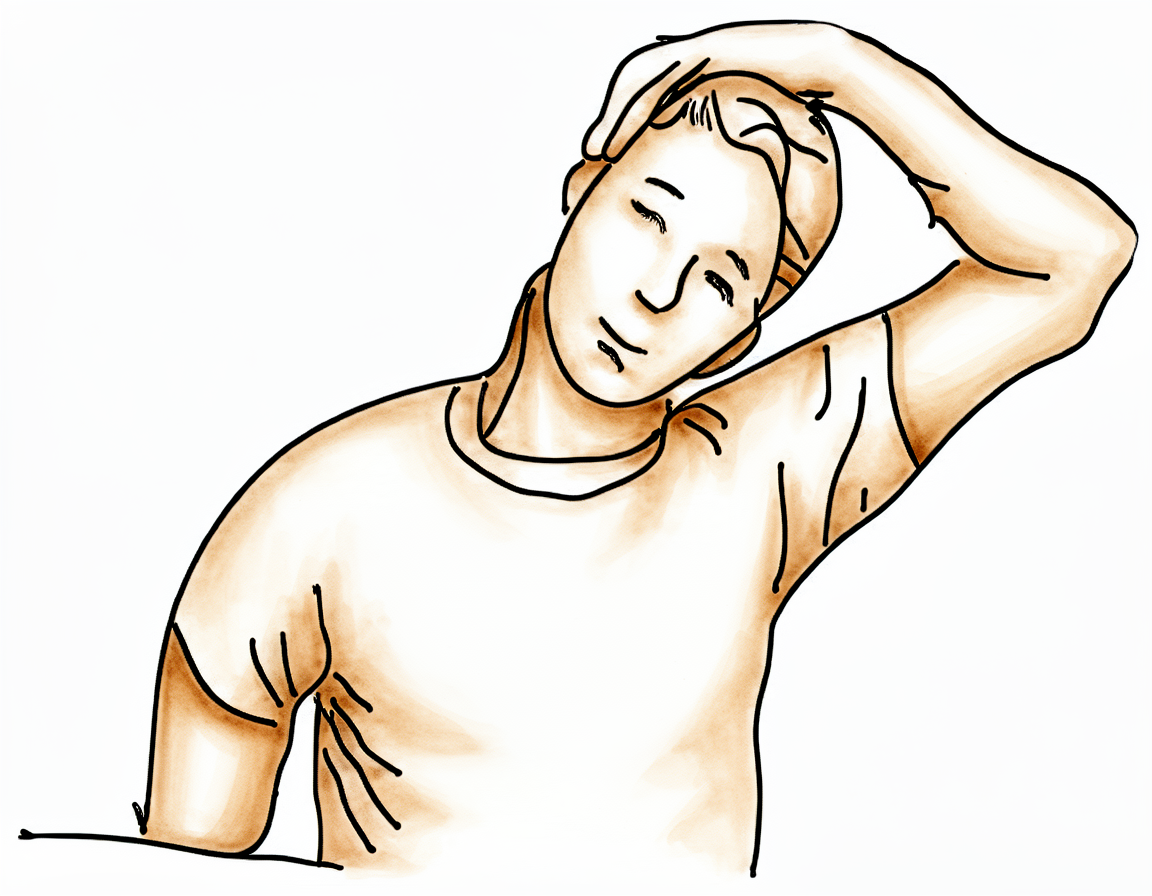
Kéo tai về phía vai, hướng ra xa phía bên đã phẫu thuật.

Kieran Hirpara 4.0

Kéo giãn cơ thang trên

Hãy dùng cánh tay chưa được phẫu thuật để đưa tai về phía vai, hướng ra xa phía cánh tay đã phẫu thuật.

Giữ nguyên trong 10 giây, thực hiện 3 lần, ngày 3 lần.
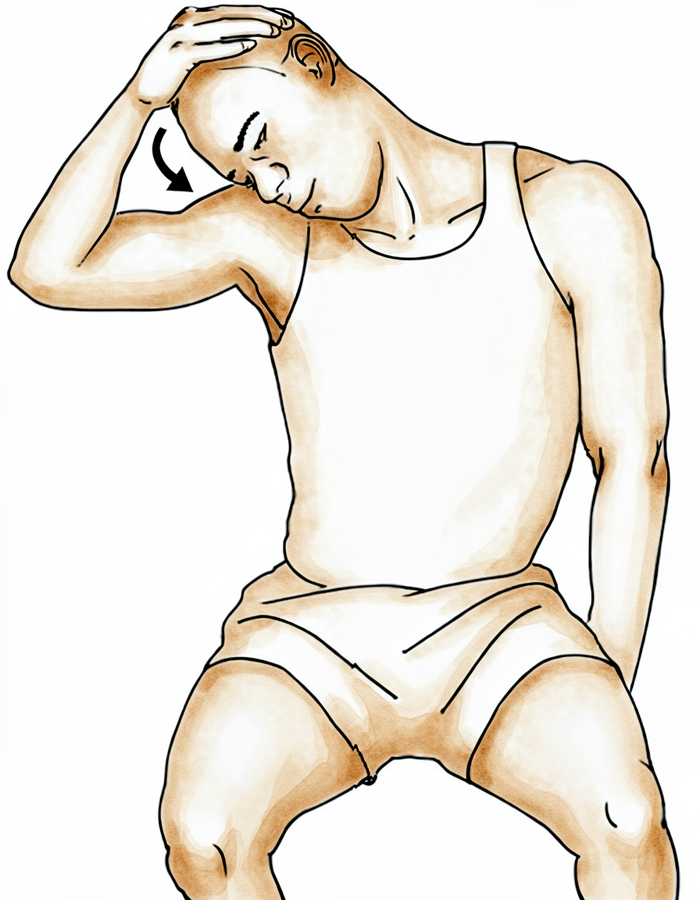
Hãy đưa mũi xuống gần nách, hướng ra xa phía bên đã được phẫu thuật.

Kieran Hirpara 4.0

Bài tập kéo giãn cơ nâng xương bả vai

Hãy dùng cánh tay chưa được phẫu thuật để đưa mũi về phía vùng nách, hướng ra xa khỏi bên đã phẫu thuật.

Giữ nguyên trong 10 giây, thực hiện 3 lần, ngày 3 lần.

Hãy bắt đầu thực hiện những bài tập nhẹ nhàng này tại bệnh viện và tiếp tục thực hiện tại nhà. Các bài tập này nên mang lại cảm giác dễ chịu; hãy giảm mức độ tập nếu cảm thấy đau tăng lên.

Cách đeo nẹp cố định

  • Bạn có thể tháo tay ra khỏi nẹp để tập luyện và tắm rửa.
  • Bạn cần đeo nẹp trong 6 tuần, đặc biệt là khi ra ngoài.
  • Bạn không cần phải đeo nẹp khi ngủ.
  • Nếu cần, hãy chườm đá để giảm đau.
  • Khi đeo nẹp, hãy thả lỏng vai và để nẹp gánh hết trọng lượng của cánh tay.
  • Hãy uống thuốc giảm đau trước khi tập luyện và trước các buổi trị liệu vật lý.
  • Trừ khi bạn đã tự sắp xếp dịch vụ trị liệu vật lý, chúng tôi đã đặt lịch cho bạn; thông tin chi tiết có trong bộ hồ sơ xuất viện.
  • Nếu gặp bất kỳ vấn đề nào, hãy liên hệ với phòng khám hoặc thông báo cho chuyên viên trị liệu vật lý của bạn.

Khi về nhà

Sau khi về nhà, quá trình hồi phục của bạn sẽ tiếp tục theo đúng quy trình phục hồi chức năng sau phẫu thuật: phẫu thuật sửa chữa cơ chóp xoay; thủ thuật ổn định khớp vai phía trước & kỹ thuật Latarjet; thủ thuật ổn định khớp vai phía sau.

Sau khi thực hiện theo phác đồ

Những bài tập sơ khởi này là nền tảng trong quá trình phục hồi tại bệnh viện, được áp dụng chung cho cả ca phẫu thuật sửa chữa cơ chóp xoay và cố định khớp vai: chúng giúp tay, khuỷu tay và vai vẫn có thể vận động nhẹ nhàng trong lúc vết thương đang được bảo vệ. Các mức độ vận động này mang tính chất tham khảo chứ không cố định; quá trình phục hồi tiếp theo sẽ do chuyên viên vật lý trị liệu phối hợp với phòng khám điều chỉnh riêng cho từng bệnh nhân, dựa trên tiến độ hồi phục của vai. Trang này bổ trợ cho các hướng dẫn phục hồi chung của phòng khám; vui lòng tham khảo mục kiểm soát cơn đau sau phẫu thuật và chăm sóc vết thương. Phác đồ phục hồi chi tiết, phù hợp với từng ca phẫu thuật sẽ được trình bày trong tài liệu riêng của bạn (đã được liên kết ở trên). Các bằng chứng khoa học liên quan đến giai đoạn sớm này – bao gồm các nghiên cứu so sánh giữa việc vận động sớm và trì hoãn sau khi sửa chữa cơ chóp xoay, cũng như các bằng chứng về việc cố định khớp sau phẫu thuật ổn định khớp vai – được tóm tắt trong mục “Bằng chứng khoa học”, có sẵn dưới dạng tệp PDF ở đầu trang này.


Evidence & references

This is the clinical evidence summary written for health professionals. It is technical, and it lists the research this page was built from. You do not need to read it to understand your treatment or to make a decision about it.

Inpatient (Early In-Hospital) Phase — Rotator Cuff Repair &/or Shoulder Stabilisation

Topic scope: This is the early in-hospital / early-protected phase of a combined pathway covering patients who had a rotator cuff repair and/or a shoulder stabilisation procedure (anterior labral/Bankart repair, Latarjet, or posterior labral/capsular repair). It deliberately stops at the point of discharge plus the first protected weeks — the gentle hand/elbow/shoulder exercises that keep the limb moving while the repair is protected by the sling. The full, operation-specific rehabilitation course lives in the parent protocols, which this page hands the patient back to once they go home:

Defining principle of this early phase — PROTECT the repair: Unlike a frozen-shoulder release (where immediate aggressive motion is the goal), a cuff repair and a labral/capsular stabilisation both create a construct that must heal undisturbed. So the early phase is the same for both: sling immobilisation, gentle/passive-only motion within safe limits, and NO active or resisted shoulder work. Tendon-to-bone and labrum-to-bone healing is weak in the first weeks, so the sling and the movement limits are the protectors. The hand, wrist and elbow are kept moving freely throughout (these don't stress the repair) to prevent swelling and stiffness; the shoulder itself is only moved passively/with assistance within the limits the surgeon and physiotherapist set.


The early in-hospital phase (what this page covers)

In the first hours-to-days after surgery the aims are simple and shared across both operation families:

  1. Protect the repair — arm in the sling, no active lifting or reaching, no loading.
  2. Keep the rest of the limb moving — wrist, fingers and elbow exercises to prevent swelling and stiffness (these put no stress on the cuff or labral repair).
  3. Gentle, assisted shoulder motion only — pendulums and assisted/passive elevation within a safe arc; for an anterior repair, external rotation is limited; for a posterior repair, internal rotation and reaching behind the back are limited (the at-risk directions are opposite).
  4. Pain control and a safe discharge plan — analgesia before exercise, sling instructions, and a physiotherapy follow-up arranged in the discharge pack.

The standalone protocols then drive the rest of recovery (the full sling-weaning schedule, when active motion and strengthening begin, and return to work/sport). The same first-phase principles appear at the head of each of those protocols — this inpatient page simply consolidates that shared early phase for patients who had the procedure(s) performed together or are still in hospital.


Evidence by theme

Theme 1 — Early vs delayed motion after rotator cuff repair (the central debate)

This is the best-studied question that shapes the early phase, and the corpus is rich on it. Two competing concerns: early passive motion reduces post-operative stiffness, while delayed/immobilisation may better protect tendon-to-bone healing (lower retear), especially in larger tears.

  • Multiple RCTs and systematic reviews of overlapping meta-analyses converge on the same bottom line: early and delayed passive motion give superior early range of motion for the early group but equivalent final outcomes by ~6–12 months for small-to-medium tears — so timing is largely surgeon preference and does not change the end result [Saltzman 2017; Mazzocca 2017].
  • For large/massive tears the balance tilts toward a delayed / protected approach to favour healing [systematic-review/meta-analysis evidence; BMC Musculoskelet Disord 2025].
  • A "knowing the speed limit" theme runs through the reviews: tendon repairs are mechanically weak early, and very aggressive early therapy can compromise the construct [Thigpen 2015 review].

Practical consequence for this page: the early in-hospital phase is passive/assisted-only with the sling on regardless of which approach the surgeon ultimately chooses for the home phase — the disagreement in the literature is about how soon to progress, not about whether to protect the repair in the first days. A defining surgical decision (early vs delayed progression, and how it is size-stratified) is made by the surgeon and detailed in the cuff-repair protocol.

Theme 2 — Immobilisation after stabilisation (anterior and posterior)

The stabilisation literature also supports an early protected phase, though high-level evidence is sparser and protocols are more consensus-driven.

  • Anterior (Bankart/capsulolabral) repair: the American Society of Shoulder and Elbow Therapists' consensus guideline recommends 0–4 weeks of absolute immobilisation, then relative immobilisation (out of the sling only for exercises) to ~6 weeks, with no forced external rotation/extension for ~3 months; early ER is progressed gradually (e.g. ~15° at 0–2 wk → ~35° at 2–4 wk → ~55° at 4–6 wk). A simple sling is used in the large majority of published protocols.
  • Posterior (labral/capsular) repair: the precaution is reversed — the sling is positioned in slight abduction and neutral/slight external rotation, the arm is kept in front of the body, and internal rotation, adduction and reaching behind the back are avoided early. Posterior instability is uncommon (~3–5%), so the protocols are biomechanically reasoned (Level IV–V) rather than RCT-tested.
  • Both share the same headline as the cuff-repair early phase: sling on, gentle motion within the safe arc, no active/resisted shoulder work while the labrum/capsule heals.

Early-phase timeline (consolidated; first weeks only)

This focuses on the shared early-protected window and is consistent with the synthesis page. The full operation-specific schedules continue in the parent protocols.

Phase Window Sling Shoulder motion Active / strengthening Notes
Inpatient / immediate Day 0 — discharge On at all times (off only for exercises & showering) Wrist/hand/elbow moving freely; pendulums; gentle assisted/passive elevation within safe limits None for the shoulder (no active lift, no resisted work) Analgesia before exercises; ice for comfort; physiotherapy follow-up arranged
Early protected Week 0–6 Worn ~6 weeks, especially out of the house; not needed for sleep Continue gentle assisted/passive motion within limits — anterior repair: limit external rotation; posterior repair: limit internal rotation / no reaching behind the back Still no active/resisted shoulder work The sling and the direction limits are the protectors; ease back if pain rises
Handover to parent protocol ~Week 6 onward Weaned per the operation-specific protocol Active-assisted → active motion begins in the parent protocol, not here Strengthening begins later (cuff repair typically ~12 wk; stabilisation per its own schedule) Recovery continues with the rotator cuff repair, anterior stabilisation & Latarjet, or posterior stabilisation protocol

The sling duration, the exact motion limits, and when active motion and strengthening begin are surgeon-set clinical decisions; the windows above are the typical shared early phase, not trial-derived precise cut-offs.


Key controversies / evidence quality

  1. Early vs delayed progression after cuff repair is the one well-studied question, and it is about the home phase rather than the in-hospital phase. RCTs/meta-analyses show equivalent final outcomes for small/medium tears and a protect-healing tilt for large/massive tears — the early in-hospital protected phase is common ground either way. Strong (RCT / SR-MA), but Cochrane-level certainty for any single optimal schedule remains low.
  2. Stabilisation immobilisation duration and sling position are largely consensus/biomechanical — there is no RCT defining the optimal early regimen, and posterior protocols in particular are extrapolated. Weak–moderate / consensus.
  3. The combined early-phase protocol itself is a surgeon patient-guidance consolidation, not a trial-derived schedule. It is deliberately brief and defers to the parent protocols for the full course.

Evidence-strength flags (summary)

  • STRONG (RCT / SR-MA): early-vs-delayed passive motion after cuff repair → equivalent final outcomes for small/medium tears, protect-healing tilt for large/massive (Saltzman 2017; Mazzocca 2017; BMC Musculoskelet Disord 2025 SR-MA).
  • MODERATE / CONSENSUS: anterior stabilisation immobilisation schedule (ASSET/JOSPT consensus guideline); graded early ER limits.
  • WEAK / CONSENSUS (Level IV–V): posterior stabilisation sling position and precautions (biomechanical, no RCT); the consolidated early in-hospital protocol itself.

Citations

RAG corpus (180,000+ Orthopaedic articles)

  • Saltzman BM, Zuke WA, Go B, et al. Early Versus Delayed Motion After Rotator Cuff Repair: A Systematic Review of Overlapping Meta-analyses. Am J Sports Med. 2017. DOI: 10.1177/0363546517692543
  • Mazzocca AD, Arciero RA, Shea KP, et al. The Effect of Early Range of Motion on Quality of Life, Clinical Outcome, and Repair Integrity After Arthroscopic Rotator Cuff Repair. Arthroscopy. 2017. DOI: 10.1016/j.arthro.2016.10.017
  • Effects of early exercise and immobilization after arthroscopic rotator cuff repair surgery: a systematic review and meta-analysis of randomized controlled trials. BMC Musculoskelet Disord. 2025. DOI: 10.1186/s12891-025-08500-7
  • Which is better? Early versus delayed rehabilitation after arthroscopic rotator cuff repair. Knee Surg Sports Traumatol Arthrosc. 2024. DOI: 10.1002/ksa.12129
  • Thigpen CA, Shaffer MA, Kissenberth MJ. Knowing the Speed Limit (post-cuff-repair rehab progression). Clin Sports Med. 2015. DOI: 10.1016/j.csm.2014.12.007
  • Rehabilitation Following Arthroscopic Rotator Cuff Repair. J Bone Joint Surg. DOI: 10.2106/jbjs.m.00034
  • Anterior Shoulder Instability Part I — Diagnosis, Nonoperative Management, and Bankart Repair — An International Consensus Statement. Arthroscopy. 2021. DOI: 10.1016/j.arthro.2021.07.022

Literature / consensus guidelines (URLs)

  • The American Society of Shoulder and Elbow Therapists' Consensus Rehabilitation Guideline for Arthroscopic Anterior Capsulolabral Repair of the Shoulder. JOSPT. 2010. https://www.jospt.org/doi/10.2519/jospt.2010.3186
  • Rehabilitation Protocol Variability Following Arthroscopic Bankart Repair and Remplissage: A Systematic Review. Int J Sports Phys Ther. https://pmc.ncbi.nlm.nih.gov/articles/PMC11446737/
  • Current Concepts in Rehabilitation for Traumatic Anterior Shoulder Instability. PMC. https://pmc.ncbi.nlm.nih.gov/articles/PMC5685970/
  • Rehabilitation Following Posterior Shoulder Stabilization (clinical commentary). PMC8168996. https://pmc.ncbi.nlm.nih.gov/articles/PMC8168996/

Published patient/rehab protocols (basis for the early-phase structure)

  • Massachusetts General Hospital — Rehabilitation Protocol for Bankart Repair. https://www.massgeneral.org/assets/MGH/pdf/orthopaedics/sports-medicine/physical-therapy/rehabilitation-protocol-for-bankart-repair.pdf
  • University of Virginia Sports Medicine — Posterior Labral Repair Rehabilitation Protocol. https://med.virginia.edu/orthopaedic-surgery/wp-content/uploads/sites/242/2021/06/Posterior-Labral-Repair.pdf
  • Brigham & Women's Hospital — Arthroscopic Rotator Cuff Repair Protocol (early protected phase, tear-size stratification). https://www.brighamandwomens.org/assets/BWH/patients-and-families/rehabilitation-services/pdfs/shoulder-arthroscopic-rct-repair-protocol-hybrid-patient-therapist.pdf

Creative Commons BY-NC 4.0

CC Creative Commons licence
BY Attribution — you must credit the source
NC NonCommercial — not for commercial use

Attribution-NonCommercial 4.0 International


Creative Commons Corporation ("Creative Commons") is not a law firm and does not provide legal services or legal advice. Distribution of Creative Commons public licenses does not create a lawyer-client or other relationship. Creative Commons makes its licenses and related information available on an "as-is" basis. Creative Commons gives no warranties regarding its licenses, any material licensed under their terms and conditions, or any related information. Creative Commons disclaims all liability for damages resulting from their use to the fullest extent possible.

Using Creative Commons Public Licenses

Creative Commons public licenses provide a standard set of terms and conditions that creators and other rights holders may use to share original works of authorship and other material subject to copyright and certain other rights specified in the public license below. The following considerations are for informational purposes only, are not exhaustive, and do not form part of our licenses.

Considerations for licensors: Our public licenses are intended for use by those authorized to give the public permission to use material in ways otherwise restricted by copyright and certain other rights. Our licenses are irrevocable. Licensors should read and understand the terms and conditions of the license they choose before applying it. Licensors should also secure all rights necessary before applying our licenses so that the public can reuse the material as expected. Licensors should clearly mark any material not subject to the license. This includes other CC- licensed material, or material used under an exception or limitation to copyright. More considerations for licensors: wiki.creativecommons.org/Considerations_for_licensors

Considerations for the public: By using one of our public licenses, a licensor grants the public permission to use the licensed material under specified terms and conditions. If the licensor's permission is not necessary for any reason--for example, because of any applicable exception or limitation to copyright--then that use is not regulated by the license. Our licenses grant only permissions under copyright and certain other rights that a licensor has authority to grant. Use of the licensed material may still be restricted for other reasons, including because others have copyright or other rights in the material. A licensor may make special requests, such as asking that all changes be marked or described. Although not required by our licenses, you are encouraged to respect those requests where reasonable. More considerations for the public: wiki.creativecommons.org/Considerations_for_licensees


Creative Commons Attribution-NonCommercial 4.0 International Public License

By exercising the Licensed Rights (defined below), You accept and agree to be bound by the terms and conditions of this Creative Commons Attribution-NonCommercial 4.0 International Public License ("Public License"). To the extent this Public License may be interpreted as a contract, You are granted the Licensed Rights in consideration of Your acceptance of these terms and conditions, and the Licensor grants You such rights in consideration of benefits the Licensor receives from making the Licensed Material available under these terms and conditions.

Section 1 -- Definitions.

a. Adapted Material means material subject to Copyright and Similar Rights that is derived from or based upon the Licensed Material and in which the Licensed Material is translated, altered, arranged, transformed, or otherwise modified in a manner requiring permission under the Copyright and Similar Rights held by the Licensor. For purposes of this Public License, where the Licensed Material is a musical work, performance, or sound recording, Adapted Material is always produced where the Licensed Material is synched in timed relation with a moving image.

b. Adapter's License means the license You apply to Your Copyright and Similar Rights in Your contributions to Adapted Material in accordance with the terms and conditions of this Public License.

c. Copyright and Similar Rights means copyright and/or similar rights closely related to copyright including, without limitation, performance, broadcast, sound recording, and Sui Generis Database Rights, without regard to how the rights are labeled or categorized. For purposes of this Public License, the rights specified in Section 2(b)(1)-(2) are not Copyright and Similar Rights.

d. Effective Technological Measures means those measures that, in the absence of proper authority, may not be circumvented under laws fulfilling obligations under Article 11 of the WIPO Copyright Treaty adopted on December 20, 1996, and/or similar international agreements.

e. Exceptions and Limitations means fair use, fair dealing, and/or any other exception or limitation to Copyright and Similar Rights that applies to Your use of the Licensed Material.

f. Licensed Material means the artistic or literary work, database, or other material to which the Licensor applied this Public License.

g. Licensed Rights means the rights granted to You subject to the terms and conditions of this Public License, which are limited to all Copyright and Similar Rights that apply to Your use of the Licensed Material and that the Licensor has authority to license.

h. Licensor means the individual(s) or entity(ies) granting rights under this Public License.

i. NonCommercial means not primarily intended for or directed towards commercial advantage or monetary compensation. For purposes of this Public License, the exchange of the Licensed Material for other material subject to Copyright and Similar Rights by digital file-sharing or similar means is NonCommercial provided there is no payment of monetary compensation in connection with the exchange.

j. Share means to provide material to the public by any means or process that requires permission under the Licensed Rights, such as reproduction, public display, public performance, distribution, dissemination, communication, or importation, and to make material available to the public including in ways that members of the public may access the material from a place and at a time individually chosen by them.

k. Sui Generis Database Rights means rights other than copyright resulting from Directive 96/9/EC of the European Parliament and of the Council of 11 March 1996 on the legal protection of databases, as amended and/or succeeded, as well as other essentially equivalent rights anywhere in the world.

l. You means the individual or entity exercising the Licensed Rights under this Public License. Your has a corresponding meaning.

Section 2 -- Scope.

a. License grant.

1. Subject to the terms and conditions of this Public License, the Licensor hereby grants You a worldwide, royalty-free, non-sublicensable, non-exclusive, irrevocable license to exercise the Licensed Rights in the Licensed Material to:

a. reproduce and Share the Licensed Material, in whole or in part, for NonCommercial purposes only; and

b. produce, reproduce, and Share Adapted Material for NonCommercial purposes only.

2. Exceptions and Limitations. For the avoidance of doubt, where Exceptions and Limitations apply to Your use, this Public License does not apply, and You do not need to comply with its terms and conditions.

3. Term. The term of this Public License is specified in Section 6(a).

4. Media and formats; technical modifications allowed. The Licensor authorizes You to exercise the Licensed Rights in all media and formats whether now known or hereafter created, and to make technical modifications necessary to do so. The Licensor waives and/or agrees not to assert any right or authority to forbid You from making technical modifications necessary to exercise the Licensed Rights, including technical modifications necessary to circumvent Effective Technological Measures. For purposes of this Public License, simply making modifications authorized by this Section 2(a) (4) never produces Adapted Material.

5. Downstream recipients.

a. Offer from the Licensor -- Licensed Material. Every recipient of the Licensed Material automatically receives an offer from the Licensor to exercise the Licensed Rights under the terms and conditions of this Public License.

b. No downstream restrictions. You may not offer or impose any additional or different terms or conditions on, or apply any Effective Technological Measures to, the Licensed Material if doing so restricts exercise of the Licensed Rights by any recipient of the Licensed Material.

6. No endorsement. Nothing in this Public License constitutes or may be construed as permission to assert or imply that You are, or that Your use of the Licensed Material is, connected with, or sponsored, endorsed, or granted official status by, the Licensor or others designated to receive attribution as provided in Section 3(a)(1)(A)(i).

b. Other rights.

1. Moral rights, such as the right of integrity, are not licensed under this Public License, nor are publicity, privacy, and/or other similar personality rights; however, to the extent possible, the Licensor waives and/or agrees not to assert any such rights held by the Licensor to the limited extent necessary to allow You to exercise the Licensed Rights, but not otherwise.

2. Patent and trademark rights are not licensed under this Public License.

3. To the extent possible, the Licensor waives any right to collect royalties from You for the exercise of the Licensed Rights, whether directly or through a collecting society under any voluntary or waivable statutory or compulsory licensing scheme. In all other cases the Licensor expressly reserves any right to collect such royalties, including when the Licensed Material is used other than for NonCommercial purposes.

Section 3 -- License Conditions.

Your exercise of the Licensed Rights is expressly made subject to the following conditions.

a. Attribution.

1. If You Share the Licensed Material (including in modified form), You must:

a. retain the following if it is supplied by the Licensor with the Licensed Material:

i. identification of the creator(s) of the Licensed Material and any others designated to receive attribution, in any reasonable manner requested by the Licensor (including by pseudonym if designated);

ii. a copyright notice;

iii. a notice that refers to this Public License;

iv. a notice that refers to the disclaimer of warranties;

v. a URI or hyperlink to the Licensed Material to the extent reasonably practicable;

b. indicate if You modified the Licensed Material and retain an indication of any previous modifications; and

c. indicate the Licensed Material is licensed under this Public License, and include the text of, or the URI or hyperlink to, this Public License.

2. You may satisfy the conditions in Section 3(a)(1) in any reasonable manner based on the medium, means, and context in which You Share the Licensed Material. For example, it may be reasonable to satisfy the conditions by providing a URI or hyperlink to a resource that includes the required information.

3. If requested by the Licensor, You must remove any of the information required by Section 3(a)(1)(A) to the extent reasonably practicable.

4. If You Share Adapted Material You produce, the Adapter's License You apply must not prevent recipients of the Adapted Material from complying with this Public License.

Section 4 -- Sui Generis Database Rights.

Where the Licensed Rights include Sui Generis Database Rights that apply to Your use of the Licensed Material:

a. for the avoidance of doubt, Section 2(a)(1) grants You the right to extract, reuse, reproduce, and Share all or a substantial portion of the contents of the database for NonCommercial purposes only;

b. if You include all or a substantial portion of the database contents in a database in which You have Sui Generis Database Rights, then the database in which You have Sui Generis Database Rights (but not its individual contents) is Adapted Material; and

c. You must comply with the conditions in Section 3(a) if You Share all or a substantial portion of the contents of the database.

For the avoidance of doubt, this Section 4 supplements and does not replace Your obligations under this Public License where the Licensed Rights include other Copyright and Similar Rights.

Section 5 -- Disclaimer of Warranties and Limitation of Liability.

a. UNLESS OTHERWISE SEPARATELY UNDERTAKEN BY THE LICENSOR, TO THE EXTENT POSSIBLE, THE LICENSOR OFFERS THE LICENSED MATERIAL AS-IS AND AS-AVAILABLE, AND MAKES NO REPRESENTATIONS OR WARRANTIES OF ANY KIND CONCERNING THE LICENSED MATERIAL, WHETHER EXPRESS, IMPLIED, STATUTORY, OR OTHER. THIS INCLUDES, WITHOUT LIMITATION, WARRANTIES OF TITLE, MERCHANTABILITY, FITNESS FOR A PARTICULAR PURPOSE, NON-INFRINGEMENT, ABSENCE OF LATENT OR OTHER DEFECTS, ACCURACY, OR THE PRESENCE OR ABSENCE OF ERRORS, WHETHER OR NOT KNOWN OR DISCOVERABLE. WHERE DISCLAIMERS OF WARRANTIES ARE NOT ALLOWED IN FULL OR IN PART, THIS DISCLAIMER MAY NOT APPLY TO YOU.

b. TO THE EXTENT POSSIBLE, IN NO EVENT WILL THE LICENSOR BE LIABLE TO YOU ON ANY LEGAL THEORY (INCLUDING, WITHOUT LIMITATION, NEGLIGENCE) OR OTHERWISE FOR ANY DIRECT, SPECIAL, INDIRECT, INCIDENTAL, CONSEQUENTIAL, PUNITIVE, EXEMPLARY, OR OTHER LOSSES, COSTS, EXPENSES, OR DAMAGES ARISING OUT OF THIS PUBLIC LICENSE OR USE OF THE LICENSED MATERIAL, EVEN IF THE LICENSOR HAS BEEN ADVISED OF THE POSSIBILITY OF SUCH LOSSES, COSTS, EXPENSES, OR DAMAGES. WHERE A LIMITATION OF LIABILITY IS NOT ALLOWED IN FULL OR IN PART, THIS LIMITATION MAY NOT APPLY TO YOU.

c. The disclaimer of warranties and limitation of liability provided above shall be interpreted in a manner that, to the extent possible, most closely approximates an absolute disclaimer and waiver of all liability.

Section 6 -- Term and Termination.

a. This Public License applies for the term of the Copyright and Similar Rights licensed here. However, if You fail to comply with this Public License, then Your rights under this Public License terminate automatically.

b. Where Your right to use the Licensed Material has terminated under Section 6(a), it reinstates:

1. automatically as of the date the violation is cured, provided it is cured within 30 days of Your discovery of the violation; or

2. upon express reinstatement by the Licensor.

For the avoidance of doubt, this Section 6(b) does not affect any right the Licensor may have to seek remedies for Your violations of this Public License.

c. For the avoidance of doubt, the Licensor may also offer the Licensed Material under separate terms or conditions or stop distributing the Licensed Material at any time; however, doing so will not terminate this Public License.

d. Sections 1, 5, 6, 7, and 8 survive termination of this Public License.

Section 7 -- Other Terms and Conditions.

a. The Licensor shall not be bound by any additional or different terms or conditions communicated by You unless expressly agreed.

b. Any arrangements, understandings, or agreements regarding the Licensed Material not stated herein are separate from and independent of the terms and conditions of this Public License.

Section 8 -- Interpretation.

a. For the avoidance of doubt, this Public License does not, and shall not be interpreted to, reduce, limit, restrict, or impose conditions on any use of the Licensed Material that could lawfully be made without permission under this Public License.

b. To the extent possible, if any provision of this Public License is deemed unenforceable, it shall be automatically reformed to the minimum extent necessary to make it enforceable. If the provision cannot be reformed, it shall be severed from this Public License without affecting the enforceability of the remaining terms and conditions.

c. No term or condition of this Public License will be waived and no failure to comply consented to unless expressly agreed to by the Licensor.

d. Nothing in this Public License constitutes or may be interpreted as a limitation upon, or waiver of, any privileges and immunities that apply to the Licensor or You, including from the legal processes of any jurisdiction or authority.


Creative Commons is not a party to its public licenses. Notwithstanding, Creative Commons may elect to apply one of its public licenses to material it publishes and in those instances will be considered the “Licensor.” The text of the Creative Commons public licenses is dedicated to the public domain under the CC0 Public Domain Dedication. Except for the limited purpose of indicating that material is shared under a Creative Commons public license or as otherwise permitted by the Creative Commons policies published at creativecommons.org/policies, Creative Commons does not authorize the use of the trademark "Creative Commons" or any other trademark or logo of Creative Commons without its prior written consent including, without limitation, in connection with any unauthorized modifications to any of its public licenses or any other arrangements, understandings, or agreements concerning use of licensed material. For the avoidance of doubt, this paragraph does not form part of the public licenses.

Creative Commons may be contacted at creativecommons.org.