Patients › Rehabilitation
Cố định xương đòn (phẫu thuật mở nối xương)
Rehabilitation after plate fixation of a clavicle fracture, gated on radiographic healing at review.
Quy trình này hướng dẫn quá trình hồi phục của bạn sau khi thực hiện cố định nẹp cho gãy xương đòn, phẫu thuật chỉnh hình và cố định nội tại (ORIF) dưới sự chăm sóc của bác sĩ Kieran Hirpara tại Bệnh viện tư nhân Mater Rockhampton. Mỗi giai đoạn trong quy trình đều bắt đầu bằng lời giải thích bằng ngôn ngữ đơn giản về những gì đang diễn ra và những điều quan trọng cần lưu ý; tiếp theo là quy trình chi tiết dành riêng cho chuyên viên vật lý trị liệu của bạn. Hãy mang theo trang này hoặc bản PDF tương ứng trong lần trị liệu đầu tiên để việc phục hồi được thực hiện một cách nhất quán. Chuyên viên vật lý trị liệu có thể điều chỉnh kế hoạch tùy theo tiến triển hồi phục của bạn.
Nếu bạn có bất kỳ thắc mắc nào về vết thương sau phẫu thuật, vui lòng liên hệ với phòng khám. Việc chụp ảnh vết thương và gửi qua email để được đánh giá cũng là một cách hữu ích.
Những điều bạn có thể mong đợi
Phẫu thuật này dùng tấm kim loại và vít để giữ các đầu xương đòn bị gãy ở đúng vị trí, giúp xương có thể liền lại. Tấm kim loại này rất chắc chắn, nhưng chỉ đóng vai trò như một nẹp cố định chứ không thay thế được xương đã lành: thông thường, xương cần khoảng sáu đến mười hai tuần để liền lại, và sau đó vẫn tiếp tục củng cố (tái cấu trúc) trong nhiều tháng nữa. Quá trình phục hồi chức năng được sắp xếp dựa trên tiến trình sinh học này: những tuần đầu tiên nhằm bảo vệ vị trí cố định của xương trong lúc vết gãy bắt đầu liền lại; tiếp theo là khôi phục các chuyển động; cuối cùng mới là việc chịu tải trọng và trở lại tập luyện thể thao, khi xương đã đủ mạnh để chịu được điều đó.
Vì đây là một vết gãy xương, mỗi bước tiến quan trọng (như nâng tay lên cao hơn vai, tăng cường sức mạnh cơ bắp, nâng vật nặng hơn, và trở lại tập thể thao) không chỉ phụ thuộc vào thời gian mà còn phụ thuộc vào tình trạng vết gãy trên phim X-quang, như đã được xác nhận trong buổi khám với bác sĩ Hirpara. Các khoảng thời gian được nêu dưới đây chỉ mang tính chất tham khảo chứ không cố định.
Quá trình liền xương diễn ra chậm hơn ở những người hút thuốc và người mắc bệnh tiểu đường; đặc biệt, việc hút thuốc có thể làm chậm hoặc thậm chí ngăn cản vết gãy liền lại. Nếu bạn hút thuốc, những tuần sau khi bị gãy xương là thời điểm rất thích hợp để bỏ thuốc.
Xương đòn nằm ngay dưới da, vì vậy sau khi sưng giảm, việc cảm nhận hoặc nhìn thấy tấm kim loại là hiện tượng khá phổ biến. Trong những tháng đầu, vùng này có thể nhạy cảm khi bị dây an toàn hoặc dây đeo ba lô tác động; tình trạng này thường giảm dần khi vùng da trở nên ít nhạy cảm hơn. Nếu sau khi vết gãy đã hoàn toàn lành mà tấm kim loại vẫn gây khó chịu, việc tháo bỏ nó là một phương án có thể được thảo luận trong buổi khám sau; đây là quyết định riêng biệt, không cần vội vàng, và chỉ được thực hiện sau khi xương đã liền hoàn toàn.
Tóm tắt quá trình phục hồi:
- Giai đoạn I — Bảo vệ vết thương: tuần 0–3
- Giai đoạn II — Vận động nhẹ ban đầu: tuần 3–6
- Giai đoạn III — Tăng cường sức mạnh: tuần 6–12
- Giai đoạn IV — Trở lại các hoạt động bình thường và thể thao: từ tuần 12 trở đi
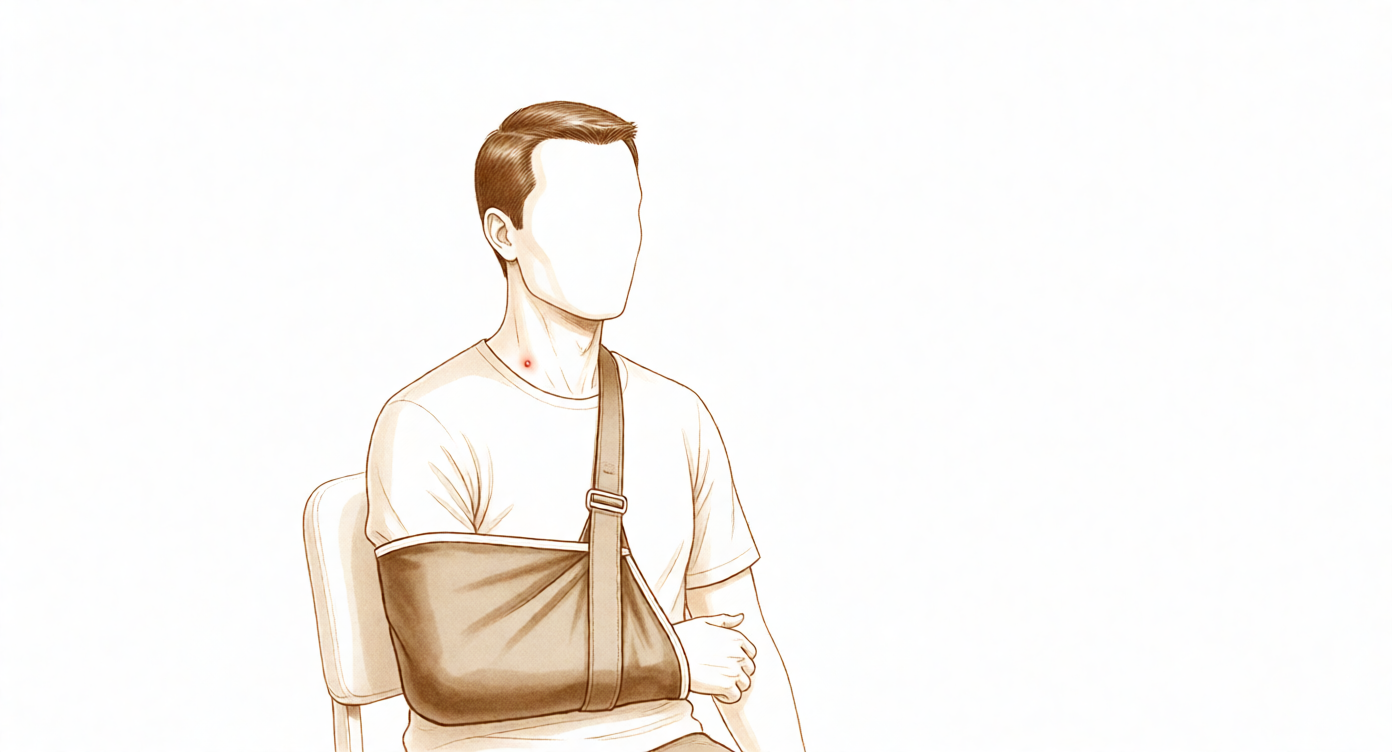
Cách đeo đai treo tay
Đai treo tay giúp nâng đỡ trọng lượng cánh tay, giảm cảm giác khó chịu và bảo vệ xương đang hồi phục trong những tuần đầu. Các quy tắc sử dụng rất đơn giản:
- Hãy đeo đai khi ra ngoài để bảo vệ cánh tay và tránh việc người khác vô tình va chạm vào nó. Bạn không cần phải đeo đai khi ngủ.
- Trong ba tuần đầu, hãy đeo đai hầu hết thời gian. Sau đó, tùy theo mức độ thoải mái mà có thể dần tháo bỏ; hầu hết mọi người sẽ không còn dùng đai vào khoảng tuần thứ sáu.
- Tháo đai ra khi tắm, khi tập các bài tập vật lý trị liệu, hoặc khi thực hiện các công việc nhẹ nhàng ngồi xuống với cánh tay được nâng đỡ: ăn uống, viết lách, đọc sách.
- Khi nghỉ ngơi tại nhà, bạn có thể tháo đai nếu biết cách bảo vệ cánh tay: đặt tay lên gối khi ngồi, và giữ tay thấp hơn mức vai.
- Không được lái xe trong sáu tuần (áp dụng cho mọi ca phẫu thuật vai), và không lái xe khi đang đeo đai treo tay. Sau thời gian đó, bạn có thể lái xe trở lại khi đã có thể điều khiển xe một cách thoải mái, an toàn; điều này cần được xác nhận bởi bác sĩ Hirpara trong lần tái khám.
Những ngày đầu sau phẫu thuật
Nếu trong lúc phẫu thuật có sử dụng phương pháp chặn dây thần kinh, cánh tay có thể bị tê và nặng nề trong vài giờ sau đó; hãy giữ cánh tay trong đai đỡ cho đến khi cảm giác trở lại bình thường. Dưới đây là một vài mẹo hữu ích cho những ngày đầu:
- Hãy uống thuốc giảm đau trước khi tập luyện và trước khi đi trị liệu vật lý.
- Chườm đá lên vùng bị đau và sưng: mỗi lần khoảng 15–20 phút, dùng khăn ướt bọc đá lại; tuyệt đối không chườm trực tiếp lên da hoặc vết thương.
- Khi đeo đai đỡ, hãy thả lỏng vai để đai đỡ gánh hết trọng lượng của cánh tay.
- Chú ý tư thế: giữ cho tai, vai và hông nằm trên cùng một đường thẳng; tránh để vai cụp xuống phía trước; tư thế đúng sẽ giúp giữ vững vị trí xương gãy và ngăn ngừa cứng khớp.
- Ngay từ đầu, hãy cố gắng cử động các ngón tay, cổ tay, khuỷu tay và cổ.
- Nếu gặp bất kỳ vấn đề nào, hãy liên hệ với phòng khám hoặc thông báo cho chuyên viên trị liệu vật lý.
Giai đoạn I — Bảo vệ vùng phẫu thuật (Tuần 0–3)
Kieran Hirpara 4.0
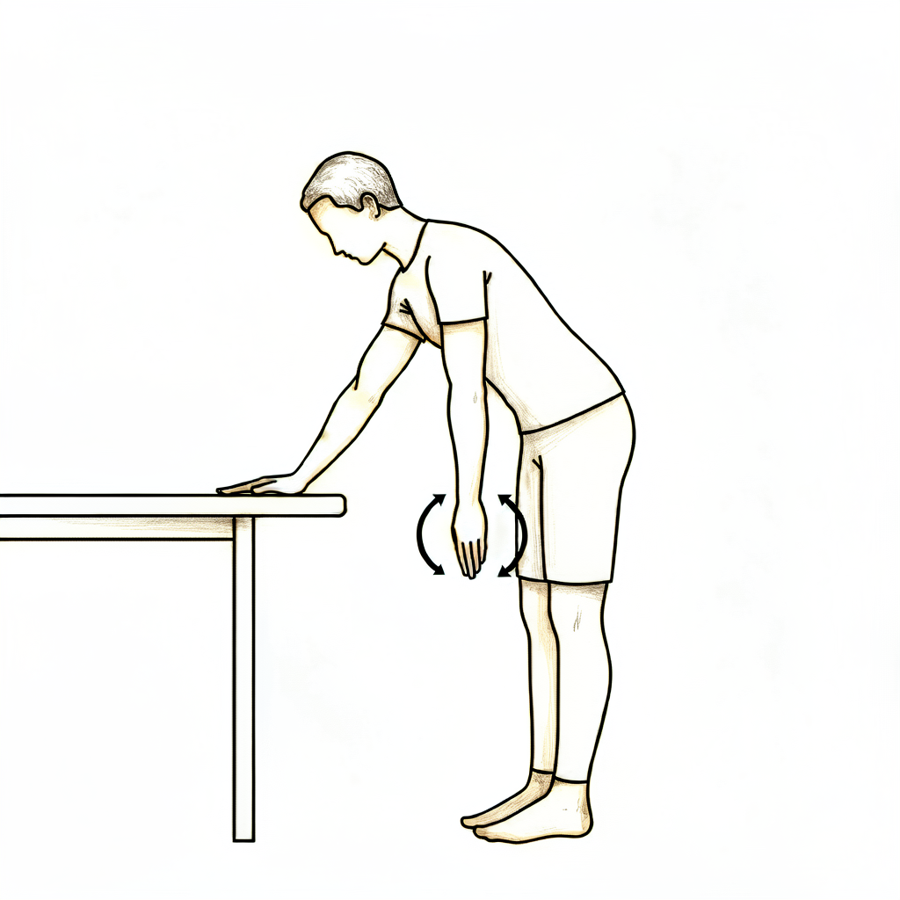
Bài tập dao động
Hãy cúi người về phía trước, dùng tay kia chống lên bàn, để cánh tay vừa được phẫu thuật thả lỏng tự nhiên. Sau đó, hãy nhẹ nhàng xoay người thành những vòng tròn nhỏ — trước theo chiều kim đồng hồ, sau ngược lại. Cánh tay vẫn giữ nguyên trạng thái thả lỏng; chuyển động này xuất phát từ cơ thể chứ không phải từ khớp vai.
Theo hướng dẫn của chuyên viên vật lý trị liệu của bạn.
Kieran Hirpara 4.0
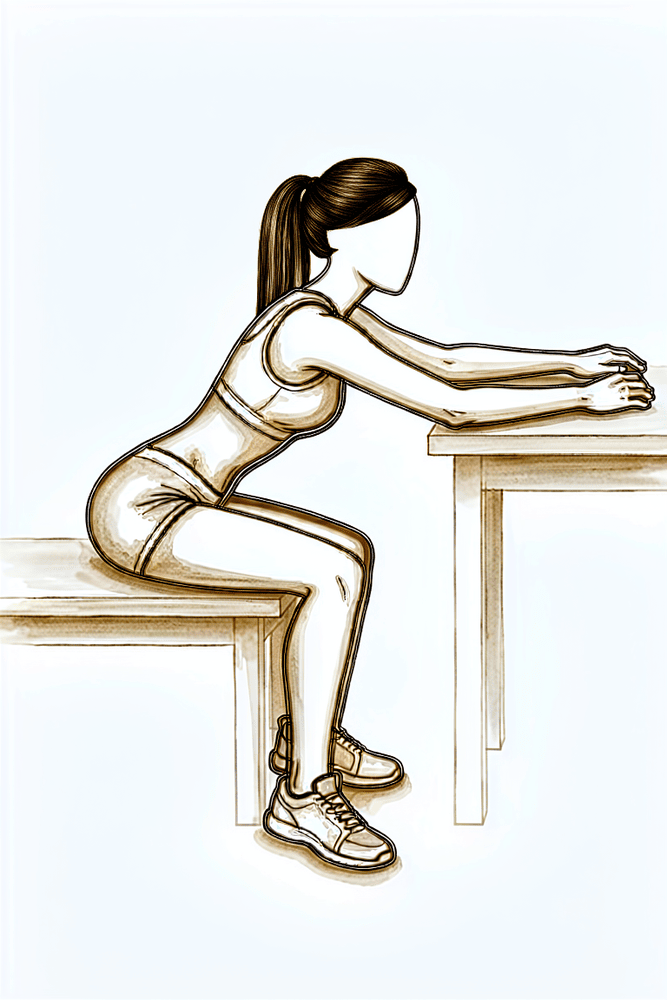
Trượt tay trên mặt bàn
Ngồi xuống bàn sao cho cẳng tay tựa lên mặt bàn. Từ từ nghiêng người về phía trước để bàn tay trượt dọc theo mặt bàn; lúc này mặt bàn sẽ chịu trọng lượng của cánh tay. Sau đó ngồi thẳng người lại. Hãy thực hiện động tác trong mức độ thoải mái và giữ cánh tay thấp hơn mức độ cao của vai.
Theo hướng dẫn của chuyên viên vật lý trị liệu của bạn.
Kieran Hirpara 4.0
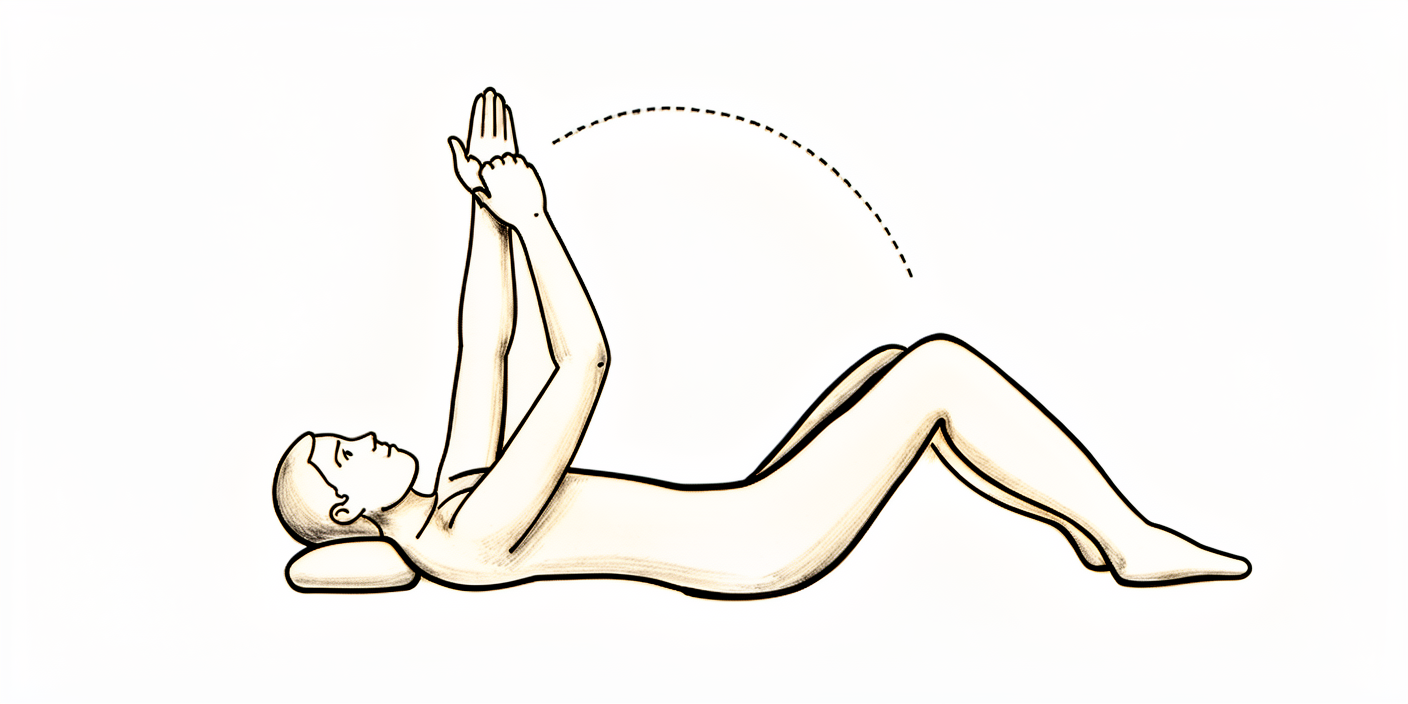
Hỗ trợ gập vai (khi nằm)
Nằm ngửa ra. Dùng tay còn lại đỡ cổ tay cánh tay vừa được phẫu thuật, nhẹ nhàng nâng cánh tay lên phía trước sao cho góc nâng tối đa là 90 độ — hướng thẳng lên trần nhà, không được cao hơn — rồi hạ xuống. Cánh tay vừa phẫu thuật vẫn giữ nguyên trạng thái thả lỏng; tay còn lại mới là tay thực hiện động tác. Tuyệt đối không nâng cánh tay vượt quá 90 độ cho đến khi bác sĩ cho phép tại buổi tái khám sau sáu tuần.
Theo hướng dẫn của chuyên viên vật lý trị liệu của bạn.
Kieran Hirpara 4.0
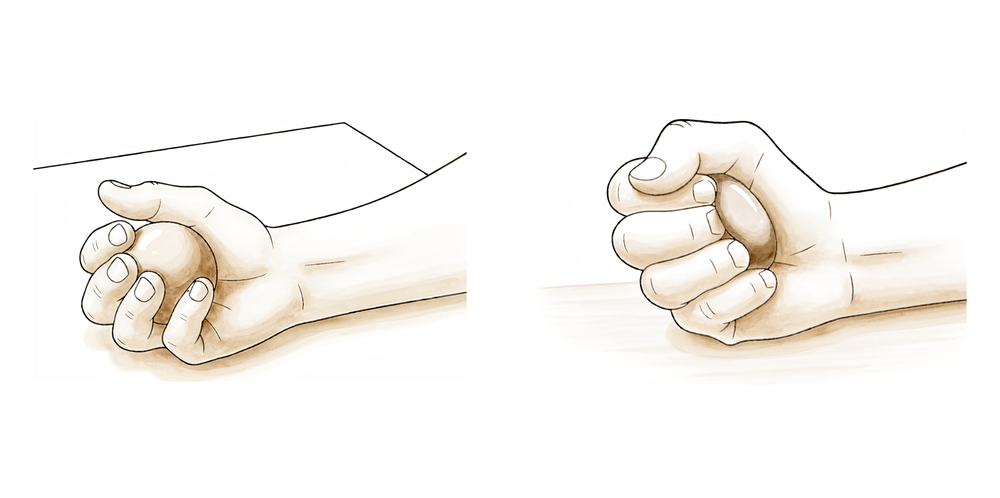
Các bài tập nắm bóp bóng
Khi cánh tay được nâng đỡ, hãy nắm chặt một quả bóng mềm hoặc nắm tay thật chặt, sau đó mở bàn tay ra hoàn toàn. Cần giữ cho các ngón tay, cổ tay và bàn tay luôn chuyển động ngay từ đầu.
Theo hướng dẫn của chuyên viên vật lý trị liệu của bạn.
Kieran Hirpara 4.0
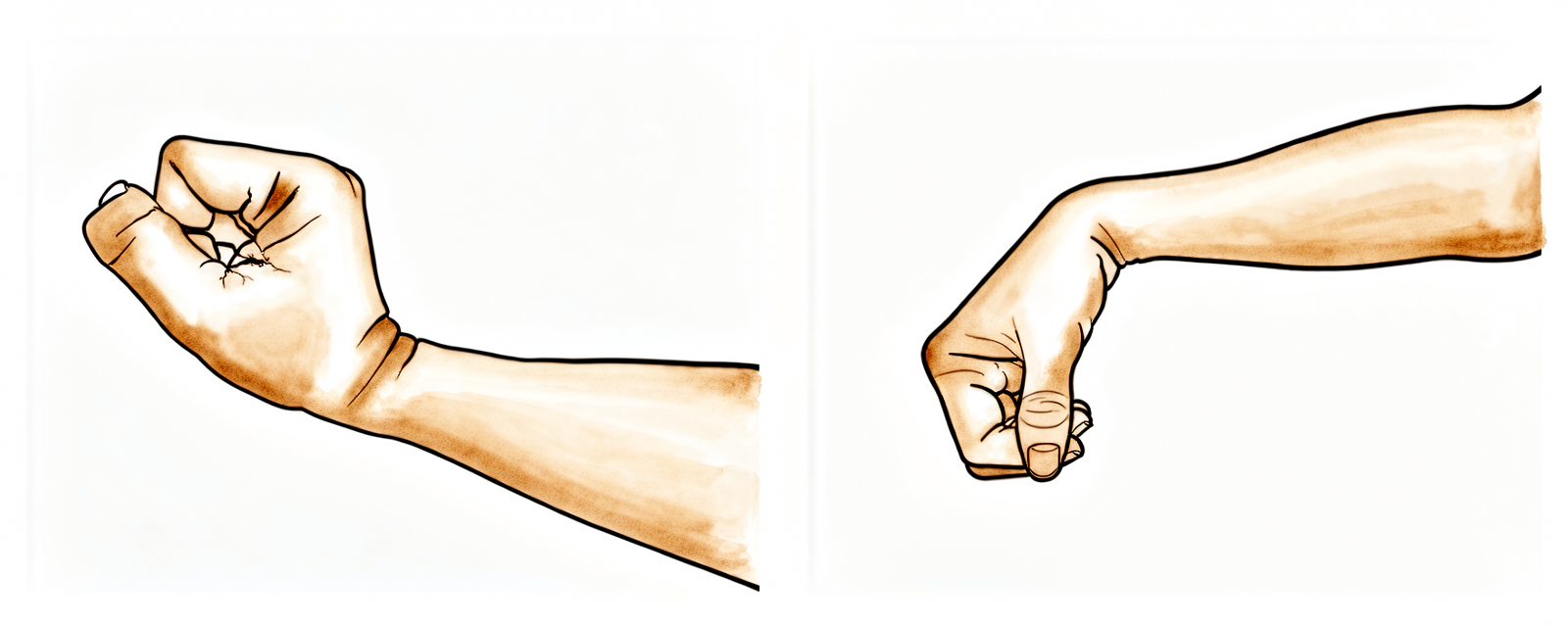
Chuyển động cổ tay
Khi cánh tay đã được tháo khỏi đai treo và có chỗ tựa, hãy cử động cổ tay bằng cách gập về phía trước, phía sau và sang hai bên. Việc vận động cổ tay ngay từ đầu giúp tránh cứng khớp trong khi vai được bảo vệ.
Theo hướng dẫn của chuyên viên vật lý trị liệu của bạn.
Kieran Hirpara 4.0
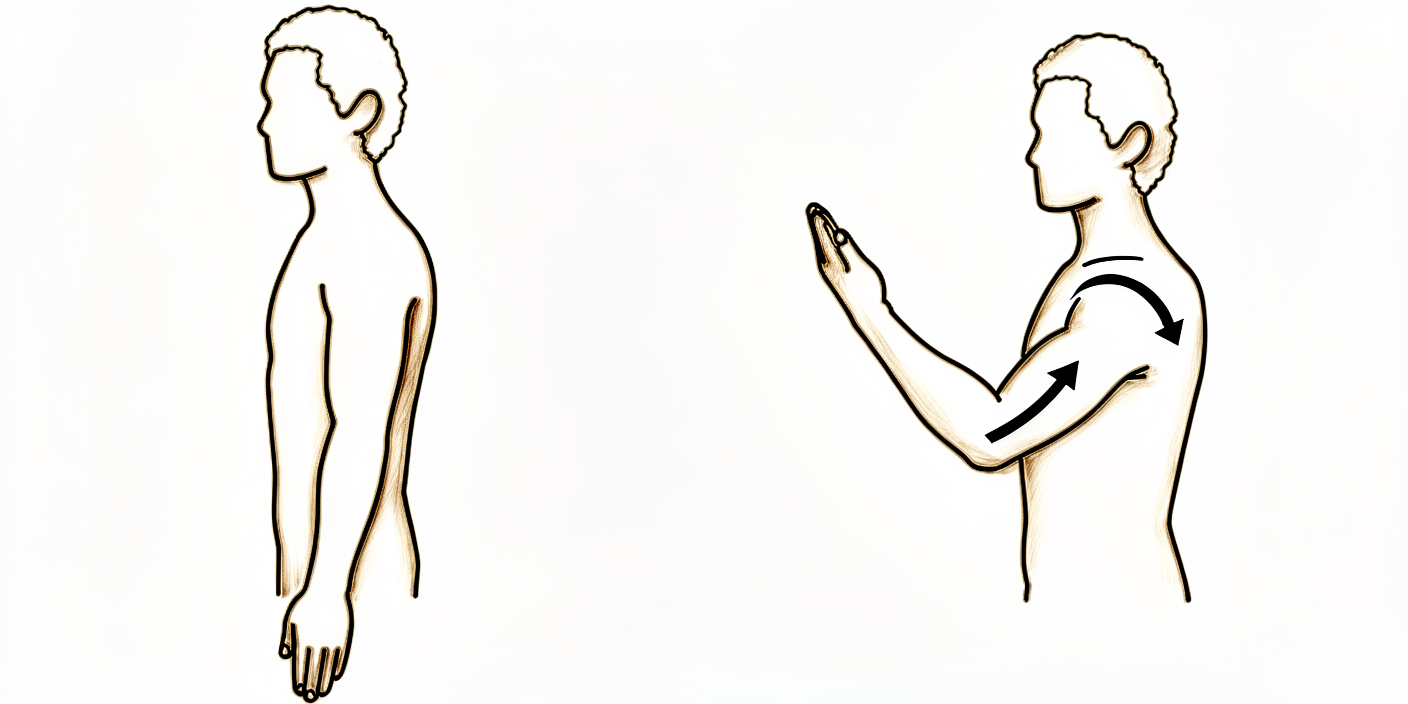
Cử động gập khuỷu tay
Hãy để cánh tay thả lỏng bên hông và được nâng đỡ; sau đó gập khuỷu tay hết mức có thể một cách thoải mái, rồi duỗi thẳng ra hoàn toàn. Chỉ có khuỷu tay là di chuyển — hãy giữ vai thả lỏng. Cách này giúp khuỷu tay hoạt động tự do trong khi xương đòn vẫn được bảo vệ.
Theo hướng dẫn của chuyên viên vật lý trị liệu của bạn.
Kieran Hirpara 4.0
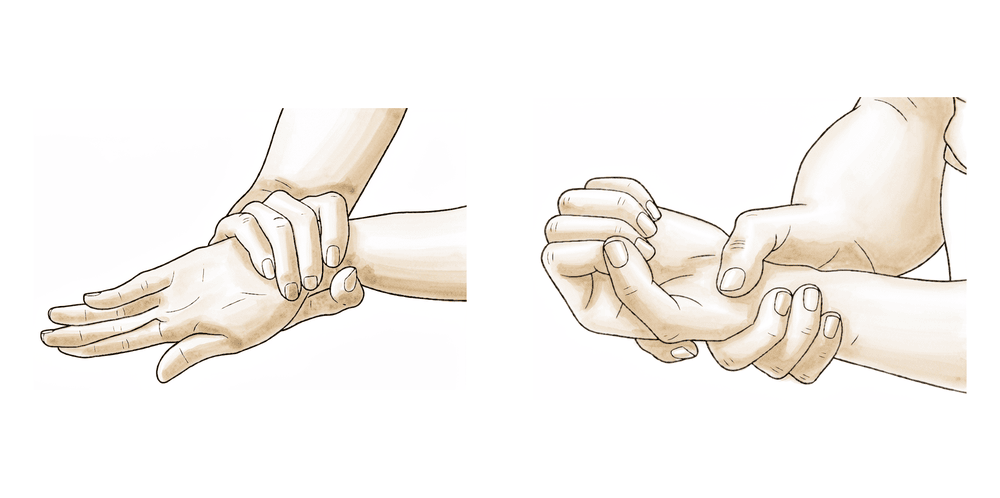
Chuyển động xoay cẳng tay
Khi khuỷu tay áp sát vào thân mình và gập thành góc vuông, hãy lật lòng bàn tay lên trên rồi lại lật xuống dưới. Giữ cánh tay trên yên vị để chỉ có cẳng tay là di chuyển. Từ tuần thứ hai trở đi, chuyên viên vật lý trị liệu có thể thêm lực cản nhẹ vào bài tập này.
Theo hướng dẫn của chuyên viên vật lý trị liệu của bạn.
Kieran Hirpara 4.0
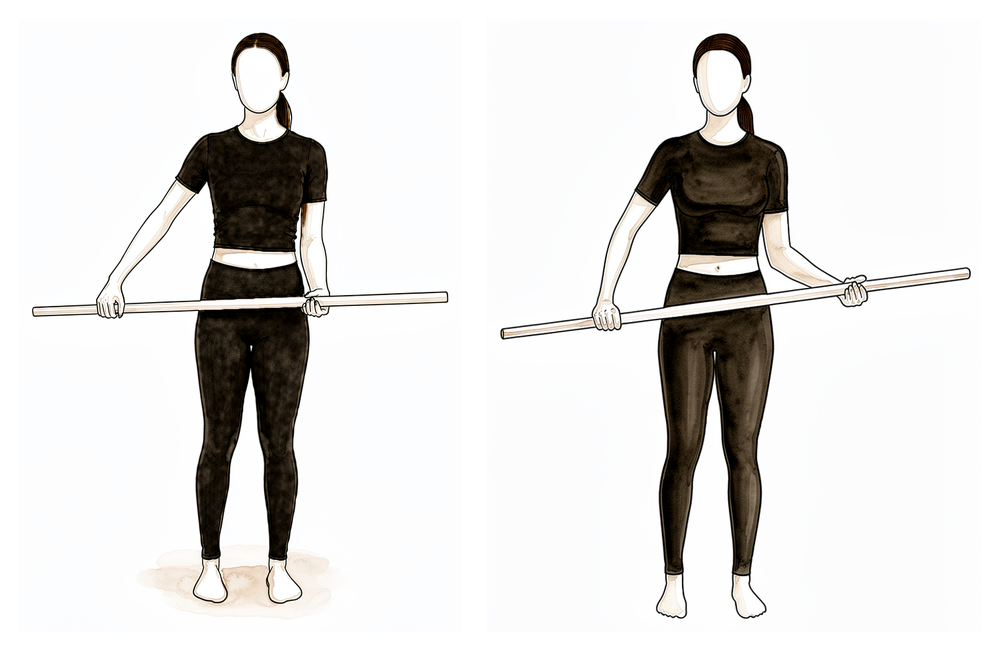
Hỗ trợ xoay ngoài cánh tay bằng cách dùng cây gậy
Nằm ngửa, đặt khuỷu tay vừa được phẫu thuật sát bên thân và gập thành góc vuông. Cầm một thanh gậy bằng cả hai tay, dùng cánh tay lành để nhẹ nhàng xoay bàn tay vừa phẫu thuật ra ngoài, đồng thời xoay vai theo; sau đó quay trở lại vị trí ban đầu. Giữ khuỷu tay luôn sát bên thân — đây là động tác được hỗ trợ, không phải động tác gắng sức.
Theo hướng dẫn của chuyên viên vật lý trị liệu của bạn.
Kieran Hirpara 4.0
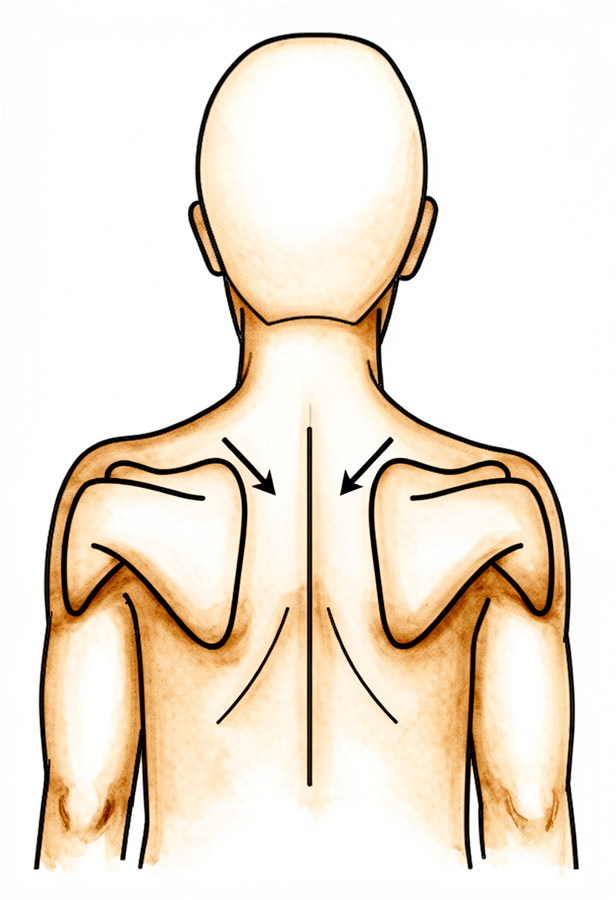
Giữ vững xương bả vai (scapular setting)
Dù ngồi hay đứng thẳng, hãy nhẹ nhàng kéo hai bả vai về phía sau và hướng xuống dưới, tránh xa hai tai. Giữ nguyên tư thế này vài giây rồi thả lỏng. Cách này giúp các cơ vùng bả vai luôn hoạt động mà không làm ảnh hưởng đến xương đòn đang trong quá trình hồi phục.
Theo hướng dẫn của chuyên viên vật lý trị liệu của bạn.
Kieran Hirpara 4.0
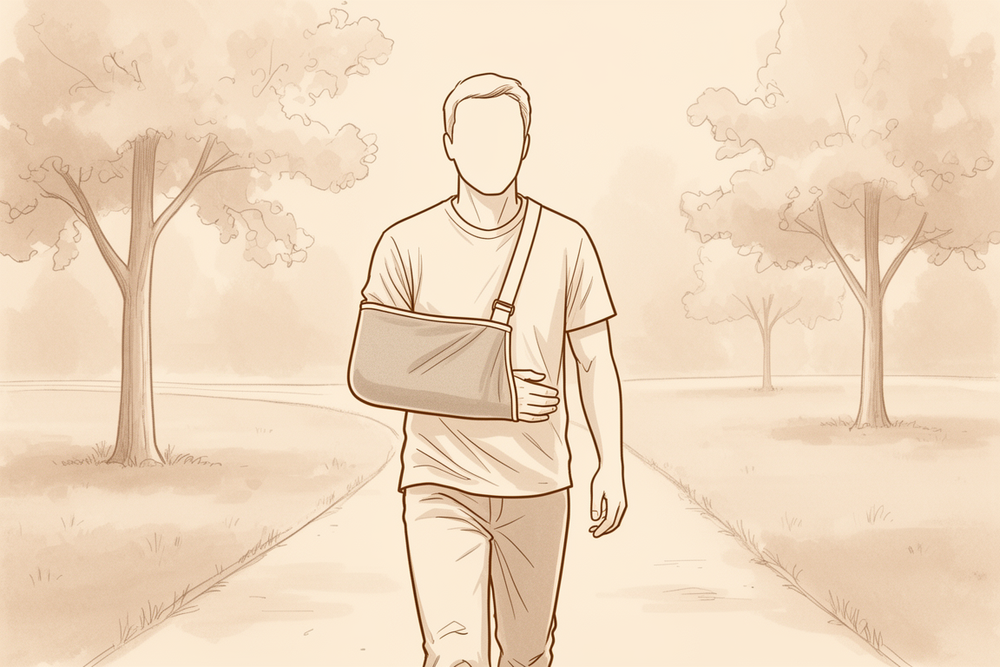
Đi bộ khi cánh tay đeo đai treo
Hãy duy trì hoạt động tim mạch nhẹ nhàng bằng cách đi bộ, với cánh tay vừa phẫu thuật đặt trong đai treo. Việc này giúp duy trì thể lực tổng thể trong khi vết gãy vẫn được bảo vệ.
Theo hướng dẫn của chuyên viên vật lý trị liệu của bạn.
Trong những tuần đầu, mục tiêu là bảo vệ các bộ phận đã được cố định trong khi vết gãy bắt đầu liền lại. Bạn sẽ phải đeo đai treo tay, chườm đá để giảm sưng, và thực hiện các bài tập nhẹ nhàng nhằm duy trì vận động cho các vùng còn lại của cánh tay: bàn tay, cổ tay, khuỷu tay và cổ. Ngoài ra còn có các động tác đung đưa tay và vận động vai nhẹ nhàng ở mức dưới độ cao của vai. Những quy tắc quan trọng nhất là: không nâng khuỷu tay lên cao hơn vai; không nâng hay mang vác vật gì bằng tay phẫu thuật; không dùng tay để đẩy lên; không lái xe trong sáu tuần (áp dụng cho mọi ca phẫu thuật vai) hoặc khi đang đeo đai treo tay.
Dành cho chuyên viên vật lý trị liệu:
Mục tiêu
- Bảo vệ các bộ phận đã được cố định cũng như xương và mô mềm đang hồi phục
- Giảm đau và sưng
- Khôi phục phạm vi vận động của vai ở mức dưới 90°
- Duy trì phạm vi vận động đầy đủ của khuỷu tay, cổ tay, bàn tay và cổ
Cách xử lý
- Chườm lạnh và áp dụng các phương pháp trị liệu cần thiết; dùng thuốc giảm đau trước khi thực hiện các bài tập
- Kiểm tra độ vừa vặn của đai treo tay; hướng dẫn bệnh nhân cách sử dụng đai (đeo để bảo vệ tay, đặc biệt khi ra ngoài; không cần đeo qua đêm theo quy định của phòng khám) và tư thế đúng
- Các bài tập đung đưa tay và trượt tay trên mặt bàn
- Vận động thụ động: xoay ngoài và trong ở mặt phẳng của xương bả vai sao cho bệnh nhân cảm thấy thoải mái; gập tay, nâng tay sang ngang ở mức tối đa 90°
- Vận động chủ động có hỗ trợ: xoay ngoài tay bằng cách dùng que ở tư thế trung tính; gập tay có hỗ trợ khi nằm ngửa đến mức 90°
- Vận động chủ động: khuỷu tay, cổ tay, bàn tay và cột sống cổ; các bài tập nắm chặt (bóp bóng)
- Từ tuần thứ 2: tập gập/giãn cổ tay và xoay cẳng tay có sức cản; các bài tập nhẹ nhàng nhằm điều chỉnh và kéo lùi xương bả vai
- Vận động tim mạch: đi bộ khi tay vẫn đeo đai; đạp xe đứng yên hoặc xe đạp nằm khi tay vẫn đeo đai
Những điều cần tránh
- Không nâng vai lên cao
- Không gập hay nâng tay lên cao hơn 90°, kể cả khi vận động thụ động
- Không nâng hay mang vác vật gì bằng tay phẫu thuật; không chịu tải trọng qua tay
- Không lái xe trong sáu tuần (áp dụng cho mọi ca phẫu thuật vai), và không lái xe khi đang đeo đai treo tay
Tiêu chí để chuyển sang giai đoạn tiếp theo
- Có thể gập tay hoặc nâng tay sang ngang đến 90° và xoay ngoài đến khoảng 30° một cách thoải mái
- Cơn đau giảm xuống dưới mức 4/10 khi nghỉ ngơi
- Phạm vi vận động chủ động của khuỷu tay, cổ tay và bàn tay đã hoàn toàn bình thường
- Vết thương đã lành, không có dấu hiệu biến chứng nào
Giai đoạn II — Vận động sớm (Tuần 3–6)
Kieran Hirpara 4.0
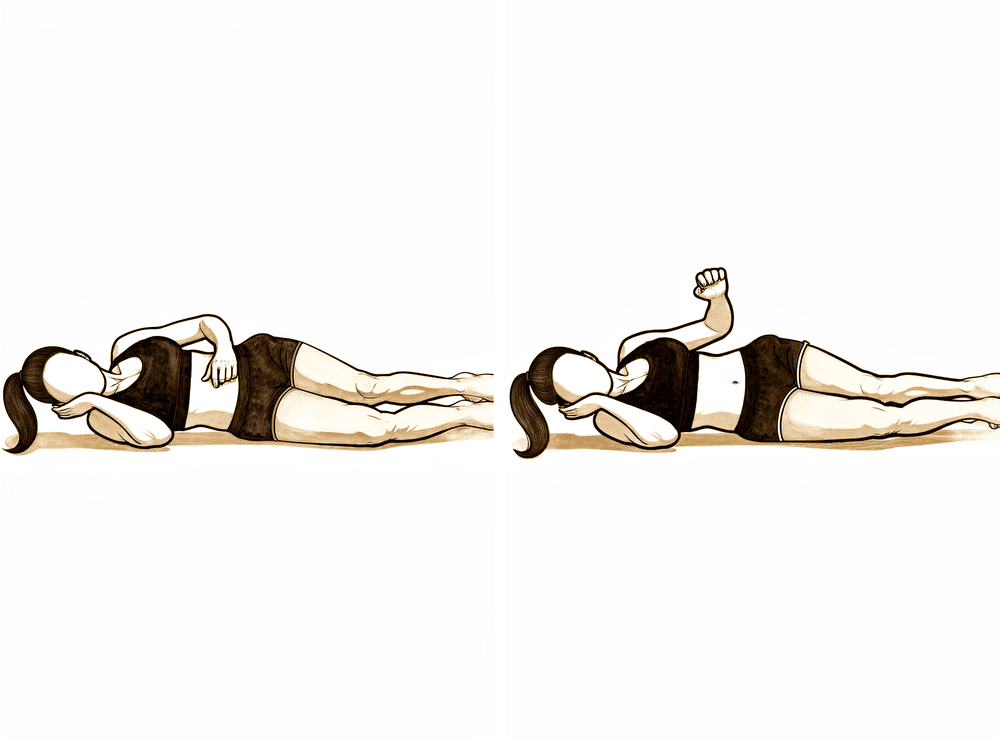
Tư thế nằm nghiêng với xoay ngoài
Nằm nghiêng sang phía không phẫu thuật, đặt cánh tay vừa phẫu thuật lên trên; gập khuỷu tay thành góc 90 độ và áp sát vào thân mình. Giữ nguyên tư thế khuỷu tay, xoay cẳng tay lên trên, hướng xa khỏi bụng càng xa càng tốt trong phạm vi thoải mái, sau đó hạ xuống một cách từ từ và có kiểm soát. Ở giai đoạn này không sử dụng tạ; cánh tay chỉ di chuyển nhờ sức của chính nó.
Theo hướng dẫn của chuyên viên vật lý trị liệu của bạn.
Kieran Hirpara 4.0
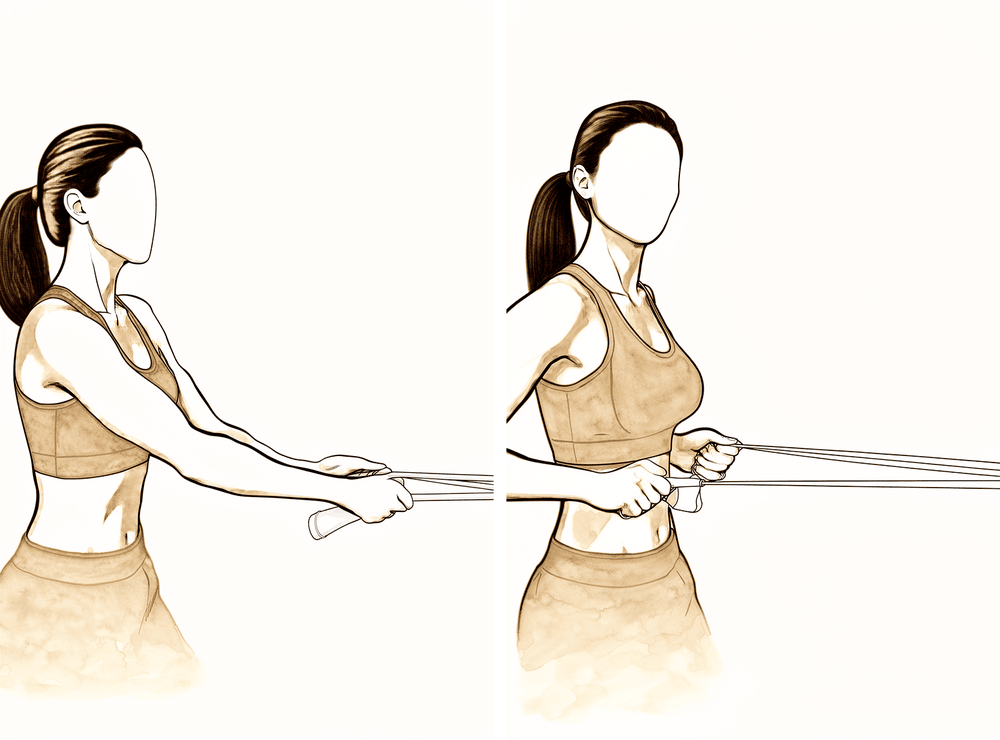
Bài tập kéo dây thấp với dây đàn hồi
Gắn dây đàn hồi ở phía trước người, ngang tầm eo. Đứng thẳng người, kéo dây về phía mình, đồng thời hạ nhẹ và kéo xương bả vai ra phía sau; sau đó thả dây ra một cách từ từ. Hãy giữ lực căng của dây ở mức nhẹ.
Theo hướng dẫn của chuyên viên vật lý trị liệu của bạn.
Kieran Hirpara 4.0
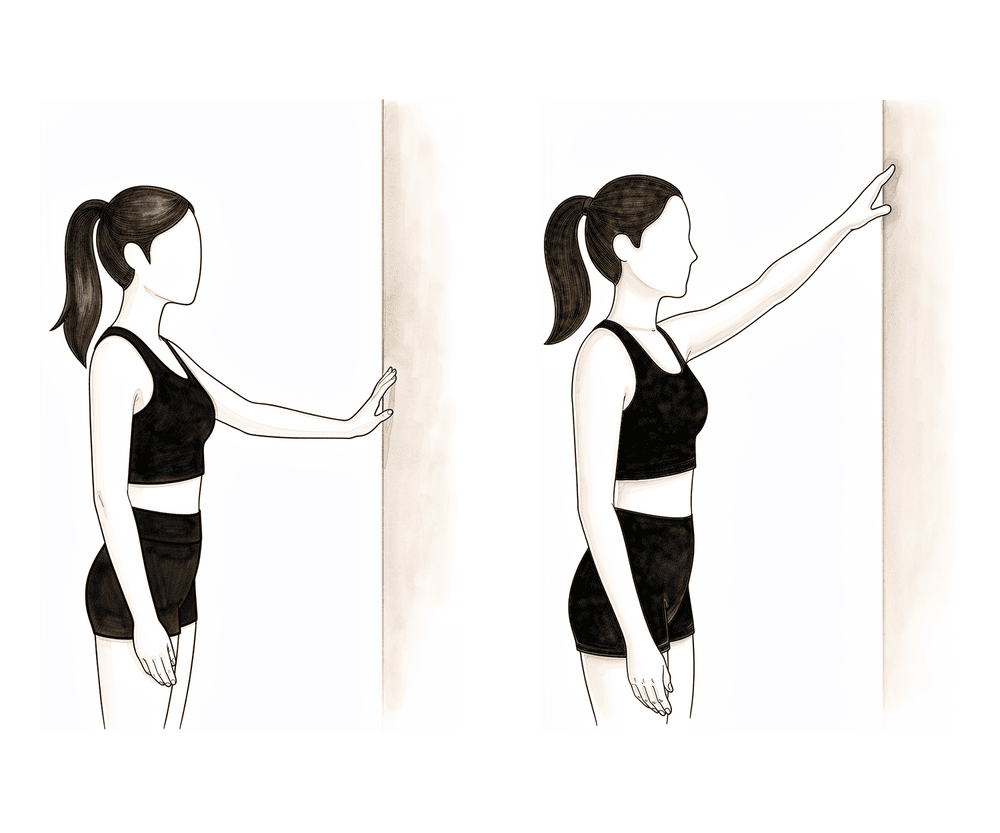
Bài tập trượt tường (di chuyển ngón tay dọc theo tường)
Đứng đối diện tường và đặt các ngón tay lên đó. Dịch chuyển các ngón tay dọc theo bức tường để nâng cánh tay lên; lúc này tường sẽ hỗ trợ một phần trọng lượng của cánh tay. Sau đó, dịch chuyển các ngón tay trở lại vị trí ban đầu. Trong giai đoạn này, hãy giữ cánh tay thấp hơn mức độ cao của vai; vì tường đang hỗ trợ nên động tác vẫn rất nhẹ nhàng.
Theo hướng dẫn của chuyên viên vật lý trị liệu của bạn.
Kieran Hirpara 4.0
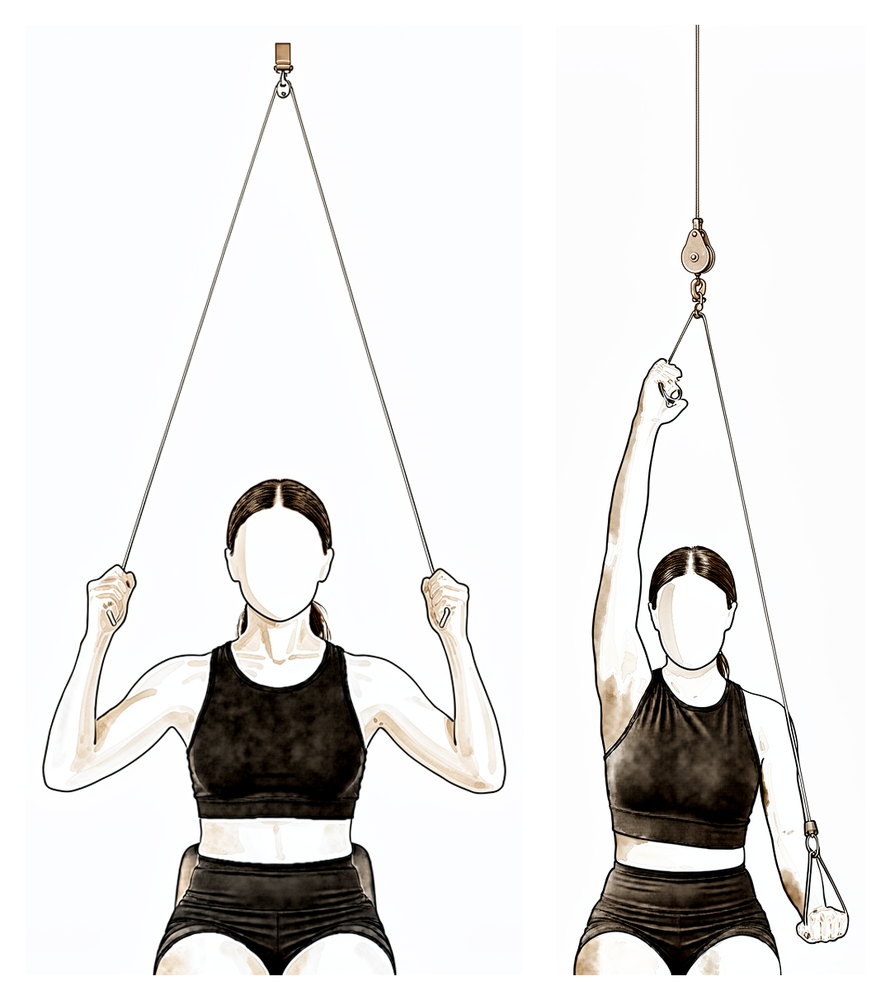
Ròng rọc treo cửa
Ngồi dưới hệ thống ròng rọc gắn trên cửa, hai tay cầm vào các tay cầm. Dùng cánh tay lành để kéo xuống, nhằm nâng cánh tay vừa được phẫu thuật lên mức cao nhất mà bạn cảm thấy thoải mái; sau đó hạ xuống từ từ. Hiện tại, chỉ nên thực hiện trong phạm vi chuyển động nhẹ nhàng và dưới mức độ cao của vai; cánh tay lành sẽ là cơ quan thực hiện động tác này.
Theo hướng dẫn của chuyên viên vật lý trị liệu của bạn.
Kieran Hirpara 4.0
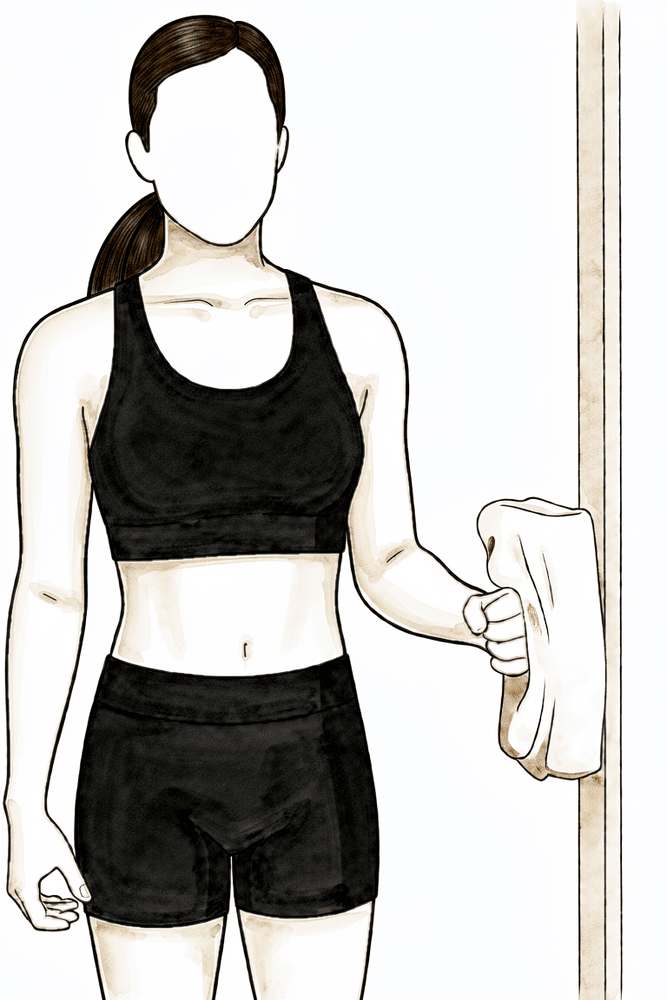
Xoay ngoài đẳng trường (co cơ không di chuyển)
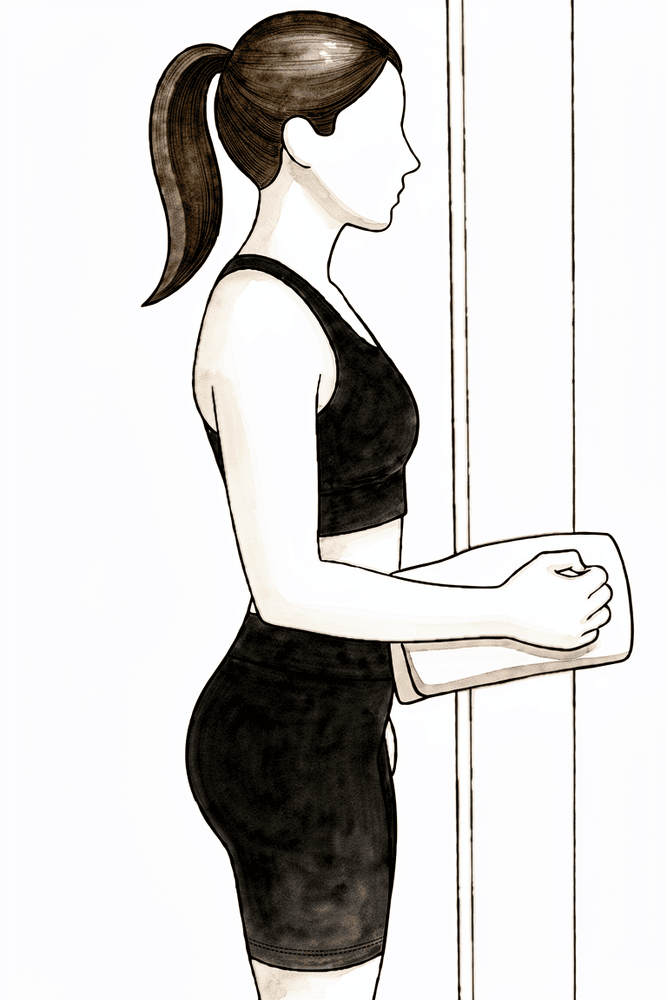
Đứng thẳng, khuỷu tay áp sát vào hông và gập thành góc vuông; mu bàn tay áp vào tường hoặc khung cửa. Nhẹ nhàng đẩy tay ra ngoài mà không để cánh tay di chuyển, giữ nguyên tư thế vài giây rồi thả lỏng. Bài tập này giúp kích hoạt cơ vùng vai mà không cần di chuyển vai.
Theo hướng dẫn của chuyên viên vật lý trị liệu của bạn.
Kieran Hirpara 4.0
Xoay trong đẳng trường (co cơ không di chuyển)
Đứng thẳng, khuỷu tay áp sát vào thân mình và gập thành góc vuông; lòng bàn tay chạm vào tường hoặc khung cửa. Nhẹ nhàng ấn tay vào bề mặt đó mà không để cánh tay di chuyển, giữ nguyên vài giây rồi thả lỏng. Đây là cách nhẹ nhàng để bắt đầu kích hoạt cơ vùng vai.
Theo hướng dẫn của chuyên viên vật lý trị liệu của bạn.
Kieran Hirpara 4.0
Gập khuỷu tay với tạ
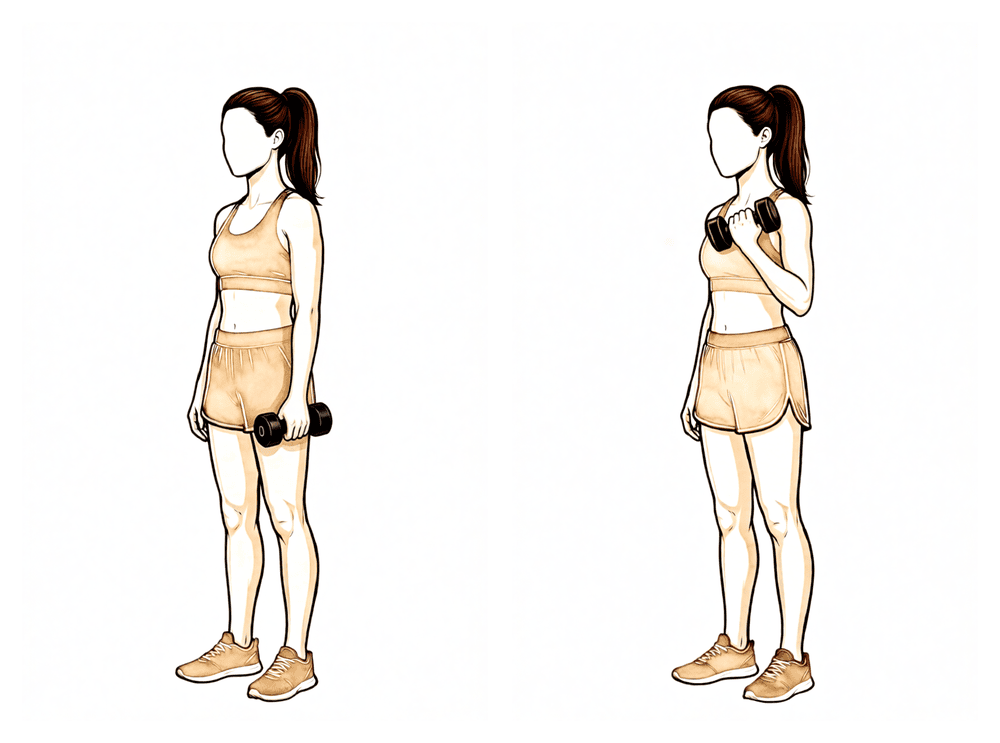
Hãy giữ cánh tay sát thân mình, sau đó gập khuỷu tay để nâng một vật nặng nhẹ lên gần vai, rồi hạ nó xuống một cách từ từ và kiểm soát được. Hãy chọn vật nặng nhẹ thôi — đây là bài tập rèn luyện cánh tay nhẹ nhàng, chứ không phải bài tập nâng tạ nặng.
Theo hướng dẫn của chuyên viên vật lý trị liệu của bạn.
Vết gãy xương đang bắt đầu liền lại nhưng chưa hoàn toàn lành: giai đoạn này tập trung vào việc phục hồi khả năng vận động chứ không phải sức mạnh cơ bắp. Bạn sẽ dần ngừng sử dụng đai treo tay khi cảm thấy thoải mái; biên độ vận động thụ động và có hỗ trợ sẽ dần tiến tới mức tối đa. Bạn cũng bắt đầu vận động cánh tay bằng sức mình ở mức độ thấp hơn độ cao vai, kèm theo các bài tập kích hoạt cơ nhẹ nhàng (tĩnh lực). Hãy đảm bảo rằng mọi vật bạn nâng hay mang theo không nặng hơn một cốc cà phê; tuyệt đối tránh các động tác kéo giãn mạnh. Giai đoạn này kết thúc bằng việc chụp X-quang và khám lại với bác sĩ Hirpara vào khoảng tuần thứ sáu; chỉ sau buổi khám này, chứ không phải chỉ dựa vào thời gian, bạn mới được phép tăng cường sức mạnh cơ bắp và vận động cánh tay ở mức độ cao hơn độ cao vai.
Dành cho chuyên viên vật lý trị liệu:
Mục tiêu
- Dần ngừng sử dụng đai treo tay (thông thường bỏ đai vào khoảng tuần thứ 6)
- Tăng dần biên độ vận động thụ động tới mức tối đa trên mọi mặt phẳng
- Phục hồi khả năng vận động chủ động ở mức dưới 90° với cơ chế vận động đúng
- Bắt đầu các bài tập kích hoạt cơ tĩnh lực và các cơ vùng vai nhẹ nhàng
Phương pháp điều trị
- PROM: Tăng dần biên độ vận động thụ động tới mức tối đa trên mọi mặt phẳng, tùy theo khả năng chịu đựng của bệnh nhân; tuyệt đối không kéo giãn mạnh
- AAROM: Tập gập cánh tay khi nằm ngửa bằng thanh gỗ, dần chuyển sang tư thế ngồi thẳng (tiến trình tương tự như khi ngồi trên ghế cỏ); tập trượt tay dọc tường hoặc tay vịn, sử dụng ròng rọc
- AROM: Vận động cánh tay ở mức độ nâng dưới 90° mà không gây đau; tập gập cánh tay khi nằm ngửa rồi dần đứng thẳng; tập xoay ngoài cánh tay khi ngồi hoặc nằm nghiêng
- Tập kích hoạt cơ nhóm cơ quay bằng động tác tĩnh lực ở tư thế trung tính; tập tăng cường các cơ vùng vai nhẹ nhàng (kéo xương bả vai về phía sau, các bài tập kéo ngang và kéo giữa); tập nhẹ nhàng cho cơ tay trước và tay sau
- Theo dõi các dấu hiệu thay thế vận động bất thường (cánh tay nhấc lên khi vận động, dùng xương bả vai thay thế)
- Tập cardio: đi bộ; đạp xe tại chỗ
Lưu ý phòng ngừa
- Không nâng hay mang vật nặng hơn khoảng một cốc cà phê
- Không nâng cánh tay lên cao hơn 90° cho đến khi kết quả X-quang ở tuần thứ sáu xác nhận vết gãy đã lành
- Không kéo giãn vai mạnh mẽ hay thực hiện các tư thế gây đau
- Không chịu tải trọng lên cánh tay
- Không lái xe trong sáu tuần (áp dụng cho mọi ca phẫu thuật vai), và không lái xe khi vẫn đang đeo đai treo tay
Tiêu chí để chuyển sang giai đoạn tiếp theo
- Biên độ vận động thụ động đạt mức tối đa hoặc gần tối đa
- Có thể nâng cánh tay tới mức 90° mà không có nhiều động tác thay thế và mức độ đau dưới 4/10
- Kết quả X-quang cho thấy vết gãy đang lành tốt, như đã được xác nhận trong buổi khám với bác sĩ Hirpara
Giai đoạn III — Tăng cường sức mạnh (Tuần 6–12)
Kieran Hirpara 4.0
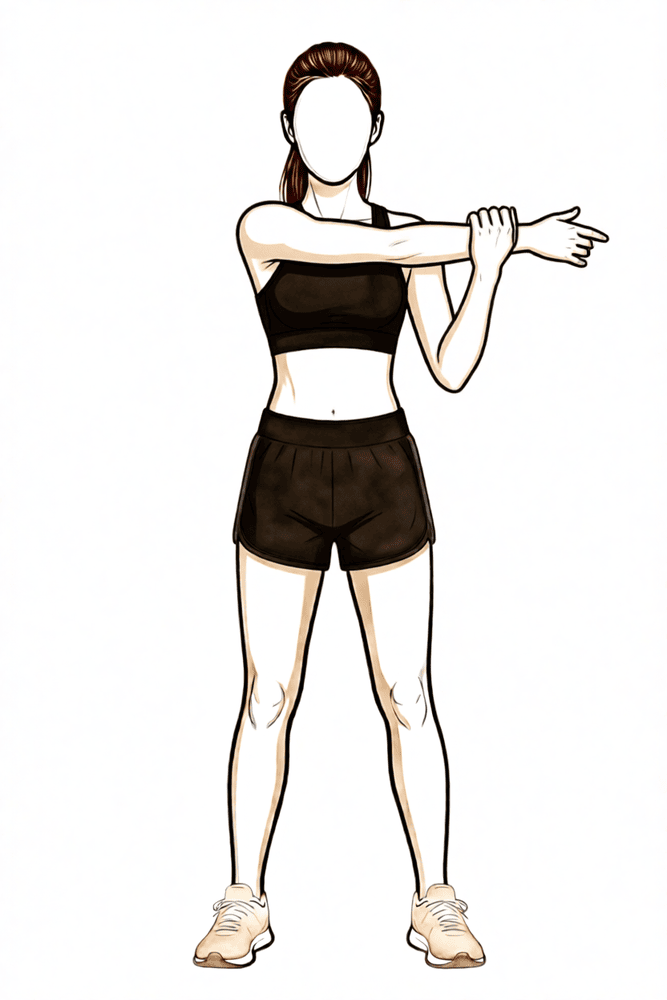
Bài tập kéo giãn chéo cơ thể
Hãy dùng tay còn lại kéo cánh tay vừa được phẫu thuật qua ngực cho đến khi bạn cảm nhận được sự căng giãn ở phía sau vai. Giữ nguyên tư thế trong chốc lát rồi thả ra. Chỉ nên kéo căng đến mức gây cảm giác khó chịu vừa phải; tuyệt đối không kéo đến mức gây đau dữ dội.
Theo hướng dẫn của chuyên viên vật lý trị liệu của bạn.
Kieran Hirpara 4.0
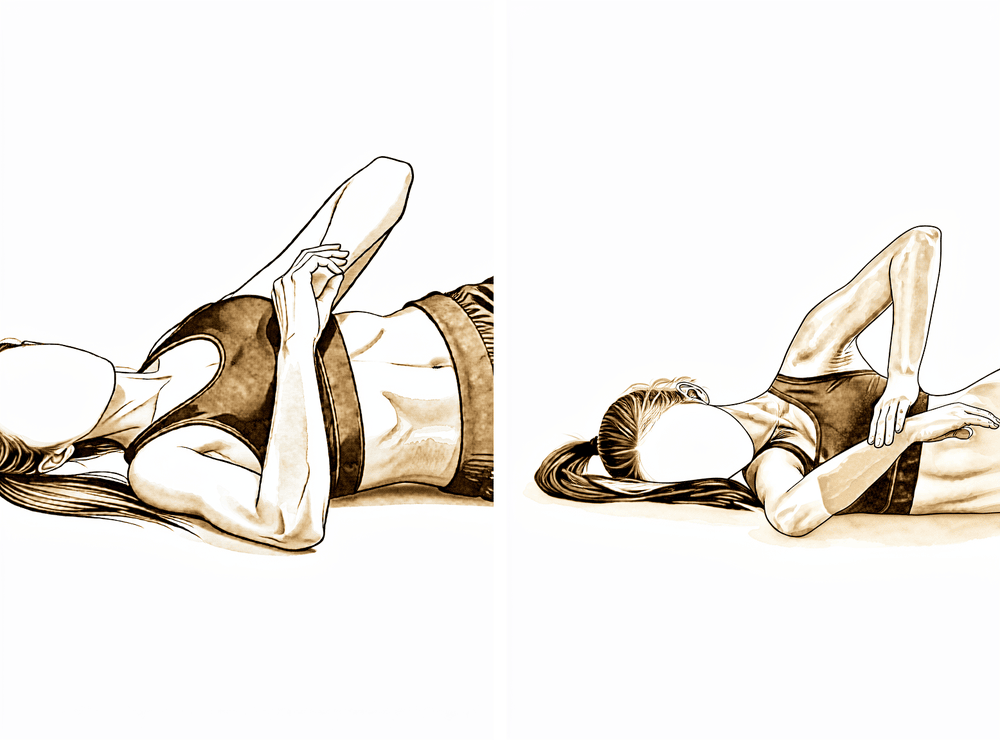
Bài tập kéo giãn ngủ
Nằm nghiêng về phía bên đã phẫu thuật, gập vai và khuỷu tay thành góc 90 độ. Dùng tay còn lại nhẹ nhàng ấn cẳng tay xuống giường cho đến khi cảm nhận được sự căng giãn ở phía sau vai, sau đó thả tay ra. Hãy thực hiện một cách nhẹ nhàng; không được gây đau đớn dữ dội.
Theo hướng dẫn của chuyên viên vật lý trị liệu của bạn.
Kieran Hirpara 4.0
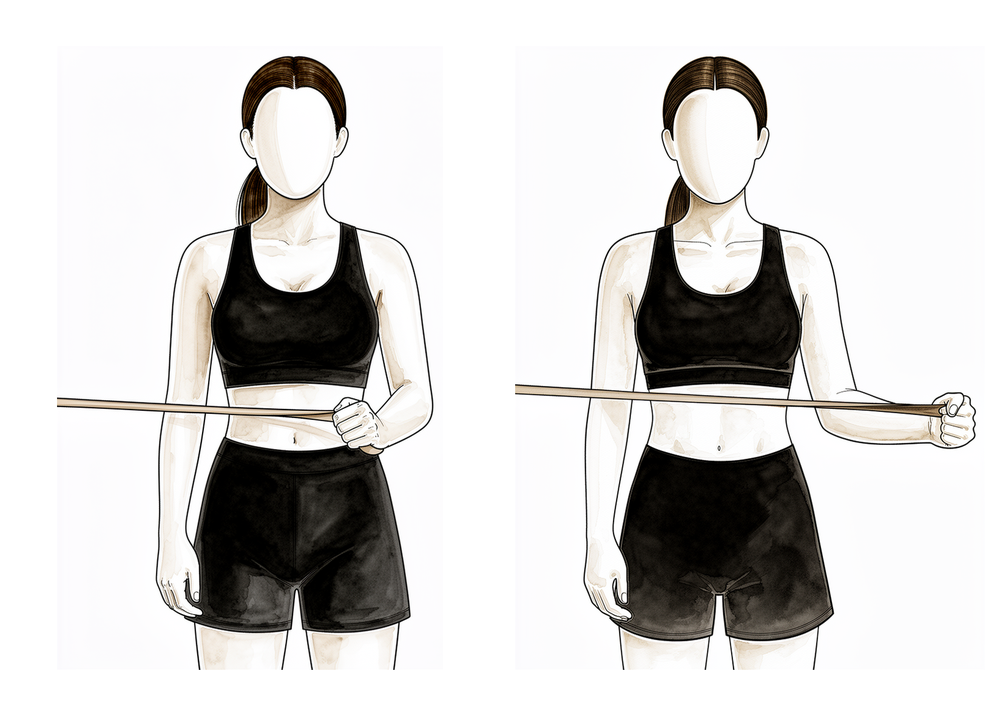
Xoay ngoài vai với dây kháng lực
Đứng thẳng, khuỷu tay áp sát vào hông và gập thành góc vuông; cầm một dây thun được cố định ở độ cao vòng eo. Giữ nguyên khuỷu tay ở vị trí cạnh hông, xoay cẳng tay ra ngoài chống lại lực căng của dây thun rồi từ từ quay trở lại vị trí ban đầu. Bài tập này giúp phát triển cơ vùng vai tiếp nối sau các bài tập giữ nguyên tư thế trước đó.
Theo hướng dẫn của chuyên viên vật lý trị liệu của bạn.
Kieran Hirpara 4.0
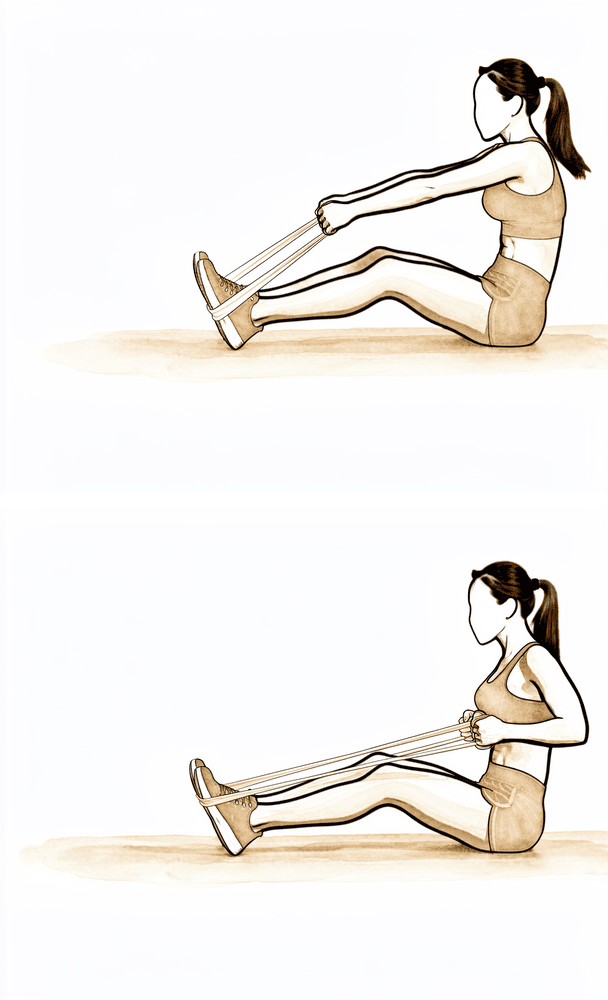
Tập kéo dây thấp
Giữ sợi dây đàn hồi ở phía trước người, ngang thắt lưng. Giữ cánh tay gần như thẳng, kéo nó ra sau và xuống phía hông, đồng thời siết chặt cơ bả vai về phía sau và dưới; sau đó từ từ đưa tay về vị trí ban đầu. Bài tập này giúp tăng cường các cơ bả vai có chức năng hỗ trợ cơ chóp xoay.
Theo hướng dẫn của chuyên viên vật lý trị liệu của bạn.
Kieran Hirpara 4.0
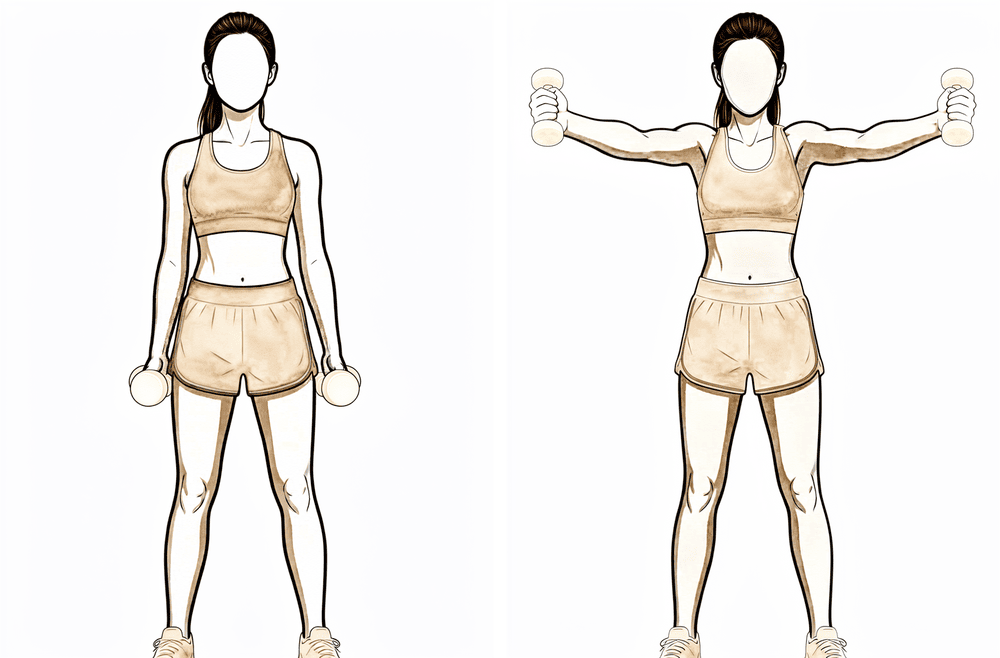
Nâng tay trong mặt phẳng xương bả vai (tư thế "lon đầy")
Hãy giơ ngón tay cái lên, sau đó nâng tay ra phía trước ở góc khoảng 45 độ — tức là giữa hướng thẳng về phía trước và hướng sang ngang — rồi hạ tay xuống một cách từ từ và có kiểm soát. Khi đã thực hiện được động tác vượt qua mức độ cao hơn vai một cách thoải mái, hãy tiếp tục nâng tay lên mức cao nhất mà bạn cảm thấy dễ chịu. Hãy sử dụng tải trọng nhẹ thôi.
Theo hướng dẫn của chuyên viên vật lý trị liệu của bạn.
Kieran Hirpara 4.0
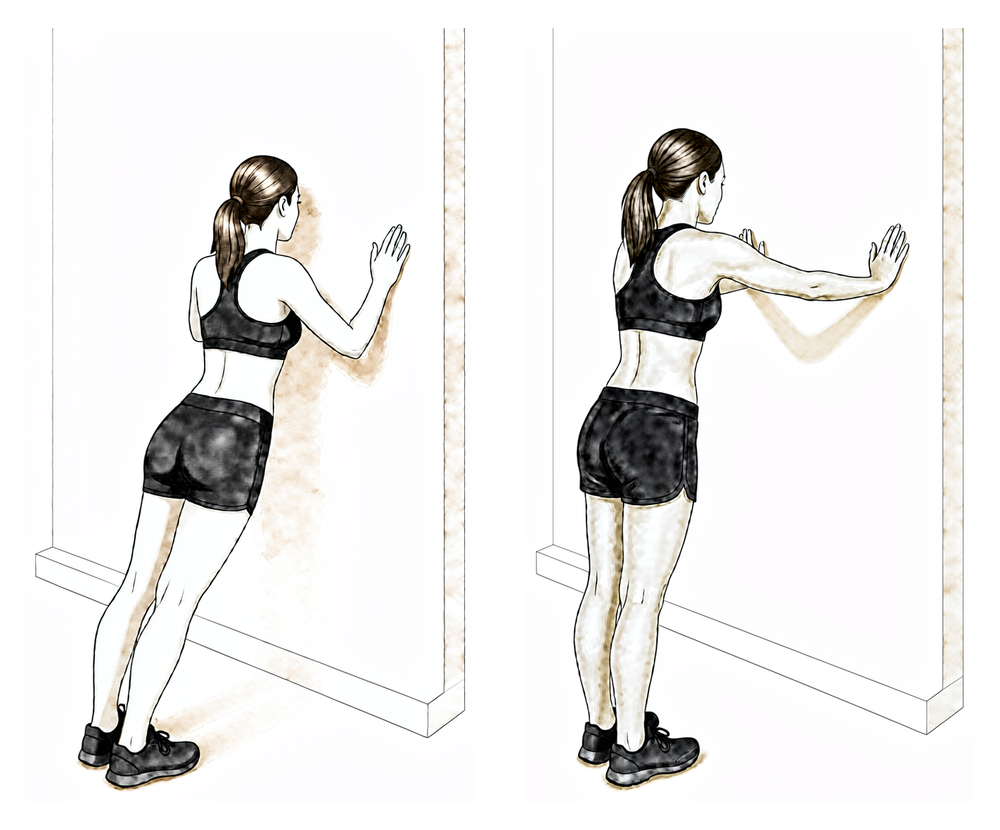
Chống đẩy tường
Đứng đối diện tường, đặt hai tay phẳng lên tường ở độ cao vai. Gập khuỷu tay để nghiêng người về phía tường, sau đó đẩy người ra xa; cuối cùng hãy dùng lực nhẹ từ hai tay để làm rộng khoảng cách giữa hai bả vai. Chỉ nên thực hiện động tác này vào giai đoạn cuối của quá trình tập luyện, theo hướng dẫn của chuyên viên vật lý trị liệu.
Theo hướng dẫn của chuyên viên vật lý trị liệu của bạn.
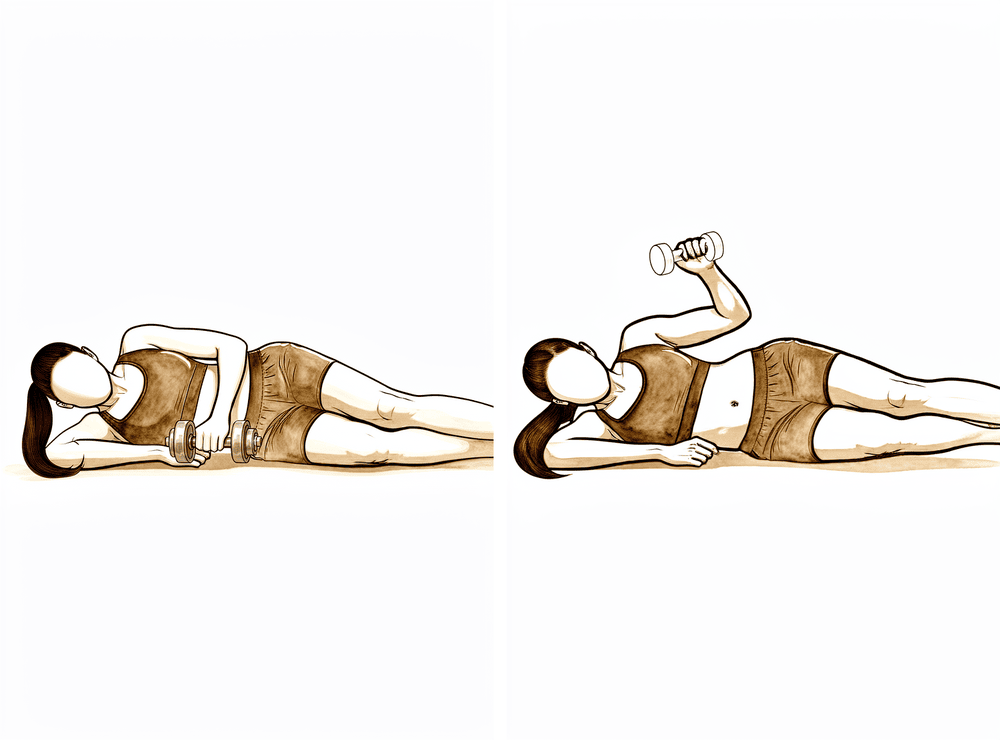
Kieran Hirpara 4.0
Tư thế nằm nghiêng, xoay ngoài cánh tay có tải trọng
Nằm nghiêng về phía không phẫu thuật, khuỷu tay phía trên gập thành góc vuông và áp sát vào thân người. Cầm một vật nặng nhẹ, xoay cẳng tay hướng lên trần nhà rồi từ từ hạ xuống. Hãy chọn vật nặng nhẹ và thực hiện nhiều lần lặp lại.
Theo hướng dẫn của chuyên viên vật lý trị liệu của bạn.
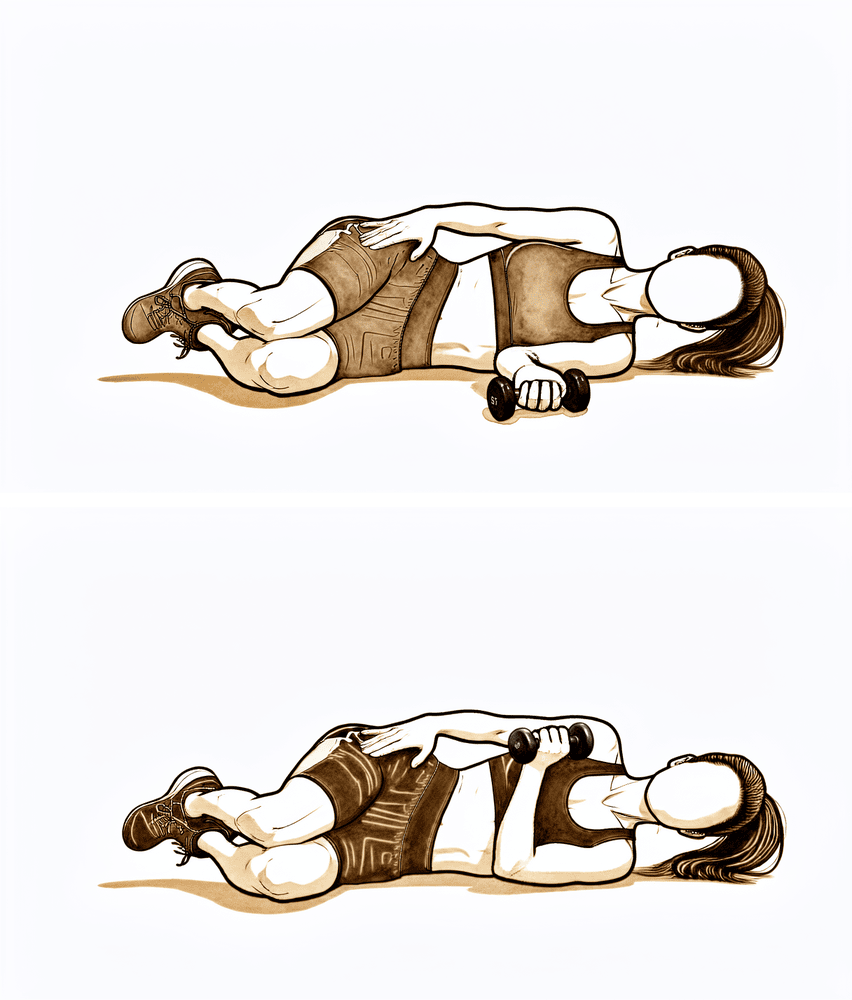
Kieran Hirpara 4.0
Nằm nghiêng, xoay trong cánh tay có tải trọng
Nằm nghiêng về phía được phẫu thuật, khuỷu tay gập thành góc vuông và áp sát vào người. Cầm một vật nặng nhẹ, xoay vai vào trong để nâng vật đó lên phía bụng, sau đó hạ xuống từ từ. Hãy chọn vật nặng nhẹ và thực hiện nhiều lần.
Theo hướng dẫn của chuyên viên vật lý trị liệu của bạn.
Sau khi việc kiểm tra cho thấy gãy xương đang lành tốt, bệnh nhân bắt đầu thực hiện các động tác vượt quá mức độ cao của vai; phạm vi vận động chủ động sẽ dần được mở rộng trong những tuần tiếp theo. Việc tăng cường sức mạnh được thực hiện một cách từ từ: trước hết là các bài tập kích hoạt cơ, sau đó dùng dây thun co giãn, rồi mới đến các tạ nhẹ dành cho cơ vùng vai và cơ quanh xương bả vai. Việc nâng vật nặng vẫn phải hạn chế (không vượt quá khoảng 2 kg) cho đến tuần thứ 12; các hoạt động nâng vật nặng hoặc nâng cao trên đầu vẫn chưa được phép. Trong giai đoạn này cũng không được tham gia các môn thể thao có va chạm. Bơi lội và đạp xe thường được khuyến khích trở lại trong giai đoạn này, theo hướng dẫn của chuyên viên vật lý trị liệu.
Dành cho chuyên viên vật lý trị liệu:
Mục tiêu
- Đạt được phạm vi vận động chủ động đầy đủ ở mọi mặt phẳng, với cơ chế vận động bình thường
- Bắt đầu và dần tăng cường sức mạnh cho cơ vùng vai và cơ quanh xương bả vai
- Trở lại các hoạt động sinh hoạt hàng ngày bình thường
Cách thức điều trị
- Tăng dần phạm vi vận động chủ động vượt qua 90° ở mọi mặt phẳng, hạn chế tối đa các động tác bù trừ không cần thiết
- Kéo giãn khi cần thiết: cơ lưng rộng, cơ ngực, màng bao khớp vai phía sau; các bài kéo giãn tư thế nằm ngủ nghiêng
- Tăng cường sức mạnh: bắt đầu bằng các bài tập cơ vai tĩnh, sau đó chuyển sang các bài tập xoay ngoài/vào trong có sức cản bằng dây thun, lúc đầu thực hiện dưới mức độ cao của vai; tiếp theo là các bài rút lưng và kéo cánh tay; cuối giai đoạn có thể thực hiện các bài nâng tay ngang, tập cơ lưng dưới và hít đất sát tường
- Sử dụng tạ nhẹ, tăng dần theo khả năng chịu đựng: trọng lượng thấp nhưng số lần lặp lại nhiều
- Vận động tim mạch: đạp xe tập và đi bộ; bơi lội, chạy bộ có thể bắt đầu từ tuần 8–10 nếu sau khi kiểm tra được phép
Lưu ý phòng ngừa
- Không nâng vật nặng quá 2 kg cho đến tuần thứ 12
- Tránh nâng vật nặng cao trên đầu hoặc đưa ra xa khỏi cơ thể cho đến tuần thứ 12
- Không tham gia các môn thể thao có va chạm; không thực hiện các bài tập nẩy bật hoặc tạo lực tác động mạnh cho đến cuối giai đoạn (khoảng tuần 10–12)
- Các bài tập tăng cường sức mạnh phải nằm trong giới hạn thoải mái; không gây ra cơn đau kéo dài
Tiêu chí để chuyển sang giai đoạn tiếp theo
- Phạm vi vận động chủ động đạt ít nhất 90% so với bên lành
- Cơ vùng vai và cơ quanh xương bả vai hoạt động tốt; mức độ đau khi thực hiện các bài tập có sức cản không vượt quá 3/10
- Hình ảnh X-quang cho thấy gãy xương đang lành tốt, theo kết quả kiểm tra của Bác sĩ Hirpara
Giai đoạn IV — Trở lại các hoạt động bình thường và thể thao (Từ tuần thứ 12 trở đi)
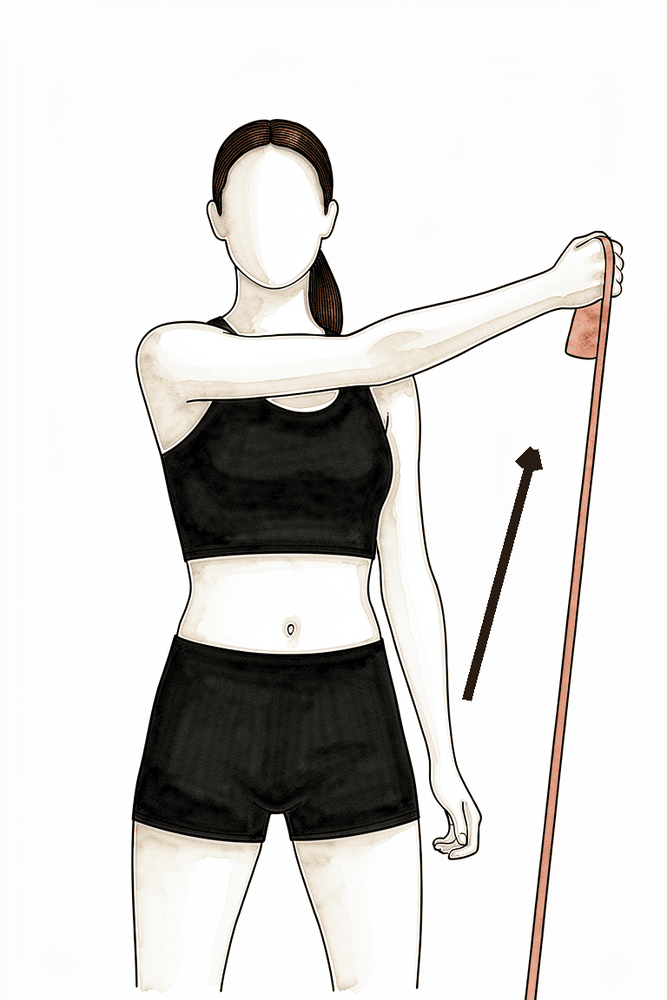
Kieran Hirpara 4.0
Bài tập chéo với dây kháng lực (D1)
Cầm một dây đàn hồi và kéo nó theo hướng chéo qua cơ thể — từ phía dưới, vòng qua một hông rồi lên trên và ra ngoài về phía bên kia, sau đó thực hiện ngược lại một cách có kiểm soát. Các chuyển động chéo này giúp tái thiết lập sự phối hợp vận động của toàn bộ cánh tay, vốn rất cần thiết trong các hoạt động lao động và thể thao. Chỉ nên thực hiện bài tập này sau khi vết gãy đã liền lại.
Theo hướng dẫn của chuyên viên vật lý trị liệu của bạn.
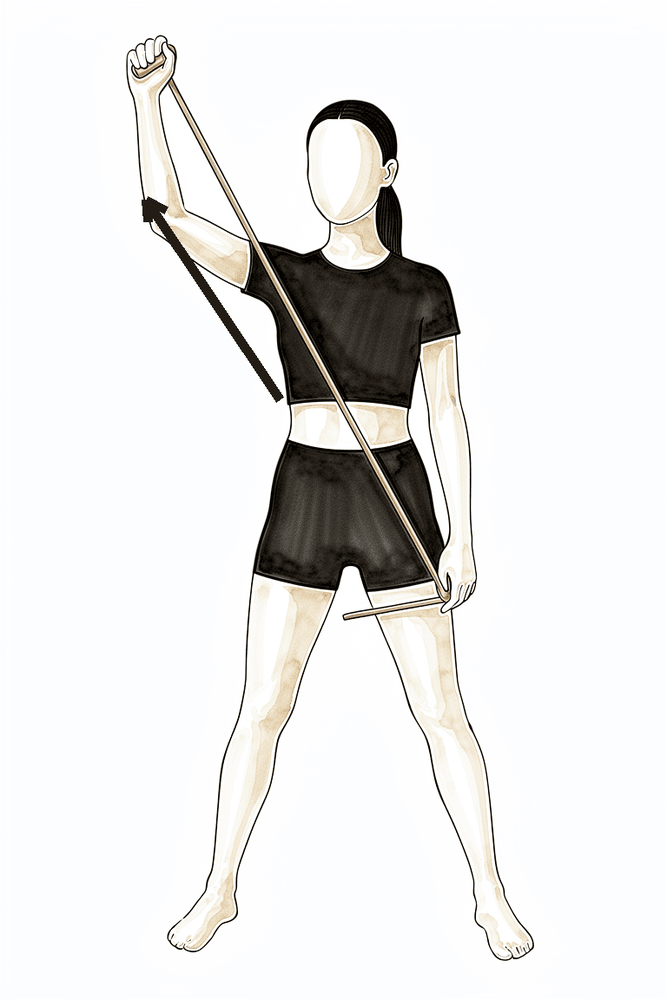
Kieran Hirpara 4.0
Bài tập chéo với dây kháng lực (D2)
Cầm một dây đàn hồi, kéo nó theo hướng chéo từ phía bên kia cơ thể xuống thấp rồi lên cao qua đầu và ra ngoài; sau đó thực hiện ngược lại một cách có kiểm soát. Bài tập này giúp phát triển các chuyển động của vai phù hợp với các hoạt động thể thao ở tư thế trên đầu. Chỉ nên thực hiện bài tập này sau khi vết gãy đã liền và bác sĩ cho phép tập luyện ở tư thế trên đầu.
Theo hướng dẫn của chuyên viên vật lý trị liệu của bạn.
Giai đoạn cuối này là quá trình từ từ trở lại các hoạt động nặng nhọc, công việc chân tay và các môn thể thao. Việc rèn luyện sức mạnh được tiến hành với mức kháng lực ngày càng cao, các tư thế vươn tay lên trên đầu; đối với vận động viên còn có các bài tập nẩy bật, ném và các bài tập đặc thù cho từng môn thể thao. Đối với các môn thể thao có va chạm (bóng đá, bóng bầu dục, cưỡi ngựa), xương phải đã liền hoàn toàn theo kết quả chụp X-quang, được xác nhận trong lần tái khám với Bác sĩ Hirpara; thời điểm sớm nhất thường là sau khoảng 3–4 tháng, và một số phác đồ yêu cầu chờ đến 6 tháng mới được tham gia các môn này. Việc trở lại hoạt động trước khi xương liền có thể gây gãy lại, vì vậy đây là một điều kiện quan trọng cần tuân thủ.
Dành cho chuyên viên vật lý trị liệu:
Mục tiêu
- Duy trì phạm vi vận động đầy đủ, không đau
- Sức mạnh cơ bắp đạt ít nhất 90% so với bên lành
- Từ từ trở lại công việc chân tay, các hoạt động giải trí và thể thao
Cách thức điều trị
- Tập luyện tăng dần mức kháng lực, bao gồm các bài tập co cơ lệch tâm, các tư thế vươn tay lên trên đầu và các động tác chức năng tùy theo khả năng chịu đựng của bệnh nhân
- Các bài tập ổn định nhịp nhàng và cải thiện cảm giác vị trí khớp; đối với vận động viên vươn tay lên trên đầu có thể áp dụng các bài tập nẩy bật, ném hoặc đánh vợt theo kiểu cường độ cao
- Đối với người lao động chân tay cần rèn luyện các kỹ năng phù hợp với công việc; trước khi thi đấu tự do cần thực hiện các bài tập đặc thù cho từng môn thể thao
- Việc quyết định thời điểm trở lại thi đấu phải được cá nhân hóa (phân biệt môn có va chạm hay không, mức độ yêu cầu đối với chi trên) và phối hợp chặt chẽ với bác sĩ phẫu thuật
Tiêu chí để chuyển sang giai đoạn tiếp theo
- Phạm vi vận động chủ động đầy đủ, không đau
- Sức mạnh cơ bắp đạt ít nhất 90% so với bên lành khi đo bằng máy đo lực, đồng thời không có cảm giác đau trong quá trình kiểm tra
- Đã hoàn thành chương trình tập luyện trở lại thể thao một cách từ từ mà không gặp đau hay lo lắng
- Kết quả chụp X-quang cho thấy xương đã liền hoàn toàn, được xác nhận trong lần tái khám với Bác sĩ Hirpara trước khi tham gia các môn thể thao có va chạm
Sau khi thực hiện theo phác đồ
Các giai đoạn nêu trên được điều chỉnh từ các phác đồ phục hồi chức năng đã được công bố dành cho trường hợp cố định gãy xương đòn: Chương trình Y học Thể thao của Bệnh viện Massachusetts General Brigham, Viện Chỉnh hình Mammoth, Đại học Colorado (Tiến sĩ Jonathan Bravman) và Trung tâm Chỉnh hình Midwest tại Rush (Tiến sĩ Brian Cole); cùng với hướng dẫn vật lý trị liệu của NHS từ các khu vực West Suffolk và United Lincolnshire, cũng như các bằng chứng về việc trở lại tập luyện thể thao từ một phân tích có hệ thống về các ca gãy xương đòn ở vận động viên. Các khoảng thời gian được đề cập chỉ mang tính chất tham khảo chứ không cố định; tiến trình phục hồi của bạn sẽ do chuyên viên vật lý trị liệu hướng dẫn và được xác định dựa trên mức độ lành xương qua các lần khám với Tiến sĩ Hirpara. Trang này bổ trợ cho các hướng dẫn phục hồi chung của phòng khám; vui lòng tham khảo mục xử lý cơn đau sau phẫu thuật và chăm sóc vết thương. Để biết thông tin về ca phẫu thuật, hãy xem mục cố định xương đòn. Các bằng chứng khoa học làm nền tảng cho phác đồ này (dữ liệu từ các thử nghiệm so sánh giữa phương pháp phẫu thuật và không phẫu thuật, tỷ lệ liền xương và tỷ lệ trở lại tập luyện thể thao, cũng như các phác đồ điều trị đã được công bố) được tóm tắt trong mục “Bằng chứng khoa học”, có sẵn dưới dạng tệp PDF ở phần đầu trang này.
Evidence & references
This is the clinical evidence summary written for health professionals. It is technical, and it lists the research this page was built from. You do not need to read it to understand your treatment or to make a decision about it.
Midshaft Clavicle Fracture — Operative vs Non-operative Management & Post-operative Rehabilitation (Plate ORIF)
Topic scope: (A) the decision between non-operative management and plate fixation for displaced midshaft clavicle fractures (the randomised-trial evidence on union, function and return to sport), and (B) post-operative rehabilitation after open reduction and internal fixation (ORIF) of the clavicle with a plate and screws. Distal-third and proximal-third fractures, which involve different fixation constructs, are noted only where they bear on the rehab principles.
Defining principle of the surgical rehab here: clavicle ORIF is a protect-the-fixation / protect-the-healing-fracture pathway, NOT an early-aggressive-motion pathway. The plate is a splint, not a substitute for healed bone — it neutralises load while the fracture itself unites over roughly 6–12 weeks and remodels for months afterwards. So the rehab is staged around fracture biology: a sling and below-shoulder-height-only motion early to protect the construct, range of motion progressed as the fracture knits (overhead motion deferred until the ~6-week x-ray), and strengthening / loading / collision sport withheld until radiographic union is confirmed. This is the opposite of a debridement or capsular-release pathway, where motion is the goal from day one and there is no fracture to protect. The single most important gate throughout is the x-ray, not the calendar — every major step up depends on how the fracture is healing.
A. THE OPERATIVE-vs-NON-OPERATIVE DECISION
Most clavicle fractures heal without surgery. The debate concerns completely displaced midshaft fractures (typically ≥100% displacement or ≥~2 cm shortening), where historic "all clavicles heal" teaching was overturned by randomised data.
The landmark trial — Canadian Orthopaedic Trauma Society (COTS) 2007
The COTS multicentre RCT randomised 132 patients with displaced midshaft clavicle fractures to plate ORIF vs non-operative sling treatment. Plate fixation produced a markedly lower nonunion rate (~2% vs ~23–24% non-operative), fewer symptomatic malunions, faster time to union, and better Constant and DASH scores at one year. This trial is the basis for offering surgery to active patients with completely displaced fractures — it did not establish that all such fractures require surgery. STRONG (RCT). [COTS 2007]
What later evidence tempered
- Meta-analyses of RCTs confirm operative fixation reduces nonunion and symptomatic malunion but show that much of the early functional advantage converges by 1 year, and comes at the cost of hardware-related reoperation. The decision is therefore shared and patient-specific (activity demands, displacement, comminution, smoking, occupation) rather than automatic. STRONG (SR/MA of RCTs). [Woltz-type meta-analysis; meta-regression, JSES 2020 — DOI 10.1016/j.jse.2020.02.011]
- A modern cohort comparison of dual mini-fragment plating vs non-operative care (mean 3.4-yr follow-up) found fewer union complications with fixation but similar patient-reported outcomes at final follow-up — echoing the "fixation buys reliable union, not necessarily a better long-term shoulder" theme. MODERATE (cohort). [DOI 10.1016/j.jse.2024.10.018]
- Heterogeneity between trials (how nonunion and displacement were defined, statistical handling of time-to-union) explains some of the apparent disagreement across studies — a caution against over-reading any single union statistic. MODERATE. [DOI 10.1016/j.jse.2012.03.015; meta-regression DOI 10.1016/j.jse.2020.02.011]
Construct choice (informs the rehab, not the patient's behaviour)
- Plate vs intramedullary fixation: an RCT comparing locked intramedullary nailing with plating found both achieve union; plates remain the workhorse for comminuted/displaced patterns. MODERATE (RCT). [DOI 10.1016/j.jse.2010.05.002]
- Plate position: superior plating is biomechanically strong but the plate lies directly under thin skin and is frequently symptomatic; anteroinferior plating lowers symptomatic hardware and removal rates. This is why patients commonly feel and see the plate, and why removal is a later, elective conversation. [Hardware-removal cohort, DOI 10.1016/j.jse.2017.03.011]
- Fixation reaches union even when delayed: immediate fixation vs delayed reconstruction of displaced midshaft fractures both restore objective strength and patient-oriented outcomes — reassuring that a fracture initially treated non-operatively can still be fixed successfully if it fails to unite. MODERATE (cohort). [DOI 10.1016/j.jse.2007.01.001]
B. POST-OPERATIVE REHABILITATION (plate ORIF)
The operation holds the fracture ends in position with a plate and screws so the bone can heal. Rehab is the same staged, fracture-protective sequence used across published surgeon and NHS protocols. Key facts that shape it:
- The plate neutralises load but the bone must unite biologically — typically 6–12 weeks to radiographic union, with remodelling for months after. Strengthening and loading that precede union risk implant loosening or re-fracture. Consensus / biomechanical.
- Bone healing is slower in smokers and in diabetics, and smoking can delay or prevent union — a modifiable risk worth addressing in the post-fracture window. Established.
- Overhead motion and strengthening are gated on the x-ray, not a fixed date — published protocols restrict elevation to ≤90° until early healing is confirmed (commonly the ~6-week review).
Consensus phased post-op timeline (plate ORIF)
| Phase | Window | Sling | ROM | Strengthening | Notes |
|---|---|---|---|---|---|
| I — Protection | Week 0–3 | Most of the time; off for showers/exercises/seated tasks; not required overnight | Passive/AAROM below 90° only — flexion/scaption/abduction capped at 90°, ER/IR in scapular plane to comfort; pendulums, table slides; full elbow/wrist/hand/cervical AROM | None at shoulder (grip + wrist only) | Protect fixation; settle pain/swelling; no driving while in sling; no lifting/carrying/weight-bearing through the arm |
| II — Early motion | Week 3–6 | Weaned as comfort allows; discarded by ~6 wk | Progress passive→full all planes (no forceful stretch); active motion below 90°; AAROM lawn-chair/pulley progression | Gentle isometrics + light periscapular work only | Recover movement, not strength. Lift ≤ a coffee cup. Phase ends with x-ray + review that gates overhead motion + strengthening |
| III — Strengthening | Week 6–12 | Off | AROM progresses above 90° once union confirmed; full active range built up | Cuff + scapular strengthening: isometric → bands → light weights; lift ≤ ~2 kg until 12 wk | Swimming/cycling typically return; no contact sport; no overhead/heavy lifting |
| IV — Return to activity & sport | Week 12 + | Off | Full, pain-free, maintained | Progressive heavy/eccentric/overhead loading; sport-specific + plyometric drills | Contact/collision sport needs radiographic union — typically ~3–4 months at the earliest, some protocols stage collision as late as 6 months |
The structure above matches the topic's patient protocol and is drawn from published surgeon ORIF protocols (Massachusetts General Brigham; Mammoth Orthopedic Institute; University of Colorado / Bravman; Midwest Orthopaedics at Rush / Cole) and NHS physiotherapy guidance (West Suffolk; United Lincolnshire). These protocols broadly agree on the sling ~3 weeks, ROM ≤90° early, overhead and strengthening after the ~6-week review, return to sport gated on union sequence; exact week boundaries vary by surgeon. WEAK / CONSENSUS — no rehab RCT defines the optimal regimen.
Return to sport — the evidence
- A systematic review of return to sport after clavicle fractures (Robertson & Wood, Br Med Bull 2016, 23 studies) found ~92% return to sport, at a mean of ~96 days (~3 months). MODERATE (SR of heterogeneous cohorts). [Robertson 2016]
- A more recent systematic review and meta-analysis reported mean return to play ~3.1 months operative vs ~3.9 months non-operative, with similar overall return rates but a higher rate of return to pre-injury level after operative treatment. MODERATE. [RTP SR-MA, JSES Rev 2024]
- In elite athletes specifically (e.g. NFL series), operative management has been used to achieve predictable, timely return — though selection bias makes these cohorts hard to generalise. WEAK (selected cohorts). [DOI 10.1177/0363546510372795]
The consistent signal: most athletes return by ~3 months, operative slightly faster and more reliably to pre-injury level — but union on x-ray, not the average timeline, governs clearance for collision sport.
C. KEY CONTROVERSIES / EVIDENCE QUALITY
- Who actually needs surgery. COTS established that fixation reduces nonunion/malunion in completely displaced midshaft fractures, but the early functional gap narrows by a year and fixation adds hardware reoperations. The modern position is shared decision-making for the active, completely-displaced patient — not routine fixation of all displaced fractures. Strong evidence, nuanced application.
- How big is the nonunion benefit, really? Reported nonunion rates vary with how "nonunion" and "displacement" are defined and how time-to-union is analysed; meta-regression shows this heterogeneity drives much of the between-study disagreement. Treat single headline figures with caution. Moderate.
- Hardware prominence and removal. Because the clavicle is subcutaneous, plates are often felt and sometimes symptomatic; removal rates depend heavily on plate position (anteroinferior < superior) and design (low-profile/dual). Removal is an elective, post-union decision. Moderate (cohorts).
- The rehab protocol itself is consensus. Phase timings come from surgeon patient-guidance documents and NHS leaflets, not a rehab RCT. The ≤90°-until-6-weeks and union-gated-sport principles are widely shared; precise week boundaries are not trial-derived. Weak/consensus.
D. EVIDENCE STRENGTH FLAGS (summary)
- STRONG (RCT / SR-MA of RCTs): plate fixation reduces nonunion and symptomatic malunion in displaced midshaft fractures (COTS 2007 RCT; meta-analyses), with early functional benefit that converges by ~1 year; plate vs IM nail both achieve union (RCT).
- MODERATE (cohorts / SR of cohorts): similar long-term PROs fixation vs non-op despite fewer union complications (dual-plate cohort 2024); return to sport ~92% at ~3 months, operative slightly faster/more reliable to pre-injury level (Robertson 2016 SR; RTP SR-MA 2024); hardware removal rate and its dependence on plate position; delayed fixation still succeeds.
- WEAK / CONSENSUS: the post-operative rehabilitation protocol itself (surgeon + NHS patient-guidance documents; no defining rehab RCT); elite-athlete operative series (selection bias).
CITATIONS
RAG corpus (180,000+ Orthopaedic articles) — clavicle-specific evidence
- Canadian Orthopaedic Trauma Society. Nonoperative treatment compared with plate fixation of displaced midshaft clavicular fractures: a multicenter, randomized clinical trial. J Bone Joint Surg Am. 2007;89(1):1–10. (also corpus-adjacent reanalysis: DOI 10.1016/j.jse.2012.03.015)
- Factors explaining heterogeneity in studies comparing surgical and nonsurgical treatment of midshaft clavicle fractures: a meta-regression analysis of RCTs and high-quality observational studies. J Shoulder Elbow Surg. 2020. DOI: 10.1016/j.jse.2020.02.011
- Dual mini-fragment plate fixation of midshaft clavicle fractures demonstrates fewer union complications but similar patient-reported outcomes compared to nonoperative management: a cohort study (mean 3.4-yr follow-up). J Shoulder Elbow Surg. 2024. DOI: 10.1016/j.jse.2024.10.018
- Locked intramedullary fixation vs plating for displaced and shortened mid-shaft clavicle fractures: a randomized clinical trial. J Shoulder Elbow Surg. 2010. DOI: 10.1016/j.jse.2010.05.002
- Does delay matter? Restoration of objectively measured shoulder strength and patient-oriented outcome after immediate fixation versus delayed reconstruction of displaced midshaft clavicle fractures. J Shoulder Elbow Surg. 2007. DOI: 10.1016/j.jse.2007.01.001
- Functional outcome of surgical treatment of symptomatic nonunion and malunion of midshaft clavicle fractures. J Shoulder Elbow Surg. 2007. DOI: 10.1016/j.jse.2006.12.002
- Plate fixation of midshaft clavicular fractures: patient-reported outcomes and hardware-related complications. J Shoulder Elbow Surg. 2015. DOI: 10.1016/j.jse.2015.09.029
- What is the hardware removal rate after anteroinferior plating of the clavicle? A retrospective cohort study. J Shoulder Elbow Surg. 2017. DOI: 10.1016/j.jse.2017.03.011
- A biomechanical and clinical comparison of midshaft clavicle plate fixation: are 2 screws as good as 3 on each side of the fracture? Orthop J Sports Med. 2017. DOI: 10.1177/2325967117725293
- Evolving management of middle-third clavicle fractures in the National Football League. Am J Sports Med. 2010. DOI: 10.1177/0363546510372795
- Effect of different statistical methods on union or time to union in a published study about clavicular fractures. J Shoulder Elbow Surg. 2012. DOI: 10.1016/j.jse.2012.03.015
- Treatment of clavicle fractures: current concepts review. J Shoulder Elbow Surg. 2011. DOI: 10.1016/j.jse.2011.08.053
Literature (URLs)
- Canadian Orthopaedic Trauma Society. Nonoperative treatment compared with plate fixation of displaced midshaft clavicular fractures: a multicenter RCT. JBJS 2007. https://journals.lww.com/jbjsjournal/fulltext/2007/01000/nonoperative_treatment_compared_with_plate.1.aspx
- Plate fixation versus nonoperative treatment for displaced midshaft clavicular fractures: a meta-analysis of RCTs. PubMed. https://pubmed.ncbi.nlm.nih.gov/28632595/
- Robertson GA, Wood AM. Return to sport following clavicle fractures: a systematic review. Br Med Bull. 2016;119(1):111–128. https://academic.oup.com/bmb/article-abstract/119/1/111/1744610
- Return to play following clavicular fracture — a systematic review and meta-analysis. JSES Rev Rep Tech. 2024. https://www.sciencedirect.com/science/article/pii/S2666639124001500
- Hardware removal after clavicle plating (rates, plate position): retrospective cohort. PubMed. https://pubmed.ncbi.nlm.nih.gov/28478898/
- Have new plate designs reduced hardware removal following midshaft clavicle fixation? J Clin Med. 2025. https://www.mdpi.com/2077-0383/14/18/6351
Published rehab protocols (patient-guidance — basis for the phase structure)
- Massachusetts General Brigham Sports Medicine. Rehabilitation Protocol for Clavicle ORIF. https://www.massgeneral.org/assets/MGH/pdf/orthopaedics/sports-medicine/physical-therapy/rehabilitation-protocol-for-clavicle-ORIF.pdf
- Crall T, Perumal J. Rehabilitation Guidelines for Clavicle Fracture S/P ORIF. Mammoth Orthopedic Institute. 2018. https://www.mammothortho.com/pdf/shoulder-clavicle-fx-orif-protocol.pdf
- Bravman JT. Clavicle ORIF Rehab Protocol. University of Colorado School of Medicine. https://www.sportsandshoulderdoc.com/pt-protocols/clavicle-orif.pdf
- Cole BJ. Clavicle Fracture ORIF Rehabilitation Protocol. Midwest Orthopaedics at Rush. https://www.briancolemd.com/wp-content/themes/ypo-theme/pdf/orif-clavicle-fracture-post-op-ver2.pdf
- West Suffolk NHS Foundation Trust. Clavicle ORIF — physiotherapy advice for patients after surgery. 2023. https://www.wsh.nhs.uk/CMS-Documents/Patient-leaflets/Physiotherapy/6857-1-Clavicle-open-reduction-internal-fixation-ORIF-physiotherapy-advice.pdf
- United Lincolnshire Teaching Hospitals NHS Trust. Clavicle Fracture ORIF — physiotherapy advice for patients after surgery. June 2025. https://www.ulh.nhs.uk/wp-content/uploads/2025/07/Clavicle-fracture.pdf