Clinicians › Shoulder
Biceps Tenodesis
Biceps tenodesis and tenotomy — when, where (suprapectoral vs subpectoral) and what to expect afterwards.
For patients: a plain-language version of this topic is available. See the patient guide.
Overview
Biceps tenodesis is an established surgical intervention for long head of the biceps tendon pathology and superior labrum anterior and posterior (SLAP) lesions, offering significant clinical improvement and high survivorship rates at two years postoperatively [1]. It serves as a viable alternative to SLAP repair in young patients [6] and provides increased effectiveness compared with both primary SLAP repair and nonoperative treatment, while also presenting lower costs [13]. Although operative treatment for SLAP tears is generally reserved for cases where nonoperative management fails [19], the procedure is gaining popularity due to encouraging functional outcomes and return-to-sport rates [19]. American Shoulder and Elbow Surgeons members favor tenodesis over tenotomy for managing long head of the biceps tendon pathology [7], and all-arthroscopic tenodesis provides a suitable option for improved functional outcomes in labral and biceps pathology [30].
In patients aged 35 years or younger, biceps tenodesis yields excellent clinical outcome scores, though reported return-to-sport rates show wide variability [10]. In patients less than 25 years of age, two-thirds are able to return to sport with a low revision rate [2]. Following isolated biceps tenodesis, most patients achieve clinically significant outcomes between 5 and 8 months, with the majority attaining these results by 13 months postoperatively [8]. At one-year follow-up, studies of arthroscopic-assisted locked loop suprapectoral biceps tenodesis report no reoperations or revisions for failed tenodesis [5]. While outcomes vary based on treatment method, associated pathology, and patient characteristics [3], the choice between tenotomy and tenodesis can continue to be based on surgeon and patient preference [20], with patient age not serving as the sole criterion for this decision [54].
Both open and arthroscopic biceps tenodesis demonstrate low complication rates, including in the setting of rotator cuff repair [72]. Tenotomy and open tenodesis are both safe options with low 30-day postoperative complication rates [9]. High-quality randomized controlled trials have largely demonstrated statistical noninferiority of clinical outcomes between tenotomy and tenodesis [36], and both procedures result in comparable postoperative clinical and functional outcomes [34]. However, tenodesis carries a lower risk of Popeye deformity than tenotomy [131], whereas tenotomy offers faster recovery and less narcotic use [131]. In non-isolated cuff tears, tenodesis has proven more successful than tenotomy [59], and routine tenodesis in association with arthroscopic subscapularis repair may not be necessary to ensure satisfactory short-term outcomes in subscapularis function [127].
Anatomy & Pathophysiology
Bony Anatomy and Tendon Origin
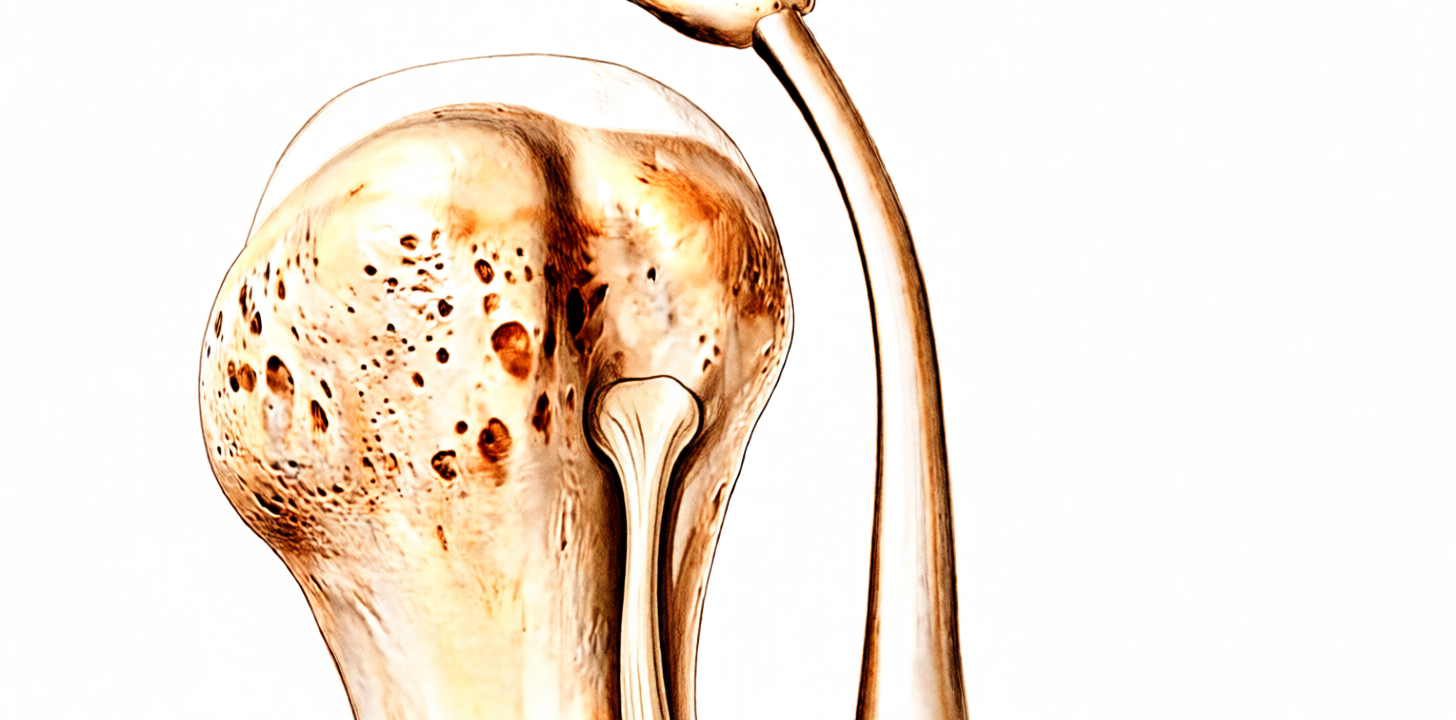
The long head of the biceps originates from the bicipital tubercle at the superior rim of the glenoid and along the posterior superior rim of the glenoid and labrum [41]. Approximately 40% to 60% of the biceps tendon attaches to the supraglenoid tubercle, which is located 5 mm medial to the superior glenoid rim, while the remainder of the fibers attach directly to the superior glenoid labrum [39]. The biceps tendon is an intra-articular but extrasynovial structure within the glenohumeral joint [39]. The short head of the biceps originates from the coracoid tip lateral to and in common with the coracobrachialis [41]. Distally, the lateral insertion of the biceps is to the posterior part of the tuberosity of the radius, while the medial insertion is aponeurotic and passes medially across and into the deep fascia of the muscles of the volar forearm [41].
Labral Anatomy and Variants
The glenoid labrum consists of parallel collagen fibers that course around the circumference of the glenoid [39]. The superior labrum inserts on the superior glenoid rim, medial to the articular cartilage margin, through a transitional zone of fibrocartilage [39]. A normal synovial recess exists between the meniscoid or triangular superior labrum and the articular cartilage extension over the superior glenoid rim [39]. While the superior labrum is usually triangular, it can also have a meniscoid shape [42]. The inner portion of the glenoid labrum is avascular, and the superior labrum is less vascular compared with the inferior and posterior labrum [42]. In a cohort of 73 shoulders, 3.3% had a sublabral foramen, 8.6% had a sublabral foramen with a cordlike middle glenohumeral ligament (Buford complex), and 1.5% had an absent anterosuperior labrum [42]. Recognizing anatomic variants such as the Buford complex intraoperatively is critical because surgical repair can result in loss of external shoulder rotation [42].
Vascularity and Innervation
Vascularity to the glenoid labrum originates from the scapular, circumflex scapular, and posterior circumflex humeral arteries via capsular or periosteal vessels [39]. Specifically, the suprascapular artery, the circumflex scapular branch of the subscapular artery, and the posterior humeral circumflex artery provide the vascular supply to the labrum [42]. Vascularity of the biceps tendon is provided primarily by the ascending branch of the anterior humeral circumflex artery, which travels within the bicipital groove [39]. An avascular zone exists at the proximal portion of the biceps tendon, close to the superior glenoid [39]. Blood is also supplied to the long head of the biceps tendon from the thoracoacromial and brachial arteries via the osteotendinous and musculotendinous junctions, respectively [42]. A hypovascular zone near the tendon origin at the superior glenoid attachment corresponds to where it commonly tears at the LHB pulley near the proximal groove [42]. The biceps tendon is innervated by thinly myelinated sensory neurons, with most innervation occurring at the LHB origin [42]. Pathology in the region of the LHB origin can generate pain due to its dense sensory innervation [42]. Innervation of the biceps is supplied by branches of the musculocutaneous nerve (C5 and C6) [41].
Bicipital Groove and Pulley Complex
The long head of the biceps exits the shoulder through a defect in the capsule between the greater and lesser tuberosities and passes distally in the bicipital groove [41]. The bicipital tendon does not move up and down in the groove; rather, the humerus moves down and up with adduction and abduction relative to the tendon [41]. The bicipital tendon is retained within the groove by a pulley made up of fibers from the coracohumeral and superior glenohumeral ligaments, with some reinforcement from adjacent tendons [41]. The biceps pulley consists of fibers from the subscapularis tendon, supraspinatus tendon, coracohumeral ligament, and superior glenohumeral ligament [39]. The LHB pulley is a capsuloligamentous complex comprising the superior glenohumeral ligament, the coracohumeral ligament, and fibers from the subscapularis and supraspinatus tendons [42]. The biceps pulley stabilizes the proximal LHB as the tendon enters the bicipital groove [42]. A subscapularis tear should be highly suspected in the setting of LHB instability, and vice versa [42]. The rotator cuff interval is a triangular region bounded medially by the coracoid process, superiorly by the anterior margin of the supraspinatus, and inferiorly by the superior margin of the subscapularis [46]. The biceps tendon traverses the rotator cuff interval, where it is held in place by the biceps pulley, before exiting the joint via the bicipital groove [46]. The synovial pouch extends from the shoulder joint, lining the greater part of the intertubercular groove to facilitate excursion along the tendon [109].
Biceps-Labral Complex Zones
The biceps-labral complex (BLC) is conceptualized as consisting of the superior glenoid labrum (SGL) and the long head of the biceps (LHB) tendon [42]. The BLC is classified into three distinct zones: * Inside zone: Consists of the SGL and the LHB anchor, which is closely associated with the SGL [42]. * Junction zone: Includes the intra-articular portion of the LHB, as well as the stabilizing biceps pulley [42]. * Extra-articular zone: Consists of the bicipital tunnel and is further divided into zone 1 (bony groove), zone 2 ("No Man's Land"), and zone 3 (subpectoralis) [42].
Zone 1 and zone 2 of the bicipital tunnel contain synovial tissue, which may generate pain [42]. Zone 2 of the bicipital tunnel cannot be visualized by arthroscopy from above or with an open approach from below the zone [42].
Functional Biomechanics
The biceps is considered primarily an elbow muscle but is involved in shoulder pathology and substitutional motions [41]. Loss of the long head attachment is manifested mainly as a 20% loss of supination strength and a smaller 8% loss of elbow flexion strength [41]. Lucas reported a 20% loss of elevation strength in external rotation with rupture of the long head of the biceps [41]. The long head of the biceps can act as a dynamic humeral head depressor, particularly when the shoulder is in external rotation [109]. The biceps can potentially act as a static humeral head depressor, preventing migration of the humeral head into the acromion with contraction of the deltoid [109]. Biomechanical studies indicate that the long head of the biceps contributes to stability of the glenohumeral joint in all directions [105]. In vivo studies have yet to establish the stabilizing effect of the long head of the biceps and the physiologic load required remains unknown [105]. LHB tenodesis does not dramatically alter glenohumeral position during dynamic motions, suggesting a low risk for clinically significant alterations in glenohumeral kinematics after tenodesis in otherwise intact shoulders [102]. Biceps tenodesis shows no deleterious effect on glenohumeral kinematics and stability in the presence of a SLAP lesion [107]. The long head of the biceps has a pertinent biomechanical role in glenohumeral stability regardless of the condition of the superior labrum [142]. Pain originating from the long head of biceps tendon induced an approximately 30% decrease of shoulder abduction and elbow flexion strength despite no structural or biomechanical abnormalities [103].
Pathophysiology and Injury Mechanisms
SLAP tears can be caused by forceful traction to the arm, direct compression loads, and repetitive overhead throwing [52]. Increased external rotation of the shoulder in the late cocking phase increases torsional force at the LHB root, resulting in a peel-back injury to the posterosuperior labrum [52]. Throwing athletes demonstrate increased shoulder external rotation and decreased internal rotation in abduction, causing posterosuperior migration of the humeral head in the late cocking phase [52]. Increased external rotation results in greater torsional loads across the superior labrum from the more posteriorly oriented LHB tendon, causing the labrum and LHB tendon to displace medially over the glenoid rim [52]. The proximal LHB tendon is a source of substantial anterior shoulder pain [52]. Pathology of the LHB tendon includes tendinitis, tendinopathy, tears, subluxation, entrapment, delamination, and dislocation out of the bicipital groove [52]. The relatively anterior position of the bicipital groove along the humeral head combined with humeral retroversion exposes the tendon to medial instability [52]. A subscapularis tear is associated with LHB medial instability and a supraspinatus tear is associated with posterolateral instability [52]. Biceps tendinitis is rarely the primary cause of shoulder pain and is usually secondarily involved as part of an impingement syndrome or degenerative lesions of the rotator cuff [55]. Bicipital instability is usually associated with rotator interval injury or subscapularis tendon injury, or both [55]. SLAP tears may represent an adaptive process, because the peel-back of the SGL permits increased humeral external rotation needed to participate in overhead sporting activity [113]. The LHB anchor has some inherent physiologic motion, and overconstraint from repair can contribute to stiffness [42].
Classification
The epidemiological profile of biceps tenodesis patients in the United States is predominantly male, with the majority of cases occurring in men aged 30 to 59 years [14]. Geographically, the South region of the United States records the highest overall number of biceps tenodesis cases [14]. In New York State, the incidence of biceps tenodesis surgery increased steadily from 2002 to 2010 [74].
Other Considerations:
In a cohort of 866 patients undergoing arthroscopic shoulder surgery, 323 had long head of biceps tendon injuries warranting surgical intervention [53]. Of these, tenodesis was performed in 107 patients and tenotomy in 216 patients [53]. Arthroscopic tenotomy was preferably performed in less active patients and those over the age of 60 [53]. Active participation in sports was defined as any type of sport performed for more than 5 hours a week or as contact sports, regardless of the magnitude of participation [53].
A systematic review comparing SLAP repair and biceps tenodesis included 160 patients who underwent SLAP repair and 127 patients who underwent biceps tenodesis [31]. Five of the six included studies contained just type II SLAP tears [31], while one study included type I, II, III, and IV SLAP tears [31]. All SLAP repair procedures were performed arthroscopically [31], whereas biceps tenodesis was performed via both arthroscopic and open procedures [31].
Workers’ compensation status represents a significant demographic variable in biceps tenodesis outcomes. In one study, 42% of the study population was involved in workers’ compensation claims [78]. There was no statistical difference in workers’ compensation status between the various methods of tenodesis [78], nor between patients who were revised and those who were not [78]. Age, gender, and side of the body were not associated with the rate of revision [78]. In a separate study assessing the impact of workers' compensation on recovery, 139 patients had workers' compensation coverage and 786 patients had no workers' compensation coverage [45]. The technique used to perform biceps tenodesis (arthroscopic vs. open) could not be differentiated in this cohort [45]. Outcomes were assessed using the minimal clinically important difference after biceps tenodesis [45].
Clinical Presentation
History: A history of radiating anterior shoulder pain may inform the examiner of pain generation from the long head of biceps tendon [162]. Painful long head of biceps tendon tendinitis may ensue from tears about the rotator interval or with any chronic inflammatory pathology of the glenohumeral joint [162].
Palpation: The bicipital groove is almost always painful in patients with proximal biceps pathology [129]. Direct palpation is a standard component of the clinical assessment, though it shares the limitations of other physical exam tests for this condition [162].
Special Tests: All physical exam tests for proximal biceps pathology are nonspecific [129]. Clinical tests including the O’Brien, Yergason, Speed, and direct palpation tests have limited specificity for diagnosing long head of biceps tendon pathology [162].
Imaging and Diagnostic Limitations: MRI has limited sensitivity for the detection of biceps pathology [129]. In patients with chronic long head biceps tendinopathy, MRI and intraoperative assessment did not show significant structural abnormalities within the tendon despite significant histopathologic changes [62]. Macroscopic changes in the long head of the biceps tendon do not always correlate with symptoms [47]. Consequently, a normal arthroscopy does not exclude important symptomatic pathology of the long head of the biceps tendon [47]. Arthroscopic examination is limited to the intra-articular long head of biceps tendon and its pulley as well as the proximal groove, missing less common distal biceps groove lesions [162].
Investigations
Clinical Examination
The "3-pack" examination for biceps-labrum complex disease consists of the active compression test, throwing test, and bicipital tunnel palpation [40]. These tests demonstrate high sensitivity ranging from 73% to 98% for biceps-labrum complex disease [40]. No single physical examination finding is completely accurate for the diagnosis of a SLAP tear [56]. A combined physical examination approach aids in the diagnosis of SLAP or long head of biceps pathology [56]. The decision to perform tenotomy or tenodesis should be made preoperatively based on patient symptoms and concomitant pathologies [47]. A normal arthroscopy does not exclude important symptomatic pathology [47].
Imaging
Plain radiography: Plain radiographs (scapular Y, AP, and axillary lateral views) should be obtained to assess the glenohumeral joint for abnormalities [119]. Postoperative imaging should be considered including either computed tomography low enough to visualize the tenodesis site or multiple views on plain radiography [186].
MRI: MRI may be used to assess the long head of biceps tendon, associated fluid, possible synovitis, and the morphology of the bicipital groove [119]. It can help identify concomitant shoulder and acromioclavicular joint pathologies [119]. However, studies have demonstrated poor correlation between MRI and arthroscopic findings regarding long head of biceps pathology [119]. MRI has poor to moderate sensitivity for inflammation, partial-thickness tendon tears, and tendon ruptures of the long head of biceps [119]. Proton density–weighted sequences with fat suppression have the greatest sensitivity for detecting tendon degeneration [46]. Tendon caliber change is more specific than signal intensity for detecting tendon degeneration [46]. Half of biceps tendon partial tears at the groove entrance have an associated caliber change [46]. Evaluation in all imaging planes aids in the identification of a biceps groove entrance lesion [46].
MRA: Magnetic resonance arthrography (MRA) is more specific and sensitive for long head of biceps pathology and SLAP tears than MRI [119]. MRA helps diagnose long head of biceps pathology and SLAP tears because it is more specific and more sensitive than MRI alone [56]. Both MRI and MRA should be performed in the sagittal oblique and axial planes because long head of biceps subluxation and dislocation are often associated with partial-thickness and full-thickness subscapularis tendon tears [119]. MRA was found to have a sensitivity of 82% to 89% and a specificity of 87% to 98% in the evaluation of the biceps pulley [46]. Diagnostic criteria for biceps pulley evaluation on MRA include nonvisualization or discontinuity of the superior glenohumeral ligament, medial subluxation of the biceps tendon on axial images, biceps tendinopathy, and inferior displacement on oblique sagittal images [46].
Ultrasonography: Ultrasonography is accurate and cost-effective in the diagnosis of long head of biceps dislocation, subluxation, and rupture [119]. It is not as accurate as other modalities in diagnosing partial-thickness tendon tears of the long head of biceps [119]. The exact role of ultrasonography for the diagnosis of tendon inflammation has not been fully defined [119].
Other Considerations: In patients with chronic long head biceps tendinopathy who underwent open subpectoral tenodesis, MRI and intraoperative assessment did not show significant structural abnormalities within the tendon despite significant histopathologic changes [62]. Biceps tendon pain in the absence of tears is associated with microscopic changes consistent with tendinopathy, which are often missed by MRI [195]. Diagnosis of long head biceps tendon and subscapularis pathology in association with shoulder rotator cuff pathology can be challenging due to limitations in MRI and arthroscopic visualization [205]. Surgeons should maintain a high level of suspicion and utilize specific techniques to prevent missing long head biceps tendon and subscapularis pathology [205].
Radiographic Outcomes
Short-term radiographic outcomes following open and arthroscopic biceps tenodesis revealed that each technique results in stable fixation of the tendon with minimal migration [189].
Treatment
Non-Operative
Biceps tenodesis is a reliable surgical option for symptomatic long head of biceps tendon pathology, particularly in patients who have failed non-operative treatment [48].
Operative
Indications: Biceps tenodesis is a viable option for managing proximal biceps injuries in patients less than 25 years of age [2]. It is a more preferable choice for patients with biceps tendinopathies in all age and gender subgroups [67]. Patient age should not be used as the sole criterion when deciding between biceps tenotomy and biceps tenodesis [54]. While there are currently no clear guidelines for the management of concurrent biceps tendon pathology in the setting of massive rotator cuff tears [27], biceps tenodesis is an appealing alternative to SLAP repair, though indications and technique in the elite pitcher still need to be defined [121].
Surgical Approach / Technique: Open subpectoral biceps tenodesis and all-arthroscopic suprapectoral biceps tenodesis are both successful surgeries with consistently positive outcomes [96]. The location of biceps tenodesis significantly differs between all-arthroscopic suprapectoral and open subpectoral techniques, with the open subpectoral method achieving fixation in a significantly narrower region of the humerus [51]. Supra- and subpectoral repairs provide equivalent biomechanical strength when controlling for potential confounders [73]. Whether done arthroscopically or through a mini-open approach, long-term results are comparable, and the technique should be chosen based on the skills and experience of the operating surgeon [120]. The arthroscopic onlay suprapectoral biceps tenodesis technique with an all-suture anchor offers advantages regarding implant size, tenodesis location, and the ability to tension the biceps while securing the tendon [158]. The transosseous suture-based arthroscopic suprapectoral biceps tenodesis technique offers a cost-conscious and clinically effective option to provide pain relief while avoiding common complications of hardware and axillary incisions [130]. With placement of the tenodesis at the inferior aspect of the bicipital groove in conjunction with the musculotendinous junction, open subpectoral tenodesis of the long head of the biceps can be performed using bicortical button fixation without risk to the posterior nervous structures [148].
Implant Selection: Tenodesis can be done with a PEEK tenodesis screw, with two suture anchors, or with the use of a FiberSnare [120]. The resistance to cyclic loading is comparable between PEEK tenodesis screw and suture anchor techniques, whereas the ultimate pull-out strength of the biotenodesis screw is stronger than the suture anchors [120]. Placement of a Bio-Tenodesis screw flush to the humeral cortex is preferred for maximum fixation strength in subpectoral biceps tenodesis [157]. The biomechanical performance of subpectoral biceps tenodesis with interference screw fixation was not improved with cortical button augmentation [161]. All three all-suture anchors are suitable fixation methods for subpectoral biceps tenodesis [123]. Although its use in proximal biceps tendon tenodesis is still emerging, DBM implant offers the potential to enhance enthesis formation and biomechanical strength at the tenodesis site, particularly in onlay constructs [153].
Postoperative Rehabilitation: Patients undergoing open subpectoral biceps tenodesis may be managed using either early or delayed active motion protocols without compromising functional outcome [71]. If only a biceps tenodesis was done, strengthening activities related to elbow flexion or forward elevation of the arm with the elbow extended should be restricted until 6 weeks after the biceps tenodesis [120]. A shoulder immobilizer is worn for 2 weeks, a sling is used for an additional 2 weeks, and then active use and exercises are begun following open biceps tenodesis for biceps brachii tendon displacement [170].
Revision: Revision subpectoral biceps tenodesis is a viable procedure for addressing patients with persistent pain following initial proximal biceps tenodesis [37]. Although revision to subpectoral biceps tenodesis may be an effective strategy to address failed prior biceps surgery, the potential complication of persistent pain must be emphasized [178].
Other Considerations: Biceps tenodesis provides a new, distal level of fixation for the tenotomized tendon and results in lower risk of cosmetic deformity or cramping in the biceps muscle [81]. The results of biceps reinsertion are disappointing compared with biceps tenodesis [38]. Open subpectoral biceps tenodesis using a dual-fixation construct with no postoperative motion restrictions resulted in excellent outcomes with a low incidence of failure [152]. Additional care should be taken when operating on patients with previous biceps tenodesis to prevent perioperative fractures, such as intraoperative periprosthetic humeral fracture during reverse shoulder arthroplasty [187]. Over 200 subpectoral biceps tenodesis procedures have been performed at one institution using a double-loaded suture anchor technique over the last 4 years, without any known failures to date [16]. Anecdotally, the tack-and-loop biceps tenodesis technique has been performed in over 100 shoulders without evidence of biceps deformity or tenodesis failure [24]. Short-term follow-up of 20 procedures using an all-suture anchor fixation for subpectoral biceps tenodesis has not shown any failure of fixation or residual biceps discomfort [80]. The described proximal biceps tenodesis fixation in double-row rotator cuff repair is simple and cost-effective, with no need for additional anchors [124]. Findings suggest double-row surgical fixation and concomitant biceps tenodesis may be superior to single-row fixation and leaving the biceps alone in subscapularis tears, warranting future prospective comparative studies [134]. The presented technique for consolidated proximal biceps tenodesis and subscapularis repair provides a simple, effective, and efficient method that simultaneously and securely addresses both pathologies [93].
Complications
Overall Complication Rates: The overall complication rate for long head of biceps tendon tenodesis is low [220]. In a population of 353 patients over three years, the incidence of complications after subpectoral biceps tenodesis with interference screw fixation was 2.0% [171]. An overall complication rate of 2.4% has also been reported for this technique [215]. Primary biceps tenodesis for long head pathology carries a low risk for surgical complications [33]. In patients aged 35 years and younger, reported rates of complications, reoperations, and failure are low but variable [10].
Fracture: The cumulative fracture rate after biceps tenodesis is 0.53% across five studies, with a mean fracture rate of 1.0% ± 1.6% [207]. Humeral shaft fractures have been specifically related to biceps tenodesis performed with an interference screw [194].
Infection and Wound Issues: Open subpectoral biceps tenodesis (OSPBT) is associated with higher rates of surgical site infections (1.1%) compared to arthroscopic suprapectoral biceps tenodesis (ASPBT) [199]. Postoperative wound infection is significantly greater after OSPBT than after ASPBT [199]. Most wound infections in OSPBT improve with wound care or antibiotic therapy, with only 3 patients requiring further intervention [199].
Neurological and Stiffness: OSPBT is associated with higher rates of neurological adverse events (1.1%) compared to ASPBT [199]. Nerve-related complications are significantly greater after OSPBT than after ASPBT [199]. Conversely, ASPBT leads to more frequently reported incidences of postoperative stiffness (2.5%) compared to OSPBT [199]. There is a notably increased incidence of postoperative stiffness after ASPBT compared with OSPBT [230].
Failure and Revision: The most common reasons for revision biceps tenodesis are pain or cramping and rerupture [217]. Arthroscopic biceps tenodesis performed at the articular margin results in a low surgical revision rate [218]. Over 200 subpectoral biceps tenodesis procedures using a double-loaded suture anchor technique over 4 years resulted in no known failures to date [16]. Short-term follow-up of 20 subpectoral biceps tenodesis procedures using an all-suture anchor fixation showed no failure of fixation or residual biceps discomfort [80]. Clinical outcomes of subpectoral proximal biceps tenodesis with an interference screw have been reported with failure rates between 0 and 3% [194]. A case series reported 3 patients with failures after undergoing arthroscopic biceps tenodesis with an interference screw [196]. Techniques that do not address the biceps sheath have higher revision rates than techniques which release the biceps sheath or tenodese the tendon in a distal location [202]. All types of suprapectoral tenodesis share a risk for persistent pain in the bicipital groove because of ongoing synovitis, muscle cramping, and mechanical irritation [203]. Biceps tenodesis provides a new, distal level of fixation for the tenotomized tendon and results in lower risk of cosmetic deformity or cramping in the biceps muscle compared to tenotomy [81].
Reoperation and Revision Rates: Reoperation rates are significantly higher in patients undergoing shoulder arthroscopy with biceps tenodesis than in those undergoing shoulder arthroscopy without biceps tenodesis [225]. Higher reoperation rates at 1 year are seen in patients who had concomitant biceps tenodesis compared to those who did not [84]. Patients undergoing primary rotator cuff repair with concomitant biceps tenodesis had 35% reduced odds of revision biceps tenodesis and 23% reduced odds of any all-cause revision within 4 years when compared with those without concomitant biceps tenodesis [212]. When adjusting for confounding factors, performing concomitant biceps tenodesis with rotator cuff repair does not lead to a difference in postoperative complication rate or risk for revision surgery [223]. The rates of additional shoulder surgery for patients undergoing SLAP repair and biceps tenodesis were similar within 3 years of the index procedure [226]. Revision biceps tenodesis after previous failed tenodesis or tenotomy demonstrates high patient satisfaction (86%) and significant improvement in functional outcomes [221]. Revision biceps tenodesis with tibialis anterior allograft tendon augmentation is an effective surgical technique for the rare case of symptomatic failed biceps tenodesis in a young active patient [227].
Comparative Complications: Tenotomy vs. Tenodesis: Patients undergoing biceps tenotomy experienced longer hospital stays, higher readmission rates, and more serious adverse events compared to those undergoing tenodesis, with these differences remaining significant after adjusting for demographics and comorbidities [222]. Level I systematic reviews and meta-analyses found no significant differences in overall outcomes between biceps tenotomy and tenodesis, though Popeye deformity is more common after tenotomy but often not problematic to patients [224]. Patients undergoing tenotomy have worse cosmetic results compared to those undergoing tenodesis [49].
Demographic and Contextual Factors: Open subpectoral biceps tenodesis in patients over 65 years of age does not result in an increased rate of complications compared to patients under 65 [99]. In a cohort of patients over 65 undergoing open subpectoral biceps tenodesis, two patients (8.7%) had biceps-related complications including one biceps tendonitis and one long head of biceps rupture [99]. In the same cohort, three patients (13%) had postoperative complications not strictly related to the tenodesis itself, including one wound infection and two cases of adhesive capsulitis [99]. There were no incidences of death, intraoperative fracture, intraoperative nerve or vessel damage, repair failure, or persistent pain in this cohort of patients over 65 undergoing open subpectoral biceps tenodesis [99]. Although biceps tenodesis was done more commonly in severe proximal humerus fractures, patients in both groups (with and without tenodesis) had similar rates of subsequent biceps-related procedures and revision surgery [213].
Recovery
Light activity (weeks): The provided evidence does not specify a week-based timeline for light activities such as desk work, driving, or light ADLs.
Full activity (months): Most patients achieve clinically significant outcomes between 5 and 8 months postoperatively after isolated biceps tenodesis [8]. Patients can expect to attain clinically significant outcomes by 13 months postoperatively after isolated biceps tenodesis [8].
Complete recovery / outcome plateau (months): The evidence does not define a specific month range for the stabilization of pain, strength, and final functional outcomes beyond the attainment of clinically significant outcomes by 13 months [8].
Rehabilitation protocol: The provided evidence does not detail specific PT phasing, immobilisation duration, weight-bearing/ROM progression, or sling/brace removal timing.
Functional milestones: Most patients were able to return to work at an average of 5.4 ± 2.8 months after biceps tenodesis [28].
Other Considerations: The speed of recovery after arthroscopic rotator cuff repair was not influenced by concomitant biceps tenodesis [177].
Key Evidence
- [L4] Biceps tenodesis provided significant clinical improvement and high rates of survivorship 2 years postoperatively. [1] (10.1016/j.arthro.2021.12.014)
- [L4] Biceps tenodesis in patients less than 25 years of age yields excellent outcomes with two thirds of patients able to return to sport and a low revision rate. [2] (10.1177/2325967117s00116)
- [L5] Outcomes following surgical treatment vary depending on the method of treatment, associated pathology, and patient characteristics, with biceps tenodesis receiving increasing attention as a treatment option. [3] (10.1302/2058-5241.4.180033)
- [L4] At a short-term follow-up of 1 year, no patients had reoperations or revisions for failed biceps tenodesis. [5] (10.1016/j.xrrt.2021.02.003)
- [L4] When indicated, biceps tenodesis offers an alternative to SLAP repair in young patients. [6] (10.1016/j.arthro.2018.10.151)
- [L5] American Shoulder and Elbow Surgeons members favored biceps tenodesis over tenotomy for surgical management of long head of biceps tendon pathology. [7] (10.1007/s11420-017-9575-3)
- [L4] After isolated biceps tenodesis, patients can expect to attain clinically significant outcomes by 13 months postoperatively, with most patients achieving this between 5 and 8 months. [8] (10.1177/23259671221070857)
- [L3] Tenotomy and open tenodesis are both safe options for treatment of biceps pathology. [9] (10.1016/j.asmr.2024.100928)
- [L1] Biceps tenodesis in patients 35 years of age and younger yields a wide variability in reported return-to-sport rates, excellent clinical outcome scores, and low but variable reported rates of complications, reoperations, and failure. [10] (10.1016/j.arthro.2022.12.009)
- [L4] Superior clinical outcomes are seen in nonsmokers, those with only 1 tendon affected, and those who undergo tenotomy instead of tenodesis for a damaged long head of biceps tendon. [11] (10.1016/j.jse.2019.12.011)
- [L4] Biceps tenotomy is well accepted by most patients with good overall results. [12] (10.1016/j.jse.2011.01.014)
- [L3] Primary biceps tenodesis offers increased effectiveness when compared with both primary SLAP repair and nonoperative treatment and lower costs than primary SLAP repair. [13] (10.1016/j.arthro.2018.01.029)
- [L3] The majority of biceps tenodesis cases were performed in men aged 30 to 59 years, and the South had the highest overall number of cases. [14] (10.1016/j.jse.2015.04.021)
- [Paper] Over 200 subpectoral biceps tenodesis procedures have been performed at our institution using the described technique over the last 4 years, without any known failures to date. [16] (10.1016/j.eats.2013.02.005)
- [L3] Biceps tenodesis remains a reliable treatment for pathologic abnormality of the long head of the biceps. [18] (10.1177/0363546515570024)
- [L5] Operative treatment is reserved for failure of nonoperative treatment, with biceps tenodesis gaining popularity due to encouraging functional outcomes and return-to-sport rates. [19] (10.1016/j.arthro.2022.08.005)
- [L3] The choice between biceps tenotomy and tenodesis for pathology of the proximal biceps tendon can continue to be based on surgeon and patient preference. [20] (10.1177/2325967115570848)
- [L4] Anecdotally, the author has performed this technique in over 100 shoulders without evidence of biceps deformity or tenodesis failure. [24] (10.1016/j.eats.2022.06.005)
- [L5] There are currently no clear guidelines for the management of concurrent biceps tendon pathology in this setting. [27] (10.1016/j.xrrt.2024.08.003)
- [L4] After biceps tenodesis, most patients were able to return to work at an average of 5.4 ± 2.8 months. [28] (10.1016/j.arthro.2018.10.144)
- [Paper] All-arthroscopic tenodesis of the long head of the biceps provides a suitable option for improved functional outcomes in the treatment of labral and biceps pathology. [30] (10.1016/j.eats.2019.01.023)
- [Paper] [31] (10.1177/23094990211004794)
- [L3] A primary biceps tenodesis for pathology of the LHBT provides a clinical and statistically significant improvement in shoulder outcomes with a reliable and efficient return to previous activity level and low risk for surgical complications. [33] (10.1177/2325967114s00019)
- [L1] Tenotomy and tenodesis of the long head of the biceps results in comparable postoperative clinical and functional outcomes. [34] (10.1016/j.jse.2021.02.002)
- [L1] There is currently no consensus regarding the use of tenotomy versus tenodesis for the treatment of lesions of the long head of the biceps brachii. [35] (10.1016/j.arthro.2011.10.017)
- [L1] High-quality randomized controlled trials comparing biceps tenotomy versus tenodesis during shoulder arthroscopy have largely demonstrated statistical noninferiority of clinical outcomes. [36] (10.1177/03635465261440392)
- [L4] Revision subpectoral biceps tenodesis is a viable procedure for addressing patients with persistent pain following initial proximal biceps tenodesis. [37] (10.1016/j.asmr.2023.100797)
- [L3] The results of biceps reinsertion are disappointing compared with biceps tenodesis. [38] (10.1177/0363546508330127)
- [L2] Concomitant biceps tenodesis appears to have a favorable effect on 1-year treatment success after total shoulder arthroplasty. [43] (10.1016/j.jse.2008.06.006)
- [L3] [45] (10.1016/j.jse.2020.01.095)
- [Letter] The decision to perform tenotomy or tenodesis should be made preoperatively based on patient symptoms and concomitant pathologies, as macroscopic changes in the long head of the biceps tendon do not always correlate with symptoms and a normal arthroscopy does not exclude important symptomatic pathology. [47] (10.1016/j.arthro.2018.08.014)
- [L4] Biceps tenodesis is a reliable surgical option for the treatment of symptomatic LHBT pathology, particularly in patients who have failed non-operative treatment and those undergoing concomitant shoulder procedures. [48] (10.1016/j.jisako.2026.101168)
- [L1] Tenotomy and tenodesis offer satisfactory treatment for long head of the biceps tendon lesions with no difference in pain improvement or Constant scores, but patients undergoing tenotomy have worse cosmetic results. [49] (10.1097/corr.0000000000001672)
- [L5] SLAP repair and biceps tenodesis both present viable treatment options but come with specific advantages and disadvantages, with the decision ultimately made individually with the patient. [50] (10.1016/j.arthro.2019.02.026)
- [L3] The location of biceps tenodesis significantly differs between all-arthroscopic suprapectoral and open subpectoral techniques, and the open subpectoral method achieves fixation in a significantly narrower region of the humerus. [51] (10.1016/j.arthro.2016.03.101)
- [L4] [53] (10.1177/0363546510388158)
- [L4] Patient age should not be used as the sole criterion when deciding between biceps tenotomy and tenodesis. [54] (10.1016/j.arthro.2016.04.022)
- [L5] Clear indications have yet to be established for the use of single- versus double-row repair because evidence confirms neither is clinically efficacious than the other, though biceps tenodesis has proven more successful than tenotomy in non-isolated cuff tears. [59] (10.1016/j.arthro.2013.07.265)
- [L3] Arthroscopic biceps tenotomy and tenodesis effectively treats severe pain or dysfunction caused by an irreparable rotator cuff tear associated with biceps pathology. [60] (10.1016/j.arthro.2007.03.039)
- [L4] In patients with chronic long head biceps tendinopathy who underwent open subpectoral tenodesis, MRI and intraoperative assessment did not show significant structural abnormalities within the tendon despite significant histopathologic changes. [62] (10.1016/j.arthro.2018.01.021)
- [L4] Biceps tenodesis is a more preferable choice for patients with biceps tendinopathies in all age and gender subgroups. [67] (10.1016/j.jos.2019.05.007)
- [L3] This suggests that patients undergoing open subpectoral biceps tenodesis may be managed using either early or delayed active motion protocols without compromising functional outcome. [71] (10.1177/23259671211026619)
- [L4] Both open and arthroscopic biceps tenodesis in the setting of rotator cuff repair show low complication rates, and the technique should be based on surgeon preference and patient factors. [72] (10.5435/jaaos-d-19-00252)
- [L1] Supra- and subpectoral repairs provide equivalent biomechanical strength when controlling for potential confounders. [73] (10.1177/0363546519876107)
- [L3] Incidence of biceps tenodesis surgery has increased steadily from 2002 to 2010. [74] (10.1177/2325967113s00089)
- [L3] [78] (10.1016/j.jse.2011.01.037)
- [L4] Subpectoral biceps tenodesis reliably relieves pain and improves function. [79] (10.1186/1471-2474-9-121)
- [L5] Short-term follow-up of 20 procedures has not shown any failure of fixation or residual biceps discomfort. [80] (10.1007/s00167-014-3348-z)
- [L4] Biceps tenodesis provides a new, distal level of fixation for the tenotomized tendon and results in lower risk of cosmetic deformity or cramping in the biceps muscle. [81] (10.1016/j.csm.2015.08.011)
- [L3] Higher reoperation rates at 1 year were seen in patients who had concomitant biceps tenodesis compared to those who did not. [84] (10.1016/j.arthro.2017.01.030)
- [Paper] The presented technique provides a simple, effective, and efficient method that simultaneously and securely addresses both proximal biceps tenodesis and subscapularis tendon repair. [93] (10.1016/j.eats.2017.07.020)
- [L3] Open subpectoral biceps tenodesis and all-arthroscopic suprapectoral biceps tenodesis are both successful surgeries with consistently positive outcomes. [96] (10.1016/j.arthro.2016.07.007)
- [L4] [99] (10.1186/s12891-017-1780-1)
- [L4] LHB tenodesis does not dramatically alter glenohumeral position during dynamic motions, suggesting the risk for clinically significant alterations in glenohumeral kinematics after tenodesis is low in otherwise intact shoulders. [102] (10.1177/0363546511423629)
- [L5] Pain originating from the long head of biceps tendon induced an approximately 30% decrease of shoulder abduction and elbow flexion strength despite there being no structural or biomechanical abnormalities in this model. [103] (10.1016/j.jse.2018.05.008)
- [L5] Biomechanical studies indicate that the long head of the biceps contributes to stability of the glenohumeral joint in all directions, though in vivo studies have yet to establish this stabilizing effect and the physiologic load required remains unknown. [105] (10.1016/j.arthro.2010.10.014)
- [L5] Biceps tenodesis shows no deleterious effect on glenohumeral kinematics and stability in the presence of a SLAP lesion. [107] (10.1016/j.arthro.2011.03.010)
- [L5] The treatment option of biceps tenodesis is an appealing alternative to SLAP repair, but the indications and technique of biceps tenodesis in the elite pitcher still need to be defined. [121] (10.1016/j.arthro.2018.01.001)
- [L5] All three all-suture anchors are suitable fixation methods for subpectoral biceps tenodesis. [123] (10.1186/s12891-024-07503-0)
- [L5] The described proximal biceps tenodesis fixation is simple and cost-effective, with no need for additional anchors. [124] (10.1016/j.eats.2025.103634)
- [L4] Routine tenodesis of the biceps tendon, in association with arthroscopic subscapularis repair, may not be necessary to ensure at least satisfactory short term outcomes in subscapularis function. [127] (10.1016/j.arthro.2008.04.045)
- [L5] [129] (10.1097/corr.0000000000002448)
- [Paper] This technique offers a cost-conscious and clinically effective option to provide pain relief via biceps tenodesis while also avoiding common complications of hardware and axillary incisions. [130] (10.1016/j.eats.2020.03.010)
- [L5] Both tenotomy and tenodesis show good results with different indications; tenotomy offers faster recovery and less narcotic use, while tenodesis has a lower risk of Popeye deformity but lacks consensus on superior clinical outcomes in isolated biceps disease. [131] (10.1016/j.arthro.2022.01.014)
- [L4] Findings suggest double-row surgical fixation and concomitant biceps tenodesis may be superior to single-row fixation and leaving the biceps alone, warranting future prospective comparative studies. [134] (10.1016/j.arthro.2016.10.020)
- [L3] Biceps tenodesis with concomitant RCR led to improved outcomes regardless of tenodesis fixation construct, location, or technique. [141] (10.1177/23259671231180173)
- [L5] The long head of the biceps has a pertinent biomechanical role in glenohumeral stability regardless of the condition of the superior labrum. [142] (10.1016/j.arthro.2025.05.022)
- [L3] Patients had similar outcomes regardless of arthroscopic, suprapectoral biceps tenodesis fixation technique. [144] (10.1002/ars2.70040)
- [L5] With placement of the tenodesis at the inferior aspect of the bicipital groove in conjunction with the musculotendinous junction, open subpectoral tenodesis of the long head of the biceps can be performed using bicortical button fixation without risk to the posterior nervous structures. [148] (10.1016/j.arthro.2014.03.026)
- [L4] Open subpectoral biceps tenodesis using a dual-fixation construct with no postoperative motion restrictions resulted in excellent outcomes with a low incidence of failure. [152] (10.1016/j.jse.2018.02.061)
- [L5] Although its use in proximal biceps tendon tenodesis is still emerging, DBM implant offers the potential to enhance enthesis formation and biomechanical strength at the tenodesis site, particularly in onlay constructs. [153] (10.1002/atn2.70167)
- [L5] Placement of a Bio-Tenodesis screw flush to the humeral cortex is preferred for maximum fixation strength in subpectoral biceps tenodesis. [157] (10.1016/j.arthro.2013.08.033)
- [L5] The authors present a novel technique for suprapectoral, all-arthroscopic biceps tenodesis with an all-suture anchor, believing it offers advantages regarding implant size, tenodesis location, and the ability to tension the biceps while securing the tendon. [158] (10.1016/j.jses.2017.12.001)
- [L5] The biomechanical performance of subpectoral biceps tenodesis with interference screw fixation was not improved with cortical button augmentation. [161] (10.1016/j.jse.2012.03.016)
- [L4] The incidence of complications after subpectoral biceps tenodesis with interference screw fixation in a population of 353 patients over the course of 3 years was 2.0%. [171] (10.1016/j.jse.2010.01.024)
- [L3] Nonetheless, the speed of recovery was not influenced by the biceps tenodesis. [177] (10.1016/j.jseint.2019.12.010)
- [L4] Although this may be an effective strategy to address failed prior biceps surgery, the potential complication of persistent pain must be emphasized. [178] (10.1177/0363546519892922)
- [L1] This study found no difference in the functional outcomes or pain relief between proximal vs subpectoral biceps tenodesis. [183] (10.1177/2325967116s00195)
- [L5] Both tenotomy and tenodesis are effective in relieving pain from biceps tendon disorder in the presence of rotator cuff tears. [185] (10.1016/j.csm.2015.08.010)
- [L4] Postoperative imaging should be considered including either computed tomography low enough to visualize the tenodesis site or multiple views on plain radiography. [186] (10.1016/j.jses.2019.07.007)
- [L5] Additional care should be taken when operating on patients with previous biceps tenodesis to prevent perioperative fractures. [187] (10.5397/cise.2021.00528)
- [L2] Outcomes appear similar between biceps tenotomy versus tenodesis; however, the tenotomy group demonstrated greater incidence of cosmetic deformity but an earlier improvement in postoperative pain. [188] (10.1007/s00167-019-05682-1)
- [L3] Short-term radiographic outcomes following open and arthroscopic biceps tenodesis revealed that each technique results in stable fixation of the tendon with minimal migration. [189] (10.1177/2325967120s00122)
- [L3] Loop 'N' Tack biceps tenodesis and subpectoral biceps tenodesis techniques are reliable and effective procedures that can reduce pain scores and restore shoulder function when patients require surgical intervention. [193] (10.1016/j.jseint.2023.03.015)
- [L4] [194] (10.1007/s00402-017-2810-z)
- [L5] Biceps tendon pain in the absence of tears is associated with microscopic changes consistent with tendinopathy, which are often missed by MRI. [195] (10.1016/j.csm.2015.08.002)
- [L4] [196] (10.1016/j.arthro.2012.02.019)
- [L4] [199] (10.1177/03635465261426560)
- [L3] [202] (10.1016/j.arthro.2008.04.017)
- [L5] [203] (10.1016/j.eats.2021.11.023)
- [L5] Diagnosis of long head biceps tendon and subscapularis pathology in association with shoulder rotator cuff pathology can be challenging due to limitations in MRI and arthroscopic visualization; surgeons should maintain a high level of suspicion and utilize specific techniques to prevent missing pathology. [205] (10.1016/j.arthro.2017.09.005)
- [L4] The cumulative fracture rate after biceps tenodesis was 0.53% in the five studies that reported this complication, with a mean fracture rate of 1.0% ± 1.6%. [207] (10.1016/j.jor.2021.11.014)
- [L3] Patients undergoing primary rotator cuff repair with concomitant biceps tenodesis had 35% reduced odds of revision biceps tenodesis and 23% reduced odds of any all-cause revision within 4 years when compared with those without concomitant biceps tenodesis. [212] (10.5435/jaaosglobal-d-24-00046)
- [L3] Although BT was done more commonly in severe PHFs, patients in both groups had similar rates of subsequent biceps-related procedures and revision surgery. [213] (10.1016/j.jseint.2024.03.014)
- [L4] An overall complication rate of 2.4% validates the hypothesis of a low complication rate after subpectoral biceps tenodesis. [215] (10.1016/j.jse.2013.07.007)
- [L1] This systematic review of 5 moderate risk of bias studies demonstrated that the most common reasons for revision biceps tenodesis were pain or cramping and rerupture. [217] (10.1016/j.arthro.2021.04.063)
- [L4] Arthroscopic biceps tenodesis performed at the articular margin results in a low surgical revision rate, a low rate of residual pain, and significant improvement in objective shoulder outcome scores. [218] (10.1016/j.arthro.2014.08.024)
- [L3] The overall complication rate of LHBT tenodesis was low. [220] (10.1016/j.jse.2018.09.005)
- [L4] The study demonstrates high patient satisfaction (86%) and significant improvement in functional outcomes with revision biceps tenodesis after previous failed tenodesis or tenotomy. [221] (10.1177/2325967118s00106)
- [L3] Although tenotomy was associated with shorter operative times, patients experienced longer hospital stays, higher readmission rates, and more serious adverse events compared to tenodesis, with these differences remaining significant after adjusting for demographics and comorbidities. [222] (10.1016/j.jseint.2024.04.003)
- [L4] When adjusting for confounding factors, performing concomitant biceps tenodesis with rotator cuff repair does not lead to a difference in postoperative complication rate or risk for revision surgery. [223] (10.1016/j.asmr.2020.05.010)
- [L5] Level I systematic reviews and meta-analyses found no significant differences in overall outcomes between biceps tenotomy and tenodesis, though Popeye deformity is more common after tenotomy but often not problematic to patients. [224] (10.1016/j.jse.2021.03.131)
- [L3] Reoperation rates were significantly higher in patients undergoing shoulder arthroscopy with biceps tenodesis than in patients undergoing shoulder arthroscopy without biceps tenodesis. [225] (10.1016/j.jses.2019.08.002)
- [L3] The rates of additional shoulder surgery for patients undergoing SLAP repair and biceps tenodesis were similar within 3 years of the index procedure. [226] (10.1016/j.asmr.2020.01.003)
- [L4] Revision biceps tenodesis with tibialis anterior allograft tendon augmentation is an effective surgical technique for the rare case of symptomatic failed biceps tenodesis in a young active patient. [227] (10.1016/j.eats.2021.12.029)
- [L3] Our results show a notably increased incidence of postoperative stiffness after arthroscopic suprapectoral biceps tenodesis compared with open subpectoral biceps tenodesis. [230] (10.1016/j.arthro.2014.03.024)
See Also
References
[1] Two‐Year Clinical Outcomes and Survivorship After Isolated Biceps Tenodesis. Arthroscopy. 2021. DOI: 10.1016/j.arthro.2021.12.014
[2] Biceps Tenodesis is a Viable Option for Management of Proximal Biceps Injuries in Patients Less Than 25 Years of Age. Orthopaedic Journal of Sports Medicine. 2017. DOI: 10.1177/2325967117s00116
[3] SLAP lesions: current controversies. EFORT Open Reviews. 2019. DOI: 10.1302/2058-5241.4.180033
[5] Early success of the arthroscopic-assisted locked loop suprapectoral biceps tenodesis. JSES Reviews, Reports, and Techniques. 2021. DOI: 10.1016/j.xrrt.2021.02.003
[6] Biceps Tenodesis Is a Viable Option for Management of Proximal Biceps Injuries in Patients Less Than 25 Years of Age. Arthroscopy: The Journal of Arthroscopic & Related Surgery. 2019. DOI: 10.1016/j.arthro.2018.10.151
[7] Long Head of Biceps Tendon Management: A Survey of the American Shoulder and Elbow Surgeons. HSS Journal®: The Musculoskeletal Journal of Hospital for Special Surgery. 2018. DOI: 10.1007/s11420-017-9575-3
[8] How Long Does It Take to Achieve Clinically Significant Outcomes After Isolated Biceps Tenodesis?. Orthopaedic Journal of Sports Medicine. 2022. DOI: 10.1177/23259671221070857
[9] Open Biceps Tenodesis and Tenotomy Have Low 30‐Day Postoperative Complication Rates. Arthroscopy, Sports Medicine, and Rehabilitation. 2024. DOI: 10.1016/j.asmr.2024.100928
[10] Biceps Tenodesis in Patients Age 35 Years and Younger Yields Favorable Clinical Outcomes With Variable Rates of Return to Sport and Complications: A Systematic Review. Arthroscopy. 2022. DOI: 10.1016/j.arthro.2022.12.009
[11] Medium-term outcomes of a cohort of revision rotator cuff repairs. Journal of Shoulder and Elbow Surgery. 2020. DOI: 10.1016/j.jse.2019.12.011
[12] Patient acceptance of long head of biceps brachii tenotomy. Journal of Shoulder and Elbow Surgery. 2012. DOI: 10.1016/j.jse.2011.01.014
[13] Treatment for Symptomatic SLAP Tears in Middle‐Aged Patients Comparing Repair, Biceps Tenodesis, and Nonoperative Approaches: A Cost‐Effectiveness Analysis. Arthroscopy. 2018. DOI: 10.1016/j.arthro.2018.01.029
[14] Demographic trends in arthroscopic and open biceps tenodesis across the United States. Journal of Shoulder and Elbow Surgery. 2015. DOI: 10.1016/j.jse.2015.04.021
[16] A Simple Surgical Technique for Subpectoral Biceps Tenodesis Using a Double‐Loaded Suture Anchor. Arthroscopy Techniques. 2013. DOI: 10.1016/j.eats.2013.02.005
[18] All-Arthroscopic Suprapectoral Versus Open Subpectoral Tenodesis of the Long Head of the Biceps Brachii. The American Journal of Sports Medicine. 2015. DOI: 10.1177/0363546515570024
[19] SLAP Tears: Treatment Algorithm. Arthroscopy. 2022. DOI: 10.1016/j.arthro.2022.08.005
[20] Biceps Tenotomy Versus Tenodesis in Active Patients Younger Than 55 Years. Orthopaedic Journal of Sports Medicine. 2015. DOI: 10.1177/2325967115570848
[24] Tack‐and‐Loop Biceps Tenodesis of the Shoulder: Description of Technique. Arthroscopy Techniques. 2022. DOI: 10.1016/j.eats.2022.06.005
[27] Long head of biceps tendon management in the setting of massive rotator cuff tears. JSES Reviews, Reports, and Techniques. 2024. DOI: 10.1016/j.xrrt.2024.08.003
[28] Predictive Factors and the Duration to Pre-Injury Work Status Following Biceps Tenodesis. Arthroscopy: The Journal of Arthroscopic & Related Surgery. 2019. DOI: 10.1016/j.arthro.2018.10.144
[30] Arthroscopic On‐Lay Biceps Tenodesis: The Loop‐Lock Technique. Arthroscopy Techniques. 2019. DOI: 10.1016/j.eats.2019.01.023
[31] Repair versus biceps tenodesis for the slap tears: A systematic review. Journal of Orthopaedic Surgery. 2021. DOI: 10.1177/23094990211004794
[33] Outcomes of Primary Biceps Sub-pectoral Tenodesis in an Active Population: A prospective Evaluation of 101 Patients. Orthopaedic Journal of Sports Medicine. 2014. DOI: 10.1177/2325967114s00019
[34] A meta-analysis of level I evidence comparing tenotomy vs tenodesis in the management of long head of biceps pathology. Journal of Shoulder and Elbow Surgery. 2021. DOI: 10.1016/j.jse.2021.02.002
[35] Biceps Tenotomy Versus Tenodesis: Clinical Outcomes. Arthroscopy. 2012. DOI: 10.1016/j.arthro.2011.10.017
[36] Statistical Robustness of Randomized Controlled Trials Comparing Biceps Tenotomy Versus Tenodesis: A Reverse Continuous Fragility Index Analysis. The American Journal of Sports Medicine. 2026. DOI: 10.1177/03635465261440392
[37] Revision Subpectoral Biceps Tenodesis Demonstrates a High Patient Satisfaction and Good Functional Outcomes. Arthroscopy, Sports Medicine, and Rehabilitation. 2023. DOI: 10.1016/j.asmr.2023.100797
[38] Arthroscopic Treatment of Isolated Type II SLAP Lesions. The American Journal of Sports Medicine. 2009. DOI: 10.1177/0363546508330127
[39] Aaos Comprehensive Orthopaedic Review 3. Superior Labrum Anterior to Posterior Tears and Lesions of the Proximal Biceps Tendon > II. Anatomy.
[40] Orthopaedic Knowledge Update Sports Medicine 6. Superior Labrum and Biceps Pathology > Annotated References.
[41] Rockwood And Matsen S The Shoulder. Developmental Anatomy of the Shoulder and Anatomy of the Glenohumeral Joint > Biceps Brachii.
[42] Orthopaedic Knowledge Update Sports Medicine 6. Superior Labrum and Biceps Pathology > Anatomy.
[43] Usefulness of concomitant biceps tenodesis in total shoulder arthroplasty: A prospective cohort study. Journal of Shoulder and Elbow Surgery. 2008. DOI: 10.1016/j.jse.2008.06.006
[45] The impact of workers' compensation on recovery after biceps tenodesis. Journal of Shoulder and Elbow Surgery. 2020. DOI: 10.1016/j.jse.2020.01.095
[46] Orthopaedic Knowledge Update Sports Medicine 6. Magnetic Resonance Imaging of the Glenohumeral Joint > The Biceps Tendon and Rotator Cuff Interval.
[47] Regarding “Editorial Commentary: Thank You, Thank You, Thank You…for Demonstrating Histologic Evidence of Shoulder Bicipital Tunnel Disease in the Absence of Magnetic Resonance Imaging Findings”. Arthroscopy: The Journal of Arthroscopic & Related Surgery. 2019. DOI: 10.1016/j.arthro.2018.08.014
[48] Arthroscopic Shoulder Anchorless Biceps Tenodesis: A Novel Intracapsular Technique. Journal of ISAKOS. 2026. DOI: 10.1016/j.jisako.2026.101168
[49] Does Biceps Tenotomy or Tenodesis Have Better Results After Surgery? A Systematic Review and Meta-analysis. Clinical Orthopaedics & Related Research. 2021. DOI: 10.1097/corr.0000000000001672
[50] Editorial Commentary: Which to Fix—the Biceps or the Labrum? The Shoulder SLAP Tear Is Still Controversial. Arthroscopy. 2019. DOI: 10.1016/j.arthro.2019.02.026
[51] Arthroscopic Suprapectoral and Open Subpectoral Biceps Tenodesis: Radiographic Characteristics. Arthroscopy. 2016. DOI: 10.1016/j.arthro.2016.03.101
[52] Orthopaedic Knowledge Update Sports Medicine 6. Superior Labrum and Biceps Pathology > Pathophysiology.
[53] Patient-Related Factors and Complications After Arthroscopic Tenotomy of the Long Head of the Biceps Tendon. The American Journal of Sports Medicine. 2011. DOI: 10.1177/0363546510388158
[54] Patients Have Strong Preferences and Perceptions for Biceps Tenotomy Versus Tenodesis. Arthroscopy. 2016. DOI: 10.1016/j.arthro.2016.04.022
[55] Rockwood And Matsen S The Shoulder. Developmental Anatomy of the Shoulder and Anatomy of the Glenohumeral Joint > BICEPS TENDON.
[56] Orthopaedic Knowledge Update Sports Medicine 6. Superior Labrum and Biceps Pathology > Summary.
[59] Management of Disorders of the Rotator Cuff: Proceedings of the ISAKOS Upper Extremity Committee Consensus Meeting. Arthroscopy. 2013. DOI: 10.1016/j.arthro.2013.07.265
[60] Arthroscopic Biceps Tenotomy And Tenodesis For Massive Irreparable Rotator Cuff Tears (SS‐27). Arthroscopy. 2007. DOI: 10.1016/j.arthro.2007.03.039
[62] Radiologic and Histologic Evaluation of Proximal Bicep Pathology in Patients With Chronic Biceps Tendinopathy Undergoing Open Subpectoral Biceps Tenodesis. Arthroscopy. 2018. DOI: 10.1016/j.arthro.2018.01.021
[67] Patients older than 55 years prefer biceps tenodesis over tenotomy to the same degree as young patients. Journal of Orthopaedic Science. 2020. DOI: 10.1016/j.jos.2019.05.007
[71] Early Versus Delayed Active Range of Motion After Open Subpectoral Biceps Tenodesis. Orthopaedic Journal of Sports Medicine. 2021. DOI: 10.1177/23259671211026619
[72] Complications of Arthroscopic Versus Open Biceps Tenodesis in the Setting of Arthroscopic Rotator Cuff Repairs: An Analysis of the American Board of Orthopaedic Surgery Database. Journal of the American Academy of Orthopaedic Surgeons. 2020. DOI: 10.5435/jaaos-d-19-00252
[73] Are Implant Choice and Surgical Approach Associated With Biceps Tenodesis Construct Strength? A Systematic Review and Meta-regression. The American Journal of Sports Medicine. 2019. DOI: 10.1177/0363546519876107
[74] Demographic Trends in Arthroscopic and Open Biceps Tenodesis in New York State. Orthopaedic Journal of Sports Medicine. 2013. DOI: 10.1177/2325967113s00089
[78] Clinical success of biceps tenodesis with and without release of the transverse humeral ligament. Journal of Shoulder and Elbow Surgery. 2012. DOI: 10.1016/j.jse.2011.01.037
[79] Interference Screw vs. Suture Anchor Fixation for Open Subpectoral Biceps Tenodesis: Does it Matter?. BMC Musculoskeletal Disorders. 2008. DOI: 10.1186/1471-2474-9-121
[80] Subpectoral biceps tenodesis: a new technique using an all‐suture anchor fixation. Knee Surgery, Sports Traumatology, Arthroscopy. 2014. DOI: 10.1007/s00167-014-3348-z
[81] Complications of Proximal Biceps Tenotomy and Tenodesis. Clinics in Sports Medicine. 2016. DOI: 10.1016/j.csm.2015.08.011
[84] The Effect of Concomitant Biceps Tenodesis on Reoperation Rates After Rotator Cuff Repair: A Review of a Large Private‐Payer Database From 2007 to 2014. Arthroscopy. 2017. DOI: 10.1016/j.arthro.2017.01.030
[93] Consolidated Proximal Biceps Tenodesis and Subscapularis Repair. Arthroscopy Techniques. 2017. DOI: 10.1016/j.eats.2017.07.020
[96] All‐Arthroscopic Suprapectoral Versus Open Subpectoral Tenodesis of the Long Head of the Biceps Brachii Without the Use of Interference Screws. Arthroscopy. 2016. DOI: 10.1016/j.arthro.2016.07.007
[99] Open subpectoral biceps tenodesis in patients over 65 does not result in an increased rate of complications. BMC Musculoskeletal Disorders. 2017. DOI: 10.1186/s12891-017-1780-1
[102] The Long Head of the Biceps Tendon Has Minimal Effect on In Vivo Glenohumeral Kinematics. The American Journal of Sports Medicine. 2011. DOI: 10.1177/0363546511423629
[103] Impact of experimental long head of biceps tendon pain on shoulder abduction and elbow flexion strength. Journal of Shoulder and Elbow Surgery. 2018. DOI: 10.1016/j.jse.2018.05.008
[105] Anatomy, Function, Injuries, and Treatment of the Long Head of the Biceps Brachii Tendon. Arthroscopy. 2011. DOI: 10.1016/j.arthro.2010.10.014
[107] The Role of the Superior Labrum Following Biceps Tenodesis in Glenohumeral Kinematics and Stability (SS‐07). Arthroscopy. 2011. DOI: 10.1016/j.arthro.2011.03.010
[109] Rockwood And Matsen S The Shoulder. Arthroscopic Management of Prearthritic and Arthritic Conditions of the Shoulder and the Postarthroplasty Shoulder > FUNCTION OF THE BICEPS TENDON (AND THE BICEPS-LABRAL COMPLEX) > Direct Observation.
[113] Orthopaedic Knowledge Update Sports Medicine 6. Superior Labrum and Biceps Pathology > Introduction.
[119] Orthopaedic Knowledge Update Sports Medicine 6. Superior Labrum and Biceps Pathology > Imaging.
[120] Campbell S Operative Orthopaedics 4 Volume Set. ARTHROSCOPIC BICEPS TENODESIS: PERCUTANEOUS INTRAARTICULAR TRANSTENDON TECHNIQUE > BICEPS TENODESIS: ARTHROSCOPIC OR MINI-OPEN TECHNIQUE WITH SCREW FIXATION.
[121] Editorial Commentary: The Shoulder Biceps Tendon and Baseball Continue Their Controversial Relationship. Arthroscopy. 2018. DOI: 10.1016/j.arthro.2018.01.001
[123] All-suture anchor size and drill angle influence load to failure in a porcine model of subpectoral biceps tenodesis, a biomechanical study. BMC Musculoskeletal Disorders. 2024. DOI: 10.1186/s12891-024-07503-0
[124] Simplified Proximal Biceps Tenodesis in Double‐Row Fixation of Rotator Cuff Repair. Arthroscopy Techniques. 2025. DOI: 10.1016/j.eats.2025.103634
[127] Arthroscopic Repair of the Subscapularis Without Biceps Tenodesis: Early Results (SS‐45). Arthroscopy. 2008. DOI: 10.1016/j.arthro.2008.04.045
[129] Clinical Faceoff: Tenotomy Versus Tenodesis for the Treatment of Proximal Biceps Pathology. Clinical Orthopaedics & Related Research. 2022. DOI: 10.1097/corr.0000000000002448
[130] Transosseous Suture–Based Arthroscopic Suprapectoral Biceps Tenodesis. Arthroscopy Techniques. 2020. DOI: 10.1016/j.eats.2020.03.010
[131] Editorial Commentary: Shoulder Biceps Tenodesis Versus Tenotomy: Both Show Good Results and Have Different Indications. Arthroscopy. 2022. DOI: 10.1016/j.arthro.2022.01.014
[134] Arthroscopic Repair of Isolated Subscapularis Tears: A Systematic Review of Technique‐Specific Outcomes. Arthroscopy. 2017. DOI: 10.1016/j.arthro.2016.10.020
[141] Outcomes of Biceps Tenodesis Variations With Concomitant Rotator Cuff Repair: A Multicenter Database Analysis. Orthopaedic Journal of Sports Medicine. 2023. DOI: 10.1177/23259671231180173
[142] Biceps Tenodesis/Tenotomy Disrupts Biomechanical Glenohumeral Stability in the Setting of Superior Labrum Anteroposterior Tear and Repair. Arthroscopy. 2025. DOI: 10.1016/j.arthro.2025.05.022
[144] Failure Rates and Patient‐Reported Outcomes Are Similar Across 5 Arthroscopic, Suprapectoral Biceps Tenodesis Fixation Techniques. Arthroscopy, Sports Medicine, and Rehabilitation. 2026. DOI: 10.1002/ars2.70040
[148] Nerve Proximity During Bicortical Drilling for Subpectoral Biceps Tenodesis: A Cadaveric Study. Arthroscopy. 2014. DOI: 10.1016/j.arthro.2014.03.026
[152] Immediate physical therapy without postoperative restrictions following open subpectoral biceps tenodesis: low failure rates and improved outcomes at a minimum 2-year follow-up. Journal of Shoulder and Elbow Surgery. 2018. DOI: 10.1016/j.jse.2018.02.061
[153] Mini‐Open Biceps Tenodesis Using an Onlay Technique With Enthesis Growth Augment. Arthroscopy Techniques. 2026. DOI: 10.1002/atn2.70167
[157] Effect of Interference Screw Depth on Fixation Strength in Biceps Tenodesis. Arthroscopy. 2013. DOI: 10.1016/j.arthro.2013.08.033
[158] Surgical technique for arthroscopic onlay suprapectoral biceps tenodesis with an all-suture anchor. JSES Open Access. 2018. DOI: 10.1016/j.jses.2017.12.001
[161] Biomechanical performance of subpectoral biceps tenodesis: a comparison of interference screw fixation, cortical button fixation, and interference screw diameter. Journal of Shoulder and Elbow Surgery. 2013. DOI: 10.1016/j.jse.2012.03.016
[162] Orthopaedic Knowledge Update 13 Ebook Without Multimedia. Shoulder Instability, Rotator Cuff Disorders, Muscular Ruptures, Adhesive Capsulitis, Calcific Tendinitis > Rotator Cuff Tears > Role of the Biceps Tendon.
[170] Campbell S Operative Orthopaedics 4 Volume Set. ACHILLES TENDON AUGMENTATION OF SUPERIOR PERONEAL RETINACULUM REPAIR > TREATMENT OF BICEPS BRACHII TENDON DISPLACEMENT.
[171] Complications associated with subpectoral biceps tenodesis: Low rates of incidence following surgery. Journal of Shoulder and Elbow Surgery. 2010. DOI: 10.1016/j.jse.2010.01.024
[177] Effect of biceps tenodesis on speed of recovery after arthroscopic rotator cuff repair. JSES International. 2020. DOI: 10.1016/j.jseint.2019.12.010
[178] Management of Failed Proximal Biceps Surgery: Clinical Outcomes After Revision to Subpectoral Biceps Tenodesis. The American Journal of Sports Medicine. 2019. DOI: 10.1177/0363546519892922
[183] Prospective Randomized Study of Arthroscopic Proximal vs Open Subpectoral Biceps Tenodesis. Orthopaedic Journal of Sports Medicine. 2016. DOI: 10.1177/2325967116s00195
[185] Proximal Biceps Tendon and Rotator Cuff Tears. Clinics in Sports Medicine. 2016. DOI: 10.1016/j.csm.2015.08.010
[186] Biceps enthesophyte: a rare complication following biceps tenodesis. JSES Open Access. 2019. DOI: 10.1016/j.jses.2019.07.007
[187] Intraoperative periprosthetic humeral fracture during reverse shoulder arthroplasty: a sequelae of prior biceps tenodesis. Clinics in Shoulder and Elbow. 2022. DOI: 10.5397/cise.2021.00528
[188] Biceps tenotomy has earlier pain relief compared to biceps tenodesis: a randomized prospective study. Knee Surgery, Sports Traumatology, Arthroscopy. 2019. DOI: 10.1007/s00167-019-05682-1
[189] Radiostereometric Analysis Of Biceps Tenodesis: A Comparison Of Techniques. Orthopaedic Journal of Sports Medicine. 2020. DOI: 10.1177/2325967120s00122
[193] Evaluating clinical outcomes of two biceps tenodesis techniques: Loop ‘N’ Tack and subpectoral biceps tenodesis. JSES International. 2024. DOI: 10.1016/j.jseint.2023.03.015
[194] Clinical and sonographic evaluation of subpectoral biceps tenodesis with a dual suture anchor technique demonstrates improved outcomes and a low failure rate at a minimum 2-year follow-up. Archives of Orthopaedic and Trauma Surgery. 2017. DOI: 10.1007/s00402-017-2810-z
[195] How Accurate Are We in Detecting Biceps Tendinopathy?. Clinics in Sports Medicine. 2016. DOI: 10.1016/j.csm.2015.08.002
[196] Failure of Biceps Tenodesis With Interference Screw Fixation. Arthroscopy. 2012. DOI: 10.1016/j.arthro.2012.02.019
[199] Outcomes Following Arthroscopic Suprapectoral and Open Subpectoral Biceps Tenodesis at Short- to Midterm Follow-up: A Systematic Review. The American Journal of Sports Medicine. 2026. DOI: 10.1177/03635465261426560
[202] Biceps Tendon Tenodesis: Success With Proximal Versus Distal Fixation (SS‐16). Arthroscopy. 2008. DOI: 10.1016/j.arthro.2008.04.017
[203] Single‐Portal Proximal Biceps Tenodesis Using an All‐Suture Anchor. Arthroscopy Techniques. 2022. DOI: 10.1016/j.eats.2021.11.023
[205] Editorial Commentary: You May Not Have Seen It, but It Has Seen You: Diagnosis of Long Head Biceps Tendon and Subscapularis Pathology in Association With Shoulder Rotator Cuff Pathology Can Be Challenging. Arthroscopy. 2017. DOI: 10.1016/j.arthro.2017.09.005
[207] The rate and reporting of fracture after biceps tenodesis: A systematic review. Journal of Orthopaedics. 2021. DOI: 10.1016/j.jor.2021.11.014
[212] The Effect of Concomitant Biceps Tenodesis on Revision Surgery Rates After Primary Rotator Cuff Repair. JAAOS: Global Research and Reviews. 2024. DOI: 10.5435/jaaosglobal-d-24-00046
[213] Proximal humerus open reduction internal fixation with and without biceps tenodesis: assessment of early clinical outcomes. JSES International. 2024. DOI: 10.1016/j.jseint.2024.03.014
[215] Complications Following Subpectoral Biceps Tenodesis with Interference Screw Fixation. Journal of Shoulder and Elbow Surgery. 2013. DOI: 10.1016/j.jse.2013.07.007
[217] Clinical Outcomes of Revision Biceps Tenodesis for Failed Long Head of Biceps Surgery: A Systematic Review. Arthroscopy: The Journal of Arthroscopic & Related Surgery. 2021. DOI: 10.1016/j.arthro.2021.04.063
[218] Arthroscopic Proximal Biceps Tenodesis at the Articular Margin: Evaluation of Outcomes, Complications, and Revision Rate. Arthroscopy. 2014. DOI: 10.1016/j.arthro.2014.08.024
[220] Complications of biceps tenodesis based on location, fixation, and indication: a review of 1526 shoulders. Journal of Shoulder and Elbow Surgery. 2019. DOI: 10.1016/j.jse.2018.09.005
[221] Management of Failed Proximal Biceps Surgery: Clinical Outcomes after Revision to Subpectoral Biceps Tenodesis. Orthopaedic Journal of Sports Medicine. 2018. DOI: 10.1177/2325967118s00106
[222] Biceps tenotomy vs. tenodesis: an ACS-NSQIP analysis of postoperative outcomes and utilization trends. JSES International. 2024. DOI: 10.1016/j.jseint.2024.04.003
[223] Costs, Complications, and Reoperations Associated With Primary Arthroscopic Rotator Cuff Repair With or Without Acromioplasty and/or Biceps Tenodesis. Arthroscopy, Sports Medicine, and Rehabilitation. 2020. DOI: 10.1016/j.asmr.2020.05.010
[224] Biceps tenotomy vs. tenodesis. Journal of Shoulder and Elbow Surgery. 2021. DOI: 10.1016/j.jse.2021.03.131
[225] Increased reoperation rates among patients undergoing shoulder arthroscopy with concomitant biceps tenodesis. JSES Open Access. 2019. DOI: 10.1016/j.jses.2019.08.002
[226] Rates of Subsequent Shoulder Surgery Within Three Years for Patients Undergoing SLAP Repair Versus Biceps Tenodesis. Arthroscopy, Sports Medicine, and Rehabilitation. 2020. DOI: 10.1016/j.asmr.2020.01.003
[227] Revision Open Subpectoral Biceps Tenodesis With Allograft Tendon Reconstruction for Symptomatic Failed Biceps Tenodesis. Arthroscopy Techniques. 2022. DOI: 10.1016/j.eats.2021.12.029
[230] Increased Incidence of Postoperative Stiffness After Arthroscopic Compared With Open Biceps Tenodesis. Arthroscopy. 2014. DOI: 10.1016/j.arthro.2014.03.024