Bakit iminungkahi ang operasyong ito
Si Dr Kieran Hirpara, isang upper-limb surgeon sa Mater Private Hospital Rockhampton, ay nagsisimula sa mga opsyon na hindi gaanong invasive na angkop sa inyong kondisyon. Ang mga pasyente ay karaniwang nirerefer sa aming klinika ng kanilang GP; kung iminungkahi ng isang physiotherapist na magpatingin kayo sa amin, kakailanganin pa rin ninyo ng referral mula sa inyong GP upang maging eligible para sa Medicare rebate. Sinusuri namin kayo sa pamamagitan ng history, isang eksaminasyon, at imaging kung kinakailangan.
Ang operasyong ito ay para sa wear-and-tear arthritis sa dalawang lugar sa base ng inyong hinlalaki: ang mismong joint sa base ng hinlalaki, at ang STT joint sa likod lamang nito. Ang STT joint ay nasa pagitan ng maliliit na buto ng pulso. Karaniwan ang pagkapudpod sa parehong lugar, at maaari nitong ipaliwanag ang sakit na nagpapatuloy kahit nagamot na ang joint sa base ng hinlalaki lamang. Hindi maaasahan ang X-ray ng joint na ito sa likod upang ipakita kung gaano kalala ang pagkapudpod, kaya direkta namin itong sinusuri habang operasyon at ginagamot ang aming makita.
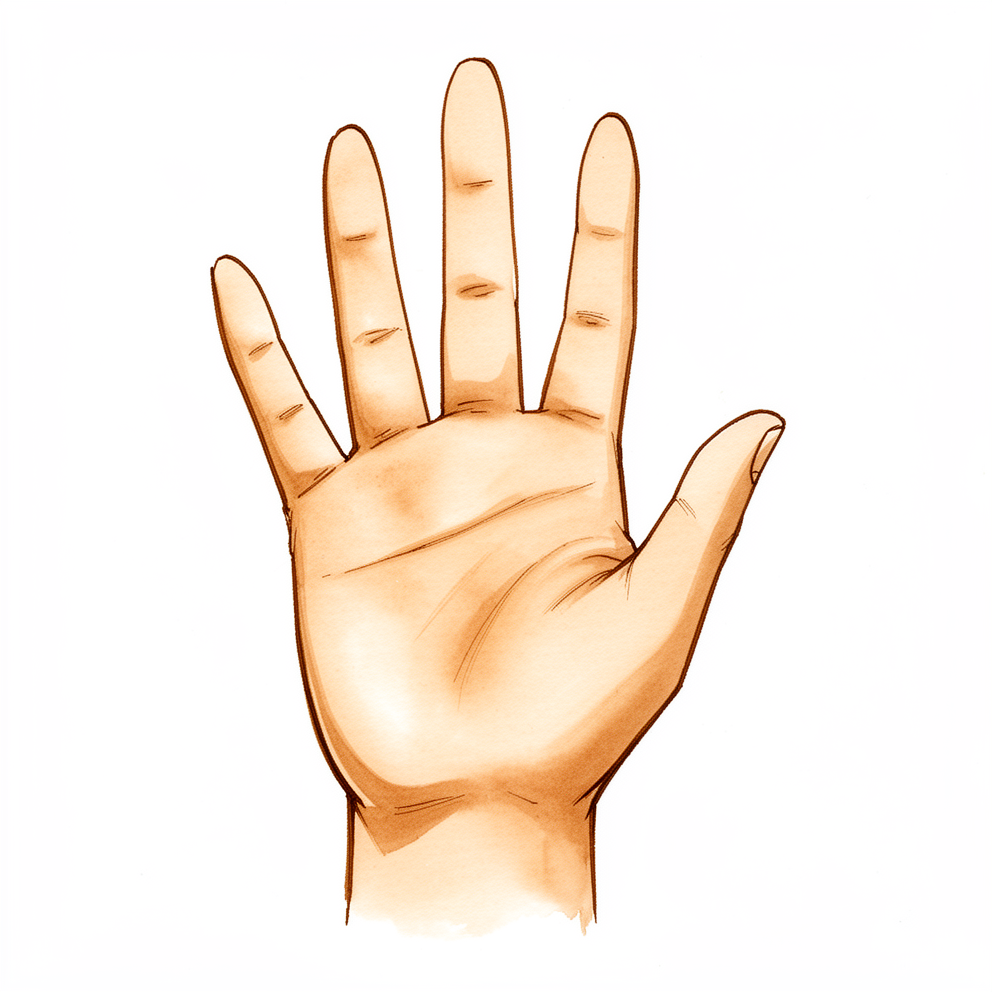
Karaniwan naming sinusubukan muna ang non-operative care, gaya ng pagbabago ng aktibidad, hand therapy, at pag-splint. Isinasaalang-alang ang operasyon kapag hindi ito nagbigay sa inyo ng sapat na pagbuti. Tinatanggal ng operasyon ang mga pudpod na buto sa base ng inyong hinlalaki at ang pudpod na joint sa likod lamang ng mga ito, gaya ng inilalarawan sa ibaba. Ang layunin ay pangmatagalang ginhawa mula sa sakit, na may mas matatag at mas malakas na hinlalaki para sa pang-araw-araw na gawain.
Bago ang operasyon
Sa mga araw bago ang operasyon, kakailanganin ninyo ng imaging gaya ng X-ray, MRI o ultrasound upang makatulong sa pagplano ng operasyon. Sa mismong araw, huwag kumain o uminom sa loob ng pitong oras bago ang inyong operasyon. Humihiling kami ng pitong oras sa halip na ang karaniwang anim upang maiusog nang mas maaga ang inyong operasyon kung maagang umusad ang theatre list. Maaaring kailangang pansamantalang itigil ang ilang gamot bago ang operasyon, at bibigyan kayo ng inyong surgeon ng tiyak na mga tagubilin tungkol sa inyo. Magdala ng listahan ng lahat ng inyong iniinom, mag-ayos ng masasakyan pauwi, at magsuot ng maluwag at komportableng damit. Kung mayroon kayong iba pang kondisyong medikal, maaaring kailanganin ninyo ng mga blood test o review kasama ang anaesthetist. Karamihan sa mga tao ay hindi nangangailangan ng alinman sa mga ito.
Sa araw ng operasyon
Darating kayo sa surgical admissions unit ng ospital, kung saan kayo ire-rehistro at ihahanda para sa theatre. Makikilala ninyo ang anaesthetist, ang doktor na magpapatulog sa inyo at mangangalaga sa inyo habang operasyon. Ang operasyong ito ay ginagawa sa ilalim ng general anaesthetic. Lubos kayong tulog habang operasyon. Ang ilang pasyente ay maaari ring magkaroon ng regional nerve block para sa pagpapaginhawa ng sakit pagkatapos ng operasyon; ang anaesthetist ang magpapasya sa araw na iyon batay sa inyong sariling sitwasyon.
Pagkatapos ay dadalhin kayo sa operating theatre, kung saan isasagawa ang operasyon. Pagkatapos nito, magigising kayo sa recovery area, kung saan babantayan kayo ng mga nurse habang nawawala ang bisa ng anaesthetic. Kapag stable na kayo, pupunta kayo sa ward o uuwi na, depende sa procedure at kung paano ang inyong paggaling.
Ano ang kinapapalooban ng operasyon
Isinasagawa ng inyong surgeon ang operasyong ito sa pamamagitan ng isang hiwa sa base ng inyong hinlalaki. Tinatanggal ang buong buto ng trapezium, sa parehong paraan ng karaniwang trapeziectomy. Pagkatapos ay tinatanggal din ang pudpod na bahagi ng trapezoid, ang buto ng pulso sa tabi nito, kung saan ito nakadikit sa scaphoid. Bahagi lamang ng trapezoid ang tinatanggal, dahil mas masama ang naging resulta ng pagtanggal sa buong buto.
Habang kayo ay tulog, direktang sinusuri ng inyong surgeon ang STT joint. Hindi maaasahan ang X-ray ng joint na ito upang ipakita kung gaano kalala ang pagkapudpod, kaya ang pagtingin dito habang operasyon ang nagkukumpirma kung ano ang kailangang gamutin. Dahil tinatanggal ang mga pudpod na ibabaw ng parehong joint, hindi na nagkikiskisan ang mga butong may arthritis.
Maaaring gamitin ang isang tendon bilang sling upang suportahan ang inyong hinlalaki, na tumutulong na hawakan ang hinlalaki sa matatag na posisyon. Isinasara ang sugat gamit ang mga tahi. Magkakaroon kayo ng dressing sa ibabaw ng hiwa, at ilalagay ang inyong hinlalaki sa isang splint.
Nananatili ang splint sa loob ng apat hanggang anim na linggo, at hindi kayo maaaring magmaneho habang suot ito. Dahan-dahang bumabalik ang lakas ng pinch at grip, at maaaring patuloy na bumuti sa loob ng anim hanggang labindalawang buwan.
Pagkatapos ng operasyon
Magigising kayo sa recovery area, kung saan babantayan kayo ng mga nurse habang nawawala ang bisa ng anaesthetic. Nakalagay ang inyong kamay sa splint, na may dressing sa ibabaw ng sugat. Bibigyan namin kayo ng gamot sa sakit upang manatili kayong komportable, at normal na masakit ang paligid ng hiwa sa simula. Maaari kayong umuwi sa parehong araw o manatili ng isang gabi sa ospital pagkatapos ng operasyong ito. Parehong karaniwan ang mga ito, at pag-uusapan ninyo ng inyong team kung alin ang angkop sa inyo. Pakiusap na mag-ayos ng taong mananatili sa inyo sa unang 24 na oras. Pananatilihin namin ang dressing sa loob ng humigit-kumulang 10 araw; pakiusap na huwag itong tanggalin bago ang panahong iyon maliban kung sinabi namin sa inyo. Papalitan o tatanggalin namin ito kapag nakita namin kayo.
Paggaling
Sa unang ilang araw, masakit at namamaga ang inyong hinlalaki at likod ng inyong kamay. Normal ito. Ang pagtataas ng inyong kamay sa mga unan, nang mas mataas kaysa sa antas ng inyong puso, ay nakatutulong na humupa ang pamamaga. Napananatili kayong komportable ng gamot sa sakit na ibinibigay namin, at tuloy-tuloy na gumagaan ang sakit sa unang dalawang linggo.
Nananatili ang inyong hinlalaki sa splint sa loob ng apat hanggang anim na linggo, at hindi kayo maaaring magmaneho habang suot ito. Pinoprotektahan ng splint ang mga gumagaling na joint, kaya pakiusap na huwag itong tanggalin hanggang kami ang magtanggal nito. Kapag natanggal na ang dressing sa inyong review, karaniwang maaari na kayong maligo nang normal habang protektado ang splint. Maagang nagsisimula ang hand therapy. Ang inyong hand therapist, si Ruby Doolan sa Extend Rehabilitation, ay gagabay sa inyong mga ehersisyo at gagawa ng anumang splint na kailangan ninyo. Habang suot ang splint, maaari kayong maglakad, magluto nang maingat, at gamitin ang inyong kabilang kamay sa karamihan ng gawain. Karaniwang posible ang desk work at magagaang pang-araw-araw na gawain sa loob ng 2 hanggang 6 na linggo.
Kapag natanggal na ang splint at pinayagan na kayo ng inyong surgeon, maaari na kayong muling magmaneho. Mula roon, unti-unting bumabalik ang paggalaw at lakas. Dahan-dahang bumabalik ang lakas ng grip at pinch, at maaaring patuloy na bumuti sa loob ng anim hanggang labindalawang buwan, kaya may ilang gawain na mananatiling mas mahirap kaysa karaniwan nang ilang panahon. Ang manwal na trabaho, sport at gym ay karaniwang naibabalik sa loob ng 3 hanggang 6 na buwan. Iba-iba ang paggaling sa bawat tao, at gagabayan ng inyong surgeon at hand therapist ang inyong bilis.
Ano ang maaaring maging problema
Karamihan sa mga pasyente ay gumagaling nang maayos, ngunit paminsan-minsan ay maaaring magkaroon ng mga problema. Binabantayan kayo nang maigi ng inyong surgeon at ng team upang maagang matukoy ang anumang isyu.
Ang mga pangunahing panganib ay ang mga panganib ng karaniwang trapeziectomy. Kabilang dito ang patuloy na sakit, panghihina ng pinch, impeksyon, paninigas, at iritasyon ng isang maliit na nerve sa balat na nagdudulot ng pamamanhid o pangingilig. Ang complex regional pain syndrome, isang kondisyon ng patuloy na sakit at pagiging sensitibo ng kamay, ay isa ring kilalang panganib. Maaaring sumunod ang bahagyang pagtagilid ng mga buto ng pulso pagkatapos tanggalin ang bahagi ng trapezoid. Nakikita ito sa X-ray at karaniwang walang idinudulot na sintomas.
Tawagan ninyo ang klinika sa parehong araw kung kayo ay may lagnat, kumakalat na pamumula sa paligid ng sugat, o likido o nana na tumutulo mula rito. Maaaring senyales ang mga ito ng impeksyon. Tawagan din ninyo ang klinika sa parehong araw kung patuloy na lumalala ang inyong sakit sa kabila ng inyong mga gamot sa sakit.
Pumunta kayo sa emergency department kung kayo ay may pamamaga o sakit sa inyong binti (calf), o hirap sa paghinga o sakit sa dibdib. Maaaring senyales ang mga ito ng blood clot. Pumunta rin kayo sa emergency department kung ang inyong mga daliri, kamay o hinlalaki ay namutla, lumamig, pumuti, naging asul o nangitim, dahil maaaring mangahulugan ito ng problema sa sirkulasyon.
Kung kayo ay nagkaroon ng nerve block, inaasahan ang pamamanhid at panghihina sa unang 24 na oras. Tawagan ninyo ang klinika kung hindi pa nawawala ang mga ito pagkalipas ng humigit-kumulang 24 na oras. Ang pamamanhid na tumatagal nang higit pa roon, o ang hindi ninyo maigalaw ang inyong braso, kamay o mga daliri, ay nangangahulugan ding dapat ninyong tawagan ang klinika.
Ang ilang tao ay nakapapansin ng pakiramdam na may lumalagutok o nagkikiskisan sa base ng hinlalaki, o ng malalim na kirot na hindi gumagaan sa simpleng mga pain reliever. Banggitin ang mga ito sa inyong susunod na review upang masuri namin ang mga ito.
Ang table ng mga komplikasyon sa pahinang ito ay naglilista ng mga tipikal na rate kung nais ninyo ang mga detalye.
Kailan dapat tumawag sa amin
May ilang babalang senyales na nangangailangan ng agarang pangangalaga. Pumunta kayo sa emergency department kung kayo ay may pamamaga o sakit sa inyong binti (calf), o hirap sa paghinga o sakit sa dibdib. Maaaring senyales ang mga ito ng blood clot. Pumunta rin kayo sa emergency department kung ang inyong mga daliri, kamay o hinlalaki ay namutla, lumamig, pumuti, naging asul o nangitim. Maaaring mangahulugan ito ng problema sa daloy ng dugo.
Tawagan ninyo ang klinika sa parehong araw kung kayo ay may lagnat, kumakalat na pamumula sa paligid ng sugat, o likido o nana na tumutulo mula rito. Tawagan din ninyo kami sa parehong araw kung patuloy na lumalala ang inyong sakit sa kabila ng inyong mga gamot sa sakit.
Kung kayo ay nagkaroon ng nerve block, inaasahan ang pamamanhid at panghihina sa unang 24 na oras; tawagan ninyo ang klinika kung hindi pa nawawala ang mga ito pagkalipas ng humigit-kumulang 24 na oras. Tawagan din ninyo ang klinika kung may mapansin kayong bagong pamamanhid, o kung hindi ninyo maigalaw ang inyong braso, kamay o mga daliri.
Kung hindi ninyo kami makontak sa labas ng oras ng opisina o sa weekend, pumunta kayo sa pinakamalapit na emergency department.
Evidence & references
This is the clinical evidence summary written for health professionals. It is technical, and it lists the research this page was built from. You do not need to read it to understand your treatment or to make a decision about it.
Anatomy & Pathophysiology
Bony Anatomy
- The skeleton of the hand and wrist consists of 27 bones, of which 19 are long bones [3].
- The skeleton is divided into five rays, each comprising a polyarticulated chain of metacarpals and phalanges [3].
- The base of each metacarpal articulates with the distal row of the carpus [3].
- The carpus articulates with the skeleton of the forearm through its proximal row [3].
- The radioulnocarpal articulation has two axes of movement, to which a third axis of pronation and supination from the forearm is added [3].
- The wrist has three axes of movement, permitting the hand to be positioned in any spatial configuration [3].
- The radial ray or first ray is the shortest, made up of only three bones: a metacarpal and two phalanges [3].
- The first ray continues the external column of the carpus formed by the scaphoid and trapezium [3].
- The trapezium is angled out in front of the carpal plane so that the first metacarpal makes an angle of about 45 degrees with the second metacarpal in the sagittal plane [3].
- The thumb metacarpal is the shortest, while the index metacarpal is by far the longest [3].
- The proximal and middle phalanges of the long and ring fingers are longer than those of the index finger [3].
- The epiphyseal plates are located at the proximal ends of the phalanges and the first metacarpal [3].
- The epiphyseal plates are located at the distal ends of the other metacarpals [3].
- The thumb metacarpal is independent and articulates with the trapezium [9].
- The index metacarpal is the most firmly fixed [9].
- The ring metacarpal has about 10 degrees of mobility in flexion and extension [9].
- The fifth metacarpal is semi-independent, articulates with the hamate, and has a range of flexion–extension of approximately 20 degrees [9].
- The second to fifth metacarpals are bound together by various fibrous structures, the most distal of which is the deep transverse intermetacarpal ligament [9].
- The deep transverse intermetacarpal ligament is also named the interglenoid ligament because it ties together the anterior glenoid ligaments of the metacarpophalangeal articulations [9].
Musculature
- Extrinsic muscles have their origin outside of the hand and their insertion on the hand or carpus [2].
- Intrinsic muscles have both origin and insertion within the hand [2].
- The first dorsal extensor compartment contains the abductor pollicis longus and the extensor pollicis brevis [2].
- The abductor pollicis longus inserts at the base of the thumb metacarpal and radially abducts the thumb [2].
- The extensor pollicis brevis inserts on the dorsum of the proximal aspect of the proximal phalanx of the thumb and actively extends the metacarpophalangeal joint of the thumb [2].
- The second extensor compartment contains the extensor carpi radialis longus and the extensor carpi radialis brevis [2].
- The extensor carpi radialis longus inserts on the index metacarpal, dorsiflexes and radially deviates the wrist [2].
- The extensor carpi radialis brevis inserts into the base of the middle metacarpal and provides balanced wrist dorsiflexion [2].
- The third compartment contains the extensor pollicis longus, which turns abruptly radialward about Lister tubercle [2].
- The extensor pollicis longus inserts on the distal phalanx and provides forceful extension of the thumb interphalangeal joint [2].
- The oblique course of the extensor pollicis longus tendon provides a substantial adduction component to its pull [2].
- The fourth extensor compartment contains the extensor indicis proprius lying deep to the four tendons of the extensor digitorum communis [2].
- The fifth compartment contains the extensor digiti quinti [2].
- The principal bony insertion of the extrinsic digital extensors is on the dorsal proximal aspect of the middle phalanx [2].
- Metacarpophalangeal joint extension is provided by extrinsic extensor force transmitted through the sagittal bands [2].
- Distal interphalangeal joint extension is achieved through conjoined lateral bands composed of tendinous slips from extrinsic and intrinsic tendons [2].
- The extensor carpi ulnaris tendon runs through the sixth compartment and inserts at the base of the little finger metacarpal [2].
- The extensor carpi ulnaris provides wrist extension and ulnar deviation [2].
- The extensor digitorum communis tendons of the middle, ring, and little fingers are tethered together by juncturae tendinum over the dorsum of the hand proximal to the metacarpophalangeal joint [2].
- The digital extensor tendons are stabilized over the mid-line of the metacarpophalangeal joint by their attachment to sagittal band fibers [2].
- The sagittal band fibers insert onto the volar proximal phalanx and onto the lateral borders of the volar plate [2].
- The sagittal bands keep the extrinsic extensor as far as possible away from the center of rotation of the metacarpophalangeal joint, giving it the greatest mechanical efficiency [2].
- With rupture or attenuation of the sagittal band fibers, the extrinsic extensor tendon can sublux to the ulnar side of the metacarpal head causing ulnar deviation of the finger [2].
- The extrinsic finger flexors are the flexor digitorum profundus and the flexor digitorum superficialis [2].
- The flexor digitorum profundus inserts on the proximal volar aspect of the distal phalanx [2].
- The flexor digitorum profundus flexes the distal interphalangeal joint as well as the proximal interphalangeal and metacarpophalangeal joints [2].
- The flexor digitorum superficialis acts as a flexor of the proximal interphalangeal and metacarpophalangeal joints [2].
- There are seven interosseous muscles, four dorsal and three volar [6].
- The dorsal interossei are abductors [6].
- The dorsal interossei lie to the radial side of the index and middle fingers and the ulnar side of the middle and ring fingers [6].
- The little finger is abducted by the abductor digiti quinti [6].
- The volar interossei are adductors and lie to the ulnar side of the index finger and the radial side of the ring and little fingers [6].
- The middle finger has two dorsal interossei and no volar interossei because the central axis of the hand lies within it [6].
- Each dorsal interosseous muscle, with the exception of the third, has two muscle heads [6].
- The superficial head of the dorsal interosseous muscles arises from the shaft of the contiguous metacarpals and is inserted onto the lateral tubercle of the base of the proximal phalanx [6].
- The superficial head abducts and weakly flexes the proximal phalanx [6].
- The deep head of each dorsal interosseous muscle forms a lateral tendon, or lateral band, at the level of the MP joint [6].
- The deep head flexes and weakly abducts the proximal phalanx while extending the middle and distal phalanges [6].
- Transverse fibers arch dorsally from each lateral band to join each other over the dorsum of the finger, flexing the proximal phalanx [6].
- Oblique fibers from the lateral bands sweep over the distal third of the proximal phalanx to insert onto the lateral tubercles at the base of the middle phalanx [6].
- The oblique fibers extend the middle phalanx at the PIP joint [6].
- The lateral bands are joined by the lateral slips of the extensor tendon to form the conjoined lateral band [6].
- The two conjoined lateral bands to each finger unite at the distal third of the middle phalanx to form the terminal tendon [6].
- The terminal tendon inserts at the base of the distal phalanx to extend it [6].
- The flexor digiti quinti brevis is structurally and functionally similar to the deep head of the dorsal interossei, forming the ulnar lateral band of the little finger [6].
- Each volar interosseous muscle has only one muscle head and none of them insert onto the proximal phalanx [6].
- The volar interossei form the ulnar lateral band of the index finger and the radial lateral band of the ring and little fingers [6].
- The abductor digiti quinti arises from the fifth metacarpal and inserts onto the ulnar lateral tubercle at the base of the proximal phalanx of the little finger [6].
- The flexor digiti quinti brevis arises from the fifth metacarpal and forms the ulnar lateral band [6].
- The opponens digiti quinti arises from the pisohamate ligament and the hook of the hamate and inserts onto the ulnar side of the diaphysis of the fifth metacarpal [6].
- The opponens digiti quinti flexes and supinates the fifth metacarpal [6].
- The flexor digitorum profundus originates from the proximal ulna and the interosseous membrane [13].
- The flexor digitorum profundus and the flexor pollicis longus muscles form the deep compartment of the volar forearm [13].
- The flexor digitorum profundus and flexor pollicis longus tendons occupy the floor of the carpal tunnel [13].
- The tenosynovial sheath of the flexor pollicis longus is continuous with the radial bursa [13].
- The tenosynovial sheath to the little finger is continuous with the ulnar digital bursa [13].
- In some patients, the radial and ulnar bursae communicate, allowing a horseshoe abscess to spread between the thumb and little finger [13].
- The lumbricals originate from the radial side of the index, middle, ring, and little fingers in the palm [13].
- The profundus tendon passes through the bifurcation of the flexor digitorum superficialis before inserting into the proximal palmar base of the distal phalanx [13].
- The innervation of the flexor digitorum profundus of the index and middle fingers is through the anterior interosseous branch of the median nerve [13].
- The profundus of the ring and little fingers is innervated by the ulnar nerve [13].
- The flexor digitorum superficialis has two heads: a radial head originating from the proximal shaft of the radius, and a humeral ulnar head originating from the medial humeral epicondyle and coronoid process of the ulna [13].
- As the superficialis tendons pass through the carpal tunnel, the tendons of the middle and ring fingers are more superficial and central than those of the index and little fingers [13].
- In the proximal aspect of the finger, the flexor digitorum superficialis tendon bifurcates around the flexor digitorum profundus at the beginning of the A2 pulley [13].
- The flexor digitorum superficialis tendon slips reunite distally at the Camper chiasm, with approximately half of the fibers staying on the ipsilateral side and half crossing to the contralateral side [13].
- The flexor digitorum superficialis inserts via radial and ulnar slips into the proximal metaphysis of the middle phalanx [13].
- The entire flexor digitorum superficialis muscle receives innervation from the median nerve [13].
- The primary function of the flexor digitorum superficialis is digital flexion at the proximal interphalangeal joint [13].
- The flexor pollicis longus originates from two heads: a radial head from the proximal radius and interosseous membrane, and an accessory head from the coronoid process of the ulna and medial epicondyle of the humerus [13].
- In the palm, the flexor pollicis longus tendon transverses between the abductor pollicis brevis and the flexor pollicis brevis [13].
- The flexor pollicis longus inserts into the proximal base of the thumb distal phalanx [13].
- The flexor pollicis longus is innervated by the anterior interosseous branch of the median nerve [13].
- The flexor pollicis longus flexes both the interphalangeal and metacarpophalangeal joints of the thumb [13].
Soft Tissue & Vascular Anatomy
- The superficial palmar fascia lies in a coronal plane beneath the palmar subcutaneous tissue [16].
- The superficial palmar fascia covers a triangular area of the central palm, with the proximal corner facing directly proximal [16].
- The palmaris longus tendon, when present, terminates in continuity with the fibers of this proximal corner [16].
- Four central bands of fascia extend distally from the proximal corner toward each of the fingers [16].
- There is no central band for the thumb [16].
- The central bands separate and diverge just distal to the transverse retinacular ligament, each following the underlying ray [16].
- At the distal palmar crease level, the central bands are bridged transversely by the superficial transverse palmar ligament [16].
- Fibers from the central bands pass above, below, and through the superficial transverse palmar ligament [16].
- Superficial fibers of the central bands stay superficial and merge with vertical retinacular fibers at the dermis’s undersurface in the distal palm [16].
- Intermediate fibers split transversely into two sections extending toward the lateral border of the digit base, forming the spiral band that tracks around the neurovascular bundle [16].
- Deep fibers continue dorsally to merge with sagittal interosseous fascia fibers and pierce the transverse deep intermetacarpal ligament to merge with fibers of the sagittal bands of the extensor mechanism [16].
- The digital neurovascular structures are surrounded by a diffuse network of thin transverse oblique fibers [16].
- Fibers dorsal to the neurovascular bundle are collectively called Cleland ligament [16].
- Fibers palmar to the neurovascular bundle are called Grayson ligament [16].
- A subdermal fascial layer borders the periphery of the web spaces from roughly the radial thumb sesamoid to the ulnar side of the small finger’s proximal flexion crease [16].
- These border fibers form the distal first web space ligament between thumb and index in continuity with the natatory ligament that spans the remaining web spaces [16].
- Fibers from the natatory ligament extend distally at each finger’s lateral base in continuity with Grayson ligament fibers and the lateral digit dermis [16].
- The most common variations of the palmar arteries of the thumb can be schematized by dividing the thumb into three segments defined by the metacarpophalangeal and interphalangeal flexion creases [10].
- The "princeps pollicis" artery, the terminal branch of the radial artery, crosses the first intermetacarpal space and runs along the ulnar side of the first metacarpal bone [10].
- The princeps pollicis runs along the volar surface of the adductor muscle, emerging onto the subcutaneous palmar tissue at the level of the cutaneous flexion crease of the metacarpophalangeal joint [10].
- The princeps pollicis divides into two terminal rami, namely the collateral palmar arteries of the thumb [10].
- The collateral palmar arteries run along the digital tunnel symmetrically and are of equal caliber, heading distally to finally unite in the pulp arcade [10].
- An arcade located deep in the flexor tendon joins together the two arteries at the level of the distal metaphysis of the first phalanx [10].
- Vessels originating from this arcade enter the "vincula" and irrigate the flexor tendon [10].
- In anatomical studies, only 15% of dissections fall into the classical category of palmar artery layout [10].
- In the first segment of the thumb (between the opposition crease and the metacarpophalangeal flexion crease), arteries of surgical interest are rare on the volar surface [10].
- The artery in the first segment is located deeply and is more easily accessible from the dorsal surface [10].
- In the second segment, the two arteries run alongside the flexor tendon and behind the collateral nerves [10].
- In the second segment, the main artery is the ulnar collateral artery [10].
- The subtendinous anastomosis situated at the level of the neck of the first phalanx acts as a "moderator" between the two arteries in the second segment [10].
- In cases where the palmar ulnar collateral artery is absent, the dorsal artery takes its place by means of a branch through the subtendinous arcade [10].
- In the third segment (pulp segment), the two arteries are of similar size and run through the thick fatty
Investigations
- Clinical evaluation of the hand and wrist requires combining patient history with a careful physical examination to narrow the scope of possible pathologic processes [1].
- Diagnostic tests such as imaging and serum laboratory studies are useful in determining pathology but can be expensive, time-consuming, and often nonspecific [1].
- A systematic method for approaching the physical examination is essential due to the high density of structures in the hand and wrist [1].
- The thumb metacarpal is the shortest metacarpal, while the index metacarpal is by far the longest [3].
References
[1] Orthopaedic Knowledge Update 13 Ebook Without Multimedia. Anatomy, Evaluation, Clinical Examination, and Imaging > Evaluation and Clinical Examination: Current Concepts.
[2] A Lange Medical Book Current Diagnosis Treatment In Orthopedics Fifth Edition. 9Hand Surgery > Image DISORDERS OF THE MUSCULATURE OF THE HAND.
[3] Exam Of The Hand Wrist 2Ed. 1.1 SKELETON OF THE HAND > The osseous skeleton.
[6] Green S Operative Hand Surgery. Interosseous and Hypothenar Muscles.
[9] Exam Of The Hand Wrist 2Ed. The arches of the hand > The metacarpal arch.
[10] Exam Of The Hand Wrist 2Ed. Techniques of investigation of the arterial supply by J P Melki > Vascularization of the thumb > Palmar aspect.
[13] A Lange Medical Book Current Diagnosis Treatment In Orthopedics Fifth Edition. 9Hand Surgery > FLEXOR TENDON INJURY.
[16] Green S Operative Hand Surgery. PERTINENT ANATOMY.