Ang iyong nararamdaman
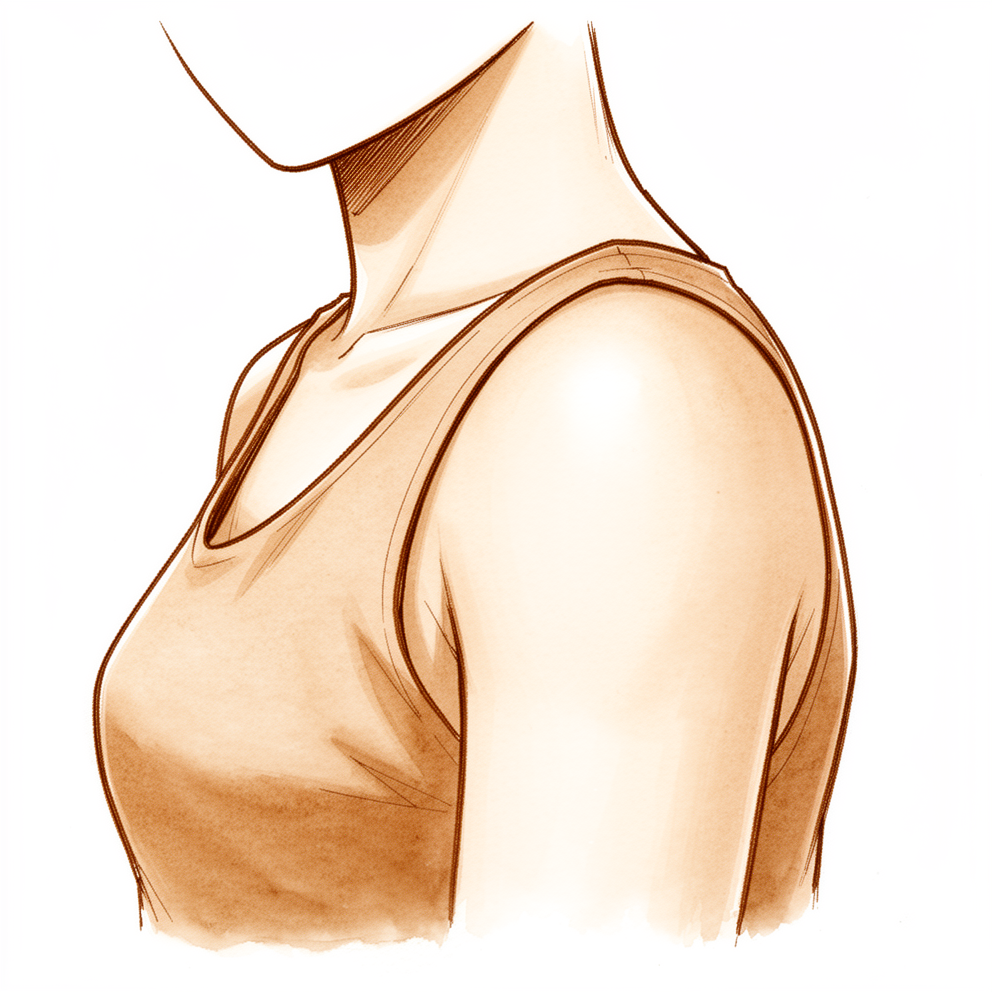
Ang scapular dyskinesis ay nangangahulugan na iba sa normal ang puwesto o galaw ng iyong shoulder blade habang itinataas at ibinababa mo ang iyong braso. Senyales ito ng isang problema sa balikat at hindi isang kondisyon sa sarili nito. Maaari mong mapansin na lumalabas ang panloob na gilid ng iyong shoulder blade, lalo na kapag itinataas mo ang iyong braso. Maaaring masyadong maagang umangat ang blade, o umangat ito papunta sa iyong tainga, sa halip na dumulas nang maayos.
Karaniwang nasa ibabaw ng balikat at sa mismong shoulder blade ang sakit. Marami ring tao ang nakararamdam ng pananakit sa gilid ng leeg, kung saan naroon ang trapezius muscle. Kadalasang pinalalala ito ng pagtataas ng iyong braso sa itaas ng ulo. Maaaring maging mahirap ang pag-abot sa mataas na istante, ang pagsasampay ng labada, o ang pag-aangat ng isang bagay sa isang rack. Madalas na masakit ang pagtulog nang nakahiga sa panig na iyon, at maaaring gisingin ka ng pananakit sa gabi. Maaaring pinakamatigas ito paggising mo at lumuluwag habang gumagalaw ka.
Madalas na lumilitaw ang problema sa shoulder blade kasabay ng iba pang problema sa balikat, tulad ng impingement (pagkaipit ng mga tendon sa ibabaw ng balikat), mga punit sa rotator cuff, instability, o bali sa collarbone. Kadalasang hindi malinaw kung ito ang nagdudulot ng sakit o kung ito ang tugon ng iyong katawan sa sakit. Karaniwan din ito sa mga taong walang anumang sakit, kabilang ang mga atletang naghahagis o nagbubuhat sa itaas ng ulo.
Kung hindi humuhupa ang iyong mga sintomas, lumalala ang mga ito sa loob ng mga linggo, ginigising ka sa gabi, o pumipigil sa iyong pagtatrabaho o paggamit ng iyong braso, magpatingin sa iyong GP o humingi ng pagsusuri ng isang specialist. Kung kumakalat ang sakit pababa sa iyong braso na may kasamang pamamanhid, pangingilig o panghihina, magpatingin sa iyong doktor upang masuri ang leeg at ang mga nerve.
Ano ang aktwal na nangyayari
Hindi nakakabit ang iyong shoulder blade sa iyong mga tadyang sa pamamagitan ng isang joint. Dumudulas ito sa likod ng iyong dibdib sa ibabaw ng manipis na patong ng madulas na tisyu, katulad ng isang drawer na dumudulas sa riles nito. Ang mga kalamnan lamang ang humahawak at nagpapagalaw dito, kabilang ang trapezius sa likod ng iyong leeg at balikat, at ang serratus anterior sa gilid ng iyong mga tadyang.
Kapag itinataas ang iyong braso, ang bola ng iyong balikat ang gumagawa ng karamihan ng paggalaw, ngunit dapat sabay na umiikot pataas at tumatagilid paatras ang shoulder blade. Isipin ito bilang isang matatag na plataporma na umiindayog palayo habang tumataas ang braso. Inaangat ng galaw na iyon ang bubong na buto sa ibabaw ng balikat, upang may puwang ang mga tendon sa ilalim na dumulas nang hindi naiipit. Humigit-kumulang dalawang-katlo ng pagtataas ay mula sa mismong shoulder joint, at mga isang-katlo ay mula sa shoulder blade.
Kapag nasira ang pagtutulungang ito, maaaring masyadong nakausli pasulong ang blade, hindi umikot pataas, o umangat sa halip na dumulas. Hindi sapat na umaangat kung gayon ang bubong sa ibabaw ng balikat, at maaaring maipit ang mga tendon sa ilalim habang itinataas mo ang iyong braso. Ang pagkaipit na iyon ang nagdudulot ng sakit na nararamdaman mo sa ibabaw ng iyong balikat at sa paligid ng blade.
Mabuting malaman na senyales ito at hindi isang sakit sa sarili nito. Madalas itong lumilitaw kasama ng iba pang problema sa balikat, tulad ng naiipit na mga tendon, napunit na mga tendon, maluwag na balikat, o baling collarbone. Minsan, nakatutulong ang problema sa blade sa pagdudulot ng mga problemang iyon. Minsan naman, ito lamang ang paraan ng iyong katawan upang protektahan ang masakit na balikat, katulad ng pag-ika mo upang hindi mabigatan ang masakit na bukung-bukong. Kadalasang hindi malinaw kung alin ang nauna. Karaniwan din ito sa mga taong walang anumang sakit, kaya ang kakaibang itsura ng blade ay hindi nangangahulugang may pinsala ang iyong balikat.
Ano ang maaari naming gawin tungkol dito
Si Dr Kieran Hirpara, isang upper-limb surgeon sa Mater Private Hospital Rockhampton, ay nagsisimula sa mga opsyon na hindi gaanong invasive na angkop sa iyong kondisyon. Para sa karamihan ng tao, nangangahulugan iyon ng physiotherapy, at ito ang pangunahing gamutan para sa problemang ito. Ang iyong physiotherapist ang nagtatakda ng programa. Pinagtutuunan nito ang kontrol at lakas ng mga kalamnan sa paligid ng iyong shoulder blade, binabanat ang masisikip na kalamnan sa harap ng iyong dibdib, at tinitingnan ang iyong postura. Ang layunin ay maibalik ang normal na puwesto at galaw ng shoulder blade, upang manatili itong matatag habang ginagamit mo ang iyong braso sa itaas ng ulo. Nakatutulong ang ehersisyo sa sakit at paggana. Dahil magkakaiba ang problema sa kalamnan ng bawat tao, iniaangkop ng iyong physiotherapist ang mga layunin at ehersisyo sa kanilang natuklasan sa pagsusuri sa iyo. Kasabay nito, ginagamot namin ang problema sa balikat na kasama nito, tulad ng naiipit na mga tendon o napunit na tendon. Ang mga pasyente ay karaniwang nirerefer sa aming klinika ng kanilang GP; kung iminungkahi ng isang physiotherapist na magpatingin sa amin, kakailanganin mo pa rin ng referral mula sa iyong GP upang maging eligible para sa Medicare rebate.
Ang operasyon ay nakatuon sa pinagbabatayang problema sa balikat, hindi sa mismong shoulder blade. Kung nagpapatuloy ang iyong mga sintomas sa kabila ng physiotherapy, susuriin ka naming muli. Depende sa iyong mga sintomas at eksaminasyon, maaaring kasama rito ang ultrasound o MRI upang suriin ang isang repair, mga nerve test, o pagsusuri sa leeg.
Ano ang dapat asahan
Walang iisang timeline para sa problemang ito, dahil senyales ito ng isang problema sa balikat at hindi isang kondisyon sa sarili nito. Kung gaano ito katagal ay higit na nakadepende sa problema sa balikat na kasama nito. May ilang tao na nakapapansin na humuhupa ang kakaibang galaw ng blade habang humuhupa ang sakit ng kanilang balikat. Sa iba, nananatili ito, o pabalik-balik, kahit gumaan na ang sakit.
Kung maayos ang pangangasiwa sa iyo, ang karaniwang larawan ay tuloy-tuloy na pagbuti sa loob ng mga linggo hanggang buwan, hindi biglaang lunas. Pinagtutuunan ng physiotherapy ang sakit at ang paggana ng iyong balikat, at iyon ang unang napapansin ng karamihan ng tao. Kadalasang mas mabagal magbago ang galaw ng mismong shoulder blade kaysa sa iyong sakit. Pagkatapos ng operasyon sa balikat, kabilang ang rotator cuff repair, madalas na abnormal ang galaw ng blade bago at pagkatapos ng operasyon. Karaniwan itong bumubuti sa loob ng mga buwan habang gumagaling ang balikat, ngunit maaaring hindi pa ito ganap na normal pagkalipas ng isang taon. Kadalasang hindi rin sapat ang anim na buwang rehabilitation pagkatapos ng cuff repair upang ganap itong maibalik sa normal. Ang mga taong nananatiling abnormal ang galaw ng blade ay kadalasang medyo hindi kasing-ganda ang resulta kumpara sa mga taong bumalik sa normal ang galaw.
Sa totoo lang, magkakahalo ang ebidensya rito. Maaasahang nakatutulong ang ehersisyo sa sakit at paggana, ngunit hindi gaanong malinaw kung binabago nito ang paraan ng paggalaw ng mismong blade. Ang ilang pattern ng abnormal na galaw ay bumubuti pagkatapos ng operasyon para sa pinagbabatayang problema, at ang mga taong bumalik sa normal ang galaw ay kadalasang may mas mahusay na paggana. Sa iba, nananatili ang pattern nang walang halatang pinsala. Karaniwan din ito sa mga taong walang anumang sintomas, kaya ang kakaibang itsura ng blade ay hindi nangangahulugang lumalala ang iyong balikat.
Kadalasang hindi nagiging mapanganib ang mga bagay kung pababayaan ito, ngunit hindi rin nito napapawi ang pananakit. Kung hindi humuhupa ang iyong mga sintomas, lumalala ang mga ito sa loob ng mga linggo, ginigising ka sa gabi, o pumipigil sa iyong pagtatrabaho o paggamit ng iyong braso, magpatingin sa iyong GP o humingi ng pagsusuri ng isang specialist. Kung kumakalat ang sakit pababa sa iyong braso na may kasamang pamamanhid, pangingilig o panghihina, magpatingin sa iyong doktor upang masuri ang leeg at ang mga nerve.
Kailan dapat magpatingin
Karamihan sa mga problema sa shoulder blade ay hindi apurahan. Ngunit may ilang senyales na nangangahulugang panahon na para humingi ng tulong sa halip na patuloy na maghintay.
Magpatingin sa iyong GP kung hindi humuhupa ang iyong mga sintomas, lumalala ang mga ito sa loob ng mga linggo, ginigising ka sa gabi, o pumipigil sa iyong pagtatrabaho o paggamit ng iyong braso. Humingi ng pagsusuri ng isang specialist kung patuloy na lumalabas ang panloob na gilid ng iyong shoulder blade, o kung hindi gumagaan sa pahinga ang pag-angat o pagkibit ng iyong balikat habang itinataas mo ang braso.
Ang sakit na kumakalat pababa sa iyong braso na may kasamang pamamanhid, pangingilig o panghihina ay nagtuturo sa leeg o sa isang nerve sa halip na sa shoulder blade. Magpatingin sa iyong doktor upang masuri ito.
Kung biglang lumitaw ang shoulder blade na nakausli mula sa iyong dibdib, lalo na kung may kasamang sakit o panghihina, humingi kaagad sa iyong GP ng pagsusuri sa halip na maghintay nang ilang linggo.
Mas malalim na pagtalakay
Advanced reading: the deeper science (optional)
Ang seksyong ito ay mas malalim kaysa sa kailangan mo para sa sarili mong mga desisyon sa gamutan. Sulit ang dagdag na pagbabasa tungkol sa scapular dyskinesis dahil madalas itong hindi nauunawaan: karaniwan ito sa mga taong walang sintomas, bihira nitong maipaliwanag nang mag-isa ang isang problema sa balikat, at pagkatapos ng operasyon sa balikat ay mas mabagal itong bumuti kaysa sa mismong balikat.
Senyales, hindi diagnosis
Inilalarawan ng internasyonal na consensus na "scapular summit" ang scapular dyskinesis bilang pagbabago sa puwesto habang nakapahinga o sa galaw ng shoulder blade, na naroroon sa mataas na bahagdan ng mga pinsala sa balikat. Napagpasyahan din nito na hindi malinaw na natutukoy ang eksaktong papel nito sa pagdudulot o pagpapalala ng mga problema sa balikat, at mas mainam itong ituring bilang posibleng kapansanan sa paggana ng balikat sa halip na isang diagnosis [1]. Tinawag ito ng isang naunang review na isang hindi tiyak na tugon sa masakit na balikat sa halip na katangian ng iisang kondisyon [2].
Karaniwan din ito kahit walang sintomas. Sa 12 pag-aaral ng 1,401 atleta, naiulat ito sa 61% ng mga overhead athlete at sa 33% ng iba pa [3]. Kaduda-duda kung nahuhulaan nito ang pinsala: sa isang meta-analysis ng 923 atletang sinubaybayan nang prospective, naroroon ito sa 46%, at hindi nito makabuluhang pinataas ang panganib ng pinsala sa balikat sa kalaunan (risk ratio 1.07, 95% CI 0.85 hanggang 1.34) [4].
Paano ito sinusuri, at ang mga limitasyon ng mga test
Ang karaniwang klinikal na test ay ang pagmamasid sa shoulder blade mula sa likod habang itinataas at ibinababa ng tao ang mga braso nang ilang beses, madalas na may hawak na magagaang pabigat, at ang pag-grade sa galaw bilang normal o abnormal [5]. Katamtaman hanggang mahusay ang pagkakasundo ng mga tagasuri: sa 40 pasyenteng may impingement, ang kappa sa pagitan ng dalawang tagasuri ay 0.59 (86% na pagkakasundo). Sa parehong pag-aaral, hindi nagkaiba ang mga shoulder score ng mga taong may dyskinesis at walang dyskinesis sa simula o pagkalipas ng tatlong buwan [6]. Ito ang dahilan kung bakit itinuturing ng mga surgeon ang positibong test bilang isang bahagi ng eksaminasyon, hindi isang diagnosis.
Hiwalay na problema ang winging mula sa pinsala sa nerve. Sa 96 pasyenteng may winging dahil sa panghihina ng serratus anterior na napatunayan sa nerve testing, 88% ang may lesion sa long thoracic nerve, kadalasan mula sa neuralgic amyotrophy (47) o trauma (33). Sa mga may neuralgic amyotrophy, 22 ang gumaling nang walang gamutan sa loob ng tatlong taon, ngunit walang ganap na gumaling kapag tumagal na nang higit sa tatlong taon ang winging [7].
Mga punit sa rotator cuff: sanhi o bunga?
Natuklasan ng isang systematic review ng 16 pag-aaral (335 punit) na abnormal ang galaw ng shoulder blade sa bawat pag-aaral ng mga punit sa cuff, ngunit walang pare-parehong pattern. Mas malaki ang pagbabago sa mas malalaking punit, at mas malaki sa masasakit na punit kaysa sa mga hindi masakit; ang mga punit na hindi masakit ay hindi naiiba sa malulusog na balikat. Hindi masabi ng review kung aling mga pagbabago ang pag-aangkop ng katawan at alin ang nakapipinsala [8]. Natuklasan ng isang paghahambing na mas kaunti ang pag-ikot pataas ng shoulder blade, at mas maraming trabaho mula sa levator scapulae, sa masasakit na punit kaysa sa mga hindi masakit, at mas aktibo ang upper trapezius kaysa sa malulusog na balikat [9]. Sa malalaking punit (massive tear) na nabawi ang galaw sa physiotherapy, ipinakita ng mga PET scan na mas nagtatrabaho ang levator scapulae at ang rhomboids, na tugma sa pagbawi ng mga kalamnan ng shoulder blade para sa cuff [10].
Ano ang nangyayari pagkatapos ng rotator cuff repair
Hindi nagkakasundo ang mga pag-aaral, at ang hindi pagkakasundong iyon ang pangunahing mensahe.
- Madalas itong bumubuti. Sa 35 pasyenteng sinuri gamit ang CT bago at pagkatapos ng repair, 23 (66%) ang may dyskinesis bago ang operasyon. 12 sa 23 ang bumuti pagkatapos ng operasyon, karamihan ay ang uri na may nabawasang pagtagilid paatras. Kasabay ng pagbuti ang mas mahusay na forward elevation at mga Constant score, at walang repair na hindi humilom sa grupong bumuti [11].
- Maaari itong bumalik sa normal. Sa 26 pasyenteng sinubaybayan gamit ang mga electromagnetic sensor sa loob ng isang taon, lumapit ang galaw ng shoulder blade sa pattern ng kabilang balikat, at bumuti ang abduction nang 20° [12].
- Maaari itong manatili. Sa 21 pasyenteng sinukat gamit ang mga wearable sensor pagkalipas ng 12 buwan o higit pa, bumuti ang galaw at ang mga Constant score, ngunit hindi makabuluhang nagbago ang ritmo ng shoulder blade [13]. Sa isa pang maliit na pag-aaral, hindi ganap na naibalik ng anim na buwang rehabilitation pagkatapos ng repair ang normal na galaw ng shoulder blade [14].
- Mahalaga ito sa resulta. Sa 48 pasyenteng sinubaybayan sa loob ng isang taon ng rehabilitation pagkatapos ng repair, nabawasan ang pagsalo ng shoulder blade sa trabaho ng balikat ngunit nanatili itong mas malaki kaysa sa kabilang panig. Ang mga taong nakitaan ng physiotherapist ng ganitong pagsalo ay may mas mababang score, mas kaunting galaw at mas kaunting lakas sa bawat yugto ng pagsukat [15]. Sa 110 pasyente 6 hanggang 18 buwan pagkatapos ng repair, kasabay ng dyskinesis ang mas mahinang paggana, at nahulaan ng tibay ng mga kalamnan ng shoulder blade ang resulta [16].
Mababago ba ito ng nakatutok na rehabilitation? Sa 60 pasyenteng may dyskinesis pagkatapos ng repair, ang pagdaragdag ng pagpapalakas sa mga partikular na mahihinang kalamnan ng shoulder blade (natukoy sa EMG) ay nagbigay ng Constant score na 87.2 laban sa 83.9, at forward elevation na 137° laban sa 128°, sa ika-16 na linggo. Katamtaman lamang ang agwat na iyon, at hindi randomised ang pag-aaral [17]. Natuklasan ng isang meta-analysis noong 2026 na binawasan ng rehabilitation na nakatutok sa shoulder blade ang sakit at pinabuti ang paggana sa pangangalaga ng rotator cuff, ngunit masyadong kaunti ang ebidensya pagkatapos ng operasyon upang mapagsama-sama [18]. Sa mas malawak na pananaw, maaasahang nakatutulong ang ehersisyo sa sakit at paggana sa impingement [19], ngunit magkasalungat ang ebidensya na binabago nito ang galaw ng mismong shoulder blade [20].
Nagbukas ang isang pag-aaral sa hayop ng posibilidad na ang abnormal na galaw ng shoulder blade ay maaaring makasira sa paghilom ng isang naayos na tendon: sa mga daga, ang pagputol sa mga nerve na kumokontrol sa shoulder blade bago ang supraspinatus repair ay nagbunga ng mas mahihina at hindi gaanong maayos na repair [21]. Hindi pa ito naipapakita sa mga tao.
Pagkatapos ng iba pang operasyon sa balikat
- Latarjet. Nakita ang dyskinesis sa 5 sa 20 pasyente pagkatapos ng Latarjet at sa wala sa 20 pagkatapos ng bone-graft stabilisation na hindi ginagalaw ang coracoid. Mas mababa ang mga score ng mga may dyskinesis [22]. Natuklasan ng isang mas huling serye na naroroon ito sa 25% pagkatapos ng karaniwang operasyon at sa wala sa 20 pasyente pagkatapos ibalik at ikabit muli ang pectoralis minor sa coracoid. 4 sa 5 kaso ang humupa sa anim na buwan ng partikular na rehabilitation [23].
- Shoulder replacement. Pagkatapos ng reverse replacement, mas malaki ang ginagawa ng shoulder blade sa pagtataas ng braso kaysa sa normal na balikat (isang meta-analysis ng 464 pasyente) [24]. Sa 85 anatomic at reverse replacement, kasabay ng mas malaking ambag ng shoulder blade pagkatapos ng operasyon ang mas maraming sakit at mas mahinang paggana [25].
- Collarbone at AC joint. Natagpuan ang dyskinesis sa 9 sa 24 tao pagkatapos ng displaced na bali sa collarbone, at mas marami silang sakit at mas mababa ang mga score. Nakita ito sa 1 sa 12 na ginamot sa operasyon at sa 8 sa 12 na ginamot nang walang operasyon [26]. Pagkatapos ng operasyon para sa acute na AC joint dislocation, nakita ito sa 4 sa 34 [27].
Sakit sa trapezius at ang pagkibit ng balikat
Napakakaunti ng pananaliksik tungkol sa pananakit sa trapezius o sa gilid ng leeg pagkatapos ng operasyon sa balikat. Walang pag-aaral na sumukat kung gaano ito kadalas nangyayari. Ang pinakamalapit na ebidensya ay ang "shrug sign", kung saan umaangat ang buong shoulder girdle habang itinataas ang braso. Sa 982 magkakasunod na pasyenteng sinuri bago ang operasyon, naroroon ito sa 51%, kadalasan sa frozen shoulder (95%). Kasabay nito ang paninigas, panghihina at sakit sa gabi, at hindi ito tiyak na palatandaan ng punit sa cuff [28]. Tugma iyon sa isang simpleng paliwanag sa pananakit ng trapezius habang gumagaling ang balikat: mas nagtatrabaho ang mga kalamnang nag-aangat sa shoulder blade upang itaas ang brasong naninigas o mahina, gaya ng ipinakita sa masasakit na punit sa cuff [9]. Maaari ring makadagdag dito ang strap ng sling. Makatwiran ang mga paliwanag na ito, ngunit hindi pa nasusubukan. Ang sakit na kumakalat pababa sa braso na may kasamang pamamanhid, pangingilig o panghihina ay nagtuturo sa leeg o sa isang nerve sa halip, at dapat itong masuri.
Mga Sanggunian
[1] Kibler WB, Ludewig PM, McClure PW, et al. Clinical implications of scapular dyskinesis in shoulder injury: the 2013 consensus statement from the 'scapular summit'. Br J Sports Med. 2013;47(14):877-85. https://doi.org/10.1136/bjsports-2013-092425
[2] Kibler WB, Sciascia A. Current concepts: scapular dyskinesis. Br J Sports Med. 2010;44(5):300-5. Epub 2009. https://doi.org/10.1136/bjsm.2009.058834
[3] Burn MB, McCulloch PC, Lintner DM, et al. Prevalence of Scapular Dyskinesis in Overhead and Nonoverhead Athletes. Orthop J Sports Med. 2016;4(2):2325967115627608. https://doi.org/10.1177/2325967115627608
[4] Hogan C, Corbett JA, Ashton S, et al. Scapular Dyskinesis Is Not an Isolated Risk Factor for Shoulder Injury in Athletes: A Systematic Review and Meta-analysis. Am J Sports Med. 2021;49(10):2843-53. Epub 2020. https://doi.org/10.1177/0363546520968508
[5] Tate AR, McClure P, Kareha S, et al. A Clinical Method for Identifying Scapular Dyskinesis, Part 2: Validity. J Athl Train. 2009;44(2):165-73. https://doi.org/10.4085/1062-6050-44.2.165
[6] Christiansen DH, Møller AD, Vestergaard JM, et al. The scapular dyskinesis test: Reliability, agreement, and predictive value in patients with subacromial impingement syndrome. J Hand Ther. 2017;30(2):208-13. https://doi.org/10.1016/j.jht.2017.04.002
[7] Ng CY, Wu F. Scapular winging secondary to serratus anterior dysfunction: analysis of clinical presentations and etiology in a consecutive series of 96 patients. J Shoulder Elbow Surg. 2021;30(10):2336-43. https://doi.org/10.1016/j.jse.2021.02.012
[8] Barcia AM, Makovicka JL, Spenciner DB, et al. Scapular motion in the presence of rotator cuff tears: a systematic review. J Shoulder Elbow Surg. 2021;30(7):1679-92. https://doi.org/10.1016/j.jse.2020.12.012
[9] Ishikawa H, Muraki T, Morise S, et al. Differences in scapular motion and parascapular muscle activities among patients with symptomatic and asymptomatic rotator cuff tears, and healthy individuals. JSES Int. 2021;5(2):238-46. https://doi.org/10.1016/j.jseint.2020.10.014
[10] Chuang HC, Chiu NT, Liu ZW, et al. Compensatory Activation of Periscapular Muscles Aids Active Abduction in Patients With Massive Rotator Cuff Tears. Clin Orthop Relat Res. 2025;483(12):2295-305. https://doi.org/10.1097/corr.0000000000003556
[11] Song HE, Oh K, Yoon JP, et al. Improvement in scapular dyskinesis after rotator cuff repair and subacromial decompression. Knee Surg Sports Traumatol Arthrosc. 2021;29(12):3961-70. https://doi.org/10.1007/s00167-021-06681-x
[12] Kolk A, de Witte PB, Henseler JF, et al. Three-dimensional shoulder kinematics normalize after rotator cuff repair. J Shoulder Elbow Surg. 2016;25(6):881-9. https://doi.org/10.1016/j.jse.2015.10.021
[13] Mercurio M, Cofano E, Mancuso C, et al. Persistent scapular dyskinesis after arthroscopic rotator cuff repair: a prospective study. JSES Int. 2026;10(2):101420. https://doi.org/10.1016/j.jseint.2025.101420
[14] Nyőgér Z, Molnár CA, Szakály N, et al. Scapula dyskinesis in medium‐sized full‐thickness rotator cuff tear after subacromial Lidocaine infiltration and rotator cuff reconstruction. J Exp Orthop. 2025;12(1):e70154. https://doi.org/10.1002/jeo2.70154
[15] Baumgarten KM, Osborn R, Schweinle WE, et al. Scapular substitution after rotator cuff repair correlates with postoperative patient outcome. Int J Sports Phys Ther. 2018;13(4):687-99. https://doi.org/10.26603/ijspt20180687
[16] Alzahrani WM, Baltow BA, Alanazi ZA, et al. Scapular endurance, dyskinesis, and functional outcomes after rotator cuff repair: A cross-sectional mediation analysis. PLoS One. 2026;21(9):e0357765. https://doi.org/10.1371/journal.pone.0357765
[17] Sun JN, Zheng QY, Wang RS, et al. An additional rehabilitation program to improve postoperative outcomes in patients with rotator cuff tear and scapular dyskinesis: a propensity score-matched study. BMC Musculoskelet Disord. 2025;26(1):338. https://doi.org/10.1186/s12891-025-08596-x
[18] Alshehri AF, Samarkandi WO, Alshahrani KA, et al. Clinical Value of Scapular-Targeted Rehabilitation Within the Rotator Cuff Care Continuum: A Systematic Review and Meta-analysis of Conservative and Postoperative Evidence. Orthop Rev (Pavia). 2026;18. https://doi.org/10.52965/001c.165083
[19] Zhong Z, Zang W, Tang Z, et al. Effect of scapular stabilization exercises on subacromial pain (impingement) syndrome: a systematic review and meta-analysis of randomized controlled trials. Front Neurol. 2024;15:1357763. https://doi.org/10.3389/fneur.2024.1357763
[20] Nodehi Moghadam A, Rahnama L, Noorizadeh Dehkordi S, Abdollahi S. Exercise therapy may affect scapular position and motion in individuals with scapular dyskinesis: a systematic review of clinical trials. J Shoulder Elbow Surg. 2020;29(1):e29-e36. https://doi.org/10.1016/j.jse.2019.05.037
[21] Reuther KE, Tucker JJ, Thomas SJ, et al. Effect of scapular dyskinesis on supraspinatus repair healing in a rat model. J Shoulder Elbow Surg. 2015;24(8):1235-42. https://doi.org/10.1016/j.jse.2014.12.029
[22] Carbone S, Moroder P, Runer A, et al. Scapular dyskinesis after Latarjet procedure. J Shoulder Elbow Surg. 2016;25(3):422-7. https://doi.org/10.1016/j.jse.2015.08.001
[23] Candela V, Scacchi M, De Meo D, et al. The Pectoralis Minor–Repairing Latarjet: A Modified Technique to Prevent Postoperative Scapular Dyskinesis After the Latarjet Procedure. Am J Sports Med. 2025;53(7):1716-20. https://doi.org/10.1177/03635465251332270
[24] Johnson MA, Cogsil T, White AE, et al. Impact of reverse total shoulder arthroplasty on scapulohumeral rhythm: a systematic review and meta-analysis. J Shoulder Elbow Surg. 2026;35(4):1117-28. https://doi.org/10.1016/j.jse.2025.08.010
[25] Khawaja SR, Hardrick JC, Und Aspang JS, et al. Total shoulder arthroplasty and scapulohumeral rhythm: the clinical impact of achieving native shoulder mechanics. J Shoulder Elbow Surg. 2026. https://doi.org/10.1016/j.jse.2026.07.013
[26] Shields E, Behrend C, Beiswenger T, et al. Scapular dyskinesis following displaced fractures of the middle clavicle. J Shoulder Elbow Surg. 2015;24(12):e331-e336. https://doi.org/10.1016/j.jse.2015.05.047
[27] Murena L, Canton G, Vulcano E, Cherubino P. Scapular dyskinesis and SICK scapula syndrome following surgical treatment of type III acute acromioclavicular dislocations. Knee Surg Sports Traumatol Arthrosc. 2013;21(5):1146-50. Epub 2012. https://doi.org/10.1007/s00167-012-1959-9
[28] Jia X, Ji JH, Petersen SA, et al. Clinical Evaluation of the Shoulder Shrug Sign. Clin Orthop Relat Res. 2008;466(11):2813-9. https://doi.org/10.1007/s11999-008-0331-3