Clinicians › General-Health
Joint Hypermobility and Ehlers-Danlos Syndrome
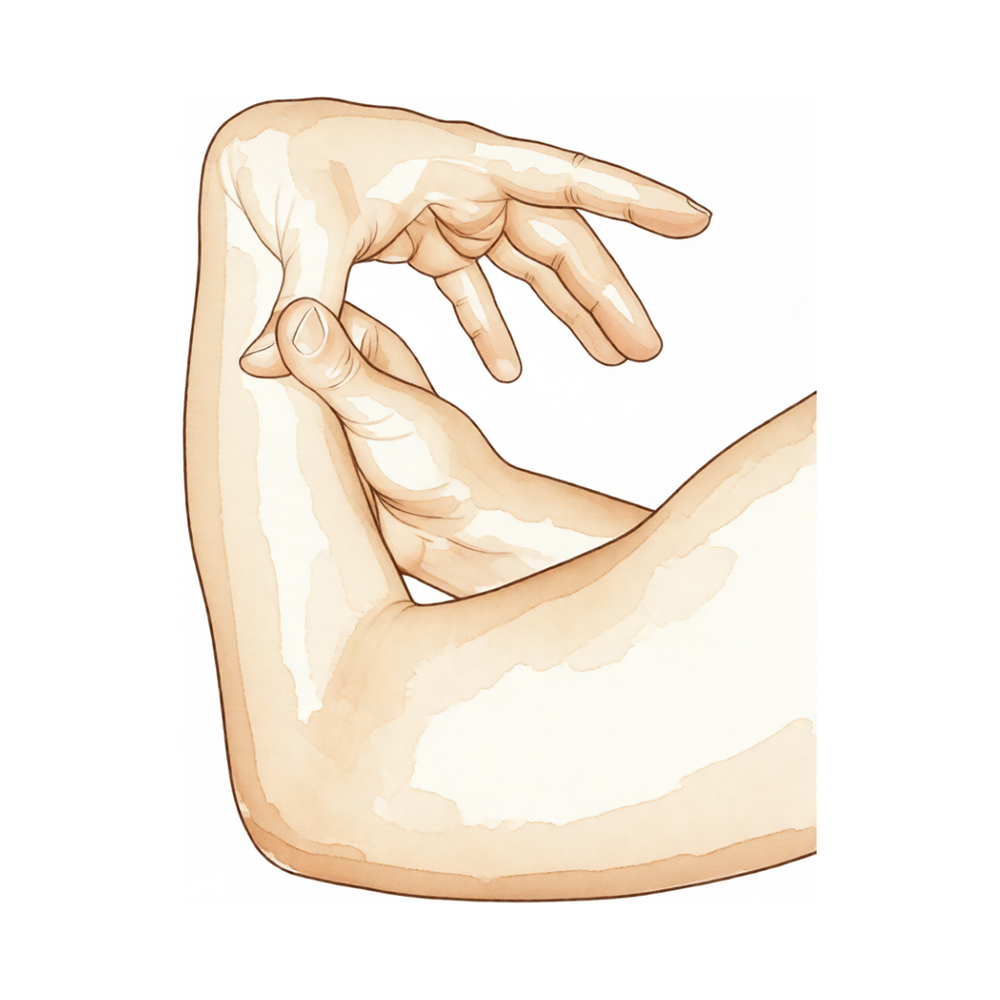
Joint hypermobility and EDS — instability and surgical implications (corpus-synthesised).
For patients: a plain-language version of this topic is available. See the patient guide.
Overview
Joint hypermobility is a multifactorial condition that may present as an asymptomatic trait or as a component of heritable connective tissue disorders, most notably Ehlers-Danlos syndrome [1]. The hypermobile type of Ehlers-Danlos syndrome (hEDS) is likely the most common hereditary disorder of connective tissue [5]. While joint hypermobility is a common disorder, its clinical significance remains under-appreciated and its impact is largely ignored in rheumatology [8]. It is a complex and often ignored condition that can present with arthralgias, fatigue, paresthesias, and visceral pain [7]. A simplified categorization of genetic syndromes featuring joint hypermobility has been proposed, introducing the concept of a spectrum of pathogenetically related manifestations [6].
Accurate identification of the underlying disorder is critical, as several heritable conditions associated with joint hypermobility carry wider implications for the patient [3]. Every effort should be made to diagnose the specific disorder responsible for joint hypermobility, which may only become apparent over time [2]. Correctly identifying patients with Ehlers-Danlos syndrome is essential to initiate appropriate musculoskeletal treatment, optimize anesthetic and postoperative management, perform appropriate vascular screening, and help families address their concerns with other families and advocacy groups [4]. Orthopaedic surgeons must recognize the implications of joint mobility syndromes in the management and rehabilitation of several musculoskeletal injuries and orthopaedic disorders [13].
The natural history of hypermobility type Ehlers-Danlos syndrome (HT-EDS) is delineated into three phases: hypermobility, pain, and stiffness [11]. Prevalence rates of joint hypermobility in dancers range from 2-44% depending on criteria, with higher rates in students than professionals [12]. Greater emphasis should be placed on a clinician's judgement to identify or exclude generalised joint hypermobility, according to its full definition [10]. Future research on the validity of the tests and criteria for joint hypermobility is urgently needed [9].
Background & Causes
Ehlers-Danlos syndrome hypermobility type (EDS-HT) is characterised by various severe musculoskeletal complaints that detrimentally affect the habitual level of physical activity and health-related quality of life, encompassing both physical and psychosocial dimensions [17]. Joint hypermobility syndrome remains a complex and often ignored condition [7]. While sensory processing functions are unlikely to contribute to the common complaints reported by hypermobile individuals [15], the condition presents with distinct epidemiological and clinical associations.
Epidemiology and Populations: Prevalence rates of joint hypermobility in dancers range from 2-44% depending on criteria, with rates higher in dance students than professionals [12]. In children with anxiety disorders, the prevalence of hypermobility was three times higher than in the general population [18]. Within this specific pediatric cohort, only age was a predictor for the possibility of suffering from generalized joint hypermobility [18].
Orthopaedic Associations: In patients undergoing periacetabular osteotomy, a higher degree of joint hypermobility correlated with more severe hip dysplasia [16]. Conversely, joint hypermobility was not associated with chronic low back pain or lumbar osteoarthritis [23].
Symptoms & Presentation
Patients with Ehlers-Danlos syndrome (EDS) frequently present for treatment of musculoskeletal symptoms, specifically joint pain and instability [20]. Joint hypermobility syndrome is associated with a broader spectrum of complaints, including arthralgias, fatigue, paresthesias, and visceral pain [7]. A careful history and physical examination may reveal a constellation of musculoskeletal conditions associated with generalized joint laxity [14]. Subtle findings on radiographs or MRI can impact decision-making in patients with generalized joint laxity [14].
Management
Diagnostic Assessment
A careful history and physical examination may reveal a constellation of musculoskeletal conditions associated with generalized joint laxity. Subtle findings on radiographs or MRI can impact decision-making [14]. Exploring the patient's articular features within their clinical context leads to a diagnosis of joint hypermobility syndrome, a complex and often ignored condition [7].
Clinical Implications and Comorbidities
A simplified categorization of genetic syndromes featuring joint hypermobility introduces the concept of a spectrum of pathogenetically related manifestations [6]. The natural history of hypermobility type Ehlers-Danlos syndrome (HT-EDS) is delineated into three phases: hypermobility, pain, and stiffness [11]. EDS-HT is characterised by various severe musculoskeletal complaints and has a detrimental effect on the habitual level of physical activity and health-related quality of life, in both physical and psychosocial dimensions [17]. In children with anxiety disorders, the prevalence of hypermobility was three times higher, with only age serving as a predictor for the possibility of suffering from generalized joint hypermobility [18]. Sensory processing functions are unlikely to contribute to the common complaints reported by hypermobile individuals [15].
Orthopaedic and Surgical Considerations
A higher degree of joint hypermobility correlates with more severe hip dysplasia [16]. These findings should guide physicians in managing hEDS and highlight the importance of incorporating this knowledge into clinical practice to improve the management of orthopaedic manifestations in patients with hEDS [19]. Patients with EDS often seek treatment for musculoskeletal symptoms of joint pain and instability, making the hand or orthopedic surgeon the first to encounter and potentially diagnose this condition [20].
Key Considerations
In a young female patient younger than 14 years, the presence of clinical signs of global hyperlaxity combined with atraumatic painless dislocation followed by a long period of pain after a first shoulder dislocation raises suspicion for Ehlers-Danlos Syndrome-associated disease [21].
Surgical Management: Open Capsular Shift with Achilles Allograft Augmentation for Multidirectional Shoulder Instability has demonstrated low rates of recurrent instability and improved clinical outcomes in patients with Ehlers-Danlos Syndrome [22].
Key Evidence
- [L5] Joint hypermobility is a multifactorial condition that may be asymptomatic or part of a heritable disorder of connective tissue such as Ehlers-Danlos syndrome. [1] (10.1016/j.mcna.2019.08.002)
- [L4] Every effort should be made to diagnose the underlying disorder responsible for joint hypermobility which may only become apparent over time. [2] (10.1186/1546-0096-7-1)
- [L5] A number of heritable disorders of connective tissue are associated with joint hypermobility and should be considered when assessing patients with hypermobility, as they can have wider implications for the patient. [3] (10.1111/jpc.12731)
- [L5] It is important to accurately identify patients with Ehlers-Danlos syndrome to initiate appropriate musculoskeletal treatment, optimize anesthetic and postoperative management, perform appropriate vascular screening, and help families address their concerns with other families and advocacy groups. [4] (10.1177/1941738112452385)
- [L5] The hypermobile type of Ehlers-Danlos syndrome (hEDS) is likely the most common hereditary disorder of connective tissue. [5] (10.1002/ajmg.c.31538)
- [L5] The paper proposes a simplified categorization of genetic syndromes featuring joint hypermobility and introduces the concept of a spectrum of pathogenetically related manifestations. [6] (10.1002/ajmg.c.31539)
- [Case_report] Exploring the patient's articular features in her clinical context led to a diagnosis of joint hypermobility syndrome, a complex and often ignored condition. [7] (10.1186/s12891-016-0905-2)
- [L4] Joint hypermobility is a common disorder whose significance is under-appreciated and impact largely ignored in rheumatology. [8] (10.1016/j.berh.2003.08.001)
- [L4] Future research on the validity of the tests and criteria for joint hypermobility is urgently needed. [9] (10.1093/rheumatology/kem290)
- [L4] Greater emphasis should be placed on a clinician's judgement to identify or exclude generalised joint hypermobility, according to its full definition. [10] (10.1007/s00296-021-04832-4)
- [L4] The study delineates the natural history of hypermobility type Ehlers-Danlos syndrome (HT-EDS) into three phases: hypermobility, pain, and stiffness. [11] (10.1002/ajmg.a.33231)
- [L4] The review examines the epidemiology of joint hypermobility in dancers, noting prevalence rates ranging from 2-44% depending on criteria, with higher rates in students than professionals. [12] (10.1055/s-0031-1273690)
- [L5] Orthopaedic surgeons must recognize the implications of joint mobility syndromes in the management and rehabilitation of several musculoskeletal injuries and orthopaedic disorders. [13] (10.5435/00124635-201108000-00002)
- [L5] Careful history and examination may reveal a constellation of musculoskeletal conditions associated with generalized joint laxity, and subtle findings on radiographs or MRI can impact decision-making. [14] (10.2106/jbjs.18.00458)
- [L4] These sensory processing functions are unlikely to contribute to the common complaints reported by hypermobile individuals. [15] (10.1186/s12891-025-08307-6)
- [L3] A higher degree of joint hypermobility was also correlated with more severe hip dysplasia. [16] (10.2106/jbjs.23.01030)
- [L4] EDS-HT is characterised by various severe musculoskeletal complaints and has a detrimental effect on the habitual level of PA and HRQoL, in both physical and psychosocial dimension. [17] (10.3109/09638280903514739)
- [L3] The prevalence of hypermobility was three times higher in children with anxiety disorders and only age was a predictor for the possibility to suffer from generalized joint hypermobility in these children. [18] (10.1186/s12891-020-03377-0)
- [L5] These findings should guide physicians in managing hEDS and highlight the importance of incorporating this knowledge into clinical practice to improve the management of orthopaedic manifestations in patients with hEDS. [19] (10.2106/jbjs.24.01106)
- [L5] Patients with EDS often seek treatment for musculoskeletal symptoms of joint pain and instability, making the hand or orthopedic surgeon the first to encounter and potentially diagnose this condition. [20] (10.1016/j.jhsa.2014.08.008)
- [L4] After a first shoulder dislocation, in a young female patient (<14 years old) with clinical signs of global hyperlaxity and atraumatic painless dislocation followed by a long period of pain, EDS-associated disease may be suspected. [21] (10.1016/j.jse.2017.05.028)
- [L4] The study demonstrated low rates of recurrent instability and improved clinical outcomes in this high-risk population. [22] (10.1016/j.jse.2026.05.024)
- [L3] Hypermobility was not associated with chronic low back pain or lumbar osteoarthritis. [23] (10.1186/s12891-019-2523-2)
See Also
- Osteoarthritis
References
[1] Symptomatic Joint Hypermobility. Medical Clinics of North America. 2019. DOI: 10.1016/j.mcna.2019.08.002
[2] The differential diagnosis of children with joint hypermobility: a review of the literature. Pediatric Rheumatology. 2009. DOI: 10.1186/1546-0096-7-1
[3]
[4] Ehlers-Danlos Syndrome in Orthopaedics. Sports Health: A Multidisciplinary Approach. 2012. DOI: 10.1177/1941738112452385
[5] Hypermobile Ehlers–Danlos syndrome (a.k.a. Ehlers–Danlos syndrome Type III and Ehlers–Danlos syndrome hypermobility type): Clinical description and natural history. American Journal of Medical Genetics Part C: Seminars in Medical Genetics. 2017. DOI: 10.1002/ajmg.c.31538
[6] A framework for the classification of joint hypermobility and related conditions. American Journal of Medical Genetics Part C: Seminars in Medical Genetics. 2017. DOI: 10.1002/ajmg.c.31539
[7] Arthralgias, fatigue, paresthesias and visceral pain: can joint hypermobility solve the puzzle? A case report. BMC Musculoskeletal Disorders. 2016. DOI: 10.1186/s12891-016-0905-2
[8] Joint hypermobility. Best Practice & Research Clinical Rheumatology. 2003. DOI: 10.1016/j.berh.2003.08.001
[9] Inter-examiner reproducibility of tests and criteria for generalized joint hypermobility and benign joint hypermobility syndrome. Rheumatology. 2007. DOI: 10.1093/rheumatology/kem290
[10] The Beighton Score as a measure of generalised joint hypermobility. Rheumatology International. 2021. DOI: 10.1007/s00296-021-04832-4
[11] Natural history and manifestations of the hypermobility type Ehlers–Danlos syndrome: A pilot study on 21 patients. American Journal of Medical Genetics Part A. 2010. DOI: 10.1002/ajmg.a.33231
[12] Hypermobility and Dance: A Review. International Journal of Sports Medicine. 2011. DOI: 10.1055/s-0031-1273690
[13] Impact of Joint Laxity and Hypermobility on the Musculoskeletal System. American Academy of Orthopaedic Surgeon. 2011. DOI: 10.5435/00124635-201108000-00002
[14] Generalized Joint Laxity in Orthopaedic Patients. Journal of Bone and Joint Surgery. 2019. DOI: 10.2106/jbjs.18.00458
[15] No significant links between somatognosia, stereognosia, and hypermobility: sensory processing unlikely to drive common complaints in hypermobile population. BMC Musculoskeletal Disorders. 2025. DOI: 10.1186/s12891-025-08307-6
[16] Generalized Joint Hypermobility Is Associated with Type-A Hip Dysplasia in Patients Undergoing Periacetabular Osteotomy. Journal of Bone and Joint Surgery. 2024. DOI: 10.2106/jbjs.23.01030
[17] Musculoskeletal complaints, physical activity and health-related quality of life among patients with the Ehlers–Danlos syndrome hypermobility type. Disability and Rehabilitation. 2010. DOI: 10.3109/09638280903514739
[18] Prevalence of generalized joint hypermobility in children with anxiety disorders. BMC Musculoskeletal Disorders. 2020. DOI: 10.1186/s12891-020-03377-0
[19] Orthopaedic Manifestations in Hypermobile Ehlers-Danlos Syndrome. Journal of Bone and Joint Surgery. 2025. DOI: 10.2106/jbjs.24.01106
[20] Ehlers-Danlos Syndrome. The Journal of Hand Surgery. 2014. DOI: 10.1016/j.jhsa.2014.08.008
[21] Diagnosis of Ehlers-Danlos syndrome after a first shoulder dislocation. Journal of Shoulder and Elbow Surgery. 2018. DOI: 10.1016/j.jse.2017.05.028
[22] Open Capsular Shift with Achilles Allograft Augmentation for Multidirectional Shoulder Instability: Long-Term Outcomes and Implications for Patients with Ehlers-Danlos Syndrome. Journal of Shoulder and Elbow Surgery. 2026. DOI: 10.1016/j.jse.2026.05.024
[23] Relationship of joint hypermobility with low Back pain and lumbar spine osteoarthritis. BMC Musculoskeletal Disorders. 2019. DOI: 10.1186/s12891-019-2523-2