Clinicians › Hand
Jersey Finger (Flexor Tendon Avulsion)
FDP avulsion: Leddy-Packer classification and time-critical repair (corpus-synthesised).
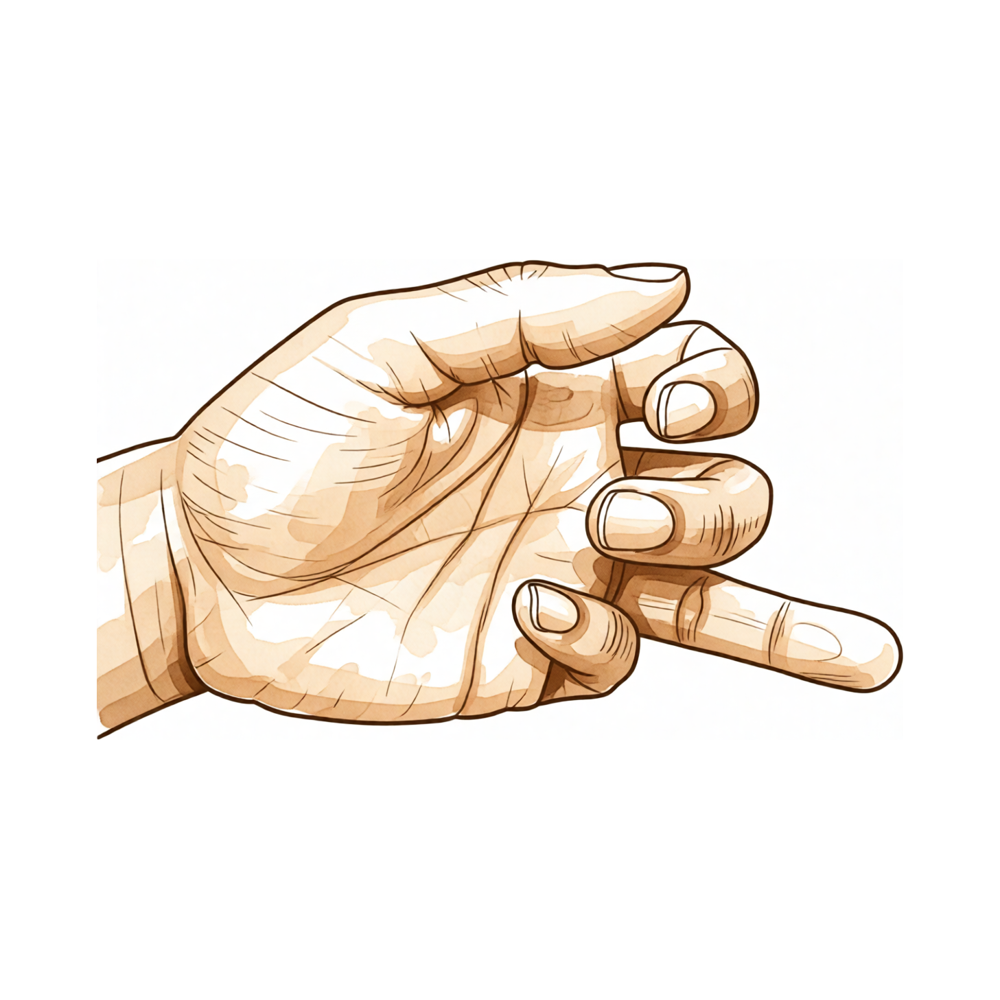
For patients: a plain-language version of this topic is available. See the patient guide.
Overview
Jersey finger represents a flexor digitorum profundus (FDP) avulsion injury that requires prompt diagnosis to facilitate timely surgical repair and prevent complications [5]. While closed rupture of both flexor tendons in the little finger is rare and may be missed on initial presentation [4], FDP avulsions remain difficult injuries where surgical treatment necessitates that the patient be sidelined [17]. Although repair restores strength and range of motion, excision results in permanent disability [17]. The primary objective of repair is to achieve normal or near-normal function, a goal that consistently remains a problem which has not yet been solved [1].
The outcome of flexor tendon repair is influenced by many factors that cannot be controlled intraoperatively [16]. Specifically, the outcome of repair for clean-cut flexor tendon lacerations in zone 2 is related to the psychological and biologic characteristics of the patient [13]. Additionally, several risk factors for reoperation after finger flexor surgery have been identified, including age, sex, and type of tendon injury [24]. When considering delayed repair, the force required to make a fist should be taken into account when determining the limit of 'safe' tendon shortening [3].
Recent advancements in technique and rehabilitation have improved reliability. Recent repair and motion protocols lead to remarkably more reliable repairs, with over 80% good or excellent outcomes achieved rather consistently after Zone 2 repair along with infrequent need of tenolysis [126]. The wide-awake approach to flexor tendon repair has decreased rupture and tenolysis rates and permitted consistently good results in cooperative patients [45]. Active motion regimens are desirable after repair of the flexor tendons in all zones [43], with the partial-range active flexion protocol recommended as a safe, efficient, and generalizable framework for rehabilitation, particularly where therapist assistance is unavailable [69].
Anatomy & Pathophysiology
Joint Anatomy and Kinematics
The finger articulations form a triarticular chain that flexes toward the thumb and palm to facilitate grasp [71]. The digit is designed to function in flexion, with the volar tendinous apparatus being considerably stronger than the dorsal extensor apparatus [71]. Flexion ranges are approximately 85 degrees at the metacarpophalangeal joint, 115 degrees at the proximal interphalangeal joint, and 80 degrees at the distal interphalangeal joint [71]. The interphalangeal articulations possess trochlear-shaped surfaces that remain closely congruent throughout flexion–extension excursion [71]. Normal ulnar inclination of the fingers occurs at the metacarpophalangeal joints and is most marked in the index finger [76]. This inclination results from anatomical factors including asymmetry of metacarpal heads and collateral ligaments, ulnar-side tendon crossing, and intrinsic muscle forces [76].
Tendon Anatomy and Mechanics
Extensor tendons traverse from the forearm to the dorsum of the hand through six compartments beneath the extensor retinaculum [75]. The extensor mechanism exhibits less excursion than the flexor system, with only 2 to 5 mm of movement in the region of the proximal interphalangeal joint [34]. The lumbrical muscles extend the two distal phalanges regardless of metacarpophalangeal joint position [82]. Conversely, interosseous muscles demonstrate a decreasing extensor effect at the interphalangeal joints as metacarpophalangeal flexion increases [82]. Lumbricals contribute to distal phalanx extension by pulling distally on the flexor profundus tendon when that muscle is at rest [82]. Biomechanical analysis indicates that inserting the flexor profundus tendon at the distal edge of its footprint confers significantly greater distal interphalangeal joint flexion force compared with proximal insertion [109]. This distal insertion most closely resembles the intact flexor profundus tendon [109]. In all fingers tested except the little finger, two micro bone anchors fit within the distal phalanx when placed in the perpendicular position [64].
Pathophysiology and Complications
Shortening and closing an injury that causes proximal migration of the flexor profundus tendon from its insertion at the base of the distal phalanx may result in a lumbrical-plus finger [48]. In this condition, the retracted flexor profundus tendon creates tension on the extensor mechanism via the lumbrical originating from the flexor profundus tendon [48]. A lumbrical-plus finger presents with paradoxical interphalangeal joint extension during active digit flexion [48]. Treatment involves release of the radial lateral band [48]. Injuries in distal zones 1 through 5 of the extensor mechanism result in poorer outcomes and greater postoperative extension deficits [34]. Extensor tendon injuries carry a significantly worse prognosis when associated with underlying fractures [34]. If significant shortening occurs following extensor repair while the lateral bands and oblique retinacular ligament remain intact, leaving the central extensor mechanism unrepaired may avoid flexion loss without producing a proximal or distal interphalangeal extension lag [34]. Loss of long extensor function can destabilize the metacarpophalangeal joint, resulting in a loss of active finger abduction-adduction [34].
Classification
Adult Zone Classification: Flexor tendon injuries in adults are classified into five zones [113]. Sub-classifications of Zone 1 and Zone 2 are considered important for management [113]. Zone 1A is defined as the area distal to the A5 pulley [113]. In Zone 1A injuries, there is not enough distal tendon length to provide adequate suture purchase [113]. Consequently, Zone 1A lacerations are usually treated similarly to flexor profundus avulsion injuries with tendon re-insertion into bone [113]. Zone IIC is defined as the area under the A2 pulley [113]. The distal two-thirds of the A2 pulley is the narrowest area in Zone II [113]. The flexor digitorum superficialis bifurcates within the middle part of the A2 pulley [113].
Tang’s Classification: Tang’s classification of Zone II defines Zone IIA as the area of insertion of the superficialis tendon [121]. Zone IIB is defined as the area between Zones IIA and IIC [121]. Zone IIC is defined as the area covered by the A2 pulley [121]. Zone IID is defined as the area covered by the A1 pulley [121].
Boyes Classification: The Boyes classification identifies five degrees of flexor tendon problems [35]. Boyes Grade 1 is defined as minimal scarring [35]. Boyes Grade 2 is defined as deep scarring due to injury or prior surgery or infection, with loss of motion due to the scar rather than joint [35].
Pediatric Classification: In children, flexor tendon injuries are often classified into three groups according to age: preschoolers (less than 5 years), children (between 5–10 years), and teenagers (11–15 years) [113]. The age of the child influences the size of the tendon, suture technique, size of sutures used in repair, and post-operative rehabilitation [113].
Other Considerations: A modification to the flexor tendon avulsion classification has been proposed to incorporate simultaneous FDP and FDS avulsion with a large fracture [66]. This proposed modification allows for independent classification of each tendon injury to guide management [66].
Clinical Presentation
History and Diagnostic Challenges: The clinical presentation of flexor tendon injuries often presents diagnostic difficulties due to atypical mechanisms or concurrent pathologies. Avulsion of the flexor digitorum profundus (FDP) accompanied by a separate intraarticular fracture of the distal phalanx is a rare entity that is frequently misdiagnosed [62]. In cases of closed blunt injury, the inability to flex the distal interphalangeal joint may initially be attributed to pain rather than structural failure, as observed in a 38-year-old man whose ring finger FDP rupture was only diagnosed later [98]. Furthermore, a unilateral absence of the ring finger FDP musculotendinous structure can mimic an acute avulsion when history and examination suggest recent trauma, posing a significant diagnostic challenge [11]. Combined ruptures of the flexor pulleys and avulsion of the flexor digitorum superficialis (FDS) tendon should be regarded as a single pathology resulting from sudden forceful contraction [10].
Physical Examination and Imaging: Inspection may reveal passive hyperextension of the affected digit, such as the ring finger noted to be passively hyperextended at 10 weeks post-injury in a case of missed FDP rupture [98]. When pain is pronounced or the patient is not cooperative for preoperative examination, ultrasonography is conducted to assess tendon continuity [100]. Real-time ultrasound serves to determine whether a flexor tendon is ruptured or entrapped in scar tissue, particularly in patients presenting 10 weeks after injury [98]. If doubt regarding tendon continuity persists after ultrasonography, magnetic resonance imaging (MRI) is performed [100].
Classification and Complex Patterns: Management is guided by specific injury patterns that may require modified classification systems. Authors have proposed a modification to the flexor tendon avulsion classification to incorporate simultaneous FDP and FDS avulsion with a large fracture, allowing for the independent classification of each tendon injury to guide management [66].
Investigations
Plain radiography: Clinical assessment combined with plain radiography demonstrates high accuracy in identifying flexor digitorum profundus (FDP) avulsions, particularly when associated with distal phalanx fractures [138]. Early diagnosis and treatment of these injuries yield satisfactory results, whereas delayed diagnosis may necessitate tenolysis to restore function [29].
MRI: Magnetic resonance imaging is recommended for Type IV FDP avulsion, a rare injury lacking consensus on surgical strategy [131]. A high index of suspicion is required to guide appropriate management in these cases [131].
Ultrasound: Dynamic high-resolution ultrasonography serves as a valuable tool for accurately assessing early changes in climber's finger [137]. This modality should be performed to select appropriate therapeutic management, especially when clinical evaluation is difficult [137].
Other Considerations: Type IV FDP avulsion management recommendations include rigid bony fixation to prevent subluxation, independent tendon repair, and early range of motion therapy [131]. Diagnostic challenges may arise in patients with unilateral absence of the ring finger FDP musculotendinous structure, where history and examination may suggest an acute avulsion despite the congenital anomaly [11].
Treatment
Non-Operative
The provided evidence does not support specific conservative management protocols such as weight loss, physical therapy regimens, NSAIDs, or injections for flexor tendon avulsion.
Operative
Indications: Surgical intervention is indicated for flexor digitorum profundus (FDP) avulsions, particularly in Zone 1 (Types II and III) and Zone 2 lacerations. FDP avulsions are difficult injuries where surgical treatment requires the patient to be sidelined; while repair restores strength and range of motion, excision results in permanent disability [17]. Secondary repair is one of the most challenging procedures in hand or digit surgery, with poor results often observed due to extensive scar formation and tendon adhesion, particularly in severe hand trauma [35]. Indications for flexor tendon function restoration are mainly represented by failure of primary repair and complex lesions according to the Boyes classification [35].
Surgical Approach / Technique: For Zone 1 FDP avulsions (Types II and III), hook plates placed in the distal phalanx emerge as a surgical treatment with excellent clinical outcomes and no associated morbidity [21]. In Zone 2, the outcome of repair for clean-cut flexor tendon lacerations is related to the psychological and biologic characteristics of the patient, as evidenced by uniform outcomes in all four fingers for every patient [13]. For young children, there was no statistically significant difference in active ranges of finger motion achieved with two-strand and four-strand repairs in Zone 2 [6]. The AB repair might allow for early active postoperative motion after repair of FDP avulsion injuries and tendon reconstruction procedures, though the soft tissue effects of this multistrand technique are unknown in clinical repairs [18]. A new technique using retrograde catheters has been used successfully in eight cases to reduce delayed flexor tendon avulsions [9]. Flexor tendon repair was followed by good function in cases of simultaneous dislocation of both interphalangeal joints and flexor tendon tear [2].
Implant Selection: Active tendon implants (prostheses) may represent an effective alternative option in patients with a poor prognosis, as well as whenever classical techniques fail [35].
Adjuncts: WALANT may not be superior to general anesthesia in regards to function, rates of rupture, and patient-reported outcomes in repair of Zone II flexor tendon lacerations [120].
Other Considerations: Pulley rupture or insufficiency is a diagnostic and therapeutic dilemma owing to the overall rarity of the injury as well as the lack of comparative clinical studies describing its diagnosis, treatment, and outcome [42]. Repair ruptures were documented in most reports with rates ranging from 4%-10% in finger flexors and 3%-17% in FPL of thumbs [7]. Patient’s age and associated pathologies appear to influence the potential of biological repair, while patient’s motivation and rehabilitation compliance always play a fundamental role in the final clinical result [35]. One stage or two-stage tendon grafts are indicated when the integrity of flexor tendon is compromised, depending on whether the scarring in the palmar side of the hand is minimal or extensive [35]. The primary reconstruction of an active functional flexor tendon system may be difficult [35].
Rehabilitation and Postoperative Care: Passive protocols have a higher risk of decreased postoperative digit range of motion, while early active motion protocols have a higher risk of rupture [57]. Early passive motion appeared to be an effective technique to improve the results of flexor tendon repairs in Zone II [44]. Hand therapy programs for the proximal interphalangeal joint must address the specific disorder, timing of injury, and phases of healing to prevent stiffness and dysfunction [26].
Complications
Tendon Rupture and Adhesions: Ruptures and adhesions around the repaired tendon requiring tenolysis are found in approximately 5% each [114]. Consequently, further surgery for rupture or adhesions is required in around 6% of cases [114]. Poor results can be observed due to extensive scar formation and tendon adhesion, particularly in severe hand trauma [35].
Risk Factors: Age, smoking, zone of injury, multiple finger injuries, associated flexor digitorum superficialis (FDS) tendon injury, nerve injuries, and delayed treatment have previously been reported to adversely affect outcomes [114]. Patient’s age and associated pathologies also appear to influence the potential of biological repair [35]. Patient’s motivation and rehabilitation compliance always play a fundamental role in the final clinical result [35].
Surgical Technique Complications: Transosseous repair of zone I flexor digitorum profundus injuries with a buried dorsal suture is associated with a high rate of clinical complications [123]. The soft tissue effects of the AB repair multistrand technique are unknown in clinical repairs [18].
Other Considerations: Excision results in permanent disability [17]. When last seen 4 months after the accident, there was still some swelling and aching, but no deformity and full passive movements, although active flexion was limited by adherence of the flexor tendon at the fracture site [32].
Recovery
Rehabilitation protocol: Postoperative management of Zone II flexor tendon repairs involves distinct protocols regarding immobilization and motion initiation. In a study of 50 consecutive digits in 37 patients, one protocol involved 3 weeks of immobilization followed by gradually increased motion [44]. An alternative protocol initiated intermittent passive motion within the first 5 days, with active flexion commenced at 4 weeks [44]. The tendon healing and strength of repair are adequate for immediate postoperative motion, as evidenced by good results and the absence of ruptures in protocols utilizing early motion [125].
Functional milestones: Outcomes vary significantly based on the rehabilitation protocol employed. In the immobilization group (3 weeks immobilization followed by gradual motion), four ruptures occurred, with no excellent results; 12% were rated good, 28% fair, and 11% poor [44]. In the early motion group (intermittent passive motion within 5 days, active flexion at 4 weeks), one rupture occurred; results included 36% excellent, 20% good, 16% fair, and 24% poor [44]. Flexor tendon repair is generally followed by good function [2]. There is no statistically significant difference in the active ranges of finger motion achieved with two-strand and four-strand repairs [6].
Other Considerations: The time elapsed between injury and surgery is not an important risk factor for a good outcome; rather, outcomes depend on proper surgical methods, the surgeon's experience, and early mobilization [136]. Pulley reconstruction can be performed using either looped or nonencircling techniques, though the clinical relevance of biomechanical strength differences remains unclear [20].
Key Evidence
- [L5] Repair of the divided flexor tendon to achieve normal or near-normal function consistently remains a problem which has not yet been solved. [1] (10.1054/jhsb.2002.0800)
- [L5] Flexor tendon repair was followed by good function. [2] (10.1016/s0020-1383(97)00202-7)
- [L5] The force required to make a fist should be taken into account when considering the limit of 'safe' tendon shortening in delayed repair of jersey finger injuries. [3] (10.1177/1753193415585311)
- [L4] Closed rupture of both flexor tendons in the little finger is rare and may be missed on initial presentation. [4] (10.1177/1753193409356033)
- [L5] Jersey finger injuries should be promptly diagnosed to allow timely surgical repair and prevention of complications. [5] (10.1016/j.csm.2019.12.004)
- [L2] There was no statistically significant difference in the active ranges of finger motion achieved with two-strand and four-strand repairs. [6] (10.1177/1753193408090761)
- [L4] Repair ruptures were documented in most reports with rates ranging from 4%-10% in finger flexors and 3%-17% in FPL of thumbs. [7] (10.1016/j.hcl.2004.11.005)
- [L4] The authors present a simple technique using retrograde catheters to successfully reduce delayed flexor tendon avulsions, noting it has been used successfully in eight cases. [9] (10.1177/1753193407087867)
- [L4] This is the first clinical report of a combined rupture of the flexor pulleys and avulsion of the flexor digitorum superficialis tendon, which should be regarded as a single pathology caused by sudden forceful contraction. [10] (10.1054/jhsb.2001.0559)
- [L4] This case illustrates a patient with unilateral absence of the ring finger FDP musculotendinous structure, which can pose a diagnostic challenge when the history and examination suggest an acute avulsion of the ring finger FDP tendon. [11] (10.1016/j.jhsa.2016.02.003)
- [L4] The outcome of repair of clean-cut flexor tendon lacerations in zone 2 is related to the psychological and biologic characteristics of the patient, as evidenced by the uniform outcome in all four fingers for every patient. [13] (10.1177/1753193410387333)
- [L4] The outcome of a flexor tendon repair is influenced by many factors that cannot be controlled intraoperatively. [16] (10.1016/j.jhsa.2022.01.015)
- [L5] FDP avulsions are difficult injuries where surgical treatment requires the player to be sidelined, and while repair restores strength and range of motion, excision results in permanent disability. [17] (10.1016/j.hcl.2012.05.043)
- [L5] The AB repair might allow for early active postoperative motion after repair of flexor digitorum profundus avulsion injuries and tendon reconstruction procedures; however, the soft tissue effects of this multistrand technique are unknown in clinical repairs. [18] (10.1016/j.jhsa.2011.07.017)
- [L5] Pulley reconstruction can be performed using either looped or nonencircling techniques, though the clinical relevance of biomechanical strength differences remains unclear. [20] (10.1016/j.csm.2014.09.001)
- [L4] Hook plates placed in distal phalanx emerge as surgical treatment for FDP avulsion types II and III in flexor zone 1, with excellent clinical outcomes and no associated morbidity. [21] (10.1177/1558944720957730)
- [L3] This study identified several risk factors for reoperation after finger flexor surgery, including age, sex, and type of tendon injury. [24] (10.1177/17531934221101563)
- [Paper] Hand therapy programs for the proximal interphalangeal joint must address the specific disorder, timing of injury, and phases of healing to prevent stiffness and dysfunction. [26] (10.1016/j.hcl.2018.01.001)
- [L4] Early diagnosis and treatment of flexor digitorum profundus avulsion with associated distal phalanx fracture yield satisfactory results, whereas delayed diagnosis may require tenolysis to restore function. [29] (10.1007/bf00387588)
- [L3] Both bridge tendon grafts and end-to-side tendon transfers have comparable and satisfactory outcomes after surgical treatment of closed rupture of the flexor tendons in the little finger. [31] (10.1177/17531934211073751)
- [L5] When last seen 4 months after the accident, there was still some swelling and aching, but no deformity and full passive movements, although active flexion was limited by adherence of the flexor tendon at the fracture site. [32] (10.1016/s0020-1383(79)80086-8)
- [L5] [34] (10.1016/s0749-0712(02)00130-0)
- [L5] [35] (10.1016/j.injury.2013.01.023)
- [L5] Pulley rupture or insufficiency is a diagnostic and therapeutic dilemma owing to the overall rarity of the injury as well as the lack of comparative clinical studies describing its diagnosis, treatment, and outcome. [42] (10.1016/j.jhsa.2012.07.021)
- [L5] Active motion regimens are desirable after repair of the flexor tendons in all zones but are not always suitable for all extensor tendon repairs. [43] (10.1016/j.injury.2013.01.022)
- [L3] [44] (10.1016/j.jhsa.2025.05.017)
- [L5] The wide-awake approach to flexor tendon repair has decreased rupture and tenolysis rates and permitted consistently good results in cooperative patients. [45] (10.1016/j.hcl.2013.02.009)
- [L4] Passive protocols have a higher risk of decreased postoperative digit range of motion, while early active motion protocols have a higher risk of rupture. [57] (10.1016/j.jhsa.2013.06.025)
- [L4] Avulsion of the flexor digitorum profundus with a concomitant and separate intraarticular fracture of the distal phalanx is a rare and frequently misdiagnosed problem. [62] (10.1177/036354658701500413)
- [L5] Two micro bone anchors fit within the distal phalanx in all fingers tested except the little finger when placed in the perpendicular position. [64] (10.1016/j.jhsa.2018.12.012)
- [L5] The authors propose a modification to the flexor tendon avulsion classification to incorporate this injury pattern of simultaneous FDP and FDS avulsion with a large fracture, allowing for independent classification of each tendon injury to guide management. [66] (10.1055/s-0039-1688679)
- [L5] The author recommends the partial-range active flexion protocol as a safe, efficient, and generalizable framework for rehabilitation after flexor tendon repair and other hand disorders, particularly where therapist assistance is unavailable. [69] (10.1177/17531934211037112)
- [Case_report] [98] (10.1016/j.jhsa.2007.09.018)
- [L3] [100] (10.1177/17531934221074514)
- [L5] The FDP tendon inserted at the distal edge of its footprint conferred significantly greater distal interphalangeal joint flexion force compared with the proximal insertion site and most closely resembled the intact FDP tendon. [109] (10.1016/j.jhsa.2020.10.018)
- [L5] [113] (10.1177/1753193413498207)
- [L3] [114] (10.1177/1753193416657758)
- [L1] WALANT may not be superior to GA in regards function, rates of rupture, and patient-reported outcomes in repair of zone II flexor tendon lacerations. [120] (10.1016/j.jhsa.2024.06.008)
- [L4] [121] (10.1177/1753193410395837)
- [L4] Transosseous repair of zone I flexor digitorum profundus injuries with a buried dorsal suture is associated with a high rate of clinical complications. [123] (10.1016/j.jhsa.2020.05.025)
- [L4] The good results and absence of ruptures suggest that the tendon healing and strength of repair are adequate for immediate postoperative motion. [125] (10.1177/17531934221076270)
- [L5] Recent repair and motion protocols lead to remarkably more reliable repairs, with over 80% good or excellent outcomes achieved rather consistently after Zone 2 repair along with infrequent need of tenolysis. [126] (10.1177/17531934211053757)
- [L4] Type IV FDP avulsion is a rare injury with no consensus on surgical strategy; recommendations include high index of suspicion with MRI/ultrasound, rigid bony fixation to prevent subluxation, independent tendon repair, and early range of motion therapy. [131] (10.1007/s11552-009-9199-2)
- [L4] The time elapsed between injury and surgery is not an important risk factor for a good outcome; rather, outcomes depend on proper surgical methods, the surgeon's experience, and early mobilization. [136] (10.1177/17531934211024435)
- [L4] Dynamic high-resolution ultrasonography is a valuable tool for accurate assessment of early changes in climber's finger and should be performed to select appropriate therapeutic management, especially when clinical evaluation is difficult. [137] (10.1177/03635465990270060801)
- [L4] Clinical assessment and plain radiography were very accurate in our series. [138] (10.1177/1753193411409125)
See Also
References
[1] Primary Flexor Tendon Repair – Operative Repair, Pulley Management and Rehabilitation. Journal of Hand Surgery. 2002. DOI: 10.1054/jhsb.2002.0800
[2] Simultaneous dislocation of both interphalangeal joints and flexor tendon tear in a finger. Injury. 1998. DOI: 10.1016/s0020-1383(97)00202-7
[3] The effect of flexor digitorum profundus tendon shortening on jersey finger surgical repair: a cadaveric biomechanical study. Journal of Hand Surgery (European Volume). 2015. DOI: 10.1177/1753193415585311
[4] Closed ruptures of both flexor tendons of the little finger. Journal of Hand Surgery (European Volume). 2010. DOI: 10.1177/1753193409356033
[5] Evaluation and Treatment of Flexor Tendon and Pulley Injuries in Athletes. Clinics in Sports Medicine. 2020. DOI: 10.1016/j.csm.2019.12.004
[6] Zone 2 Flexor Tendon Repair in Young Children: A Comparative Study of Four-Strand Versus Two-Strand Repair. Journal of Hand Surgery (European Volume). 2008. DOI: 10.1177/1753193408090761
[7] Clinical Outcomes Associated with Flexor Tendon Repair. Hand Clinics. 2005. DOI: 10.1016/j.hcl.2004.11.005
[9] A New Technique for Reduction of Flexor Tendon Avulsions after Delayed Presentation. Journal of Hand Surgery (European Volume). 2008. DOI: 10.1177/1753193407087867
[10] Closed Traumatic Rupture of the Flexor Pulleys of a Long Finger Associated with Avulsion of the Flexor Digitorum Superficialis. Journal of Hand Surgery. 2001. DOI: 10.1054/jhsb.2001.0559
[11] Absent Ring Finger Flexor Digitorum Profundus Presenting as a Jersey Finger. The Journal of Hand Surgery. 2016. DOI: 10.1016/j.jhsa.2016.02.003
[13] Zone 2 lacerations of both flexor tendons of all fingers in the same patient. Journal of Hand Surgery (European Volume). 2010. DOI: 10.1177/1753193410387333
[16] Outcomes of Wide-Awake Flexor Tendon Repairs in 58 Fingers and 9 Thumbs. The Journal of Hand Surgery. 2023. DOI: 10.1016/j.jhsa.2022.01.015
[17] Tendon Ruptures: Mallet, FDP in Football. Hand Clinics. 2012. DOI: 10.1016/j.hcl.2012.05.043
[18] Repair of Flexor Digitorum Profundus to Distal Phalanx: A Biomechanical Evaluation of Four Techniques. The Journal of Hand Surgery. 2011. DOI: 10.1016/j.jhsa.2011.07.017
[20] Evaluation and Treatment of Jersey Finger and Pulley Injuries in Athletes. Clinics in Sports Medicine. 2015. DOI: 10.1016/j.csm.2014.09.001
[21] Hook Plate as a Treatment for Flexor Digitorum Profundus Avulsion Types II and III. HAND. 2020. DOI: 10.1177/1558944720957730
[24] Risk factors for reoperation after flexor tendon repair: a registry study. Journal of Hand Surgery (European Volume). 2022. DOI: 10.1177/17531934221101563
[26] Therapy Concepts for the Proximal Interphalangeal Joint. Hand Clinics. 2018. DOI: 10.1016/j.hcl.2018.01.001
[29] Flexor digitorum profundus avulsion with associated fracture of the distal phalanx. Archives of Orthopaedic and Trauma Surgery. 1997. DOI: 10.1007/bf00387588
[31] Comparison of bridge graft and end-to-side transfer for treatment of closed rupture of the flexor tendons in the little finger. Journal of Hand Surgery (European Volume). 2022. DOI: 10.1177/17531934211073751
[32] Letter to the editor. Injury. 1979. DOI: 10.1016/s0020-1383(79)80086-8
[34] Biomechanics and hand trauma: what you need. Hand Clinics. 2003. DOI: 10.1016/s0749-0712(02)00130-0
[35] Secondary repair of flexor tendon injuries. Injury. 2013. DOI: 10.1016/j.injury.2013.01.023
[42] A2 Pulley Insufficiency. The Journal of Hand Surgery. 2013. DOI: 10.1016/j.jhsa.2012.07.021
[43] Rehabilitation of flexor and extensor tendon injuries in the hand: Current updates. Injury. 2013. DOI: 10.1016/j.injury.2013.01.022
[44] Digital function following flexor tendon repair in Zone II: A comparison of immobilization and controlled passive motion techniques. The Journal of Hand Surgery. 2025. DOI: 10.1016/j.jhsa.2025.05.017
[45] Wide-awake Flexor Tendon Repair and Early Tendon Mobilization in Zones 1 and 2. Hand Clinics. 2013. DOI: 10.1016/j.hcl.2013.02.009
[48] Miller S Review Of Orthopaedics. 4. Fingertip injuries with tissue loss.
[57] Flexor Tendon Repair Rehabilitation Protocols: A Systematic Review. The Journal of Hand Surgery. 2013. DOI: 10.1016/j.jhsa.2013.06.025
[62] Flexor digitorum profundus avulsions with associated distal phalanx fractures. The American Journal of Sports Medicine. 1987. DOI: 10.1177/036354658701500413
[64] The Accommodation of Bone Anchors Within the Distal Phalanx for Repair of Flexor Digitorum Profundus Avulsions. The Journal of Hand Surgery. 2019. DOI: 10.1016/j.jhsa.2018.12.012
[66] An Unusual Pattern of Closed Flexor Tendon Avulsion. Journal of Hand and Microsurgery. 2020. DOI: 10.1055/s-0039-1688679
[69] Rehabilitation after flexor tendon repair and others: a safe and efficient protocol. Journal of Hand Surgery (European Volume). 2021. DOI: 10.1177/17531934211037112
[71] Exam Of The Hand Wrist 2Ed. Movements of the fingers > Articulations of the fingers.
[75] Campbell S Operative Orthopaedics 4 Volume Set. RECONSTRUCTION OF FINGER FLEXORS: SINGLE-STAGE TENDON GRAFT > EXTENSOR TENDONS.
[76] Exam Of The Hand Wrist 2Ed. Movements of the fingers > Normal ulnar inclination of the fingers.
[82] Exam Of The Hand Wrist 2Ed. Mechanisms of finger flexion and extension > Actions of the intrinsic muscles.
[98] Zone I Rupture of the Flexor Digitorum Profundus Tendon Caused by Blunt Trauma: A Case Report. The Journal of Hand Surgery. 2008. DOI: 10.1016/j.jhsa.2007.09.018
[100] Repair of flexor digitorum profundus avulsions including the palmar plate: a retrospective comparative study of 56 cases. Journal of Hand Surgery (European Volume). 2022. DOI: 10.1177/17531934221074514
[109] The Ideal Insertion Site for the Flexor Digitorum Profundus Tendon in Jersey Finger Repair: A Biomechanical Analysis. The Journal of Hand Surgery. 2021. DOI: 10.1016/j.jhsa.2020.10.018
[113] Flexor tendon injuries in the child. Journal of Hand Surgery (European Volume). 2013. DOI: 10.1177/1753193413498207
[114] Predictors of outcome after primary flexor tendon repair in zone 1, 2 and 3. Journal of Hand Surgery (European Volume). 2016. DOI: 10.1177/1753193416657758
[120] Outcomes of Zone II Flexor Tendon Repair Under General Versus Wide Awake Local Anesthesia: A Randomized Controlled Trial. The Journal of Hand Surgery. 2024. DOI: 10.1016/j.jhsa.2024.06.008
[121] Finger zone II flexor tendon repair in children (5–10 years of age) using three ‘figure of eight’ sutures followed by immediate active mobilization. Journal of Hand Surgery (European Volume). 2011. DOI: 10.1177/1753193410395837
[123] Complications Following Transosseous Repair of Zone I Flexor Tendon Injuries. The Journal of Hand Surgery. 2020. DOI: 10.1016/j.jhsa.2020.05.025
[125] Flexor digitorum profundus tendon injuries in Zone 2 repaired with a modified Mantero technique. Journal of Hand Surgery (European Volume). 2022. DOI: 10.1177/17531934221076270
[126] Flexor tendon repair: recent changes and current methods. Journal of Hand Surgery (European Volume). 2021. DOI: 10.1177/17531934211053757
[131] Type IV FDP Avulsion: Lessons Learned Clinically and through Review of the Literature. HAND. 2009. DOI: 10.1007/s11552-009-9199-2
[136] Up to five-week delay in primary repair of Zone 2 flexor tendon injuries: outcomes and complications. Journal of Hand Surgery (European Volume). 2021. DOI: 10.1177/17531934211024435
[137] Finger Injuries in Extreme Rock Climbers. The American Journal of Sports Medicine. 1999. DOI: 10.1177/03635465990270060801
[138] Novel method for wound exposure using a sutureless, self-retaining system. Journal of Hand Surgery (European Volume). 2011. DOI: 10.1177/1753193411409125