Qué está sintiendo
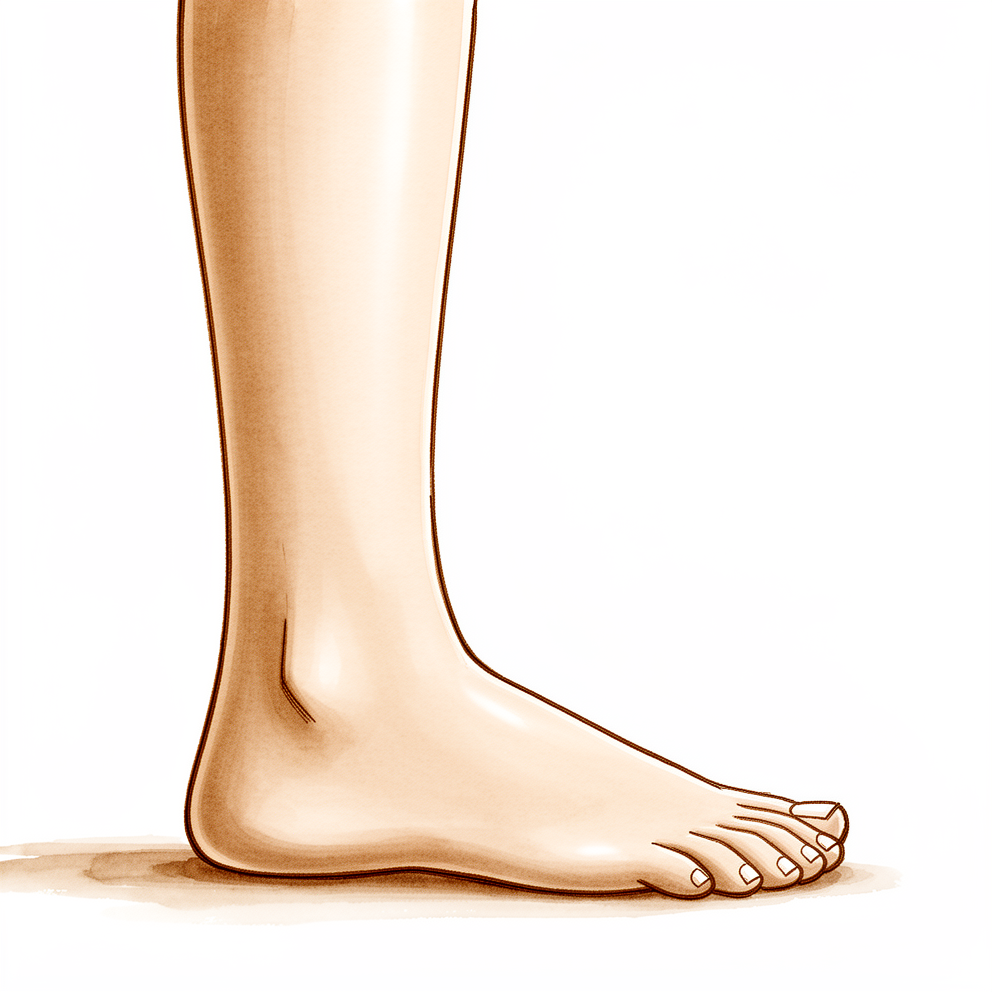
Una fractura de tobillo suele doler en las protuberancias óseas situadas a los lados del tobillo, sobre todo en el lado externo. El dolor se intensifica al intentar ponerse de pie o cargar peso sobre el pie. La hinchazón y los hematomas aparecen rápidamente; la piel sobre el tobillo puede verse estirada o brillante. Algunas personas notan pequeñas ampollas en las zonas donde la hinchazón es mayor.
El dolor tiende a empeorar cuando el tobillo permanece inmóvil durante un tiempo; por eso suele ser más intenso por la noche o al despertar. También aumenta después de estar de pie durante un rato. Elevar el pie y descansar suele aliviarlo un poco. Caminar, estar de pie junto a la encimera para cocinar, ir al baño o conducir se vuelven difíciles, ya que no se puede confiar en que el tobillo soporte el peso.
La mayoría de las fracturas de tobillo ocurren durante una simple caída o tropiezo, no en accidentes graves. Si el tobillo parece estar fuera de su posición normal, o si el pie se siente entumecido, frío o pálido, es necesario buscar atención médica urgente.
Hay varios factores que influyen en el curso de la lesión. Si padece diabetes, las heridas alrededor del tobillo cicatrizan más lentamente y hay mayor riesgo de complicaciones; por ello, su equipo médico revisará cuidadosamente la sensibilidad y la circulación en su pie. Fumar también aumenta las probabilidades de problemas en la curación. Los pacientes de mayor edad suelen tener otras afecciones de salud que influyen en el plan de tratamiento.
La gravedad de la lesión depende de qué hueso se ha roto y de si la articulación del tobillo se ha desplazado. Las fracturas que afectan únicamente al hueso lateral del tobillo son frecuentes y, a menudo, estables. Cuando se rompen ambos lados del tobillo o está afectado el hueso situado más arriba en la pierna, el tobillo es menos estable y, por lo general, se requiere cirugía para fijar el tobillo en su posición correcta.
El objetivo de cualquier tratamiento, ya sea con escayola o cirugía, es lograr una curación completa de la fractura y que el tobillo vuelva a moverse y funcionar normalmente, sin dolor.
¿Qué está ocurriendo realmente?
El tobillo es una articulación formada por tres huesos. El extremo de la tibia se sitúa en la parte superior, y dos huesos más pequeños, uno a cada lado del tobillo, lo sujetan desde ambos lados. Juntos forman una cavidad que alberga un hueso pequeño llamado astrágalo; este queda encajado en dicha cavidad, como un pasador en una articulación mortisa. En conjunto, esta estructura funciona como una especie de abrazadera que sujeta un bloque en su lugar. Las protuberancias óseas que se pueden palpar a ambos lados del tobillo corresponden a los extremos de esos dos huesos menores; su función es impedir que el astrágalo se desplace lateralmente.
Unos fuertes ligamentos, que son bandas de tejido, mantienen unidos estos huesos. Uno de ellos, situado en la cara interna del tobillo, es especialmente importante para estabilizar la articulación al soportar el peso del cuerpo. Otro grupo de ligamentos conecta la tibia con el hueso del tobillo externo, en una zona más alta; estos también pueden desgarrarse en caso de fractura. Cuando un hueso se rompe o uno de estos ligamentos clave se desgarra, la “abrazadera” se debilita. Entonces el astrágalo puede desplazarse, aunque sea mínimamente, lo que altera la distribución de la presión sobre la superficie articular.
La mayoría de las fracturas de tobillo se producen durante una simple caída o al practicar deporte, no en accidentes graves. Son muy frecuentes, representando alrededor del 10 % de todas las fracturas. Incluso un pequeño desplazamiento del astrágalo aumenta la presión interna en la articulación; con el tiempo, esto puede desgastar su superficie lisa y provocar artritis. Por eso es fundamental volver a alinear los huesos, ya sea mediante un yeso o mediante cirugía. Cuando se fracturan ambos lados del tobillo, o cuando la fractura se produce por encima del punto de unión entre la tibia y el hueso del tobillo externo, la articulación queda inestable y, por lo general, se requiere cirugía para mantenerla en su posición mientras cicatriza.
¿Qué podemos hacer al respecto?
Se toman tres vistas estándar del tobillo; en ocasiones, también se utiliza una tomografía computarizada para visualizar con mayor detalle una fractura compleja. Si padece diabetes, también evaluamos la sensibilidad y la circulación en su pie antes de decidir el tratamiento.
Lo primero que se determina es si el tobillo permanece estable. Si el hueso fracturado no se ha desplazado y la articulación se mantiene firme, la fractura puede tratarse sin cirugía. Muchas de estas lesiones se manejan mediante un soporte ortopédico en lugar de un yeso rígido, ya que el soporte resulta más cómodo y permite moverse antes. Algunas fracturas estables ni siquiera requieren férula, aunque a menudo se emplea un soporte por comodidad. Es posible que se le permita cargar peso sobre el tobillo desde el inicio; le explicaremos qué procede en su caso. Si padece diabetes o la fractura se ha desplazado, es fundamental realizar un seguimiento estrecho con radiografías, pues cualquier movimiento del hueso debe detectarse a tiempo.
La cirugía se considera cuando el tobillo es inestable, situación que suele darse cuando se fracturan ambos lados del tobillo o cuando la articulación se desplaza de su posición normal. El objetivo de la operación es mantener los huesos en la posición correcta mientras cicatrizan, de modo que el astrágalo quede centrado bajo la tibia y la presión se distribuya uniformemente por toda la articulación. Para ello se utilizan placas y tornillos; el plan exacto depende de qué huesos estén fracturados, de la calidad de su hueso y del estado de la piel y los tejidos blandos alrededor del tobillo. Si también está desgarrado el ligamento que une la tibia al hueso del tobillo externo, es posible que sea necesario estabilizarlo durante la misma intervención.
Qué esperar
La mayoría de las personas se recuperan bien tras una fractura de tobillo; el objetivo del tratamiento es precisamente lograr una fractura curada y un tobillo que se mueva y funcione sin dolor. No obstante, la recuperación no es instantánea. Un año después de la cirugía, muchas personas aún presentan ciertos síntomas y les resulta más difícil que antes realizar ciertas actividades. El dolor persistente afecta a más de un tercio de los pacientes; por ello, es razonable esperar cierta molestia durante meses, no solo días.
La rapidez con la que podrá volver a caminar depende de la lesión y del tratamiento recibido. Si el tobillo está estable y se trata sin cirugía, normalmente se usa un yeso o férula por debajo de la rodilla durante 6 semanas; muchos cirujanos recomiendan no apoyar el pie durante ese tiempo, aunque no existen pruebas sólidas de que esto sea realmente necesario. En caso de cirugía, cargar peso sobre el tobillo pronto, en unas 2 semanas, parece ser seguro cuando los huesos quedan firmemente fijados; tampoco se ha demostrado que esto genere más problemas que esperar. El movimiento y la carga temprana mejoran la funcionalidad inicial, pero no parecen influir en el tiempo necesario para volver al trabajo.
Hay algunos aspectos que conviene conocer de antemano. Alrededor del 11,5 % de los pacientes acude a urgencias dentro de los 90 días posteriores a la cirugía, mayormente en las primeras 2 semanas, generalmente por hinchazón, problemas en la herida o dolor. Las complicaciones graves son poco frecuentes: la trombosis venosa profunda, es decir, un coágulo en la pierna, ocurre en aproximadamente el 3 % de los casos, y un coágulo que llega a los pulmones en apenas el 0,3 %.
También es importante considerar el pronóstico a largo plazo. La artritis en la articulación del tobillo es poco común tras fracturas simples de baja energía, pero puede desarrollarse en hasta el 30 % de los casos de fracturas inestables; a veces tarda años o incluso décadas en manifestarse. Este riesgo aumenta si la superficie articular resultó dañada en el momento de la lesión o si los huesos no se soldaron en la posición correcta. Asimismo, algunas personas experimentan irritación por las placas y tornillos; la extracción de estos elementos ayuda a aproximadamente la mitad de dichos pacientes.
Si padece diabetes, la cicatrización es más lenta y las complicaciones son más probables, independientemente del tratamiento elegido; por ello, su equipo médico planificará cuidados adicionales. El tabaquismo, la mala circulación y otras condiciones de salud tienen efectos similares. La edad por sí sola no determina el resultado; el tipo de fractura y el grado de desplazamiento óseo son factores mucho más relevantes.
¿Cuándo consultar a un especialista?
La mayoría de las fracturas de tobillo son evidentes: no se puede apoyar peso sobre el tobillo, y este se hincha y presenta hematomas rápidamente. Si el tobillo parece estar fuera de su posición normal, o si el pie se siente entumecido, frío o pálido, acuda de inmediato a urgencias. Lo mismo aplica si la hinchazón sigue aumentando y el dolor se vuelve intenso y opresivo; esto podría indicar acumulación de presión dentro de los compartimentos musculares de la pierna. En ese caso, se requiere evaluación el mismo día.
Si la piel está rota y se ve el hueso, también se trata de una emergencia. Las fracturas abiertas conllevan un riesgo real de infección, por lo que no debe esperar.
Consulte a su médico de cabecera ante cualquier lesión de tobillo que le impida soportar peso, o cuando los puntos óseos a ambos lados del tobillo sean sensibles al tacto. Solicite una valoración especializada si padece diabetes y sufre una fractura de tobillo, ya que es más probable que surjan problemas en la herida; en ese caso, es fundamental evaluar la sensibilidad y la circulación. Lo mismo aplica si tiene mala circulación en las piernas.
Tras el tratamiento, comuníquese con su equipo médico si presenta fiebre, enrojecimiento que se extiende o secreción de líquido desde la herida. Estos signos pueden indicar infección; las infecciones profundas suelen requerir cirugía para limpiar la herida.
Evidence & references
This is the clinical evidence summary written for health professionals. It is technical, and it lists the research this page was built from. You do not need to read it to understand your treatment or to make a decision about it.
Overview
Epidemiology and Demographics
- The prevalence of diabetes is increasing, resulting in surgeons treating more diabetic ankle fractures each year [1].
- In the study year, 34.1% of patients with ankle fractures were 65 years of age or older [2].
- In 2000, 22.1% of patients with ankle fractures were 65 years of age or above [2].
- The number of ankle fractures in older patients is likely to continue to rise [2].
Clinical Challenges and Complications
- Diabetic ankle fracture patients present a unique clinical challenge due to an increased risk of complications regardless of surgical or nonsurgical treatment [1].
- Delayed fracture and wound healing, soft-tissue compromise, vasculopathy, and neuropathy must be considered when formulating a treatment plan for diabetic ankle fractures [1].
- Diabetic patients with comorbidities such as vasculopathy, neuropathy, or Charcot arthropathy have a higher risk of complications compared with diabetics without comorbidities [1].
- Higher complication rates are seen in unstable ankle fractures regardless of surgical or nonsurgical treatment [1].
Evaluation
- A thorough neurologic and vascular history and examination is required when evaluating diabetic patients with ankle fractures [1].
- Monofilament examination should be performed on diabetic patients to assess for the presence of sensory neuropathy [1].
- Patients with diminished or absent pulses warrant additional workup and potential intervention with a vascular consultation to optimize outcomes [1].
Treatment Patterns and Indications
- In the study year, about one-third of all ankle fractures were treated surgically [2].
- Only 8.7% of OTA type A infrasyndesmotic fractures required surgery [2].
- 37% of OTA type B transsyndesmotic fractures required surgery [2].
- 75% of OTA type C suprasyndesmotic fractures required surgery [2].
- Of the 18 OTA type C fractures treated nonoperatively, 17 (94.4%) were undisplaced C1.1 fractures where manipulation reduced the ankle joint successfully [2].
- 84.3% of isolated lateral malleolar fractures were treated nonoperatively [2].
- 78.9% of isolated medial malleolar fractures were treated nonoperatively [2].
- 17.6% of bimalleolar fractures were treated nonoperatively [2].
- 4.3% of trimalleolar fractures were treated nonoperatively [2].
- In ankle fractures caused by standing falls, 31.6% were treated surgically [2].
- In ankle fractures caused by low falls down stairs, 45.2% were treated surgically [2].
- 100% of ankle fractures resulting from a fall from a height were treated surgically [2].
- Age is not a predictor of surgery for ankle fractures [2].
- Treatment of diabetic ankle fractures is dictated by fracture pattern, stability, and patient comorbidities [1].
- Isolated, stable, nondisplaced diabetic ankle fractures can be treated by closed means [1].
- Any displacement or loss of reduction in a closed-treated diabetic ankle fracture should be treated with surgical stabilization [1].
- Surgical treatment of unstable diabetic ankle fractures is more likely to result in a stable, functional ankle compared to nonsurgical treatment [1].
- Nonoperative treatment of displaced diabetic ankle fractures is associated with up to 21-fold increased odds of complications compared with operative intervention [1].
Management Protocols
- In patients without associated diabetic comorbidities, standard ankle fracture fixation principles can be used [1].
- When diabetic comorbidities are present, additional supplemental fixation such as multiple syndesmotic screws, bicortical medial malleolar screws, transarticular fixation, or supplemental external fixation devices can be added to surgical constructs with the goal of enhanced stability [1].
- The current literature is inconclusive regarding the best way to achieve enhanced stability in diabetic patients with comorbidities [1].
- Prolonged non-weight bearing is recommended regardless of surgical or nonsurgical treatment of diabetic ankle fractures [1].
- If nonoperative ankle fracture treatment is undertaken, a below-knee cast or brace is applied for 6 weeks [2].
- Many surgeons do not permit weight bearing for 6 weeks after cast application for nonoperative ankle fractures [2].
- There is no good evidence to support a 6-week non-weight bearing regime after cast application for nonoperative ankle fractures [2].
- A recent analysis showed a wide variation among orthopedic surgeons regarding the duration of non-weight bearing for nonoperative ankle fractures [2].
- In a recent study comparing close contact casting with surgery for unstable ankle fractures in older patients, 19% of patients required secondary surgical treatment [2].
- In a recent study comparing close contact casting with surgery for unstable ankle fractures in older patients, the results of casting were equivalent to those of surgery with similar functional outcomes [2].
- If nonoperative management is undertaken for an ankle fracture, it is important to obtain radiographs within a week to check that fracture reduction has been maintained [2].
Anatomy & Pathophysiology
Bony Anatomy
- The ankle joint is composed of the talus centered in the mortise created by the tibial plafond and the medial border of the more posterolateral fibula [19].
- The lateral and medial malleoli provide bony restraints to lateral and medial translation, respectively [19].
- The posterior curvature of the tibial plafond, referred to as the posterior malleolus, provides a constraint to posterior translation of the talus [19].
- The posterior malleolus serves as a ligamentous anchor for the posterior syndesmotic ligaments [19].
- The talus is shaped like a trapezoid that is wider in the anterior body than in the posterior body [19].
- Dorsiflexion of the ankle widens the mortise as the fibula migrates proximally and externally rotates through the syndesmosis [19].
- The fibula lies posterior to the central axis of the tibia in the sagittal plane within the concavity of the distal posterolateral tibia, known as the incisura [19].
- The joint functions as a mortise with the body of the talus articulating with a confluent area of the tibia consisting of the tibial plafond superiorly and the medial malleolus medially [17].
- The fibula takes 1/6th of the load during weight bearing [17].
- The medial malleolus is shorter and more anterior than the lateral malleolus, resulting in a joint axis in 15 degrees of external rotation [17].
Ligaments
- Medial ligamentous support of the tibiotalar joint is provided primarily by the deep deltoid ligament, which limits lateral translation and external rotation of the talus in the mortise [19].
- The syndesmosis comprises the anterior-inferior tibiofibular ligament (AITFL), the posterior-inferior tibiofibular ligament (PITFL), and the interosseous ligament [19].
- The AITFL attaches to the Chaput tubercle on the anterolateral tibia [19].
- The PITFL attaches to the lateral aspect of the posterior malleolus [19].
- The interosseous ligament is central between the tibia and fibula, and proximal to this, the bones are coupled by the interosseous membrane [19].
- Disruption of the deep deltoid ligament in association with a lateral injury may result in an unstable tibiotalar joint mandating surgical fixation [19].
Pathophysiology & Mechanism
- Ankle fractures are typically low-energy injuries with the majority occurring due to simple falls or sport [17].
- Open ankle fractures are predominantly low-energy injuries caused by simple falls, with the highest incidence in elderly women [17].
- High-energy mechanisms indicate the likelihood of additional soft tissue complications, compartment syndrome, the presence of more complex pilon fractures, or other associated injuries [4].
- The Lauge-Hansen classification system is based on cadaver work identifying common fracture patterns based on the position of the foot and direction of force applied at the time of injury [5].
- The Orthopaedic Trauma Association (OTA) and Danis-Weber classifications are based on the location of the fibula fracture and the elements of the ankle joint that are fractured [5].
- Supination-adduction fractures are produced by tension failure of the fibula and axial loading of the medial plafond, resulting in a vertical medial malleolar fracture [5].
- Supination-adduction injuries often have impaction of the medial shoulder of the tibial plafond [5].
- The posterior pilon fracture variant is usually associated with a posterior tibiotalar dislocation and a characteristic posterior malleolar fracture extending from the PITFL origin laterally to the medial malleolus [5].
- The posterior pilon fracture variant produces a double contour of the medial malleolus on the AP radiograph [5].
- Ankle fractures represent 10% of all fractures with an incidence of around 137/10⁵ population per year [17].
- Ankle fractures are the second most common lower limb fractures after hip fractures [17].
- The mean age at injury for ankle fractures is 45 years [17].
- Ankle injuries have a bimodal distribution with peak incidences in younger men and older women, with a 50-year gap between peaks [17].
- Patients with an AO type C fracture more commonly sustain their injury because of a fall from a height or a motor vehicle accident than patients with AO type A or B fractures [17].
- Bimalleolar and trimalleolar ankle fractures do not have a bimodal distribution but instead have a type E distribution with a peak only in elderly women [17].
- The microarchitecture of the trabecular bone in the distal tibia of elderly patients with ankle fractures is abnormal and depleted, and bone stiffness is reduced compared with uninjured controls [17].
- Obesity is a risk factor for sustaining ankle fractures, with obese women over the age of 55 years significantly more likely to sustain an ankle fracture than nonobese women [17].
- Obesity predisposes to more severe injury, with patients with an unstable ankle fracture far more likely to be obese (29%) than patients with stable ankle fractures (4%) [17].
- Alcohol use is a risk factor for ankle fractures, with 29% of patients in one series found to have consumed alcohol in the 4 hours preceding fracture [17].
- Diabetes indicates an increased likelihood of wound complications owing to immunologic and vascular impairment [4].
- Poorly controlled diabetics are at risk of peripheral neuropathy, which may influence postoperative weight-bearing decisions [4].
- A history of smoking, alcohol abuse, and psychiatric illness increases the likelihood of complications [4].
- In diabetic patients, delayed fracture and wound healing, soft-tissue compromise, vasculopathy, and neuropathy need to be considered when formulating a treatment plan [1].
- Diabetic patients with comorbidities (vasculopathy, neuropathy, Charcot arthropathy) have a higher risk of complications compared with diabetics without comorbidities [1].
- Minimal displacement of the talus can lead to increased joint contact pressures and increased risk of posttraumatic arthritis [9].
- Osteoarthritis of the ankle is most commonly caused by trauma, with 39% of cases in a recent series found to be secondary to ankle fracture [6].
- AO/OTA type C fracture patterns, high BMI, dislocation, and increased age are risk factors for the development of osteoarthritis [6].
- Cartilage damage is a predictor of posttraumatic osteoarthritis, with worse outcomes found with deeper lesions and those on the anterior or lateral talus or the medial malleolus [6].
- The mean time from ankle fracture to end-stage osteoarthritis is 21 years [6].
- In pediatric patients, inversion ankle injuries typically result in distal fibular physeal fractures, almost exclusively Salter-Harris type I or II [11].
- Tillaux fractures are Salter-Harris type III fractures of the anterolateral tibial epiphysis that occur with supination–external rotation injuries [11].
- Triplane fractures are Salter-Harris type IV fractures that include an anterolateral fragment of the distal tibial epiphysis in conjunction with a metaphyseal fracture [11].
- Growth arrest with angular deformity and/or leg length discrepancy is minimized by reduction within 2 mm of anatomic in pediatric ankle fractures [11].
- Medial malleolar Salter-Harris type IV shear ankle fractures have the highest risk of growth arrest [11].
- Joint incongruity and late osteoarthritis are risks with distal tibial Salter-Harris type III and IV fractures [11].
- Complex regional pain syndrome is relatively common in children following ankle fractures [11].
Classification
- Approximately one-third of all ankle fractures were treated surgically in the study year [2].
- The distribution of ankle fractures follows a type I pattern with similar prevalence of primary surgery across all study groups [2].
- When the OTA classification is applied, 8.7% of OTA type A infrasyndesmotic fractures required surgery [2].
- When the OTA classification is applied, 37% of OTA type B transsyndesmotic fractures required surgery [2].
- When the OTA classification is applied, 75% of OTA type C suprasyndesmotic fractures required surgery [2].
- Of 18 OTA type C fractures treated nonoperatively, 17 (94.4%) were undisplaced C1.1 fractures where manipulation successfully reduced the ankle joint [2].
- 31.6% of ankle fractures caused by standing falls were treated surgically [2].
- 45.2% of ankle fractures caused by low falls or falls down stairs were treated surgically [2].
- 34.1% of patients with ankle fractures were 65 years of age or older in the study year [2].
- In 2000, 22.1% of patients with ankle fractures were 65 years of age or older [2].
Clinical Presentation
History and Mechanism
- Assessment of an ankle fracture requires a detailed history, a thorough physical examination, and radiographic imaging [4].
- High-energy mechanisms indicate the likelihood of additional soft tissue complications, compartment syndrome, the presence of the more complex pilon fracture, or other associated injuries [4].
Physical Examination
- Clinical examination begins with inspection for deformity, bruising, blistering, skin integrity, and color [4].
- Palpation of the limb starts at the fibular head and progresses sequentially down the lateral aspect of the leg to the lateral malleolus and the soft tissues anterior and posterior to it before moving medially across the ankle joint to the medial malleolus and its adjacent soft tissue structures [4].
- Palpation of the skeleton of the foot excludes commonly associated or missed injuries such as fractures of the metatarsals or lateral talar process, or disruption of the midtarsal (Lisfranc) articulation [4].
- Palpation of the Achilles tendon and the Simmonds or Thompson's test exclude rupture of this structure [4].
- A distal neurovascular assessment includes assessment of temperature and capillary refill [4].
- Skin marking of palpable dorsalis pedis and posterior tibial arterial pulsations at presentation is helpful in later assessment if the condition of the limb deteriorates [4].
- The initial assessment of a patient with an ankle fracture includes an evaluation of the soft-tissue envelope and neurovascular status [5].
- A carefully documented motor and sensory examination should be performed [5].
- In the absence of abnormal neurologic or vascular signs, or a grossly dislocated tibiotalar joint, radiographs of the ankle before reduction may allow better characterization of the injury [5].
Diagnostic Criteria and Imaging
- The Ottawa ankle rules provide assistance in determining the need for x-ray [4].
- The Ottawa ankle rules offer a highly sensitive and cost-effective method of identifying patients presenting with ankle injuries that are most likely to have sustained a fracture [4].
- Other authors have reported difficulties in disseminating the Ottawa ankle rules, and their applicability in certain patient groups such as diabetics has been questioned [4].
- The Ottawa ankle rules indicate pain exists near one or both of the malleoli plus one or more of the following: age >55 years old, inability to bear weight, or bone tenderness over the posterior edge or the tip of either malleolus [4].
- The AO/Orthopaedic Trauma Association, Danis-Weber, and Lauge-Hansen systems may be used to classify ankle fractures [5].
- The Lauge-Hansen system is based on cadaver work, which identified common fracture patterns based on the position of the foot and direction of force applied at the time of injury [5].
- The Orthopaedic Trauma Association and Danis-Weber classifications are based on the location of the fibula fracture and the elements of the ankle joint that are fractured [5].
- Some malleoli fractures, especially those that involve axial load, may have similar features to a tibial pilon fracture, including articular impaction that should be addressed at the time of surgery [5].
- The posterior pilon fracture variant is usually associated with a posterior tibiotalar dislocation and has a characteristic posterior malleolar fracture that extends from the PITFL origin laterally to the medial malleolus as a contiguous or multifragmentary injury [5].
- Lauge-Hansen supination-adduction fractures are produced by tension failure of the fibula and axial loading of the medial plafond, resulting in a vertical medial malleolar fracture [5].
- Lauge-Hansen supination-adduction fractures often have impaction of the medial shoulder of the tibial plafond [5].
- Thorough assessment of the patient’s imaging and cataloging of the features of their injury are required beyond simple classification [5].
Diabetic Ankle Fractures
- Intentional and deliberate evaluation and treatment of diabetic ankle fractures is paramount [1].
- Surgeons are treating more diabetic ankle fractures each year owing to the increasing prevalence of diabetes [1].
- Diabetic patients present a unique clinical challenge due to increased risk of complications, regardless of surgical or nonsurgical treatment [1].
- Delayed fracture and wound healing, soft-tissue compromise, vasculopathy, and neuropathy all need to be considered when formulating a treatment plan for diabetic ankle fractures [1].
- Monofilament examination should be performed on diabetic patients to assess for presence of sensory neuropathy [1].
Investigations
Clinical Assessment
- High-energy mechanisms of injury indicate the likelihood of additional soft tissue complications, compartment syndrome, complex pilon fractures, or other associated injuries [4].
- The Ottawa ankle rules provide a highly sensitive and cost-effective method of identifying patients with ankle injuries most likely to have sustained a fracture [4].
- The applicability of the Ottawa ankle rules in certain patient groups such as diabetics has been questioned [4].
- A carefully documented motor and sensory examination should be performed during initial assessment [5].
Radiography
- The three standard radiographs for ankle fracture evaluation are an anteroposterior (AP), a lateral, and a mortise projection [10].
- Tenderness of the proximal fibula should be investigated with a full-length radiograph of the leg [10].
- A mortise view of the ankle taken in 15 degrees of internal rotation is helpful in assessing the lateral aspect of the ankle, which is often poorly seen on the AP view due to overlap of the tibia, fibula, and talus [10].
- Interpretation of radiographs follows the sequence ABCS, including assessment of technical adequacy and alignment, cortical outline and trabecular morphology, and soft tissue contour [10].
- The medial clear space should be less than 5 mm and no more than 2 mm greater than the tibiotalar clear space [10].
- The tibiofibular clear space (syndesmosis A) 10 mm above the joint line should be greater than 5 mm [10].
- The tibiofibular overlap (syndesmosis B) 10 mm above the joint line should be less than 5 mm on the AP view and less than 1 mm on the mortise view [10].
- The articular margins of the distal fibula and the lateral process of the talus on the mortise view should be parallel and equal to the tibiotalar joint space [10].
- The "ball sign" is a confirmatory visual cue for fibular length, described as an unbroken curve connecting the recess in the distal tip of the fibula and the lateral process of the talus when the fibula is out to length [10].
- The talocrural angle is approximately 83 degrees and should be symmetrical with the contralateral ankle [10].
- Medial malleolus displacement should be less than 2 mm [10].
- Lateral malleolus displacement should be less than 2 mm shortening, or displacement posteriorly or proximally [10].
- Posterior malleolus displacement is considered abnormal if the fragment is greater than 25% of the ankle joint seen on the lateral radiograph or greater than 2 mm displaced [10].
- The medial clear space between the medial shoulder of the talar body and medial malleolus typically is less than 5 mm on AP and mortise radiographic views [14].
- The tibiofibular clear space between the medial border of the distal fibula and the medial incisura typically measures less than 6 mm on the AP and mortise views [14].
- Comparison radiographs of the contralateral limb are particularly useful to identify whether an accurate reduction of fibular length, rotation, and/or the syndesmosis has been obtained [14].
- External rotation stress or gravity stress radiographs assess for deltoid integrity [15].
- Medial clear space widening with stress indicates deep deltoid disruption and implies an unstable fracture pattern [15].
- The medial clear space is typically less than 4 mm [15].
- The talocrural angle is 83 (±4) degrees [15].
- Talar tilt should be less than 2 mm [15].
- Measurements for syndesmotic issues are made at 10 mm above the plafond [15].
- The tibiofibular clear space is less than 6 mm on AP and mortise views, and abnormality of this is most predictive of syndesmotic disruption [15].
- Tibiofibular overlap is more than 6 mm on the AP view and more than 1 mm on the mortise view when abnormal [15].
- A continuous curve along the lateral talus and tip of the distal fibula is known as the Shenton line or dime sign [15].
- The ankle fracture spur sign at the inferomedial tibial metaphysis is indicative of a hyperflexion variant injury [15].
- After reduction of an injury with an ankle fracture spur sign, a CT scan should be obtained to evaluate the articular surface more clearly [15].
Advanced Imaging
- CT is performed for complex fracture patterns and posterior malleolar fractures [15].
- Fractures with a posterior malleolar component or fracture/dislocations are best evaluated with a CT scan to assess for the presence and displacement of articular fragments [15].
- The severity of posterior malleolar fractures on plain radiographs can be underestimated in comparison with appearance on CT scans [15].
- A CT scan allows evaluation of the orientation of the fracture line, location of the fracture apex, size of the fragment, associated impaction, and presence of medial extension for posterior malleolar fragments [14].
- Impaction of the articular surface can be identified in injuries involving axial load, which is especially prevalent in supination-adduction type injuries [14].
- CT can evaluate the syndesmosis, including shape and depth of the incisura, debris that may block a reduction, and small avulsion fractures of the anterior-inferior tibiofibular ligament or posterior-inferior tibiofibular ligament [14].
- Some authors have described obtaining a CT scan of both ankles in the presence of a syndesmosis injury to identify normal anatomy due to significant variability in the width and congruence of the incisura-fibula relationship [14].
- A 2014 study concluded that MRI was unnecessary for supination-external rotation injuries, displaying a lower interobserver reliability compared with external rotation stress [14].
- Ultrasonography may be effective and potentially less painful for the patient in evaluating deltoid ligament integrity [14].
- Arthroscopy has been found to be more sensitive than MRI and stress radiographs of the syndesmosis in detecting instability [12].
- A cadaver study showed that stress radiographs were inadequate in distinguishing between an intact ligament and a single disrupted ligament, whereas arthroscopy better demonstrated an isolated ligament disruption [12].
- Arthroscopic evaluation of the joint before fixation of an ankle fracture can detect chondral injuries and latent syndesmosis injuries [12].
- Osteochondral lesions were present in 26% of Weber B fractures, 24% of Weber C fractures, and 20% of isolated medial malleolar fractures [12].
- Chondral lesions were identified in 78% of 116 patients with acute ankle fracture, and talar dome chondral lesions were present in 43% [12].
- All patients with dislocations had a chondral lesion, and patients with complete syndesmosis disruption and instability were more likely to have chondral injury [12].
- Patients younger than 30 were less likely to have a chondral injury [12].
- A meta-analysis revealed that functional outcomes were better after arthroscopically assisted open reduction and internal fixation than conventional open reduction in patients with ankle fractures [12].
- A systematic review found fair-quality evidence for use of ankle arthroscopy in detecting intraarticular injuries, but insufficient evidence for improvement of functional outcome, reduction in complication rates, or operative time [12].
- Fuchs et al. found no statistically significant improvement in patients with unstable ankle fractures who had concomitant ankle arthroscopy but also found no increased complications [12].
- Average operative time was increased by only 15 minutes when ankle arthroscopy was performed concomitantly with fracture fixation [12].
Pediatric Specifics
- Ankle fractures represent around 5% of all pediatric fractures and 15% to 20% of all physeal injuries [11].
- An anatomic classification system, typically the Salter-Harris classification, is commonly used for pediatric ankle fractures [11].
- A mechanistic classification system such as the Dias-Tachdjian classification may be used for pediatric ankle fractures [11].
- Inversion ankle injuries in children typically result in distal fibular physeal fractures, almost exclusively Salter-Harris type I or II [11].
- MRI studies do not show physeal injuries of the distal fibula in children following inversion injuries, questioning the dogma that these fractures are more common than ankle sprains [11].
- Salter type I fractures are diagnosed clinically by tenderness at the level of the physis and radiographs that show no malalignment of the physis and soft-tissue swelling over the distal fibula [11].
- Postreduction CT should be obtained for triplane fractures to confirm that reduction is satisfactory, defined as less than 2 to 3 mm of fracture diastasis and articular step-off [11].
- Postreduction CT should show less than 2 to 3 mm of displacement (fracture diastasis or articular step-off) for Salter-Harris type III fractures [11].
Treatment
General Principles
- Ankle fractures typically have good outcomes when appropriately managed either surgically or nonsurgically [7].
- Tibiotalar instability is the primary indication for surgical management of ankle fractures [21].
- Injuries involving multiple malleoli produce tibiotalar instability and require surgery to restore ankle joint stability [9].
- Isolated fibula fractures may be managed nonsurgically if they do not result in ankle joint instability [9].
- Restoration of tibiotalar stability and a talus centered under the tibial plafond on both views is required because minimal displacement of the talus can lead to increased joint contact pressures and increased risk of posttraumatic arthritis [9].
- The reduction and fixation strategy for a given injury depends on the fracture pattern, bone quality, and condition of the soft tissues [9].
- Fixation should be planned based on the mechanism of injury to resist the predicted mode of failure [21].
Nonoperative Management
- Isolated, stable, nondisplaced ankle fractures can be treated by closed means [1].
- Close follow-up with radiographic and clinical evaluation is essential for successful nonoperative treatment of ankle fractures [1].
- Any displacement or loss of reduction in a nonoperatively treated ankle fracture should be treated with surgical stabilization [1].
- Nonoperative treatment of displaced ankle fractures is associated with up to 21-fold increased odds of complications compared with operative intervention [1].
- Many surgeons do not permit weight bearing for 6 weeks after cast application, but there is no good evidence to support this regime [2].
- A recent analysis showed a wide variation among orthopedic surgeons regarding the duration of non-weight bearing after nonoperative treatment [2].
- In the study comparing close contact casting with surgery for unstable ankle fractures in older patients, the results of casting were equivalent to those of surgery with similar functional outcomes [2].
- Nonoperative treatment is recommended for malleolar fractures in older diabetic patients with low functional demands [18].
- If the ankle fracture is nondisplaced or minimally displaced and has a stable configuration, closed management with prolonged casting is an acceptable alternative, but only with close supervision [18].
- Prolonged immobilization is often necessary to prevent the development of neuropathic complications in diabetic patients [18].
Operative Management: Fibula
- Commonly, the fibula fracture is first addressed through a direct reduction followed by placement of a lag screw and neutralization or antiglide plating for oblique fractures [9].
- Compression plating is used for transverse fibula fractures [9].
- Bridge plating is used in the setting of comminution and is paired with indirect reduction techniques, where the goal is restoration of fibular length, alignment, and rotation [9].
- In the setting of a comminuted fibula fracture, reduction of the medial or posterior malleoli may first assist in indirect reduction of the fibula [9].
- Intramedullary screw or rod fixation of the fibula can be performed and may be useful in the setting of traumatized soft tissues or patients with high risk of wound complications from a more open approach [9].
- Intramedullary screw or rod fixation of the fibula is best reserved for length-stable fracture patterns [9].
- Locking plates can be used for fibula fixation in patients with poor bone quality or neuropathy [9].
Operative Management: Medial Malleolus
- Most medial malleolar fractures are amenable to direct reduction and fixation with one or two fully threaded solid or cannulated screws [9].
- Screws for medial malleolar fixation may be unicortical or bicortical [9].
- One recent randomized controlled trial demonstrated no difference in patient-reported outcomes between patients treated with one and two screws for medial malleolar fixation [9].
- Plates can be used for medial malleolar fixation [9].
- Tension band fixation can be effective for small, tension failure fractures where screw fixation is not feasible [9].
- Buttress plating is recommended for vertical fractures of the medial malleolus, as seen in supination-adduction type injuries [9].
- Articular impaction of the medial shoulder in vertical medial malleolar fractures should be reduced and stabilized [9].
- Some authors have discussed not fixing minimally displaced medial malleolar fractures following fixation of the fibula [9].
- In the absence of a medial malleolar fracture, deltoid repair has been advocated by some authors following fixation of the fibula if there is persistent tibiotalar instability, but the indications for this have not been well established [9].
Operative Management: Posterior Malleolus
- Reduction and fixation of a displaced fracture of the posterior malleolus can have multiple benefits, including constraint to posterior tibiotalar instability and restoration of tibial plafond articular congruity [8].
- Stabilization of the PITFL attachment can improve syndesmotic stability [8].
- Restoration of the posterior aspect of the tibial plafond restores the bony constraint of the posterior incisura [8].
- One recent study found that fixation of the posterior malleolus significantly reduced the likelihood of requiring syndesmosis fixation [8].
- Another study found that malreduction of the posterior malleolus was more likely to result in malreduction of the syndesmosis [8].
- In many cases, because of the PITFL attachments, an anatomic reduction of the posterior malleolus will indirectly aid in restoration of fibular length and rotation in the setting of a complex fibula fracture [8].
- If surgical management of the posterior malleolus is chosen, the reduction may be accomplished indirectly via an anatomic reduction of the fibula fracture, percutaneously, or directly via a posterolateral or posteromedial approach [8].
- If the fibula is reduced first, it is important to avoid placement of implants on the fibula that would block radiographic assessment of the posterior malleolus [8].
- Fixation options for the posterior malleolus include anterior-to-posterior lag or position screws, posterior-to-anterior screws, or posterior buttress plating [8].
- Buttress plating has been shown to be biomechanically favorable, although it is unclear if this increased construct strength is clinically meaningful [8].
- Small or mini-fragment plates can be used for posterior malleolar fixation and are typically placed over the fracture apex [8].
- Lag screws can be placed close to the joint through the plate using fluoroscopic guidance [8].
- Direct reduction from a posterior approach has been linked to improved patient function when compared with percutaneous reduction and anterior-to-posterior screws [8].
Operative Management: Syndesmosis
- The syndesmosis should be evaluated for instability [21].
- The importance of an accurate syndesmosis reduction has been established [7].
- Novel methods for avoiding malreduction of the syndesmosis have been described, including careful tine placement if a clamp is used [7].
- The potential benefits of using flexible fixation for the syndesmosis have been described [7].
- Comparison radiographs of the contralateral extremity, CT scan, or direct visualization are options for assessing syndesmosis reduction accuracy [21].
- Malreduction of the syndesmosis has been associated with poorer clinical outcomes [21].
- Suture button fixation has been demonstrated to reduce rates of syndesmotic malreduction [21].
- Suture button fixation generally increases cost and does not eliminate complications or the need for implant removal [21].
Special Populations: Diabetes
- Higher complication rates are seen in unstable ankle fractures regardless of surgical or nonsurgical treatment; however, surgical treatment is more likely to result in a stable, functional ankle [1].
- When comorbidities are present, additional supplemental fixation (ie, multiple syndesmotic screws, bicortical medial malleolar screws, transarticular fixation, or supplemental external fixation devices) can be added to surgical constructs with the goal of enhanced stability [1].
- Operative treatment in patients with complicated diabetes mellitus is associated with significant complications [18].
- Significantly increased risk of unplanned readmission, unplanned reoperation, and mortality has been demonstrated in diabetic patients undergoing operative treatment for ankle fractures [18].
- Complications have been reported to be as high as 43% in diabetic patients compared with 15.5% in patients without diabetes [18].
- Complications in diabetic patients may include deep and superficial infection, loss of fixation, malunion, wound necrosis, and amputation [18].
- Diabetic patients treated nonoperatively have shown a high frequency of loss of reduction and malunion, but they can be relatively minimally symptomatic [18].
- If surgical treatment of the ankle fracture is indicated in a diabetic patient, it should not be delayed or avoided simply because the patient is diabetic [18].
- If the ankle fracture is displaced, and either considerable manipulation is necessary to reduce it or molding is required to maintain the reduction, an open approach with internal fixation is recommended for diabetic patients [18].
- A study by Guo et al. compared patients with preoperatively neglected type 2 diabetes and a nondiabetic matched cohort and found no significant increase in postoperative infection after immediate operative stabilization of closed ankle fractures [18].
- Jones et al. demonstrated that operatively treated ankle fractures in diabetic patients without comorbidities had comparable complication rates to nondiabetic patients [18].
- The presence of diabetic comorbidities and, in particular, a history of Charcot arthropathy increased the likelihood of complications [18].
- In one large series, Costigan et al. reported 84 patients who underwent ORIF for acute closed ankle fractures [18].
- In the series by Costigan et al., open fractures, insulin dependence, patient age, and fracture type affected outcome [18].
- In the series by Costigan et al., 83% of patients with absent pedal pulses and 92% of patients with preoperative neuropathy developed complications [18].
- Operatively treated ankle fractures in diabetic patients are associated with higher rates of mortality and length of hospital stay, as well as total hospital charges [18].
- Ayoub reported the results of tibiotalar arthrodesis in 17 diabetic patients with unstable bimalleolar ankle fractures complicated by Charcot arthropathy [18].
- In the series by Ayoub, results were better with surgery within 3 to 6 months of onset, with absence of dense peripheral neuropathy, and in patients with satisfactory extremity oxygenation [18].
- In the series by Ayoub, amputation was required in 17.6% of patients [18].
- Standard fixation techniques are typically used in patients with controlled diabetes and unstable ankle fractures [18].
- In certain patients deemed at increased risk for fixation failure, the fixation strategy may be modified in the interest of obtaining rigid fixation [18].
- Modified fixation strategies for high-risk diabetic patients include bicortical medial malleolar fixation, placement of multiple transfibular or transtibial syndesmotic position screws, adjuvant external fixation, and application of locking plate technology [18].
Special Populations: Geriatric
- Ankle fractures are increasing in incidence in the geriatric population [22].
- Ankle fractures in geriatric patients can be particularly difficult to treat because of poor bone and soft-tissue quality, medical comorbidities, and low functional reserve [22].
- In a 2011 study examining 92 patients older than 80 years with surgically managed fractures, Weber type B fibula fractures were most common [22].
- In the 2011 study of patients older than 80 years, the 30-day mortality rate was 5.4% (5 patients) [22].
- In the 2011 study of patients older than 80 years, diabetes mellitus, dementia, and peripheral vascular disease were risk factors for wound complications [22].
- A 2013 study that compared surgical outcomes between geriatric and nongeriatric populations with SER type IV fractures showed similar outcomes between the two groups [22].
- Geriatric patients may have difficulty adhering to weight-bearing restrictions [22].
- Alternative or augmented fixation methods may be considered to protect geriatric patients who cannot comply fully with weight-bearing restrictions [22].
- In a 2011 study, augmentation of a construct used to treat AO/Orthopaedic Trauma Association type 44-B fractures with an intramedullary wire and cement allowed immediate weight bearing with no cases of nonunion [22].
- Tibiotalocalcaneal nailing and early weight bearing have been used with good results in geriatric patients [22].
- In a 2013 series of 31 patients, tibiotalocalcaneal nailing resulted in 29 returning to their original level of mobility without complication [22].
- In a 2014 study, tibiotalocalcaneal nailing returned 90% of patients to their preinjury functional level [22].
- Other authors have suggested multiple transfibular-transtibial screw fixation depending on the patient’s bone quality [22].
- Geriatric patients and patients with diabetes are at higher risk of complications, and as such, augmented fixation strategies including locked plating, multiple syndesmosis screws, or hindfoot nailing have been described in this cohort [21].
Complications
- Most patients have good outcomes following ankle fracture, but there are a range of potential complications [6].
- Wound infection/dehiscence occurs at a rate of 1%–10% [6].
- Superficial wound infections can often be treated with antibiotics and dressings [6].
- Deep infections may respond to suppression antibiotics until the fracture has united but then usually require surgery to debride the wound and obtain bacteriologic specimens [6].
- Exposed hardware may require removal and the use of a spanning external fixator until the infection is eradicated [6].
- Loss of reduction occurs at a rate of 0%–2% [6].
- Loss of reduction is most common in conservatively treated, unstable fractures [6].
- In surgically treated fractures, loss of reduction may be related to inadequate initial reduction, inadequate fixation, poor bone stock, peripheral neuropathy or psychiatric illness [6].
- Malunion increases the risk of osteoarthritis [6].
- DVT occurs at a rate of 3% and PE at a rate of 0.3% [6].
- Chemoprophylaxis for thromboembolism is of uncertain efficacy [6].
- Symptomatic hardware varies depending on the type and location of the fixation device [6].
- Removal of symptomatic hardware is effective in 50% of patients [6].
- Osteoarthritis is rare in low-energy fractures but occurs in up to 30% of unstable patterns [6].
- Osteoarthritis may take several decades to become evident [6].
- Osteoarthritis is higher when anatomical reduction of the mortise is not achieved [6].
- Osteoarthritis may require functional bracing or an arthrodesis [6].
- Nonunion is most commonly encountered after nonoperative treatment [6].
- Nonunion is often asymptomatic, but if painful may require (revision) fixation and possibly bone grafting [6].
- Compartment syndrome is rare and associated with high-energy fractures [6].
- The superficial peroneal, sural, and saphenous nerves are all at risk in the subcutaneous layer and injury may result in a patch of anesthetic, or worse, dysesthetic skin [6].
- Wound infection rates of up to 32% have been reported in diabetic patients [6].
- High rates of fixation failure have been reported in elderly patients [6].
- Osteoarthritis may occur even following perfect reduction, presumably because of cartilage damage at the time of injury [6].
- A study by Stufkens et al. found that cartilage damage was a predictor of posttraumatic osteoarthritis at a mean of almost 13 years follow-up [6].
- No correlation was found between the number of cartilage lesions and the outcome, but worse outcomes were found with deeper lesions and those on the anterior or lateral talus or the medial malleolus [6].
- Arthroscopic
Complications
General Complications
- Wound infection/dehiscence occurs in 1%–10% of ankle fracture cases [6].
- Deep wound infections may respond to suppression antibiotics until the fracture has united but usually require surgery to debride the wound and obtain bacteriologic specimens [6].
- Loss of reduction occurs in 0%–2% of ankle fracture cases [6].
- Deep vein thrombosis (DVT) occurs in 3% of ankle fracture cases [6].
- Pulmonary embolism (PE) occurs in 0.3% of ankle fracture cases [6].
- The efficacy of chemoprophylaxis for thromboembolism is uncertain [6].
- Osteoarthritis is rare in low-energy ankle fractures but occurs in up to 30% of unstable patterns [6].
- Osteoarthritis risk is higher when anatomical reduction of the mortise is not achieved [6].
- Osteoarthritis may be related to chondral injury at the time of injury [6].
- Nonunion is most commonly encountered after nonoperative treatment of ankle fractures [6].
- Compartment syndrome is rare and associated with high-energy ankle fractures [6].
- The superficial peroneal, sural, and saphenous nerves are at risk in the subcutaneous layer during ankle fracture treatment [6].
- Injury to the superficial peroneal, sural, or saphenous nerves may result in a patch of anesthetic or dysesthetic skin [6].
- Postoperative complications result in significantly worse patient-reported outcomes [6].
- There is a correlation between complications and the development of osteoarthritis [6].
- Complex regional pain syndrome (CRPS) is a less common complication of ankle fractures [6].
- The most common complications of ankle fractures are wound infection, symptomatic metalwork, and failure of fixation [6].
Osteoarthritis Risk Factors and Prognosis
- Trauma is the most common cause of ankle osteoarthritis, with 39% of cases in a recent series found to be secondary to ankle fracture [6].
- AO/OTA type C fracture patterns are a risk factor for the development of post-traumatic ankle osteoarthritis [6].
- High body mass index (BMI) is a risk factor for the development of post-traumatic ankle osteoarthritis [6].
- Dislocation is a risk factor for the development of post-traumatic ankle osteoarthritis [6].
- Increased age is a risk factor for the development of post-traumatic ankle osteoarthritis [6].
- Cartilage damage was a predictor of posttraumatic osteoarthritis at a mean of almost 13 years follow-up [6].
- No correlation was found between the number of cartilage lesions and the outcome [6].
- Worse outcomes were found with deeper cartilage lesions [6].
- Worse outcomes were found with cartilage lesions on the anterior or lateral talus or the medial malleolus [6].
- The most common site of articular cartilage damage is the talus, followed by the distal tibia and fibula, and finally the medial malleolus [6].
Diabetic Ankle Fractures
- Delayed fracture and wound healing, soft-tissue compromise, vasculopathy, and neuropathy need to be considered when formulating a treatment plan for diabetic ankle fractures [1].
- Wound infection rates of up to 32% have been reported in diabetic patients with ankle fractures [6].
Thromboembolic Prophylaxis
- A large study noted a low rate of venous thromboembolic events and observed no difference between patients who received prophylaxis and those who did not [23].
- In a retrospective analysis of 5,286 patients matched with 5,286 controls, a subset of 566 patients undergoing hindfoot and ankle surgery showed a decrease in venous thromboembolism incidence from 1.4% to 0.4% with anticoagulant prophylaxis [23].
- In the same subset of 566 patients, adverse bleeding events increased from 0.7% to 1.4% with anticoagulant prophylaxis [23].
- Patients who received anticoagulant prophylaxis had a significantly lower risk of developing a venous thromboembolism compared with patients who did not (39 patients [0.7%] versus 99 patients [1.9%]; odds ratio 0.38; 95% confidence interval 0.25 to 0.56; P < 0.001) [23].
- Patients who received anticoagulant prophylaxis had a significantly higher risk of developing a bleeding adverse event than those who did not (115 [2.2%] versus 55 [1.0%]; odds ratio 2.18; 95% confidence interval 1.55 to 3.09; P < 0.001) [23].
- Neither the reduction in venous thromboembolism nor the increase in bleeding events reached statistical significance in the overall analysis, indicating that patients at high risk of venous thromboembolism should be placed on postoperative anticoagulant while those at high risk of bleeding events should forego it [23].
Recovery
Evaluation
Treatment
- Close follow-up with radiographic and clinical evaluation is essential for successful treatment of isolated, stable, nondisplaced diabetic ankle fractures [1].
- Any displacement or loss of reduction in isolated, stable, nondisplaced diabetic ankle fractures should be treated with surgical stabilization [1].
- Higher complication rates are seen in unstable diabetic ankle fractures regardless of surgical or nonsurgical treatment [1].
- Surgical treatment of unstable diabetic ankle fractures is more likely to result in a stable, functional ankle [1].
- When comorbidities are present, additional supplemental fixation can be added to surgical constructs with the goal of enhanced stability [1].
- Examples of supplemental fixation for diabetic ankle fractures with comorbidities include multiple syndesmotic screws, bicortical medial malleolar screws, transarticular fixation, or supplemental external fixation devices [1].
- The current literature is inconclusive regarding the best way to achieve enhanced stability in diabetic ankle fracture patients with comorbidities [1].
Prognosis
References
[1] Aaos Comprehensive Orthopaedic Review 3. The Diabetic Foot and Ankle > V. Diabetic Ankle Fractures.
[2] Rockwood And Green S Fractures In Adults. 9: Principles of Nonoperative Management of Fractures > Ankle Fractures.
[4] Rockwood And Green S Fractures In Adults. 59: Patellar Fractures and Dislocations and Extensor Mechanism Injuries > Clinical Assessment of Ankle Fractures.
[5] Orthopaedic Knowledge Update Trauma. Ankle Fractures > Initial Assessment and Classification.
[6] Rockwood And Green S Fractures In Adults. 59: Patellar Fractures and Dislocations and Extensor Mechanism Injuries > Management of Adverse Outcomes and Unexpected Complications in Ankle Fractures.
[7] Orthopaedic Knowledge Update Trauma. Ankle Fractures > Abstract.
[8] Orthopaedic Knowledge Update Trauma. Ankle Fractures > Posterior Malleolar Fractures.
[9] Orthopaedic Knowledge Update Trauma. Ankle Fractures > Management.
[10] Rockwood And Green S Fractures In Adults. 59: Patellar Fractures and Dislocations and Extensor Mechanism Injuries > Imaging and Other Diagnostic Studies for Ankle Fractures > Radiography.
[11] Aaos Comprehensive Orthopaedic Review 3. Pediatric Pelvic and Lower Extremity Fractures > VIII. Ankle Fractures.
[12] Campbell S Operative Orthopaedics 4 Volume Set. ARTHROSCOPIC EXAMINATION AND DEBRIDEMENT OF THE ANKLE JOINT > ANKLE FRACTURES.
[14] Orthopaedic Knowledge Update Trauma. Ankle Fractures > Imaging.
[15] Miller S Review Of Orthopaedics. ANKLE FRACTURES.
[17] Rockwood And Green S Fractures In Adults. 59: Patellar Fractures and Dislocations and Extensor Mechanism Injuries > Introduction to Ankle Fractures.
[18] Campbell S Operative Orthopaedics 4 Volume Set. ARTHROSCOPIC REPAIR OF POSTERIOR HUMERAL AVULSION OF THE GLENOHUMERAL LIGAMENT > ANKLE FRACTURES IN PATIENTS WITH DIABETES.
[19] Orthopaedic Knowledge Update Trauma. Ankle Fractures > Ankle Anatomy.
[21] Orthopaedic Knowledge Update Trauma. Ankle Fractures > Summary.
[22] Orthopaedic Knowledge Update Trauma. Ankle Fractures > Geriatric Fractures.
[23] Orthopaedic Knowledge Update Trauma. Ankle Fractures > Postoperative Rehabilitation.