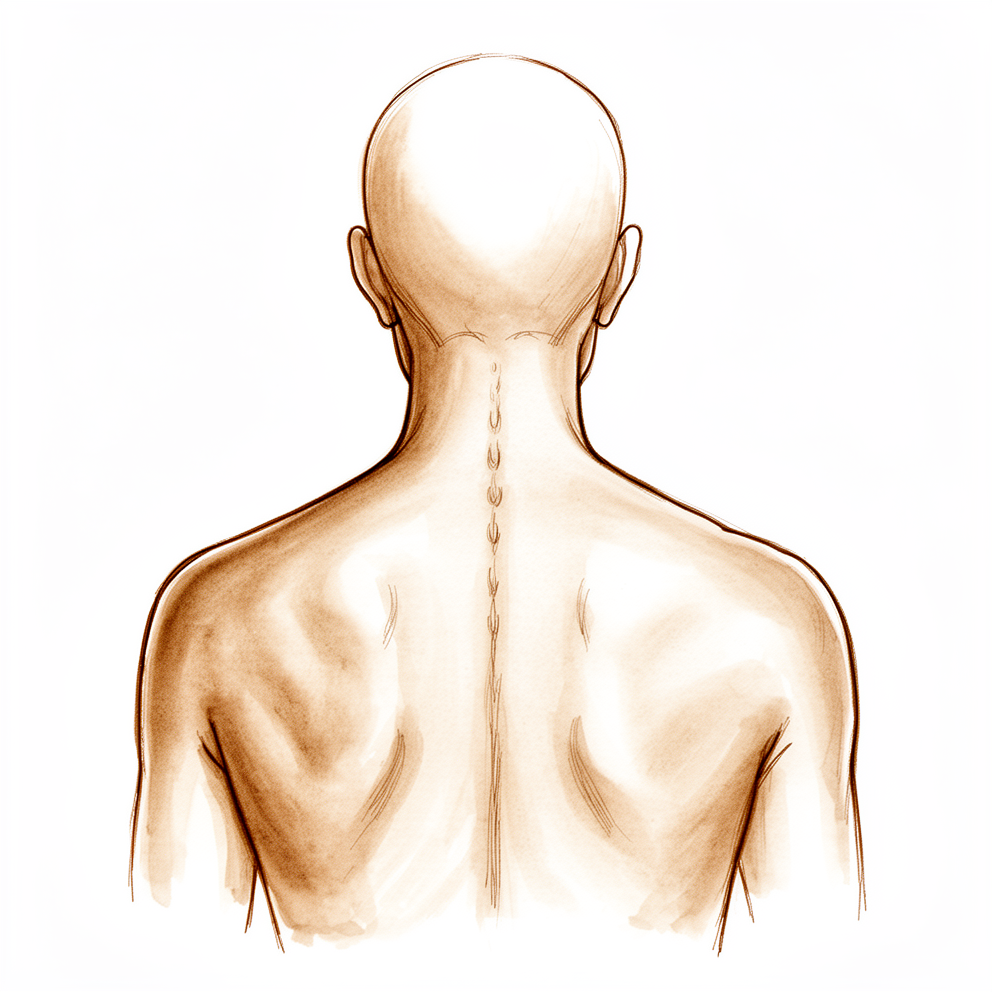
Qué está sintiendo
La mielopatía cervical es una condición degenerativa del cuello que ejerce presión sobre la médula espinal. Afecta principalmente a personas mayores de cincuenta y cinco años. Los primeros signos suelen ser sutiles, por lo que muchas personas los atribuyen simplemente al envejecimiento.
Los cambios más comunes se observan en las manos. Es posible que se sienta torpe y que se le caigan objetos. Las tareas sencillas se vuelven más difíciles: recoger monedas, abrochar botones o escribir a mano. Su letra también puede verse distinta a como solía ser. Cierto entumecimiento en los brazos o las manos es frecuente, aunque a menudo no sigue un patrón definido a lo largo de un único nervio.
Su forma de caminar también puede alterarse. Es posible que pierda el equilibrio, se choque contra paredes o necesite separar más las piernas para mantenerse estable. Algunas personas incluso se caen. Las piernas pueden sentirse rígidas y sus pasos pueden perder la fluidez habitual.
Un síntoma peculiar que algunas personas notan es una sensación similar a una descarga eléctrica que recorre la espalda y llega a los brazos o piernas al inclinar el cuello hacia adelante. Esto se conoce como signo de Lhermitte.
Los dolores de cabeza también pueden acompañar esta condición. Suelen localizarse en la parte posterior de la cabeza, empeoran por la mañana y mejoran a lo largo del día.
Hay aspectos que uno podría esperar pero que a menudo no se presentan: el dolor cervical puede estar ausente, incluso cuando la degeneración es avanzada. La debilidad real puede aparecer tarde, o incluso no aparecer nunca. Los cambios en la función intestinal o vesical también tienden a manifestarse tarde, si es que aparecen.
Si no se trata, más del 50 % de las personas con esta condición terminan desarrollando discapacidad grave. La cirugía tiene como objetivo detener dicha progresión, y resulta más eficaz cuanto antes se realice. La recuperación es más probable cuando el tratamiento se aplica en las fases iniciales de la enfermedad.
Si algo de lo anterior le resulta familiar, merece la pena hacerse una evaluación del cuello.
¿Qué está ocurriendo realmente?
Su cuello está formado por una serie de huesos, con un cojín blando entre cada par. Esos cojines funcionan como amortiguadores. Detrás de ellos hay un túnel que protege la médula espinal, el haz de nervios que transmite mensajes entre el cerebro y el cuerpo.
Con el paso de los años, esos cojines se secan y pierden altura. Cuando se aplanan, los huesos situados arriba y abajo se acercan más entre sí, y el cuerpo genera hueso adicional en los bordes. Los ligamentos dentro del túnel también se engrosan y se pliegan. Todo esto estrecha el túnel tanto por delante como por detrás. La médula queda comprimida entre el cojín abultado de delante y el ligamento plegado de atrás.
Algunas personas nacen con un túnel más estrecho que otras. Eso deja menos margen de maniobra, por lo que basta menos desgaste para que la médula se vea comprimida. Inclinar el cuello hacia atrás hace que el túnel se estreche aún más; por eso algunos síntomas empeoran al mirar hacia arriba. Inclinarlo ligeramente hacia adelante alivia esa compresión.
Una médula comprimida no solo provoca dolor; deja de funcionar correctamente. Los mensajes que transmite se vuelven lentos o se distorsionan, y por eso sus manos se vuelven torpes, su forma de caminar inestable, y siente descargas eléctricas por todo el cuerpo al inclinar el cuello hacia adelante.
Este desgaste es muy común. La mayoría de las personas mayores de cincuenta y cinco años presentan signos de ello en las pruebas de imagen, aunque la mayoría nunca experimentan síntomas. El problema surge cuando el estrechamiento supera el límite en el que la médula ya no dispone de margen de maniobra. Entonces los síntomas tienden a aparecer de forma escalonada: periodos sin cambios, seguidos de un empeoramiento repentino.
Si no se trata, esta afección suele empeorar en lugar de mejorar. Más de la mitad de las personas sin tratamiento terminan con discapacidad grave. Por eso se ofrece la cirugía: alivia la presión sobre la médula para impedir que la situación empeore, y cuanto antes se realice, mayores son las posibilidades de recuperación.
Qué podemos hacer al respecto
En casos de desgaste leve sin síntomas relacionados con la médula espinal, a menudo iniciamos con tratamiento no quirúrgico. Esto puede incluir un collarín cervical firme, medicamentos antiinflamatorios y ejercicios isométricos, en los cuales se contraen los músculos del cuello sin mover la articulación. La fisioterapia tiene como objetivo mantener una movilidad segura y aliviar los síntomas. Si optamos por este enfoque, es fundamental realizar controles cuidadosos y frecuentes. Vigilamos cualquier cambio, ya que esta afección puede empeorar de forma escalonada y repentina.
En algunas personas, se considera conveniente realizar la cirugía cuanto antes. Si los estudios de imagen muestran que la médula espinal está comprimida pero aún no presenta síntomas de mielopatía, ciertos cambios nerviosos detectados en las pruebas indican un mayor riesgo de que estos aparezcan. En tales casos, analizaremos la posibilidad de cirugía para que usted pueda tomar una decisión informada.
La cirugía suele ser la recomendación cuando los síntomas de mielopatía son moderados o graves. El objetivo es liberar la presión sobre la médula espinal y los nervios comprimidos, corregir cualquier deformidad y estabilizar el cuello para que la corrección perdure. Un tratamiento precoz aumenta las posibilidades de recuperación, especialmente en pacientes con menos problemas de salud concomitantes. Cuando la compresión medular es severa, la cirugía también busca mejorar la función, no solo detener la progresión de la enfermedad.
La propia intervención quirúrgica tiene su propia página, por lo que aquí no detallaremos la técnica. En resumen, puede realizarse por la parte frontal o posterior del cuello; la elección depende de dónde se encuentre la compresión, cuántos niveles están afectados y la conformación anatómica de su cuello. Le explicaremos la opción que mejor se ajuste a sus estudios de imagen y síntomas, y decidiremos juntos.
Qué esperar
Esta afección rara vez mejora por sí sola. Si no se trata, suele empeorar en lugar de mejorar, y esto puede ocurrir de forma repentina tras períodos de aparente estabilidad. Más de la mitad de las personas que no reciben tratamiento terminan con una discapacidad grave. Cuanto más tiempo hayan durado los síntomas, menores son las posibilidades de una recuperación favorable; por eso el tratamiento temprano es tan importante.
El objetivo de la cirugía es impedir que la situación empeore; para muchas personas también mejora la funcionalidad. La mayoría de los pacientes experimentan mejoría tras la operación, aunque no todos los avances iniciales se mantienen. A los diez años de la cirugía, hasta el 17,9 % de los pacientes vuelven a presentar ciertos síntomas. A más largo plazo, el 89,3 % conserva su función neurológica a los cinco años y el 77,3 % a los diez años. Algunas personas con síntomas más leves son las que más probabilidades tienen de mejorar; asimismo, quienes reciben tratamiento en las fases iniciales de la enfermedad y cuentan con menos problemas de salud suelen obtener mejores resultados.
La recuperación es gradual, no instantánea. Los beneficios de aliviar la presión sobre la médula espinal se hacen evidentes con el paso de los meses después de la cirugía, no de inmediato. Algunos síntomas mejoran más que otros, y nadie puede garantizar cuáles de los suyos se recuperarán. Si padece diabetes, es de edad avanzada o lleva mucho tiempo con los síntomas, la recuperación puede ser más lenta. No obstante, la cirugía sigue siendo una opción razonable para personas mayores.
También hay riesgos que deben considerarse. Después de una cirugía en la parte frontal del cuello, puede haber dificultad para tragar durante un tiempo, así como cambios en la voz; ambos efectos suelen ser temporales. Con el tiempo, puede aparecer un nuevo desgaste en los niveles vertebrales adyacentes al segmento fusionado, a una tasa aproximada del 3 % anual. Su cirujano le explicará detalladamente los riesgos específicos de su intervención antes de que usted tome cualquier decisión.
¿Cuándo consultar a un especialista?
Acuda a su médico de cabecera sin demora si nota cualquiera de los cambios descritos anteriormente: torpeza o entumecimiento en las manos, dificultad para abrochar botones o manipular monedas, cambios en la caligrafía, marcha inestable, rigidez en las piernas, o sensación similar a una descarga eléctrica al inclinar el cuello hacia adelante. Estos signos pueden ser sutiles y fácilmente atribuibles al envejecimiento; sin embargo, merecen una evaluación adecuada en lugar de esperar a ver si desaparecen por sí solos.
Solicite una valoración especializada si su médico sospecha que la médula espinal está siendo comprimida, o si sus síntomas empeoran claramente de forma escalonada.
Acuda a urgencias si de repente pierde fuerza o sensibilidad en los brazos o las piernas, o si no puede controlar la vejiga o el intestino. Estos cambios bruscos requieren evaluación el mismo día, pues la presión repentina sobre la médula espinal puede provocar daños permanentes.
Evidence & references
This is the clinical evidence summary written for health professionals. It is technical, and it lists the research this page was built from. You do not need to read it to understand your treatment or to make a decision about it.
Overview
- Aarabi B, Alexander M, Mirvis ST, et al. published a study on predictors of outcome in acute traumatic central cord syndrome due to spinal stenosis in J Neurosurg Spine 14:122, 2011 [2].
- Aarabi B, Hadley MN, Dhall SS, et al. published a study on the management of acute traumatic central cord syndrome (ATCCS) in Neurosurgery 72(Suppl 2):195, 2013 [2].
- Ahuja CS, Schroeder GD, Vaccaro F, Fehlings MG published a review titled "Spinal cord injury – what are the questions?" in J Orthop Trauma 31(Suppl 4):S7, 2017 [2].
- Alizadeh A, Dyck SM, Karimi-Abdolrezaee S published an overview of pathophysiology, models and acute injury mechanisms for traumatic spinal cord injury in Front Neurol 10:282, 2019 [2].
- Antwi P, Grant R, Kuzmik G, Abbed K reported on "White Cord Syndrome" of acute hemiparesis after posterior cervical decompression and fusion for chronic cervical stenosis in World Neurosurg 113:33, 2018 [2].
- Arul K, Ge L, Ikpeze T, Baldwin A, Mesfin A published a study on traumatic spinal cord injuries in the geriatric population regarding etiology, management, and complications in J Spine Surg 5(1):38, 2019 [2].
- Badhiwala JH, Ahuja CS, Fehlings MG published a review of translational advances in spinal cord injury titled "Time is spine" in J Neurosurg Spine 30(1):1, 2018 [2].
- Battistuzzo CR, Armstrong A, Clark J, et al. examined the process of care from accident scene to surgery for early decompression following cervical spinal cord injury in J Neurotrauma 33(12):1161, 2016 [2].
- Bernstein MP, Young MG, Baxter AB published a study on imaging of spine trauma in Radiol Clin North Am 57(4):767, 2019 [2].
- Boggenpoel B, Madasa V, Jeftha T, Joseph C published a systematic scoping review protocol for clinical prediction rules (CPRs) in the management of patients with spinal cord injuries in BMJ Open 9(1):e025076, 2019 [2].
- Bono CM, Heggly M, Mich C, et al. published a commentary on newly released vertebroplasty randomized controlled trials in Spine J 10:238, 2010 [2].
- Botolin S, VanderHeiden TF, Moore EE, et al. discussed the role of pre-reduction MRI in the management of complex cervical spine fracture-dislocations in Patient Saf Surg 11:23, 2017 [2].
- Brodell DW, Jain A, Elfar JC, Mesfin A analyzed national trends in the management of central cord syndrome using a dataset of 16, 134 patients in Spine J 15(3):435, 2015 [2].
- Brooks NP published a study on Central Cord Syndrome in Neurosurg Clin N Am 28(1):41, 2017 [2].
- Cahill CW, Radcliffe KE, Reitman C published a study on enhancing evaluation of the cervical spine regarding thresholds for normal CT relationships in the subaxial cervical spine in Int J Spine Surg 11:36, 2017 [2].
- Carreon LY, Dimar J published a systematic review on early versus late stabilization of spine injuries in Spine 36:E727, 2011 [2].
- Casper DS, Zmistowski B, Schroeder GD, et al. found that preinjury patient characteristics and postinjury neurological status are associated with mortality following spinal cord injury in Spine 43(13):895, 2018 [2].
- Cooper K, Glenn CA, Martin M, et al. published a study on risk factors for surgical site infection after instrumented fixation in spine trauma in J Clin Neurosci 23:123, 2016 [2].
- Dahdaleh NS, Lawton CD, El Ahmadieh TY, et al. published an evidence-based management guide for central cord syndrome in Neurosurg Focus 35(1):E6, 2013 [2].
- Dakson A, Brandman D, Thibault-Halman G, Christie SD conducted a retrospective study on the optimization of the mean arterial pressure and timing of surgical decompression in traumatic spinal cord injury in Spinal Cord 55(11):1033, 2017 [2].
- Daly MC, Patel MS, Bhatia NN, Bederman SS published a study on the influence of insurance status on the surgical treatment of acute spinal fractures in Spine 41:E37, 2016 [2].
- Dawodu ST published an article on cauda equina and conus medullaris syndromes in Medscape [2].
- deAmeida RL, Rodrigues CC, Melo E Silva CA, et al. compared two pharmacological prophylaxis strategies for venous thromboembolism in spinal cord injury patients in a retrospective study published in Spinal Cord 57(10):890, 2019 [2].
- Decramer T, Wouters A, Kiekens C, Theys T published a study on Froins syndrome after spinal cord injury in World Neurosurg 127:490, 2019 [2].
- Dhall SS, Hadley MN, Aarabi B, et al. published a study on nutritional support after spinal cord injury in Neurosurgery 72(Suppl 2):255, 2013 [2].
- Dinar JR, Carreon LY, Riina J, et al. published a study on early versus late stabilization of the spine in the polytrauma patient in Spine 21S:S187, 2010 [2].
- D’Souza MM, Choudhary A, Poonia M, et al. published a study on diffusion tensor MR imaging in spinal cord injury in Injury 48(4):880, 2017 [2].
- Du JP, Fan Y, Zhang JN, et al. applied the AOSpine subaxial cervical spinal injury classification system to guide surgical timing for early versus delayed decompression for traumatic cervical spinal cord injury in Eur Spine J 28(8):1855, 2019 [2].
- Dyas AR, Niemeier TE, Mcgwin G, Theiss SM published a study on the ability of magnetic resonance imaging to accurately determine alar ligament integrity in patients with atlanto-occipital injuries in J Craniovertebr Junction Spine 9(4):241, 2018 [2].
- El Tecle NE, Dahdaleh NS, Bydon M, et al. conducted a pooled analysis of 1162 patients and a meta-analysis of modern data on the natural history of complete spinal cord injury in J Neurosurg Spine 28(4):436, 2018 [2].
- El Tecle NE, Dahdaleh NS, Hitchon PW published a study on the timing of surgery in spinal cord injury in Spine 41(16):E995, 2016 [2].
- Fehlings MG, Rabin D, Sears W, et al. published a study on current practice in the timing of surgical intervention in spinal cord injury in Spine 35:S166, 2010 [2].
- Fehlings MG, Tetreault LA, Wilson Jr , et al. published a clinical practice guideline for the management of patients with acute spinal cord injury and central cord syndrome regarding recommendations on the timing (≤ 24 hours versus > 24 hours) of decompressive surgery in Global Spine J 7(3 Suppl):195S, 2017 [2].
- Fehlings MG, Wilson JR published a study on the timing of surgical intervention of spinal trauma and what the evidence indicates in Spine 35:S159, 2010 [2].
- Hachem LD, Ahuja CS, Fehlings MG published a study on the assessment and management of acute spinal cord injury from point of injury to rehabilitation in J Spinal Cord Med 40(6):665, 2017 [2].
- Harris AM, Vasu C, Kanthila M, et al. assessed MRI as a modality for evaluation of soft tissue injuries of the spine as compared to intraoperative assessment in J Clin Diagn Res 10(3):TC01, 2016 [2].
Anatomy & Pathophysiology
Bony Anatomy
- The subaxial cervical spine includes the C3–C7 vertebral segments, which maintain a relatively uniform anatomical configuration analogous to the thoracic and lumbar spine [33].
- The cervical vertebral body is an oblong structure with a coronal diameter that is larger than its sagittal diameter [26].
- Cervical endplates have a cup-in-saucer configuration, distinct from the normally flat endplates of the thoracic and lumbar vertebrae [26].
- The posterior aspect of the cervical transverse process guides the cervical spinal nerves as they exit the spinal canal [26].
- The spinal nerves lie posterior to the vertebral artery within the transverse process [26].
- The transverse process forms a half-pipe configuration that cradles the exiting spinal nerve [26].
- The cervical pedicles project from the vertebral body in an orientation that runs posterolateral to anteromedial [29].
- The cervical pedicles form the posteromedial border of the transverse foramina and the anterolateral aspect of the spinal canal [29].
- The internal morphology of cervical pedicles, including medial and lateral cortical thickness, varies substantially based on vertebral level and gender [29].
- The facet joints are highly mobile diarthrodial joints formed by the interaction of superior and inferior articular processes from adjacent vertebrae [29].
- The articular surfaces of the cervical facet joints are angled approximately 45 degrees in relation to the transverse axis of each segment [29].
- The pillar of bone between the superior and inferior articular processes is referred to as the lateral mass [29].
- The laminae arise from the posteromedial border of the lateral masses and project posteriorly toward the midline to form bifid spinous processes between C2 and C6 [29].
- The upper cervical spine consists of the atlas (C1), axis (C2), and the skull base (C0) including the occiput [33].
- The occipital bone forms the posterior part of the foramen magnum, which emits the spinal cord into the spinal canal [33].
- The external occipital protuberance (inion) marks the thickest portion of the occipital bone [33].
- The occiput interfaces with the cervical spine through bilateral articular condyles on either side of the foramen magnum [33].
Ligamentous Anatomy
- The ligamentum flavum spans each interlaminar space and is noncontiguous in nature [29].
- The ligamentum flavum, interspinous ligaments, and supraspinous ligaments (ligamentum nuchae) form the posterior ligamentous complex [29].
- Disruption of the posterior ligamentous complex structures can result in mechanical instability [29].
- The tectorial membrane extends from the posterior border of the foramen magnum to the superior surface of the C1 ring and is analogous to the posterior longitudinal ligament in the lower cervical spine [33].
- The posterior atlantooccipital membrane spans between the lower occiput and the posterior C1 ring and is analogous to the ligamentum flavum at other levels [33].
- The vertebral artery enters the posterior atlantooccipital membrane approximately 1.5 cm from the posterior midline [33].
- The ligamentum nuchae is a thick condensation of supraspinous fibrous bands that overlays the spinous processes of the cervical vertebrae and extends from the inion to C7 [33].
- The apical ligament runs from the tip of the dens to the basion [35].
- The alar ligaments attach on the lateral side of the tip of the dens and run horizontally to the anteromedial aspect of the occipital condyles [35].
- The transverse ligament spans from the lateral masses of C1, running just dorsal to the dens [35].
- The craniocaudal component of the cruciate ligament runs in the midline from the transverse ligament cranially to the basion and caudally to the C2 vertebral body [35].
- The posterior occipito-atlantal membrane runs from the posterior arch of C1 to the posterior aspect of the foramen magnum (opisthion) [35].
Spinal Cord Anatomy
- The anterior corticospinal tract mediates skilled movement and crosses to the opposite side of the body [27].
- The lateral corticospinal (pyramidal) tract mediates skilled movement and remains on the same side of the body [27].
- The dorsolateral fasciculus mediates pain and temperature sensation bidirectionally [27].
- The fasciculus gracilis mediates position and fine touch sensation on the same side of the body [27].
- The fasciculus cuneatus mediates position and fine touch sensation on the same side of the body [27].
- The lateral spinothalamic tract mediates pain and temperature sensation and crosses to the opposite side of the body [27].
- The anterior spinothalamic tract mediates light touch sensation and crosses to the opposite side of the body [27].
- The vestibulospinal tract facilitates extensor muscle tone on the same side of the body [27].
Pathophysiology
- Cervical myelopathy describes a constellation of symptoms and signs arising from cervical spinal cord compression [8].
- Cord compression can cause myelopathy by an ischemic effect secondary to compression of the anterior spinal artery or by a direct mechanical effect on cord function [8].
- The natural history of cervical myelopathy typically includes stable periods punctuated by unpredictable stepwise progression [8].
- Cervical spondylosis is defined as a generalized disease process affecting the entire cervical spine and related to chronic disk degeneration [11].
- In approximately 90% of men older than 50 years and 90% of women older than 60 years, degeneration of the cervical spine can be demonstrated by radiographs [11].
- Initial disk changes in cervical spondylosis are followed by facet arthropathy, osteophyte formation, and ligamentous instability [11].
- Cervical myelopathy is the most common form of spinal cord dysfunction in people older than 55 years [11].
- The incidence of cervical myelopathy is twice as great in men as in women [11].
- Disk degeneration starts with tears in the posterolateral region of the annulus [11].
- Loss of water content and proteoglycans in the nucleus leads to a decrease of disk height [11].
- Longitudinal ligaments degenerate and form bony spurs at their insertion into the vertebral body [11].
- The most frequently involved levels in cervical spondylosis are the more mobile segments: C5-C6, C6-C7, and C4-C5 [11].
- Converging of the cervical disk space may result in buckling of the ligamentum flavum, with further narrowing of the spinal canal [11].
- Segmental instability results in hypertrophic formation of osteophytes by the uncovertebral joint of Luschka and by the facet joints [11].
- The sagittal cervical canal diameter is appreciably smaller (3 mm on average) in the myelopathic spondylotic spine than in the normal spine [11].
- The anterior-posterior dimensions of the cervical spinal canal measure between 17 and 18 mm in normal individuals [11].
- Spinal canal stenosis is present when the canal diameter becomes less than 13 mm [11].
- With extension of the neck, both the spinal canal diameter and the neuroforaminal diameter decrease [11].
- Spondylosis producing cervical spondylotic myelopathy (CSM) is the most common cause of cervical myelopathy in patients older than 50 years [8].
- Anterior structures such as bulging, ossified, or herniated disks and osteophytic anterior spurs are the usual cause of cord compression in CSM [8].
- CSM commonly arises in the setting of a congenitally narrowed cervical canal [8].
- CSM often does not become symptomatic until the later decades of life because the cord may have sufficient space to avoid compression until a threshold amount of space-occupying degenerative changes accumulate [8].
- Pathophysiologically, myelopathy results from static compression, spinal malalignment leading to altered cord tension and vascular supply, and dynamic injury mechanisms [3].
- Occupational hazards, including transportation of goods by weight bearing on top of the head, may accelerate cervical disk degeneration [3].
- Potential genetic factors for degenerative disk disease include those related to MMP-2 and collagen IX [3].
- Potential genetic factors for ossification of the posterior longitudinal ligament include collagen VI and XI [3].
- Congenital anomalies including spinal stenosis, Down syndrome, and Klippel-Feil syndrome may predispose to the development of cervical disk degeneration [3].
- The degenerative spinal cascade in the cervical spine is the result of interplay of the intervertebral disc and four other articulations: two uncovertebral joints (of Luschka) and two facet joints [19].
- Facet joint capsules are known to have sensory receptors that may play a role in pain and proprioceptive sensation in the cervical spine [19].
- Progressive collapse of cervical discs results in loss of normal lordosis of the cervical spine and chronic anterior cord compression across the kyphotic spine/anterior chondroosseous/discoosteophytic spurs [19].
- Subsequent loading of facet and uncovertebral joints results in spondylotic changes in foramina that may restrict motion and lead to spinal cord and/or nerve root compression [19].
- "Soft" disc herniation is a nonspecific terminology often used to describe herniation of the intervertebral disc without bony osteophytes [19].
- "Hard" disc herniation is a nonspecific terminology often used to describe herniation with associated discoosteophytic spur [19].
- Myelopathy may be seen with large central herniation or spondylotic bars with a congenitally narrow canal [19].
- Neck extension compresses the cord between the degenerative disc and spondylotic bar anteriorly and the hypertrophic facets and infolded ligamentum flavum posteriorly [19].
- Neck flexion results in a slight increase in canal diameter and relief of cord compression [19].
- The Pavlov (Torg) ratio is calculated as the canal width divided by the vertebral body width [19].
- A Pavlov (Torg) ratio less than 0.8 is considered abnormal and may be a risk factor for later neurologic involvement, though clinical significance is debated [19].
- The pathophysiology of degenerative cervical myelopathy includes a cascade of events after compression of the spinal cord, including ischemia, destruction of the blood–spinal cord barrier, demyelination, and neuronal apoptosis [3].
- A traumatic spinal cord injury without instability in the spondylotic or congenitally stenotic spine is most usually central cord syndrome [23].
- Underlying cervical stenosis increases the risk of neural injury with abrupt movements of the neck that otherwise are not severe enough to result in a significant fracture or ligament injury [23].
- Individuals with diffusely ankylosed spines have a rigid, immobile spine that functions more like a long bone if injured [7].
- Fractures in patients with diffuse idiopathic skeletal hyperostosis (DISH) or ankylosing spondylitis (AS) are almost universally unstable [7].
- AS has been demonstrated to be a significant risk factor for neurologic decline in all cervical fractures [7].
- Patients with AS, particularly following injury, are predisposed to developing neurologic decline from epidural hematoma [7].
- The nucleus pulposus is avascular in adults and receives nutrients through perforations in the cartilaginous end plates of the intervertebral discs [30].
- In adults older than 30 years of age, there is no direct vascular supply to the disc [30].
- The bony end plate is vascular and seems to be the anatomic area in which the arterial supply ends [30].
- Perforations in the cartilaginous end plates of the disc may allow the ingress of bacterial or fungal pathogens into the disc [30].
- Hematogenous spread of infection is more commonly arterial than venous [30].
Classification
- The subaxial region of the cervical spine (C3-T1) accounts for approximately 65% of all cervical spine injuries [10].
- The subaxial region of the cervical spine (C3-T1) accounts for most cervical spinal cord injuries [10].
- No ideal classification system currently exists that allows reproducible and valid characterization of specific subaxial cervical spine injuries [10].
- Spinal stability is classically defined as the ability of the spine under physiologic loads to prevent damage or irritation of the spinal cord or nerve roots, and to prevent the development of incapacitating deformity or pain due to structural changes [10].
- Acute instability is caused by bone or soft-tissue injury that places neural elements at risk of injury with subsequent loading or deformity [10].
- Chronic instability is the result of progressive deformity that may cause neurologic deterioration, prevent recovery of injured neural tissue, or cause increasing pain or decreasing function [10].
- A motion segment remains stable under physiologic loads if it has all posterior elements and one anterior element [10].
- The White, Southwick, and Panjabi checklist assigns a point value of 2 to anterior elements that are destroyed or unable to function [10].
- The White, Southwick, and Panjabi checklist assigns a point value of 2 to posterior elements that are destroyed or unable to function [10].
- The White, Southwick, and Panjabi checklist assigns a point value of 2 to relative sagittal plane translation greater than 3.5 mm [10].
- The White, Southwick, and Panjabi checklist assigns a point value of 2 to relative sagittal plane rotation greater than 11 degrees [10].
- The White, Southwick, and Panjabi checklist assigns a point value of 2 to a positive stretch test [10].
- The White, Southwick, and Panjabi checklist assigns a point value of 2 to medullary (cord) damage [10].
- The White, Southwick, and Panjabi checklist assigns a point value of 1 to root damage [10].
- The White, Southwick, and Panjabi checklist assigns a point value of 1 to abnormal disc narrowing [10].
- The White, Southwick, and Panjabi checklist assigns a point value of 1 to dangerous loading anticipated [10].
- A total score of 5 or more on the White, Southwick, and Panjabi checklist indicates clinical instability [10].
- The Allen and Ferguson classification system is based on a mechanistic description of injury based on the radiographic appearance of the cervical spine [10].
- The Allen and Ferguson system categorizes subaxial injuries into six common patterns [10].
- The Allen and Ferguson system subdivides each injury pattern into stages of severity of osseous and ligamentous injury [10].
- The Allen and Ferguson system is the most widely used classification system for subaxial cervical spine injuries [10].
- Precise definitions of each stage in the Allen and Ferguson system are lacking [10].
- The number of stages in the Allen and Ferguson system makes it difficult to use precisely in clinical practice [10].
- The Subaxial Injury Classification (SLIC) scoring system was proposed by Moore et al. and subsequently modified by Vaccaro et al. [10].
- The SLIC scoring system consists of three categories that are scored and summed [10].
- The three categories scored in the SLIC system are morphology, discoligamentous complex integrity, and neurologic status of the patient [10].
- An increasing score within each category of the SLIC system reflects increasingly severe injury [10].
- The SLIC system uses the summed numerical value to determine whether nonoperative or operative treatment should be performed [10].
- The primary improvement of the SLIC system over previous systems is the reincorporation of the neurologic status of the patient [10].
- The Allen and Ferguson system and the SLIC system had similar reliability for treatment recommendations when compared among a group of experienced spine surgeons [10].
Clinical Presentation
General Characteristics
- The clinical presentation and natural history of cervical degenerative conditions are variable because of the many ways these conditions can manifest [1].
- Clinical manifestations, especially early ones, can be quite subtle [8].
- The natural history typically includes stable periods punctuated by unpredictable stepwise progression [8].
- People older than 60 years are more likely to have multi-segmental disease [11].
- Cervical myelopathy has a variable clinical presentation given complex pathogenic mechanisms including static or dynamic canal impingement, facet arthropathy, vascular ischemia, and spondylotic transverse bars [11].
- Patients with DCM may present with common signs and symptoms of neurological dysfunction, such as paresthesia, abnormal gait, decreased hand dexterity, hyperreflexia, increased tone, and sensory dysfunction [3].
Upper Extremity Symptoms
- Patients may report a generalized feeling of clumsiness of the arms and hands [8].
- Patients may report dropping things [8].
- Patients may report an inability to manipulate fine objects such as coins or buttons [8].
- Patients may report trouble with handwriting [8].
- Patients may report diffuse, typically nondermatomal, numbness [8].
- Myelopathy can present with loss of manual dexterity in the hands [12].
- Patients may report difficulty with buttons [12].
- Patients may report a change in their handwriting [12].
- Patients may report dropping objects [12].
Lower Extremity and Gait Symptoms
- Patients may report gait instability, including a sense of imbalance and bumping into walls when walking [8].
- Patients may demonstrate a wide-based gait [12].
- Patients may report a history of loss of balance and falls [12].
- Myelopathy can present with gait disturbance including a stiff or spastic gait [12].
- Patients with severe cord compression may report the Lhermitte phenomenon, characterized by electric shock–like sensations that radiate down the spine or into the extremities with certain offending positions of the neck [8].
- Lhermitte’s sign is an electric shock–like sensation that runs down the center of the patient’s back and enters the limbs during flexion of the neck [12].
Other Symptoms
- Subjective weakness may occur late or not at all in cervical myelopathy [8].
- Bowel and bladder symptoms may occur late or not at all in cervical myelopathy [8].
- Loss of motor strength may occur late or not at all, and many patients deny having this symptom [8].
- Neck pain may be absent despite advanced degrees of spondylosis [8].
- Radicular symptoms or signs are not present in many patients with cervical myelopathy [8].
- Myelopathy can present with weakness and stiffness [12].
- Myelopathy can present with urinary symptoms [12].
- Myelopathy can present with spasticity in the extremities [12].
- Sensory findings often include proprioceptive loss [12].
- Myelopathy can often be accompanied by radicular findings in some patients [12].
- Myeloradiculopathy is associated with spinal stenosis with concurrent compression of the neuroforaminal contents, producing lower motor neuron signs at the level of the cervical cord lesion and upper motor neuron signs caudal to the level of compression [12].
Physical Examination Findings
- Severe weakness of the major muscle groups in the upper or lower extremities is uncommon in cervical myelopathy [8].
- Dorsal column (proprioceptive) dysfunction occurs with advanced disease and carries a poor prognosis [8].
- Hyperreflexia, which may be present in the upper and/or lower extremities, suggests spinal cord compression [8].
- Patients with concomitant myelopathy and peripheral nerve disease from conditions such as diabetes, hypothyroidism, peripheral neuropathy, or severe multilevel cervical foraminal stenosis can have diminished or absent reflexes [8].
- Patients with cervical myelopathy who have coexisting lumbar stenosis may exhibit brisk upper extremity reflexes consistent with upper motor neuron findings yet diminished lower extremity reflexes because of the root level compression in the lumbar spine [8].
- The motor examination may be completely normal even in cases of nerve root or spinal cord compression [12].
- When upper extremity weakness is present, it often presents as diminished grip and/or intrinsic strength [12].
- The finding of severe weakness of major muscle groups in the upper or lower extremities is relatively uncommon [12].
- Sensory examination findings are often subtle [12].
- Hyperreflexia may be present in the upper and/or lower extremities and is suggestive of spinal cord compression with upper motor neuron signs [12].
- Hyperreflexia findings can be masked or diminished in patients who have concomitant diabetes mellitus, peripheral neuropathy, or lumbar stenosis [12].
- Spinal cord compression with myelopathy can manifest with abnormal upper motor neuron signs such as Hoffman’s sign, inverted radial reflex, pathological clonus, and Babinski’s sign [12].
- The Hoffman’s sign is described as quick flexion of both the thumb and index finger when the middle finger nail is snapped [12].
- Clonus is a series of abnormal reflex movements of the foot in plantar flexion, induced by sudden dorsiflexion [12].
- The Babinski reflex occurs after the sole of the foot has been firmly stroked, resulting in the big toe moving upward or toward the top surface of the foot while the other toes fan out [12].
- The inverted radial reflex is noted by flexion of the fingers without flexion of the forearm when the distal end of the radius is tapped [12].
- The Romberg sign involves standing with feet together and arms outstretched, then closing the eyes; an inability to maintain balance suggests dorsal column dysfunction and can help identify myelopathy in patients with gait or balance problems [50].
- The Hoffman sign is considered positive if thumb flexion occurs in response to flicking the distal phalanx of the third digit at the distal interphalangeal joint, and may indicate cervical myelopathy [50].
- The Lhermitte sign is elicited by maximal active flexion of the neck and trunk, resulting in electrical, shooting, or other paresthesia symptoms down the spine or into the bilateral arms, suggesting cervical spinal stenosis [50].
- Symptoms of spinal cord injury may be apparent by patient history before physical signs of myelopathy appear [50].
- Subjective numbness, paresthesia, hand weakness, dyscoordination or functional limitation in the extremities, poor coordination, gait problems, or imbalance can all be seen with myelopathy [50].
- Unilateral or bilateral cervical radicular symptoms may be present in patients with myelopathy [50].
Differential Diagnosis Considerations
- Less commonly, other causes of cervical cord compression such as epidural abscess, tumor, or trauma can result in cervical myelopathy [8].
- Cases caused by epidural abscess, tumor, or trauma usually present with pain, constitutional symptoms, or a history of injury in addition to myelopathic symptoms [8].
- Kyphosis (primary or postlaminectomy) is another less common cause of cervical myelopathy [8].
- A broad differential diagnosis should be considered, including nonspinal disorders such as stroke, movement disorders, and multiple sclerosis [8].
- Any myelopathic symptom, such as clumsiness or gait or balance disturbance, should alert the surgeon to closely evaluate the cervical spine when assessing an athlete with shoulder pain [51].
Investigations
Plain Radiography
- Plain radiographs are commonly used as the initial imaging of the spine because they are relatively inexpensive and easy to obtain [14].
- Radiographs can provide useful information regarding the specific location and severity of spinal degeneration [14].
- Spinal cord and/or nerve root impingement may be suspected if the clinical history and physical examination correlate with affected degenerated levels seen on radiographs [14].
- Radiographs can show instability and deformity [14].
- Routine radiographs often include AP and lateral radiographs as well as flexion-extension views [14].
- The lateral cervical spine view is the most important view in radiographic imaging of the cervical spine [13].
- Inadequate imaging will miss over 20% of cervical injuries [13].
- In the trauma setting, when a head or neck injury is suspected, radiographic studies must be carried out appropriately, or a life-threatening lesion may be overlooked [13].
- The trauma series includes anteroposterior (AP), right oblique, left oblique, and open-mouth (odontoid) views in addition to an initial cross-table lateral view [13].
- When all five views are taken, sensitivity is 92% [13].
- In the absence of a history of trauma, the oblique and odontoid views are not always required [13].
- The lateral view reveals the majority of traumatic lesions if performed correctly [13].
- All seven vertebrae should be clearly visible on the lateral view [13].
- Gentle traction on the upper extremities may be necessary to view C7 [13].
- If traction is unsuccessful, a swimmer’s view may be necessary to view C7 [13].
- The prevertebral region may reveal swelling consistent with a hematoma, which may serve as the only clue to a traumatic lesion [13].
- The upper limits for the prevertebral space are 10 mm at C1; 5 mm at C2; 7 mm at C3 and C4; and 20 mm at C5, C6, and C7 [13].
- The ADI normally measures less than 3 mm in adults and less than 4 mm in children [13].
- In reviewing the AP radiograph, careful assessment of the interspinous distance must be undertaken [13].
- Vertical widening at a given level greater than 1.5 times the level above and below indicates a hyperflexion injury with posterior instability or interlocking of the posterior facets [13].
- Oblique views taken at 45 degrees allow visualization of the articulations of the facet joints [13].
- The open-mouth view permits evaluation of the odontoid process, the lateral masses, and the articulations of the lateral masses [13].
- The open-mouth view permits assessment of the distance between each lateral mass and the odontoid process [13].
- In atlantoaxial rotatory subluxation, the lateral mass of the atlas that is rotated forward is closer to the midline (medial offset) [13].
- In atlantoaxial rotatory subluxation, the opposite mass is farther away from the midline (lateral offset) [13].
- Burst fractures of the C1 ring cause overhang of the C1 lateral masses on C2 [13].
- A combined overhang exceeding 6.9 mm is highly correlated with insufficiency of the transverse ligament and C1-C2 sagittal instability [13].
- Arthritic changes may be subtle or readily apparent with osteophytes, disk space narrowing, and facet sclerosis on plain radiographs [13].
- Bone quality can be assessed on plain radiographs [13].
- In patients with hyperostotic disease, plain radiographs may not be helpful in identifying an injury unless a frank dislocation, or a translational or intervertebral extension deformity, is present [7].
Computed Tomography (CT)
- CT scans allow excellent visualization of the bony architecture and the paravertebral soft tissues of the cervical spine [13].
- The pedicles, laminae, spinous processes, and bony spinal canal can be examined with significantly better resolution when CT is used than when conventional radiographs are taken [13].
- CT with myelography or intrathecal contrast enhancement permits visualization of the spinal canal contents [13].
- CT is an appropriate modality for evaluating congenital variations and malformations, including spinal canal stenosis and spina bifida [13].
- Pars defects, atlantoaxial joint diseases, inflammatory changes, primary tumors, and metastatic carcinoma are well appreciated with CT [13].
- Although cervical disk disease is detectable when thin cuts and contrast enhancement are used with CT, it is better visualized with MRI [13].
- In the trauma patient with questionable findings on plain radiographs, CT is integral in evaluating possible fractures or instability [13].
- Atrophy, deformity, and displacement of the spinal cord from acute or chronic injury are all appreciable with the use of intrathecal contrast [13].
- With the advent of MRI, CT is now reserved for the assessment of the bony architecture, which it does better than MRI [13].
- The CT scan has largely supplanted plain radiographs as the initial screening study of choice due to its combination of high sensitivity and specificity [39].
- Multiply injured patients are being screened more frequently with thoracoabdominal and pelvic screening CT scans (the so-called “pan-scan”) to assess for organ injury, which makes it convenient to simply reconstruct spinal CT images from these scans [39].
- CT of the spine should be obtained in the setting of a high-risk mechanism, in the presence of acute thoracic or lumbar pain after a trauma, when fractures have been identified on plain radiographs and in situations in which there are other reasons to suspect a spine injury, such as the presence of a neurologic deficit [39].
- A dedicated spine CT consists of 2- to 3-mm wide axial slices of the thoracic and lumbar spine, typically reformatted into sagittal and coronal images [39].
- Compared to plain radiographs, CT allows for identification of subtler fractures that might have remained undiagnosed on plain radiographs [39].
- CT provides additional three-dimensional detail, even for more severe and easily recognized injuries, such as the degree of canal compromise and the amount of fracture comminution [39].
- CT is particularly useful in differentiating compression fractures from burst fractures [39].
- CT is useful in identifying subtle yet important features of an injury such as the presence of facet widening [39].
- CT evaluation is essential in determining the stability of thoracic and lumbar spine fractures [39].
- The primary disadvantage of CT imaging in comparison to magnetic resonance imaging (MRI) is that it does not provide as good a visualization of the soft tissues [39].
- In patients with hyperostotic disease, CT is invaluable in delineating injuries [7].
- A CT scan can be helpful if OPLL (ossification of posterior longitudinal ligament) is suspected [14].
- A CT scan can be helpful to better visualize the vertebral artery if a corpectomy or C2 pedicle screws are planned [14].
Magnetic Resonance Imaging (MRI)
- To confirm spinal cord compression, advanced imaging using MRI or CT myelography is preferred [14].
- MRI is noninvasive and provides visualization of the intervertebral disks, spinal cord, and nerve roots [14].
- MRI provides good visualization of spinal cord and nerve root compression [14].
- Signal changes within the spinal cord seen on MRI are suggestive of severe compression and spinal cord injury [14].
- Signal changes seen on T1- and T2-weighted MRI imaging of the spinal cord have shown a moderate ability to predict outcomes after surgical intervention [14].
- T2 weak signal hyperintensity (more intense than normal spinal cord but less intense than CSF) that appears diffuse without clear bordering has been associated with potentially reversible changes such as edema, Wallerian degeneration, demyelination, and ischemia [14].
- T2 imaging showing substantial hyperintensity with sharp bordering and T1 hypointensity represent changes considered to be irreversible such as cavitation, neural tissue loss, myelomalacia, necrosis, and spongiform changes in gray matter [14].
- Myelopathic signs have been shown to be significantly more common in patients with cord signal changes suggestive of myelomalacia [14].
- If a patient cannot undergo MRI for medical reasons (such as the presence of cardiac pacemakers, aneurysm clips, or claustrophobia), CT myelography is a good alternative [14].
- If metal or scar tissue from prior cervical surgery obscures visualization on MRI because of artifact, CT myelography is a good alternative [14].
- As an injury screening tool, the MRI is considered complementary to the CT, with its primary role being to evaluate the integrity of the spinal cord and soft tissues supporting the spine after an injury [42].
- The MRI allows, theoretically, for a more detailed assessment of the integrity of the PLC, the ALL and PLL, the intervertebral disc, and the other surrounding soft tissues [42].
- The MRI plays an important role in characterizing the degree of SCI by providing a better assessment of the degree of edema, compression, and continuity of the spinal cord and nerve roots [42].
- The MRI can demonstrate the presence and degree of fluid in the spinal canal, including the presence of compressive epidural hematoma [42].
- The MRI can demonstrate cerebrospinal fluid (CSF) in the event of a traumatic durotomy [42].
- The presence and extent of spinal cord signal and of hematoma within the spinal cord are helpful in determining the prognosis for neurologic recovery [42].
- The relatively low specificity of MRI in distinguishing clinically relevant tension band injuries from less worrisome soft tissue injuries means that indiscriminately relying on MRI findings that suggest a posterior tension band injury may result in a higher likelihood of overestimating the degree of spinal instability [42].
- Indiscriminately relying on MRI findings that suggest a posterior tension band injury may result in an increased risk of recommending unnecessary surgery [42].
- Because of its inferiority to CT in evaluating osseous injuries, the MRI is used primarily as a complementary study to the CT [42].
- The MRI is particularly useful when there is the need to evaluate spinal cord integrity or compression [42].
- The MRI is particularly useful when the neurologic examination is inconsistent with CT findings [42].
- The MRI is used with caution when the integrity of the posterior tension band is unclear [42].
- Additional limitations to the use of MRI in the routine evaluation of thoracic and lumbar spine fractures include its increased cost [42].
- Practical considerations limiting the use of MRI include the length of time required to obtain the images [42].
- Practical considerations limiting the use of MRI include the lower availability of MRI relative to CT [42].
- MRI has the additional advantage of demonstrating spinal cord contusion, cord edema, and epidural hematoma in patients with hyperostotic disease [7].
- The role of MRI in cervical spine clearance of obtunded patients is one area that is continually debated [18].
- Despite pooling individual studies and sophisticated statistical methods, there is no definitive answer to the question of the role of MRI in cervical spine clearance of obtunded patients [18].
- Increasingly, the consensus is to preferentially utilize MD-CT alone for cervical spine clearance of obtunded patients [18].
Other Imaging and Diagnostic Studies
- Available imaging techniques include plain radiography, tomography, myelography, computed tomography (CT), CT with myelography, three-dimensional reconstruction CT, MRI, and scintigraphy [13].
- An understanding of the advantages and disadvantages of each technique is necessary for the proper selection of imaging studies and interpretation of results [13].
- Three-dimensional reconstruction of CT images gained wide clinical acceptance with the advancement of computer technology [13].
- The use of MRI remains controversial and has a limited role in the thoracic and lumbar regions [40].
- Khoury et al. found that MRI added very little to the management of patients with CT-proven thoracic and lumbar injuries [40].
- MRI was helpful only in a small group of patients with planned surgery based on the CT [40].
- Several recent studies have shown that the CT findings can be well correlated with MRI findings, negating the need for MRI in most thoracolumbar injuries [40].
Treatment
Non-Operative Management
- For mild degenerative cervical conditions, nonsurgical options may be tried with careful observation [1].
- If nonsurgical care is elected for cervical spondylotic myelopathy, careful and frequent follow-up is mandatory [8].
- Firm orthoses, anti-inflammatory medications, isometric exercises, and epidural steroids can be considered for nonsurgical management of cervical spondylotic myelopathy [8].
- Observation, not surgery, is recommended for patients with only radiographic cord compression from spondylosis without clinical myelopathy or radiculopathy [8].
Surgical Indications and Goals
- Surgical intervention has shown to be superior for conditions where there is symptomatic moderate to severe spinal cord and nerve root compression [1].
- The goal of surgery is to decompress any spinal cord or nerve root compression, correct any deformity, and stabilization to maintain correction or prevent deformity [1].
- Surgery is the treatment of choice for cervical spondylotic myelopathy, which is typically progressive and considered a disorder for which surgical treatment is indicated [8].
- Early intervention, before permanent changes occur in the spinal cord, improves the prognosis for cervical spondylotic myelopathy [8].
- Surgical management has been shown to improve functional outcomes, pain, and neurologic status in cervical spondylotic myelopathy [8].
- Patients with cervical canal stenosis and cord compression secondary to spondylosis, without clinical evidence of myelopathy, but with clinical or electrophysiological evidence of cervical radicular dysfunction or central conduction deficits seem to be at higher risk for developing myelopathy and should be counseled to consider surgical treatment [7].
Anterior Approach
- An anterior approach offers direct decompression of pathologies in the anterior cervical spine, a muscle-sparing dissection to minimize postoperative pain, lower infection rates, and the ability to decompress and correct cervical kyphosis [25].
- Most spine surgeons prefer an anterior approach when one to two levels are involved [25].
- When three or more levels are involved, complication rates with an anterior approach rise and a posterior approach may be more efficacious [25].
- Clinical series have demonstrated successful arthrodesis in 92% to 96% of patients after single-level anterior cervical diskectomy and fusion (ACDF) with satisfactory clinical outcomes [25].
- The incidence of nonunion increases with the number of levels being fused in multilevel ACDF [25].
- Anterior cervical plating increases the fusion rates in patients undergoing multilevel surgery [25].
- Complications of anterior procedures include postoperative dysphagia (2% to 48%), hoarseness (temporary in 3% to 11%, permanent in 0.33%), and injury to the vertebral artery (0.03%) [25].
- Anterior procedures carry an incidence of adjacent segment disease of 3% per year [25].
- Dysphagia is one of the most common postoperative complications of anterior fusion, with nearly 90% occurrence in one retrospective study, though rates of dysphagia lasting longer than 3 months appear to be low [57].
- A systematic review found a pooled incidence of dysphagia lasting longer than 3 months of less than 1% following anterior cervical fusion [57].
- If the compression of neural tissue, especially the spinal cord, is caused by large osteophytes or an ossified posterior longitudinal ligament, direct decompression by removal of the compressing structures has given superior results and is recommended [57].
- Simple discectomy and interbody fusion without removal of the posterior longitudinal ligament or osteophytes has been adequate in the treatment of neural compression caused by soft disc material [57].
- In selected instances, monitoring of somatosensory and motor evoked potentials is useful, primarily in patients with myelopathy or spinal cord signal abnormality, to minimize the risk of spinal cord injury from positioning or hypotension [57].
Posterior Approach
- The posterior approach allows for a wider decompression and is dependent on the ability of the cord to drift away from anterior lesions [25].
- It is important to take cervical sagittal alignment into consideration, as the cord may not drift posteriorly with significant cervical kyphosis [25].
- Kyphotic patients exhibited greater improvement when approached by an anterior or combined approach, whereas lordotic patients exhibited similar improvement when approached anteriorly or posteriorly [25].
- Posterior approaches offer the opportunity to avoid technical problems encountered with anterior approaches that result from obesity, a short neck, barrel chest, or previous anterior cervical surgery [25].
- The laminoplasty technique is often ideal for the patient with spinal stability, good cervical lordosis, and minimal neck pain [25].
- Laminoplasty technique offers the opportunity to preserve some of the natural cervical biomechanical motion without necessitating fusion [25].
- In a comparison of microendoscopic laminotomy with conventional laminoplasty for cervical spondylotic myelopathy, neurologic outcomes were similar at 5-year follow-up, but patients with microendoscopic laminotomy had significantly less postoperative axial pain and improved subaxial cervical lordosis [22].
- In a comparison of microendoscopic selective laminectomy to conventional laminoplasty in patients with degenerative cervical myelopathy, microendoscopic laminectomy resulted in better outcomes in terms of postoperative range of motion, axial pain, and quality of life, although both procedures showed good neurologic improvement [22].
Minimally Invasive Techniques
- Indications for minimally invasive posterior cervical foraminotomy include radiculopathy caused by lateral disc herniation or foraminal stenosis, persistent or recurrent nerve root symptoms after anterior cervical discectomy, and cervical disc disease in patients for whom anterior approaches are contraindicated [22].
- Contraindications for minimally invasive posterior cervical foraminotomy include pure axial neck pain without neurologic symptoms, gross cervical instability, symptomatic central disc herniation, and kyphotic deformity that would make posterior decompression ineffective [22].
- In a systematic review and meta-analysis including 14 studies and 1216 patients, minimally invasive posterior cervical foraminotomy resulted in significantly greater improvement in visual analog scale (VAS) scores compared to anterior cervical discectomy and fusion (ACDF), while rates of complications and reoperations were similar [22].
- Reported numbers of cases required to become proficient in minimally invasive techniques range from 0 to 50 [22].
- In a study at one institution, the mean operative time for minimally invasive cervical procedures steadily decreased over the first 50 procedures to approximately 60% of the initial times, where it plateaued for both the transforaminal and interlaminar approaches (mean time 65 minutes) [22].
Arthroplasty
- Studies suggest that cervical arthroplasty has good rates of overall success, long-term functional outcomes, and a lower incidence of adjacent segment degeneration in comparison to anterior cervical fusion procedures [25].
- Patients with significant degenerative changes in the cervical spine may be better suited for a fusion procedure to prevent further degenerative changes at the affected levels [25].
- Cervical arthroplasty may be best reserved for patients with acute neurologic deficits due to a herniated disk without significant degenerative changes, especially in the facet joints [25].
Special Populations and Conditions
- Fractures in patients with diffuse idiopathic skeletal hyperostosis (DISH) or ankylosing spondylitis (AS) are almost universally unstable and should be treated as such [7].
- Acute mortality rates for traumatic injuries to the hyperostotic spine have ranged from 17% to 30% [7].
- Whang et al. reported a 50% mortality rate for patients with AS at 2 years postinjury [7].
- Schoenfeld et al. documented a 38% mortality for those with AS at 3 months and 63% by 1 year [7].
- Patients with AS demonstrated a statistically increased mortality when compared to age-, sex-, and injury-matched controls, a finding not seen in patients with DISH [7].
- The mortality associated with surgery for rheumatoid arthritis patients is between 5% and 10% and is higher in patients with cardiovascular disease or atlantoaxial impaction [59].
- The complication rate for surgery in rheumatoid arthritis patients is high, with 25% of patients having wound complications [59].
- Pain is decreased after surgery in 90% to 97% of patients with rheumatoid arthritis cervical spine conditions [59].
- Neurologic function improved in 95% of patients with atlantoaxial subluxations, in 76% of patients with combined atlantoaxial subluxation and atlantoaxial impaction, and in 94% of patients with subaxial subluxations [59].
- Atlantoaxial subluxations have a poor prognosis for neurologic recovery, with several studies reporting improvement of function of one Ranawat class in only 40% to 50% of patients [59].
Complications
Anterior Cervical Surgery
- Complications of anterior cervical procedures include postoperative dysphagia with a reported incidence of 2% to 48% [25].
- Complications of anterior cervical procedures include hoarseness, which is temporary in 3% to 11% of cases and permanent in 0.33% [25].
- Injury to the vertebral artery is a complication of anterior cervical procedures with an incidence of 0.03% [25].
- Anterior cervical procedures carry an incidence of adjacent segment disease of 3% per year [25].
- The incidence of nonunion increases with the number of levels being fused in multilevel anterior cervical discectomy and fusion (ACDF) [25].
- Cages in ACDF are associated with a higher nonunion rate than allograft [24].
- Early failure of metal-on-metal artificial disc prostheses has been associated with lymphocytic reaction [53].
- Increased risk of complications after anterior cervical discectomy and fusion has been observed in the elderly population [24].
- Complications of fluoroscopically guided extraforaminal cervical nerve blocks have been analyzed in a study of 1036 injections [4].
Posterior Cervical Surgery
- Extensive subperiosteal stripping of the paraspinal musculature required for open posterior approaches can result in significant postoperative pain, muscle spasm, and dysfunction [22].
- Patients with microendoscopic laminotomy for cervical spondylotic myelopathy had significantly less postoperative axial pain compared to conventional laminoplasty [22].
- Patients with microendoscopic laminotomy for cervical spondylotic myelopathy demonstrated improved subaxial cervical lordosis compared to conventional laminoplasty [22].
- Microendoscopic selective laminectomy resulted in better outcomes in terms of postoperative range of motion, axial pain, and quality of life compared to conventional laminoplasty [22].
- Complications associated with posterior approaches in minimally invasive spine decompression have been documented [53].
- Methods to decrease postoperative infections following posterior cervical spine surgery have been described [24].
Traumatic and Ankylosed Spine Injuries
- Perioperative morbidity rates for traumatic injuries to the hyperostotic spine have been reported at similar percentages to acute mortality [7].
- A 50% mortality rate was reported for patients with AS at 2 years postinjury [7].
- A 38% mortality rate was documented for patients with AS at 3 months postinjury [7].
- A 63% mortality rate was documented for patients with AS by 1 year postinjury [7].
- Patients with AS demonstrated a statistically increased mortality when compared to age-, sex-, and injury-matched controls [7].
- Patients with AS are predisposed to developing neurologic decline from epidural hematoma following injury [7].
- Inline traction in patients with ankylosing spondylitis can lead to catastrophic neurologic compromise due to pre-existing kyphotic deformity [7].
- Mortality rates in the elderly have been found to be high following halo immobilization for cervical spine injuries [7].
- Diagnosis of cervical spine injury in patients with hyperostotic disease has been frequently missed, resulting in a very high rate of neurologic deficits in previously normal patients [7].
Neurologic Outcomes and Recovery
- Many patients with traumatic central cord syndrome will have virtually complete resolution of their neural deficits with nonoperative management [23].
- Physical function scores do not improve to the same extent as motor function and sensation after surgical intervention for central cord syndrome [23].
- Almost a third of the cohort was dissatisfied with their final functional outcome following surgical intervention for central cord syndrome [23].
- Dorsal column (proprioceptive) dysfunction occurs with advanced cervical myelopathy and carries a poor prognosis [8].
- A compression ratio of less than 0.4 on MRI is associated with a poor prognosis in cervical myelopathy [8].
- An increase in the compression ratio to more than 0.4 postoperatively correlates with clinical recovery in cervical myelopathy [8].
Recovery
- The success of surgical or conservative management of cervical degenerative conditions is multifactorial [1].
- High-quality studies regarding the success of surgical or conservative management of cervical degenerative conditions are lacking [1].
- The optimal surgical approach for cervical degenerative conditions varies depending on the location of the spinal cord compression, number of levels involved, sagittal alignment, instability, and patient comorbidities [1].
- The goal of surgery for cervical degenerative conditions is to decompress any spinal cord or nerve root compression, correct any deformity, and stabilization to maintain correction or prevent deformity [1].
- Further high-quality randomized clinical studies with long-term follow-up are needed to define the natural history and predict the most ideal surgical strategy for cervical degenerative conditions [1].
- Patients with cervical canal stenosis and cord compression secondary to spondylosis, without clinical evidence of myelopathy, who present with clinical or electrophysiological evidence of cervical radicular dysfunction or central conduction deficits seem to be at higher risk for developing myelopathy [7].
- Patients with cervical canal stenosis and cord compression secondary to spondylosis, without clinical evidence of myelopathy, who present with clinical or electrophysiological evidence of cervical radicular dysfunction or central conduction deficits should be counseled to consider surgical treatment [7].
References
[1] Orthopaedic Knowledge Update 13 Ebook Without Multimedia. Cervical Degenerative Conditions > Summary.
[2] Campbell S Operative Orthopaedics 4 Volume Set. ANTERIOR CERVICAL DISCECTOMY AND FUSION WITH PLATING > REFERENCES > GENERAL.
[3] Orthopaedic Knowledge Update 13 Ebook Without Multimedia. Cervical Degenerative Conditions > Annotated References.
[4] Miller S Review Of Orthopaedics. CERVICAL SPONDYLOSIS, STENOSIS.
[7] Rockwood And Green S Fractures In Adults. Imaging of Cervical Spine Fractures and Dislocations > Cervical Injuries of the Ankylosed and Spondylotic Spine.
[8] Aaos Comprehensive Orthopaedic Review 3. Degenerative Conditions of the Cervical Spine > IV. Cervical Myelopathy.
[10] Campbell S Operative Orthopaedics 4 Volume Set. LUMBAR DECOMPRESSION AND POSTEROLATERAL FUSION WITH OR WITHOUT INSTRUMENTATION > SUBAXIAL CERVICAL SPINE INJURY (C3-T1).
[11] A Lange Medical Book Current Diagnosis Treatment In Orthopedics Fifth Edition. 4Disorders, Diseases, and Injuries of the Spine > CERVICAL SPONDYLOSIS.
[12] Orthopaedic Knowledge Update 13 Ebook Without Multimedia. Cervical Degenerative Conditions > Evaluation.
[13] A Lange Medical Book Current Diagnosis Treatment In Orthopedics Fifth Edition. 4Disorders, Diseases, and Injuries of the Spine > Image DISEASES AND DISORDERS OF THE CERVICAL SPINE.
[14] Orthopaedic Knowledge Update 13 Ebook Without Multimedia. Cervical Degenerative Conditions > Imaging.
[18] Rockwood And Green S Fractures In Adults. Imaging of Cervical Spine Fractures and Dislocations > Summary and Controversies in Spine Trauma Care.
[19] Miller S Review Of Orthopaedics. CERVICAL SPINE.
[22] Campbell S Operative Orthopaedics 4 Volume Set. POSTERIOR APPROACH TO THE LUMBAR SPINE, L1 TO L5 > MINIMALLY INVASIVE POSTERIOR APPROACHES TO THE CERVICAL SPINE.
[23] Rockwood And Green S Fractures In Adults. Imaging of Cervical Spine Fractures and Dislocations > Spinal Cord Injury without Instability in the Spondylotic Spine.
[24] Campbell S Operative Orthopaedics 4 Volume Set. FIBULAR STRUT GRAFT IN CERVICAL SPINE ARTHRODESIS WITH CORPECTOMY > SURGERY—TECHNIQUES, OUTCOMES, COMPLICATIONS.
[25] Orthopaedic Knowledge Update 13 Ebook Without Multimedia. Cervical Degenerative Conditions > Surgery > Anterior Versus Posterior Surgery.
[26] Rockwood And Green S Fractures In Adults. Imaging of Cervical Spine Fractures and Dislocations > Lower Cervical Spine (C3–C7).
[27] Campbell S Operative Orthopaedics 4 Volume Set. RECONSTRUCTION OF THE PATELLOFEMORAL AND PATELLOTIBIAL LIGAMENTS WITH A SEMITENDINOSUS TENDON GRAFT > ANATOMY OF CERVICAL, THORACIC, AND LUMBAR PEDICLES.
[29] Rockwood And Green S Fractures In Adults. Imaging of Cervical Spine Fractures and Dislocations > Posterior Elements.
[30] Campbell S Operative Orthopaedics 4 Volume Set. ANTERIOR CERVICAL DISCECTOMY AND FUSION WITH PLATING > INFECTIONS OF THE SPINE.
[33] Rockwood And Green S Fractures In Adults. Imaging of Cervical Spine Fractures and Dislocations > Pathoanatomy and Applied Anatomy of Cervical Spine Fractures and Dislocations.
[35] Orthopaedic Knowledge Update 13 Ebook Without Multimedia. Spinal Anatomy > Ligamentous Anatomy > Craniocervical Junction.
[39] Rockwood And Green S Fractures In Adults. Imaging of Cervical Spine Fractures and Dislocations > Computed Tomography.
[40] Campbell S Operative Orthopaedics 4 Volume Set. ANTERIOR CERVICAL DISCECTOMY AND FUSION WITH PLATING > THORACIC AND LUMBAR INJURIES > CLASSIFICATION.
[42] Rockwood And Green S Fractures In Adults. Imaging of Cervical Spine Fractures and Dislocations > Magnetic Resonance Imaging.
[50] Orthopaedic Knowledge Update Sports Medicine 6. The Cervical Spine > History and Physical Examination > Subacute Presentations.
[51] Rockwood And Matsen S The Shoulder. Risk Factors for Failure of Arthroscopic Stabilization > Cervical Radiculitis.
[53] Campbell S Operative Orthopaedics 4 Volume Set. FIBULAR STRUT GRAFT IN CERVICAL SPINE ARTHRODESIS WITH CORPECTOMY > CERVICAL DISC ARTHROPLASTY.
[57] Campbell S Operative Orthopaedics 4 Volume Set. POSTERIOR APPROACH TO THE LUMBAR SPINE, L1 TO L5 > ANTERIOR CERVICAL ARTHRODESIS.
[59] Campbell S Operative Orthopaedics 4 Volume Set. FIBULAR STRUT GRAFT IN CERVICAL SPINE ARTHRODESIS WITH CORPECTOMY > OPERATIVE TREATMENT.