Patients › General-Health
Artritis inflamatoria y reumatoide
Rheumatoid, psoriatic and gouty arthritis affecting the hand, wrist and upper limb — what they are, how they are managed, and when surgery helps.
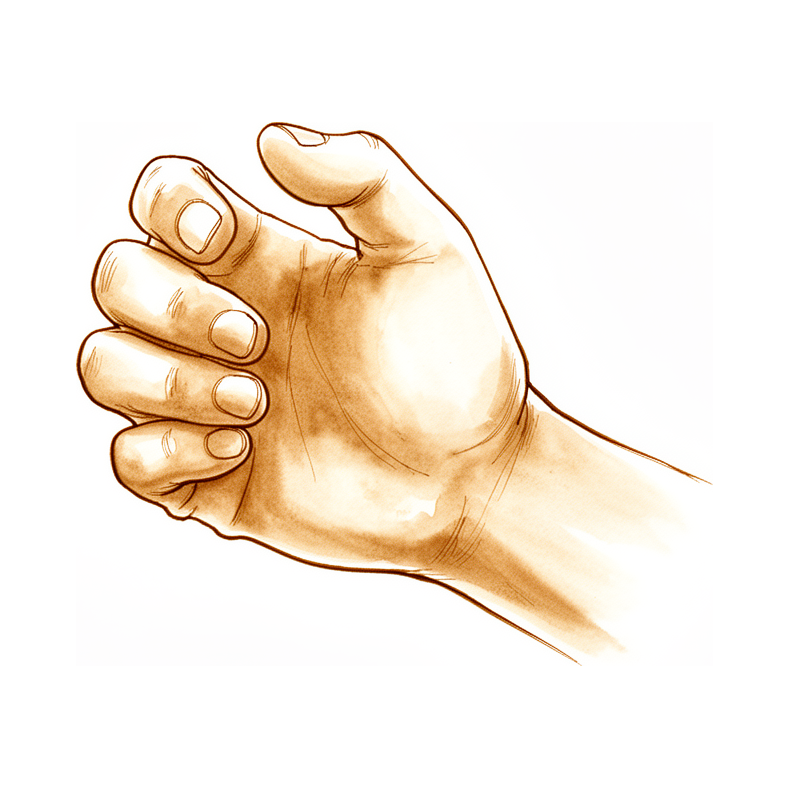
Qué está sintiendo
La artritis inflamatoria, incluida la artritis reumatoide, es una afección en la que su sistema inmunitario ataca el revestimiento de sus propias articulaciones. En la mano y la muñeca, esto provoca hinchazón y dolor en las pequeñas articulaciones de los dedos y en la propia muñeca. La hinchazón suele notarse peor al despertarse por la mañana, y puede aliviarse a medida que empieza a moverse. Dejar la mano en reposo suele calmar el dolor, mientras que usarla lo empeora.
En el día a día, esto se nota en las tareas que requieren agarre y movimientos finos de los dedos. Girar una llave, abrir un frasco, sostener un bolígrafo, abrocharse los botones o llevar un hervidor pueden volverse más difíciles. Algunas personas notan que un dedo o un nudillo se hincha más que los demás. Con el tiempo, las articulaciones pueden cambiar de forma, y los tendones que estiran los dedos pueden desgastarse hasta romperse y dejar de funcionar correctamente.
La afección también puede afectar a otras articulaciones, como el codo y el hombro, y puede hacer que se sienta mal en general durante un brote. A veces aparecen bultos bajo la piel, llamados nódulos reumatoides, sobre puntos de apoyo como el dorso de la mano o el codo.
Algunos signos de alarma requieren actuar con rapidez. Si un dedo, la mano o el brazo se ponen calientes, rojos, hinchados y dolorosos, sobre todo si tiene fiebre, acuda al servicio de urgencias ese mismo día. Si los dedos o la mano se ponen pálidos, fríos, blancos o azulados, o si pierde de repente la sensibilidad o el movimiento después de una lesión, acuda al servicio de urgencias ese mismo día.
Otros signos requieren una valoración, no una visita a urgencias. Consulte a su médico de cabecera o pida una valoración por un especialista si los síntomas no mejoran, empeoran a lo largo de las semanas, le despiertan por la noche o le impiden trabajar o usar la mano.
¿Qué está ocurriendo realmente?
En una articulación sana, el revestimiento es fino y liso, y produce una pequeña cantidad de líquido que permite que las superficies se deslicen entre sí. En la artritis reumatoide, su sistema inmunitario trata ese revestimiento como algo extraño y lo ataca. El revestimiento se engrosa y se inflama, y produce demasiado líquido. Ese revestimiento hinchado empieza entonces a desgastar las propias superficies articulares, destruyendo el cartílago liso que debería proteger el hueso.
El daño no se limita a la articulación. El mismo tejido inflamado puede envolver los tendones, los cordones que van desde los músculos del antebrazo hasta los dedos y que le permiten doblarlos y estirarlos. Ese tejido puede debilitar los tendones hasta que se deshilachan o se desgastan hasta romperse, y por eso un dedo puede dejar de estirarse de repente. También puede ablandar el propio hueso, haciéndolo más débil y más propenso a la erosión, sobre todo alrededor de la muñeca y de las pequeñas articulaciones de los dedos.
Esto explica lo que usted siente. La rigidez y la hinchazón matutinas se deben a que el revestimiento inflamado produce líquido de más. El dolor al usar la mano se debe al roce entre superficies articulares desgastadas y desprotegidas. La forma de la articulación cambia porque las superficies desgastadas y los tendones debilitados dejan que los dedos se desalineen. Y los bultos bajo la piel, los nódulos reumatoides mencionados antes, forman parte del mismo proceso de la enfermedad y no son un problema aparte.
La afección varía de una persona a otra. Algunas personas tienen una forma más leve y lenta, mientras que otras tienen una forma más grave que daña las articulaciones y los tendones con mayor rapidez. La rapidez con que se deterioran la muñeca o los dedos depende del patrón de la enfermedad que usted tenga. Por eso el tratamiento funciona mejor cuando se controla la propia inflamación, por lo general con medicamentos de su reumatólogo, antes de cualquier cirugía de la mano o a la vez que ella.
¿Qué podemos hacer al respecto?
Hay mucho que usted mismo puede hacer junto con el tratamiento médico. El ejercicio suave y regular mantiene las articulaciones en movimiento y puede mejorar la fuerza con el tiempo, aunque el alivio de la rigidez suele ser a corto plazo. Si su artritis reumatoide está bien controlada, los programas de ejercicio supervisado que combinan trabajo de fuerza con entrenamiento de mayor intensidad suelen tolerarse bien y pueden ayudar a su salud física en general. Un terapeuta ocupacional también puede enseñarle formas de proteger sus articulaciones y facilitar las tareas diarias. Pruebe estas medidas durante un tiempo razonable, de semanas y no de días, y manténgalas incluso cuando empiece otro tratamiento.
Los medicamentos son la base del tratamiento, sobre todo al principio. Los antiinflamatorios y los corticoides calman el dolor y la hinchazón. Otros medicamentos, como el metotrexato, actúan sobre la propia enfermedad calmando el sistema inmunitario hiperactivo, y los medicamentos biológicos más recientes actúan sobre partes concretas del proceso inflamatorio. Estos medicamentos han cambiado la evolución de la enfermedad en muchas personas, hasta el punto de que hoy muchas menos necesitan una cirugía de reemplazo articular que en el pasado. La contrapartida es que los medicamentos que frenan el sistema inmunitario aumentan el riesgo de infección, por lo que requieren un control cuidadoso, sobre todo en torno a cualquier cirugía.
Si sus síntomas siguen siendo intensos a pesar de estas medidas, su médico de cabecera o su reumatólogo pueden derivarle para una valoración especializada de la mano y la muñeca. La cirugía no es un primer paso, y solo se considera cuando la enfermedad ha dañado articulaciones o tendones de una forma que los medicamentos no pueden revertir. Para algunos problemas concretos, una operación puede ayudar en ocasiones con el dolor o la función. Cualquier decisión tiene en cuenta sus otras articulaciones, lo que necesita hacer con las manos y su estilo de vida.
Qué esperar
La artritis reumatoide es una afección de larga duración. No desaparece por sí sola, y tiende a seguir dañando las articulaciones si la inflamación no se controla. El daño articular suele comenzar en el primer o segundo año de la enfermedad y continúa a partir de ahí. Por eso es importante el tratamiento temprano: los medicamentos que calman la inflamación pueden frenar o evitar ese daño antes de que se produzca.
Cuando la enfermedad se controla bien, el pronóstico ha cambiado para muchas personas. Los medicamentos modernos han reducido la frecuencia con que las articulaciones se desgastan tanto como para necesitar una cirugía de reemplazo. Con tratamiento, los brotes pueden calmarse y usted puede seguir usando las manos para las tareas diarias. Si su enfermedad está bien controlada, el ejercicio regular, incluido el trabajo de fuerza y el entrenamiento de mayor intensidad, suele tolerarse bien y ayuda a su salud en general.
Si no se trata la afección, el revestimiento inflamado sigue desgastando las superficies articulares y los tendones. Las articulaciones pueden cambiar de forma, los dedos pueden desalinearse, y los tendones que estiran los dedos pueden desgastarse hasta romperse. Un tendón que se ha roto por desgaste no se cura ni mejora por sí solo, y necesita una valoración especializada sin demora. Los medicamentos no pueden revertir el daño que ya se ha producido en el cartílago y el hueso.
La cirugía puede ayudar cuando el daño ya se ha producido. Las personas a las que se les reemplaza una articulación dañada refieren menos dolor y mejor función después. Los resultados varían de una persona a otra, y puede producirse cierto deterioro a largo plazo, por lo que la cirugía es un paso que se da cuando los medicamentos ya no pueden controlar el problema.
Esté atento a los signos descritos antes en esta página. Un dedo o una mano calientes, rojos, hinchados y dolorosos, sobre todo si tiene fiebre, requieren acudir al servicio de urgencias ese mismo día. Unos dedos pálidos, fríos, blancos o azulados, o una pérdida repentina de sensibilidad o de movimiento después de una lesión, también requieren acudir al servicio de urgencias ese mismo día. Si los síntomas no mejoran, empeoran a lo largo de las semanas, le despiertan por la noche o le impiden trabajar o usar la mano, consulte a su médico de cabecera o pida una valoración por un especialista.
¿Cuándo consultar a un especialista?
Esta afección es inflamatoria, por lo que los signos de alarma son distintos de los de una articulación que simplemente se desgasta. Los urgentes se describen antes en esta página: un dedo, la mano o el brazo que se ponen calientes, rojos, hinchados y dolorosos, sobre todo si tiene fiebre, requieren acudir al servicio de urgencias ese mismo día. Lo mismo ocurre con unos dedos pálidos, fríos, blancos o azulados, o con una pérdida repentina de sensibilidad o de movimiento después de una lesión.
Consulte a su médico de cabecera o pida una valoración por un especialista si sus síntomas no mejoran, empeoran a lo largo de las semanas, le despiertan por la noche o le impiden trabajar o usar la mano. Un dedo que de repente deja de estirarse también necesita una valoración especializada sin demora, porque un tendón que se ha roto por desgaste no se cura por sí solo.
Pida una valoración cuanto antes si nota que una articulación cambia de forma o se desalinea, o si la hinchazón y la rigidez matutina siguen reapareciendo. Cuanto antes se controle la inflamación, más posibilidades hay de proteger sus articulaciones antes de que se produzca el daño.
Evidence & references
This is the clinical evidence summary written for health professionals. It is technical, and it lists the research this page was built from. You do not need to read it to understand your treatment or to make a decision about it.
Overview
- The success of treatment for patients with rheumatoid arthritis depends on a clear understanding of available drugs and what can be done at various stages of the disease [1].
- Arthritic disorders have a profound importance to the general population as a health problem and for their social and economic impact [2].
- Long-term results of radiolunate arthrodesis in the rheumatoid wrist are favorable as long as the rheumatoid process is under control [3].
- Cy3-tilmanocept labeling of macrophages establishes a novel tool for pre-clinical research of early arthritis and has implications for early RA detection and monitoring of therapeutic efficacy in humans [4].
- Economic, social, and cultural factors affect rheumatoid hand treatment in selected countries representing various regions of the world [5].
- Patients with rheumatoid arthritis can differentiate between problems caused by their hands and other effects of their disease [6].
- Complication rates are comparable between RA and non-RA cohorts in total elbow arthroplasty, but further investigation into the underlying mechanisms of increased revision rates in RA patients is warranted [7].
- Surgery for rheumatoid arthritis involves medical considerations, surgical principles, and regional surgical considerations [8].
- Rheumatoid nodules are often associated with the severe form of rheumatoid disease, which carries a poor prognosis [9].
- Retrospective case reports and pictorial depictions question the belief that rheumatoid arthritis is a modern disease brought to the Old World from the New World after the discovery of America [11].
- Rheumatoid wrist involvement in black patients was more or less the same as reported in other series, but finger joint involvement was considerably less [12].
- Following total shoulder arthroplasty, RA patients should be considered at higher risk of systemic and joint-related complications compared to patients with primary osteoarthritis [13].
- Clinical symptoms and radiologic appearances are often poor indicators of the source of pain in the shoulder joint complex in patients with rheumatoid arthritis [14].
- Rheumatologists view rheumatoid hand surgery as significantly less effective than do hand surgeons, highlighting disagreements between the two specialties about the management of this clinical problem [15].
- A system of radiographic grading for rheumatoid, psoriatic, and other similar arthritic conditions can be useful in evaluating cases for both medical and surgical treatment and epidemiologic studies [17].
- Systemic inflammatory diseases other than rheumatoid arthritis affect the hand with skin, vascular, and musculoskeletal symptoms [18].
- Surgery for rheumatoid arthritis and other inflammatory diseases is not disappearing [20].
- The book 'Monoclonal antibodies, cytokines, and arthritis' presents concepts regarding the molecular biology and immunology of arthritides and a new rationale for treatment [26].
- There is limited knowledge of anti-TNFa and no consensus of opinion amongst hand surgeons performing rheumatoid surgery in the UK with regard to its perioperative use [31].
Background & Causes
- Cy3-tilmanocept labeling of macrophages establishes a novel tool for pre-clinical research of early arthritis with implications for early RA detection and monitoring of therapeutic efficacy in humans [4].
- Further investigation into the underlying mechanisms of increased revision rates in RA patients is warranted despite comparable complication rates between RA and non-RA cohorts in total elbow arthroplasty [7].
- Data on total joint arthroplasty trends likely reflect skewed utilization of bDMARDs in rheumatoid arthritis patients with more severe disease and prolonged periods of joint degeneration because of prior treatment failure [10].
- Following total shoulder arthroplasty, RA patients should be considered at higher risk of systemic and joint-related complications compared to patients with primary OA [13].
- Denosumab demonstrates promising efficacy in maintaining bone health and preventing joint damage in rheumatoid arthritis patients with coexisting osteoporosis [16].
- Rheumatoid arthritis is characterized by maintained mineralization and no predominant periarticular osteopenia, which contrasts with gout [29].
- Rheumatoid patients with diabetes had an increased risk of wound infection (33%) compared with patients without (3.3%) after elective rheumatoid hand and wrist surgery [33].
- Hand involvement in psoriatic arthritis differs from rheumatoid arthritis, characterized by stiffness and spontaneous fusion rather than instability [38].
- Inflammatory arthritis represents a distinctly morbid risk profile compared to osteoarthritis patients with multiple increased surgical and postoperative medical complications in patients undergoing aTSA and rTSA [40].
- The ongoing rheumatoid process is responsible for the translocation observed after resection of the distal ulna in rheumatoid arthritis [41].
- Inflammatory arthritis has a substantial effect in producing intracortical defects in metaphyseal bone, but the bisphosphonate zoledronate was considerably effective in preventing these changes from occurring [47].
- In vivo, mechanically impaired tendons may play an important role in destabilization of the wrist in patients with rheumatoid arthritis [28].
- Early in the disease process of rheumatoid arthritis, bone erosions may occur in the sigmoid notch of the distal radius [44].
- Severe joint destruction in autoimmune arthritis caused by Candida septic arthritis may have been the result of prolonged sepsis, development of an autoimmune response to Candida breakdown products, or a combination of these factors [45].
- The density of synovial cells increased after synovectomy in all control subjects and six of eight RA patients, which is indicative of a wound healing response [46].
- Type II collagen was present in all attachment zones of the proximal interphalangeal joint, although there was little in rheumatoid fingers [48].
- Invasive tenosynovium is more destructive than encapsulating tenosynovium at a molecular level, providing an explanation for the increased tendon rupture associated with invasive tenosynovitis in RA [68].
- Surgery of the rheumatoid hand must take account of the severity of the disease, with sero-positive patients with high sedimentation rates being informed about and trained in principles of joint protection before operation [72].
- Understanding which factors are associated with choosing rheumatoid hand reconstruction is an essential component of patient preoperative counseling [73].
- There is a significantly lower incidence of Dupuytren's features in patients with rheumatoid diseases than there is in random control patients [74].
Symptoms & Presentation
General Clinical Presentation
- Juvenile rheumatoid arthritis seldom involves the small joints of the hand, but proximal interphalangeal joint synovitis can be the initial manifestation [49].
- Single-digit swelling may be a presenting feature of juvenile rheumatoid arthritis in 18% of cases [60].
- A misdiagnosis of rheumatoid nodules was made secondary to the patient’s history of rheumatoid arthritis [23].
- In rheumatoid arthritis, mineralization is maintained and there is no predominant periarticular osteopenia [29].
Mechanical and Structural Findings
- Radiologic examination showed that all patients exhibited resorption of the distal ulna (mean 4.4 mm) and that resorption was worst in the group with rheumatoid arthritis [65].
- The use of contrast arthrography can provide evidence as to the presence and prominence of rheumatoid synovitis at the elbow [67].
Prognostic and Outcome Indicators
- FPL rupture in patients with rheumatoid arthritis gives short term dysfunction but, in most cases, not substantial medium-term dysfunction [27].
- Age, disease duration, disease activity score and deformity were associated with the lowest bMHQ scores in RA patients [34].
- The severity of the patient's disease and the degree of articular involvement had a great effect on the outcome of surgery [63].
- Overall functional results often were affected by the status of disease in other joints, but in general were acceptable [71].
Management
General Principles and Multidisciplinary Care
- The goal of medical and surgical management for patients with rheumatoid arthritis is to maintain or improve functional capacity [43].
- Surgery for rheumatoid arthritis requires a comprehensive team approach that includes medical considerations, surgical principles, and regional surgical considerations [8].
- In all facets of treatment or evaluation, the rheumatoid patient must be handled gently with respect to tissue response and pain [52].
- All care plans for the rheumatoid hand should be made with thoughtful consideration to the patient's other joint involvement, functional needs, and lifestyle [50].
- Rheumatologists view rheumatoid hand surgery as significantly less effective than do hand surgeons, highlighting disagreements between the two specialties regarding management [15].
- Two-thirds of patients with rheumatic conditions visiting a multidisciplinary hand clinic reportedly followed the treatment advice, with an overall trend toward a beneficial effect on hand function [54].
Medical Management and Pharmacology
- Pharmacologic agents used in rheumatoid arthritis include nonsteroidal antiinflammatory drugs, corticosteroids, methotrexate, and biologic agents [43].
- Biologic agents are recombinant proteins that generally target an inflammatory cytokine, such as tumor necrosis factor [43].
- Biologic agents have shown excellent results in rheumatoid arthritis treatment [43].
- Biologic agents inhibit the immune system and cause an increased risk of infection in patients taking them [43].
- There is preclinical evidence for an antioxidant, anti-inflammatory, antinociceptive, cartilage- and bone-protective effect of calcitonin in rheumatoid arthritis and osteoarthritis [59].
- Tectochrysin may be a novel rheumatoid arthritis therapeutic agent, likely acting via macrophage JAK/STAT pathway inhibition, with promising clinical potential [53].
- Cy3-tilmanocept labeling of macrophages establishes a novel tool for pre-clinical research of early arthritis and has implications for early rheumatoid arthritis detection and monitoring of therapeutic efficacy in humans [4].
Perioperative Considerations
- Patients who are on corticosteroids generally require preoperative “stress” dosages of hydrocortisone [43].
- Agents that inhibit the immune system should be withheld at least 1 week before and 1 week after a surgical procedure for rheumatoid arthritis patients [43].
- Rheumatoid patients with diabetes had an increased risk of wound infection (33%) compared with patients without diabetes (3.3%) [33].
- Among patients with rheumatoid arthritis undergoing elective hand surgery, perioperative biologic disease-modifying antirheumatic drug continuation was not associated with significant increases in risks of wound healing failures or surgical site infections [56].
Non-Operative Rehabilitation and Exercise
- There is not strong research evidence for or against the value of hand exercise in the treatment of persons with rheumatoid arthritis, although results suggest that appropriate exercise might lead to long-term strength changes and very short-term changes in stiffness [19].
- Supervised high-intensity interval training and strength exercise appear to be feasible and well tolerated by patients and could be recommended to improve cardiovascular and physical health in patients with well-controlled rheumatoid arthritis [51].
- No outcome studies on the effectiveness of joint protection programs for unstable metacarpophalangeal joints in rheumatoid arthritis were found [58].
Outcomes and Prognosis
- Patients with rheumatoid arthritis who underwent Swanson Metacarpophalangeal Joint Arthroplasty had significant improvements in patient-reported outcomes at the 1-year interval [21].
- Following total shoulder arthroplasty, rheumatoid arthritis patients should be considered at higher risk of systemic and joint-related complications compared to patients with primary osteoarthritis [13].
- Shoulder arthroplasty in patients with rheumatoid arthritis reduces pain and improves function [35].
- Although patients with rheumatoid arthritis may be at an increased risk of complications and revision surgery, patients can expect reduced pain and improved functional outcomes similar to those with osteoarthritis following primary total hip arthroplasty [22].
- Total knee arthroplasty in patients who have rheumatoid arthritis yields significant improvement in physician- and patient-reported outcomes [36].
- In the largest single-institution study to date, patients with rheumatoid arthritis reported poorer patient-reported outcome scores compared with the osteoarthritis and posttraumatic arthritis groups but experienced functional outcome improvement from the preoperative baseline following total ankle arthroplasty [24].
- Patient-reported functional outcomes at 6 months for total elbow arthroplasty were significantly lower in the fracture group compared to osteoarthritis and rheumatoid arthritis groups [25].
- Despite comparable complication rates between rheumatoid arthritis and non-rheumatoid arthritis cohorts, further investigation into the underlying mechanisms of increased revision rates in rheumatoid arthritis patients undergoing total elbow arthroplasty is warranted [7].
- Age, disease duration, disease activity score, and deformity were associated with the lowest brief Michigan Hand Outcomes Questionnaire scores in rheumatoid arthritis patients [34].
- Patients with rheumatoid arthritis can differentiate between problems caused by their hands and other effects of their disease using a visual analogue scale [6].
- In rheumatoid arthritis trials, grip strength should be assessed at the same time of the day [57].
- A 48% decrease in the number of primary arthroplasties performed for rheumatoid arthritis was found in a review of the Finnish Arthroplasty Register covering 1995 to 2010, attributed to the effectiveness of improved medical management [43].
Key Considerations
General Management and Assessment
- A system of radiographic grading for rheumatoid, psoriatic, and other similar arthritic conditions is useful in evaluating cases for medical and surgical treatment and epidemiologic studies [17].
- Rheumatoid arthritis is not a modern disease and was not brought to the Old World from the New World after the discovery of America [11].
Non-Operative Considerations
- There is not strong research evidence for or against the value of hand exercise in the treatment of persons with rheumatoid arthritis, although results suggest appropriate exercise might lead to long-term strength changes and very short-term changes in stiffness [19].
Operative Considerations
- Although there is good reason to intervene early in the disease, there are no long-term studies with sufficient control to provide clear evidence of significant long-term benefits from synovectomy [37].
- Long-term results of radiolunate arthrodesis are favorable as long as the rheumatoid process is under control [3].
- Radiolunate arthrodesis in patients with rheumatoid arthritis maintained good clinical results and corrected alignment during long-term follow-up [79].
- Silicone rubber implant arthroplasty of the metacarpophalangeal joint in rheumatoid arthritis is useful despite some deterioration of results during long-term follow-up [78].
- In view of the paucity of long-term results for total elbow replacement, radial-head excision and synovectomy may retain a role in younger patients or in those whose symptoms are related mainly to the radiohumeral joint [39].
- The long-term clinical results of elbow interposition arthroplasty in rheumatoid arthritis are good in terms of pain relief but only fair in terms of joint mobility and stability, and are probably inferior to those of total elbow replacement [81].
- Total elbow replacement arthroplasty for rheumatoid arthritis appears durable at long-term follow-up [80].
- The Kudo type-5 prosthesis demonstrated satisfactory results in patients with rheumatoid arthritis, although failures occurred to some extent over a long-term follow-up period [70].
- Despite comparable complication rates between rheumatoid arthritis and non-RA cohorts, further investigation into the underlying mechanisms of increased revision rates in rheumatoid arthritis patients is warranted [7].
- In the largest single-institution study to date, patients with rheumatoid arthritis reported poorer patient-reported outcome scores compared with osteoarthritis and posttraumatic arthritis groups but experienced functional outcome improvement from the preoperative baseline after total ankle arthroplasty [24].
- Comparative outcomes of robot-assisted versus conventional total knee arthroplasty provide important evidence for selecting surgical methods in rheumatoid osteoarthritis [30].
- Flexor pollicis longus rupture in patients with rheumatoid arthritis gives short-term dysfunction but, in most cases, not substantial medium-term dysfunction [27].
- Clinical and radiological assessments at 22 months of follow-up for surgical reconstruction of an unstable rheumatoid thumb deformity revealed good outcomes [75].
Radiographic and Pathologic Findings
- Bone destruction in both the humerus and the olecranon appears to be a late consequence of rheumatoid elbow involvement [82].
- The distal radioulnar joint showed a rapid increase in Larsen score and was involved in 78% of patients on late x-rays in longitudinal radiographic analysis of rheumatoid arthritis in the hand and wrist [83].
- Rheumatoid nodules are often associated with the poor prognosis for the severe form of rheumatoid disease [9].
- A misdiagnosis of rheumatoid nodules can occur secondary to the patient’s history of rheumatoid arthritis, as seen in cases of multiple epidermal inclusion cysts [23].
Key Evidence
- [L5] The success of treatment of patients with rheumatoid arthritis depends on a clear understanding of the drugs available and of what can be done at various stages of the disease. [1] (10.1016/s0363-5023(83)80240-8)
- [Paper] The Arthritis Committee recognizes the profound importance of arthritic disorders to the general population, not only as a health problem, but for their social and economic impact. [2] (10.1016/s0363-5023(83)80245-7)
- [L4] Long-term results are favorable, as long as the rheumatoid process is under control. [3] (10.1016/s0363-5023(86)80034-x)
- [L4] These data establish a novel tool for pre-clinical research of early arthritis and have implications for early RA detection and monitoring of therapeutic efficacy in humans. [4] (10.1002/jor.24900)
- [L5] The purpose of this study was to determine how economic, social, and cultural factors affect rheumatoid hand treatment in selected countries representing various regions of the world. [5] (10.1016/j.jhsa.2004.11.012)
- [L4] Patients with rheumatoid arthritis can differentiate between problems caused by their hands and other effects of their disease. [6] (10.1016/s0894-1130(04)00197-8)
- [L3] Despite comparable complication rates between RA and non-RA cohorts, further investigation into the underlying mechanisms of increased revision rates in RA patients is warranted. [7] (10.1016/j.jse.2024.12.032)
- [Paper] Surgery for Rheumatoid Arthritis provides a comprehensive yet concise review of medical considerations, surgical principles, and regional surgical considerations as they apply to the patient with rheumatoid arthritis. [8] (10.1016/0363-5023(93)90415-y)
- [L5] This is in contrast to the poor prognosis for the severe form of rheumatoid disease with which rheumatoid nodules are often associated. [9] (10.1016/s0363-5023(84)80232-4)
- [L4] These data likely reflect skewed utilization of bDMARDs in rheumatoid arthritis patients with more severe disease and prolonged periods of joint degeneration because of prior treatment failure. [10] (10.5435/jaaosglobal-d-22-00209)
- [L5] These retrospective case reports, in conjunction with other pictorial depictions of probable rheumatoid arthritis, question the belief of some clinicians that rheumatoid arthritis is a modern disease and that it was brought to the Old World from the New World after the discovery of America. [11] (10.1016/s0894-1130(96)80080-9)
- [L4] Rheumatoid wrist involvement in black patients was more or less the same as reported in other series, but finger joint involvement was considerably less. [12] (10.1016/s0266-7681(03)00096-2)
- [L3] Following TSA, RA patients should be considered at higher risk of systemic and joint-related complications compared to patients with primary OA. [13] (10.5397/cise.2024.00374)
- [L4] Clinical symptoms and radiologic appearances are often poor indicators of the source of pain in the shoulder joint complex in patients with rheumatoid arthritis. [14] (10.1016/s1058-2746(09)80111-0)
- [L4] Rheumatologists view rheumatoid hand surgery as significantly less effective than do hand surgeons, which highlights the disagreements between the 2 specialties about the management of this clinical problem. [15] (10.1053/jhsu.2003.50034)
- [L1] Denosumab demonstrates promising efficacy in maintaining bone health and preventing joint damage in rheumatoid arthritis patients with coexisting osteoporosis. [16] (10.1186/s12891-025-08688-8)
- [Paper] This system of radiographic grading for rheumatoid, psoriatic, and other similar arthritic conditions can be useful in evaluating cases for both medical and surgical treatment and epidemiologic studies. [17] (10.1016/s0363-5023(83)80241-x)
- [L5] This review outlines the skin, vascular and musculoskeletal symptoms affecting the hand during systemic inflammatory diseases other than rheumatoid arthritis. [18] (10.1016/j.main.2014.01.008)
- [L1] There is not strong research evidence for or against the value of hand exercise in the treatment of persons with rheumatoid arthritis, although results of this review suggest that appropriate exercise might lead to long-term strength changes and very short-term changes in stiffness. [19] (10.1197/j.jht.2004.02.006)
- [L5] Surgery for RA and other inflammatory diseases is not disappearing. [20] (10.1016/j.main.2014.09.003)
- [L2] Our data show that patients with RA who underwent SMPA had significant improvements in patient-reported outcomes at the 1-year interval. [21] (10.1016/j.jhsa.2004.03.004)
- [L3] Although patients with rheumatoid arthritis may be at an increased risk of complications and revision surgery, patients can expect reduced pain and improved functional outcomes similar to those with osteoarthritis following primary THA. [22] (10.5435/jaaos-d-24-00656)
- [L5] A misdiagnosis of rheumatoid nodules was made secondary to the patient’s history of rheumatoid arthritis. [23] (10.1053/jhsu.2000.8641)
- [L3] In the largest single-institution study to date, patients with RA reported poorer PRO scores compared with the OA and posttraumatic arthritis groups but experienced functional outcome improvement from the preoperative baseline. [24] (10.2106/jbjs.24.00048)
- [L3] Patient-reported functional outcomes at 6 months were significantly lower in the fracture group compared to osteoarthritis and rheumatoid arthritis groups. [25] (10.1016/j.jse.2026.01.019)
- [Paper] The book 'Monoclonal antibodies, cytokines, and arthritis' presents the latest concepts regarding the molecular biology and immunology of arthritides, as well as a new rationale for treatment. [26] (10.1016/0363-5023(93)90283-9)
- [L4] FPL rupture in patients with RA gives short term dysfunction but, in most cases, not substantial medium-term dysfunction. [27] (10.1016/j.hansur.2020.08.002)
- [L4] In vivo, mechanically impaired tendons may play an important role in destabilization of the wrist in patients with rheumatoid arthritis. [28] (10.1002/jor.1100160412)
- [L4] These findings contrast with rheumatoid arthritis, where mineralization is maintained and there is no predominant periarticular osteopenia. [29] (10.1016/j.hansur.2018.10.169)
- [L3] This provides important evidence for selecting surgical methods in rheumatoid osteoarthritis. [30] (10.1186/s13018-026-06703-9)
- [L4] The results of our survey suggest that there is limited knowledge of anti-TNFa and no consensus of opinion amongst hand surgeons performing rheumatoid surgery in the UK with regard to its perioperative use. [31] (10.1016/j.jhsb.2006.04.006)
- [L4] Rheumatoid patients with diabetes had an increased risk of wound infection (33%) compared with patients without (3.3%). [33] (10.1053/jhsu.2002.32958)
- [L4] Age, disease duration, disease activity score and deformity were associated with the lowest bMHQ scores in RA patients. [34] (10.1016/j.hansur.2016.09.003)
- [L3] Shoulder arthroplasty in patients with rheumatoid arthritis reduces pain and improves function. [35] (10.1186/s13018-025-06109-z)
- [L3] Total knee arthroplasty in patients who have RA yields significant improvement in physician- and patient-reported outcomes. [36] (10.1016/j.arth.2026.03.021)
- [L5] Although there is good reason to intervene early in the disease there are no long-term studies with sufficient control to provide clear evidence of significant long-term benefits from synovectomy. [37] (10.1016/0266-7681(92)90125-l)
- [L4] Hand involvement in psoriatic arthritis differs from rheumatoid arthritis, characterized by stiffness and spontaneous fusion rather than instability. [38] (10.1016/s0363-5023(82)80090-7)
- [L3] In view of the paucity of long-term results for TER, RHES may retain a role in younger patients or in those whose symptoms are related mainly to the radiohumeral joint. [39] (10.1016/s1058-2746(99)90147-7)
- [L3] Inflammatory arthritis represents a distinctly morbid risk profile compared to osteoarthritis patients with multiple increased surgical and postoperative medical complications in patients undergoing aTSA and rTSA. [40] (10.1016/j.jse.2023.09.014)
- [L4] This supports the concept that the ongoing rheumatoid process is responsible for the translocation. [41] (10.1016/j.jhsb.2003.10.007)
- [L4] When subjects with rheumatoid arthritis were analyzed, it was determined that early in the disease process bone erosions may occur in the sigmoid notch of the distal radius. [44] (10.1016/s0363-5023(05)80140-6)
- [L5] The severe joint destruction that subsequently occurred may have been the result of prolonged sepsis, development of an autoimmune response to Candida breakdown products, or a combination of these factors. [45] (10.1016/s1058-2746(05)80041-2)
- [L4] In parallel, the density of synovial cells increased after synovectomy in all control subjects and six of eight RA patients, which is indicative of a wound healing response. [46] (10.1002/jor.21233)
- [Paper] Inflammatory arthritis has a substantial effect in producing intracortical defects in metaphyseal bone, but the bisphosphonate zoledronate was considerably effective in preventing these changes from occurring. [47] (10.1002/jor.1100150610)
- [L4] Type II collagen was present in all attachment zones, although there was little in rheumatoid fingers. [48] (10.1016/0266-7681(93)90067-p)
- [L4] Juvenile rheumatoid arthritis seldom involves the small joints of the hand, but proximal interphalangeal joint synovitis can be the initial manifestation. [49] (10.1016/s0363-5023(86)80148-4)
- [L5] All care plans should be made with thoughtful consideration to the patient's other joint involvement, functional needs, and their lifestyle. [50] (10.1097/00130911-200003000-00010)
- [L1] Supervised HIIT and strength exercise appear to be feasible and well tolerated by patients and could be recommended to improve cardiovascular and physical health in patients with well-controlled RA. [51] (10.1136/bjsports-2024-108369)
- [L5] In all facets of treatment or evaluation, the rheumatoid patient must be handled gently with respect of tissue response and pain. [52] (10.1016/s0894-1130(96)80074-3)
- [L5] Tectochrysin may be a novel RA therapeutic agent, likely acting via macrophage JAK/STAT pathway inhibition, with promising clinical potential. [53] (10.1186/s13018-025-06481-w)
- [L3] Two-thirds of patients with rheumatic conditions visiting a multidisciplinary hand clinic reportedly followed the treatment advice (recommendations), with an overall trend toward a beneficial effect on hand function. [54] (10.1197/j.jht.2007.04.004)
- [L2] Among patients with RA undergoing elective hand surgery, perioperative bDMARD continuation was not associated with significant increases in risks of wound healing failures or SSIs. [56] (10.1016/j.jhsa.2026.03.003)
- [L4] In rheumatoid arthritis trials, grip strength should be assessed at the same time of the day. [57] (10.1016/s0363-5023(09)91074-7)
- [Paper] No outcome studies on the effectiveness of joint protection programs for unstable MCP joints in RA were found. [58] (10.1197/j.jht.2006.04.009)
- [L1] There is preclinical evidence for an antioxidant, anti-inflammatory, antinociceptive, cartilage- and bone-protective effect of CT in RA and OA. [59] (10.1530/eor-23-0133)
- [L4] Single-digit swelling may be a presenting feature of JRA in 18% of cases. [60] (10.1016/s0363-5023(97)80124-4)
- [L4] The severity of the patient's disease and the degree of articular involvement had a great effect on the outcome of surgery. [63] (10.1016/0363-5023(88)90260-2)
- [L4] Radiologic examination showed that all patients exhibited resorption of the distal ulna (mean 4.4 mm) and that resorption was worst in the group with rheumatoid arthritis. [65] (10.1016/0363-5023(90)90099-d)
- [L5] The use of contrast arthrography can provide evidence as to the presence and prominence of rheumatoid synovitis at the elbow. [67] (10.1016/0266-7681(86)90032-x)
- [Paper] These results show that invasive tenosynovium is more destructive than encapsulating tenosynovium at a molecular level, providing an explanation for the increased tendon rupture associated with invasive tenosynovitis in RA. [68] (10.1053/jhsu.2002.36516)
- [L4] Although the Kudo type-5 prosthesis demonstrated satisfactory results in patients with RA, failures occurred to some extent over a long-term follow-up period. [70] (10.1016/j.jse.2024.10.025)
- [L4] Overall functional results often were affected by the status of disease in other joints, but in general were acceptable. [71] (10.1016/s0363-5023(78)80002-1)
- [L5] Surgery of the rheumatoid hand must take account of the severity of the disease, with sero-positive patients with high sedimentation rates being informed about and trained in principles of joint protection before operation. [72] (10.1016/0266-7681(89)90078-8)
- [L2] Understanding which factors are associated with choosing rheumatoid hand reconstruction is an essential component of patient preoperative counseling. [73] (10.1016/j.jhsa.2005.10.005)
- [L4] It is shown that overall there is a significantly lower incidence of Dupuytren's features in patients with rheumatoid diseases, than there is in random control patients. [74] (10.1016/s0266-7681(84)80020-0)
- [L5] Clinical and radiological assessments at 22 months of follow-up revealed good outcomes. [75] (10.1016/j.main.2015.02.004)
- [L4] Despite some deterioration of the results during the long-term follow-up, we found that this method of prosthetic replacement of the MP joints in RA is useful. [78] (10.1016/s0363-5023(86)80138-1)
- [L4] Radiolunate arthrodesis in patients with RA maintained good clinical results and corrected alignment, even during long-term follow-up. [79] (10.1016/j.jhsa.2022.11.014)
- [L4] The results appear durable at long term followup. [80] (10.1016/s1058-2746(96)80507-6)
- [L4] The long-term clinical results of elbow interposition arthroplasty in rheumatoid arthritis are good in terms of pain relief but only fair in terms of joint mobility and stability and as a whole are probably inferior to those of total elbow replacement. [81] (10.1016/s1058-2746(96)80001-2)
- [L3] Bone destruction in both the humerus and the olecranon appears to be a late consequence of rheumatoid elbow involvement. [82] (10.1067/mse.2002.123903)
- [L4] The distal radioulnar joint showed a rapid increase in Larsen score and was involved in 78% of patients on late x-rays. [83] (10.1053/jhsu.2003.50070)
References
[1] Medical considerations and management of rheumatoid arthritis. The Journal of Hand Surgery. 1983. DOI: 10.1016/s0363-5023(83)80240-8
[2] Report of the Arthritis Committee. The Journal of Hand Surgery. 1983. DOI: 10.1016/s0363-5023(83)80245-7
[3] Radiolunate arthrodesis in the rheumatoid wrist. The Journal of Hand Surgery. 1986. DOI: 10.1016/s0363-5023(86)80034-x
[4] Cy3‐tilmanocept labeling of macrophages in joints of mice with antibody‐induced arthritis and synovium of human patients with rheumatoid arthritis. Journal of Orthopaedic Research. 2020. DOI: 10.1002/jor.24900
[5] A Qualitative Assessment of Rheumatoid Hand Surgery in Various Regions of the World. The Journal of Hand Surgery. 2005. DOI: 10.1016/j.jhsa.2004.11.012
[6] Visual analogue scale for assessment of the impact of rheumatoid arthritis in the hand. Journal of Hand Therapy. 2004. DOI: 10.1016/s0894-1130(04)00197-8
[7] Rates of long-term risk of revision and complications in total elbow arthroplasty in patients with rheumatoid arthritis: a propensity score-matched analysis. Journal of Shoulder and Elbow Surgery. 2025. DOI: 10.1016/j.jse.2024.12.032
[8] Surgery for rheumatoid arthritis: a comprehensive team approach. The Journal of Hand Surgery. 1993. DOI: 10.1016/0363-5023(93)90415-y
[9] Rheumatoid nodulosis of the hand. The Journal of Hand Surgery. 1984. DOI: 10.1016/s0363-5023(84)80232-4
[10] Trends in Total Joint Arthroplasty Among Patients With Rheumatoid Arthritis: The Effect of Recent Disease Modifying Antirheumatic Drug Utilization Guidelines. JAAOS: Global Research and Reviews. 2022. DOI: 10.5435/jaaosglobal-d-22-00209
[11] Rheumatoid Deformities in Paintings. Journal of Hand Therapy. 1996. DOI: 10.1016/s0894-1130(96)80080-9
[12] The Rheumatoid Wrist in Black South African Patients. Journal of Hand Surgery. 2003. DOI: 10.1016/s0266-7681(03)00096-2
[13] Rheumatoid arthritis is associated with higher 90-day systemic complications compared to osteoarthritis after total shoulder arthroplasty: a cohort study. Clinics in Shoulder and Elbow. 2024. DOI: 10.5397/cise.2024.00374
[14] The source of shoulder pain in rheumatoid arthritis: Usefulness of local anesthetic injections. Journal of Shoulder and Elbow Surgery. 1994. DOI: 10.1016/s1058-2746(09)80111-0
[15] Effectiveness of rheumatoid hand surgery: Contrasting perceptions of hand surgeons and rheumatologists. The Journal of Hand Surgery. 2003. DOI: 10.1053/jhsu.2003.50034
[16] Efficacy of denosumab in treatment of osteoporosis in patients with rheumatoid arthritis: a meta-analysis of randomized controlled trial. BMC Musculoskeletal Disorders. 2025. DOI: 10.1186/s12891-025-08688-8
[17] Radiographic evaluation of rheumatoid arthritis by standard reference films. The Journal of Hand Surgery. 1983. DOI: 10.1016/s0363-5023(83)80241-x
[18] The hand in systemic diseases other than rheumatoid arthritis. Chirurgie de la Main. 2014. DOI: 10.1016/j.main.2014.01.008
[19] The effectiveness of hand exercises for persons with rheumatoid arthritis: a systematic review. Journal of Hand Therapy. 2004. DOI: 10.1197/j.jht.2004.02.006
[20] Rheumatoid arthritis surgery has not disappeared!. Chirurgie de la Main. 2014. DOI: 10.1016/j.main.2014.09.003
[21] A prospective outcomes study of Swanson Metacarpophalangeal Joint Arthroplasty for the rheumatoid hand. The Journal of Hand Surgery. 2004. DOI: 10.1016/j.jhsa.2004.03.004
[22] Patient-Reported Outcome Measures After Direct Anterior Total Hip Arthroplasty Are Comparable Between Patients With Rheumatoid Arthritis and Osteoarthritis: A Propensity-Matched Analysis. Journal of the American Academy of Orthopaedic Surgeons. 2024. DOI: 10.5435/jaaos-d-24-00656
[23] Multiple epidermal inclusion cysts in a patient with rheumatoid arthritis: A case report. The Journal of Hand Surgery. 2000. DOI: 10.1053/jhsu.2000.8641
[24] Complication Rates and Functional Outcomes After Total Ankle Arthroplasty in Patients with Rheumatoid Arthritis. Journal of Bone and Joint Surgery. 2025. DOI: 10.2106/jbjs.24.00048
[25] A comparison of survivorship and functional outcomes for total elbow arthroplasty performed for distal humerus fracture, rheumatoid arthritis, and osteoarthritis, a New Zealand Joint Registry study. Journal of Shoulder and Elbow Surgery. 2026. DOI: 10.1016/j.jse.2026.01.019
[26] Monoclonal antibodies, cytokines, and arthritis. The Journal of Hand Surgery. 1993. DOI: 10.1016/0363-5023(93)90283-9
[27] The outcome of untreated flexor pollicis longus rupture in patients with rheumatoid arthritis. Hand Surgery and Rehabilitation. 2020. DOI: 10.1016/j.hansur.2020.08.002
[28] Mechanical properties of wrist extensor tendons are altered by the presence of rheumatoid arthritis. Journal of Orthopaedic Research. 1998. DOI: 10.1002/jor.1100160412
[29] Gout — does it looks like Rheumatoid Arthritis?. Hand Surgery and Rehabilitation. 2018. DOI: 10.1016/j.hansur.2018.10.169
[30] Comparative outcomes of robot-assisted versus conventional TKA in rheumatoid arthritis patients. Journal of Orthopaedic Surgery and Research. 2026. DOI: 10.1186/s13018-026-06703-9
[31] Survey on the Perioperative Use of TNFα Inhibitors in Rheumatoid Hand Surgery. Journal of Hand Surgery. 2006. DOI: 10.1016/j.jhsb.2006.04.006
[33] Influence of steroids and methotrexate on wound complications after elective rheumatoid hand and wrist surgery. The Journal of Hand Surgery. 2002. DOI: 10.1053/jhsu.2002.32958
[34] Brief Michigan Hand Outcomes Questionnaire in rheumatoid arthritis: A cross-sectional study of 100 patients. Hand Surgery and Rehabilitation. 2017. DOI: 10.1016/j.hansur.2016.09.003
[35] The moderating role of negative affect on pain in patients with rheumatoid arthritis who have undergone shoulder arthroplasty. Journal of Orthopaedic Surgery and Research. 2025. DOI: 10.1186/s13018-025-06109-z
[36] Patient-Reported Outcomes and Satisfaction Following Total Knee Arthroplasty in Rheumatoid Arthritis: An Observational Cohort Study. The Journal of Arthroplasty. 2026. DOI: 10.1016/j.arth.2026.03.021
[37] Conservative Surgery in the Management of Rheumatoid Disease of the Hand and Wrist. Journal of Hand Surgery. 1992. DOI: 10.1016/0266-7681(92)90125-l
[38] Hand involvement in psoriatic arthritis. The Journal of Hand Surgery. 1982. DOI: 10.1016/s0363-5023(82)80090-7
[39] Surgery for rheumatoid arthritis of the elbow: A comparison of radial-head excision and synovectomy with total elbow replacement. Journal of Shoulder and Elbow Surgery. 1999. DOI: 10.1016/s1058-2746(99)90147-7
[40] Shoulder arthroplasty for inflammatory arthritis is associated with higher rates of medical and surgical complications: a nationwide matched cohort analysis from 2016-2020. Journal of Shoulder and Elbow Surgery. 2024. DOI: 10.1016/j.jse.2023.09.014
[41] Radiographic Changes after Resection of the Distal Ulna in Rheumatoid Arthritis. Journal of Hand Surgery. 2004. DOI: 10.1016/j.jhsb.2003.10.007
[43] Campbell S Operative Orthopaedics 4 Volume Set. SOFT-TISSUE PROCEDURES AND OSTEOTOMIES ABOUT THE KNEE > RHEUMATOID ARTHRITIS OF THE KNEE > ADULT-ONSET RHEUMATOID ARTHRITIS.
[44] Kinematics of the distal radioulnar joint in rheumatoid arthritis: An In vivo study using centrode analysis. The Journal of Hand Surgery. 1995. DOI: 10.1016/s0363-5023(05)80140-6
[45] Autoimmune arthritis caused by Candida septic arthritis. Journal of Shoulder and Elbow Surgery. 1995. DOI: 10.1016/s1058-2746(05)80041-2
[46] Surgical synovectomy decreases density of sensory nerve fibers in synovial tissue of non‐inflamed controls and rheumatoid arthritis patients. Journal of Orthopaedic Research. 2010. DOI: 10.1002/jor.21233
[47] Zoledronate (CGP 42'446), a bisphosphonate, protects against metaphyseal intracortical defects in experimental inflammatory arthritis. Journal of Orthopaedic Research. 1997. DOI: 10.1002/jor.1100150610
[48] Capsular Tissues of the Proximal Interphalangeal Joint: Normal Composition and Effects of Dupuytren’s Disease and Rheumatoid Arthritis. Journal of Hand Surgery. 1993. DOI: 10.1016/0266-7681(93)90067-p
[49] A unique presentation of juvenile rheumatoid arthritis: Proximal interphalangeal joint synovitis. The Journal of Hand Surgery. 1986. DOI: 10.1016/s0363-5023(86)80148-4
[50] General Principles of Rehabilitation After Surgical Reconstruction of the Rheumatoid Hand. Techniques in Hand & Upper Extremity Surgery. 2000. DOI: 10.1097/00130911-200003000-00010
[51] High-intensity interval training improves cardiovascular and physical health in patients with rheumatoid arthritis: a multicentre randomised controlled trial. British Journal of Sports Medicine. 2024. DOI: 10.1136/bjsports-2024-108369
[52] Management of Rheumatoid Arthritis of the Wrist. Journal of Hand Therapy. 1996. DOI: 10.1016/s0894-1130(96)80074-3
[53] Targeting macrophage JAK3/STAT3 signaling with tectochrysin: a novel therapeutic strategy to ameliorate bone erosion and synovitis in rheumatoid arthritis. Journal of Orthopaedic Surgery and Research. 2025. DOI: 10.1186/s13018-025-06481-w
[54] A Multidisciplinary Hand Clinic for Patients with Rheumatic Diseases: a Pilot Study. Journal of Hand Therapy. 2007. DOI: 10.1197/j.jht.2007.04.004
[56] Perioperative Biologic Disease-Modifying Antirheumatic Drugs, Risks of Infections, and Wound Complications in Patients With Rheumatoid Arthritis Undergoing Elective Hand Surgery. The Journal of Hand Surgery. 2026. DOI: 10.1016/j.jhsa.2026.03.003
[57] The effect of elbow flexion and time of assessment on the measurement of grip strength in rheumatoid arthritis. The Journal of Hand Surgery. 1992. DOI: 10.1016/s0363-5023(09)91074-7
[58] The Unstable Metacarpophalangeal Joint in Rheumatoid Arthritis: Anatomy, Pathomechanics, and Physical Rehabilitation Considerations. Journal of Hand Therapy. 2006. DOI: 10.1197/j.jht.2006.04.009
[59] Calcitonin treatment for osteoarthritis and rheumatoid arthritis – a systematic review and meta-analysis of preclinical data. EFORT Open Reviews. 2024. DOI: 10.1530/eor-23-0133
[60] Isolated digital swelling as the initial presentation of juvenile rheumatoid arthritis. The Journal of Hand Surgery. 1997. DOI: 10.1016/s0363-5023(97)80124-4
[63] Flexor tendon ruptures in patients with rheumatoid arthritis. The Journal of Hand Surgery. 1988. DOI: 10.1016/0363-5023(88)90260-2
[65] A critical analysis of Swanson ulnar head replacement arthroplasty: Rheumatoid versus nonrhematoid. The Journal of Hand Surgery. 1990. DOI: 10.1016/0363-5023(90)90099-d
[67] Elbow arthrography in the evaluation of posterior interosseous nerve compression in rheumatoid arthritis. The Journal of Hand Surgery: Journal of the British Society for Surgery of the Hand. 1986. DOI: 10.1016/0266-7681(86)90032-x
[68] The role of matrix metalloproteinases in rheumatoid tendon disease. The Journal of Hand Surgery. 2002. DOI: 10.1053/jhsu.2002.36516
[70] Long-term follow-up study of Kudo type-5 elbow prosthesis in patients with rheumatoid arthritis: minimum 10-year clinical outcomes. Journal of Shoulder and Elbow Surgery. 2025. DOI: 10.1016/j.jse.2024.10.025
[71] Interpositional arthroplasty for rheumatoid carpometacarpal joint disease. The Journal of Hand Surgery. 1978. DOI: 10.1016/s0363-5023(78)80002-1
[72] On surgery of the rheumatoid hand: Consensus and controversy. The Journal of Hand Surgery: Journal of the British Society for Surgery of the Hand. 1989. DOI: 10.1016/0266-7681(89)90078-8
[73] Reasons Why Rheumatoid Arthritis Patients Seek Surgical Treatment for Hand Deformities. The Journal of Hand Surgery. 2006. DOI: 10.1016/j.jhsa.2005.10.005
[74] The Incidence of Dupuytren’s Disease in Patients with Rheumatoid Arthritis. Journal of Hand Surgery. 1984. DOI: 10.1016/s0266-7681(84)80020-0
[75] Surgical reconstruction of an unstable rheumatoid thumb deformity. A case report. Chirurgie de la Main. 2015. DOI: 10.1016/j.main.2015.02.004
[78] Silicone rubber implant arthroplasty of the metacarpophalangeal joint in rheumatoid arthritis: A follow-up study of 32 patients. The Journal of Hand Surgery. 1986. DOI: 10.1016/s0363-5023(86)80138-1
[79] Radiolunate Arthrodesis in the Rheumatoid Wrist: A Retrospective Clinical and Radiologic Long-Term Follow-Up. The Journal of Hand Surgery. 2024. DOI: 10.1016/j.jhsa.2022.11.014
[80] Total elbow replacement arthroplasty for rheumatoid arthritis of the Elbow, long-term 5–20 year followup. Journal of Shoulder and Elbow Surgery. 1996. DOI: 10.1016/s1058-2746(96)80507-6
[81] Interposition arthroplasty of the elbow with rheumatoid arthritis. Journal of Shoulder and Elbow Surgery. 1996. DOI: 10.1016/s1058-2746(96)80001-2
[82] Bone destruction patterns of the rheumatoid elbow: A radiographic assessment of 148 elbows at 15 years. Journal of Shoulder and Elbow Surgery. 2002. DOI: 10.1067/mse.2002.123903
[83] Longitudinal radiographic analysis of rheumatoid arthritis in the hand and wrist. The Journal of Hand Surgery. 2003. DOI: 10.1053/jhsu.2003.50070