Qué está sintiendo
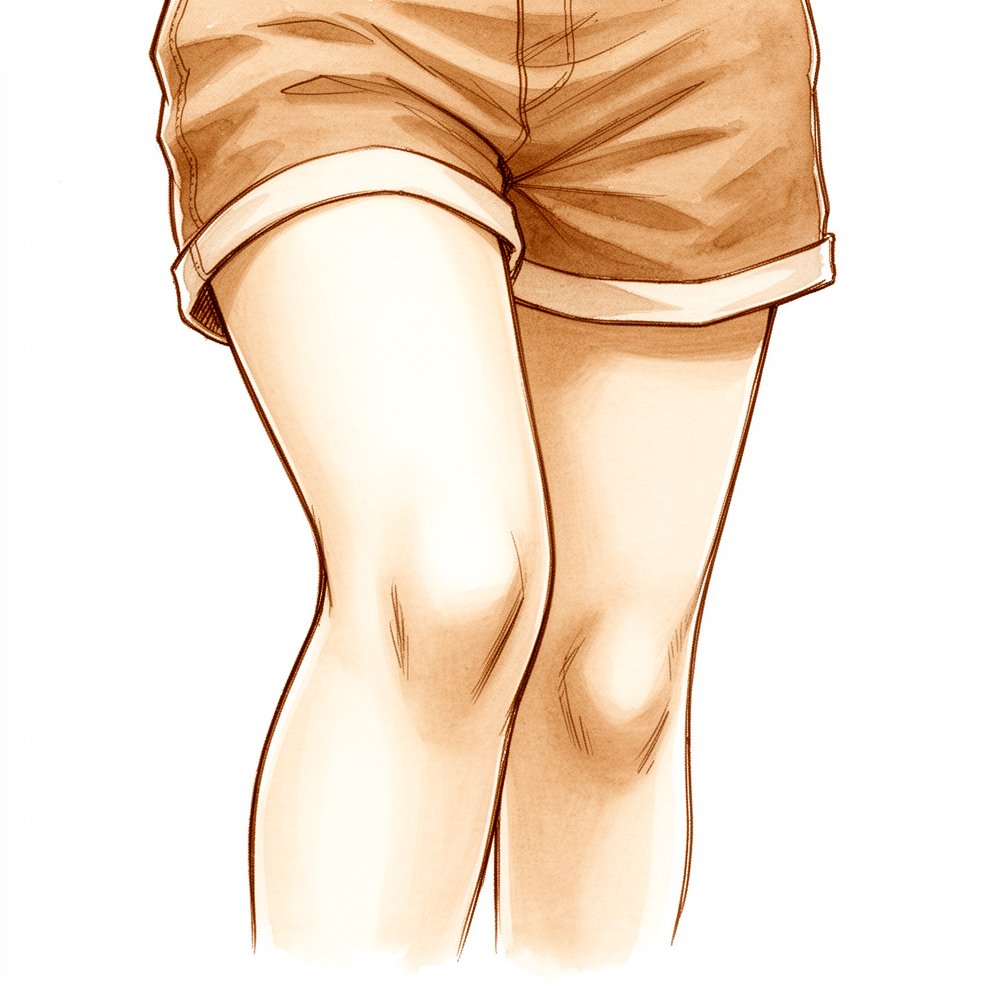
La rótula se encuentra justo en la parte frontal de la rodilla, debajo de la piel. Por eso es fácil lesionarla. Una caída sobre las rodillas o el impacto de la rodilla contra el tablero de un automóvil pueden fracturarla. A veces, el músculo de la parte anterior del muslo se contrae con mucha fuerza mientras la rodilla está doblada; esa fuerza por sí sola puede causar una fractura.
El dolor se localiza en la parte frontal de la rodilla. Generalmente, la rodilla se hincha rápidamente, ya que el sangrado dentro de la articulación es común en esta lesión. La hinchazón puede ser muy dolorosa y hacer que la rodilla quede rígida. Después de una caída así, resulta difícil caminar; muchas personas tienen problemas para levantarse de una silla, subir escaleras o arrodillarse.
Es posible que palpe un hueco o un escalón doloroso donde el hueso se ha separado. Si la fractura ha separado los fragmentos óseos, es posible que no pueda enderezar la rodilla por sí mismo. Ese es un signo importante. No obstante, el hecho de poder enderezar la rodilla no descarta una fractura, pues algunos tejidos de soporte pueden seguir manteniendo los fragmentos unidos.
También preste atención a la piel sobre la rótula. Los cortes o rasguños en esa zona a veces pueden indicar que la fractura ha llegado hasta la superficie, lo cual modifica el tratamiento a seguir.
Algunas lesiones cercanas a la rótula presentan síntomas similares. El tendón situado debajo de la rótula, o el tendón por encima de ella que conecta el músculo del muslo con el hueso, pueden desgarrarse en lugar de fracturarse. Cuando eso ocurre, también se pierde la capacidad de enderezar la rodilla, y la rótula puede quedar más elevada de lo normal. Estos desgarros suelen producirse al caer desde un salto o al bajar escaleras; además, suele palparse un hueco doloroso donde antes estaba el tendón.
Si después de una caída o tropiezo la parte frontal de su rodilla “cede”, se hincha y no se puede enderezar adecuadamente, es necesario que la revise un profesional de inmediato. Por lo general, las radiografías confirman qué está ocurriendo.
¿Qué está ocurriendo realmente?
La rótula funciona como una polea en la parte frontal de la rodilla. El músculo del frente del muslo tira a través de ella; esa tensión estira la rodilla cuando uno se pone de pie, sube escaleras o camina. La rótula mantiene el tendón ligeramente separado de la articulación, lo que permite al músculo ejercer mayor fuerza. Cuando se fractura, este sistema de polea pierde su función, y estirar la rodilla se vuelve difícil o imposible.
La fractura se produce de dos maneras. Un impacto directo, como caerse sobre las rodillas o chocar contra el tablero del coche, aplasta el hueso en varios fragmentos. Un tirón brusco y fuerte del músculo del muslo, con la rodilla flexionada, puede partir el hueso en dos por el centro. La mayoría de las fracturas son de este segundo tipo: una fractura limpia que atraviesa el hueso. Ese mismo tirón fuerte también puede desgarrar los tejidos de soporte a ambos lados de la rótula; por eso, a menudo no se logra estirar la rodilla.
Los médicos describen estas fracturas según su ubicación y la distancia a la que se han separado los fragmentos. Algunas fracturas permanecen en su sitio, con los fragmentos alineados. Otras se separan más de 3 milímetros, o la superficie articular queda desnivelada en más de 2 milímetros. Las fracturas que no se mueven suelen tratarse sin cirugía. En cambio, aquellas en las que los fragmentos se han separado, o en las que no se puede estirar la rodilla contra la gravedad, generalmente requieren una operación para unir los fragmentos y restaurar el funcionamiento de la “polea”.
La rótula se encuentra justo debajo de la piel, sin ningún músculo que la proteja; por eso es tan vulnerable a los golpes directos. Al formar parte del mecanismo que estira la rodilla, una fractura aquí afecta no solo al hueso, sino también a los tejidos de soporte circundantes. Este daño es lo que impide que la rodilla funcione correctamente.
¿Qué podemos hacer al respecto?
La tomografía computarizada permite visualizar líneas de fractura y fragmentos pequeños que las radiografías convencionales no detectan.
Si los fragmentos óseos aún están alineados y usted puede enderezar la rodilla, normalmente tratamos la lesión sin cirugía. Esto implica el uso de un corsé o férula que mantiene la rodilla recta durante 4 a 6 semanas. En algunos casos, se requiere un yeso que cubra toda la pierna, sobre todo cuando resulta difícil llevar un corsé. Desde el principio, se inician ejercicios sencillos mientras el paciente sigue usando el corsé o el yeso: tensar el músculo del muslo y levantar la pierna recta. Esto evita la atrofia muscular. La mayoría de los protocolos de tratamiento modernos permiten cargar algo de peso sobre la pierna desde el inicio, siempre que la rodilla permanezca completamente recta. Una vez que las radiografías confirman que el hueso se ha soldado, se comienza a flexionar la rodilla con cuidado. En el caso de fracturas que permanecen en su lugar y se tratan de esta forma, el 98 % de los pacientes obtienen un buen resultado al final del seguimiento.
Si lo necesita, le explicaremos cómo aliviar el dolor de manera sencilla. El reposo, el hielo y mantener la pierna elevada ayudan a reducir la hinchazón en los primeros días.
La cirugía se considera cuando la fractura se ha desplazado, cuando la superficie articular presenta una irregularidad de más de un par de milímetros, cuando no se puede enderezar la rodilla o cuando la fractura ha atravesado la piel. El objetivo de la operación es volver a alinear los fragmentos y fijarlos mientras sanan, de modo que el sistema de poleas situado en la parte frontal de la rodilla vuelva a funcionar. A veces, algún fragmento óseo en la parte superior o inferior de la rótula es demasiado pequeño para fijarlo con tornillos; en ese caso se extrae y el tendón se repara directamente al hueso. Si la rótula se ha fragmentado en demasiados pedazos como para reconstruirla, puede ser necesario extirparla por completo. Analizaremos todas las opciones con usted y decidiremos conjuntamente cuál se adapta mejor a su fractura y a su estilo de vida.
Qué esperar
La mayoría de las fracturas de rótula sanan. El hueso se une y la rodilla vuelve a funcionar. Pero que el hueso sane no significa que la rodilla vuelva a sentirse como antes. Es importante saber esto desde el principio.
Muchas personas siguen sintiendo algo de dolor en la parte frontal de la rodilla un año después de la lesión. En un grupo de 30 pacientes tratados quirúrgicamente, 24 de ellos (el 80 %) aún presentaban ese dolor a los 12 meses. El metal utilizado para fijar el hueso queda justo debajo de la piel y puede causar roce o molestias. Más de un tercio de ese mismo grupo optó posteriormente por retirar dicho metal. También puede persistir cierta debilidad en el músculo del muslo, así como dificultad para subir escaleras o arrodillarse. La fuerza muscular y el grado de flexión de la rodilla lesionada suelen ser menores que en el lado sano, incluso años después.
Existen riesgos asociados. En una amplia revisión de 737 casos de fracturas de rótula tratadas quirúrgicamente, el hueso no se unió en el 1,9 % de los casos y se produjo infección en el 3,2 %. Aproximadamente una de cada tres personas (33,6 %) necesitó cirugía adicional, generalmente porque el metal se aflojó o resultó doloroso. Si la fractura se trata sin cirugía, el yeso puede debilitar el propio hueso, lo que conlleva un mayor riesgo de nueva fractura posterior, a veces en otro punto.
Con el paso de los meses, se observa una mejora gradual en lugar de una recuperación repentina. Primero suelen recuperarse la flexión y la extensión; luego, la fuerza muscular; y finalmente la confianza para subir escaleras o caminar sobre terrenos irregulares. Algunas personas vuelven a hacer todo lo que hacían antes; otras, en cambio, notan que arrodillarse o caminar largas distancias nunca vuelve a ser igual.
Hay dos aspectos a largo plazo que merecen atención: una fractura de rótula aumenta la probabilidad de necesitar una prótesis de rodilla en el futuro, y ese riesgo permanece de por vida. Por otro lado, en personas mayores de 65 años esta lesión no se asoció a un mayor riesgo de mortalidad.
Si la fractura se produjo junto con daño en otras estructuras de la rodilla, como los ligamentos, la recuperación resulta más difícil que cuando solo la rótula resulta afectada.
¿Cuándo consultar a un especialista?
Existen ciertos signos que indican que debe acudir al médico de inmediato. Diríjase a urgencias si su rodilla está muy hinchada tras una caída o un golpe, y no puede enderezarla contra la gravedad. Lo mismo aplica si palpa un hueco doloroso sobre la rótula, o si la piel sobre ella está cortada o arañada, ya que la fractura podría haber llegado a la superficie. Una rodilla caliente, cada vez más dolorosa y enrojecida también requiere evaluación el mismo día, pues una infección postquirúrgica puede propagarse rápidamente en una articulación.
Solicite una valoración especializada si presenta dolor persistente en la parte frontal de la rodilla, o si la rodilla “cede” al ponerse de pie o al subir escaleras. Asimismo, si ha sido sometido a cirugía y el material metálico bajo la piel le causa dolor o roce, también merece ser revisado.
Evidence & references
This is the clinical evidence summary written for health professionals. It is technical, and it lists the research this page was built from. You do not need to read it to understand your treatment or to make a decision about it.
Overview
Epidemiology and Demographics
- Patellar fractures in children are rare with an incidence of around 0.44% [1].
- Patellar sleeve fractures are the most common type of patellar fractures in children [1].
- Patellar sleeve fractures are usually seen between 8 and 12 years of age [1].
Classification and Definitions
- Patellar fracture classification is typically descriptive in nature, based on fracture pattern, degree of displacement, or mechanism of injury [2].
- The Orthopaedic Trauma Association (OTA) classification is based on the degree of articular involvement and the number of fracture fragments [2].
- The OTA classification has not been validated and its clinical utility remains uncertain [2].
- Displaced patellar fractures are defined by separation of fracture fragments by more than 3 mm or articular incongruity of more than 2 mm [2].
- Described patellar fracture patterns include transverse or horizontal, stellate or comminuted, vertical or longitudinal, apical or marginal, and osteochondral [2].
- A special category of patellar sleeve fractures can occur in skeletally immature patients in which a distal pole fragment with a large component of the articular surface avulses from the remaining patella [2].
Nondisplaced Fracture Patterns
- As many as 35% of transverse patellar fractures are nondisplaced [2].
- Nondisplaced transverse patellar fractures are typically associated with indirect, longitudinal forces that fracture the patella but are insufficient to tear the medial and lateral patellar retinacula [2].
- Approximately 80% of nondisplaced transverse patellar fractures occur in the middle to lower third of the patella [2].
- Approximately 65% of stellate patellar fractures are nondisplaced [2].
- Stellate fractures typically result from direct blow injuries to the patella with the knee in a partially flexed position [2].
- Active knee extension is preserved in nondisplaced stellate fractures as the medial and lateral patellar retinacula are usually not torn [2].
- Vertical or longitudinal fracture patterns account for 12% to 22% of patellar fractures in several large series [2].
- The vertical fracture line is most commonly seen involving the lateral facet and lying between the middle and lateral third of the patella [2].
- The patellar retinacula are intact in vertical fractures, preserving active knee extension [2].
- Vertical fracture patterns are easily missed on an AP radiograph, emphasizing the importance of an axial view [2].
Displaced Fracture Patterns
- Noncomminuted, transverse fractures account for approximately 52% of displaced patellar fractures [2].
- Fragment separation greater than 3 mm in transverse fractures is suggestive but not diagnostic of retinacular and extensor mechanism disruption [2].
- A subset of displaced transverse fractures with intact retinacula is characterized by preservation of full active knee extension [2].
- Displaced stellate fractures usually result from a high-energy, direct blow to the patella [2].
- Displaced stellate fractures typically demonstrate a high degree of comminution [2].
- Fractures at the proximal pole of the patella are typically bony avulsions of the quadriceps mechanism [2].
- Displacement of proximal pole fractures is rare and has been reported to be approximately 4% in large clinical series [2].
- Distal pole fractures are bony avulsions of the patellar tendon [2].
- Displacement of distal pole fractures has been reported to occur in up to 11.5% in large series [2].
- Retinacular disruption with loss of knee extension is virtually universal with distal pole fractures [2].
Pediatric Specifics and Diagnosis
- Patellar fractures need to be differentiated from bipartite patella, which is a normal variant present in ≤5% of knees [1].
- Bipartite patella has rounded borders [1].
- Bipartite patella is located superolaterally [1].
- A history of trauma, knee effusion, inability to actively extend the knee, high riding patella, and sometimes a palpable gap help raise suspicion of a patellar fracture [1].
- The only finding on plain radiographs for distal patellar sleeve fractures may be apparent patella alta [1].
- The only finding on plain radiographs for proximal patellar sleeve fractures may be patella baja [1].
- Patellar sleeve fractures are often missed on initial presentation [1].
- Ultrasonography is helpful when plain radiographs are not conclusive for patellar sleeve fractures [1].
- MRI can show the extent of cartilaginous injury and displacement of the fracture fragments in patellar sleeve fractures [1].
Treatment Indications
- Nonsurgical treatment is indicated for nondisplaced and minimally displaced fractures in children without an extensor lag [1].
- Patellar fractures displaced greater than 2 mm at the articular surface should be fixed surgically [1].
- The indication for surgery is confirmed by an extensor lag or the inability to actively extend the knee [1].
- Patellar sleeve fractures require surgery [1].
Surgical Procedures
- For osseous patellar fractures, fixation is performed with tension banding [1].
- A cerclage wire may be needed for extensively comminuted patellar fractures [1].
- For patellar sleeve fractures, repair involves the torn medial and lateral retinaculum along with sutures through the cartilaginous and osseous portions of the patella [1].
Anatomy & Pathophysiology
Bony Anatomy & Extensor Mechanism
- The patella is the largest human sesamoid bone and functions as a key component of the knee extensor mechanism [42].
- The extensor mechanism of the knee comprises the quadriceps tendon, the patella, the patellar tendon, and the extensor retinaculum [14].
- Biomechanically, the patella transmits tensile forces of the quadriceps muscle to the patellar ligament and increases the moment arm of the extensor mechanism by displacing it anterior to the axis of knee rotation [42].
- The integrity of the extensor mechanism structures is necessary for active knee extension and normal gait [14].
- The anterior subcutaneous location of the patella makes it vulnerable to direct trauma [4].
- The patella is prone to injury from a direct blow as a consequence of its anterior location and thin overlying soft tissue envelope [5].
Mechanisms of Injury
- Fractures of the patella account for approximately 1% of all skeletal fractures [4, 5, 42].
- Most patellar fractures are caused by a combination of direct and indirect forces [4, 5, 42].
- Direct injuries may be low energy, such as after a fall from a sitting or standing height, or high energy, as from a dashboard impact in a motor vehicle collision [5].
- Indirect injuries occur secondary to the large forces generated through the extensor mechanism, typically resulting from forceful contraction of the quadriceps with the knee in a flexed position [5].
- The patella is loaded in tension with quadriceps contraction and is subject to three-point bending during knee flexion [42].
- Indirect injuries frequently cause a greater degree of retinacular disruption compared with direct injuries [5].
- Active knee extension is compromised in most cases of indirect injury [5].
- Comminuted fracture patterns are often the result of high-energy, direct injuries [5].
- Transverse fracture patterns are associated with an indirect injury mechanism [5].
- Vertical fractures are typically the result of a direct blow to a partially flexed knee [5].
- Comminuted, stellate fracture patterns are typically the result of a direct blow with impaction against the femoral condyles [5].
- The degree of fragment displacement is generally representative of occult injury to the adjacent soft tissue envelope [5].
Fracture Patterns & Classification
- Described fracture patterns include transverse or horizontal, stellate or comminuted, vertical or longitudinal, apical or marginal, and osteochondral [2].
- Most patella fractures have a transverse fracture pattern [5].
- Transverse fractures usually involve the central third of the patella but can involve the proximal (apical) or distal (basal) poles [4].
- Approximately 80% of nondisplaced transverse fractures occur in the middle to lower third of the patella [2].
- Vertical or longitudinal fracture patterns have been reported to account for 12% to 22% of patellar fractures in several large series [2].
- Vertical fractures are seen best on axial radiographs of the patella [4].
- Displacement and retinacular disruption rarely occur in vertical fractures [4].
- Approximately 65% of stellate injuries are nondisplaced [2].
- Displaced, stellate fractures usually result from a high-energy, direct blow to the patella and typically demonstrate a high degree of comminution [2].
- Displacement occurs in up to 11.5% of distal pole fractures in large series [2].
- Patellar sleeve fractures occur when a chondral sleeve of the patella separates from the main portion of the patella and ossific nucleus [1].
- In a patellar sleeve fracture, a distal pole fragment with a large component of the articular surface avulses from the remaining patella [2].
- A bipartite patella is a normal variant present in ≤5% of knees [1].
- Bipartite patella has rounded borders and is located superolaterally [1].
- The most common bipartite pattern is located in the superolateral aspect of the patella [13].
- A true unilateral bipartite patella is extremely rare and may represent an old avulsion-type patellar fracture [13].
Pathophysiology & Clinical Presentation
- The most significant effect of patella fracture is loss of continuity of the extensor mechanism of the knee [4].
- Patellar fractures generally are associated with a hemarthrosis and localized tenderness [4].
- In fractures that are displaced or have concomitant retinacular tears, a palpable defect may be present [4].
- Inability of the patient to extend the affected knee actively usually indicates a disruption of the extensor mechanism or a torn retinaculum [4].
- The straight leg raise is an important physical examination tool for assessing the integrity of the extensor mechanism [16].
- Patient inability to extend the knee or perform a straight-leg raise demonstrates an incompetent extensor mechanism [19, 20].
- An open wound in the vicinity of a patellar fracture may be a sign of an open fracture [4].
- The saline load test can be used to determine if an open wound communicates with the joint, though it may not be 100% reliable in open fractures with very small traumatic arthrotomies [4].
- In the setting of high-energy direct injuries, it is critical to survey for associated injuries of the ipsilateral limb, including hip dislocation, proximal femur fractures, or fractures and ligamentous injuries about the knee [5].
- The distal femur and proximal tibia must be carefully inspected for occult condylar or plateau fractures in the setting of a patellar fracture [13].
- The degree of fracture comminution is typically underestimated by the radiographically evident fracture lines [13].
Radiographic Findings
- Plain radiography is typically sufficient to confirm the diagnosis of patellar fracture or injury to the extensor mechanism [13].
- Anteroposterior (AP), lateral, and tangential or axial views of the patellofemoral joint should be obtained for evaluation [13].
- Transverse fractures are usually best seen on a lateral view [4].
- Vertical fractures, osteochondral fractures, and articular incongruity are best evaluated on axial views [4].
- The lateral radiographic view is critical to define fracture pattern and associated extensor mechanism disruption [13].
- Patellar height should be assessed using the Insall–Salvati ratio, which compares the height of the patella to the length of the patellar tendon [13].
- In a normal subject, an Insall–Salvati ratio of 1.02 ± 0.13 is expected [13].
- An Insall–Salvati ratio of less than 1 suggests patella alta and disruption of the patellar tendon [13].
- An Insall–Salvati ratio of greater than 1 is associated with patella baja and quadriceps tendon disruption [13].
- With the knee flexed 90 degrees, the proximal patellar pole normally rests at or below the level of the anterior cortex of the femur [13].
- With the knee flexed 30 degrees, the inferior patellar pole normally projects to the level of Blumensaat's line [13].
- Loss of the relationship between the inferior patellar pole and Blumensaat's line is suggestive of extensor mechanism disruption [13].
- A lateral radiograph may demonstrate patella baja and a reduced Insall–Salvati ratio in proximal pole fractures [2].
- A lateral radiograph will demonstrate patella alta and an increased Insall–Salvati ratio in distal pole fractures [2].
- Patellar sleeve fractures are often missed on initial presentation due to limited radiographic findings [1].
- MRI is helpful for evaluating the extent of the sleeve fracture and ruling out concomitant injury [39].
- A comparison view of the opposite knee is sometimes necessary to differentiate an acute fracture from a bipartite patella [4].
- The opposing edges of a bipartite or tripartite patella are usually smooth and corticated on plain radiographs [13].
- The finding of a bipartite patella is typically bilateral [13].
Classification
- Patellar fracture classification is typically descriptive in nature and can be based on fracture pattern, degree of displacement, or mechanism of injury [2].
- The current OTA classification is important for standardizing the classification of patellar fractures for clinical research [2].
- Prior to the OTA classification, patellar fracture classification lacked standardization, and most clinical series reported outcomes based on the type of fixation rather than fracture pattern [2].
- A useful clinical approach begins with classifying patellar fractures as displaced or nondisplaced [2].
- After classifying as displaced or nondisplaced, injuries can be further categorized on the basis of the geometric configuration and location of fracture lines [2].
- The location of the fracture, whether in the middle or at the poles, can affect treatment [2].
- Patellar sleeve fractures are a special category that can occur in skeletally immature patients [2].
- In patellar sleeve fractures, a distal pole fragment with a large component of the articular surface avulses from the remaining patella [2].
- Patellar fractures in children are categorized based on location, fracture configuration, and amount of displacement [1].
Clinical Presentation
History and Mechanism
- Patient history for patellar fractures typically includes a direct blow to the patella, a fall from a standing height, or a near fall with forceful contraction of the quadriceps on a partially flexed knee [47].
- Complaints of anterior knee pain, swelling, and difficulty ambulating after a fall are common and may reflect an injury to the extensor mechanism [47].
- A low-energy mechanism such as a ground-level fall with eccentric loading of the quadriceps should raise suspicion for a patella fracture or rupture of the quadriceps or patellar tendons [57].
- A higher energy mechanism such as a direct blow from a dashboard should alert the surgeon to a possible extensor mechanism injury and other associated ipsilateral injuries [57].
- Associated ipsilateral injuries to survey for in high-energy mechanisms include proximal tibia fractures, knee ligamentous injuries, distal, midshaft, and proximal femur fractures, acetabular fractures, and/or hip dislocations [57].
- In high-energy injuries, the surgeon must have a low threshold of suspicion for associated musculoskeletal injuries [47].
- Patellar sleeve fractures in children are usually seen between 8 and 12 years of age [1].
- Patellar sleeve fractures should be considered when the examination is concerning for patellar tendon rupture [1].
Physical Examination Findings
- Displaced patella fractures typically present with an acute hemarthrosis and a tender, palpable defect between the fracture fragments [47].
- The absence of a large effusion in the presence of a palpable bony defect should raise concern for associated retinacular tears [47].
- Other physical examination findings can include anterior ecchymosis, knee effusion, pain with palpation of the patella, and occasionally a palpable gap [57].
- Lacerations or abrasions to the skin overlying the patella may reflect an occult open fracture or communication with the knee joint [47].
- A history of trauma, knee effusion, inability to actively extend the knee, high riding patella, and sometimes a palpable gap would help raising suspicion of a patellar fracture in children [1].
- The patient's ability to extend the knee does not rule out a patella fracture, but rather it suggests that the continuity of the extensor mechanism is maintained via an intact retinacular sleeve [47].
- A large hemarthrosis may be very painful and limit the ability of the patient to comply with active extension testing [47].
- Aspiration of the hemarthrosis followed by injection of a local anesthetic into the joint may be helpful if pain limits the examination [47].
- If uncertainty exists as to whether an open wound communicates with the joint, the saline load test can be used [4].
- The saline load test involves infusion of 150 mL of saline into the knee joint, with communication marked by egress of the infused saline from the wound [47].
- Methylene blue may be added to the saline infusion to facilitate detection of communication between the knee joint and the wound [47].
- Open fractures or traumatic arthrotomies warrant urgent irrigation and debridement in the operating room [47].
- After a careful examination is completed, the knee should be splinted, iced, and elevated [47].
- The knee is typically immobilized in a slightly flexed position for comfort until definitive treatment is rendered [47].
Imaging and Diagnostic Studies
- Anteroposterior (AP), lateral, and tangential or axial views of the patellofemoral joint should be obtained for patellar fractures [13].
- The AP view should be taken with the largest cassette possible (typically 14 × 17 in) placed behind the knee of the supine patient [13].
- The patella should lie within the midline of the femoral sulcus, and the distal pole should be no higher than 20 mm above a tangential line connecting the distal femoral condyles [13].
- The distal femur and proximal tibia must be carefully inspected for occult condylar or plateau fractures [13].
- A bipartite or tripartite patella can often be mistaken for a fracture in the setting of a trauma history [13].
- The finding of a bipartite or tripartite patella is typically bilateral, and contralateral knee radiographs often confirm the diagnosis [13].
- The most common bipartite pattern is located in the superolateral aspect of the patella and is not associated with any pain, tenderness, or functional compromise of the extensor mechanism [13].
- Loss of the relationship between the patellar pole and Blumensaat's line is suggestive of extensor mechanism disruption [13].
- A tangential or axial view of the patellofemoral joint is useful for visualizing vertical or marginal fracture lines and associated osteochondral defects [13].
- For patellar sleeve fractures, the only finding on plain radiographs may be apparent patella alta for distal fractures or patella baja for proximal fractures [1].
- Transverse fractures are usually best seen on a lateral view, whereas vertical fractures, osteochondral fractures, and articular incongruity are best evaluated on axial views [4].
- Bipartite patella has rounded borders and is located superolaterally, differing from a patellar fracture [1].
Investigations
Plain Radiographs
- Patellar fractures must be differentiated from bipartite patella, which is a normal variant present in ≤5% of knees [1].
- Bipartite patella is distinguished from a fracture by having rounded borders [1].
- Clinical signs raising suspicion of a patellar fracture include a history of trauma, knee effusion, inability to actively extend the knee, high riding patella, and sometimes a palpable gap [1].
- For distal patellar sleeve fractures, the only finding on plain radiographs may be apparent patella alta [1].
- For proximal patellar sleeve fractures, the only finding on plain radiographs may be patella baja [1].
- In patellar tendon rupture, the patella is high-riding on radiographs [3].
- In patellar tendon rupture, a defect is palpable beneath the patella [3].
- In pediatric patellar sleeve fractures, the small osseous portion of the displaced fragment is visible on lateral radiographs, but the cartilaginous portion is not seen [3].
Advanced Imaging
Treatment
Nonoperative Management
- Nonsurgical treatment is indicated for patellar fractures that are nondisplaced or minimally displaced in children without an extensor lag [1].
- Nonoperative treatment is indicated for patellar fractures with less than 3 mm of articular incongruity in which the extensor mechanism remains intact [17].
- Nonoperative treatment may be indicated for patellar fractures with less than 2 mm of articular incongruity or fracture gap [45].
- Relative indications for nonoperative management include severe medical comorbidity that contraindicates anesthesia, nonambulatory patients, and debilitated patients with severe osteopenia that precludes rigid internal fixation [17].
- Acute nonoperative treatment typically consists of 4 to 6 weeks of extension splinting or bracing [17].
- Long-leg cylinder casting may be preferable to bracing if patient compliance and reliability are a concern [17].
- Straight-leg raises and isometric quadriceps exercises are initiated early in the cast or brace to minimize atrophy [17].
- Range of motion is gradually initiated after there is evidence of fracture consolidation on plain radiographs [17].
- Repeat radiographs are obtained shortly after range of motion is initiated to evaluate for displacement [17].
- Most modern protocols allow for some degree of early weight bearing in full extension [17].
- Strengthening is typically initiated after fracture healing is complete and weight bearing without assist devices or braces is comfortable [17].
- In a series of 422 patellar fractures, 98% of 219 minimally displaced fractures treated nonoperatively had good to excellent results at final follow-up [17].
- There was no relationship between articular incongruity of <3 mm and the development of posttraumatic arthritis over an average follow-up of 8.9 years in a series of 422 patellar fractures [17].
- Other series have reported low failure rates of less than 5% with closed management of minimally displaced fractures [17].
- Minimally symptomatic nonunions of patella fractures can be successfully managed conservatively [17].
- In a low-demand patient, patellar nonunion may be successfully managed nonoperatively despite the inability to achieve radiographic union [17].
- Nonoperative management is appropriate in most patients with periprosthetic patella fractures when the extensor mechanism is intact [41].
- Nonoperative management of periprosthetic patella fractures is recommended even when the extensor mechanism is not intact in some cases [41].
Operative Management
- Relative surgical indications for displaced patella fractures include disruption of the extensor mechanism, substantial fracture displacement or articular incongruity, the presence of an open fracture, or free-floating intra-articular osteochondral fragments [45].
- 2 mm of articular incongruity or a fracture gap on a lateral radiograph has been suggested as a reasonable threshold of displacement for surgical management [45].
- The goals of surgical treatment are the restoration of the functional integrity and strength of the extensor mechanism, maximizing articular congruity, and preservation of patellar bone [8].
- Open reduction and internal fixation is usually performed with a tension band wiring technique, cannulated screw tension band technique, or plate and screws [8].
- Partial patellectomy with soft tissue repair is a common operative treatment for displaced patella fractures [8].
- Total patellectomy is a common operative treatment for displaced patella fractures [8].
- Tension band wiring or cerclage compression wiring is the most common technique for simple fracture patterns [19].
- Tension band wiring can be performed with K-wires or cannulated screws, with cannulated screws being biomechanically stronger [19].
- Wire or braided nonabsorbable suture may be used for tension band fixation to reduce hardware irritation [19].
- K-wires may migrate if tendon fibers are interposed, which can be prevented by burying bent wire deep to tendon or bending K-wires both proximally and distally [19].
- Increasing age significantly predicts failure of patella fracture fixation [19].
- Cerclage and tension band wiring is used for minimally displaced stellate fractures with significant comminution [19].
- Partial patellectomy is useful with extraarticular distal pole fractures and severely comminuted fractures [19].
- The largest pieces should be preserved and the patella ligament reattached during partial patellectomy [19].
- Open reduction and internal fixation is associated with better outcomes than partial patellectomy in comminuted and displaced fracture of the inferior pole of the patella [19].
- Simple cerclage wiring and traditional tension band techniques have been shown to be inferior to a modified anterior tension band with K-wires [45].
- Retinacular repair contributes to the stability of the overall patella fracture treatment construct and is recommended [45].
- A modified tension band construct involves placing two parallel K-wires perpendicular to the fracture and passing a stainless steel wire posterior to the K-wires at the proximal and distal poles, crossed over the anterior cortex in a figure-of-8 manner [45].
- The bending of the proximal and distal ends of the K-wires is associated with a reduced risk of wire migration [45].
- Surgical management of periprosthetic patella fractures is usually reserved for disturbance of the extensor mechanism integrity, a loose patellar component, and patellar maltracking [41].
- Revision of the patellar component is reasonable when there is adequate bone stock of more than 10 mm [41].
- Avulsion fractures of the proximal or distal pole are amenable to suture repair [41].
- Severe bone deficiency usually mandates patellar resection arthroplasty with partial or complete patellectomy [41].
- A reconstructive technique for type IIIB periprosthetic fractures uses multiple Steinmann pins to reduce and stabilize the patella as a scaffold for bone grafting, with a patellar button cemented into the construct [41].
- Fixation of patella fractures is associated with high union rates and low infection rates [16].
- Symptomatic hardware and persistent functional deficits can remain a problem postoperatively [16].
- Patella baja is associated with poor functional outcomes [16].
- Symptomatic hardware is a very common complication of patella fracture fixation [19].
- Loss of reduction occurs in 22% of cases following patella fracture fixation [19].
- Nonunion occurs in less than 5% of cases following patella fracture fixation [19].
- Infection and arthrofibrosis or stiffness are complications of patella fracture fixation [19].
Complications
Postoperative Outcomes and Hardware Issues
- A 2012 meta-analysis of 24 studies involving 737 patellae found a nonunion rate of 1.9% for surgically managed patella fractures [22].
- A 2012 meta-analysis of 24 studies involving 737 patellae found an infection rate of 3.2% for surgically managed patella fractures [22].
- A 2012 meta-analysis of 24 studies involving 737 patellae found a revision surgery rate of 33.6% for surgically managed patella fractures [22].
- Surgically managed patella fractures are prone to revision surgery due to the subcutaneous nature of the hardware [22].
- The need for early motion required to maintain function after surgery may predispose to hardware loosening in surgically managed patella fractures [22].
- In a 2013 study of 30 patients with isolated unilateral patella fractures treated with surgery, more than one-third of patients elected to have their hardware removed [22].
- In a 2013 study of 30 patients with isolated unilateral patella fractures treated with surgery, patella baja developed in more than half of the patients [22].
- Patella baja has been shown to be a risk factor for poor functional outcomes following patella fracture surgery [22].
- In a 2017 prospective cohort study comparing novel mesh plating to traditional tension band techniques, none of the 25 patients treated with the novel plating technique required hardware removal for pain relief [22].
Functional Deficits and Pain
- A 2012 series of 40 patients with a median follow-up time of 6.5 years found that long-term outcomes after patella fractures were not good [22].
- In a 2012 series of 40 patients, objective measurements of quadriceps strength and knee ROM on the affected side showed substantial deficits compared with the contralateral side [22].
- In a 2013 study of 30 patients with isolated unilateral patella fractures treated with surgery, residual deficits in muscle performance and functional ability persisted 12 months after surgical intervention [22].
- In a 2013 study of 30 patients with isolated unilateral patella fractures treated with surgery, 24 patients (80%) reported anterior knee pain [22].
- A 2015 study of 52 displaced patella fractures noted that functional outcomes after patella fracture are inferior to those of population norms regardless of treatment [22].
Nonunion and Delayed Union
- Klassen and Trousdale reported that minimally symptomatic nonunions of patella fractures could be successfully managed conservatively [17].
- Nathan et al. showed that in a low-demand patient, patellar nonunion may be successfully managed nonoperatively despite the inability to achieve radiographic union with nonoperative care [17].
Periprosthetic Patella Fractures
- Postoperative fracture of the patella occurred in 0.7% of cases after primary total knee arthroplasty (TKA) in a Mayo Clinic joint registry analysis [18].
- Postoperative fracture of the patella occurred in 1.8% of cases after revision TKA in a Mayo Clinic joint registry analysis [18].
- Several published series indicate that the frequency of periprosthetic patella fractures is up to 21% with revision TKAs [18].
- In a literature review by Chalidis et al., only 11.68% of 539 reported periprosthetic patella fractures were directly associated with trauma [18].
- Most periprosthetic patella fractures occurred spontaneously and most occurred during the first 2 years after arthroplasty [18].
- Tria et al. reported that all 18 patella fractures in a series of 504 primary TKAs were associated with a prior lateral release [18].
- In the series by Tria et al., 4% of patients with lateral release had subsequent fracture of the patella compared to 0% of those without lateral release [18].
- Ritter and Campbell reported that fractures occurred in 1.2% of cases with lateral release and 3.6% of those without lateral release [18].
- Devascularization of the patella from lateral retinacular release may be a risk factor for subsequent fracture as well as for failure of subsequent fracture management [18].
Secondary Patellar Resurfacing Complications
- Secondary resurfacing of the patella for residual anterior knee pain after TKA has been found to have a higher rate of complications, including patellar fracture and postoperative stiffness [55].
- Pain relief after secondary resurfacing of the patella was inferior to what would be expected with primary resurfacing [55].
Recovery
Surgical Outcomes and Complications
- A 2013 study of 30 patients with isolated unilateral patella fractures treated with surgery found that all fractures healed with minimal complications [22].
- In a 2013 study of 30 patients, residual deficits in muscle performance and functional ability persisted 12 months after surgical intervention for patella fractures [22].
- In a 2013 study of 30 patients, 24 patients (80%) reported anterior knee pain 12 months after surgical intervention for patella fractures [22].
- In a 2013 study of 30 patients, more than one-third of all patients elected to have their hardware removed after surgical treatment of patella fractures [22].
- In a 2013 study of 30 patients, patella baja developed in more than half of the patients after surgical treatment of patella fractures [22].
- Patella baja has been shown to be a risk factor for poor functional outcomes after patella fracture surgery [22].
- A 2015 study comparing open reduction and internal fixation or partial patellectomy for 52 displaced patella fractures found no difference in union rates between the two groups [22].
- A 2015 study comparing open reduction and internal fixation or partial patellectomy for 52 displaced patella fractures found no difference in complication rates between the two groups [22].
- A 2015 study comparing open reduction and internal fixation or partial patellectomy for 52 displaced patella fractures found no difference in ROM between the two groups [22].
- A 2015 study comparing open reduction and internal fixation or partial patellectomy for 52 displaced patella fractures found no difference in outcome measures between the two groups [22].
- Functional outcomes after patella fracture are inferior to those of population norms regardless of treatment method [22].
Long-Term Functional Deficits
- A 2012 series of 40 patients with a median follow-up time of 6.5 years found that overall long-term outcomes after patella fractures were not good [22].
- In a 2012 series of 40 patients, outcome scores were considerably poorer than normalized population values [22].
- In a 2012 series of 40 patients, objective measurements of quadriceps strength on the affected side showed substantial deficits compared with the contralateral side [22].
- In a 2012 series of 40 patients, objective measurements of knee ROM on the affected side showed substantial deficits compared with the contralateral side [22].
Hardware and Technique Comparisons
- A 2017 prospective cohort study found that patient-reported outcomes increased significantly over the study period for both mesh plating and traditional tension band techniques for patella fracture fixation [22].
- In a 2017 prospective cohort study, the mesh plating group showed greater improvement in Knee Outcome Survey Activities of Daily Living Scale scores compared with the tension band group [22].
- In a 2017 prospective cohort study, the mesh plating group demonstrated significantly greater improvement in several objective functional testing outcomes compared with the tension band group [22].
- In a 2017 prospective cohort study, the mesh plating group demonstrated greater thigh circumference compared with the tension band group [22].
- In a 2017 prospective cohort study, the mesh plating group demonstrated significantly less anterior knee pain at 12 months compared with the tension band group [22].
- None of the 25 patients treated with the novel mesh plating technique in a 2017 study required hardware removal for pain relief [22].
- The authors of a 2017 study concluded that their mesh and screw fixation construct improves fracture stability [22].
- The authors of a 2017 study concluded that their mesh and screw fixation construct decreases soft-tissue irritation [22].
- The authors of a 2017 study concluded that their mesh and screw fixation construct minimizes insult to the patellar blood supply [22].
Unreduced Patellar Dislocation
- Old unreduced dislocation of the patella after trauma is rare [9].
- Old unreduced dislocation of the patella after trauma should be distinguished clinically from congenital dislocation [9].
- A high percentage (16%) of traumatic patellar dislocations are missed when associated knee dislocation is present [9].
- In posttraumatic patellar dislocation, an adaptive flattening of the patella occurs [9].
- In posttraumatic patellar dislocation, knee contracture is a reactive change [9].
- Old traumatic patellar dislocations may be treated by observation, patellar realignment, or patellectomy [9].
- Knee function can sometimes be satisfactory despite the old unreduced dislocation of the patella [9].
- Observation is the treatment of choice if knee function is satisfactory despite old unreduced patellar dislocation [9].
- Open reduction may be helpful for old traumatic patellar dislocations if the dislocation is not of long duration, degenerative changes of the patella are minimal or absent, and the tibiofemoral joint is essentially normal [9].
- In dislocations of long duration, traumatic arthritis will have developed [9].
- In dislocations of long duration, motion in the joint will be limited [9].
- In dislocations of long duration, pain and disability will have resulted [9].
- Patelaplasty or patellectomy may be indicated if patellar degenerative changes appear significant in old traumatic patellar dislocations [9].
- The long-term prognosis for useful function is guarded regardless of the procedure selected for old traumatic patellar dislocation [9].
References
[1] Aaos Comprehensive Orthopaedic Review 3. Pediatric Pelvic and Lower Extremity Fractures > VI. Patellar Fractures.
[2] Rockwood And Green S Fractures In Adults. 59: Patellar Fractures and Dislocations and Extensor Mechanism Injuries > Classification of Patellar Fractures.
[3] A Lange Medical Book Current Diagnosis Treatment In Orthopedics Fifth Edition. 3Sports Medicine > 2. Rupture of the Patellar Tendon.
[4] Campbell S Operative Orthopaedics 4 Volume Set. OPEN REDUCTION AND INTERNAL FIXATION OF BICONDYLAR INJURIES > PATELLA.
[5] Rockwood And Green S Fractures In Adults. 59: Patellar Fractures and Dislocations and Extensor Mechanism Injuries > Assessment of Patellar Fractures.
[8] Rockwood And Green S Fractures In Adults. 59: Patellar Fractures and Dislocations and Extensor Mechanism Injuries > Patellar Fractures.
[9] Campbell S Operative Orthopaedics 4 Volume Set. OPEN REDUCTION AND REPAIR OF PATELLAR DISLOCATION > PATELLA.
[13] Rockwood And Green S Fractures In Adults. 59: Patellar Fractures and Dislocations and Extensor Mechanism Injuries > Imaging and Other Diagnostic Studies for Patellar Fractures.
[14] Orthopaedic Knowledge Update Trauma. Patella Fractures and Extensor Mechanism Injuries > Abstract.
[16] Orthopaedic Knowledge Update Trauma. Patella Fractures and Extensor Mechanism Injuries > Summary.
[17] Rockwood And Green S Fractures In Adults. 59: Patellar Fractures and Dislocations and Extensor Mechanism Injuries > Nonoperative Treatment of Patellar Fractures.
[18] Rockwood And Green S Fractures In Adults. Mechanisms of Injury for Distal Femur Fractures > Incidence of and Risk Factors for Periprosthetic Patella Fractures.
[19] Miller S Review Of Orthopaedics. SECTION 16 PATELLAR TRACKING IN TOTAL KNEE ARTHROPLASTY > KNEE INJURIES (TABLE 11.3) > 2. Patella fractures.
[20] Miller S Review Of Orthopaedics. KNEE INJURIES (TABLE 11.3) > 2. Patella fractures.
[22] Orthopaedic Knowledge Update Trauma. Patella Fractures and Extensor Mechanism Injuries > Patella Fractures > Outcomes.
[39] Campbell S Operative Orthopaedics 4 Volume Set. RECONSTRUCTION OF THE PATELLOFEMORAL AND PATELLOTIBIAL LIGAMENTS WITH A SEMITENDINOSUS TENDON GRAFT > PATELLAR FRACTURES.
[41] Rockwood And Green S Fractures In Adults. Mechanisms of Injury for Distal Femur Fractures > Treatment of Periprosthetic Patella Fractures.
[42] Orthopaedic Knowledge Update Trauma. Patella Fractures and Extensor Mechanism Injuries > Patella Fractures.
[45] Orthopaedic Knowledge Update Trauma. Patella Fractures and Extensor Mechanism Injuries > Patella Fractures > Management.
[47] Rockwood And Green S Fractures In Adults. 59: Patellar Fractures and Dislocations and Extensor Mechanism Injuries > Signs and Symptoms of Patellar Fractures.
[55] Campbell S Operative Orthopaedics 4 Volume Set. INDICATIONS AND CONSIDERATIONS FOR PATELLAR RESURFACING IN PRIMARY TOTAL KNEE ARTHROPLASTY.
[57] Orthopaedic Knowledge Update Trauma. Patella Fractures and Extensor Mechanism Injuries > Patella Fractures > Clinical Evaluation.