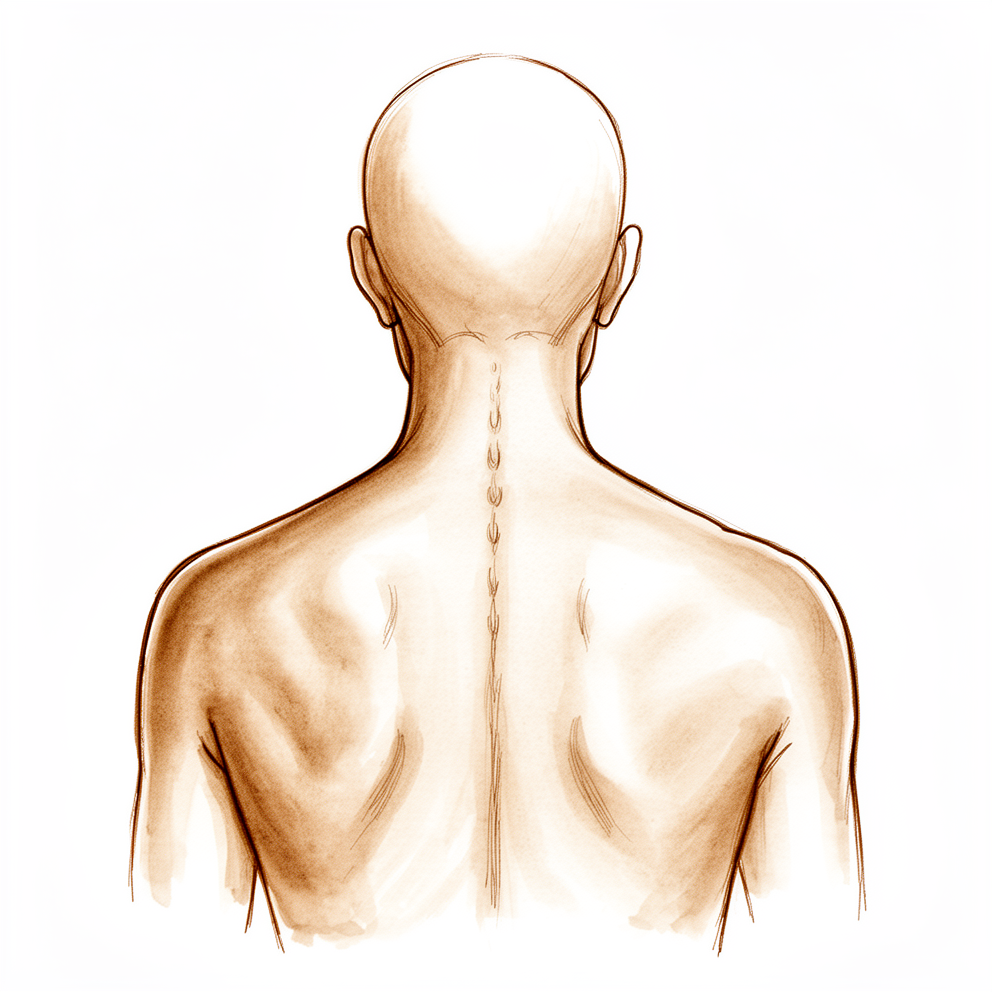
Qué está sintiendo
La escoliosis idiopática del adolescente significa que su columna vertebral ha crecido con una curvatura lateral y una torsión. Afecta a aproximadamente el 2% al 3% de los niños. La mayoría de las veces, la curvatura en sí no provoca ningún dolor. Lo que las familias suelen notar primero es un cambio en la forma corporal, no una sensación física: un hombro más elevado que el otro, una protuberancia costal en un lado de la espalda al inclinarse hacia adelante, o una cadera que sobresale más que la otra.
Cuando aparece dolor de espalda, suele ser leve. Menos del 10% de las personas con esta afección padecen dolor de espalda crónico. Si siente dolor, este suele localizarse en la zona lumbar o alrededor de la propia curvatura; con frecuencia empeora tras hacer deporte o después de pasar mucho tiempo sentado en el escritorio o en clase. El dolor intenso, el que le despierta por la noche o el que empeora progresivamente no son típicos de esta condición; siempre debe comentárselo a su médico, ya que requiere una evaluación más detallada.
En el día a día, la curvatura puede afectar cómo le queda la ropa: el dobladillo o el cuello de la camisa pueden verse asimétricos en el espejo. Quedarse de pie mucho tiempo o llevar una mochila escolar pesada puede resultar más difícil de un lado del cuerpo. Algunas personas se sienten incómodas por su espalda o hombros; esta preocupación forma parte real de vivir con escoliosis, no es simplemente vanidad. Si esto le preocupa, hágalo saber en su consulta, pues también existen formas de apoyo.
Las curvaturas se comportan de manera distinta según su magnitud y ubicación en la columna. Las curvaturas pequeñas, de menos de 20 grados, a menudo permanecen igual o mejoran por sí solas. Las curvaturas más grandes pueden aumentar durante el pico de crecimiento en la adolescencia; por eso su médico mide la curvatura mediante radiografías y la vigila con el tiempo. Una vez que el esqueleto deja de crecer, una curvatura inferior a 30 grados rara vez cambia mucho; en cambio, las curvaturas mayores pueden seguir aumentando lentamente durante la edad adulta.
¿Qué está ocurriendo realmente?
Una columna vertebral sana parece recta vista desde atrás y se apila como una torre ordenada de bloques. En la escoliosis, la columna crece con una curvatura lateral y, al mismo tiempo, las vértebras giran o se tuercen hacia el exterior de dicha curvatura. Esa torsión es lo que desplaza la caja torácica y genera esa protuberancia costal que quizás haya observado al inclinarse hacia adelante. Por lo tanto, no se trata simplemente de una curvatura en una sola dirección; es un cambio tridimensional en la forma, que afecta simultáneamente a la curvatura, a la torsión y al perfil anteroposterior de la columna.
¿Por qué ocurre esto? La respuesta honesta es que nadie lo sabe con certeza. Esta afección se denomina idiopática, lo que significa que su causa es desconocida. Tiende a ser hereditaria, por lo que los genes desempeñan un papel, así como el propio crecimiento. Durante el pico de crecimiento en la adolescencia, cuando el esqueleto crece rápidamente, una columna que crece de forma desigual puede desviarse aún más de su forma normal. La curvatura, entonces, suele seguir progresando hasta que el crecimiento óseo se detiene.
Las curvaturas se miden en grados mediante radiografías, y su magnitud es importante. Las curvaturas inferiores a 20 grados a menudo permanecen igual o mejoran por sí solas. Las curvaturas superiores a 30 grados durante el período de crecimiento casi siempre siguen aumentando; una curvatura que supera los 30 grados en la fase de mayor crecimiento probablemente requerirá cirugía. Una vez finalizado el crecimiento, las curvaturas importantes pueden seguir cambiando lentamente: las curvaturas superiores a 50 grados en la zona torácica o a 40 grados en la zona lumbar pueden empeorar aproximadamente 1 grado cada año. Las curvaturas muy grandes, de más de 60 grados, pueden llegar a comprimir los pulmones y afectar la respiración.
Los cambios que usted percibe, como hombros desnivelados o la protuberancia costal, son el resultado visible de la combinación entre la curvatura y la torsión. La columna en sí sigue siendo hueso sano; el objetivo de cualquier tratamiento es mantener la curvatura pequeña y permitir que su cuerpo se mueva con normalidad.
¿Qué podemos hacer al respecto?
La primera medida es la observación y la espera. Si su curvatura es inferior a 20 grados y aún le queda mucho crecimiento por delante, simplemente la monitorizamos mediante controles y radiografías en lugar de tratarla. En algunos casos, también se recomiendan ejercicios. La fisioterapia busca mejorar la postura, el movimiento y la calidad de vida; ciertos programas le enseñan a mantener la columna en una posición corregida por sí mismo. No obstante, el efecto sobre la curvatura en sí es mínimo, por lo que no confiamos únicamente en los ejercicios para impedir su progresión. La manipulación quiropráctica, la estimulación eléctrica y la tracción carecen de evidencia científica en el tratamiento de la escoliosis, por lo que no las recomendamos.
Si su curvatura se sitúa entre 20 y 45 grados y aún le queda mucho crecimiento por delante, normalmente sugerimos el uso de un corsé. El corsé es una estructura rígida que se lleva debajo de la ropa; su función no es enderezar la columna, sino impedir que la curvatura empeore mientras sigue creciendo. Una vez que el esqueleto deja de crecer, el corsé ya no resulta útil; una curvatura inferior a 50 grados en un esqueleto maduro, por lo general, solo requiere seguimiento sin necesidad de tratamiento.
La cirugía se plantea cuando la curvatura supera los 50 grados, o cuando se prevé que superará los 45 grados en personas que aún están en fase de crecimiento. A ese nivel, el corsé ya no es eficaz; además, las curvaturas importantes tienden a empeorar aproximadamente 1 grado al año incluso después de finalizado el crecimiento. La intervención que más frecuentemente ofrecemos es la fusión espinal: se endereza la zona curvada de la columna y se fija con implantes metálicos hasta que los huesos se unen en la posición corregida. Fusionamos el menor número posible de segmentos vertebrales, con el objetivo de lograr una columna equilibrada que impida la progresión de la curvatura. La decisión quirúrgica se toma de forma conjunta entre usted, su familia y nosotros, sopesando la deformidad frente a sus objetivos a largo plazo; si desea conocer más detalles, disponemos de una página específica al respecto.
Qué esperar
El pronóstico depende principalmente de cuán grande sea la curvatura y cuánto crecimiento le quede por delante. Mientras el esqueleto sigue creciendo, una curvatura que comienza a progresar suele continuar así hasta que finaliza el crecimiento. El crecimiento se detiene alrededor de los catorce años y medio en las niñas y a los dieciséis años y un tercio en los niños. Una vez que la columna ha terminado de crecer, la curvatura generalmente deja de empeorar, aunque las curvaturas más grandes pueden seguir modificándose lentamente durante la vida adulta.
La magnitud de los cambios en la curvatura tras finalizar el crecimiento depende de su tamaño en ese momento. Las curvaturas inferiores a 30 grados apenas varían durante las décadas siguientes. Las curvaturas entre 30 y 50 grados en la zona torácica pueden aumentar unos 10 grados en 40 años; las de la zona lumbar, unos 15 grados. Las curvaturas entre 50 y 75 grados evolucionan aún más, aumentando hasta unos 29 grados en el tórax y unos 19 grados en la zona lumbar en el mismo período. Por este motivo, una curvatura superior a 50 grados al final del crecimiento es el umbral habitual para considerar la cirugía; también es la razón por la que seguimos evaluando las curvaturas durante años, a veces décadas, en lugar de hacerlo solo una vez.
Si la curvatura se controla adecuadamente mientras el paciente sigue creciendo, el objetivo realista es lograr una columna equilibrada que no siga progresando. El uso de corsés puede mantener estables las curvaturas de 40 grados o menos en niños en fase de crecimiento, tanto si se usan todo el tiempo como de forma parcial. La cirugía para curvaturas más grandes tiene como fin impedir definitivamente su empeoramiento. Es importante ser sinceros al respecto: las curvaturas no tratadas que superan los 50 grados presentan el mayor riesgo de seguir empeorando en la edad adulta; algunas personas experimentan una menor calidad de vida y menor capacidad laboral décadas después del diagnóstico. Además, las curvaturas torácicas muy pronunciadas pueden afectar la respiración; hasta el 19 % de los pacientes con esta afección presentan una disminución moderada de la función pulmonar antes de someterse a cualquier intervención quirúrgica.
Por eso realizamos exámenes minuciosos y, en ocasiones, solicitamos estudios de imagen adicionales antes de tomar cualquier decisión terapéutica.
¿Cuándo consultar a un especialista?
Acuda a su médico de cabecera si observa alguno de los cambios de forma mencionados anteriormente: hombros desnivelados, una protuberancia costal al inclinarse hacia adelante o una cadera que sobresale. Solicite una evaluación especializada si la curvatura mide 20 grados o más, ya que a partir de ese valor generalmente se recomienda tratamiento. Dado que esta afección tiende a darse en familias, también conviene revisar a sus hijos.
Existen signos que requieren una evaluación más detallada en lugar de un simple seguimiento rutinario. El dolor intenso, el que le despierta por la noche o el que empeora progresivamente no son típicos de la escoliosis y requieren una valoración inmediata. Lo mismo ocurre con cualquier debilidad, entumecimiento o alteración en la sensibilidad de brazos o piernas, así como cualquier anomalía en la piel de la zona lumbar, como hoyuelos o zonas con exceso de vello. Estos síntomas pueden indicar un problema en la columna vertebral y requieren estudios de imagen para descartarlo.
Acuda a urgencias si de repente pierde la sensibilidad o la movilidad en alguna zona, o si presenta dificultad para respirar junto con una curvatura torácica importante.
Evidence & references
This is the clinical evidence summary written for health professionals. It is technical, and it lists the research this page was built from. You do not need to read it to understand your treatment or to make a decision about it.
Anatomy & Pathophysiology
Definition and Epidemiology
- Adolescent idiopathic scoliosis (AIS) is defined as a structural spinal curvature of more than 10° in the coronal plane of unknown cause [16].
- AIS affects approximately 2% to 3% of patients between the ages of 10 and 14 years [11].
- Late-onset (adolescent) idiopathic scoliosis constitutes about 90% of all cases of scoliosis [4].
- The population incidence of serious curves (over 30 degrees) requiring treatment is 3 per 1000 [4].
- The female-to-male ratio for AIS is 1:1 for small curves but increases to 10:1 for curves exceeding 30° [16].
- Primary thoracic curves in AIS are usually convex to the right, while lumbar curves are usually convex to the left [4].
Pathoanatomy and Deformity Mechanics
- Scoliosis is a complex rotational deformity that may manifest with a thoracic or lumbar prominence, shoulder imbalance, coronal shift, and infrequently pain [6].
- In structural scoliosis, there is a non-correctable deformity of the affected spinal segment with vertebral rotation as an essential component [6].
- In structural scoliosis, spinous processes swing toward the concavity of the curve and transverse processes on the convexity rotate posteriorly [6].
- In thoracic structural scoliosis, ribs on the convex side stand out prominently, producing a classical rib hump [6].
- Secondary (compensatory) curves nearly always develop to counterbalance the primary deformity and may become fixed [6].
- AIS is a three-dimensional spinal deformity producing deviations in the coronal, sagittal, and axial planes [11].
- Normal thoracic kyphosis is 20° to 45° and normal lumbar lordosis is 30° to 60° [16].
- Lordoscoliosis, defined as structural scoliosis associated with increased swayback or loss of normal kyphosis within the measured curve, is nearly always present in idiopathic scoliosis [28].
- In idiopathic scoliosis, true kyphotic deformity does not occur [28].
Genetics and Etiology
- The etiology of AIS is unknown, though it is described as a deformity of unknown cause [16].
- Genetics of idiopathic scoliosis are described as an autosomal dominant trait with variable penetrance [16].
- Polygenic interaction is suspected in the etiology of adolescent idiopathic scoliosis [16].
- Genome-wide association studies have identified common variants near the LBX1 locus associated with adolescent idiopathic scoliosis [14].
- A meta-analysis identified an association between adolescent idiopathic scoliosis and the LBX1 locus in multiple ethnic groups [15].
- A PAX1 enhancer locus is associated with susceptibility to idiopathic scoliosis in females [16].
- Genetic variants in GPR126 are associated with adolescent idiopathic scoliosis [17].
- Deletion of Gpr126/Adgrg6 in cartilage models idiopathic scoliosis and pectus excavatum in mice [18].
Natural History and Progression
- Progression of AIS is not inevitable, and most curves of less than 20 degrees either resolve spontaneously or remain unchanged [4].
- If an AIS curve starts to progress, it usually continues to do so until skeletal maturity and, to a lesser degree, beyond that [4].
- Reliable predictors of AIS progression include very young age at onset, marked curvature, and an incomplete Risser sign [4].
- In prepubertal children, rapid progression of scoliosis is liable to occur during the growth spurt [4].
- After skeletal maturity, the natural history of scoliosis is dependent on deformity magnitude [5].
- In a long-term study, the average progression of thoracic curves less than 30° at skeletal maturity was 2.6° over a 40-year follow-up [5].
- In a long-term study, the average progression of thoracic curves between 30° and 50° at skeletal maturity was 10.2° over a 40-year follow-up [5].
- In a long-term study, the average progression of thoracic curves between 50° and 75° at skeletal maturity was 29.4° over a 40-year follow-up [5].
- In a long-term study, the average progression of lumbar curves less than 30° at skeletal maturity was 0° over a 40-year follow-up [5].
- In a long-term study, the average progression of lumbar curves between 30° and 50° at skeletal maturity was 15.4° over a 40-year follow-up [5].
- In a long-term study, the average progression of lumbar curves between 50° and 75° at skeletal maturity was 18.5° over a 40-year follow-up [5].
- Thoracic curves exceeding 50° and lumbar curves exceeding 40° have been shown to progress at a rate of up to a mean of 1° per year after skeletal maturity [16].
- Curves exceeding 60° can adversely affect pulmonary function tests, but symptomatic cardiopulmonary changes are traditionally seen with curves exceeding 90° [16].
- With untreated scoliosis, an increase in the incidence of back pain is likely in adulthood, as well as lower self-reported physical function [16].
- Up to 19% of patients with AIS have moderately impaired pulmonary function (<65% predicted forced expiratory volume in 1 second) preoperatively, with a mean thoracic curve magnitude of 70° [5].
- Higher rates of shortness of breath compared with control subjects were noted in patients with thoracic curves greater than 80° [5].
- A 50-year long-term data comparison found no significant difference in reported shortness of breath with activity between untreated scoliosis patients and control subjects [5].
Skeletal Maturity and Growth Indicators
- The risk of AIS progression is related to curve size and remaining skeletal growth, assessed using Tanner stage, Risser grade, age of menarche, and presence of open triradiate cartilages [16].
- Peak height velocity generally occurs before Risser grade 1 [16].
- Peak height velocity in adolescence is approximately 10 cm per year and occurs just before the onset of menses in girls [16].
- A scoliotic curve that exceeds 30° at peak height velocity is likely to require surgery [16].
- Peak height velocity is reported to be approximately 8.0 cm/yr for girls and 9.5 cm/yr for boys [28].
- The reported average age at peak height velocity in North American girls is approximately 11.5 years [28].
- Closure of the triradiate cartilage occurs after peak height velocity and before Risser grade 1 and menarche [28].
- At the onset of the pubertal growth spurt, curves greater than 30 degrees have a 100% risk of progressing over 45 degrees [28].
- The simplified skeletal maturity scoring system (Sanders grade) correlates more strongly with the behavior of idiopathic scoliosis than the Risser sign [28].
Classification
- The Classification of Early-Onset Scoliosis (C-EOS) was developed and initially validated to describe early-onset scoliosis [6].
- A multicenter registry review compared 245 Smith complications distributed among 116 patients to assess the association between the Classification of Early-Onset Scoliosis and Smith complications after initiation of growth-friendly spine surgery [7].
- The use of the Classification of Early-Onset Scoliosis terminology simplifies language to describe a complex pathology and complication scheme [7].
- An association exists between the complication classification and complications, but true risk stratification is not yet possible based on the Classification of Early-Onset Scoliosis [7].
- The evidence level for the association between the Classification of Early-Onset Scoliosis and Smith complications is Level II [7].
- The rib-vertebra angle is used in the early diagnosis to distinguish between resolving and progressive infantile scoliosis [17].
Clinical Presentation
General Presentation and Physical Examination
- Deformity is usually the presenting symptom of scoliosis, appearing as an obvious skew back or a rib hump in thoracic curves [6].
- In thoracolumbar curves, asymmetrical prominence of one hip is a presenting symptom [6].
- Balanced scoliotic curves may go unnoticed until an adult presents with backache [6].
- Pain is a rare complaint in scoliosis and should alert the clinician to the possibility of a neural tumour and the need for MRI [6].
- A family history of scoliosis is not uncommon [6].
- The diagnostic feature of fixed structural scoliosis, as distinct from postural or mobile scoliosis, is that forward bending makes the curve more obvious [6].
- In structural scoliosis, the spinous processes swing round towards the concavity of the curve and the transverse processes on the convexity rotate posteriorly [6].
- In the thoracic region of structural scoliosis, the ribs on the convex side stand out prominently, producing a classical rib hump [6].
- Secondary compensatory curves nearly always develop to counterbalance the primary deformity in structural scoliosis and may become fixed [6].
- In balanced scoliotic deformities, the occiput is over the midline, whereas in unbalanced or decompensated curves, it is not [6].
- The hip juts out on the concave side and the scapula on the convex side in scoliosis [6].
- Neurological examination is important in scoliosis, and any abnormality suggesting a spinal cord lesion calls for CT and/or MRI [6].
- General examination for scoliosis includes an assessment of cardiopulmonary function, which is reduced in severe curves [6].
- General examination for scoliosis includes a search for skin pigmentation and congenital anomalies such as sacral dimples or hair tufts [6].
Adolescent Idiopathic Scoliosis (AIS) Specifics
- Late-onset (adolescent) idiopathic scoliosis constitutes about 80% of all cases of scoliosis [4].
- Late-onset (adolescent) idiopathic scoliosis is the commonest type, making up 90% of cases, mostly in girls [4].
- Primary thoracic curves in adolescent idiopathic scoliosis are usually convex to the right, and lumbar curves are convex to the left [4].
- The population incidence of serious scoliotic curves (over 30 degrees) is 3 per 1000 [4].
- Most curves of less than 20 degrees in adolescent idiopathic scoliosis either resolve spontaneously or remain unchanged [4].
- If a curve in adolescent idiopathic scoliosis starts to progress, it usually continues to do so until skeletal maturity and, to a much lesser degree, beyond that [4].
- Reliable predictors of progression in adolescent idiopathic scoliosis include very young age at onset, marked curvature, and an incomplete Risser sign [4].
- In prepubertal children with scoliosis, rapid progression is liable to occur during the growth spurt [4].
- The male-to-female ratio for adolescent idiopathic scoliosis is 1:6 [24].
- The incidence of adolescent idiopathic scoliosis in the United States is 85% of idiopathic scoliosis cases [24].
- The incidence of adolescent idiopathic scoliosis in Great Britain is 55% of idiopathic scoliosis cases [24].
- The curve type for adolescent idiopathic scoliosis is right thoracic with a right-to-left ratio of 8:1 [24].
- The risk of cardiopulmonary compromise in adolescent idiopathic scoliosis is low [24].
- The risk of curve progression in adolescent idiopathic scoliosis is 23% [24].
- The rate of curve progression in adolescent idiopathic scoliosis is 1-2 degrees per month during puberty [24].
- Curve resolution in adolescent idiopathic scoliosis is rare [24].
- Curves greater than 90 degrees are rare in adolescent idiopathic scoliosis [24].
- Orthotic management effectively controls curves less than 40 degrees in adolescent idiopathic scoliosis with a success rate of 75%-80% [24].
- The risk of crankshaft phenomenon in adolescent idiopathic scoliosis is low [24].
Natural History and Long-Term Outcomes
- After an adolescent reaches skeletal maturity, the natural history of scoliosis appears to be dependent on the deformity magnitude [5].
- In a long-term study at the University of Iowa, the average progression of thoracic deformity over a 40-year follow-up was 2.6° for curves less than 30° at skeletal maturity [5].
- In a long-term study at the University of Iowa, the average progression of thoracic deformity over a 40-year follow-up was 10.2° for curves between 30° and 50° at skeletal maturity [5].
- In a long-term study at the University of Iowa, the average progression of thoracic deformity over a 40-year follow-up was 29.4° for curves between 50° and 75° at skeletal maturity [5].
- In a long-term study at the University of Iowa, the average progression of lumbar deformity over a 40-year follow-up was 0° for curves less than 30° at skeletal maturity [5].
- In a long-term study at the University of Iowa, the average progression of lumbar deformity over a 40-year follow-up was 15.4° for curves between 30° and 50° at skeletal maturity [5].
- In a long-term study at the University of Iowa, the average progression of lumbar deformity over a 40-year follow-up was 18.5° for curves between 50° and 75° at skeletal maturity [5].
- Radiographic outcomes for patients with curves between 30° and 50° at skeletal maturity are dependent on the location of the deformity, with lumbar curves being at increased risk for progression compared with thoracic curves [5].
- A 2011 study reported that up to 19% of patients with AIS have moderately impaired pulmonary function (<65% predicted forced expiratory volume in 1 second) preoperatively, with a mean thoracic curve magnitude of 70° [5].
- 50-year long-term data comparing untreated patients with scoliosis with control subjects found no significant difference in reported shortness of breath with activity between groups [5].
- Even moderate progression of smaller magnitude lumbar scoliosis into adulthood may be associated with more negative functional outcomes, such as increasing back pain, than previously thought [5].
Investigations
Physical Examination
- The diagnostic feature of fixed scoliosis is that forward bending makes the curve more obvious [6].
- Any neurological abnormality suggesting a spinal cord lesion calls for CT and/or MRI [6].
- The physical examination for idiopathic scoliosis should include a detailed neurologic examination of the lower extremities, including sensory, motor, and reflex assessments [16].
- Skin evaluation should include inspection for café-au-lait spots associated with neurofibromatosis and hairy patches associated with diastematomyelia [16].
- Evaluation of the lower extremities should rule out cavovarus foot, particularly unilaterally, which is associated with neural axis abnormalities [16].
- Hairy patches, dimples, nevi, or masses overlying the spine may indicate spinal dysraphism [16].
- Asymmetric abdominal reflexes are associated with a syrinx and are an indication for MRI of the entire spine [16].
- A scoliometer measurement of more than 7° is used in the evaluation of idiopathic scoliosis [16].
- The false-negative rate for a curvature of more than 20° using a scoliometer ranges from 2% to 5% [16].
- The false-positive rate for a curvature of less than 20° using a scoliometer is 50% [16].
Radiographic Evaluation
- Radiographic assessment of patients with suspected spinal deformity should start with PA and lateral radiographs performed on a full-length (36 × 14 inch) cassette in the weight-bearing position [35].
- Appropriate breast and gonadal shielding should be used to limit radiation exposure to radiosensitive areas during scoliosis radiography [35].
- Digital radiography is the current standard in radiographic imaging because it leads to a substantial decrease in radiation exposure [35].
- A novel imaging system using biplanar digital slot scanning substantially further decreases radiation exposure compared with traditional digital radiography, with no difference in image quality [35].
- PA and lateral upright views should be obtained using a 36-inch cassette or biplanar radiography for the evaluation of idiopathic scoliosis [16].
- Bending or traction films are useful for surgical planning but are not necessary for the initial evaluation of idiopathic scoliosis [16].
- Imaging for congenital scoliosis begins with standard PA and lateral radiographs [32].
- In a nonambulatory patient with congenital scoliosis, supine or sitting radiographs can be used [32].
- CT should be used preoperatively for congenital scoliosis to define anatomy because posterior abnormalities may not correlate with findings on plain radiographs and there is frequent discordance of anterior and posterior anomalies [32].
- Patients with congenital spine deformity should have routine monitoring with both PA and lateral spine radiographs [19].
Magnetic Resonance Imaging (MRI)
- MRI is used to rule out intraspinal anomalies, including tethered cord, syringomyelia, Chiari 1 malformation, dysraphism, and spinal cord tumor [16].
- MRI of the spine should include the entire spine from the skull base to the sacrum when indicated for idiopathic scoliosis [16].
- Indications for MRI in idiopathic scoliosis include atypical curve patterns such as left thoracic curve, short angular curves, absence of apical thoracic lordosis, absence of rotation, congenital scoliosis, and hyperkyphosis [16].
- MRI is indicated for patients younger than 10 years with a scoliotic curve exceeding 20° [16].
- MRI is indicated for patients with an abnormal neurologic finding on examination, abnormal pain, rapid progression of the scoliotic curve (more than 1° per month), and asymmetric umbilicus reflex [16].
- A syrinx is commonly associated with scoliosis without rotation and an asymmetric umbilicus reflex [16].
- If surgery is planned for idiopathic scoliosis, MRI evaluation of the spinal axis can identify dural ectasia in patients with neurofibromatosis, Ehlers-Danlos syndrome, and Marfan syndrome [16].
- MRI is indicated for juvenile idiopathic scoliosis curves of 20° or greater due to a 20% to 25% incidence of abnormalities of the neural axis [16].
- Of patients with scoliotic curves of 20° or more, 22% have a neural axis abnormality, and approximately 80% of these patients will require neurosurgical care [16].
- Routine evaluation of the spinal cord using MRI before surgical intervention in patients with normal physical examination or radiographic findings is a debated issue [35].
- The incidence of intraspinal abnormality in patients with suspected adolescent idiopathic scoliosis can be up to 10% [35].
- Findings that warrant further investigation of the spine with MRI include limited axial plane rotation, abnormal reflexes on examination, lack of thoracic hypokyphosis, atypical curve direction (left thoracic or right thoracolumbar/lumbar), rapid deformity progression, and substantial back or radicular pain [35].
- Even in the absence of neurologic abnormalities on examination, a screening MRI is generally recommended to rule out associated neural axial abnormalities in patients with congenital scoliosis [32].
- Associated neural axial abnormalities are found in up to 35% of patients with congenital scoliosis [32].
- An MRI is recommended for patients with significant or progressive congenital scoliosis due to a high rate of associated intraspinal anomalies, which have a prevalence of up to 37% in some series [36].
- Intraspinal abnormalities are present in 20% to 40% of patients with congenital scoliosis, warranting an MRI [21].
- Spine ultrasonography can identify certain conditions and avoids the use of anesthesia in very young patients with congenital scoliosis [32].
- Immediate MRI is indicated for congenital scoliosis depending on the presence of certain symptoms and/or the severity of the spinal anomaly [32].
- Substantial progression of curvature in a normally segmented spine requires MRI [32].
- Cord compression caused by an intraspinal lesion must be distinguished from kyphotic angular cord compression by MRI [20].
- Patients with severe scoliosis without significant kyphosis and with evidence of paraplegia should be assumed to have an intraspinal lesion until proved otherwise [20].
- Routine preoperative MRI to assess for disk herniation and intrathecal abnormalities should be considered for patients undergoing surgery for Scheuermann kyphosis [19].
Other Investigations
- A Swedish study demonstrated more than double the mortality rate by the age of 40 years in patients with early-onset scoliosis compared with that of the general population [7].
- Patients with newly diagnosed congenital scoliosis or kyphosis should undergo renal and cardiac ultrasonography [19].
- Patients with newly diagnosed congenital scoliosis or kyphosis should undergo ultrasonography of the spinal cord if under 2 months of age, or more typically MRI of the entire spine [19].
- Anomalies of the genitourinary system will be found in approximately 20% of children with congenital scoliosis [36].
- Genitourinary abnormalities are present in 20% of patients with congenital scoliosis [21].
- Patients with congenital scoliosis have around a 25% incidence of cardiac anomalies, so if the child has not had a formal cardiac evaluation an echocardiogram is warranted [36].
- Cardiac abnormalities are present in 12% to 26% of patients with congenital scoliosis [21].
- The risk of progression in idiopathic scoliosis is related to curve size and remaining skeletal growth, which is assessed using Tanner stage, Risser grade, age of menarche, and presence of open triradiate cartilages [16].
- Bone age and simplified skeletal maturity scoring (Sanders grade) can be used to predict risk of progression for a given curve magnitude in idiopathic scoliosis [16].
- Scoliotic curves with an apical rib-vertebral angle difference (RVAD) that exceeds 20° are at greatest risk of progression [16].
- Scoliotic curves with a phase 2 apical rib-vertebra relationship (overlap of the rib head with the apical vertebral body) are at greatest risk of progression [16].
Treatment
Non-Operative Management
- In patients with substantial remaining growth, observation of the spinal deformity is indicated when the deformity is less than 20° [13].
- In patients with substantial remaining growth, a spinal orthotic is used to decrease the risk of progression when the deformity is between 20° and 45° [13].
- Patients with little growth remaining or those who have reached skeletal maturity are typically not candidates for brace treatment [13].
- For patients with little growth remaining or those who have reached skeletal maturity, observation and reassurance are indicated unless the deformity is greater than 50° [13].
- There is little evidence to support alternative nonsurgical treatment modalities such as physical therapy methods and protocols for preventing or reversing spinal deformity compared with the natural history [13].
- A literature review found no evidence to suggest physiotherapy scoliosis-specific exercises are more effective at reducing Cobb angle compared with observation [14].
- A meta-analysis of Schroth exercises showed limited statistical improvements in both Cobb angle and self-reported quality of life, with questionable clinical significance [14].
- A randomized controlled trial of Schroth physical therapy showed a number needed to treat of 3.1 to decrease the risk of scoliosis progressing beyond 5° [14].
- There is no evidence to support the efficacy of chiropractic manipulation, electrical stimulation, or traction for the management of spinal deformity [13].
- Juvenile scoliosis is less likely to respond to bracing than adolescent idiopathic scoliosis [9].
- In patients with spinal muscular atrophy, bracing treatment has been unable to prevent scoliosis development and can lead to respiratory complications [39].
- In the adolescent cerebral palsy population, bracing has been shown to be ineffective in preventing progression [39].
Operative Management
- In patients with substantial remaining growth, surgery is indicated for progressive deformities with magnitudes greater than 50° [13].
- For adolescents presenting with curves greater than 50° or curves progressing past 45° in immature patients, posterior spinal fusion is traditionally recommended [17].
- Curves of magnitude greater than 50° tend to progress 1° per year even after skeletal maturity [17].
- The primary goal of surgery is to prevent further progression by obtaining fusion while maintaining spinal balance in the coronal and sagittal planes [17].
- Secondary goals of surgery include decreasing the size of the curve and reducing associated deformities such as trunk shift, waist asymmetry, shoulder height differences, and rotational prominences on the back [17].
- As few motion segments as necessary should be fused to achieve surgical goals [17].
- The Lenke classification provides guidance on the selection of fusion levels in the surgical management of adolescent idiopathic scoliosis [17].
- The Lenke classification includes six curve types, three lumbar modifiers, and three sagittal modifiers, resulting in 42 different possible patterns [17].
- Supine bending radiographs are required to use the Lenke classification system to distinguish structural curves from nonstructural curves [17].
- For Lenke types 1A and 1B, the upper instrumented vertebra is typically the proximal end vertebra, often T4 [17].
- If the proximal thoracic curve is structural (Lenke type 2), the left shoulder is elevated, or there is kyphosis greater than 20° from T2 through T5, then T2 or T3 should be considered for the upper instrumented vertebra [17].
- Thoracolumbar and lumbar curves (Lenke type 5) are typically fused from the proximal end vertebra to the distal end vertebra [17].
- Commonly used criteria for selective thoracic fusion include a thoracic-to-lumbar curve magnitude ratio greater than 1.2, an apical vertebral translation ratio greater than 1.2, and a preoperative lumbar curve less than 45° [17].
- In a 20-year follow-up study of Lenke type 1B, 1C, and 3C curves treated with selective thoracic fusion, lumbar curve correction and overall balance were maintained over time [17].
- Patients treated with selective thoracic fusion had lower scores in self-image on the SRS-24 questionnaire compared with patients treated with fusions that included the lumbar spine [17].
- For Lenke type 3C patterns, patients with long fusions tend to have better balance and radiographic parameters than patients treated with selective fusions at 2-year follow-ups [17].
- Most spinal fusions are now performed using a posterior approach [17].
- The use of pedicle screws that provide three-column fixation combined with wide posterior releases allows the posterior approach to provide similar radiographic outcomes as achieved with the anterior approach [17].
- Fusion of the very young child with a spinal deformity has fallen out of favor as this approach resulted in small lung volumes and subsequent restrictive lung disease [41].
- Growth-friendly implants are classified into three distinct subtypes including distraction-based, guided growth, and compression-based strategies [41].
- Traditional growing rods consist of a proximal and distal anchor connected by a rod with expandable segments that are surgically lengthened at approximately 6-month intervals [41].
- In a series of 24 patients with traditional growing rods, there was an improvement of coronal plane scoliosis curve from 82° to 36° and an average of 1.2 cm growth in T1-S1 length per year [41].
- Patients who were lengthened at ≤6-month intervals had a significantly higher annual T1-S1 growth rate of 1.8 cm/yr compared with 1.0 cm/yr in patients lengthened less frequently [41].
- The vertical expandable prosthetic titanium rib (VEPTR) device consists of rib anchors and has demonstrated the ability to control the coronal curve while promoting spinal growth [41].
- A hybrid construct combining traditional growing rods and VEPTR uses rib anchors as the proximal attachment for a growing rod construct [41].
- Magnetically lengthening growing rods allow implants to be lengthened in an office setting [41].
- A case-control study comparing 12 matched magnetically lengthening growing rod and traditional growing rod patients demonstrated no significant difference in spine length gains, though 57 fewer surgical procedures were performed in the magnetically lengthening group [41].
- The Shilla technique involves an apical fusion and sliding screws at either end placed with minimal dissection in the hopes of avoiding spontaneous fusion [41].
- VEPTR implantation after age 3 is associated with similar radiographic outcomes with fewer complications compared to implantation before age 3 [1].
- In a study of VEPTR treatment, deformity control and thoracic growth were similar in patients younger than 3 years and in those 3 to 6 years of age [1].
- Lower complication rates were reported for VEPTR treatment in the age group of 3 to 6 years compared to patients younger than 3 years [1].
- In a study of Mehta Casting for early-onset scoliosis with minimum 5-year follow-up, 49% of children had improved scoliosis to less than 15° and 73% improved by at least 20° [1].
- In a study of Mehta Casting, the initial Cobb angle, first-cast Cobb angle, rib-vertebral angle difference, and traction Cobb angle were all predictive of sustained scoliosis of ≤15° [1].
- In a study of Mehta Casting, relapse of scoliosis was seen in three patients with continued growth [1].
- In a study of serial casting for early-onset scoliosis, the patient’s body mass index and age younger than 1.8 years at the initiation of casting were important predictors of success [1].
- In a multicenter database review of 68 patients with infantile idiopathic scoliosis, patients casted at an earlier age, with smaller major curves, and greater percent major curve correction had better outcomes [1].
- For juvenile idiopathic scoliosis, a definitive surgical procedure should be considered as the child approaches 8 to 10 years of age [9].
- In patients with juvenile idiopathic scoliosis, those with a curve apex at T8, T9, or T10 have an 80% chance of requiring spinal arthrodesis by 15 years of age [9].
- If the rib-vertebral angle difference does not improve following bracing of a progressive juvenile curve, spinal fusion will probably be required as definitive treatment [9].
- In patients with spinal muscular atrophy, skipping fusion levels or performing a laminectomy in the lumbar spine is a notable consideration to facilitate intrathecal drug delivery [39].
- In patients with cerebral palsy and continued severe progression, growing rods have been shown to be an effective treatment though the deep infection rate is reportedly as high as 30% [39].
Complications
Early-Onset Scoliosis (EOS) and Growth-Friendly Surgery
- The Smith classification system was developed to simplify language for describing a complex pathology and complication scheme in early-onset scoliosis [7].
- A multicenter registry review identified 245 Smith complications distributed among 116 patients with early-onset scoliosis [7].
- While there is an association between the C-EOS classification and Smith complications, true risk stratification is not yet possible [7].
- VEPTR implantation in patients younger than 3 years of age is associated with higher complication rates compared to patients aged 3 to 6 years [14].
- VEPTR treatment resulted in similar deformity control and thoracic growth in patients younger than 3 years and those aged 3 to 6 years [14].
- Junctional kyphosis, surgical site infection, and implant failure are common complications in early-onset scoliosis [27].
- Repetitive use of anesthetics and iatrogenic radiation exposure are problematic complications or risks associated with the management of early-onset scoliosis [27].
Pulmonary and Respiratory Complications
- Thoracic insufficiency syndrome is defined as an inability of the thorax to support normal respiration and lung growth [3].
- Patients presenting with early-onset scoliosis under age 6 comprise the high-risk group for developing thoracic insufficiency syndrome [3].
- Up to 19% of patients with adolescent idiopathic scoliosis have moderately impaired pulmonary function, defined as less than 65% predicted forced expiratory volume in 1 second, preoperatively [5].
- The mean thoracic curve magnitude in the study reporting up to 19% of patients with moderately impaired pulmonary function was 70° [5].
- A 50-year long-term study comparing untreated patients with scoliosis to control subjects found no significant difference in reported shortness of breath with activity between the groups [5].
Neural Axis Abnormalities
- The incidence of neural axis abnormalities in patients with juvenile idiopathic scoliosis is 18% to 26% [9].
- Most children with juvenile idiopathic scoliosis and neural axis abnormalities are asymptomatic and have no physical signs other than scoliosis [9].
- MRI abnormalities identified in juvenile idiopathic scoliosis include Chiari type I malformations with cervical syrinx, thoracic syrinx, brainstem tumor, dural ectasia, diastematomyelia, tethered cord, and low-lying conus [9].
- Neurologic deficits following spinal surgery have been reported in patients with neural axis abnormalities that were not recognized preoperatively [9].
Surgical Complications in Adolescent Idiopathic Scoliosis (AIS)
- Ponte osteotomies increase the risk of neuromonitoring alerts in adolescent idiopathic scoliosis correction surgery [12].
- Superior mesenteric artery syndrome has been reported following surgery for adolescent idiopathic scoliosis [12].
- Proximal junctional kyphosis is a recognized complication in adolescent idiopathic scoliosis surgery, with risk factors including pelvic considerations [12].
- Surgical site infection is a complication in adolescent idiopathic scoliosis surgery, with rates potentially improved by patient-specific risk adjustment [12].
- Antifibrinolytic therapy is used in surgery for adolescent idiopathic scoliosis to reduce blood loss [12].
Recovery
Natural History and Prognosis
- After skeletal maturity, scoliosis progression is dependent on deformity magnitude, with little progression reported for curvatures less than 30° at skeletal maturity [5].
- In a long-term study of 102 patients with an average follow-up of 40 years, the average progression of thoracic curves less than 30° at skeletal maturity was 2.6° [5].
- In the same long-term study, the average progression of thoracic curves between 30° and 50° at skeletal maturity was 10.2° [5].
- In the same long-term study, the average progression of thoracic curves between 50° and 75° at skeletal maturity was 29.4° [5].
- In the same long-term study, the average progression of lumbar curves less than 30° at skeletal maturity was 0° [5].
- In the same long-term study, the average progression of lumbar curves between 30° and 50° at skeletal maturity was 15.4° [5].
- In the same long-term study, the average progression of lumbar curves between 50° and 75° at skeletal maturity was 18.5° [5].
- Radiographic outcomes for patients with curves between 30° and 50° at skeletal maturity show that lumbar curves are at increased risk for progression compared with thoracic curves [5].
- A 2011 study reported that up to 19% of patients with adolescent idiopathic scoliosis have moderately impaired pulmonary function, defined as less than 65% predicted forced expiratory volume in 1 second, preoperatively [5].
- The mean thoracic curve magnitude in the cohort with moderately impaired pulmonary function was 70° [5].
- Fifty-year long-term data comparing untreated patients with scoliosis to control subjects found no significant difference in reported shortness of breath with activity between the groups [5].
- Most curves of less than 20 degrees either resolve spontaneously or remain unchanged [4].
- If a curve starts to progress, it usually continues to do so until skeletal maturity and, to a lesser degree, beyond that [4].
- Reliable predictors of progression include very young age at onset, marked curvature, and an incomplete Risser sign [4].
- In prepubertal children, rapid progression is liable to occur during the growth spurt [4].
Early-Onset Scoliosis Outcomes
- The natural history of untreated early-onset scoliosis is associated with significant morbidity and potential for cardiopulmonary compromise, including respiratory failure and cor pulmonale [7].
- A Swedish study evaluating children treated between 1927 and 1937 demonstrated more than double the mortality rate by the age of 40 years in patients with early-onset scoliosis compared with the general population [7].
- Early spinal fusion in children with severe progressive early-onset scoliosis limited spine and thoracic growth, resulting in poor pulmonary outcomes [7].
- The objective of early-onset scoliosis treatment is to maximize growth of the spine and thorax by controlling the spinal deformity to promote normal lung development and pulmonary function [7].
- In a study of 54 children with early-onset scoliosis treated with Mehta Casting with minimum 5-year follow-up, 49% of children had improved scoliosis to less than 15° [22].
- In the same Mehta Casting study, 73% of children improved by at least 20° [22].
- Initial Cobb angle, first-cast Cobb angle, rib-vertebral angle difference, and traction Cobb angle were predictive of sustained scoliosis of ≤15° in the Mehta Casting cohort [22].
- Relapse of scoliosis was seen in three patients in the Mehta Casting cohort with continued growth [22].
- In a study of 21 patients with an average age of 2.1 years who underwent serial casting for early-onset scoliosis, body mass index and age younger than 1.8 years at the initiation of casting were important predictors of success [23].
- VEPTR implantation after age 3 is associated with similar radiographic outcomes and fewer complications compared to implantation in patients younger than 3 years [14].
- VEPTR treatment resulted in similar deformity control and thoracic growth in patients younger than 3 years and in those 3 to 6 years of age [14].
- Lower complication rates were reported for VEPTR implantation in the age group of 3 to 6 years compared to those younger than 3 years [14].
References
[1] Orthopaedic Knowledge Update. Early-Onset Scoliosis and Congenital Spine Disorders > Annotated References.
[3] Tachdjian S Pediatric Orthopaedics From The Texas Scottish Rite Hospital For Children E Book. Lumbar spine modifier A, B, C rules > Early-Onset Scoliosis.
[4] Apley And Solomon S Concise System Of Orthopaedics And Trauma. IDIOPATHIC SCOLIOSIS.
[5] Orthopaedic Knowledge Update. Adolescent Idiopathic Scoliosis > Natural History.
[6] Apley And Solomon S Concise System Of Orthopaedics And Trauma. SCOLIOSIS.
[7] Orthopaedic Knowledge Update 13 Ebook Without Multimedia. Pediatric Spine Disorders and Trauma > Early-Onset Scoliosis.
[9] Tachdjian S Pediatric Orthopaedics From The Texas Scottish Rite Hospital For Children E Book. Lumbar spine modifier A, B, C rules > Juvenile Idiopathic Scoliosis.
[11] Orthopaedic Knowledge Update. Adolescent Idiopathic Scoliosis > Summary.
[12] Campbell S Operative Orthopaedics 4 Volume Set. OPERATIVE TREATMENT OF IDIOPATHIC SCOLIOSIS.
[13] Orthopaedic Knowledge Update. Adolescent Idiopathic Scoliosis > Treatment Concepts.
[14] Orthopaedic Knowledge Update. Adolescent Idiopathic Scoliosis > Annotated References.
[15] Campbell S Operative Orthopaedics 4 Volume Set. REFERENCES > NONOPERATIVE MANAGEMENT OF IDIOPATHIC SCOLIOSIS.
[16] Aaos Comprehensive Orthopaedic Review 3. Pediatric Spine > I. Idiopathic Scoliosis (Infantile/Juvenile/Adolescent).
[17] Orthopaedic Knowledge Update. Adolescent Idiopathic Scoliosis > Treatment > Surgery.
[18] Campbell S Operative Orthopaedics 4 Volume Set. PATIENT EVALUATION IN ADOLESCENT IDIOPATHIC SCOLIOSIS.
[19] Orthopaedic Knowledge Update 13 Ebook Without Multimedia. Pediatric Spine Disorders and Trauma > Adolescent Idiopathic Scoliosis > Kyphosis.
[20] Campbell S Operative Orthopaedics 4 Volume Set. KYPHOSCOLIOSIS WITH SPINAL CORD COMPRESSION.
[21] Miller S Review Of Orthopaedics. CONGENITAL SPINAL DEFORMITIES > 1. Congenital scoliosis.
[22] Miller S Review Of Orthopaedics. SECTION 16 PATELLAR TRACKING IN TOTAL KNEE ARTHROPLASTY > CONGENITAL SPINAL DEFORMITIES > 1. Congenital scoliosis.
[23] Campbell S Operative Orthopaedics 4 Volume Set. CONGENITAL SCOLIOSIS.
[24] Campbell S Operative Orthopaedics 4 Volume Set. ANTERIOR CERVICAL DISCECTOMY AND FUSION WITH PLATING > INFANTILE IDIOPATHIC SCOLIOSIS.
[27] Orthopaedic Knowledge Update. Early-Onset Scoliosis and Congenital Spine Disorders > Summary.
[28] Tachdjian S Pediatric Orthopaedics From The Texas Scottish Rite Hospital For Children E Book. Remaining Growth > Box 9.1 Types of Scoliosis and Scoliotic Curves.
[32] Orthopaedic Knowledge Update. Early-Onset Scoliosis and Congenital Spine Disorders > Congenital Scoliosis > Imaging.
[35] Orthopaedic Knowledge Update. Adolescent Idiopathic Scoliosis > Imaging.
[36] Orthopaedic Knowledge Update 13 Ebook Without Multimedia. Pediatric Spine Disorders and Trauma > Congenital Scoliosis.
[39] Orthopaedic Knowledge Update 13 Ebook Without Multimedia. Pediatric Spine Disorders and Trauma > Neuromuscular/Syndromic Scoliosis.
[41] Orthopaedic Knowledge Update 13 Ebook Without Multimedia. Pediatric Spine Disorders and Trauma > Neuromuscular/Syndromic Scoliosis > Growing Spine Instrumentation.