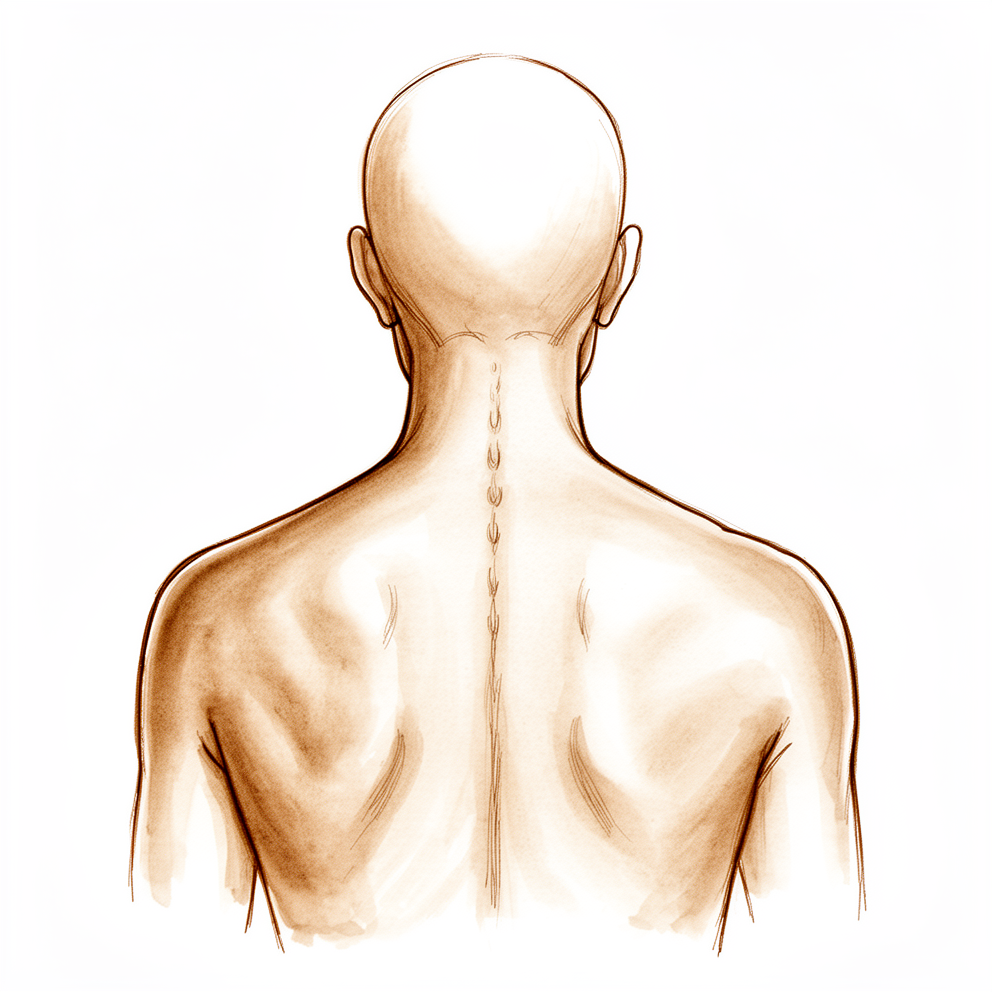
Qué está sintiendo
El dolor provocado por un cáncer que se ha extendido a la columna vertebral suele comenzar en la zona media o baja de la espalda, ya que el cuerpo vertebral (el bloque óseo situado en la parte frontal de cada vértebra) es el primer lugar donde se asienta el tumor. Con frecuencia, este dolor se intensifica durante meses antes de que aparezcan síntomas neurológicos; no obstante, también puede manifestarse de forma repentina si el hueso debilitado sufre una fractura por compresión. El dolor nocturno que le despierta o el que persiste mucho después de que una lesión debería haber sanado son señales de alerta que debe tomar en serio.
Es posible que note que el dolor aparece incluso en reposo, no solo al moverse. Sentarse en la cama, levantarse de una silla, agacharse para cargar la lavadora o permanecer de pie mientras cocina pueden volverse tareas difíciles. Si el tumor ejerce presión sobre los nervios o la médula espinal, podría sentir entumecimiento, hormigueo o debilidad en las piernas, y su forma de caminar podría volverse inestable. Cualquier alteración reciente en el control de la vejiga o los intestinos requiere atención urgente.
Algunas personas descubren la enfermedad por casualidad: una gammagrafía ósea realizada como parte de controles oncológicos de rutina detecta una lesión en la columna antes de que sientan cualquier síntoma. Otras acuden al médico con dolor de espalda y sin antecedentes de cáncer; en tales casos, se necesitan pruebas para determinar si la causa es la osteoporosis u otro problema. La pérdida de peso inexplicable junto con el dolor de espalda es otro indicio que los médicos querrán investigar.
Si ya ha recibido tratamiento por una fractura por compresión supuestamente originada por osteoporosis pero el dolor persiste, o si el hueso sigue deteriorándose, otras pruebas, entre ellas una pequeña biopsia con aguja, pueden identificar la causa real. Un diagnóstico temprano es crucial, pues toda demora puede permitir que la enfermedad avance y afecte la función nerviosa.
¿Qué está ocurriendo realmente?
Su columna vertebral es una pila de huesos con un túnel protector que recorre su parte posterior; dentro de ese túnel se encuentran la médula espinal y los nervios que transmiten mensajes entre el cerebro y las piernas, la vejiga y el intestino. La parte frontal de cada vértebra, el bloque óseo denominado cuerpo vertebral, es el que soporta la mayor parte del peso, de forma similar a los pilares de carga en un edificio. Cuando el cáncer se extiende a la columna, casi siempre afecta primero a ese bloque frontal y, solo después, a las partes posteriores del hueso.
A medida que el tumor ocupa espacio dentro del hueso, este se va desgastando y debilitando gradualmente. El problema es que esto ocurre de manera silenciosa: normalmente el hueso no muestra signos de daño en una radiografía convencional hasta que se ha destruido más del 30 % de su masa. Por eso, el hueso puede perder gran parte de su resistencia antes de que usted sienta cualquier síntoma. El dolor del que se habló en la sección anterior es consecuencia de ese debilitamiento; si el hueso se vuelve lo suficientemente débil, puede colapsar, lo que da lugar a la fractura por compresión mencionada anteriormente.
Si el tumor o el hueso colapsado ejerce presión sobre la médula espinal o los nervios situados en el túnel posterior, entonces pueden aparecer entumecimiento, hormigueo, debilidad o problemas para controlar la vejiga y el intestino. La zona de la columna situada entre los omóplatos es especialmente importante en este sentido, ya que el túnel medular es más estrecho allí, por lo que hay menos margen antes de que la presión provoque complicaciones.
Los tipos de cáncer que con mayor frecuencia se extienden a los huesos son el cáncer de mama, pulmón, tiroides, riñón, intestino y próstata. Las regiones inferiores de la columna se ven afectadas con mayor frecuencia que el cuello. El objetivo de cualquier tratamiento, incluida la cirugía cuando resulta adecuada, es estabilizar la columna, aliviar la presión sobre los nervios y controlar el dolor, de modo que usted pueda mantenerse en pie y conservar su calidad de vida el mayor tiempo posible.
Qué podemos hacer al respecto
Algunos tipos de cáncer responden bien al tratamiento sin necesidad de cirugía. Si el tumor es de aquellos que se reducen con radioterapia, quimioterapia o terapia hormonal, eso podría ser suficiente. La radioterapia se emplea con frecuencia cuando existe dolor pero los nervios aún no están comprimidos y el hueso no está a punto de colapsar. También se utiliza para tumores como el linfoma y el mieloma, que responden a la radiación incluso cuando la médula espinal ya está comprimida. Un ciclo breve de medicamentos esteroides potentes puede disminuir la inflamación alrededor del tumor y aliviar la presión sobre los nervios. La radioterapia también es una opción cuando otros problemas de salud hacen que la cirugía resulte riesgosa, cuando el tiempo es limitado o cuando varias vértebras están afectadas. Una alternativa que ofrecemos es la radiocirugía con Cyberknife: un tratamiento guiado por computadora que dirige múltiples haces pequeños de radiación hacia el tumor desde distintas direcciones. Se realiza de forma ambulatoria en una a tres sesiones y puede ser adecuada para personas que ya hayan recibido radioterapia. Otra opción es la vertebroplastia, en la que se introduce cemento óseo en la vértebra debilitada para estabilizarla y aliviar el dolor; este procedimiento se emplea cuando el hueso aún no se ha vuelto inestable y los nervios no están comprimidos.
La cirugía se considera cuando el tumor sigue creciendo a pesar de la radioterapia, cuando el hueso afectado por el tumor ejerce presión sobre la médula espinal o los nervios, cuando una vértebra debilitada está a punto de colapsar o ya se ha fracturado, o cuando la columna vertebral pierde estabilidad. También se contempla cuando el dolor o los problemas neurológicos no mejoran con radioterapia. La combinación de cirugía para liberar la presión sobre la médula con radioterapia produce mejores resultados que la radioterapia sola para que los pacientes conserven la capacidad de caminar. El objetivo de la cirugía es aliviar el dolor, disminuir la presión sobre los nervios y restablecer la estabilidad, para que pueda seguir moviéndose. Se trata de una decisión compartida, tomada junto con usted, su familia y su equipo oncológico, teniendo en cuenta lo que su cuerpo puede tolerar y lo que usted desea lograr.
Qué esperar
El cáncer que se ha extendido a la columna vertebral es una afección grave; el tratamiento suele ser un proceso complejo que requiere un período de recuperación real. No obstante, también puede marcar una verdadera diferencia en su vida cotidiana. La cirugía para metástasis espinales puede reducir el dolor y mejorar su capacidad funcional, además de ayudarle a mantenerse en pie y a realizar más actividades por sí mismo. Cuando el cáncer se ha extendido a un solo punto de la columna o cuando los nervios están bajo presión, la cirugía puede mejorar sus condiciones de vida y su calidad de vida.
El objetivo principal del tratamiento no es curar el cáncer, sino estabilizar la columna, aliviar la presión sobre los nervios y controlar el dolor, de modo que su calidad de vida mejore durante el mayor tiempo posible. Es posible que la cirugía no prolongue su vida, pero por lo general hace que el tiempo que le quede sea más cómodo y le permita mayor movilidad. La mayoría de las personas que se someten a cirugía paliativa por metástasis espinales descubren que pueden realizar más actividades diarias después de la operación, independientemente de su edad. En el caso de tumores en el cuello, la cirugía arroja buenos resultados y suele ser el tratamiento de elección.
Existen límites reales en lo que la cirugía puede lograr. La tasa de complicaciones en este tipo de intervenciones es comparable a la de otras cirugías complejas de columna; a veces, los problemas durante o después de la operación pueden ser graves. Hay factores que dificultan obtener un buen resultado, como tumores situados en la unión entre el cuello y el tórax, o cáncer que se ha extendido ampliamente en la columna o fuera de ella. Su estado de salud general y el tipo de cáncer también influyen en lo que la cirugía puede lograr; su equipo médico los evaluará junto con usted antes de recomendar cualquier tratamiento.
Dejar la columna sin tratamiento también conlleva riesgos. Si un hueso debilitado se colapsa o el tumor sigue ejerciendo presión sobre la médula espinal, pueden producirse parálisis y pérdida del control de la vejiga o los intestinos; dichos daños podrían ser irreversibles. El tratamiento que combina el alivio de la presión sobre la médula con radioterapia funciona mejor que la radioterapia sola para mantener a los pacientes en condiciones de caminar. Su equipo oncológico, su médico de cabecera y su cirujano trabajarán en conjunto para planificar el enfoque que le permita disfrutar del mayor confort e independencia posibles.
¿Cuándo consultar a un especialista?
Esta no es una afección ante la que se pueda esperar a ver si mejora. Acuda a urgencias el mismo día si presenta debilidad, entumecimiento u hormigueo nuevos en las piernas, o dificultad reciente para controlar la vejiga o el intestino. Estos síntomas indican que la médula espinal podría estar bajo presión, y el daño puede volverse permanente si no se trata rápidamente.
Solicite una evaluación especializada si padece cáncer y desarrolla dolor de espalda que empeora a lo largo de semanas o meses, dolor que le despierta por la noche, o dolor que aparece de forma repentina sin ninguna lesión. También debe solicitarla si tiene más de 50 años, ha perdido peso sin intentarlo, o presenta dolor de espalda sin causa clara que no mejora.
En primer lugar, consulte a su médico de cabecera si ya ha recibido tratamiento por una fractura por compresión atribuida a la fragilidad ósea, pero el dolor no mejora o el hueso sigue deteriorándose. Su médico podrá solicitar pruebas y derivarlo a un especialista si es necesario.
Evidence & references
This is the clinical evidence summary written for health professionals. It is technical, and it lists the research this page was built from. You do not need to read it to understand your treatment or to make a decision about it.
Overview
- A comprehensive review of guidelines for the management of spinal cord injury in patients with polytrauma discusses key management decisions such as stabilization, imaging, and surgical decisions [1].
- The National Spinal Cord Injury Statistical Center database provides up-to-date figures on spinal cord injury, including information on cost and outcomes [2].
- A meta-analysis assesses the epidemiology, patient characteristics, and fracture types of traumatic spinal fractures across all World Health Organization regions and income groups [3].
- A meta-analysis discusses the rate of thoracolumbar fractures after blunt trauma [4].
- A 70-year longitudinal study evaluates long-term survival in patients suffering from spinal cord injury [5].
- The 70-year longitudinal study identifies risk factors associated with mortality and estimates current life expectancy based on injury severity [5].
- A review paper discusses the management of spinal cord injury while stressing the importance of early care [6].
- Medical as well as surgical therapies are discussed in the context of spinal cord injury management [6].
- A review discusses new developments in the management of spinal cord injury including surgical decompression, neuroprotective agents, and clinical management [7].
- New translational therapies such as riluzole, minocycline, Neuro-Spinal Scaffold, and fibroblast growth factors are discussed in the context of spinal cord injury management [7].
- A comprehensive review discusses surgical and nonsurgical interventions for all levels of spinal cord injuries in the trauma bay [8].
- Imaging is critical to effective management of spinal trauma [10].
- A review discusses the latest guidelines on imaging based on region of spinal trauma (cervical, thoracic, or lumbosacral) [10].
- A review highlights the differences between imaging modalities for spinal trauma [10].
- A study provides a guide for utilizing MRI in spinal trauma and uses images to help the reader better understand and analyze images [11].
- A retrospective study evaluates cervical spine trauma and determines the ideal imaging modalities for identifying bony and ligamentous injury in the cervical spine [12].
- A study developed an evidence-based algorithm for management of cervical spine trauma in the trauma setting with a focus on appropriate cervical spine clearance, optimal use of imaging, and appropriate spine consultations [13].
- Clinical guidelines for the management of patients with acute spinal cord injury and central cord syndrome identify key management questions and present recommendations on the timing of decompressive surgery [14].
- A cost-utility analysis showed that early decompression was more cost effective than delayed surgical decompression for traumatic cervical spinal cord injury [15].
Anatomy & Pathophysiology
Bony Anatomy
- The bony anatomy of the spine consists of 7 cervical vertebrae, 12 thoracic vertebrae, 5 lumbar vertebrae, 5 fused sacral vertebrae, and 4 or 5 fused coccygeal vertebrae [18].
- The vertebral body is a cylindrical mass of bone connected by pedicles to the posterior arch, which consists of the lamina and spinous process [18].
- The spinal canal is formed by the vertebral body anteriorly, the lamina posteriorly, and the pedicles laterally [18].
- Vertebral bodies function primarily to bear weight and transfer forces to the pelvis and hips [18].
- The posterior elements provide protection to neural structures and function as a tension band [18].
- The thoracic spine represents two transitional zones: from the highly mobile cervical spine to the rigid thoracic region, and then back to the more mobile lumbar spine [27].
- The thoracic spine forms a bony "cube" with the ribs and sternum, creating an inherently stable structure that protects the heart and lungs [27].
- The spinal canal is narrowest in the thoracic region [27].
- Lumbar vertebral bodies have a transverse diameter greater than the anterior-posterior diameter [34].
- Lumbar pedicles project more horizontally than thoracic pedicles, with increasing medial angulation from L1 to L5 [34].
- The sagittal orientation of lumbar facet joints allows flexion and extension while providing resistance to axial rotation and translation [34].
Spinal Cord Anatomy
- Within the spinal cord, dorsal cells are primarily sensory and ventral cells are primarily motor [31].
- The dorsal columns transfer vibration, deep pressure, and proprioception [31].
- The lateral spinothalamic tract transmits pain and temperature sensation [31].
- The ventral spinothalamic tract transmits light touch [31].
- Efferent voluntary motor function is transmitted along the lateral corticospinal tracts [31].
- Nerve fibers for the upper extremities are located deeper within the spinal cord, while those for the torso and lower extremities are located sequentially more superficially [31].
- The conus medullaris lies around the L3 level at birth and moves to the L1-L2 level by adulthood [31].
- The neurologic level of the spinal cord does not necessarily correspond with the vertebral level [31].
- In the cervical spine, nerve roots exit above the same-numbered pedicle, with the exception of the eighth nerve root which exits under the C7 pedicle [31].
- From T1 distally, nerve roots exit the spine below the same-numbered pedicle [31].
- The 31 pairs of spinal nerves consist of 8 cervical, 12 thoracic, 5 lumbar, 5 sacral, and 1 coccygeal pairs [31].
Vascular Anatomy
- The thoracic and lumbar spinal cord is supplied by paired segmental arteries originating from the aorta [29].
- The anterior spinal artery supplies approximately 80% of the vascular supply to the spinal cord [29].
- The arteria medullaris magna (artery of Adamkiewicz) typically arises on the left side between the T8 and L1 levels [29].
- The artery of Adamkiewicz is the largest anterior segmental artery and is the primary blood supply to the lumbosacral spinal cord [36].
- Injury to the artery of Adamkiewicz can result in spinal cord infarction [36].
- The blood supply to the spinal cord is poorest at T4-T9, which is considered the critical vascular zone where interference with circulation is most likely to result in paraplegia [32].
- The vertebral arteries supply 80% of the radicular arteries in the neck [32].
- The anterior longitudinal arterial channel of the spinal cord is crucial for circulation, and preservation of a single large feeder does not ensure continued satisfactory circulation [32].
Ligaments
- The anterior longitudinal ligament is strong, thickest at the center of the vertebral body, and resists hyperextension [38].
- The posterior longitudinal ligament is weaker than the anterior longitudinal ligament and extends from the occiput to the posterior sacrum [38].
- The posterior longitudinal ligament is hourglass-shaped, with wider sections over the discs [38].
- Ossification of the posterior longitudinal ligament is associated with an increased risk of dural tears [38].
- The ligamentum flavum is a strong yellow elastic ligament connecting the laminae that is constantly in tension [38].
- Hypertrophy of the ligamentum flavum may contribute to nerve root compression [38].
- The supraspinous ligament lies dorsal to the spinous processes and begins at C7 in continuity with the ligamentum nuchae [39].
- The integrity of the posterior ligamentous complex has implications for operative versus nonoperative treatment [39].
Biomechanics
- Normal cervical alignment is approximately 15° of lordosis [28].
- The thoracic spine generally ranges from 20° to 40° of kyphosis [28].
- The lumbar spine has approximately 40° to 50° of lordosis [28].
- Kyphotic segments (thoracic, sacral) are primary curvatures present in utero, while lordotic curvatures (cervical, lumbar) develop secondarily later in life [28].
- The functional spinal unit consists of two vertebrae, the disk between them, and the facet joints and their capsules [28].
- Vertebral bodies bear 70% to 90% of the static axial load of the spine [28].
- Facet joints support 10% to 20% of axial load in a standing, neutral alignment [28].
- In extension, facet joints may bear up to 30% of the axial load [28].
- In flexion, facet joints may be burdened with up to 50% of the anterior shear load [28].
- The nucleus pulposus deforms under compressive forces, redistributing axial forces radially, which are resisted by the tensile properties of the anulus fibrosus [28].
Embryology
- The neural tube forms the spinal cord, while the notochord develops into the spinal column (vertebral bodies and disks) [33].
- The neural crest forms the peripheral nervous system, spinal ganglia, and sympathetic trunk [33].
- Vertebrae develop from somites, with each vertebra forming from the caudal portion of one sclerotome and the rostral portion of the subjacent level [33].
- The nucleus pulposus derives from notochordal cells, while the anulus fibrosus develops from sclerotomal cells [33].
- Failure of the neural tube to close cranially can cause anencephaly, while failure caudally can cause spina bifida, meningocele, or myelomeningocele [33].
- Failure of segmentation of somites may result in block vertebrae or unsegmented bars [33].
- Failure of formation of vertebral structures can lead to congenital hemivertebrae [33].
Pathophysiology of Spinal Cord Injury
- Spinal cord injury often results in irreversible sensory, motor, and autonomic dysfunction [23].
- The incidence of spinal cord injury is approximately 54 cases per one million people in the United States [23].
- Neurogenic shock is characterized by hypotension and bradycardia due to disruption of the sympathetic pathway within the spinal cord [10].
- Neurogenic shock is most common in patients with cervical or upper thoracic spinal cord injury [10].
- Spinal shock refers to temporary dysfunction of the spinal cord with loss of reflexes and sensorimotor function caudal to the level of injury [48].
- Spinal shock is manifested by the absence of anal wink and bulbocavernosus reflexes and flaccid paralysis [48].
- Spinal shock usually recovers in 24 to 48 hours but can persist for weeks or months [48].
- The secondary injury cascade involves cord ischemia leading to electrolyte shifts, cell membrane alterations, and accumulation of neurotransmitters and inflammatory mediators [48].
- Inflammatory cytokines such as interleukin-6 and tumor necrosis factor are detectable acutely at the site of spinal cord injury [52].
- Activation of apoptotic pathways is detected within 6 hours of injury in both neurons and oligodendrocytes [52].
- Gliosis of the spinal cord begins approximately 1 week after the zone of injury has been established [52].
- Macrophage activity removes hematoma and degraded tissue, leaving behind cystic cavities that lead to disorganized fibrosis [52].
- The goal for optimal blood pressure management in spinal cord injury is a mean arterial pressure of 85 to 90 mm Hg with maintenance of 100% oxygen saturation [48].
Pathophysiology of Metastatic Disease
- Metastases most commonly involve the vertebral body rather than the posterior elements [7].
- Between 5% and 10% of patients who die of metastatic carcinoma will have microscopic disease in their spine [7].
- The classic plain radiographic finding in metastatic involvement of the spine is loss of a pedicle on an anteroposterior view [7].
- Most spinal tumors are osteolytic and are not demonstrated on plain films until greater than 30% of the vertebral body has been destroyed [8].
- Malignant tumors occur more frequently in the lower spinal levels (lumbar > thoracic > cervical) and in the vertebral body [8].
- Metastatic disease spreads to the vertebral body first and later to the pedicles [8].
- Breast, lung, thyroid, renal, gastrointestinal, and prostate metastases are the most common tumors to metastasize to bone [8].
- MRI is the diagnostic modality of choice for spinal tumors, with malignant tumors showing decreased T1 and increased T2 signal intensities [8].
- The presence of an intact intervertebral disk with complete replacement of the vertebral segment and pedicle involvement suggests metastatic disease [7].
- Pyogenic vertebral osteomyelitis typically involves the lumbar spine (50% of cases) and is usually hematogenous, with S. aureus responsible for 50%–75% of cases [4].
- In pyogenic vertebral osteomyelitis, the disc space is destroyed, whereas in metastatic disease the disc space is preserved [4].
- Spinal tuberculosis originates in the metaphysis of the vertebral body and spreads under the anterior longitudinal ligament [46].
- Spinal tuberculosis leads to destruction of several contiguous levels or results in skip lesions (15%) or abscess formation (50%) [46].
- On early plain radiographs, spinal tuberculosis presents with anterior vertebral body destruction with preservation of the disc, distinguishing it from pyogenic infection [46].
Spinal Fracture Classification
- Spinal fractures, dislocations, and fracture-dislocations are classified using the comprehensive AO/Orthopaedic Trauma Association classification system [3].
- The AO/Orthopaedic Trauma Association classification system is based on an alphanumeric classification [3].
Neurologic Injury Classification
- The American Spinal Injury Association (ASIA) Impairment Scale is used to classify spinal cord injuries [3].
- ASIA grade A is defined as complete injury with no motor or sensory function preserved in sacral segments S4-S5 [3].
- ASIA grade B is defined as incomplete injury where sensory function, but not motor function, is preserved below the neurologic level and includes sacral segments S4-S5 [3].
- ASIA grade C is defined as incomplete injury where motor function is preserved below the neurologic level and more than half of the key muscles below the neurologic level have a muscle grade <3 [3].
- ASIA grade D is defined as incomplete injury where motor function is preserved below the neurologic level and at least half of the key muscles below the neurologic level have a muscle grade of ≥3 [3].
- ASIA grade E reflects a normal neurologic status with normal motor and sensory functions [3].
- Spinal cord injury is stratified into complete (ASIA grade A) or incomplete (ASIA grades B-D) [3].
- Paraplegia, defined as paralysis of the lower extremities, results from thoracic and lumbar spine injuries [3].
- Quadriplegia, defined as paralysis of all four extremities, results from cervical spine injuries [3].
Clinical Presentation
Metastatic Disease
- Metastatic spinal disease most commonly involves the vertebral body rather than the posterior elements [7].
- Metastases spread to the vertebral body first and later to the pedicles [8, 9].
- Malignant spinal tumors occur more frequently in the lower spinal levels, with lumbar involvement more common than thoracic or cervical [8, 9].
- Patients with metastatic spinal disease may experience moderate to severe pain persisting for months before the onset of focal neurologic deficits [7].
- The onset of pain in metastatic spinal disease can be sudden following a pathologic compression fracture [7].
- A history of cancer, recent unexplained weight loss, night pain, and age older than 50 years are diagnostic indicators for spinal metastasis [8, 9].
- The classic plain radiographic finding in metastatic spinal involvement is loss of a pedicle on an anteroposterior view [7].
- Absence of a pedicle is referred to as the "winking owl sign" on anteroposterior radiographs [8, 9].
- MRI can differentiate an osteoporotic compression fracture from one caused by a malignant lesion [7].
- Complete replacement of the vertebral segment, multiple vertebral body lesions, pedicle involvement, and an intact intervertebral disk suggest metastatic disease [7].
- Patients with myeloma, lymphoma, or leukemia may present with osteopenia of the vertebra [7].
- Systemic findings such as weight loss, fatigue, and fever may be present in patients with hematologic malignancies involving the spine [7].
- Careful physical and neurologic examinations are vital for the diagnosis of spinal metastasis [8, 9].
Spinal Trauma and Cord Injury
- Pain or tenderness anywhere along the spine, from the occiput to the sacrum, should raise concern for a spinal injury [3].
- Most spine injuries do not present with neurologic impairment [3].
- Tetraplegia refers to loss or impairment of motor or sensory function in the cervical segments of the spinal cord with resulting impairment in the arms, trunk, legs, and pelvic organs [2].
- Paraplegia refers to loss or impairment of motor or sensory function in the thoracic, lumbar, or sacral segments of the spinal cord with intact arm function [2].
- A complete spinal cord injury is defined as an injury with no spared motor or sensory function in the lowest sacral segments [2].
- An incomplete spinal cord injury is defined as an injury with partial preservation of sensory or motor function below the neurologic level, including the lowest sacral segments [2].
- The neurologic level of the lesion is defined as the highest neural segment having normal motor and sensory function [2].
- The presence of sacral nerve function indicates an incomplete injury and offers potential for recovery of normal neurologic function over a time span of up to 2 years [2].
- Spinal shock must resolve, evidenced by the return of the bulbocavernosus reflex, before a diagnosis of complete spinal cord injury can be made [2].
- Spinal shock in patients with complete spinal cord injury may last from several hours to several months [2].
- Patients with complete spinal cord injury who have recovered from spinal shock have a negligible chance for useful motor return [2].
- Anterior cord syndrome results from direct contusion to the anterior cord or damage to the anterior spinal artery, leaving only posterior column function such as proprioception and light touch [2].
- Central cord syndrome often results from minor injury in older patients with cervical spinal canal stenosis and is characterized by severe upper extremity paralysis with preserved ability to walk [2].
- Brown-Séquard syndrome is a spinal cord syndrome caused by specific cord injury patterns [2].
- Neurogenic shock presents as hypotension with bradycardia due to disruption of the sympathetic pathway within the spinal cord [10, 11].
- Neurogenic shock is most common in patients who sustain a cervical or upper thoracic spinal cord injury [10, 11].
- The American Spinal Injury Association (ASIA) Impairment Scale classifies spinal cord injuries into complete (Grade A) or incomplete (Grades B-D), with Grade E reflecting normal neurologic status [3].
- ASIA Grade A is defined as no motor or sensory function preserved in sacral segments S4-S5 [3].
- ASIA Grade B is defined as sensory function, but not motor function, preserved below the neurologic level and including sacral segments S4-S5 [3].
- ASIA Grade C is defined as motor function preserved below the neurologic level, with more than half of key muscles below the neurologic level having a muscle grade less than 3 [3].
- ASIA Grade D is defined as motor function preserved below the neurologic level, with at least half of key muscles below the neurologic level having a muscle grade of 3 or greater [3].
- Multiple-level spinal injuries occur in 10% to 20% of cases [10, 11].
- Additional vertebral fractures at a different level occur in approximately 10% of cases [3].
Spinal Infection
- Unremitting spinal pain at any level is characteristic of pyogenic vertebral osteomyelitis [4, 5].
- Tenderness, spasm, and loss of motion are seen in patients with pyogenic vertebral osteomyelitis [4, 5].
- Neurologic deficits in spinal infection are seen in older patients, patients with infections at more cephalic levels of the spine, and those with delayed diagnoses [4, 5].
- Patients with osteomyelitis or diskitis of the spine often have an indolent clinical course in which low-grade back pain increases in severity over several weeks to months [15].
- Back pain is the most common presenting report for spinal osteomyelitis or diskitis, followed by fever [15].
- 34% of patients with osteomyelitis or diskitis presented with some type of neurologic issue, ranging from radiculopathy to urinary incontinence [15].
- Pyogenic infection can cause neurologic compromise secondary to bony retropulsion or extension into the epidural space causing an epidural abscess [15].
- In children with infectious spondylitis, presentation includes acute back pain and refusal to sit or bear weight [16, 17].
- Radiographic changes in spinal infection usually lag behind clinical findings [16, 17].
- The earliest radiographic finding in osteodiscitis is loss of normal lumbar lordosis [53, 54].
- Radiographic findings in osteodiscitis do not occur until 10 days to 3 weeks after onset [53, 54].
- Plain radiographic findings in pyogenic vertebral osteomyelitis include osteopenia, paraspinous soft tissue swelling, erosion of vertebral end plates, and disc destruction [4, 5].
- Disc space is preserved in metastatic disease, distinguishing it from infection on plain radiographs [4, 5].
- MRI is the diagnostic modality of choice for detecting spinal infection and differentiating it from tumor [4, 5].
- Gadolinium enhances MRI sensitivity for detecting spinal infection [4, 5].
- On T1-weighted imaging, vertebral osteomyelitis or diskitis presents with hypointense signal at the affected end plate and disk [15].
- On T2-weighted imaging, vertebral osteomyelitis or diskitis presents with hyperintense signal in the vertebral body and disk space [15].
- Gadolinium contrast allows differentiation between epidural abscess and cerebrospinal fluid on MRI [4, 5].
- Abscess and cerebrospinal fluid have high signal intensity on T2-weighted images [4, 5].
- Gadolinium enhances pus on T1-weighted images, whereas cerebrospinal fluid remains low-signal [4, 5].
- Laboratory findings in spinal infection include elevated erythrocyte sedimentation rate (ESR), C-reactive protein (CRP), and white blood cell count [4, 5].
- White blood cell count in spinal infection is often high normal or mildly elevated [4, 5].
- In children with discitis, radiographic changes appear in the order of loss of lumbar lordosis, disc space narrowing, loss of vertebral height, and end plate changes [16, 17].
Investigations
Imaging Modalities
- Multidetector CT (MDCT) has a sensitivity of 97% to 100% for detecting cervical spine injuries in patients with neck tenderness and pain [40].
- Radiographs, including flexion-distraction or neutral views, have limited utility in the acute setting due to high false-negative and false-positive rates [40].
- CT is the preferred initial examination in trauma patients because of the inherent contrast provided by bone and unmatched spatial resolution [41].
- MRI is indicated for patients with presumed spinal cord injury to determine the location and severity of the injury and to identify the cause of spinal cord compression [40].
- MRI can reliably identify ligamentous injuries of the cervical spine that may not be clearly identifiable on MDCT images [40].
- MRI is helpful in evaluating soft-tissue injuries such as ligamentous tears, epidural hematoma, and traumatic disc herniation [41].
- In the setting of trauma, MRI is usually reserved for neurologically impaired patients whose CT examinations are negative or for patients in whom spinal fracture reduction is planned and associated disc pathology must be excluded [41].
- Whole-body CT scans with thin section images and two-dimensional and three-dimensional reconstructions have largely replaced conventional radiographs for the initial assessment of multiply injured patients [3].
- MRI should only be obtained for patients who are hemodynamically stable and adequately resuscitated [3].
- Noncontrast CT scan of the affected part of the spine can show bony morphologic changes in greater detail than MRI, including bony retropulsion, subchondral sclerosis, and erosion of vertebral end plates [15].
- MRI with and without gadolinium contrast allows for detailed imaging of soft-tissue structures and assessment for local spread of infection, epidural abscess, and chronicity of the infectious process [15].
- On T1-weighted MRI, vertebral osteomyelitis/diskitis presents with hypointense signal at the affected end plate and disk [15].
- On T2-weighted MRI, vertebral osteomyelitis/diskitis presents with hyperintense signal in the vertebral body and disk space [15].
- Gadolinium contrast enhances MRI sensitivity for detecting infection and differentiating infection from tumor [4, 5].
- Gadolinium contrast allows for differentiation between epidural abscess and cerebrospinal fluid, as gadolinium enhances pus on T1-weighted images while CSF remains low-signal [4, 5].
- A noncontrast MRI scan is the most useful diagnostic tool for identifying spinal stenosis [20].
- CT myelogram is necessary for evaluating spinal stenosis in patients who cannot undergo MRI scans [20].
- Standing plain AP, lateral, and flexion-extension x-rays should be taken to rule out associated spinal instability or deformity in patients with spinal stenosis [20].
- Preservation of normal marrow signal in a portion of a compressed vertebral body, especially with a linear pattern of signal abnormality, is suggestive of a fracture caused by a benign process such as osteoporosis [41].
- Complete marrow replacement or the presence of additional focal abnormal marrow signal at other levels on MRI should prompt consideration of biopsy for underlying pathologic conditions [41].
- The association of an irregular or asymmetric soft-tissue mass or broad convexity of the dorsal vertebral cortex on MRI is suggestive of underlying neoplasm [41].
- Follow-up MRI at 6 to 8 weeks may demonstrate at least partial reconstitution of normal marrow signal around osteoporotic fractures in questionable cases [41].
- Identification of edema within a compressed vertebra on MRI can confirm a fracture as either acute or subacute [41].
Neurologic Assessment and Classification
- The American Spinal Injury Association (ASIA) Impairment Scale is used to classify spinal cord injuries into complete (Grade A) or incomplete (Grades B-D), with Grade E reflecting normal neurologic status [3].
- ASIA Grade C is defined as motor function preserved below the neurologic level, with more than half of the key muscles below the neurologic level having a muscle grade <3 [3].
- ASIA Grade D is defined as motor function preserved below the neurologic level, with at least half of the key muscles below the neurologic level having a muscle grade ≥3 [3].
- The diagnosis of complete spinal cord injury cannot be made until the period of spinal shock is over, as evidenced by the return of the bulbocavernosus reflex [2].
- The presence or absence of sacral function determines the completeness of the spinal cord injury [2].
- Sacral motor function is assessed by testing contraction of the external anal sphincter [2].
- Sacral sensation is tested at the anal mucocutaneous junction [2].
- Patients with incomplete injuries have the potential to recover normal neurologic function over a time span of up to 2 years even if paralysis is initially complete [2].
- Patients with complete spinal cord injury who have recovered from spinal shock have a negligible chance for any useful motor return [2].
- The neurologic level of the lesion refers to the highest neural segment having normal motor and sensory function [2].
- The time of neurologic assessment must be documented because neurologic deterioration may occur [3].
Laboratory and Diagnostic Procedures
- Blood cultures should be obtained to assess for disseminated infection and identification of microbial pathogen in suspected spinal osteomyelitis [15].
- Tissue diagnosis via blood cultures or aspiration of the infection is mandatory for pyogenic vertebral osteomyelitis [4, 5].
- CT-guided bone biopsy can be performed to obtain a sample of the affected vertebral body to allow for guidance of antibiotic therapy [15].
- Epidural steroid injections can serve as a diagnostic study, as nerve compression pain improves with ESI whereas somatic or mechanical back pain usually is not affected [42].
- Transforaminal ESI is performed with the aid of epidurography, which allows visualization of good epidural flow around the pedicle and verification of the position of the exiting nerve root to confirm good needle placement [42].
Treatment
Non-Operative Management
- Nonoperative management for symptomatic metastatic spinal disease includes radiation, corticosteroids, and/or bracing [7].
- Systemic treatment can be used to address primary and metastatic disease in patients with asymptomatic vertebral metastases that are not at risk for pathologic fracture [7].
- Radiation treatment is indicated for patients with pain but no neurologic compromise or risk of impending fracture [7].
- Radiation is indicated for radiation-sensitive tumors such as lymphoma or myeloma even when they present with neurologic compromise [7].
- Emergent radiation is recommended when there is minimal or no bone destruction but cord compression is caused by tumor extension [7].
- A short course of high-dose corticosteroids should be administered to reduce edema surrounding the tumor that contributes to compression and neurologic damage [7].
- Radiation is indicated for patients with medical comorbidities precluding surgery, patients with 6 weeks or less to live, and those with multilevel disease [7].
- Cyberknife radiosurgery can be used in patients who have had prior external beam radiation as it focuses small beams of radiation into the tumor from many different directions via a robotic arm [7].
- Cyberknife radiosurgery is a computer-assisted, minimally invasive procedure that can be performed as an outpatient in one to three sessions [7].
- Nonoperative treatment should be considered for spinal tumors that are radiosensitive, chemosensitive, or hormonally responsive [8].
- Vertebroplasty is a minimally invasive alternative to open surgery for metastatic disease of the spine (myeloma, breast) without instability or neurologic compromise [8].
- Minimally invasive techniques such as kyphoplasty and vertebroplasty are treatment options for patients with symptomatic metastatic disease to the spine [7].
- For spinal epidural abscess without neurologic deficit, conservative management involves IV antibiotics for at least 6 weeks with close monitoring of inflammatory markers, blood cultures, and neurologic status [49].
- Patients with spinal epidural abscess treated conservatively are mobilized throughout the process and can use external bracing treatment for support [49].
- For pyogenic vertebral osteomyelitis, 6 to 12 weeks of IV antibiotics is the treatment of choice after tissue diagnosis [4].
- Bracing may be used adjunctively in the nonoperative treatment of pyogenic vertebral osteomyelitis [4].
- For thoracic and lumbar tubercular spinal infection, multidrug therapy using a combination of isoniazid, rifampicin, pyrazinamide, ethambutol, and streptomycin is the primary treatment [56].
- Patients with normal immune system function may require only 6 months of multidrug therapy for thoracic and lumbar tubercular spinal infection [56].
- Patients with HIV infection or other cause of immune compromise may require 18 to 24 months of multidrug therapy for thoracic and lumbar tubercular spinal infection [56].
- Infection by drug-resistant organisms is a reason for extended multidrug therapy for thoracic and lumbar tubercular spinal infection [56].
- For infectious spondylitis, intravenous antibiotic treatment with coverage for S. aureus is the standard treatment [16].
Operative Management
- Indications for surgical treatment of vertebral metastasis include progression of disease after radiation [7].
- Indications for surgical treatment of vertebral metastasis include neurologic compromise caused by bony impingement or radioresistant tumor within the spinal canal [7].
- Indications for surgical treatment of vertebral metastasis include an impending fracture [7].
- Indications for surgical treatment of vertebral metastasis include spinal instability caused by a pathologic fracture or progressive deformity [7].
- The goals of surgery for vertebral metastasis are to maintain or restore neurologic function and spinal stability [7].
- Indications for surgical treatment of spinal metastasis include progressive neurologic dysfunction that is unresponsive to radiation therapy [8].
- Indications for surgical treatment of spinal metastasis include persistent pain despite radiation therapy [8].
- Indications for surgical treatment of spinal metastasis include the need for an open diagnostic biopsy [8].
- Indications for surgical treatment of spinal metastasis include pathologic mechanical instability [8].
- Indications for surgical treatment of spinal metastasis include radioresistant tumor [8].
- Life expectancy should play an important role in determining whether surgery is performed for spinal metastasis [8].
- In cases of neurologic deficit and/or spinal instability, anterior decompression and stabilization preserving intact posterior structures may result in recovery of neurologic function [8].
- Posterior stabilization or a circumferential approach is indicated in cases of multiple levels of destruction, involvement of both the anterior and posterior columns, or translational instability [8].
- Anterior decompression is most often necessary to remove the pathologic process responsible for neurologic deterioration and pain due to the predominant vertebral body location of malignant tumors [24].
- Other indications for anterior surgery include pathologic kyphosis with an intact posterior osteoligamentous complex [24].
- Improvement in pain is possible in 80% to 95% of patients undergoing anterior decompression for spinal metastasis [24].
- Restoration of neurologic function occurs in 75% of patients undergoing anterior decompression for spinal metastasis [24].
- Decompression often creates instability that requires reconstruction with instrumentation, allografts, and occasionally structural bone cement [24].
- Anterior instrumentation alone often suffices if the posterior osteoligamentous complex is intact and resection is less than a complete spondylectomy [24].
- Additional posterior decompression and stabilization in a combined approach are often necessary if the spinal canal is compressed anteriorly and posteriorly or if the posterior column is attenuated [24].
- A two-stage approach combined under one anesthesia or a simultaneous approach can be used if exposure of anterior and posterior columns is necessary [24].
- High-grade instability, contiguous vertebral involvement, destruction of anterior and posterior columns, and need for en bloc resection are indications for combined anterior and posterior approaches [24].
- For patients with anterior column involvement who are unable to tolerate a thoracotomy, a costotransversectomy is useful in the thoracic spine [24].
- For patients with circumferential spinal cord or neural constriction, a posterior approach is useful in the lumbar spine [24].
- Laminectomy has been shown to be of little value in the treatment of progressive paralysis caused by malignant spinal tumors in the anterior column [24].
- Successful results using laminectomy for progressive paralysis caused by malignant spinal tumors in the anterior column have been reported in only 30% to 40% of patients [24].
- Radical laminectomy for tumor resection is of value when compression is caused by lesions in the posterior elements compressing the dura [24].
- Surgical intervention for spinal epidural abscess is typically performed for all patients with a neurologic deficit [49].
- Surgical intervention for spinal epidural abscess is typically performed for patients who have positive blood cultures and systemic illness despite appropriate antibiotic therapy [49].
- Surgical intervention for spinal epidural abscess is typically performed for patients with significant and ongoing pain despite medical management [49].
- Surgical intervention for spinal epidural abscess is typically performed for patients with progressive deformity or fracture at the site of the infection [49].
- Surgical intervention for spinal epidural abscess typically consists of a laminectomy at the site(s) of the infection and irrigation and débridement of the infectious collection [49].
- Fusion can be performed during surgical intervention for spinal epidural abscess if the surgeon feels there is significant instability that would result from bony resection [49].
- Open biopsy is indicated when a tissue diagnosis has not been made for pyogenic vertebral osteomyelitis [4].
- Anterior débridement and strut grafting are reserved for refractory cases of pyogenic vertebral osteomyelitis involving neurologic deterioration, extensive bony destruction, or marked deformity [4].
- Posterior surgery is usually ineffective for débridement in pyogenic vertebral osteomyelitis [4].
- Posterior stabilization may occasionally be required after anterior débridement and strut grafting for pyogenic vertebral osteomyelitis [4].
- Laminectomy is performed if the epidural abscess is predominantly posterior [4].
- If there is concomitant vertebral osteomyelitis, anterior and posterior decompression is performed [4].
- Surgery indications for infectious spondylitis include abscess and failure of nonoperative management [16].
- The most common surgical indications for thoracic and lumbar tubercular spinal infection include neurologic deficit [56].
- The most common surgical indications for thoracic and lumbar tubercular spinal infection include severe kyphosis [56].
- The most common surgical indications for thoracic and lumbar tubercular spinal infection include pain due to spinal instability [56].
- The most common surgical indications for thoracic and lumbar tubercular spinal infection include failure of medical therapy [56].
- The most common surgical indications for thoracic and lumbar tubercular spinal infection include large paraspinal or epidural abscess [56].
- The most common surgical indications for thoracic and lumbar tubercular spinal infection include more than four levels of vertebral involvement [56].
- If surgical treatment is planned for thoracic and lumbar tubercular spinal infection, multidrug therapy should be instituted at least 3 to 6 weeks before surgery to suppress the infection [56].
- Posterior-only patients treated for thoracic and lumbar tubercular spinal infection had fewer perioperative complications than those treated with anterior-only or combined approaches [56].
- Posterior-only patients treated for thoracic and lumbar tubercular spinal infection had slightly better outcomes at long-term follow-up than those treated with anterior-only or combined approaches [56].
- The use of longer constructs extending two levels above and below the affected levels in the thoracic and lumbar spine allows better kyphosis correction and maintenance of correction for tubercular spinal infection [56].
- Correction of kyphosis in tubercular spinal infection is achieved by using temporary rods during debridement and progressively using rod contouring, altering table position, and applying compression along the rods [56].
- Anterior surgery is most helpful when more direct visualization is needed for neural decompression or when a large abscess is more anteriorly located around the great vessel or other vital structures in tubercular spinal infection [56].
- In the NOMS decision framework, patients with low-grade epidural spinal cord compression, no myelopathy, radiosensitive tumors, and stable mechanics are treated with conventional external beam radiation [24].
- In the NOMS decision framework, patients with low-grade epidural spinal cord compression, no myelopathy, radiosensitive tumors, and unstable mechanics are treated with stabilization followed by conventional external beam radiation [24].
- In the NOMS decision framework, patients with low-grade epidural spinal cord compression, no myelopathy, radiosensitive tumors, and stable mechanics are treated with stereotactic radiosurgery [24].
- In the NOMS decision framework, patients with low-grade epidural spinal cord compression, no myelopathy, radiosensitive tumors, and unstable mechanics are treated with stabilization followed by stereotactic radiosurgery [24].
- In the NOMS decision framework, patients with high-grade epidural spinal cord compression, no myelopathy, radiosensitive tumors, and stable mechanics are treated with conventional external beam radiation [24].
- In the NOMS decision framework, patients with high-grade epidural spinal cord compression, no myelopathy, radiosensitive tumors, and unstable mechanics are treated with stabilization followed by conventional external beam radiation [24].
- In the NOMS decision framework, patients with high-grade epidural spinal cord compression, no myelopathy, radiosensitive tumors, stable mechanics, and the ability to tolerate surgery are treated with decompression/stabilization followed by stereotactic radiosurgery [24].
- In the NOMS decision framework, patients with high-grade epidural spinal cord compression, no myelopathy, radiosensitive tumors, stable mechanics, and the ability to tolerate surgery are treated with conventional external beam radiation [24].
- In the NOMS decision framework, patients with high-grade epidural spinal cord compression, no myelopathy, radiosensitive tumors, unstable mechanics, and the ability to tolerate surgery are treated with decompression/stabilization followed by stereotactic radiosurgery [24].
- In the NOMS decision framework, patients with high-grade epidural spinal cord compression, no myelopathy, radiosensitive tumors, unstable mechanics, and the ability to tolerate surgery are treated with stabilization followed by conventional external beam radiation [24].
- For a prognostic score of 2 in spinal metastasis, the treatment goal is long-term local control and the surgical strategy is wide or marginal excision [24].
- For a prognostic score of 3 in spinal metastasis, the treatment goal is long-term local control and the surgical strategy is wide or marginal excision [24].
- For a prognostic score of 4 in spinal metastasis, the treatment goal is middle-term local control and the surgical strategy is marginal or intralesional excision [24].
- For a prognostic score of 5 in spinal metastasis, the treatment goal is middle-term local control and the surgical strategy is marginal or intralesional excision [24].
- For a prognostic score of 6 in spinal metastasis, the treatment goal is short-term palliation and the surgical strategy is palliative surgery [24].
- For a prognostic score of 7 in spinal metastasis, the treatment goal is short-term palliation and the surgical strategy is palliative surgery [24].
- For a prognostic score of 8 in spinal metastasis, the treatment goal is terminal care and the surgical strategy is supportive care [24].
- For a prognostic score of 9 in spinal metastasis, the treatment goal is terminal care and the surgical strategy is supportive care [24].
- For a prognostic score of 10 in spinal metastasis, the treatment goal is terminal care and the surgical strategy is supportive care [24].
- Preoperative embolization should be considered, in particular for renal cell and thyroid carcinomas [8].
- Adjuvant therapy including chemotherapy and external beam radiation therapy should be considered and can be an important part of therapy for many spinal primary and metastatic tumors [8].
- Radiation should be added preoperatively or postoperatively to improve local disease control when patients are treated with surgery for vertebral metastasis [7].
- Surgical intervention along with adjuvant radiation and/or chemotherapy should be considered for patients with mechanical instability or evolving/progressive neurologic deficit [8].
- In the case of epidural spinal cord compression, radiation therapy should be combined with direct surgical decompression for the best clinical outcomes [8].
- Because of the hypercoagulable state of malignancy, especially in patients with paraplegia, the use of a preoperative inferior vena cava filter should be considered [24].
- Anticoagulation therapy should be considered perioperatively for patients with spinal metastasis due to the hypercoagulable state of malignancy [24].
- Irradiation should be planned carefully to allow for incorporation of grafts when used, best accomplished by performing the irradiation preoperatively or delaying it until at least 3 weeks postoperatively if possible to improve fusion rates [24].
- For HIV-positive patients with advanced spinal TB, the patient’s ability to survive a surgical insult must be considered [21].
- For HIV-positive patients with advanced spinal TB and large paraspinal abscesses with little kyphosis, a simple procedure such as a costotranssectomy is all that is required [21].
Complications
Neurologic and Functional
- In anterior cord syndrome, if there is no recovery of motor function and pain sensation 4 weeks after injury, the prognosis for significant motor return is poor [2].
- In central cord syndrome, most patients are able to walk despite severe paralysis of the upper extremity [2].
- In central cord syndrome, physical function scores do not improve to the same extent as motor function and sensation even after surgical intervention [25].
- Almost a third of patients with central cord syndrome are dissatisfied with their final functional outcome [25].
- Many patients with central cord syndrome will have complete motor and sensory recovery but demonstrate residual signs and symptoms of myelopathy, such as walking imbalance or diminished finger dexterity [25].
- Results using laminectomy for progressive paralysis caused by malignant spinal tumors in the anterior column are inferior to the results obtained with radiation alone [24].
- Decompression alone for spinal deformity could result in increased postoperative deformity or iatrogenic instability [13].
Surgical and Procedural
- An overall complication rate of approximately 10% is expected when correcting posttraumatic deformities [26].
- Extending distal fusion to S1, rather than stopping at L5, increases operative time, complication rate, revision rate, and risk of pseudarthrosis [13].
- Pseudarthrosis is the most common level for complications when distal fusion is extended to S1 [13].
- Surgical treatment for metastatic spinal disease is often a major undertaking that has significant morbidity and may require a prolonged recovery [7].
- Decompression for metastatic spinal disease often creates instability that requires reconstruction with instrumentation, allografts, and occasionally structural bone cement [24].
- Cement leakage is a documented complication in the treatment of burst fractures with posterior instrumentation [26].
- Lack of reduction and decompression in the treatment of burst fracture with neurologic deficit may require revision surgery [26].
Systemic and Physiologic
- Neurogenic shock is characterized by hypotension with bradycardia due to disruption of the sympathetic pathway within the spinal cord [10].
- Neurogenic shock and hypovolemic shock often occur concurrently in the setting of spine trauma [10].
- The hypercoagulable state of malignancy, especially in patients with paraplegia, necessitates consideration of preoperative inferior vena cava filter and perioperative anticoagulation therapy [24].
Recovery
- Long-term survival after traumatic spinal cord injury has been evaluated in a 70-year British longitudinal study [5].
- Risk factors associated with mortality and current life expectancy estimates based on injury severity have been identified in long-term survival studies [5].
- A meta-analysis assessed the epidemiology, patient characteristics, and fracture types of traumatic spinal fractures across all World Health Organization regions and income groups [3].
- A meta-analysis discussed the rate of thoracolumbar fractures after blunt trauma [4].
- Early cervical spine surgery was shown to be more cost-effective than delayed surgical decompression in a cost-utility analysis utilizing the STASCIS trial population [15].
References
[1] Orthopaedic Knowledge Update 13 Ebook Without Multimedia. Spinal Trauma > Annotated References.
[2] A Lange Medical Book Current Diagnosis Treatment In Orthopedics Fifth Edition. 12Rehabilitation > SPINAL CORD INJURY.
[3] Orthopaedic Knowledge Update Trauma. Treatment of Patients With Polytrauma and Indications for Damage Control Orthopaedic Care > Treatment of Patients With Polytrauma > Spinal Injuries.
[4] Miller S Review Of Orthopaedics. SECTION 16 PATELLAR TRACKING IN TOTAL KNEE ARTHROPLASTY > SPINAL INFECTIONS AND INFLAMMATORY ARTHRITIDES > 2. Pyogenic vertebral osteomyelitis.
[5] Miller S Review Of Orthopaedics. SPINAL INFECTIONS AND INFLAMMATORY ARTHRITIDES > 2. Pyogenic vertebral osteomyelitis.
[6] Campbell S Operative Orthopaedics 4 Volume Set. OVERVIEW OF LUMBAR AND THORACIC DISC DEGENERATION AND HERNIATION > SPINAL STENOSIS.
[7] Rockwood And Green S Fractures In Adults. 21: Psychosocial Aspects of Recovery After Trauma > Spinal Fractures.
[8] Miller S Review Of Orthopaedics. SECTION 16 PATELLAR TRACKING IN TOTAL KNEE ARTHROPLASTY > SPINAL TUMORS.
[9] Miller S Review Of Orthopaedics. SPINAL TUMORS.
[10] Miller S Review Of Orthopaedics. SECTION 16 PATELLAR TRACKING IN TOTAL KNEE ARTHROPLASTY > SPINAL TRAUMA > 1. General considerations.
[11] Miller S Review Of Orthopaedics. SPINAL TRAUMA > 1. General considerations.
[12] Campbell S Operative Orthopaedics 4 Volume Set. ANTERIOR CERVICAL DISCECTOMY AND FUSION WITH PLATING > INFECTIONS > BIOLOGY, DIAGNOSIS, AND TREATMENT OF SPINAL INFECTION.
[13] Aaos Comprehensive Orthopaedic Review 3. Adult Spinal Deformity* > V Surgical Treatment.
[14] A Lange Medical Book Current Diagnosis Treatment In Orthopedics Fifth Edition. 10Pediatric Orthopedic Surgery > SPINAL CURVATURE.
[15] Orthopaedic Knowledge Update 13 Ebook Without Multimedia. Spinal Column Infections > Osteomyelitis/Diskitis > Diagnosis.
[16] Miller S Review Of Orthopaedics. SECTION 16 PATELLAR TRACKING IN TOTAL KNEE ARTHROPLASTY > OTHER SPINAL CONDITIONS.
[17] Miller S Review Of Orthopaedics. OTHER SPINAL CONDITIONS.
[18] Orthopaedic Knowledge Update 13 Ebook Without Multimedia. Spinal Anatomy > Osseous Anatomy.
[20] A Lange Medical Book Current Diagnosis Treatment In Orthopedics Fifth Edition. 4Disorders, Diseases, and Injuries of the Spine > SPINAL STENOSIS.
[21] Apley And Solomon S Concise System Of Orthopaedics And Trauma. HUMAN IMMUNODEFICIENCY VIRUS AND SPINAL TB.
[23] Orthopaedic Knowledge Update 13 Ebook Without Multimedia. Spinal Trauma > Introduction.
[24] Campbell S Operative Orthopaedics 4 Volume Set. ANTERIOR CERVICAL DISCECTOMY AND FUSION WITH PLATING > TABLE 42.2 > Surgical Strategy for Spinal Metastases.
[25] Rockwood And Green S Fractures In Adults. Imaging of Cervical Spine Fractures and Dislocations > Spinal Cord Injury without Instability in the Spondylotic Spine.
[26] Rockwood And Green S Fractures In Adults. Imaging of Cervical Spine Fractures and Dislocations > Spinal Deformity.
[27] Orthopaedic Knowledge Update 13 Ebook Without Multimedia. Spinal Anatomy > Osseous Anatomy > Thoracic Vertebrae.
[28] Orthopaedic Knowledge Update 13 Ebook Without Multimedia. Spinal Anatomy > Biomechanics.
[29] Orthopaedic Knowledge Update 13 Ebook Without Multimedia. Spinal Anatomy > Vascular Anatomy.
[31] Orthopaedic Knowledge Update 13 Ebook Without Multimedia. Spinal Anatomy > Spinal Cord.
[32] Campbell S Operative Orthopaedics 4 Volume Set. RECONSTRUCTION OF THE PATELLOFEMORAL AND PATELLOTIBIAL LIGAMENTS WITH A SEMITENDINOSUS TENDON GRAFT > CIRCULATION OF SPINAL CORD.
[33] Orthopaedic Knowledge Update 13 Ebook Without Multimedia. Spinal Anatomy > Embryology and Development.
[34] Orthopaedic Knowledge Update 13 Ebook Without Multimedia. Spinal Anatomy > Osseous Anatomy > Lumbar Vertebrae.
[36] Orthopaedic Knowledge Update 13 Ebook Without Multimedia. Spinal Anatomy > Summary.
[38] Miller S Review Of Orthopaedics. Genetics of musculoskeletal conditions and abnormalities are summarized in Table 1.27 > ARTHROLOGY > 1. Spinal ligaments (Fig. 2.105).
[39] Miller S Review Of Orthopaedics. SECTION 16 PATELLAR TRACKING IN TOTAL KNEE ARTHROPLASTY > ARTHROLOGY > 1. Spinal ligaments (Fig. 2.105).
[40] Orthopaedic Knowledge Update 13 Ebook Without Multimedia. Spinal Trauma > Initial Management of Spinal Trauma > Diagnostic Imaging.
[41] Campbell S Operative Orthopaedics 4 Volume Set. SPINAL TRAUMA.
[42] Aaos Comprehensive Orthopaedic Review 3. Diagnostics and Nonsurgical Treatment of Spinal Disorders* > IV. Epidural Steroid Injections.
[46] Miller S Review Of Orthopaedics. SPINAL INFECTIONS AND INFLAMMATORY ARTHRITIDES > 4. Spinal tuberculosis.
[48] Campbell S Operative Orthopaedics 4 Volume Set. LUMBAR DECOMPRESSION AND POSTEROLATERAL FUSION WITH OR WITHOUT INSTRUMENTATION > SPINAL CORD INJURY > NEUROGENIC AND SPINAL SHOCK.
[49] Orthopaedic Knowledge Update 13 Ebook Without Multimedia. Spinal Column Infections > Spinal Epidural Abscess > Treatment.
[52] Rockwood And Green S Fractures In Adults. Imaging of Cervical Spine Fractures and Dislocations > Mechanics of Spinal Cord Injury.
[53] Miller S Review Of Orthopaedics. SPINAL INFECTIONS AND INFLAMMATORY ARTHRITIDES > 1. Osteodiscitis—disc space infection.
[54] Miller S Review Of Orthopaedics. SECTION 16 PATELLAR TRACKING IN TOTAL KNEE ARTHROPLASTY > SPINAL INFECTIONS AND INFLAMMATORY ARTHRITIDES > 1. Osteodiscitis—disc space infection.
[56] Campbell S Operative Orthopaedics 4 Volume Set. ANTERIOR CERVICAL DISCECTOMY AND FUSION WITH PLATING > TREATMENT OF THORACIC AND LUMBAR TUBERCULAR SPINAL INFECTION.