Patients › Hand
Reemplazo de la articulación del nudillo (metacarpofalángica, MCPJ)
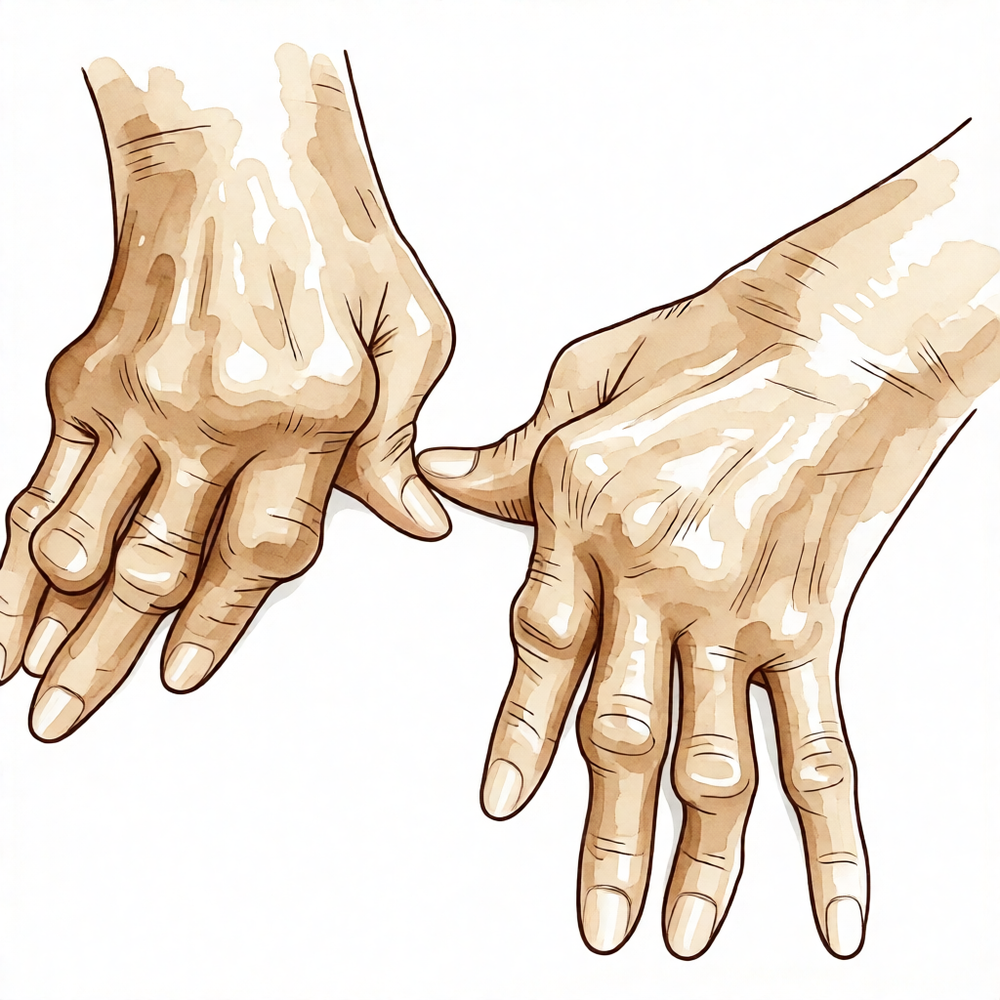
¿Por qué se ha recomendado esta operación?
El Dr. Kieran Hirpara, cirujano de extremidades superiores en el Mater Private Hospital Rockhampton, comienza por proponer las opciones menos invasivas que se adapten a su condición. Por lo general, los pacientes son derivados a nuestra clínica por su médico de cabecera; si un fisioterapeuta le ha sugerido que nos consulte, igualmente necesitará una derivación de su médico de cabecera para poder acceder al reembolso de Medicare. En su consulta, tomamos su historia clínica, examinamos su mano y, si es necesario, solicitamos estudios de imagen. Esto nos permite conocer el estado real de la articulación.
Esta operación consiste en sustituir la articulación metacarpofalángica (del nudillo) —la articulación donde el dedo o el pulgar se unen a la mano— por un implante artificial. Por lo general, se indica cuando la superficie articular está muy deteriorada por la artritis y otros tratamientos no han logrado aliviar los síntomas. En casos de desgaste crónico, primero intentamos tratamientos no quirúrgicos: modificación de actividades, fisioterapia o terapia de la mano, y uso de férulas. La cirugía se considera únicamente cuando estas medidas no han sido suficientes. El objetivo es aliviar el dolor, mejorar la función de la mano y proteger las articulaciones adyacentes. En algunos pacientes, también ayuda a restaurar la estabilidad de una articulación que se ha vuelto inestable o deformada.
Antes de la operación
En las semanas previas a la cirugía, confirmamos el plan terapéutico mediante nuevas imágenes de su mano, como radiografías, resonancias magnéticas o ecografías. Estas imágenes nos permiten observar el estado de la articulación dañada y elegir el implante adecuado. Recibirá instrucciones claras sobre el ayuno: no debe comer ni beber nada durante siete horas antes de la operación. Pedimos que se respeten esas siete horas en lugar de un tiempo menor para que, si el programa quirúrgico avanza antes de lo previsto, pueda realizarse la intervención sin demora. Algunos medicamentos deben suspenderse antes de la cirugía; su cirujano le indicará cuáles y cuándo hacerlo. Si padece otras enfermedades, es posible que necesite análisis de sangre o una evaluación con el anestesista. El día de la operación, lleve una lista de los medicamentos que toma actualmente, organice el transporte a casa y vístase con ropa cómoda y de mangas anchas.
El día de la intervención
Llega usted a la unidad de admisiones quirúrgicas del hospital, donde se le registra y se le prepara para el quirófano. Conoce al anestesista, el médico encargado de administrarle la anestesia y controlar el dolor durante la cirugía. Esta operación se realiza bajo anestesia general. En ocasiones, se añade un bloqueo nervioso regional para aliviar el dolor postoperatorio; el anestesista hablará con usted al respecto ese mismo día. A continuación, se le lleva al quirófano, donde se lleva a cabo la intervención.
Una vez finalizada la operación, despierta usted en la sala de recuperación. Las enfermeras le vigilan mientras la anestesia va desapareciendo. Cuando su estado se estabiliza, según el tipo de procedimiento y cómo evolucione su recuperación, se le traslada a una sala de hospitalización o se le permite volver a casa el mismo día.
¿En qué consiste la operación?
El cirujano realiza una pequeña incisión en la parte posterior de la articulación para acceder a las superficies articulares dañadas. Se eliminan y se moldean los extremos óseos dañados para dejar espacio al implante. El implante más habitual es un espaciador flexible que se coloca entre los dos huesos, permitiendo nuevamente el movimiento de la articulación y aliviando el dolor. El objetivo es reducir el dolor, mejorar la movilidad y proteger las articulaciones adyacentes.
Existen distintos tipos de implantes, adecuados para diferentes articulaciones y problemas. En algunos pacientes se utiliza un espaciador de silicona blanda; en otros, especialmente cuando los ligamentos circundantes son fuertes y los dedos vecinos brindan soporte, se elige un implante más rígido con forma similar a la superficie natural de la articulación. El cirujano seleccionará el implante que mejor se adapte a su articulación y a su condición clínica.
Una vez colocado el implante, el cirujano verifica que el dedo quede alineado y se mueva con suavidad, además de equilibrar los tejidos blandos alrededor de la articulación para garantizar su estabilidad. Posteriormente, se cierran los bordes de la incisión con puntos de sutura y se cubre con un apósito. Este apósito se mantiene durante unos 10 días, tal como se explica en la sección “Después de la operación”.
En algunos casos de articulaciones metacarpofalángicas del pulgar, una alternativa al implante es la fusión ósea: se unen los huesos para eliminar la articulación dolorosa, aunque esto impide que esa parte del pulgar se doble. Antes de que firme el formulario de consentimiento, el cirujano le explicará cuál de estas opciones es la más adecuada para su caso.
Después de la operación
Despertará en la sala de recuperación, donde las enfermeras lo vigilarán de cerca mientras el efecto de la anestesia desaparece. Su mano estará cubierta con un vendaje grueso, y le administraremos analgésicos para que se sienta cómodo. Durante las primeras 24 horas después de llegar a casa, debería haber alguien con usted. Puede moverse con normalidad, pero vaya con calma y mantenga la mano elevada sobre un cojín cuando esté sentado. Su equipo le informará si podrá irse a casa el mismo día o si deberá permanecer una noche en el hospital. Dejamos el vendaje puesto durante unos 10 días; por favor, no lo retire antes de ese plazo a menos que se lo indiquemos. Lo cambiaremos o lo retiraremos cuando vengamos a verlo.
Recuperación
Durante los primeros días, su mano estará adolorida e hinchada; los nudillos podrían sentirse rígidos y sensibles. Mantener la mano elevada sobre una almohada ayuda a reducir la hinchazón, y los analgésicos que le administramos le brindarán comodidad. El malestar disminuirá gradualmente a medida que la articulación cicatriza.
Al principio, su mano llevará un vendaje grueso, el cual permanecerá puesto durante unos 10 días. Cuando venga a consulta, lo cambiaremos o lo retiraremos para revisar la piel en proceso de curación. La rehabilitación posterior a esta cirugía consiste en terapia de mano con Ruby Doolan en Extend Rehabilitation. Ella le guiará en los ejercicios y, si es necesario, le confeccionará una férula. Estos ejercicios protegen la nueva articulación mientras su dedo o pulgar recuperan la movilidad; además, le enseñarán cómo utilizar la mano en las actividades cotidianas sin sobrecargarla.
A medida que la hinchazón disminuye, doblar y estirar la mano suele resultar más fácil. Una vez que pueda agarrar y pellizcar sin dolor, las tareas diarias como vestirse, comer y escribir le parecerán más naturales. Muchas personas observan que el principal beneficio es el alivio del dolor previo a la cirugía, además de una mejor funcionalidad de la mano en la vida diaria.
No debe conducir mientras su mano lleve férula o mientras esté tomando analgésicos fuertes; además, debe ser capaz de sujetar el volante con ambas manos y reaccionar en caso de una frenada de emergencia. Nuestra guía independiente sobre la conducción tras una cirugía de miembro superior explica cuándo es seguro volver a conducir.
La recuperación varía según cada persona, por lo que su cronograma podría ser distinto. En cada control, tanto nosotros como su terapeuta de mano le brindaremos orientación.
Qué puede salir mal
La mayoría de los pacientes evolucionan bien, pero en ocasiones pueden surgir problemas. Su cirujano y el equipo lo vigilarán de cerca para detectar cualquier anomalía a tiempo.
Las infecciones son poco frecuentes tras este tipo de prótesis articular. Preste atención a la piel alrededor de la herida. Si nota enrojecimiento que se extiende desde la zona quirúrgica, calor, secreción o un dolor profundo y palpitante que no cede con analgésicos comunes, comuníquese con la clínica de inmediato. Si presenta fiebre o malestar general, acuda a urgencias.
En algunas ocasiones, la nueva articulación puede salirse de su posición; esto se denomina dislocación. Podría percibir un cambio brusco en la posición de la articulación, con el dedo o pulgar en un ángulo anómalo y sin capacidad de moverse normalmente. En tal caso, llame a la clínica sin demora.
Con el tiempo, la prótesis puede desgastarse, aflojarse, agrietarse o doblarse. Entre los signos se incluyen el regreso del dolor que antes había desaparecido, nuevos chasquidos o crujidos, o que el dedo se desvíe de su posición habitual. Comente estos cambios en su próxima revisión; si aparecen repentinamente, llame antes.
También es posible que los huesos circundantes a la prótesis se fracturen durante la intervención. Su cirujano verifica esto antes de que abandone el quirófano; por lo general, la fractura se soluciona con un período más corto de inmovilización mediante férula.
Si surge algún problema, a veces es necesaria una cirugía adicional para corregirlo. Esto podría implicar volver a colocar la prótesis o, si el reemplazo no es viable, unir los huesos de esa articulación para que se fusionen en una sola pieza. Esta segunda opción elimina el dolor pero impide el movimiento articular. Su cirujano le explicará cuál alternativa conviene a su caso si llega a ser necesario.
Algunas personas notan rigidez o debilidad persistente en el dedo o pulgar tras la cirugía. La terapia de mano resulta útil en estos casos; por ello, mencione el tema en sus citas de seguimiento en lugar de esperar.
En la tabla de complicaciones de esta página se detallan las tasas habituales; si desea conocer los datos específicos, puede consultarla.
¿Cuándo deben contactarnos?
La mayoría de los problemas aparecen en las primeras semanas, por lo que es útil saber qué señales hay que vigilar. Llámenos si observan que el enrojecimiento se extiende desde la herida, si hay secreción, fiebre o un dolor que empeora progresivamente. Acudan a urgencias si tienen fiebre y se sienten mal, o si la pantorrilla se hincha y está sensible al tacto. La dificultad repentina para respirar también requiere atención de urgencia. Llámenos de inmediato si el dedo o el pulgar se desplazan de repente de su posición, quedan en un ángulo extraño o no pueden moverlos. La entumecimiento o hormigueo que no desaparece también requiere una evaluación rápida. Si tienen dudas, llámenos.
En mayor profundidad
Advanced reading: the deeper science (optional)
Esta sección profundiza más de lo necesario para que usted tome sus propias decisiones de tratamiento. La artroplastia de las articulaciones metacarpofalángicas (de los nudillos) merece una lectura más detallada debido a un dato curioso: el implante más utilizado en la actualidad es, básicamente, el diseño introducido en la década de 1960, y ha resistido el paso del tiempo mejor que cualquier otro material creado para sustituirlo. Comprender el motivo explica cuál es, en realidad, el propósito de esta intervención.
El silicón no se ha desplazado
Una revisión publicada en 2026 sobre la artroplastia de la articulación metacarpofalángica en pacientes con artritis reumatoide concluye que esta intervención sigue desempeñando un papel fundamental en el tratamiento de la mano reumatoide, y que pese a los avances en la tecnología de implantes, la artroplastia con silicón flexible proporciona una mejora funcional y estética fiable en pacientes debidamente seleccionados [1].
Sesenta años de avances en ciencia de materiales han dado lugar a alternativas como implantes de metal-plástico y pirocarbono; sin embargo, el espaciador de silicón sigue siendo el estándar de referencia. Esto resulta inusual en el ámbito de las prótesis articulares, donde los implantes de cadera y rodilla han sido continuamente mejorados durante el mismo período.
La razón es que este implante no cumple la función que su nombre sugiere: no recubre la articulación para restaurar su superficie de deslizamiento. Se trata, más bien, de un espaciador flexible que mantiene un espacio entre los huesos y actúa como una férula interna mientras el tejido cicatricial se forma a su alrededor, creando una nueva cápsula articular. El resultado final se debe al proceso de curación, no al propio dispositivo; por eso, la mejora de la superficie de contacto nunca se ha traducido en mejores resultados clínicos.
Resumen honesto de los resultados
Un análisis sobre la artroplastia con implantes en las articulaciones de los dedos y el pulgar lo resume bien: dicha artroplastia produce de manera predecible alivio del dolor y un alto nivel de satisfacción, pero históricamente ha presentado tasas elevadas de complicaciones; si bien los materiales metálico-plásticos y el pirocarbono han evolucionado, las tasas de supervivencia del implante y de reoperación siguen siendo motivo de preocupación [2].
Ambos aspectos son importantes. Los pacientes suelen quedar satisfechos con estas intervenciones: el dolor desaparece, la apariencia mejora, la mano funciona mejor en las actividades cotidianas; sin embargo, los implantes tienen una vida útil limitada y una tasa real de reoperaciones. La satisfacción y la durabilidad son cuestiones distintas, y en este caso la intervención obtiene mejores resultados en cuanto a satisfacción.
En cuanto a la osteoartritis, la evidencia es escasa
La mayor parte de la literatura se centra en la artritis reumatoide, ya que en este caso la deformidad que se corrige es más pronunciada. En el caso de la osteoartritis, la situación es menos clara: la evidencia disponible se compone de cohortes retrospectivas con tamaños de muestra reducidos y un seguimiento relativamente breve [3].
Cabe destacar que, cuando los autores manifiestan una preferencia por el pirocarbono frente al silicona en pacientes con osteoartritis, lo hacen basándose en el potencial de mejorar la estabilidad y la alineación; los datos al respecto se describen como preliminares [3]. Se trata de una postura razonable, pero debe entenderse como una deducción basada en el mecanismo de acción y no en una superioridad demostrada empíricamente.
La durabilidad se está convirtiendo en un problema cada vez más importante
Una preocupación planteada hace casi dos décadas ha ido en aumento en lugar de resolverse: la durabilidad de los implantes cobra mayor importancia a medida que aumenta la esperanza de vida y que estas cirugías se realizan en pacientes más jóvenes y activos, quienes someterán a los implantes a cargas durante periodos más prolongados [4]. Un implante que ofrece un rendimiento aceptable durante diez años es una cosa a los 75 años, pero otra muy distinta a los 55.
En la práctica, esto es motivo para tener claro qué se espera lograr con la cirugía. Para el alivio del dolor, la corrección de deformidades y la mejora de la función en manos sometidas a un esfuerzo mecánico moderado, se trata de una intervención ampliamente respaldada y con un historial demostrado. No obstante, como reconstrucción duradera destinada a un uso intensivo durante décadas, no lo es.
Referencias
[1] Herren DB. Equilibrio en la artroplastia de la articulación metacarpofalángica en la artritis reumatoide. J Hand Surg Eur Vol. 2026;51(6):778-84. https://doi.org/10.1177/17531934261430139
[2] Srnec JJ, Wagner ER, Rizzo M. Artroplastia con implantes para la degeneración de las articulaciones interfalángicas proximales, metacarpofalángicas y trapeciometacarpianas. J Hand Surg Am. 2017;42(10):817-25. https://doi.org/10.1016/j.jhsa.2017.07.030
[3] Martin AS, Awan HM. Artroplastia metacarpofalángica para la artrosis. J Hand Surg Am. 2015;40(9):1871-2. https://doi.org/10.1016/j.jhsa.2015.05.019
[4] Goldfarb CA, Dovan TT. Artritis reumatoide: indicaciones, técnica y resultados de la artroplastia metacarpofalángica con silicona. Hand Clin. 2006;22(2):177-82. https://doi.org/10.1016/j.hcl.2006.02.001
Evidence & references
This is the clinical evidence summary written for health professionals. It is technical, and it lists the research this page was built from. You do not need to read it to understand your treatment or to make a decision about it.
Overview
- MCP joint arthroplasty was performed safely in the setting of acute complex open MCP joint trauma [1].
- Revision MCP arthroplasty is a challenging procedure with one in five patients requiring a revision procedure at 5 years [2].
- Revision MCP arthroplasty has a relatively high rate of postoperative dislocations [2].
- Dorsal capsule interposition arthroplasty provides a viable surgical option for isolated degenerative or traumatic arthritis of the MCPJ at an average follow-up of 2 years [3].
- Treatment of MCP joint arthroplasty dislocation with revision to silicone implant appears to hold the most promise in achieving a stable MCP joint after an acute prosthetic dislocation [4].
- MCP joint arthroplasty is an effective treatment option from a patient-centered perspective, improving appearance, pain, and function [5].
- Silastic interposition arthroplasty of the MCPJ is reliable in terms of pain relief and correction of deformity [6].
- Patient satisfaction with Silastic interposition arthroplasty of the MCPJ is high despite only modest improvements in the objective assessment of hand function [6].
- The nonconstrained implant design for the MCP joint can have good outcomes and excellent arc of motion in OA patients [8].
- Periprosthetic joint infection is uncommon after MCP or PIP arthroplasties [9].
- Patient expectations of MCP joint arthroplasty were uniformly high, with functional improvement being the greatest motivation for surgery [11].
- Joint goal-setting is essential for understanding patients' unique reasons for undergoing MCP arthroplasty and facilitating realistic expectations [14].
- Implant arthroplasty of the PIP, MCP, and TMC joints predictably produces pain relief and high satisfaction [24].
- Implant arthroplasty of the PIP, MCP, and TMC joints has historically suffered from high rates of complications [24].
- The evidence regarding MCP arthroplasty for OA consists of retrospective cohorts with small sample sizes and relatively short evaluations [26].
Anatomy & Pathophysiology
Joint Mechanics and Kinematics
- The metacarpophalangeal joint allows hyperextension up to approximately 20° [17].
- Radial and ulnar deviation at the metacarpophalangeal joint decreases with flexion due to the associated tightening of the collateral ligaments [17].
- Volar and proximal translation of the proximal phalanx is observed on 4-dimensional computed tomography following silicone implant arthroplasty [48].
Bony and Ligamentous Anatomy
- The metacarpophalangeal articulations serve as the keystones of the longitudinal arches of the hand [39].
- The thick anterior glenoid capsules, known as volar plates, prevent hyperextension at the metacarpophalangeal joints [39].
- The volar plates are interconnected by the transverse interglenoid ligament [39].
- The stability of the metacarpophalangeal joints is essential to the support of both the longitudinal arch and the transverse metacarpal arch [39].
- The deep transverse intermetacarpal ligament, also named the interglenoid ligament, ties together the anterior glenoid ligaments of the metacarpophalangeal articulations [39].
- The lateral accessory ligaments, sagittal bands of the extensor apparatus, and the first annular segment of the flexor tendon pulley insert on the volar plate [39].
Muscular Anatomy
- The deep head of each dorsal interosseous muscle forms a lateral tendon, or lateral band, at the level of the metacarpophalangeal joint [36].
- The deep head of the dorsal interosseous muscles flexes and weakly abducts the proximal phalanx while extending the middle and distal phalanges [36].
- Transverse fibers arch dorsally from each lateral band to join over the dorsum of the finger, flexing the proximal phalanx [36].
- Oblique fibers from the lateral bands sweep over the distal third of the proximal phalanx to insert onto the lateral tubercles at the base of the middle phalanx [36].
- The oblique fibers extend the middle phalanx at the proximal interphalangeal joint [36].
- The lateral bands are joined by the lateral slips of the extensor tendon to form the conjoined lateral band [36].
- The two conjoined lateral bands to each finger unite at the distal third of the middle phalanx to form the terminal tendon [36].
- The terminal tendon inserts at the base of the distal phalanx to extend it [36].
- The volar interossei form the ulnar lateral band of the index finger and the radial lateral band of the ring and little fingers [36].
- The flexor digiti quinti brevis forms the ulnar lateral band of the little finger [36].
Pathophysiology
- Rheumatoid arthritis is a chronic, progressive, systemic inflammatory disease that affects multiple organ systems, including the musculoskeletal system [17].
- The inflammatory process in rheumatoid arthritis is triggered and perpetuated by a cascade of mediators that result in synovial proliferation, collagenous destruction of the cartilage and soft tissues, and bone resorption [17].
- The metacarpophalangeal joint is the most common site of involvement in the rheumatoid hand [17].
- The metacarpophalangeal and proximal interphalangeal joints of the hand are typically involved early in rheumatoid arthritis [17].
Classification
- Silicone rubber implants are the most frequently used device for treatment of revised metacarpophalangeal arthroplasty [17].
- The nonconstrained implant design for the MCP joint can have good outcomes and excellent arc of motion in osteoarthritis patients [8].
- Pyrocarbon implants were designed as a resurfacing implant for the MCP joint [28].
- A radiographic classification system was modified to differentiate stable implant migration patterns (grade 2) from unstable patterns (grade 3) based on cortical breach status [28].
- In a radiographic analysis of 37 pyrocarbon arthroplasties, 34 (92%) were determined to be stable at last follow-up [28].
- Three (7%) pyrocarbon implants became unstable from migration, all involving grade 3 implant loosening [28].
- Evidence of implant subsidence greater than 1 mm occurred in 6 (16%) of 37 pyrocarbon implants [28].
- Postoperative ulnar deviation greater than 10° occurred in 8 (22%) fingers following pyrocarbon arthroplasty [28].
- Implant fractures in silicone MCP arthroplasty are determined based on criteria including lucent lines, fragmentation, translation greater than one-half the diameter of the bone, and dislocation defined as proximodistal overlap more than one-half the width of the midportion of the implant [20].
- Coronal plane deviation greater than 45° is an additional criterion for determining implant fracture or instability in silicone MCP arthroplasty [20].
Clinical Presentation
Indications and Etiology
- Metacarpophalangeal joint arthroplasty is most often performed in patients with rheumatoid arthritis, although it is occasionally performed for joints affected by osteoarthritis [17].
- Dorsal capsule interpositional arthroplasty provides a viable surgical option for isolated degenerative or traumatic arthritis of the MCPJ [3].
- Metacarpophalangeal joint arthroplasty continues to play a central role in the management of the rheumatoid hand [15].
Patient Expectations and Motivation
Functional Outcomes and Range of Motion
- Silastic interposition arthroplasty of the MCPJ is reliable in terms of pain relief and correction of deformity, and patient satisfaction is high despite only modest improvements in the objective assessment of hand function [6].
- Pain ratings and MCP arc of motion significantly improved following arthroplasty for noninflammatory arthritis [10].
- Implant arthroplasty of the PIP, MCP, and TMC joints predictably produces pain relief and high satisfaction but has historically suffered from high rates of complications [24].
- This study showed improved range of motion and DASH score, excellent pain relief, and excellent patient satisfaction in patients undergoing MCP arthroplasty for nonrheumatic arthritis [30].
- Swanson arthroplasty frequently results in a range of flexion of the MP joint of the little finger that may be insufficient for its principal functions [19].
Complications and Complications Management
- Revision MCP arthroplasty is a challenging procedure with one in five patients requiring a revision procedure at 5 years and a relatively high rate of postoperative dislocations [2].
- The treatment of MCP joint arthroplasty dislocation with revision to silicone implant appears to hold the most promise in achieving a stable MCP joint after an acute prosthetic dislocation [4].
- Increasing MCP joint flexion range was associated with increased fractures of the implants in silicone metacarpophalangeal joint arthroplasty for patients with rheumatoid arthritis [7].
- If squeaking is associated with pain and swelling, revision MCP joint arthroplasty is recommended to identify and correct the underlying cause, such as implant subsidence or an incongruous joint [53].
- An articulating spacer allows movement of the joint and reduces the chance of immobilisation associated complications such as bone loss, joint stiffness, and soft tissue contracture in the management of infected MCPJ arthroplasties [13].
Investigations
- A careful physical examination is essential to direct care and future testing if indicated [27].
- Diagnostic tests such as imaging and serum laboratory studies are useful in determining pathology but can be expensive, time consuming, and often nonspecific [27].
Treatment
Indications and Patient Expectations
- MCP joint arthroplasty is most often performed in patients with rheumatoid arthritis, though it is occasionally performed for osteoarthritis [17].
- The MCP joint is the most common site of involvement in the rheumatoid hand [17].
- MCP joint arthroplasty continues to play a central role in the management of the rheumatoid hand [15].
- Given improvements in the medical management of rheumatoid disease, the indications for and long-term expectations of silicone metacarpophalangeal arthroplasty must be carefully examined [50].
Implant Types and Outcomes
- Both NeuFlex and Swanson implant groups obtained satisfactory clinical improvement after MCP reconstruction of the hand [12].
- Pain ratings and MCP arc of motion significantly improved following surface replacement arthroplasty in metacarpophalangeal joints affected by noninflammatory arthritis [10].
- Good pain relief, a functional range of motion, and high satisfaction were seen in the majority of patients undergoing pyrocarbon metacarpophalangeal joint arthroplasty for noninflammatory arthritis [31].
- Silicone arthroplasty for nonrheumatic metacarpophalangeal joint arthritis showed improved range of motion and DASH score, excellent pain relief, and excellent patient satisfaction [30].
- Follow-up studies show that MCP arthroplasty improves function and deformity and achieves nearly uniform patient satisfaction [17].
Alternative Techniques
- Limited clinical follow-up in a perichondrium transplant group showed reasonably good, and in some cases excellent, results several decades after the surgery, especially at the MCP level [16].
- Arthrodesis has been the gold standard in treating isolated end-stage MP arthritis, whether inflammatory or post-traumatic arthropathies [32].
- Arthrodesis is able to provide effective pain relief as well as restore stability to the joint, even in the setting of severe arthritis [32].
- The key to why MP fusion in the thumb is so successful lies in the relatively negligible loss of motion that results from MP fusion [32].
- By fusing the MP joint between 20 and 40° of flexion, stress can be relieved from the CMC joint by minimizing the activity required at the CMC for thumb opposition [32].
Complications and Revision
- Metallosis is a potential long-term complication of grommets in silicone MCP joint arthroplasty, and given the lack of documented benefit from grommets, the authors recommend against their use [52].
- Static spacers with consequent immobilisation can lead to bone loss, joint stiffness and soft tissue contracture, often causing significant complications at reimplantation [13].
- An articulating spacer allows movement of the joint and reduces the chance of immobilisation associated complications [13].
- An articulated spacer technique can be considered as an option to maintain motion while treating infected MCPJ arthroplasties and the co-morbidity resulting from immobilisation of the whole hand [13].
Specific Clinical Scenarios
Complications
Dislocation and Instability
- Revision MCP arthroplasty is associated with a relatively high rate of postoperative dislocations [2].
- Treatment of acute MCP joint arthroplasty dislocation with revision to a silicone implant appears to hold the most promise in achieving a stable MCP joint [4].
- In a cohort of 37 cases, acute prosthetic dislocation was managed with revision surgery [4].
Implant Fracture and Failure
- One in five patients undergoing revision MCP arthroplasty required a revision procedure at 5 years [2].
- Increasing MCP joint flexion range was associated with increased fractures of silicone implants in patients with rheumatoid arthritis [7].
- In a longitudinal analysis of 325 cases, implant fractures were determined based on criteria including lucent lines, fragmentation, translation greater than one-half the diameter of the bone, and dislocation defined as proximodistal overlap more than one-half the width of the midportion of the implant [20].
- In a study of 40 silicone implants for MCP osteoarthritis, radiographs demonstrated fractured implants in 5 of 40 (12.5%) implants, although none of these patients had clinical instability, pain, or deterioration in range of motion [33].
- For the Neuflex silicone implant, survivorship at 7 years was 88% when revision was the end point, but dropped to 68% when implant fracture was the end point [56].
- In a study of pyrocarbon arthroplasty for rheumatoid arthritis, complication and overall reoperation rates were high, with 1 in 10 patients undergoing revision within 5 years postoperatively [57].
- Patients with greater hand function preoperatively may be at higher risk of revision surgery after silicone MCP arthroplasty for inflammatory arthritis [18].
Infection
- Periprosthetic joint infection (PJI) is uncommon after MCP or PIP arthroplasties [9].
- Management of infected MCP joint replacements can involve removing the prosthesis and inserting gentamycin-loaded bone cement balls for 3 weeks before a final exchange operation [13].
- Static spacers used in MCPJ infection management can lead to bone loss, joint stiffness, and soft tissue contracture, often causing significant complications at reimplantation [13].
- An articulating spacer allows movement of the joint and reduces the chance of immobilization-associated complications compared to static spacers [13].
Other Complications
- Intraoperative periprosthetic fractures are associated with metacarpophalangeal joint arthroplasty [21].
- Swanson arthroplasty frequently results in a range of flexion of the MCP joint of the little finger that may be insufficient for its principal functions [19].
- In a study of pyrocarbon arthroplasty for osteoarthritis, postoperative ulnar deviation greater than 10° occurred in 8 (22%) fingers [28].
- In a study of pyrocarbon arthroplasty for osteoarthritis, 3 (7%) implants became unstable from migration, all with grade 3 implant loosening [28].
- Evidence of implant subsidence greater than 1 mm occurred in 6 (16%) of 37 pyrocarbon implants, but no implants studied at more than 1 year after surgery demonstrated progressive subsidence resulting in implant instability [28].
- Implant arthroplasty of the MCP joint has historically suffered from high rates of complications [24].
Recovery
Functional Outcomes and Patient Satisfaction
- MCP joint arthroplasty improves appearance, pain, and function from a patient-centered perspective [5].
- Silastic interposition arthroplasty of the MCPJ is reliable for pain relief and correction of deformity [6].
- Patient satisfaction is high following Silastic interposition arthroplasty despite only modest improvements in the objective assessment of hand function [6].
- The HAPY spherical pyrocarbon interposition arthroplasty for the metacarpophalangeal joint demonstrates satisfactory short- to mid-term outcomes with considerable improvements in pain relief and joint mobility [59].
Complications and Revision
Patient Expectations and Indications
Specialized Scenarios
Key Evidence
- [L4] MCP joint arthroplasty was performed safely in the setting of acute complex open MCP joint trauma. [1] (10.1016/j.jhsa.2015.09.012)
- [L4] Revision MCP arthroplasty is a challenging procedure with one in five patients requiring a revision procedure at 5 years and a relatively high rate of postoperative dislocations. [2] (10.5435/jaaos-d-17-00042)
- [L4] This technique of dorsal capsule interposition arthroplasty provides a viable surgical option for isolated degenerative or traumatic arthritis of the MCPJ at an average follow-up of 2 years. [3] (10.1177/1558944720911215)
- [L4] The treatment of MCP joint arthroplasty dislocation with revision to silicone implant appears to hold the most promise in achieving a stable MCP joint after an acute prosthetic dislocation. [4] (10.1016/j.jhsa.2017.10.001)
- [L4] MCP joint arthroplasty is an effective treatment option from a patient-centered perspective, improving appearance, pain, and function. [5] (10.1016/j.hcl.2006.02.001)
- [L4] Silastic interposition arthroplasty of the MCPJ is reliable in terms of pain relief and correction of deformity, and patient satisfaction is high despite only modest improvements in the objective assessment of hand function. [6] (10.1054/jhsb.2000.0402)
- [L4] Increasing MCP joint flexion range was associated with increased fractures of the implants. [7] (10.1016/j.jhsa.2020.09.002)
- [L5] The nonconstrained implant design for the MCP joint can have good outcomes and excellent arc of motion in OA patients. [8] (10.1016/j.jhsa.2012.11.025)
- [L4] PJI is uncommon after MCP or PIP arthroplasties. [9] (10.1016/j.jhsa.2024.12.008)
- [L4] Pain ratings and MCP arc of motion significantly improved following arthroplasty. [10] (10.1177/15589447211028917)
- [L1] Patient expectations of MCP joint arthroplasty were uniformly high, with functional improvement being the greatest motivation for surgery. [11] (10.1016/j.jhsa.2011.02.002)
- [L1] Both implant groups obtained satisfactory clinical improvement after MCP reconstruction of the hand. [12] (10.1016/j.jhsa.2009.09.020)
- [L5] [13] (10.1177/17531934251323067)
- [L4] Joint goal-setting is essential for understanding patients' unique reasons for undergoing MCP arthroplasty and facilitating realistic expectations. [14] (10.1002/msc.1061)
- [L5] Metacarpophalangeal joint arthroplasty continues to play a central role in the management of the rheumatoid hand. [15] (10.1177/17531934261430139)
- [L3] [16] (10.1186/s12891-020-03687-3)
- [L5] [17] (10.5435/00124635-200305000-00005)
- [L3] Patients with greater hand function preoperatively may be at higher risk of revision surgery. [18] (10.1177/1558944719831236)
- [L4] Our experience with this cohort, a review of published literature, and a survey of international experts suggest that Swanson arthroplasty frequently results in a range of flexion of the MP joint of the little finger that may be insufficient for its principal functions. [19] (10.1007/s11552-007-9051-5)
- [L4] [20] (10.1177/1753193418778461)
- [L3] [21] (10.1016/j.jhsa.2014.12.038)
- [L4] Implant arthroplasty of the PIP, MCP, and TMC joints predictably produces pain relief and high satisfaction but has historically suffered from high rates of complications. [24] (10.1016/j.jhsa.2017.07.030)
- [L4] The evidence regarding MCP arthroplasty for OA consists of retrospective cohorts with small sample sizes and relatively short evaluations. [26] (10.1016/j.jhsa.2015.05.019)
- [L4] [28] (10.1016/j.jhsa.2022.08.013)
- [L3] This study showed improved range of motion and DASH score, excellent pain relief, and excellent patient satisfaction in patients undergoing MCP arthroplasty for nonrheumatic arthritis. [30] (10.1016/j.jhsa.2013.09.016)
- [L4] Good pain relief, a functional range of motion, and high satisfaction were seen in the majority of patients. [31] (10.1016/j.jhsa.2015.06.104)
- [L5] [32] (10.1016/j.hcl.2006.02.010)
- [L4] [33] (10.1016/j.jhsa.2017.10.010)
- [L4] Volar and proximal translation of the proximal phalange was observed on 4-dimensional computed tomography. [48] (10.1016/j.jhsa.2021.10.001)
- [L4] Given these findings, the indications for and long-term expectations of silicone metacarpophalangeal arthroplasty must be carefully examined in light of the improvements in the medical management of rheumatoid disease. [50] (10.2106/00004623-200310000-00001)
- [Case_report] Metallosis is a potential long-term complication of grommets in silicone MCP joint arthroplasty, and given the lack of documented benefit from grommets, the authors recommend against their use. [52] (10.1007/s11552-012-9401-9)
- [L5] If squeaking is associated with pain and swelling, revision MCP joint arthroplasty is recommended to identify and correct the underlying cause, such as implant subsidence or an incongruous joint. [53] (10.1016/j.jhsg.2022.10.002)
- [L4] [56] (10.1177/1753193408094437)
- [L4] Complication and overall reoperation rates were high, while 1 in 10 undergo revision within 5 years postoperatively. [57] (10.1177/15589447211063577)
- [L4] The HAPY spherical pyrocarbon interposition arthroplasty for the metacarpophalangeal joint demonstrates satisfactory short- to mid-term outcomes, with considerable improvements in pain relief and joint mobility. [59] (10.1016/j.jhsg.2025.100804)
References
[1] Metacarpophalangeal Joint Arthroplasty in the Setting of Trauma. The Journal of Hand Surgery. 2015. DOI: 10.1016/j.jhsa.2015.09.012
[2] Revision Metacarpophalangeal Arthroplasty: A Longitudinal Study of 128 Cases. Journal of the American Academy of Orthopaedic Surgeons. 2019. DOI: 10.5435/jaaos-d-17-00042
[3] Dorsal Capsule Interpositional Arthroplasty of the Metacarpophalangeal Joint. HAND. 2020. DOI: 10.1177/1558944720911215
[4] Outcomes Following Acute Metacarpophalangeal Joint Arthroplasty Dislocation: An Analysis of 37 Cases. The Journal of Hand Surgery. 2018. DOI: 10.1016/j.jhsa.2017.10.001
[5] Rheumatoid Arthritis: Silicone Metacarpophalangeal Joint Arthroplasty Indications, Technique, and Outcomes. Hand Clinics. 2006. DOI: 10.1016/j.hcl.2006.02.001
[6] Outcome Measures Following Metacarpophalangeal Joint Replacement. Journal of Hand Surgery. 2000. DOI: 10.1054/jhsb.2000.0402
[7] Risk Factors Contributing to Early Implant Fracture in Silicone Metacarpophalangeal Joint Arthroplasty for Patients With Rheumatoid Arthritis. The Journal of Hand Surgery. 2021. DOI: 10.1016/j.jhsa.2020.09.002
[8] Clinical and Radiographic Outcomes of Metacarpophalangeal Joint Pyrolytic Carbon Arthroplasty for Osteoarthritis. The Journal of Hand Surgery. 2013. DOI: 10.1016/j.jhsa.2012.11.025
[9] Incidence and Presentation of Periprosthetic Joint Infection After Primary Metacarpophalangeal and Proximal Interphalangeal Arthroplasty. The Journal of Hand Surgery. 2025. DOI: 10.1016/j.jhsa.2024.12.008
[10] Outcomes of Surface Replacement Arthroplasty in Metacarpophalangeal Joints Affected by Noninflammatory Arthritis. HAND. 2021. DOI: 10.1177/15589447211028917
[11] Hand Appearance as a Patient Motivation for Surgery and a Determinant of Satisfaction with Metacarpophalangeal Joint Arthroplasty for Rheumatoid Arthritis. The Journal of Hand Surgery. 2011. DOI: 10.1016/j.jhsa.2011.02.002
[12] NeuFlex and Swanson Metacarpophalangeal Implants for Rheumatoid Arthritis: Prospective Randomized, Controlled Clinical Trial. The Journal of Hand Surgery. 2010. DOI: 10.1016/j.jhsa.2009.09.020
[13] Management of an infected metacarpophalangeal joint replacement with a temporary articulated cement spacer. Journal of Hand Surgery (European Volume). 2025. DOI: 10.1177/17531934251323067
[14] Patients' Expectations, Experiences and the Determinants of Satisfaction related to Metacarpophalangeal Arthroplasty. Musculoskeletal Care. 2013. DOI: 10.1002/msc.1061
[15] Balancing metacarpophalangeal joint arthroplasty in rheumatoid arthritis. Journal of Hand Surgery (European Volume). 2026. DOI: 10.1177/17531934261430139
[16] Two-component surface replacement implants compared with perichondrium transplantation for restoration of Metacarpophalangeal and proximal Interphalangeal joints: a retrospective cohort study with a mean follow-up time of 6 respectively 26 years. BMC Musculoskeletal Disorders. 2020. DOI: 10.1186/s12891-020-03687-3
[17] Metacarpophalangeal Joint Arthroplasty in Rheumatoid Arthritis. Journal of the American Academy of Orthopaedic Surgeons. 2003. DOI: 10.5435/00124635-200305000-00005
[18] Factors Associated With Reoperation After Silicone Metacarpophalangeal Joint Arthroplasty in Patients With Inflammatory Arthritis. HAND. 2019. DOI: 10.1177/1558944719831236
[19] Insufficient Flexion of the Metacarpophalangeal Joint of the Little Finger Following Swanson Silicone Arthroplasty for Rheumatoid Arthritis. HAND. 2007. DOI: 10.1007/s11552-007-9051-5
[20] Long-term outcomes of silicone metacarpophalangeal arthroplasty: a longitudinal analysis of 325 cases. Journal of Hand Surgery (European Volume). 2018. DOI: 10.1177/1753193418778461
[21] Intraoperative Periprosthetic Fractures Associated With Metacarpophalangeal Joint Arthroplasty. The Journal of Hand Surgery. 2015. DOI: 10.1016/j.jhsa.2014.12.038
[24] Implant Arthroplasty for Proximal Interphalangeal, Metacarpophalangeal, and Trapeziometacarpal Joint Degeneration. The Journal of Hand Surgery. 2017. DOI: 10.1016/j.jhsa.2017.07.030
[26] Metacarpophalangeal Arthroplasty for Osteoarthritis. The Journal of Hand Surgery. 2015. DOI: 10.1016/j.jhsa.2015.05.019
[27] Orthopaedic Knowledge Update 13 Ebook Without Multimedia. Anatomy, Evaluation, Clinical Examination, and Imaging > Evaluation and Clinical Examination: Current Concepts.
[28] Metacarpophalangeal Joint Pyrocarbon Arthroplasty for Osteoarthritis: An Analysis of 44 Arthroplasties. The Journal of Hand Surgery. 2024. DOI: 10.1016/j.jhsa.2022.08.013
[30] Silicone Arthroplasty for Nonrheumatic Metacarpophalangeal Joint Arthritis. The Journal of Hand Surgery. 2013. DOI: 10.1016/j.jhsa.2013.09.016
[31] Pyrocarbon Metacarpophalangeal Joint Arthroplasty in Noninflammatory Arthritis: Minimum 5-Year Follow-Up. The Journal of Hand Surgery. 2015. DOI: 10.1016/j.jhsa.2015.06.104
[32] Thumb Metacarpophalangeal Arthritis: Arthroplasty or Fusion?. Hand Clinics. 2006. DOI: 10.1016/j.hcl.2006.02.010
[33] Silicone Metacarpophalangeal Arthroplasty for Osteoarthritis: Long-Term Results. The Journal of Hand Surgery. 2018. DOI: 10.1016/j.jhsa.2017.10.010
[36] Green S Operative Hand Surgery. Interosseous and Hypothenar Muscles.
[39] Exam Of The Hand Wrist 2Ed. The arches of the hand > The metacarpal arch.
[48] In Vivo Metacarpophalangeal Joint Kinematics After Silicone Implant Arthroplasty in Patients With Rheumatoid Arthritis. The Journal of Hand Surgery. 2023. DOI: 10.1016/j.jhsa.2021.10.001
[50] METACARPOPHALANGEAL JOINT ARTHROPLASTY IN RHEUMATOID ARTHRITIS. The Journal of Bone and Joint Surgery-American Volume. 2003. DOI: 10.2106/00004623-200310000-00001
[52] Metallosis Following Silicone Metacarpophalangeal Joint Arthroplasties with Grommets: Case Report. HAND. 2012. DOI: 10.1007/s11552-012-9401-9
[53] A Painful, Squeaking Pyrolytic Carbon Metacarpophalangeal Joint Replacement. Journal of Hand Surgery Global Online. 2023. DOI: 10.1016/j.jhsg.2022.10.002
[56] Survivorship of the Neuflex Silicone Implant in MCP Joint Replacement. Journal of Hand Surgery (European Volume). 2009. DOI: 10.1177/1753193408094437
[57] Outcomes of Pyrocarbon Arthroplasty in Metacarpophalangeal Joints Affected by Rheumatoid Arthritis. HAND. 2022. DOI: 10.1177/15589447211063577
[59] Functional Outcomes of Spherical Pyrocarbon HAPY Metacarpophalangeal Interposition Arthroplasty for Long Fingers: A Retrospective Study of 16 Cases. Journal of Hand Surgery Global Online. 2025. DOI: 10.1016/j.jhsg.2025.100804