Skip to content

Patients › General-Health

Comprensión de sus estudios de imagen (radiografías, ecografías, resonancia magnética, tomografía computarizada)

PDF

What X-rays, ultrasound, MRI and CT each show, and why your surgeon chooses one over another.
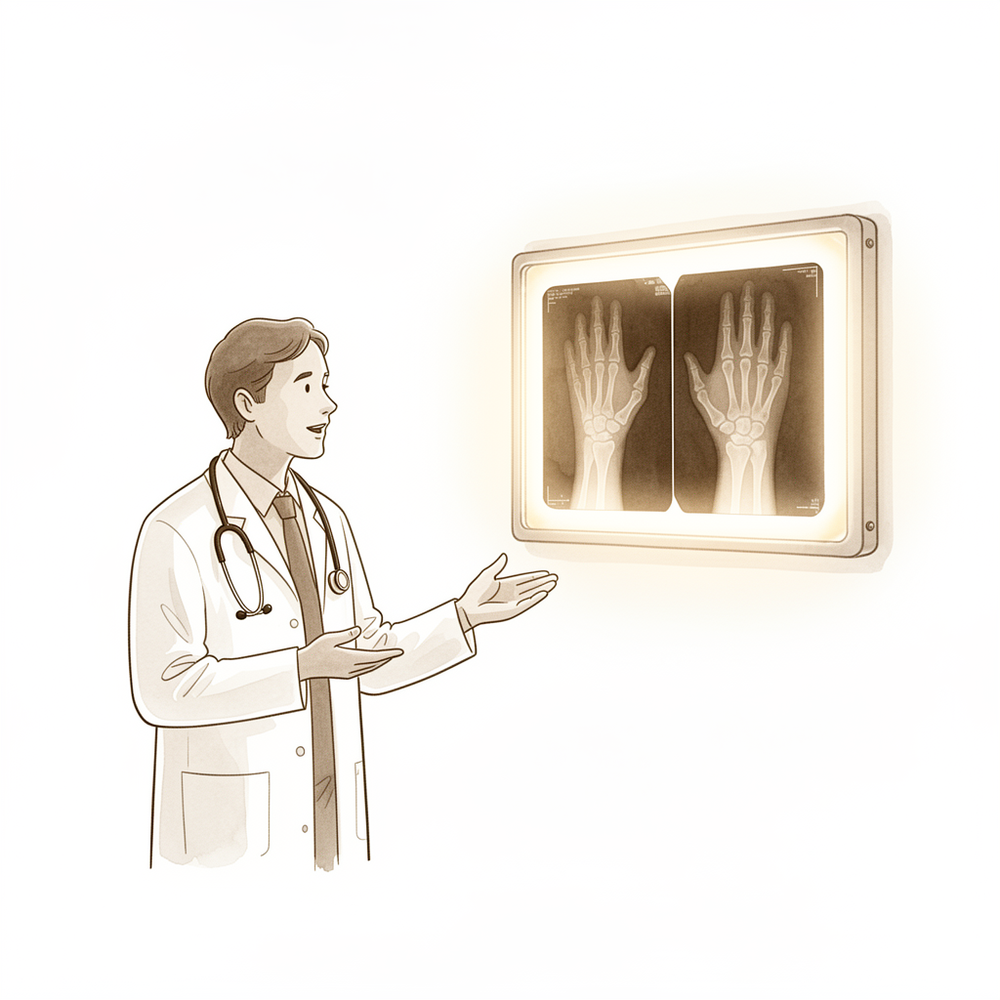
Un médico le explica a un paciente una radiografía de mano en una pantalla.
Cada tipo de escáner muestra información distinta; su cirujano selecciona el adecuado según la duda clínica y le explica qué revela. Kieran Hirpara 4.0

Esta página se tradujo automáticamente y todavía no la ha revisado un médico. La versión en inglés es la versión oficial.

Cuando su cirujano solicita una exploración, puede parecer un galimatías: radiografía, ecografía, resonancia magnética, tomografía computarizada. Cada una de ellas es una herramienta distinta que muestra información diferente; es similar a la diferencia entre una fotografía, un video y un modelo 3D. Ninguna de ellas es simplemente “mejor” que las demás; la elección adecuada depende por completo de lo que necesitemos observar. Conocer las capacidades de cada tipo de exploración elimina gran parte del misterio en torno a las indicaciones que recibe y le ayuda a comprender por qué, en ocasiones, solicitamos más de una.

¿Por qué se usan distintos tipos de escáneres? Cada uno detecta cosas diferentes

Lo más importante que hay que comprender es que cada tipo de escáner está indicado para un tipo específico de tejido. Los huesos, tendones, ligamentos, cartílago y nervios se visualizan de manera distinta; ningún escáner por sí solo permite verlos a todos perfectamente. Las radiografías son excelentes para los huesos, pero prácticamente no detectan los tendones; el ultrasonido muestra los tendones de forma clara, pero no permite ver lo que ocurre en lo profundo de la articulación. Por eso, al elegir un escáner, en realidad nos estamos haciendo una pregunta: ¿el problema está en el hueso, en los tejidos blandos o en ambos? La respuesta determina qué herramienta utilizar.

Esta es también la razón por la que a veces se realiza un escáner y luego se solicita otro. Por lo general, esto no significa que haya habido algún problema con el primer escáner; simplemente quiere decir que hemos delimitado mejor la cuestión y ahora necesitamos otro tipo de imagen para responderla.

Radiografía: la imagen de los huesos

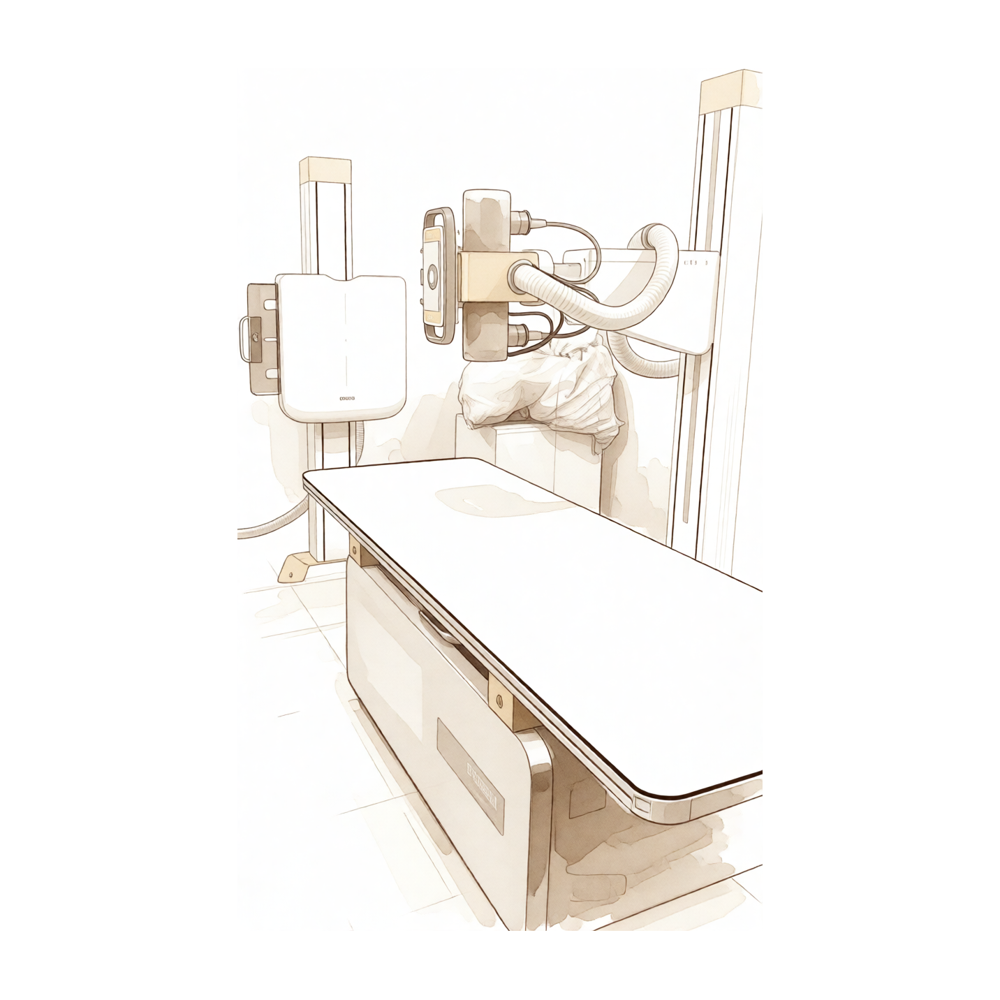
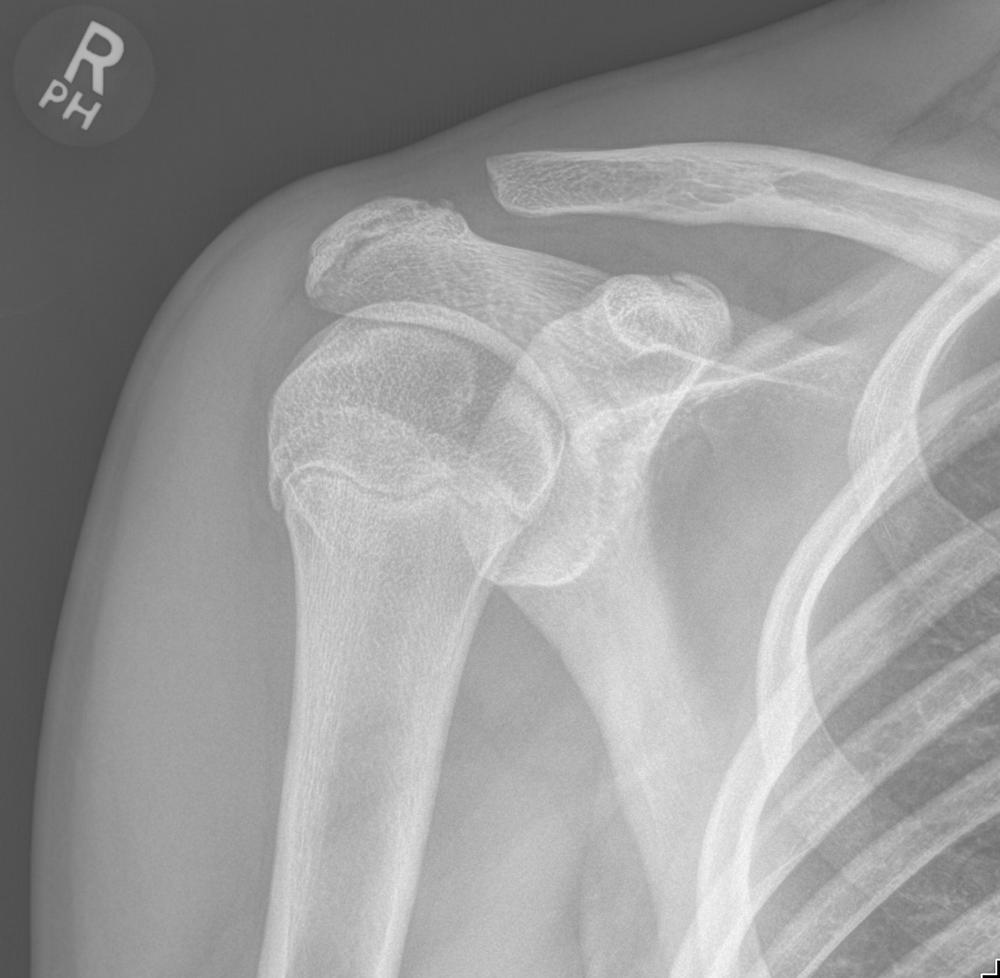
La radiografía es el estudio por imagen más rápido y conocido; sigue siendo la primera prueba para la mayoría de los problemas óseos. Consiste en hacer pasar una pequeña cantidad de radiación a través de la zona a examinar; los huesos densos aparecen de color blanco, lo que la hace ideal para detectar fracturas (huesos rotos), artritis, la alineación ósea y las dislocaciones. Es rápida, económica y está ampliamente disponible; además, la dosis de radiación es mínima.

¿Cómo funciona realmente? Las radiografías se generan en un pequeño tubo situado a un lado del paciente: la electricidad hace que los electrones se desprendan de un filamento caliente y los lanza contra un objetivo metálico; al detenerse, esa energía se libera en forma de rayos X, una clase de “luz” de muy alta energía que, a diferencia de la luz ordinaria, atraviesa directamente los tejidos blandos. (Pertenecen a la misma familia de radiaciones que los rayos gamma, pero son producidos por estos electrones y no por el núcleo del átomo). Al atravesar el cuerpo, los huesos densos absorben mucha más radiación que los tejidos blandos o el aire. Un detector plano situado al otro lado registra cuánta radiación ha pasado en cada punto: donde llega mucha radiación, la imagen resulta negra; donde llega poca (detrás de los huesos), resulta blanca; ese mapa de sombras constituye la imagen final.

Su limitación es el reverso de su ventaja: las radiografías visualizan bien los huesos, pero los tejidos blandos (tendones, ligamentos y cartílago) aparecen únicamente como vagas sombras grises. Por eso, una radiografía normal no excluye la existencia de lesiones en tejidos blandos; simplemente nos indica que los huesos parecen intactos, lo cual suele ser precisamente la confirmación que necesitamos en primer lugar.

Ecografía: una visualización en tiempo real de los tejidos blandos cercanos a la superficie

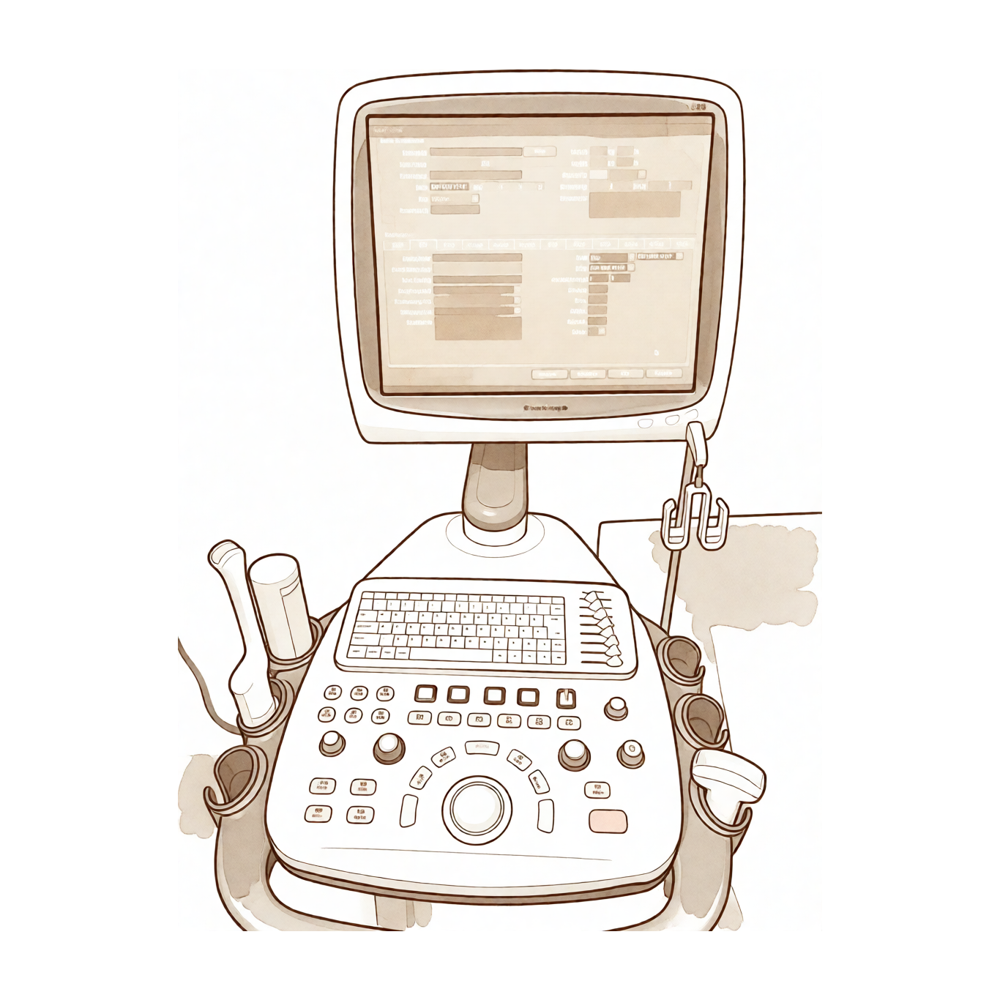
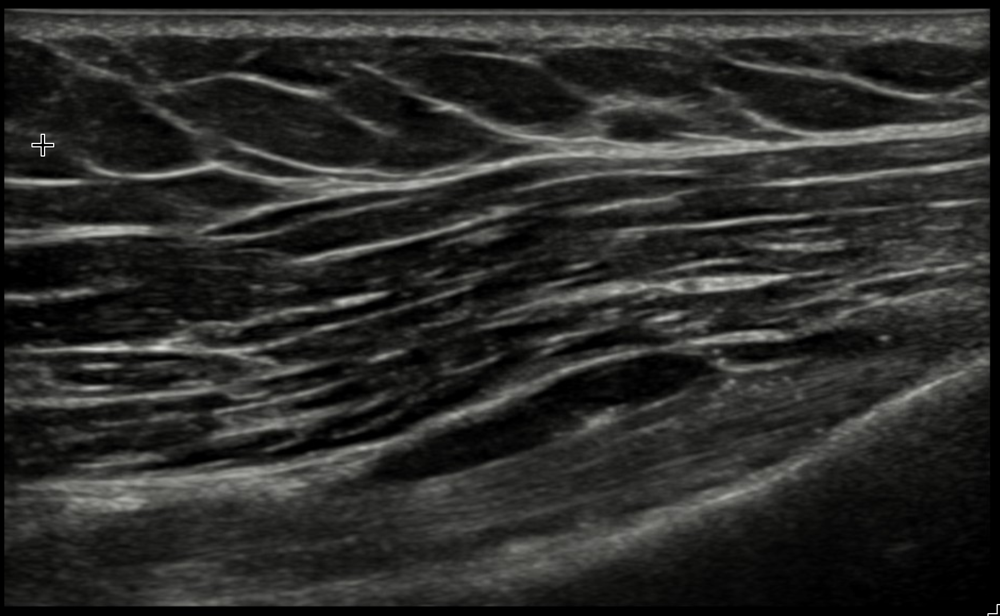
La ecografía utiliza ondas sonoras de alta frecuencia en lugar de radiación, por lo que no hay ninguna exposición a radiación. Se desliza una sonda pequeña sobre la piel tras aplicar un poco de gel; es especialmente útil para visualizar tejidos blandos que se encuentran bastante cerca de la superficie: tendones, quistes ganglionares, bolsas de líquido e inflamación.

¿Cómo funciona en realidad? La sonda contiene cristales que vibran al aplicarles un pequeño impulso eléctrico (efecto piezoeléctrico), emitiendo pulsos sonoros de frecuencia tan alta que resultan inaudibles para el oído humano. Cada vez que un pulso atraviesa la frontera entre dos tejidos distintos, parte de él se refleja de vuelta. Entonces la sonda pasa a modo “receptor” y detecta esos ecos. La máquina mide el tiempo que tarda cada eco en regresar (lo que indica la profundidad de esa frontera) y su intensidad (que determina el grado de brillo en la imagen); luego combina miles de estas mediciones por segundo para generar la imagen en tiempo real. Cuando se dirige hacia el flujo sanguíneo, también puede detectar el cambio de frecuencia de los ecos que regresan (efecto Doppler) para mostrar e incluso medir el flujo sanguíneo.

Su gran ventaja es que funciona en tiempo real. Al poder observar la imagen al instante, podemos pedirle que mueva la mano o el hombro y ver cómo se desliza el tendón en ese momento; algo que una imagen estática no puede mostrar. Por ello resulta muy útil para problemas tendinosos en la muñeca, la mano y el hombro. Lo más importante a tener en cuenta es que la ecografía depende del operador: su calidad depende de la habilidad de quien maneja la sonda, y no permite visualizar lo que hay en lo profundo de una articulación ni a través del hueso.

Resonancia magnética: la herramienta integral para tejidos blandos y huesos

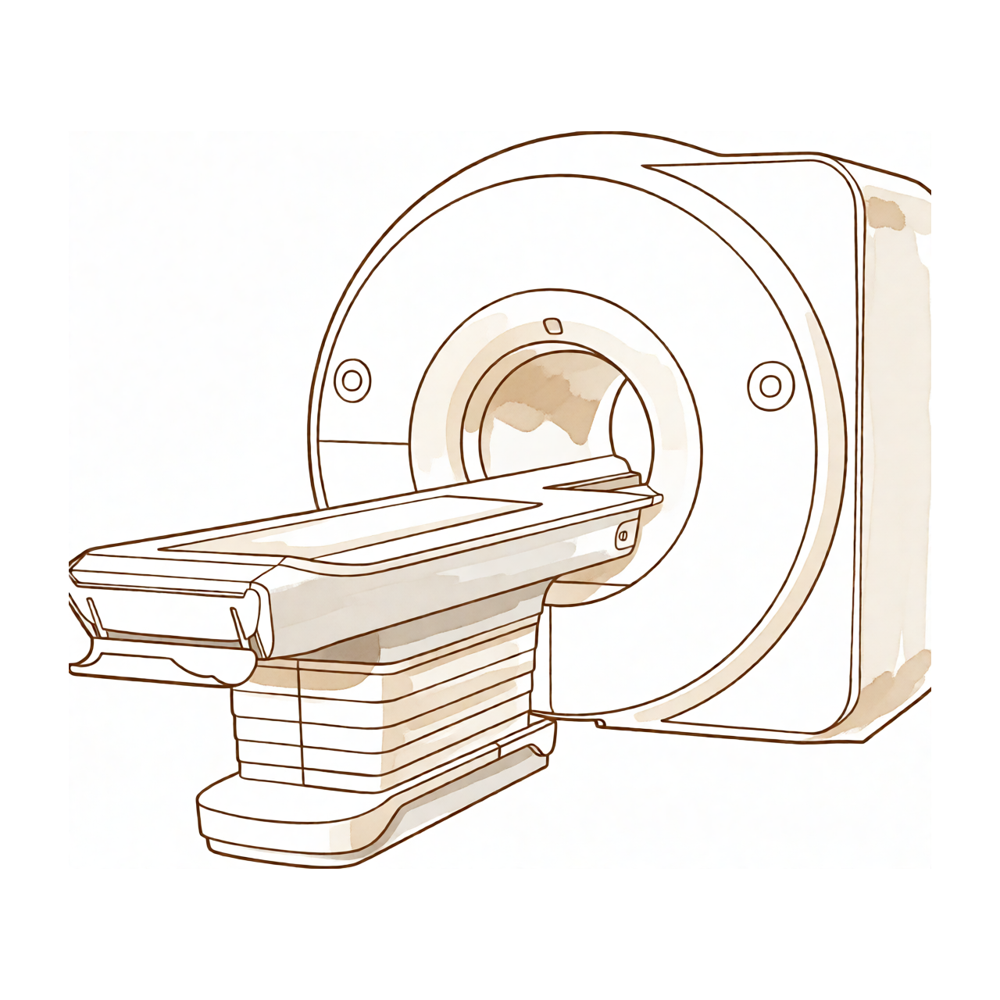
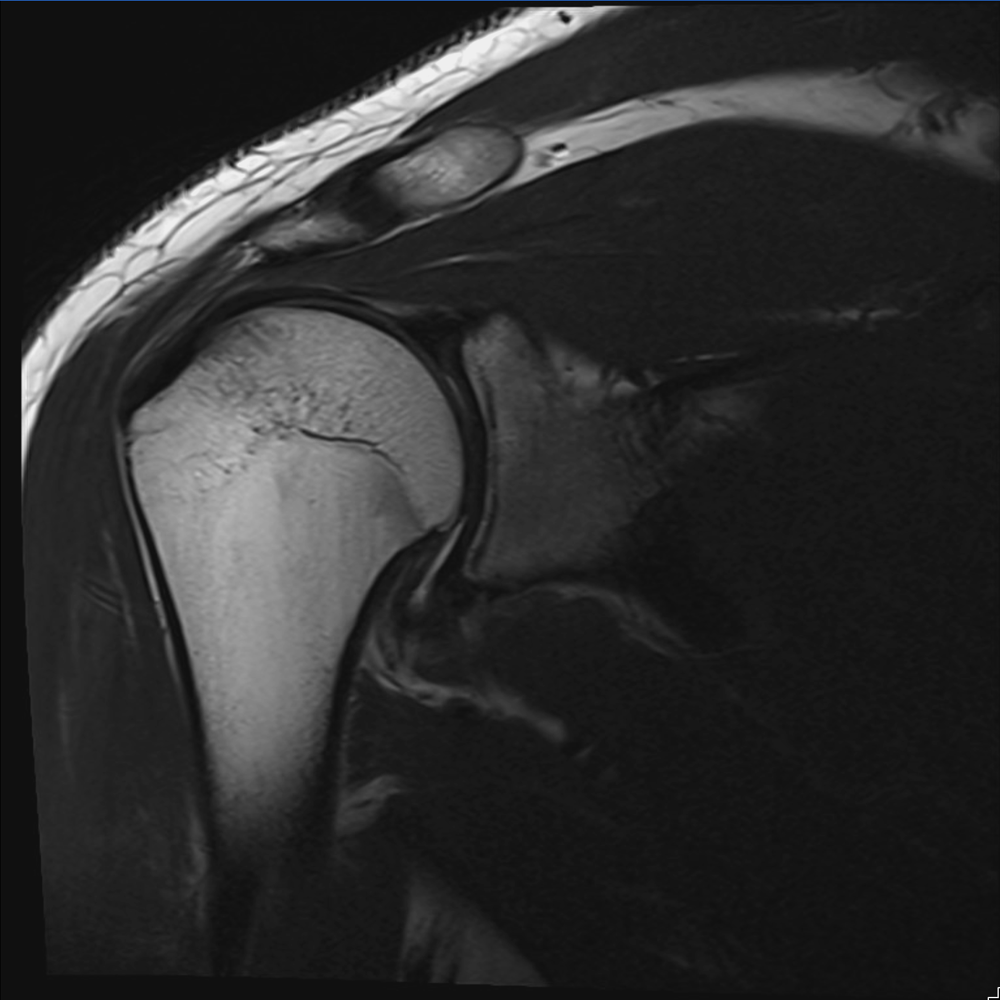
La resonancia magnética utiliza un imán potente (sin radiación) para generar imágenes extremadamente detalladas. Es una técnica versátil, ya que muestra tanto los tejidos blandos como los huesos con gran precisión: ligamentos, cartílago, nervios, médula ósea e incluso fracturas ocultas que no se ven en una radiografía convencional. Cuando planificamos una cirugía o intentamos identificar un problema que otros estudios no logran determinar, la resonancia magnética suele ser el examen decisivo.

¿Cómo funciona en realidad? El cuerpo humano está compuesto principalmente de agua y grasa, por lo que contiene gran cantidad de hidrógeno; el núcleo de cada átomo de hidrógeno es un solo protón que gira como un pequeño imán. Normalmente, estos protones apuntan en distintas direcciones, pero dentro del potente campo magnético del escáner se alinean con él y oscilan a una frecuencia determinada por la intensidad del campo. El escáner emite entonces un pulso de ondas de radio sintonizado exactamente a esa frecuencia; este pulso desvía los protones de su alineación y les suministra energía. Al cesar el pulso, los protones vuelven a alinearse y liberan esa energía en forma de una débil señal de radio, que captan las bobinas receptoras. Cada tipo de tejido libera su señal a distinta velocidad, lo que genera el contraste entre, por ejemplo, cartílago, líquido y hueso. Los gradientes del campo magnético indican el origen de cada señal en el cuerpo, y un procedimiento matemático llamado transformada de Fourier convierte todas esas señales en la imagen detallada que observamos.

Existen algunos aspectos prácticos que conviene conocer para evitar sorpresas:

  • El procedimiento dura más tiempo, generalmente entre 20 y 40 minutos; para obtener imágenes nítidas es necesario permanecer bastante quieto.
  • Se acuesta dentro de un túnel; la máquina produce ruidos fuertes, como golpes y estruendos durante su funcionamiento. Se le proporcionarán tapones para los oídos o auriculares.
  • Si padece claustrofobia severa, infórmenos con antelación; existen formas de facilitar el proceso; a veces un equipo distinto o un sedante leve pueden ser de ayuda.
  • Si tiene ciertos implantes metálicos (como marcapasos o piezas metálicas antiguas), háganoslo saber. Muchos implantes, como placas y tornillos, son totalmente seguros, pero siempre lo verificamos; por ello, comunique cualquier elemento metálico que tenga en el cuerpo.

TC: detalle 3D para huesos complejos

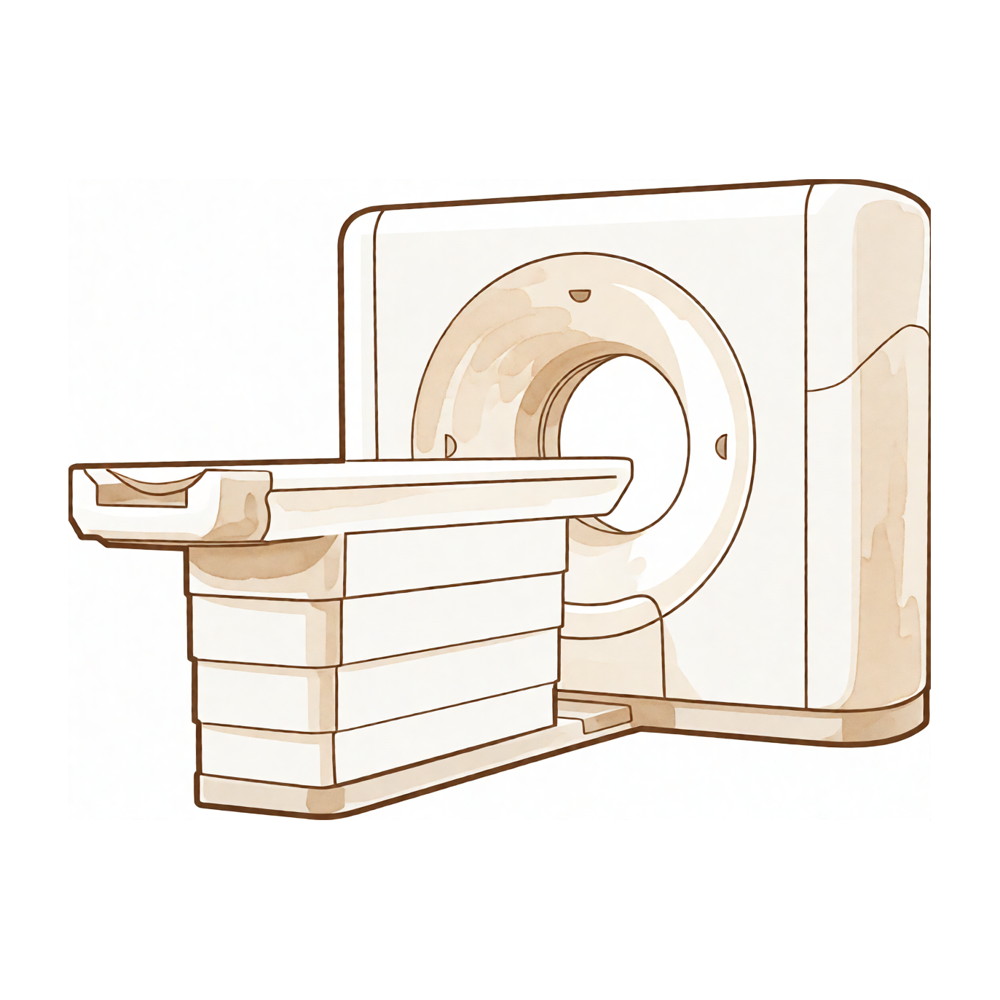
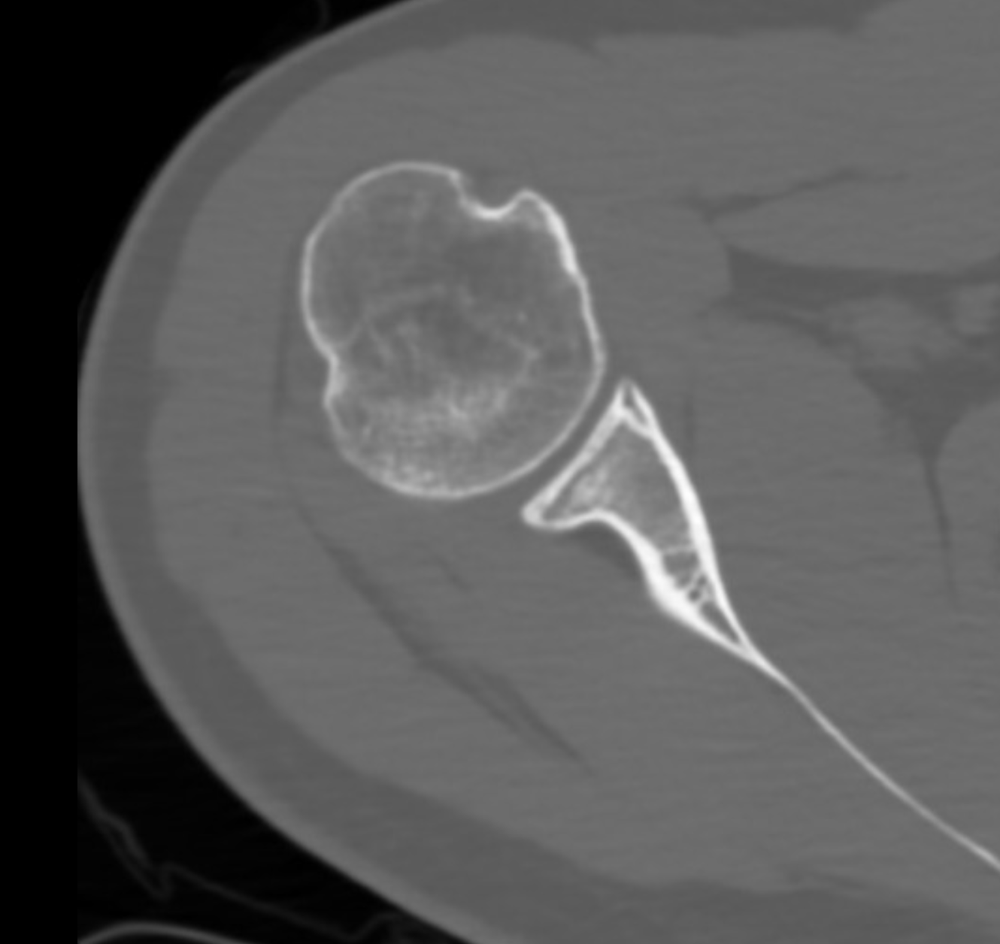
Una tomografía computarizada toma muchas radiografías desde distintos ángulos, y una computadora las convierte en secciones transversales detalladas, e incluso en un modelo 3D. Al igual que una radiografía convencional, se centra en el hueso, pero con mucha más precisión; por eso resulta ideal para fracturas complejas (en las que el hueso se rompe en varios fragmentos) y para planificar la cirugía en tres dimensiones. En casos de fracturas difíciles en la muñeca, el codo o el hombro, el TC permite ver exactamente cómo se sitúan los fragmentos, lo que nos ayuda a planificar la reparación con precisión.

Cómo funciona en realidad. Un escáner de TC es, básicamente, una máquina de radiografía giratoria: un tubo de rayos X y un anillo de detectores giran alrededor del paciente mientras este avanza lentamente a través de la abertura en forma de dona, capturando imágenes de rayos X desde cientos de ángulos. Cada imagen por separado no es más que una sombra plana; sin embargo, una computadora las combina todas para determinar con exactitud la densidad del tejido en cada punto, y así reconstruir “cortes” transversales que pueden superponerse para formar un modelo 3D.

La contrapartida es que utiliza más radiación que una radiografía convencional; por eso lo solicitamos únicamente cuando ese nivel adicional de detalle realmente influye en el plan de tratamiento.

Un tipo distinto de prueba: estudios nerviosos

No todas las pruebas consisten en tomar imágenes. Cuando lo que se sospecha es un problema en un nervio (entumecimiento, hormigueo o debilidad), podemos solicitar estudios de conducción nerviosa o una electromiografía. En lugar de tomar fotografías del cuerpo, estas pruebas miden el funcionamiento real de los nervios y músculos, enviando pequeñas señales eléctricas a lo largo de un nervio y registrando la respuesta. Responden a una pregunta completamente distinta. Puede leer más en nuestra página sobre pruebas nerviosas y estudios de conducción.

Cómo se desarrolla todo: qué esperar

La buena noticia es que el equipo elige el tipo de estudio según exactamente lo que necesitemos observar; la mayoría de los estudios son rápidos e indoloros. Con frecuencia, una radiografía o ecografía es suficiente; la resonancia magnética o la tomografía computarizada se utilizan cuando requerimos mayor detalle o un plan quirúrgico. Sea cual sea el estudio que le realicen, los resultados le serán explicados en un lenguaje sencillo, indicándole también su relevancia para su tratamiento.

Si lo desea, estas son algunas preguntas útiles que puede hacer:

  • ¿Qué busca este estudio y qué tejidos muestra?
  • ¿Necesitaré algo más después de él, y cuánto tiempo tardará aproximadamente?
  • ¿Hay algo que deba mencionar de antemano: claustrofobia, implantes metálicos o embarazo?
  • ¿Cuándo y cómo me explicarán los resultados?

Aquí no existen preguntas tontas. Comprender por qué se eligió un estudio determinado suele hacer que todo el proceso parezca mucho menos intimidante.

En mayor profundidad

Esta sección ofrece una explicación más detallada, dirigida a estudiantes. No es necesaria para comprender los resultados, pero si le interesa saber cómo cada máquina genera la imagen, siga leyendo.

Radiografías y TC: las “sombras” de densidad

Una radiografía consiste en un haz de rayos que atraviesa el cuerpo y es absorbido en mayor medida por los tejidos densos (el hueso) que por el tejido blando o el aire. Lo que llega al detector es, en esencia, una sombra: el hueso aparece en blanco, el aire en negro y el tejido blando en gris. Un estudio de TC no es más que una serie de radiografías tomadas desde todos los ángulos y procesadas para generar “cortes” transversales, los cuales ofrecen detalles óseos en 3D. Ambos procedimientos utilizan radiación ionizante (la TC emplea mucha más que una sola radiografía), razón por la cual se usan con criterio.

Ecografía: escuchando los ecos

La sonda de ecografía emite pulsos de sonido de muy alta frecuencia hacia el cuerpo y capta los ecos que se reflejan en las superficies de los tejidos. Una computadora convierte el momento y la intensidad de dichos ecos en una imagen en movimiento y en tiempo real. No utiliza radiación alguna; además, al ser en tiempo real, resulta ideal para estudiar los tejidos blandos cercanos a la superficie y para observar el movimiento de las estructuras, como el deslizamiento de un tendón o la apertura de una rotura tendinosa al moverse.

Resonancia magnética: átomos de hidrógeno en rotación

La resonancia magnética utiliza un imán potente y ondas de radio para estimular los átomos de hidrógeno del cuerpo (principalmente los que se encuentran en el agua y la grasa), y luego detecta la débil señal que emiten al volver a su estado normal. Cada tipo de tejido emite esa señal a una velocidad distinta; al cronometrar dicha medición, el escaneo puede “ponderarse” de forma que ciertos elementos se visualicen con mayor intensidad: un escaneo ponderado en T2 hace que el líquido aparezca brillante, razón por la cual la hinchazón, la inflamación y muchas lesiones se hacen visibles; en cambio, un escaneo ponderado en T1 muestra la anatomía y la grasa. El resultado es una representación extremadamente detallada de los tejidos blandos (ligamentos, cartílago, discos intervertebrales, médula ósea) sin emplear radiación.

Por qué es importante elegir el tipo de escáner adecuado

Cada método “observa” aspectos distintos; por ello, el escáner óptimo depende de la pregunta que se quiera responder: alineación ósea o presencia de fracturas (radiografía), tendones en movimiento cerca de la superficie (ecografía), anatomía ósea compleja (TC), o tejidos blandos y médula ósea en detalle (RM). La respuesta correcta suele obtenerse al seleccionar la herramienta adecuada, no al realizar todos los tipos de escáneres.


Creative Commons BY-NC 4.0

CC Creative Commons licence
BY Attribution — you must credit the source
NC NonCommercial — not for commercial use

Attribution-NonCommercial 4.0 International


Creative Commons Corporation ("Creative Commons") is not a law firm and does not provide legal services or legal advice. Distribution of Creative Commons public licenses does not create a lawyer-client or other relationship. Creative Commons makes its licenses and related information available on an "as-is" basis. Creative Commons gives no warranties regarding its licenses, any material licensed under their terms and conditions, or any related information. Creative Commons disclaims all liability for damages resulting from their use to the fullest extent possible.

Using Creative Commons Public Licenses

Creative Commons public licenses provide a standard set of terms and conditions that creators and other rights holders may use to share original works of authorship and other material subject to copyright and certain other rights specified in the public license below. The following considerations are for informational purposes only, are not exhaustive, and do not form part of our licenses.

Considerations for licensors: Our public licenses are intended for use by those authorized to give the public permission to use material in ways otherwise restricted by copyright and certain other rights. Our licenses are irrevocable. Licensors should read and understand the terms and conditions of the license they choose before applying it. Licensors should also secure all rights necessary before applying our licenses so that the public can reuse the material as expected. Licensors should clearly mark any material not subject to the license. This includes other CC- licensed material, or material used under an exception or limitation to copyright. More considerations for licensors: wiki.creativecommons.org/Considerations_for_licensors

Considerations for the public: By using one of our public licenses, a licensor grants the public permission to use the licensed material under specified terms and conditions. If the licensor's permission is not necessary for any reason--for example, because of any applicable exception or limitation to copyright--then that use is not regulated by the license. Our licenses grant only permissions under copyright and certain other rights that a licensor has authority to grant. Use of the licensed material may still be restricted for other reasons, including because others have copyright or other rights in the material. A licensor may make special requests, such as asking that all changes be marked or described. Although not required by our licenses, you are encouraged to respect those requests where reasonable. More considerations for the public: wiki.creativecommons.org/Considerations_for_licensees


Creative Commons Attribution-NonCommercial 4.0 International Public License

By exercising the Licensed Rights (defined below), You accept and agree to be bound by the terms and conditions of this Creative Commons Attribution-NonCommercial 4.0 International Public License ("Public License"). To the extent this Public License may be interpreted as a contract, You are granted the Licensed Rights in consideration of Your acceptance of these terms and conditions, and the Licensor grants You such rights in consideration of benefits the Licensor receives from making the Licensed Material available under these terms and conditions.

Section 1 -- Definitions.

a. Adapted Material means material subject to Copyright and Similar Rights that is derived from or based upon the Licensed Material and in which the Licensed Material is translated, altered, arranged, transformed, or otherwise modified in a manner requiring permission under the Copyright and Similar Rights held by the Licensor. For purposes of this Public License, where the Licensed Material is a musical work, performance, or sound recording, Adapted Material is always produced where the Licensed Material is synched in timed relation with a moving image.

b. Adapter's License means the license You apply to Your Copyright and Similar Rights in Your contributions to Adapted Material in accordance with the terms and conditions of this Public License.

c. Copyright and Similar Rights means copyright and/or similar rights closely related to copyright including, without limitation, performance, broadcast, sound recording, and Sui Generis Database Rights, without regard to how the rights are labeled or categorized. For purposes of this Public License, the rights specified in Section 2(b)(1)-(2) are not Copyright and Similar Rights.

d. Effective Technological Measures means those measures that, in the absence of proper authority, may not be circumvented under laws fulfilling obligations under Article 11 of the WIPO Copyright Treaty adopted on December 20, 1996, and/or similar international agreements.

e. Exceptions and Limitations means fair use, fair dealing, and/or any other exception or limitation to Copyright and Similar Rights that applies to Your use of the Licensed Material.

f. Licensed Material means the artistic or literary work, database, or other material to which the Licensor applied this Public License.

g. Licensed Rights means the rights granted to You subject to the terms and conditions of this Public License, which are limited to all Copyright and Similar Rights that apply to Your use of the Licensed Material and that the Licensor has authority to license.

h. Licensor means the individual(s) or entity(ies) granting rights under this Public License.

i. NonCommercial means not primarily intended for or directed towards commercial advantage or monetary compensation. For purposes of this Public License, the exchange of the Licensed Material for other material subject to Copyright and Similar Rights by digital file-sharing or similar means is NonCommercial provided there is no payment of monetary compensation in connection with the exchange.

j. Share means to provide material to the public by any means or process that requires permission under the Licensed Rights, such as reproduction, public display, public performance, distribution, dissemination, communication, or importation, and to make material available to the public including in ways that members of the public may access the material from a place and at a time individually chosen by them.

k. Sui Generis Database Rights means rights other than copyright resulting from Directive 96/9/EC of the European Parliament and of the Council of 11 March 1996 on the legal protection of databases, as amended and/or succeeded, as well as other essentially equivalent rights anywhere in the world.

l. You means the individual or entity exercising the Licensed Rights under this Public License. Your has a corresponding meaning.

Section 2 -- Scope.

a. License grant.

1. Subject to the terms and conditions of this Public License, the Licensor hereby grants You a worldwide, royalty-free, non-sublicensable, non-exclusive, irrevocable license to exercise the Licensed Rights in the Licensed Material to:

a. reproduce and Share the Licensed Material, in whole or in part, for NonCommercial purposes only; and

b. produce, reproduce, and Share Adapted Material for NonCommercial purposes only.

2. Exceptions and Limitations. For the avoidance of doubt, where Exceptions and Limitations apply to Your use, this Public License does not apply, and You do not need to comply with its terms and conditions.

3. Term. The term of this Public License is specified in Section 6(a).

4. Media and formats; technical modifications allowed. The Licensor authorizes You to exercise the Licensed Rights in all media and formats whether now known or hereafter created, and to make technical modifications necessary to do so. The Licensor waives and/or agrees not to assert any right or authority to forbid You from making technical modifications necessary to exercise the Licensed Rights, including technical modifications necessary to circumvent Effective Technological Measures. For purposes of this Public License, simply making modifications authorized by this Section 2(a) (4) never produces Adapted Material.

5. Downstream recipients.

a. Offer from the Licensor -- Licensed Material. Every recipient of the Licensed Material automatically receives an offer from the Licensor to exercise the Licensed Rights under the terms and conditions of this Public License.

b. No downstream restrictions. You may not offer or impose any additional or different terms or conditions on, or apply any Effective Technological Measures to, the Licensed Material if doing so restricts exercise of the Licensed Rights by any recipient of the Licensed Material.

6. No endorsement. Nothing in this Public License constitutes or may be construed as permission to assert or imply that You are, or that Your use of the Licensed Material is, connected with, or sponsored, endorsed, or granted official status by, the Licensor or others designated to receive attribution as provided in Section 3(a)(1)(A)(i).

b. Other rights.

1. Moral rights, such as the right of integrity, are not licensed under this Public License, nor are publicity, privacy, and/or other similar personality rights; however, to the extent possible, the Licensor waives and/or agrees not to assert any such rights held by the Licensor to the limited extent necessary to allow You to exercise the Licensed Rights, but not otherwise.

2. Patent and trademark rights are not licensed under this Public License.

3. To the extent possible, the Licensor waives any right to collect royalties from You for the exercise of the Licensed Rights, whether directly or through a collecting society under any voluntary or waivable statutory or compulsory licensing scheme. In all other cases the Licensor expressly reserves any right to collect such royalties, including when the Licensed Material is used other than for NonCommercial purposes.

Section 3 -- License Conditions.

Your exercise of the Licensed Rights is expressly made subject to the following conditions.

a. Attribution.

1. If You Share the Licensed Material (including in modified form), You must:

a. retain the following if it is supplied by the Licensor with the Licensed Material:

i. identification of the creator(s) of the Licensed Material and any others designated to receive attribution, in any reasonable manner requested by the Licensor (including by pseudonym if designated);

ii. a copyright notice;

iii. a notice that refers to this Public License;

iv. a notice that refers to the disclaimer of warranties;

v. a URI or hyperlink to the Licensed Material to the extent reasonably practicable;

b. indicate if You modified the Licensed Material and retain an indication of any previous modifications; and

c. indicate the Licensed Material is licensed under this Public License, and include the text of, or the URI or hyperlink to, this Public License.

2. You may satisfy the conditions in Section 3(a)(1) in any reasonable manner based on the medium, means, and context in which You Share the Licensed Material. For example, it may be reasonable to satisfy the conditions by providing a URI or hyperlink to a resource that includes the required information.

3. If requested by the Licensor, You must remove any of the information required by Section 3(a)(1)(A) to the extent reasonably practicable.

4. If You Share Adapted Material You produce, the Adapter's License You apply must not prevent recipients of the Adapted Material from complying with this Public License.

Section 4 -- Sui Generis Database Rights.

Where the Licensed Rights include Sui Generis Database Rights that apply to Your use of the Licensed Material:

a. for the avoidance of doubt, Section 2(a)(1) grants You the right to extract, reuse, reproduce, and Share all or a substantial portion of the contents of the database for NonCommercial purposes only;

b. if You include all or a substantial portion of the database contents in a database in which You have Sui Generis Database Rights, then the database in which You have Sui Generis Database Rights (but not its individual contents) is Adapted Material; and

c. You must comply with the conditions in Section 3(a) if You Share all or a substantial portion of the contents of the database.

For the avoidance of doubt, this Section 4 supplements and does not replace Your obligations under this Public License where the Licensed Rights include other Copyright and Similar Rights.

Section 5 -- Disclaimer of Warranties and Limitation of Liability.

a. UNLESS OTHERWISE SEPARATELY UNDERTAKEN BY THE LICENSOR, TO THE EXTENT POSSIBLE, THE LICENSOR OFFERS THE LICENSED MATERIAL AS-IS AND AS-AVAILABLE, AND MAKES NO REPRESENTATIONS OR WARRANTIES OF ANY KIND CONCERNING THE LICENSED MATERIAL, WHETHER EXPRESS, IMPLIED, STATUTORY, OR OTHER. THIS INCLUDES, WITHOUT LIMITATION, WARRANTIES OF TITLE, MERCHANTABILITY, FITNESS FOR A PARTICULAR PURPOSE, NON-INFRINGEMENT, ABSENCE OF LATENT OR OTHER DEFECTS, ACCURACY, OR THE PRESENCE OR ABSENCE OF ERRORS, WHETHER OR NOT KNOWN OR DISCOVERABLE. WHERE DISCLAIMERS OF WARRANTIES ARE NOT ALLOWED IN FULL OR IN PART, THIS DISCLAIMER MAY NOT APPLY TO YOU.

b. TO THE EXTENT POSSIBLE, IN NO EVENT WILL THE LICENSOR BE LIABLE TO YOU ON ANY LEGAL THEORY (INCLUDING, WITHOUT LIMITATION, NEGLIGENCE) OR OTHERWISE FOR ANY DIRECT, SPECIAL, INDIRECT, INCIDENTAL, CONSEQUENTIAL, PUNITIVE, EXEMPLARY, OR OTHER LOSSES, COSTS, EXPENSES, OR DAMAGES ARISING OUT OF THIS PUBLIC LICENSE OR USE OF THE LICENSED MATERIAL, EVEN IF THE LICENSOR HAS BEEN ADVISED OF THE POSSIBILITY OF SUCH LOSSES, COSTS, EXPENSES, OR DAMAGES. WHERE A LIMITATION OF LIABILITY IS NOT ALLOWED IN FULL OR IN PART, THIS LIMITATION MAY NOT APPLY TO YOU.

c. The disclaimer of warranties and limitation of liability provided above shall be interpreted in a manner that, to the extent possible, most closely approximates an absolute disclaimer and waiver of all liability.

Section 6 -- Term and Termination.

a. This Public License applies for the term of the Copyright and Similar Rights licensed here. However, if You fail to comply with this Public License, then Your rights under this Public License terminate automatically.

b. Where Your right to use the Licensed Material has terminated under Section 6(a), it reinstates:

1. automatically as of the date the violation is cured, provided it is cured within 30 days of Your discovery of the violation; or

2. upon express reinstatement by the Licensor.

For the avoidance of doubt, this Section 6(b) does not affect any right the Licensor may have to seek remedies for Your violations of this Public License.

c. For the avoidance of doubt, the Licensor may also offer the Licensed Material under separate terms or conditions or stop distributing the Licensed Material at any time; however, doing so will not terminate this Public License.

d. Sections 1, 5, 6, 7, and 8 survive termination of this Public License.

Section 7 -- Other Terms and Conditions.

a. The Licensor shall not be bound by any additional or different terms or conditions communicated by You unless expressly agreed.

b. Any arrangements, understandings, or agreements regarding the Licensed Material not stated herein are separate from and independent of the terms and conditions of this Public License.

Section 8 -- Interpretation.

a. For the avoidance of doubt, this Public License does not, and shall not be interpreted to, reduce, limit, restrict, or impose conditions on any use of the Licensed Material that could lawfully be made without permission under this Public License.

b. To the extent possible, if any provision of this Public License is deemed unenforceable, it shall be automatically reformed to the minimum extent necessary to make it enforceable. If the provision cannot be reformed, it shall be severed from this Public License without affecting the enforceability of the remaining terms and conditions.

c. No term or condition of this Public License will be waived and no failure to comply consented to unless expressly agreed to by the Licensor.

d. Nothing in this Public License constitutes or may be interpreted as a limitation upon, or waiver of, any privileges and immunities that apply to the Licensor or You, including from the legal processes of any jurisdiction or authority.


Creative Commons is not a party to its public licenses. Notwithstanding, Creative Commons may elect to apply one of its public licenses to material it publishes and in those instances will be considered the “Licensor.” The text of the Creative Commons public licenses is dedicated to the public domain under the CC0 Public Domain Dedication. Except for the limited purpose of indicating that material is shared under a Creative Commons public license or as otherwise permitted by the Creative Commons policies published at creativecommons.org/policies, Creative Commons does not authorize the use of the trademark "Creative Commons" or any other trademark or logo of Creative Commons without its prior written consent including, without limitation, in connection with any unauthorized modifications to any of its public licenses or any other arrangements, understandings, or agreements concerning use of licensed material. For the avoidance of doubt, this paragraph does not form part of the public licenses.

Creative Commons may be contacted at creativecommons.org.