¿Por qué se ha sugerido esta operación?
La fusión lumbar es una operación mediante la cual se unen dos o más vértebras de la zona lumbar para que se consoliden como una sola pieza sólida. Normalmente la recomendamos cuando la columna vertebral se ha desplazado de su posición (espondilolistesis) o se ha vuelto inestable, y el dolor es persistente e incapacitante, sin mejorar con tratamientos no quirúrgicos como fisioterapia, cambios en las actividades o inyecciones. Para el dolor lumbar debido al desgaste articular sin una causa estructural clara, no recomendamos la fusión; asimismo, en general se evita la cirugía cuando el dolor proviene de un disco deteriorado. Cuando existe afectación nerviosa por un desplazamiento vertebral, la cirugía suele ser más beneficiosa que el tratamiento no quirúrgico. El objetivo es lograr un alivio duradero del dolor, una mejor funcionalidad y una columna vertebral estable. Conversaremos con usted sobre los beneficios y riesgos, y juntos decidiremos si esta operación es adecuada para usted.
Antes de la operación
En las semanas previas a la cirugía, confirmaremos el plan mediante los estudios que ya se hayan realizado, como radiografías o resonancias magnéticas; si su columna vertebral ha sufrido cambios, es posible que solicitemos nuevas imágenes. Una vez fijada la fecha, recibirá instrucciones claras por parte de nuestro equipo. Deberá dejar de comer y beber siete horas antes de la operación. Pedimos que el ayuno dure siete horas en lugar de un período más corto para poder adelantar la intervención si el programa quirúrgico lo permite. Algunos medicamentos deben suspenderse con antelación; le indicaremos exactamente cuáles y cuándo. Si padece otras enfermedades, es posible que necesite análisis de sangre o una evaluación con el anestesista, el médico encargado de administrar la anestesia; sin embargo, la mayoría de las personas no requieren ninguno de estos trámites. Organice que alguien lo lleve a casa y lleve consigo una lista de los medicamentos que toma actualmente. El día de la operación, use ropa holgada y cómoda.
El día de la intervención
Llega usted a la unidad de admisiones quirúrgicas del hospital, donde se le registra y se le prepara para el quirófano. Conocerá al anestesista, el médico encargado de administrar la anestesia. Esta operación se realiza bajo anestesia general. En ocasiones, se añade un bloqueo nervioso regional para aliviar el dolor postoperatorio; el anestesista hablará con usted al respecto ese mismo día. A continuación, se le lleva al quirófano, donde se lleva a cabo la intervención.
Una vez finalizada la operación, despierta usted en la sala de recuperación. Allí, las enfermeras le vigilan mientras la anestesia va desapareciendo. Cuando se encuentre estable, será trasladado a la planta de hospitalización o podrá volver a casa, según el tipo de procedimiento y su recuperación.
¿En qué consiste la operación?
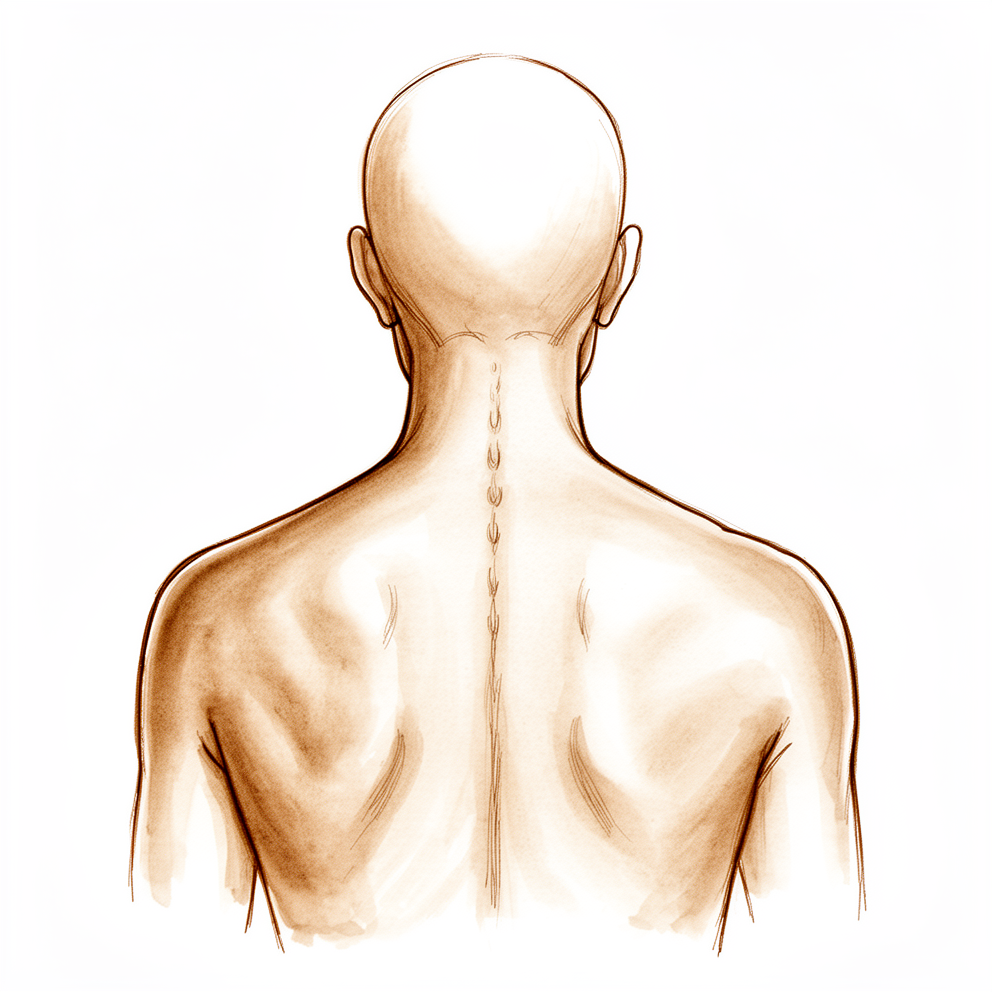
La fusión lumbar consiste en unir dos o más vértebras de la zona lumbar para que se consoliden en una sola pieza sólida. El cirujano accede a la columna mediante una incisión, generalmente en la parte posterior de la espalda baja. En algunos casos, el acceso se realiza por el lateral o por el frente, mediante una incisión en el flanco o en el abdomen. La vía elegida depende de qué zona de la columna requiere tratamiento y de los resultados de sus estudios de imagen.
Una vez en la columna, el cirujano retira el tejido que ejerce presión sobre los nervios, si así lo indica el plan de tratamiento; esto se denomina descompresión. A continuación, prepara el espacio entre las vértebras y coloca un espaciador, a veces llamado “cage”, que mantiene las vértebras separadas y permite que el hueso se regenere. Alrededor de dicho espaciador se coloca material de injerto óseo para favorecer la unión de las vértebras.
Para mantener todo en su lugar mientras el hueso se consolida, el cirujano utiliza tornillos y barras metálicas. Los tornillos se fijan a las vértebras situadas por encima y por debajo de la zona a fusionar, y las barras los conectan. La mayoría de las personas no necesitan usar un corsé postoperatorio, y el paciente puede levantarse y moverse al día siguiente de la cirugía.
La incisión se cierra con puntos de sutura y luego se cubre con un apósito. Deberá mantener ese apósito durante unos 10 días, tal como se describe en la sección de recuperación.
Los pasos exactos varían según su condición, el número de niveles a tratar y el abordaje que el cirujano elija. Antes de que firme el formulario de consentimiento, le explicaremos su plan personalizado; además, podrá plantear cualquier duda en cualquier momento.
Después de la operación
Despertará en la sala de recuperación y, una vez estabilizado, será trasladado a la planta de hospitalización. Las enfermeras lo revisarán periódicamente y le administrarán analgésicos para mantenerlo cómodo. Su equipo médico le indicará si podrá volver a casa el mismo día o si deberá permanecer una noche en el hospital. Durante las primeras 24 horas después de regresar a casa, debería haber alguien con usted. Poco después de la cirugía, es posible que le ayuden a levantarse de la cama y a caminar; caminar suavemente favorece su recuperación. Dejamos el vendaje puesto durante unos 10 días; por favor, no lo retire antes de ese plazo a menos que se lo indiquemos. Lo cambiamos o lo retiramos cuando vengamos a verlo. Mantenga la incisión limpia y seca, y avísenos si observa enrojecimiento que se extiende, hinchazón, secreción de líquido desde la herida o fiebre.
Recuperación
La recuperación varía de una persona a otra; su proceso puede diferir de lo que otros describen. Su cirujano y fisioterapeuta lo guiarán en cada etapa.
En los primeros días y semanas, es normal sentir algo de dolor e hinchazón en la zona lumbar. Esto forma parte del proceso de curación y debería disminuir gradualmente. Los analgésicos le ayudarán a sentirse cómodo, y caminar suavemente también resulta beneficioso. Es posible que, poco después de la cirugía, le ayuden a levantarse de la cama y a moverse; hacerlo temprano no perjudica la consolidación ósea.
Con el paso de los días, realizará ejercicios sencillos junto a su fisioterapeuta para fortalecer los músculos y recuperar la movilidad. Iniciar estos ejercicios a tiempo es seguro y puede acelerar su recuperación. Durante el primer mes postoperatorio, notará que su nivel de actividad disminuye; posteriormente, volverá a aumentar poco a poco en los meses siguientes. En casa, le conviene caminar distancias cortas con frecuencia en lugar de recorridos largos de forma esporádica. Evite levantar pesos y doblarse hasta que su equipo médico se lo autorice. La mayoría de las personas no necesitan un corsé ortopédico después de esta intervención.
Una vez que la herida haya cicatrizado y el cirujano considere que su espalda se está recuperando adecuadamente, podrá aumentar gradualmente sus actividades diarias. Cuando el dolor e hinchazón disminuyan, las tareas cotidianas resultarán más fáciles. Podrá volver a conducir cuando pueda sentarse cómodamente, reaccionar rápidamente en una frenada de emergencia y ya no tome analgésicos potentes. Consulte nuestra guía sobre cómo conducir tras la cirugía para conocer todas las indicaciones.
Avance a su propio ritmo. Si siente algún dolor o le preocupa algo, no dude en comentárselo a su equipo médico.
Qué puede salir mal
La mayoría de los pacientes evolucionan bien, pero en ocasiones pueden surgir problemas. Su cirujano y el equipo lo vigilarán de cerca para detectar cualquier anomalía a tiempo.
En algunos casos, los huesos no se unen formando una sola pieza sólida. Es posible que vuelva el dolor lumbar intenso que motivó la cirugía, o que el dolor persista incluso después de finalizado el período inicial de cicatrización. Si esto ocurre, hágalo saber en su próxima consulta para que podamos evaluar cómo se está soldando el hueso.
Los tornillos y barras metálicas también pueden generar problemas. Un tornillo puede aflojarse o desplazarse, o el espaciador entre los huesos puede hundirse en ellos. A menudo esto no produce síntomas, pero también puede provocar dolor recurrente o un dolor de tipo neurológico en la pierna. Comuníquenos cualquier dolor nuevo o que empeore para poder realizar estudios de imagen y determinar qué está ocurriendo.
Los nervios que atraviesan la columna pueden irritarse durante la intervención. Si esto sucede, es posible que experimente un dolor ardiente o punzante en la pierna, hormigueo, entumecimiento o debilidad en dicha extremidad. Estos efectos pueden ser temporales o permanentes. No existe una cirugía que garantice la resolución de los síntomas neurológicos una vez que aparecen; por ello, informe de inmediato a su equipo si nota cualquiera de ellos.
Puede producirse una infección en la herida o en zonas más profundas, cerca de los implantes metálicos. Esté atento a un dolor profundo y palpitante que no ceda con analgésicos comunes, enrojecimiento que se extienda desde la incisión, secreción de líquido desde la herida o fiebre. Algunas infecciones aparecen semanas o incluso meses después de que la piel haya cicatrizado. Si observa cualquiera de estos signos, llame a la clínica o acuda a urgencias.
En este tipo de cirugía puede perderse más sangre de la que se aprecia durante la operación. Si tras volver a casa siente mareos, debilidad o dificultad para respirar, avísenos.
Si padece osteoporosis, huesos frágiles u otras enfermedades como una afección hepática, el riesgo de complicaciones aumenta. Antes de la cirugía analizaremos su perfil de riesgo personal.
La fusión de una parte de la zona lumbar también puede afectar a otras articulaciones. Si en el futuro necesita cirugía de cadera, una fusión previa incrementa el riesgo de que la prótesis se disloque y requiera intervenciones adicionales. Por ello, conviene informar a cualquier cirujano futuro sobre su historial de fusión.
En la tabla de complicaciones de esta página se detallan las tasas habituales, si desea conocer los datos específicos.
¿Cuándo deben llamarnos?
La mayoría de los problemas se manifiestan desde el principio, y preferimos que nos informen de ellos de inmediato. Llámenos si tiene fiebre, si la piel alrededor de la incisión se vuelve más roja o comienza a exudar líquido, o si el dolor que estaba mejorando de repente empeora considerablemente. Llámenos si una de las pantorrillas se hincha o se vuelve sensible al tacto. Acuda a urgencias si de repente le cuesta respirar o tiene dolor en el pecho, o si pierde la sensibilidad en las piernas, no puede moverlas o pierde el control de la vejiga o los intestinos.
Evidence & references
This is the clinical evidence summary written for health professionals. It is technical, and it lists the research this page was built from. You do not need to read it to understand your treatment or to make a decision about it.
Anatomy & Pathophysiology
Bony Anatomy
- Lumbar vertebral bodies are large, with a transverse diameter greater than the anterior-posterior diameter [26].
- Lumbar pedicles arise from the superior aspect of the vertebral bodies and project more horizontally than thoracic pedicles [26].
- L1 pedicles are minimally medially angled, while the orientation becomes more medial as one progresses down the lumbar spine, particularly at L5 [26].
- Lumbar transverse processes project more perpendicular relative to the vertebral body and are large and flat in the upper lumbar spine [26].
- L4 and L5 transverse processes are often smaller than those in the upper lumbar spine [26].
- Lumbar spinous processes are thick and project straight dorsally [26].
- The superior articular facet arises at the junction of the pedicle and lamina and is oriented such that the articular surface faces dorsomedially [26].
- The inferior facet extends down from the lamina and nestles snugly on the medial side of the superior facet [26].
- The sagittal orientation of lumbar facet joints allows flexion and extension while providing resistance to axial rotation and translation [26].
- In a study of 2905 pedicle measurements from T1 to L5, pedicles were widest at L5 and narrowest at T5 in the horizontal plane [25].
- The widest pedicles in the sagittal plane were at T11, and the narrowest were at T1 [25].
- The largest pedicle angle in the horizontal plane was at L5 [25].
- In the sagittal plane, lumbar pedicles angle caudal at L5 and cephalad at L3-T1 [25].
- The depth to the anterior cortex was significantly longer along the pedicle axis than along a line parallel to the midline of the vertebral body at all levels except T12 and L1 [25].
Intervertebral Disc Anatomy
- The human spine possesses 23 intervertebral disks that separate the vertebrae and provide flexibility [29].
- Intervertebral disks account for about 20% to 30% of the length of the spine and increase in size from the cervical to the lumbar regions [29].
- The nucleus pulposus (NP) consists mainly of a high concentration of proteoglycans and water surrounded by a loose type II collagen network [29].
- In the nucleus pulposus, collagen fibrils assume a random orientation and are interspersed in a matrix rich in proteoglycans and water [29].
- The annulus fibrosus (AF) has a low proteoglycan and water content and a high concentration of type I collagens as well as a small concentration of type II collagens [29].
- The annulus fibrosus is described as possessing 20 to 25 lamellae rich in collagen fibrils arranged in a parallel fashion [29].
- In each adjacent lamella of the annulus fibrosus, collagen fibrils along the axis are fashioned in the opposite direction to create an alternating pattern between the lamellae [29].
- The content of water and proteoglycan concentration within the disk increases when progressing from the annulus fibrosus to the nucleus pulposus [29].
- The content of collagen within the disk decreases from the outer annulus to the nucleus [29].
- With increasing age, the proteoglycan and water content of the nucleus decrease [29].
- The collagen content of the nucleus is highest in cervical disks and lowest in lumbar disks [29].
- The proteoglycan content of the disk shows an opposite trend to collagen content when evaluating spinal levels [29].
Neural Elements
- The most cephalad nerve roots lie lateral and the most caudad lie centrally within the dural sac and at the conus medullaris [23].
- Motor roots are ventral to the sensory roots at all levels [23].
- The arachnoid mater holds the nerve roots in their specific positions within the dural sac [23].
- In the thoracic and lumbar spine, the named root exits below the named pedicle [23].
- Discs are formally named for the vertebral bodies between which they lie [23].
- Lateral recess pathology, such as lateral recess stenosis or posterolateral disc herniation, typically involves the next nerve root exiting caudal to that disc [23].
- An L4-5 posterolateral disc herniation is expected to cause L5 nerve root symptoms [23].
- The dorsal root ganglion (DRG) lies within the outer confines of the intervertebral foramen [23].
- Distal to the DRG, three distinct branches arise: the ventral ramus, the sinuvertebral nerve, and the dorsal ramus [23].
- The sinuvertebral nerve originates from the ventral ramus and progresses medially over the posterior aspect of the disc and vertebral bodies [23].
- The sinuvertebral nerve innervates the posterior disc, vertebral bodies, and posterior longitudinal ligament [23].
- The dorsal ramus courses dorsally, piercing the intertransverse ligament near the pars interarticularis [23].
- The medial branch of the dorsal ramus innervates the facet joint at that level and the adjacent levels above and below [23].
- Disc innervation is through afferent axons with cell bodies within the DRG [23].
- Animal studies revealed two paths between the annulus and the DRG: one from the sinuvertebral nerve and another along the paravertebral sympathetic trunk [23].
- The lateral annulus was found to be innervated by fibers coursing from the index level and two additional superior levels through the sinuvertebral nerves in animal models [23].
- Innervation of the lateral annulus also occurs through the sympathetic trunk by the DRG from three levels even more superior than the sinuvertebral innervations in animal models [23].
- Contralateral DRG involvement occurs through both sinuvertebral and sympathetic pathways in animal models [23].
- Nonsegmental, multilevel innervation patterns have been reported for the ventral disc surface [23].
- Innervation of the disc from the vertebral endplate has been shown [23].
- Endplate innervation is through the sinuvertebral nerve, also known as the basivertebral nerve [23].
- The density of innervation at the vertebral endplate is similar to that seen in the outer annulus [23].
Spinal Stenosis Anatomy
- The central canal is defined as the space posterior to the posterior longitudinal ligament, anterior to the ligamentum flavum and laminae, and bordered laterally by the medial border of the superior articular process [14].
- The lateral recess is defined by the superior articular facet posteriorly, the thecal sac medially, the pedicle laterally, and the posterolateral vertebral body anteriorly [14].
- The intervertebral foramen is bordered superiorly and inferiorly by the adjacent level pedicles, posteriorly by the facet joint and lateral extensions of the ligamentum flavum, and anteriorly by the adjacent vertebral bodies and disk [14].
- Normal foraminal height is 20 to 30 mm [14].
- Normal superior width of the intervertebral foramen is 8 to 10 mm [14].
- Central spinal stenosis denotes involvement of the area between the facet joints, which is occupied by the dura and its contents [22].
- The lateral recess, also known as “Lee’s entrance zone,” begins at the medial border of the superior articular process and extends to the medial border of the pedicle [22].
- The borders of the lateral recess are the pedicle laterally, the superior articular facet dorsally, the posterior ligamentous complex to disc and floor of the canal, and the central canal medially [22].
- “Lee’s midzone” describes the foraminal region, which lies ventral to the pars [22].
- The borders of the foraminal region are the lateral recess medially, the posterior vertebral body and disc ventrally, the pars and intertransverse ligament dorsally, and the lateral border of the pedicle laterally [22].
- The dorsal root ganglion and ventral motor root occupy 30% of the foraminal space [22].
- The exit zone is identified as the area lateral to the facet joint [22].
Pathophysiology of Disc Degeneration
- Lumbar spondylosis is due to a degenerative cascade that has an association with intervertebral disk degeneration [24].
- Mechanical progression and associated disk space narrowing leads to adjacent level pedicle approximation with narrowing of the superior-inferior dimensions of the intervertebral foraminal canal [24].
- Laxity of associated ligaments and vertebral column translates into altered loading mechanics and an altered pressure relationship on the vertebral bone and joint surfaces [24].
- Altered loading mechanics and pressure relationships are believed to influence both osteophyte formation and facet joint hypertrophy [24].
- Intervertebral disk degeneration is a complicated multifactorial process characterized by altered biomechanics of loading, an imbalance of extracellular matrix synthesis and degradation, increased secretion of proinflammatory cytokines, and increased apoptosis and senescence in nucleus pulposus cells [24].
- Altered biomechanics lead to further degenerative changes and osteophyte formation [24].
- Degenerative changes and osteophyte formation have the potential to cause lumbar central and foraminal stenosis leading to symptomatic nerve compression and radiculopathy [24].
- The degenerative process has been divided into three separate stages: dysfunction, instability, and stabilization [47].
- The dysfunction stage is seen in individuals 15 to 45 years old and is characterized by circumferential and radial tears in the disc annulus and localized synovitis of the facet joints [47].
- The instability stage is found in 35- to 70-year-old individuals and is characterized by internal disruption of the disc, progressive disc resorption, and degeneration of the facet joints with capsular laxity, subluxation, and joint erosion [47].
- The stabilization stage is present in individuals older than 60 years and is characterized by the progressive development of hypertrophic bone around the disc and facet joints leading to segmental stiffening or frank ankylosis [47].
- Disc herniation is considered a complication of disc degeneration in the dysfunction and instability stages [47].
- Spinal stenosis from degenerative arthritis is a complication of bony overgrowth compromising neural tissue in the late instability and early stabilization stages [47].
Pathophysiology of Lumbar Spinal Stenosis
- Lumbar spinal stenosis (LSS) is the final stage of a cascade of events [14].
- The event that begins the process that eventually results in LSS is thought to be disk degeneration [14].
- As disk height decreases, the loading characteristics of the facets are altered [14].
- Facet joint capsules become incompetent, leading to capsular, ligamentum flavum, and facet hypertrophy [14].
- The ligamentum flavum becomes less pliable with age [14].
- The final stage of the continuum of changes in LSS is a decrease in the diameter of the spinal canal [14].
- When the spine is in extension, the spinal canal diameter diminishes resulting in buckling of the shortened, hypertrophied ligamentum flavum [14].
- In flexion, a relative increase in the spinal canal diameter is present [14].
- Most authors support a multifactorial etiology of low back pain and leg pain associated with LSS [14].
- Mechanical compression, nutritive insufficiency, heredity, structural decompression, individual pain perception, and chemical insult all likely play a role in LSS symptoms [14].
Pathophysiology of Isthmic Spondylolisthesis
- The presence of an isthmic spondylolisthesis is not sufficient to identify the cause of the patient’s symptoms because 7% of the population has spondylolysis, with or without spondylolisthesis, and most are asymptomatic [46].
- Mechanical back pain in isthmic spondylolisthesis can originate from the pars defect or from the disc [46].
- The disc in isthmic spondylolisthesis is often more degenerative than expected for the patient’s age because of abnormal stresses applied due to lack of stability [46].
- As the disc degenerates and loses height, the foraminal cross-sectional area is diminished, leaving less space available for the nerve root [46].
- The annulus remains attached to the inferior endplate of the cephalad vertebra [46].
- As the cephalad vertebra translates anteriorly, the annulus becomes located posterior to the vertebra (pseudoherniation) and occupies space within the foramen [46].
- The pseudarthrosis that forms at the pars defect consists of cartilage, bone, and fibrous tissue, all of which occupy space within the foramen [46].
- The cross-sectional area of the foramen is decreased in a cephalocaudal direction by the loss of disc height [46].
- The pseudoherniation and the fibrocartilage decrease the foramen in the anterior to posterior dimension [46].
- Translational instability at the involved level can cause traction on the nerve root and produce radicular symptoms [46].
- The L5 root can be compromised by lateral recess stenosis at the L4-L5 level or less commonly by a disc herniation at the L4-L5 level [46].
Pathophysiology of Discogenic Pain
- Discogenic pain is secondary to intervertebral disc degeneration without other pathologic entities such as spinal instability, fractures, dislocations, and neural compression [9].
- Current research shows that genetic factors are more important than mechanical stresses in the development of disc herniations [3].
- The development of a disc herniation is only one of the pathways that the degenerative disc may follow [3].
- The disc may become the primary source of pain rather than the nerve root, as is the case with herniations [3].
- Discogenic pain is most attributable to internal disc derangement (IDD) that accompanies the degenerative process [3].
- Current understanding of IDD defines it as a pathologic condition resulting in axial spine pain with no or minimal deformation of spinal alignment or disc contour [3].
- IDD is distinguished from measurable instability, which can occur with fractures, traumatic ligamentous disruptions, degenerative listhesis, scoliosis, or other conditions [3].
- Nociceptive receptors and the innervation of the disc by the sinuvertebral nerves and basivertebral nerves have been shown to be the anatomic basis for discogenic pain [3].
Clinical Presentation
History and Physical Examination
- A thorough history and physical examination is the starting point for evaluating active patients with low back pain with or without leg pain [56].
- The history must establish a timeline for symptoms, including nature, duration, onset, and characterization [56].
- Red flag signs such as fevers, chills, weight loss, history of cancer, immunosuppression, or intravenous drug abuse warrant evaluation for infection or malignancy [56].
- Reports of clumsiness, gait instability, bowel, bladder, or sexual dysfunction prompt assessment for spinal cord dysfunction such as cervical or thoracic myelopathy [56].
- Diskogenic pain related to disk degeneration or herniation is often worse in flexion, while sitting, or with prolonged axial loading and is described in a diffuse, bandlike distribution [56].
- Facet-mediated pain related to facet arthrosis or spondylolysis is often worse in extension and is activity-related and well localized [56].
- Physical examination should include observation of the patient walking to assess coordination, strength, and symmetry of motion [56].
- Palpation of the back assesses for points of maximal tenderness such as the facets, paraspinal musculature, or sacroiliac joints [56].
- Assessment of hip range of motion helps rule out referred pain due to hip arthrosis [56].
- A thorough sensorimotor examination should follow the initial observation and palpation [56].
- Provocative tests such as straight leg raise, contralateral straight leg raise, or femoral nerve stretch test can corroborate physical examination or imaging findings [56].
- For detecting lumbar disk herniation, the straight leg raise is more sensitive but less specific than the contralateral straight leg raise in patients with single leg radicular pain [56].
- Nonorganic or psychologic pain etiology is indicated by signs categorized as tenderness, simulation, distraction, regional disturbances, and overreaction [56].
- The presence of three or more Waddell signs should prompt evaluation for other etiologies such as depression, hypochondriasis, or secondary gain issues [56].
- The presence of three or more Waddell signs is associated with higher pain scores and poorer treatment outcomes overall [56].
- Discogenic back pain is characterized by a paucity of physical findings, back pain greater than leg pain, and the absence of radiculopathy or tension signs [9, 10].
- Vascular claudication, degenerative hip arthritis, and peripheral neuropathy can mimic or overlap the signs and symptoms of degenerative spondylolisthesis and associated spinal stenosis [55].
- Evaluation for vascular claudication, degenerative hip arthritis, and peripheral neuropathy should be considered if history and physical examination findings are inconsistent with degenerative spondylolisthesis [55].
- At a minimum, hip range of motion and irritability, as well as peripheral pulses in the feet and proprioception, should be evaluated to rule out mimicking conditions [55].
Imaging and Diagnostic Studies
- Radiographs for discogenic back pain are negative for instability but may show disc space narrowing or other stigmata of spondylosis [9, 10].
- MRI for discogenic back pain typically reveals decreased signal intensity in the disc space on T2-weighted imaging, with or without annular tear or high-intensity zone [9, 10].
- Discography is a controversial preoperative study designed to correlate MRI findings with a clinically significant pain generator [9, 10].
- For a discography result to be considered reliably positive, the procedure must elicit pain after injection similar to that usually described by the patient [9, 10].
- Discography should involve at least one minimally painful, nonconcordant level and be performed at multiple levels including all abnormal levels and one or more normal levels identified on MRI [9, 10].
- Evidence suggests that annular tears created by the needle during discography may accelerate the rate of symptomatic disc degeneration [9, 10].
- Standing lateral and posteroanterior scoliosis radiographs should be obtained to assess global balance and pelvic parameters, including the skull and both proximal femoral heads [7].
- High-resolution CT scans are obtained to evaluate pedicle morphology, adequacy of the L5 transverse process, sacral morphology, facet arthritis at adjacent levels, and bony foraminal dimensions when more thorough anatomic evaluation is needed [7].
- MRI is usually obtained to determine the specific location and etiology of nerve root symptoms in patients with significant radicular symptoms [7].
- Provocative discography has not been found to be reliable for evaluating adjacent levels in the context of isthmic spondylolisthesis [7].
- Pars injection with a small volume of long-acting local anesthetic is helpful as a diagnostic tool when evaluating patients with extensive degenerative changes at multiple levels in addition to isthmic spondylolisthesis [7].
- Standing lateral, seated or standing flexion/extension laterals, and anteroposterior radiographs are imperative for evaluating degenerative spondylolisthesis because 15% of deformities spontaneously reduce on supine imaging such as MRI [55].
- Instability in degenerative spondylolisthesis is considered present when 4 mm of translation or 10 degrees of sagittal rotation greater than the adjacent level is identified on radiographs [55].
- Upright flexion-extension lateral views may reveal translational motion indicating a more unstable motion segment [55].
- The Ferguson anteroposterior view shows significant degenerative changes in the lumbosacral joint and allows a better view of the transverse processes of L5 [55].
- Hypoplastic transverse processes should prompt consideration for interbody fusion due to the paucity of bony substrate for fusion [55].
- MRI is generally satisfactory for advanced neuroimaging in degenerative spondylolisthesis, but lumbar myelography and post-myelogram high-resolution CT scans are satisfactory alternatives for patients who cannot have an MRI [55].
- Post-myelogram CT scans do not show pathology as well in the mid and lateral foramen because the subarachnoid space is not present out to the dorsal root ganglion [55].
- Intraforaminal stenosis is relatively common, affecting the L4 nerve root which is compressed against the inferior aspect of the L4 pedicle by annulus from a pseudohermiation due to spondylolisthesis [55].
- The most severe stenosis in degenerative spondylolisthesis usually is located at the level of the spondylolisthesis, but the entire course of each symptomatic nerve root must be thoroughly assessed [55].
- The L5 root is usually compressed in the L4-L5 lateral recess, but other pathology such as a synovial cyst or disc herniation may affect the same or a different root level [55].
- The presence of a facet joint effusion more than 2 mm in width is highly suggestive of instability at that level [55].
- A 42% probability of dynamic instability exists for each 1 mm of facet joint effusion [55].
- Thin-cut CT scans appear to be more reliable than radiographs in evaluating fusion, with CT most closely agreeing with intraoperative findings compared with plain radiographs and MRI [57].
- MRI has disadvantages for routine assessment of spinal fusion due to expense and susceptibility to metallic artifact from instrumentation [57].
- Exploration is the only way to be absolutely certain that a fusion mass is completely solid [57].
- Abnormal magnetic-resonance scans of the lumbar spine are found in asymptomatic subjects [15].
- CT is the modality of choice in most centers for classifying thoracic and lumbar spine injuries [6].
- MRI has a limited role in the thoracic and lumbar regions for trauma, as it added very little to the management of patients with CT-proven injuries [6].
- CT findings can be well correlated with MRI findings, negating the need for MRI in most thoracolumbar injuries [6].
Natural History and Prognosis
- The natural history of degenerative disc disease is one of recurrent episodes of pain followed by periods of symptomatic or complete relief [52].
- The frequency and intensity of symptoms helps determine the aggressiveness of intervention for degenerative disc disease [52].
- More than half of patients who seek treatment for low back pain recover in 1 week, and 90% recover within 1 to 3 months [9, 10].
- The natural history of developmental spondylolisthesis is different from that of acquired spondylolisthesis and degenerative spondylolisthesis [17].
- Approximately 26% of those with isthmic spondylolisthesis have a first-degree relative who also had an isthmic spondylolisthesis [17].
- The risk of progression for spondylolytic spondylolisthesis is very small, and no children with a unilateral lytic defect had a slip that progressed in a 45-year follow-up study [17].
- There was no difference between the general population and those with a grade I or II slip regarding the development of back pain [17].
- Approximately 90% of children with a lytic defect have spina bifida occulta [17].
- The incidence of lytic defects increases with age, from 4.4% at age 6 to 6.0% in adults [17].
- Risk factors for progression of isthmic spondylolisthesis include being female, having higher grade slips (>50%) at diagnosis, and being diagnosed before adolescent growth [17].
- Facet tropism is identified as a risk factor for isthmic spondylolisthesis in males [17].
- Developmental spondylolisthesis with dysplasia is more likely to progress than the spondylolytic type [17].
- Dysplasia of the anterior sacrum correlates best with progression in the dysplastic group [17].
- At 18-year follow-up, 36% of patients with Meyerding types III and IV spondylolisthesis treated nonoperatively were asymptomatic [17].
- In patients with spondyloptosis, pars defects were found in 89% and spina bifida occulta in 89% [17].
- All patients with spondyloptosis had an abnormality of the proximal sacrum with rounding [17].
- In patients with doming or rounding of the S1 endplate, the measurement of pelvic incidence is unreliable [17].
- A value of 60 degrees for L5 incidence is a threshold to define spinopelvic balance versus unbalance in high-grade developmental spondylolisthesis [17].
- The slip angle has predictive value for slip progression when it is larger than 30 degrees [17].
- The lumbosacral angle has predictive value for progression when it is larger than 10 degrees [17].
- Degenerative spondylolisthesis usually occurs at the L4-L5 level, primarily affects females over the age of 50, and is more frequent in people of African descent [17].
- Slip progression occurs in about 30% of patients with degenerative spondylolisthesis, but there is usually only mild progression [17].
- 76% of patients with degenerative spondylolisthesis without neurologic symptoms remained stable over long-term follow-up of 10 to 18 years [17].
- The degenerative process of the spine is divided into three stages: dysfunction (ages 15-45), instability (ages 35-70), and stabilization (age >60) [52].
- Nonprogressive neurologic deficits can be treated nonoperatively with expected clinical improvement [52].
- Surgery for nonprogressive neurologic deficits can usually be delayed 6 to 12 weeks to allow adequate opportunity for improvement [52].
- Patients with cervical myelopathy or progressive neurologic deficits are best treated surgically without delay [52].
- The association of spondylolysis and spondylolisthesis with clinically relevant low back pain is not clear [17].
Failed Spine Surgery Presentation
- Satisfactory results from reoperation for failed spine surgery have been reported to be 31% to 80% [16].
- Complications from repeat spine surgery are reported to be three to five times higher than for primary surgeries [16].
- Patients should expect improvement in the severity of symptoms rather than complete relief of pain after repeat spine surgery [16].
- As the frequency of repeat back surgeries increases, the chance of a satisfactory result decreases precipitously [16].
- The best results from repeat surgery occur in patients who have experienced 6 months or more of complete pain relief after the first procedure, when leg pain exceeds back pain, and when a definite recurrent disc can be identified [16].
- Adverse factors for repeat spine surgery include scarring, previous infection, repair of pseudarthrosis, and adverse psychologic factors [16].
- Pseudarthrosis, instability, and recurrent herniations are the diagnoses most likely to respond to further operative intervention after failed spine surgery [16].
- The reported pseudarthrosis rate after spinal arthrodesis ranges from 9% to 30% [57].
- Multiple studies have reported single-level pseudarthrosis rates as high as 30% [57].
- It is estimated that 50% of patients with pseudarthrosis have no symptoms [57].
- Persistent pain after spinal fusion with no other identifiable cause is presumed to be caused by pseudarthrosis when this condition is present [57].
- Findings helpful in diagnosing pseudarthrosis include discretely localized pain and tenderness over the fusion area, progression of deformity or disease, localized motion in the fusion mass on biplane bending radiographs, and motion in the fusion mass found on exploration [57].
- The amount of motion on flexion-extension radiographs consistent with solid fusion is controversial, ranging from no motion to 5 degrees of motion [57].
- When rigid instrumentation has been used, lack of motion does not necessarily indicate solid fusion [57].
- The presence of broken spinal implants implies pseudarthrosis [57].
Investigations
Imaging Modalities
- MRI is the standard for advanced imaging of the spine and is superior to CT in most circumstances, particularly for identifying infections, tumors, and degenerative changes within discs [32].
- MRI is superior to CT for directly imaging neural structures and the intervertebral disc [32].
- MRI allows imaging of the nerve root within the foramen, which is difficult with postmyelography CT because contrast does not fully extend through the foramen [32].
- MRI evidence of lumbar disc degeneration is found in 35% of patients aged 20 to 39 years and in 100% of patients older than 50 years [32].
- MRI findings must be correlated with clinical impression because abnormal anatomy may be asymptomatic [32].
- Meaningful clinical information from MRI is obtained by posing specific questions regarding neural compression, instability, and deformity derived from history and physical examination [32].
- CT is the diagnostic imaging modality of choice for injuries involving the thoracic, lumbar, or sacral regions of the spine [36].
- Additional evaluation with MRI is typically not necessary for thoracic and lumbar injuries, although there are circumstances where it is appropriate [36].
- Myelography is indicated when MRI cannot be obtained, when there is suspicion of an intraspinal lesion, in patients with spinal instrumentation causing artifact, or when diagnosis is questionable due to conflicting findings [37].
- Myelography is valuable in previously operated spines and in patients with marked bony degenerative change that may be underestimated on MRI [37].
- Postmyelography CT improves the evaluation of spinal stenosis and intraspinal lesions [37].
- Standing lateral and posteroanterior scoliosis radiographs are required to assess global balance and pelvic parameters for operative planning [7].
- High-resolution CT scans are obtained to evaluate pedicle morphology, L5 transverse process adequacy, sacral morphology, facet arthritis, and bony foraminal dimensions [7].
- MRI is obtained to determine the specific location and etiology of nerve root symptoms in patients with significant radicular complaints [7].
- MRI is used to assess the health of adjacent disc levels to influence the number of levels fused and the method of fusion [7].
- Pars injection with a small volume of long-acting local anesthetic is a helpful diagnostic tool for evaluating patients with extensive degenerative changes at multiple levels [7].
- MRI with intravascular contrast material is helpful in identifying recurrent disc herniations [35].
- It is difficult to distinguish peridural scar from a small recurrent disc herniation on MRI [35].
- Plain radiographs, MRI, and/or myelogram with CT are indicated to delineate the pattern and degree of stenosis in patients who do not respond to nonsurgical treatment or deteriorate neurologically [14].
- EMG may be helpful to distinguish peripheral neuropathy from lumbar spinal stenosis [14].
- Needle EMG has a lower false positive rate than MRI in asymptomatic older adults being evaluated for lumbar spinal stenosis [2].
Clinical Evaluation and Diagnostic Criteria
- The diagnosis of internal disc derangement (IDD) requires a compilation of findings consistent with IDD and elimination of other diagnostic possibilities due to the lack of pathognomonic findings [3].
- Patients with IDD are usually relatively young, in the third to sixth decades of life [3].
- Pain in IDD is primarily axial, often with buttock and posterior thigh pain, and is exacerbated by sitting or flexion [3].
- Recumbency, especially in the fetal position, often decreases pain in IDD [3].
- Physical examination for IDD reveals no weakness or reflex changes if IDD is the only diagnosis [3].
- Lumbar range of motion is mildly limited, especially in flexion, in patients with IDD [3].
- Straight-leg raising typically causes back and buttock pain but no pain distal to the knee in IDD [3].
- The presence of three or more Waddell signs suggests an alternative diagnosis to IDD [3].
- LSS is typically a disease of exertion, with symptoms occurring with walking, prolonged standing, walking down hills, and descending stairs [14].
- Patients with LSS usually gain relief by sitting down, unlike vascular insufficiency where stopping walking alleviates symptoms [14].
- Common symptoms of LSS include pseudoclaudication and standing discomfort (94%), numbness (63%), and subjective weakness (43%) [14].
- A positive lumbar extension test is highly predictive of LSS [14].
- A vascular examination must be performed in all patients with suspected LSS [14].
- The differential diagnosis for LSS should include peripheral vascular disease, hip arthritis, and peripheral neuropathy [14].
Diagnostic Studies and Injections
- Epidural cortisone injections are a diagnostic and therapeutic option for lumbar disc disease and stenosis [1].
- Zygapophyseal (facet) joint injections are used in the diagnostic workup of lumbar spine disorders [1].
- Discography is listed as a diagnostic study for lumbar disc disease [1].
- Facet joint injection has been evaluated in a prospective triple cross-over study for its diagnostic value [5].
- A randomized controlled trial compared facet joint injection versus systematic steroids in low back pain [5].
- Fluoroscopically guided epidural injections of the lumbar spine are a recognized procedure [5].
- A prospective evaluation of 10,000 fluoroscopically directed epidural injections assessed complications [5].
- A randomized, double-blind, controlled trial evaluated the effectiveness of lumbar disc herniation epidural injections in managing chronic pain [5].
- A systematic review and meta-analysis evaluated transforaminal injection of corticosteroids for lumbar radiculopathy [5].
- A prospective, randomized study compared the efficacy of interlaminar versus unilateral radicular pain management [5].
- Consensus guidelines exist for periprocedural management of coagulation status and hemostasis risk in percutaneous image-guided interventions [5].
Treatment
Non-Operative Management
- Conservative treatment for discogenic back pain includes NSAIDs, physical therapy, and conditioning [9].
- Patient education about the self-limiting nature of discogenic back pain is an important component of conservative treatment [9].
- Surgery should be avoided whenever possible for discogenic back pain, and conservative measures should be exhausted before any consideration is given to surgical intervention [9].
- There is no consensus of diagnostic criteria regarding symptom type or severity, physical examination, or diagnostic imaging criteria for internal disc derangement (IDD) [3].
- Few prospective randomized data exist on outcomes for the numerous operative or nonoperative treatment options for IDD [3].
- Lumbar decompression remains the benchmark for patients with lumbar spinal stenosis (LSS), and there is no benefit to routinely performing fusion [11].
- Additional studies are required to elucidate which patients with degenerative spondylolisthesis can undergo a decompression only, which require a fusion, and which can benefit from interbody fusion [11].
Surgical Indications and Controversies
- Currently no good surgical option is available that reliably reduces symptoms of discogenic back pain [9].
- The number of fusion operations in the United States has consistently increased since the 1970s and is significantly higher than in other developed countries [3].
- The indication for most lumbar fusion procedures is internal disc derangement (IDD) [3].
- Arthrodesis of the lumbosacral region is done for degenerative, traumatic, and congenital lesions [38].
- The best technique for a particular patient undergoing lumbar fusion remains controversial [38].
- The decision for lumbar fusion technique should be based on the pathologic entity being treated, expected applicable biomechanics and healing potential of different constructs, and the surgeon’s experience [38].
- Consideration must be given to the spinal column and the neural elements to obtain a proper balance between the need for possible increased instability from neural decompression and strategies to increase stability to promote fusion [38].
- Total disc arthroplasty is a surgical option for patients with degenerative disc disease at a single level (L4–L5 or L5–S1) in the lumbar spine with the absence of spondylolisthesis and no relief from 6 months of nonoperative therapy [9].
- In direct comparison with anterior interbody fusion, total disc arthroplasty showed equivalent clinical results and no catastrophic failures at 2-year follow-up [9].
- Significant concerns regarding total disc arthroplasty include long-term results, design issues, cost, and the safety of revision procedures [9].
Surgical Techniques and Approaches
- Interbody fusion for discogenic back pain can be performed via anterior retroperitoneal approach, direct lateral approach, posterior midline lumbar approach, or posterior transforaminal lumbar interbody fusion approach [9].
- Fusion is performed with structural constructs such as femoral ring allografts or interbody fusion cages in the disc space [9].
- Intradiscal electrotherapy involves percutaneously heating the fibers of the annulus fibrosus to reconfigure the collagen fibers, thus restoring the mechanical integrity of the disc [9].
- Intradiscal electrotherapy may be effective in early conditions with less than 50% loss of disc height but not in more advanced disease [9].
- Long-term follow-up suggests that symptomatic improvement from intradiscal electrotherapy often lasts less than 1 year, and this procedure has been largely abandoned [9].
- Many orthopaedists prefer posterior arthrodesis, usually some modification of the intertransverse process type fusion, using a large quantity of autogenous iliac bone [38].
- Internal fixation can be used with posterior arthrodesis [38].
- Posterolaterally or intertransverse process fusions are used most frequently, either alone or occasionally in combination with an anterior fusion and with or without posterior internal fixation [38].
- Interbody fusions from posterior, anterior, retroperitoneal, or transperitoneal approaches are preferred by other orthopaedic surgeons [38].
- Laparoscopic and VATS techniques have been applied to anterior spine surgery with significant improvements in these same areas [40].
- Laparoscopic transperitoneal lumbar instrumentation and fusion systems allow disc removal and insertion of threaded cylindrical devices, as well as trapezoidal cages packed with autogenous bone into disc spaces, typically at the L5-S1 and the L4-L5 levels [40].
- Laparoscopic transperitoneal lumbar instrumentation and fusion techniques appear to require a significant learning curve [40].
- Direct lateral anterior lumbar fusion and extreme lateral interbody fusion can be done through a minimally invasive direct lateral approach [40].
- There is a definite learning curve for disc excision and fusion techniques done through the small access provided by dilating retractor systems for direct lateral approaches [40].
- Complications, primarily related to nerve root injury or irritation, have been reported in 22% of patients after a minimally invasive direct lateral anterior lumbar fusion and extreme lateral interbody fusion [40].
- Knowledge of “safe zones” for the direct lateral approach and familiarity with the dilating retractor systems are essential for avoiding complications [40].
- The primary use for the extreme lateral interbody fusion (XLIF) approach has been the placement of an anterior lumbar interbody graft for degenerative disc disease without central canal stenosis, scoliosis, or spondylolisthesis [41].
- Park et al. analyzed the distance from a guidewire placed in 10 human cadavers using the usual lateral approach and concluded that the intrapsoas nerves are a safe distance from the radiographic center of the disc in most cases [41].
- Because of the risk of nerve injury in a small number of individuals, neural monitoring is recommended while traversing the psoas during lateral approaches [41].
- On MR images, the overlap between the adjacent neurovascular structures and the vertebral body endplate gradually increased from L1-2 to L4-5, resulting in a very narrow safe zone at L4-5 [41].
- Alteration in the anatomic location of the nerve root and the retroperitoneal vessels in patients with scoliosis further decreases the safe zone for lateral approaches [41].
- Knight et al. reported that 13 (22%) of 58 patients had complications after a minimally invasive direct lateral anterior lumbar fusion (DLIF) and XLIF [41].
- Approach-related complications in the Knight et al. study included ipsilateral L4 nerve root injury in two patients, irritation of the lateral femoral cutaneous nerve in six patients, significant psoas spasm that lengthened the hospital stay in one patient, and less significant psoas irritation in five [41].
- Major complications occurred in five (8.6%) patients in the Knight et al. study, including reoperation for implant subsidence in one patient and persistence of the L4 root injury at 1 year in one patient [41].
- No significant differences in complications were noted between the XLIF and DLIF procedures in the Knight et al. study [41].
- Nayar et al. compared 1292 patients with minimally invasive lateral approaches to 768 patients with standard open posterior approaches and found that the lateral approach was associated with a significantly lower rate of reoperation than the posterior approach at 30 days and at 2 years [41].
- Hu et al. identified the safe zones for approach using the minimally invasive lateral lumbar interbody fusion to be zones II-III at L1-2 and L2-3, zone II at L3-4, and zones I-II on the left at L4-5, and zone II on the right at L4-5 [41].
- Benglis et al. evaluated the position of the lumbar plexus in the psoas muscle of three fresh frozen human cadavers and noted that the lumbar plexus rests on the dorsal surface of the psoas muscle in a cleft created by the transverse process/vertebral body junction [41].
- The lumbar plexus progressed in a dorsal fashion from near the posterior aspect of the vertebral body at L1-2 to 0.28 of the vertebral diameter at L4-5 [41].
- The lumbar plexus was at the greatest risk of injury at the L4-5 level [41].
- Direct lateral or far lateral approaches to the interbody space in the lumbar spine are especially useful for degenerative scoliosis [43].
- Direct lateral or far lateral approaches allow for complete disc resection with a bony bed for fusion, excellent correction of coronal deformities, and very good indirect decompression of foraminal stenosis caused by degenerative changes and scoliotic foraminal compression [43].
- Direct lateral or far lateral approaches are not typically done as stand-alone procedures and deformity corrections benefit from the addition of posterior pedicle screw instrumentation [43].
- Anand et al. reported that minimally invasive multilevel percutaneous correction and fusion through a direct lateral transpsoas approach allowed multisegment correction with less blood loss and morbidity than an open approach [43].
- Reported complications of combined transpsoas extreme lateral interbody fusion and posterior pedicle screw instrumentation have included intraoperative bowel injury, motor radiculopathy, and postoperative thigh paresthesias or dysesthesias [43].
- The rate of major complications after a far lateral approach in one study compared favorably to that of other procedures at 12% [43].
- Multilevel lateral interbody fusion and/or anterior interbody fusion is commonly performed as the first stage of adult deformity fusion surgery [43].
- Computer-navigation and robotic devices can be helpful in the placement of pedicle screws [43].
- Navigation or robotics is typically reserved for placement of pedicle screws across a fusion mass that has lost all anatomic landmarks or in severe deformities where anatomy is difficult to identify [43].
- Image guidance and robotics can facilitate instrumentation placement and correction while reducing radiation exposure to the surgeon and patient in less-invasive decompression and fusion procedures [43].
- VATS surgery provides excellent visualization through relatively small incisions with the potential to decrease blood loss, post-operative pain, periscapular winging, and pulmonary dysfunction [43].
- The learning curve for VATS surgery is very steep, with initial procedures taking a good deal longer than a typical thoracotomy [43].
- VATS surgery requires double lumen intubation and places increased demands on the anesthesia staff [43].
- In adult patients with spinal deformity, in whom osteoporosis and osteopenia are prevalent, structural grafts may be more difficult to place endoscopically, limiting the application of VATS [43].
- For lumbar curves, pedicle screw instrumentation is applied to the convexity and compressed to create lordosis [43].
- For typical thoracic curves, pedicle screws are applied to the concavity of the deformity and distracted to restore kyphosis [43].
- Upper thoracic curves are controlled by compression of the convexity because most of these curves also are kyphotic [43].
Pseudarthrosis and Revision
- The complication rate for patients undergoing adult spinal deformity surgery is high, and patients should be counseled on their risk for short- and long-term complications and need for potential revision surgery [11].
- Pseudarthrosis after spinal fusion is a recognized complication requiring treatment [1].
Complications
General and Revision
- There is no consensus of diagnostic criteria with regard to symptom type or severity, physical examination, or diagnostic imaging criteria for internal disc derangement [3].
- Few prospective randomized data exist on outcomes for the numerous operative or nonoperative treatment options for internal disc derangement [3].
- The complication rate for patients undergoing adult spinal deformity surgery is high [11].
- Patients undergoing adult spinal deformity surgery should be counseled on their risk for short- and long-term complications and the need for potential revision surgery [11].
- The overall incidence of reoperation after posterior instrumentation and fusion varies but is below 10% in more recent series [53].
Infection
- Delayed infections occur in posterior adolescent idiopathic scoliosis surgery with an incidence of 1% to 10% [53].
- Delayed infections in posterior adolescent idiopathic scoliosis surgery have been related to the increased amount of implant or to the multiple hook-rod or screw rod connections [53].
- Mignemi and co-workers reported a delayed infection rate of 2.4% in 467 patients who had a posterior spinal fusion for adolescent idiopathic scoliosis [53].
- Nearly all patients in the Mignemi series had a 6.3-mm stainless steel rod system in place [53].
- Some cases of delayed infection reported in the literature were culture negative and attributed to micromotion at the hook-rod interface [53].
- Micromotion causes metallic debris, which leads to a foreign body reaction, formation of a false membrane with fluid, and finally loosening of the implant [53].
- Delayed infections are more likely to result from low-virulence organisms that are seeded at the time of surgery and remain quiescent over an extended period rather than representing an aseptic process [53].
- Risk factors for the development of a delayed infection include the presence of a significant past medical history, receiving a blood transfusion, and not having a deep drain placed [53].
- The overall risk of infection following posterior spinal fusion for adolescent idiopathic scoliosis is higher in overweight patients [53].
Pseudarthrosis
- The incidence of pseudarthrosis is very low, reported recently as 1.4% in a meta-analysis when modern double-rod systems, segmental instrumentation, and the use of allograft bone were used [53].
- Implant-related problems such as prominence, discomfort, and implant failure are associated with pseudarthrosis [53].
Neurologic
- The most feared complication in spine deformity surgery is neurologic deficit [53].
- The incidence of neurologic deficit has remained steady through the years and is still below 1% for adolescent idiopathic scoliosis surgery [53].
- Intraoperative spinal cord monitoring (IONM) with the use of SSEP and transcranial motor evoked potentials (TcMEP) provides the optimum opportunity for safe surgery [53].
- The incidence of TcMEP changes occurs more frequently and earlier than SSEP changes [53].
- Reames and coauthors reported a 0.8% incidence of neurologic deficit following surgery for adolescent idiopathic scoliosis in an analysis of the SRS database [53].
- The likelihood of complete or partial recovery of neurologic deficits is high in all series and is dependent on an organized response to critical IONM changes [53].
- Immediate responses to critical IONM changes include raising the mean arterial blood pressure above 80 mm Hg, ensuring normal body temperature, good blood counts with the measurement of the hemoglobin, and reversing any surgical maneuvers performed [53].
- The incidence of neurologic deficit is regarded to be higher with combined anterior/posterior surgery and when osteotomies are performed [53].
- Neurologic deficits in spine deformity surgery are generally thought to be of vascular origin [53].
Other
- Other complications include adding on often due to continued spine growth or inappropriate fusion/instrumentation levels [53].
- Sagittal plane issues can result from choosing the wrong UIV and/or LIV, failure to restore thoracic kyphosis, inadequate contouring of the rod to restore kyphosis, and perhaps overcorrection of kyphosis for those patients with associated kyphosis [53].
References
[1] Campbell S Operative Orthopaedics 4 Volume Set. FIBULAR STRUT GRAFT IN CERVICAL SPINE ARTHRODESIS WITH CORPECTOMY > DEGENERATIVE DISORDERS OF THE THORACIC AND LUMBAR SPINE.
[2] Campbell S Operative Orthopaedics 4 Volume Set. OVERVIEW OF LUMBAR AND THORACIC DISC DEGENERATION AND HERNIATION > SPINAL STENOSIS.
[3] Campbell S Operative Orthopaedics 4 Volume Set. OVERVIEW OF LUMBAR AND THORACIC DISC DEGENERATION AND HERNIATION > DEGENERATIVE DISC DISEASE AND INTERNAL DISC DERANGEMENT.
[5] Campbell S Operative Orthopaedics 4 Volume Set. OVERVIEW OF LUMBAR AND THORACIC DISC DEGENERATION AND HERNIATION > REFERENCES.
[6] Campbell S Operative Orthopaedics 4 Volume Set. ANTERIOR CERVICAL DISCECTOMY AND FUSION WITH PLATING > THORACIC AND LUMBAR INJURIES > CLASSIFICATION.
[7] Campbell S Operative Orthopaedics 4 Volume Set. OVERVIEW OF LUMBAR AND THORACIC DISC DEGENERATION AND HERNIATION > OPERATIVE TREATMENT > EVALUATION FOR OPERATIVE TREATMENT.
[9] Miller S Review Of Orthopaedics. SECTION 16 PATELLAR TRACKING IN TOTAL KNEE ARTHROPLASTY > LUMBAR SPINE > 2. Discogenic back pain.
[10] Miller S Review Of Orthopaedics. LUMBAR SPINE > 2. Discogenic back pain.
[11] Orthopaedic Knowledge Update 13 Ebook Without Multimedia. Thoracolumbar Conditions > Summary.
[14] Aaos Comprehensive Orthopaedic Review 3. Lumbar Degenerative Disease and Low Back Pain > VI. Lumbar Stenosis.
[15] Campbell S Operative Orthopaedics 4 Volume Set. OVERVIEW OF LUMBAR AND THORACIC DISC DEGENERATION AND HERNIATION > DIAGNOSTIC STUDIES.
[16] Campbell S Operative Orthopaedics 4 Volume Set. OVERVIEW OF LUMBAR AND THORACIC DISC DEGENERATION AND HERNIATION > THORACIC/LUMBAR DISC ARTHROPLASTY (TOTAL DISC REPLACEMENT) > FAILED SPINE SURGERY.
[17] Campbell S Operative Orthopaedics 4 Volume Set. OVERVIEW OF LUMBAR AND THORACIC DISC DEGENERATION AND HERNIATION > NATURAL HISTORY.
[22] Campbell S Operative Orthopaedics 4 Volume Set. OVERVIEW OF LUMBAR AND THORACIC DISC DEGENERATION AND HERNIATION > STENOSIS OF THE THORACIC AND LUMBAR SPINE > ANATOMY.
[23] Campbell S Operative Orthopaedics 4 Volume Set. OVERVIEW OF LUMBAR AND THORACIC DISC DEGENERATION AND HERNIATION > DISC AND SPINE ANATOMY > NEURAL ELEMENTS.
[24] Orthopaedic Basic Science Fifth Edition Print Ebook. Lumbar Spondylosis, Degenerative Disk Disease, and Radiculopathy > Introduction.
[25] Campbell S Operative Orthopaedics 4 Volume Set. RECONSTRUCTION OF THE PATELLOFEMORAL AND PATELLOTIBIAL LIGAMENTS WITH A SEMITENDINOSUS TENDON GRAFT > ANATOMY OF CERVICAL, THORACIC, AND LUMBAR PEDICLES.
[26] Orthopaedic Knowledge Update 13 Ebook Without Multimedia. Spinal Anatomy > Osseous Anatomy > Lumbar Vertebrae.
[29] Orthopaedic Basic Science Fifth Edition Print Ebook. Lumbar Spondylosis, Degenerative Disk Disease, and Radiculopathy > Lumbar Degenerative Disk.
[32] Campbell S Operative Orthopaedics 4 Volume Set. OVERVIEW OF LUMBAR AND THORACIC DISC DEGENERATION AND HERNIATION > MAGNETIC RESONANCE IMAGING.
[35] Campbell S Operative Orthopaedics 4 Volume Set. OVERVIEW OF LUMBAR AND THORACIC DISC DEGENERATION AND HERNIATION > REPEAT LUMBAR DISC SURGERY.
[36] Campbell S Operative Orthopaedics 4 Volume Set. LUMBAR DECOMPRESSION AND POSTEROLATERAL FUSION WITH OR WITHOUT INSTRUMENTATION > DIAGNOSTIC IMAGING.
[37] Campbell S Operative Orthopaedics 4 Volume Set. POSTERIOR APPROACH TO THE LUMBAR SPINE, L1 TO L5 > DIAGNOSTIC STUDIES.
[38] Campbell S Operative Orthopaedics 4 Volume Set. OVERVIEW OF LUMBAR AND THORACIC DISC DEGENERATION AND HERNIATION > THORACIC AND LUMBAR SPINE ARTHRODESIS.
[40] Campbell S Operative Orthopaedics 4 Volume Set. OVERVIEW OF LUMBAR AND THORACIC DISC DEGENERATION AND HERNIATION > MINIMALLY INVASIVE ANTERIOR FUSION OF THE LUMBAR SPINE.
[41] Campbell S Operative Orthopaedics 4 Volume Set. RECONSTRUCTION OF THE PATELLOFEMORAL AND PATELLOTIBIAL LIGAMENTS WITH A SEMITENDINOSUS TENDON GRAFT > PERCUTANEOUS LATERAL APPROACH TO LUMBAR SPINE, L1 TO L4-5 (DLIF OR XLIF).
[43] Campbell S Operative Orthopaedics 4 Volume Set. OVERVIEW OF LUMBAR AND THORACIC DISC DEGENERATION AND HERNIATION > OTHER TECHNIQUES.
[46] Campbell S Operative Orthopaedics 4 Volume Set. OVERVIEW OF LUMBAR AND THORACIC DISC DEGENERATION AND HERNIATION > ADULT ISTHMIC SPONDYLOLISTHESIS.
[47] Campbell S Operative Orthopaedics 4 Volume Set. OVERVIEW OF LUMBAR AND THORACIC DISC DEGENERATION AND HERNIATION > NATURAL HISTORY OF DISC DISEASE.
[52] Campbell S Operative Orthopaedics 4 Volume Set. POSTERIOR APPROACH TO THE LUMBAR SPINE, L1 TO L5 > NATURAL HISTORY OF DISC DISEASE.
[53] Tachdjian S Pediatric Orthopaedics From The Texas Scottish Rite Hospital For Children E Book. Lumbar spine modifier A, B, C rules > Complications of Posterior Instrumentation and Fusion for Adolescent Idiopathic Scoliosis.
[55] Campbell S Operative Orthopaedics 4 Volume Set. OVERVIEW OF LUMBAR AND THORACIC DISC DEGENERATION AND HERNIATION > OPERATIVE PLANNING.
[56] Orthopaedic Knowledge Update Sports Medicine 6. Thoracolumbar Spine > History and Physical Examination.
[57] Campbell S Operative Orthopaedics 4 Volume Set. OVERVIEW OF LUMBAR AND THORACIC DISC DEGENERATION AND HERNIATION > PSEUDARTHROSIS AFTER SPINAL FUSION.