Skip to content

Patients › Hand

Dedo de Jersey (avulsión del tendón flexor)

PDF

The deep flexor tendon avulses off the fingertip — why it is time-critical, and the surgery to reattach it.
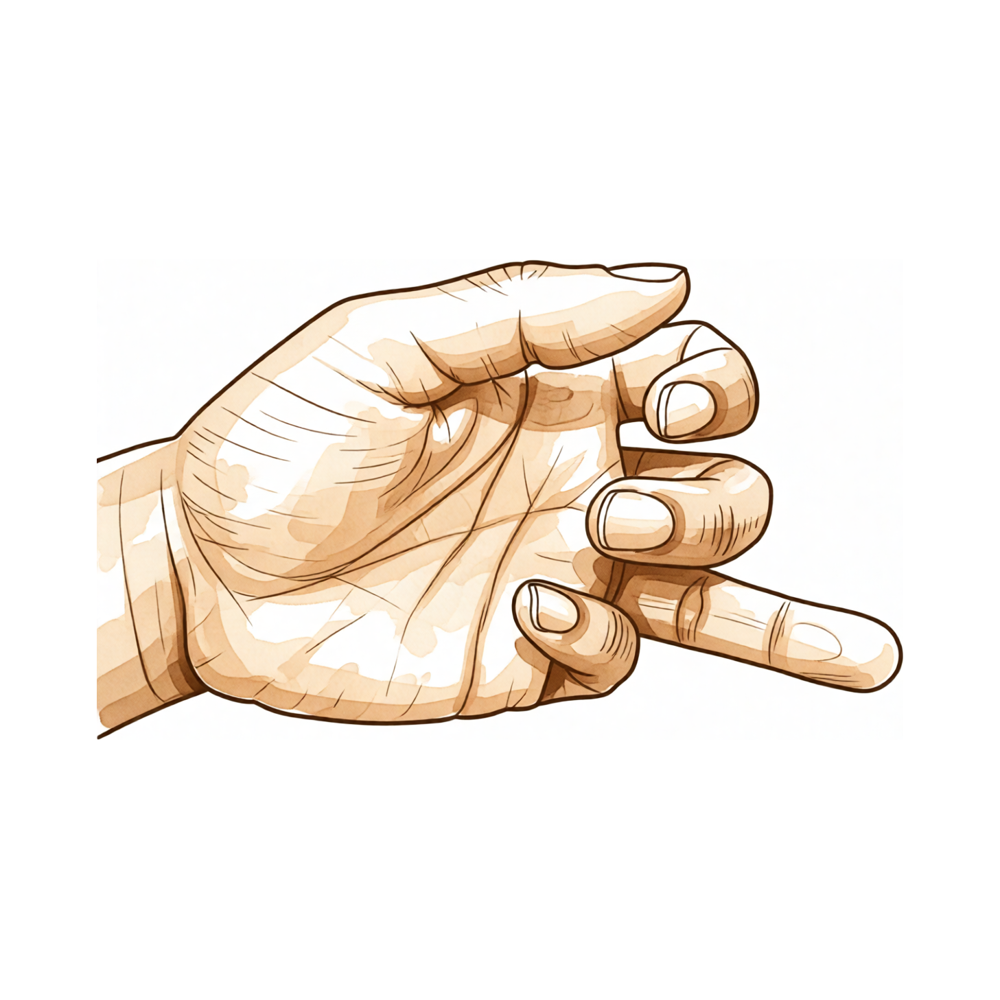
Ilustración de el dedo “jersey”: el tendón flexor profundo se ha desprendido del hueso de la punta del dedo.
Dedo “Jersey”: el tendón flexor profundo se desprende de la punta del dedo, por lo que esta ya no puede doblarse. Kieran Hirpara 4.0

Esta página se tradujo automáticamente y todavía no la ha revisado un médico. La versión en inglés es la versión oficial.

Qué está sintiendo

La lesión por tirón de camiseta suele ocurrir en un momento que recuerda claramente, generalmente al agarrar algo durante la práctica deportiva. Un ejemplo típico es agarrar con fuerza la camiseta de un oponente en rugby o fútbol mientras este se aleja; de ahí proviene el nombre de la lesión. Se siente un dolor agudo y repentino en la punta del dedo; posteriormente, el dedo se hincha y puede presentar hematomas.

El signo distintivo es que no puede doblar la punta misma del dedo. La articulación de la punta del dedo (la articulación más cercana a la uña, llamada articulación DIP) no se dobla hacia la palma al intentar hacer un puño, aunque el resto del dedo sí se mueve. El dedo anular es, con diferencia, el más afectado. Algunas personas también notan una protuberancia sensible más abajo del dedo o incluso en la palma: esa protuberancia es el extremo del tendón, que se desprendió del hueso y rebotó hacia atrás como una goma elástica liberada.

¿Qué está ocurriendo realmente?

Un tendón fuerte llamado flexor digitorum profundus (FDP) recorre la cara palmar de cada dedo y se inserta en el pequeño hueso situado en la punta del dedo. Su función es flexionar esa última articulación. En el llamado “dedo de jersey”, el dedo es forzado a enderezarse justo en el momento en que el músculo tira con fuerza para doblarlo; como resultado, el tendón se desprende del punto donde se fija al hueso de la punta del dedo, a veces arrancando consigo un pequeño fragmento óseo.

La distancia a la que el extremo suelto del tendón se retrae es de gran importancia; los cirujanos clasifican estas lesiones precisamente según ese criterio (clasificación de Leddy–Packer). Cuando el tendón se retrae solo una corta distancia y permanece dentro del dedo, normalmente conserva parte de su riego sanguíneo y puede esperar un poco para ser tratado. En cambio, cuando el tendón se retrae completamente hacia la palma, pierde su irrigación sanguínea y el canal por el que normalmente se desliza (el sistema de poleas) comienza a cicatrizar y a cerrarse. Por eso una lesión de “dedo de jersey” con retracción total es crítica en cuanto al tiempo: cuanto más tiempo pase sin tratamiento, más difícil resulta volver a colocar y reinsertar el tendón. En las lesiones en las que aún queda adherido un fragmento óseo, este suele permanecer en su sitio y, en ocasiones, puede tratarse con algo más de retraso.

¿Qué podemos hacer al respecto?

En nuestra clínica, el Dr. Kieran Hirpara aborda esta afección confirmando primero el diagnóstico mediante una evaluación minuciosa de sus antecedentes clínicos y un examen físico. Con frecuencia, iniciamos con tratamientos no quirúrgicos para problemas crónicos, recurriendo a la cirugía únicamente cuando dichos tratamientos no brindan suficiente alivio.

El dedo de Jersey casi siempre se trata mediante cirugía para volver a fijar el tendón al hueso. Existen varias técnicas, según cómo se haya desprendido el tendón:

  • Si el tendón se desprendió limpiamente del hueso, se vuelve a fijar mediante un pequeño anclaje colocado en el hueso, o mediante suturas que atraviesan la punta del dedo y se atan sobre un botón (técnica conocida como “reparación de extracción”).
  • Si el tendón arrancó consigo un fragmento óseo, dicho fragmento se vuelve a colocar en su sitio, generalmente con un tornillo diminuto, alambre o una placa pequeña.

El factor más importante es el momento en que se realiza la intervención. Un tendón que se ha retraído hacia la palma suele requerir reparación en un plazo de 7 a 10 días, antes de que pierda demasiada longitud y riego sanguíneo. En cambio, una lesión que permanece sujeta a un fragmento óseo puede tratarse un poco más tarde. Por eso, una evaluación temprana realmente determina las posibilidades de tratamiento.

Si la lesión pasa desapercibida o se detecta semanas o meses después, ya no es posible una simple reinserción del tendón. En esos casos, se requieren intervenciones más complejas: reconstrucción del tendón mediante injerto o, si el problema afecta a la articulación de la punta del dedo, fusión de dicha articulación para lograr un dedo estable y sin dolor. Tras cualquiera de estas cirugías, resulta imprescindible un programa de terapia física gradual y cuidadosamente planificado para permitir el movimiento seguro del tendón sin que se desgarre durante el proceso de cicatrización.

Qué esperar

Cuando una lesión del tendón flexor se diagnostica y repara a tiempo, el pronóstico es favorable y la mayoría de los pacientes recuperan un movimiento fuerte y funcional de la punta del dedo. No obstante, la recuperación no es rápida. Durante las primeras semanas, el tendón flexor reparado es frágil; por ello deberá usar una férula protectora y seguir el programa indicado por el terapeuta de mano, el cual reintroduce el movimiento de forma gradual y segura. Apresurar este proceso es la causa principal del fracaso de la reparación. Por lo general, se necesitan varios meses para recuperar una fuerza de agarre plena y poder realizar actividades más exigentes; su terapeuta y cirujano le indicarán cuándo podrá volver a practicar deportes o a desempeñar trabajos manuales.

Cabe señalar que incluso una reparación exitosa puede dejar la articulación de la punta del dedo un poco más rígida que en el lado opuesto. Las lesiones tratadas tardíamente, o aquellas que requirieron injerto o fusión articular, suelen presentar una movilidad de la punta del dedo más limitada; precisamente por eso el tratamiento temprano resulta tan beneficioso.

¿Cuándo consultar a un especialista?

  • No puede doblar la punta de un dedo después de una lesión por agarre. Este es el signo principal de una lesión del tendón flexor; debe ser evaluado de inmediato: no espere a ver si mejora por sí solo. Lo que parece ser un dedo “atascado” o torcido puede deberse a un tendón que se ha desprendido del hueso; los mejores resultados se obtienen con una reparación temprana.
  • Presencia de un bulto sensible en el dedo o en la palma tras dicha lesión, especialmente si hay pérdida de la capacidad de doblar la punta del dedo.
  • Dolor intenso, hinchazón o hematomas en un dedo tras una lesión deportiva o por agarre que no mejoran.
  • Cualquier lesión en el dedo en la que el movimiento, la sensibilidad o el aspecto del dedo parezcan anormales: ante la duda, solicite una evaluación, pues el plazo para obtener los mejores resultados puede ser breve.

En profundidad

Esta sección va más allá de lo necesario para que usted tome sus propias decisiones terapéuticas. El dedo de Jersey merece una lectura adicional, ya que es la lesión de mano en la que la demora en el tratamiento reduce directamente las opciones disponibles; el tendón no permanece en el lugar donde se desgarró. Además, la comparación de métodos de reparación en laboratorio apunta en una dirección, mientras que las consideraciones clínicas indican otra.

¿Por qué el tiempo es un factor crucial en este caso?

El tendón flexor digital profundo es el encargado de doblar la punta del dedo. En esta lesión, dicho tendón se desprende de su inserción en la falange distal, generalmente cuando un dedo queda atrapado en la ropa mientras se ejerce fuerza; este es el mecanismo clásico que da nombre a la lesión.

Una vez desprendido, el tendón se retrae a lo largo del dedo; la distancia que recorre determina qué tratamiento es posible. Si permanece cerca de la punta del dedo, sujeto por el riego sanguíneo y el sistema de poleas, puede reinsertarse fácilmente. En cambio, si se retrae hacia la palma, se interrumpe su irrigación sanguínea, la vaina por la que debe volver a pasar comienza a cicatrizarse y el propio músculo empieza a acortarse.

Los factores pronósticos reflejan exactamente esto: la distancia de retracción del tendón hacia la parte proximal, el tiempo transcurrido desde la lesión y la presencia de un fragmento óseo asociado [1]. Paradójicamente, la presencia de dicho fragmento es una buena señal, pues suele indicar que el tendón sigue anclado cerca de la punta del dedo y no se ha retraído mucho.

Por eso la lesión de “dedo de jersey” requiere tratamiento urgente, aunque el paciente pueda considerar esa urgencia desproporcionada, dado que el dedo no presenta un dolor intenso y sigue funcionando en gran medida.

Es fácil pasarlo por alto; la razón es anatómica

El dedo parece casi normal. El tendón flexor superficial está intacto, por lo que la articulación media aún se dobla; una observación casual de una mano cerrándose no revela nada evidentemente anómalo.

La única prueba fiable consiste en mantener la articulación media recta y pedirle a la persona que doble únicamente la punta del dedo. Si el tendón flexor profundo está desinsertado, ese movimiento no se produce, y no se produce en absoluto, no solo de forma débil. Es útil saber esto, ya que esta lesión suele atribuirse a un esguince durante la primera semana, que es precisamente cuando existen más opciones de tratamiento.

El laboratorio favorece los anclajes de sutura; en la práctica clínica la situación es más equilibrada

Existen dos métodos de reparación predominantes: uno consiste en pasar una sutura a través del hueso y atarla sobre un botón situado en el clavo; el otro implica colocar un anclaje de sutura directamente en el hueso.

Tras analizar estudios biomecánicos realizados en 201 especímenes, se observó que la reparación con anclaje de sutura presenta una mayor rigidez inicial de la estructura y menos formación de espacios vacíos en comparación con el método de botón de sutura, sin que exista diferencia significativa en la carga máxima de fallo [2].

No obstante, la revisión clínica señala que las reparaciones con múltiples hilos arrojan mejores resultados, que pueden producirse espacios vacíos en las reparaciones mediante botón dorsal y sutura, y que el desprendimiento del hueso sigue siendo un riesgo importante en los métodos que emplean anclajes de sutura [1].

En resumen, cada método presenta sus propias debilidades: la técnica con botón puede provocar estiramiento y formación de espacios vacíos, mientras que el anclaje puede desprenderse de huesos pequeños. La ventaja en rigidez observada en el laboratorio es real, pero solo aborda uno de los dos modos de fallo; esto ilustra perfectamente por qué la superioridad biomecánica no se traduce necesariamente en mejores resultados clínicos.

¿Qué se pierde si no se repara?

Si no se repara el tendón profundus, la punta del dedo queda incapacitada para doblarse activamente. Para muchas personas esto es tolerable; en casos donde la lesión se presenta muy tarde, aceptarlo constituye una opción válida, ya que las alternativas en esa etapa son el injerto tendinoso por etapas o la fusión de la articulación de la punta del dedo, procedimientos ambos mucho más complejos que una reinserción temprana.

El costo funcional es específico, no general: dificulta agarrar objetos pequeños y completar el movimiento de cerrar la mano alrededor de un mango. Es la diferencia entre una mano que funciona y una mano que funciona a la perfección; el grado de importancia de esto depende íntegramente del uso que se le dé a la mano.

Referencias

[1] Ruchelsman DE, Christoforou D, Wasserman B, Lee SK, Rettig ME. Lesiones por avulsión del tendón flexor digitorum profundus. J Am Acad Orthop Surg. 2011;19(3):152-62. https://doi.org/10.5435/00124635-201103000-00004

[2] Imbergamo CM, Sequeira SB, Miles MR, Means KR. Un metaanálisis de estudios biomecánicos sobre la extracción del botón de sutura frente a la fijación con anclaje de sutura para la reinserción del flexor digitorum profundus. Hand (N Y). 2022;19(4):671-8. https://doi.org/10.1177/15589447221126760


Creative Commons BY-NC 4.0

CC Creative Commons licence
BY Attribution — you must credit the source
NC NonCommercial — not for commercial use

Attribution-NonCommercial 4.0 International


Creative Commons Corporation ("Creative Commons") is not a law firm and does not provide legal services or legal advice. Distribution of Creative Commons public licenses does not create a lawyer-client or other relationship. Creative Commons makes its licenses and related information available on an "as-is" basis. Creative Commons gives no warranties regarding its licenses, any material licensed under their terms and conditions, or any related information. Creative Commons disclaims all liability for damages resulting from their use to the fullest extent possible.

Using Creative Commons Public Licenses

Creative Commons public licenses provide a standard set of terms and conditions that creators and other rights holders may use to share original works of authorship and other material subject to copyright and certain other rights specified in the public license below. The following considerations are for informational purposes only, are not exhaustive, and do not form part of our licenses.

Considerations for licensors: Our public licenses are intended for use by those authorized to give the public permission to use material in ways otherwise restricted by copyright and certain other rights. Our licenses are irrevocable. Licensors should read and understand the terms and conditions of the license they choose before applying it. Licensors should also secure all rights necessary before applying our licenses so that the public can reuse the material as expected. Licensors should clearly mark any material not subject to the license. This includes other CC- licensed material, or material used under an exception or limitation to copyright. More considerations for licensors: wiki.creativecommons.org/Considerations_for_licensors

Considerations for the public: By using one of our public licenses, a licensor grants the public permission to use the licensed material under specified terms and conditions. If the licensor's permission is not necessary for any reason--for example, because of any applicable exception or limitation to copyright--then that use is not regulated by the license. Our licenses grant only permissions under copyright and certain other rights that a licensor has authority to grant. Use of the licensed material may still be restricted for other reasons, including because others have copyright or other rights in the material. A licensor may make special requests, such as asking that all changes be marked or described. Although not required by our licenses, you are encouraged to respect those requests where reasonable. More considerations for the public: wiki.creativecommons.org/Considerations_for_licensees


Creative Commons Attribution-NonCommercial 4.0 International Public License

By exercising the Licensed Rights (defined below), You accept and agree to be bound by the terms and conditions of this Creative Commons Attribution-NonCommercial 4.0 International Public License ("Public License"). To the extent this Public License may be interpreted as a contract, You are granted the Licensed Rights in consideration of Your acceptance of these terms and conditions, and the Licensor grants You such rights in consideration of benefits the Licensor receives from making the Licensed Material available under these terms and conditions.

Section 1 -- Definitions.

a. Adapted Material means material subject to Copyright and Similar Rights that is derived from or based upon the Licensed Material and in which the Licensed Material is translated, altered, arranged, transformed, or otherwise modified in a manner requiring permission under the Copyright and Similar Rights held by the Licensor. For purposes of this Public License, where the Licensed Material is a musical work, performance, or sound recording, Adapted Material is always produced where the Licensed Material is synched in timed relation with a moving image.

b. Adapter's License means the license You apply to Your Copyright and Similar Rights in Your contributions to Adapted Material in accordance with the terms and conditions of this Public License.

c. Copyright and Similar Rights means copyright and/or similar rights closely related to copyright including, without limitation, performance, broadcast, sound recording, and Sui Generis Database Rights, without regard to how the rights are labeled or categorized. For purposes of this Public License, the rights specified in Section 2(b)(1)-(2) are not Copyright and Similar Rights.

d. Effective Technological Measures means those measures that, in the absence of proper authority, may not be circumvented under laws fulfilling obligations under Article 11 of the WIPO Copyright Treaty adopted on December 20, 1996, and/or similar international agreements.

e. Exceptions and Limitations means fair use, fair dealing, and/or any other exception or limitation to Copyright and Similar Rights that applies to Your use of the Licensed Material.

f. Licensed Material means the artistic or literary work, database, or other material to which the Licensor applied this Public License.

g. Licensed Rights means the rights granted to You subject to the terms and conditions of this Public License, which are limited to all Copyright and Similar Rights that apply to Your use of the Licensed Material and that the Licensor has authority to license.

h. Licensor means the individual(s) or entity(ies) granting rights under this Public License.

i. NonCommercial means not primarily intended for or directed towards commercial advantage or monetary compensation. For purposes of this Public License, the exchange of the Licensed Material for other material subject to Copyright and Similar Rights by digital file-sharing or similar means is NonCommercial provided there is no payment of monetary compensation in connection with the exchange.

j. Share means to provide material to the public by any means or process that requires permission under the Licensed Rights, such as reproduction, public display, public performance, distribution, dissemination, communication, or importation, and to make material available to the public including in ways that members of the public may access the material from a place and at a time individually chosen by them.

k. Sui Generis Database Rights means rights other than copyright resulting from Directive 96/9/EC of the European Parliament and of the Council of 11 March 1996 on the legal protection of databases, as amended and/or succeeded, as well as other essentially equivalent rights anywhere in the world.

l. You means the individual or entity exercising the Licensed Rights under this Public License. Your has a corresponding meaning.

Section 2 -- Scope.

a. License grant.

1. Subject to the terms and conditions of this Public License, the Licensor hereby grants You a worldwide, royalty-free, non-sublicensable, non-exclusive, irrevocable license to exercise the Licensed Rights in the Licensed Material to:

a. reproduce and Share the Licensed Material, in whole or in part, for NonCommercial purposes only; and

b. produce, reproduce, and Share Adapted Material for NonCommercial purposes only.

2. Exceptions and Limitations. For the avoidance of doubt, where Exceptions and Limitations apply to Your use, this Public License does not apply, and You do not need to comply with its terms and conditions.

3. Term. The term of this Public License is specified in Section 6(a).

4. Media and formats; technical modifications allowed. The Licensor authorizes You to exercise the Licensed Rights in all media and formats whether now known or hereafter created, and to make technical modifications necessary to do so. The Licensor waives and/or agrees not to assert any right or authority to forbid You from making technical modifications necessary to exercise the Licensed Rights, including technical modifications necessary to circumvent Effective Technological Measures. For purposes of this Public License, simply making modifications authorized by this Section 2(a) (4) never produces Adapted Material.

5. Downstream recipients.

a. Offer from the Licensor -- Licensed Material. Every recipient of the Licensed Material automatically receives an offer from the Licensor to exercise the Licensed Rights under the terms and conditions of this Public License.

b. No downstream restrictions. You may not offer or impose any additional or different terms or conditions on, or apply any Effective Technological Measures to, the Licensed Material if doing so restricts exercise of the Licensed Rights by any recipient of the Licensed Material.

6. No endorsement. Nothing in this Public License constitutes or may be construed as permission to assert or imply that You are, or that Your use of the Licensed Material is, connected with, or sponsored, endorsed, or granted official status by, the Licensor or others designated to receive attribution as provided in Section 3(a)(1)(A)(i).

b. Other rights.

1. Moral rights, such as the right of integrity, are not licensed under this Public License, nor are publicity, privacy, and/or other similar personality rights; however, to the extent possible, the Licensor waives and/or agrees not to assert any such rights held by the Licensor to the limited extent necessary to allow You to exercise the Licensed Rights, but not otherwise.

2. Patent and trademark rights are not licensed under this Public License.

3. To the extent possible, the Licensor waives any right to collect royalties from You for the exercise of the Licensed Rights, whether directly or through a collecting society under any voluntary or waivable statutory or compulsory licensing scheme. In all other cases the Licensor expressly reserves any right to collect such royalties, including when the Licensed Material is used other than for NonCommercial purposes.

Section 3 -- License Conditions.

Your exercise of the Licensed Rights is expressly made subject to the following conditions.

a. Attribution.

1. If You Share the Licensed Material (including in modified form), You must:

a. retain the following if it is supplied by the Licensor with the Licensed Material:

i. identification of the creator(s) of the Licensed Material and any others designated to receive attribution, in any reasonable manner requested by the Licensor (including by pseudonym if designated);

ii. a copyright notice;

iii. a notice that refers to this Public License;

iv. a notice that refers to the disclaimer of warranties;

v. a URI or hyperlink to the Licensed Material to the extent reasonably practicable;

b. indicate if You modified the Licensed Material and retain an indication of any previous modifications; and

c. indicate the Licensed Material is licensed under this Public License, and include the text of, or the URI or hyperlink to, this Public License.

2. You may satisfy the conditions in Section 3(a)(1) in any reasonable manner based on the medium, means, and context in which You Share the Licensed Material. For example, it may be reasonable to satisfy the conditions by providing a URI or hyperlink to a resource that includes the required information.

3. If requested by the Licensor, You must remove any of the information required by Section 3(a)(1)(A) to the extent reasonably practicable.

4. If You Share Adapted Material You produce, the Adapter's License You apply must not prevent recipients of the Adapted Material from complying with this Public License.

Section 4 -- Sui Generis Database Rights.

Where the Licensed Rights include Sui Generis Database Rights that apply to Your use of the Licensed Material:

a. for the avoidance of doubt, Section 2(a)(1) grants You the right to extract, reuse, reproduce, and Share all or a substantial portion of the contents of the database for NonCommercial purposes only;

b. if You include all or a substantial portion of the database contents in a database in which You have Sui Generis Database Rights, then the database in which You have Sui Generis Database Rights (but not its individual contents) is Adapted Material; and

c. You must comply with the conditions in Section 3(a) if You Share all or a substantial portion of the contents of the database.

For the avoidance of doubt, this Section 4 supplements and does not replace Your obligations under this Public License where the Licensed Rights include other Copyright and Similar Rights.

Section 5 -- Disclaimer of Warranties and Limitation of Liability.

a. UNLESS OTHERWISE SEPARATELY UNDERTAKEN BY THE LICENSOR, TO THE EXTENT POSSIBLE, THE LICENSOR OFFERS THE LICENSED MATERIAL AS-IS AND AS-AVAILABLE, AND MAKES NO REPRESENTATIONS OR WARRANTIES OF ANY KIND CONCERNING THE LICENSED MATERIAL, WHETHER EXPRESS, IMPLIED, STATUTORY, OR OTHER. THIS INCLUDES, WITHOUT LIMITATION, WARRANTIES OF TITLE, MERCHANTABILITY, FITNESS FOR A PARTICULAR PURPOSE, NON-INFRINGEMENT, ABSENCE OF LATENT OR OTHER DEFECTS, ACCURACY, OR THE PRESENCE OR ABSENCE OF ERRORS, WHETHER OR NOT KNOWN OR DISCOVERABLE. WHERE DISCLAIMERS OF WARRANTIES ARE NOT ALLOWED IN FULL OR IN PART, THIS DISCLAIMER MAY NOT APPLY TO YOU.

b. TO THE EXTENT POSSIBLE, IN NO EVENT WILL THE LICENSOR BE LIABLE TO YOU ON ANY LEGAL THEORY (INCLUDING, WITHOUT LIMITATION, NEGLIGENCE) OR OTHERWISE FOR ANY DIRECT, SPECIAL, INDIRECT, INCIDENTAL, CONSEQUENTIAL, PUNITIVE, EXEMPLARY, OR OTHER LOSSES, COSTS, EXPENSES, OR DAMAGES ARISING OUT OF THIS PUBLIC LICENSE OR USE OF THE LICENSED MATERIAL, EVEN IF THE LICENSOR HAS BEEN ADVISED OF THE POSSIBILITY OF SUCH LOSSES, COSTS, EXPENSES, OR DAMAGES. WHERE A LIMITATION OF LIABILITY IS NOT ALLOWED IN FULL OR IN PART, THIS LIMITATION MAY NOT APPLY TO YOU.

c. The disclaimer of warranties and limitation of liability provided above shall be interpreted in a manner that, to the extent possible, most closely approximates an absolute disclaimer and waiver of all liability.

Section 6 -- Term and Termination.

a. This Public License applies for the term of the Copyright and Similar Rights licensed here. However, if You fail to comply with this Public License, then Your rights under this Public License terminate automatically.

b. Where Your right to use the Licensed Material has terminated under Section 6(a), it reinstates:

1. automatically as of the date the violation is cured, provided it is cured within 30 days of Your discovery of the violation; or

2. upon express reinstatement by the Licensor.

For the avoidance of doubt, this Section 6(b) does not affect any right the Licensor may have to seek remedies for Your violations of this Public License.

c. For the avoidance of doubt, the Licensor may also offer the Licensed Material under separate terms or conditions or stop distributing the Licensed Material at any time; however, doing so will not terminate this Public License.

d. Sections 1, 5, 6, 7, and 8 survive termination of this Public License.

Section 7 -- Other Terms and Conditions.

a. The Licensor shall not be bound by any additional or different terms or conditions communicated by You unless expressly agreed.

b. Any arrangements, understandings, or agreements regarding the Licensed Material not stated herein are separate from and independent of the terms and conditions of this Public License.

Section 8 -- Interpretation.

a. For the avoidance of doubt, this Public License does not, and shall not be interpreted to, reduce, limit, restrict, or impose conditions on any use of the Licensed Material that could lawfully be made without permission under this Public License.

b. To the extent possible, if any provision of this Public License is deemed unenforceable, it shall be automatically reformed to the minimum extent necessary to make it enforceable. If the provision cannot be reformed, it shall be severed from this Public License without affecting the enforceability of the remaining terms and conditions.

c. No term or condition of this Public License will be waived and no failure to comply consented to unless expressly agreed to by the Licensor.

d. Nothing in this Public License constitutes or may be interpreted as a limitation upon, or waiver of, any privileges and immunities that apply to the Licensor or You, including from the legal processes of any jurisdiction or authority.


Creative Commons is not a party to its public licenses. Notwithstanding, Creative Commons may elect to apply one of its public licenses to material it publishes and in those instances will be considered the “Licensor.” The text of the Creative Commons public licenses is dedicated to the public domain under the CC0 Public Domain Dedication. Except for the limited purpose of indicating that material is shared under a Creative Commons public license or as otherwise permitted by the Creative Commons policies published at creativecommons.org/policies, Creative Commons does not authorize the use of the trademark "Creative Commons" or any other trademark or logo of Creative Commons without its prior written consent including, without limitation, in connection with any unauthorized modifications to any of its public licenses or any other arrangements, understandings, or agreements concerning use of licensed material. For the avoidance of doubt, this paragraph does not form part of the public licenses.

Creative Commons may be contacted at creativecommons.org.